
The recently released Linux 6.18 kernel is this year’s Long Term Support version. As such it’s sure to a see a lot of enterprise and hyperscaler uptake in being the annual LTS kernel version. While Linux 6.12 LTS will be maintained at least through the end of next year, upgrading to Linux 6.18 LTS can be very worthwhile from the performance perspective beyond the extended timeline until it will reach end-of-life. Here are benchmarks showing the performance advantages of upgrading from Linux 6.12 LTS to Linux 6.18 LTS for 5th Gen AMD EPYC “Turin” as well as an early look on the same server for the performance direction Linux 6.19 is bringing the kernel into 2026.
Category Archives: Unfiltered RSS
Malfunctioning SpaceX Satellite Is Hurtling To Earth After Apparent Explosion

SpaceX/Starlink has confirmed that one of its satellites suffered a major hardware failure in orbit, resulting in the release of debris and a total loss of communications with the vehicle. The errant craft is expected to re-enter Earth’s atmosphere over the next few weeks.
On December 17, Starlink experienced an anomaly on satellite 35956,
Food Becoming More Calorific But Less Nutritious Due To Rising Carbon Dioxide
More carbon dioxide in the environment is making food more calorific but less nutritious — and also potentially more toxic, a study has found. From a report: Sterre ter Haar, a lecturer at Leiden University in the Netherlands, and other researchers at the institution created a method to compare multiple studies on plants’ responses to increased CO2 levels. The results, she said, were a shock: although crop yields increase, they become less nutrient-dense. While zinc levels in particular drop, lead levels increase.
“Seeing how dramatic some of the nutritional changes were, and how this differed across plants, was a big surprise,” she told the Guardian. “We aren’t seeing a simple dilution effect but rather a complete shift in the composition of our foods… This also raises the question of whether we should adjust our diets in some way, or how we grow or produce our food.”
While scientists have been looking at the effects of more CO2 in the atmosphere on plants for a decade, their work has been difficult to compare. The new research established a baseline measurement derived from the observation that the gas appears to have a linear effect on growth, meaning that if the CO2 level doubles, so does the effect on nutrients. This made it possible to compare almost 60,000 measurements across 32 nutrients and 43 crops, including rice, potatoes, tomatoes and wheat.


Read more of this story at Slashdot.
Rocket Report: Russia pledges quick fix for Soyuz launch pad; Ariane 6 aims high
Welcome to Edition 8.23 of the Rocket Report! Several new rockets made their first flights this year. Blue Origin’s New Glenn was the most notable debut, with a successful inaugural launch in January followed by an impressive second flight in November, culminating in the booster’s first landing on an offshore platform. Second on the list is China’s Zhuque-3, a partially reusable methane-fueled rocket developed by the quasi-commercial launch company LandSpace. The medium-lift Zhuque-3 successfully reached orbit on its first flight earlier this month, and its booster narrowly missed landing downrange. We could add China’s Long March 12A to the list if it flies before the end of the year. This will be the final Rocket Report of 2025, but we’ll be back in January with all the news that’s fit to lift.
As always, we welcome reader submissions. If you don’t want to miss an issue, please subscribe using the box below (the form will not appear on AMP-enabled versions of the site). Each report will include information on small-, medium-, and heavy-lift rockets, as well as a quick look ahead at the next three launches on the calendar.

Rocket Lab delivers for Space Force and NASA. Four small satellites rode a Rocket Lab Electron launch vehicle into orbit from Virginia early Thursday, beginning a government-funded technology demonstration mission to test the performance of a new spacecraft design, Ars reports. The satellites were nestled inside a cylindrical dispenser on top of the 59-foot-tall (18-meter) Electron rocket when it lifted off from NASA’s Wallops Flight Facility. A little more than an hour later, the rocket’s upper stage released the satellites one at a time at an altitude of about 340 miles (550 kilometers). The launch was the starting gun for a “proof of concept” mission to test the viability of a new kind of satellite called DiskSats, designed by the Aerospace Corporation.
HotHardware Staff Picks: Ho-Ho-Hot Tech Gifts Everyone Will Love
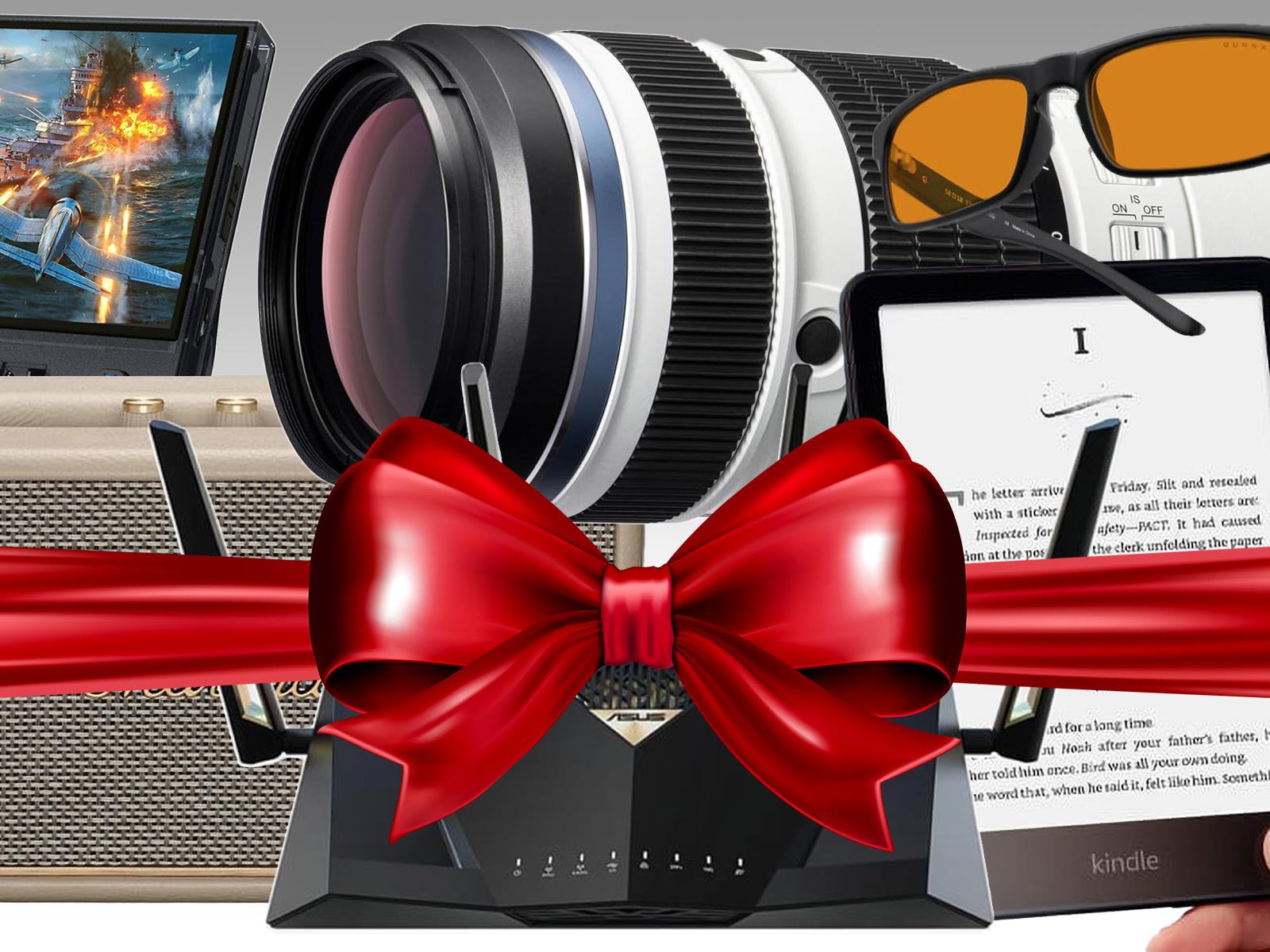
When it comes to technology, there’s rarely a one-size-fits-all solution. Some people have a penchant for AMD chips, while others prefer Intel. The wider the net, the more diverse the options become, especially as you venture beyond the realm of core processing hardware and into the enormous field of consumer gadgets. So with that in mind,
Engadget’s favorite games of 2025
From indies like Silksong, to AAAs like Ghost of Yotei, and everything in between, 2025 truly had it all, and is likely to go down in the history books as one of the best years in gaming. But these are the games that felt truly special to the Engadget team.
Arc Raiders
I’m genuinely shocked by how much I love ARC Raiders. I’ve never been very interested in the whole PvE (Player vs. Environment) genre, aside from some brief stints with Destiny, but ARC Raiders‘s sci-fi post-apocalyptic vibe just works for me. I love the Blade Runner/anime-like aesthetic of its environments, enemies and outfits. I’m a sucker for its synthy soundtrack and immersive soundscape. And somehow, I’ve just fallen for the game’s loop, which involves running out for resources and missions, and hopefully making it back home safe.
Sure, I’ve had a few runs where I’ve lost all my gear, thanks to random online jerks. But even those setbacks kept me motivated to play. You can always head out into the world with free gear, so if you fail, all you really lose is a bit of time. ARC Raiders reminds me of playing Phantasy Star Online on the Dreamcast decades ago, an early multiplayer experience that’s genuinely been hard for me to replicate since then.
I sometimes explore maps just to soak up their architecture and environmental sounds. Sometimes I jump in to help other players, especially when they’re being harassed by others. Through success or failure, I can’t wait to head back in.
— Devindra Hardawar, Senior Editor
Avowed
Obsidian kicked off 2025 with a bang, introducing a fresh and deeply engaging fantasy RPG universe in Avowed. It’s an expertly crafted and narratively rich adventure through mystical lands blighted by a mysterious fungus, set against a backdrop of political scheming, spiritual manipulation, colonization and resistance. The writing is stellar throughout, though the sidequests that reveal your companions’ backstories are particularly poignant. Avowed is gorgeous, its combat systems are fully customizable, its characters are intriguing and its encumbrance limit is generous. There’s a real sense of magic about the entire game — and no, that’s not just the mind-altering mushrooms talking.
— Jessica Conditt, Senior Reporter
Baby Steps
Baby Steps is a true walking simulator: Your left trigger controls your left leg, and your right trigger controls your right. At first, you’ll be stumbling and comically falling every few paces, and it’s easy to write the game off as some sort of Octodad affair, where half the fun is dealing with the jank of basic navigation. But before long, you’ll find the rhythm and confidently pace through the game’s open world.
Of course, the challenge ramps up with your skill. Baby Steps has incredibly tight mechanics and a rewarding if punishing difficulty curve. Various surfaces and steeper inclines are introduced, and the game ends with a truly horrific mountain pass. Through it all, you’ll be treated to a light but touching story full of comedic improvisation from the game’s developers, who voice most of the characters themselves.
— Aaron Souppouris, Editor-in-chief
Ball X Pit
I don’t usually go in for roguelike-style games, but my colleague Kris Holt convinced me to try Ball X Pit and, in doing so, ruined my autumn. This is, quite simply, one of the most addictive games I’ve ever played. The base gameplay is rooted in classic Brick Breaker-style games from the ‘80s. Balls bounce from the bottom to the top of the screen, but instead of hitting and breaking bricks you’re bouncing them off a massive series of demonic enemies. There are eight levels and over a dozen different playable characters, each with their own distinct strengths and play styles, and the vast combination of upgrades you can unlock means no run will ever be quite the same.
Perhaps the most fun thing about it is unlocking the different fusions and evolutions you can find along the way. Beyond the basic balls that your character shoots, you have slots for special balls that do things like freeze enemies, deal extra damage or blind enemies so they can’t accurately attack you. You can combine those special balls into even more powerful weapons, and finding the best evolutions that work with each character and each level adds yet another layer to the madness. While you can easily pick it up and play for 20 or 30 minutes, I’ve found it pretty difficult to end a session without whiling away multiple hours. Think carefully about whether you’re ready to ruin your productivity for a few weeks (or months) before you dive into Ball X Pit.
— Nathan Ingraham, Deputy Editor
Blue Prince
My absolute favorite experience in all of gaming is when I’m several hours into a puzzle game and I discover there’s more going on than meets the eye. It’s the moment where I realize an already-good game is in fact an excellent one, and I want to simultaneously curse the creators’ evil brains and applaud their brilliance. I feel fortunate if I have that reaction once during a playthrough. Blue Prince provided me with that experience of total delight many times over.
The biggest downside to a game like Blue Prince is that it’s hard to talk about. For starters, it defies categorization. Sure, there are some roguelike elements and obviously plenty of puzzles, but playing it goes beyond a single genre tag. And more importantly, the journey of uncovering its surprises is a big reason why this game is so special. If you haven’t tried it yet, I strongly suggest you do so and that you read as little about it as possible before diving in. All you need to know is that if you enjoy burrowing ever deeper into a rabbit hole of mysteries and problem-solving, you must play this game. Blue Prince is a real masterpiece by creative lead Tonda Ros and the whole Dogubomb team. It earns all the hype it gets.
— Anna Washenko, Contributing Reporter
Citizen Sleeper 2: Starward Vector
No game I played this year has stuck with me the way Citizen Sleeper 2: Starward Vector did. At a time when it feels like our governments are failing us and corporate greed is destroying the world, Citizen Sleeper 2 tells a critical story about finding hope and purpose in the people and communities around you. And as great as the original Citizen Sleeper was, the new one is an even better game, with more polished systems that do a great job of reinforcing its narrative themes.
There’s a good chance many of you missed Citizen Sleeper 2, seeing as it arrived at the start of the year, but if you’re feeling down about the state of the world, I can’t recommend it enough. It will change your perspective.
— Igor Bonifacic, Senior Reporter
Clair Obscur: Expedition 33
Clair Obscur made a striking impression when we first glimpsed it in 2024, with its French dark fantasy aesthetic, its wild concept of a god-like Paintress and a turn-based combat system that seemed uniquely cinematic. It instantly became my most anticipated game of 2025. Thankfully, the game itself lived up to my expectations, with a thrilling story, memorable characters and some of the most beautiful visuals I’ve ever seen in a game. Sure, its twists and turns might not feel entirely surprising if you’re an RPG connoisseur, but no other game captures such a specific vibe. It may not fully stick the landing, but Clair Obscur was certainly one of the most fulfilling narrative experiences I experienced this year.
— D.H.
Date Everything!
This dating sim is witty as heck. That’s the first reason I loved Date Everything. The writing is equal parts sharp and sensitive, silly and sincere, with a dose of pointed social commentary in between bouts of flirtation with anthropomorphized household items. Even the artwork is witty, transforming everything from a toaster to a treadmill into attractive humans in wildly clever and creative ways.
The second and most important reason I loved this game is that Date Everything is a cavalcade of virtuoso voice acting that must be heard to be appreciated. I’ve played a bunch of visual novels without voiceover where the writing alone wasn’t strong enough to make the characters pop, as well as voiced ones where middling performances detracted from the story. Date Everything‘s cast of 100 of the best in the business make their dialogue shine (and like I said, the dialogue is really damn good).
There are some endearingly obvious casting choices. The horny clothes dryer? Yeah, it’s Neil Newbon, who probably charmed your pants off as Astarion in Baldur’s Gate 3. Your D&D dice set? It couldn’t be anyone but Matt Mercer. On the flip side, Cherami Lee as perky Chairemi (yep, your chairs) was unrecognizable from her stellar turn as V in Cyberpunk 2077. Laura Bailey has voiced countless heroines over the years, so the last place I expected to hear her was screaming her lungs out as one half of the toxic relationship playing out in your laundry room. Whether you’re looking for love or laughs, Date Everything is a marvelous showcase of talents that often go underappreciated in gaming.
— A.W.
Despelote
Having grown up with grandparents from South America, I’m familiar with a flavor of soccer fanaticism that hasn’t quite taken root in the US. What makes Despelote so moving to play in 2025 is how it makes that sports fandom universal. The semi-autobiographical game lets you play your way through narrative vignettes, rendered in a stunning mix of filtered, photorealistic backgrounds and almost comics-inspired characters, primarily with a soccer ball at your feet. There’s more to the game than kicking, however.
Despelote asks players to walk, run and kick through the life of the game’s lead developer Julian Cordero as he recounts his memories of Ecuador’s historic attempt to win the World Cup. It’s a personal history and national one, and by the end of the game, not quite what it seems. To put it another way: Despelote is melancholy, humorous and quite possibly the first game to capture what soccer means rather just than what it feels like to play.
— Ian Carlos Campbell, Contributing Reporter
Dispatch
If you miss the heyday of Telltale’s multiple choice narratives, like The Walking Dead and The Wolf Among Us, and you aren’t tired of superheroes yet, you’ll love Dispatch. Developed by AdHoc Studio, which was formed by former Telltale alum, it’s essentially a workplace dramedy for superheroes. But the mechanics don’t matter as much as the characters, who are all uniquely intriguing, sad and hilarious.
You play as Robert Robertson III, AKA Mecha Man, a former Iron Man-esque hero who can no longer fight crime on his own. He decides to manage a group of former villains for SDN (the Superhero Dispatch Network), hoping to imbue them with his own ideals of heroism. By day, you assign them to deal with crimes around Los Angeles, but through conversations and crucial Telltale decisions, you also encourage them to work as a team and hopefully become better people (or mutants). Buoyed by strong voice acting (including actors like Aaron Paul as the lead, and Jeffrey Wright in a hilarious supporting role), AdHoc’s sharp writing, and excellent animation, Dispatch is a reminder of just how powerful adventure games can be.
— D.H.
Donkey Kong Bananza
The Switch 2 had a decent enough first year, but there’s only one true killer app so far in my mind. Donkey Kong Bananza is the primary reason to pony up for Nintendo’s new console. It’s a 3D platforming classic up there with any Mario game, which makes sense given that the team behind Super Mario Odyssey made this one.
It actually reinvents the formula by adding wanton destruction into the mix. Donkey Kong can destroy just about everything in the game and that’s not hyperbole. You can literally spend hours absolutely pummelling entire game worlds into dust. This isn’t just a stress reliever, as it leads to new kinds of puzzles and platforming ideas. As a bonus, DK is joined by a young Pauline, making this the cutest riff on The Last of Us ever.
— Lawrence Bonk, Contributing Reporter
Fast Fusion
Fast Fusion is a sci-fi arcade racer that wants little more than to bring the old Wipeout and 3D F-Zero games into modern times. Those games ruled. So does this one.
As the name implies, it is seriously fast, and it commits to enhancing that sense of speed with every choice it makes. Whooshing lines drag from the back of your hard-angled, anti-grav ships. Their engines wheeze. The backgrounds blur. Each course is littered with boost pads, and there’s a boost meter you can keep persistently charged by taking turns just right. Because this is what some may call a “video game-ass video game,” you can also make your ship jump, skipping entire turns or launching into a fiery wreck in equal measure.
The courses here aren’t as thematically consistent as those in Mario Kart World. One minute you’re dashing through an Endor-style forest, the next you’re dodging tornadoes on a rainy highway. There are no cute mascots, either. But the tracks are spectacles, and they always give room to keep up your pace. When there is an obstacle to dodge, you tend to just whiz by, furthering the sense of threading the needle. In a year unusually loaded with high-profile arcade racers, few are better than Fast Fusion at keeping you engaged. It makes blinking feel risky.
— Jeff Dunn, Senior Reporter
Ghost of Yōtei
Sucker Punch Productions’ return to a feudal Japan setting is another triumph for the studio. In Ghost of Yōtei, the developer crafted a world that I happily got lost in for hours, doing everything and anything but the main story missions until I absolutely had to. There was something to do around almost every corner and some of the game’s many secrets were well-hidden. That’s not to say the game’s plot is anything to sniff at: this is a brutal tale of revenge, featuring rich writing and performances.
The open-world format is a little at odds with protagonist Atsu’s steely desire for vengeance, but Ghost of Yōtei is beautifully orchestrated enough for that to be a minor complaint. The combat is stellar — to be most effective, you’ll need to swap between weapons to counter what your current opponent is wielding. Still, I couldn’t help but use the kusarigama whenever possible, especially to carry out stealthy assassinations from a distance. Strengthening Atsu’s bond with a wild wolf that becomes an ally in combat is also a highlight, while the deeply customizable difficulty settings are very welcome.
Like its predecessor, Ghost of Tsushima, this is a technical masterpiece. Sucker Punch created another lush game that will surely be the source of countless desktop backgrounds. Blood-stained snow has rarely looked this good, especially if you enable the Miike Mode (named after director Takashi Miike and his gory films) to really paint the landscape red.
— Kris Holt, Contributing Reporter
Hades 2
The first thing to know about Hades II is that it’s more Hades. It’s the standard roguelite RNG grindfest, but with charm and enough detail-oriented flourishes to disguise what is essentially cranking the arm on a slot machine. The second thing to know is that you are no longer Zagreus, but Melinoë, princess of the underworld, and if you are a gay woman this game exists to roast you mercilessly.
Zag was a lovable himbo engaged in a petty dispute against his father and free to romance a variety of Greek gods along the way. By contrast the world around Mel is coming apart at the seams, and her dating options are considerably less satisfying. Several of her in-game relationships with women are written to be warm and reciprocal, but of course they’re with the found family of deities who support her. Nemesis and Eris, her two options for romance, seem to actively hate her and, after dozens of runs, are never interested in anything beyond a threadbare situationship.
Juggling two different mission paths with their own distinct enemies and biomes is a treat — as are the new, sometimes brutally hard bosses. If only the rest didn’t so closely resemble the indignities of dating in your 30s.
— Avery Ellis, Deputy Editor
Is This Seat Taken?
Every incurable people pleaser has been told, at some point in their life, “you can’t make everyone happy.” Perhaps not in life. But in the sweetly cozy, zero-pressure, logic-puzzle indie game Is This Seat Taken? making people happy is not only possible, it’s the entire point.
The game is set in a line-drawn, sepia-toned Barcelona and other cities. You act as a set of pinching fingers that lifts and places shape-people in their preferred seats — on the bus, in a restaurant, at a movie theater and so on. Each person has preferences (window seat, no bad smells, wants to read) and attributes (forgot to shower, plays loud music) that mesh or conflict.
Tiny accessories and icons not only make each shape more adorable, they help keep track of some of their proclivities. Bubbly smiles or heartbreaking frowns tell you whether you’ve met a seated shape’s needs, and tapping on them tells you exactly what they want. A simple story involving a few of the shapes and an indie film takes form as you advance levels, but for the most part, you’re just checking in on what people want and arranging them to optimize happiness.
I obsessively plowed through the game, soothed by the strummy music, delighted by the plops, bloops and chatters of the sound effects. As more people get on the bus (show up to the coworking space, arrive at the restaurant) it gets increasingly tougher to satisfy everyone — more than once I had to clear everyone off the train and start from scratch — but achieving 100 percent contentment is always possible. And if that’s not true IRL, then at least it is here.
— Amy Skorheim, Senior Reporter
Keeper
Keeper is a surprisingly quiet and soul-soothing experience from Double Fine Productions, a studio best known for sassy, cartoon-style games like Costume Quest, Psychonauts and Brütal Legend. Keeper is a gorgeous and dialogue-free adventure through fantastical lands of deep shadows and vivid pastels, presented in a claymation-like art style that’s a joy to interact with. The game follows a sentient, walking lighthouse and its bird companion as they attempt to reach a mountaintop and cleanse the land of a nasty parasitic presence. Keeper only lasts about four hours tops, but its striking visuals, smooth mechanics and heartwarming story leave a lasting impression.
— J.C.
Kingdom Come: Deliverance II
Kingdom Come: Deliverance II is a modern-day Morrowind. I mean that as a compliment. It’s a game built on a series of complex, interlocking systems that work together to create one of the most immersive worlds I’ve had a chance to experience in recent years.
As I guided my version of Henry of Skalitz through Warhorse Studios’ beautiful recreation of 15th century Bohemia, I spent dozens of hours doing mundane things like blacksmithing, playing dice, foraging for herbs and concocting potions. Each of these activities feels like it could be a game on its own, and they work together to create an experience that feels refreshingly old-school. No one is making RPGs like Warhorse anymore — not even Bethesda — and that’s what makes this game feel so special. It’s the kind of experience studios used to make when games didn’t need to appeal to everyone to recoup their development costs.
— I.B.
Look Outside
Months after its release, Look Outside is still the game I can’t shut up about, and it probably will continue to be for the foreseeable future. In Look Outside, your character wakes up to discover that an apocalyptic event has taken place, and anyone who looks outside to observe it is transformed into some sort of abomination. You have to survive two weeks inside your apartment building, gathering resources and, if you’re trusting, accumulating allies to fight by your side. There are monsters everywhere, and their designs are wildly creative. It’s a joy encountering all of the freakish creatures for the first time.
There are tons of choices to make in Look Outside that will affect the course of your playthrough, and there are both moments of gut-wrenching bleakness and sheer absurdity. It’s in a league of its own, blending a multitude of horrors — survival horror, cosmic horror, body horror, psychological horror — and captivating artwork (not to mention an S-tier soundtrack) into a gripping RPG that has enough substance to justify playing it again and again.
— Cheyenne MacDonald, Weekend Editor
Lonely Mountains: Snow Riders
Most games involving mountains are about a heroic climb. Lonely Mountains: Snow Riders is about a series of humbling descents. This is a physics-driven downhill skiing game that, like its predecessor, starts you at the top of various summits and tasks you with racing to the goal in one piece. The way down is filled with interweaving routes and shortcuts, but there are no directional markers to guide you. Nor is there any music to pump you up, just the sounds of skis cutting into powder, winds whipping, birds chirping, nature being nature.
The result is a game that pits you against yourself. You rush down to beat a target time, but you’re always fighting gravity and cold, hard earth. So you crash, again and again, until you manage to survive that one clean run. The mountain becomes something to respect, not conquer. It’s fast, thrilling and total slapstick: Steering your low-poly, literally blockheaded avatar into a tree or off a cliff is always good for a laugh. (Seeing others do it in multiplayer is even better.) It’s also gorgeous, all glistening snow, intimate sounds and serene vistas. More than an enjoyably tense sports game, Snow Riders is a vivid expression of our relationship with nature. Think of it like a more contemplative SSX.
— J.D.
Metroid Prime 4: Beyond
Metroid Prime 4: Beyond is not a perfect game. The story barely hangs together at times, the addition of a squad of companions can really disrupt the atmospheric isolation the series is known for, there are a few unfair difficulty ramps and the open-world desert is a bit of a slog. And yet, it also does so many things right. As with most Metroid games, there are varying biomes to explore, each with a distinct identity and various flora and fauna that do not like intruders. As with most Nintendo games, the design of these levels are excellent across the board, with clever challenges and puzzles that reward continued exploration.
But for me, seeing a Metroid Prime game in 4K was worth the price of admission alone. Beyond doesn’t reinvent the wheel, but it presents an absolutely gorgeous and immersive spectacle the likes of which we haven’t seen in a Metroid game before. Given that Metroid Prime 3: Corruption came out in 2007 on the Wii, a console that maxed out at 480p, seeing the series’ impeccable art style brought to life on modern hardware was a delight. It may have some issues, but Metroid Prime 4: Beyond is still worth experiencing.
— N.I.
Ninja Gaiden Ragebound
I’d somehow never played a single Ninja Gaiden game until this year, but I could hardly have had a better introduction to the series. The Game Kitchen’s Ninja Gaiden Ragebound is an old-school, hack-and-slash platformer with top-notch pixel art, an excellent score and slick level design.
The combat helps ensure that everything hangs together. Dual protagonists Kinji Monzu and Kumori (whose souls fuse together) have distinct abilities that work in harmony, and using the right tools to tackle each enemy helps charge up a powerful hyper attack. Ragebound isn’t necessarily easy, but it isn’t frustrating either — unless you’re trying to put it down and do something else, because this is a very absorbing, entertaining game.
— K.H.
Peak
Peak perfectly captures the delightful, simultaneous disasters that can happen when multiple people make stupid decisions at the same time. Ostensibly a multiplayer game about child scouts who crash land on a deserted island and are forced to climb to the top of a mountain to get rescued, Peak‘s multitude of dangerous biomes, status-affecting consumables and hidden secrets make it fun to get you and your friends killed. The game is an awkward first-person platformer where it’s sometimes easier to shoot someone out of a cannon than it is to get them to toddle up a hill, but those obstacles feel good to overcome because the game lets you talk to people while you do it.
The term “friendslop” was coined following the popularity of Peak and games like it, a burgeoning micro-genre where games with deceptively simple virtual tasks are paired with proximity-based voice chat. Unsurprisingly, it’s fun to play video games with your friends, but Peak stands out because the ongoing support of developers Aggro Crab and Landfall has managed to keep things interesting in the game for nearly half the year.
— I.C.C.
Oblivion Remaster
There’s a comfort in knowing exactly what you’re going to get from a game. The Elder Scrolls 4: Oblivion Remastered delivers all the things I love about Bethesda creations. It’s a world I want to get lost in, where the detours are the true point of the journey. I become a stealth archer cat person who can cause chaos or save the day. And I can enjoy the studio’s signature open-world RPG experience without suffering through the wonky design ideas that made the original game frustrating. For Bethesda fans, this remaster is a joy whether it’s your first time playing Oblivion or your fiftieth.
— A.W.
Öoo
I have a deep appreciation for games that give you a limited set of tools and many ways to use them. Puzzle-platformer Öoo is a brilliantly constructed example of that. It’s so thoughtfully crafted that even the name is perfect. The large Ö looks like the caterpillar character you control and the smaller characters resemble the two bombs that you drag around and use to solve a variety of conundrums. Öoo is also the noise I involuntarily made when I solved some of the puzzles.
Nama Takahashi (who made Öoo with help from Tiny Cactus Studio and Tsuyomi) uses deeply clever level design to teach you how to use the bombs and move forward. Takahashi clearly wants you to succeed. Checkpoints are everywhere, so if you die while trying to find a puzzle solution, there’s no lengthy runback to worry about. The developer (who previously created ElecHead) even made his own walkthrough video to help you get to the end.
Öoo — which you can complete in a single sitting — respects your time. It looks and sounds wonderful too. The music reminds me a lot of the outstanding Poinpy. While I remain sad that it’s not currently possible to play that game, I’m more than happy to have Öoo to return to.
— K.H.
Silksong
It’s such a relief to know that, finally, this is probably the last time I’ll write about Silksong. (Oh no, more is coming.) Seven years in the making, from DLC to standalone game to Reddit meme, Silksong arrived across pretty much every mainstream gaming platform.
The Hollow Knight sequel swaps to a new protagonist, Hornet, who was a recurring boss in the original. She’s faster, she can attack in diagonal dives, and just plays pretty differently from the Knight. Off the back of the slowburn hit of Hollow Knight, Team Cherry have lavished more attention, more fun and more diverse boss battles, ensuring this feels like a better (although possibly more challenging) game.
I prefer the faster, risk-and-reward playstyle too. Hornet uses silk to heal, which, like soul in Hollow Knight, you build up by attacking enemies. However, Hornet does this in bulk, healing three hearts at once. When you die, you’ll leave a bounty of silk behind, making for a tempting health top-up you can grab mid-boss fight. If you don’t die before then.
You can equip Hornet with different weapon and subweapon loadouts, adding a little more variety in this sequel. Heavy, slower weapon swings, or relentless strikes with a much shorter range? Your choice.
When it launched, half the Engadget team were sharing tales of bottlenecks and seemingly impossible boss fights, and we were all exploring the world of Silksong in entirely different directions. That’s the blessing and the curse of a Hollow Knight game.
— Mat Smith, UK Bureau Chief
Silent Hill f
It’s a rare and special thing when a horror game lives up to the gruesome promises of its cinematic teaser trailer, and Silent Hill f accomplishes this and more. Silent Hill f is a heart-pounding survival-horror game set in a rural Japanese village in the 1960s and starring Hinako, a high school student with crappy friends and a tormented home life. Hinako’s town is ravaged by demonic creatures and an infectious botanical fungus, and she has to fight her way through it, shifting among realities and encountering a cast of untrustworthy peers and fox worshippers. The combat starts out great and only gets better as Hinako sacrifices her flesh in the name of salvation, meaning the body horror steadily ramps up as the game progresses. Hinako’s world is filled with terrifying mannequin minions, bulbous pus monsters and disturbing, trypophobic visuals. It’s beautiful.
— J.C.
Subway Builder
Subway Builder is an indie transport sim like no other. Creator Colin Miller combined OpenStreet maps of large cities with government data about where people live and work. This creates a complex web of nodes representing residents and workplaces for you to connect. You’ll start with no public transport infrastructure and try to build out a profitable network. In dense cities like New York this is incredibly easy, but freeing even 20 percent of Phoenix’s endless sprawl from cars without going bust is very challenging.
The game scratches the same itch for me as Mini Metro, only instead of cutesy vector graphics you’re basically working in Google Maps. It’s also expanding at a rapid pace: When I first played in October, there were maybe 15 locations, and as of writing there are now 29 US cities and, most recently, five UK options. I spent the first 35 years of my life bouncing around Croydon and Lewisham in London; giving South Londoners a proper tube network (while ignoring anything north of Highbury) has been a real treat.
— A.S.
Sword of the Sea
While the game might always be evoked in the same breath as Journey, the PlayStation classic with which it shares a key creative, Sword of the Sea is more than just another beautiful trek towards a mountain. Combining delectable traversal mechanics from The Pathless and beautiful sea creatures like those in Abzu, the game is a culmination of everything developer Giant Squid is good at. More importantly, though, Sword of the Sea‘s surfing mechanic just looks and feels damn cool.
I don’t know that I ever mastered how to surf on a sword during Sword of the Sea‘s silent and surprisingly brief narrative, but I do know it didn’t take long to care. Carving through sand and snow immediately came easy enough that getting to any of the game’s intriguing landmarks and collectibles was a matter of how, not if. That’s not to discredit the game’s other charms, like a score from Austin Wintory and a photo mode that’s perfect for capturing close encounters with dolphins, whales and sharks. If you need a reason to play Sword of the Sea, though, let it be the surfing. It tells you more about the game and what it wants you to feel than any piece of dialogue could.
— I.C.C.
Sworn
Let’s get one thing out of the way. Yes, Sworn is a Hades clone, but it’s a darned good one. This game swaps out the Olympian gods for characters sourced from Arthurian legend, but the nuts and bolts gameplay is pretty much the same. So why was this one of my favorite games in a year when Hades 2 set the world on fire? The combat is extremely addictive and there are multiple character classes that truly change how everything plays.
Some characters are for up close combat and others are better at dropping turrets and related items that do damage over time. It’s super fun to litter a bunch of poison-soaked cannons in a level and just let them do their thing. It also has four-player co-op, which is chaotic in all the best ways. The story is totally forgettable when compared to Hades, but that’s not why I play roguelites.
— L.B.
This article originally appeared on Engadget at https://www.engadget.com/gaming/engadgets-favorite-games-of-2025-153000109.html?src=rss
10 Hacks Every Apple Watch User Should Know
The Apple Watch is both a companion to the iPhone, as well as a very capable device in its own right. Out of the box, it offers notification mirroring, so you feel every alert on your iPhone on your wrist, as well as workout tracking, so you can keep up with your fitness goals. But this wearable can be so much more than that. In fact, it doesn’t take much to make your Apple Watch more personal and efficient. If you own one, here are ten hacks you need to know about:
Disable every notification you can
Credit: Khamosh Pathak
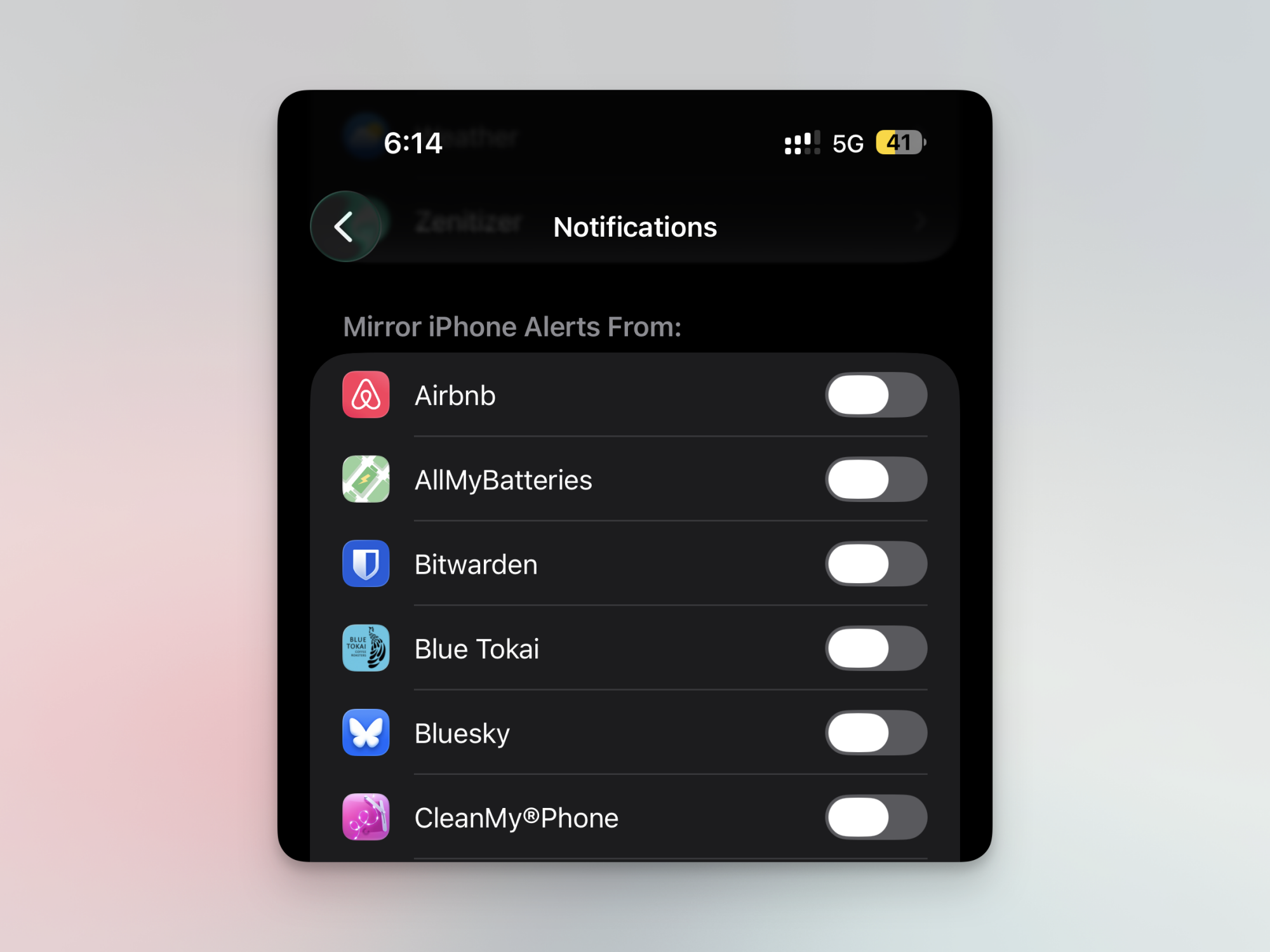
Get your notifications under control. By default, Apple likes to forward every single alert from iPhone to your watch. That’s just a recipe for distraction. You should turn off most of these alerts, and only keep the most important notifications. An important message from Slack or a text from a close friend is worth the distraction; a promotion from Uber is not. Open the Watch app on your iPhone, go to Notifications, scroll down and disable most of the apps that mirror alerts from the iPhone.
While you’re at it, it might help to keep your Watch in Silent mode at all times. Open the Control Center by pressing the Side button and tap the Bell icon to quiet your watch for good.
Master the Apple Watch’s wrist gestures
Credit: Khamosh Pathak
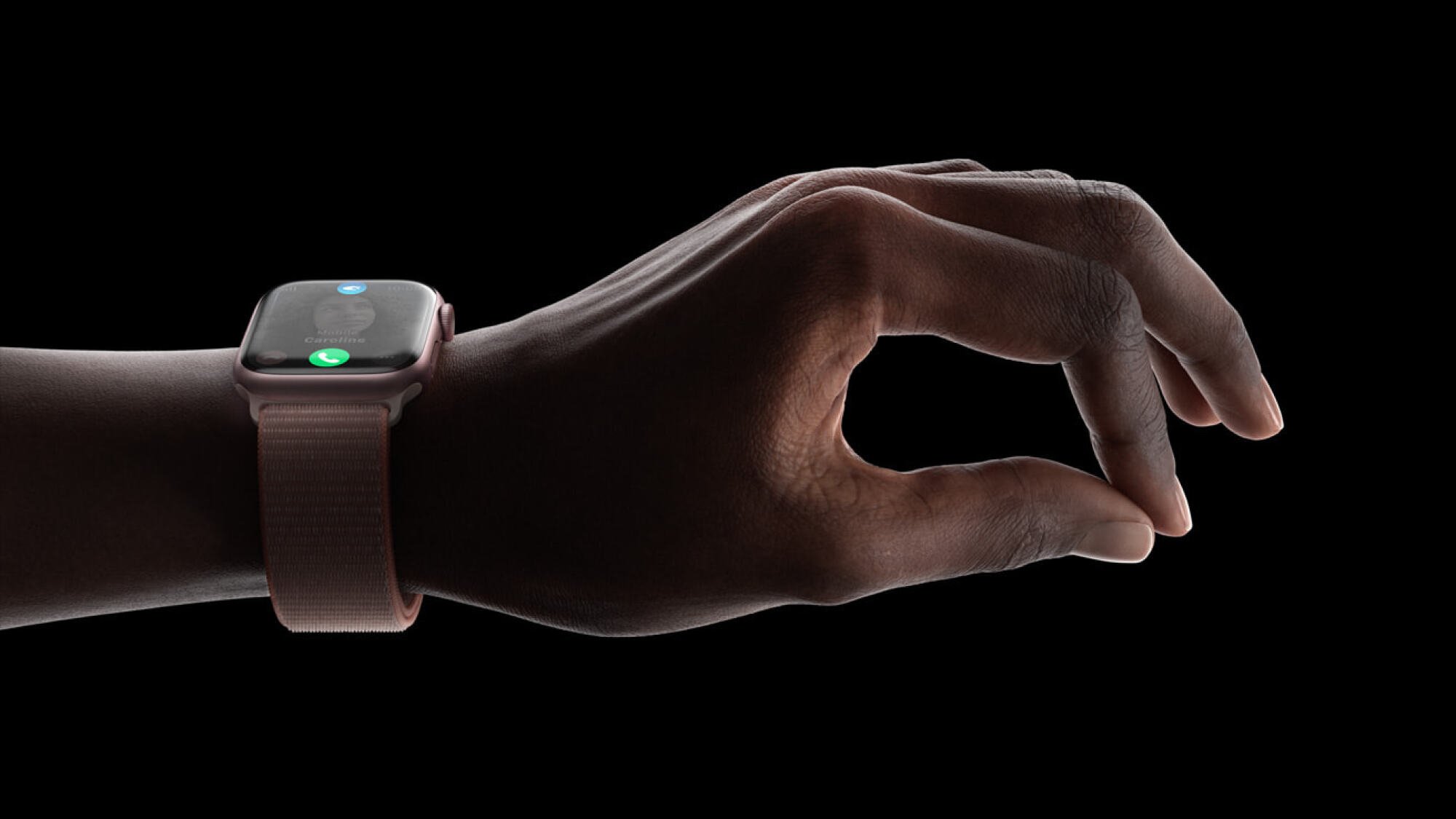
The Apple Watch’s recent wrist gestures have turned out to be a sleeper hit for me. What I thought would be a gimmick is something I use multiple times a day now. If you have an Apple Watch Series 9, Ultra 2, SE 3, or higher, you get access to two gestures: Double Tap and Wrist Flick. First, if you tap your index finger and your thumb twice in the air, you’ll perform the major action current on-screen. This could include answering a call, stopping a timer, or stopping a workout. I use this all the time now, even when I don’t have my hands full. Second, you can flick your wrist up to go back a screen on your watch. This is a simple way to get back from menus, or to go back to the watch face, without actually tapping the screen.
Automatically unlock your Mac with your Apple Watch
Credit: Khamosh Pathak
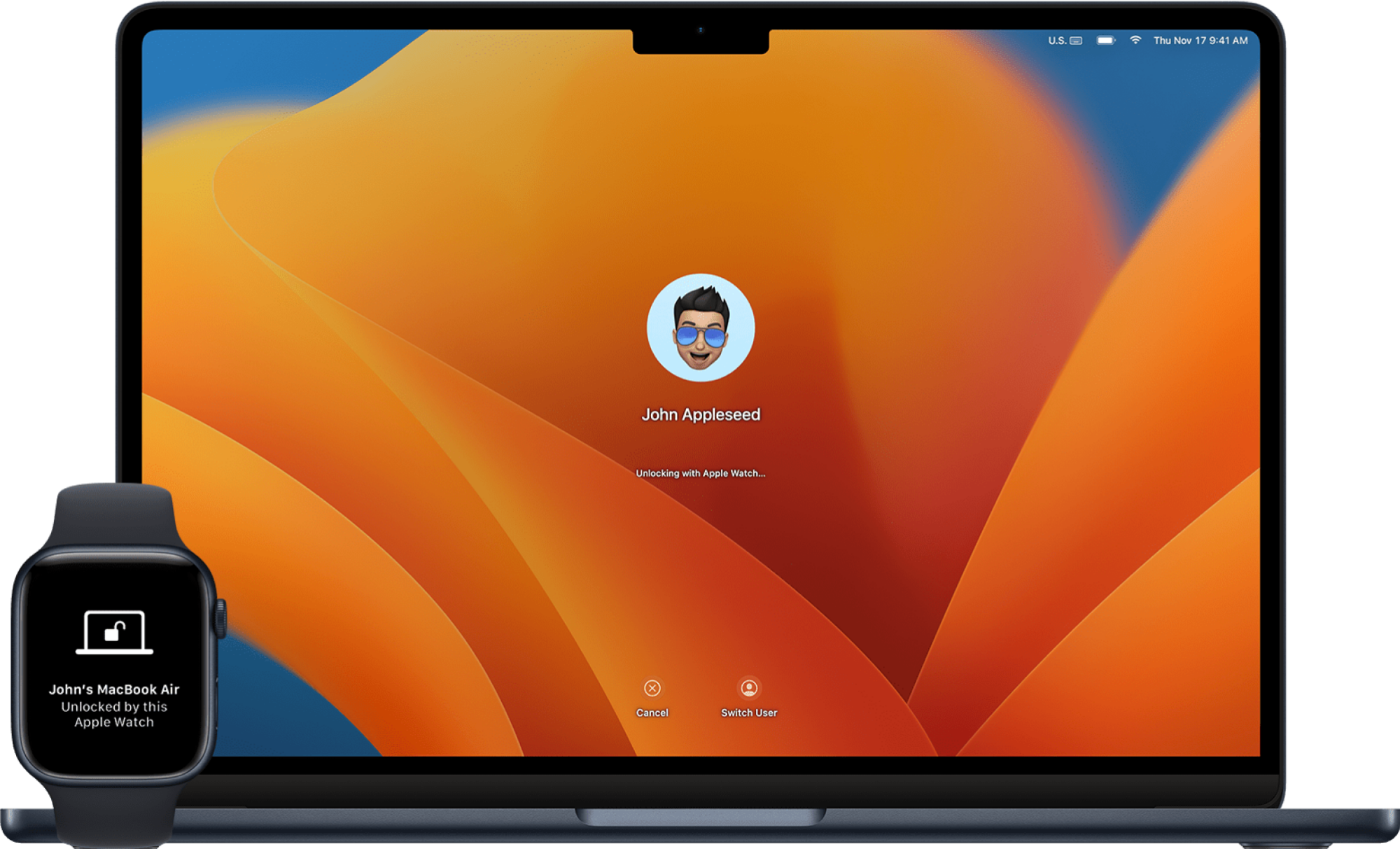
This is a feature I’ve been using for years, but since it’s buried quite deep in settings, many users don’t know about it. Once set up, you can unlock your Mac automatically as long as you’re wearing your Apple Watch. It doesn’t even have to be on the same wifi network, so this works when you’re out and about.
To set this up, go to System Settings on your Mac, then choose Touch ID & Password. In the Apple Watch section, simply turn on the sync feature for your Apple Watch. Once you authenticate with your Mac password, you’ll be good to go. The next time you lift the lid on your Mac, macOS will automatically sign you in.
Start using widgets
Credit: Khamosh Pathak
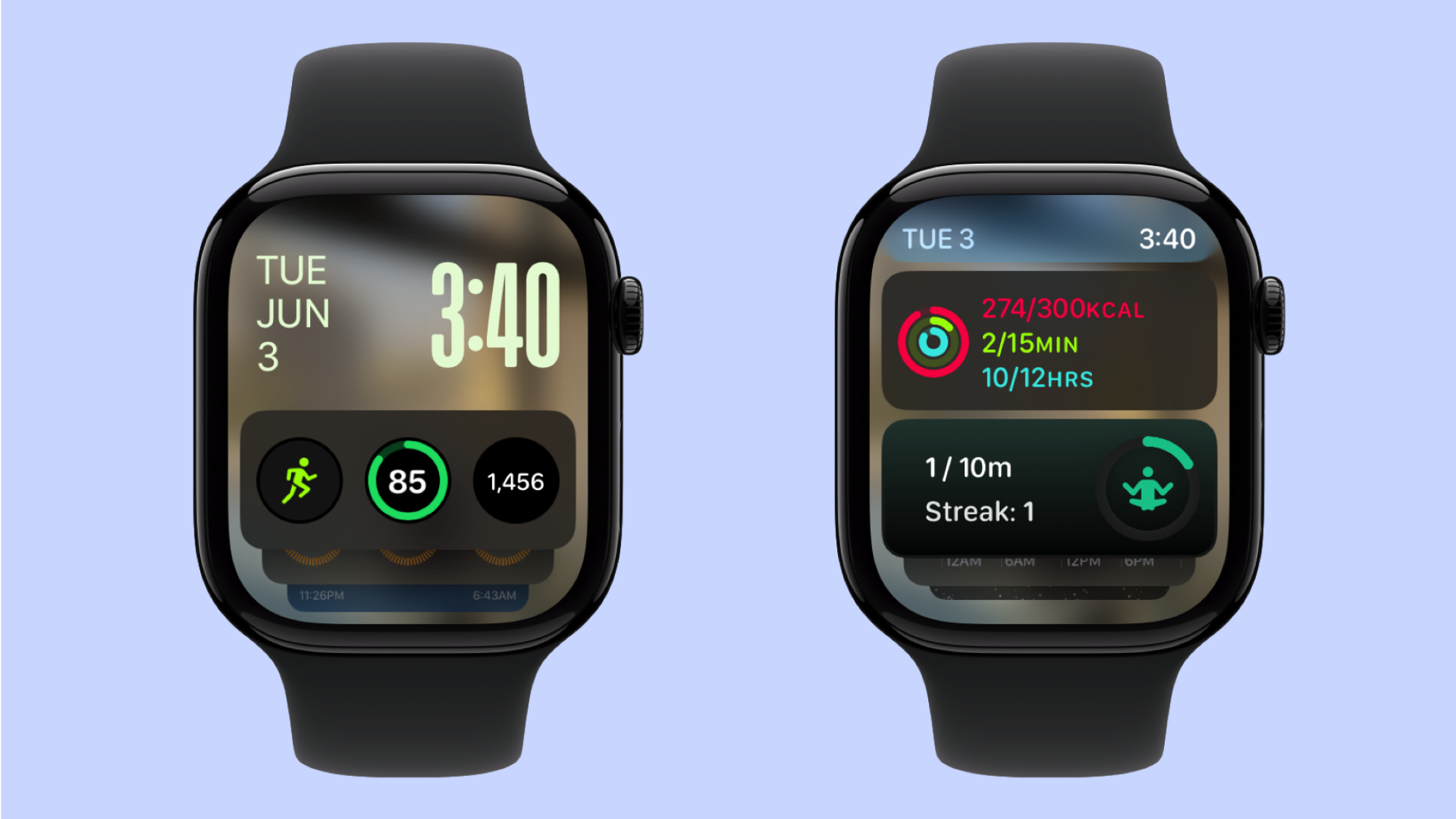
I used to love customizing my watch face with all the various complications for timers, shortcuts, and, weather, just to name a few. But I was never really satisfied with how cluttered things looked when it was all set up. That changed once I embraced the Photos watch face, and moved all the contextual information and shortcuts to widgets. Keeping all those functions and data points in a collapsable stack of widgets, rather than all on screen at once, looks so much better.
To try this out for yourself, scroll using the Crown or swipe up on the watch face to access your widgets. Go to the bottom and tap the Edit button to start customizing your widget stack. You can add three app shortcuts to the top widget. I usually save this for workouts, battery, and the quick timer. Then, I have dedicated widgets for my Activity Rings, Weather, Shortcuts, Sleep, and more. You can pin widgets in the order that you want, and watchOS will also automatically suggest relevant widgets depending on your usage. Dive in deeper with our detailed guide on customizing widgets.
Create your watch face stack, and cycle through them
Credit: Khamosh Pathak
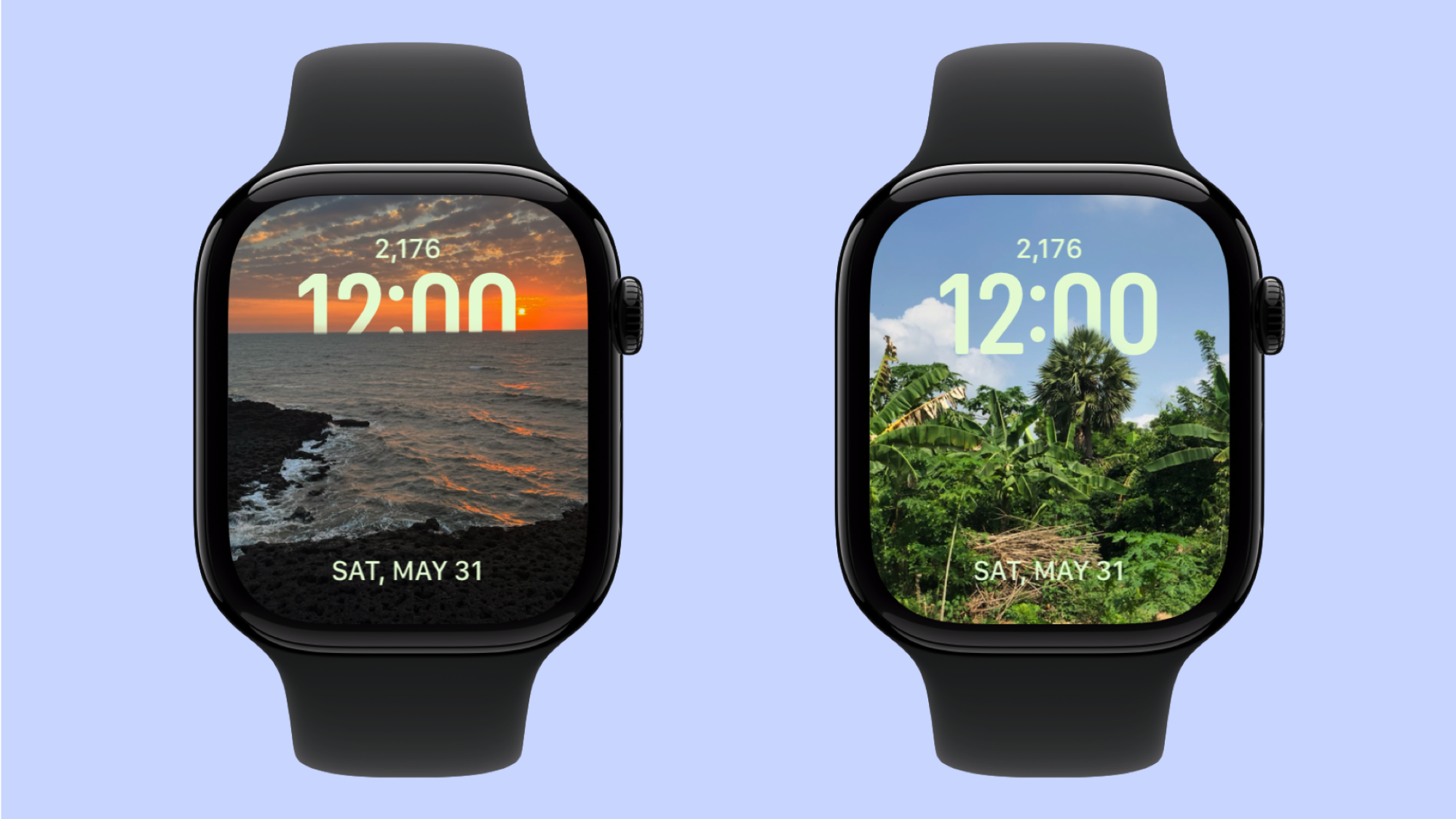
Once you move your app interactions to widgets, your watch faces suddenly open up. Take some time to create and customize two to three watch faces that you can switch between as you wish. It’s easy to do at any time: just swipe in from the left or the right edge to change the watch face.
Creating and customizing watch faces is actually easier on the Watch app on the iPhone. In fact, it’s the only place where you can set up my favorite watch face: the Photos watch face. This watch face cycles between the photos of my wife, nature, and urban landscapes, showing me a fresh selection each day. I love this watch face quite a lot. You can also create a watch face for fitness tracking and fitness modes, and a simple watch face for regular use. (My favorites here are Typograph and Meridian watch faces.)
Adjust your Activity Rings as needed
Credit: Khamosh Pathak
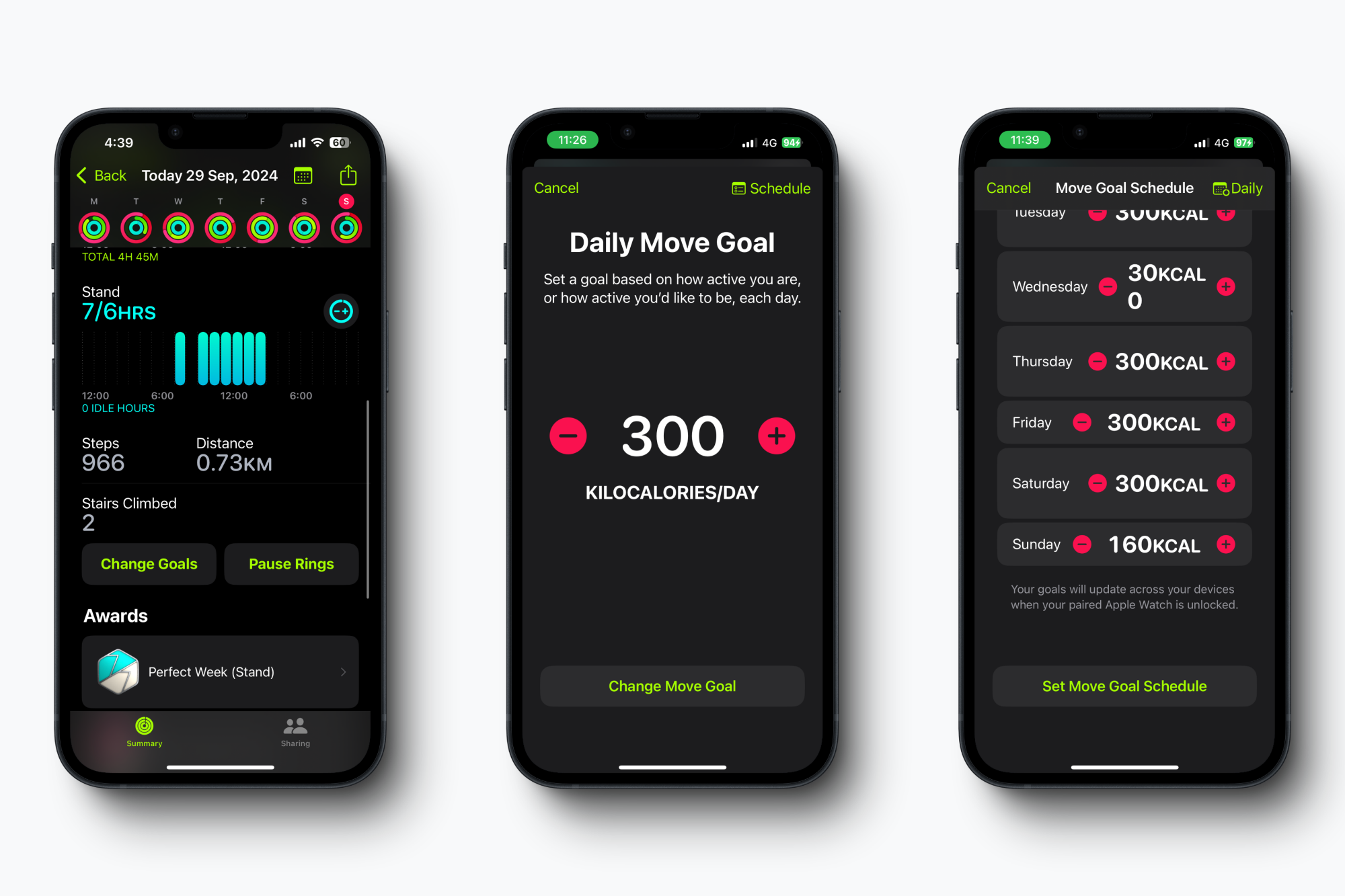
For almost a decade, you couldn’t edit your Activity Rings. If you got sick, or just wanted to take an easy day, you’d lose your fitness streak. This, of course, isn’t the healthiest approach to fitness—for that, you should check out the Gentler Streak app. However, since last year’s watchOS 11, you’ve had the option to pause or change your Activity Rings. You can do this from the Fitness app on iPhone, which is slightly easier than using the Apple Watch itself. From the Fitness app, tap Activity Rings, then scroll down, where you’ll see Change Goals and Pause Rings. Choose the relevant option to get started. I have detailed instructions in my guide as well.
Control your Apple TV from your wrist
Credit: Khamosh Pathak
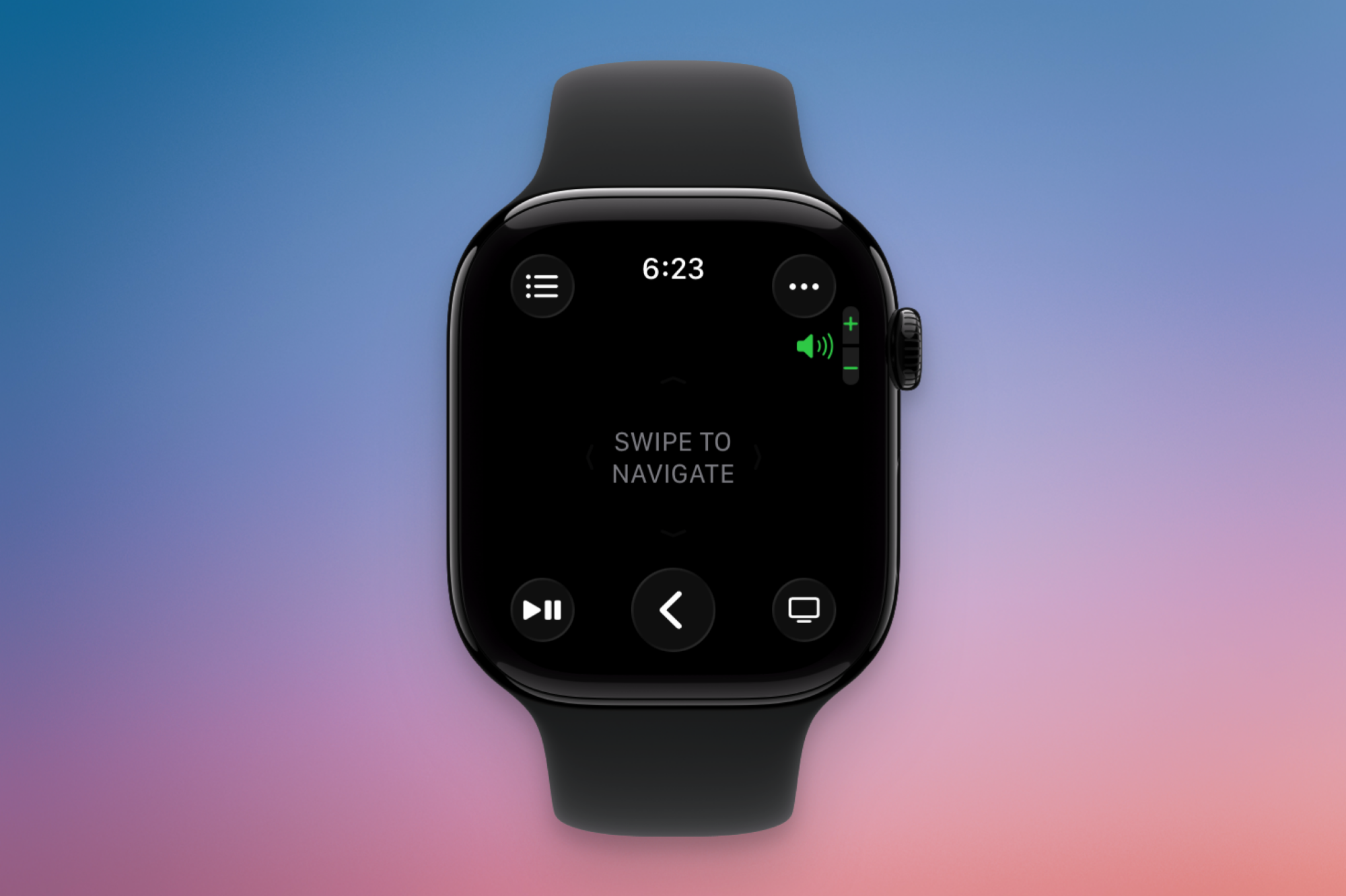
If you use an Apple TV, you know how easy it is to lose the remote. You might be familiar with the Apple TV’s remote control feature on the iPhone, but that same feature exists on the Apple Watch as well. You’ll have to find the Remote app from the app list, then choose your Apple TV. It should appear as long as it’s on the same network as your watch, and nearby. From here, you can use swipe gestures and buttons to control playback on your TV.
Blare your alarms, even in silent mode
Credit: Khamosh Pathak
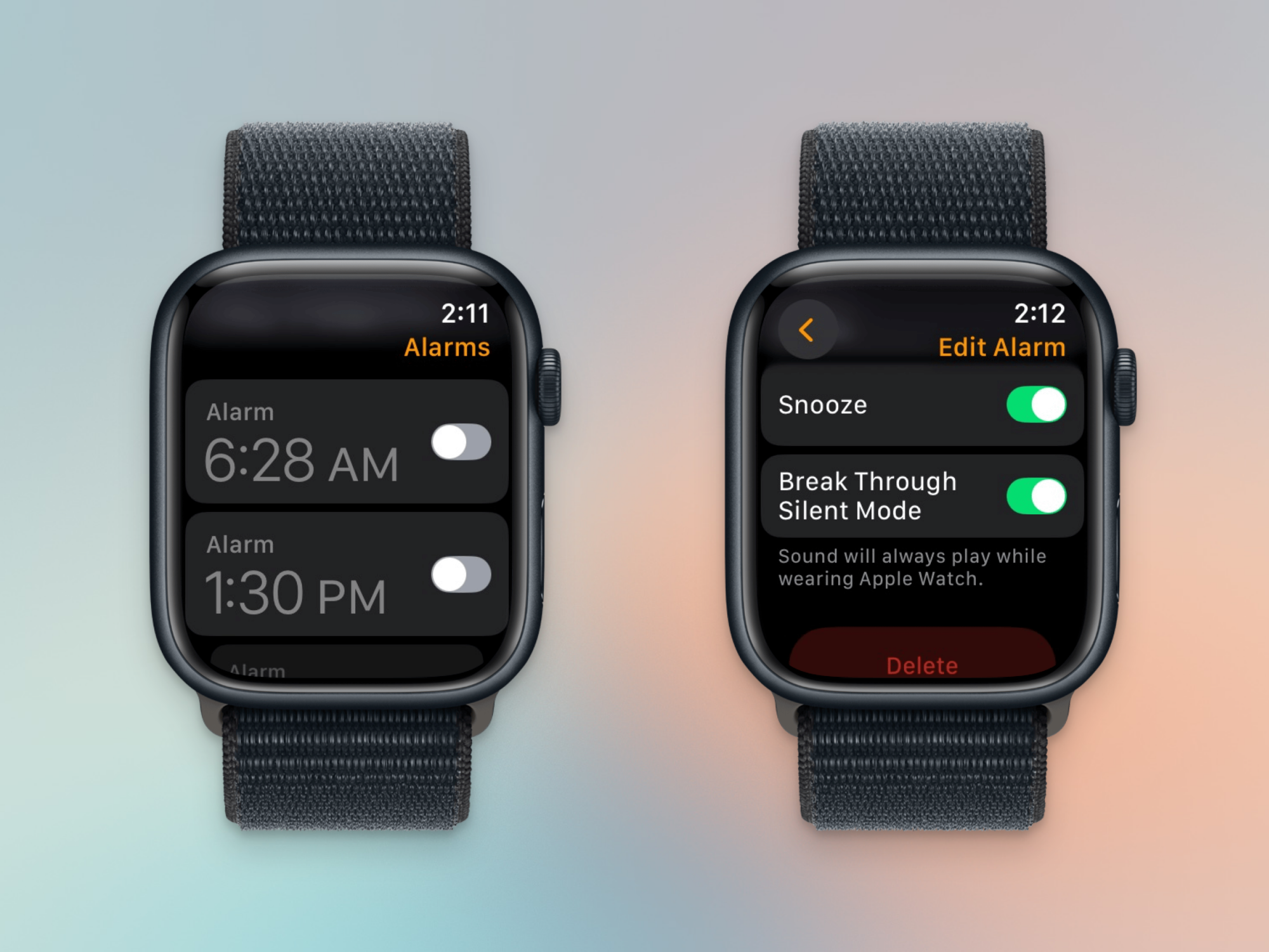
On the Apple Watch, silent mode and alarm sound levels are married to each other, unlike on the iPhone. But recently, Apple added a feature where you can break-through silent mode for a particular alarm—it’s just not enabled by default for all alarms. To set it up, open an alarm from the Alarms app, go to the Edit Alarm menu, scroll down, and enable Break Through Silent Mode.
Customize Focuses with Apple Watch in mind
Credit: Khamosh Pathak
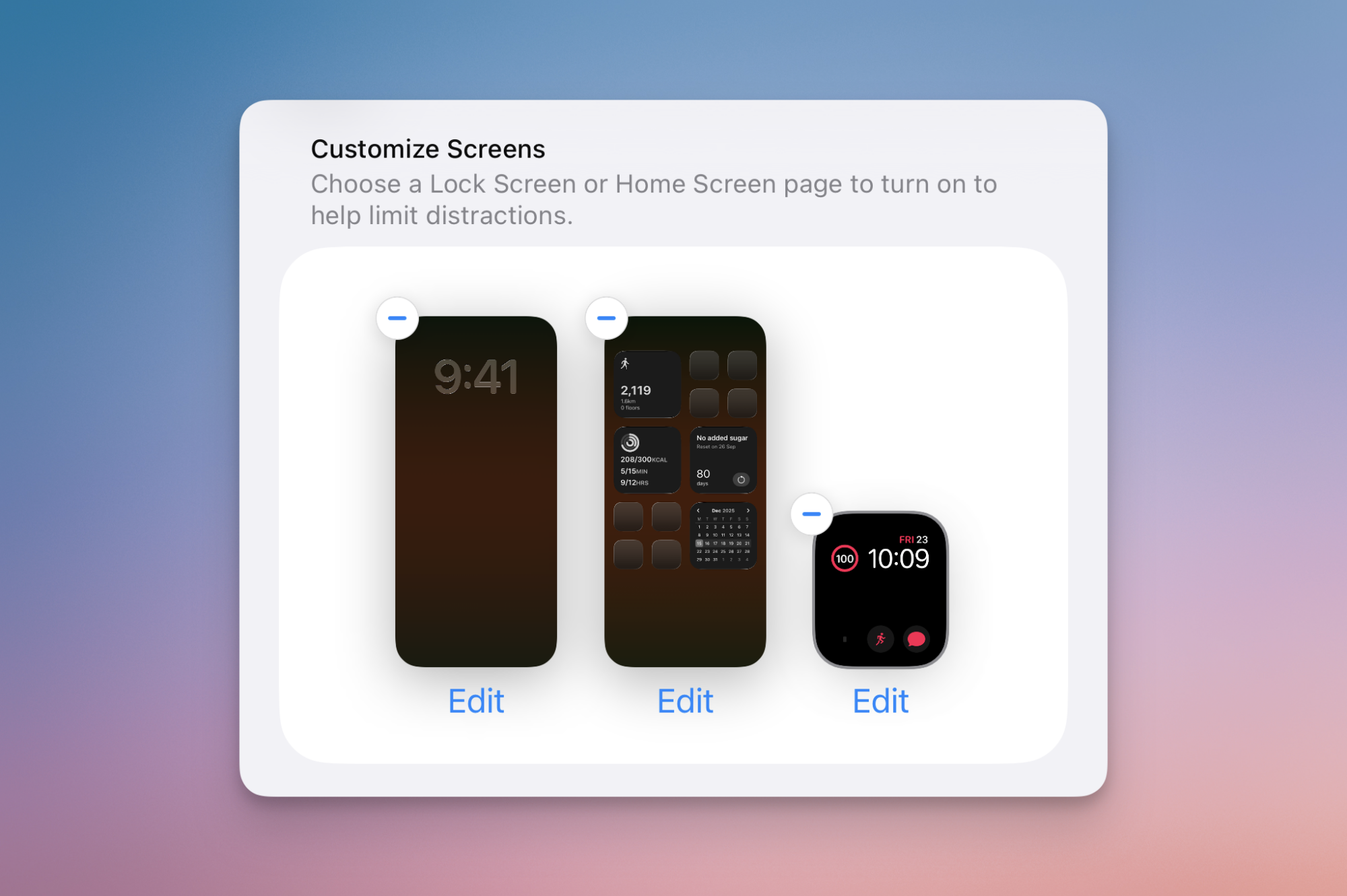
Focuses on the iPhone are supremely powerful, and underrated. And things get a lot more interesting when you add Apple Watch to the mix. Each Focus can have its own watch face associated with it, so you can have a different watch face for your work Focus, another one for your personal Focus, and a fitness watch face for your workout Focus. Go to Settings > Focus to customize or create any Focus.
Track your sleep
Credit: Khamosh Pathak
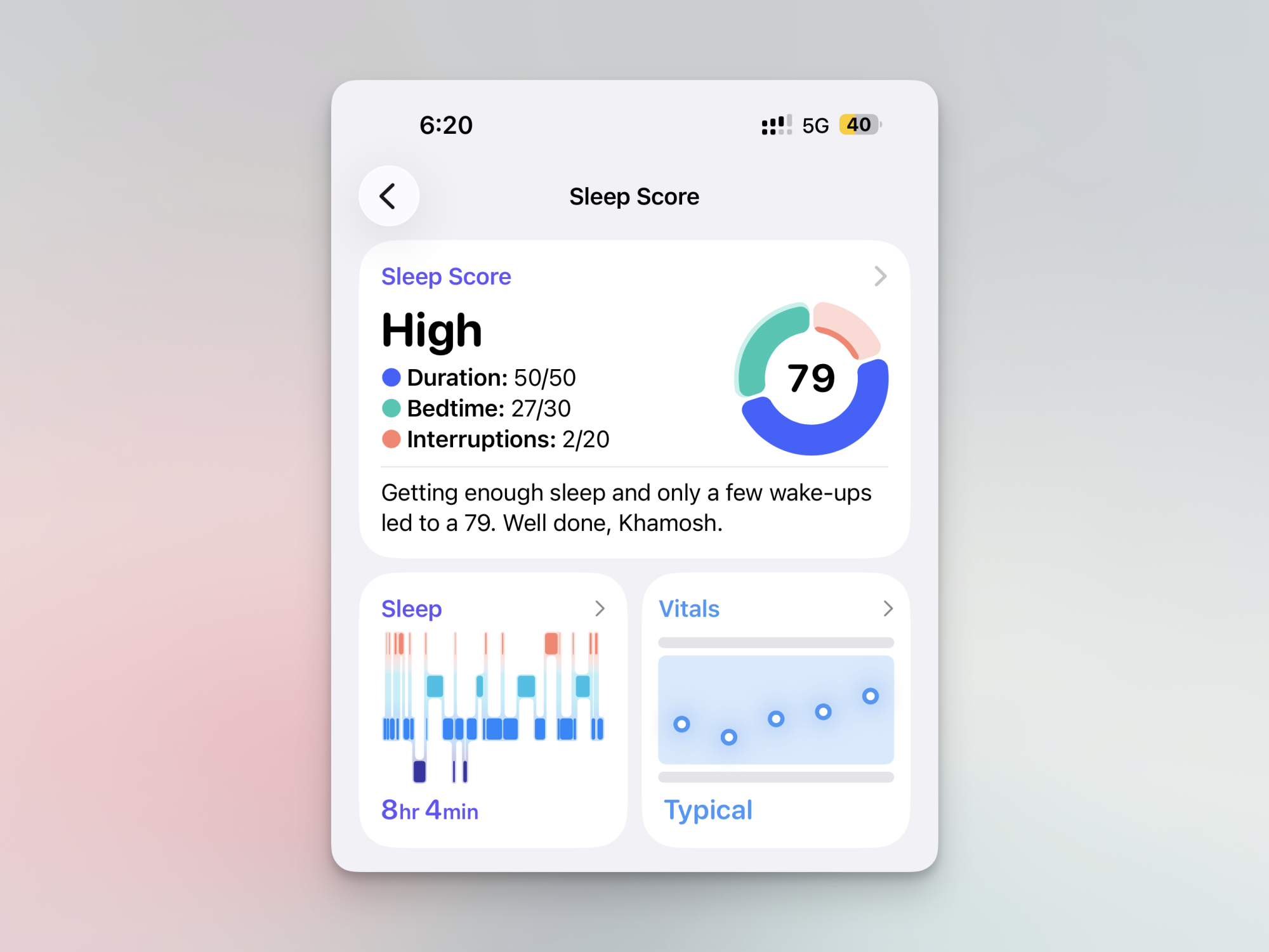
Your Apple Watch comes with a built-in sleep tracker. To use it, you can either go to the Sleep app on Apple Watch, and create a sleep schedule, or simply switch to the Sleep Focus. When you’re in sleep mode, your watch automatically goes dark and silent, so you won’t be bothered by any notifications.
With watchOS 26, your Apple Watch now also gives you a sleep score, which offers more insights into your sleeping habits. I’ve been using the Sleep mode this past year with my Apple Watch Series 10, and I’ve gotten a lot out of the sleep tracking feature already.
ByteDance confirms TikTok will be controlled by US owners
After a year of stalled negotiations, TikTok owner ByteDance has reportedly agreed to Donald Trump’s deal giving US owners majority ownership of the app.
By signing the agreements, ByteDance has ended a prolonged period of uncertainty for millions of Americans who rely on TikTok for news, entertainment, social connection, and income. Under a law that Trump declined to enforce—which lawmakers convinced the Supreme Court was critical for national security—TikTok risked a US ban next year if the sale did not go through.
According to Reuters, terms of the deal match what was reported in September when Trump controversially confirmed that ByteDance would keep the algorithm. Under the deal, US investors and allies—including cloud computing firm Oracle, private equity group Silver Lake, and Abu Dhabi-based MGX—will likely license the algorithm.
Two space startups prove you don’t need to break the bank to rendezvous in space
It may be happening quietly, but there is a revolution taking place with in-space transportation, and it opens up a world of possibilities.
Back in January, a small spacecraft built by a California-based company called Impulse Space launched along with a stack of other satellites on a Falcon 9 rocket. Upon reaching orbit, the rocket’s upper stage sent the satellites zipping off on their various missions.
And so it went with the Mira spacecraft built by Impulse, which is known as an orbital transfer vehicle. Mira dropped off several small CubeSats and then performed a number of high-thrust maneuvers to demonstrate its capabilities. This was the second flight by a Mira spacecraft, so Impulse Space was eager to continue testing the vehicle in flight.
Ferry Crew Member Faces Charges In Malware Incident That Shakes Maritime Cybersecurity

French authorities have launched a high-stakes investigation into possible foreign interference following the discovery of sophisticated malware aboard the Italian passenger ferry the Fantastic, which could have allowed remote users to take control of the ship systems and controls.
When the ship was docked recently in the port of Sète,
Android Auto Lets You Install a Web Browser, and It Isn’t Actually Dangerous
You can do a lot with Android Auto, but what you can’t do is install a web browser—at least not with the default, out-of-the-box configuration. It is actually possible to get a window on to the web with a little bit of tweaking, and the help of the open source AA Browser built especially for Android Auto.
Getting a web browser up on your car dashboard may not seem like much of an improvement over browsing on your phone screen, but it also enables another feature on your vehicle’s display: video playback. Through AA Browser you can get at pretty much any streaming site you want and load up some video.
Some serious safety warnings are required here, though. You should only load up videos on your car’s Android Auto screen when you’re parked, stationary, and not going anywhere. Watching anything on the move—whether it’s on your phone or on your vehicle dashboard—not only risks your life, it risks the lives of everyone else on the road with you.
In fact, AA Browser will disable itself while your vehicle is moving, but it’s worth giving out the warning in any case, for this and any other app. With that out of the way, here’s how you can load up a web browser on Android Auto, and make your parked-up time inside your car more entertaining.
Browser setup and installation
Like Android as a whole, Android Auto has a developer mode that gives you access to a selection of extra settings. From Settings on Android, tap Connected devices > Connection preferences > Android Auto (Pixels) or just Connected devices > Android Auto (Galaxy phones). Scroll down to the bottom of the screen, tap Version, then tap Version and permission info seven times.
You should then see a pop-up asking you if you’re sure you want to enable developer settings for Android Auto, so tap OK to confirm. You then need to open up the AAAD (Android Auto Apps Downloader) app APK in your phone’s browser, tapping through the security warnings about running non-Play Store apps on your device if they show up.
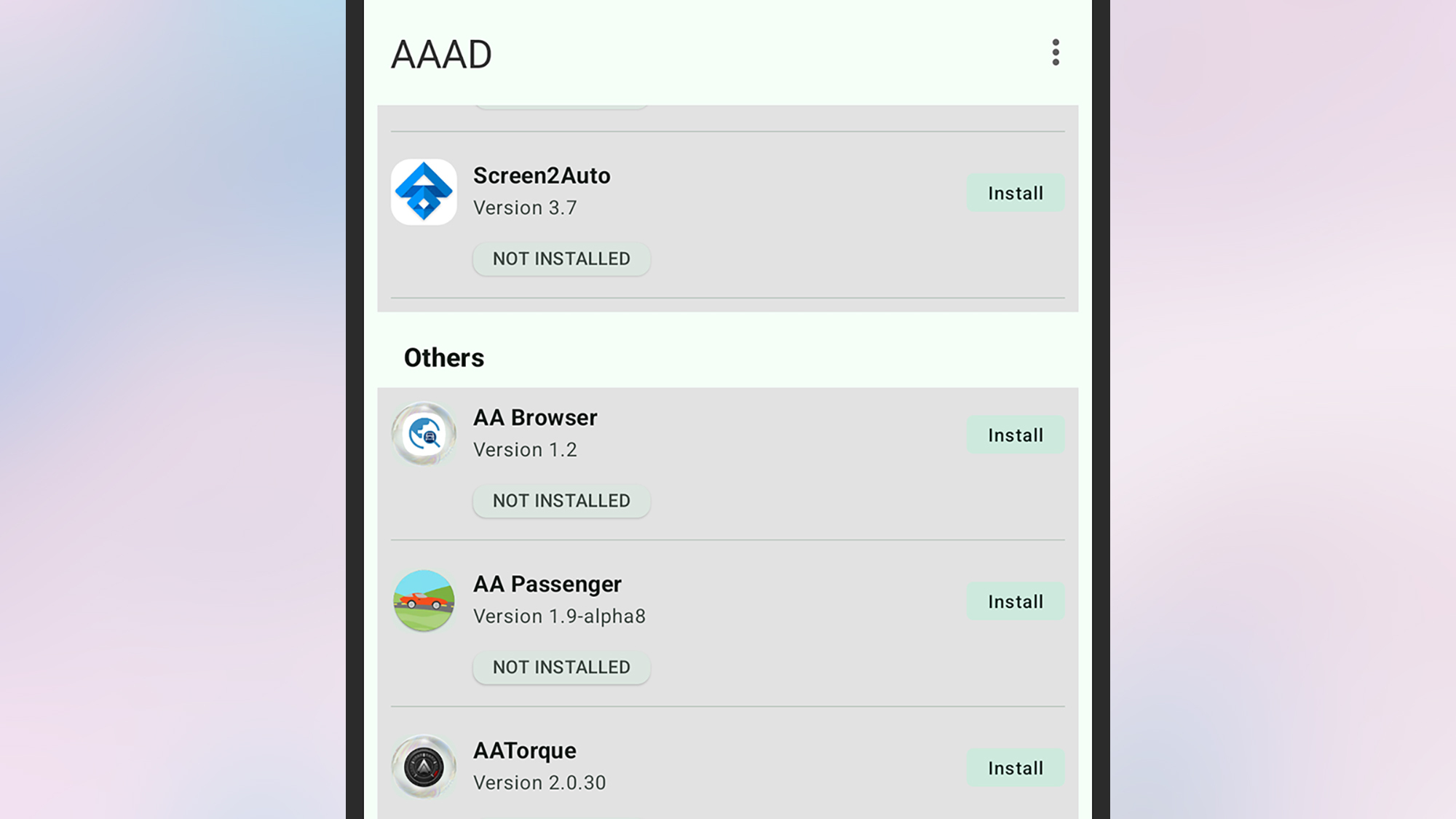
AAAD will give you access to the AA Browser.
Credit: Lifehacker
Credit: Lifehacker
AAAD gives you access to a selection of Android Auto apps that haven’t been specifically approved by Google, including AA Browser. Tap through the various introduction screens, give the app the permissions that it needs to install other apps, and then find AA Browser in the list of available apps. Tap Install and then tap through the confirmation pop-ups to get the app on your phone.
You’ll be asked if you want to open AA Browser straight away: You can use it as a normal web browser on your phone, though there’s not really much to look at. It’s designed to be used primarily on your Android Auto screen, and it should now show up as an available app when your phone is connected to your vehicle.
Using AA Browser in your car
Provided you’re safely stopped in your vehicle, you can launch AA Browser from the main apps list on the Android Auto interface (you may also get a prompt to launch it the first time you connect, after installing the app). You get taken to the Google Search homepage to begin with, and from there you can go anywhere you like.
As with any other Android Auto app, if you tap inside an input field, you’ll see a keyboard pop up on screen that you can use to enter web addresses and login credentials, and you can use the touchscreen to navigate around. To get to the URL address bar, tap anywhere on screen, then tap the blue arrow in the lower left corner.
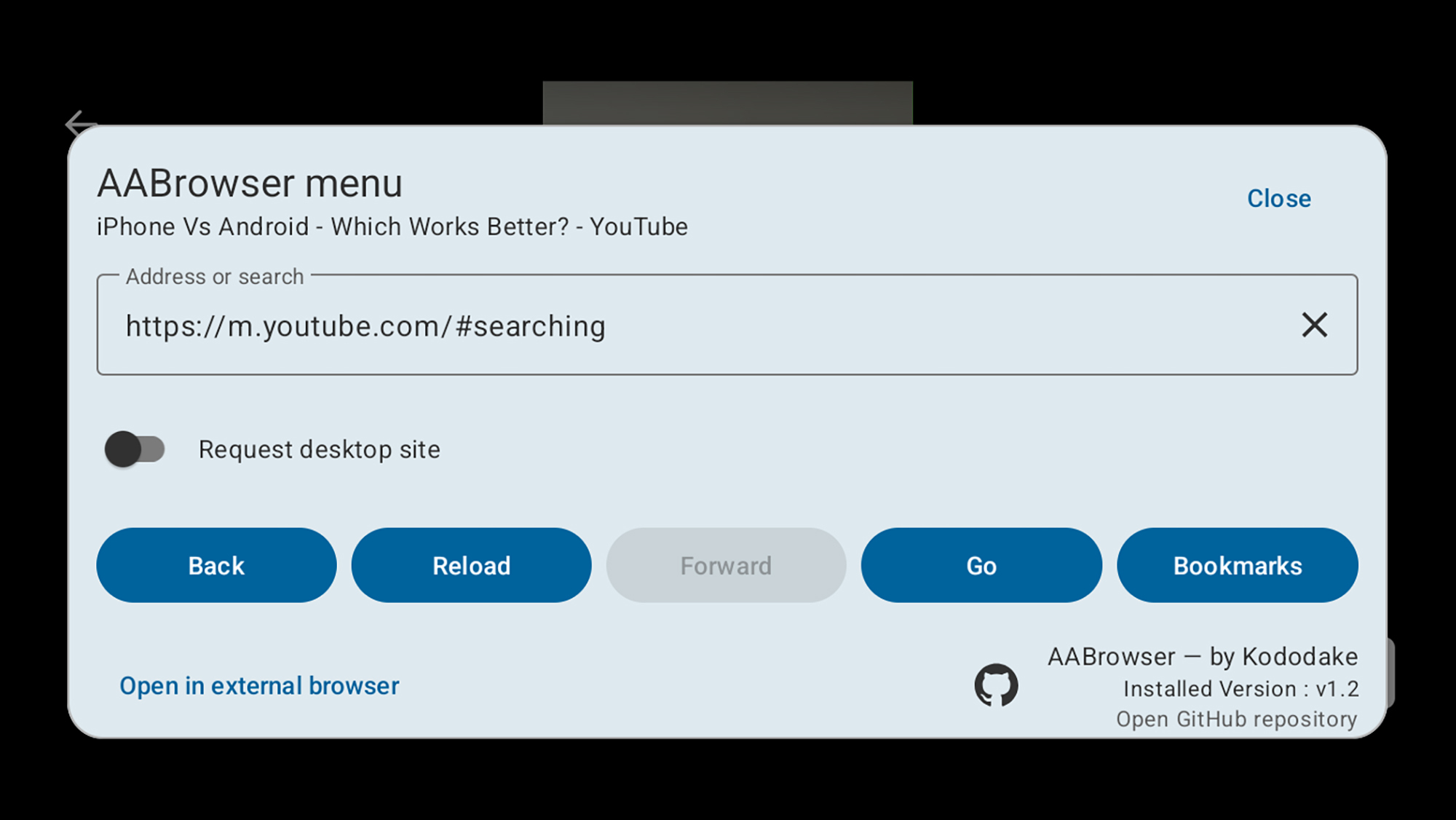
Entering and editing URLs in AA Browser.
Credit: Lifehacker
Credit: Lifehacker
The next screen also gives you options for going back through your browser history and accessing your bookmarks—a handy way of making sure you can jump back to the sites you need without having to tap our their URLs every time. There’s also the option to request the desktop versions of sites rather than the mobile versions.
While certain sites don’t seem to like the AA Browser, most of the pages I’ve visited work fine on Android Auto. To quit the browser, you can either tap the Exit button in the top right corner (if it’s visible), or swipe up or down from the top or bottom edges of the Android Auto screen to go back to your other apps.
NVIDIA RTX Pro 5000 Blackwell GPU With 72GB VRAM Upgrade Is Now Available
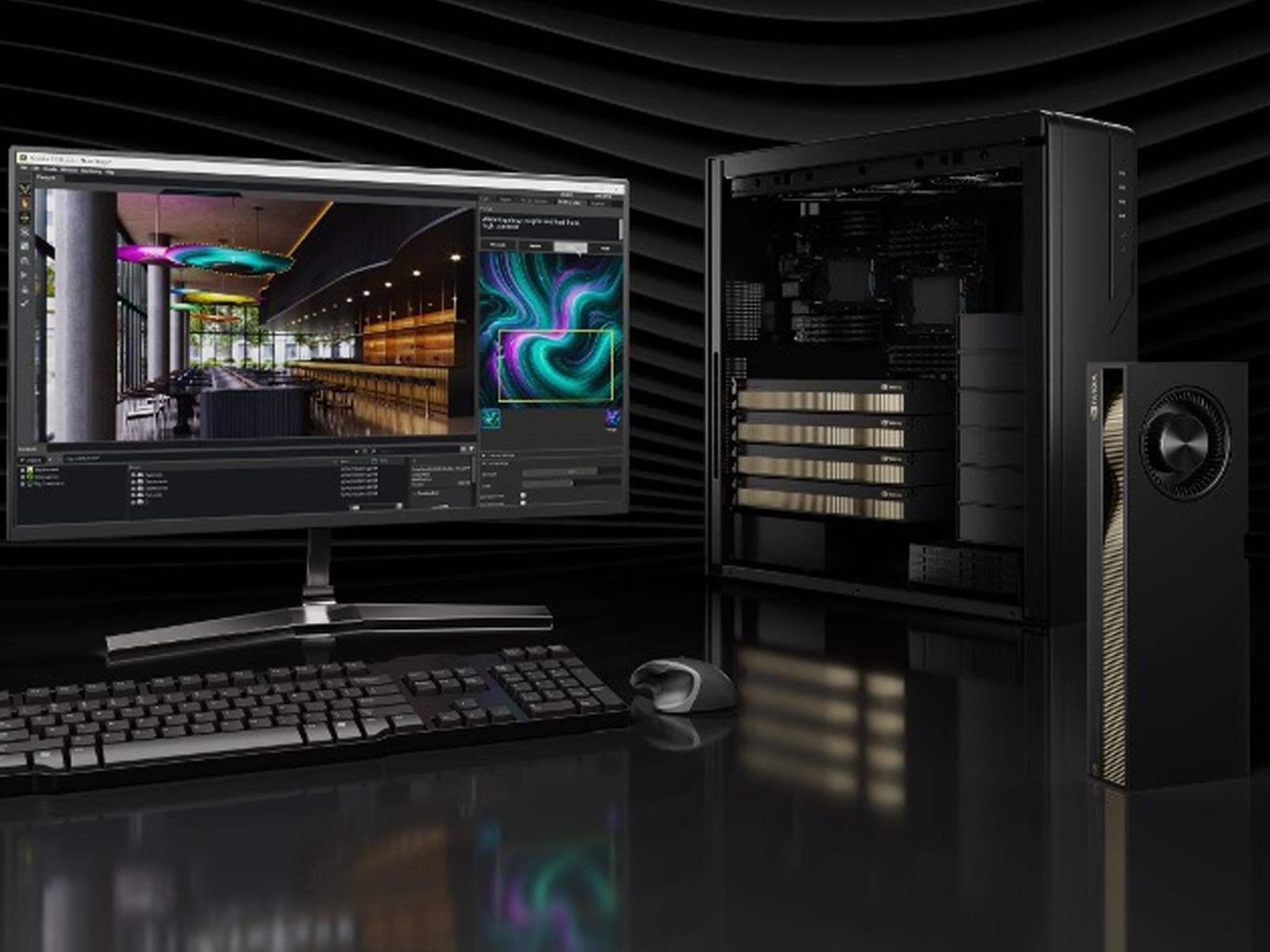
Big workloads that lean on a GPU often require gobs of memory, especially when dealing with large language models (LLMs) and other AI workloads. Hence the reason why NVIDIA in October announced an upgraded version of its RTX Pro 5000 Blackwell with a generous 72GB of GDDR7 memory with ECC. Now two months later, NVIDIA says the beefer variant
Apple Becomes a Debt Collector With Its New Developer Agreement
Apple released an updated developer license agreement this week that gives the company permission to recoup unpaid funds, such as commissions or any other fees, by deducting them from in-app purchases it processes on developers’ behalf, among other methods. From a report: The change will impact developers in regions where local law allows them to link to external payment systems. In these cases, developers must report those payments back to Apple to pay the required commissions or fees.
The changed agreement seemingly gives Apple a way to collect what it believes is the correct fee if the company determines a developer has underreported their earnings. […] In its new developer agreement, Apple states it will “offset or recoup” what it believes it is owed, including “any amounts collected by Apple on your behalf from end-users.” This means Apple could recoup funds from developers’ in-app purchases — like those for digital goods, services, and subscriptions — or from one-time fees for paid applications.


Read more of this story at Slashdot.
Engadget Podcast: 2025 was the year of AI, smartglasses and spineless Big Tech
This week, Engadget Managing Editor Cherlynn Low joins us to look back at some of the highlights (and lowlights) of 2025. We dive into our favorite gadgets of the year, the many ways Big Tech bowed to Trump, the disappointment of AI PCs and the rise of smart glasses. We also learn way too much about our skincare routines.
Subscribe!
Topics
-
Our favorite gadgets of 2025: Kindle Scribe Colorsoft, Airpods Pro 3, bluetooth lav mics and more – 2:26
-
Favorite Media of 2025: Andor, self-improvement via podcast, and a shoutout to your library – 34:30
-
iRobot declares bankruptcy – 47:29
-
Warner Bros. Discovery board rejects Paramount’s hostile bid, shareholders yet to vote – 53:47
-
The Oscars will air on Youtube starting in 2029 – 56:05
-
Ford to turn its F-150 Lightining into a gas generator EV – 57:41
-
Around Engadget: smart glasses had a great run in 2025, against social media age verification – 58:20
Credits
Hosts: Devindra Hardawar and Cherlynn Low
Producer: Ben Ellman
Music: Dale North and Terrence O’Brien
This article originally appeared on Engadget at https://www.engadget.com/social-media/engadget-podcast-2025-was-the-year-of-ai-smartglasses-and-spineless-big-tech-143000338.html?src=rss
Displace Hub Wall Mount Turns Your TV Into A Wireless Display
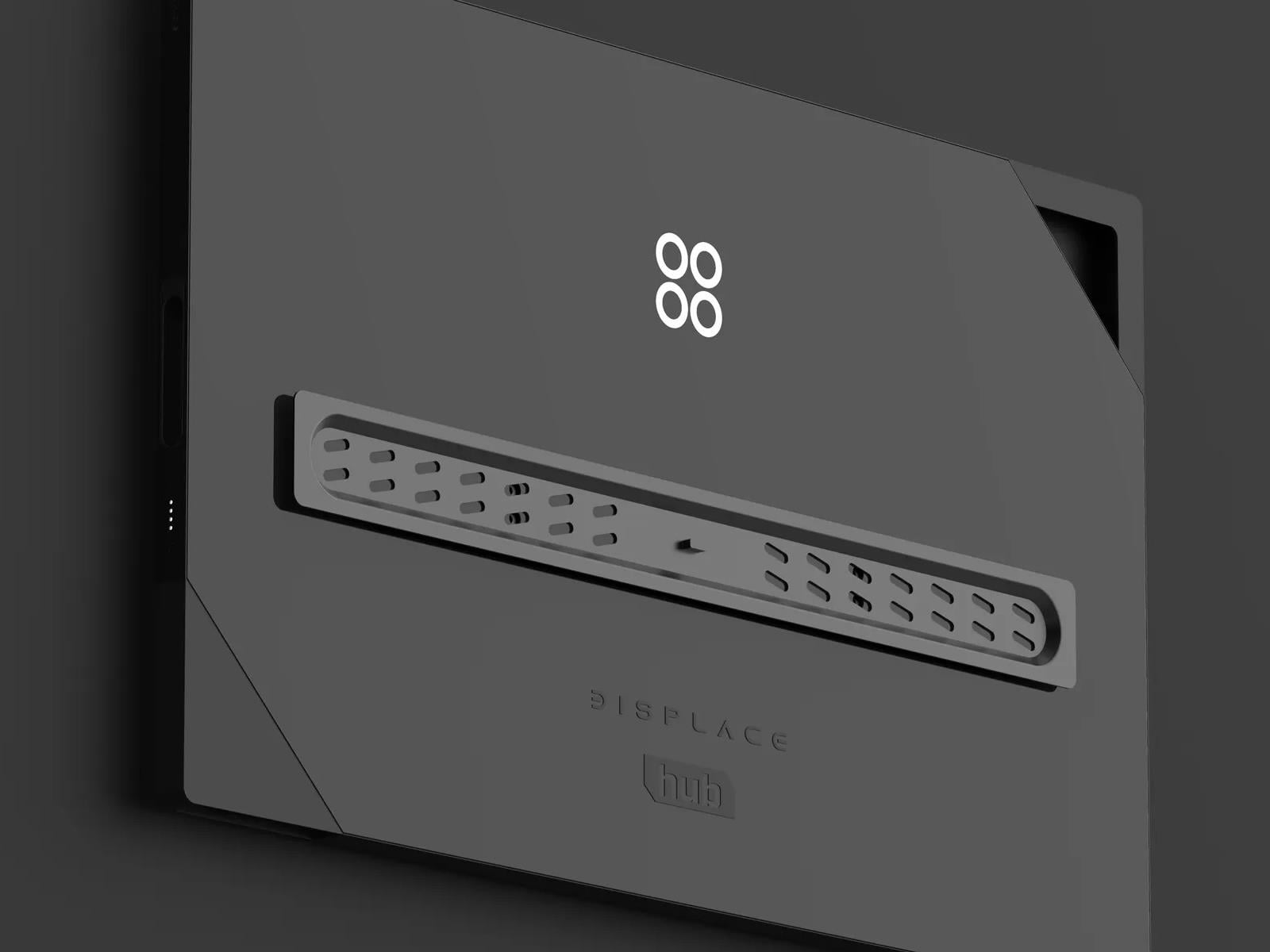
Companies are starting to tease what they have in store for the annual Consumer Electronics Show (CES) in Las Vegas next month, and one item that caught our eye is the Displace Hub, a battery-powered wall mounting system that transforms your TV into a “truly wireless, smart display.” It’s based on the same mechanism as the Display TV introduced
Xorgproto 2025.1 Released To Recognize Newer Keyboard Keys
For X.Org Server users there is a new release of xorgproto for the holidays. Xorgproto as the set of headers and specifications for the X11 core protocols and extensions is out with its first new release since March 2024…
Denmark Says Russia Was Behind Two ‘Destructive and Disruptive’ Cyberattacks
The Danish government has accused Russia of being behind two “destructive and disruptive” cyberattacks in what it describes as “very clear evidence” of a hybrid war. From a report: The Danish Defence Intelligence Service (DDIS) announced on Thursday that Moscow was behind a cyberattack on a Danish water utility in 2024 and a series of distributed denial-of-service (DDoS) attacks on Danish websites in the lead-up to the municipal and regional council elections in November.
The first, it said, was carried out by the pro-Russian group known as Z-Pentest and the second by NoName057(16), which has links to the Russian state. “The Russian state uses both groups as instruments of its hybrid war against the west,” DDIS said in a statement. “The aim is to create insecurity in the targeted countries and to punish those that support Ukraine. Russia’s cyber operations form part of a broader influence campaign intended to undermine western support for Ukraine.” It added: “The DDIS assesses that the Danish elections were used as a platform to attract public attention — a pattern that has been observed in several other European elections.”


Read more of this story at Slashdot.
Goodbye BikeRadar – 5 lessons I’ve learned from 10 years of MTB testing
After 10 years of testing and reviewing bikes for MBUK and BikeRadar, I’m going to be starting a new chapter in the mountain bike industry.
That decade of testing has taught me a thing or two about what to look for in bikes and products.
Whether that’s specific components that do their jobs very well or a bike that blows everything else out of the water, it’s exciting for me and consumers when something amazing comes along.
But there are a few things that you should pay particular attention to, whether that’s when you’re looking for a new steed or just thinking about how to improve your day-to-day life on bikes.
Geometry can make or break a bike

Getting the right geometry for the bike’s intended use seems unbelievably obvious, but many manufacturers get it horribly wrong.
Slack seat tube angles, short reach figures, steep head angles or a stack figure to bottom bracket height that just feels wrong; these are some of the most obvious ways to ruin how a bike rides.
But dial in the magic formula of numbers and something transformative happens. It makes the bike easy and fun to ride, not awkward and unamenable.
The harder you’ve got to work to make a bike feel good, the worse it is.
It’s not a cookie-cutter recipe, though – different disciplines require varied approaches to frame design, blurring the lines for some brands.

Factor in multiple and overlapping categories, plus specific market needs, and it’s never going to be possible to please every customer.
But a theme has emerged; bikes that ride well have balanced front-to-rear ratios, reach figures within a certain bracket for each size, and head angles that make sense for its intended speed and capabilities.
The general trend here is bikes becoming longer, lower and slacker. While this might not please the few people who download (take the gondola down the mountain instead of riding), it benefits everyone else.
Geometry like this leads to calmer handling and easier-to-ride, faster bikes; even an XC race bike with a long reach figure, (relatively) slack head angle and long wheelbase is going to be better than a nervous, twitchy and hard-to-ride one.
As a consumer, you’ve got the power to influence change – vote with your wallets.
Reliability will make you happy

Most modern mountain bikes are seriously reliable, needing only routine maintenance; bearings barely ever slop out, pivots remain tight even when they’re neglected, suspension dampers rarely blow and brakes need infrequent bleeding.
Nothing beats putting your bike down after a ride, knowing it’ll be ready to go next time with no maintenance.
While things have come on in leaps and bounds since the old days – I remember changing pivot bearings more regularly than I would a gear cable, and having my multi-tool jammed permanently in certain bolt heads because they wouldn’t stay tight – it’s not always rosy.

Derailleurs often break and I have a track record of ruining wheels and tyres, but there are exceptions to these rules.
If, like me, you’re hard on kit, it’s worth sacrificing other areas in the name of reliability.
Those things are always going to be weight and cost; heavy kit will be reliable, but most likely affordable. Light, reliable kit is more likely to be costly.
A few extra grams bolted to your bike isn’t going to make a massive difference to the system weight, so replacing your EXO tyres for weightier DoubleDown (or equivalent) models is going to lessen the chances of mishaps without really impacting the ride elsewhere.
The same can be applied to other parts and even frames – I’d take a weightier, more reliable frame over a lighter one with a penchant for misbehaving.
If you’re anything like me and want kit that doesn’t need fixing, changing or constantly fettling, you’ll be a much happier person.
Suspension-damper tunes probably aren’t light enough
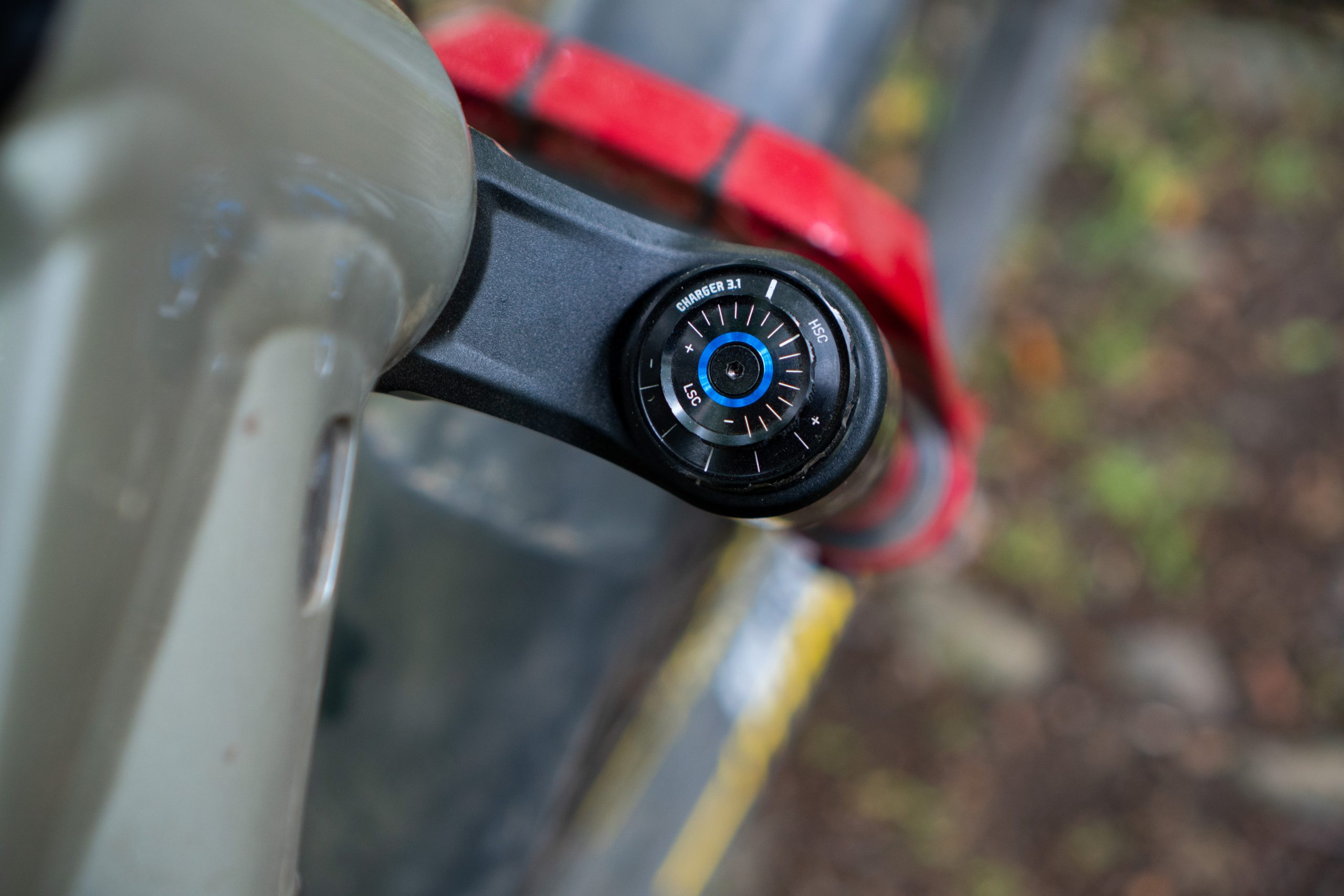
This is a potentially unpopular one with suspension manufacturers, but as an 80kg-ish kitted-up rider who is probably somewhere in the large, middle part of the skills bell curve, I shouldn’t have to run my fork and shock damper adjusters fully open to get them feeling good.
And if I’m having to run everything basically fully open before the bike feels good and not choked up, lighter riders and beginners are going to struggle to get their suspension feeling good.
RockShox has recently addressed this with its Charger 3.1 forks, offering different compression and rebound tunes that are installed post-purchase. The stock compression settings are much lighter, but I’m still running my rebound fully open and would like it to go faster.

Fox forks can also be tuned, but there’s no a la carte option – you’ll have to speak to your local suspension tuner to find out what options are available. Generally speaking – bar the Podium inverted fork – Fox’s dampers, even the newest ones, need to be run fully open to feel good.
The situation could be better for rear shocks – because damper retunes are more common and bike brands claim they spend a long time perfecting custom tunes for their frames – but that’s not always the case.
On almost every test bike I’ve ridden in the last decade, bar a few exceptions, I’ve had to fully open the shock’s external rebound and high-speed compression adjusters. The low-speed adjuster position has been a mixed bag, with some needing to be fully open and others closer to halfway.
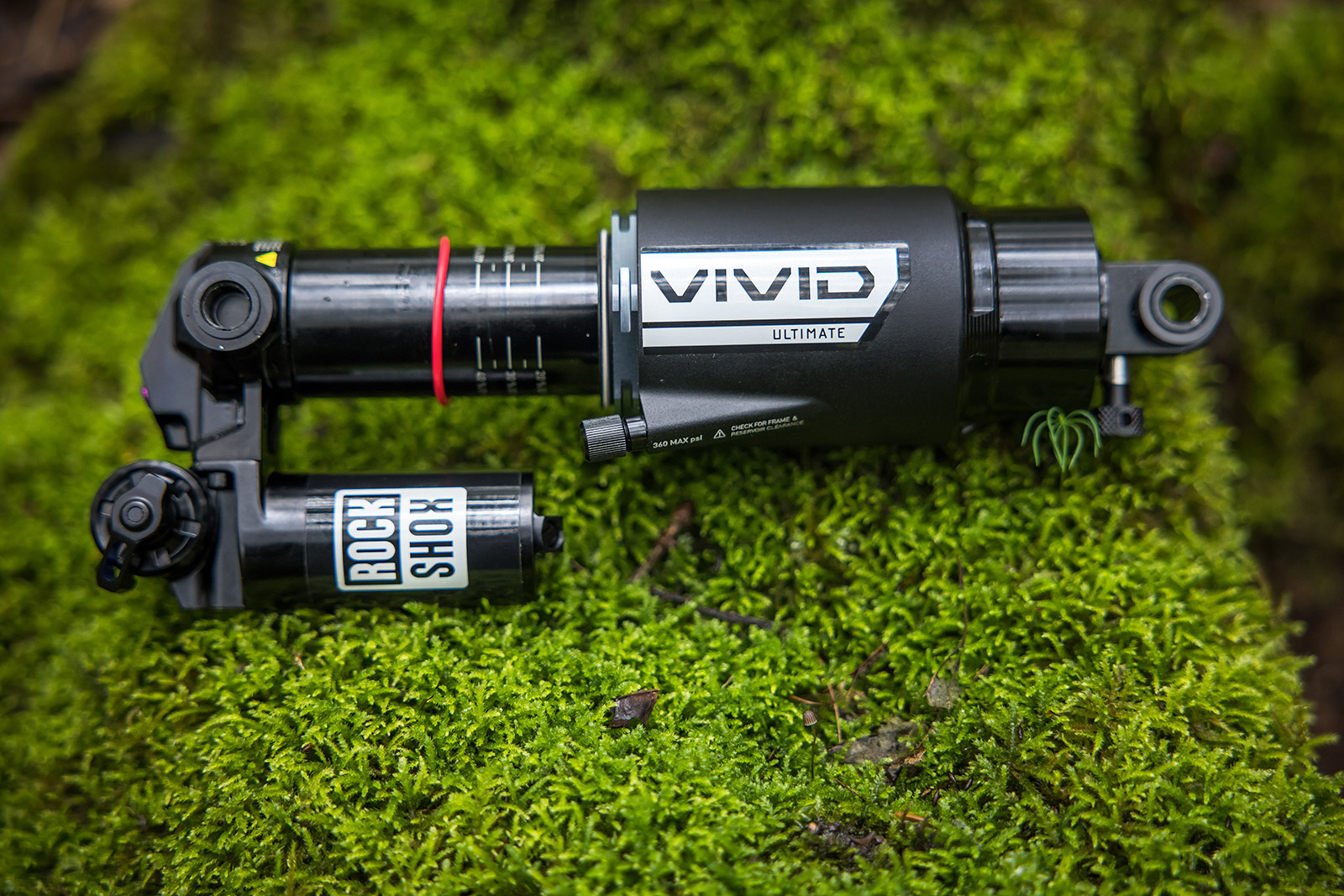
And yes, before you ask, I am running the correct spring pressures/weight coil springs for the bike, my riding style and body weight.
But the point still stands; as an average-weight guy with average skills, to get the bike feeling good, I should be exactly in the middle of the shock’s damper tune rather than fully open.
I think everyone is running too much compression and rebound damping on their bikes and would benefit from lighter setups.
If you think this is something that blights you, speak to your local suspension tuner to get your bike’s dampers opened up – the difference in performance will be night and day.
Try a rear mudguard – it’s a revelation
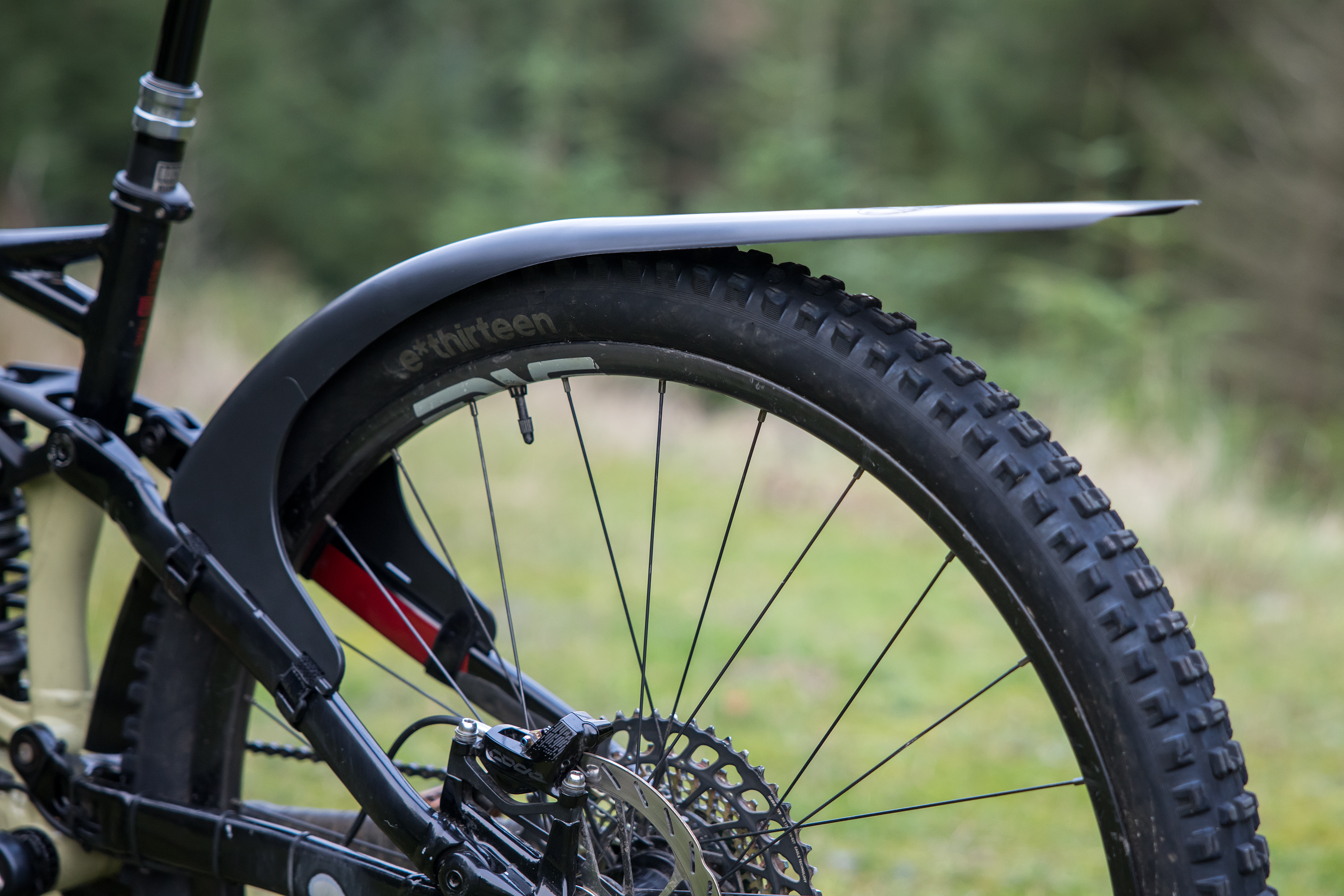
It’s rare that a product does exactly what it’s claimed to and then receives a wave of negativity, both from reviewers and the general riding scene.
The rear MTB mudguard is one of those things.
They’re exceptional at keeping your backside, legs and back spotless, yet almost entirely disliked, smirked at and generally pooh-poohed.
Spot a rider with one on a trail, and no matter how hard they’re shredding – or not – it’s going to spark negative comments. I know this because I’ve taken the brunt of some of them when testing Mudhugger’s rear guard.
While the model I tested wasn’t perfect – there was a good chunk of loud tyre slap when riding fast – it kept me so clean and dry that any foibles were basically forgiven.
I dare you, give one a go.
Embrace innovation and love simplicity

There’s space in mountain biking for ultra-high-tech bikes such as Atherton’s A.200.G gearbox six-bar suspension DH bike, and lowly single-pivot suspension systems with derailleurs seen on bikes made by Orange and others.
Just because you like one doesn’t mean you need to dislike the other.
They’re going to ride in disparate ways, and each will have its benefits for a certain type of person.
This rang true when I tested Atherton’s A.150 and Starling’s Murmur back-to-back; the upshot of my testing was that both bikes are very good indeed, but they have different personalities.

Regardless of which camp you’re in, don’t discount the other – innovation and pushing the limits are the basis for moving our sport forwards, and simplicity forms the foundations that innovation is built on.
The best approach I’ve found is to keep your eyes and mind open to new ideas and innovation – don’t be afraid to try a bike with wild geometry or brand-new tech, because there’s a chance it’ll be awesome.
The Newest Google Nest Doorbell Is Over 25% Off Right Now
We may earn a commission from links on this page. Deal pricing and availability subject to change after time of publication.
The Nest Doorbell (Wired, 3rd Gen) is currently selling for $132, down from $179.99, and price trackers confirm this is the lowest it has ever dropped.
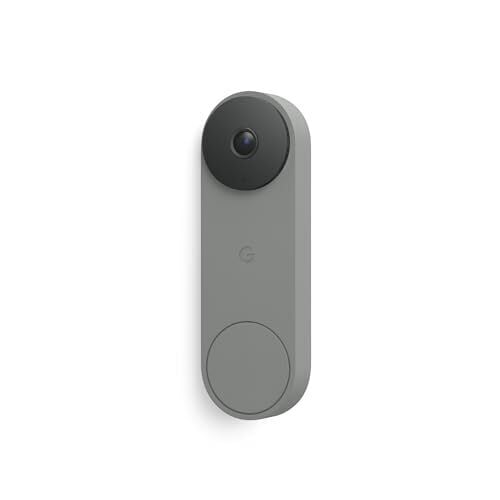
This is Google’s newest wired doorbell, and it’s clearly designed for people who already use Google Home. The hardware looks familiar if you’ve seen the battery-powered Nest Doorbell. It keeps the same slim, vertical shape but is a bit shorter, measuring about 5.1 inches tall. It’s rated IP65 for weather resistance and feels well-built, but this is a wired-only model. You’ll need existing doorbell wiring and a compatible transformer. Google includes the chime connector, mounting hardware, and a wedge mount, but there’s no getting around the fact that installation assumes your home is already set up for a wired doorbell.
Video quality is where this model makes its case. The camera records 2K HDR video at a 1:1 aspect ratio, which gives you a full head-to-toe view of your doorstep. That makes it easier to see packages on the ground and faces near the door in one frame. Daytime footage looks sharp and well-balanced, and night video holds detail using infrared LEDs, with color video kicking in when there’s enough ambient light. Motion alerts are quick, and the 166-degree field of view feels wide without heavy distortion, notes PCMag in its “excellent” review of this doorbell. It connects over dual-band wifi and Bluetooth, and it supports Google Assistant and Amazon Alexa for voice control. Two-way audio works reliably for quick conversations, though there’s no mechanical pan or tilt.
The software experience is very Google. The doorbell lives inside the Google Home app, where you get a clean live view, event clips, and clear controls. Gemini-powered features are the highlight. Event descriptions explain what triggered a recording, and video search lets you find things like package deliveries or familiar faces without scrubbing through footage. The downside is storage. Everything is cloud-based, and without a subscription, you only get short preview clips. The Standard plan costs $10 a month or $100 a year, while the Advanced plan doubles that. There’s no local storage option at all. It also skips Apple HomeKit and IFTTT support, so smart homes outside Google’s orbit might find it limiting. But for those already using Google Home and willing to pay for cloud features, this price drop makes the third-gen wired Nest Doorbell a strong pick for smarter doorstep monitoring.
Our Best Editor-Vetted Tech Deals Right Now
Apple Watch Series 11 [GPS 46mm] Smartwatch with Jet Black Aluminum Case with Black Sport Band – M/L. Sleep Score, Fitness Tracker, Health Monitoring, Always-On Display, Water Resistant
—
$329.00
(List Price $429.00)
Meta Quest 3 512GB Mixed Reality VR Headset with Controllers
—
(List Price $499.99 With Code “QUEST50”)
Deals are selected by our commerce team
FUSE 3.18 Released With FUSE-Over-IO-uring, Statx Support
Linux creator Linus Torvalds previously referred to file-systems in user-space as for toys and misguided people. But FUSE has shown a lot of interesting use-cases over the years and has grown more capable in the decade since Torvalds’ prior comments. Out today is FUSE 3.18 as the latest release for the FUSE library…