FreeBSD laptop progress

The FreeBSD Foundation has a blog
post
about the progress it has made in 2025 on the Laptop Support
& Usability Project
for FreeBSD. The foundation committed
$750,000 to the project in 2025 and has made progress on graphics
drivers, Wi-Fi 4 and 5 support, audio improvements, sleep states,
and more.

The installer for FreeBSD has gained a couple of new features that
benefit laptop users. In 15.0 the installer now supports downloading
and installing firmware packages after the FreeBSD base system
installation is complete. Coming in 15.1 it will be possible to
install the KDE graphical desktop environment during the installation
process. Grateful thanks to Bjoern Zeeb and Alfonso Siciliano
respectively. […]

The project continues into 2026 with a similar sized investment and
scope. Key targets include completing work on sleep states (modern
standby and hibernate), adding support for graphics drivers up to
Linux 6.18, Wi-Fi 6 support, USB4 and Thunderbolt support, HDMI
improvements, UVC webcam support, and Bluetooth improvements.

A substantial testing program will also start in January, aiming to
test all the functionality together across a range of
hardware. Community testers are very welcome to help out, the
Foundation will release a blog post and send an invite to help to the
Desktop mailing list some time in January 2026.

Mark Zuckerberg’s nonprofit cuts ties with the immigration advocacy group he co-founded

Behold Mark Zuckerberg: man of principle. Witness the Meta CEO’s dedication to the most high-minded of causes: “currying favor with whoever’s in charge.” In 2013, when Barack Obama was president, Zuckerberg co-founded FWD.us, a pro-immigration advocacy group. For years, he vocally supported providing paths to citizenship for “the most talented and hardest-working people, no matter where they were born.” Now, in 2025, with Donald Trump back in power and pushing draconian immigration policies, Zuckerberg’s philanthropy organization has officially cut ties with the group. Who says Big Tech executives don’t stand for anything?

On Friday, Bloomberg reported on the Chan Zuckerberg Initiative (CZI) severing its ties with FWD.us. Zuckerberg’s group provided no funding to the advocacy group for the first time this year. Up to that point, over half of the roughly $400 million donated to the nonprofit since 2013 had come from CZI.

In addition, CZI’s chief of staff, Jordan Fox, resigned from the FWD.us board. No one else at CZI will fill the vacant slot, another first for the pro-immigration and justice reform advocacy group.

In late 2024, Zuckerberg met with Trump adviser Stephen Miller, who reacts to brown-skinned humans being sent to foreign gulags the way my dog responds to a juicy steak. Among other topics during the exchange, Miller reportedly questioned Zuckerberg’s ties to FWD.us.

White House Deputy Chief of Staff for Policy Stephen Miller (3rd R) speaks with CEO of Meta and Facebook Mark Zuckerberg (R) during a luncheon in honor of newly sworn in US President Donald Trump, in Statuary Hall at the US Capitol in Washington, DC, on January 20, 2025. (Photo by Brendan SMIALOWSKI / AFP) (Photo by BRENDAN SMIALOWSKI/AFP via Getty Images)
Mark Zuckerberg listens attentively to Stephen Miller at Trump’s January inauguration
BRENDAN SMIALOWSKI via Getty Images

Apparently, his words resonated with Zuckerberg’s principles. In January, before Trump was sworn in for his second term, Meta unleashed an overhaul that reads like a Miller wishlist. The company ended its diversity, equity and inclusion (DEI) programs. That same month, it ditched third-party fact-checkers, calling them “too politically biased.” It also changed its policies to allow for “insulting language” on topics of immigration and LGBTQ+ issues. The company even added Trump backer Dana White to its board.

It fits a broader pattern of Big Tech bending the knee to Trump.

“We’re in the middle of a pretty rapidly changing policy and regulatory landscape that views any policy that might advantage any one group of people over another as something that is unlawful,” Zuckerberg told the New York Times in January. “Because of that, we and every other institution out there are going to need to adjust.”

“We now have a US administration that is proud of our leading companies, prioritizes American technology winning and that will defend our values and interests abroad,” Zuckerberg said in a January investor call. “I am optimistic about the progress and innovation that this can unlock, so this is going to be a big year.”

What a big year indeed.

NEW ORLEANS, LOUISIANA - DECEMBER 5: U.S. Chief Border Patrol Agent, Gregory Bovino and other agents conduct an immigration enforcement operation in a neighborhood on December 5, 2025 in New Orleans, Louisiana This comes on the third day of the operation in Louisiana, 'Catahoula Crunch,' launched by the Department of Homeland Security as a part of an immigration crackdown on undocumented immigrants in the United States. (Photo by Ryan Murphy/Getty Images)
US Chief Border Patrol Agent, Gregory Bovino and masked ICE agents in New Orleans
Ryan Murphy via Getty Images

Now witness the contrasting words of one of Zuckerberg’s chief rivals in Silicon Valley. “When you meet these [immigrant] children who are really talented, and they’ve grown up in America, and they really don’t know any other country besides that, but they don’t have the opportunities that we all enjoy, it’s really heartbreaking, right?” the tech executive said. “That seems like it’s one of the biggest civil rights issues of our time.”

That “rival,” of course, was Obama-era Mark Zuckerberg in 2013.

Despite the funding setback, thanks to our principled hero, FWD.us will press forward. “We’re thankful to our donors, past and present, and so grateful to the many new donors who have stepped up in the past few years — and particularly the influx of new supporters we have seen this year,” FWD.us President Todd Schulte said in a statement. “This allows us to fight for immigrants under attack today and to build a better approach to immigration and criminal justice reform for many, many years to come.”

This article originally appeared on Engadget at https://www.engadget.com/big-tech/mark-zuckerbergs-nonprofit-cuts-ties-with-the-immigration-advocacy-group-he-co-founded-183447900.html?src=rss

Trump’s energy secretary orders a Washington state coal plant to remain open

SEATTLE—The last coal-fired power plant in Washington state was set to go cold at the end of the year. It would then switch to natural gas, cutting carbon emissions in half.

The shutdown had been in the works for 15 years and was mandated by state law. It required the Canadian energy company that owns the power plant, TransAlta, to retrain workers and ease the local community’s economic transition.

But the farewell to coal was canceled this week by the Trump administration. In furtherance of the president’s crusade to keep America’s coal plants burning, the Department of Energy announced Tuesday that an “emergency exists” in the Pacific Northwest “due to a shortage of electricity.” To keep the lights on, Energy Secretary Chris Wright said that the Centralia electric generating facility in southwest Washington must continue to burn coal for at least 90 more days.

Read full article

Comments

2025 Was the Beginning of the End of the TV Brightness War

The television industry’s brightness war may have hit its inflection point in 2025, the year TCL and Hisense released the first consumer TVs capable of 5,000 nits under specific settings — a figure that would have seemed absurd not long ago when manufacturers struggled to reach 2,000 nits. LG introduced Primary RGB Tandem OLED technology, moving from a three-stack panel design to a four-stack red-blue-green-blue configuration that the company claims can achieve 4,000 nits. The technology appears in the LG G5, Panasonic Z95B and Philips OLED950 and OLED910.

RGB mini-LED also emerged as a new category. The technology uses individual small red, green and blue LED backlights instead of white or blue LEDs paired with quantum dots. Hisense demonstrated it at CES 2025, TCL announced its Q10M for China, and Samsung unveiled its own version called micro-RGB. These sets range from $12,000 to $30,000. Sony has confirmed it will debut RGB TV technology in spring 2026. HDR content is currently mastered at a maximum of 4,000 nits. The situation echoes the audio industry’s loudness war, The Verge points out, which peaked with Metallica’s heavily compressed Death Magnetic in 2008.


Read more of this story at Slashdot.

Instacart agrees to refund subscribers $60 million in FTC settlement

Instacart has agreed to pay out $60 million in subscriber refunds, the Federal Trade Commission announced on Thursday.

The refunds will help settle a lawsuit the FTC raised, accusing the grocery delivery app of engaging in “numerous unlawful tactics that harmed shoppers and raised the cost of grocery shopping for Americans.”

Under the settlement—which expires after 10 years—Instacart agreed to stop marketing its app with allegedly deceptive claims. That includes supposedly offering “free delivery,” when customers actually paid up to 15 percent in “service fees” not charged for pickup orders. Those service fees, the FTC alleged, were “just delivery fees by another name.”

Read full article

Comments

Seven Smart Appliance ‘Upgrades’ That Aren’t so Smart

Whether you want them to or not, appliances are getting smarter. It’s increasingly challenging to find even basic models without some kind of “smart” feature or embedded artificial intelligence. If you don’t believe me, just try to find a “dumb” television at your local Best Buy. You will be disappointed.

While it’s true that many of the “smart” features offered by these nifty new appliances are quite useful. The ability to pre-heat your oven or adjust your thermostat by pressing a button on your phone is great, and getting alerts when the fridge door is left open or when you forget to move your laundry from the washer to the dryer is undeniably a boon.

But sometimes, the convenience these features offer is an illusion, as many supposedly smart features in modern appliances aren’t very smart at all—and they can actively make your life harder instead of easier. If you’re shopping for a new appliance, considering avoiding these not-so-smart features.

Dryer with moisture sensors that leave your clothes damp

Modern clothes dryers offer a lot of great capabilities. Some can even talk to your washer, pre-setting themselves for the laundry coming its way, and many can remind you to collect your laundry, sparing you wrinkled clothes, and to clean out the lint filter. But modern dryers often come with moisture sensors that shut off the dryer when it detects that your clothes are dry. In theory, sensor drying saves you money and time over a fixed time dry. But the sensors in these dryers are notorious for being inaccurate shutting the dryer down when your clothes are still a bit damp. And you still have to make a guess as to how much drying you need and set the sensor to the proper level. At best, this can mean running another drying cycle. At worst, your clothes will sit there getting mildewy until you remember to check the machine.

Dishwashers with “eco modes” that leave dishes dirty

New dishwashers often come with efficient or “eco” modes that use less water and less energy to clean your dishes. That’s a great idea—in theory. But these modes achieve those efficiencies the only way they can: By running at lower temperatures and literally using less water in their cleaning cycles. This can often leave your dishes visibly dirty after running a load, forcing you to cancel out the benefit by running them a second time. Worse, these modes don’t get hot enough to kill dangerous bacteria like E. coli, so even if your dishes come out looking clean, they may not be sanitary.

Smart fridges that misidentify your groceries

Smart fridges are often at the top of people’s complaints list for two main reasons: One, they are often abandoned by their manufacturers soon after they arrive on the market, with updates and support vanishing in as quickly as two years. That transforms your pricey smart fridge into a pricey dumb fridge. More frustratingly, smart fridges that supposedly use artificial intelligence to identify your groceries as you place them inside (in order to help you track your shopping needs and expiration dates) often get things wrong. For example, this woman complained that her smart fridge often mistook her husband’s head for an avocado, among other problems, which rendered the feature worse than useless.

Sensor-cooking microwaves that don’t cook

While the modern microwave remains the steadfastly boxy, unsexy beast it’s always been, there have been attempts to make it smarter—and sometimes these attempts backfire on you. Some microwaves offer “sensor cooking,” the ability to sense the weight and moisture level of the food in order to adjust cooking time and power levels to cook your food perfectly. Except when it senses incorrectly and leaves you with a half-cooked mess, or if you’re trying to cook something that simply doesn’t work well with sensor cooking, like dry foods that don’t produce enough steam for the sensor to detect.

Smart kitchen scales that are just making guesses

A smart kitchen scale might seem like a nifty idea; you weigh your food and use an app to get nutritional information, like the amount of calories in what you’re about to eat. That’s fine, but it really just adds an unnecessary step to your cooking routine, because most “smart” scales are just regular, standard kitchen scales and an app that Googles on your behalf. You’ll get the same general experience—and likely better accuracy—by weighing something and using your phone to search for nutritional information yourself.

Smart garage doors that are less secure

Smart garage doors are a great example of a piece of technology that isn’t improved much by being smart. And the core technology that makes the garage door smart—a WiFi connection to a cloud server—can also make it worse than useless. Aside from the fact that any disruption in the door’s connection can cause it to remain locked in the open position, leaving your home vulnerable, there’s also the fact that the manufacturer can make changes any time they like that could potentially alter the way your door functions or brick it entirely.

Apple’s USB-C Magic Mouse is back on sale for $68

Amazon is selling Apple’s USB-C Magic Mouse for $68, which is a discount of 14 percent. This isn’t a record-low price, but it’s darned close. The mouse typically sells for $79, though today’s sale only applies to the white model.

It’s rare for official Apple accessories to go on sale, and the USB-C Magic Mouse is pretty much a must-have for those working on desktop computers. It’s also fairly handy when combined with a laptop, letting folks avoid the trackpad.

As the name suggests, this mouse charges via USB-C. Apple stuck with replaceable AA batteries for way too long, so this change was much appreciated. A charge should power the mouse for around a month, a metric I find to be more-or-less accurate depending on usage.

This is a good mouse, and a great option for Apple devotees, but it’s not without its flaws. The biggest one is port placement. The USB-C port is underneath the mouse, rendering it unusable while charging. Bloomberg recently reported that a major redesign is coming for Apple’s wireless mouse that should address that issue.

Follow @EngadgetDeals on X for the latest tech deals and buying advice.

This article originally appeared on Engadget at https://www.engadget.com/deals/apples-usb-c-magic-mouse-is-back-on-sale-for-68-175424709.html?src=rss

Strava puts popular “Year in Sport” recap behind an $80 paywall

Earlier this month, Strava, the popular fitness-tracking app, released its annual “Year in Sport” wrap-up—a cutesy, animated series of graphics summarizing each user’s athletic achievements.

But this year, for the first time, Strava made this feature available only to users with subscriptions ($80 per year), rather than making it free to everyone, as it had been historically since the review’s debut in 2016.

This decision has roiled numerous Strava users, particularly those who have relished the app’s social encouragement features. One Strava user in India, Shobhit Srivastava, “begged” Strava to “let the plebs see their Year in Sport too, please.” He later explained to Ars that having this little animated video is more than just a collection of raw numbers.

Read full article

Comments

Uber is Hiring More Engineers Because AI is Making Them More Valuable, CEO Says

Uber is hiring more engineers rather than fewer because AI tools have made them “superhumans,” CEO Dara Khosrowshahi said, pushing back against the industry trend of using productivity gains to justify headcount cuts. Speaking on the “On with Kara Swisher” podcast, Khosrowshahi noted that other tech executives see AI making engineers 20% to 30% more productive and conclude they need 20% to 30% fewer engineers. His view: every engineer has become more valuable. Between 80% and 90% of Uber’s developers now use AI tools, according to Khosrowshahi.

The company no longer keeps scores of engineers on call to diagnose issues because AI agents are constantly monitoring systems, he said. The latest AI models are producing “hundreds of millions of dollars of benefit” for Uber, he said, describing the company as an “applied AI” business that harnesses the technology for pricing, payments, matching, routing, identification and customer complaints.


Read more of this story at Slashdot.

We asked four AI coding agents to rebuild Minesweeper—the results were explosive

The idea of using AI to help with computer programming has become a contentious issue. On the one hand, coding agents can make horrific mistakes that require a lot of inefficient human oversight to fix, leading many developers to lose trust in the concept altogether. On the other hand, some coders insist that AI coding agents can be powerful tools and that frontier models are quickly getting better at coding in ways that overcome some of the common problems of the past.

To see how effective these modern AI coding tools are becoming, we decided to test four major models with a simple task: recreating the classic Windows game Minesweeper. Since it’s relatively easy for pattern-matching systems like LLMs to play off of existing code to re-create famous games, we added in one novelty curveball as well.

Our straightforward prompt:

Read full article

Comments

Linux Preps For “Slow Workload Hints” With Intel Panther Lake

Five years ago Intel began introducing “workload hints” used for thermal and power purposes with their SoCs and in turn on the software-side being enabled with their INT340X kernel driver on Linux systems. That Intel workload hint coverage was added to the Linux kernel in late 2020 and then a big addition in 2023 with Meteor Lake introducing new workload hint type capabilities. Now patches have been posted to the Linux kernel mailing list for new workload hint functionality coming for upcoming Panther Lake SoCs…

How to Use ‘Progressive Overload’ to Get Stronger

As you get stronger, you become able to lift heavier and heavier weights. That’s the idea at the heart of an often-misunderstood fitness concept: progressive overload. Unfortuantely, there are a lot of myths and misunderstandings about this principle, so here’s how to use it to plan your own workouts or judge whether a program you’re following will keep you on track.

What is progressive overload?

Progressive overload is the increase, over time, in the amount of work or stress you ask your body to handle. The term is used two different ways: as a principle of how the human body works, and as a description of how a workout program changes over time. If you want to know how to “do progressive overload,” you’re thinking of the second one—how to design a workout program.

The simplest way to implement this is to just do a little more each time you’re in the gym. More weight, or more reps, or making the workout harder in some other way. You can still take some easier “deload” workouts (or weeks) from time to time, but over the long term you want to see a trend of the workouts getting harder. They won’t necessarily feel harder, because you’ll be getting stronger. It’s more like the workouts are keeping up with you.

In other words, progressive overload is a bit of a chicken-and-egg situation. As you get stronger, your workouts need to get harder to keep up. But in a sense you are also becoming stronger because you’re challenging yourself with harder workouts.

What does progressive overload look like in real life?

If you’re bummed out by the idea of working harder and harder forever, don’t panic. You’ll work harder in absolute terms—by lifting heavier weights, let’s say—but the challenge stays about the same in relative terms. Your workouts will fall into an effort level you might call “hard, but doable,” and you’ll notice progress because your numbers are going up. (A similar approach applies to endurance sports. As cyclist Greg Lemond reportedly said: “It never gets any easier, you just go faster.”)

When I started lifting weights many years ago, 65 pounds was a decently challenging bench press for me. I remember being proud of myself for being able to squeeze out a rep or two at 85 pounds. Now, if I’m going to do a bench workout, I don’t even bother loading those amounts onto the bar. My warmup sets start at 95 pounds, and a heavy single might be around 135. That 135 feels just as hard as 85 used to, but it’s undeniably more weight.

How did I make that progress? Well, I kept lifting the weights that felt heavy for me. Over time, the same weights that used to be challenging started to feel easy, and I needed to add more and more weight to the bar to get something that actually felt heavy. (I have a guide here to figuring out whether you’re lifting “heavy.”)

Most of the time, I either followed a program that told me how many pounds to lift, increasing that amount slowly over time, or one that told me what effort level to lift at (a concept called RPE), which allowed me to choose an appropriate weight each day. Following a program will usually net you better progress than just winging it, but as long as you’re using the overload principle and the progression principle, you will get stronger.

Workout routines that use progressive overload

Here are some examples of workout routines that use progressive overload:

Double progression. Let’s say you’re aiming for three sets of eight to 12 reps of dumbbell shoulder press. You choose a weight that you can handle for 3 sets of 8 reps. The next time you do shoulder press, try to add at least one rep. If you can’t, that’s fine—just do your three sets of eight. One day maybe you’ll get 10 reps on the first set, then only eight on the next two. Another time maybe you get 12, 10, and eight. After a few weeks you manage three full sets of 12. That means it’s time to increase the weight! The next time you do the exercise, you’ll use a heavier set of dumbbells and start again at three sets of eight. It’s called “double” progression because first you increase the reps, and then you increase the weight.

Linear progression. This is a common progression for barbell exercises for beginners. You do the same number of reps every time (say, five sets of five reps) but add a small amount of weight every workout. Often the program will have instructions for what to do if you can’t complete the five sets of five reps at the new weight. These workouts aren’t usually realistic for experienced lifters, since you can’t keep increasing the weight forever, but they’re great for people who are learning an exercise for the first time or returning to the gym after a break.

Set progression. This may be used along with double progression, or may be its own thing. You start with just a few sets of an exercise per workout, say two or three, and then add a set each week. Once you’re doing, say, five sets, you’ll start over with heavier weight. If you’re using it with double progression, you’ll increase sets, and then reps, and then weight.

Density progression. This is commonly used in timed sets, like Crossfit WODs (“workout of the day”) or for accessory lifts. Set a timer for several minutes and do as many reps as possible in the given time, resting as needed. The next time you do the workout, try to do more reps in the same amount of time. Once you can do the lifts with little to no rest, you’ll either add weight or find another way to make the exercises harder (for example, doing dips instead of pushups).

As you can see, weight isn’t the only variable that progresses. You can increase reps, or sets, or increase the amount of work you do in a given time by decreasing rest. You can increase the difficulty by choosing a harder exercise (like progressing from dips to pushups). As long as things get harder over time, you’re doing progressive overload.

How to use progressive overload even if you can’t add more weight

Adding weight is part of most progressive overload schemes, but you don’t have to add weight to the bar literally every time you lift. There’s a wide range of weights and rep ranges that can be effective for building strength and muscle. For example, if I did a bench workout today, I might do sets of 10 at 100 pounds, or sets of five at 120, or some heavy singles at 140, or any combination of these. If I’m really tired or stressed, I might decide to do the sets of 10 at just 90 pounds. If I’m feeling great, I might be able to do them at 105. This is what I mean by a wide range: All of these are hard enough work to spur my muscles to adapt and get stronger. (There are reasons you might choose one of these workouts over the others, but we don’t need to get into those details at the moment.)

What wouldn’t be progressive overload? Well, if I did sets of 10 with just the bar, that wouldn’t help me get stronger. If I had a mini barbell set, and it maxed out at 85 pounds, my strength would stagnate once I got to the point where 85 pounds isn’t a challenging weight anymore.

Even as your strength improves, you don’t have to do more every single workout, as long as you’re getting stronger in the long term, and your workouts are still in the range that is challenging to you.

So let’s say you’re doing bicep curls with a 10-pound dumbbell. You can do eight or 10 reps with it. Perfect. But the only way to add weight, at your gym, might be to pick up a 15-pound dumbbell. If that weight is too heavy for you, that’s okay. Keep working with the 10-pounder, and in time you’ll be ready for the 15.

You can progress on more than one metric

While you’re probably itching to lift heavier weights, weight on the bar is not the only way to progress. Sometimes you can’t add weight because of equipment issues, or just because your strength is improving slowly. (Even if your beginner gains were meteoric, everybody’s progress slows down at some point.)

But if you’re smart, you probably don’t want to only get better at one specific thing. A lot of beginners start off doing squat, bench, and deadlift in sets of five reps, and trying to add weight each workout. But you’ll be a more well-rounded lifter if you also know how to lift heavy singles and sets of 10 or 15. Depending on your goals you might consider front squats in addition to back squats, and reverse hypers or kettlebell swings in addition to deadlifts. There are ways to improve at all of these things, and it’s normal for a lifter to be simultaneously increasing their reps in accessory lifts, increasing their weight on the bar for heavy singles, and increasing the amount of time they spend on conditioning workouts.

How to spot workouts that don’t use progressive overload

Not every workout or routine will have progressive overload built in. For example, if you have a favorite workout that you do every day, but you never make it any harder (say, it’s always three sets of ten pushups), you won’t make progress over time. That’s OK if you enjoy the workout for another reason, like if you’re just trying to get the mental health benefits of a little exercise boost in the morning. But if you want to get better at pushups, you need to find a way to do more of them over time, or make them harder in some way (like elevating your feet, or doing them with a backpack on).

Workouts with progressive overload tend to be personalized to you. If the workout tells you exactly what to do, down to the exact weight of dumbbell to pick up, it’s not giving you room to choose the weight that matches your current strength level. The 12-3-30 treadmill workout, for example, is the same for everyone every time. If it’s one-size-fits-all, there’s no way to progress.

That said, some workouts have a sneaky progression built in. If you jog for 30 minutes each day, chances are you’ll get a little faster over time even if you don’t realize it, and then you’re doing more work within the same amount of time. Or if you do “three sets of 10” of an exercise, but each day you pick up whatever dumbbells feel appropriate for that level, you’ll probably end up using heavier ones over time. Just make sure you don’t get stuck doing the exact same thing month in and month out.

The limits of progressive overload

One last thing, now that we’ve discussed what progressive overload looks like. It’s important to remember that progression happens in the long term. Some competitive lifters might not test their one-rep max outside of competition, which means they’ll only find out once or twice a year how much their deadlift has gone up. That doesn’t mean they haven’t progressed in the meantime. If they’re doing an effective program, consistently challenging themselves, they’re still working.

Plateaus are a fact of life when you’re a lifter. Sometimes it takes a while to get stronger. Sometimes you need to work on your technique to be able to express your newfound strength. Sometimes factors like stress or weight loss or changes in your training can make you weaker in the short term, but if you keep training in a way that challenges you, you’ll set new PRs soon enough.


‘How Lina Khan Killed iRobot’

iRobot, the Bedford, Massachusetts-based company that brought the Roomba vacuum cleaner into American homes over its 35-year history, filed for bankruptcy on Sunday and will be acquired by Picea, its Chinese contract manufacturer that also produces competing household devices.

The Wall Street Journal’s editorial board placed blame for the company’s demise on the Federal Trade Commission under Chair Lina Khan, which opposed Amazon’s $1.7 billion bid to acquire iRobot. That deal collapsed in January 2024 amid regulatory pressure from both the FTC and European antitrust authorities. Senator Elizabeth Warren and other progressives had urged Khan to block the acquisition, arguing in a September 2022 letter that Amazon is “‘almost universally recognized’ as the leader in warehouse and fulfillment robotics space” and that the deal “would open up a new market to Amazon’s abuses.”

After the deal fell through, iRobot cut 31% of its workforce and moved “non-core engineering functions to lower-cost regions.” The company had shifted production to Vietnam to reduce its exposure to China but was hit by tariffs under Trump’s Liberation Day trade measures — initially 46%, later reduced to 20%. iRobot said the trade uncertainty made it difficult to operate.


Read more of this story at Slashdot.

We have more details on the TikTok deal, including some ownership statistics

TikTok has signed a deal to spin off its American business, according to reporting from Associated Press and others. This should keep the popular social media app available in the US for good, capping off years of drama.

We now have some new data as to the specifics of the deal. Nearly 50 percent of assets will be split between three companies. Oracle, Silver Lake and MGX will each control around 15 percent of the newly-formed entity. It’s worth noting that MGX isn’t an American company at all, but rather Abu Dhabi’s state-owned investment firm.

The rest will remain in the hands of affiliates of TikTok’s parent company, ByteDance. That company will also take a direct ownership stake of around 20 percent. US platform operations will be managed by a seven-member board of directors. The majority of this board will be Americans.

US data will be stored under a system operated by Oracle. That company is run by Larry Ellison, a long-time ally of President Trump who once brainstormed ideas on how to overturn the 2020 presidential election. Oracle has been trying to get its mitts on TikTok since at least 2020. As for Silver Lake, it has deep ties to Trump allies like Michael Dell and his son-in-law Jared Kushner.

The deal is expected to close on January 22, according to an internal memo shared by TikTok CEO Shou Chew. “With these agreements in place, our focus must stay where it’s always been — firmly on delivering for our users, creators, businesses and the global TikTok community,” he wrote to employees.

If a deal is truly finalized by next month, it will come just over a year after Trump’s first executive order to delay a law that required a sale of the app to prevent a ban. He has signed several other extensions since.

This article originally appeared on Engadget at https://www.engadget.com/social-media/we-have-more-details-on-the-tiktok-deal-including-some-ownership-statistics-163003507.html?src=rss

These Bone Conduction Headphones Are My Tech ‘Upgrade of the Year’

We may earn a commission from links on this page.

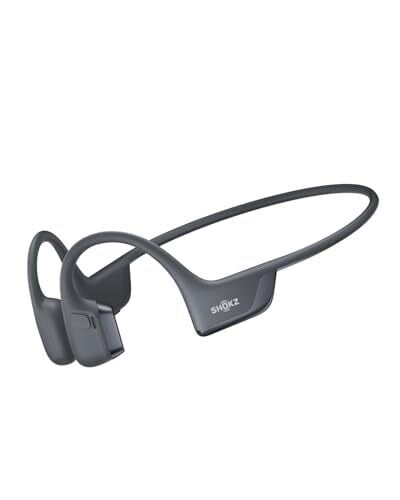
Bone conduction headphones (BCHs) have been around for a while, but I didn’t really start using them until this year, and they’ve honestly changed everything for me. They have helped keep my mind occupied—usually with an audiobook—while I tackle mundane tasks while leaving me able to communicate with my wife without constantly taking my earbuds out. As I result, I’ve listened to more books than ever this year, but beyomnd that accomplishment, I love that I’m able to remain aware of my surroundings while listening to my music, podcast, shows, calls, or, yes, my audiobook. That’s why BCHs are my tech upgrade of 2025.

Why I love the Shokz OpenRun Pro 2

Earlier this year, I reviewed the Shokz OpenRun Pro 2, and I’m glad I did. I’d tested other BCHs previously, but the OpenRun Pro 2 were on a different level entirely. They employ a hybrid of BCH technology and open-air sound that projects low frequencies to your ears. This means they sound almost like regular headphones, while keeping the benefits of BCH. (they don’t cover your ears, so you’re more tuned in to the world around you).

No more losing an earbud

I used to use regular earbuds while taking work calls or doing household chores, and I would often find myself only using one earbud so I wouldn’t be totally tuned out to my surroundings. Yes, most earbuds now have a transparency mode of some sort, but I’d usually find it easier to just take one out rather than remembering how to toggle it on or off. The downside here is that I’d typically leave whichever earbud I’d removed lying somewhere around the house, or lose it outright. Moreover, if I was listening to something in stereo, I’d be missing out on half of the experience. That all changed when I started using the OpenRun Pro 2 as my go-to headphones.

Comfortable and functional

Unlike earbuds or over-ear headphone, which can be fatiguing after extended use, the OpenRun Pro 2 are so comfortable, I sometimes forget I’m wearing them. Their microphones are great, so I can use them to take calls or virtual meetings without issue. Because of their hybrid audio model, I don’t experience the sensation of vibration that tickled my ears when I tried other BCH models. I love that I can have a full conversation with my wife while washing the dishes or cooking and not have to worry about pausing my media or fumbling with my earbuds. And the best part is that they’re waterproof, so I can go from a runs and straight to the shower without missing a beat—or, more often, a chapter of my current book (you’d be surprised how many minutes of extra listening you can rack up over the course of a year of showers, not to mention washing dishes, walking the dog, and other everyday tasks). With the help of these headphones, I look forward to beating my audiobook record again in 2026.

ACM To Make Its Entire Digital Library Open Access Starting January 2026

The Association for Computing Machinery, the world’s largest society of computing professionals, announced that all publications and related artifacts in the ACM Digital Library will become freely available to everyone starting January 2026. Authors will retain full copyright to their published work under the new arrangement, and ACM has committed to defending those works against copyright and integrity-related violations.

The transition follows what ACM described as extensive dialogue with authors, Special Interest Group leaders, editorial boards, libraries, and research institutions globally. Students, educators, and researchers at institutions of all sizes — from well-resourced universities to emerging research communities — will gain unrestricted access to the full catalog of ACM-published work. The Digital Library houses decades of computing research across journals, magazines, conference proceedings, and books.


Read more of this story at Slashdot.

Russia is about to do the most Russia thing ever with its next space station

For several years now, in discussing plans for its human spaceflight program beyond the International Space Station, Russian officials would proudly bring up the Russian Orbital Station, or ROS.

The first elements of ROS were to launch in 2027 so it would be ready for human habitation in 2028. Upon completion in the mid-2030s, the station would encompass seven shiny new modules, potentially including a private habitat for space tourists. It would be so sophisticated that the station could fly autonomously for months if needed.

Importantly, the Russian station was also to fly in a polar orbit at about 400 km. This would allow the station to fly over the entirety of Russia, observing the whole country. It would be important for national pride because cosmonauts would not need to launch from Kazakhstan anymore. Rather, rockets launching from the country’s new spaceport in eastern Russia, the Vostochny Cosmodrome, would easily reach the ROS in its polar orbit.

Read full article

Comments

Sturdy’s first ‘off-the-peg’ road bike offers titanium bliss without custom wait times

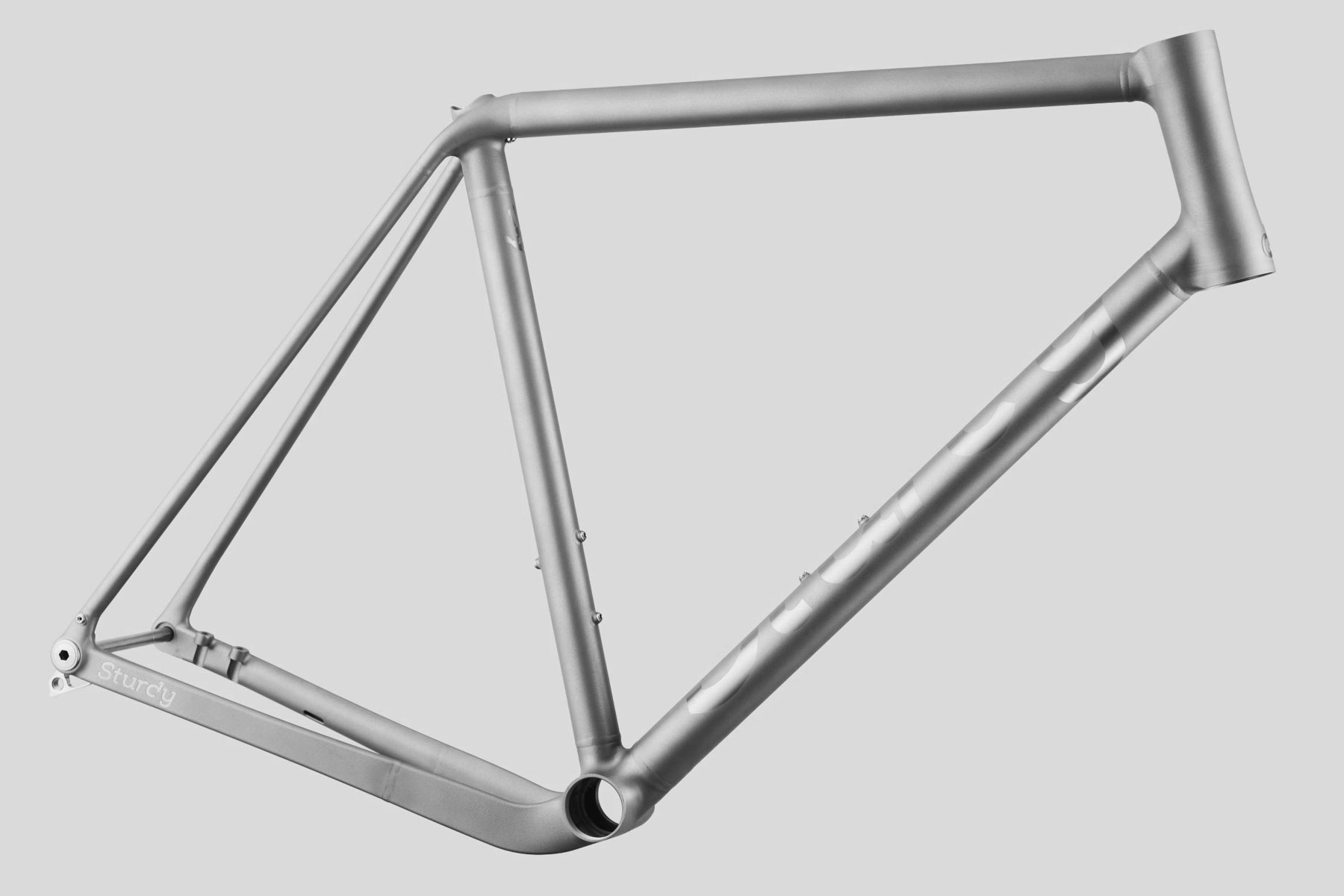
British titanium specialist Sturdy has unveiled a new off-the-peg road bike that follows in the footsteps of the SC-G, which launched earlier this year.

The SC-R is aimed at riders looking for a versatile, precision-built road bike, but without the long wait times (and additional expense) of full-custom.

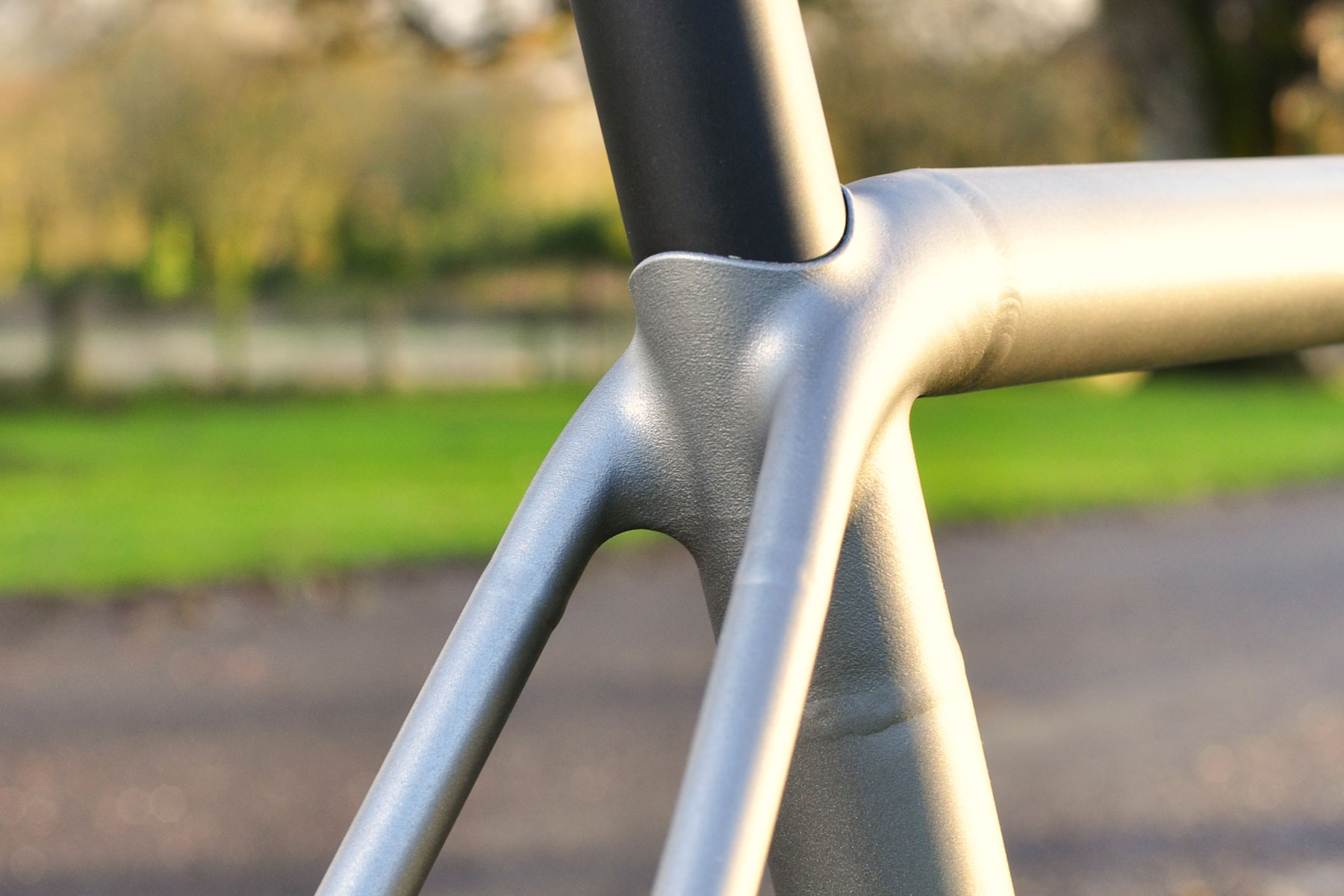
The new titanium road bike features Sturdy’s signature blend of precision CNC-machined and 3D-printed parts, along with custom-butted titanium tubing.

With more than 35mm of tyre clearance and mounts for mudguards, along with a threaded bottom bracket and UDH rear dropout, the SC-R looks as though it could be a superbike for all seasons, especially for UK riders.

Off-the-peg sizing, bespoke finishing

The SC-R frame is available in four sizes. Sturdy Cycles

Although the SC-R comes in four set sizes, there is still plenty of scope for custom finishing.

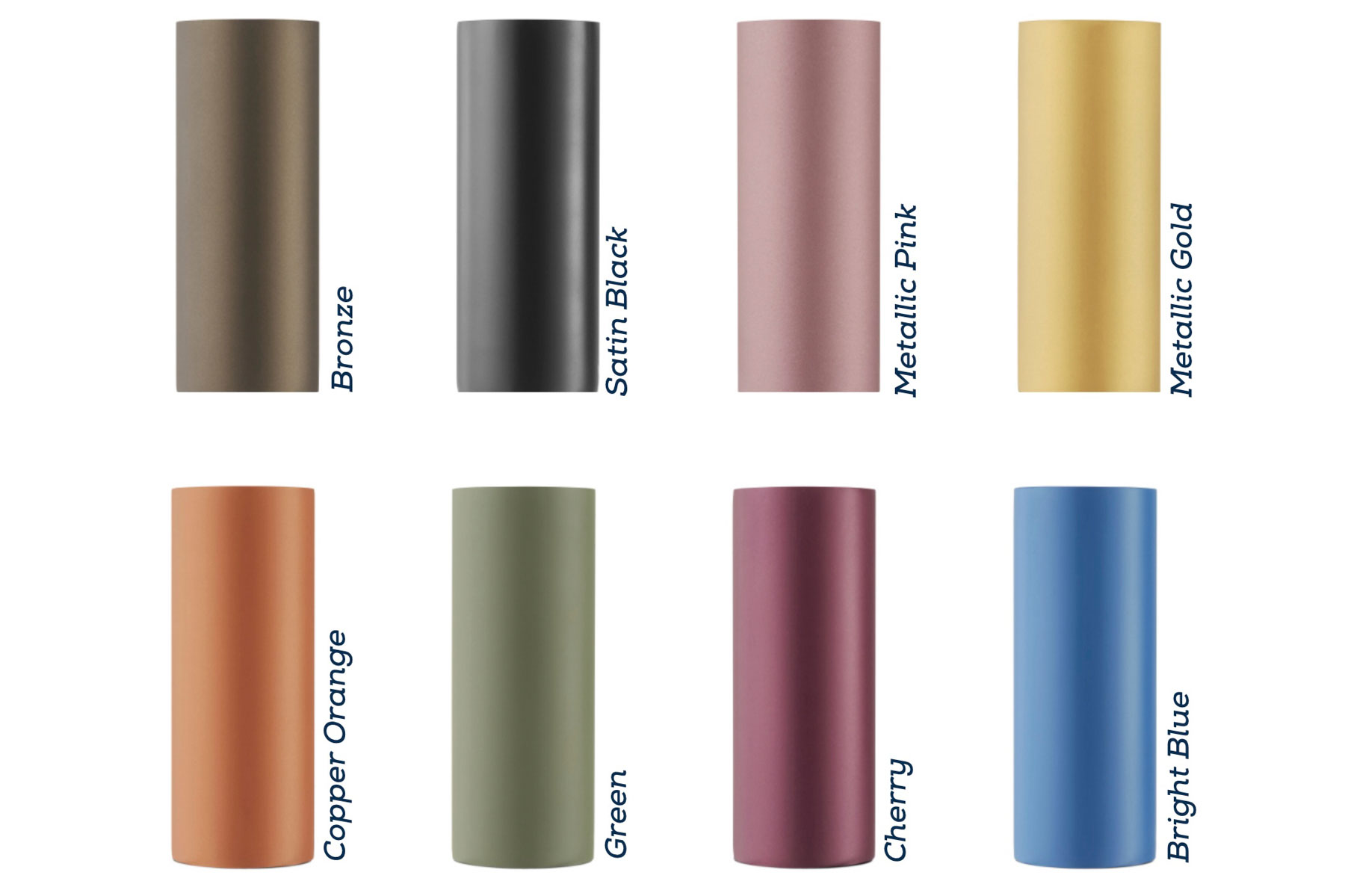
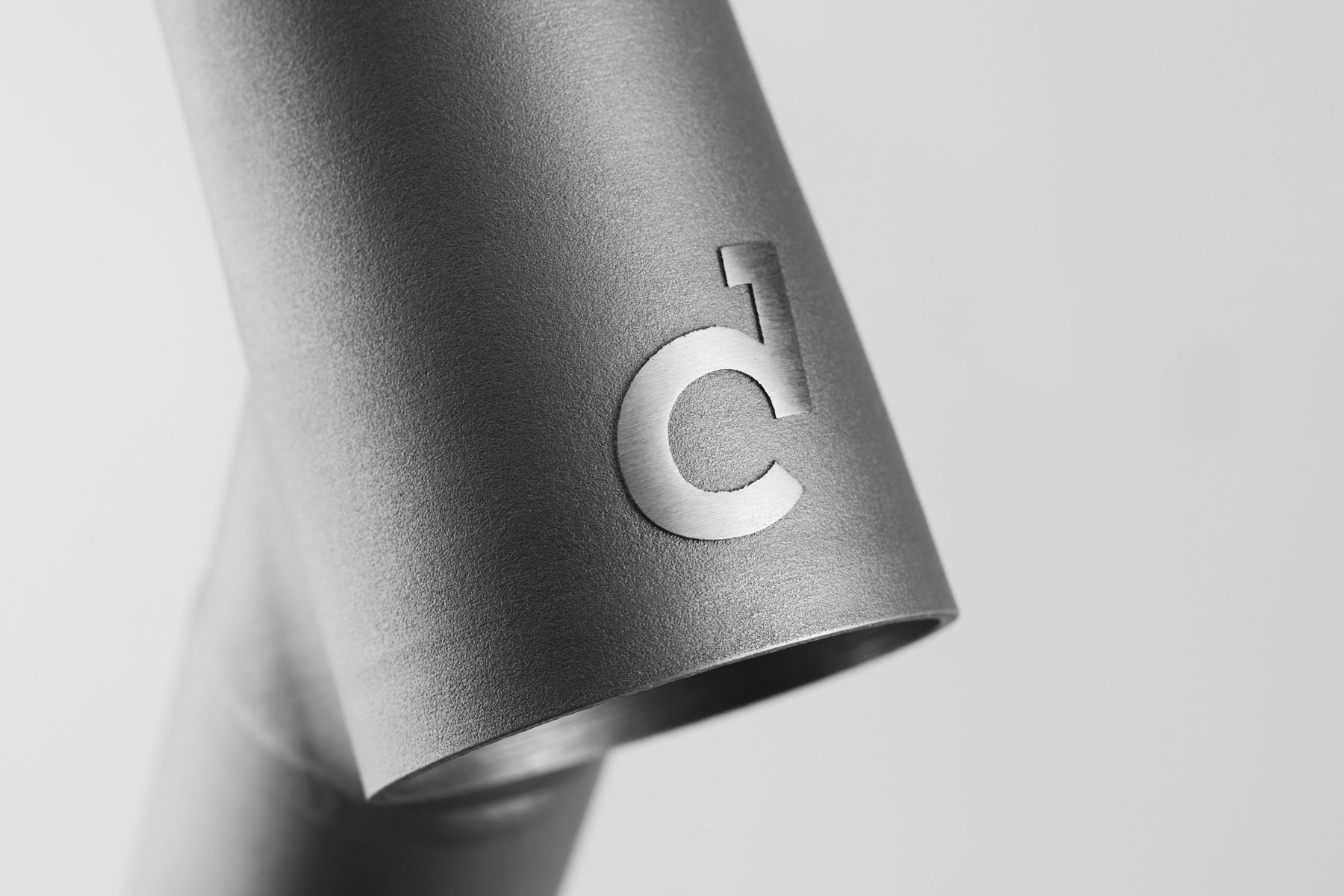
The SC-R has a raw titanium shot-peened finish, with a choice of finish for the logo – either brushed, polished or one of eight Cerakote colours. Cerakote is a thin-film ceramic coating known for its toughness and resistance to corrosion.

Sturdy offers eight Cerakote colour options. Sturdy Cycles

Each SC-R frame is handmade and finished to order at Sturdy’s workshop in Frome, Somerset, with delivery in six to eight weeks.

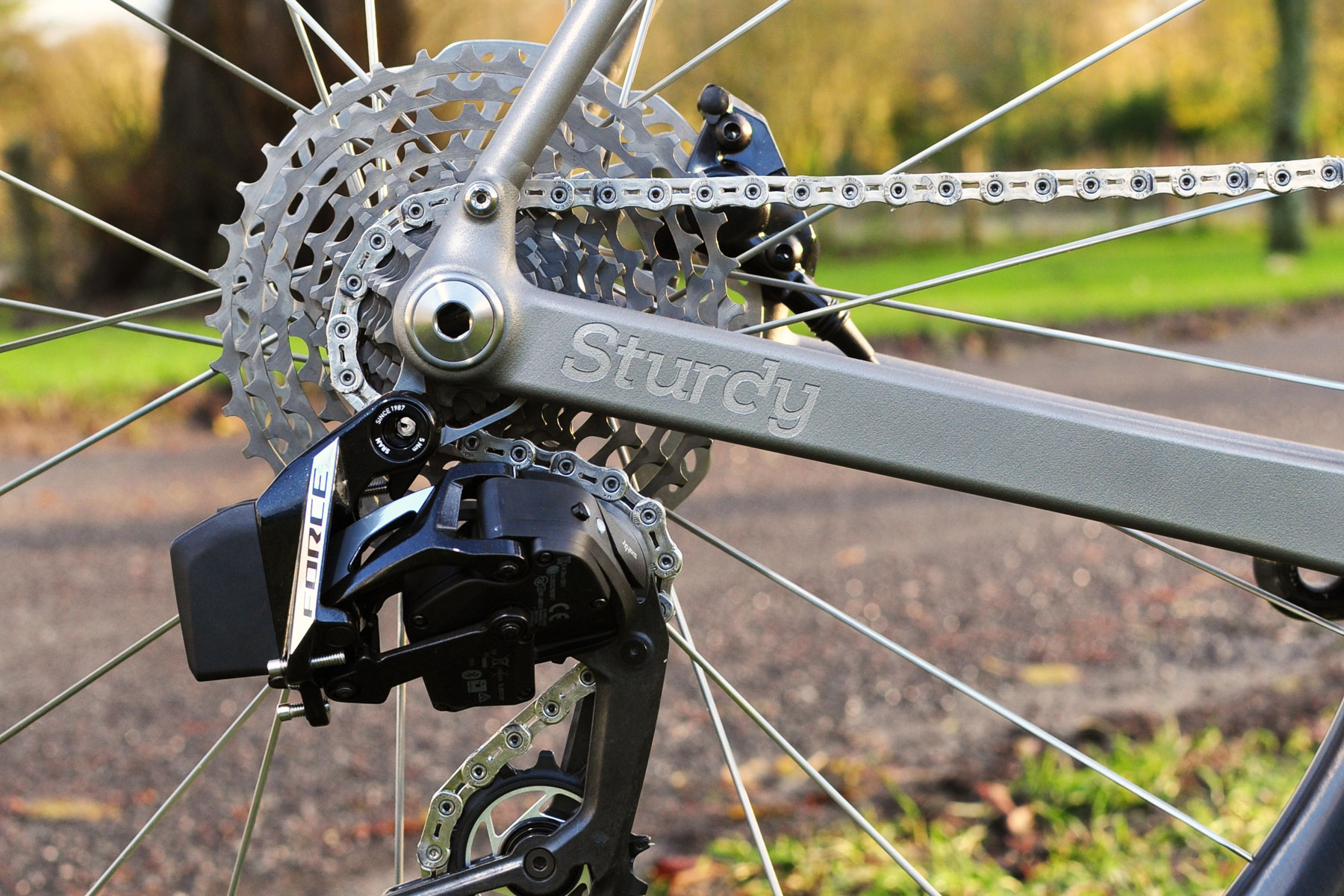
Sturdy tells us every element of its titanium frames is produced in-house under one roof. Sturdy also offers workshop visits for customers, so you can see your new dream machine being created.

Endurance-race geometry

The 3D-printed junctions are CNC-finished before welding. Sturdy Cycles

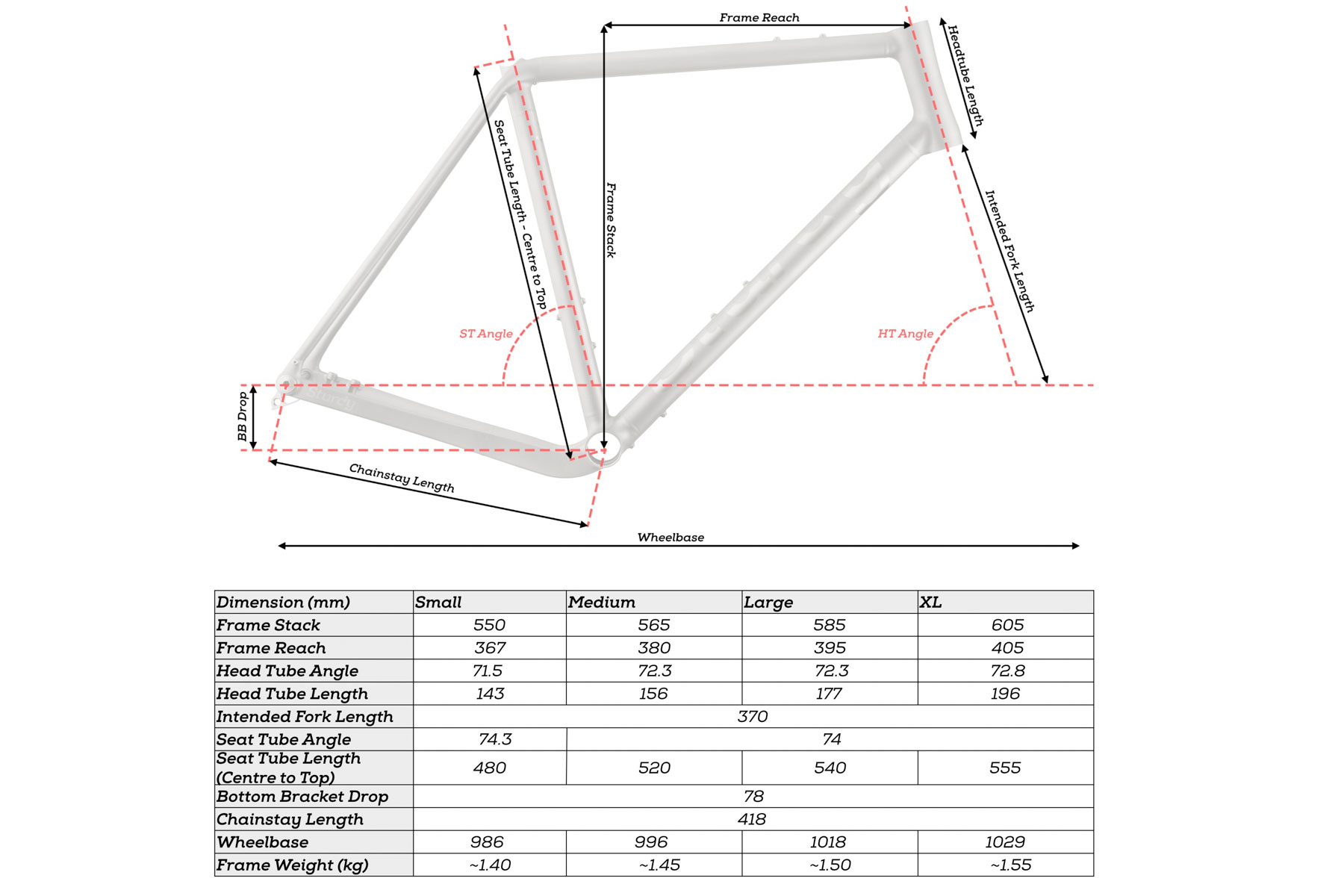
Sturdy says the SC-R’s geometry comes from the culmination of hundreds of client fits and preferences. All of those details have been distilled into geometry that’s finely balanced between speed and a more relaxed endurance-friendly ride position, according to the brand.

SC-R Geometry
Sturdy Cycles

The SC-R can be paired with up to 35mm road tyres. Hence, the bottom bracket height is reduced to compensate and keep the race-bike agility in its handling.

UDH dropouts are intended to future-proof the SC-R. Sturdy Cycles

Sturdy SC-R spec details

  • Headset: Deda DCR or FSA ACR (1.5in upper and lower bearings), Deda DCR headset included
  • Bottom bracket: T47-68 (68mm-wide T47 threaded shell)
  • Rear axle: 142x12mm, titanium rear thru-axle included
  • Derailleur hanger: Titanium UDH included
  • Brake mount: Flat mount 140mm (160mm with adaptor)
  • Cable routing: via DCR headset system, electronic only. Wire exit points for Shimano Di2 added by request or left blank for wireless derailleur systems
  • Bosses: 2x bottle cage mounts in front triangle, mudguard mounts on dropouts and seat tube – titanium bottle boss bolts included
  • Tyre clearance: 35mm maximum

Options and prices

The attention to detail on Sturdy frames is stunning. Sturdy Cycles

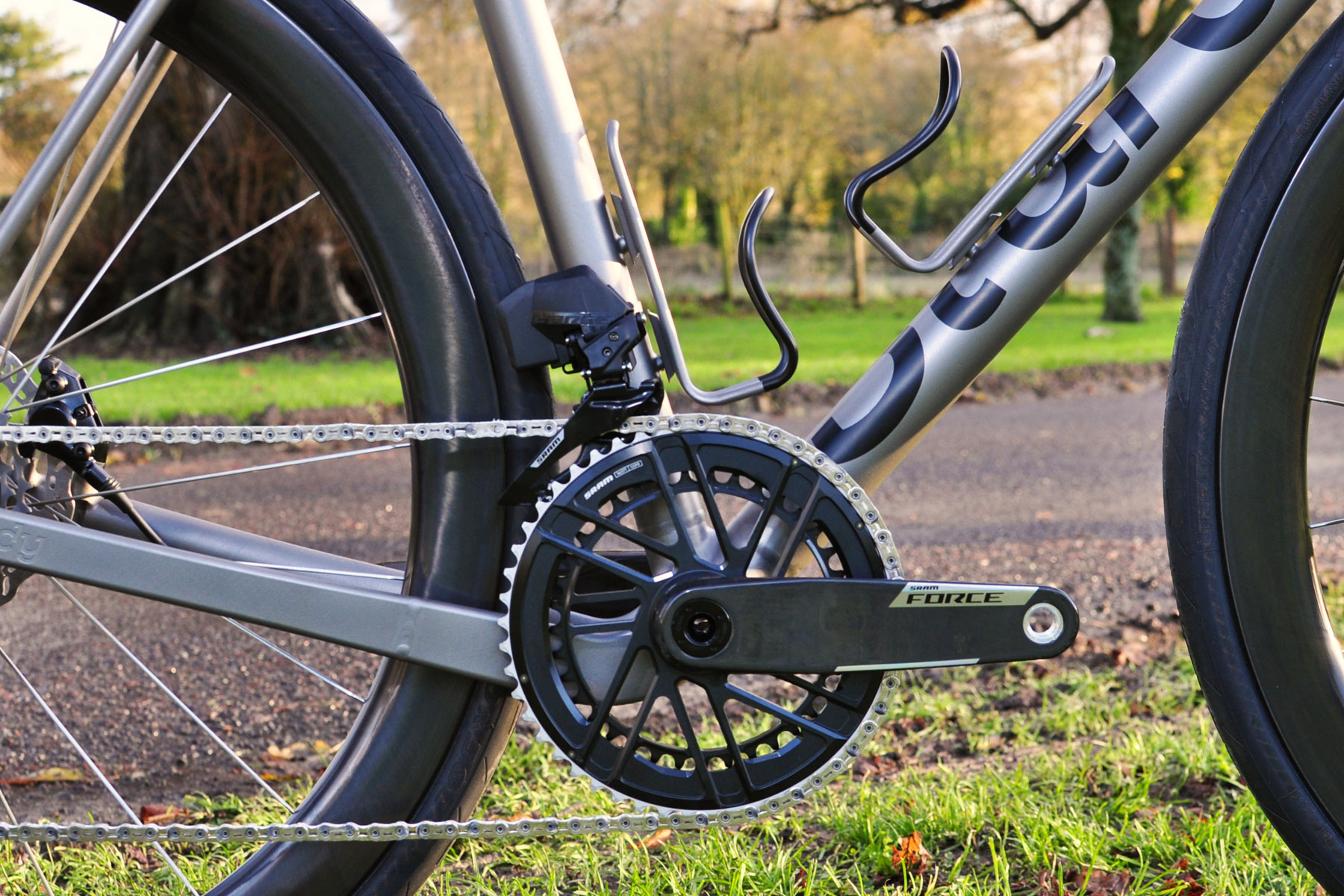
Sturdy offers the SC-R as a frame only with an ENVE build kit, or a complete bike built with ENVE parts, SRAM Force AXS and Sturdy’s own 50mm-deep carbon wheelset.

Frame only

  • Titanium UDH
  • Titanium thru-axle
  • Deda DCR headset
  • Titanium bottle boss bolts
  • £4,800 (inc VAT), including a choice of logo finishes

ENVE component bundle

  • ENVE Road In-Route fork
  • ENVE In-Route stem
  • ENVE integrated handlebar
  • ENVE aero stem computer and camera mount
  • ENVE seatpost
  • Sturdy Cycles titanium headset cap
  • £1,200 (inc VAT), available with frame as an additional purchase

Full build – ENVE/AXS Force/Sturdy

The complete-bike option is built with SRAM Force AXS. Sturdy Cycles
  • ENVE Road In-Route fork
  • ENVE In-Route stem
  • ENVE Integrated handlebar
  • ENVE Aero stem computer and camera mount
  • ENVE seatpost
  • Sturdy Cycles titanium headset cap
  • SRAM AXS Force 12-speed groupset
  • SRAM Dub bottom bracket
  • Sturdy OEM carbon-spoke 50mm road wheelset
  • Fizik Vento Antares R5
  • Pirelli P Zero RS 30mm TLR tyres
  • £10,500 (inc VAT)
  • Claimed weight: 7.8kg (size Medium)

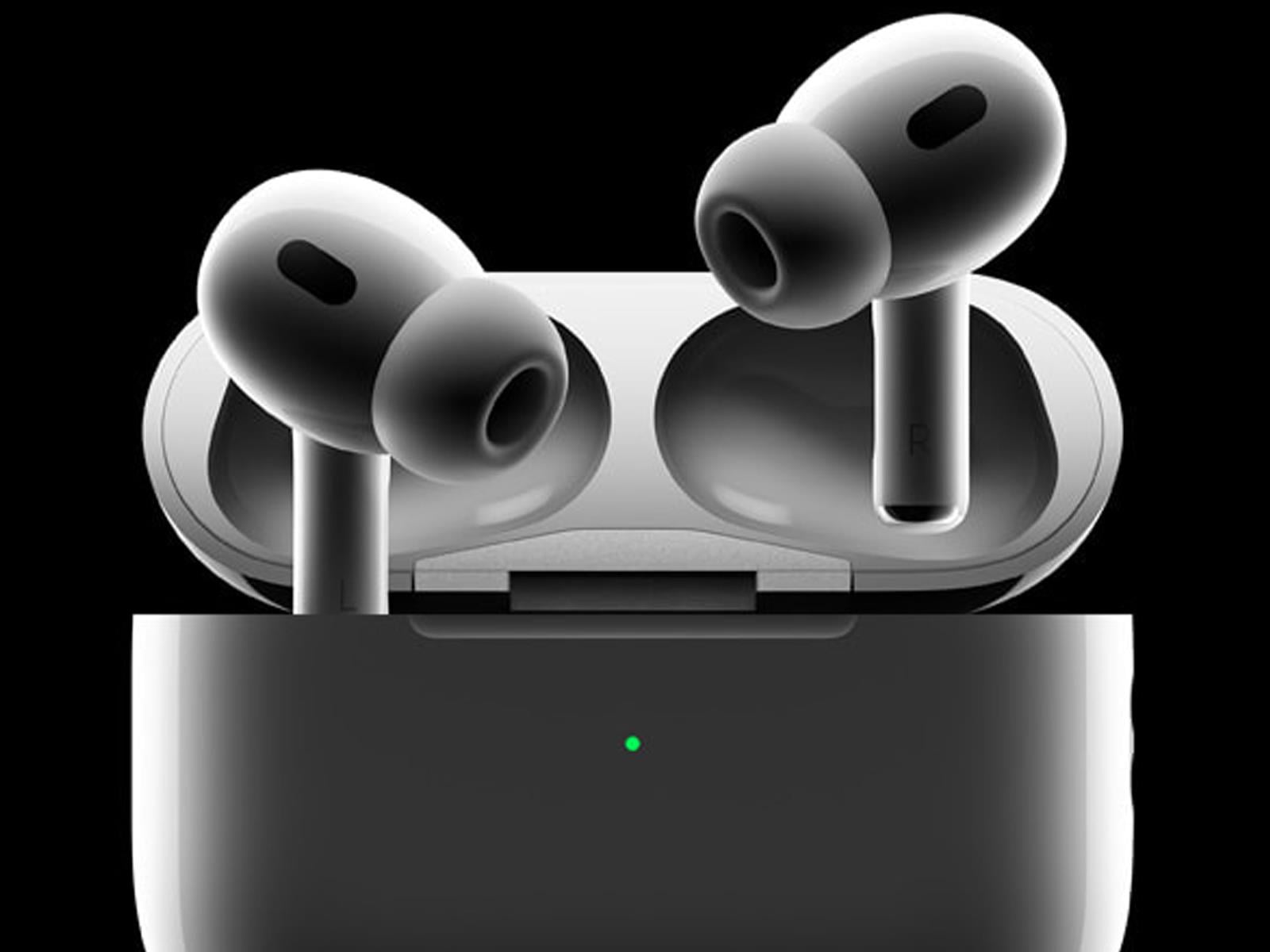
Apple AirPods Pro 3 Back To $199 — Don’t Miss This Christmas Sale

Apple AirPods Pro 3 Back To $199 — Don’t Miss This Christmas Sale
For the second time this month, Apple’s recently launched AirPods Pro 3 are down to an all-time low price with a 20% discount over MSRP on tap. If you’re looking for a last-minute holiday gift idea, this is a fantastic option. It also underscores why we often recommend against paying full price for audio products, even ones that just launched,