This Amazon Fire Kids Tablet Is 50% Off Right Now

We may earn a commission from links on this page. Deal pricing and availability subject to change after time of publication.

For parents shopping for a first kids’ tablet that won’t turn into a headache or break after one drop, the Amazon Fire HD 8 Kids (2024) might be worth a look. It usually retails for $149.99, but it’s currently marked down to $74.99 on Amazon, its lowest price to date, according to price trackers.

At that price, you’re getting a rugged case, a year of Amazon Kids+ subscription, a two-year worry-free replacement guarantee, and solid parental controls all bundled into one eight-inch tablet. It’s not fast, and it doesn’t have a high-res display, but for young kids starting out with screen time, it does a lot right.

It has a 2.0GHz hexa-core processor, 32GB of storage (expandable to 1TB), and a 1,280-by-800 resolution display. It handles video streaming and basic apps well, though heavier games and multitasking can slow it down. Battery life is impressive, lasting close to 10 hours in PCMag’s video playback tests. The case, which adds bulk, also includes a built-in stand that doubles as a handle, though younger kids might need help adjusting it. It’s not waterproof, but if it breaks, Amazon will replace it for free within two years—no questions asked.

Setup requires a parent to create profiles, set screen time limits, and customize content filters. Once done, kids can access Amazon Kids+, which includes age-appropriate books, videos, games, and a genuinely fun “Quest” feature that blends learning with light gamification. When the free trial ends, though, you’ll need to pay $5.99 a month (or $48 annually) to keep access to that library. Without it, the experience is much more limited and depends on how much effort you want to put into finding and installing your own content. But for under $75, with a kid-proof case and thoughtful tools for parents, it’s one of the better value tablets out there for kids aged three to seven.


Deals are selected by our commerce team

Formula 1 is deploying new jargon for 2026

While not quite a separate dialect, Formula 1-speak can be heavy on the jargon at times. They say “box” instead of pit, “power unit” to describe the engine and hybrid system, and that’s before we get into all the aerodynamics-related expressions like “outwash” and “dirty air.” Next year is a big technical shakeup for the sport, and it seems we’re getting some new terminology to go with it. So forget your DRS and get ready to talk about Boost mode instead.

The F1 car of 2026 will be slightly narrower and slightly lighter than the machines that raced for the last time earlier this month. But not by a huge amount: minimum weight is decreased by 30 kg to 724 kg, the wheelbase is 200 mm shorter at 3,400 mm, and the car’s underfloor is 150 mm narrower than before.

The front wing is 100 mm narrower and has just two elements to it, although for the first time in F1 history, this is now an active wing, which works in conjunction with the three-element active rear wing. Active rear wings have been a thing in F1 since the introduction of DRS—the drag reduction system—in 2011, but now there’s a philosophical change to how they’ll work.

Read full article

Comments

OpenAI just launched an app store inside ChatGPT

OpenAI has introduced an app directory that’s now available right inside ChatGPT, the company announced. “Apps extend ChatGPT conversations by bringing in new context and letting users take action like order groceries, turn an outline into a slide deck or search for an apartment,” the company wrote in a blog post. OpenAI also noted in a help document that “connector” apps like Google Drive are now simply called “apps.”

The new apps section (on iOS, Android and web) is divided into Feature, Lifestyle and Productivity categories, letting you connect to commonly used apps and sites like Booking.com, Spotify and Dropbox. To use an app, simply click on it, hit “Connect” then authorize the app to access ChatGPT. With that done, you can then start a chat related to that app. In the case of Dropbox, for instance, you’ll be able to “gather insights, prepare briefs and summarize reports or internal documents,” according to the description. Once connected, any app can be accessed by doing an @ mention of it.

A new addition that came along with the store is an Apple Music app that, like Spotify, helps users find music, create playlists and manage their libraries through a chat interface. Another is DoorDash, which lets you transform recipes, meal planning and staples into “an actionable shopping cart.”

Along with the app directory, OpenAI is now allowing developers to submit apps for review and publication in ChatGPT according to the company’s app submission guidelines. It also published resources to help developers build such apps, including best practices, open-source example apps, an open-sourced UI library for chat-native interfaces and a step-by-step quickstart guide. That’s on top of the software developer kit (SDK) that OpenAI introduced in October.

OpenAI noted that for now, developers can only monetize apps by linking out from the ChatGPT app to the native app or website — but the company is exploring internal monetization options as well. Privacy was also emphasized, with companies required to provide “clear” policies.

The new feature is a big part of Sam Altman’s promises to make ChatGPT more versatile with the addition of custom “GPT” bots. “Over time, we want apps in ChatGPT to feel like a natural extension of the conversation, helping people move from ideas to action, while building a thriving ecosystem for developers,” the company wrote.

This article originally appeared on Engadget at https://www.engadget.com/ai/openai-just-launched-an-app-store-inside-chatgpt-133049586.html?src=rss

Ultrahuman brings snoring detection and respiratory health tracking to the Ring Air

The Ultrahuman Ring Air now has the capacity to track snoring and general respiratory health. This is thanks to proprietary technology called Respiratory Health PowerPlug, which is basically a suite of audio analysis tools along with some “advanced biomarker tracking” and AI tomfoolery.

All of this results in “one of the most comprehensive consumer tools ever built for understanding nighttime respiratory stability.” It details snoring sessions, of course, but also delivers a holistic and “actionable sleep picture.” The company says this “reveals patterns, trends and changes in respiratory health over time.”

Health insights.
Ultrahuman

To that end, it can also detect coughing and respiratory disturbances. This data is cross-referenced with movement patterns, sleep fragmentation patterns and resting heart rate to “show exactly how breathing issues shape sleep quality.” The company says this can be a good resource when experimenting with interventions, like switching to a new pillow or taping up the nose.

More health data is never a bad thing, but this information isn’t free. Ultrahuman is charging $4 per month for access to the tool, though folks can pick up an annual subscription for $40.

The Ultrahuman Ring Air made our list of the best smart rings, and that was before the company introduced this new software. It tracks an impressive amount of data and integrates with third-party devices like glucose monitors.

This article originally appeared on Engadget at https://www.engadget.com/wearables/ultrahuman-brings-snoring-detection-and-respiratory-health-tracking-to-the-ring-air-130054901.html?src=rss

Doublespeed Hack Reveals What Its AI-Generated Accounts Are Promoting

An anonymous reader quotes a report from 404 Media: Doublespeed, a startup backed by Andreessen Horowitz (a16z) that uses a phone farm to manage at least hundreds of AI-generated social media accounts and promote products has been hacked. The hack reveals what products the AI-generated accounts are promoting, often without the required disclosure that these are advertisements, and allowed the hacker to take control of more than 1,000 smartphones that power the company. The hacker, who asked for anonymity because he feared retaliation from the company, said he reported the vulnerability to Doublespeed on October 31. At the time of writing, the hacker said he still has access to the company’s backend, including the phone farm itself.

“I could see the phones in use, which manager (the PCs controlling the phones) they had, which TikTok accounts they were assigned, proxies in use (and their passwords), and pending tasks. As well as the link to control devices for each manager,” the hacker told me. “I could have used their phones for compute resources, or maybe spam. Even if they’re just phones, there are around 1100 of them, with proxy access, for free. I think I could have used the linked accounts by puppeting the phones or adding tasks, but haven’t tried.”

As I reported in October, Doublespeed raised $1 million from a16z as part of its “Speedrun” accelerator program, “a fastpaced, 12-week startup program that guides founders through every critical stage of their growth.” Doublespeed uses generative AI to flood social media with accounts and posts to promote certain products on behalf of its clients. Social media companies attempt to detect and remove this type of astroturfing for violating their inauthentic behavior policies, which is why Doublespeed uses a bank of phones to emulate the behavior of real users. So-called “click farms” or “phone farms” often use hundreds of mobile phones to fake online engagement of reviews for the same reason. […] I’ve seen TikTok accounts operated by Doublespeed promote language learning apps, dating apps, a Bible app, supplements, and a massager.


Read more of this story at Slashdot.

The Best Apps to Gamify Your Productivity

We may earn a commission from links on this page.

Call me immature, but I’m about a thousand times more likely to participate in activities that are good for me when they can be gamified. Even the simple pleasures of watching a number go up or earning a digital milestone badge can motivate me to get to the gym, track my meals, or form a new habit. Gamification can be used for focusing and studying, too, and a wide variety of apps exist to serve this purpose. Here are some of the best. 

Gamification apps for focusing

Focusing is notoriously difficult, especially in this hyper-connected era in which many of us can’t go five minutes without getting a text or eat a meal without watching TikTok videos. Use your device to your advantage instead with these apps that turn focusing into a game.

Finch

Finch in iOS

Credit: Finch

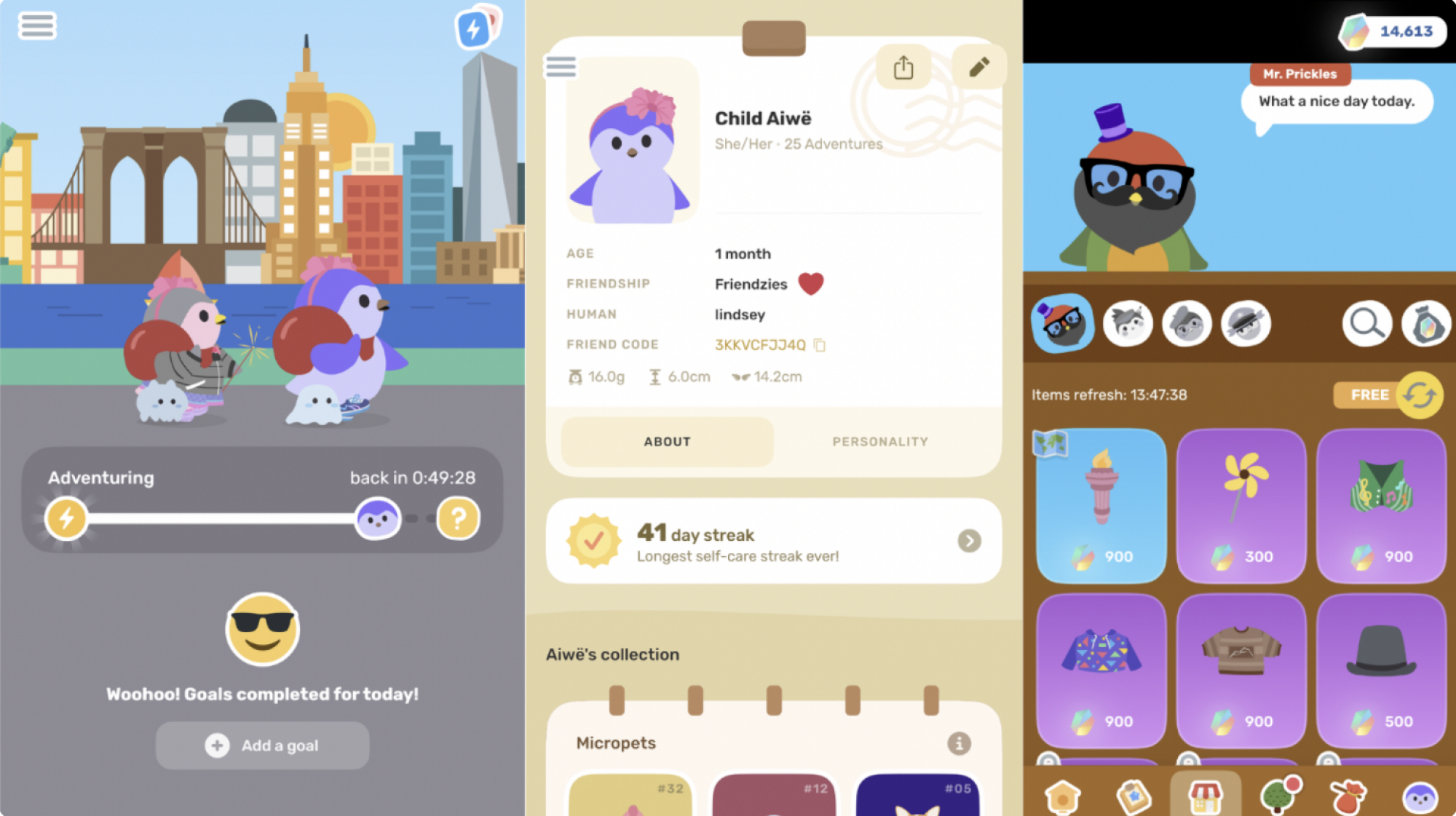
Finch is my favorite habit tracking app and I use it every day (streak as of today: 311!). You are responsible for the well-being of a happy little bird character and you take care of them by marking off your to-dos. I will be upfront and say it’s a little infantilizing and mushy; it comes pre-loaded with to-dos like “get out of bed” and “take a stretch break.” I left those in alongside the actual daily activities I programmed in myself for some easy wins, but the app is clearly designed for people struggling a little with executive function.

To me, though, Finch is great because it’s so positive. Other apps might penalize you for missing a day, but this one is encouraging. It’s useful to have a little positive reinforcement every day, even if it’s a little cloying. By completing your tasks, you send your bird on “adventures,” earn in-game currency to dress them up in outfits, and level up your friendship score with them. Interestingly, you are also periodically prompted to enter in how you’re feeling and what’s making you feel that way, which the app tracks. Over time, you can see a data breakdown of your moods and the things that affect them, which is useful if you’re trying to maximize your productivity and make a few lifestyle changes to enhance it.

Read my full review of the Finch app here.

Habitica

Habitica in iOS

Credit: Habitica

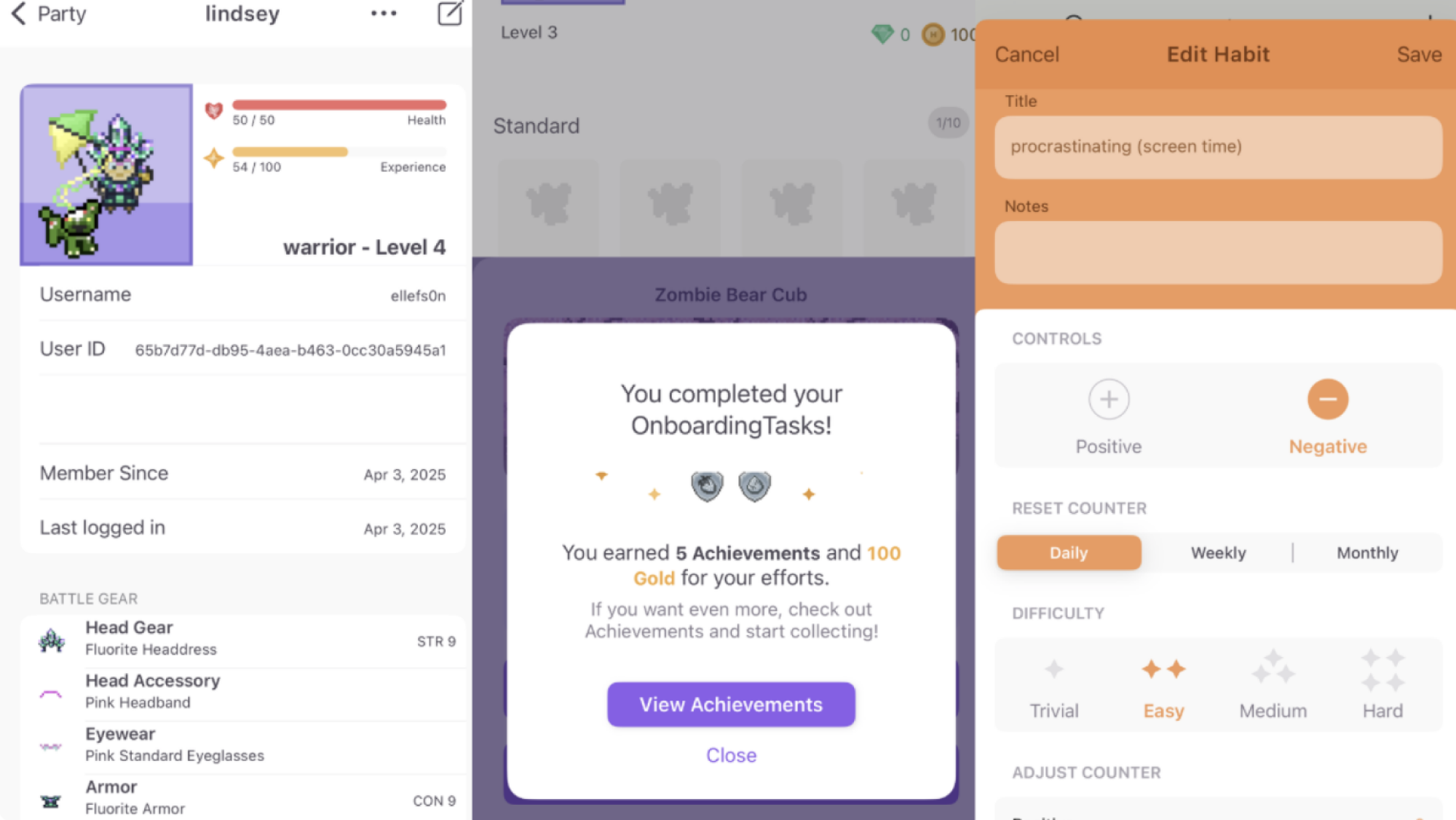
One of the gold-standard apps in gamification and productivity is Habitica, which is almost like a roleplaying game. You designate the goal you want to achieve, track when you do it, and watch as your in-game avatar gains (or loses) health. Your avatar can even link up with other players for games and challenges, so you all level up together. You earn gold coins that can be spent in-game or “redeemed” when you do something you want to do in real life, like watch a movie. It’s free, but you can make in-app purchases or subscribe to group plans that help coordinate team goals for $9 per month, plus $3 per person. 

Read my full review of the app here.

Toggl

Toggl in Chrome

Credit: Toggl

Another app that’s great for teams but also works well for personal productivity, Toggl is a time-tracker that gives you leaderboards in addition to achievements when you stay focused and get things done. If digital badges don’t get you going, imagine the rush of seeing your name at the top of a leaderboard. If you’re using it on your own, it’s free, but after a 14-day trial, teams will pay $9 per user per month.

It looks like any digital calendar tool (and you can import calendars, like Google Calendar, right into it so you can see all your daily commitments), but there’s a Play button in the top right corner that you tap when you’re ready to track time. You can label the time blocks (and should get familiar with the concepts of time blocking and time boxing to make this most effective) so you can see precisely how many minutes you’re devoting to a given task every day.

Beeminder

Beeminder in Chrome

Credit: Beeminder

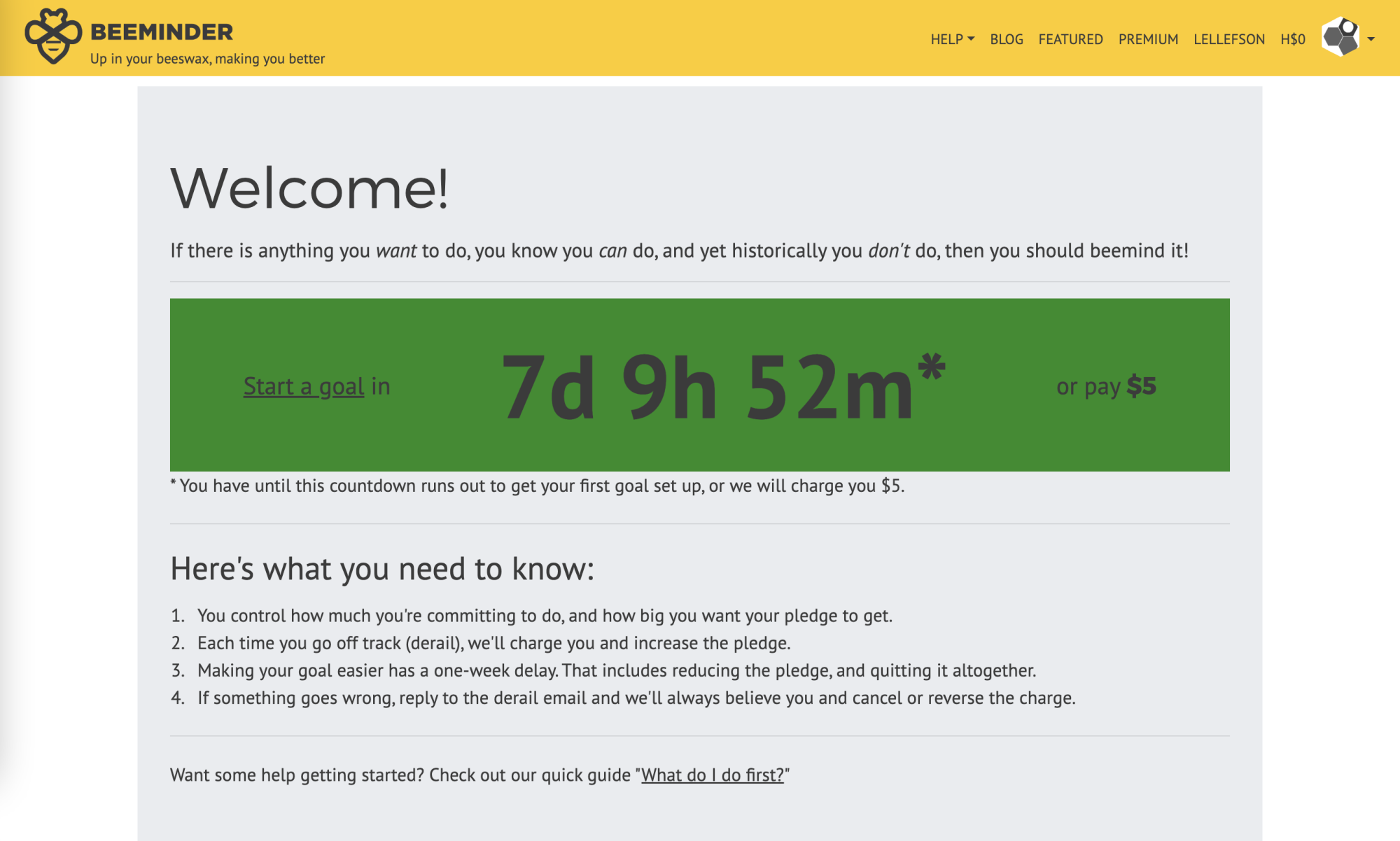
Beeminder is a great app because it links up to a variety of other apps—Habitca, Toggl, Duolingo, Gmail, Fitbit, Strava, and more—pulling in your data to make sure you’re staying on track with your goals. If you have a goal to stay focused on Slack or emails, Beeminder can actually make sure you’re doing it instead of relying on you to be honest in self-reporting. Continue to do what you’re trying to do and a red line will appear, inching toward your goal. The catch? If you don’t stick to what you’re trying to focus on, it charges $5 to the card you have on file. Otherwise, it’s free for up to three goals, but you can unlock unlimited goals (and the ability to put off payments and set charge caps) with premium plans that move from $8 per month, $16 per month, or even $50 per month, depending on how many features you want.

If you’re worried about the money-losing aspect, don’t be: This isn’t a tyrannical, scammy app. The developers are clear that if something comes up and prevents you from completing a goal on time, you can respond to the email you received about that goal’s timeline starting, ask for a refund, and they’ll “always believe you” and reverse the charge.

Gamification apps for studying

If you need to gamify your studies, there are special apps that work well for that, too. The software above also works for studying, so if you’re more of a Habitica person, feel free to stick with those. The ones below have unique features that might be helpful for students. 

FocusPomo

FocusPomo in iOs

Credit: FocusPomo

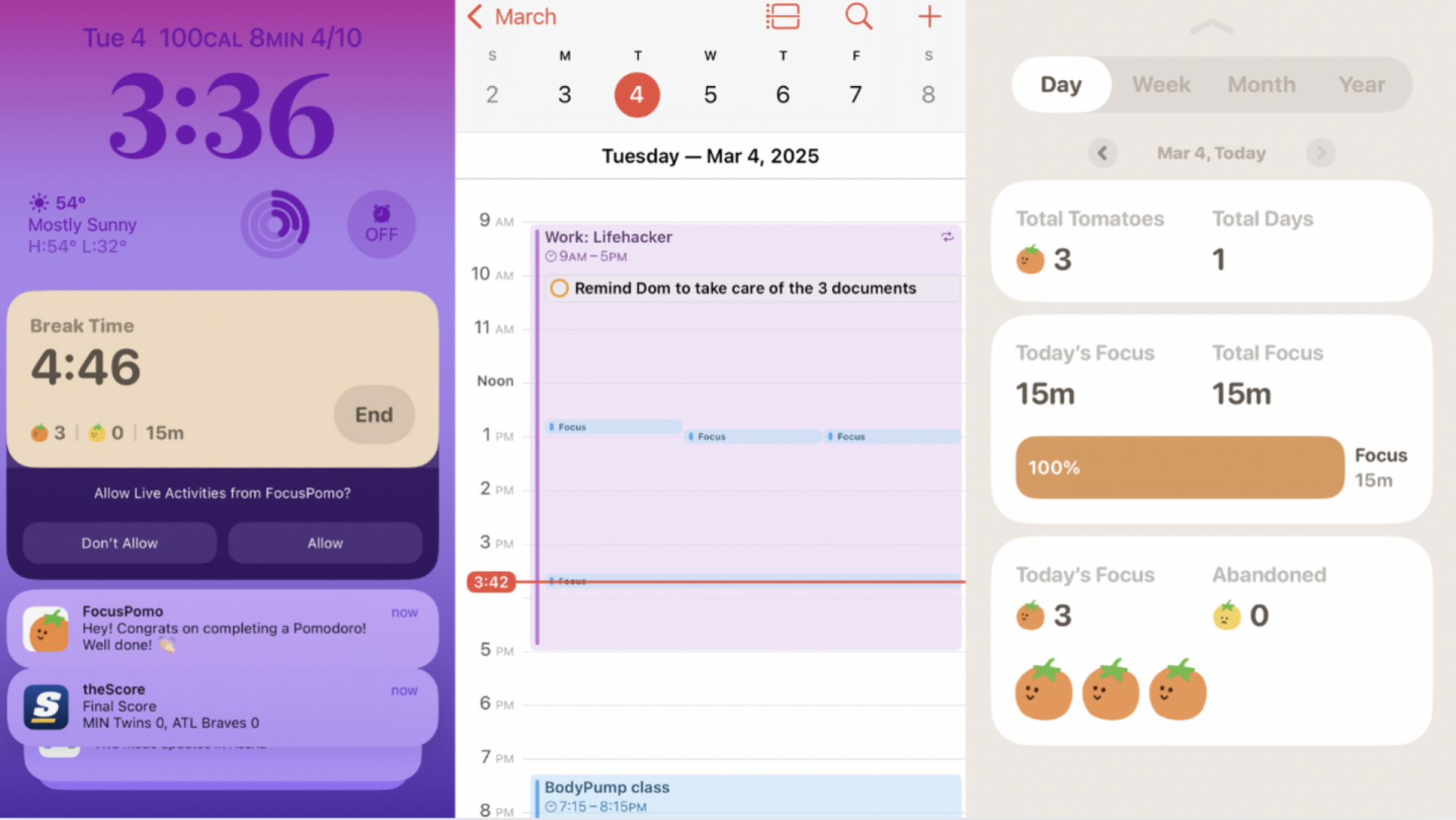
This is my favorite Pomodoro technique app. FocusPomo is simple to use and allows you to quickly access “focus sessions,” which are periods of time that are blocked out for studying or working. The app blocks your other, more distracting apps and rewards you with a little tomato graphic whenever you finish a session. It might not seem like much, but just collecting tiny, pixelated tomatoes becomes a little addicting. The app syncs with your calendars and communication platforms to make it easier for you to launch focus sessions whenever you have something to do, too, so earning those little tomatoes is surprisingly easy.

Read my full review of FocusPomo here.

Flora

Flora in iOS

Credit: Flora

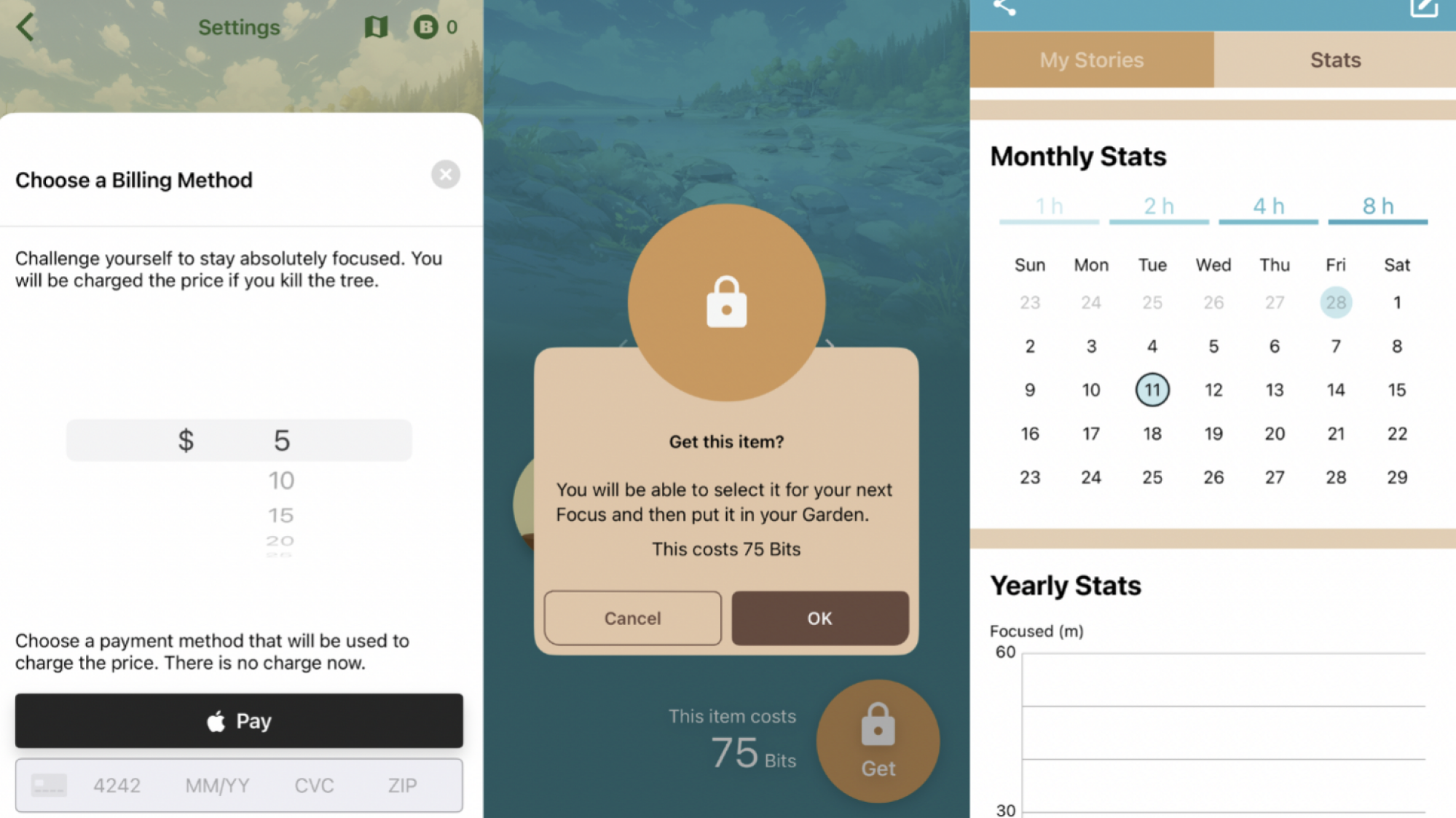
If you want something a little zen that still motivates you, try Flora, which is an app that just wants to help you plant trees (and stay focused on your work). It gamifies your productivity by rewarding you with cool animations, similar to the others on this list. Here, you get to you grow “trees” in a virtual forest, but only so long as you don’t interrupt their growth by using your phone when you’re supposed to be working. Moreover, you can bet money on your ability to carry out focus sessions or buy a subscription, both of which directly fund the planting of trees in the real world. That’s not a gamification so much as a real-world contribution that can make you feel good about your studying.

Read my full review of Flora here.

Study Bunny

Study Bunny in iOS

Credit: Study Bunny

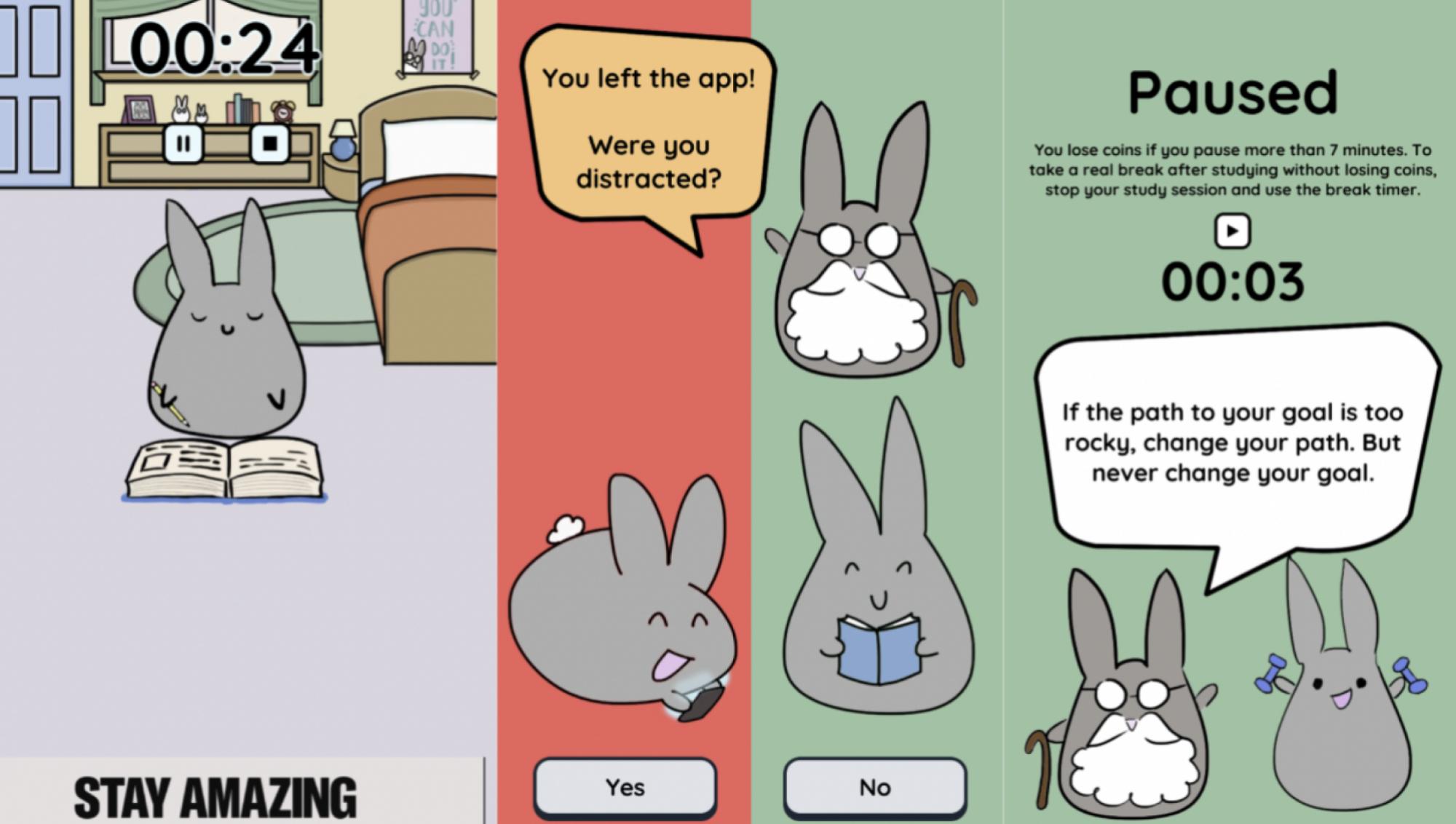
Study Bunny is a game designed for students. It has an in-app timer and a scored flashcard system, slots for to-do lists, and room for 15 subjects. You are assigned a virtual bunny rabbit that gets happier when you track work and progress, but sadder when you pause a work session or don’t open the app. The longer you work, the more coins you earn to buy items for your bunny. The app is pretty janky and I won’t lie about that, but it’s cute and stress-free, which makes it ideal if you’re looking for a fun way to stay motivated about your studies.

Read my full review of Study Bunny here.

All About Route Achievement Badges for Cyclists and Runners On Zwift

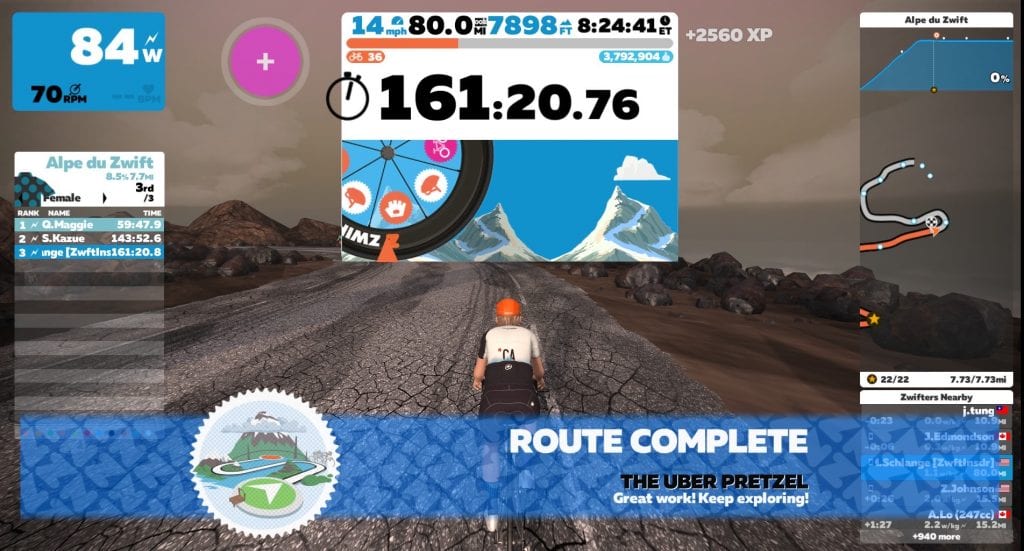
Did you know Zwift has 200+ cycling routes that earn you a special achievement badge and XP bonus the first time they’re completed? And runners have 35+ routes that award badges bonuses as well!

Here’s everything you need to know about Zwift route achievements, including the little gotchas that trip up new Zwifters and a full list of all the routes that award an achievement badge.

Every Badge has a Bonus

When you earn a route achievement badge, you also receive a one-time XP bonus for completing that route. This bonus is equal to the XP you already earned for the route (20XP per km), so you effectively double your XP earning rate when finishing routes for the first time, helping you level up faster.

Related: XP Farming on Zwift: the Definitive Guide to Earning More XP and Leveling Up Faster

Note: It’s not exactly accurate that you double your XP earning rate when running a new route. This is how Zwift set up the badges for running routes in the early days, but in recent years, they’ve set up running badges to award XP at the same rate as riding badges, which means newer route badges earn you about half the bonus that older ones did.

What Counts (and What Doesn’t)

Route badges can be earned in three ways:

  • Select the route from the home screen, then ride the full route. The game will make the correct turns for you. You can do this as a “free ride” or a workout.
  • Join an event (group workout, social ride, race, Meetup, etc) that uses the route, and ride the full route. (If the event ends before the route is finished, you must continue riding in order to finish the route and earn the badge.)
  • Join a RoboPacer or friend using the route, then ride the full route. (This can be tricky, since you’ll probably start midway through the route. You must cross the route’s start and finish line to complete it.)

What will not earn the badge is you freely navigating the route when the game thinks you’re on a different route.

Many Zwifters have hopped into the game, completed a particular route, then tried to keep riding and complete another route in the same session. This only works if you teleport to a rider or RoboPacer on the new route. But if you try to navigate the route manually, Zwift won’t know which route you want to complete, and it won’t award the badge.

Your route selection is only saved when you select a route from the home screen menu, begin a new event, or teleport to another rider or RoboPacer.

Planning and Tracking Your Progress

Most Zwifters use the Companion app or the in-game badge indicator to track which routes have unearned badges (read how to do that here). These approaches aren’t without their drawbacks, though:

  • The in-game list requires you to fire up the game before browsing, it only shows the day’s scheduled worlds (unless you use the fake workout world hack), and it doesn’t include event-only routes.
  • The Companion app’s list could be super convenient in theory, but in practice the list isn’t accurate, with many routes shown as not awarding badges when in fact they do.

Some Zwifters use tools like Zwifthub to track which routes they’ve completed, but that requires manually marking the route as complete. (Which, to be fair, is rather satisfying.)

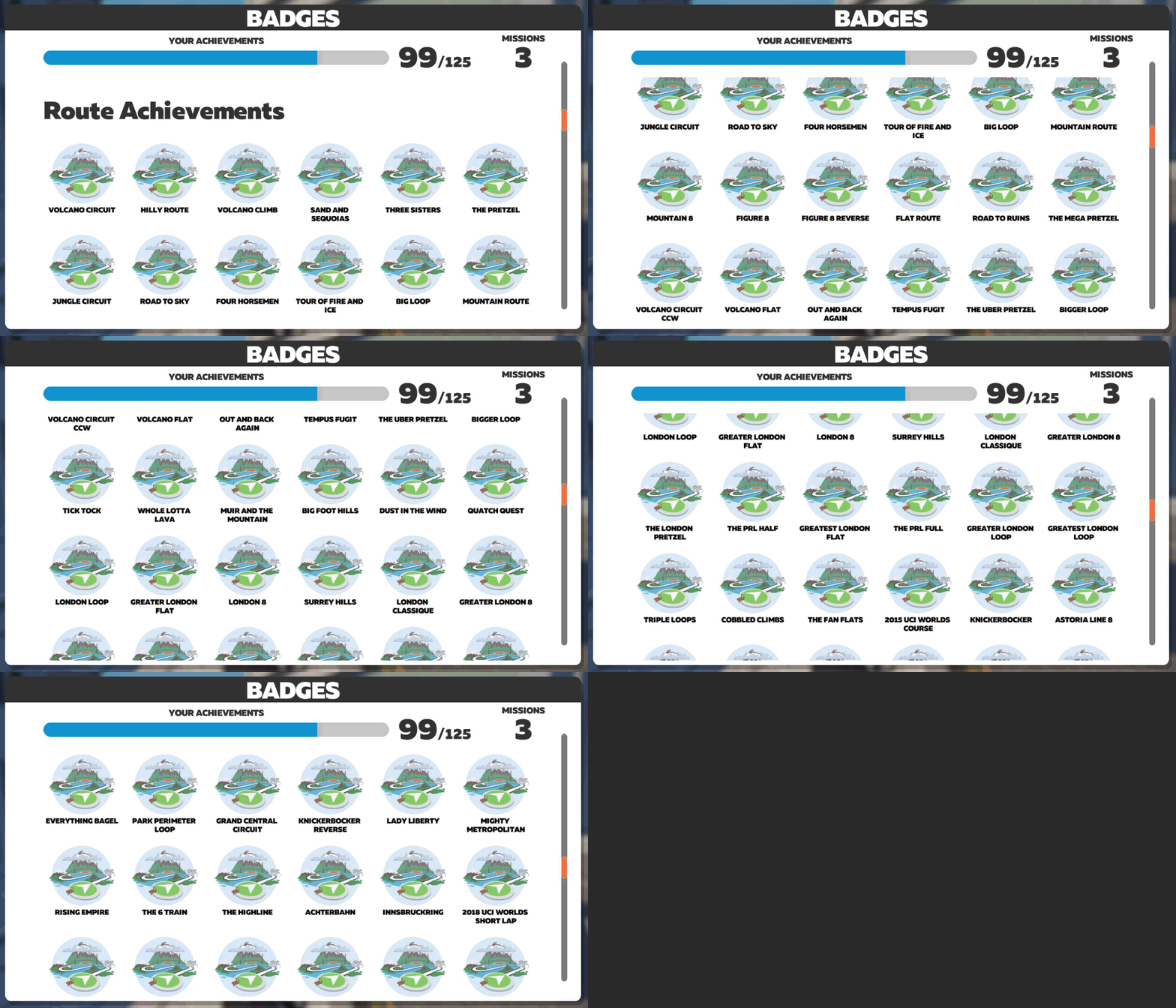
I’ve included a complete, up-to-date list of all routes with achievement badges below. You can copy and paste this into any spreadsheet if you’d like a list you can print, edit, etc.

Routes Without Badges

Some routes do not have achievement badges:

  • Certain Event-Only Routes: Some routes in Zwift are not available for free rides, and thus can only be ridden in official events. While Zwift has been enabling achievement badges for event-only routes in recent years, many older event-only routes don’t have them. Examples include fondo routes like the Gran Fondo, as well as many reverse routes and after-party routes.
  • Ride Badge, But No Run Badge: while runners can run on all the “mixed-use” routes in Zwift, most of those routes don’t award an achievement badge for runners.
  • Run-Only Routes: Some routes are only available to runners, and thus have no achievement badge for cyclists. These routes always have a running achievement badge, though! Examples include Jon’s Route and Hudson Roll.

A Complete List of Route Badges on Zwift

Here is a complete list of Zwift routes that award an achievement badge (and bonus XP) upon initial completion. Since Zwift awards different badges and different XP amounts for riders vs runners, I’ve created two separate lists: one for routes that award badges when ridden, the other for routes that award badges when run.

Badges marked with an * are event-only routes.

Routes with Ride Achievement Badges

Route Map Badge XP Length Elevation Lead-In
Bon Voyage France 565 28.2km (17.5 miles) 132m (433‘) 3.2km (2.0 miles)
Casse-Pattes France 460 23km (14.3 miles) 155m (509‘) 0.9km (0.6 miles)
Croissant France 185 9.3km (5.8 miles) 49m (161‘) 3.2km (2.0 miles)
Douce France France 480 24km (14.9 miles) 133m (436‘) 0.2km (0.1 miles)
Gentil 8 France 465 23.1km (14.4 miles) 243m (797‘) 0.6km (0.4 miles)
Hell of the North France 395 19.8km (12.3 miles) 241m (791‘) 0.3km (0.2 miles)
Knights of the Roundabout France 1025 51.2km (31.8 miles) 336m (1,102‘) 3.2km (2.0 miles)
La Reine France 460 22.4km (13.9 miles) 1201m (3,940‘) 0.4km (0.2 miles)
Macaron* France 50 2.6km (1.6 miles) 15m (49‘) 0km ( miles)
Peaky Pavé* France 610 30.6km (19.0 miles) 369m (1,211‘) 0.2km (0.1 miles)
Petit Boucle France 1220 60.8km (37.8 miles) 483m (1,585‘) 0.9km (0.6 miles)
Petite Douleur France 280 13.9km (8.6 miles) 194m (636‘) 10.9km (6.8 miles)
R.G.V. France 480 24km (14.9 miles) 133m (436‘) 0.9km (0.6 miles)
Roule Ma Poule France 460 23km (14.3 miles) 155m (509‘) 3.1km (1.9 miles)
Sacre Bleu France 1425 71.2km (44.2 miles) 396m (1,299‘) 0.5km (0.3 miles)
Three Musketeers France 705 35.2km (21.9 miles) 193m (633‘) 2.6km (1.6 miles)
Tire-Bouchon France 1220 61km (37.9 miles) 483m (1,585‘) 3.1km (1.9 miles)
Ven-10 France 200 10km (6.2 miles) 781m (2,562‘) 1.4km (0.9 miles)
Ven-Top France 420 20.9km (13.0 miles) 1534m (5,033‘) 0.2km (0.1 miles)
2018 UCI Worlds Course Short Lap Innsbruck 470 23.6km (14.7 miles) 494m (1,621‘) 0.2km (0.1 miles)
Achterbahn Innsbruck 950 47.4km (29.5 miles) 989m (3,245‘) 0.2km (0.1 miles)
Innsbruck KOM After Party Innsbruck 740 36.9km (22.9 miles) 656m (2,152‘) 0.2km (0.1 miles)
Innsbruckring Innsbruck 170 8.8km (5.5 miles) 77m (253‘) 0.2km (0.1 miles)
Lutscher CCW Innsbruck 270 13.8km (8.6 miles) 402m (1,319‘) 8.8km (5.5 miles)
Lutscher Innsbruck 270 13.7km (8.5 miles) 402m (1,319‘) 10.9km (6.8 miles)
Greater London 8 London 480 23.8km (14.8 miles) 276m (906‘) 0.6km (0.4 miles)
Greater London Flat London 230 11.7km (7.3 miles) 36m (118‘) 5.6km (3.5 miles)
Greater London Loop London 420 21km (13.0 miles) 222m (728‘) 0.6km (0.4 miles)
Greatest London Flat London 500 23.6km (14.7 miles) 164m (538‘) 7.5km (4.7 miles)
Greatest London Loop London 510 25.6km (15.9 miles) 356m (1,168‘) 0.6km (0.4 miles)
London 8 London 410 20.3km (12.6 miles) 219m (719‘) 0.6km (0.4 miles)
London Calling London 625 31.2km (19.4 miles) 207m (679‘) 0.5km (0.3 miles)
London Classique Reverse* London 110 5.4km (3.4 miles) 25m (82‘) 7.6km (4.7 miles)
London Classique London 110 5.5km (3.4 miles) 16m (52‘) 5.6km (3.5 miles)
London Flat London 240 11.99km (7.5 miles) 115m (377‘) 0.39km (0.2 miles)
London Loop London 300 14.9km (9.3 miles) 231m (758‘) 0.6km (0.4 miles)
London Uprising London 420 20.5km (12.7 miles) 356m (1,168‘) 0.3km (0.2 miles)
Surrey Hills London 820 39.2km (24.4 miles) 837m (2,746‘) 5.1km (3.2 miles)
The London Pretzel London 1100 55.7km (34.6 miles) 571m (1,873‘) 0.6km (0.4 miles)
The PRL Full London 3460 173km (107.5 miles) 2621m (8,599‘) 0.5km (0.3 miles)
The PRL Half London 1380 69.1km (42.9 miles) 1009m (3,310‘) 0.6km (0.4 miles)
Triple Loops London 810 40.9km (25.4 miles) 565m (1,854‘) 0.5km (0.3 miles)
Bridges and Boardwalks Makuri Islands 125 6.2km (3.9 miles) 60m (197‘) 1.9km (1.2 miles)
Castle Crit Makuri Islands 69 3.5km (2.2 miles) 44m (144‘) 1.5km (0.9 miles)
Castle to Castle Makuri Islands 460 22.4km (13.9 miles) 140m (459‘) 0.8km (0.5 miles)
Chain Chomper Makuri Islands 270 13.6km (8.5 miles) 184m (604‘) 2.3km (1.4 miles)
Chasing the Sun Makuri Islands 690 35.1km (21.8 miles) 316m (1,037‘) 0km ( miles)
Country to Coastal Makuri Islands 665 33.4km (20.8 miles) 275m (902‘) 0.1km (0.1 miles)
Countryside Tour Makuri Islands 310 16km (9.9 miles) 185m (607‘) 0.2km (0.1 miles)
Electric Break Makuri Islands 355 17.8km (11.1 miles) 190m (623‘) 1.8km (1.1 miles)
Electric Loop Makuri Islands 170 8.9km (5.5 miles) 43m (141‘) 0km ( miles)
Farmland Loop Makuri Islands 155 7.9km (4.9 miles) 58m (190‘) 0.2km (0.1 miles)
Fine and Sandy Makuri Islands 210 10.6km (6.6 miles) 77m (253‘) 0.1km (0.1 miles)
Flatland Loop Makuri Islands 260 12.9km (8.0 miles) 96m (315‘) 0.2km (0.1 miles)
Island Hopper Makuri Islands 360 18km (11.2 miles) 129m (423‘) 0.1km (0.1 miles)
Island Outskirts Makuri Islands 225 11.4km (7.1 miles) 90m (295‘) 0.1km (0.1 miles)
Kappa Quest Reverse Makuri Islands 180 9km (5.6 miles) 139m (456‘) 5.1km (3.2 miles)
Kappa Quest Makuri Islands 180 9.1km (5.7 miles) 140m (459‘) 3.8km (2.4 miles)
Kaze Kicker* Makuri Islands 340 16.9km (10.5 miles) 134m (440‘) 0.4km (0.2 miles)
Makuri 40 Makuri Islands 800 40.2km (25.0 miles) 308m (1,010‘) 0.1km (0.1 miles)
Makuri Madness Makuri Islands 325 15.9km (9.9 miles) 85m (279‘) 0.1km (0.1 miles)
Makuri Pretzel Makuri Islands 1550 77.6km (48.2 miles) 616m (2,021‘) 1.1km (0.7 miles)
Mech Isle Loop Makuri Islands 80 4km (2.5 miles) 39m (128‘) 0.1km (0.1 miles)
Neokyo All-Nighter Makuri Islands 485 24.3km (15.1 miles) 168m (551‘) 0.2km (0.1 miles)
Neokyo Crit Course* Makuri Islands 90 3.9km (2.4 miles) 19m (62‘) 0.7km (0.4 miles)
Neon After Party Makuri Islands 340 16.15km (10.0 miles) 141m (463‘) 1.15km (0.7 miles)
Neon Flats Makuri Islands 290 14.7km (9.1 miles) 73m (240‘) 0.2km (0.1 miles)
Neon Shore Loop* Makuri Islands 660 km ( miles) km ( miles)
Railways and Rooftops Makuri Islands 120 6.2km (3.9 miles) 71m (233‘) 2.1km (1.3 miles)
Red Zone Repeats Makuri Islands 390 19.4km (12.1 miles) 87m (285‘) 0.2km (0.1 miles)
Rooftop Rendezvous Makuri Islands 74 3.7km (2.3 miles) 56m (184‘) 2.9km (1.8 miles)
Sea to Tree Makuri Islands 65 3.2km (2.0 miles) 106m (348‘) 0.6km (0.4 miles)
Shisa Shakedown Makuri Islands 985 49.3km (30.6 miles) 495m (1,624‘) 4km (2.5 miles)
Sleepless City Makuri Islands 185 9.6km (6.0 miles) 43m (141‘) 0km ( miles)
Spirit Forest Makuri Islands 170 8.4km (5.2 miles) 135m (443‘) 4.6km (2.9 miles)
Sprinter’s Playground Makuri Islands 245 12.4km (7.7 miles) 68m (223‘) 0.2km (0.1 miles)
Suki’s Playground Makuri Islands 365 18.3km (11.4 miles) 150m (492‘) 0.2km (0.1 miles)
Temples and Towers Makuri Islands 650 32.6km (20.3 miles) 319m (1,047‘) 0.7km (0.4 miles)
Three Village Loop Makuri Islands 210 10.6km (6.6 miles) 93m (305‘) 2.3km (1.4 miles)
Tropic Rush Makuri Islands 825 41.2km (25.6 miles) 328m (1,076‘) 1.6km (1.0 miles)
Turf N Surf Makuri Islands 490 24.6km (15.3 miles) 196m (643‘) 0.1km (0.1 miles)
Twilight Harbor Makuri Islands 135 6.9km (4.3 miles) 33m (108‘) 0.2km (0.1 miles)
Two Village Loop Makuri Islands 255 12.8km (8.0 miles) 88m (289‘) 0.2km (0.1 miles)
Valley to Mountaintop Makuri Islands 100 5km (3.1 miles) 129m (423‘) 0.1km (0.1 miles)
Wandering Flats Makuri Islands 515 25.1km (15.6 miles) 146m (479‘) 0.1km (0.1 miles)
Astoria Line 8 New York 230 11.5km (7.1 miles) 140m (459‘) 0km ( miles)
Avon Flyer New York 65 3.3km (2.1 miles) 25m (82‘) 1.8km (1.1 miles)
Double Parked New York 845 42.2km (26.2 miles) 330m (1,083‘) 0.1km (0.1 miles)
Double Span Spin New York 145 7km (4.3 miles) 80m (262‘) 5.6km (3.5 miles)
Empire Elevation* New York 485 24.2km (15.0 miles) 261m (856‘) 1.8km (1.1 miles)
Everything Bagel New York 690 34.8km (21.6 miles) 525m (1,722‘) 0.1km (0.1 miles)
Fuhgeddaboudit New York 1595 79km (49.1 miles) 838m (2,749‘) 0km ( miles)
Gotham Grind New York 190 9.3km (5.8 miles) 96m (315‘) 0.1km (0.1 miles)
Grand Central Circuit New York 140 6.8km (4.2 miles) 144m (472‘) 1.5km (0.9 miles)
Green to Screen New York 575 28.4km (17.6 miles) 207m (679‘) 0.1km (0.1 miles)
Hudson Hustle* New York 405 20.3km (12.6 miles) 216m (709‘) 0.1km (0.1 miles)
Issendorf Express New York 145 7.2km (4.5 miles) 53m (174‘) 0.1km (0.1 miles)
Knickerbocker Reverse New York 450 22.5km (14.0 miles) 364m (1,194‘) 0.1km (0.1 miles)
Knickerbocker New York 450 22.5km (14.0 miles) 364m (1,194‘) 0km ( miles)
Lady Liberty New York 240 12.4km (7.7 miles) 206m (676‘) 0.1km (0.1 miles)
LaGuardia After Party New York 420 20.8km (12.9 miles) 326m (1,070‘) 0km ( miles)
Mighty Metropolitan New York 400 20.1km (12.5 miles) 316m (1,037‘) 0km ( miles)
No Sleep Till Brooklyn New York 675 31.8km (19.8 miles) 247m (810‘) 0.2km (0.1 miles)
NYC KOM After Party New York 730 37km (23.0 miles) 480m (1,575‘) 0km ( miles)
Park Perimeter Loop New York 190 9.8km (6.1 miles) 126m (413‘) 0km ( miles)
Park Perimeter Reverse* New York 195 9.8km (6.1 miles) 126m (413‘) 0.2km (0.1 miles)
Prospect Park Loop New York 110 5.4km (3.4 miles) 37m (121‘) 0.1km (0.1 miles)
Rising Empire New York 410 20.7km (12.9 miles) 375m (1,230‘) 0km ( miles)
Spinfinity Ultra New York 710 35km (21.7 miles) 291m (955‘) 0.8km (0.5 miles)
Spinfinity New York 390 19.3km (12.0 miles) 155m (509‘) 0.8km (0.5 miles)
Stay Puft Pursuit New York 625 31.2km (19.4 miles) 416m (1,365‘) 0.8km (0.5 miles)
The 6 Train New York 130 6.5km (4.0 miles) 70m (230‘) 0.1km (0.1 miles)
The Double Borough New York 360 17.8km (11.1 miles) 147m (482‘) 0.1km (0.1 miles)
The Greenway New York 805 36.2km (22.5 miles) 290m (951‘) 0.6km (0.4 miles)
The Highline New York 210 10.5km (6.5 miles) 179m (587‘) 9.9km (6.2 miles)
Times Square Circuit New York 70 3.5km (2.2 miles) 20m (66‘) 0.8km (0.5 miles)
Toefield Tornado New York 205 10.2km (6.3 miles) 53m (174‘) 0.1km (0.1 miles)
Watts the Limit New York 595 29.5km (18.3 miles) 200m (656‘) 1.5km (0.9 miles)
Champs-Élysées Paris 130 6.6km (4.1 miles) 39m (128‘) 3.1km (1.9 miles)
Lutece Express Paris 130 6.6km (4.1 miles) 39m (128‘) 3.6km (2.2 miles)
2015 UCI Worlds Course Richmond 320 16.3km (10.1 miles) 127m (417‘) 0.2km (0.1 miles)
Cobbled Climbs Richmond 180 9.2km (5.7 miles) 117m (384‘) 0.2km (0.1 miles)
Cobbled Crown* Richmond 480 24km (14.9 miles) 288m (945‘) 0.3km (0.2 miles)
Libby Hill After Party Richmond 660 33km (20.5 miles) 102m (335‘) 0.2km (0.1 miles)
Richmond UCI Reverse Richmond 325 16.3km (10.1 miles) 127m (417‘) 0km ( miles)
Richmond Loop Around Richmond 850 42.2km (26.2 miles) 555m (1,821‘) 0.3km (0.2 miles)
Richmond Rollercoaster Richmond 100 5km (3.1 miles) 19m (62‘) 12km (7.5 miles)
The Fan Flats Richmond 100 5.1km (3.2 miles) 12m (39‘) 4.2km (2.6 miles)
BRAEk-fast Crits and Grits Scotland 415 20.8km (12.9 miles) 211m (692‘) 1.3km (0.8 miles)
City and the Sgurr Scotland 120 5.9km (3.7 miles) 103m (338‘) 2.7km (1.7 miles)
Dùn Dash Scotland 250 12.4km (7.7 miles) 139m (456‘) 0km ( miles)
Glasgow Crit Circuit Scotland 60 3km (1.9 miles) 34m (112‘) 0.2km (0.1 miles)
Glasgow Crit Six* Scotland 360 18.1km (11.2 miles) 199m (653‘) 0.2km (0.1 miles)
Loch Loop Scotland 160 8km (5.0 miles) 71m (233‘) 0km ( miles)
Outer Scotland Scotland 220 11.1km (6.9 miles) 104m (341‘) 0.2km (0.1 miles)
Rolling Highlands Scotland 180 9km (5.6 miles) 77m (253‘) 5.1km (3.2 miles)
Scotland After Party Scotland 275 13.6km (8.5 miles) 190m (623‘) 1.1km (0.7 miles)
Scotland Smash Scotland 365 17.8km (11.1 miles) 167m (548‘) 0.2km (0.1 miles)
The Epiloch* Scotland 160 8.1km (5.0 miles) 71m (233‘) 2.8km (1.7 miles)
The Muckle Yin Scotland 470 23.4km (14.5 miles) 282m (925‘) 0.2km (0.1 miles)
Accelerate to Elevate Watopia 825 41km (25.5 miles) 1153m (3,783‘) 2.3km (1.4 miles)
Beach Island Loop Watopia 255 13.1km (8.1 miles) 44m (144‘) 0.2km (0.1 miles)
Big Flat 8 Watopia 580 29.2km (18.1 miles) 103m (338‘) 2.3km (1.4 miles)
Big Foot Hills Watopia 1340 67.5km (41.9 miles) 708m (2,323‘) 2.3km (1.4 miles)
Big Loop Watopia 840 42.1km (26.2 miles) 661m (2,169‘) 0.5km (0.3 miles)
Bigger Loop Watopia 1060 52.7km (32.7 miles) 691m (2,267‘) 0.5km (0.3 miles)
Canopies and Coastlines Watopia 444 22.6km (14.0 miles) 124m (407‘) 5.1km (3.2 miles)
Climb Control Watopia 475 23.7km (14.7 miles) 191m (627‘) 0.3km (0.2 miles)
Climber’s Gambit Watopia 600 27.7km (17.2 miles) 670m (2,198‘) 0.2km (0.1 miles)
Coast Crusher Watopia 684 34.7km (21.6 miles) 174m (571‘) 8.1km (5.0 miles)
Coast to Coast Watopia 480 24.1km (15.0 miles) 154m (505‘) 2.6km (1.6 miles)
Coastal Crown Loop Watopia 300 15km (9.3 miles) 185m (607‘) 8.6km (5.3 miles)
Danger Noodle Watopia 645 32.1km (19.9 miles) 413m (1,355‘) 0.2km (0.1 miles)
Deca Dash Watopia 1000 48.2km (30.0 miles) 484m (1,588‘) 4km (2.5 miles)
Downtown Eruption Watopia 400 19.4km (12.1 miles) 275m (902‘) 0.5km (0.3 miles)
Downtown Titans Watopia 490 24.6km (15.3 miles) 292m (958‘) 0km ( miles)
Dust In the Wind Watopia 1080 52.1km (32.4 miles) 582m (1,909‘) 0.3km (0.2 miles)
Eastern Eight Watopia 1345 51.7km (32.1 miles) 406m (1,332‘) 2.3km (1.4 miles)
Elevation Evaluation Watopia 490 24.6km (15.3 miles) 396m (1,299‘) 3.1km (1.9 miles)
Figure 8 Reverse Watopia 580 29.7km (18.5 miles) 254m (833‘) 0.2km (0.1 miles)
Figure 8 Watopia 580 29.7km (18.5 miles) 254m (833‘) 0km ( miles)
Flat Out Fast Watopia 430 21.4km (13.3 miles) 46m (151‘) 0.9km (0.6 miles)
Flat Route Watopia 200 10.2km (6.3 miles) 61m (200‘) 0.1km (0.1 miles)
Four Horsemen Watopia 1780 88.7km (55.1 miles) 2113m (6,932‘) 0.5km (0.3 miles)
Glyph Heights Watopia 510 25.3km (15.7 miles) 537m (1,762‘) 8.6km (5.3 miles)
Going Coastal Watopia 308 16.5km (10.3 miles) 63m (207‘) 2.3km (1.4 miles)
Handful of Gravel* Watopia 125 6.1km (3.8 miles) 75m (246‘) 4.1km (2.5 miles)
Hilltop Hustle Watopia 275 13.6km (8.5 miles) 336m (1,102‘) 2.7km (1.7 miles)
Hilly Route Reverse* Watopia 180 9.3km (5.8 miles) 109m (358‘) 0.2km (0.1 miles)
Hilly Route Watopia 180 9.3km (5.8 miles) 109m (358‘) 0km ( miles)
Hot Laps* Watopia 465 23.3km (14.5 miles) 149m (489‘) 0.2km (0.1 miles)
Itza Climb Finish Watopia 600 29.1km (18.1 miles) 291m (955‘) 0.9km (0.6 miles)
Itza Party Watopia 920 45.7km (28.4 miles) 505m (1,657‘) 0.5km (0.3 miles)
Jarvis Seaside Sprint Watopia 250 12.5km (7.8 miles) 95m (312‘) 2.8km (1.7 miles)
Jungle Circuit Watopia 260 7.9km (4.9 miles) 82m (269‘) 5.7km (3.5 miles)
Jurassic Coast Watopia 386 19.5km (12.1 miles) 212m (696‘) 0.2km (0.1 miles)
Legends and Lava Watopia 490 24.6km (15.3 miles) 352m (1,155‘) 0km ( miles)
Loop de Loop Watopia 246 12.4km (7.7 miles) 144m (472‘) 0.2km (0.1 miles)
Loopin Lava Watopia 285 14.3km (8.9 miles) 196m (643‘) 4.1km (2.5 miles)
Mayan 8 Watopia 460 23.1km (14.4 miles) 241m (791‘) 3.1km (1.9 miles)
Mayan Mash Watopia 700 34.6km (21.5 miles) 756m (2,480‘) 3.1km (1.9 miles)
Mayan San Remo Watopia 420 21km (13.0 miles) 219m (719‘) 0.3km (0.2 miles)
Mountain 8 Watopia 640 32.1km (19.9 miles) 691m (2,267‘) 0km ( miles)
Mountain Mash Watopia 116 5.7km (3.5 miles) 335m (1,099‘) 0.2km (0.1 miles)
Mountain Route Watopia 580 29.6km (18.4 miles) 682m (2,238‘) 0km ( miles)
Muir and the Mountain Watopia 680 33.9km (21.1 miles) 793m (2,602‘) 5.1km (3.2 miles)
Navig8 Watopia 1280 63.9km (39.7 miles) 417m (1,368‘) 2.3km (1.4 miles)
Ocean Lava Cliffside Loop Watopia 380 19.1km (11.9 miles) 157m (515‘) 0.2km (0.1 miles)
Oh Hill No Watopia 160 7.9km (4.9 miles) 306m (1,004‘) 0.2km (0.1 miles)
Out and Back Again Watopia 840 40.3km (25.0 miles) 329m (1,079‘) 2.3km (1.4 miles)
Peak Performance Watopia 920 45.7km (28.4 miles) 726m (2,382‘) 0.9km (0.6 miles)
Power Punches Watopia 470 23.5km (14.6 miles) 205m (673‘) 0.2km (0.1 miles)
Power to the Tower Watopia 900 43.8km (27.2 miles) 1494m (4,902‘) 0.9km (0.6 miles)
Quatch Quest Watopia 920 46.7km (29.0 miles) 1710m (5,610‘) 0km ( miles)
Radio Rendezvous Watopia 410 20.4km (12.7 miles) 728m (2,388‘) 3.1km (1.9 miles)
Repack Rush Watopia 56 2.76km (1.7 miles) 27m (89‘) 0km ( miles)
Road to Ruins Watopia 580 29.6km (18.4 miles) 276m (906‘) 0km ( miles)
Road to Sky Watopia 380 17.3km (10.7 miles) 1045m (3,428‘) 0.1km (0.1 miles)
Sand and Sequoias Watopia 400 20.1km (12.5 miles) 175m (574‘) 2.3km (1.4 miles)
Serpentine 8 Watopia 385 19.4km (12.1 miles) 206m (676‘) 7.5km (4.7 miles)
Shorelines and Summits Watopia 924 46.1km (28.6 miles) 776m (2,546‘) 4.1km (2.5 miles)
Snowman Watopia 880 43.9km (27.3 miles) 577m (1,893‘) 0.2km (0.1 miles)
Southern Coast Cruise Watopia 475 26.3km (16.3 miles) 147m (482‘) 0km ( miles)
Spiral Into the Volcano Watopia 1030 55.8km (34.7 miles) 336m (1,102‘) 0.2km (0.1 miles)
Sugar Cookie Watopia 660 33.6km (20.9 miles) 251m (823‘) 5.6km (3.5 miles)
Tair Dringfa Fechan Watopia 625 31.5km (19.6 miles) 349m (1,145‘) 0.5km (0.3 miles)
Temple Trek Watopia 128 6.5km (4.0 miles) 25m (82‘) 4.1km (2.5 miles)
Tempus Fugit Watopia 380 17.3km (10.7 miles) 16m (52‘) 2.3km (1.4 miles)
The Big Ring Watopia 977 48.9km (30.4 miles) 269m (883‘) 2.3km (1.4 miles)
The Classic Watopia 100 4.7km (2.9 miles) 49m (161‘) 4.1km (2.5 miles)
The Magnificent 8 Watopia 580 28.9km (18.0 miles) 156m (512‘) 0.2km (0.1 miles)
The Mega Pretzel Watopia 2140 107km (66.5 miles) 1640m (5,381‘) 3.7km (2.3 miles)
The Pretzel Watopia 1440 72.9km (45.3 miles) 1362m (4,469‘) 0km ( miles)
The Über Pretzel Watopia 2560 128.3km (79.7 miles) 2335m (7,661‘) 0.5km (0.3 miles)
Three Little Sisters Watopia 755 37.8km (23.5 miles) 434m (1,424‘) 0km ( miles)
Three Sisters Watopia 950 48km (29.8 miles) 897m (2,943‘) 0km ( miles)
Three Step Sisters* Watopia 755 37.9km (23.5 miles) 586m (1,923‘) 0.2km (0.1 miles)
Tick Tock Watopia 388 16.8km (10.4 miles) 53m (174‘) 2.3km (1.4 miles)
Tides and Temples Watopia 730 36.5km (22.7 miles) 460m (1,509‘) 2.6km (1.6 miles)
Tour of Fire and Ice Watopia 500 25.3km (15.7 miles) 1167m (3,829‘) 2.7km (1.7 miles)
Triple Flat Loops Watopia 680 33.9km (21.1 miles) 134m (440‘) 2.3km (1.4 miles)
Triple Twist Watopia 400 19.8km (12.3 miles) 180m (591‘) 4.5km (2.8 miles)
Two Bridges Loop Watopia 140 7.1km (4.4 miles) 81m (266‘) 0km ( miles)
Volcano Circuit CCW Watopia 80 4.1km (2.5 miles) 20m (66‘) 4.8km (3.0 miles)
Volcano Circuit Watopia 80 4.1km (2.5 miles) 20m (66‘) 2.7km (1.7 miles)
Volcano Climb Watopia 460 23.1km (14.4 miles) 203m (666‘) 0km ( miles)
Volcano Flat Watopia 240 12.3km (7.6 miles) 50m (164‘) 0km ( miles)
Waisted 8 Watopia 615 30.7km (19.1 miles) 144m (472‘) 0.2km (0.1 miles)
Watopia’s Waistband Watopia 555 25.4km (15.8 miles) 96m (315‘) 2.3km (1.4 miles)
Watts of the Wild Watopia 840 42km (26.1 miles) 309m (1,014‘) 0.2km (0.1 miles)
Whole Lotta Lava Watopia 240 12.3km (7.6 miles) 160m (525‘) 4.8km (3.0 miles)
ZG25 Queen Watopia 895 44.6km (27.7 miles) 896m (2,940‘) 0.2km (0.1 miles)
Zwift Games 2024 Epic Watopia 1594 79.6km (49.5 miles) 821m (2,694‘) 1.9km (1.2 miles)
2019 UCI Worlds Harrogate Circuit Yorkshire 270 13.8km (8.6 miles) 245m (804‘) 0.1km (0.1 miles)
Duchy Estate Yorkshire 60 3km (1.9 miles) 41m (135‘) 1.7km (1.1 miles)
Queen’s Highway After Party Yorkshire 340 17.2km (10.7 miles) 259m (850‘) 2.6km (1.6 miles)
Queen’s Highway Yorkshire 60 3km (1.9 miles) 40m (131‘) 2.6km (1.6 miles)
Royal Pump Room 8 Yorkshire 550 27.5km (17.1 miles) 490m (1,608‘) 0km ( miles)
Tour of Tewit Well Yorkshire 210 10.8km (6.7 miles) 204m (669‘) 0km ( miles)
Yorkshire Double Loop Yorkshire 580 29.6km (18.4 miles) 547m (1,795‘) 0km ( miles)

Routes with Running Achievement Badges

Route Map Badge XP Length Elevation Lead-In
Rapide Run France 120 6km (3.7 miles) 38m (125‘) 0km ( miles)
Ven-10 France 200 10km (6.2 miles) 781m (2,562‘) 1.4km (0.9 miles)
Castle Crit Makuri Islands 70 3.5km (2.2 miles) 44m (144‘) 1.5km (0.9 miles)
Mech Isle Loop Makuri Islands 80 4km (2.5 miles) 39m (128‘) 0.1km (0.1 miles)
Yoru Run Makuri Islands 140 6.9km (4.3 miles) 32m (105‘) 1.1km (0.7 miles)
Avon Flyer New York 65 3.3km (2.1 miles) 25m (82‘) 1.8km (1.1 miles)
Couch to Sky K New York 260 6.7km (4.2 miles) 0.1km (0.1 miles)
Flat Irons New York 590 14.8km (9.2 miles) 0.8km (0.5 miles)
Hudson Roll New York 360 9km (5.6 miles) 0.2km (0.1 miles)
Park to Peak New York 180 4.6km (2.9 miles) 0.1km (0.1 miles)
Prospect Park Loop New York 110 5.4km (3.4 miles) 37m (121‘) 0.1km (0.1 miles)
Shuman Trail Loop New York 100 2.5km (1.6 miles) 0.3km (0.2 miles)
Times Square Circuit New York 70 3.5km (2.2 miles) 20m (66‘) 0.8km (0.5 miles)
Toefield Tornado New York 205 10.2km (6.3 miles) 53m (174‘) 0.1km (0.1 miles)
Champs-Élysées Paris 130 6.6km (4.1 miles) 39m (128‘) 3.1km (1.9 miles)
Lutece Express Paris 130 6.6km (4.1 miles) 39m (128‘) 3.6km (2.2 miles)
Cobbled Climbs Richmond 180 9.2km (5.7 miles) 117m (384‘) 0.2km (0.1 miles)
Glasgow Crit Circuit Scotland 60 3km (1.9 miles) 34m (112‘) 0.2km (0.1 miles)
Highland Run Scotland 115 5.7km (3.5 miles) 52m (171‘) 1.1km (0.7 miles)
Loch Loop Scotland 160 8km (5.0 miles) 71m (233‘) 0km ( miles)
11.1 Ocean Blvd Watopia 440 11.15km (6.9 miles) 0.5km (0.3 miles)
5K Loop Watopia 200 5km (3.1 miles) 0.3km (0.2 miles)
Chili Pepper Watopia 320 7.95km (4.9 miles) 0.3km (0.2 miles)
Epic Run Watopia 125 6.2km (3.9 miles) 296m (971‘) 0km ( miles)
Handful of Gravel* Watopia 125 6.1km (3.8 miles) 75m (246‘) 4.1km (2.5 miles)
Hilly Route Reverse* Watopia 180 9.3km (5.8 miles) 109m (358‘) 0.2km (0.1 miles)
Italian Villas Circuit* Watopia 40 1.92km (1.2 miles) 11m (36‘) 0.8km (0.5 miles)
Jon’s Route Watopia 500 12.53km (7.8 miles) 0.3km (0.2 miles)
May Field Watopia 60 0.4km (0.2 miles) 0km ( miles)
Mayan Bridge Loop Watopia 105 5.27km (3.3 miles) 47m (154‘) 5.7km (3.5 miles)
Splash and Dash Watopia 120 5.92km (3.7 miles) 26m (85‘) 0.323km (0.2 miles)
Surfin’ Safari Watopia 195 9.77km (6.1 miles) 43m (141‘) 0.19km (0.1 miles)
That’s Amore Watopia 260 6.43km (4.0 miles) 0.3km (0.2 miles)
The Classic Watopia 100 4.7km (2.9 miles) 49m (161‘) 4.1km (2.5 miles)
Titan’s Run Watopia 115 5.9km (3.7 miles) 122m (400‘) 0km ( miles)
Track Meet Watopia 115 6.1km (3.8 miles) 22m (72‘) 0.5km (0.3 miles)
Queen’s Highway Yorkshire 60 3km (1.9 miles) 40m (131‘) 2.6km (1.6 miles)

Questions or Comments?

Share below!

The FTC is reportedly investigating Instacart over its AI pricing tool

The Federal Trade Commission has sent Instacart a civil investigative demand, seeking information about its AI-powered pricing tool, according to Reuters. This comes after a recently published pricing experiment study showed that the online grocery delivery app gave different users different prices for the same items from the same store location at the exact same time. Some of the testers saw prices up to 23 percent higher than what the other testers saw, though the average difference for the same list of items was around 7 percent. Those higher prices could cost customers over $1,000 more in expenses for the year.

“The Federal Trade Commission has a longstanding policy of not commenting on any potential or ongoing investigations,” the FTC told Reuters in a statement. “But, like so many Americans, we are disturbed by what we have read in the press about Instacart’s alleged pricing practices.”

When the study came out, Instacart told Engadget that the pricing variances were caused by some of its retail partners doing “limited, short-term and randomized tests” to better understand consumers. Those randomized pricing tests were enabled by Instacart’s AI pricing tool called Eversight developed by a company it purchased in 2022. Instacart told CNBC that “much of what’s been reported has mischaracterized how pricing works” on its platform. The spokesperson repeated that retailers conduct pricing tests on its app and said that “prices on Instacart do not change in real time,” aren’t based on supply or demand and that it never uses “personal, demographic, or user-level behavioral data to set item prices.”

This article originally appeared on Engadget at https://www.engadget.com/apps/the-ftc-is-reportedly-investigating-instacart-over-its-ai-pricing-tool-130000472.html?src=rss

The Rise of the Thinking Agent and the New Era of Global AI Competition

The global artificial intelligence landscape just witnessed a significant tectonic shift. Beijing-based Moonshot AI has made waves with the reported capabilities of its advanced models, including a “thinking agent” designed to perform complex, multi-step reasoning. This development, often associated with their powerful Kimi chatbot, is not just another iterative update; it represents a fundamental change in how AI operates, moving from simple question-answering to autonomous problem-solving. The emergence of such powerful models from China signals a new phase in the AI race, one where reasoning and agency are the new frontiers.

The “Thinking Agent” Revolution

At the heart of this advancement is the concept of a “thinking agent.” Unlike traditional large language models (LLMs) that predict the next word in a sequence, a thinking agent is designed to formulate a plan, execute it using various tools, observe the results and refine its plan accordingly. Reports suggest that Moonshot’s advanced systems are capable of executing an astounding 200–300 sequential tool calls to achieve a single goal. This is a massive leap from current standards, where models typically struggle with more than a handful of sequential actions.

This capability transforms the user experience. Instead of asking, “What is the stock price of Company X?”, a user could task the agent with: “Analyze the last five years of financial reports for Company X, compare its performance with its top three competitors, taking into account recent market trends, and generate a comprehensive investment report.” The AI would then autonomously break this down into hundreds of smaller steps: searching for competitors, retrieving financial documents, performing calculations, reading market news and synthesizing the information into a final document. This shift from a passive information retrieval system to an active, problem-solving partner is the promise of the “thinking agent.”

A visualization of a thinking agent's complex decision-making process, involving hundreds of sequential steps and tool calls.
Above: A visualization of a thinking agent’s complex decision-making process, involving hundreds of sequential steps and tool calls.

Closing the Gap: China’s AI Ambitions

The significance of Moonshot’s achievement cannot be overstated. For years, the prevailing narrative was that the U.S. held an insurmountable lead in generative AI. However, the rapid rise of Chinese labs like Moonshot, which was founded in 2023, challenges this view. By developing models with such deep reasoning capabilities, Moonshot is demonstrating that Chinese AI is not just about scale but also about sophisticated architectural innovation.

The release of models with “thinking” capabilities, similar to OpenAI’s recent o1 model (codenamed “Strawberry”), shows that Chinese labs are keeping pace with, and in some aspects potentially surpassing, their Western counterparts in the race for artificial general intelligence (AGI). This is a clear indicator of a vibrant and fiercely competitive AI ecosystem in China that is quickly closing the technological gap. For more on the global AI race, see this analysis of the U.S./China AI competition.

Stacking Up Against U.S. Titans

The competition is no longer just about who has the largest model or the most GPUs. It’s about who can build the smartest, most autonomous agent. Moonshot’s focus on long-horizon reasoning and massive sequential tool use places it in direct competition with the most advanced projects from OpenAI, Google DeepMind and Anthropic.

While U.S. companies have excelled at building foundational models, Moonshot’s approach highlights a different strategic focus: building systems that can reason and act in the real world over extended periods. This capability is crucial for automating complex workflows in industries like finance, law and software development. The fact that a relatively new startup is pushing the boundaries in this specific area is a testament to the agility and ambition of China’s AI sector.

Real-World Applications: What Can it Do?

The ability to execute hundreds of sequential tool calls opens up a world of possibilities. In software engineering, an agent could be given a high-level feature request and autonomously write code spanning multiple files, debug its own errors and write test cases. In scientific research, it could formulate hypotheses, search through vast databases of papers, design experiments and analyze results.

For everyday users, this could mean a personal assistant that can plan a complex multi-city vacation, booking flights and hotels based on a set of preferences and budget constraints, all without human intervention. The move is from a conversational partner to a capable executive assistant.

The Broader Chinese AI Landscape

Moonshot AI is not an outlier but part of a larger, dynamic ecosystem. Other Chinese tech giants and startups are also making significant strides. Alibaba’s Qwen series of models, for instance, has consistently ranked at the top of open-source leaderboards, demonstrating world-class performance in coding and mathematics. DeepSeek and Zhipu AI are other key players pushing the frontiers of open-source and commercial AI models.

This collective effort, driven by intense domestic competition and strong government support, has created a formidable AI industry that is now a primary rival to the U.S. The landscape is no longer dominated by a single country but is a bipolar competition that is accelerating the pace of innovation globally.

A conceptual illustration of the balanced AI competition between major tech companies in the U.S. and China.
Above: A conceptual illustration of the balanced AI competition between major tech companies in the U.S. and China.

Wrapping Up

The emergence of Moonshot AI’s advanced “thinking” models is a watershed moment. It signals that the era of simple chatbots is ending, replaced by a new generation of AI agents capable of complex, multi-step reasoning and autonomous action. This development not only showcases the rapid advancements of China’s AI ecosystem but also intensifies the global competition for AI supremacy. As Chinese and U.S. labs push each other to new heights, we can expect to see an even faster rate of innovation, leading to AI systems with capabilities we are only just beginning to imagine. The future of AI is not being written in one country, but in a dynamic, high-stakes rivalry that is reshaping the technological world.

Sony settles with Tencent over ‘slavish’ Horizon clone

Earlier this year Sony sued Tencent for copyright infringement over its Light of Motiram game, calling it a “slavish clone” of Horizon Zero Dawn. Then, earlier this month, Tencent agreed to stop promoting and publicly testing the game. Now, the two companies have reached a “confidential settlement” and the case has been dismissed, according to court documents seen by The Verge. Light of Motiram has also disappeared from Steam and Epic’s game stores. 

“SIE and Tencent are pleased to have reached a confidential resolution and will have no further public comment on this matter,” Tencent’s spokesperson told The Verge. 

When Sony first filed its lawsuit in July 2025, it said that Tencent’s game appeared to copy aspects of not just Horizon Zero Dawn, but other franchise games including Horizon Forbidden West and Lego Horizon Adventures. That included the post-apocalyptic setting with humans and machines coexisting, the visual appearance of characters and even the marketing materials — something Engadget certainly noticed when Tencent first announced the game.

This article originally appeared on Engadget at https://www.engadget.com/gaming/sony-settles-with-tencent-over-slavish-horizon-clone-120042886.html?src=rss

The inside story of SpaceX’s historic rocket landing that changed launch forever

On Dec. 21, 2015, SpaceX launched the Orbcomm-2 mission on an upgraded version of its Falcon 9 rocket. That night, just days before Christmas, the company successfully landed the first stage for the first time. The story behind this remarkable achievement is nowhere more fully told than in the book Reentry, authored by Ars Technica Senior Space Editor Eric Berger and published in 2024. To mark the tenth anniversary, Ars is reprinting a slightly condensed chapter from the book that tells the inside story of this landing. The chapter begins in June 2015 with a tragedy, the disintegration of a Falcon 9 rocket carrying the CRS-7 cargo supply mission for NASA. It was the first time a Falcon 9 had been lost in flight.

Seconds after the Dragon-bearing Falcon 9 rocket broke apart over the Atlantic Ocean, David Giger shouted into his headset, “Dragon is alive!”

In the decade since he joined the company straight out of graduate school, Giger had taken on management of the entire Dragon program, reporting directly to Elon Musk. He watched the CRS-7 launch from mission control in Hawthorne not with a particular role, but rather providing a leadership presence. Giger could sense the Dragon mission team, mostly younger engineers, freeze up as video showed debris from the rocket showering back to Earth. A lot of the people involved in the hairy early flights of Dragon, including the C2 mission in 2012, had moved on to other positions at SpaceX or departed.

Read full article

Comments

 Introducing our new ‘Programming with AI’ unit

In the age of AI, we believe kids still need to learn to code. We’re also testing how AI tools can be used to help with teaching and learning programming. This blog dives into our new classroom unit ‘Programming with AI’, which we’ve developed for teachers to introduce students to learning to code using tools built on large language models (LLMs). We share an overview of the unit, and the early excitement of educators and learners with whom we’re exploring this new approach to teaching and learning programming.

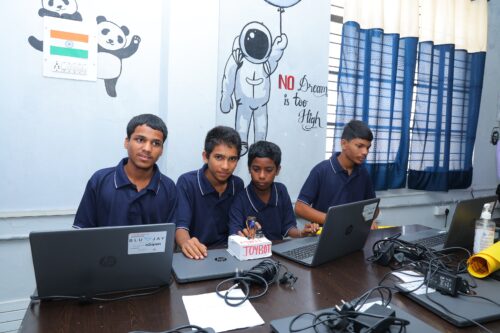
Students completing activities from lesson 1

Bridging the gap in programming education

As India is accelerating its efforts to modernise digital and computing education, it’s the ideal place for us to test how best to introduce learners to AI-assisted approaches to programming and teach them responsible AI use.

We decided to design a ‘Programming with AI’ unit of eight lessons that support students aged 14–16 to progress from block-based programming to text-based Python programming, Python being one of the most widely employed programming languages in industry and academia. In the new unit, students are guided to use LLM-based tools safely, ethically, and responsibly in order to undertake data analysis projects in Python. Students learn how to use the tools, such as Gemini and ChatGPT, to deepen their understanding, experiment with ideas, and connect classroom concepts with real-world technological applications.

A group of male students at the Coding Academy in Telangana.

The ‘Programming with AI’ unit is currently being piloted across five residential schools under our partner, the Telangana Social Welfare Residential Educational Institutions Society. In the coming months, we will evaluate the impact of this AI-supported approach to learning programming on student engagement, motivation, and overall learning outcomes.

Key design decisions during unit development

During the design phase of the unit, we identified three main challenges we wanted to address:

  1. The first was the transition from block-based to text-based coding. The students we were designing for are familiar with block-based programming like Scratch, but Python needs precisely typed code (syntax). This is a huge shift, and we wanted to offer a way to bridge the gap.
  2. We also had to figure out how to teach prompting LLM tools to students who are learning English as their second language.
  3. Finally, LLMs are non-deterministic. This means that LLM tools don’t always produce the same output, even when given the same prompt. They also do not generate correct code consistently.

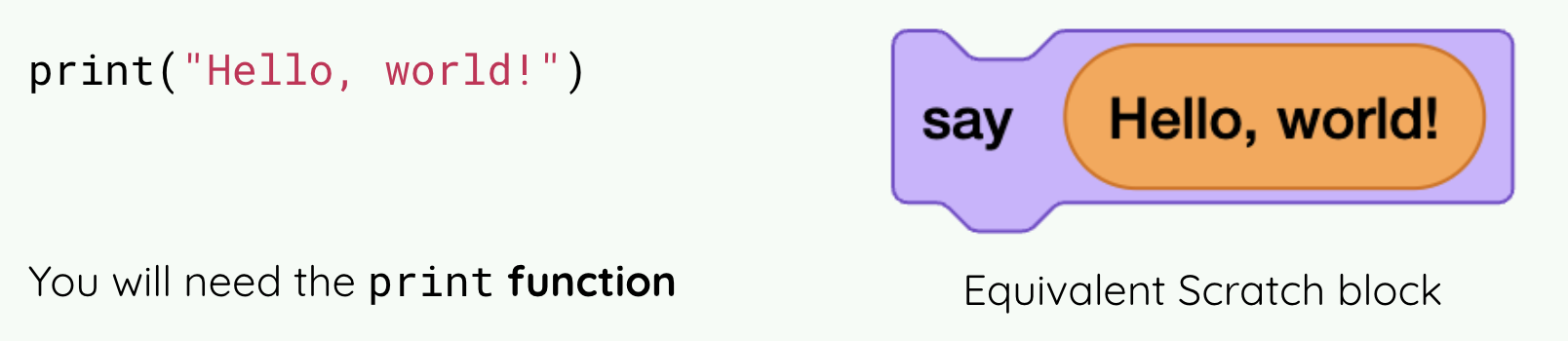
To solve the first problem, we decided that the initial lessons in the unit should start by showing familiar Scratch blocks right next to the equivalent Python syntax. This direct comparison makes the transition from block-based to text-based programmer smoother.

Comparison of Python syntax with equivalent Scratch block

To teach prompting, we built a gradual path. The unit starts with a debugging code activity, where students get code with errors and a prompt to make an LLM tool fix the errors. Later, they learn to break down a prompt into their goal (what output they want) and the context (additional information for the LLM tool). Eventually, they use a structured framework to prompt the tool to generate complete, bug-free code.

Handling the unpredictable outputs of LLM tools we turned into a learning activity. In one lesson, students are given different chatbot-generated code segments and asked to analyse and reflect on the code quality. This crucial exercise helps them build the critical thinking and code evaluation skills they need for programming with AI tools.

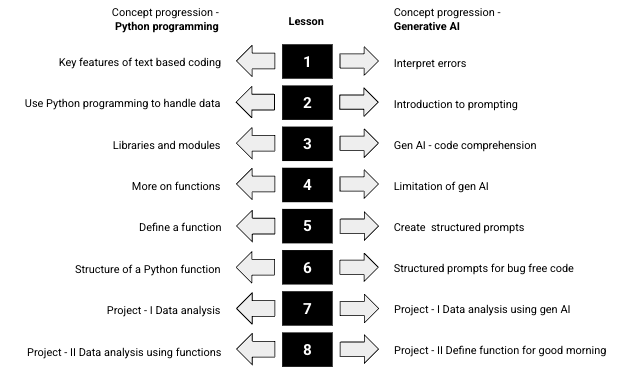
Illustration showing the progression of Python and generative AI concepts covered in the unit
The progression of Python and generative AI concepts covered in the unit

Over the eight lessons, there is a progression of Python concepts and generative AI concepts, as shown in the image above. They lead students to complete two challenging, real-world data analysis projects.

Preparing the educators

To ensure the successful pilot of the ‘Programming with AI’ unit, a comprehensive teacher training program was essential. We understood that teachers needed confidence and competence not only in the subject matter — programming — but also in guiding students to ethically and effectively use LLM tools.

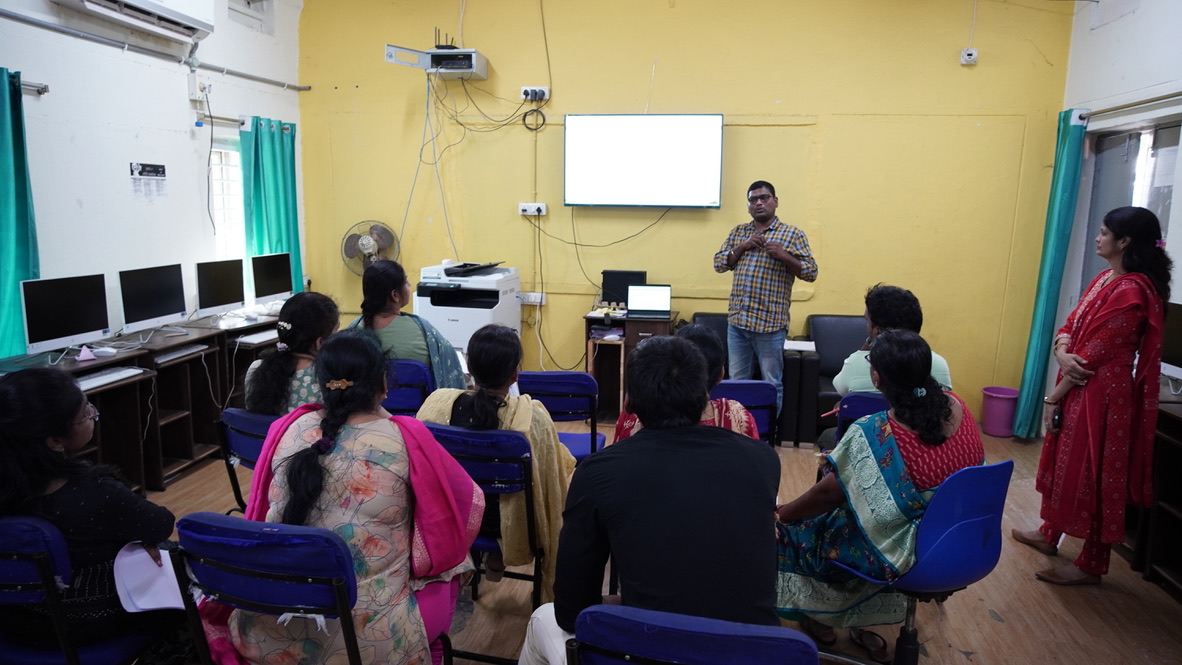
STEM and ICT teachers participated in the training

The training was an intensive, three-day programme: two days were held in-person for deep collaboration and one day was virtual for reinforcing key information. We covered five critical areas:

  • Hands-on activities to ensure comfort with the Python programming language
  • Exploring the capabilities and limitations of LLM tools
  • Effective prompt writing, which teachers would in turn model for their students to use for code debugging and idea generation
  • Reviewing lesson flow and learning objectives to understand the structure of a lesson
  • Adapting specific pedagogies to integrate an LLM tool in teaching the Python programming language

This training ensured our educators were not just teaching a new unit, but felt like confident facilitators ready to lead the shift towards AI-supported learning.

Initial student reactions: Excitement, familiarity with LLM tools, and seamless transition

The pilot of the ‘Programming with AI’ unit began during the second week of December 2025 across five selected schools. It was immediately met with enthusiastic student engagement — they were highly excited to learn Python programming using LLM tools.

When teachers initiated discussions about AI, students demonstrated their familiarity with LLMs, chatbots, and related concepts. They were not only aware of generative AI but could readily name and describe the functions of LLM tools, telling us they were actively using these tools to create projects in various other subjects.

Students could easily connect with the activities in the lessons as they had foundational understanding of programming, which they developed while learning block-based coding in Scratch. This prior knowledge enabled their seamless transition to the new learning. Perhaps most impressive was the students’ rapid adoption of LLM tools to debug their code. This skill can ease what is traditionally a steep learning curve when students first learn text-based programming.

We are now eagerly anticipating their curiosity and progress in the upcoming lessons.

Looking ahead and collecting impact data

With the initial enthusiasm confirmed, the pilot program moves into its next critical phase. Teachers will continue to deliver the unit over the next few months in the five selected schools in Telangana.

STEM and ICT teachers participated in the training
The teachers and team at our ‘Programming with AI’ training.

During this extended observation period, our primary focus will be on rigorous data collection and impact assessment. We will closely monitor how students interact with the provided learning materials and how they use LLM tools throughout the unit. We will systematically assess whether the new teaching approach successfully helps students achieve the defined learning objectives for Python programming. Crucially, we will capture comprehensive data to understand the impact of this AI-integrated approach on engagement, skill acquisition, and problem-solving compared to traditional methods.

Based on the synthesis and analysis of all the gathered data, we will share our gathered insights early next year. The findings will inform our plans for more widely introducing the AI-integrated unit and for developing similar content for other settings and age groups.

The post  Introducing our new ‘Programming with AI’ unit appeared first on Raspberry Pi Foundation.

Video Game Hardware Sales Had a Historically Bad November In the US

U.S. video game hardware spending fell 27% year over year in November to $695 million, according to market analyst company Circana. “This is the lowest video game hardware spending total for a November month since the $455 million reached during the November 2005 tracking period,” Circana says. Furthermore, only 1.6 million units of hardware were sold in the U.S. in November, which is “the lowest total for a November month since 1995 (1.4 million).” The Verge reports: The rising costs of consoles probably didn’t help. The PlayStation 5 and Xbox Series of consoles both turned five in November, but customers looking to pick up one of the consoles brand new are having to grapple with higher prices following price hikes this year. Those hikes have led to an “all-time November high” for the average price paid for a new unit of video game hardware of $439, Circana says — a number that’s up 11 percent from 2024. (In November 2019, the average price was $235, according to Circana analyst Mat Piscatella.)


Read more of this story at Slashdot.

Another Starship Clone Pops Up In China

Longtime Slashdot reader schwit1 shares a report from Ars Technica: Every other week, it seems, a new Chinese launch company pops up with a rocket design and a plan to reach orbit within a few years. For a long time, the majority of these companies revealed designs that looked a lot like SpaceX’s Falcon 9 rocket. The first of these copy cats, the medium-lift Zhuque-3 rocket built by LandSpace, launched earlier this month. Its primary mission was nominal, but the Zhuque-3 rocket failed its landing attempt, which is understandable for a first flight. Doubtless there will be more Chinese Falcon 9-like rockets making their debut in the near future. However, over the last year, there has been a distinct change in announcements from China when it comes to new launch technology. Just as SpaceX is seeking to transition from its workhorse Falcon 9 rocket — which has now been flying for a decade and a half — to the fully reusable Starship design, so too are Chinese companies modifying their visions.

The trend began with the Chinese government. In November 2024 the government announced a significant shift in the design of its super-heavy lift rocket, the Long March 9. Instead of the previous design, a fully expendable rocket with three stages and solid rocket boosters strapped to the sides, the country’s state-owned rocket maker revealed a vehicle that mimicked SpaceX’s fully reusable Starship. Around the same time, a Chinese launch firm named Cosmoleap announced plans to develop a fully reusable “Leap” rocket within the next few years. An animated video that accompanied the funding announcement indicated that the company seeks to emulate the tower catch-with-chopsticks methodology that SpaceX has successfully employed.

But wait, there’s more. In June a company called Astronstone said it too was developing a stainless steel, methane-fueled rocket that would also use a chopstick-style system for first stage recovery. Astronstone didn’t even pretend to not copy SpaceX, saying it was “fully aligning its technical approach with Elon Musk’s SpaceX.” And then, on Friday, the state-aligned China.com reported that a company called “Beijing Leading Rocket Technology” took things a step further. It has named its vehicle “Starship-1,” adding that the new rocket will have enhancements from AI and is billed as a “fully reusable AI rocket.”


Read more of this story at Slashdot.

MIT Grieves Shooting Death of Renowned Director of Plasma Science Center

An anonymous reader quotes a report from the Guardian: The Massachusetts Institute of Technology (MIT) community is grieving after the “shocking” shooting death of the director of its plasma science and fusion center, according to officials. Nuno FG Loureiro, 47, had been shot multiple times at his home in the affluent Boston suburb of Brookline on Monday night when police said they received a call to investigate. Emergency responders brought Loureiro to a hospital, and the award-winning scientist was pronounced dead there Tuesday morning, the Norfolk county district attorney’s office said in a statement.

The Boston Globe reported speaking with a neighbor of Loureiro who heard gunshots, found the academic lying on his back in the foyer of their building and then called for help alongside the victim’s wife. The statement from the Norfolk district attorney’s office said an investigation into Loureiro’s slaying remained ongoing later Tuesday. But the agency did not immediately release any details about a possible suspect or motive in the killing, which gained widespread attention across academic circles, the US and in Loureiro’s native Portugal.

Portugal’s minster of foreign affairs announced Loureiro’s death in a public hearing Tuesday, as CNN reported. Separately, MIT president Sally Kornbluth issued a university-wide letter expressing “great sadness” over the death of Loureiro, whose survivors include his wife. “This shocking loss for our community comes in a period of disturbing violence in many other places,” said Kornbluth’s letter, released after a weekend marred by deadly mass shootings at Brown University in Rhode Island — about 50 miles away from MIT — as well as on Australia’s Bondi Beach. The letter concluded by providing a list of mental health resources, saying: “It’s entirely natural to feel the need for comfort and support.”


Read more of this story at Slashdot.