
With no humans to leave behind scraps, this urban bird evolved and developed a longer beak, which shrank again once people came back.
Category Archives: Unfiltered RSS
The Man Taking Over the Large Hadron Collider
Mark Thomson, a professor of experimental particle physics at the University of Cambridge, takes over as CERN’s director general this week, and one of his first major decisions during his five-year tenure will be shutting down the Large Hadron Collider for an extended upgrade. The shutdown starts in June to make way for the high-luminosity LHC — a major overhaul involving powerful new superconducting magnets that will squeeze the collider’s proton beams and increase their brightness. The upgrade will raise collisions tenfold and strengthen the detectors to better capture subtle signs of new physics. The machine won’t restart until Thomson’s term is nearly over.
Thomson is far from disconsolate about the downtime. “The machine is running brilliantly and we’re recording huge amounts of data,” he told The Guardian. “There’s going to be plenty to analyse over the period.” Beyond the upgrade, Thomson must shepherd CERN’s plans for the Future Circular Collider, a proposed 91km machine more than three times the size of the current collider. Member states vote on the project in 2028; the first phase carries an estimated price tag of 15 billion Swiss francs (nearly $19 billion).


Read more of this story at Slashdot.
Apple Vision Pro’s Future Could Be In Big Trouble As Production Stalls
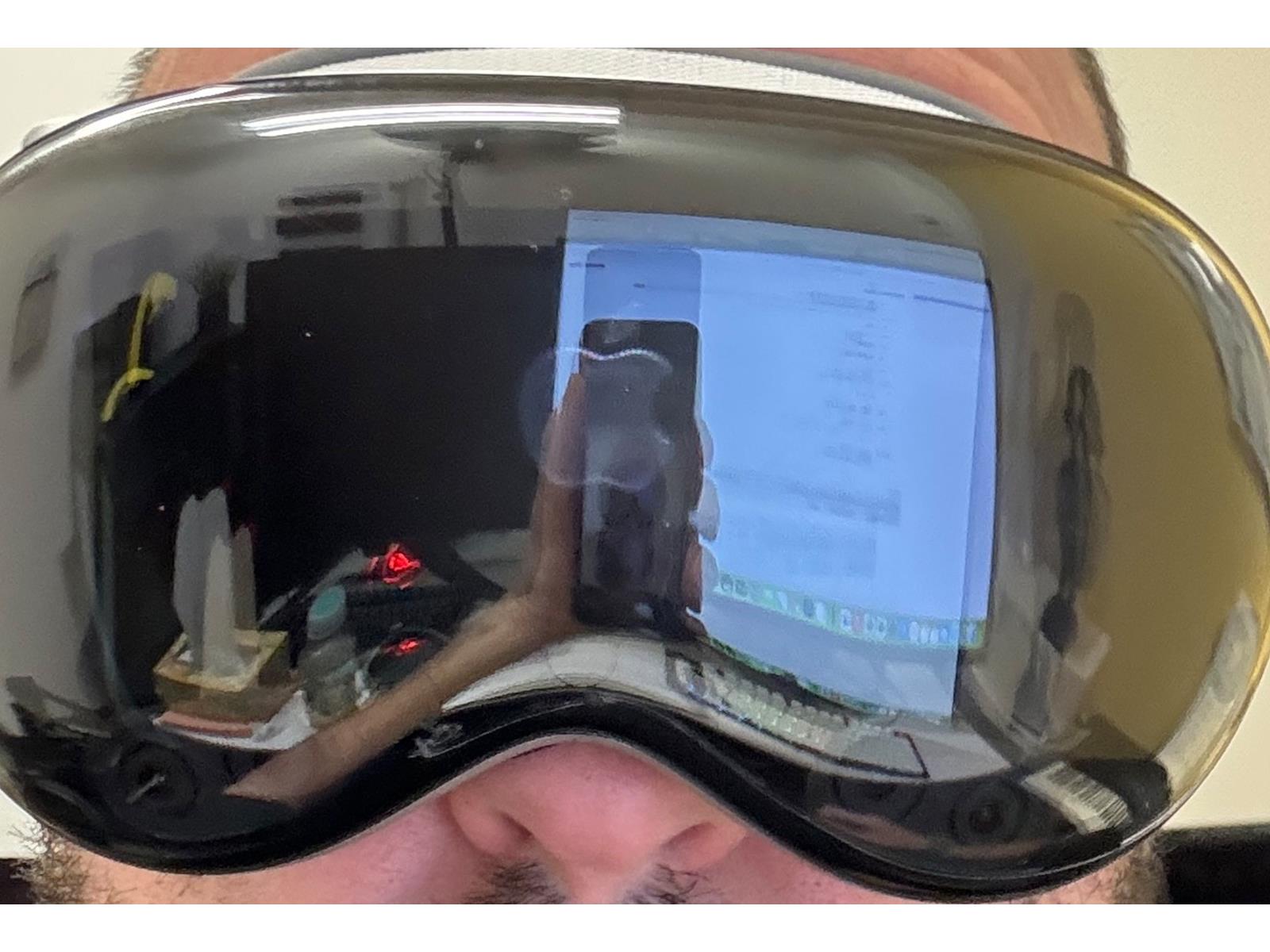
After all the chatter about a follow-up version of Apple’s Vision Pro headset, as well as a possible cheaper variant, it’s suddenly looking like the company’s VR headset could end up as little more than a footnote. We’re not there yet, though Apple is reportedly pulling back on its efforts to procure more shipments and market its pricey gadget
IceWM 4.0 Improves Alt-Tab Window Switcher, Alpha Blending + 32-bit RGBA Default
For fans of the IceWM X11 window manager, the project kicked off 2026 by releasing IceWM 4.0…
In 2025, quitting social media felt easier than ever
For a tech writer, being very offline is sort of like being a marathon coach who doesn’t run. So in 2025, I tried to reverse years of studied avoidance towards the most ubiquitous technological phenomenon on earth — I got back on social media. The change was short-lived.
My first exodus from the feeds took some work — disabling notifications, removing apps from my homescreen and then deleting accounts entirely. This time, the phone put itself down. The whole thing has simply lost its luster.
I started with Instagram. Every experience went like this: I’d see a single post from one of the rare family members or IRL friends who are active on the platform. Next, I was fed a sponsored post, followed by suggestions to follow randos. After that, a series of influencer videos that, admittedly, appeal to my taste (funny/absurdist women and dissertations on urban planning). That was followed up with more sponsored posts, mostly from brands I’d looked up for work. Then it’d circle back to the influencers. My eyes glazed over and I tossed the phone aside.
Years back, the platform gave off a jolt of quasi-social connection that I’d spend hours sucking up. I fed on pointless thoughts from an ex-coworker, vacation reels from a college roommate, a half-baked loaf of bread that an old friend dropped on the floor but took a picture of anyway. Now it’s a bare sliver of that stuff, shoehorned between towers of sponsored content and posts from people who make or promote their living on Instagram. The real people have left. The connection is gone. The FOMO is no more.
I experienced some variation of the same disappointment on every platform I rejoined. When I got back on TikTok a few months after the ban, it felt like a frenzied shopping mall. Every video seems to be about four seconds long and most are promotional and/or shoppable. YouTube Shorts is drowning in AI-generated videos, and I don’t hit up social media to watch fake footage of desperate wild animal babies clambering onto the boats of helpful humans. My life has no need for simulated toddlers admonishing their pets. Occasionally, I’d hit on something compelling: a clip from late night TV, a stupidly decadent dessert recipe, people from other countries explaining cultural subtleties.
But for me, these social media platforms are no longer velcro for the eyes. I remember losing focus, spending long hours on YouTube Shorts and IG. I’d look up bleary-eyed and shame-faced after hours scrolling TikTok’s For You Page. Now, after a few minutes, a bored ickiness sets in. I feel like I’m trapped in a carnival of bots hawking shampoo at me and I just want to go home.
It’s not a mystery how or why things feel different; The answer is always money. These billion- and trillion-dollar companies have shareholders who prize year-over-year performance over anything else. So we get more sponsored posts on Instagram. TikTok purposefully, enthusiastically overloads itself with shoppable content (which isn’t going to change no matter who owns it). YouTube is obsessed with engagement so it ends up rewarding people who flood the platform with AI slop. These platforms aren’t about human connections and the spread of creativity — the stuff that used to draw me in — they’re thinly varnished ecommerce sites sprinkled with brute-forced AI oddities.
I’d be sadder about the whole thing if I thought it could be any different. These companies are among the most valuable in the world. The fact that I can’t connect with my fellow common people using their services is not surprising. The change isn’t even driving everyone away. Instagram reported more users than ever this year, to the tune of 35 percent of the planet. Billions of users still scroll TikTok and watch YouTube Shorts. So maybe it’s just a me thing.
And I have options. Over-monetization may have made me not want to engage with a few social media behemoths, but things aren’t so dire everywhere. Bluesky reminds me of Twitter before X. I take comfort in seeing posts that prove most people are as dismayed as I am over a government and wider economic system that are nakedly uninterested in serving the public. The hot takes aren’t quite as funny as they were on Twitter years back — maybe it’s just all been said before or perhaps things have gotten too dire for levity. I still don’t end up spending a lot of time on the platform, however. It’s not as weird as it was before the defection and I get tired of the stream of news headlines contextualized with tut-tutting and handwringing — I’m perfectly capable of doing that myself.
It’d be easy to say that social media just isn’t my thing, but that’s not true because I can’t quit Reddit — the shining exception to my social media ennui. It feels filled with actual people. Ads exist, but in a subdued, manageable way. And every contributor, commenter and moderator I’ve come across on the app is militantly vigilant against the onslaught of artificially generated content. I also like the organizational structure. I know my Home tab will only expose me to my chosen subs and I derive great joy from happy cows, greeble-chasing cats, enigmatic night feelings and freaky abandoned spaces. I use my local subreddit r/Albuquerque daily to answer questions and keep tabs on the world (directly) around me.
Sadly, Reddit is an outlier, a misfit exception to the rule, and now that it’s gone public, it may follow a similar monetization push. Bluesky is tiny, new and not yet profitable, so who knows where its financial journey will lead it (though the “world without Caesars” shirt gives us some hope).
There’s something lamentable about the loss of the connections we gleaned from platforms that were once compelling, engrossing and rife with the creativity of our fellow humans. Ultimately, any public-facing company that prioritizes profits over everything else has no incentive to look out for its users. So I don’t expect any of the larger social platforms to pull back on their monetization marches. For now, I’ve decided I’m comfortable with my admittedly narrow interaction with the world of social media. As a Gen-Xer, online-first wasn’t how my relationship to the world started out. And I’m pretty confident I know enough about other tech-related stuff to be useful to my editors and readers without a black belt in social. (Ed. note: She is.) Besides, Karissa’s got us covered.
This article originally appeared on Engadget at https://www.engadget.com/social-media/in-2025-quitting-social-media-felt-easier-than-ever-140000374.html?src=rss
You Can’t Trust Your Eyes To Tell You What’s Real Anymore, Says Instagram Head
Instagram head Adam Mosseri closed out 2025 by acknowledging what many have long suspected: the era of trusting photographs as accurate records of reality is over, and the platform he runs will need to fundamentally adapt to an age of “infinite synthetic content.”
In a slideshow posted to Instagram, Mosseri wrote that for most of his life he could safely assume photographs or videos were largely accurate captures of moments that happened, adding that this is clearly no longer the case. He predicted a shift from assuming what we see is real by default to starting with skepticism and paying attention to who is sharing something and why.


Read more of this story at Slashdot.
How to watch the Bosch CES 2026 press conference live
You may know Bosch as a home appliance brand (via its partnership with Siemens), but the German multinational is generally more focused on providing underlying technology and engineering solutions to auto, home and manufacturing partners across the globe. It’s fitting, then, that much of what it’s showing off at CES 2026 is more intended to be licensed to other companies versus Bosch-branded products you’ll be seeing on store shelves.
Case in point is Bosch’s automotive plans at CES. The company will present “AI in the car,” or more specifically, in the cockpit of the car. “Bosch’s AI-powered cockpit makes driving more comfortable, intuitive, and safer for all occupants,” Bosch board member Markus Heyn said in a press release. We’ll get into all the details below, as well as how to tune in to the press conference on Monday.
How to watch Bosch’s CES 2026 presentation
You can livestream the event on Monday, January 5 at 12PM ET via the Bosch press page. (If the stream is embeddable, we’ll also include it here.)
What to expect
Bosch will be setting up shop in the Central Hall of the Las Vegas Convention Center (booth 16203), where the company will be focusing on its three big themes — mobility, smart home integrations and manufacturing — all of which will include hardware, software and AI solutions.
Like many other CES 2026 exhibitors, look for Bosch to emphasize its partnerships with the big dogs of the AI space at the show. For instance, that AI-powered car cockpit mentioned above will feature integrations with both Microsoft and NVIDIA. For instance, Bosch is touting the ability to use voice commands to join a Teams call, while the car’s system will automatically activate adaptive cruise control. And it’s noting that NVIDIA’s software suites will help manage “real-time sensor processing and vision-language models.”
Here’s a glimpse of what the booth will look like:
This article originally appeared on Engadget at https://www.engadget.com/ai/how-to-watch-the-bosch-ces-2026-press-conference-live-130020898.html?src=rss
“Streaming stops feeling infinite”: What subscribers can expect in 2026
We’re far from streaming’s original promise: instant access to beloved and undiscovered titles without the burden of ads, bundled services, or price gouging that have long been associated with cable.
Still, every year we get more dependent on streaming for entertainment. Despite streaming services’ flaws, many of us are bound to keep subscribing to at least one service next year. Here’s what we can expect in 2026 and beyond.
Subscription prices keep rising, but perhaps not as expected
There’s virtually no hope of streaming subscription prices plateauing in 2026. Streaming companies continue to face challenges as content production and licensing costs rise, and it’s often easier to get current customers to pay slightly more than to acquire new subscribers. Meanwhile, many streaming companies are still struggling with profitability and revenue after spending years focusing on winning subscribers with content.
Assos signs multi-year deal with EF Pro Cycling – but will it match Rapha’s wild kits?
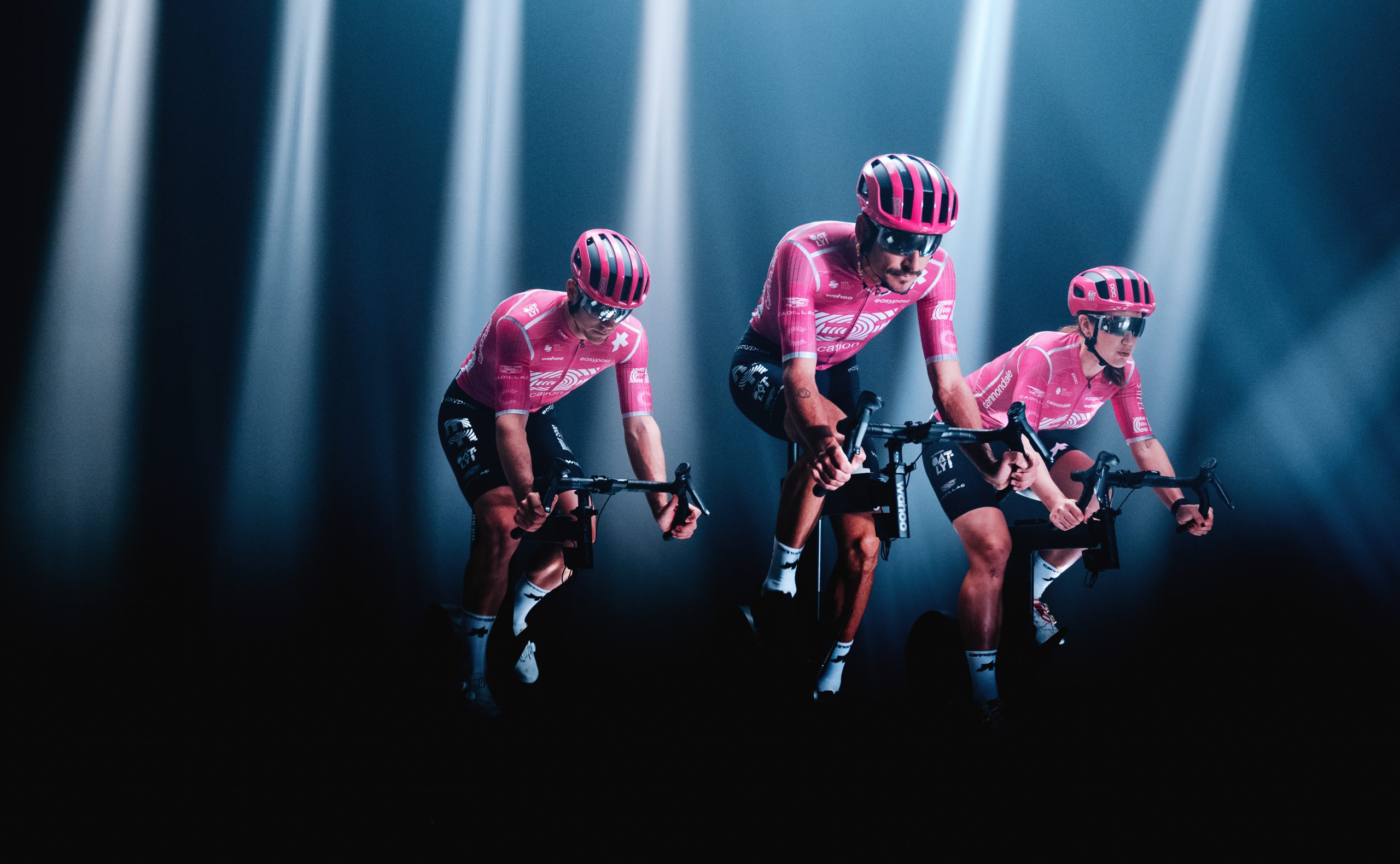
Assos has been announced as the new “technical apparel partner” of EF Pro Cycling.
The move sees the historic Swiss brand sign a “multi-year agreement” to supply the men’s, women’s and development teams with cycling kit.
The teams look set to retain their recognisable pink jerseys and helmets, which will be paired with black shorts. It seems there’s no room for argyle with this first iteration, though.
According to Assos, the design “evolves EF Pro Cycling’s unmistakable visual identity while introducing a new, almost other‑worldly energy to the peloton”.
Goodbye Tudor, hello EF
The announcement follows news earlier this month that Assos would no longer be sponsoring Tudor Pro Cycling – the Swiss UCI ProTeam headed up by former pro rider Fabian Cancellara.
At the time, we reported that Assos had been “pushed out” by Italian brand Sportful, but it seems the Swiss brand may have jumped ship of its own accord.
Although it’s unclear whether the partnership will attempt to replicate the distinctive relationship EF Pro Cycling shared with its previous apparel sponsor, Rapha, the press release notes both brands share a belief that “the future of cycling is built by those prepared to challenge convention”.
This likely indicates EF Pro Cycling will continue to support its riders in entering alternative races and events, beyond the WorldTour.
Indeed, the supplied campaign images put 2024 Unbound Gravel winner Lachlan Morton front and centre.

The team continuing with its pink jerseys also means it will still need to produce an alternative kit for the Giro d’Italia – so as not to clash with the race leader’s Maglia Rosa.
In recent years, this has seen the team race in eye-catching, limited-edition kits from Rapha (and its occasional collaborators), but it remains to be seen whether Assos and EF will produce outlandish designs to rival 2020’s Rapha and Palace Skateboards wild capsule collection, for example.
In any case, EF Pro Cycling team boss Jonathan Vaughters says: “My first pair of bibs were Assos, and they were a revelation. Decades later, they’re still leading the way… This partnership is rooted in creating the fastest and best-looking kit in cycling.”
For fans looking to emulate their heroes, Assos says a replica kit will be available to purchase.
All About Tour de Zwift 2026
Table of Contents
First launched in 2017, Tour de Zwift is the biggest annual tour on the platform – a celebration of discovery across all Zwift worlds!
This year’s tour has just been announced. Beginning January 5, it consists of six weeklong stages spread across Zwift’s worlds. Each stage offers three group ride options of varying lengths, a race option for those who want to go all out, and two run options. The Ultimate Challenge has also returned, with bonus XP and a big prize giveaway.
So grab a friend and explore! Here’s everything Zwifters need to know about this year’s TdZ.
Sign up at zwift.com/events/tag/tourdezwift2026

Stage Details
Ride stages can be completed on demand as a solo effort, or join a group ride or race to complete them with friends. Group rides are available in three lengths, and races use the same route as the “short” group rides. Run stages can only be completed in events.
Group rides, races, and runs are scheduled every hour, except during the makeup week, when they’ll be scheduled every 30 minutes.
Here are the route details for each stage:
Stage 1 (Jan 5-11): Makuri Islands
- Long Ride: Shisa Shakedown (53.3km, 557m)
- Standard Ride: Chasing the Sun (35.1km, 316m)
- Short Ride + Race: Turf N Surf (24.7km 198m)
- Race Powerups: Feather, Draft
- Long Run: Fine and Sandy (10.8km)
- Short Run: Castle Crit Run (5km)
Stage 2 (Jan 12-18): France
- Long Ride: Knights of the Roundabout (54.4km, 359m)
- Standard Ride: Three Musketeers (37.8km, 108m)
- Short Ride + Race: Hell of the North (20.1km, 241m)
- Race Powerups: Feather, Draft
- Long Run: Ven-10 Run (11.4km)
- Short Run: Rapide Run (6.1km)
Stage 3 (Jan 19-25): Innsbruck/Yorkshire/Scotland
- Long Ride: Innsbruck After Party (37.1km, 657m)
- Standard Ride: Yorkshire Double Loops (29.6km, 547m)
- Short Ride + Race: BRAE-k Fast Crits & Grits (22.1km, 243m)
- Race Powerups: Feather, Anvil
- Long Run: Outer Scotland (11.4km)
- Short Run: Queen’s Highway (5.7km)
Stage 4 (Jan 26-Feb 1): London
- Long Ride: Triple Loops (41.4km, 569m)
- Standard Ride: Greatest London Flat (31.1km, 223m)
- Short Ride + Race: London 8 (20.9km, 223m)
- Race Powerups: Feather, Aero
- Long Run: Classique (11.1km)
- Short Run: ZG25 Climb Champs (5km)
Stage 5 (Feb 2-8): Watopia
- Long Ride: Tour of Fire and Ice (28km, 1187m)
- Standard Ride: Glyph Heights (33.9km, 618m)
- Short Ride + Race: Ocean Lava Cliffside Loop (19.3km, 157m)
- Race Powerups: Feather, Anvil
- Long Run: Surfin Safari (10km)
- Short Run: Titans Run (6.6km)
Stage 6 (Feb 9-15): NYC/Richmond
- Long Ride: The Greenway (36.8km, 292m)
- Standard Ride: No Sleep Till Brooklyn (32km, 247m)
- Short Ride + Race: Richmond Rollercoaster (17km, 169m)
- Race Powerups: Draft, Anvil
- Long Run: Toefield Tornado (10.3km)
- Short Run: Prospect Park Loop (5.5km)

Sign up at zwift.com/events/tag/tourdezwift2026
Make-Up Week: Feb 16-22
If you miss any group stages, they will all be available to ride during the make-up week. During this week, make-up rides are scheduled every 30 minutes, with each stage following the next every half hour.
Peak Zwift Day
On Tuesday, January 20th, Zwift is planning a slate of events led by pros, creators, and other Zwift legends. The goal? Wall-to-wall Zwifters all rolling out together in the biggest rides of the Tour.
The full ride leader list is still to be confirmed, but here’s what we know right now:
- Eric Min – @ 3:00AM PST | 9:30PM ACDT | 11:00AM UTC
- Lucy Charles-Barclay – @ 4:00AM PST | 12:00PM UTC
- Lionel Sanders – @ 10:00AM PST | 6:00PM UTC
- Sam Laidlow – @ 9:00AM PST | 5:00PM UTC
Registration
To register, just join an event! See all events at zwift.com/events/tag/tourdezwift2026.
Unlocks
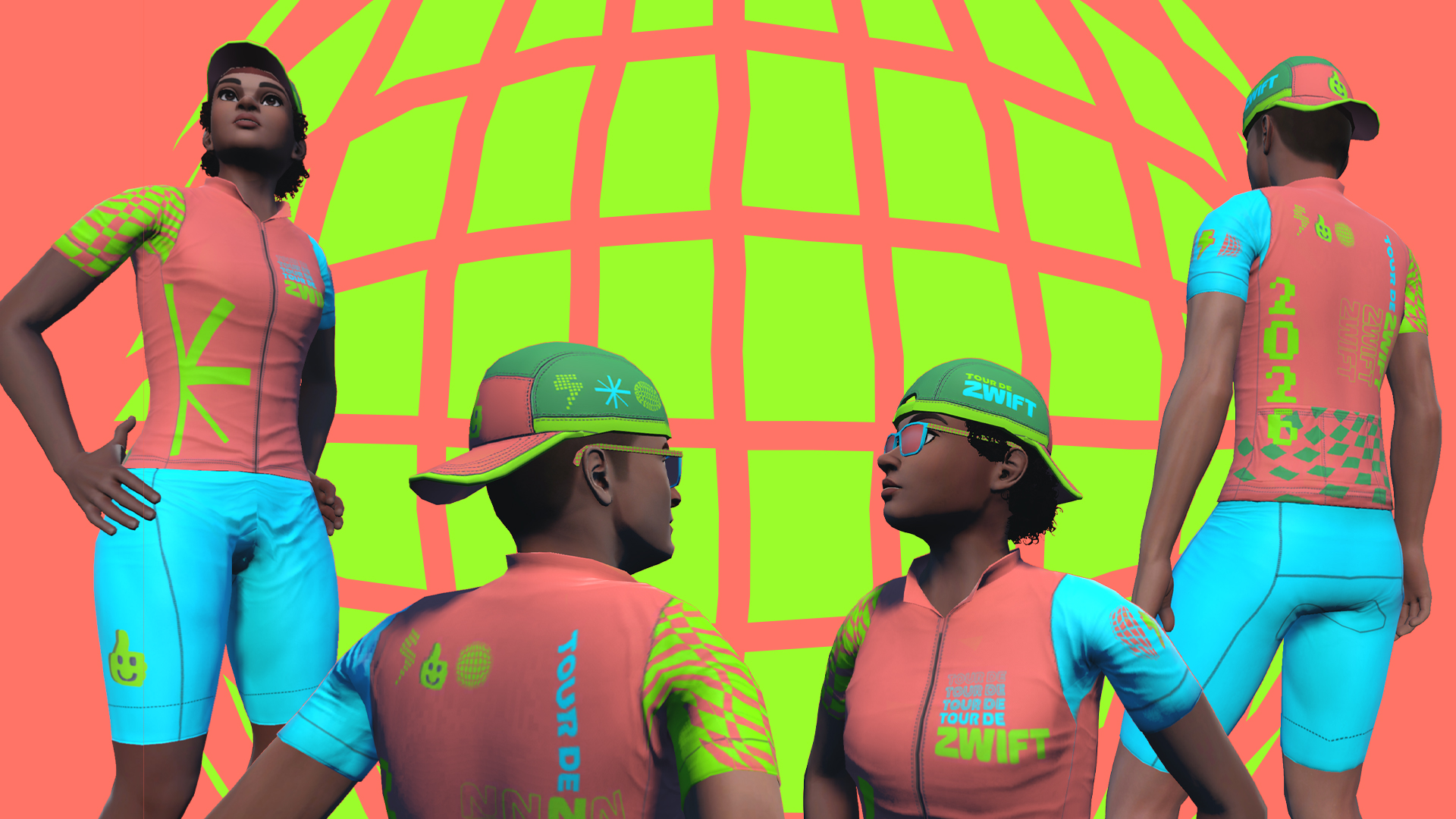
Riders and runners will unlock items progressively as they complete TdZ stages:
- Party Shadess: 1 stage
- Party Cap: 3 stages
- Ride Kit: all 6 stages
- Run Kit: 1 stage
To complete a stage, simply finish one of the group rides, races, or runs.
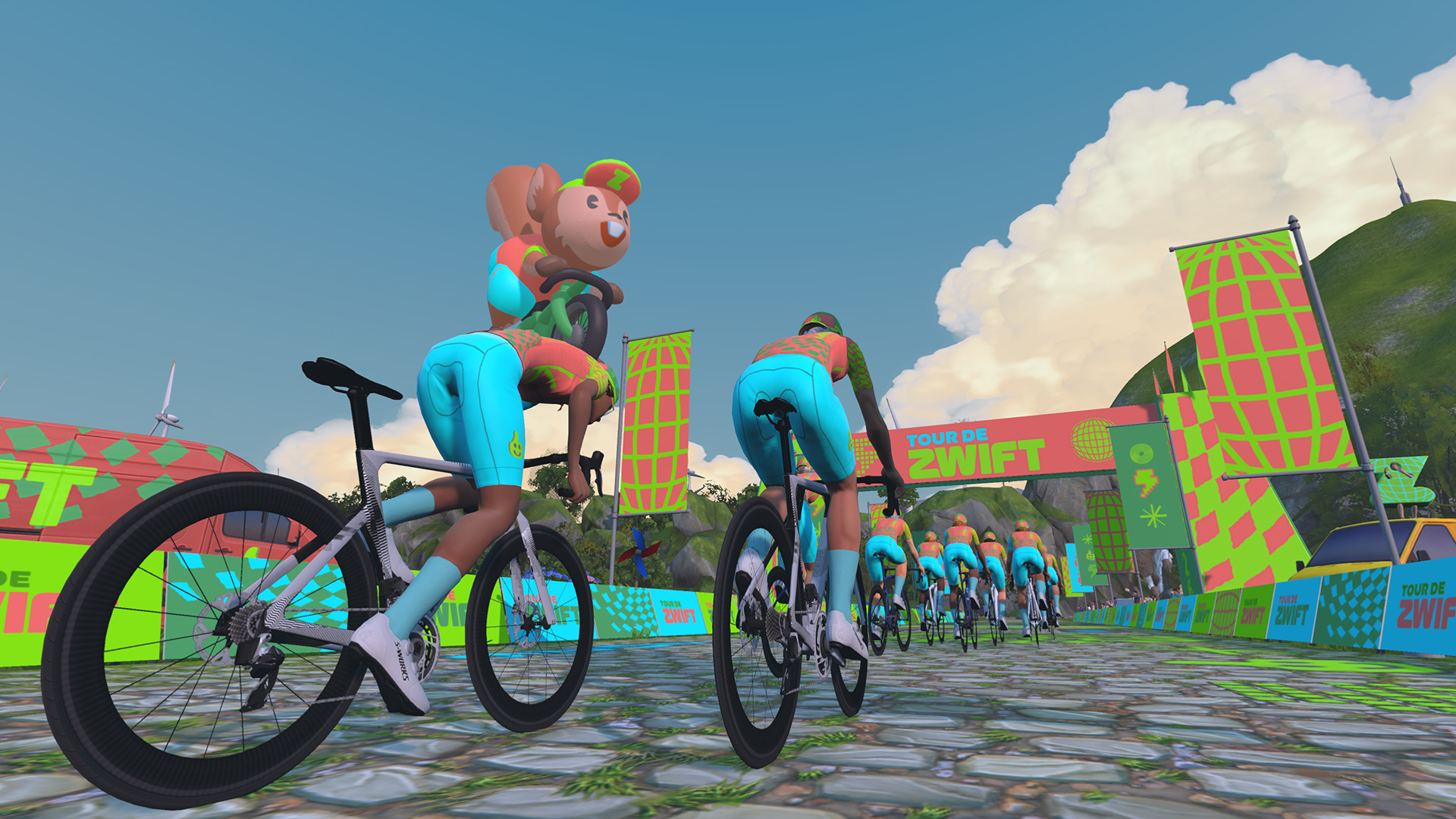
The Ultimate Challenge
Just like last year, this year’s Tour includes “The Ultimate Challenge.” This is for riders only, and completing the challenge requires you to complete all 18 routes featured in this year’s stages.
Note: Zwift and our ZIMetrics estimate it will take riders ~21.5 hours to complete all 18 stages at 2 W/kg.
Completing The Ultimate Challenge earns you bragging rights, bonus XP, and a backwards version of the After Party cap:
- 9 Route Bonus: 500 XP
- 12 Route Bonus: 500 XP
- 15 Route Bonus: 500 XP
- 18 Route Bonus: 11,000 XP + Backwards After Party Cap
The Ultimate Giveaway
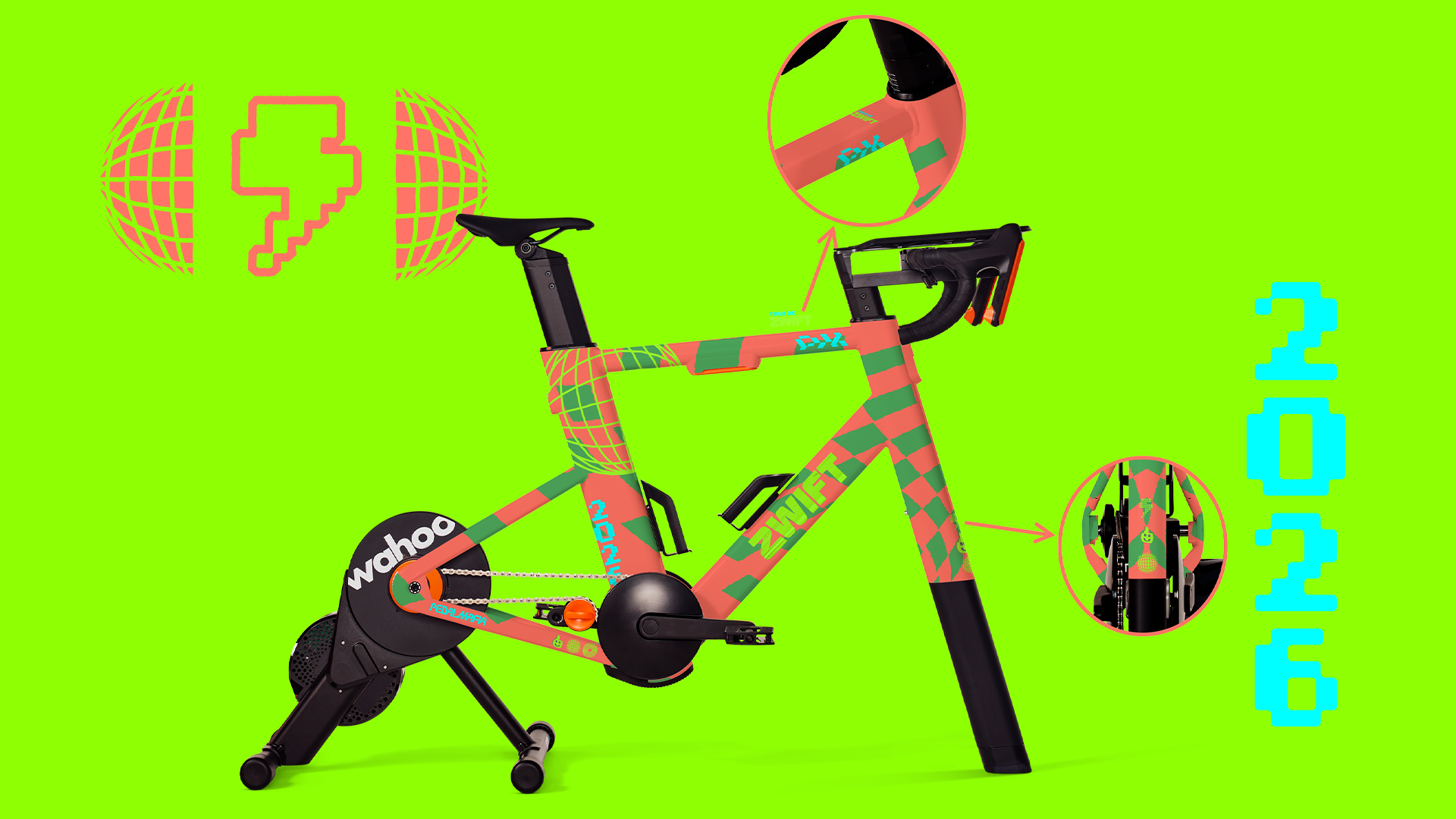
Finish the Ultimate Challenge for a chance to win a one-of-a-kind TDZ x Pedal Mafia Zwift Ride Smart Frame!
Pedal Mafia Kit

The real-life version of the in-game kit will be available from Pedal Mafia… watch this space for details.
Questions or Comments?
Post below!
The best gear to help you stick to your New Year’s resolutions
The start of a new year always feels like a reset button. Everyone’s talking about moving more, eating better, sleeping longer or finally taming their digital chaos. But resolutions rarely survive on willpower alone. The right tools or piece of tech can make those goals easier to keep by turning motivation into a habit. Whether you’re trying to close your rings, track your progress or just build better routines, these smart picks make self-improvement feel a little more achievable, and a lot more enjoyable.
Gear that can help you stick to your New Year’s resolutions
This article originally appeared on Engadget at https://www.engadget.com/the-best-gear-to-help-you-stick-to-your-new-years-resolutions-130000389.html?src=rss
Waymos Are Now Coming For Your Coveted San Francisco Parking Spots
An anonymous reader quotes a report from the San Francisco Chronicle: A long stretch of curb in San Francisco’s Mission District might contain a whole menagerie of parked vehicles: hatchbacks, SUVs, dusty pick-ups, chic Teslas. And recently, Waymo robotaxis. That’s what Kyle Grochmal saw walking through the northeast Mission District on Monday afternoon. Cutting down York Street, he glimpsed a tell-tale white electric Jaguar in one of the coveted one-hour spots, its sensors spinning. The Waymo sat there for at least 20 minutes, Grochmal said. He whipped out his cell phone and started recording. After the Waymo drove off, another one showed up within an hour and took the same spot.
“This is something I started to notice about six months ago,” Grochmal said, recalling how disorienting it was to be strolling down a largely deserted sidewalk, and suddenly hear the purring motor and soft click of autonomous vehicle cameras. He’d look up to see a Waymo “just sitting there, not loading anyone.” But Waymo’s use of public curb space raised questions for Grochmal, who wonders whether San Franciscans are prepared to have their infrastructure dominated by autonomous vehicles. “Say Tesla gets to self-driving, so people have personal AVs,” he said. “So then do people from Palo Alto get dropped off in San Francisco and let their cars drive around all day searching for free parking?”
Such a future seems particularly unsettling in the northeast Mission, where snug streets couldn’t handle much traffic, and competition for parking is already fierce. A recent influx of Artificial Intelligence companies brought many more workers and cars, as well as robotaxis that trawl the blocks, waiting for fares. It makes sense, to Grochmal, that some of them wind up squatting in one-hour spaces. […] Still, it’s conceivable that residents will lose patience with Waymo, and other AV companies, as the fleets scale up and the vehicles compete more aggressively with humans for parking.


Read more of this story at Slashdot.
SDL 3.4 Released With Many New APIs, Better Emscripten & Native PNG Support
Kicking off the new year for Linux gaming and cross-platform gaming at large is the release of the SDL 3.4 library. SDL is part of the Steam runtime and continues to be widely-used for abstracting software/hardware for creating more portable games and other applications…
Film Technica: Our top picks for the best films of 2025
Editor’s note: Warning: Although we’ve done our best to avoid spoiling anything too major, please note this list does include a few specific references that some might consider spoiler-y.
It’s been a strange year for movies. Most of the big, splashy tentpole projects proved disappointing, while several more modest films either produced or acquired by streaming platforms—and only briefly released in theaters—wound up making our year-end list. This pattern was not intentional. But streaming platforms have been increasingly moving into the film space with small to medium-sized budgets—i.e., the kind of fare that used to be commonplace but has struggled to compete over the last two decades as blockbusters and elaborate superhero franchises dominated the box office.
Add in lingering superhero fatigue—only one superhero saga made our final list this year—plus Netflix’s controversial bid to acquire Warner Bros., and we just might be approaching a sea change in how movies are made and distributed, and by whom. How this all plays out in the coming year is anybody’s guess.
Linux 6.19 Lands Fix For Dead WiFi With MediaTek MT792x Wireless
Merged to Linux Git on New Year’s Eve was a fix in the form of a code revert for broken MediaTek WiFi on the in-development Linux 6.19 kernel…
More Improvements To Old AMD GPU Support On Linux Are Planned For 2026
With Linux 6.19 aging AMD GCN 1.0 and GCN 1.1 GPUs switched the default kernel driver used to provide for much better performance, RADV Vulkan support out-of-the-box, and other improvements compared to using the legacy Radeon DRM kernel driver. For 2026, Timur Kristóf of Valve’s Linux graphics team has more improvements still planned to enhance these older AMD graphics cards on Linux…
The UCI rule changes for 2026 you need to know about
The UCI is making some additions to its rule book for 2026. Even if you’re not planning to take part in any WorldTour races in 2026, the UCI’s rule changes will affect you because they influence bike brands’ design decisions for mass-market bikes.
In 2025, we’ve already seen the effect of the relaxation of the UCI frame geometry regulations, for example.
While road bikes were converging on the lightweight/aero paradigm exemplified by the Specialized Tarmac SL8 and the Trek Madone Gen 8, brands have now again started to design out-and-out aero bikes, such as the Ridley Noah Fast and Van Rysel RCR-F, and put their lightweight bikes, such as the Cervélo R5, back on a diet.
So here are the UCI rule changes for 2026 that will affect bike and component design, plus the one the bike industry has effectively put on ice – for now.
Helmets
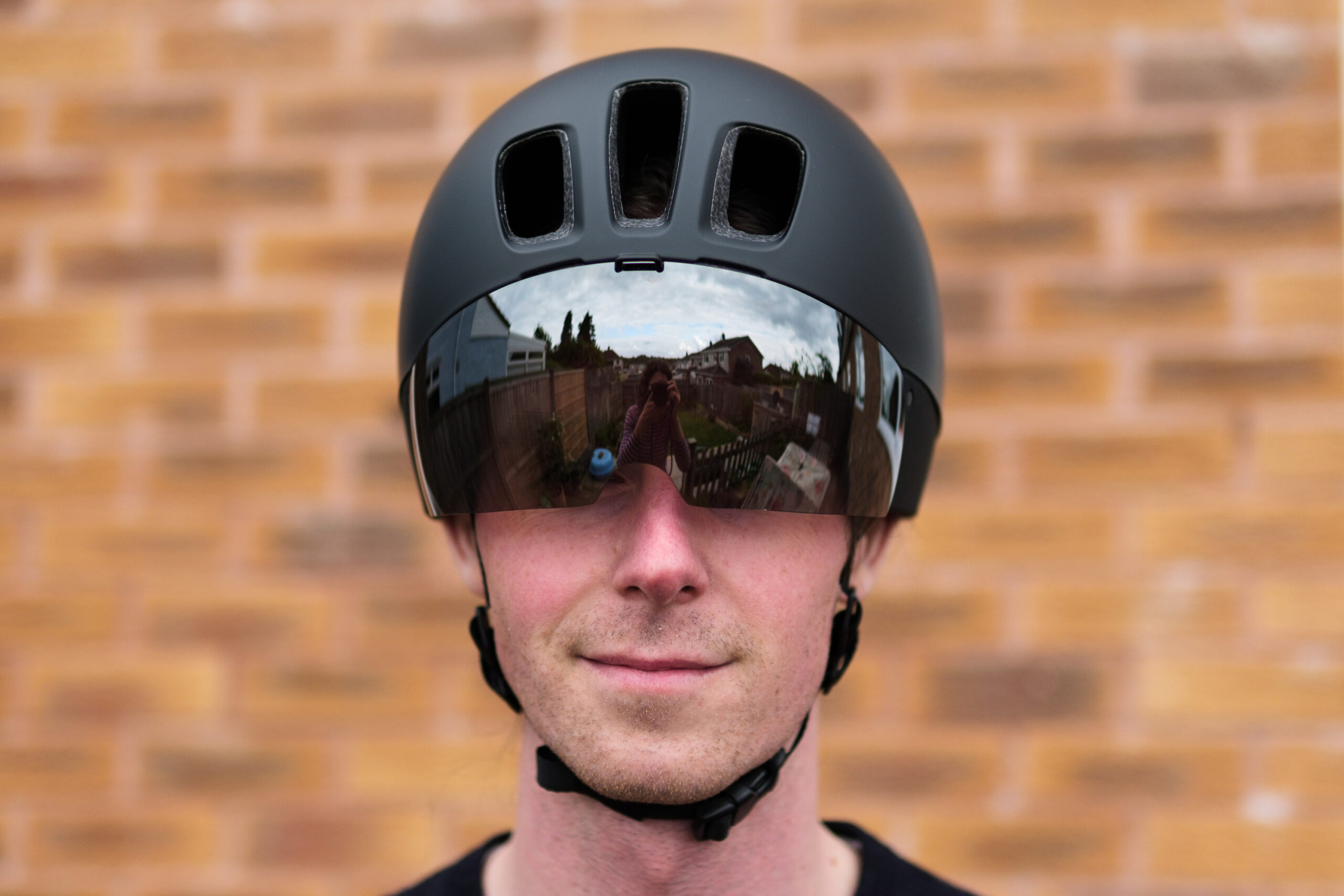
Road helmets, for example the Poc Procen Air, have become more and more like time trial helmets over the last few years. Pros have been riding in helmets marketed as time trial helmets too, for example, some Visma-Lease a Bike riders, who have been using the (first-generation) Giro Aerohead in races.
Now the UCI has put a stop to that with Article 1.3.031. It’s been causing consternation during 2025, but the UCI has now defined what the difference is and restricted which helmets can be worn for road races.
In both cases, the maximum size is the same, but “traditional” (ie road) helmets must have three inlet vents, must not cover the ears and must not have a visor. For now, you may be happy to wear your Procen Air, but it’s probably going to be the last of the line of TT-like aero road bike helmets.
Handlebars
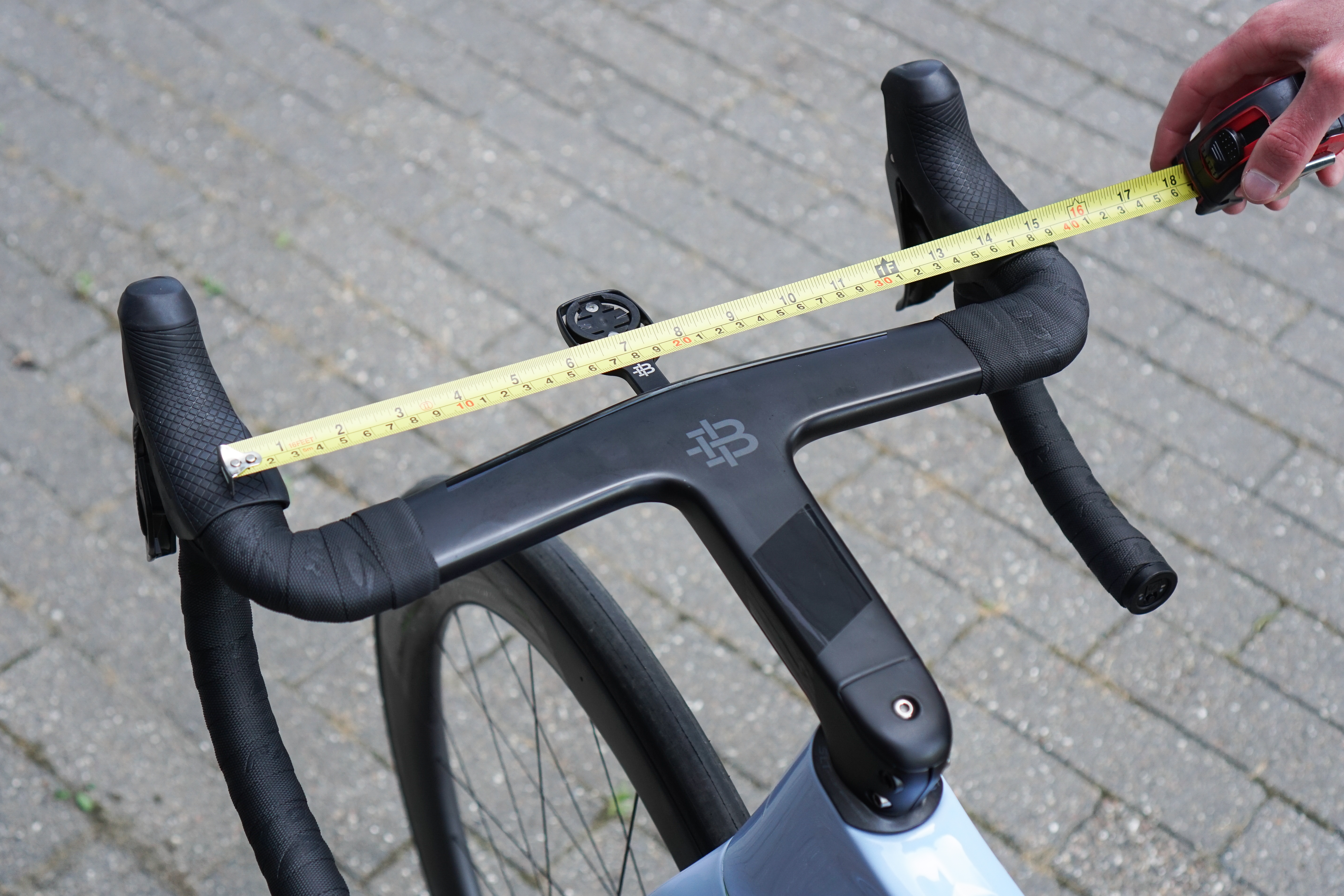
Existing technical specifications for handlebars in article 1.3.022 already impose restrictions on how high, how low, how far forward and how far back they can be placed.
But from the start of 2026, road and cyclocross handlebars used in competition have to be a minimum of 400mm across, outside to outside, with a maximum 65mm flare from the inside edge of the tops to the outside edge of the drops. The brake levers must have a maximum inward tilt of 10 degrees and a minimum of 280mm between the inside edges of the two levers.
So you’re unlikely to find many road bikes sold with extra-narrow or extra-flared bars, as brands fall into line with the UCI bar geometry regs, even if (like the 6.8kg bike weight limit) it discriminates against women cyclists and smaller riders.
Wheel depth
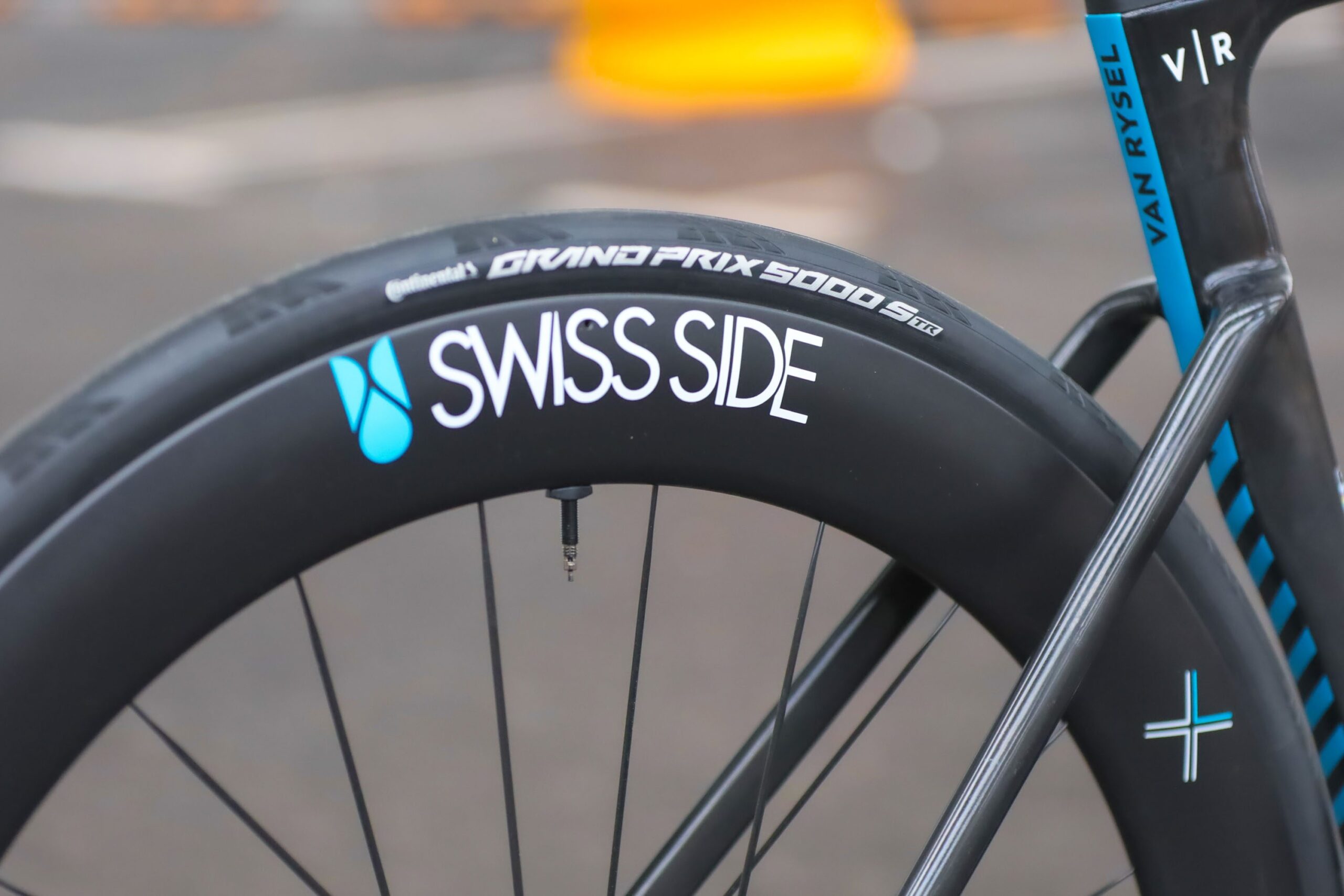
UCI article 1.3.018 has been modified to state that, in mass start competitions:
“The maximum height of the rim does not measure more than 65mm (measured as the perpendicular distance from the tangential line passing through any point of the outer extremity of the rim to the inner extremity of the rim).”
The UCI has stuck to its guns on this one, despite protests from wheel brands including Swiss Side, whose Hadron Ultimate 680 wheels fall 3mm outside the limit. Swiss Side claims its measurements show that tyre width, tread pattern and steering geometry have a far more significant effect than rim depth on bike handling.
Fork leg and stay width
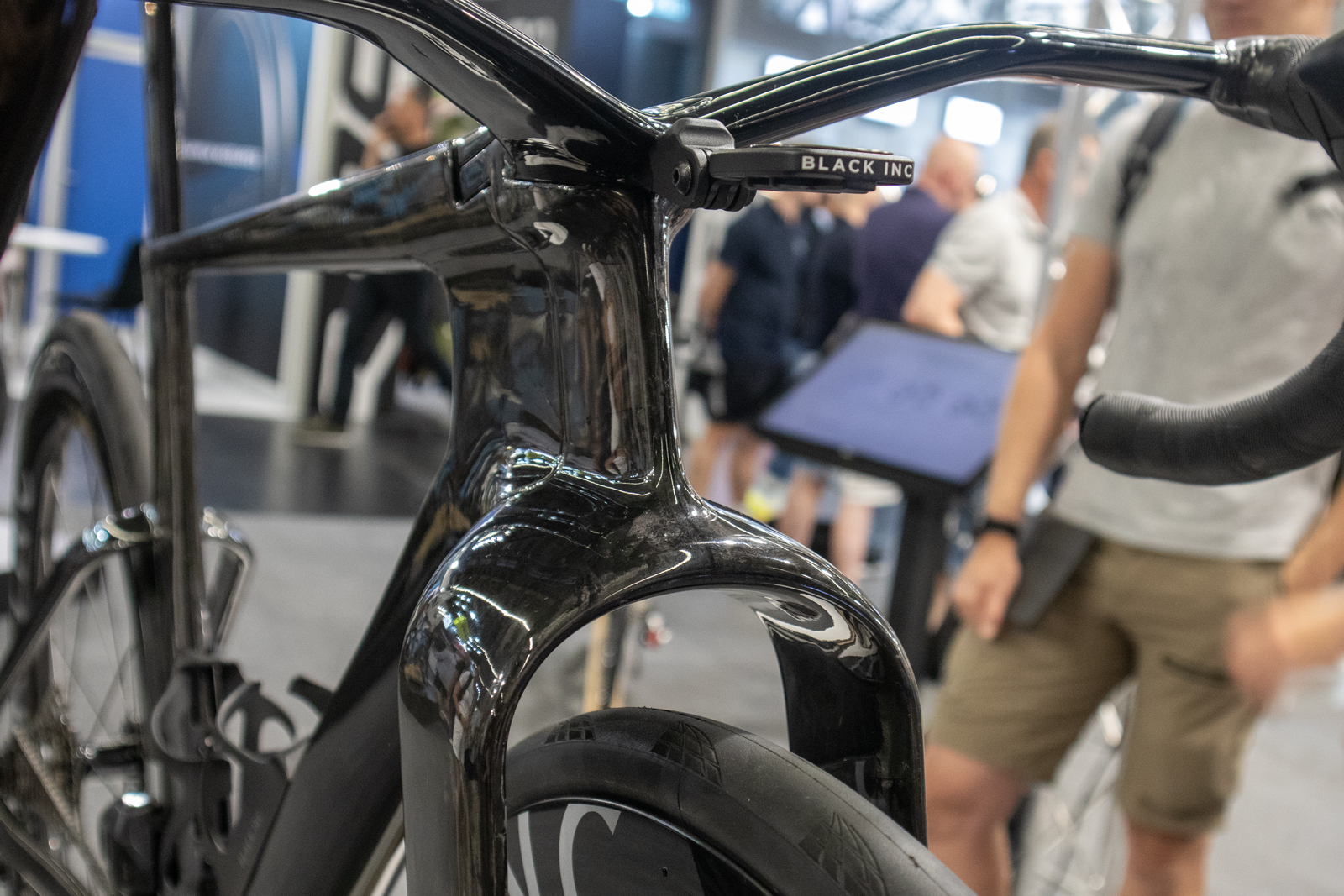
From January 2026, the UCI has imposed a maximum width for the fork legs and stays on road bikes, with track bikes to follow from 2027. The maximum distance between the inside edge of the fork legs must be 115mm and between the seatstays 145mm.
So the trend for ever-wider fork legs seen, for example, on the Hope HB.T track bike and the BMC Teammachine R road bike is likely to cease. Apparently, Factor’s prototype aero bike, first seen at the Critérium du Dauphiné (now renamed the Tour Auvergne-Rhône-Alpes, by the way), is 1mm within the new reg at 114mm – canny design choice.
Gearing restrictions
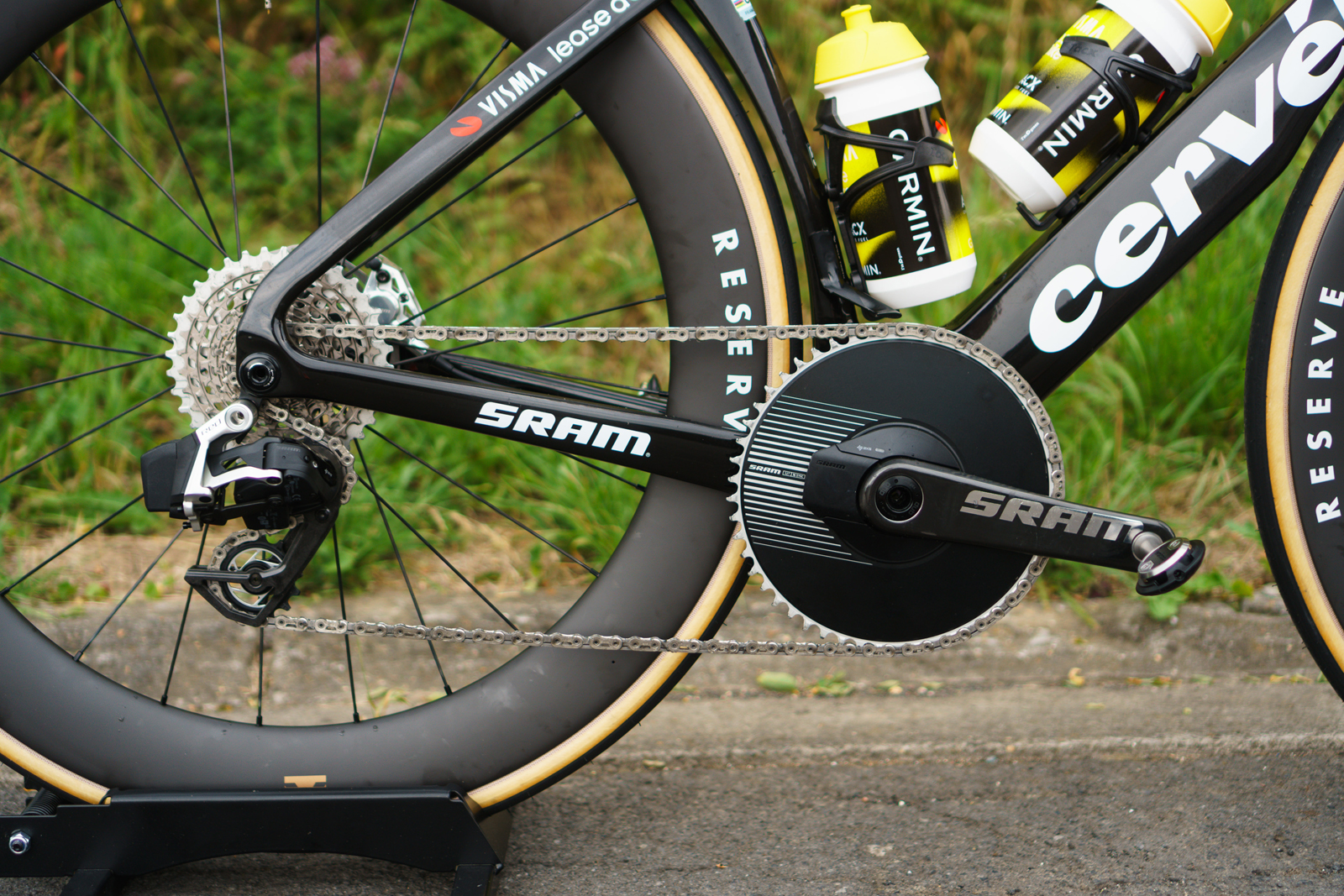
This one’s on hold, following SRAM’s appeal to the Belgian Competition Authority. The UCI had proposed restricting the maximum gear ratio for bikes used in road races to 54x11t, putting a spanner in SRAM’s (and Campagnolo’s) 10-tooth smallest sprockets.
The UCI’s proposed solution: knock out the top gear, restricting SRAM-supplied teams to 11 speeds.
Will regulations covering gearing restrictions return during 2026? It remains to be seen.
UCI team rankings

Finally, from 2027, points garnered by riders in disciplines other than road racing will be added to their team’s UCI ranking.
There have always been road pros racing in other disciplines, particularly track and cyclocross. But riders including Pauline Ferrand-Prévot, Mathieu van der Poel and Tom Pidcock have taken their multidisciplinary skills to new levels.
Their teams will, from 2027, be rewarded with extra UCI points for high placings in the UCI World Championships in competitions other than road racing.
UK Company Sends Factory With 1,000C Furnace Into Space
A UK-based company has successfully powered up a microwave-sized space factory in orbit, proving it can run a 1,000C furnace to manufacture ultra-pure semiconductor materials in microgravity. “The work that we’re doing now is allowing us to create semiconductors up to 4,000 times purer in space than we can currently make here today,” says Josh Western, CEO of Space Forge. “This sort of semiconductor would go on to be in the 5G tower in which you get your mobile phone signal, it’s going to be in the car charger you plug an EV into, it’s going to be in the latest planes.” The BBC reports: Conditions in space are ideal for making semiconductors, which have the atoms they’re made of arranged in a highly ordered 3D structure. When they are being manufactured in a weightless environment, those atoms line up absolutely perfectly. The vacuum of space also means that contaminants can’t sneak in. The purer and more ordered a semiconductor is, the better it works.
[…] The company’s mini-factory launched on a SpaceX rocket in the summer. Since then the team has been testing its systems from their mission control in Cardiff. Veronica Viera, the company’s payload operations lead, shows us an image that the satellite beamed back from space. It’s taken from the inside of the furnace, and shows plasma – gas heated to about 1,000C — glowing brightly. […]
The team is now planning to build a bigger space factory — one that could make semiconductor material for 10,000 chips. They also need to test the technology to bring the material back to Earth. On a future mission, a heat shield named Pridwen after the legendary shield of King Arthur will be deployed to protect the spacecraft from the intense temperatures it will experience as it re-enters the Earth’s atmosphere.


Read more of this story at Slashdot.
Arch Linux Installer Archinstall 3.0.15 Adds Support for the rEFInd Boot Manager
Archinstall 3.0.15 has been released today as the latest stable version of Arch Linux’s menu-based installer, adding a couple of new features and fixing various bugs and other issues.
NASA’s Largest Library Is Closing Amid Staff and Lab Cuts
NASA is closing its largest research library at the Goddard Space Flight Center amid budget cuts and campus consolidation, putting tens of thousands of largely non-digitized historical and scientific documents at risk of being warehoused or discarded. The New York Times reports: Jacob Richmond, a NASA spokesman, said the agency would review the library holdings over the next 60 days and some material would be stored in a government warehouse while the rest would be tossed away. “This process is an established method that is used by federal agencies to properly dispose of federally owned property,” Mr. Richmond said.
The shutdown of the library at NASA’s Goddard Space Flight Center in Greenbelt, Md., is part of a larger reorganization under the Trump administration that includes the closure of 13 buildings and more than 100 science and engineering laboratories on the 1,270-acre campus by March 2026. “This is a consolidation not a closure,” said NASA spokeswoman Bethany Stevens. The changes were part of a long-planned reorganization that began before the Trump administration took office, she said. She said that shutting down the facilities would save $10 million a year and avoid another $63.8 million in deferred maintenance.
Goddard is the nation’s premiere spaceflight complex. Its website calls it “the largest organization of scientists, engineers, and technologists who build spacecraft, instruments, and new technology to study Earth, the Sun, our solar system, and the universe.” […] The library closure on Friday follows the shutdown of seven other NASA libraries around the country since 2022, and included three libraries this year. As of next week, only three — at the Glenn Research Center in Cleveland, the Ames Research Center in Mountain View, Calif., and the Jet Propulsion Laboratory in Pasadena, Calif. — will remain open.


Read more of this story at Slashdot.