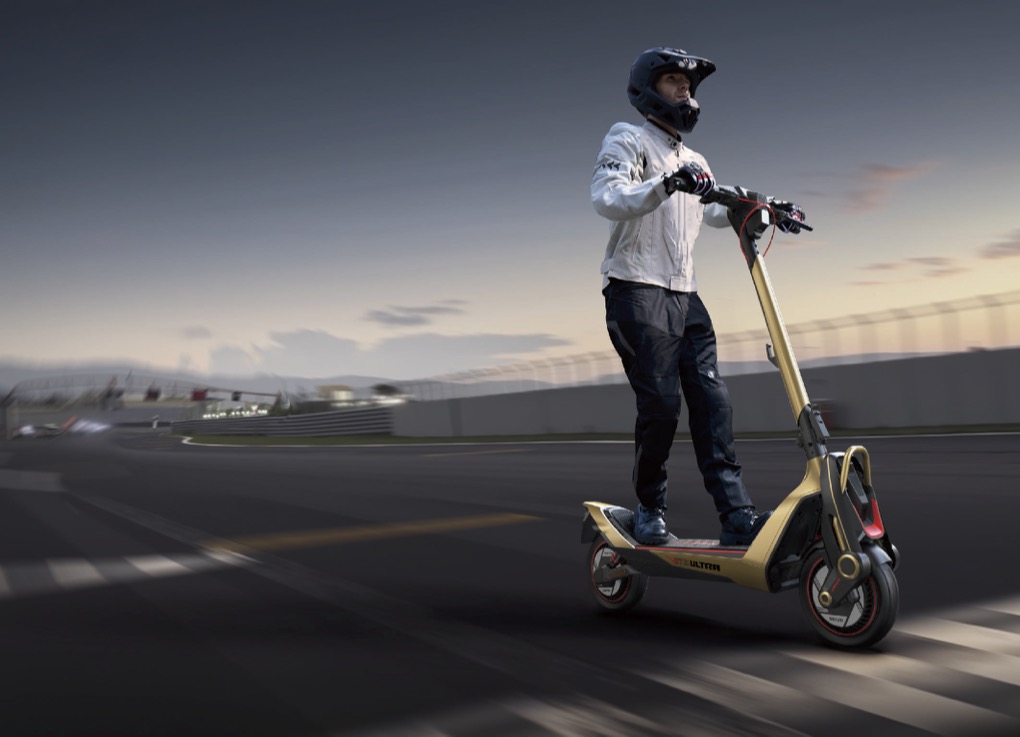
The Chinese micromobility company Navee has some wild new stuff at CES 2026. The lineup is headlined by the UT5 Ultra X, a dual-motor e-scooter with an advertised top speed of 43 mph. And who among us isn’t in the market for an auto-following golf cart and a seaplane?
The flagship UT5 Ultra X is a sleek-looking e-scooter with a pair of 2,400W motors. Navee says it can reach a top speed of 43 mph and has a max range of 87 miles. (However, in the world of e-scooters, it’s safe to expect the real-world range to be around half of what manufacturers promise.) It has a front and rear hydraulic suspension and front and rear hydraulic disc brakes. Navee claims it can accelerate from 0 to 12 mph in 1.98 seconds.
Navee UT5 Ultra X
Navee
If you want something that can hold its own on rougher terrain, there’s the NT5 Ultra X. A pair of 1,200W motors helps this e-scooter reach a top speed of 40 mph and an advertised range of 56 miles. It has dual-disc brakes and an electronic anti-lock braking system. To help manage the bumps, it has two suspension types: a front telescopic suspension and a rear spring one. Navee claims its steel frame supports up to 330 lbs.
Then there’s the Eagle F1X, which could put golf caddies out of work. This electronic cart can carry your clubs (up to 44 lbs). It has a “smart auto-follow” feature that uses a combination of AI and ultra-wideband. It also responds to voice and gesture controls. The 33-lb. cart uses a pair of 250W motors, and Navee claims it can handle 36-hole games. Strangely, the bottom portion looks like an F1 racer because, hey, why not?
Navee Eagle F1X
Navee
To further prove that Navee isn’t afraid to jump the shark, the company has a product that could, well, jump over sharks. The WaveFly 5X is an electric seaplane that can “glide on the water and ride into the sky.” The company claims a max speed of 53 mph, a cruising speed of 40 mph, and a maximum flight time of 70 minutes. I’m not ready to put my life in its hands, but surely some deep-pocketed adventurer will.
In addition to real-world ranges almost always being much lower than advertised, there are other caveats. First, post-purchase customer support in the world of micromobility is almost always a sketchy prospect. I once had to file a Better Business Bureau claim to get support from even the most well-established brand, Segway. Don’t be shocked to experience the same or worse from lesser-known companies.
Second, Navee hasn’t yet listed pricing or release dates for its new models. Based on their specs and the company’s older gear, you’ll likely see prices of well above $1,000 for each one. (And that’s not even counting the seaplane.) Regardless, you can learn more at the company’s website.
This article originally appeared on Engadget at https://www.engadget.com/transportation/evs/navees-ces-lineup-includes-a-speedy-e-scooter-a-golf-cart-and-a-seaplane-180000473.html?src=rss
Welcome to your first CES edition of TMA, attempting (almost futilely) to distill the biggest product reveals and announcements. Despite two days of briefings and conferences, today is merely day one. However, we’ve already seen Sony Honda reveal its next car — and the Afeela 1 isn’t yet on sale. We’ve got a deep dive on what we’ve seen so far, right here.
AMD announced new Ryzen AI 400 laptop processors and updated desktop chips, including the Ryzen 7 9850X3D, with a new focus broadly on AI processing improvements. NVIDIA had a lengthy, dense press conference showing off its dominance in AI tech, but it lacked major consumer announcements — until overnight, when it revealed next-gen G-Sync tech and an upgraded version of DLSS. The new tech can handle up to 4K 240Hz path traced performance. It also adds an improved version of Super Resolution Transformer, with more stability.
This year’s wildcard CES press conference was… Lego? It revealed Smart Bricks, which adds sensors, audio and wireless communication to traditional Lego pieces. The system is launching with Star Wars sets later this year — and perhaps crucially, no smartphone or screen is needed to play.
There’s also LG and Samsung to get into — more on those below!
After launching its double-folding smartphone in Korea, Samsung is giving its newest foldable the press tour at CES 2026 and, despite reservations, it’s slick. The key difference between the Z Trifold and the Z Fold series is a second fold-out wing, turning it from a traditional smartphone into a more tablet-like form factor, closer to what we’re used to. Farewell square-ish screens.
This is what we were promised when foldables first appeared: a larger screen that offers greater utility than traditional smartphones, without compromise. Sam Rutherford tested one out. Read on for his impressions.
The big reveal at Samsung’s First Look CES press conference was literally big: a flagship 130-inch Micro RGB TV framed by a giant metal easel with embedded speakers. It’s much more in the realm of concept than reality — no price, no release date. It works as a halo product for more realistic TV sets using Samsung’s new preferred display technology. This year it’ll be offering TVs in 55-, 65- and 75-inch sizes. And if you’re curious, we explain what Micro RGB TVs are.
CES 2026 marks the return of LG’s ultra-thin Wallpaper TV. The latest version sports a gorgeous OLED screen and wireless connectivity, and it’s about as thin as a pencil. We checked out the new Wallpaper TV during a CES preview event, along with LG’s Gallery and Micro RGB sets. If money were no object, I’d want a 100-inch LG Wallpaper TV. According to Devindra Hardawar, it looks “shockingly thin” in person.
This article originally appeared on Engadget at https://www.engadget.com/general/the-morning-after-engadget-newsletter-ces-2026-press-day-174444560.html?src=rss
Joe Montgomery was central to all of Cannondale’s innovation throughout the brand’s early days. Nothing was off the table when it came to boundary pushing, be it the use of aluminium or wild concepts – some of which made it to production.
I own six Cannondale bikes of varying vintages, yet still lust after a Killer V, a Beast of the East, a single-pivot Prophet, or even a Moto. Then there’s the most extreme take on small-wheeled urban bikes, the Hooligan… a Saeco-era Six13 replete with ’Legalize my Cannondale’ kit… I could go on.
I like the look of the FlyingV urban ebike, and I’m also bristling with excitement that there’s a new CAAD road bike on the way.
Cannondale has never been afraid to push boundaries and challenge the norm, both in materials and concepts – think about the weird and mostly wonderful we’ve seen from the brand over the years.
Cannondale’s first product, ‘the Bugger’ trailer. cannondale
The Cannondale trailer
The Cannondale CAAD12 was the culmination of Cannondale’s expertise in aluminium. Robert Smith Photography / Immediate Media
Back in 1971, pioneer of bicycle design, Joe Montgomery, saw a rider pedalling up a steep hill wearing a heavy backpack. That sparked an idea, which led to Cannondale’s first product. ‘The Bugger’ became the template for all bicycle trailers that have followed.
Cannondale started in a loft space above a pickle factory near the Cannondale railway station in Wilton, Connecticut. The brand initially made bicycle accessories, mainly for touring, with the legendary Wilderness series bags setting a template for modern touring and arguably bikepacking way back in 1973.
Alloy ahoy
We certainly had fun testing the Hooligan back in 2007.
Thanks to Joe, along with his partners, Murdoch MacGregor and Ron Davis, the business expanded. It was another of Joe’s thoughts that saw Cannondale take its first steps towards becoming one of the most innovative bike brands around.
Joe, a keen sailor, was inspired by his boat’s lightweight but very strong aluminium mast. We’d seen aluminium used in bike frames before, but this being Cannondale, it was very different.
Most aluminium bicycle frames followed the steel template, some even using lugs and bonding for construction. Cannondale, however, went big, with massively oversized tubes and smooth welds.
Those late-1980s road bikes, such as the 2.8 Series, pushed boundaries with 2in-diameter tubes. I can recall seeing those in stores, and being amazed at how big they looked and how light they were. Roadies used to slender steel and elaborate lugs were shocked; some were appalled. I thought they looked like the future.
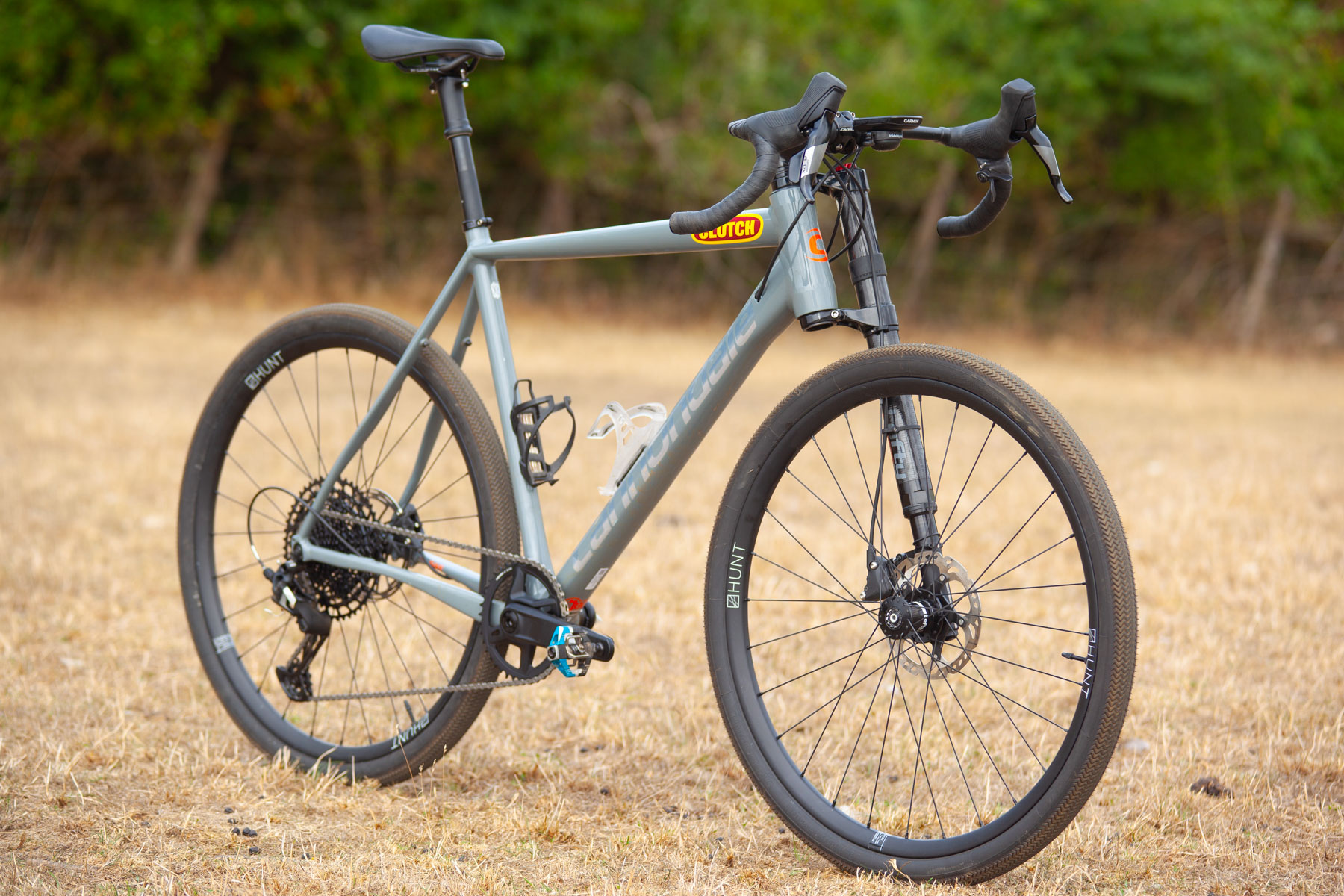
The advent of CAAD aluminium bikes, with the debut of the glorious CAAD3 in 1997, showcased Cannondale’s mastery of aluminium, which continues to this day in the shape of the brilliant CAAD13.
Back in the 80s, 90s and early 2000s, Cannondale pushed boundaries like no other brand: the HeadShok, Lefty fork, BB30, one-piece chainrings, flexible stays, unique drivetrains for suspension bikes, the 24in-wheeled SM-500 mountain bike with powerful BMX brakes and a bent for technical off-roading.
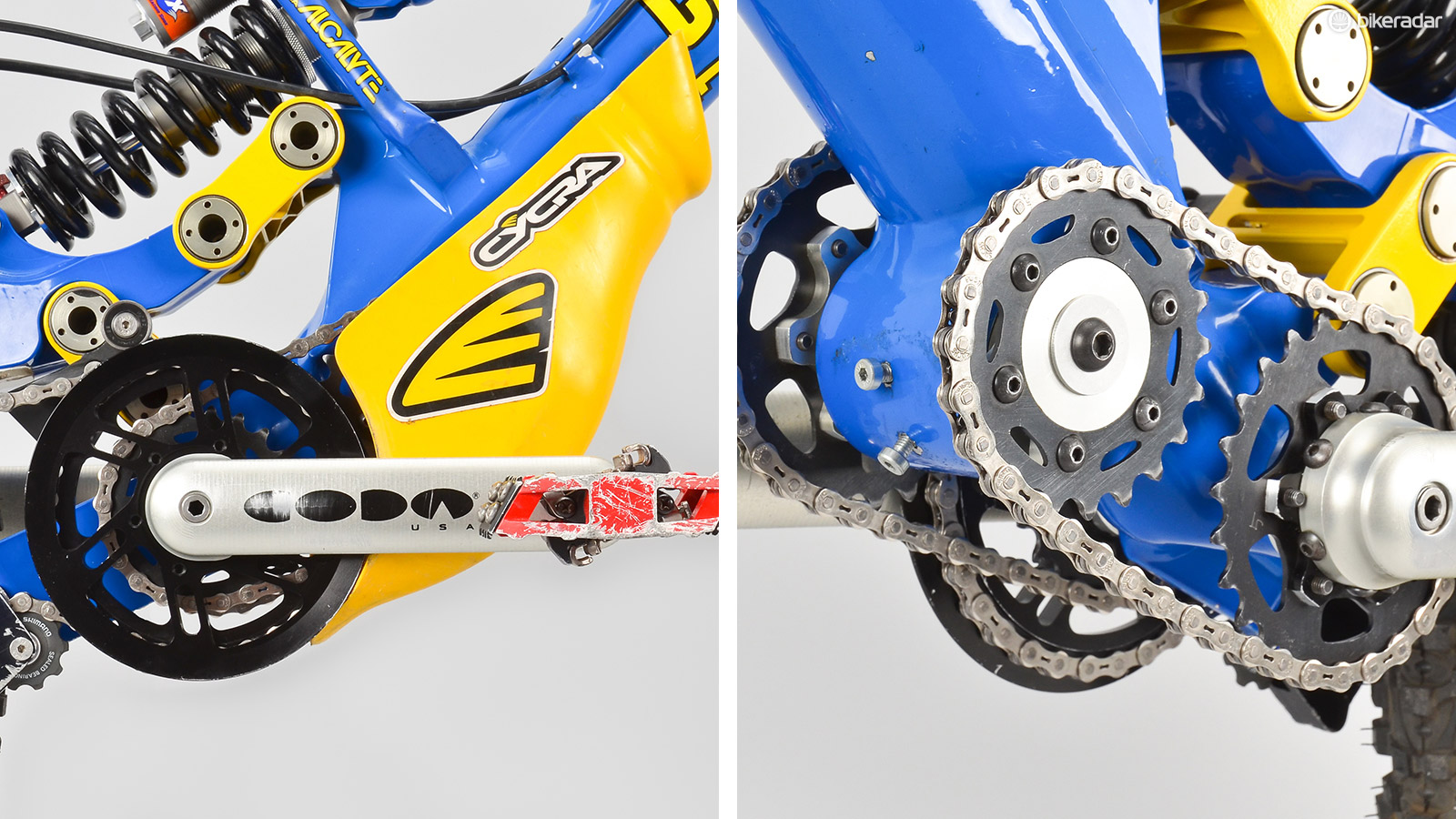
Rather than compromise the pedalling performance each time a racer wanted to change gear ratios, Cannondale used a complex jackshaft drivetrain system that enabled frame designers to optimise the suspension around a 34-tooth chainring. The Pros Closet
The HeadShok-equipped Silk Road was decades ahead of comfort-enhanced gravel and endurance bikes such as Specialized’s Roubaix and BMC’s URS.
Then there was the original Beast of the East mountain bike, which pioneered a mullet setup with a 24in rear wheel and 26in at the front. This was in 1986.
The list of examples of Cannondale’s creativity and unwillingness to settle for the status quo is long.
Encouraging innovation
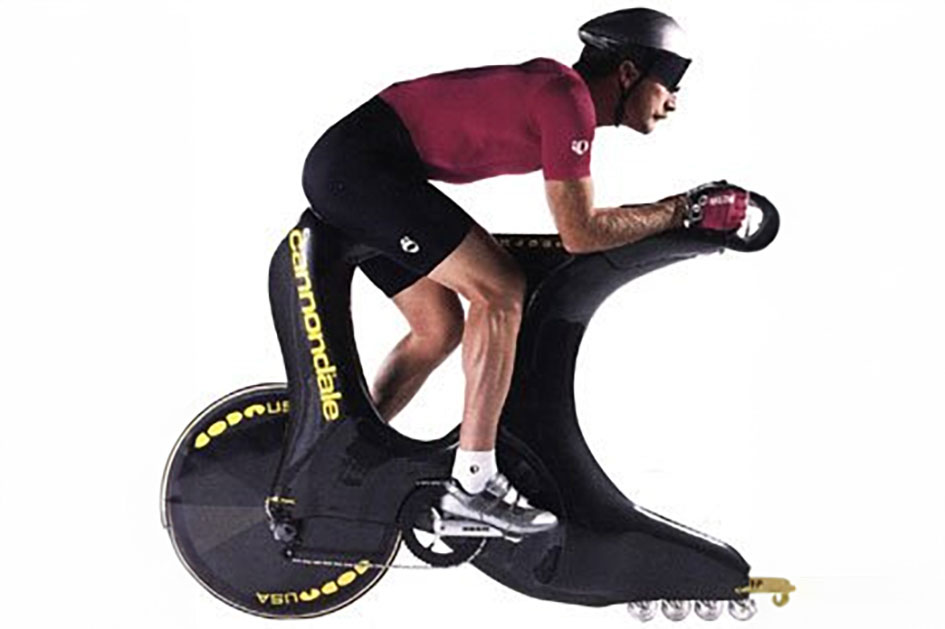
The roller bike concept proved nothing was off the table at Cannondale. cannondale
Back in the heyday of the Eurobike show, it was the highlight to head to Cannondale to see its concepts on display, such as the R4000 Roller Blade – a time trial bike with a roller blade rail replacing the front wheel.
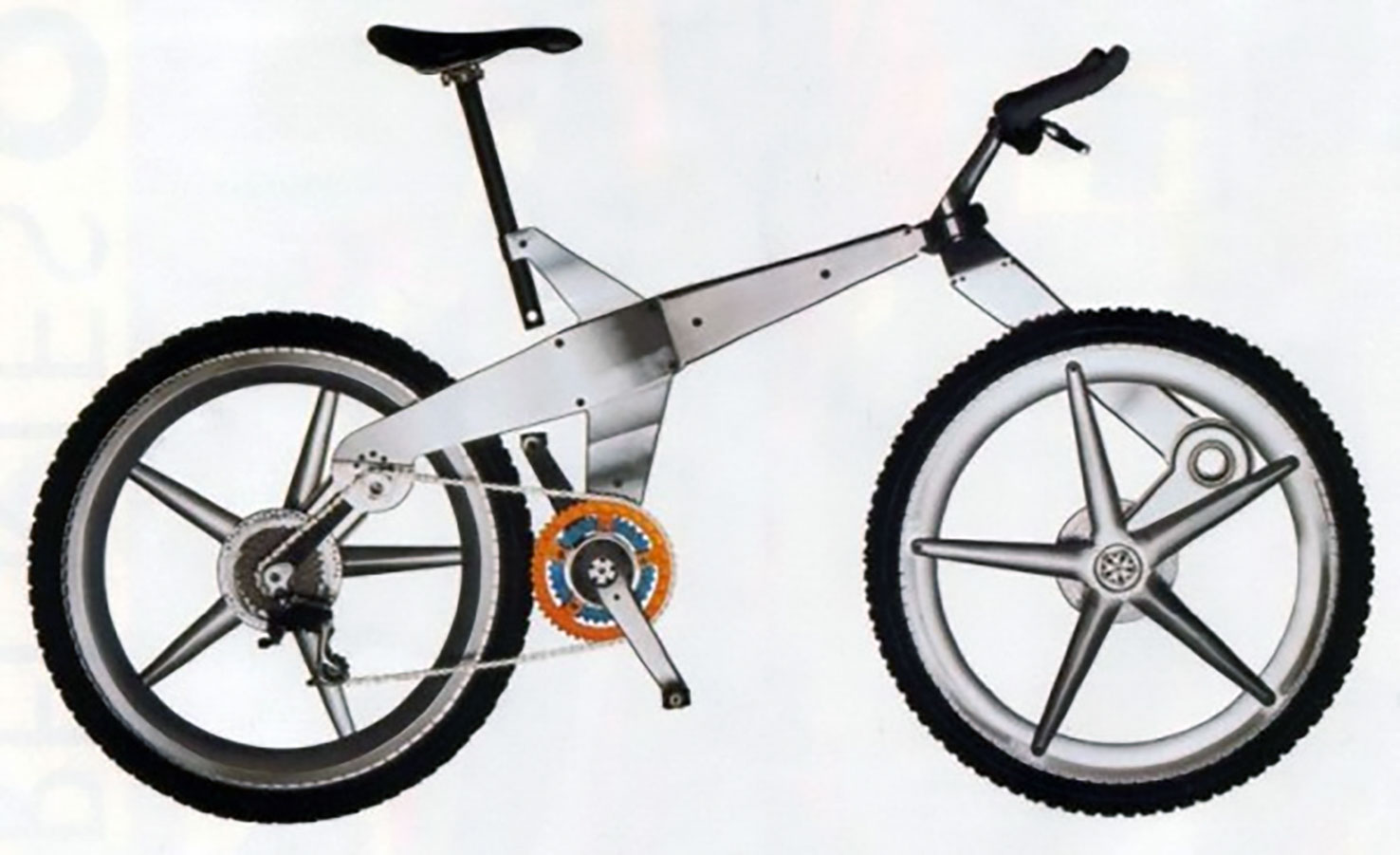
There was also a road bike with morphing geometry, called the CERV. I even rode a prototype concept ebike back in the 2000s with Bosch power around the halls of Eurobike after the show had closed. I loved the way-ahead-of-its-time full-sized folding onBike concept dreamt up by Torgny Fjeldskaar, too.
Fjeldskaar forged his reputation at Cannondale and has gone on to design for the likes of BMC, Fizik and Colnago, along with his Hooligan-inspired Fjeld BØK H2 cargo bike. He told me: “Joe was still with Cannondale when I started, but I only met him a few times, but that was more than enough to see what a truly special and inspiring man he was.
“He was a larger-than-life character, with a positive energy and visionary spirit that made everyone feel like anything was possible.”
Cannondale’s intriguing CERV. Cycling Sports Group
“Beyond all the innovation and brand building, what stands out most to me is the unique culture he created at Cannondale. One of his dogmas was to ‘hire your customer’, and that mindset made all the difference. Having that many people willing to push the envelope and go the extra mile is incredibly valuable – and incredibly rare.”
The Magic Moto, or V4000, was one of the most radical Cannondale concepts. cannondale
To this day, the bond between former Cannondale employees who worked under Joe remains strong, and they all speak about that time as a particularly special chapter in their lives, which speaks volumes about the legacy Joe left behind.
A visionary boss
Cannondale’s SuperSix Evo Dura-Ace, one of the best-handling race bikes I’ve ever ridden. Russell Burton / Immediate Media
Murray Washburn, global marketing manager for product, has been at Cannondale for as long as I remember, and I asked him for his take on Joe’s legacy. “I am so grateful to Joe for what he created, and what I’ve been able to be a part of for almost 30 years now. Joe was a hell of a character. Larger than life,” he told me.
“Joe was full of vision, energy and determination, and willing to bet big and take risks to create something special. He really is at the core of what makes Cannondale, Cannondale… a rare combination of pragmatic realism and unshakeable optimism.
“He believed in people, that if you hired passionate, intelligent people, and set them free to do great things, anything was possible.
“He inspired people to dream big and take chances in the pursuit of making cycling better, ignoring trends, consensus, and the status quo.
“He created an environment where good enough was never good enough, and the easy way was rarely the right way. His mantra was always, ‘are we pushing hard enough? Are we making big leaps instead of small steps? Are we daring to be great?’.
“It made for an incredibly dynamic, exciting, innovative company that made an outsized impact on the entire cycling industry. He wasn’t flawless or perfect.”
Not afraid to fail
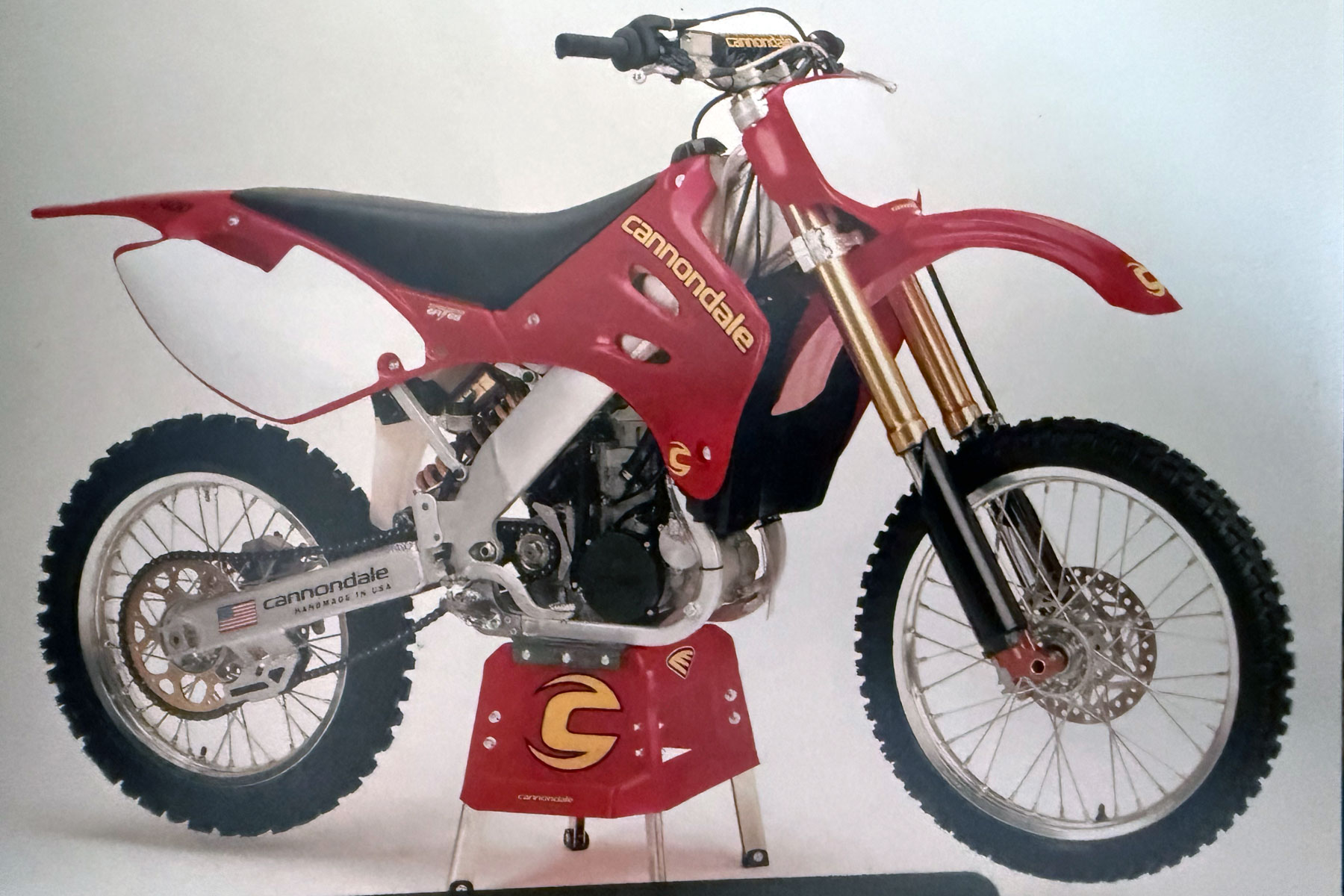
The Cannondale MX400, the project that nearly ended Cannondale. cannondale
The sheer confidence inherent at Cannondale hasn’t always paid off – the ill-fated MX400 motocross bike from 2000 being the most infamous example. By all accounts, a groundbreaking design, the trouble was developing a complete motocross platform from scratch proved monumentally expensive, which led to bankruptcy and nearly put Cannondale out of business.
Even that didn’t stop Cannondale; innovation is in the DNA of the brand – just look at the mountain of wonderfully different and boundary-pushing designs across road, mountain, gravel and urban bikes it has released since then.
Washburn told me: “That appetite for risk and invention brought with it its fair share of misses and failures, but more often it unleashed real, groundbreaking progress. And even the failures were welcomed as opportunities for learning and improvement, and the ability to do better next time.
“One of my favourite memories of Joe was when the chips were down, he would often walk around the office, jingling a fistful of coins, saying, ‘You hear that? That’s change. Change is good. We like change!’. The industry could do with a few more characters like him. Happy trails, Joe. You left a hell of a legacy.”
Even though it’s a 10-year-old design, the Slate still looks radical today. Warren Rossiter / OurMedia
As Clive Gosling, long-time Cannondale employee and now brand director of Nukeproof, put it: “Godspeed Joe Montgomery, an industry titan, a true visionary, and a wonderfully humble human being.”
So farewell, Joe, and thanks for the bikes, and your legacy that’s spread throughout bike design.
Graduates of the school of Cannondale can be found in the likes of Specialized, Ridley, Nukeproof, Colnago, Cervélo, BMC and countless others. Long may that continue.
It’s been almost exactly two years since Nvidia announced G-Sync Pulsar, its new backlight strobing technology designed to limit display motion blur caused by old images persisting on the viewer’s retina. At the time, Nvidia said that technology would debut on Asus’ ROG Swift PG27 Series monitors by the end of 2024. Nvidia now says the first four G-Sync Pulsar-powered monitors will be available at select retailers starting Wednesday.
All four of the fresh Pulsar-enabled IPS monitors come in at 27 inches with 1440p resolution and up to 360 Hz refresh rates. But Nvidia says the integrated G-Sync Pulsar technology means each display has the “effective motion clarity of a theoretical 1,000 Hz monitor.”
The ASUS Zenbook Duo was easily one of my favorite laptops of 2024 as it was the first dual-screen notebook actually worth buying. But now at CES 2026, ASUS has given the second-gen model a complete revamp with practically all the upgrades and tweaks I’ve been hoping for.
Like the rest of the Zenbook line, the 2026 Duo is getting ASUS’ Ceraluminum treatment on its lid, bottom and kickstand, which not only looks great but it adds an extra bit of durability and scratch resistance. There’s also an improved magnetic latch system and Bluetooth connection for its detachable keyboard to help keep it charged up and paired more reliably. However, the biggest upgrade is ASUS’ all-new “hideaway” hinge. Not only does it allow the system to unfold flat against a table, it also massively shrinks the gap between the laptop’s two 3K 144Hz Lumina Pro OLED displays to just 8.28 mm. That’s a reduction of 70 percent compared to the previous model and it makes the idea of using a dual screen laptop just that much more seamless and appealing than before.
Another important upgrade is that despite having a significantly larger 99Whr battery (up from 75Whr on its predecessor), the overall footprint of the second-gen Zenbook Duo is actually five percent smaller than before. That makes it noticeably more compact without sacrificing on weight or thinness, which is staying pretty much the same at 3.6 pounds and 0.77 to 0.9 inches thick (depending on where you measure). Connectivity remains excellent as well, with ASUS including Wi-Fi 7, two USB-C with Thunderbolt 4, a USB-A 3.2 Gen 2 connector and even a full-size HDMI 2.1 jack. And for all the artists out there, the Zenbook Duo also supports stylus input via the ASUS Pen 3.0, so you can easily detach the wireless keyboard and use either screen as a built-in drawing tablet. That said, it’s currently unclear if the stylus comes included or not.
Meanwhile on the inside, the Zenbook Duo features either an Intel Core Ultra 7 355 or Ultra 9 386H chip with up to 32GB of RAM and 2TB of storage. On top of that, ASUS increased the Duo’s TDP to 45 watts, which is another notable bump up over the original. So not only does it have a larger battery, its performance is getting a big boost as well, especially when combined with the much improved onboard graphics from Intel’s latest integrated Arc GPU.
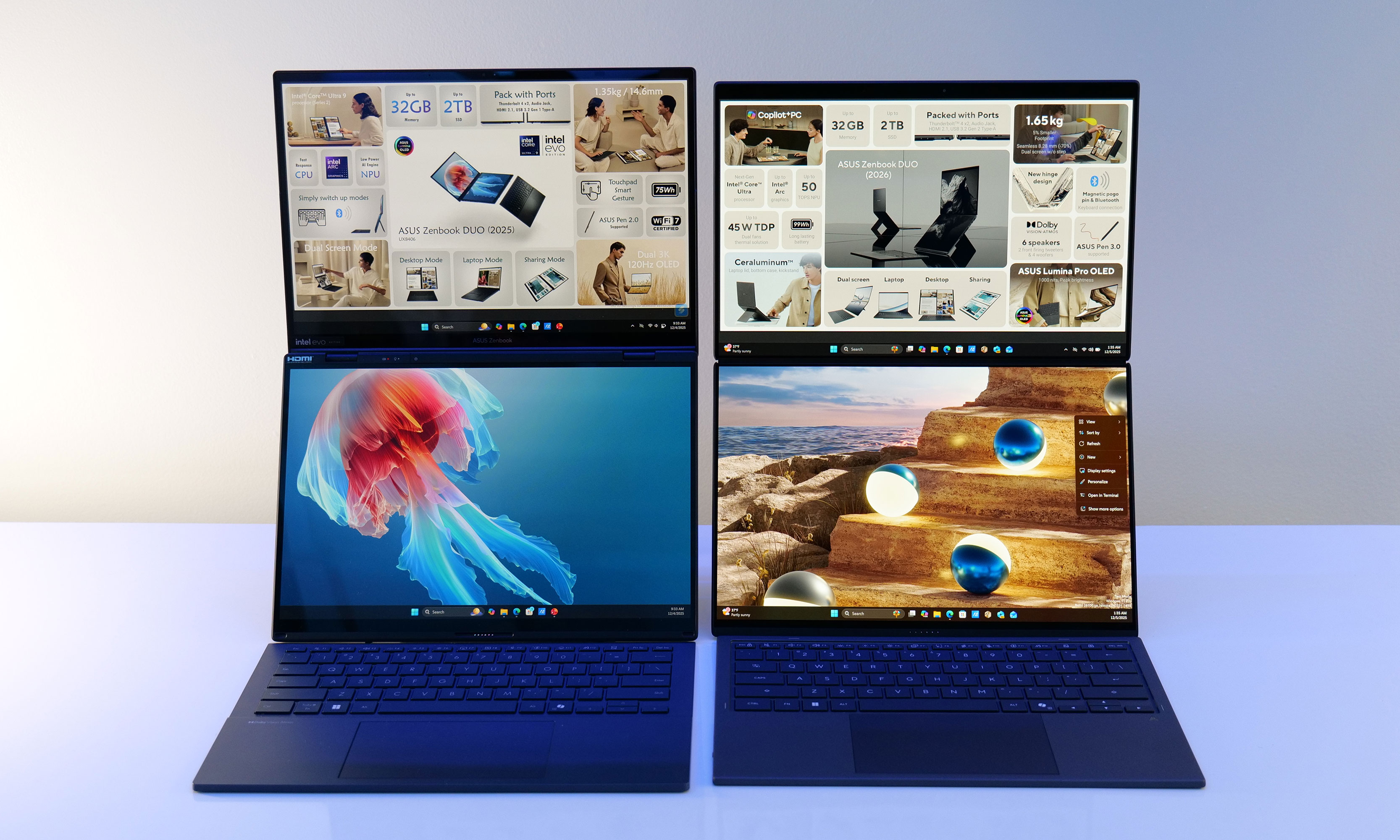
Here’s how the new 2026 ASUS Zenbook duo (right) stacks up against the outgoing model (left).
Sam Rutherford for Engadget
I know a lot of people out there still aren’t convinced that dual screen laptops need to be a thing, and that’s totally OK. But as the kind of person who feels like they are missing a limb when I’m traveling and away from my two monitors at home, the second-gen Zenbook Duo feels like a major refinement of an already great idea. It’s got a bigger battery, faster performance and a hugely streamlined design without gaining any bulkiness or weight. Out of all of the laptops I’ve seen at CES 2026, this is the one I most wish I could grab and start using right away.
The one potential concern is that ASUS has yet to release pricing for the new Zenbook Duo or say when it will go on sale. So here’s hoping it won’t break the bank when it arrives sometime later this year.
This article originally appeared on Engadget at https://www.engadget.com/computing/the-asus-zenbook-duo-got-a-fantastic-redesign-for-ces-2026-173000392.html?src=rss
An anonymous reader shares a report: The Open Rights Group is warning politicians that the UK is leaning far too heavily on US tech companies to run critical systems, and wants the Cybersecurity and Resilience Bill to force a rethink.
The digital rights outfit says the bill, which is due to receive its second reading in the House of Commons today, represents a rare opportunity to force the government to confront what it sees as a strategic blind spot: the UK’s reliance on companies such as Amazon, Google, Microsoft, and data analytics biz Palantir for everything from cloud hosting to sensitive public sector systems.
“Just as relying on one country for the UK’s energy needs would be risky and irresponsible, so is overreliance on US companies to supply the bulk of our digital infrastructure,” said James Baker, platform power programme manager at Open Rights Group. He argued that digital infrastructure has become an extension of geopolitical power, and the UK is increasingly vulnerable to decisions taken far beyond Westminster’s control.
The nature and role of the Linux Foundation’s Technical Advisory Board (TAB) is
not well-understood, though a recent LWN article shed some light on its
role and
history. At the 2025
Linux Plumbers Conference (LPC), the TAB held a question and
answer session to address whatever it was the community wanted to know
(video).
Those questions ended up covering the role of large language models in kernel
development, what it is like to be on the TAB, how the TAB can help grease the
wheels of corporate bureaucracy, and more.
Aleksa Sarai, as the maintainer of the runc container runtime, faces a
constant battle against security problems. Recently, runc has seen
another
instance of a security vulnerability that can be traced back to the difficulty
of handling file paths on Linux. Sarai spoke at the 2025 Linux Plumbers Conference
(slides; video)
about
some of the problems runc has had with path-traversal vulnerabilities, and to
ask people to please use
libpathrs, the library that he has been developing for
safe path traversal.
Eric Migicovsky has been thinking a lot about friction. Specifically, he’s been thinking about how too much friction in the way of using a device can put people off wearing it altogether. The founder of Pebble is here at CES 2026 with a few new devices from the company he recently started to bring back the beloved smartwatch brand, including the Pebble Round 2 and the Index 01. That second one is a simple ring with a button on it that you push down to talk to Pebble’s AI whenever you want it to help you remember something.
In the sea of AI gadgets that clutter the showfloors of CES (and the current tech industry in general), the Index 01 is refreshingly simple. The prototypes I saw here in Las Vegas weren’t connected to phones, so they weren’t actually working. They also seemed a little unfinished, like there was still some polishing to do. But I was able to put a few on and push their buttons. I also checked out the one Migicovsky wears — more on that in a bit.
I have to caveat that the rings that Migicovsky and his team had for us to try on were way too large for me. I did manage to get sized and found out I was a Pebble size 7, while my colleague Dan Cooper was determined to be a size 11. These demo rings sat loosely on my finger — and Migicovsky was particular that I wear it on my index finger and not my thumb or middle finger.
I suspect that has to do with how you reach for and press the button. It’s much easier to push the key if it’s closer to your thumb. Since the idea of the Index 01 began as an app on the Pebble watch, Migicovsky has been working hard to figure out how best to make it easy to access. Back when it was an app, “friction points were having to use your other hand” to press the screen, he said. “We also experimented with gestures and voice activation, wake words,” he added. But as many of us are painfully familiar with, those triggers don’t always work well.
“The whole thing that drives this ring is it being something that you can rely on. It being something that you can incorporate into your… habits,” Migicovsky said. So putting a button right by your thumb not only makes sense, but might even be, in my opinion, a bit more accessible for people with, say, speech impediments or only one hand.
I have to admit I initially found the Index 01’s design to be a bit bulky-looking, and the rubbery button protrudes a lot more than I expected from looking at it in its glamor shots. It’s like in place of a diamond or a gemstone on the ring, there’s a weird little nipple that you twiddle around until you want to push it.
I did find the button easy to press, if that allays any of your concerns at all. But, really, the Index’s powers aren’t visible. It’s what happens after you push the button that matters.
Using the Pebble Index 01 ring
The actual demo was brief. Migicovsky prefaced things by telling me what he was about to ask, held up his hand to his mouth, pushed the button and asked me “What’s your favorite book these days?” I explained I had recently been reading Kaiju Preservation Society by John Scalzi and then Migicovsky let go of the button.
After a few starts and stops due to internet woes, the companion app on his phone responded, showing a transcription of what we said, followed by an answer “That sounds like a fun read! I can create a note about the book you are reading if you’d like.”
I didn’t get to ask many more questions, and I think I’d need to live with an actual unit in my life to start to rely on it more. But I love the idea of a second brain or an AI assistant that’s always ready for my random thoughts at the push of a button. Migicovsky said the Index 01 is water resistant, so you never have to take it off, even in the shower. So for those times when you’re sudsing up and have a random stroke of inspiration about soap art, you can still tell the Index 01 to remember your Eureka moment.
Depending on how you use it, Migicovsky said the Index 01 can last for years — up to three if you’re not too heavy of a user. Since he doesn’t want for you to have to place the ring on a charger and forget to put it back on again, the device is not rechargeable. When you’re about a month away from running out of juice, the app will send you a warning and ask if you want to order a replacement. You’ll also be offered the option of sending it in for recycling.
That still feels a bit wasteful and potentially expensive, but Migicovsky’s thinking is that if you still are using the ring enough after two years to be thinking about extending its battery life, the price might be justifiable to you.
Why a Pebble AI ring instead of others?
It’s things like this that make me think Migicovsky (and the Pebble team) have the right approach to making an AI ring. Though the hardware is not the most advanced and there is a quaint simplicity to the software, there is a level of thought and care that feels important to any product’s success.
Migicovsky is quick to acknowledge that Pebble watches won’t be for everyone. That if you want a health-tracking device or something with a bright, colorful screen, you should consider something else. He’s even considering placing ads for other smartwatches on the website listing the new Pebble devices.
“Look — I’m the first person to call myself out when I fail,” Migicovsky wrote in a blog he posted last November. And when he spoke with Engadget, he also recognized that Pebble at one point might have tried to do too much. These days, there are other companies making smart rings that are all about tracking your sleep and fitness, and the Index 01 is not that. “And Pebble is absolutely 100 percent not that company.” Maybe with a renewed focus on a sustainable business model, Pebble actually has a chance to survive and continue making its AI ring and other devices.
Nowadays, Migicovsky just wants to make gadgets that will make you smile. And when I look at a cute little nyan cat wiggling about in its lo-fi, lo-res and low-frame-rate glory on the new Pebble smartwatches, I just feel warm inside.
This article originally appeared on Engadget at https://www.engadget.com/wearables/pebbles-founder-might-be-just-the-right-person-to-make-an-ai-ring-170104222.html?src=rss
There’s something deeply satisfying about tracking your running progress in a spreadsheet you built yourself. No algorithm showing off other people’s workouts, no concerns about what happens to your data if the company pivots or shuts down. Just you, your numbers, and a system designed exactly the way you want it. And when I wrote about this earlier this year, I received some truly heartwarming messages from runners who’d been thinking the same thing. So many of us runners are tired of relying on apps, and we’re instead drawn to a simple, customizable spreadsheet.
Why build your own spreadsheet?
Sure, there’s no shortage of fitness tracking apps out there. Strava, Garmin Connect, Nike Run Club—they all have their strengths. But owning your own spreadsheet offers something different: complete control. You can design your system to match your specific training needs. I also appreciate the intentionality that gets introduced when you have to design your own tracking system.
There’s also the simple economics. Spreadsheets are free. They don’t have premium tiers, they don’t expire when you stop paying, and they don’t suddenly lock features you’ve been using for months. Plus, creating custom charts and graphs to visualize your progress becomes a matter of a few clicks rather than hoping the app updates to include the exact view you’re looking for.
This is notthefirstspreadsheet I’ve shared with my Lifehacker community, but this might be my magnum opus: a running tracker that logs every workout, calculates weekly mileage automatically, visualizes training load over time, and helps me plan toward specific race goals. It’s evolved over months of use, shaped by what actually matters when I lace up my shoes each morning.
Here she is. If the idea of a spreadsheet appeals to you, but you hate my spreadsheet, that’s fine! I’m not even crying about it! Let’s take a look at how you can perfect your own DIY running tracker.
What to track (and what to skip)
The key to a sustainable running spreadsheet is tracking what actually helps you without drowning in data entry. Here’s what I’ve found worth logging:
The essentials: Date, distance, time, and pace. These four fields form the backbone of any useful running log. They let you calculate weekly mileage, monitor whether you’re getting faster, and spot trends over time.
The context: Route or location, weather conditions, and how you felt during the run. These qualitative details help you understand the story behind the numbers. That slower pace might make sense when you remember it was 95 degrees, or you were running hills, or you resolved to run slower now in order to run faster later.
The training details: Type of run (easy, tempo, intervals, long run), elevation gain if relevant to your training, and any specific workout structure. This helps you ensure you’re balancing different types of training rather than just logging junk miles.
What I don’t track: Every single calorie burned (those estimates are notoriously unreliable anyway).
Setting up your system
Start simple. Create columns for your essential data and add a few basic formulas: total weekly mileage, average pace for the week, maybe a running total for the month. Google Sheets and Excel both make this straightforward, and you can always add complexity later.
Consider organizing with separate tabs for different purposes. I keep one tab as my main running log where each row represents a workout, another tab for monthly summaries that automatically calculate totals and averages, and a third for goal tracking where I can see my progress toward specific races or mileage targets.
The beauty of building your own system is that you can iterate. After a month of tracking, you’ll notice what information you actually reference and what just clutters the spreadsheet. Maybe you thought you’d care about cadence but never look at that column, or perhaps you wish you’d been tracking which shoes you wore to monitor when they need replacing. Adjust accordingly.
Making it visual
Numbers in rows tell one story, but charts and graphs reveal patterns you might otherwise miss. Create a simple line graph showing your weekly mileage over time and you’ll instantly see when you’re ramping up training, when you backed off for recovery, and whether your current volume is sustainable.
I like having a few standard visualizations: a line chart of weekly mileage, a bar graph comparing monthly totals across the year, and a scatter plot showing the relationship between distance and pace to spot my comfortable running ranges. None of this requires advanced spreadsheet skills—most programs will generate decent charts automatically once you select your data.
The bottom line
The point here isn’t to use my exact system, but to recognize that you can build something better suited to your needs than any one-size-fits-all app. Your training is unique to you—your goals, your schedule, your body, your definition of progress. Why not track it in a way that reflects that? Keep what works, discard what doesn’t, and enjoy this life upgrade.
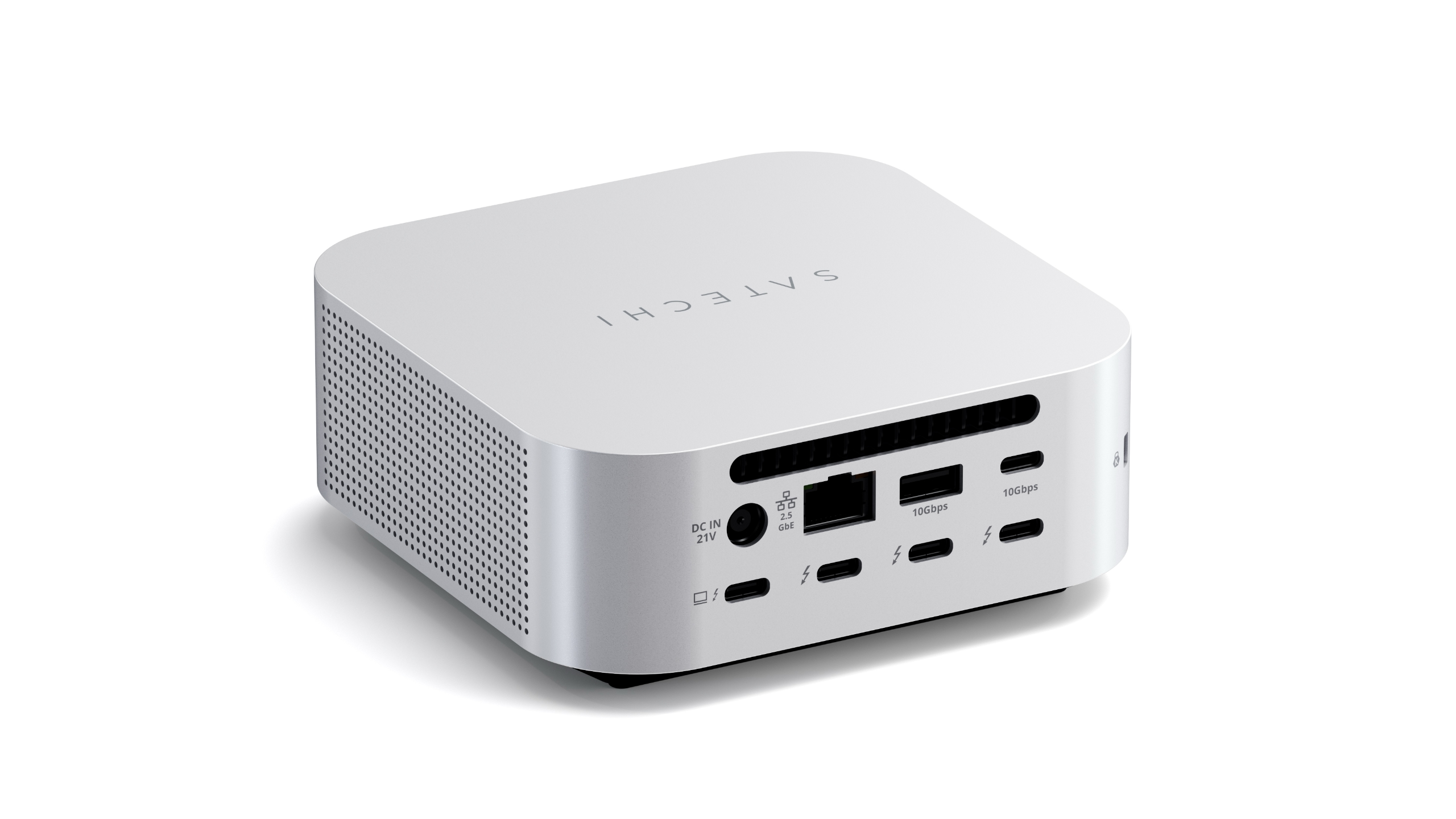
Multiple of Satechi’s Thunderbolt 4 docks are on Engadget’s list of the best docking stations, so when the company announces a new accessory, it’s usually worth a look. At CES 2026, Satechi is finally making the jump to Thunderbolt 5 with a new docking station and cable. The Thunderbolt 5 CubeDock with SSD Enclosure and Thunderbolt 5 Pro Cable leverage the faster speeds of Intel’s cable tech, and in the case of the dock, also include extra benefits like space for SSD storage.
The CubeDock is made from a block of solid aluminum and is clearly supposed to evoke Apple’s desktop Macs, like the new Mac mini. Satechi already made a Mac mini hub that can do some of the same things as CubeDock, but that accessory was focused on Thunderbolt 4. With the Thunderbolt 5 on the CubeDock, the new docking station can offer support for multiple 8K monitors, 180W smart power delivery and up to 120 Gb/s transfer speeds.
The back of a Satechi CubeDock displaying multiple types of ports.
Satechi
The dock also features a microSD card slot, SD card slots and headphone jack on the front, with multiple other input options on the back, including Thunderbolt 5 ports and an ethernet port. If you’re interested in extra storage, you can also pop off the bottom of the CubeDock and add up to 8TB of SSD storage.
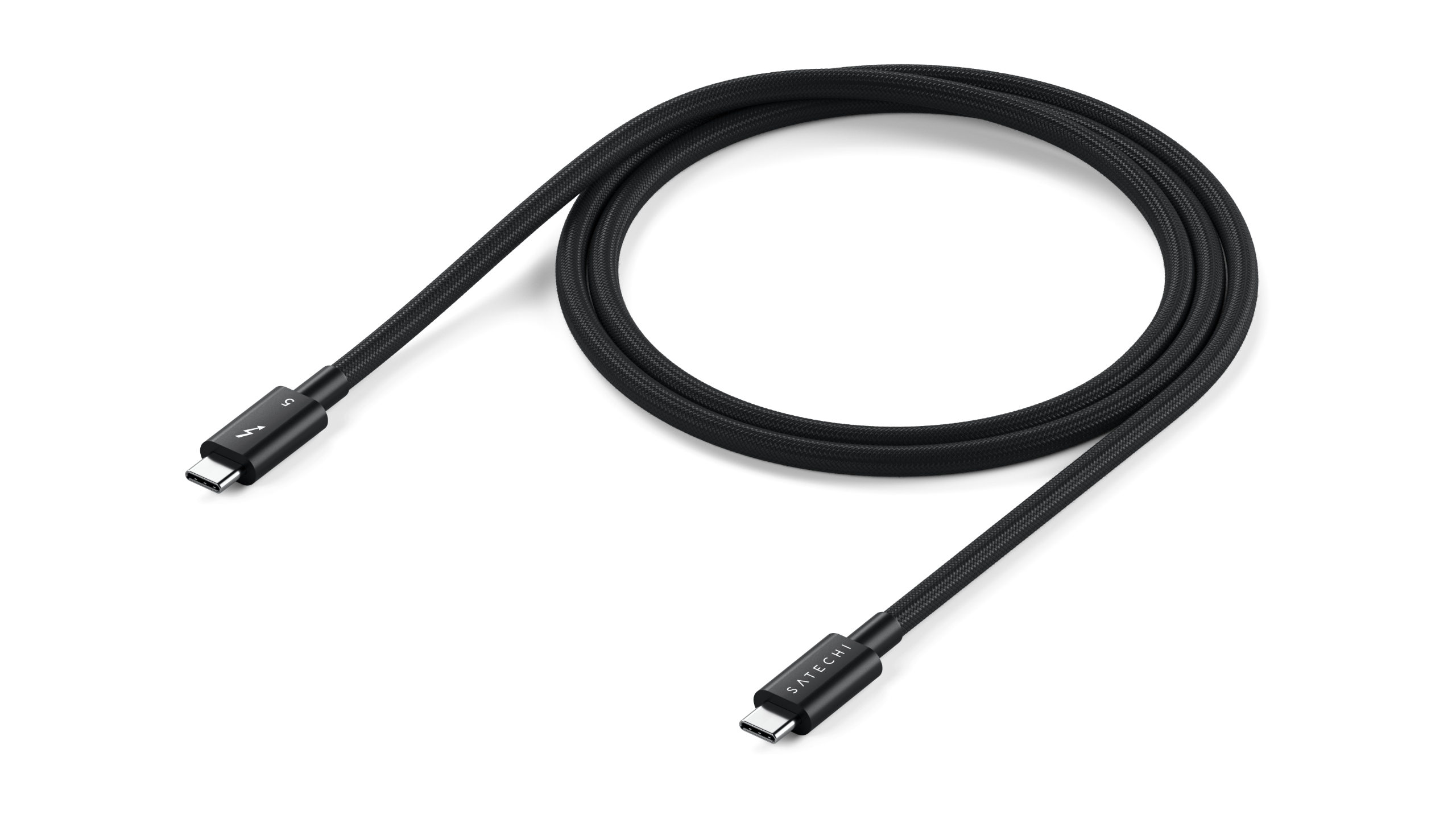
To pair with the CubeDock, Satechi is also releasing its own Thunderbolt 5 cable. The Thunderbolt 5 Pro Cable supports up to 120 Gb/s uni-directional or 80 Gb/s bi-directional data transfers, 240W power delivery and either dual 8K/60Hz displays or a trio of 4K/144Hz displays.
The Satechi Thunderbolt 5 Pro Cable coiled on a white background.
Satechi
Satechi says you can pre-order the Thunderbolt 5 CubeDock with SSD Enclosure on the company’s website for $399.99, and it will ship in Q1 2026. The Thunderbolt 5 Pro Cable is available to order now for $39.99 from Satechi, Amazon and other retailers.
This article originally appeared on Engadget at https://www.engadget.com/computing/accessories/satechi-is-embracing-thunderbolt-5-at-ces-with-a-new-dock-and-cable-170000137.html?src=rss
As soon as I held the Pebble Round 2 in my hand, I suddenly realized what I’d been missing for the better part of a decade. I’ve always felt smartwatches should supplement, rather than supplant, your phone, but that’s an attitude that feels almost quaint these days. After all, Apple and Samsung believe everyone wants a watch that can do almost everything your phone can do. But that wasn’t the prevailing opinion at the dawn of the smartwatch era, either philosophically or from limitations in the technology. Back then, companies like Pebble, Vector, Basis and others all built devices that added a second screen to the device in your pocket, and were all the better for it. Thankfully, Pebble founder Eric Migicovsky agrees, and if his project to revive the company is successful, perhaps we’ll once again see these alternative approaches flourish. The first step on this very long road is the Pebble Round 2, which aims to be the standard bearer for a new generation of comparatively less smart, but fundamentally more useful, smartwatches.
Round 2 was announced on January 2, and is the second product in Core Devices’ (Migicovsky’s new company) lineup of revived Pebbles. The first was the revamped Time 2, aping the form of its more successful predecessor, while the Round 2 is an attempt to correct the mistakes of 2015’s Pebble Time Round. That watch, when it debuted, was met with disappointment from critics who loved its aesthetics but little else. Back then, building a Pebble with a round face required plenty of compromise, including a higher price, shorter battery life, fewer features and a massive bezel. A decade on, and the technology has come along sufficiently to render such compromises moot, making for a much better device overall.
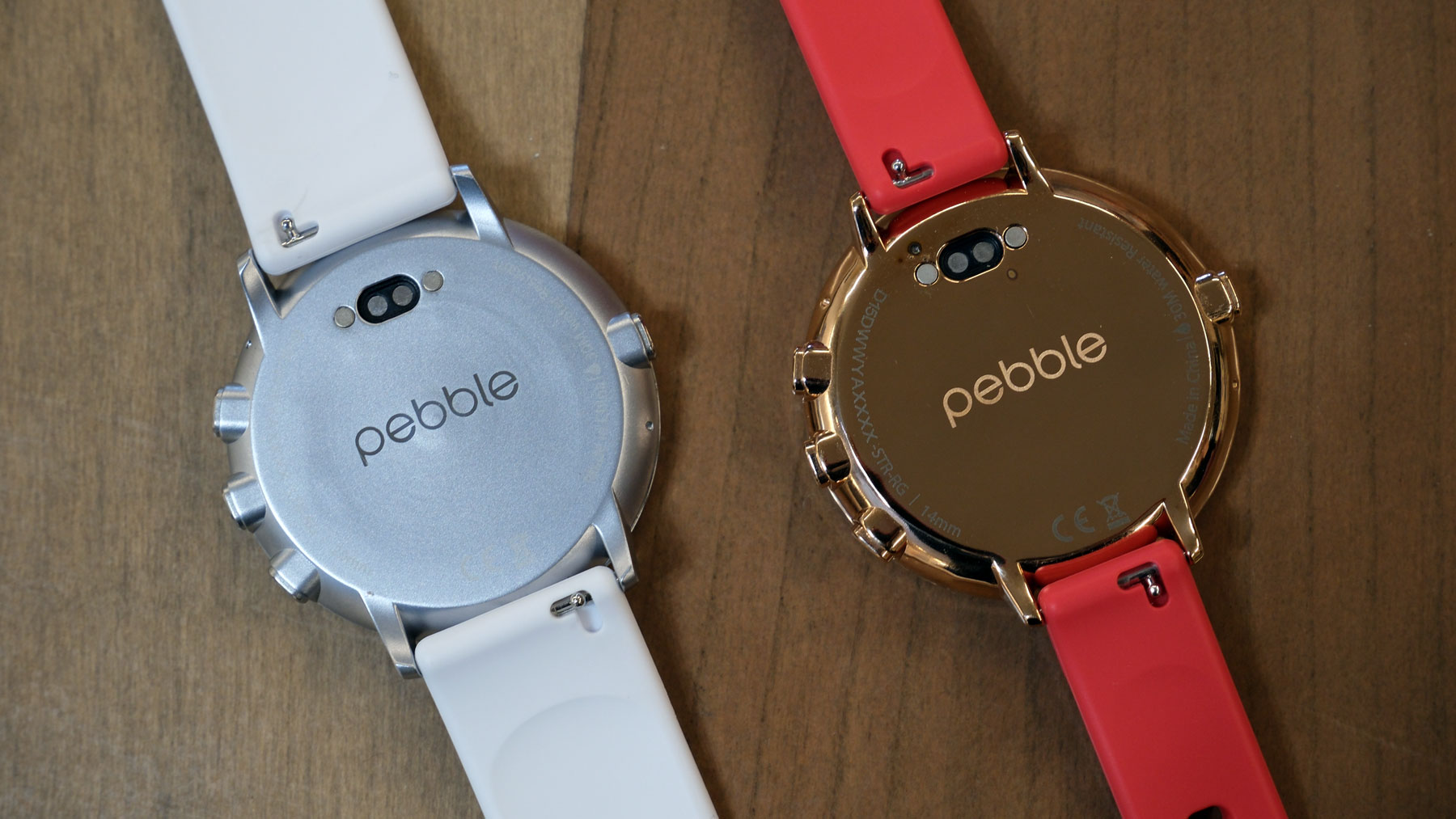
The new watch has a 1.3-inch color e-paper touchscreen which stretches to the end of the case. Its display has been bonded to the glass crystal, dramatically improving the viewing angles and reducing glare. You should expect to get two weeks of life on a single charge, but it remains just 8.1mm thick, and you can really feel that lack of heft when it’s in your hand. In fact, compared to so many of its smartwatch peers, you could almost unironically describe it as dainty, making its case size feel almost comically large. On the materials side, the case feels strong enough that I think it would withstand the rigors of daily life, and I’m quite smitten with both the polished rose gold and brushed silver finishes.
On one hand, it’s hardly the major reason to buy a watch, but I’m deeply smitten by how much text the Round 2’s display can render. Even the fanciest of smartwatches aren’t that willing to display big reams of text for your ease of reading. I was tickled to read a lengthy Slack message which reminded me, again, of what I’ve been missing for all of these years. Perhaps that’s a sign of the broader benefits a device like this offers, which is the ability to tweak its UI to what you need, rather than being tied by the UI designers in Cupertino and Mountain View.
There are plenty of omissions in the spec list, including no optical heart rate sensor, no GPS and no speaker. I’m not weeping over any of them: I’ve not used my smartwatch’s GPS in years and yes, and Pebble is swerving away from the health and fitness market. I don’t want to take calls from my wrist, either, and while the omitted heart rate sensor is harder to take given their ubiquity, it’s been done to ensure the watch is thinner than many of its competitors.
Migicovsky is candid about Pebble’s failure, saying the company spent too much to become a global hardware brand. He invested heavily in inventory in anticipation of blockbuster sales that never came, similar to Peloton’s post-COVID slump. This time around, the focus is on ensuring the company remains sustainable over the long term and, hopefully, building a succession of products. Rather than big investments, he’ll make small batches of devices to cater to pre-orders and won’t water down his philosophy in the hope of attracting a broad user base. He even said the Pebble website may include recommendations for alternative smartwatches from other companies to ensure he’s only catering to the faithful.
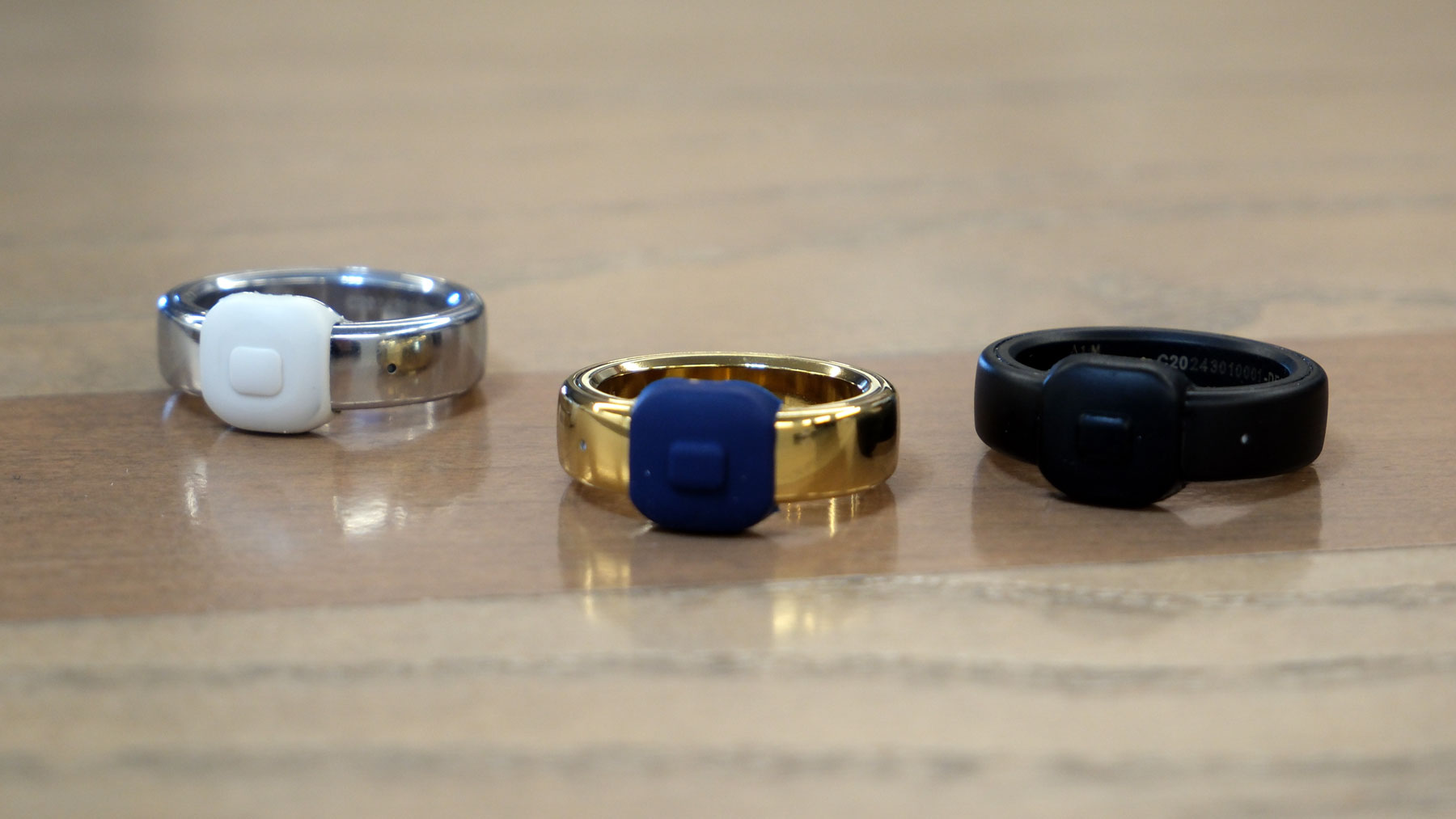
Three Pebble Indexes side by side on a table.
Daniel Cooper for Engadget
It’s his hope that this approach will give him the time and space to make more products, such as the already-announced Pebble Index 01. It’s a $75 ring equipped with a microphone, Bluetooth and a single push button, where users can record brief reminders to themselves. Rather than add weight and complexity with a rechargeable battery, each Index has a sealed-in cell that the company promises will last for up to two years. A month before the battery is due to expire, you’ll be asked if you want to buy a replacement, sending in the original for recycling. It’s an unusual arrangement but one that Migicovsky believes is more compelling than some others. After all, users aren’t saddled with any monthly subscription fees, and they only need to buy a new one if they’ve actually gotten the benefit out of their existing model. As with the revived Pebbles, the prevailing attitude is that nobody’s twisting your arm here.
Image of the rear sides of the Pebble Round 2
Daniel Cooper for Engadget
More broadly, Migicovsky has the time and money now to explore these product ideas free from the usual pressures. He has no investors or backers demanding instant returns and fast growth, giving him license to pursue his ideas as far as he wants to take them. And he is determined to return a small degree of whimsy to consumer electronics, building gadgets that are in some way fun. Let’s hope he succeeds, because the industry can’t survive another decade of homogeneity.
This article originally appeared on Engadget at https://www.engadget.com/wearables/pebble-seeks-to-remedy-the-wearable-industrys-original-sin-170000834.html?src=rss
The following article discusses themes of an adult nature.
Lovense has turned up to CES with a “companion doll,” a life-size sex doll that’s designed to be more than just a life size sex doll. The company has equipped it with its proprietary AI engine and promises “human-like cognition, emotional awareness and expressive behavior.” The doll, which in the marketing video is called Emily, is Lovense’s answer to the global loneliness crisis. It says, over time, a user’s relationship with the system will grow deeper as it learns to adapt to their needs. And that the doll is the natural evolution of the virtual companions that have, until now, “existed only on phones and screens.”
From a hardware standpoint, the doll uses a standard user posable skeleton for everywhere but inside the skull. Up top, there are various servos and mechanisms to give the doll the ability to slightly move their mouth while speaking, as well as some basic facial expressions. (You haven’t lived until you’ve seen Emily attempt a smize or a wink in a matter few would describe as flirtatious.) The company hasn’t spoken about the less delicate parts of her anatomy, but did say her built in Bluetooth can “integrate effortlessly with the full Lovense ecosystem” and can run for eight hours on a single charge.
The major focus, however, is on the AI part of the equation, explaining it will remember details of previous conversations to enable users to build a deeper bond with its user. In addition, you can even engage with the AI when you’re out and about, messaging it via the Lovense app. Oh, and you can even get “AI-generated selfies that mirror her real-world appearance” should you want. The company, in its materials, say that the doll will hopefully lead people out of their comfort zone and better equip them to engage with real people.
Of course, it’s worth noting that Lovense’s track record with people’s most intimate data isn’t the best. In 2017, a Reddit user discovered the Lovense app was recording a private moment between them and their partner. In July 2025, another security flaw enabled hackers to hijack accounts without a password. The company addressed both issues at the time, but it’s one to consider if you’re thinking about forming a long-term relationship with one of its bots.
There’s no word on pricing or availability just yet —the company will be launching a pre-sale in the near future — but you can probably expect it to be fairly expensive.
This article originally appeared on Engadget at https://www.engadget.com/lovense-launches-an-ai-companion-doll-at-ces-170000490.html?src=rss
Last year, PocketBook rocked up at CES with a series of large e-paper displays to display art on the walls of your home. This year, the company has turned up with a far larger, A1-sized model called the Duna, which it says mimics the “texture, depth and tonal richness of printed paper.” It’s intended to act as an upmarket alternative to those big screen TVs which display art when they’re not being used for their intended purpose.
Unsurprisingly, such a fancy product also needs some fancy accessories, so it’s recruited Italian design house Pininfarina to help. It claims the credit for the Duna’s “precision-engineered aluminum frame” and its “elegantly stitched Alcantara.” To celebrate the pairing, the InkPoster App will enable you to view original design sketches from the Pininfarina archives on your screens.
At last year’s CES, I saw the three smaller models in person and found them to be very promising. The colors are vibrant in a way you don’t expect from an e-paper display, and at a distance you could easily mistake these for a real canvas. Just don’t get too close to the screen itself, since you’ll still be able to see the pixels rather than brush strokes. I’m no expert, but I suspect the technology suits bold, blocky art styles — think modern artists like Modigliani — better than delicate, more antiquated forms.
As before, each InkPoster can be hung for up to a year on a single charge, refreshing from its library of licensed artwork according to your whims. Plus, you can use it as a digital photo frame, if you want to display your selfies at art gallery or movie poster sizes.
If you’re interested in buying one of the new models, you’ll have to wait until April, after the frames are exhibited at Milan Design Week in April. While we don’t have full pricing details right now, you can expect to pay something in the region of $6,000 for one.
This article originally appeared on Engadget at https://www.engadget.com/home/inkposter-launches-a-premium-41-inch-e-paper-display-for-your-home-170000292.html?src=rss
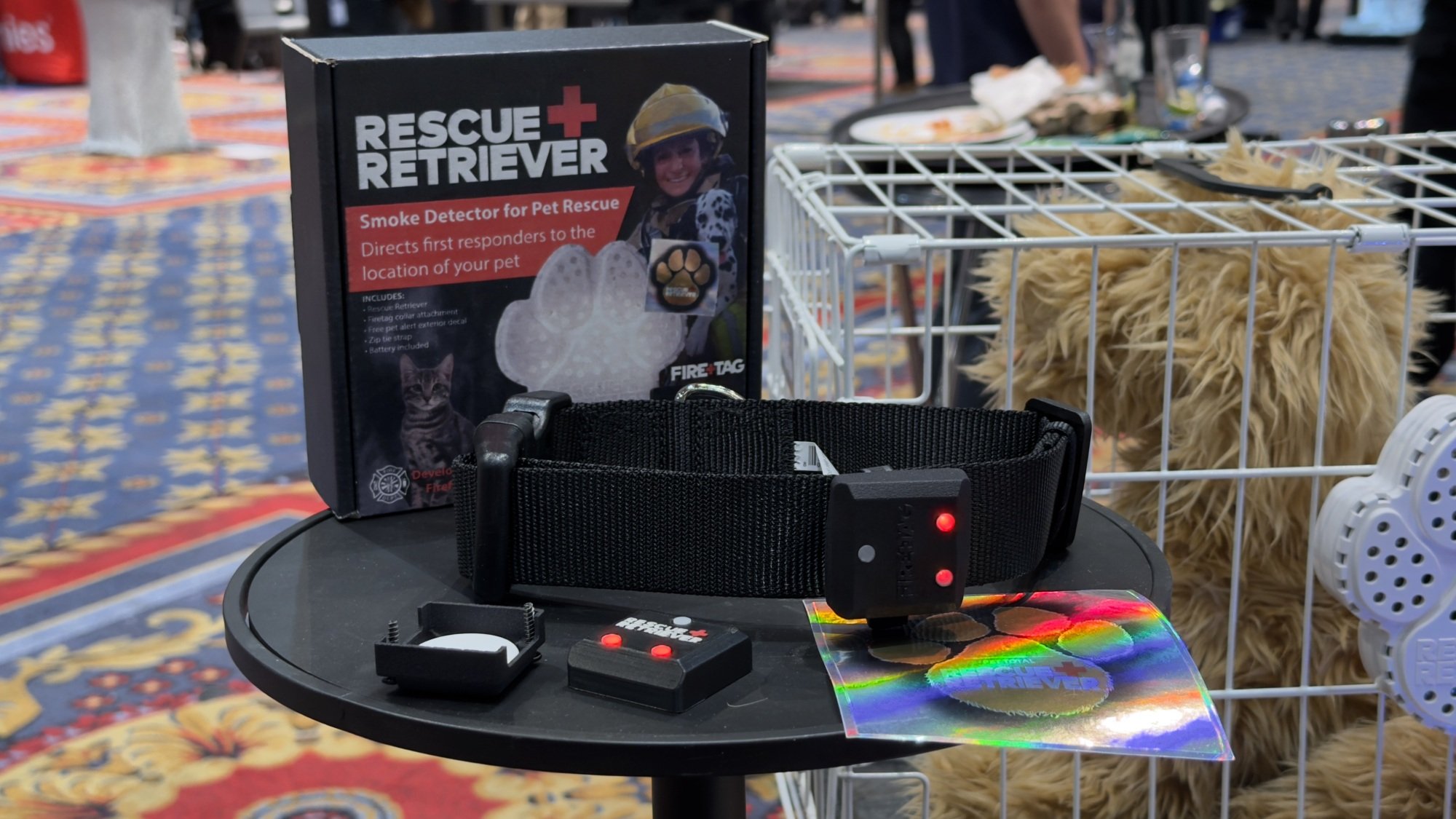
No pet owner wants to think about what might happen in the event of a fire. As a dog owner, I know I don’t. But fires do happen, and pets can’t follow a fire plan. Rescue Retriever wants to change that: I spoke with the company during CES’ Pepcom event, and learned how they’re working to make it easier for firefighters to find your pets in the event of a fire.
Rescue Retriever first launched back in March of 2024, started by two brothers—one of whom is a former firefighter. The company told me that during a fire, pets tend to run to where they feel safe—maybe that’s under the bed, or somewhere tucked away in a room. That makes it difficult for firefighters to locate pets during an emergency: They don’t have the ability to search every corner of a burning home, and, unfortunately, pets sometimes don’t make it out.
Rescue Retriever’s smoke detector
Rescue Retriever’s smoke detector aims to solve that problem. This detector isn’t supposed to be placed where your current smoke detector is; rather, the idea is to place it where your pet is most likely to go when they are scared. If you know they like to hide under your bed, for example, you can place the detector there. Once the device detects smoke during a fire, a bright light begins to strobe inside, spread out by a mix of holes places throughout the device. (Even in the bright lights of Pepcom, the strobe looked intense to me.) That way, firefighters can look out for the strobing lights when trying to locate pets in your home. There’s even an accompanying sticker you can place on your home’s window, so firefighters know you have a pet to look out for.
The device is silent as well, as to not scare your pets away from their hiding space. It wouldn’t do any good to have a beacon for firefighters to locate your pet, only to have them scurry off because of an alarm.
Rescue Retriever Fire Tag
Credit: Lifehacker
But Rescue Retriever wasn’t at Pepcom just to show off a device they launched two years ago. New to this year is the Fire Tag, which brings the strobe light from the main unit to a small tag you can place on your dog’s collar. The tag syncs up to the main unit using RFID: When the main unit detect smoke and starts strobing, the Fire Tag will pick up the signal, and will follow suit.
It’s great that the main unit doesn’t make a noise to scare your dog, but maybe they run off anyway. Maybe the house smoke alarm scares them again, or they don’t follow their usual pattern and hide somewhere away from where you placed the main unit. Having a Fire Tag on their collar would give firefighters a better shot at locating the dog, wherever they may be in the home.
Rescue Retriever also tells me these tags have a range of up to a quarter mile. If your dog goes running off away from your house, their collars might still light up. To that point, the Fire Tag opens up, allowing you to place a tracker like an AirTag inside. Even if your dog runs out of that quarter mile range, you could still track them if they come within Bluetooth range of a device within the Find My network.
Rescue Retriever says the Fire Tag is ready for production, and, when available, can be purchased either individually ($29.99), or as part of a larger bundle with the main Rescue Retriever unit ($89.99). The main unit can be purchased now for $39.99, but also comes with its own bundles and accessories for varying prices.
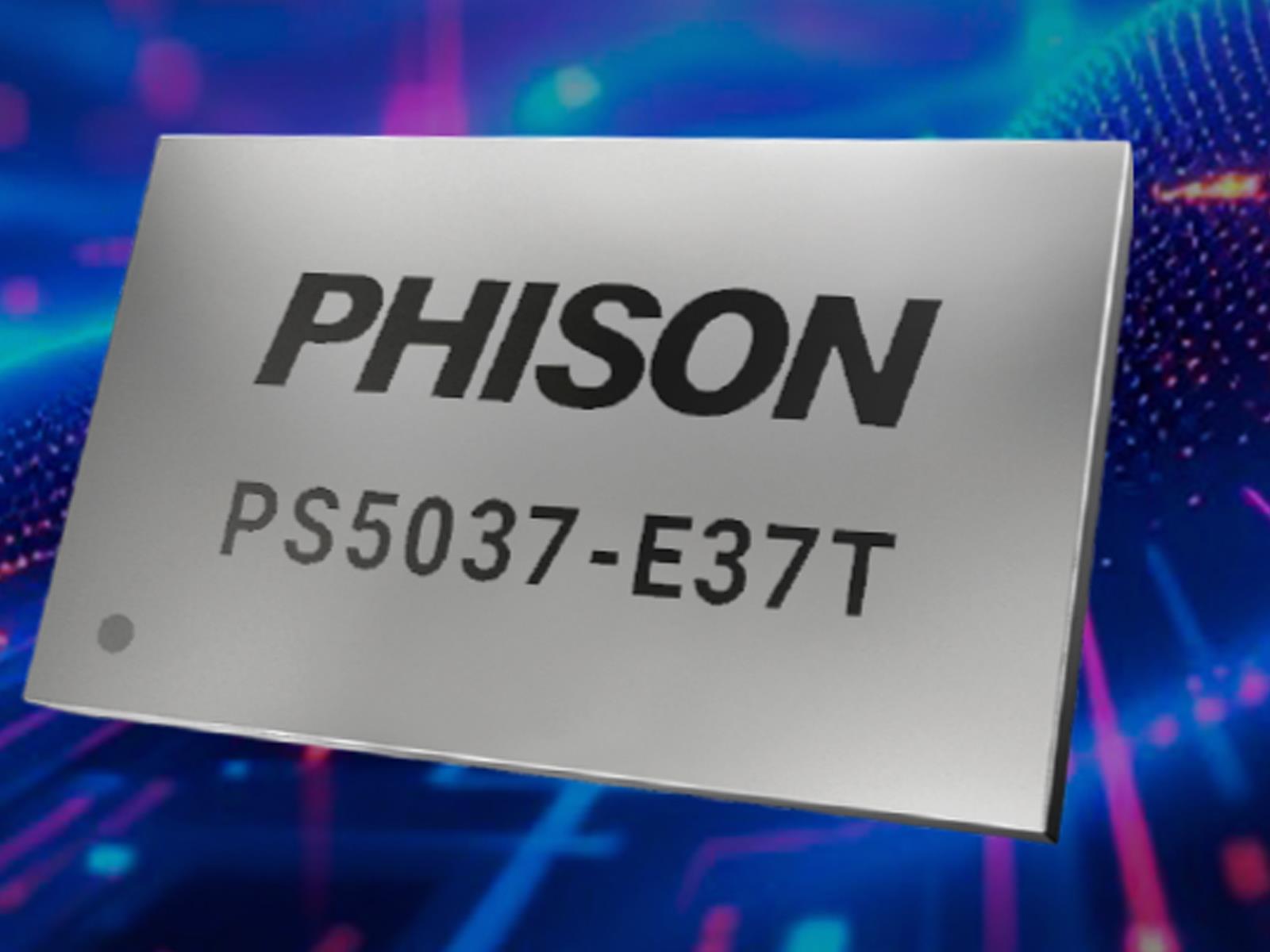
There’s a whole lot of uncertainty in the consumer DRAM and storage space with AI pushing demand for NAND flash memory chips to unprecedented levels, but one thing is for certain—the accompanying parts are in place for whenever the market settles down. Driving that point home is Phison’s new PS5037-E37T controller designed to give mainstream
HP this week announced the EliteBoard G1a at CES 2026, a Windows computer built into a full-size 93-key desktop keyboard that the company is marketing to businesses where employees use hot desks and need a portable computing environment they can carry between workstations.
The device connects to a USB-C monitor for both video output and power delivery over a single cable, and HP includes a USB-to-HDMI adapter for displays that lack USB-C input. Inside runs an AMD Ryzen AI 5 or 7 processor paired with AMD Radeon 800 integrated graphics and an NPU capable of up to 50 TOPS, qualifying it as a Copilot+ PC by Microsoft’s standards.
The device can be configured with up to 64GB of DDR5 RAM and 2TB of SSD storage. The keyboard weighs between 1.49 and 1.69 pounds depending on configuration and measures 14.1 by 4.7 by 0.7 inches, lighter than most laptops but longer and thicker than some. An optional 32Wh battery offers up to 3.5 hours of unplugged use. The EliteBoard G1a ships in March.
Corsair just revealed a gaming keyboard with a built-in Stream Deck controller at CES 2026. The Galleon 100 SD is a mechanical keyboard with a 5-inch screen, two rotary encoders and a full complement of Stream Deck buttons.
For the uninitiated, the Stream Deck is basically a collection of hot keys that execute various commands. It’s been incredibly popular for streamers and the like, but it’s also become a boon for PC gamers.
Corsair is advertising the Galleon 100 SD directly to gamers, so it boasts of hot keys being used to “access abilities, call in airstrikes and manage inventory without diving through menus.” The Elgato Marketplace offers profiles for specific games, eliminating the need to manually program the buttons. The included screen can display relevant stats while playing.
However, this is a real Stream Deck. It has 12 big buttons, which can be programmed to do all kinds of things beyond gaming. People use it to stream, yes, but also to control smart home devices, assist with creative tasks and a lot more.
Corsair
It’s also a true mechanical gaming keyboard with hyper-polling rates up to 8,000Hz, which the company says “transmits your keystrokes up to eight times faster” than standard releases. It features MLX Pulse keyswitches that have been “tuned for fast actuation and smooth yet tactile feedback.”
Everything is housed in a durable aluminum frame with gasket housing and six layers of sound dampening. There’s a cushioned palm rest and configurable RGB lighting.
The Galleon 100 SD is available right now, but there’s a catch. It costs $350, which is a lot of dough for a gaming keyboard. For that amount of money you could buy an actual Stream Deck XL and a decent keyboard and still have plenty to spare.
This article originally appeared on Engadget at https://www.engadget.com/gaming/corsair-made-a-keyboard-with-a-built-in-stream-deck-163158296.html?src=rss
Version
26.0 (“Anh-Linh”) of the Arch-based Manjaro Linux distribution has been
released. Manjaro 26.0 includes Linux 6.18, GNOME 49,
KDE Plasma 6.5, Xfce 4.20, and more.