LEGO has responded to concerns that its newly announced Smart Brick technology represents a departure from the company’s foundation in physical, non-digital play, a day after the official reveal at CES drew criticism from child development advocates. Federico Begher, SVP of Product, New Business, told IGN the sensor-packed bricks are “an addition, a complementary evolution” and emphasized that the company would “still very much nurture and innovate and keep doing our core experience.”
A BBC News report on the CES announcement noted “unease” among “play experts” at the unveiling. Josh Golin, executive director of children’s wellbeing group Fairplay, said he believed Smart Bricks could “undermine what was once great about Lego” and curtail imagination during play. Begher compared the rollout to the Minifigure’s gradual introduction decades ago. The Smart Brick launches in March in Star Wars sets including an X-Wing that produces engine sounds based on movement. The technology is screen-free and physical, Begher said, drawing on learnings from previous projects like Super Mario figures where “some of the levels were very prescriptive.”
There’s a well-worn pattern in the development of AI chatbots. Researchers discover a vulnerability and exploit it to do something bad. The platform introduces a guardrail that stops the attack from working. Then, researchers devise a simple tweak that once again imperils chatbot users.
The reason more often than not is that AI is so inherently designed to comply with user requests that the guardrails are reactive and ad hoc, meaning they are built to foreclose a specific attack technique rather than the broader class of vulnerabilities that make it possible. It’s tantamount to putting a new highway guardrail in place in response to a recent crash of a compact car but failing to safeguard larger types of vehicles.
Enter ZombieAgent, son of ShadowLeak
One of the latest examples is a vulnerability recently discovered in ChatGPT. It allowed researchers at Radware to surreptitiously exfiltrate a user’s private information. Their attack also allowed for the data to be sent directly from ChatGPT servers, a capability that gave it additional stealth, since there were no signs of breach on user machines, many of which are inside protected enterprises. Further, the exploit planted entries in the long-term memory that the AI assistant stores for the targeted user, giving it persistence.
We may earn a commission from links on this page. Deal pricing and availability subject to change after time of publication.
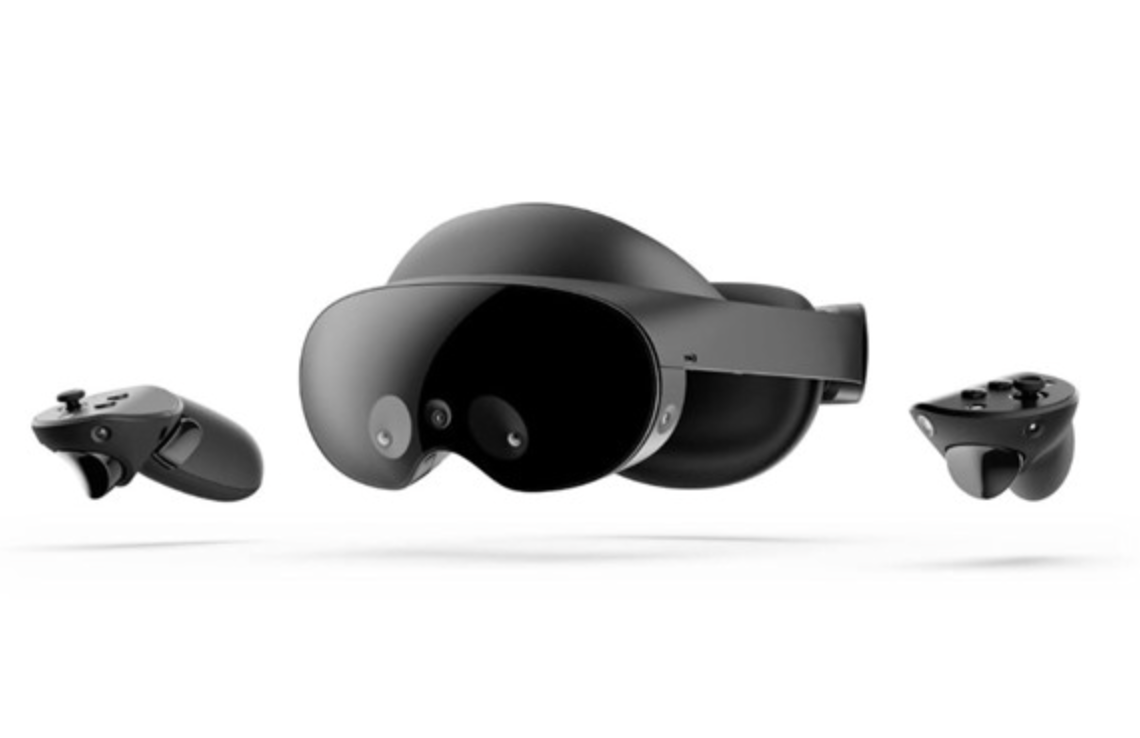
The Meta Quest Pro launched as Meta’s vision of what high-end virtual and mixed reality could look like without dragging a gaming PC into the equation. At $679.99 on Woot, it’s now $320 off its original $999 price and still more than $100 cheaper than Amazon at the time of writing. This deal runs for six days or until it sells out, with free standard shipping for Prime members and a $6 fee for everyone else. This headset won PCMag’s Best VR Headset award in 2022, and while it’s no longer the newest thing Meta sells, it’s still positioned well above entry-level VR in both build and capability.
What you’re really paying for here is comfort and hardware that doesn’t feel compromised. The Quest Pro uses a balanced halo-style strap with the battery placed at the back, which spreads the weight more evenly than front-heavy headsets. That makes longer sessions more tolerable, though “long” is relative—the battery lasts around two hours, which can feel limiting if you’re deep into work or creative apps. Inside, you get a Snapdragon XR2+ chip, 12GB of RAM, and 256GB of storage, which is generous for a standalone headset. The displays push 1,920 by 1,800 pixels per eye, with better contrast and richer colors thanks to local dimming. In practice, this means sharper text, deeper blacks, and fewer washed-out scenes compared to older Quest models, especially in mixed-reality apps where clarity matters.
The controllers are another quiet upgrade. Meta removed the tracking rings and gave each controller its own cameras, so tracking doesn’t depend on where your headset is pointing. That pays off in tasks like 3D sculpting, painting, or precision-heavy productivity apps, where hand movement feels steadier and more predictable. Eye and face tracking also come built in, which lets avatars mirror your expressions in supported apps. It’s impressive, but not essential for everyone. One downside, according to this PCMag review, is immersion: The default open-style face interface lets in light from the sides, and full isolation requires an optional light blocker that costs extra. Still, if you’re after a premium standalone headset with solid future-proofing, this is the lowest price the Quest Pro has seen, and a compelling offer while it lasts.
CES 2026’s second day was all about hands on time with new tech. From Lego’s most ambitious play experiment yet to assistive mobility tech, smart home ideas that actually feel affordable and robots that might one day fold your laundry, here’s what stood out most on January 7.
Lego Smart Play
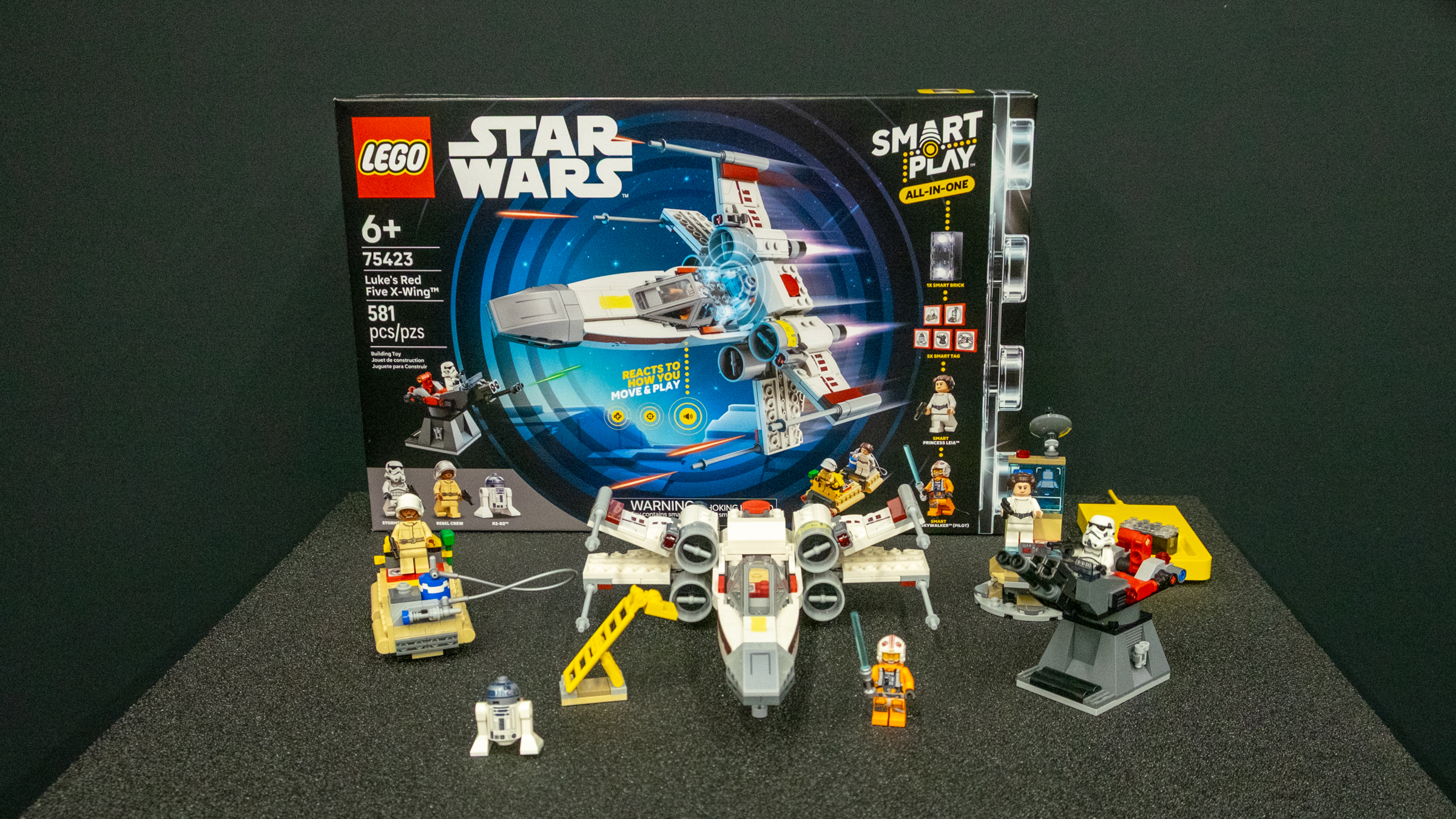
Lego Star Wars Smart Play: Luke’s Red Five X-Wing
Nathan Ingraham for Engadget
LEGO’s new Smart Play system feels far more compelling in person than it did on stage. The Smart Brick, combined with Smart Tags and Smart Minifigures, responds dynamically to movement, proximity and context, triggering sounds and interactions without screens or apps. Seeing kids physically act out Star Wars battles while the bricks reacted in real time made it clear this is designed first and foremost for active social play, not digital distraction.
WheelMove
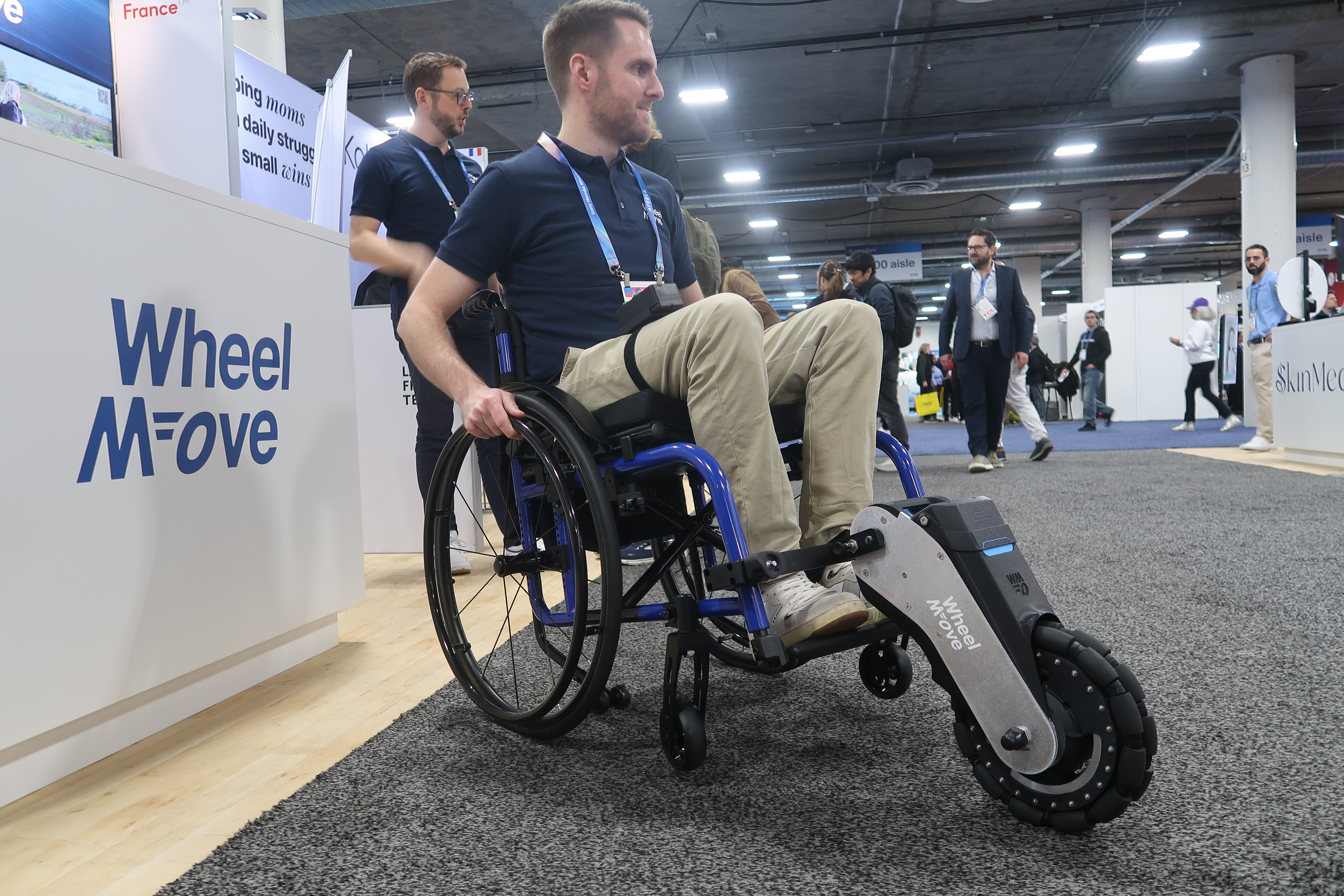
A man sits in a manual wheelchair with an add-on attached that gives it a large central front wheel and raises the casters off the ground
Cheyenne MacDonald for Engadget
WheelMove’s motorized wheelchair attachment is compact, surprisingly quick to install and genuinely empowering in action. The add-on lifts a chair’s front wheels and adds powered assistance, making grass, cobblestones and slopes far easier to navigate. After seeing it demonstrated on uneven surfaces, it’s easy to imagine this opening up spaces that would otherwise be exhausting or inaccessible for manual wheelchair users.
Throne
Image of the Throne Toilet Computer perched on the side of a toilet.
Daniel Cooper for Engadget
Throne’s toilet-mounted health tracker is exactly as strange as it sounds, but it’s also thoughtfully designed. Using computer vision to analyze bowel movements and urination, the device aims to establish a personal baseline and flag changes over time, with gut health and GLP-1 users firmly in mind. It’s too early to judge accuracy, but seeing it in person made it feel less gimmicky and more like a niche wellness tool worth testing.
IKEA smart home gear
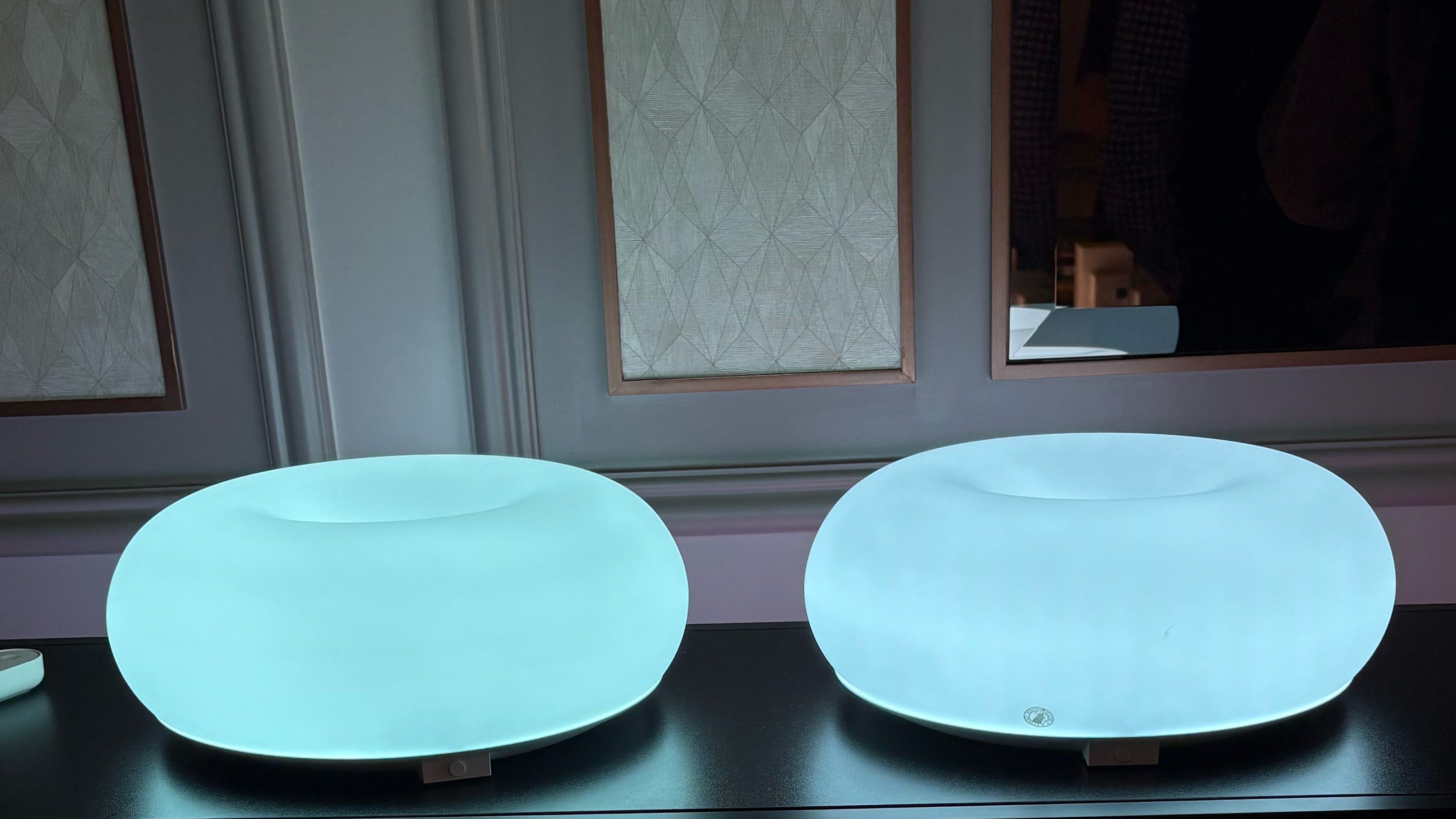
The popular VARMBLIXT donut lamp is now smart.
Amy Skorheim for Engadget
IKEA’s first CES appearance leaned heavily into what it does best: simple, affordable design. The new Matter-compatible smart home range includes bulbs, plugs, remotes and sensors priced low enough to make smart homes feel accessible again. Standouts like the magnetically mounted BILREA remote and playful TEKLAN lamps showed that IKEA hasn’t sacrificed charm in its push toward interoperability.
SwitchBot
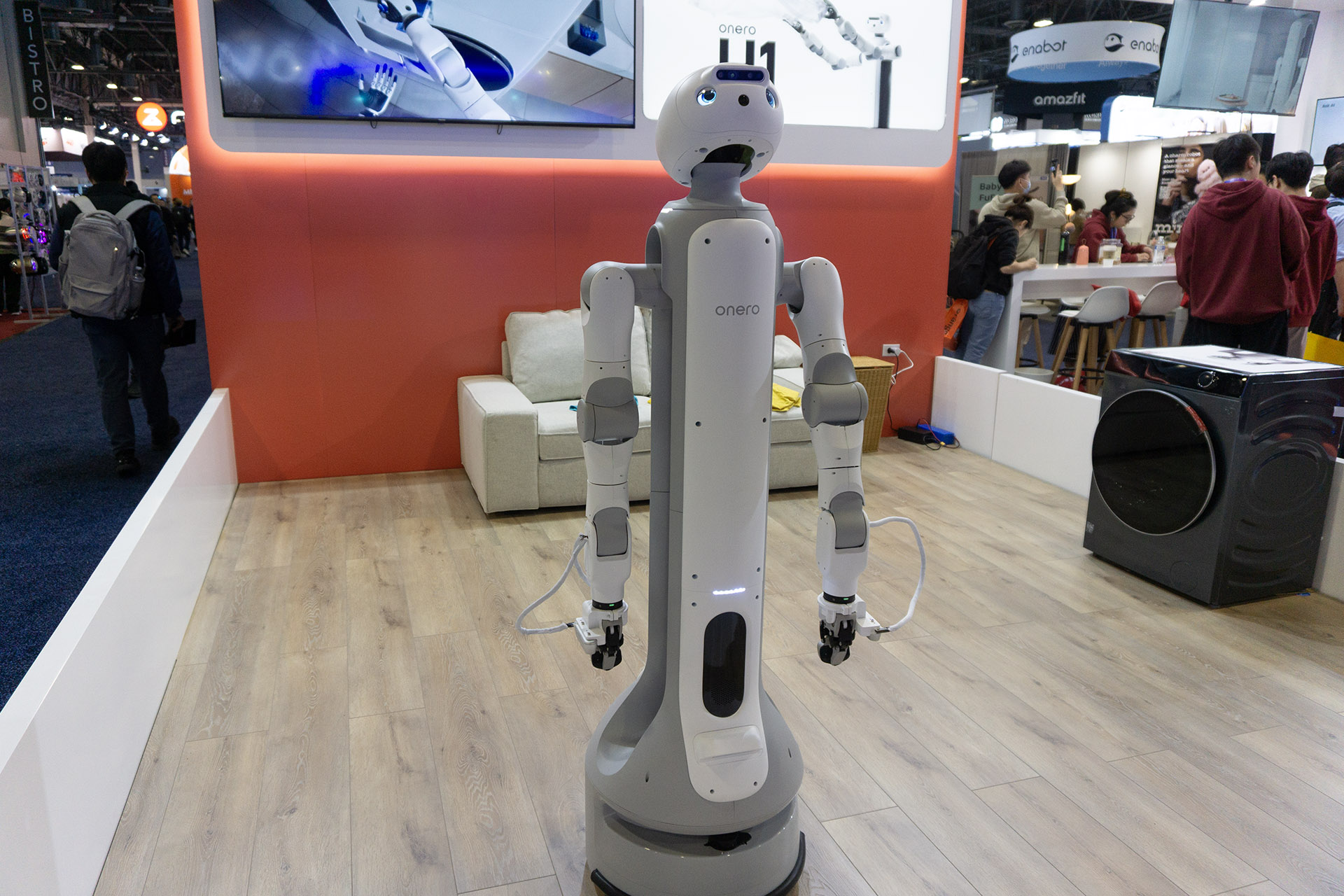
Switchbot’s Onero H1.
Karissa Bell for Engadget
SwitchBot’s Onero H1 was one of the most intriguing robots on the show floor because it’s meant to ship this year. The wheeled humanoid robot uses articulated arms and onboard AI to perform household chores, like loading a washing machine, albeit at a deliberate pace. Watching it work made the case that speed matters less than reliability when a robot can handle tasks while you’re not home.
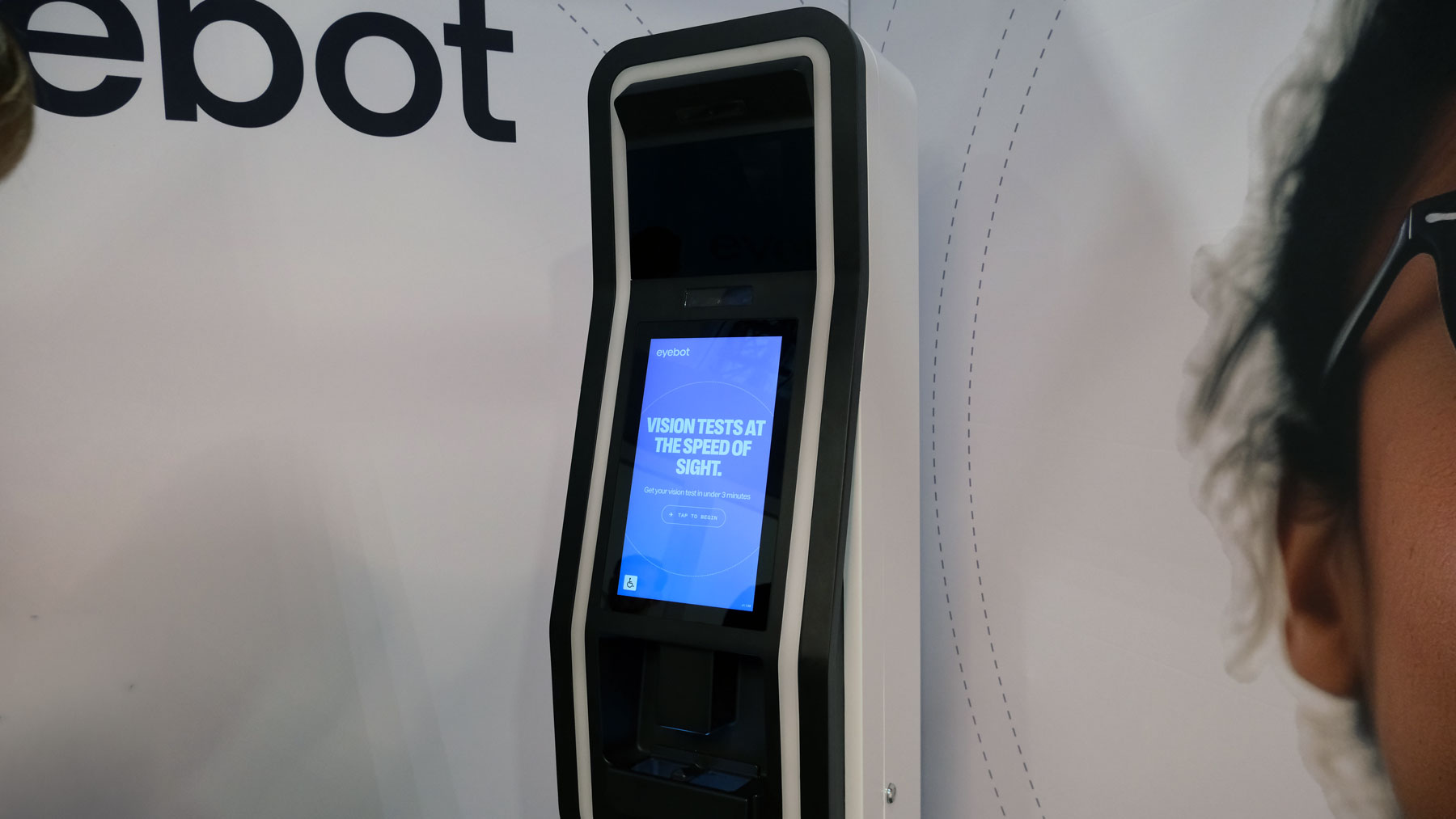
Eyebot vision testing
Image of the Eyebot Kiosk
Daniel Cooper for Engadget
Eyebot’s self-service vision testing kiosk turns a 20-minute optometrist visit into a process that takes just a few minutes. The test is guided by a large touchscreen and reviewed remotely by a licensed eye doctor, striking a balance between automation and oversight. After comparing results with a recent traditional exam, the accuracy felt reassuring, even if it doesn’t replace full eye health screenings.
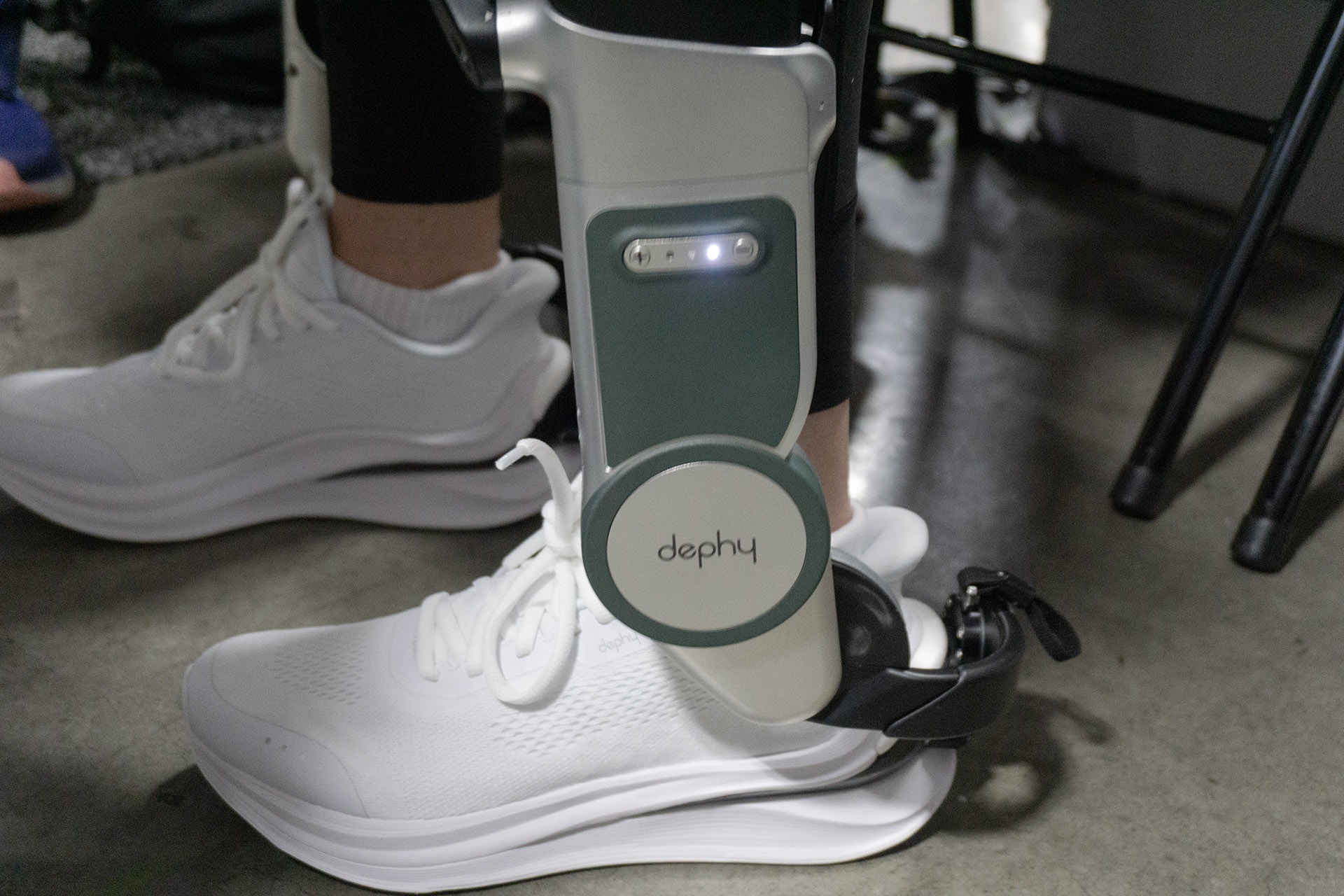
Dephy Sidekick sneakers
Dephy’s Sidekick, which the company describes as “footwear.”
Karissa Bell for Engadget
Dephy’s Sidekick robotic sneakers deliver a subtle but noticeable boost with each step. The ankle-mounted exoskeleton adapts to your gait, and walking with it feels bouncy rather than overpowering, especially at lower assist levels. It’s not for everyone, but after hours on the CES floor, the idea of powered help for people with limited mobility started to make a lot of sense.
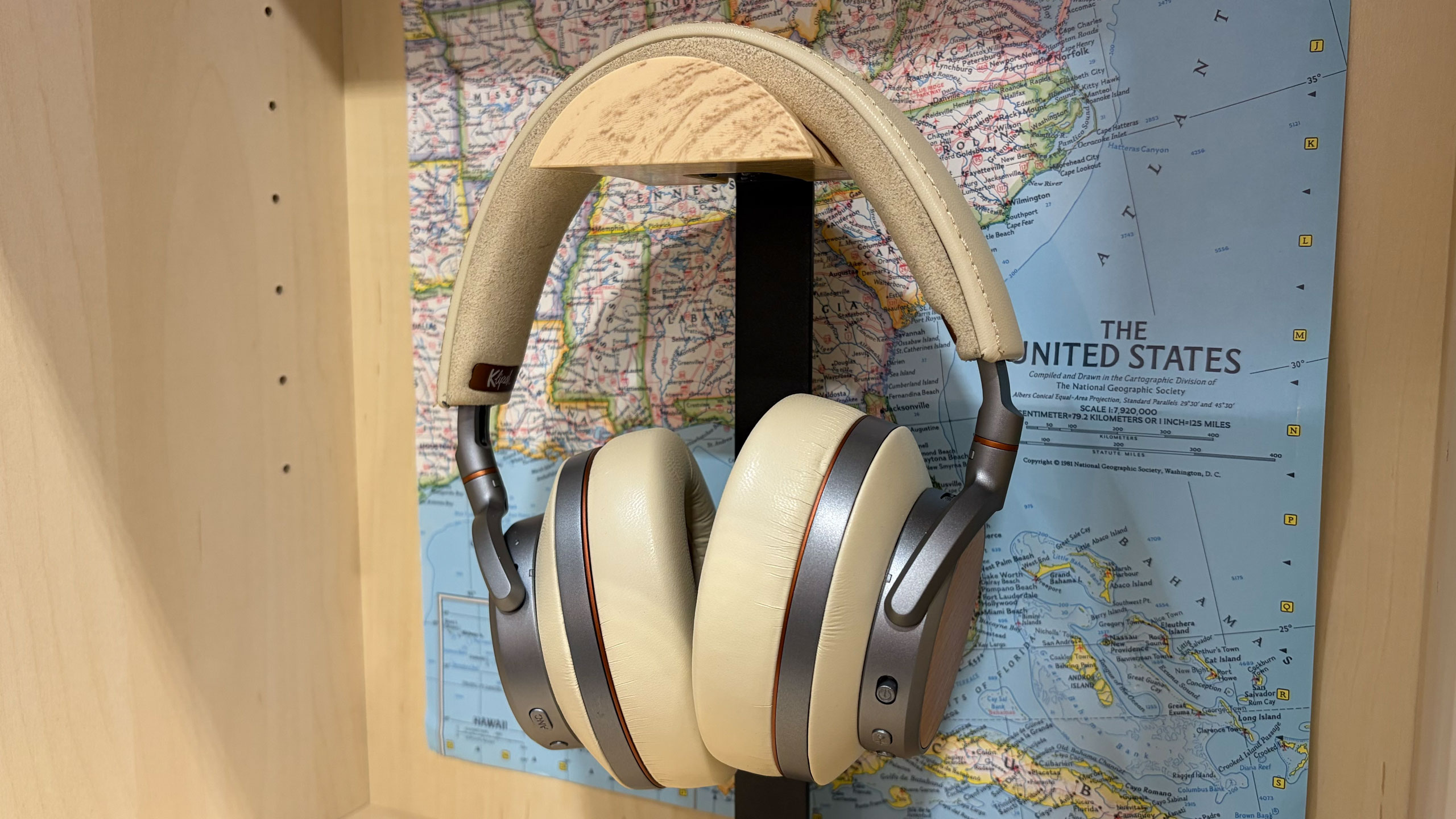
Klipsch headphones
Klipsch Atlas HP-1
Billy Steele for Engadget
Klipsch’s return to headphones starts strong with the Atlas HP-1. The wireless ANC model looks premium, borrows familiar design cues and delivers the brand’s warm, balanced sound in early demos. Pricing is still unknown, but based on build quality and audio alone, these feel positioned firmly at the high end.
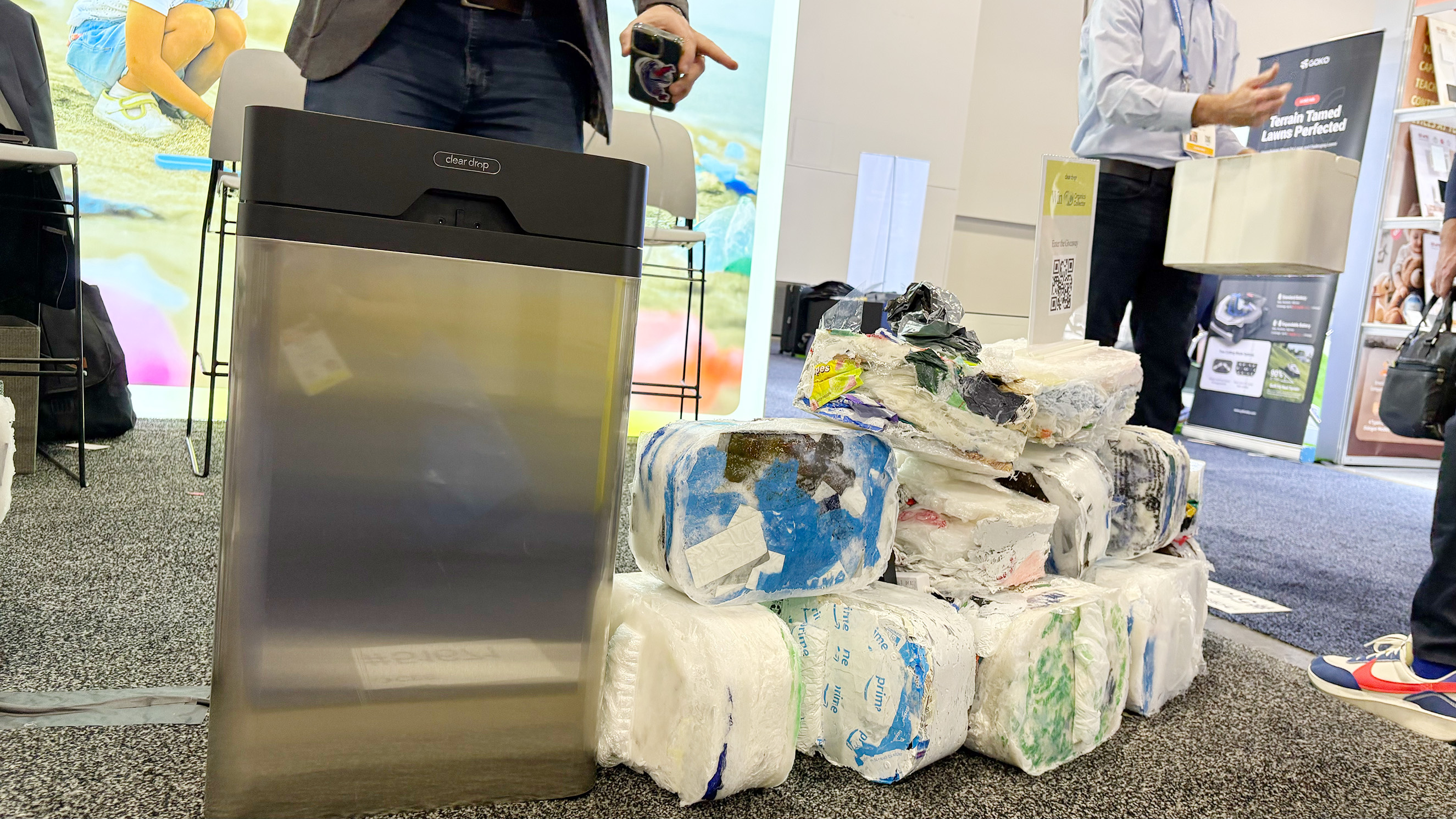
Clear Drop
The Clear Drop soft plastics compactor next to a pile of the bricks it produces.
Amy Skorheim for Engadget
Clear Drop’s home plastic compactor tackles a real recycling problem most households face. The machine takes bags and wraps them into dense bricks that can be shipped to partner recycling facilities, and watching it swallow soft plastics was oddly satisfying. It’s expensive and not perfect, but it’s one of the more practical attempts at dealing with waste outside municipal systems.
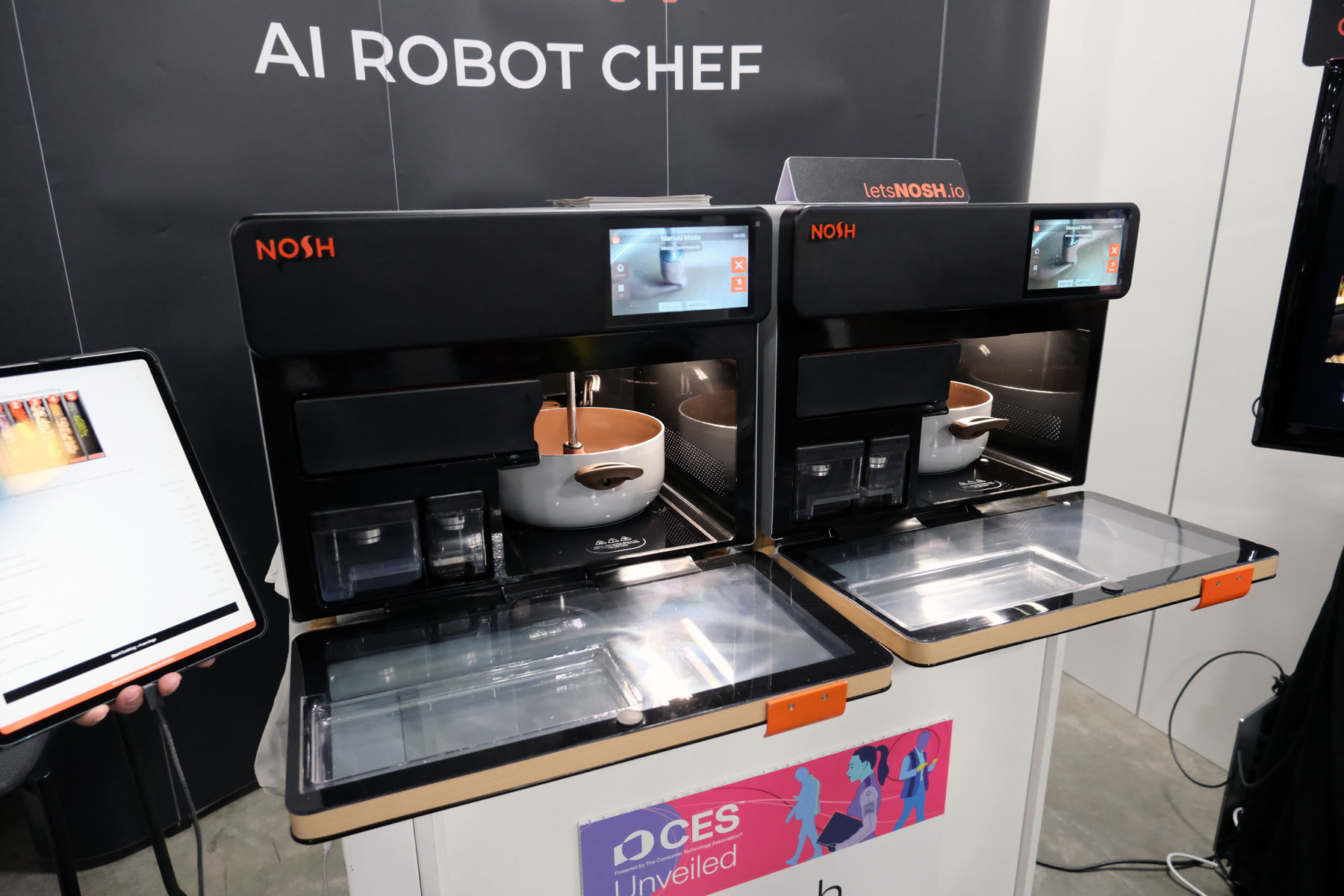
Nosh cooking robot
Nosh
Daniel Cooper for Engadget
Nosh is an AI cooking robot designed for low-effort, sauce-heavy meals like soups, curries and pasta. Multiple ingredient trays allow you to prep meals ahead of time, then slide them in when you’re ready to eat. It’s not replacing real cooking anytime soon, but as an alternative to microwaved meals, it’s more appealing than expected.
Day two leaned heavily toward tech you could physically interact with, whether that meant flying Lego ships through the air, watching a robot load laundry or testing a vision exam in a kiosk. With more show-floor time still ahead, we’ll be back with additional hands-ons, impressions and daily recaps as CES 2026 continues.
This article originally appeared on Engadget at https://www.engadget.com/big-tech/ces-2026-day-2-all-of-the-coolest-tech-we-saw-on-the-show-floor-during-the-second-day-134608348.html?src=rss
CES is famous for ushering in big TVs, faster chips and serious upgrades to the tech we already use every day. It’s also where companies feel emboldened to ask some very strange questions, like whether your toilet should analyze your poop or your nails should change color on command. From experimental laptops to health tech that probably didn’t need a camera, these are the weirdest gadgets we spotted at CES 2026.
Throne toilet computer
The Throne device perched on the side of a toilet.
Daniel Cooper for Engadget
Throne is a toilet-mounted computer that uses cameras and microphones to analyze your bowel movements, which is a sentence we did not expect to type this week. Designed to establish a personal “baseline” for your bathroom habits, it aims to flag changes that could indicate digestive or metabolic issues, including for people on GLP-1 drugs. We can’t speak to its effectiveness yet… but if knowledge is power, this thing might know way too much.
Vivoo Hygienic FlowPad smart menstrual pad
Vivoo’s FlowPad
Vivoo
Vivoo looked at at-home health tracking and decided the bathroom was still underutilized. Alongside its clip-on smart toilet that analyzes your hydration by literally monitoring your pee, the company also unveiled a menstrual pad infused with microfluidics that can track fertility and hormone markers once you scan it with your phone. It’s a bold reminder that CES 2026 is fully committed to quantifying everything — even the stuff we’d rather not discuss over brunch.
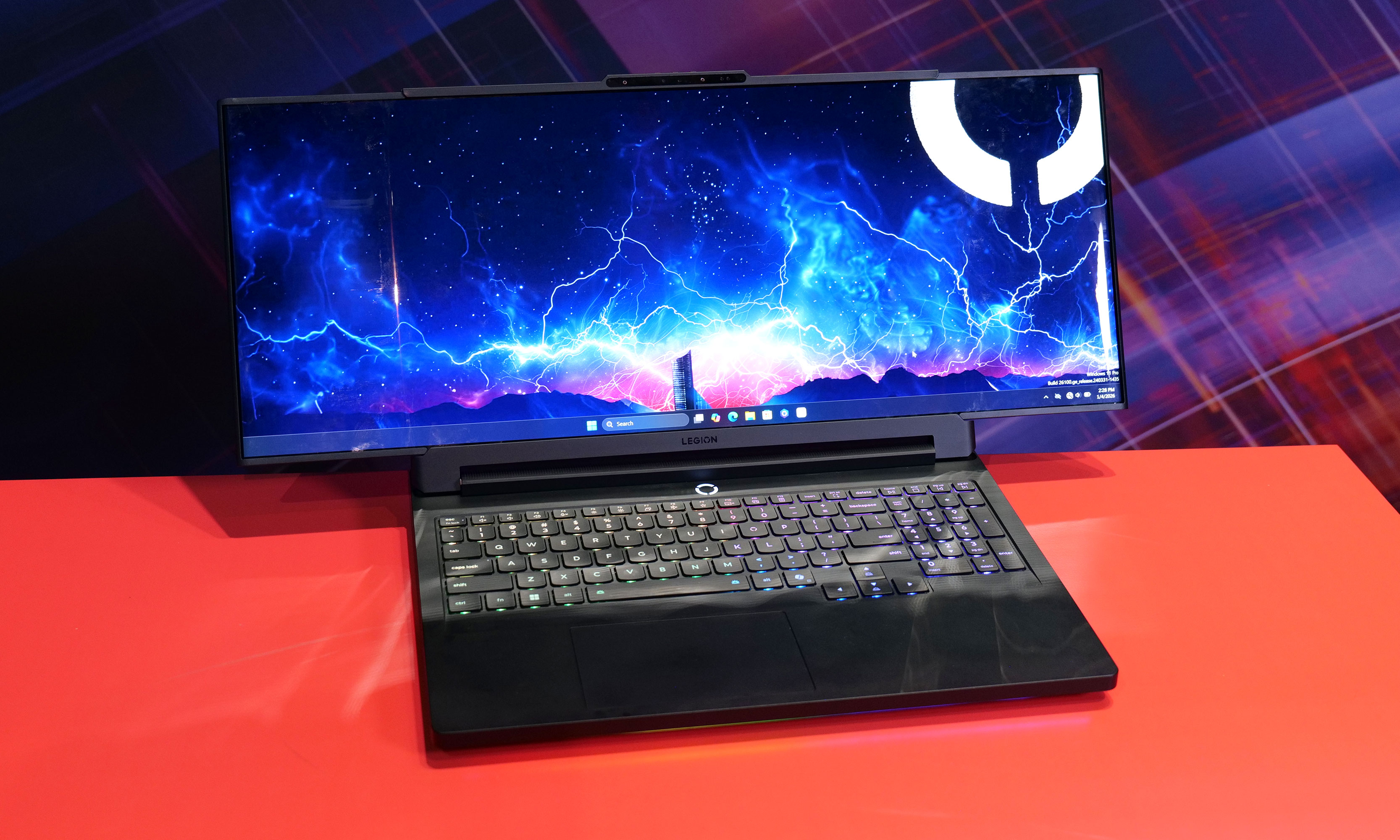
Lenovo Legion Pro Rollable
While it normally has a 16-inch display, the Lenovo Legion Pro Rollable concept’s screen can expand up to 23.8 inches across.
Sam Rutherford for Engadget
Lenovo’s Legion Pro Rollable is what happens when a gaming laptop decides it wants to be a widescreen monitor mid-match. Its 16-inch display can physically expand sideways into ultra-wide formats, turning flight sims and racing games into full cockpit experiences at the press of a couple of keys. It’s impractical, faintly ridiculous and absolutely the kind of CES concept we hope survives long enough to escape the demo floor.
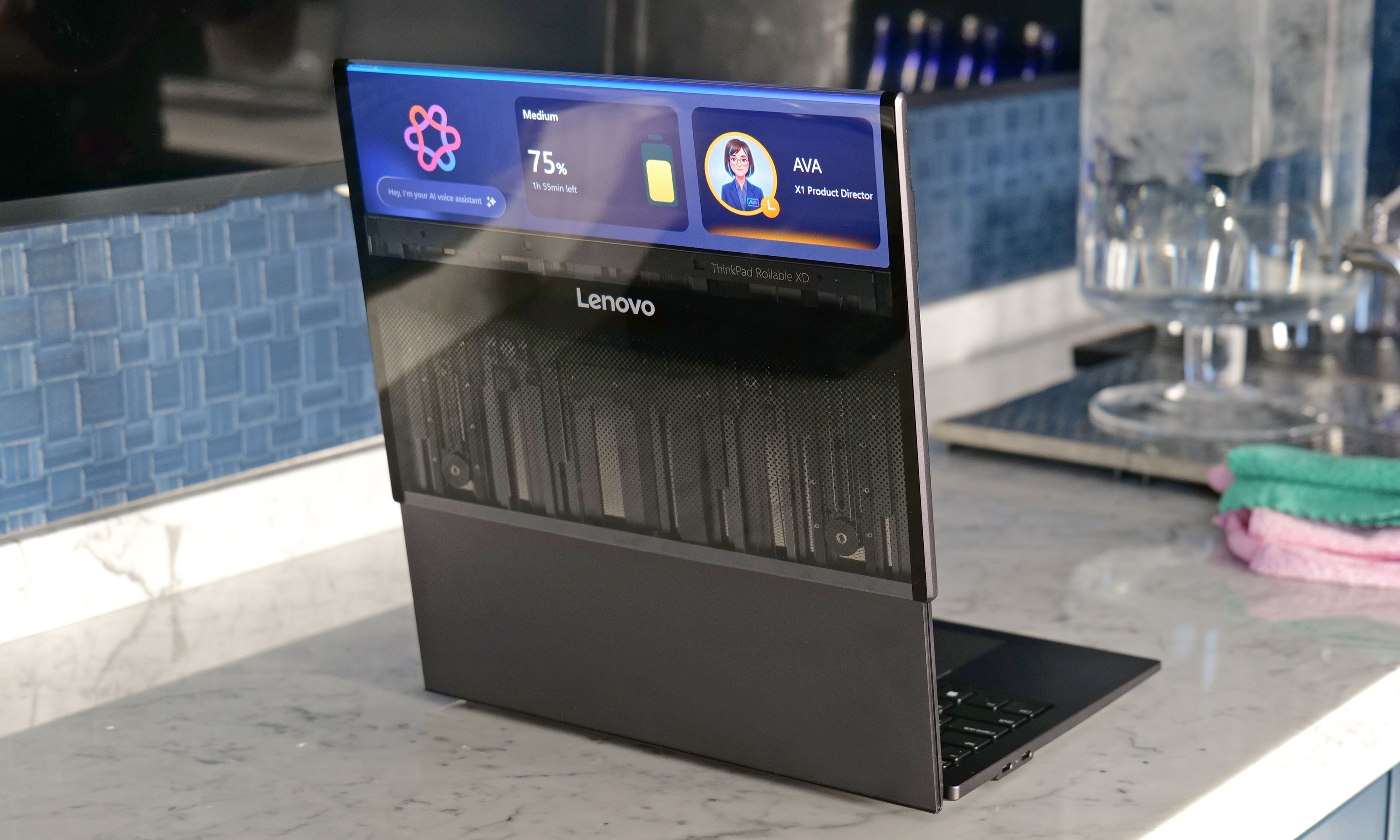
Lenovo ThinkBook XD Rollable
With its XD Rollable concept, Lenovo took the Thinkbook Plus Gen 6’s basic design and made it even more futuristic by allowing its flexible display to wrap around onto its lid.
Sam Rutherford for Engadget
If the Legion Pro Rollable is excessive, the ThinkBook XD Rollable is philosophically confusing. Its flexible display doesn’t just grow taller, it wraps over the lid to create a “world-facing” screen for people sitting across from you, which feels either futuristic or deeply unnecessary depending on your mood and situation (maybe this is the perfect device for hotel check-ins and other points of sale?). Still, it’s a gorgeous piece of hardware theater and proof Lenovo is determined to roll screens onto every surface it can reach.
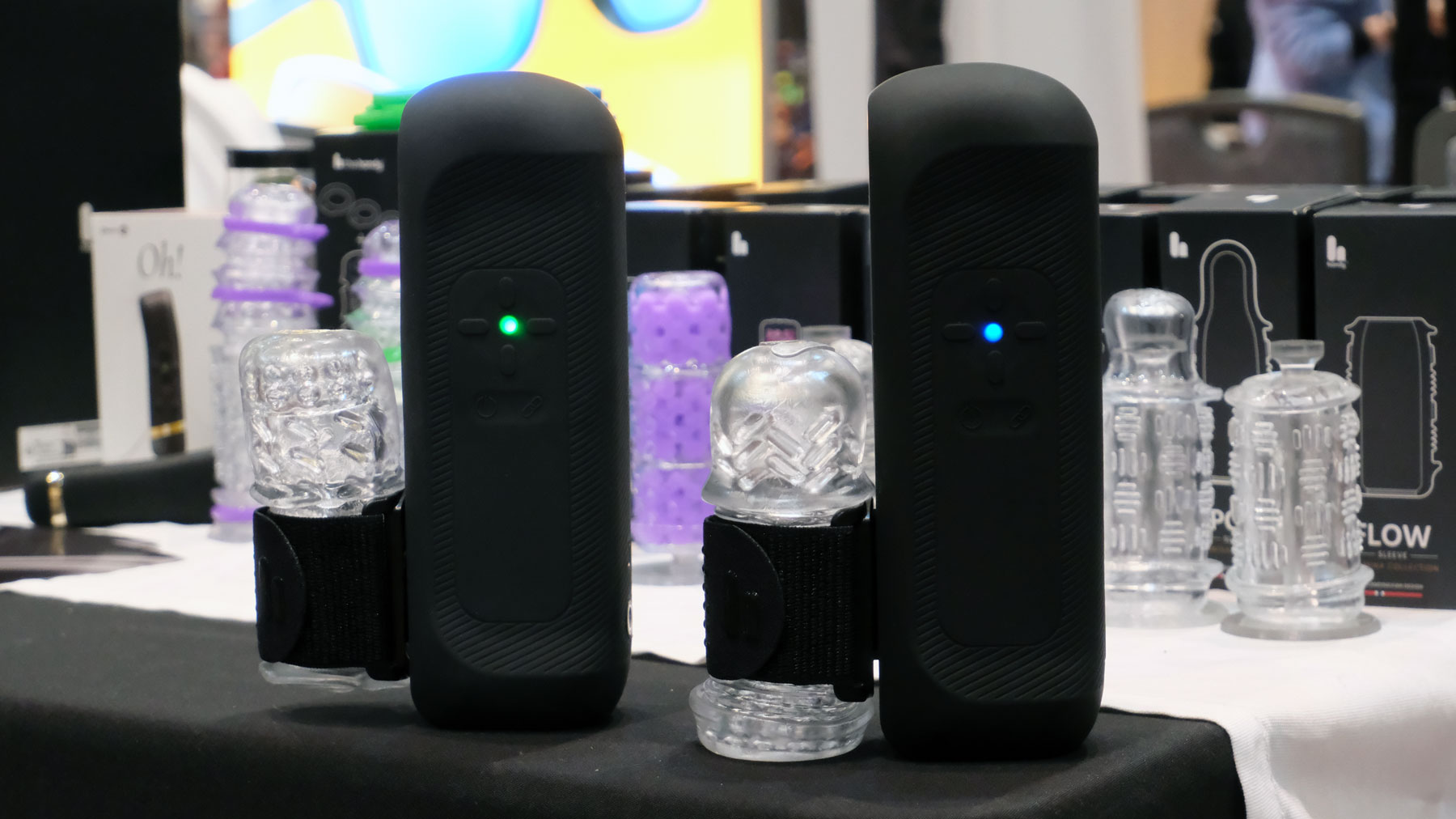
OhDoki Handy 2 Pro
Image of The Handy 2 and Handy 2 Pro
Daniel Cooper for Engadget
OhDoki’s Handy 2 Pro arrived at CES with one clear message: more power, fewer limits and absolutely no chill. The upgraded sex toy model cranks battery life up to five hours and unlocks a Turbo mode so aggressive it was described as “overclocked,” which is not a term we expected to hear in this category. It can also charge your phone, because apparently even pleasure tech needs to justify itself with productivity.
iPolish
iPolish
Daniel Cooper for Engadget
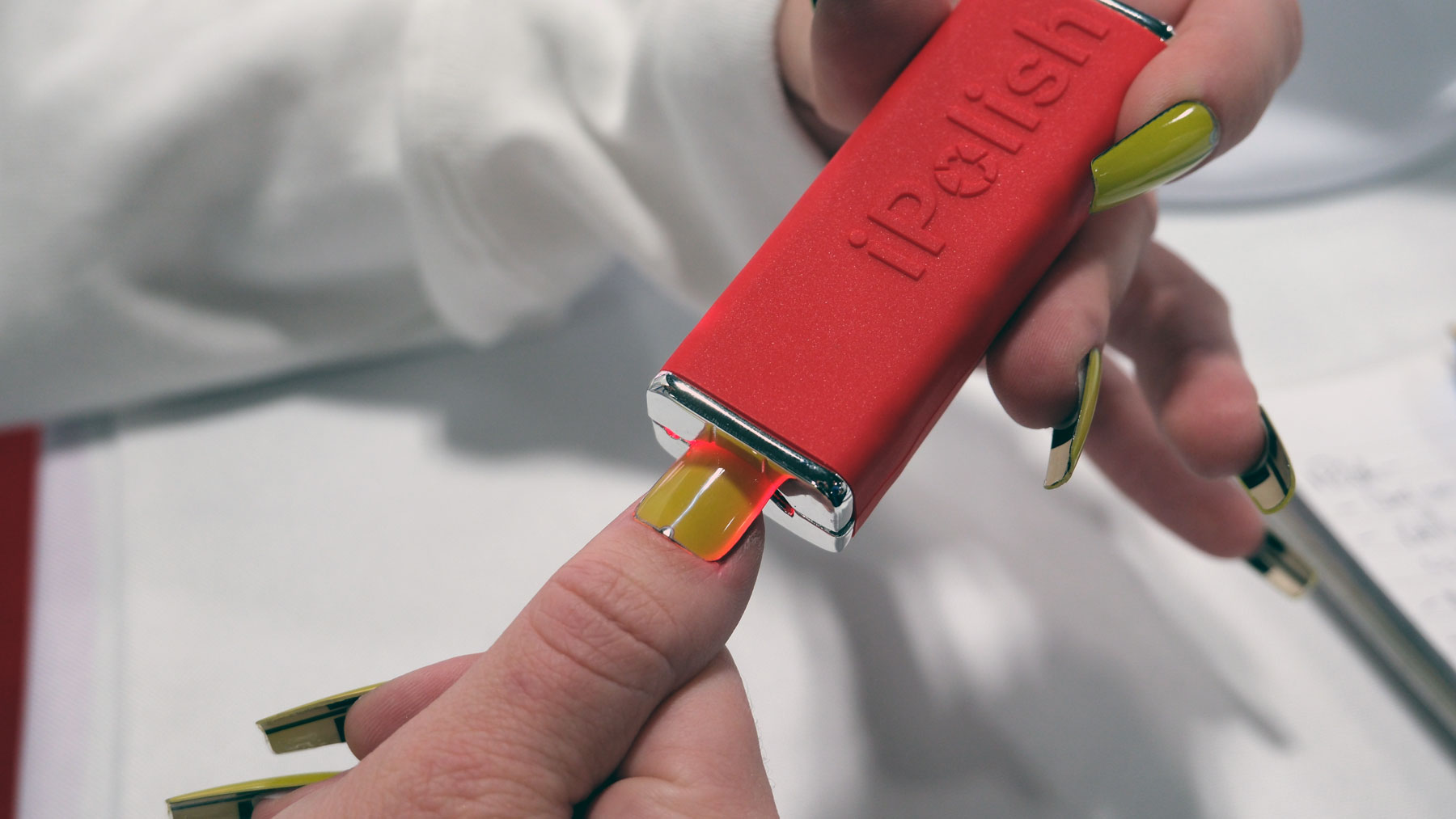
iPolish finally made Total Recall nail tech real, minus the dystopia and Schwarzenegger. These press-on acrylic nails use an electric charge to switch between hundreds of colors in seconds, letting you change your manicure as often as your outfit. It’s delightfully impractical, surprisingly affordable and the most convincing argument yet for treating your nails like a customizable display.
Hisense S6 FollowMe display
Hisense S6 FollowMe display
Hisense
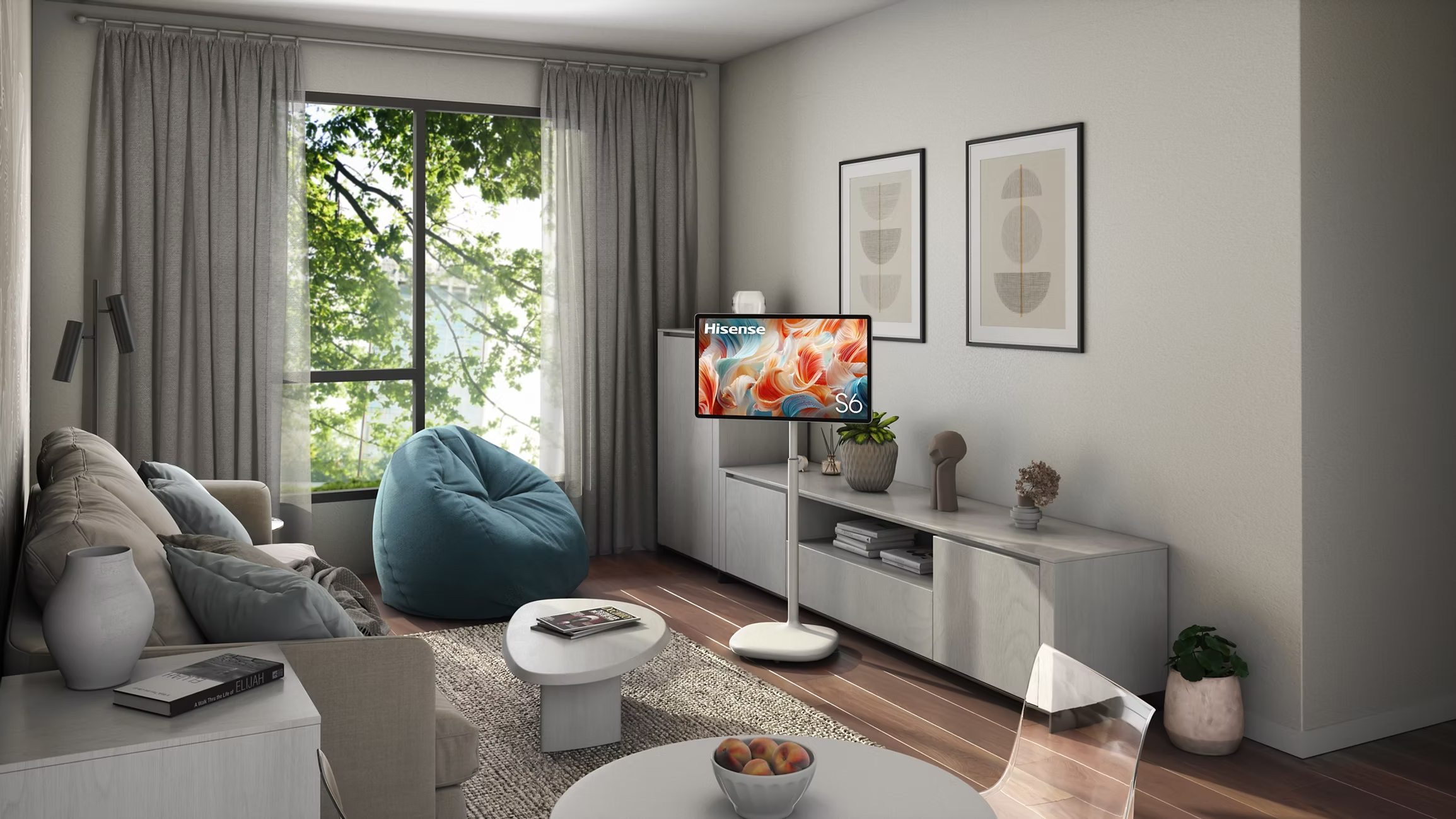
Hisense’s FollowMe display is a screen that physically follows you around the room — which no one really asked for, but CES happily delivered anyway. Designed to reposition itself automatically so content stays in view, it feels like the logical endpoint of smart TVs becoming increasingly clingy. We haven’t seen it in action yet, but the idea of a display that refuses to be ignored is deeply on brand for 2026.
This article originally appeared on Engadget at https://www.engadget.com/the-weirdest-tech-weve-seen-at-ces-2026-so-far-134056504.html?src=rss
Nitrux 5.1 ends official support for virtual machines, focusing exclusively on physical hardware for performance, stability, and a tightly controlled system design.
A NVIDIA engineer restructuring some of the printf-related code within the memory resource controller “memcg” statistics printing code to reduce the system time by 11% for dumping those stats…
Gmail made us all rethink how email could work when it debuted more than 20 years ago. Google thinks we’re in the process of another email transformation courtesy of AI. The company has unveiled a new round of AI features that will make Gemini an even more integral part of Gmail. The new Gemini experiences are coming to paying subscribers starting today, and a collection of previously premium-only AI features are rolling out widely.
AI Overviews first appeared in Gmail last year to summarize email chains, and now it’s expanding to Gmail search. This is closer to the AI Overview experience to which you are accustomed in Google’s web search. You can enter a natural language search, and the robot churns through your messages to generate a response.
Gmail AI Overview
In the example above, the user looks up a past plumbing quote. Traditionally, Gmail would show emails that are likely matches for your search. With AI Overview, you instead get a nicely formatted AI answer that includes all the relevant information and cites the email. That sounds all well and good, assuming it works. AI Overviews in search is notoriously inaccurate when summarizing search results, but grounding it in your email could make it less likely to screw up. Maybe.
Ahead of a launch later this month, Volvo has teased some impressive details about its upcoming electric crossover. The EX60, which slots between the EX40 and EX90, will offer an EPA range of 400 miles, beating all other Volvos and most EVs in general. It will also be the first Volvo car to use a megacasting process designed to reduce weight and boost manufacturing efficiency.
“With our new electric vehicle architecture, we directly address the main worries that customers have when considering a switch to a fully electric car,” said Volvo CTO Anders Bell. “The result is class-leading range and fast charging speeds, marking the end of range anxiety.”
Volvo
Volvo considered that main worry to be range anxiety, so it focused on maximizing endurance to the largest extent possible. Key to that is Volvo’s advanced SPA3 EV architecture, which integrates the battery directly into the structure of the car with cell-to-body technology. Volvo also developed its e-motors in-house to improve efficiency and reduce weight.
The company also made the EX60 fast to charge with an 800-volt electrical system and support for up to 400kW fast charging, letting you add up to 168 miles of range in just 10 minutes. New lighter materials and lower heat generation aid in that, “meaning the EX60 can add over 100 miles or range in just a few minutes,” Volvo wrote on its blog.
Volvo
The megacasting, meanwhile, helped Volvo replace hundreds of smaller parts with a single, high-precision casting to reduce weight. The Volvo EX60 will be revealed on January 21, 2026 at a livestream on Volvo’s website.
This article originally appeared on Engadget at https://www.engadget.com/transportation/evs/volvos-ex60-electric-crossover-promises-400-miles-of-epa-range-130008964.html?src=rss
CES is about many things, but primarily it’s about screens. TVs and laptops get the most attention, but you’ll find all kinds of new PC monitors, too. At CES 2026, several companies are using the trade show as an opportunity to update their gaming monitor lineups. This year expanding what OLED panels can do in terms of refresh rates, brightness and color production is the big focus, but there’s some more unusual options, too, like a glasses-free 3D monitor. The collection below are some of our favorite gaming monitors that have already been announced:
LG UltraGear GX7
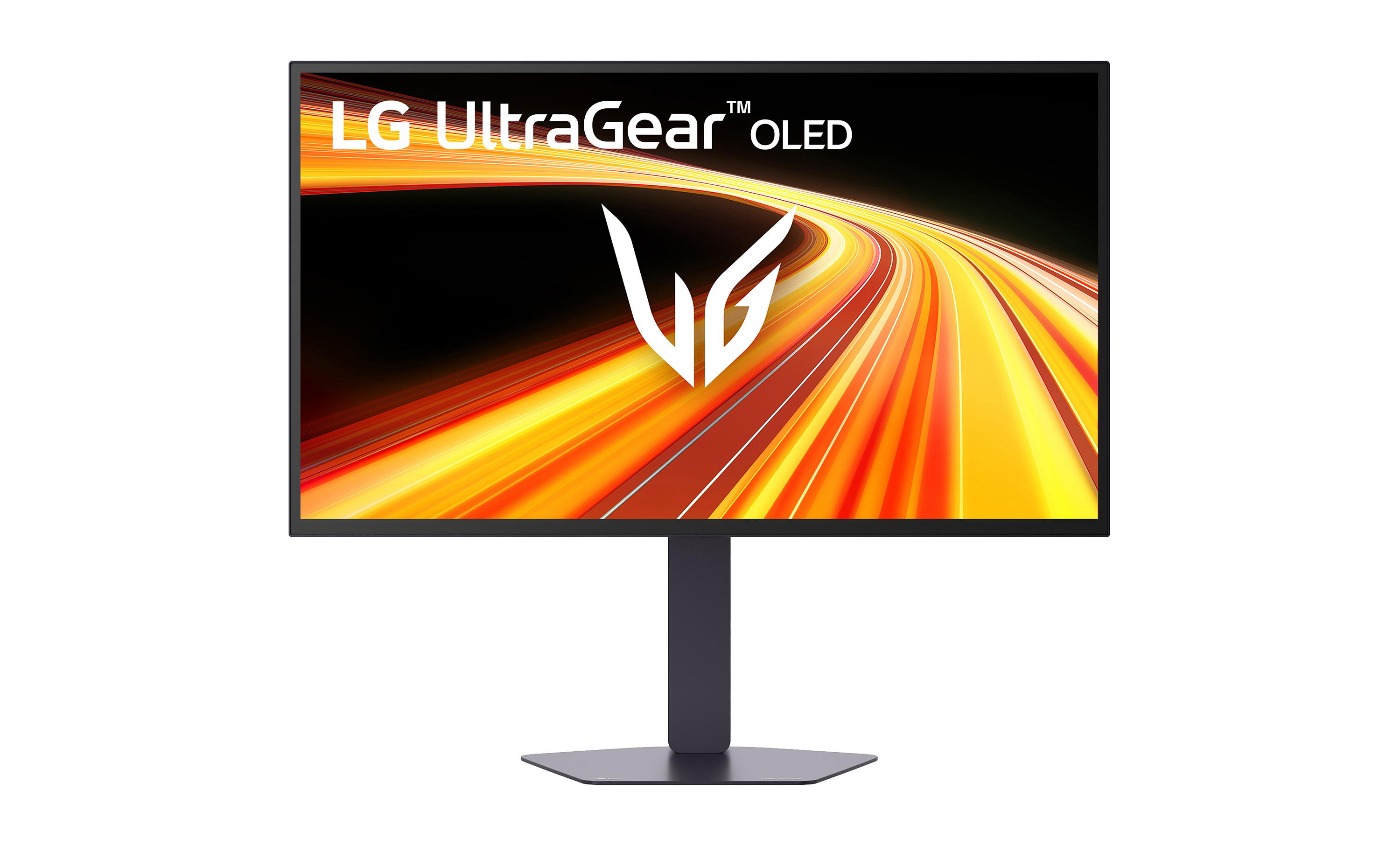
LG’s latest QHD OLED gaming monitor is its brightest to date
LG
The LG UltraGear GX7 is the fastest and brightest gaming monitor LG has offered so far and a gaming-focused showcase for LG Display’s 4th-gen RGB Tandem 2.0 OLED technology. The new display tech splits up the yellow layer of the company’s 3rd-gen OLED tech into distinct red and green layers that, when stacked with blue layers, create brighter, more energy-efficient screens.
In the case of the UltraGear GX7, the new 27-inch monitor reaches a typical brightness of 335 nits, and is VES DisplayHDR True Black 500 certified, for deeper contrast between the dark and bright parts of the screen. LG touts the display’s Dual Mode, which lets discerning gamers switch between two distinct settings: a 540Hz refresh rate mode at QHD resolution, when image quality is what you care about most, or a 720Hz refresh rate mode at HD resolution, when speed is your priority.
Whichever mode you choose, LG promises the monitor will offer a smooth and stutter free experience. It has a 0.02ms response time and supports both NVIDIA G-Sync and AMD FreeSYNC Premium Pro, so you should be set, regardless of what your computer’s specialty is. For $1,000, the LG UltraGear GX7 seems like a high watermark for OLED gaming monitors.
Samsung Odyssey 3D and Odyssey OLED G8
Samsung’s new Odyssey 3D monitor is the “world’s first 6K display with glasses-free 3D,” with a 6,144 x 3,456 resolution, and the ability to take games “beyond 2D” by tracking the position of your eyes, and enhancing terrain, distance and object separation. Even if you’re not interested in playing formerly 2D games like Lies of P: Overture with an added sense of depth, a 32-inch LCD screen with a 165Hz refresh rate that’s capable of being boosted to 330Hz through Samsung’s Dual Mode is nothing to sneeze at, especially with a 1ms response time.
On top of its big 3D monitor, Samsung is also pushing its own updated OLED tech at CES. The company’s new 32-inch Odyssey OLED G8 uses a 4K QD-OLED panel with a 240Hz refresh rate and a glare-free treatment for added visibility. The monitor has a VESA DisplayHDR True Black 500 certification, but unlike LG’s display, its brightness is capped at 300 nits.
ASUS ROG Swift OLED PG27UCWM and ROG Strix Pulsar XG27AQNGV
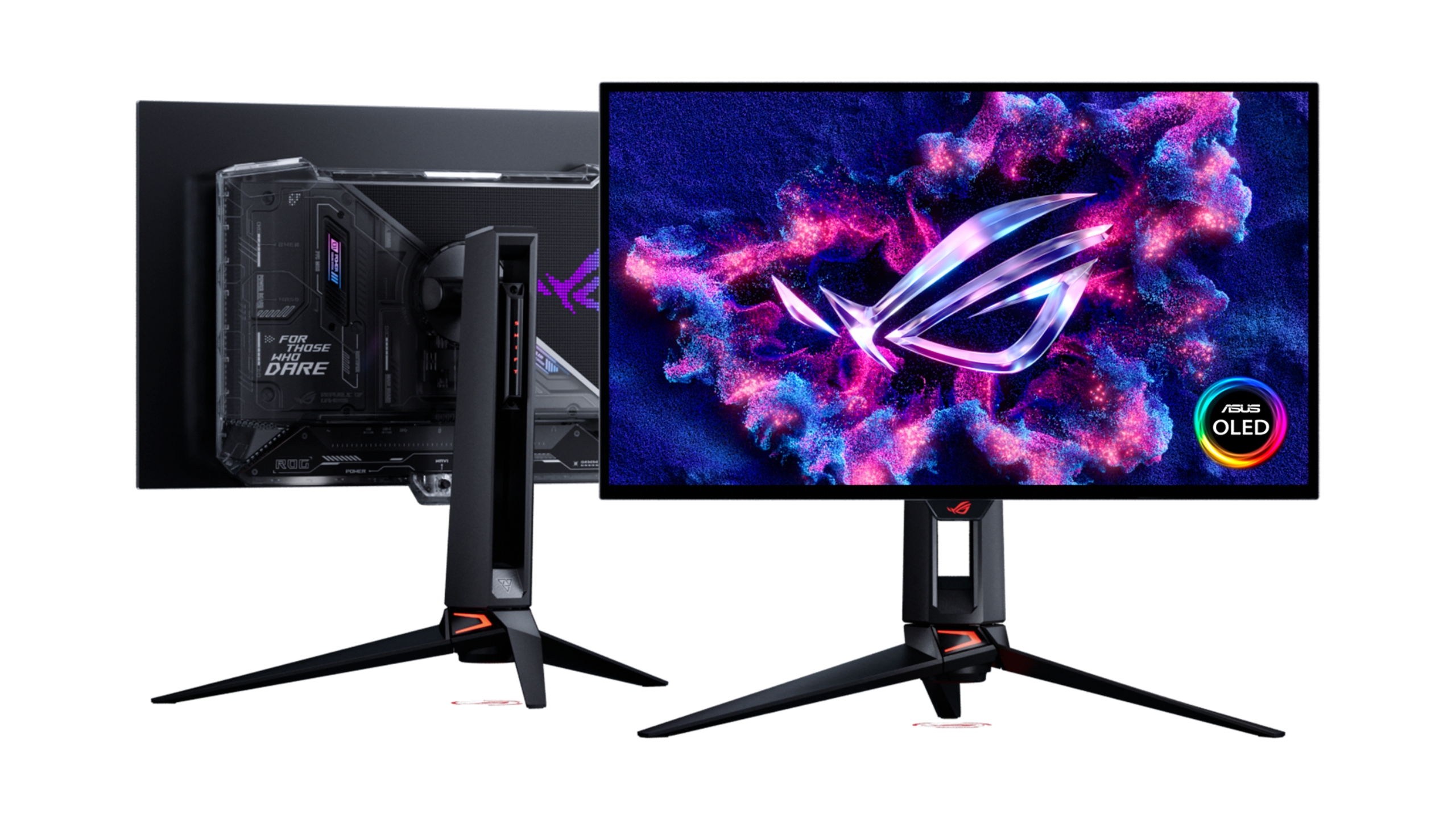
The back and front of ASUS’ new ROG Swift monitor with a Tandem OLED panel.
ASUS
While the ASUS ROG Swift OLED PG27UCWM uses a Tandem OLED panel – a panel with two light-emitting layers, like the Ultra XDR Retina display on Apple’s recent iPad Pros – the big change ASUS is focused on at CES 2026 is its new RGB Stripe OLED layout, technology LG helped pioneer. These updated panels use “a full RGB sub-pixel arrangement” to produce sharper text and more accurate color reproduction when compared to the QD-OLED panels the company has used in the past.
The 27-inch ROG Swift OLED PG27UCWM can be run at 4K with a 240Hz refresh rate or at FHD with a 480Hz refresh rate. The display also has a 0.03ms minimum response time for smooth and clear action, and 99 percent DCI-P3 color gamut coverage for more vibrant and accurate color reproduction. The OLED monitor also includes a “Neo PRoximity Sensor” which automatically turns the screen off when you’re not looking at it, to prevent burn-in.
NVIDIA’s new G-Sync Pulsar tech, which uses variable backlighting to reduce blur, is specifically meant for competitive gamers, and ASUS’ new ROG Strix Pulsar XG27AQNGV monitor is one of the first to support the new tech. The monitor features a 27-inch, 1440p panel with a 360Hz refresh rate and “the fastest response time” ASUS has ever achieved in a 1440p LCD display. The monitor also includes DisplayPort, HDMI 2.1 and multiple USB 3.2 Gen 1 Type-A ports for whatever devices you want to connect to it.
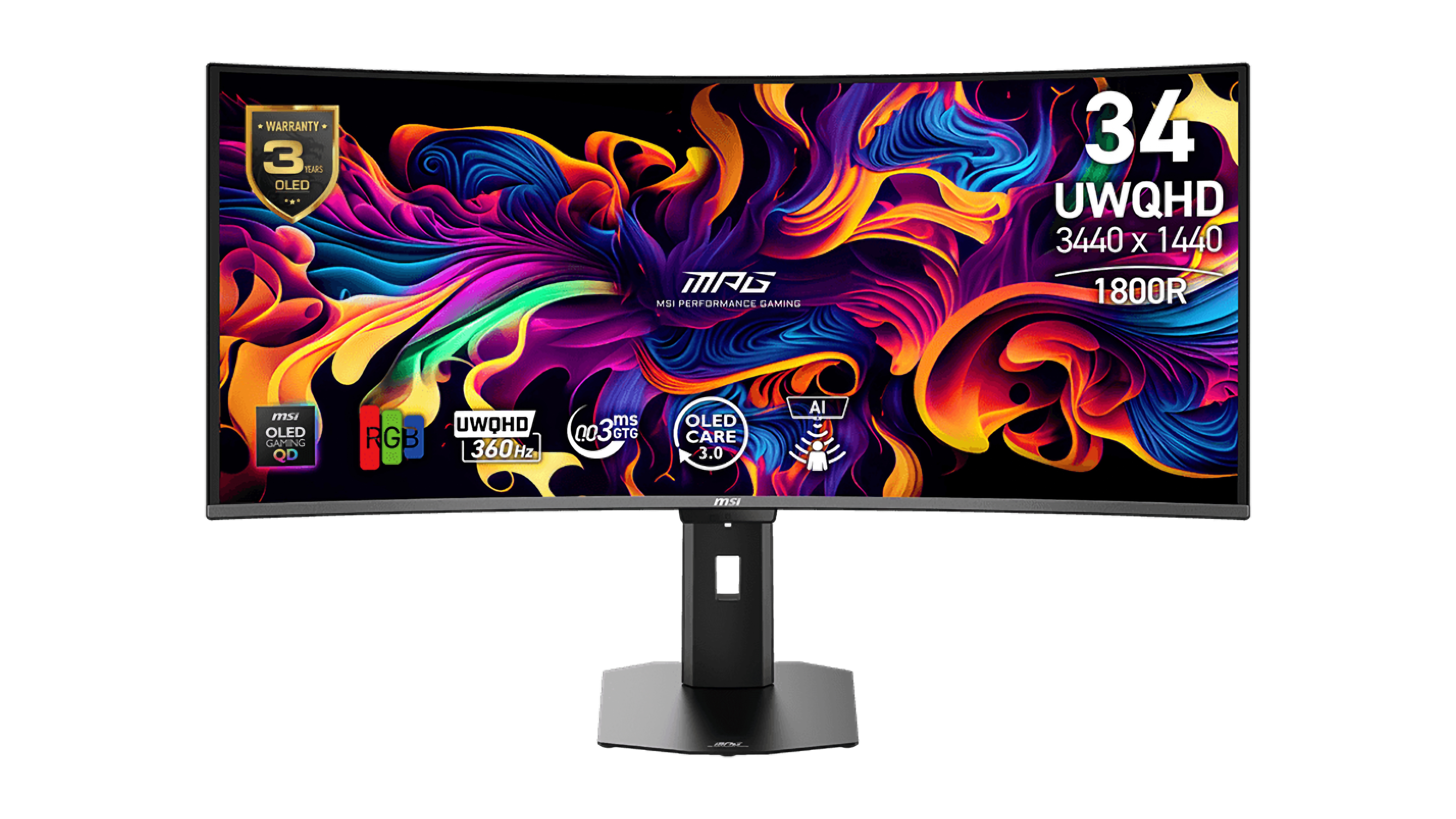
MSI MPG 314CQR QD-OLED X36
MSI’s new curved MPG monitor with a QD-OLED panel.
MSI
The star monitor of MSI’s new products at CES 2026 is the wordily titled MSI MPG 341CQR QD-OLED X36, a curved, 34-inch ultrawide monitor, with new OLED panel. Like Asus, MSI is mixing different OLED display technologies for better results. This new monitor uses a 5th-gen Tandem QD-OLED panel with an “RGB Stripe sub-pixel layout” for sharper visuals. MSI also applies what it calls “DarkArmor Film” to “enhance light absorption,” eliminate the reddish tint some QD-OLED panels have under ambient light, and boost black levels by “up to 40 percent.”
As an ultrawide, the MPG 341CQR QD-OLED X36 has a resolution of 3,440 x 1,440, an aspect ratio of 21:9 and a refresh rate of 360Hz. MSI says the monitor can reach a peak brightness of 1,300 nits, and the company provides multiple HDR modes to switch between depending on your needs. Similar to ASUS, the monitor also includes a sensor for detecting whether a human is in front of the screen – MSI calls it an AI Care Sensor – so that the monitor can power-off or enter standby mode when not in active use.
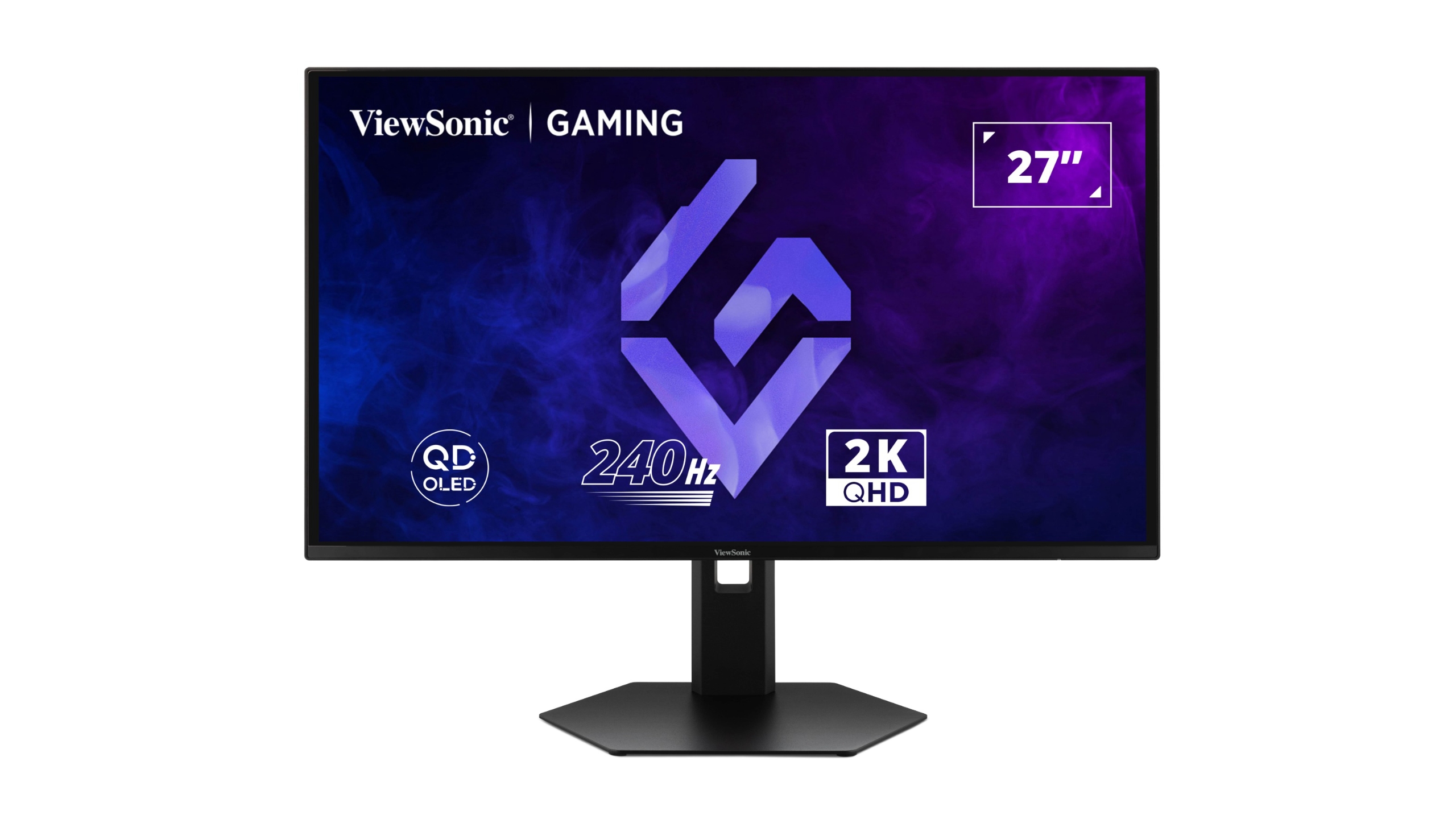
ViewSonic VX2738 2K OLED Gaming Monitor
ViewSonic’s new 24-inch OLED monitor.
ViewSonic
ViewSonic’s new gaming monitors are more approachable and (presumably) more affordable than the options from competitors, but not necessarily less performant. The company top-of-the-line model, the ViewSonic VX2738 2K OLED Gaming Monitor has a 27-inch 2K QHD QD-OLED panel with a 240Hz refresh rate and up to 0.03ms response time.
The monitor supports AMD FreeSync Premium and NVIDIA G-Sync for smoother gameplay. The VX2738 also has the ability to scale down its image via a 24.5-inch “esports mode” for competitive settings. ViewSonic says the monitor will include HDMI 2.1 and DisplayPort 1.4 ports and be available for $500.
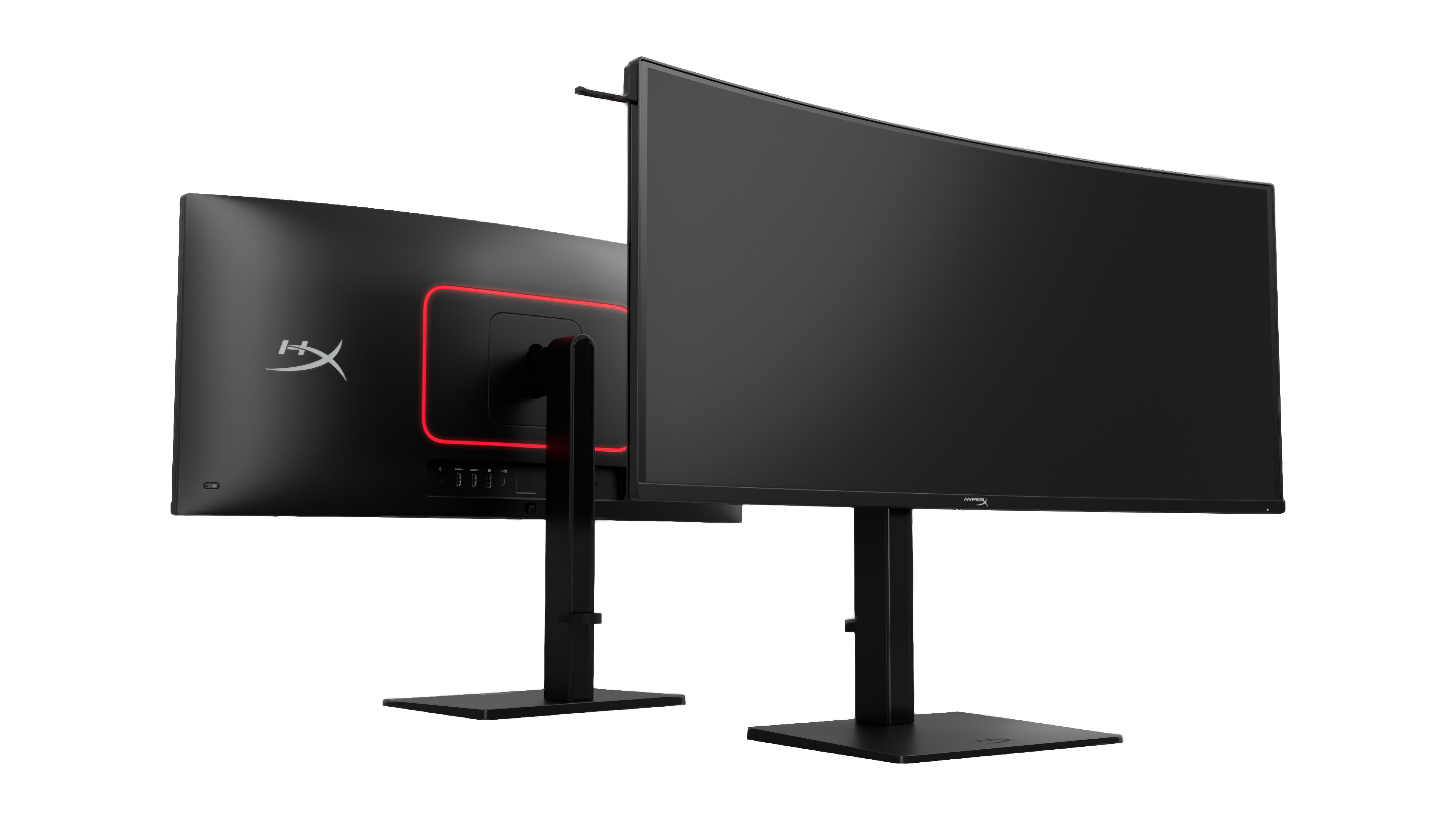
HP HyperX Omen OLED 34
HP’s new curved OLED monitor with a headphone hook.
HP
HP’s newest monitor under its unified HyperX Omen gaming brand is the HyperX Omen OLED 34, a curved 34-inch monitor with a QD-OLED panel. HP says the monitor uses V-stripe QD-OLED tech, which like in MSI and ASUS’ monitors, means sharper text and better color accuracy. The HyperX Omen OLEd 34 has an aspect ratio of 21:9, a 360Hz refresh rate and a 0.03ms response time.
The monitor has 100W USB-C power delivery for whichever laptop you decide to connect to it, and a built-in KVM switch, HP says. Plus, the company is offering a customizable, 3D-printable headphone hook, if you want to store your accessories nearby.
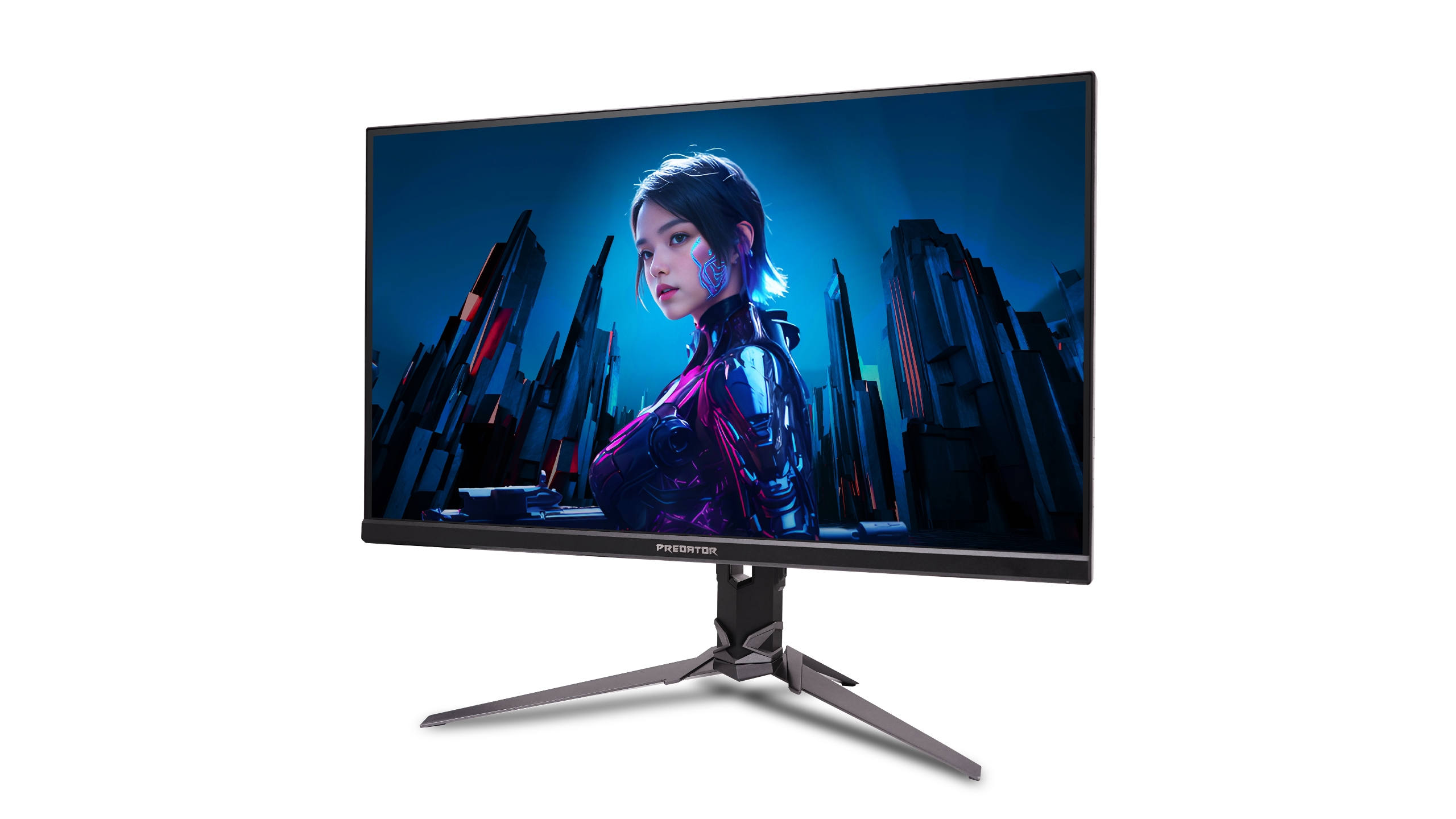
Acer Predator XB273U F6 Gaming Monitor
An Acer Predator monitor on a white background.
Acer is showing off multiple new monitors at CES 2026, but the Predator XB273U F6 Gaming Monitor stands out for its ridiculously fast refresh rate. Acer says the 27-inch screen has a 500Hz refresh rate by default, that can be boosted to 1000Hz at a 1,280 x 720 resolution if you use the company’s Dynamic Frequency and Resolution (DFR) mode.
The Predator XB273U F6 otherwise features a 2,560 x 1,440 IPS panel with a brightness of 350 nits, that’s calibrated to cover 95 percent of the DCI-P3 and 99 percent of the sRGB color gamut. The monitor also has 2-watt speakers built-in, and includes HDMI2.1, DisplayPort 1.4 and audio out ports for connecting to the rest of your PC gaming setup. Acer says the Predator XB273U F6 will be available for $800 when it launches in Q2 2026 in North America.
This article originally appeared on Engadget at https://www.engadget.com/computing/accessories/the-gaming-monitors-that-caught-our-eye-at-ces-2026-130000433.html?src=rss
In a move that should surprise nobody, Google is stuffing more Gemini AI into Gmail. A host of new features, some of which are already familiar to Workspace users, are rolling out today for Gmail users in the US. Some are free, while others require a Google AI Pro or Ultra subscription.
The first premium feature is AI Overviews, the same name as a similar feature in Google Search. Gmail’s version lets you ask questions about your messages in the search bar, using natural language. Google uses the example of, “Who was the plumber that gave me a quote for the bathroom renovation last year?” It’s hard to imagine that saving much time over a basic search for “plumber quote” or “plumbing estimate,” but maybe it could help in some situations.
There’s also a free portion of AI Overviews that summarizes mail threads for easy catch-ups. However, the ability to ask your inbox questions requires a subscription.
Meanwhile, Proofread is a subscription-only feature that’s essentially Grammarly for Gmail. As you’d guess, it suggests improvements in grammar, word choice, conciseness, voice and sentence structure.
AI Inbox
Google
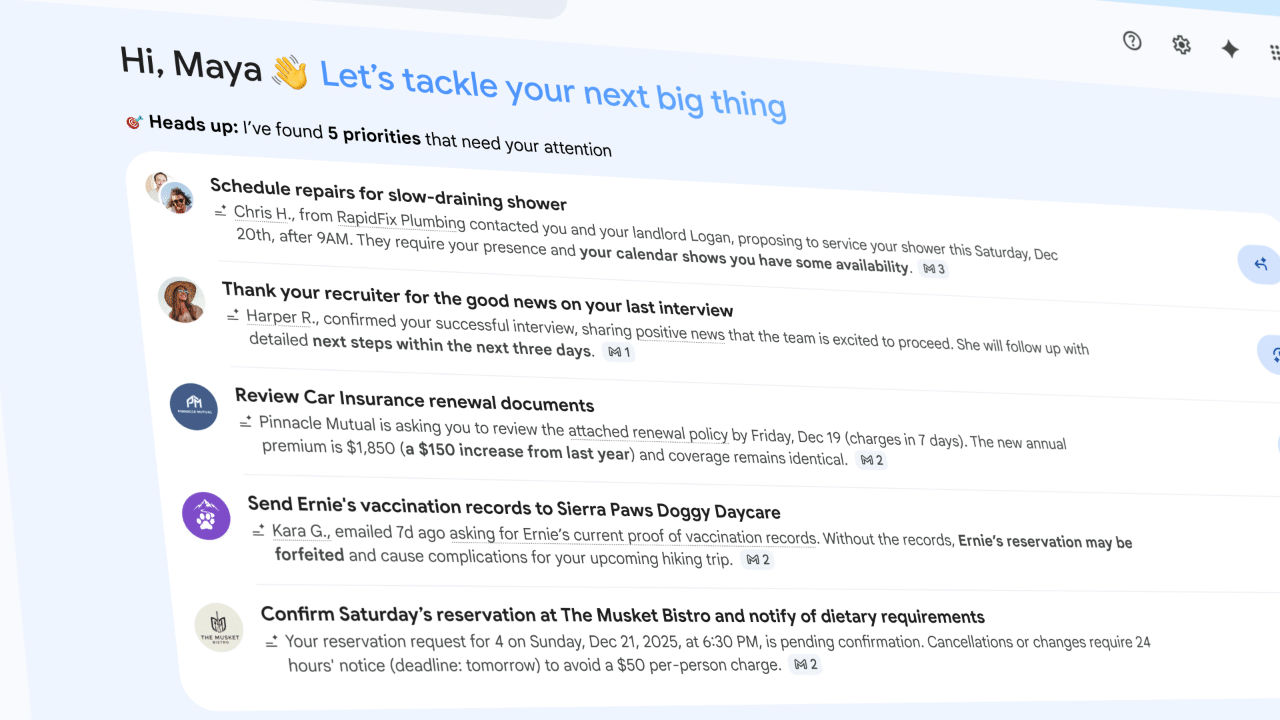
Finally, there’s the AI Inbox, a feature that “filters out the clutter so you can focus on what’s most important.” Google says it’s like a personal briefing that flags to-dos and catches you up on what it thinks is most important. (It identifies VIPs based on frequent contacts, your contact list, and inferred relationships.) The company claims, without adding further detail, that this all “happens securely with the privacy protections you expect from Google.” AI Inbox is another subscription-only feature.
Now onto the free stuff. Help Me Write is a tool for all Gmail users that generates email copy from a prompt. This kind of thing should be well-familiar by now, as Big Tech increasingly encourages users to avoid drafting anything from scratch. And Suggested Replies can draft replies for you that mimic your tone and style. (Google describes it as a next-gen version of Smart Replies.) Help Me Write and Suggested Replies are rolling out to everyone (no subscription required) today.
The new Gemini-powered features begin rolling out to Gmail today. Although they’re starting with English speakers in the US, Google says they’ll arrive in more languages and regions “in the coming months.”
This article originally appeared on Engadget at https://www.engadget.com/ai/gmail-is-getting-a-gemini-ai-overhaul-130000422.html?src=rss
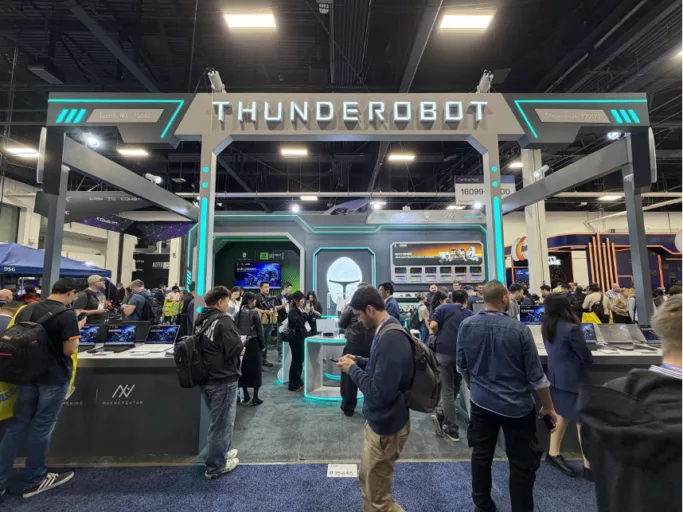
Recently, at the Consumer Electronics Show (CES 2026) in Las Vegas, thousands of brands from around the world showcased their cutting-edge technologies and products. Among them, ThundeRobot, located at booth 15845, attracted numerous tech enthusiasts, esports players, and media with its lightweight gaming laptops, Mini PCs, peripheral products, and a future-tech-themed booth design.
Laptop: Breaking the Conflict Between Portability and Performance
At CES, the ZERO Air was one of the most highly anticipated new products from THUNDEROBOT. This product attempts to provide a new solution in a dimension that has long been considered difficult to balance: achieving a dual full power release of 160W (CPU 45W + GPU 115W) within a body weighing approximately 1.58kg and measuring 15.9mm in thickness.
The ZERO Air features an Intel® Core™ Ultra Series 3 processor and an NVIDIA® GeForce RTX™ 50 series GPU. Its core significance lies not only in being “lighter” or “stronger,” but in redefining the capability boundaries of lightweight gaming laptops.
During on-site experiences, the changes brought by this design were quite intuitive: a lightweight body no longer represents a trade-off between portability and performance but has become a new normal.
If the ZERO Air addresses the long-standing conflict between “lightness” and “performance,” the aibook 14 Pro seems to respond to another question: when daily work heavily overlaps with long battery life and high computational demands, can a lightweight laptop still handle only basic tasks?
Weighing about 1kg, the aibook 14 Pro combines a carbon fiber structure to achieve a sustained performance output of 45W. At CES, this product was primarily showcased in areas focused on content creation and mobile office environments, emphasizing its stable output capabilities in real-world usage scenarios. The aibook 14 Pro raises the performance ceiling of 1kg lightweight laptops once again. The emergence of such products reflects a trend: lightweight devices are transitioning from “supplementary devices” to “primary computing terminals.”
MINI PC: High-Performance Workstation in a Compact Size, Revolutionizing Desktop Computing Experience
Moving through the mobile computing area, the core message of the desktop computing zone is “breakthrough”—overcoming the conflict between size and computing power, and balancing cooling with silence, allowing mini PCs to support top-tier performance requirements.
Mini PCs have long been viewed as a compromise between size and performance, but THUNDEROBOT has provided a more aggressive interpretation of this category at CES.
THUNDEROBOT MIX G2: Achieving a maximum performance release of 230W within a body size of approximately 3L. THUNDEROBOT STATION: Featuring the AMD Ryzen™ AI Max+ 395 processor, positioned as a Mini PC workstation for high-performance local AI computing scenarios.
These two products point in a common direction: Mini PCs are no longer just “smaller versions of desktops” but are beginning to handle local AI inference, content creation, and high-load computing tasks. During live demonstrations, local AI computing, model inference, and multitasking processing were key highlights, resonating strongly with current trends in AI PC development.
Peripheral Experience: FPS-Focused Design to Maximize Competitive Core Performance
In the peripheral interaction area, the focus is on FPS scenarios, emphasizing low latency and high-precision control to create a series of professional esports gear.
The MACHENIKEF1 dual 8K fully customizable game controller features wired and 2.4G dual 8K feedback rates, providing almost imperceptible latency for shooting and aiming. This product is deeply designed to meet the control needs of FPS games, featuring a full grip-compatible structure, three adjustable micro-motion triggers, and twelve optical micro switches that support customizable programming, with fully hot-swappable keys designed for high-intensity competitive use.
The Shadow Hunter EX68 optical axis keyboard utilizes Razer’s third-generation optical technology, offering an ultra-low latency of 0.125ms for high-frequency key presses. Its metal body combined with RGB backlighting balances aesthetic and visual effects, promising a new experience for optical axis keyboards.
Future Forms of Gaming Hardware: Presenting Three Core Directions
THUNDEROBOT’s overall presentation at CES 2026 wasn’t just a simple product showcase, but a concentrated expression of the future forms of gaming hardware.
Firstly, the era of lightweight laptops has arrived, breaking the inherent conflict between lightness and performance, providing a significant leap in mobile gaming experiences, and offering greater efficiency in mobile work capabilities. Secondly, MINI PCs are moving towards high-performance workstation tracks, delivering significant energy in a compact size and providing flexible solutions for esports and local AI-assisted training. Thirdly, peripherals are initiating a tactile revolution focused on FPS design, upgrading various aspects from latency control and precision to durability, targeting the core usage scenarios of esports.
On the first day of the exhibition, the renowned esports team XEN, known for its outstanding performance in “Call of Duty” and “Fortnite,” also visited the THUNDEROBT’s booth, where they highly praised the exceptional competitive experience of its products.
The CES 2026 exhibition is still ongoing, and THUNDEROBOT’s booth, located at LVCC Central Hall, Booth 15845, remains open for global tech enthusiasts, industry observers, and media to experience firsthand.
As the dust settles on the spectacle that is CES 2026 in Las Vegas, one thing is abundantly clear: Advanced Micro Devices (AMD) is an execution machine operating at peak efficiency. The opening keynote, delivered by CEO and Chair Dr. Lisa Su, was a relentless barrage of product announcements spanning client AI, gaming dominance, and data center supremacy.
Yet, watching the presentation, I was struck by a familiar duality that defines AMD in its current golden era. On one hand, the company is delivering silicon that genuinely pushes the boundaries of computing. On the other, their major events often lack the cohesive, narrative “pop” that defines competitors like NVIDIA (though this year NVIDIA wasn’t really on their game) or customers like Lenovo (who set the bar this year). This isn’t a product failing; it is a structural one. AMD continues to execute brilliantly on engineering, but at hyper-hyped events like CES, they are perceptibly hampered by the lack of a dedicated, top-tier Chief Marketing Officer (CMO).
The IBM Pedigree: Substance Over Sizzle
Before diving into the silicon, it is necessary to acknowledge the force behind it: Dr. Lisa Su. I have long admired Dr. Su, not just for turning AMD around, but for how she did it. She embodies the best traditions of her IBM background—a culture rooted in deep technical competence, rigorous roadmap execution, and an aversion to vaporware.
At CES 2026, this competence was on full display. Dr. Su doesn’t need gimmicks; she has specs. Her presentation style is disciplined, grounded in engineering reality, and focused on delivering measurable value to customers. In an industry often choking on hype, her steady hand is refreshing. She is the ultimate engineer’s CEO, prioritizing the “what” and the “how” over the theatrical “why.” This IBM-forged discipline is why AMD is trusted by everyone from hyperscalers to hardcore gamers.
Relentless Client and Gaming Execution
The press announcements from the keynote underscore this relentless execution. In the client space, AMD isn’t just participating in the AI PC revolution; they are attempting to define its performance tier.
The new Ryzen AI 400 Series processors, built on the “Zen 5” architecture, are a prime example. By offering up to 60 TOPS of NPU compute, AMD isn’t just meeting the requirements for Microsoft Copilot+ PCs; they are exceeding them significantly. This is crucial for enabling next-generation, on-device AI experiences that don’t rely on the cloud.Furthermore, AMD reiterated its commitment to its core constituency: gamers. The announcement of the Ryzen 9850X3D utilizing 2nd Gen AMD 3D V-Cache technology to claim the title of “world’s fastest gaming processor” is a direct strike at Intel’s remaining strongholds.
Perhaps most interesting for the ecosystem is the push on software. The 10x year-over-year increase in ROCm downloads indicates that AMD is finally chipping away at NVIDIA’s CUDA moat, providing developers with viable alternatives for local AI workloads on products like the new Ryzen AI Halo mini-PC.
The Data Center Moonshot
If the client side was about solidifying leadership, the data center announcements were about pure ambition. AMD’s execution here is terrifying to its competitors.
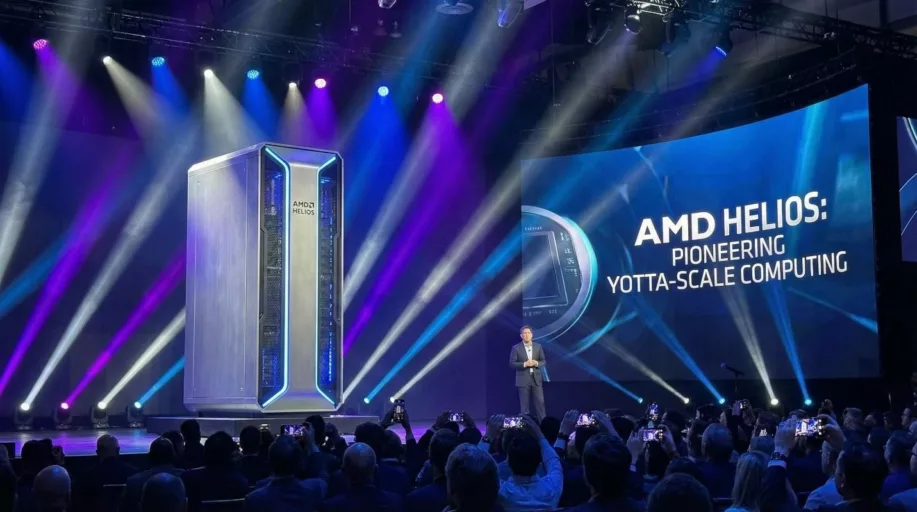
The unveiling of the full MI400 Series lineup, led by the “Helios” blueprint for yotta-scale compute, demonstrates that AMD is thinking way beyond the current AI boom. Delivering up to 3 AI exaflops in a single rack is an astounding engineering claim aimed squarely at training trillion-parameter models.
Even more audacious was the tease of the MI500 Series for 2027. Projecting a 1,000x increase in AI performance compared to the MI300X using CDNA 6 architecture and 2nm process technology is the kind of long-range roadmap confidence that only a company sure of its execution engine can provide.
The Missing Ingredient: The CMO Gap
Given this incredible array of technology, why did the keynote feel somewhat utilitarian? This brings us back to the missing piece of the puzzle.
When a CEO as capable as Lisa Su has to also serve as the de facto Chief Marketing Officer during the year’s biggest tech stage, something gets lost. A great CMO doesn’t just sell products; they weave a unified mythology around the brand. They connect the dots between a gaming chip, a data center rack, and an embedded automotive processor into a singular, irresistible narrative about the future.
While Dr. Su eloquently described the parts, the presentation lacked the cohesive emotional resonance that a dedicated marketing leader brings. The announcements were a list of wins, rather than a story of conquest. Without a CMO to manage the “sizzle,” AMD relies entirely on the “steak.” Fortunately for them, the steak is world-class. But at CES, one can’t help but wonder how much bigger the impact would be if the marketing machinery matched the excellence of the engineering machinery.
Wrapping Up
AMD’s showing at CES 2026 was a testament to Dr. Lisa Su’s disciplined, competence-first leadership, a style honed in the best traditions of IBM. The company is executing flawlessly across client AI, high-end gaming, and data center infrastructure, delivering products that lead their respective categories. However, the event also highlighted a persistent weakness: the absence of a high-profile CMO to elevate these technical achievements into an industry-defining narrative. AMD has the best engines in the world; they just need a better storyteller in the passenger seat.
Disney+ will add vertical videos to its service in the US sometime this year, in hopes that they can entice viewers to engage with its app every day. The company has made the announcement at its Tech + Data Showcase event at CES 2026. Disney first dabbled in vertical content with Verts, which launched for the ESPN app in August 2025, giving it the insight it needed on how its users respond to the video format.
Erin Teague, Disney Entertainment’s EVP of Product Management, told Deadline that the company will use the format for all kinds of content. The service isn’t just planning to use it as a vehicle for movie and series teasers, but also for original short-form programming. She didn’t say what kinds of original programming Disney+ will be adding as vertical videos to its app, but vertical micro-dramas have become incredibly popular over the past year.
“We’re obviously thinking about integrating vertical video in ways that are native to core user behaviors,” Teague said. “So, it won’t be a kind of a disjointed, random experience.” The company is targeting Gen Z and Gen Alpha users, in particular, since they’re not inclined to sit and watch long-form content on their phones for hours. Disney said in a statement that the experience will “evolve as it expands across news and entertainment” and will be personalized for users, with making the service “a must-visit daily destination” as its goal. After all, if a user is already in the app, they’re more likely to explore and watch the service’s programming.
This article originally appeared on Engadget at https://www.engadget.com/entertainment/streaming/disney-is-launching-vertical-videos-this-year-120000776.html?src=rss
The Linux kernel developers for months now have been debating proposed guidelines for tool-generated submissions to the Linux kernel. As part of the “tools”, the main motivator for this documentation has been around the era of AI and large language models with coding assistants and more. Torvalds made some remarks on the Linux kernel mailing list around his belief in focusing the documentation on “tools” rather than explicitly focusing on AI, given the likelihood of AI-assisted contributions continuing regardless of documentation…
The modern Intel Xe kernel graphics driver was designed from the start to be more broadly compatible with non-x86 architectures given their discrete graphics processors being front and center, unlike the legacy i915 kernel graphics driver being very x86 minded. While this allows running Intel Arc Graphics on ARM or RISC-V, there are some other kinks still being ironed out with using Intel graphics in the non-x86 world. One of those limitations currently being worked through is the lack of GPU firmware updating on non-x86 systems…
For the last five years, once a month, we have hosted an online seminar sharing computing education research. Seminars are organised as usually year-long series with changing themes. In 2025, for example, our theme was ‘Teaching about AI and data science’. In 2024, it was ‘Teaching programming (with or without AI)’.
It is not surprising that for the last few years our focus has been on AI technology, and for 2026 we will continue this. But we will shift from showcasing how computing education research is changing teaching and learning in computing lessons, to showcasing how computing education research in other disciplines, such as art or geography, is starting to include teaching about AI. For example, art lessons may change so that learners find out how professional artists are using AI tools to create arts. Or geography lessons may change so that learners discover how professional geographers are using AI to make predictions about physical or human aspects of geography, such as volcanic activity and global warming.
Our series for 2026 is called ‘Applied AI’. This title recognises that AI technology is applied across contexts, across careers, across disciplines, and this means what we teach across school subjects will change.
Encouraging a pull from disciplines, rather than a push from computer science
The majority of resources and professional development material related to teaching about AI have been developed by the computer science community. For example, we have developed the popular Experience AI resources in collaboration with Google DeepMind. In these resources, the contexts were carefully selected to represent real-world examples across disciplines, and to to enable the teaching of particular technical or social and ethical concepts. This could be described as “a push” of content from computing towards other disciplines. For example, to enable teaching about the ethical issues around plagiarism, an art context is used in the Experience AI resources; to enable teaching about the potential benefits of using AI tools, an ecological geography context is used.
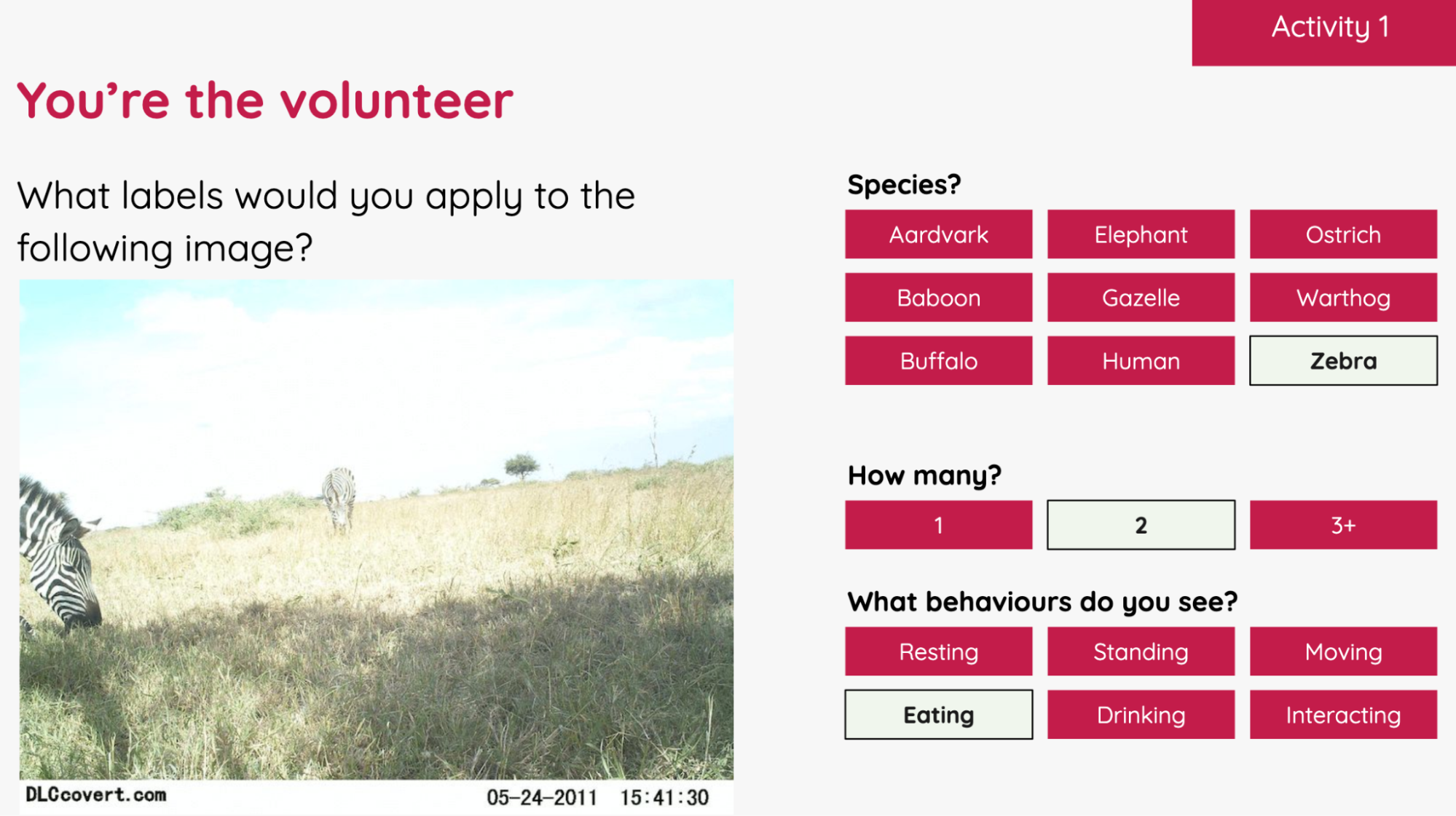
Example activity from the Experience AI resources, focused on ecology
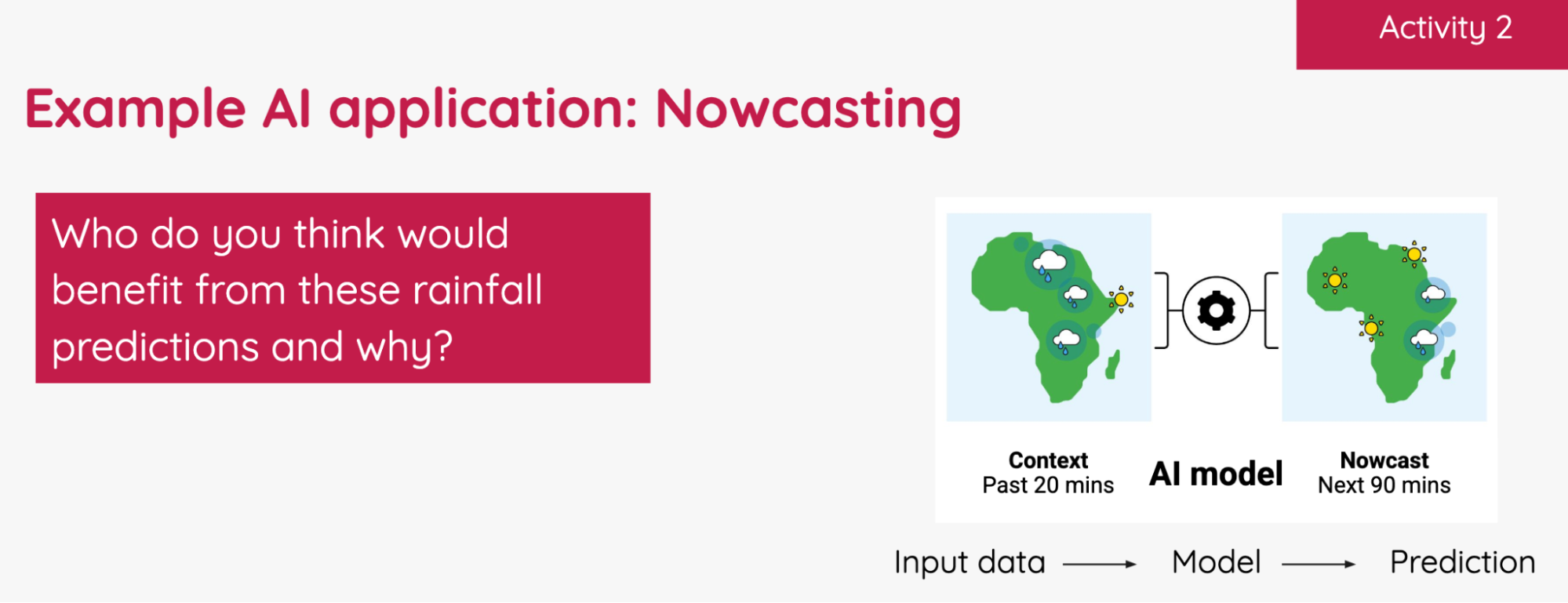
AI applications are always situated within a particular topic. Most current AI applications are data-driven: vast amounts of data are collected and processed to produce models that can then either be used to generate outputs or make predictions. For example, data about artworks can be collected and used to train a model for generating outputs similar to the artworks; this is an application of AI in the art discipline. Or data on wild fires can be collected and used to train a model for making predictions about current or prospective fires; this is an application of AI in the geography discipline.
Example activity from the Experience AI resources, focused on meteorology
In reality, the best people to recognise how AI technology is being applied in a discipline and what students in that discipline should be taught about these applications are the people working in the discipline, for example the art and geography teachers. Computer science educators can work to build the technical understanding and the general social and ethical understanding that is common across applications. But the detail of how AI technology is changing a discipline can only truly be understood by the respective community, by the artists and art educators, by the geographers and the geography educators.
An emerging focus
At present, though, most educators are grappling with how they can use AI tools for productivity, such as creating lesson plans, or answering emails. Or they are looking at how they can use AI for general teaching and learning, for example for personalisation, say for students with additional needs. The idea that their underpinning discipline is changing is, perhaps, not yet on teachers’ radar. But at universities, such as in undergraduate courses, and in the world of work, education and training are changing. Data science courses are now being offered across faculties, including science, geography, language, and art faculties. These changes will start to filter down to school-based education via curriculum change. While some resources and professional development materials addressing this shift are already becoming available, change is still fragile and patchy.
Raising awareness, building community and a common language
The aims of our Applied AI research seminar series in 2026 are to start to:
Raise awareness of the forthcoming changes that applying AI will bring to disciplines
Build a cross-discipline community
Think about a common language that could be used across disciplines
If we can start to agree on what common concepts could be taught in the arts, sciences and humanities, it gives us a better chance to:
Understand how to use AI as it is applied in different disciplines
Help students to build useful mental models and develop the agency and critical thinking skills they need to evaluate these applications and decide when and how to use them and how far to trust them
We need your help
To make our 2026 series a success, we need to spread the word about our seminars to groups of educators, researchers, industry and policy makers across the arts, sciences, and humanities.
Please tell those you know in these groups about the seminar series, and share it through your social media and other networks. If you have ideas for subject associations we could connect with or publications where we can write about our series, please let us know.
Join our ‘Applied AI’ seminar series
We have already arranged the following seminars across 2026 and will add more speakers for the remaining monthly slots soon. Seminars always take place online on Tuesdays at 17:00 to 18:30 UK time.
10 February: Social studies, public policy, economics and AI — Thema Monroe-White (George Mason University, USA)
17 March: Arts and AI — Rebecca Fiebrink (University of the Arts London, UK)
14 April: Healthcare and AI — Kathryn Jessen Eller (Data Science, AI & You (DSAIY) in Healthcare, USA)
14 July: Literacy and AI — Dan Verständig (Goethe University Frankfurt, Germany)
8 September: History and AI — Jie Chao (The Concord Consortium)
6 October: Robotics and AI — Eleni Petraki & Damith Herath (University of Canberra, Australia)
10 November: Geography and AI — Doreen Boyd (University of Nottingham, UK)
To sign up and take part, click the button below. We’ll then send you information about joining. We hope to see you there.
Sent out today was the latest batch of drm-misc-next changes to DRM-Next for staging ahead of the upcoming Linux 6.20~7.0 kernel cycle. The reverse-engineered Etnaviv DRM driver for Vivante graphics/NPU hardware has added a new “PPU flop reset” feature gleaned off studying the downstream vendor kernel driver…
To allow for additional security hardening of the Linux kernel, a patch series has been updated more than one year later to link the relocatable x86_64 kernel as Position Independent Executable (PIE) code…
For years, we’ve been wondering when Samsung would actually bring Ballie, its cute household companion robot, to market and now we finally have our answer: it won’t. After the planned summer 2025 release window came and went, the company has opted not to release the gizmo as a consumer product, at least not for the foreseeable future.
According to Bloomberg, Samsung has “indefinitely shelved” the robot. A spokesperson told the publication that the company will keep Ballie around as an “active innovation platform” internally. “After multiple years of real-world testing, it continues to inform how Samsung designs spatially aware, context-driven experiences, particularly in areas like smart home intelligence, ambient AI and privacy-by-design,” the spokesperson added.
There’s a sliver of a chance that Samsung will eventually bring Ballie to market, but that seems unlikely as things stand. So, six years after we first clapped eyes on the robot at CES 2020, (and two years after a redesigned larger version debuted), it appears to be doomed as a consumer device.
It’s a bit of a shame, as Ballie seemed like a fun gadget. In fairness to Samsung, companies are now likely having to be more judicious about what products — especially more experimental ones — go into full production amid rising costs of things like RAM.
This article originally appeared on Engadget at https://www.engadget.com/home/smart-home/you-wont-be-able-to-buy-samsungs-household-ballie-robot-after-all-104529942.html?src=rss






 AI 400 Series processors, built on the “Zen 5” architecture, are a prime example. By offering up to 60 TOPS of NPU compute, AMD isn’t just meeting the requirements for Microsoft Copilot+ PCs; they are exceeding them significantly. This is crucial for enabling next-generation, on-device AI experiences that don’t rely on the cloud.Furthermore, AMD reiterated its commitment to its core constituency: gamers. The announcement of the Ryzen