
One of the initiatives launched by Intel in 2025 was LLM-Scaler as part of Project Battlematrix. The open-source LLM Scaler is a Docker-based solution for helping to deploy Generative AI “GenAI” workloads on Intel Battlemage graphics cards with frameworks like vLLM, ComfyUI, SGLang, and more. There continues to be routine new feature releases of LLM Scaler for broadening the large language models supported and other improvements…
Category Archives: Unfiltered RSS
Wild 0.8 Linker Adds SFrame Support, LoongArch64 & More Performance
Wild 0.8 is now available as this speedy linker focused on iterative development, a goal of incremental linking, and written in the Rust programming language…
Pinarello adds a drop handlebar to its XC hardtail to create ‘monster’ gravel bike
If you’ve paid attention to professional gravel racing in recent years, you’re probably aware that pro riders have taken to running drop handlebars on XC mountain bikes.
Now, Pinarello has fully embraced the trend, launching its new Grevil MX gravel bike at the Velofollies trade show in Belgium.
While this is an addition to the brand’s Grevil gravel range, Pinarello has gone one step further than combining gravel and cross-country tech. It says it has drawn from its road portfolio for this ‘monster’ gravel bike.
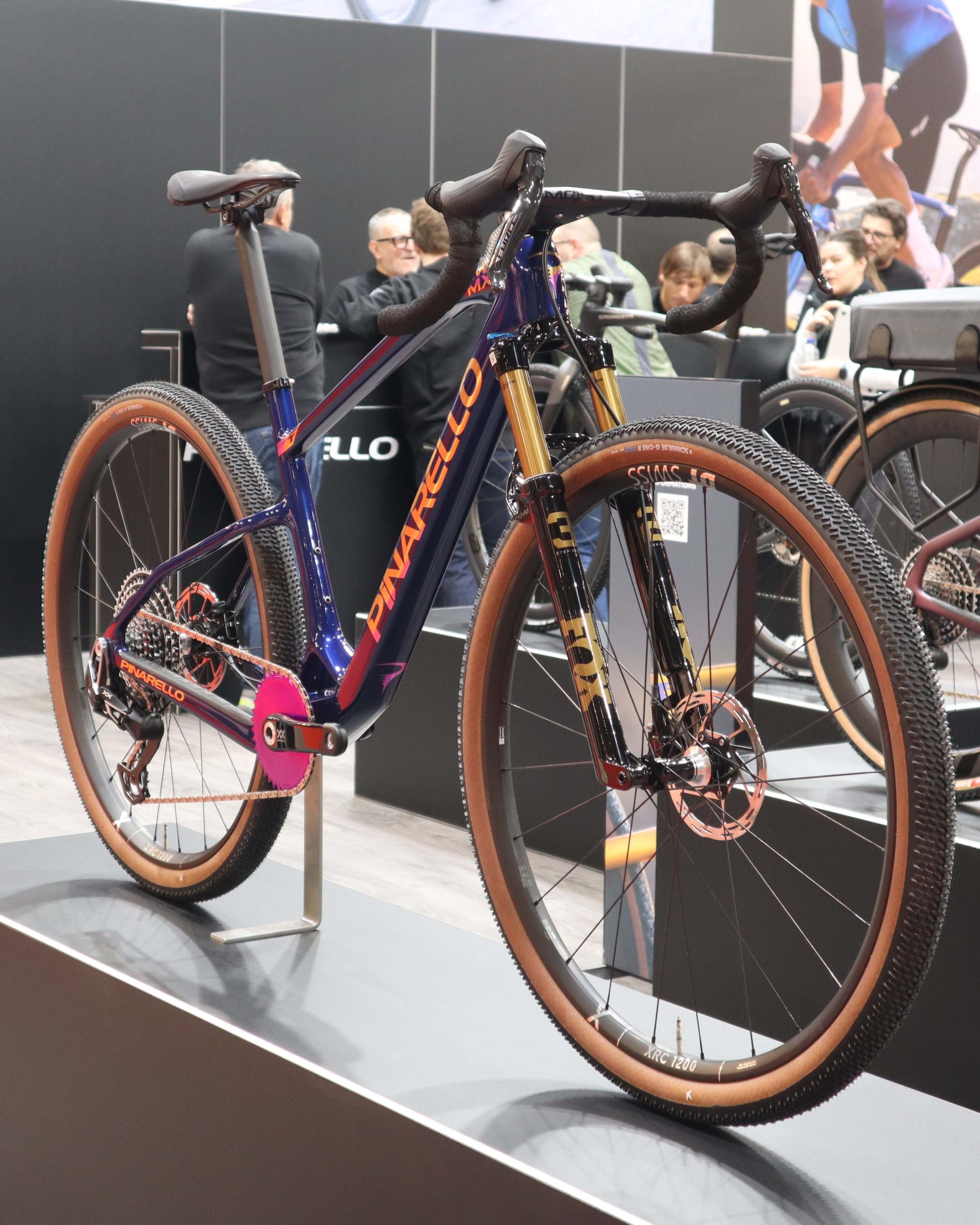
“The Grevil MX combines the aerodynamic efficiency of a road bike with the stability and control of an MTB, enabling it to excel on steep climbs, rugged trails, technical descents and long endurance routes without compromising responsiveness or stiffness on hardpack ground,” Pinarello says in its press release for the new bike.
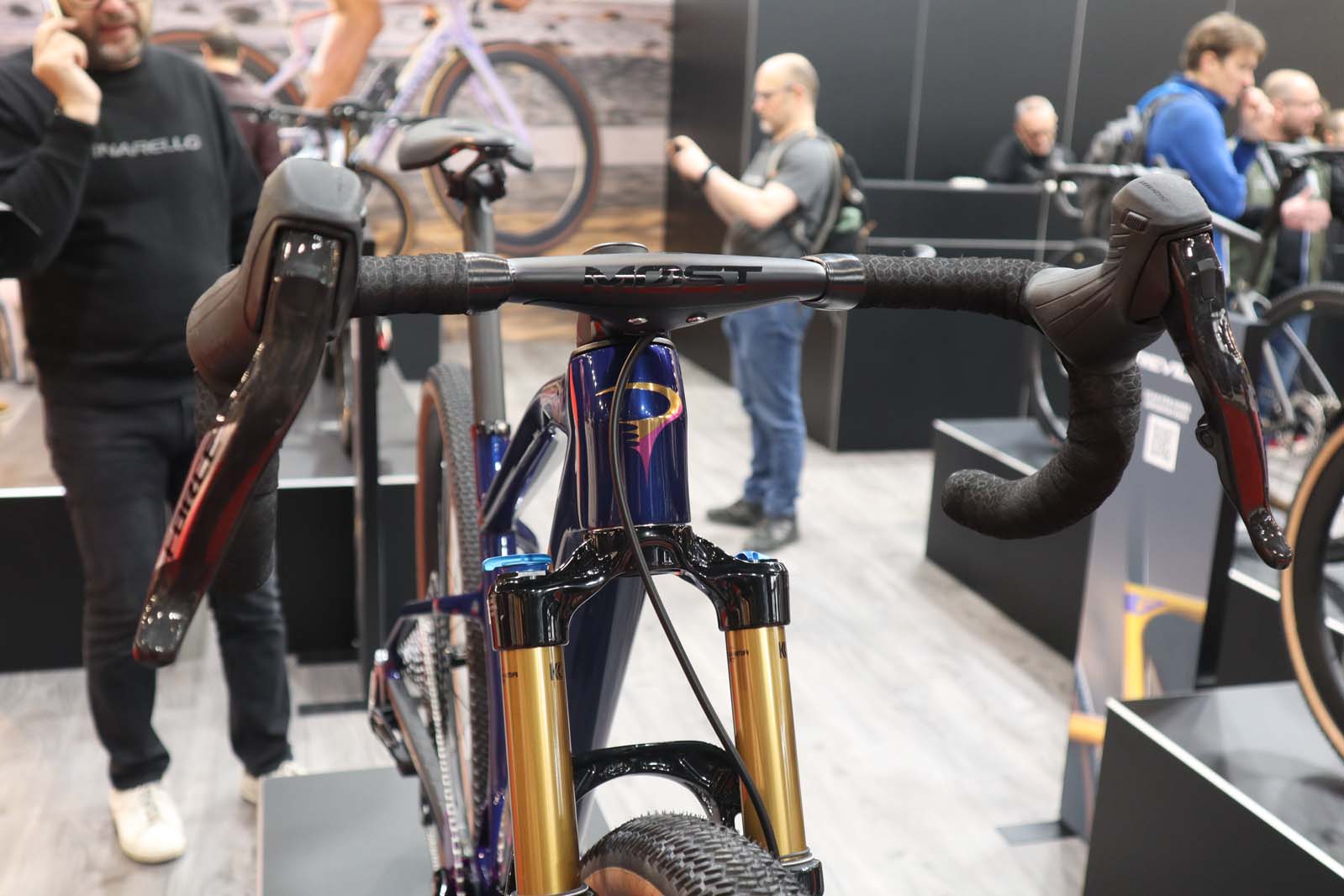
The bike’s geometry takes the 67.75˚ head angle and 101mm trail of the Pinarello Dogma XC, but adds the Most Talon Ultra Light cockpit found on Pinarello’s top road bikes. This handlebar setup provides a “lower, more compact and faster position” than running a flat mountain bike bar.
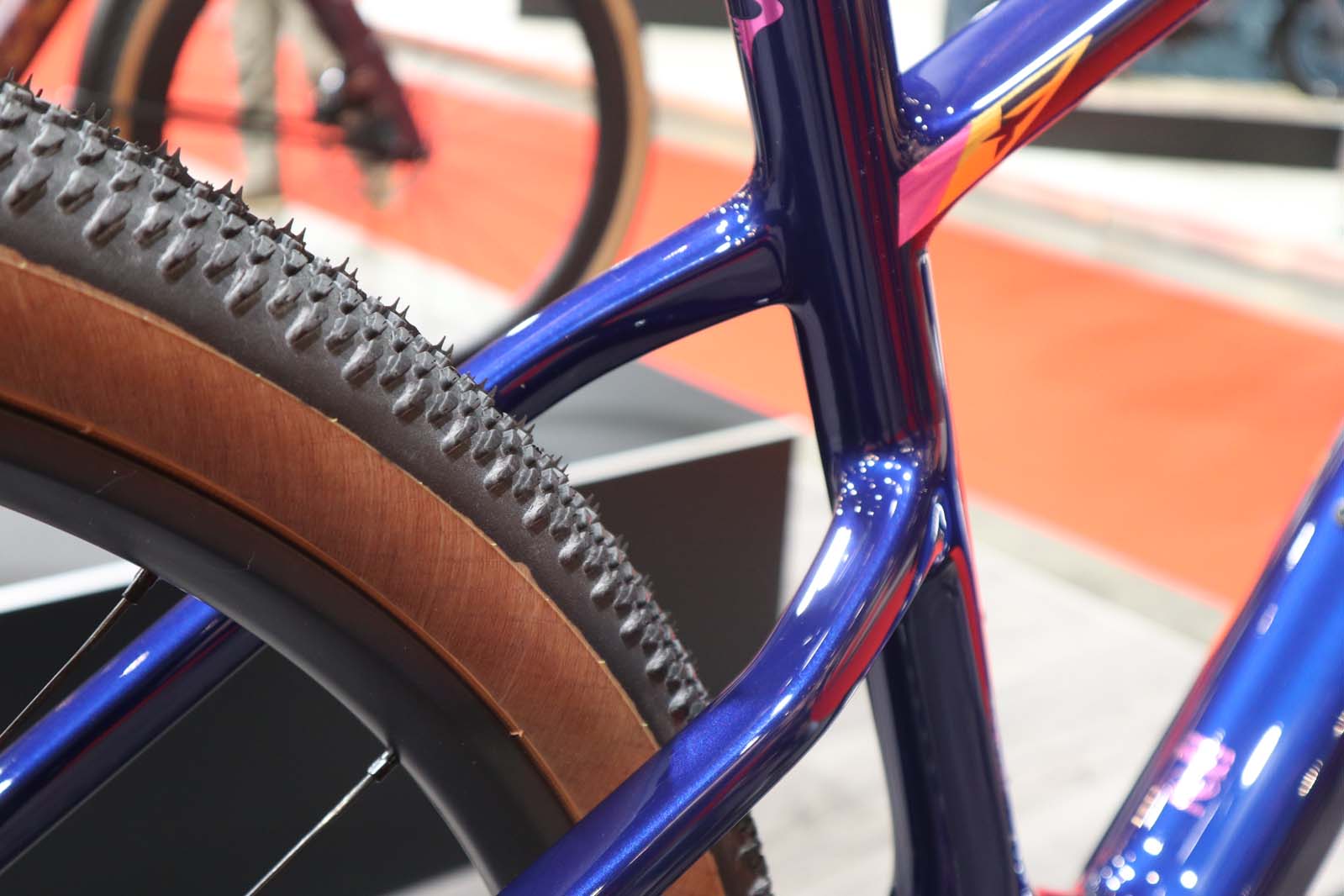
The frame uses Toray’s ‘best-in-class’ carbon fibre and has a threaded bottom bracket. The BB area features the double-triangle design found on the Pinarello Dogma XC for added stiffness.
The rear triangle uses Pinarello’s asymmetrical design. The left-hand side is reinforced to counterbalance the forces produced on the driveside of the bike.
“This architecture creates more balanced energy transfer and improved traction and acceleration on loose or variable surfaces,” Pinarello says.
“The chainstays and seatstays have both been specifically shaped and reinforced to withstand the high torsional forces typical of aggressive gravel riding, steep off-road climbs and explosive accelerations.”
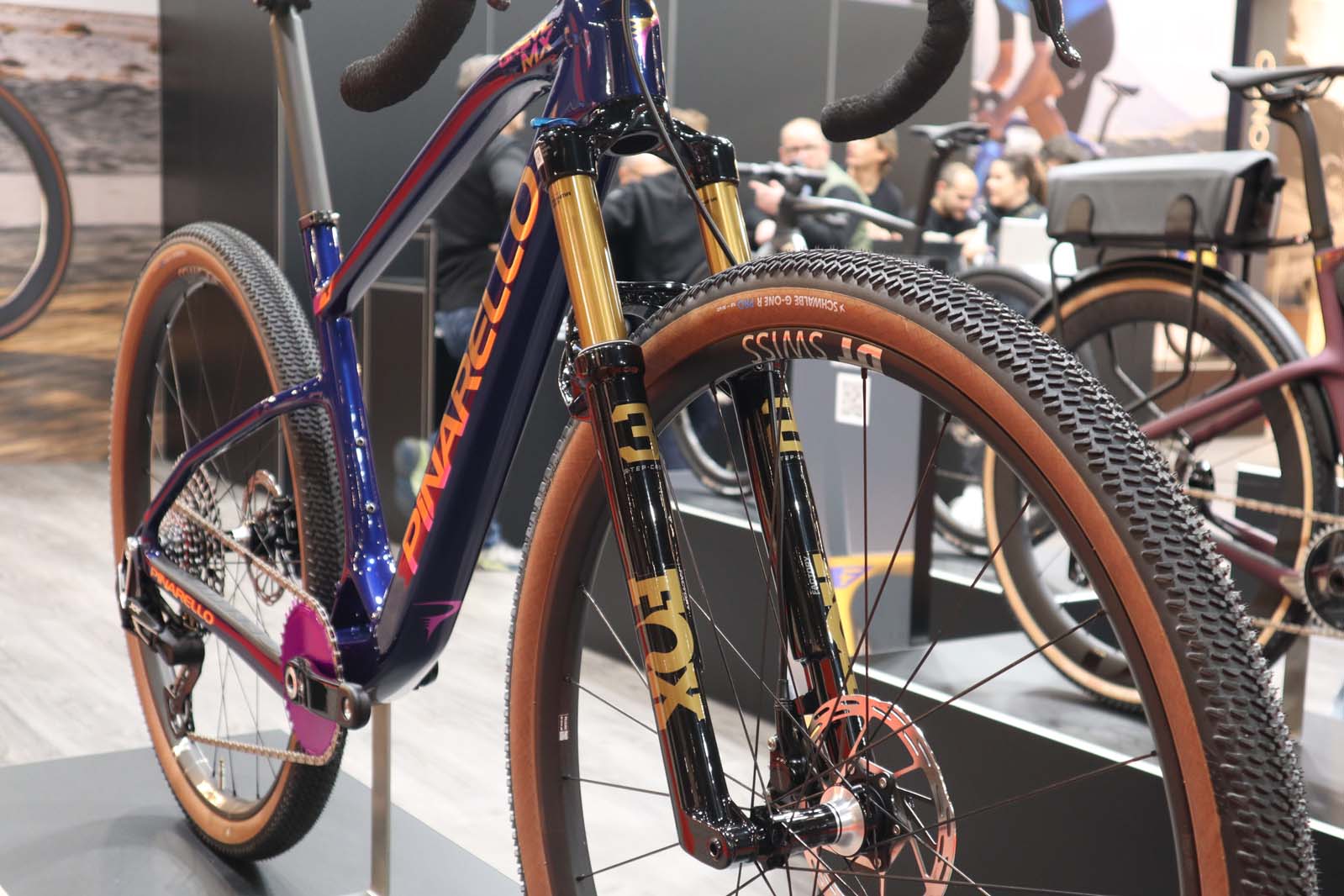
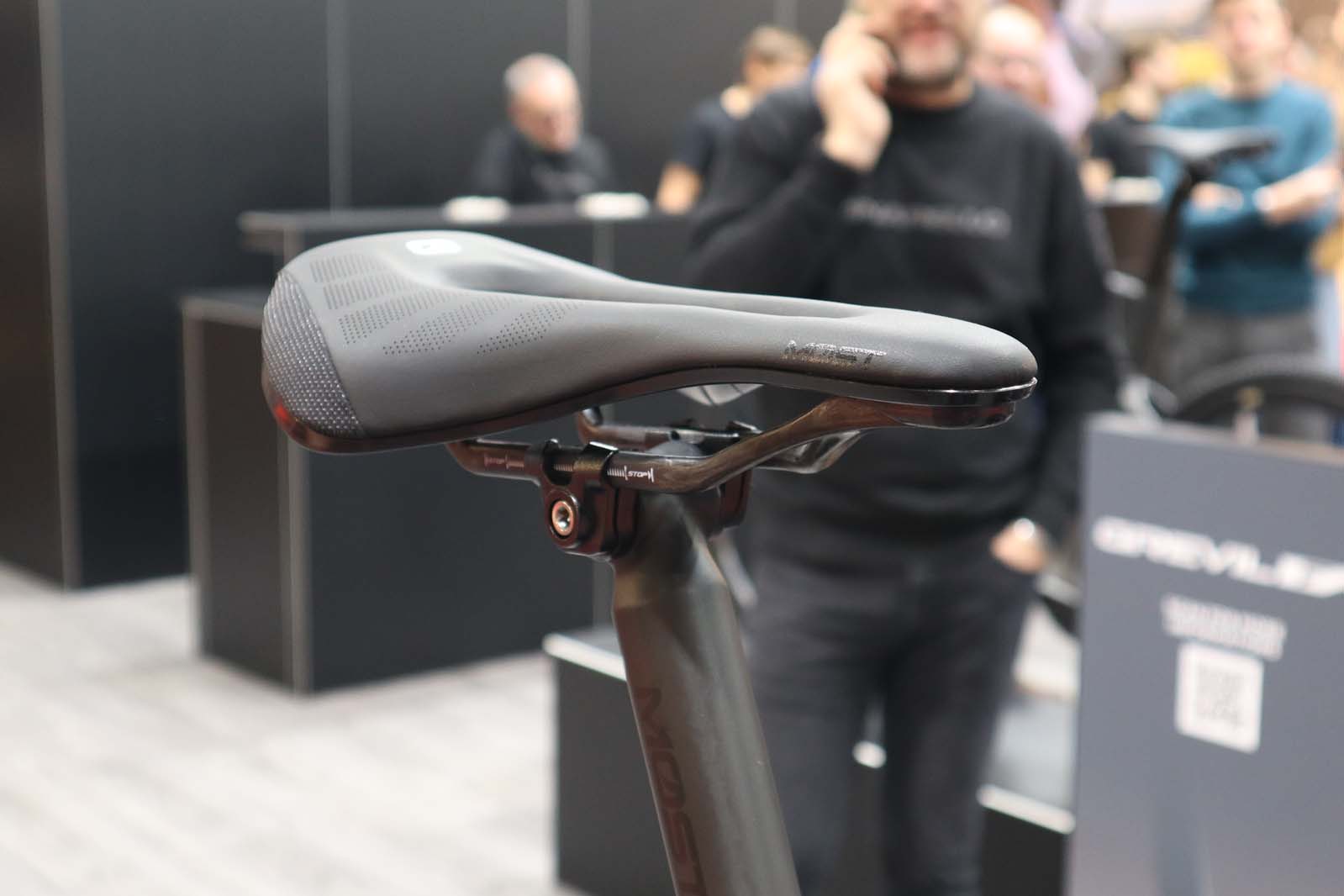
The bike can fit 50mm tyres for traction and comfort, and comfort is further aided by the 10mm suspension fork.
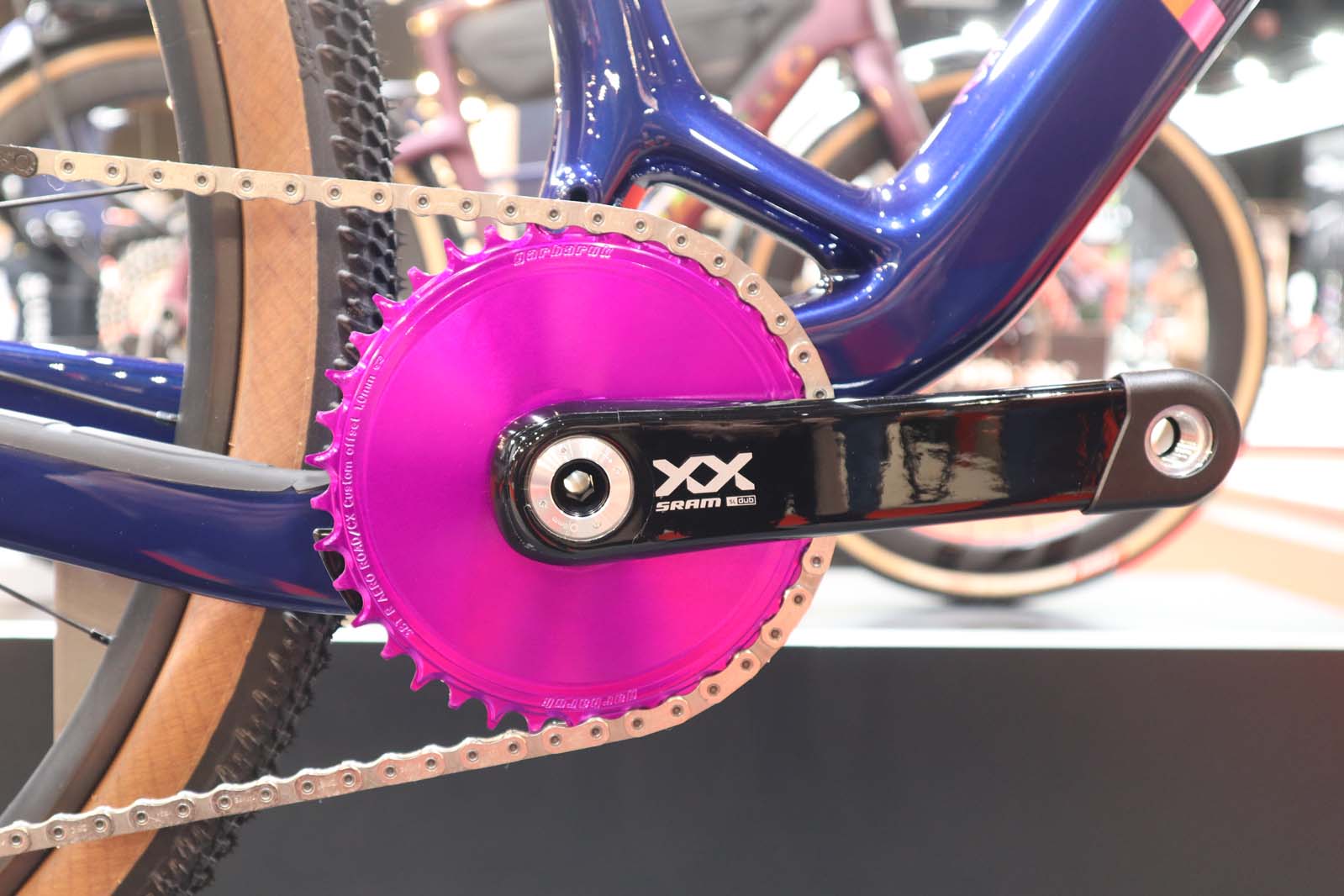
Elsewhere, the bike has a SRAM XX SL Eagle drivetrain with a 38-tooth aero chainring and a 10/52 cassette. Pinarello says these gear ratios provide better climbing ability than the gears you typically find on gravel bikes, while also improving on descents compared to mountain bikes.
A Pinarello spokesperson at Velofollies told BikeRadar that the Grevil MX can fit a rigid fork and that it has only made 50 of the bikes worldwide. Yet, future developments of the Grevil MX are already in the works.
More from Velofollies
New Nukeproof Tracker is a bargain range of ‘kick-ass’ hardtails
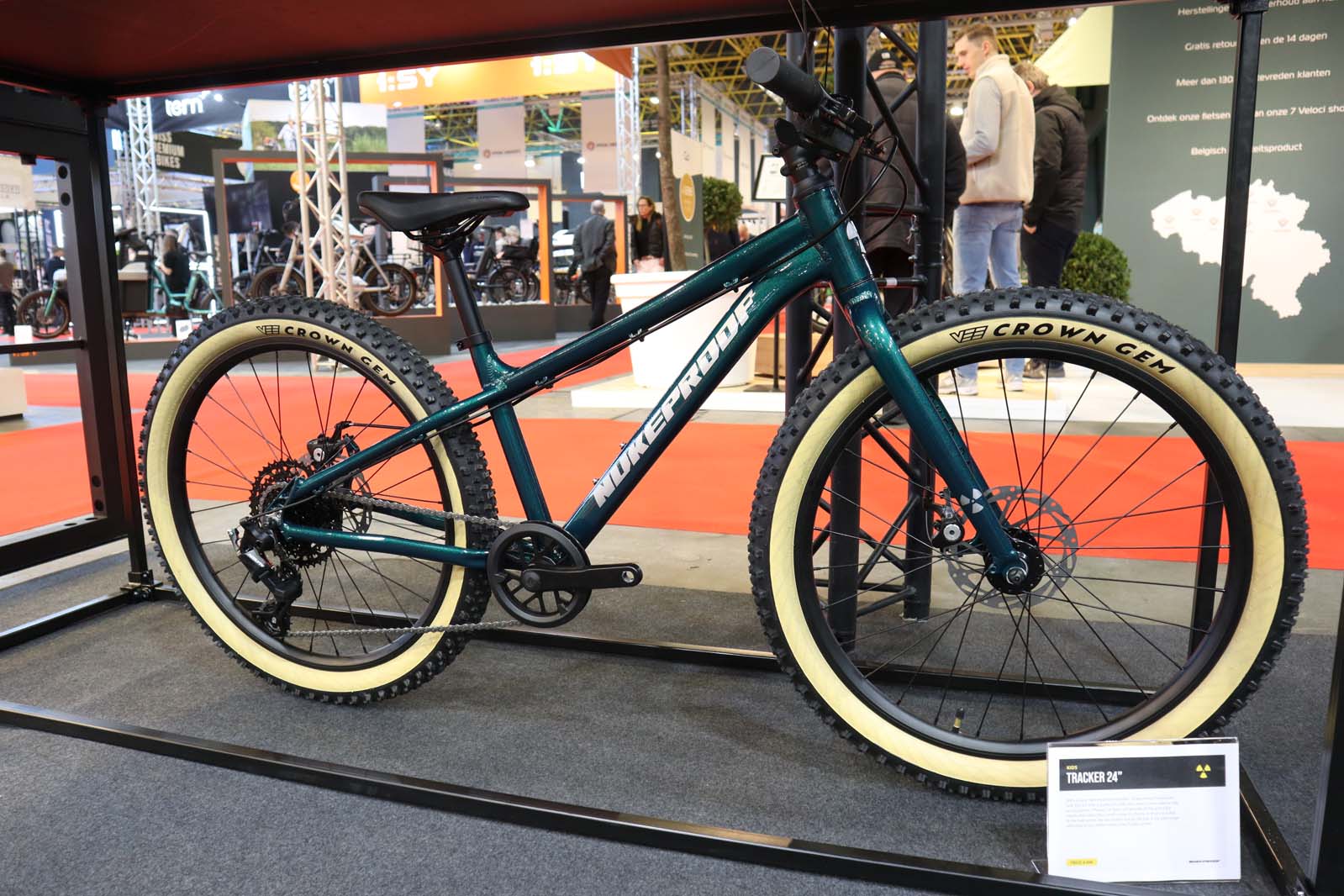
Nukeproof has unveiled the new Tracker range of ‘kick-ass’ hardtail mountain bikes at an affordable price point.
Launched at the Velofollies trade show today, there are four bikes in the Tracker range, costing from £539 / €599 to £999 / €1,099.
Nukeproof says the Tracker name is inspired by the origins of off-road riding, when riders would modify ‘regular’ bikes with chunkier tyres and ‘cowhorn’ handlebars in a bid to improve performance and increase the fun they were having.
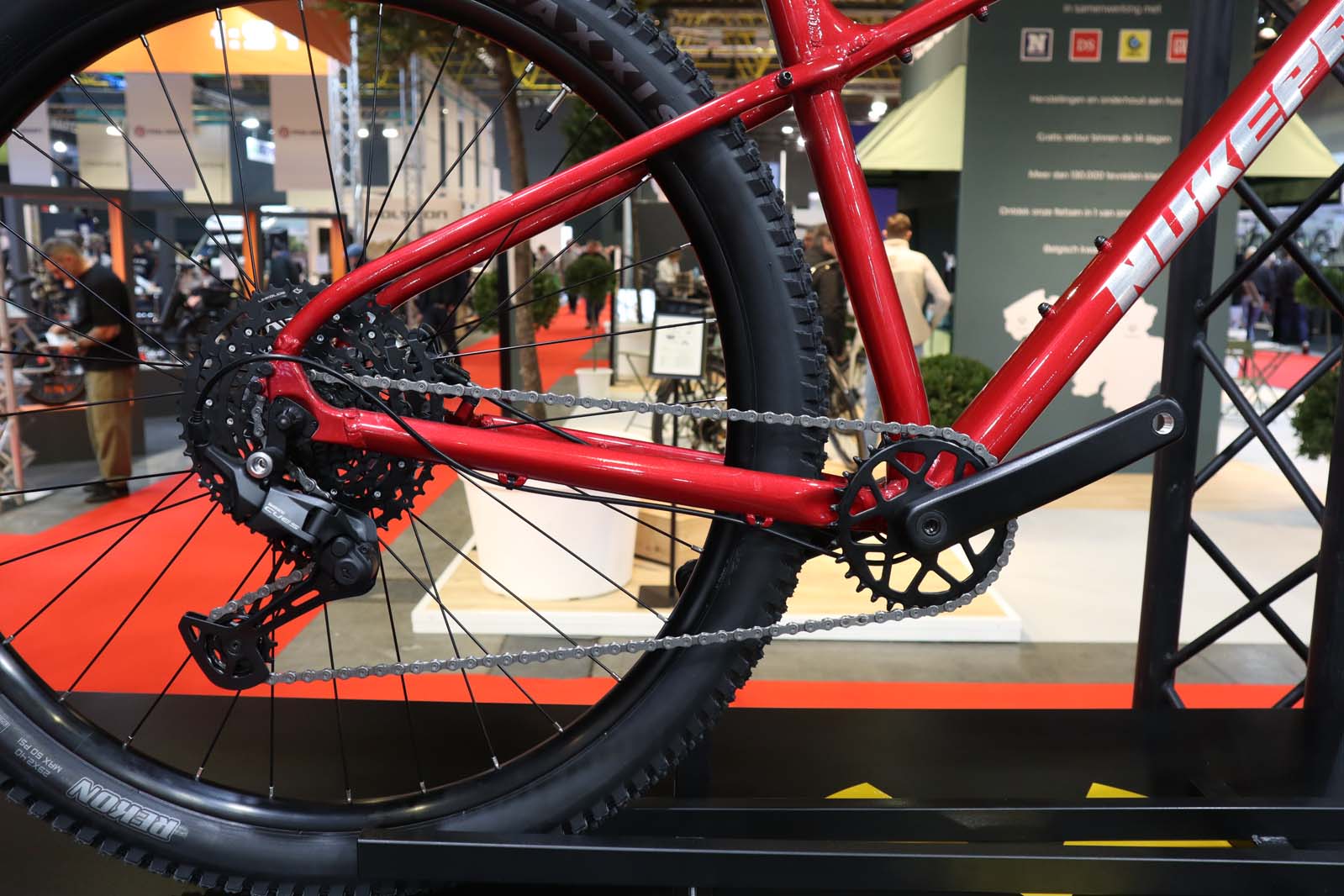
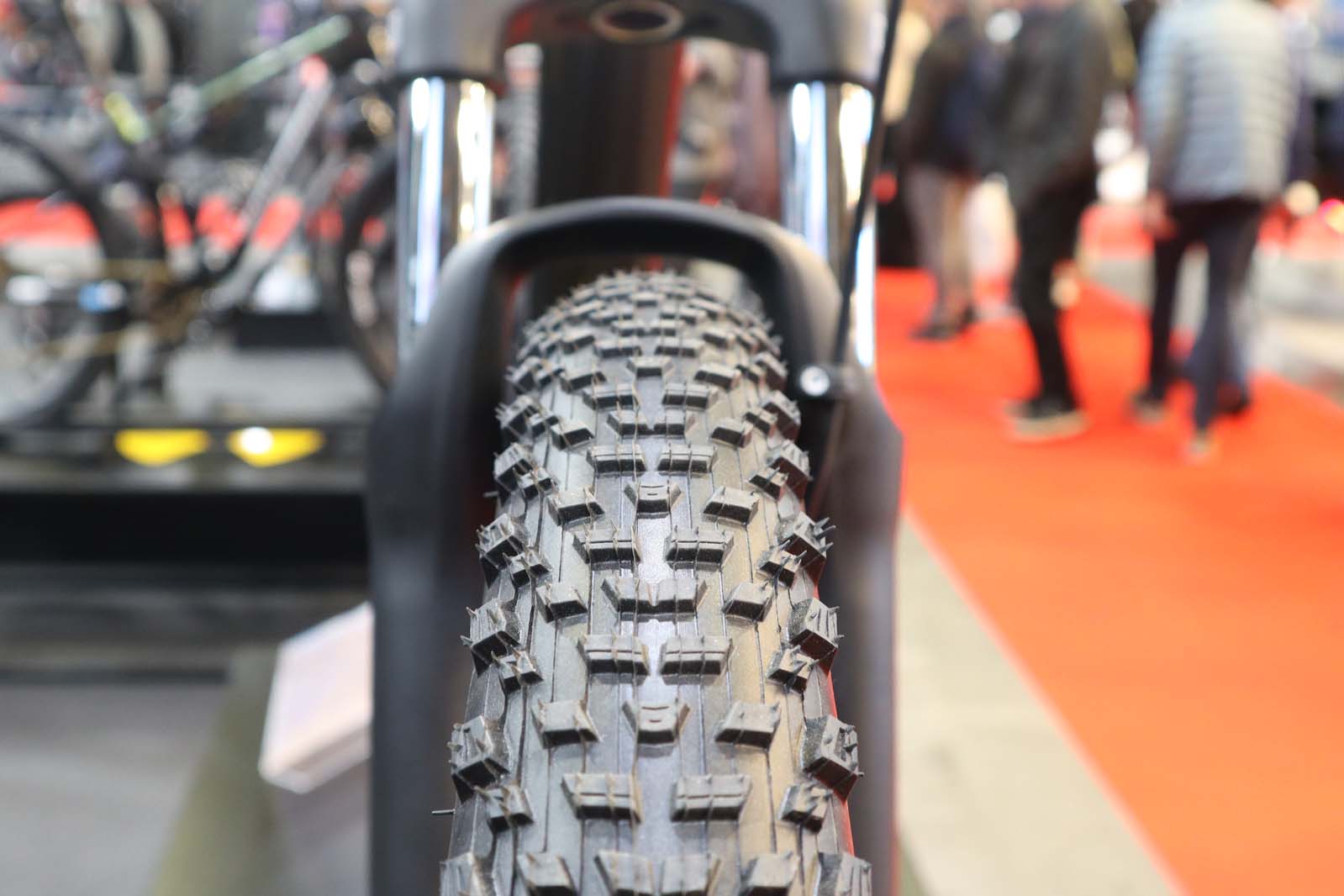
But the Tracker range is far removed from those bikes of the 60s and 70s. The hardtail frames use 6061-T6 aluminium, feature tapered head tubes and have clearance for 2.4in mountain bike tyres.
Elsewhere, they’re fitted with Nukeproof’s own saddles, but also Shimano disc brakes and drivetrains, and tubeless-ready rims. The frames can fit a dropper post and feature suspension forks with 100mm of travel, or 80mm on the extra-small frames.
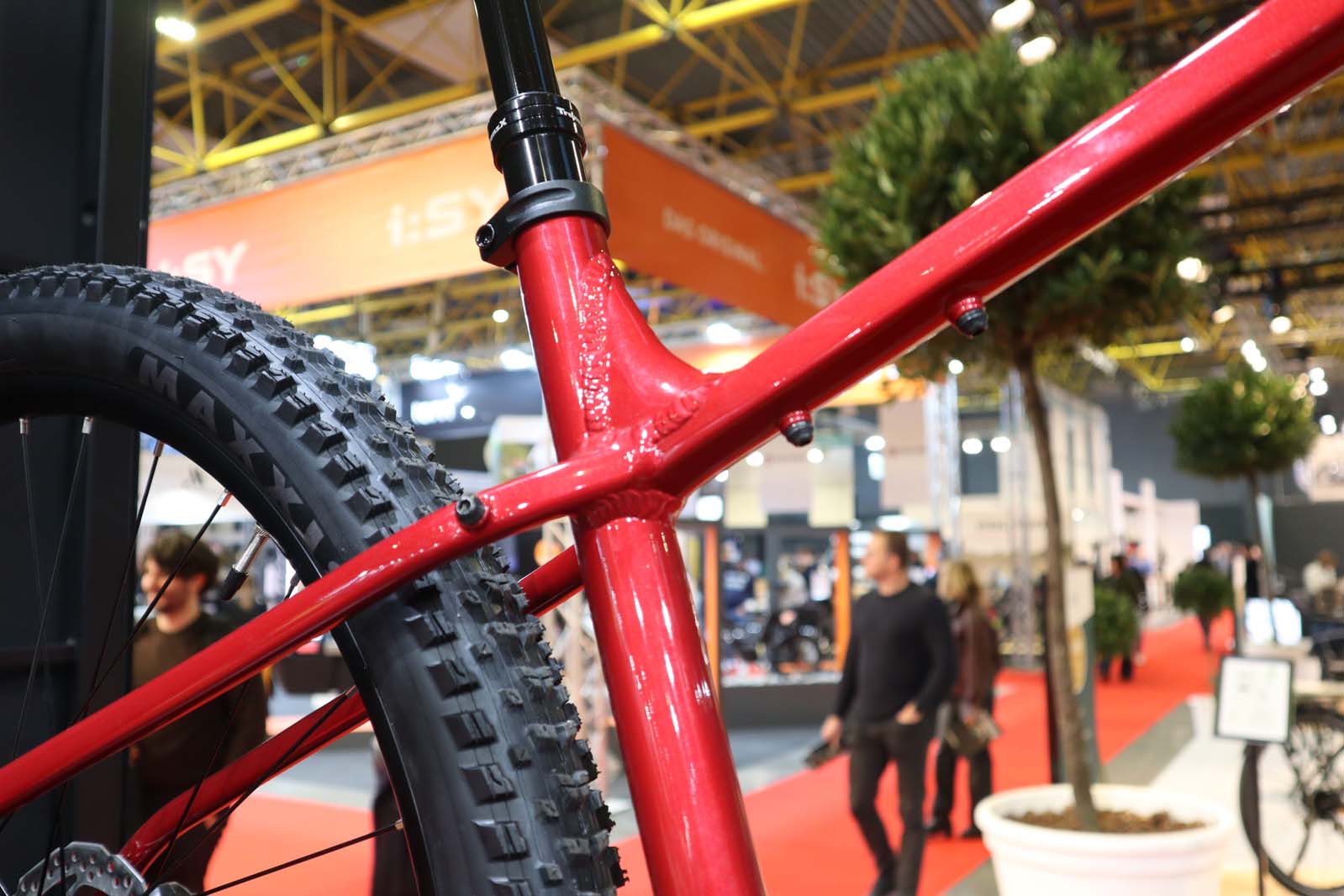
Said to be “ideal first mountain bikes”, the Trackers also have practical details such as a removable seatstay bridge to fit mudguards. They also have rack mounts and a hidden kickstand mount. Nukeproof says this means the Trackers can “double up as everyday transportation”.
The bikes were developed in-house by the Nukeproof team, which was led by product manager Tom Bugler.
“The brief was brief: make a kick-ass range of affordable bikes that gives riders a great experience and introduces them to the Nukeproof brand,” says Bugler.
“This is a new price segment for us, but these bikes respect the heritage and quality that Nukeproof was built on, whilst opening the brand up to a new audience.”
Engineer Dale McMullen adds: “The frame design was inspired by our Scout hardcore hardtail, which has become a cult classic. We used similar geo with a relaxed head angle, tapered head tube optimised around the Tracker’s 100mm fork and a similar kink in the bottom of the seat tube for the increased tyre clearance.”
When Wiggle closed its doors in 2024, it was assumed that its house brands such as Nukeproof were destined to close, too.
However, Belgian Cycling Factory, which owns Ridley among other brands, bought Nukeproof in 2025.
In November, Nukeproof announced the release of its second-generation Reactor. The launch of the Reactor was limited, with only one carbon and one aluminium model, and it appeared to signal a cautious return from Nukeproof.
However, the new Tracker signals a more committed return for the once-troubled brand.
- You may like: 6 reasons why your next bike should be a hardtail
Nukeproof Tracker specifications
Nukeproof Tracker Sport
- Fork: Suntour XCE 28
- Drivetrain: Shimano Essa 1x 8-speed
- Wheels: Formula 6-bolt GR hubs on tubeless-ready rims
- Tyres: Kenda Booster 2.4in
- Brakes: Shimano MT200 hydraulic
- Price: £539 / €599
Nukeproof Tracker Race
- Fork: Suntour XCM 32 Lockout
- Drivetrain: Shimano Cues 1x 9-speed
- Wheels: Formula 6-bolt GR hubs on tubeless-ready rims
- Tyres: Kenda Booster 2.4in
- Brakes: Shimano MT200 hydraulic
- Price: £629 / €699
Nukeproof Tracker Comp
- Fork: RockShox Judy Coil
- Drivetrain: Shimano Cues 1x 10-speed
- Wheels: Formula 6-bolt GR hubs on tubeless-ready rims
- Tyres: Maxxis Rekon 2.4in EXO TR
- Brakes: Shimano MT200 hydraulic
- Price: £849 / €949
Nukeproof Tracker Pro
- Fork: RockShox Judy Air
- Drivetrain: Shimano Cues 1x 11-speed
- Wheels: Formula 6-bolt GR hubs on tubeless-ready rims
- Tyres: Maxxis Rekon 2.4in EXO TR
- Brakes: Shimano MT200 hydraulic
- Price: £999 / €1,099
Former Bont CEO goes solo and launches new O2C road shoes range
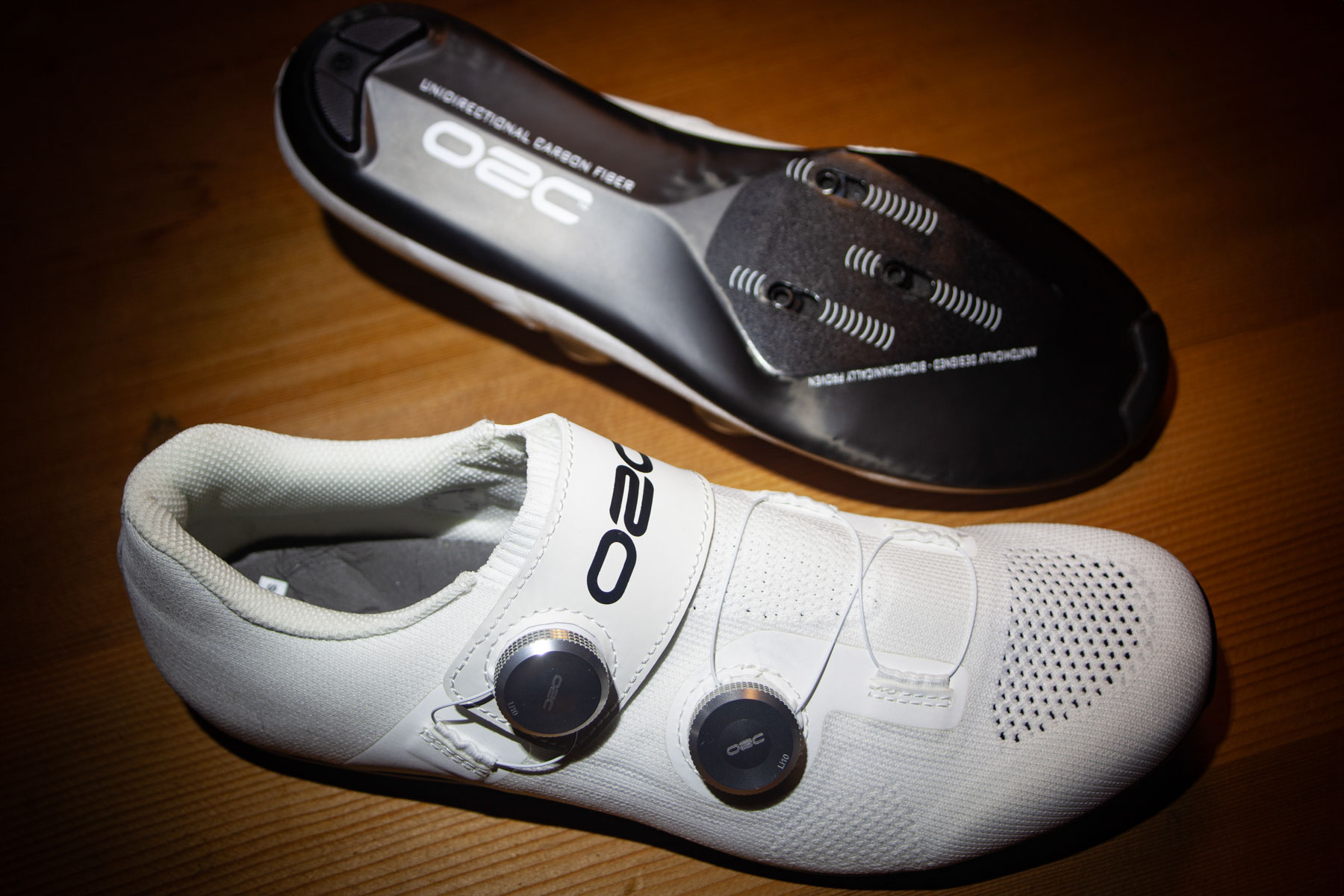
O2C’s new footwear range brings a unique outsole design combined with ultra-lightweight uppers and a complete anatomic design based on the foot’s natural movement when pedalling.
Steven Nemeth, founder/designer at O2C shoes, has a long history in technical cycling footwear. His journey started nearly two decades ago when he created Bont’s unique bathtub shoe design.
Since then, his shoe designs have been worn for 36% of all Olympic track cycling medals over the last five Games. They’ve also seen victories in the Olympic time trial, UCI BMX World Championships, Tour de France, Giro d’Italia, La Vuelta, Paris-Roubaix, and in both mountain bike and BMX World Cups.
Now, Nemeth has branched out on his own with a new shoe brand, O2C, releasing a range of new low-profile, lightweight, yet fully anatomically correct performance shoes.
Designed around your feet, not based on tradition
Nemeth’s softly spoken Australian lilt masks a designer who’s always looking to improve, learn and be bold. In his opinion, much of cycling shoe design is hampered by tradition, with shoes designed and made the way they always have been, rather than using the latest biometric learnings.
“I’ve always looked to create shoes that mirror the way your foot moves,” he says. “If that means approaching the construction differently, changing the ‘norm’ and completely reshaping the shoe, then so be it.”
O2C’s 10 key elements of a cycling shoe
1. Heel cup
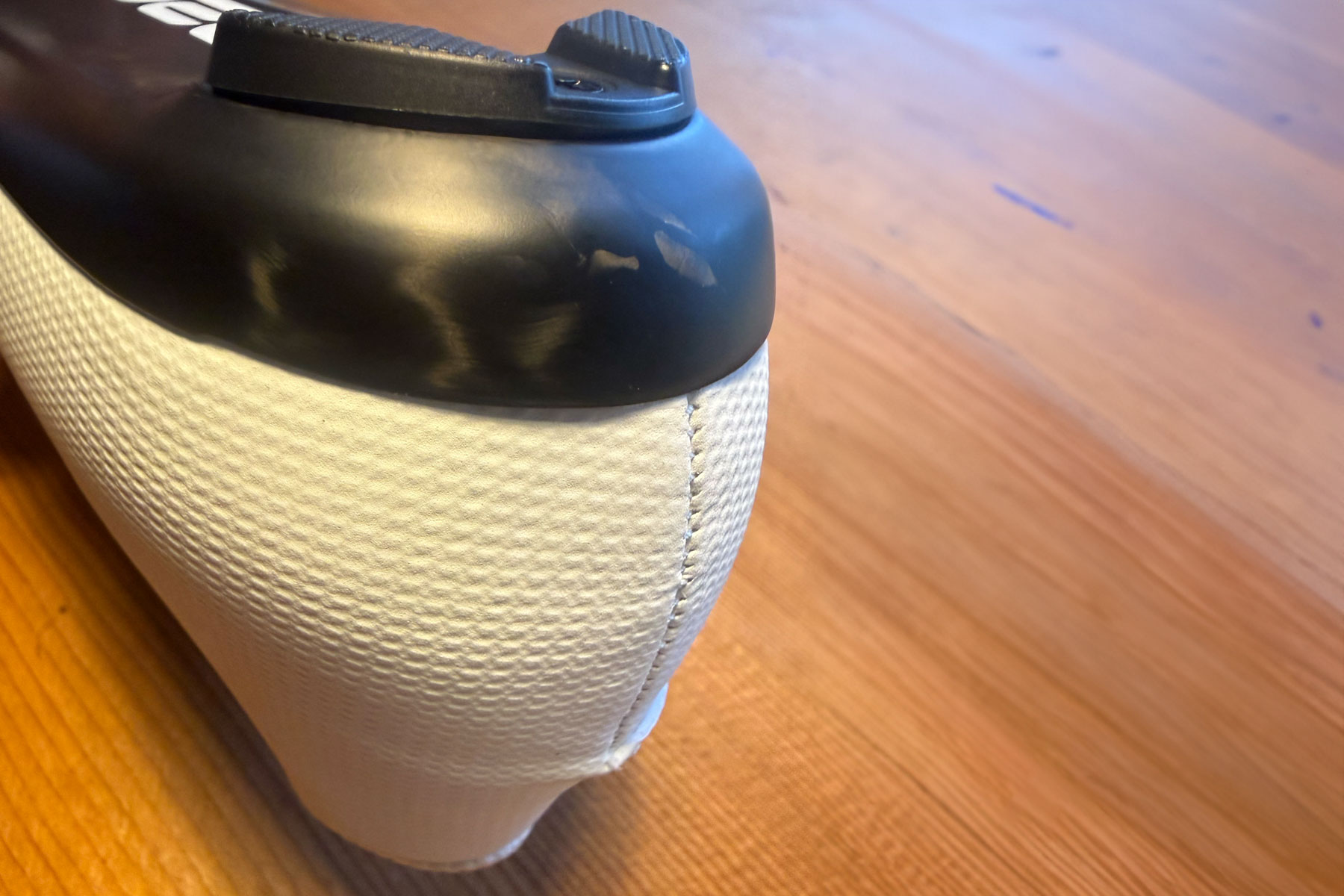
“The heel anchors every pedal stroke, yet many shoes allow the rear of your foot to move under load,” Nemeth says. “We’ve designed a heel cup that securely cradles the calcaneus [the large heel bone]. This is done to reduce lateral movement and keep your foot aligned. In turn, that improves power transfer and minimises heel lift.”
The added benefits are that this should reduce friction and improve long-ride comfort.
2. Toe-box shaping
Nemeth’s original Bont shoes were known for their broad, blunt toe-box design. They looked worlds away from the classic tapered-toe shaped shoes we were used to. The new O2C toe box falls somewhere in between. It does, however, look more like the natural shape of a foot.
Nemeth explains: “The toe-box shape follows the natural metatarsal parabola.”
The metatarsal parabola is the natural curved arrangement of your metatarsal bones (the jointed series of long bones in your foot from your toes back).
“We did this so your foot has more natural toe splay and reduces compression,” he says.
The goal here is to spread the load, prevent nerve irritation (numbness) and reduce the chances of hot spots.
3. Low stack height
Low stack height has been talked about a lot recently, with new pedal/shoe systems from Q36.5 and Ekoi/PW8. So it’s no surprise that any new shoe will make this the focus of the outsole design.
4. Last construction
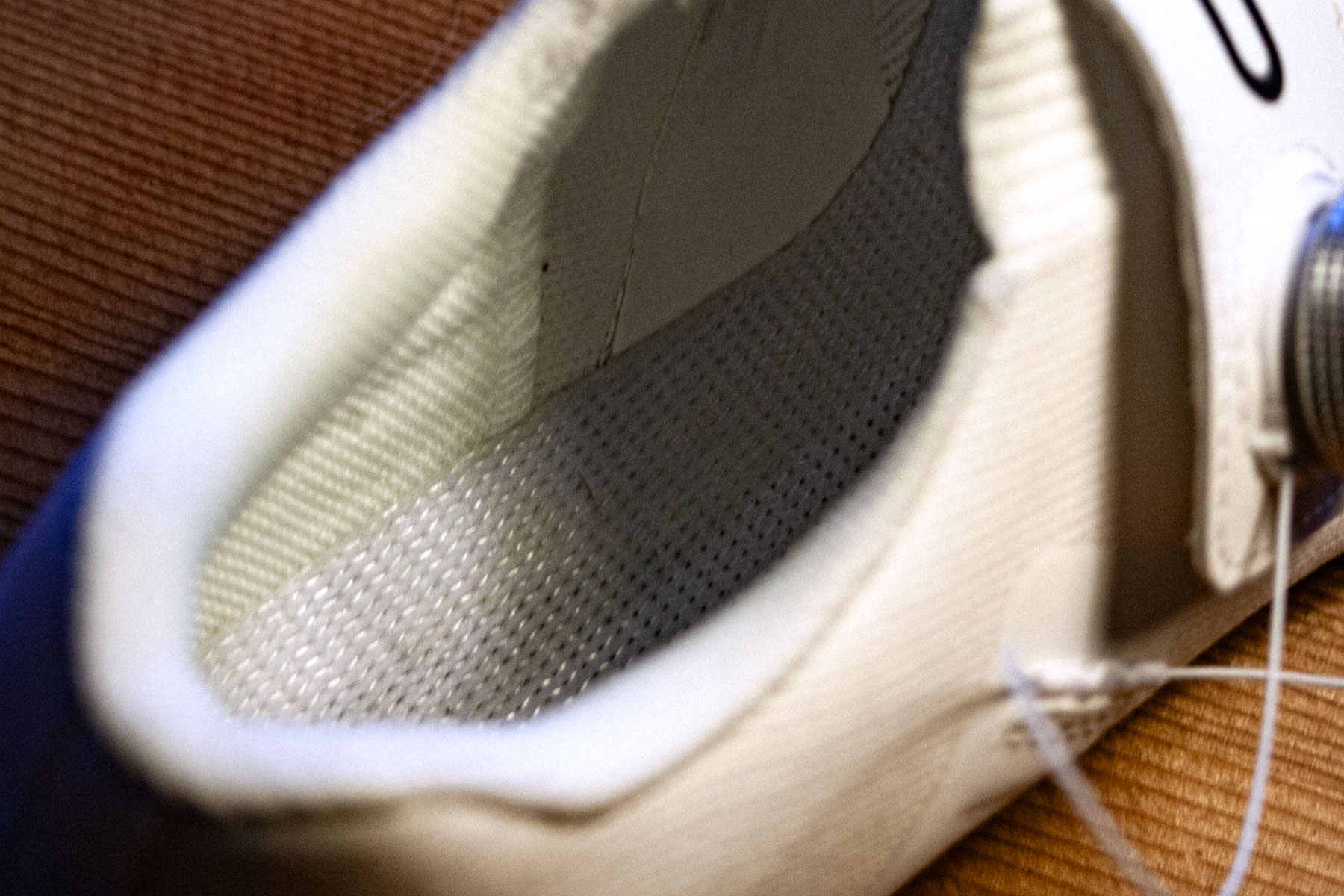
“Still today, lots of cycling shoes prioritise aesthetics over anatomy,” says Nemeth. “That compromises both the fit and your foot alignment.
“Our last is completely new and based on a true anatomical shape, based around natural foot biometrics. We aim to balance out pressure distribution, keep your foot aligned correctly and keep the foot secure without compression.”
5. Carbon soles
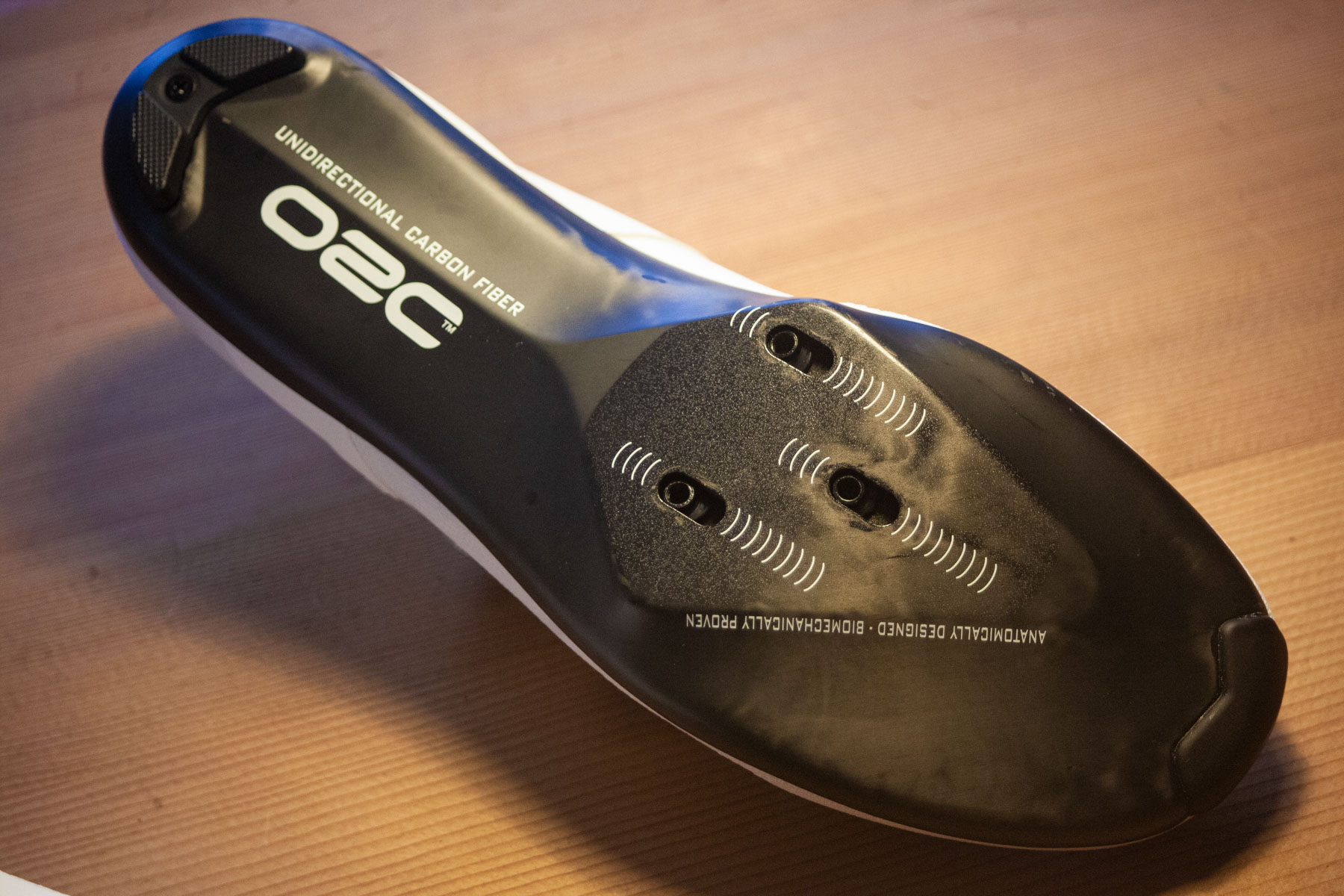
All of the O2C shoes, from the base model RC1 through to the flagship RK1, use full carbon fibre soles.
Nemeth believes such a key element of any cycling shoe shouldn’t be compromised with lesser materials.
“The outsoles throughout O2C’s shoes, with what we’ve launched today and what’s coming, will always have full carbon soles,” he says.
“For the ARC design of our outsole, we couldn’t achieve what we need from an outsole without carbon. The soles all use precision-layered Toray carbon fibres to provide the exceptional stiffness combined with a low stack height of just 3.2mm.
“By using load-specific fibre orientation, we can control rigidity and torsional stability whilst keeping our 3D anatomical shoe shape.”
One of the key elements in the outsole is the change in fibre orientation and construction forward of the super-stiff cleat plate.
Nemeth has introduced a small element of flex here. That’s not only to enhance the comfort of the toe box, but also to make walking in the shoes easier.
Nemeth’s years of experience informed him that super-stiff, rigid outsoles, when walked in over time, can create a stress point in the outsole, which in extreme cases has led to failure cracks in the sole. That’s something he wanted to prevent in the new designs.
Unlike many manufacturers, who use one carbon outsole across multiple sizes, O2C made the decision to make individual moulds for each size, in standard and wide fits.
Nemeth says: “The priority is to get the fit as exact as possible. It’s obviously much more expensive to produce moulds for every size, but I didn’t want to compromise all of the work we’ve done over the years developing the O2C range by saving a few dollars in manufacturing.”
6. Foot cradle and wrap construction
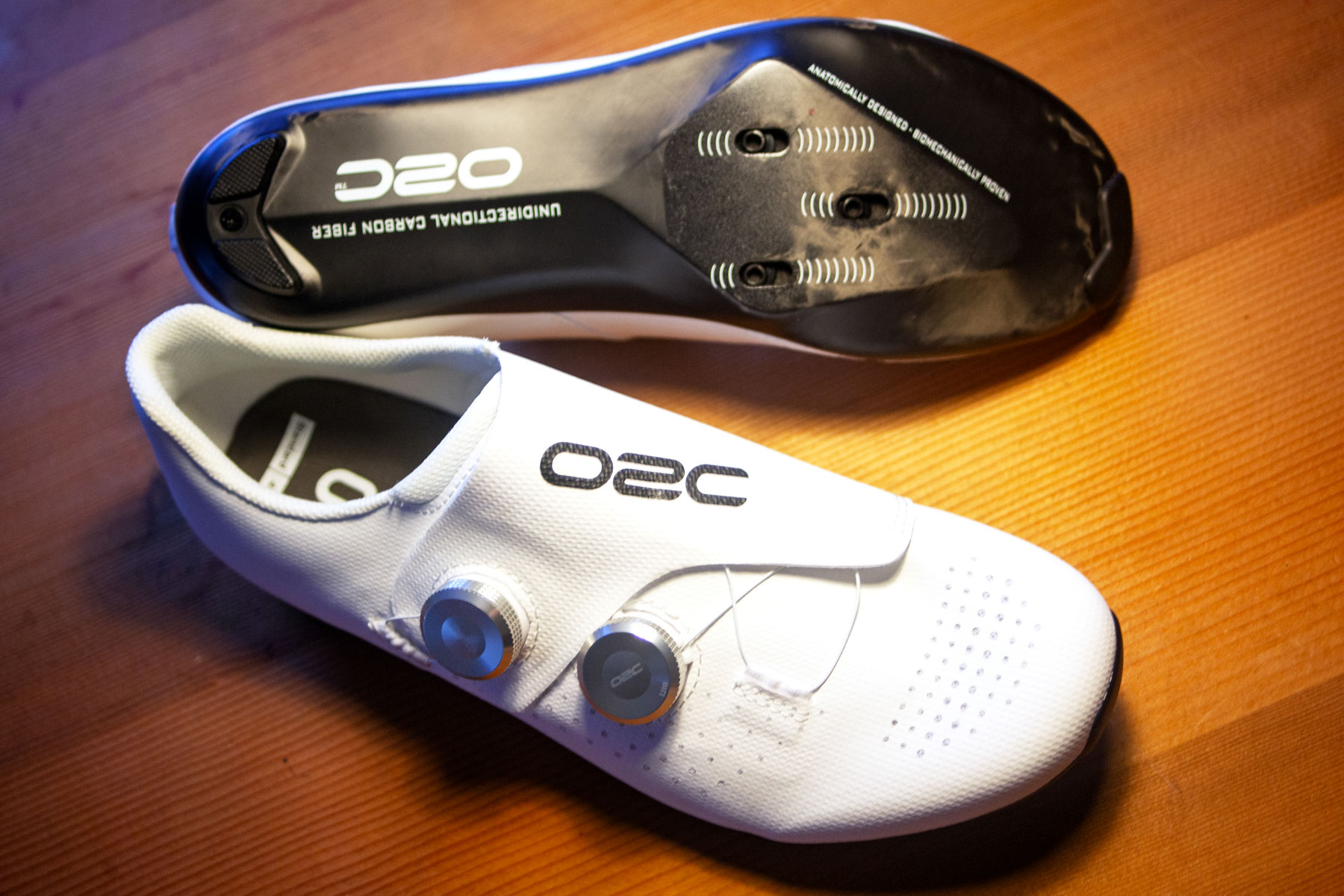
The shoe’s upper uses a wrap shape, with a single-sided tongue that enables the upper material to ‘wrap over’.
Nemeth claims this design more closely follows the foot’s natural contours, better supporting the midfoot and helping to anchor the heel. The result is a claimed secure and stable fit that doesn’t restrict your foot’s natural movement.
I have noticed the side profile of the O2C shoes has much less voluminous height than other models, and from my short time trying out the shoes, it appears to give a sock-like fit that’s enhanced by the knit construction on both the RS1 and RK1.
7. Midfoot stability
The O2C design doubles up on midfoot support by reinforcing the upper to stabilise the foot where collapse is most likely under load.
The O2C design, Nemeth explains, “Controls excessive pronation [when your foot naturally rolls inwards] and rotation [where your feet either splay outwards or your toes point inwards].
“By controlling these elements with a combination of the upper design and construction, combined with the outsole design, we can deliver greater stability. That means sustained power over long rides.”
8. Cleat position and adjustment
“Everybody’s pedal position is different, so we’ve given the O2C’s outsole extended fore-aft adjustment,” says Nemeth. “That means more precision to get the optimal alignment. That’s key to both comfort and power transfer, coming as a result of reduced joint strain and more support thanks to being able to get your cleat position just right.”
9. Arch-support system
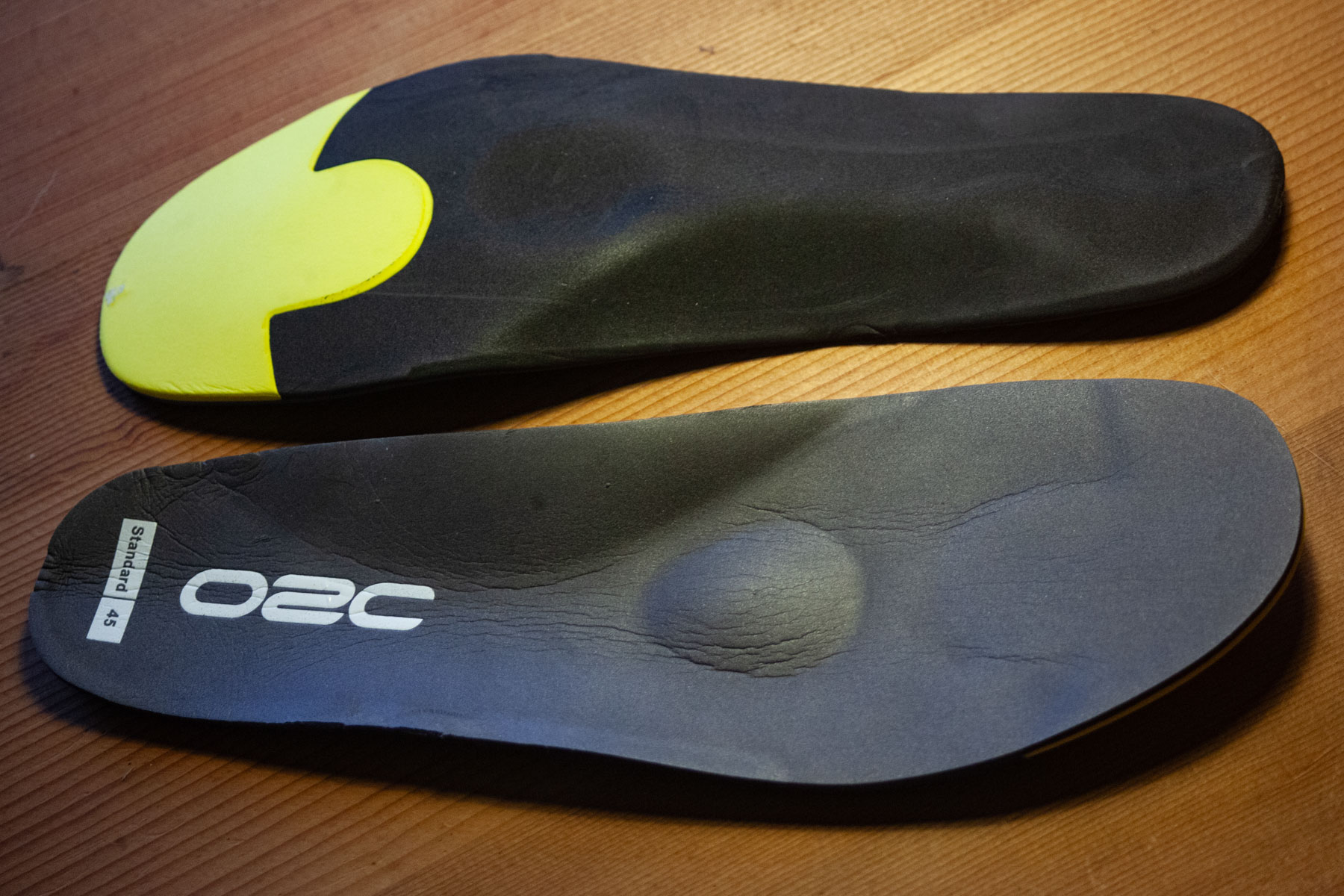
The O2C’s outsole and footbeds combine to create dual-arch support for both the medial arch (the longest arch that runs along the inner foot) and the transverse arch (across the midfoot).
“By maintaining neutral alignment during the power phase, you reduce plantar strain, and reducing these repetitive stresses helps reduce the causes of plantar tears, which can be incredibly painful,” says Nemeth.
“It also means by better distributing the load, your up-pedalling efficiency helps sustain your output for longer.”
10. Sole stiffness and carbon engineering
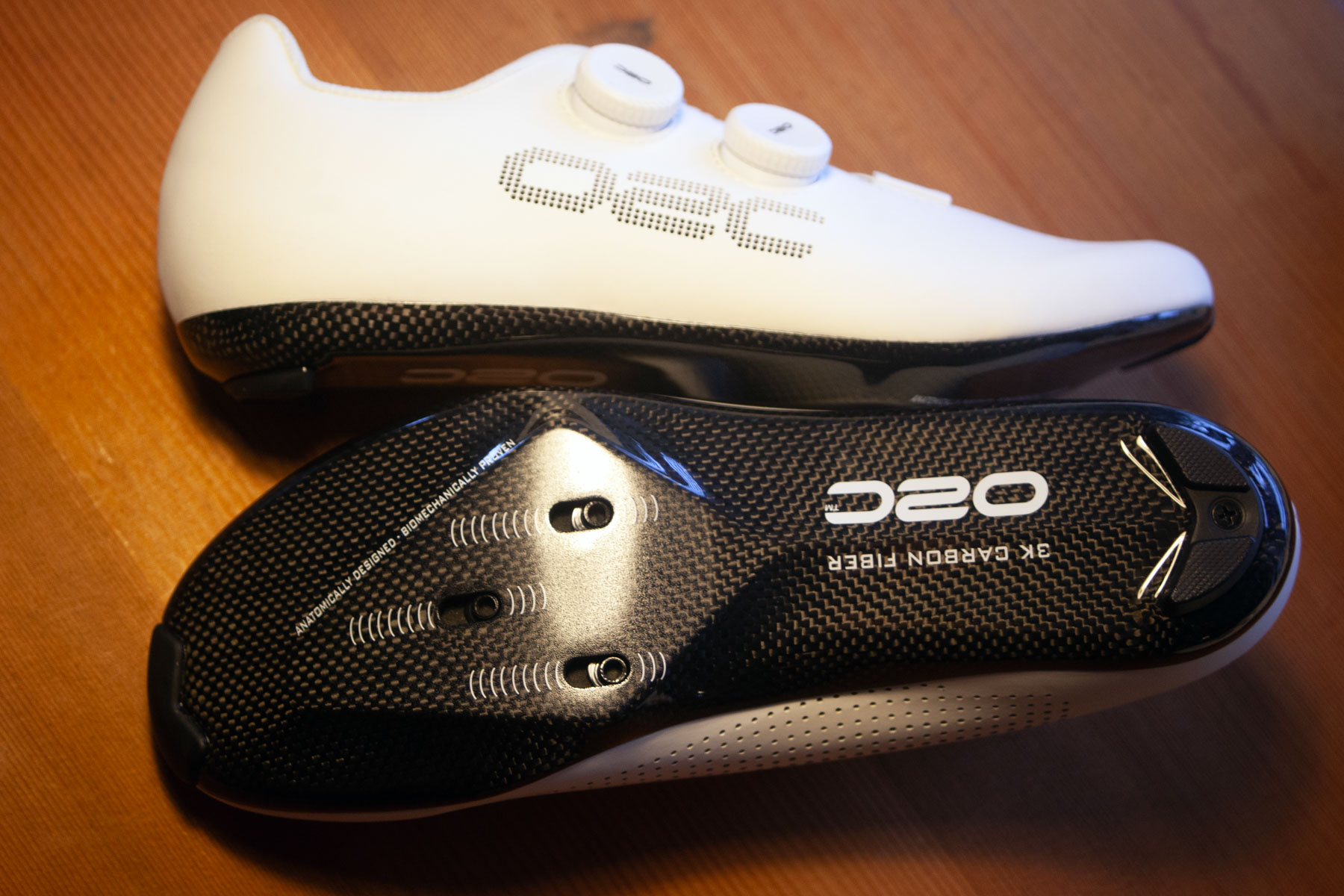
Nemeth explains that sole stiffness in the right places is a key element of a top-performing cycling shoe.
“We only use high-grade Toray fibres, you won’t find any blends or nylon in any of our shoes at any price, ever,” he says. “By using precise layups that maximise stiffness-to-weight ratios, we’ve been able to create a very lightweight, thin, yet very durable sole.”
O2C shoe range
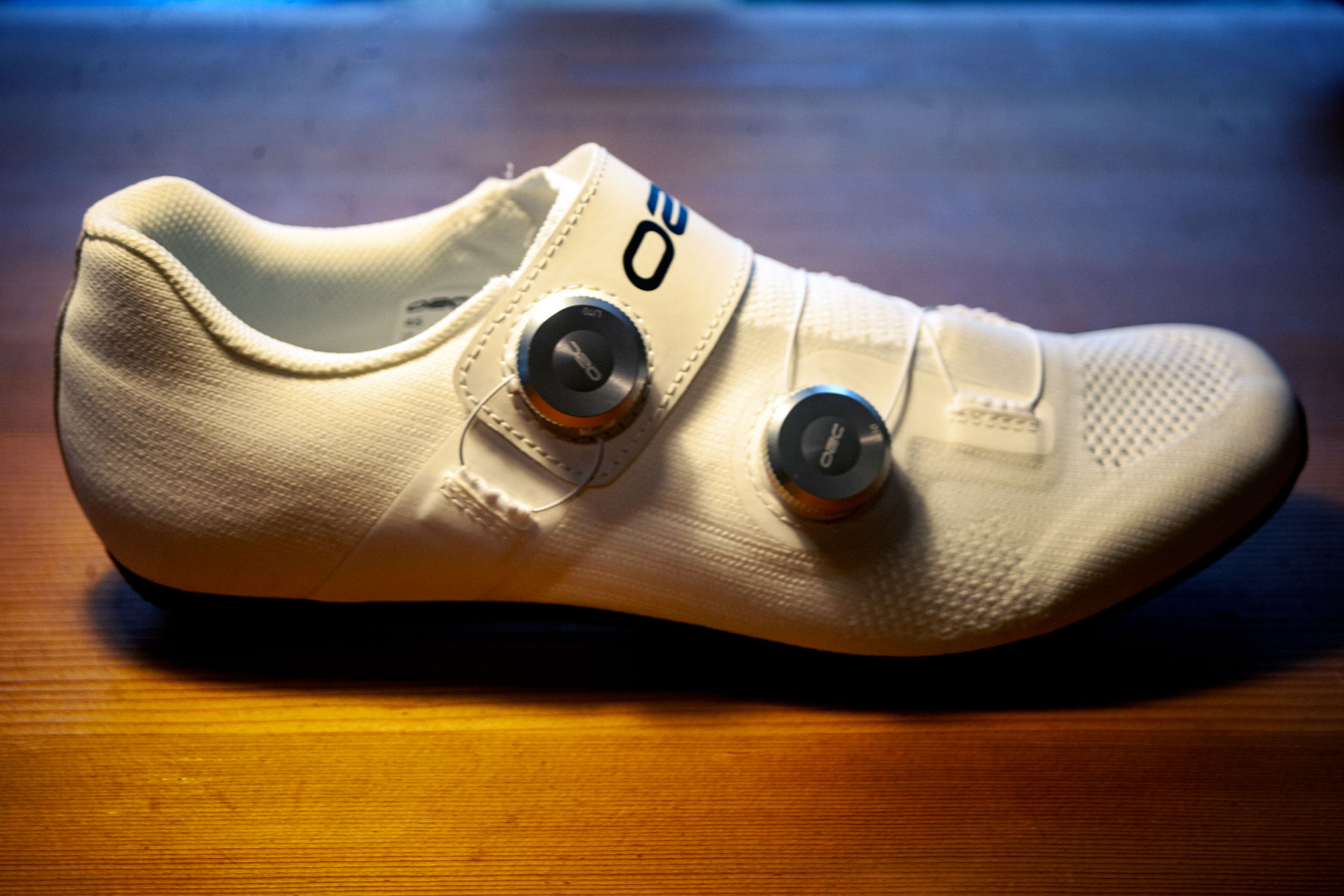
At launch, there are three road-shoe options from O2C, with a lightweight high-summer triathlon shoe in the wings (the RT2), and gravel and aero-road options due later in the year.
At the top of the range is the flagship AXIS RK1. This uses a knitted upper, bolstered with a reinforced midfoot, and a 3D-shaped T800 Toray carbon fibre sole.
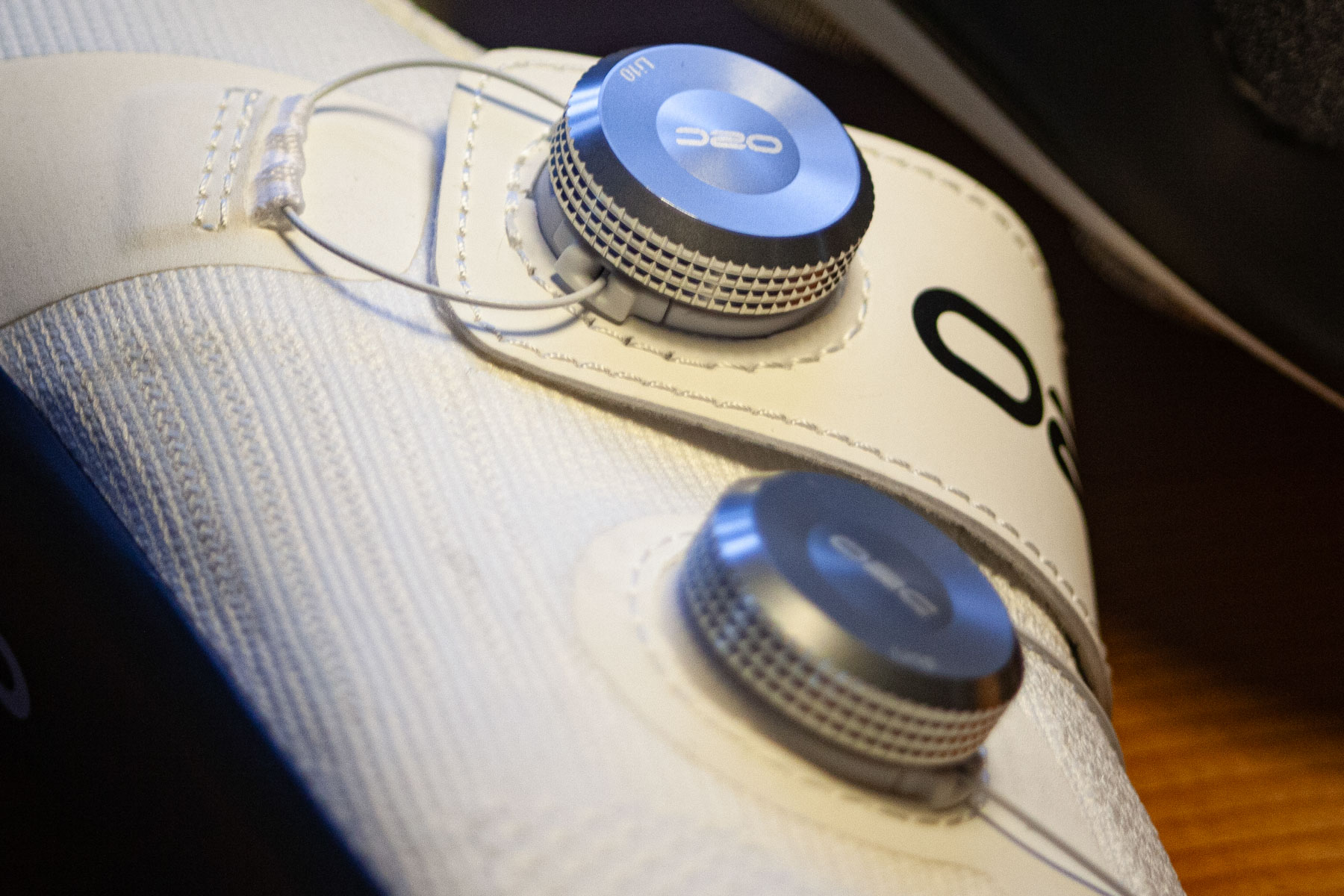
The twin polished alloy dials are O2C’s own design, with two-way micro-adjustment and pop-out release.
O2C decided that producing its own dials, rather than opting to buy them in from Boa, was the best option to keep costs down for the end user and provide flexibility to refine the design.

My test pair of AXIS RK1s weigh in at 243.4g each for a size 45, making them some of the lightest road shoes available. They’re bested only by Specialized’s featherweight S-Works Torch Remco, at 300g a pair (£549), and Nimbl’s £480 Ultimate Glide (358g a pair). The RK1s are priced at £389.95.
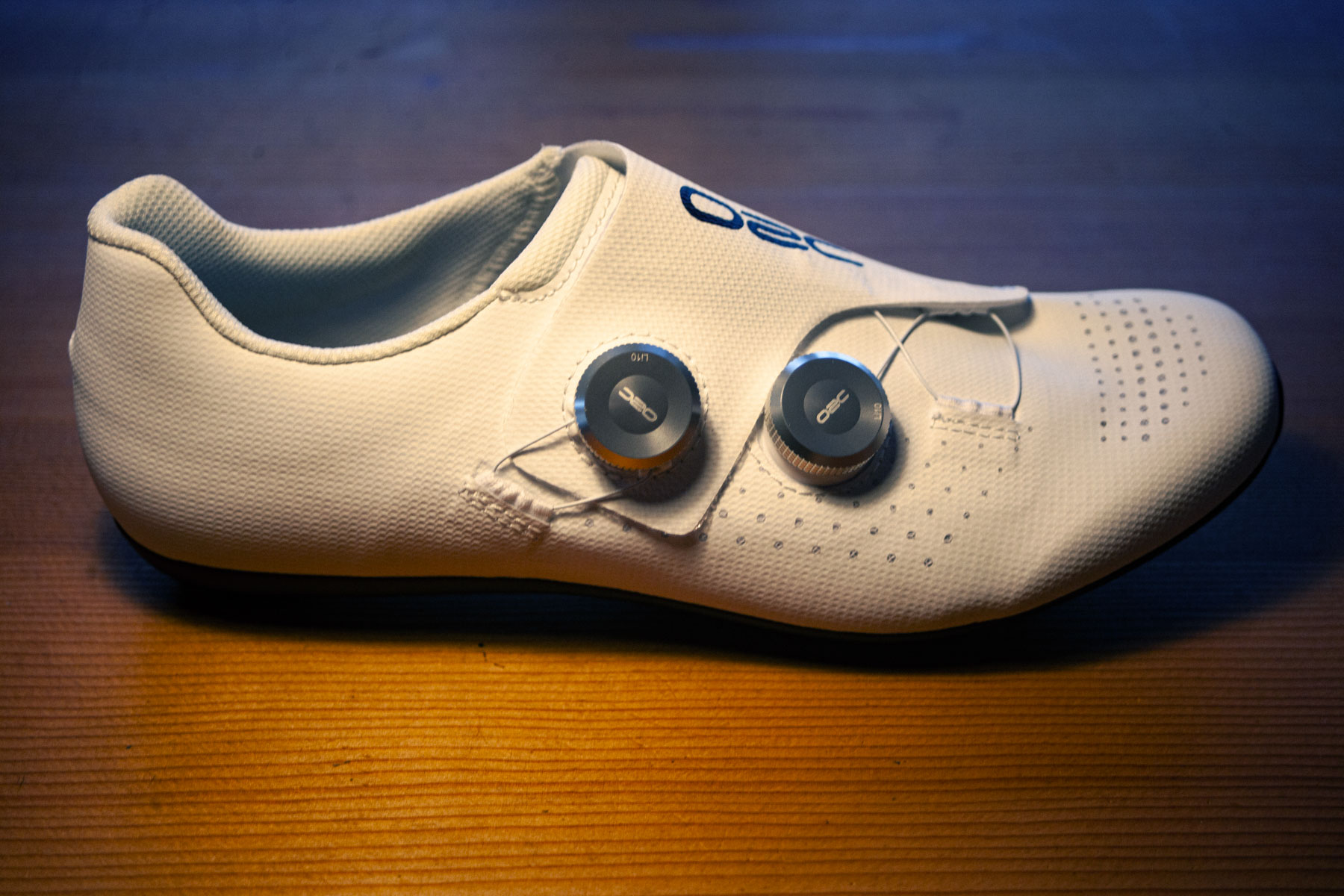
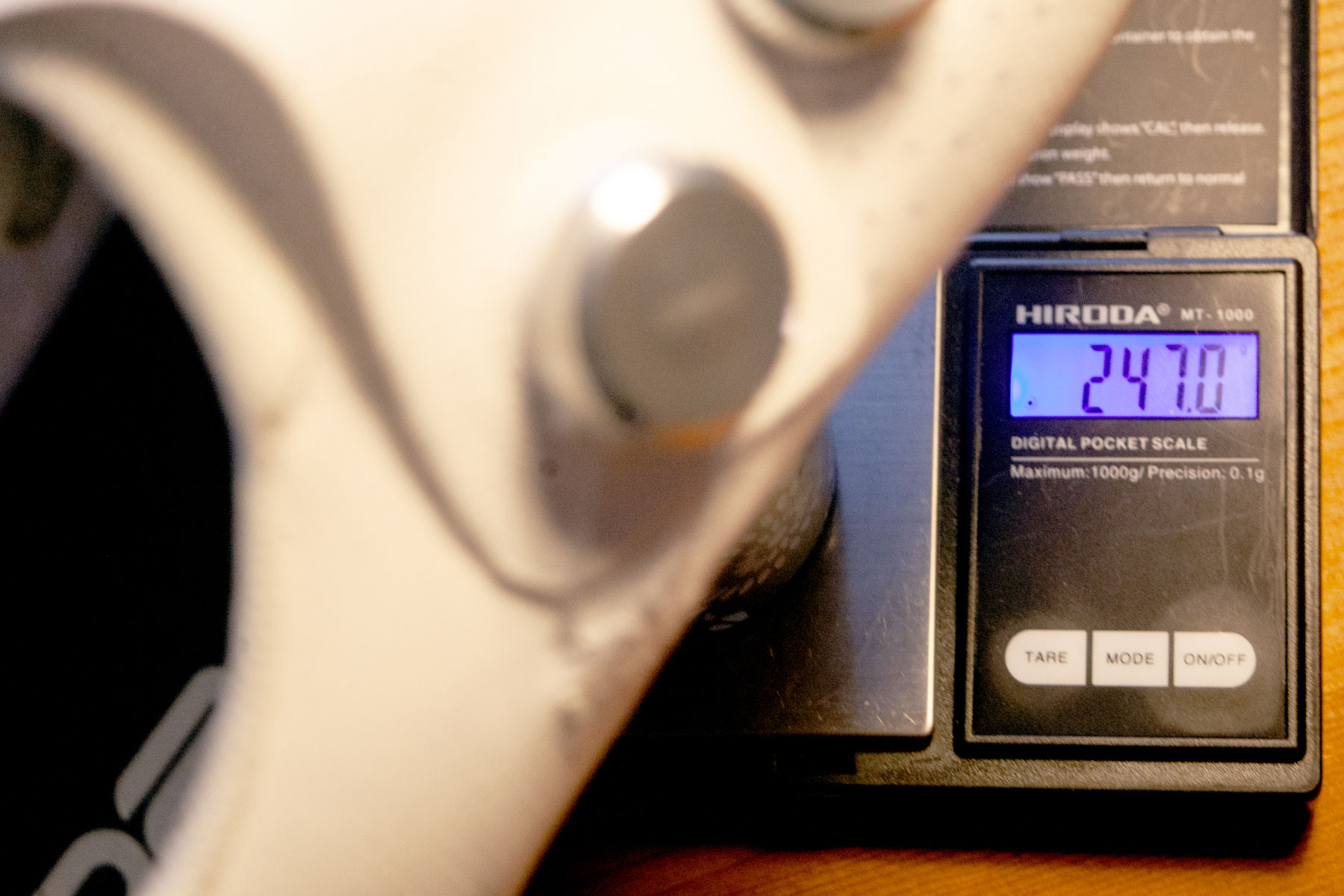
Second in the range, at £359.95, and weighing just over 7g more per pair (247g each), are the AXIS RS1s. They have a larger wrapover section for increased midfoot stability. With more aggressive upper venting, the AXIS RS1 is the sprinter’s option compared to the RK1’s climbing intentions.
The base model of the three-tier road shoe line-up is the £174.95 Vector RC1. These shoes share the same core engineering as the range-topping model, but forgo the unidirectional T800 Toray carbon for a more cost-effective 3K woven Toray fibre.
The upper is made from a more traditional, yet still lightweight microfibre rather than a 3D knit.
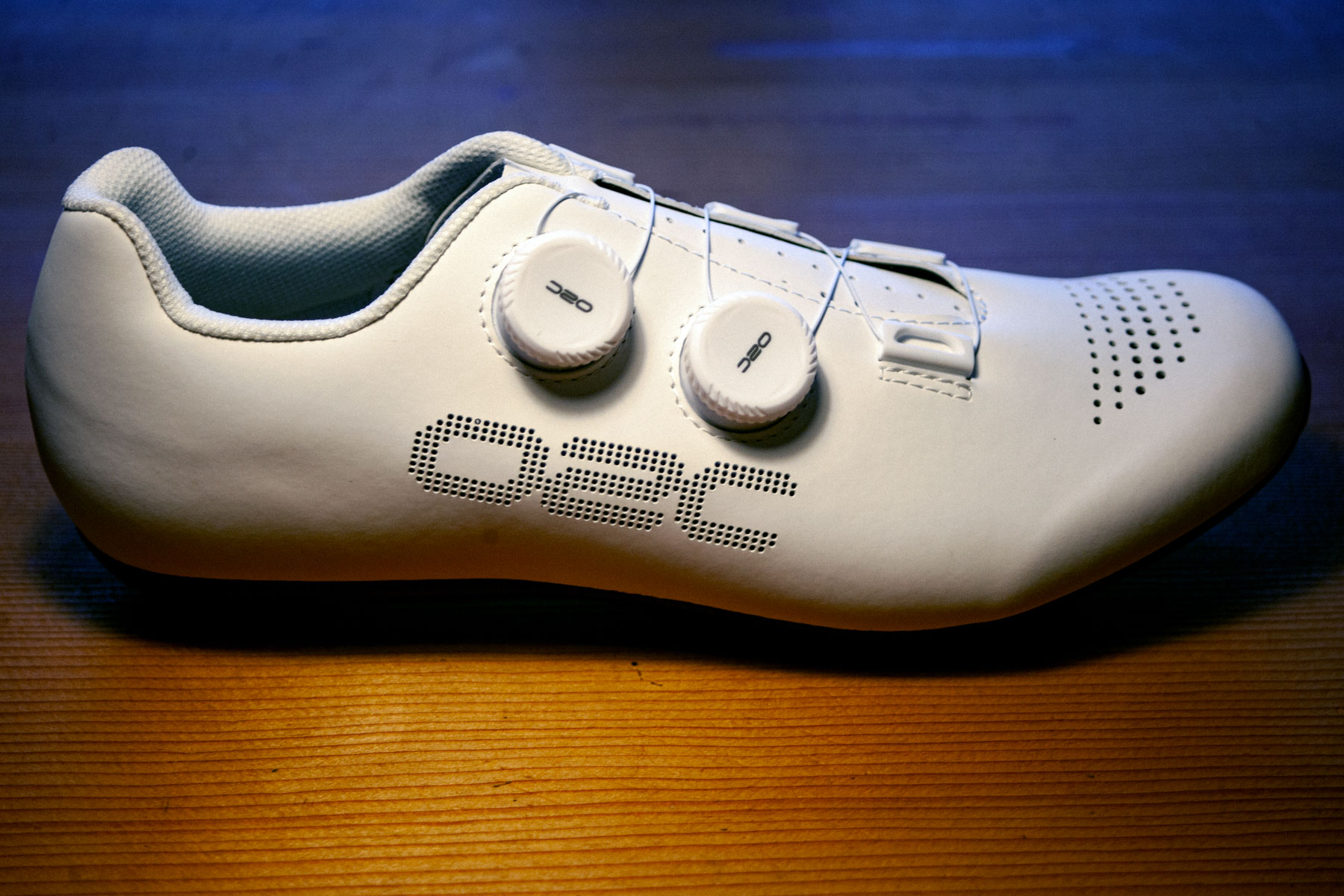
There’s plenty of breathability on show thanks to the myriad laser-cut holes in both flanks, on the toe box and through the tongue section.
For a simpler shoe, the weight is impressively low at only 248.1g each for a size 45. These are some of the lightest sub-£200 shoes we’ve seen.

O2C road shoes pricing and key spec details
Vector RC1
- £174.95 / $229.95 / €199.95 / AU$354.95
- 248.1g (size 45)
- 3K Toray carbon sole
- Available in black or white
- Sizes 36-48 in standard and wide fit, 49 and 50 coming soon
Axis RS1
- £359.95 / $479.95 / €414.95 / AU$734.95
- 247g (size 45)
- T800 Toray carbon sole
- Available in black or white
- Sizes 36-48 in standard and wide fit, 49 and 50 coming soon
Axis RK1
- £389.95 / $519.95 / €449.95 / AU$299.95
- 243.4g (size 45)
- T800 Toray carbon sole
- Available in white only
- Sizes 36-48 in standard and wide fit, 49 and 50 coming soon
RT2
- £149.95 / $199.95 / €169.95 / AU$299.95
- Details available soon
‘Star Wars’ Boss Kathleen Kennedy Steps Down From Lucasfilm
After more than 13 years leading Lucasfilm, Kathleen Kennedy is stepping down. “When George Lucas asked me to take over Lucasfilm upon his retirement, I couldn’t have imagined what lay ahead,” said Kennedy. “It has been a true privilege to spend more than a decade working alongside the extraordinary talent at Lucasfilm.” The Associated Press reports: The Walt Disney Co. announced Thursday that it will now turn to Dave Filoni to steer “Star Wars,” as president and chief creative officer, into its sixth decade and beyond. Filoni, who served as the chief commercial officer of Lucasfilm, will inherit the mantle of one of the movies marquee franchises, alongside Lynwen Brennan, president and general manager of Lucasfilm’s businesses, who will serve as co-president.
Kennedy, Lucas’ handpicked successor, had presided over the ever-expanding science-fiction world of “Star Wars” since Disney acquired it in 2012. In announcing Thursday’s news, Bob Iger, chief executive officer of the Walt Disney Co. called her “a visionary filmmaker.” Kennedy oversaw a highly lucrative but often contentious period in “Star Wars” history that yielded a blockbuster trilogy and acclaimed streaming spinoffs such as “The Mandalorian” and “Andor,” yet found increasing frustration from longtime fans.
Under Kennedy’s stewardship, Lucasfilm amassed more than $5.6 billion in box office and helped establish Disney+ as a streaming destination — achievements that easily validated the $4.05 billion Disney plunked down for the company. But Kennedy also struggled to deliver the big-screen magic that Lucas captured in the original trilogy from the late 1970s and early 1980s, and her relationship with “Star Wars” loyalists became a saga of its own.


Read more of this story at Slashdot.
MSI PRO DP10 A14MG Features 14th-Gen Intel CPUs in a Compact Chassis
MSI has added the PRO DP10 A14MG to its Business & Productivity PC lineup. The system is built around a slim, vertical chassis intended for office environments where desk space, manageability, and connectivity are priorities. While physically compact, the platform targets everyday professional workloads rather than entry-level use. The PRO DP10 A14MG series supports 14th-generation […]
Van Rysel reveals FTP2 Concept Bike that will double your power and reach speeds over 100kph
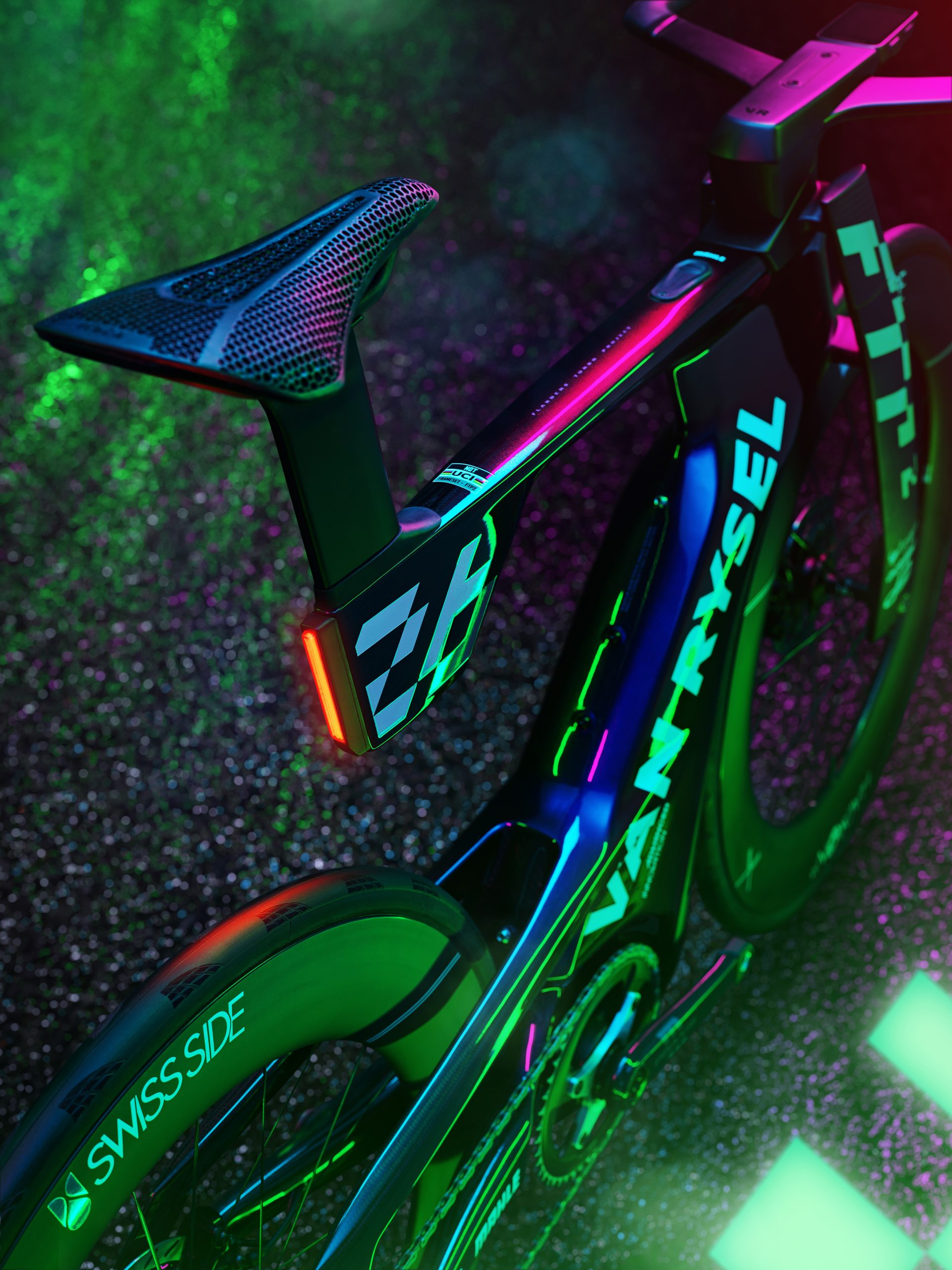
Van Rysel has revealed one of the most eye-catching bikes of recent times, the FTP2 Concept Bike, which it describes as a “rolling laboratory, unrestrained by current industrial standards”.
Launched at the Velofollies trade show, which opens today in Kortrijk, Belgium, close to the brand’s home in Lille, France, the FTP2 Concept Bike is clearly intended – on some level – as a publicity stunt.
But, with its radical frame design, powerful electric motor and ability to propel you to speeds in excess of 100kph, Van Rysel intends the FTP2 Concept Bike to confirm the brand’s “commitment to research, design and development”.
Why has Van Rysel created the FTP2 Concept Bike?
Founded in 2018, Van Rysel is Decathlon’s performance bicycle brand. In 2023, it was revealed that Van Rysel would be co-title sponsor of Decathlon AG2R–La Mondiale.
Since then, Van it has been on a mission to prove it’s capable of producing the best road bikes, worthy of a place at the top of the sport.
Van Rysel’s RCR-F aero bike was launched in 2024 with bold claims around the company’s development process, and Van Rysel’s Nicolas Pierron describing it as a “UFO”.
Now, with the FTP2 Concept Bike, the extraterrestrial theme continues – it’s a “bike from another planet” – and so does the emphasis on Van Rysel’s technical capabilities.
“Confirming Van Rysel’s commitment to research, design, and innovation, FTP2 is a concept bike like no other – pushing the boundaries of what’s possible, inspiring future innovation and showcasing Van Rysel’s unique in-house R&D capabilities,” the brand says.
The project also has the bigger aim of expanding what the public and bicycle industry deem possible.
“It is the most complex project ever carried out by the team, aiming to inspire the general public, as well as the bicycle industry, to continue pushing the boundaries to see what is possible,” Van Rysel adds.
The FTP2 Concept Bike’s frame design
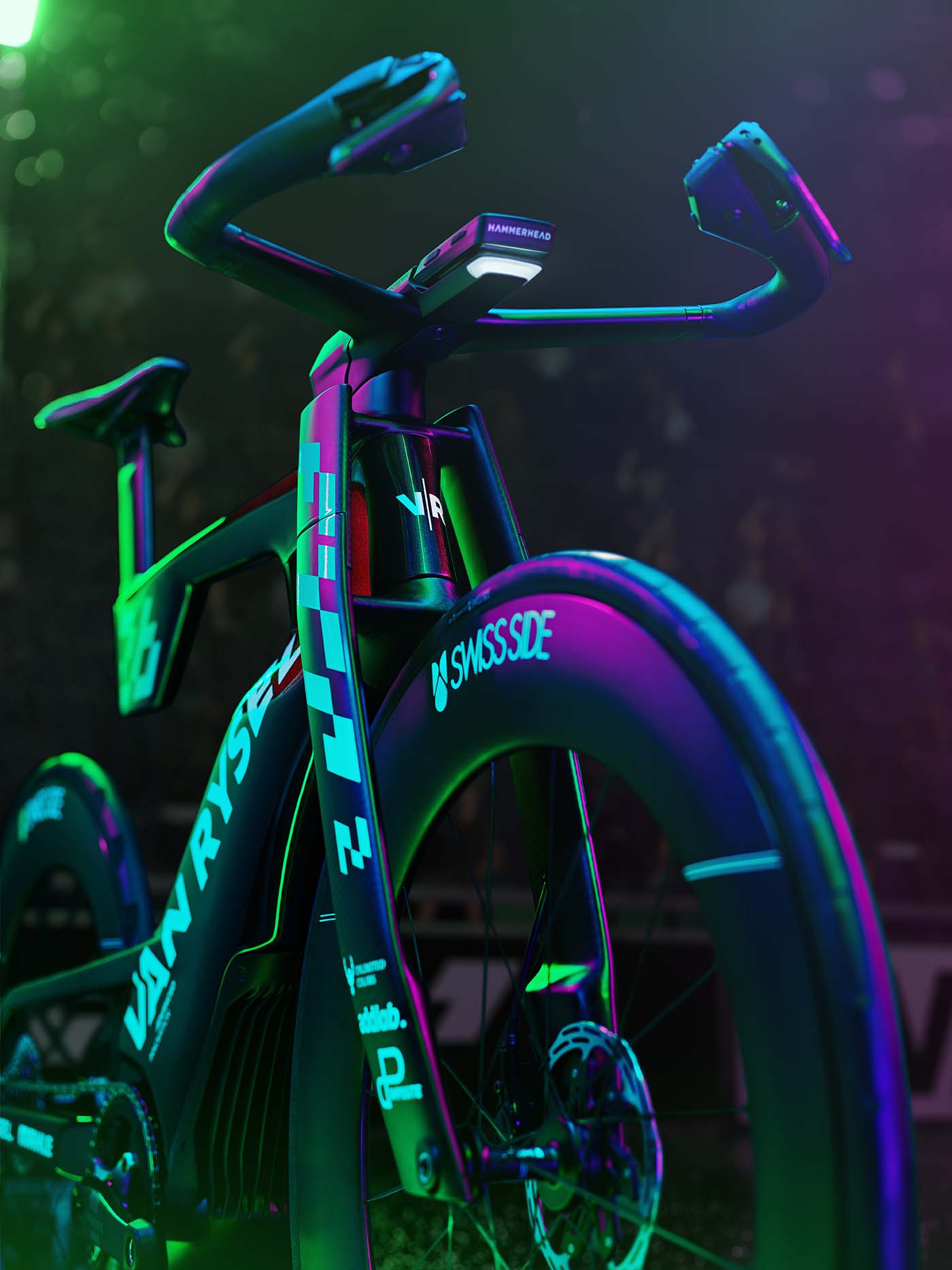
The result of that complexity and ambition is a bike that looks like no other road bike. Freed from the UCI’s constraints on bicycle design, that’s not such a surprise.
It’s not a surprise either that it has a passing resemblance to another type of go-fast bike freed from the UCI’s rules: a triathlon bike, and specifically the Cervélo P5X.
Like the P5X, Van Rysel’s concept bike forgoes a seat tube. However, it does have a more conventional chainstay, even if the seatstays run virtually parallel.
The FTP2 Concept Bike also adds a wide “two-part fork”, which appears to have two crowns, similar to the design used on Matthew Richardson’s Hope HB.T track bike for his 200m World Record.
Van Rysel says the handmade carbon frame and complete bike are rideable.
“It stands as a tangible prototype, built to withstand the constraints of extreme speed on the asphalt rather than just looking good on a podium,” it says.
‘Superhuman engine’
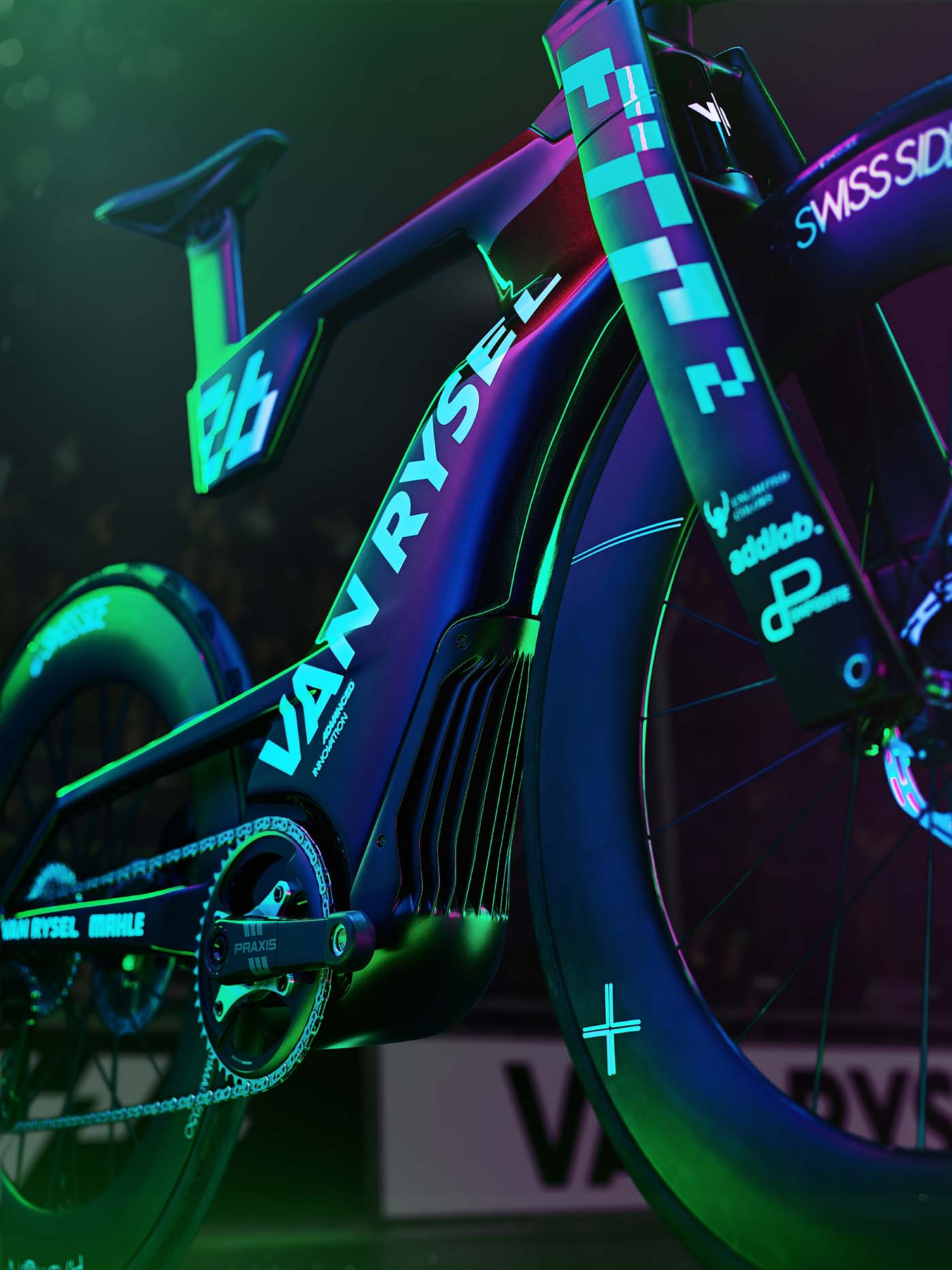
Van Rysel claims the FTP2 Concept Bike will “double your FTP” and “magnify” your effort, and while the radical aero frame will likely aid that, the bike has a special motor tucked away in the down tube.
Van Rysel says the bike has a “unique” version of the Mahle M40 electric bike motor.
“Initially designed for mountain biking, this motor is driven by specific software developed to manage this raw power on the tarmac,” Van Rysel says.
“The system does not merely assist the rider but multiplies the input effort by four. The athlete transforms into a superhuman engine capable of reaching speeds between 45 and 100 km/h.”
An ‘integrated ecosystem’
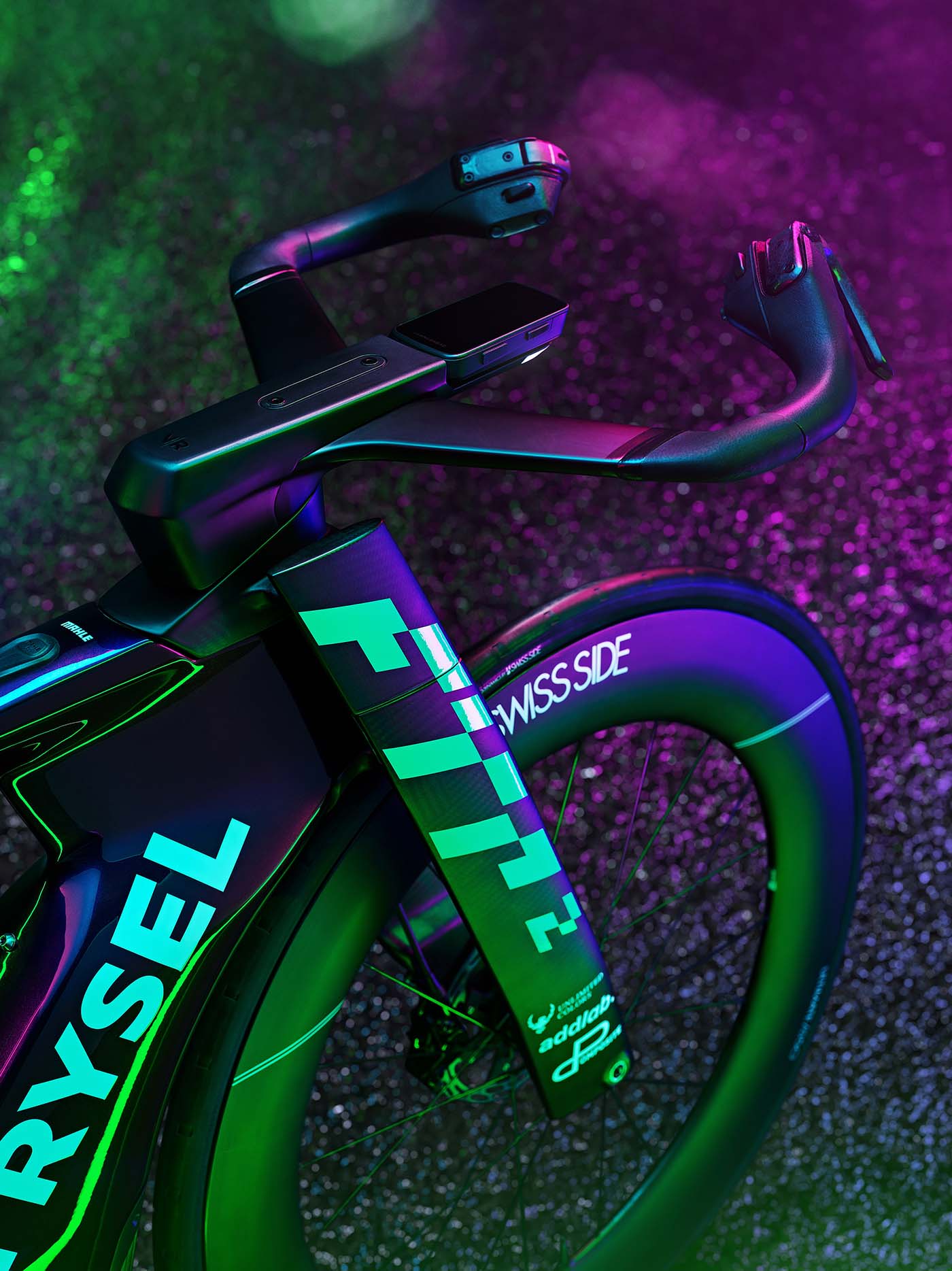
As opposed to just designing a bike, Van Rysel’s concept project includes a “fully integrated ecosystem”, with a special cockpit, shoes, helmet and clothing.
The cockpit of the bike is said to be inspired by Formula One cars, and “fully centralises the machine’s piloting” from a bullhorn position. The cockpit also fits a Hammerhead bike computer flush with the stem and above an integrated front light.
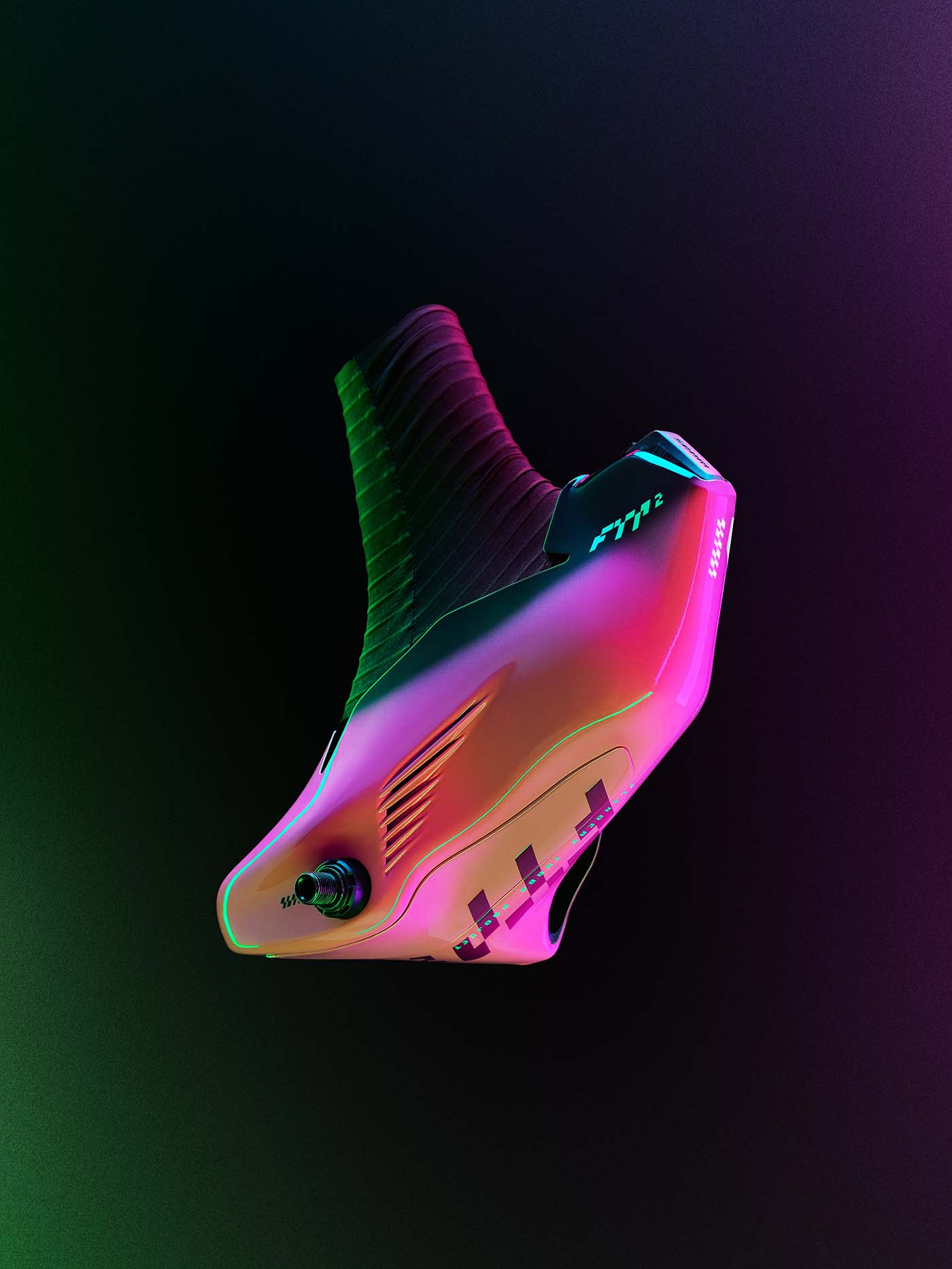
Van Rysel claims the cockpit can even be used to tighten the FTP2 concept shoe, which has an aeroplane wing profile to smooth airflow and “becomes the pedal” by integrating an axle into the carbon sole.
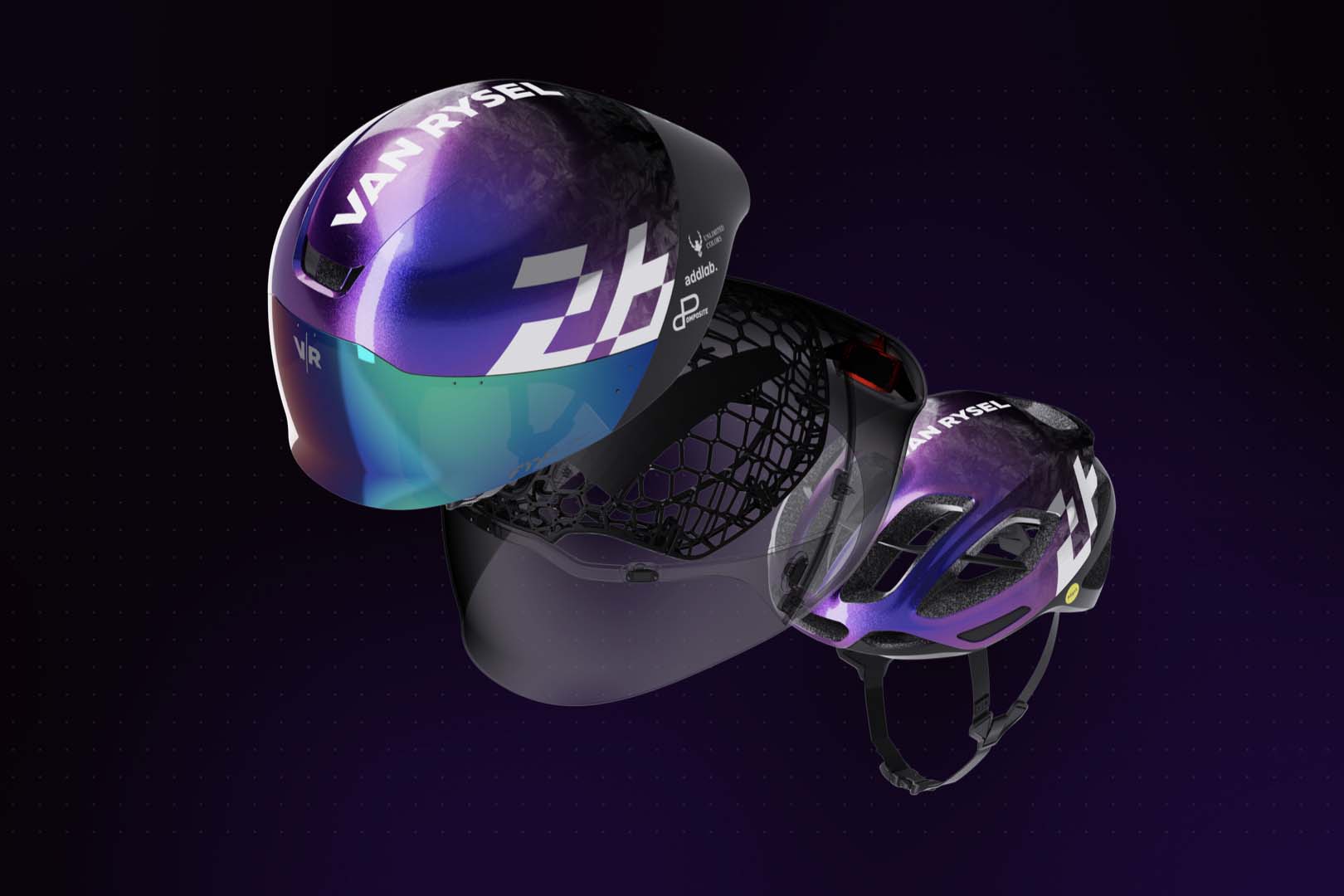
When designing the FTP2 aero helmet, Van Rysel says it didn’t start from the drawing board. Instead, the helmet uses Van Rysel’s new X Clip Concept, where an aerodynamic shell clips onto its existing RCR-R road helmet.
“This modularity maintains the safety and comfort of a homologated, ventilated helmet while providing the air penetration performance of a record-breaking prototype,” Van Rysel says.
The outer shell was made with Swiss Side, the aerodynamics experts Van Rysel also collaborated with for its RCR-F aero bike.
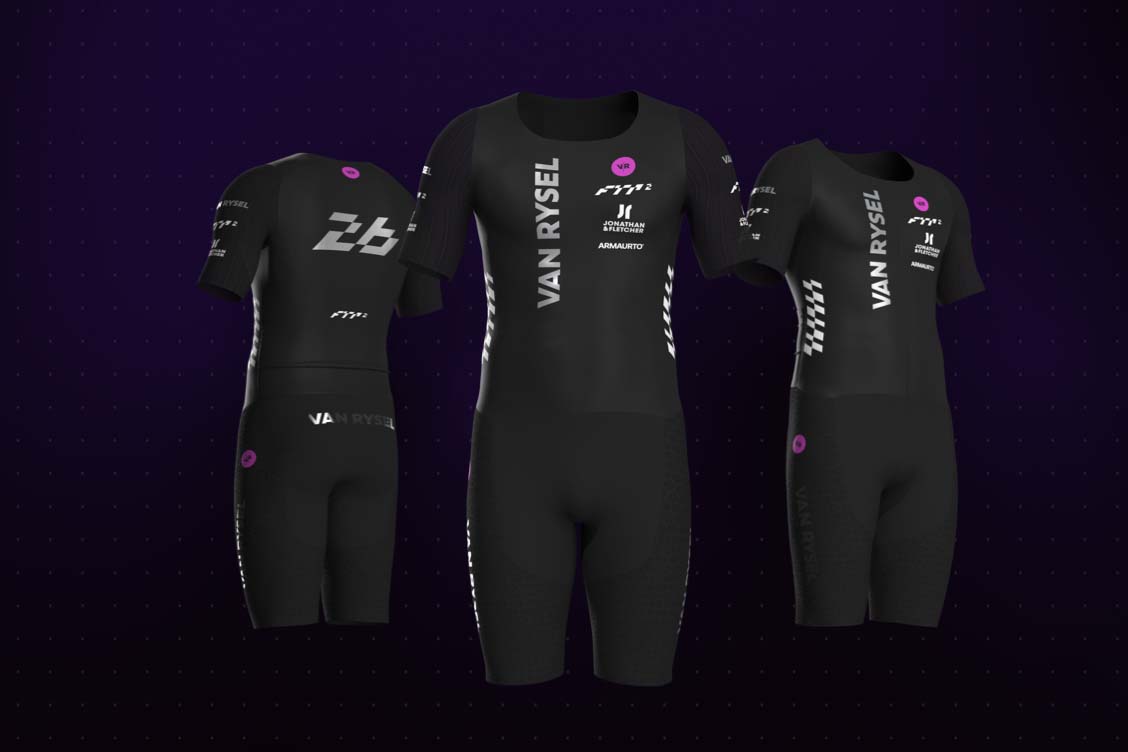
Finally, Van Rysel also created the FTP2 speed suit. Because the concept bike is capable of “motorcycle speeds”, the suit incorporates protective pads that are flexible and offer a claimed aerodynamic benefit.
The exterior of the suit is said to be abrasion-resistant, while there is an integrated baselayer that also has pads for protection.
Not for sale, but the tech will be
As you might have guessed, the FTP2 Concept Bike won’t be for sale. But Van Rysel says the ideas developed for the project will make their way to commercial products.
“The aerodynamic integration of the battery, the fork design, and the integrated lighting signature prefigure the standards for future Van Rysel road bikes,” it says.
Van Rysel says the tech developed across the rest of the ecosystem will also make its way to consumer products. The protective elements of the speed suit will likely make their way to Van Rysel’s cycling kit in the future, while the X-Clip helmet system “foreshadows” modular equipment and “paves the way for a new generation of versatile helmets”.
Meanwhile, it’s unlikely we’ll see Van Rysel release a cycling shoe with an integrated pedal system, but it says the work on the FTP2 shoe’s airflow and textiles will influence the design of its top-spec footwear.
In Van Rysel’s words: “What is extreme today will be the norm tomorrow.”
Van Rysel FTP2 Concept Bike specifications
- Frame and fork: FTP2 carbon
- Weight: 15kg (M)
- Electric motor: Mahle M40
- Drivetrain: SRAM Red AXS / Praxis carbon cranks
- Wheels: Swiss Side Hadron3 850
- Cockpit: FTP2 Carbon with AXS, Mahle and shoe-tightening controls
- Saddle: Fizik Argo Vento 00 Adaptive
Complete our survey for the chance to win a £50 Sigma Sports gift card
We want to hear from you – BikeRadar’s valued readers. Your feedback helps shape the stories, reviews and advice we share – and it only takes 5 to 7 minutes to have your say.
As a thank you, UK mainland residents who complete the survey can enter our prize draw to win one of five £50 Sigma Sports eGiftcards.
The survey will be open until 11.59pm on Thursday 29 January 2026. T&Cs apply.
You Can Now Run Debian GNU/Linux on the OpenWrt One Open-Source Router
Collabora shares with us today a new project that lets you install and run the Debian GNU/Linux operating system on the open-source OpenWrt One router.
Shimano’s new PD-EH510 Hybrid Pedal could be perfect for your pub bike
Shimano has released its new PD-EH510 Hybrid SPD and Flat Pedal, which features an SPD mechanism on one side and a flat pedal on the other.
The Japanese brand says the pedals are designed for commuting, exploring gravel roads or venturing off-pavement for the first time.
Hybrid pedals give you the option of utilising the efficiency of being clipped in, while enabling you to ride unclipped on terrain you’re less confident on or when wearing regular shoes.
Unlike other half-and-half designs, such as Crankbrothers’ Double Shot, the flat side of the PD-EH510 features replaceable pins, which should increase the longevity of the pedals.
The pedals come in one colourway and are priced at £79.99.
The perfect pub-bike pedal?
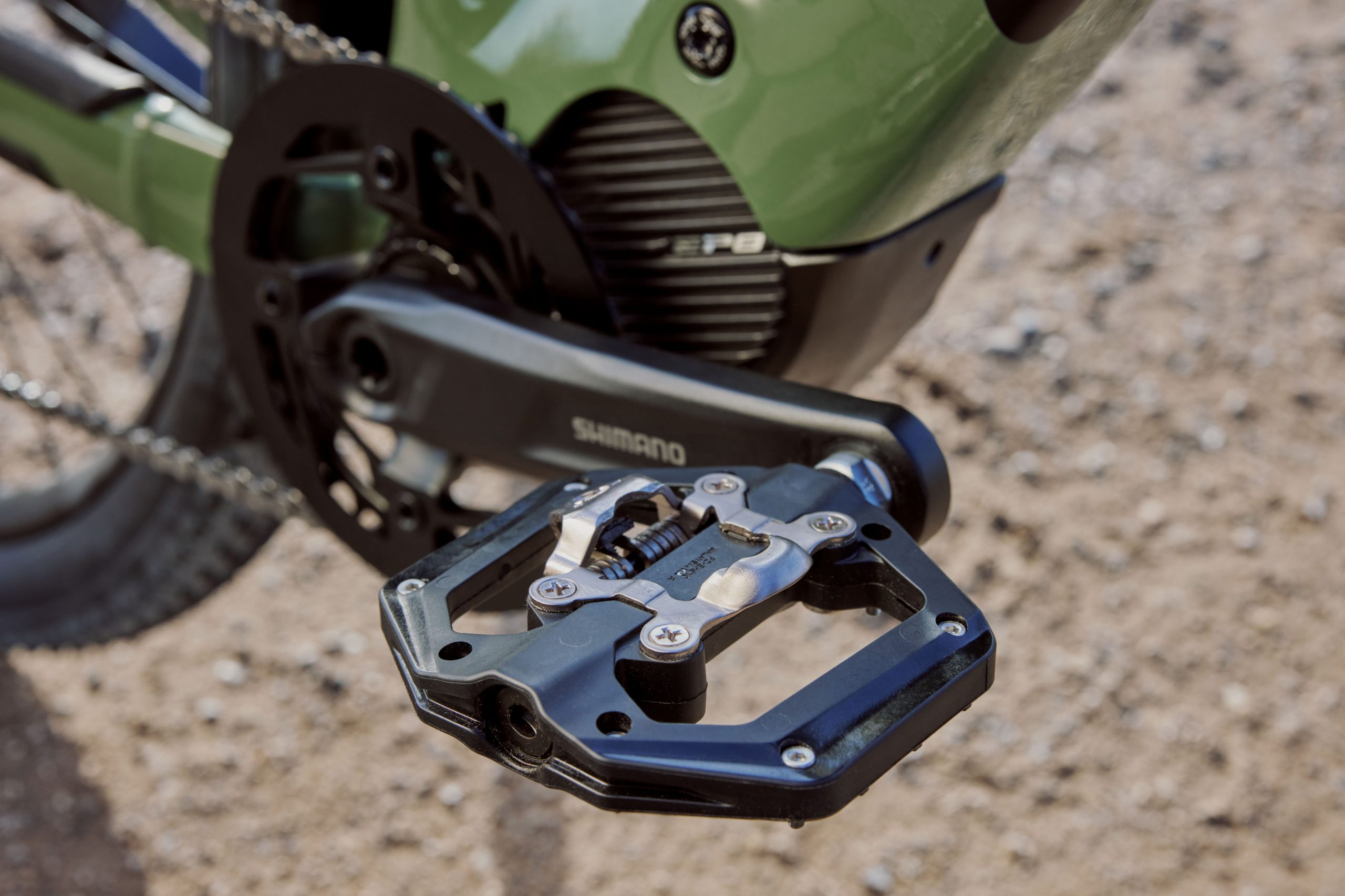
The design of the PD-EH510 enables you to unclip from the SPD mechanism and continue to pedal unclipped while retaining traction.
It also means you can use your bike with regular shoes without having to switch your pedals over – making it perfect for quick trips to the pub.
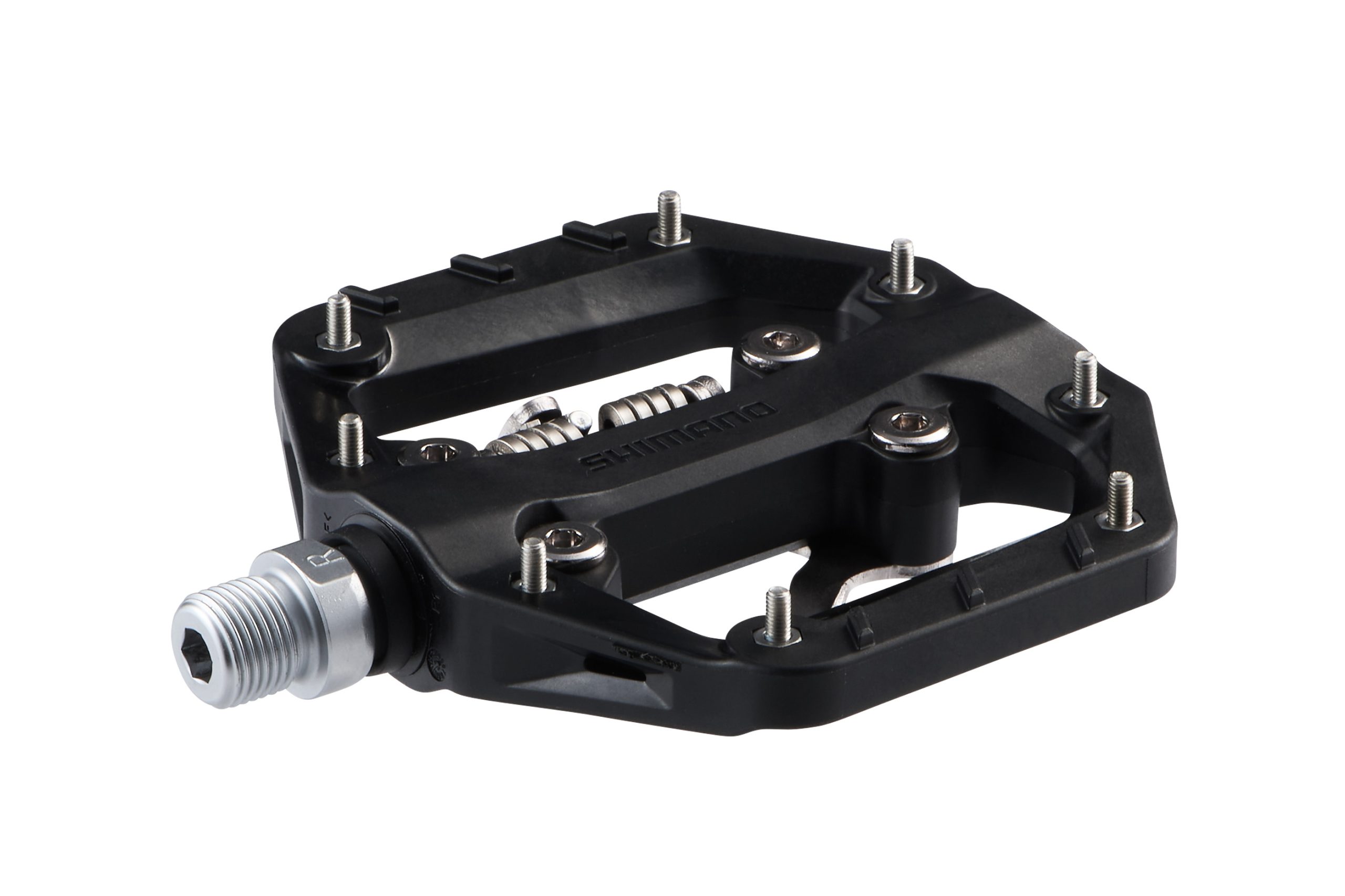
The pedal is made from a durable resin featuring a textured finish that’s said to help protect against rock strikes and abrasions.
There are eight replaceable pins on each flat pedal, with the platform said to measure 111x96mm, which should offer good traction and stability.
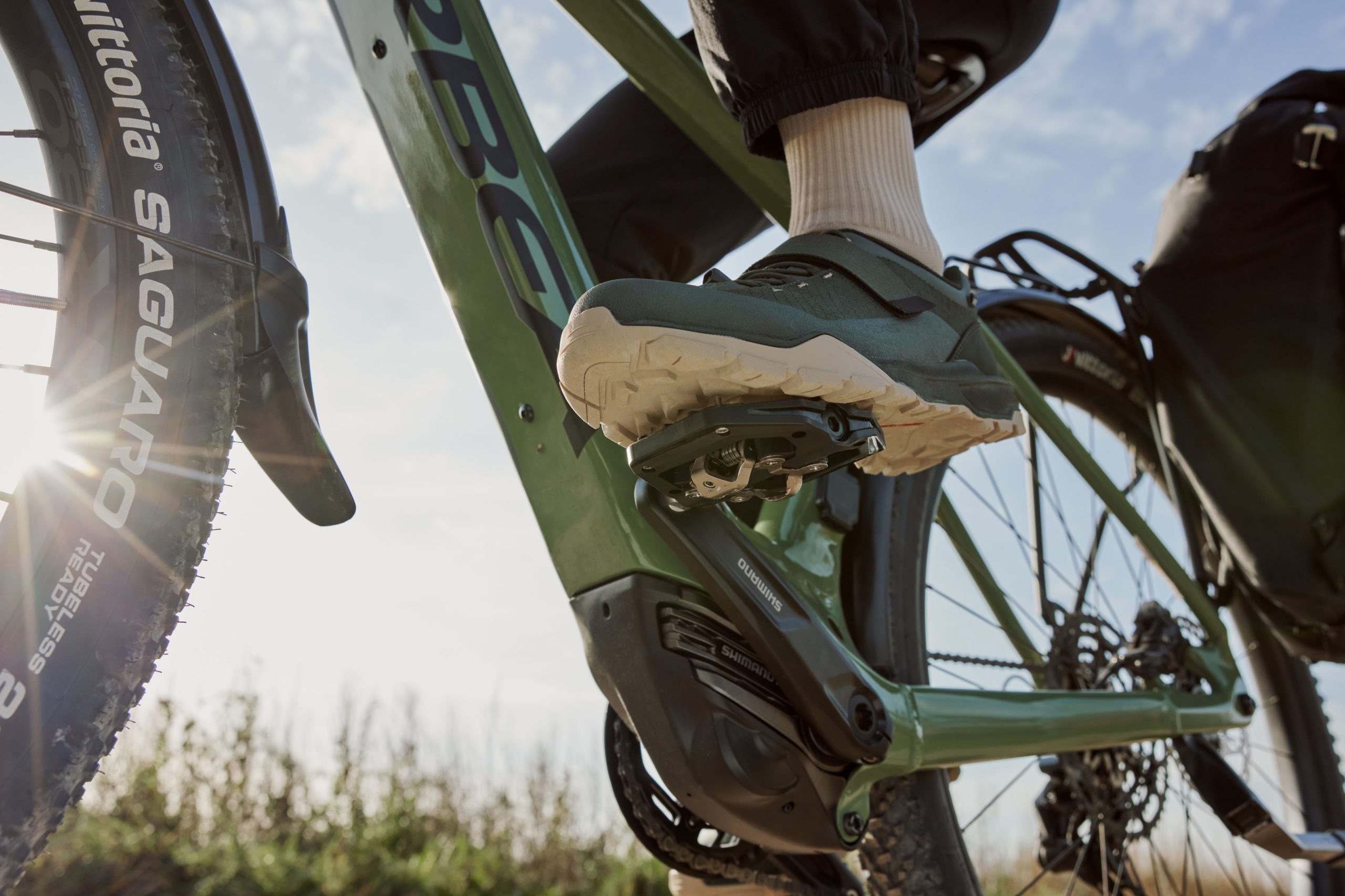
Shimano says it has used a thin pedal profile to improve ground clearance for technical terrain, and robust brushing bearings for long-lasting, low-maintenance performance.
US Carbon Pollution Rose In 2025, a Reversal From Prior Years
In a reversal from previous years, U.S. carbon emissions rose 2.4% in 2025 compared with the year before. NBC News reports: The increase in greenhouse gas emissions is attributable to a combination of a cool winter, the explosive growth of data centers and cryptocurrency mining and higher natural gas prices, according to the Rhodium Group, an independent research firm. Environmental policy rollbacks by President Donald Trump’s administration were not significant factors in the increase because they were only put in place this year, the study authors said. Heat-trapping gases from the burning of coal, oil and natural gas are the major cause of worsening global warming, scientists say.
American emissions of carbon dioxide and methane had dropped 20% from 2005 to 2024, with a few one- or two-year increases in the overall downward trend. Traditionally, carbon pollution has risen alongside economic growth, but efforts to boost cleaner energy in recent years decoupled the two, so emissions would drop as gross domestic product rose. But that changed last year with pollution actually growing faster than economic activity, said study co-author Ben King, a director in Rhodium’s energy group. He estimated the U.S. put 5.9 billion tons (5.35 billion metric tons) of carbon dioxide equivalent in the air in 2025, which is 139 million tons (126 million metric tons) more than in 2024.
The cold 2025 winter meant more heating of buildings, which often comes from natural gas and fuel oil that are big greenhouse gas emitters, King said. A significant and noticeable jump in electricity demand from data centers and cryptocurrency mining meant more power plants producing energy. That included plants using coal, which creates more carbon pollution than other fuel sources. A rise in natural gas prices helped create an 13% increase in coal power, which had shrunk by nearly two-thirds since its peak in 2007, King said.


Read more of this story at Slashdot.
Collabora Shows How to Run Debian on the OpenWrt One Using NVMe Storage
Collabora has shared a new project demonstrating how the OpenWrt One can be repurposed from a traditional networking appliance into a compact, general-purpose Linux system. The project, called openwrt-one-debian, enables users to install and run a full Debian operating system on the device by booting directly from NVMe storage. The OpenWrt One is designed as […]
Tails 7.4 Anonymous Linux OS Released with Persistent Language and Formats
Tails 7.4 has been released today as the fourth minor update in the Tails 7.x series of this portable Linux distribution based on Debian GNU/Linux and designed to protect you against surveillance and censorship.
Ray’s Blocked Engadget Test Article
This article is blocked.
This article originally appeared on Engadget at https://www.engadget.com/general/rays-blocked-engadget-test-article-031847986.html?src=rss
Study Finds Weak Evidence Linking Social Media Use to Teen Mental Health Problems
An anonymous reader quotes a report from the Guardian: Screen time spent gaming or on social media does not cause mental health problems in teenagers, according to a large-scale study. […] Researchers at the University of Manchester followed 25,000 11- to 14-year-olds over three school years, tracking their self-reported social media habits, gaming frequency and emotional difficulties to find out whether technology use genuinely predicted later mental health difficulties. Participants were asked how much time on a normal weekday in term time they spent on TikTok, Instagram, Snapchat and other social media, or gaming. They were also asked questions about their feelings, mood and wider mental health.
The study found no evidence for boys or girls that heavier social media use or more frequent gaming increased teenagers’ symptoms of anxiety or depression over the following year. Increases in girls’ and boys’ social media use from year 8 to year 9 and from year 9 to year 10 had zero detrimental impact on their mental health the following year, the authors found. More time spent gaming also had a zero negative effect on pupils’ mental health. “We know families are worried, but our results do not support the idea that simply spending time on social media or gaming leads to mental health problems — the story is far more complex than that,” said the lead author Dr Qiqi Cheng.
The research, published in the Journal of Public Health, also examined whether how pupils use social media makes a difference, with participants asked how much time spent chatting with others, posting stories, pictures and videos, browsing feeds, profiles or scrolling through photos and stories. The scientists found that actively chatting on social media or passive scrolling feeds did not appear to drive mental health difficulties. The authors stressed that the findings did not mean online experiences were harmless. Hurtful messages, online pressures and extreme content could have detrimental effects on wellbeing, but focusing on screen time alone was not helpful, they said.


Read more of this story at Slashdot.
Ubuntu 25.04 “Plucky Puffin” Reached End of Life, Upgrade to Ubuntu 25.10
This is your friendly reminder that Ubuntu 25.04 “Plucky Puffin” reached the end of its supported life today, January 15th, 2026, and it is no longer supported by Canonical with software and security updates.
GNOME 50 Alpha Released With The X11 Code Gutted
The GNOME 50 Alpha “50.alpha” release is now available for testing ahead of this open-source desktop’s official release in March…
New York Introduces Legislation To Crack Down On 3D Printers That Make Ghost Guns
New York Governor Kathy Hochul is proposing first-of-its-kind legislation that would require 3D printers sold in the state to include built-in software designed to block the printing of gun parts used to make “ghost guns.” The plan would also add criminal penalties for making 3D-printed firearms and hold printer owners or manufacturers liable if safety controls aren’t in place. 3D Printing Industry reports: “From the iron pipeline to the plastic pipeline, these proposals will keep illegal ghost guns off of New York streets, and enhance measures to track and block the production of dangerous and illegal firearms in our state,” Hochul said.
In addition to mandating printer-level safeguards and restricting access to CAD files, the proposed legislation would require law enforcement agencies to report any recovered 3D printed firearms to a statewide database. The measure also includes a provision requiring commercial gun manufacturers to redesign pistols so they cannot be easily converted for automatic fire. “These illegal firearms are being manufactured in homes and used in crimes right now, which is why I have been working with my colleagues in Albany and the private sector over the past several years to stop their proliferation. Passing these measures will reduce crime and strengthen public safety for all New Yorkers,” said Manhattan District Attorney Alvin Bragg.


Read more of this story at Slashdot.
Iran’s Internet Shutdown Is Now One of the Longest Ever
Iran has imposed one of the longest nationwide internet shutdowns in its history, cutting more than 92 million people off from connectivity for over a week as mass anti-government protests continue. TechCrunch reports: As of this writing, Iranians have not been able to access the internet for more than 170 hours. The previous longest shutdowns in the country lasted around 163 hours in 2019, and 160 hours in 2025, according to Isik Mater, the director of research at NetBlocks, a web monitoring company that tracks internet disruptions.
Mater said that the current shutdown in Iran is the third longest on record, after the internet shutdown in Sudan in mid-2021 that lasted around 35 days, followed by the outage in Mauritania in July 2024, which lasted 22 days. “Iran’s shutdowns remain among the most comprehensive and tightly enforced nationwide blackouts we’ve observed, particularly in terms of population affected,” Mater told TechCrunch.
The exact ranking depends on how each organization measures a shutdown. Zach Rosson, a researcher who studies internet disruptions at the digital rights nonprofit Access Now, told TechCrunch that according to its data, the ongoing shutdown in Iran is on a path to crack the top 10 longest shutdowns in history. Further reading: Iran Shuts Down Musk’s Starlink For First Time


Read more of this story at Slashdot.