Last week’s This Season on Zwift included the always-exciting announcement of a Zwift map expansion. Even more exciting, it’s the expansion of everyone’s favorite map, Watopia! Let’s dive into the scant details we know as we look forward to its October launch.
The Big Picture
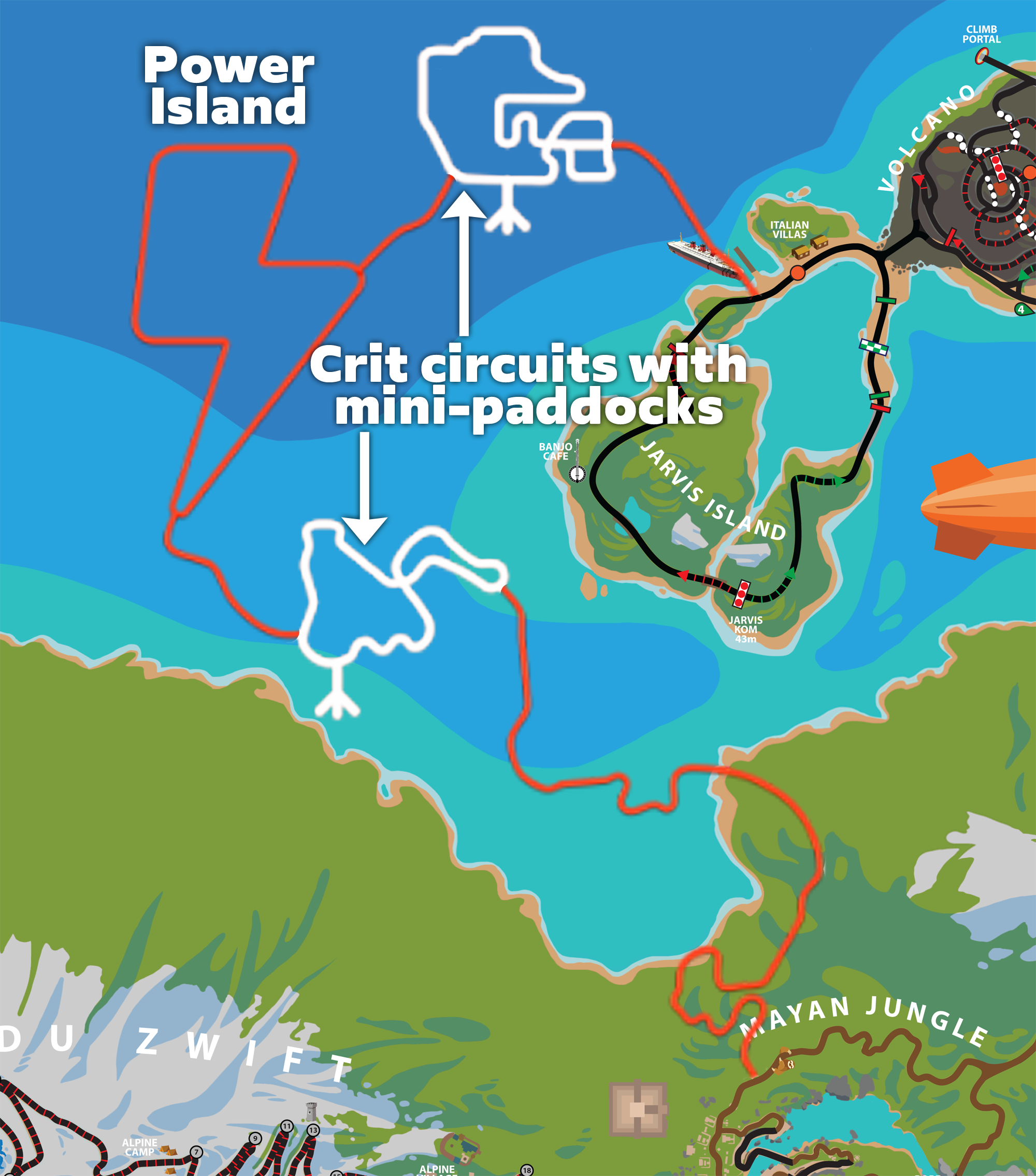
Here’s how the ~18 km of new roads (in red) fit into the existing Watopia map:
As you can see above, the new roads connect the Jarvis circuit to the Jungle, offering what Zwift calls a “flat bypass option around the Epic KOM”.
A Flat(ter) Western Bypass
Based on Strava data, the elevation of the new road at the Jarvis juncture is ~3 meters, while the elevation on the other end at the Jungle is ~31 meters. So we know there is at least a bit of climbing to be done on these new roads, but it’s much less than the ~100 meters of elevation gained when you ride up the base of the Epic KOM Reverse from the Marina and turn to the Jungle.
Another way of looking at it: Zwift’s southern coast expansion in October 2023 added ~19 km of flatter road around the Epic KOM to the southeast. This upcoming expansion adds a bypass to the northwest.
Teaser Visuals
Zwift says this expansion is an archipelago island chain inspired by Catalina Island and California’s West Coast, which makes sense. Zwift is based in Long Beach, CA, after all, and various biomes in Watopia are based on California themes, including the redwoods of Titans Grove, the beachfront in downtown Watopia, and the desert of Fuego Flats with its California Super Bloom.
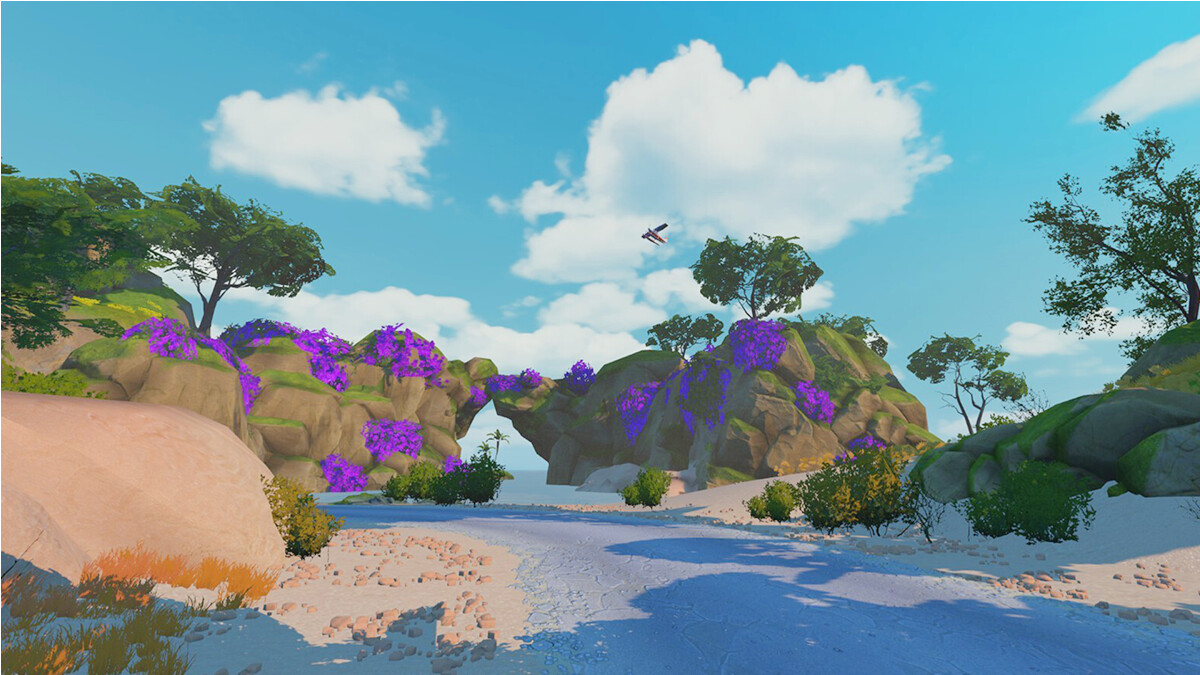
I’ve only been able to get two teaser images from Zwift, which I’ve included below:
The first image is quite nondescript and could be in Makuri Islands apart from the tiny floatplane pictured. The second image faces Alpe du Zwift, and shows a whale jumping (sure to be a dramatic animation!) and a lap banner for one of the new crit courses.
More Details
The new map includes two “crit-style circuits” with “mini paddocks” attached, “made specifically for racing” according to Zwift. We don’t know exactly how the crit circuits will be laid out, but you can see my best guess below in white:
There’s also a lightning-bolt-shaped circuit which has been referenced as “Power Island” internally at Zwift. This will include some power segments (introduced in the recent New York expansion) which will feature in an upcoming event series (see below). Also, it sounds like Zwift may be expanding the power segment idea to include the ability to set power targets for specific segments. Interesting!
This expansion will add 20 new routes to Watopia. That may seem like a lot (Watopia already has 127 routes!), but with all the roads in Watopia, adding fresh roads creates a huge number of interesting potential routes. I don’t think we’ll find the new routes as repetitive as those released with the recent Paris expansion.
We don’t have details on these routes yet, but one I’m personally hoping for is a slightly longer, flatter version of “The Big Ring” that will be even friendlier for long group rides. (Hopefully it will go in a CCW direction, too, which should make the Jungle section feel like much less of an obstacle.)
Related Events
Two major Zwift events will take advantage of the expansion, beginning with the ever-popular Tour of Watopia (October 5-November 22) with its double XP and another ultimate challenge.
Stage 4 of the Tour kicks off on Monday, October 26, and that will be our first chance to ride these new roads. Tour of Watopia is a 5-stage tour, and Zwift says the Tour includes “6 new route badges to chase”, so it would seem that the three routes used for Stage 4 and the three routes used for Stage 5 will all be new.
Additionally, a new “Power Play” series kicks off in November, running from November 23 to December 27. Details are sparse, but they at least tell us the Watopia expansion will include multiple power segments. Zwift says the series “aims to give Zwifters a fresh and fun new way to get a quality workout, making use of Power Segments in New York, the Montmartre and The Grade climbs, and new Power Segments that will launch in the new Watopia Expansion.”
Your Thoughts
What do you think of Zwift’s planned Watopia expansion? Can you see any cool route ideas that use the new roads? Share your thoughts below…
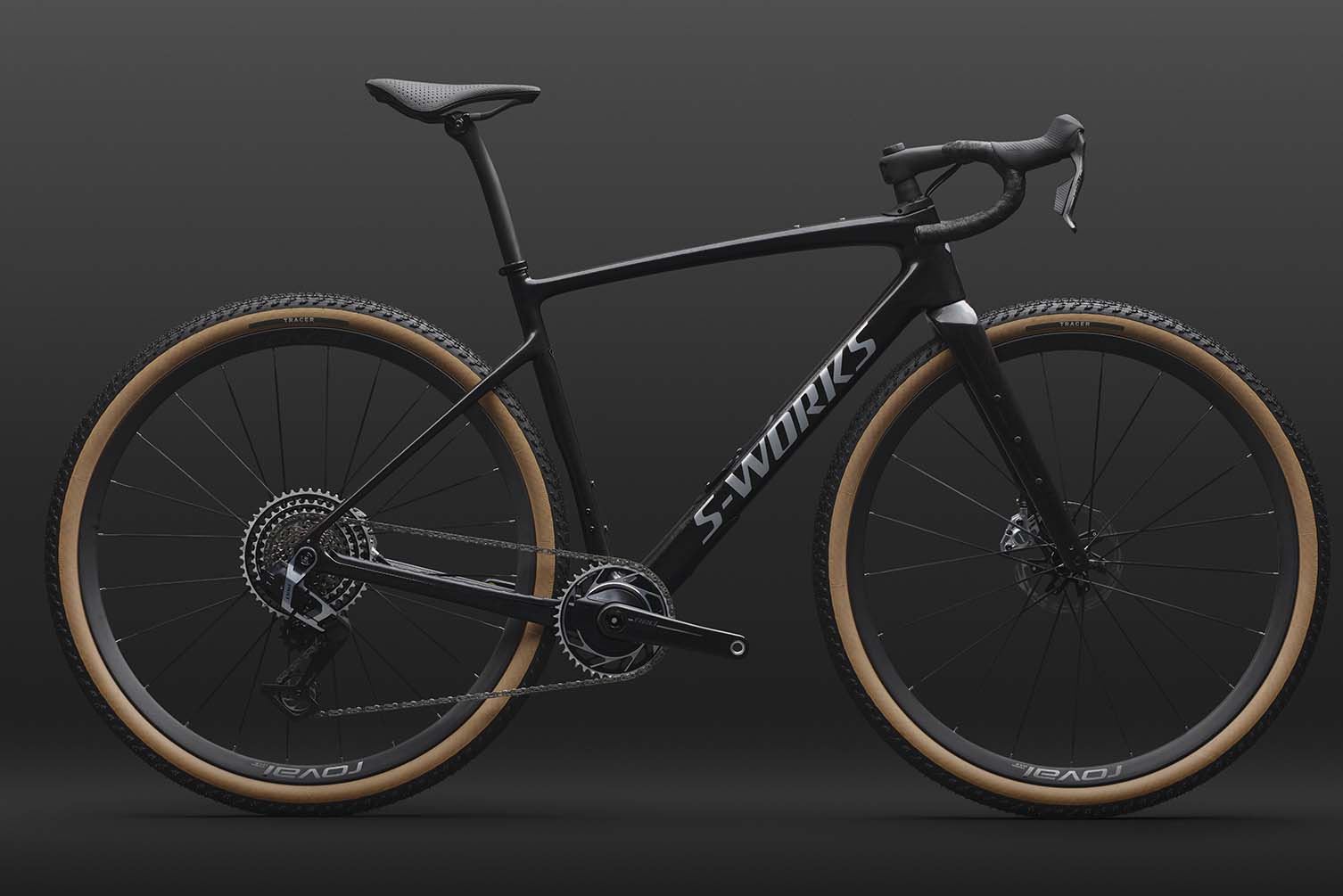
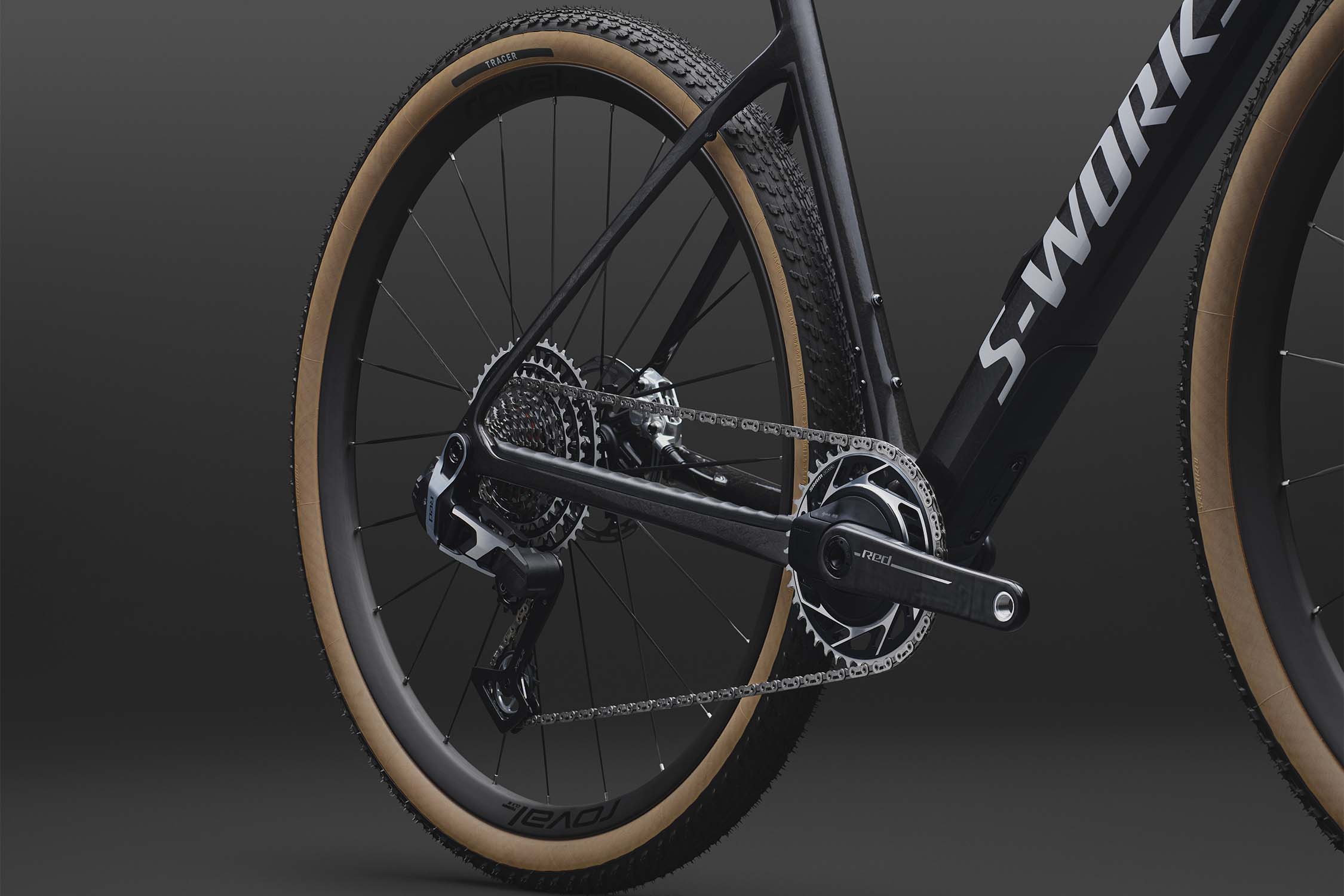
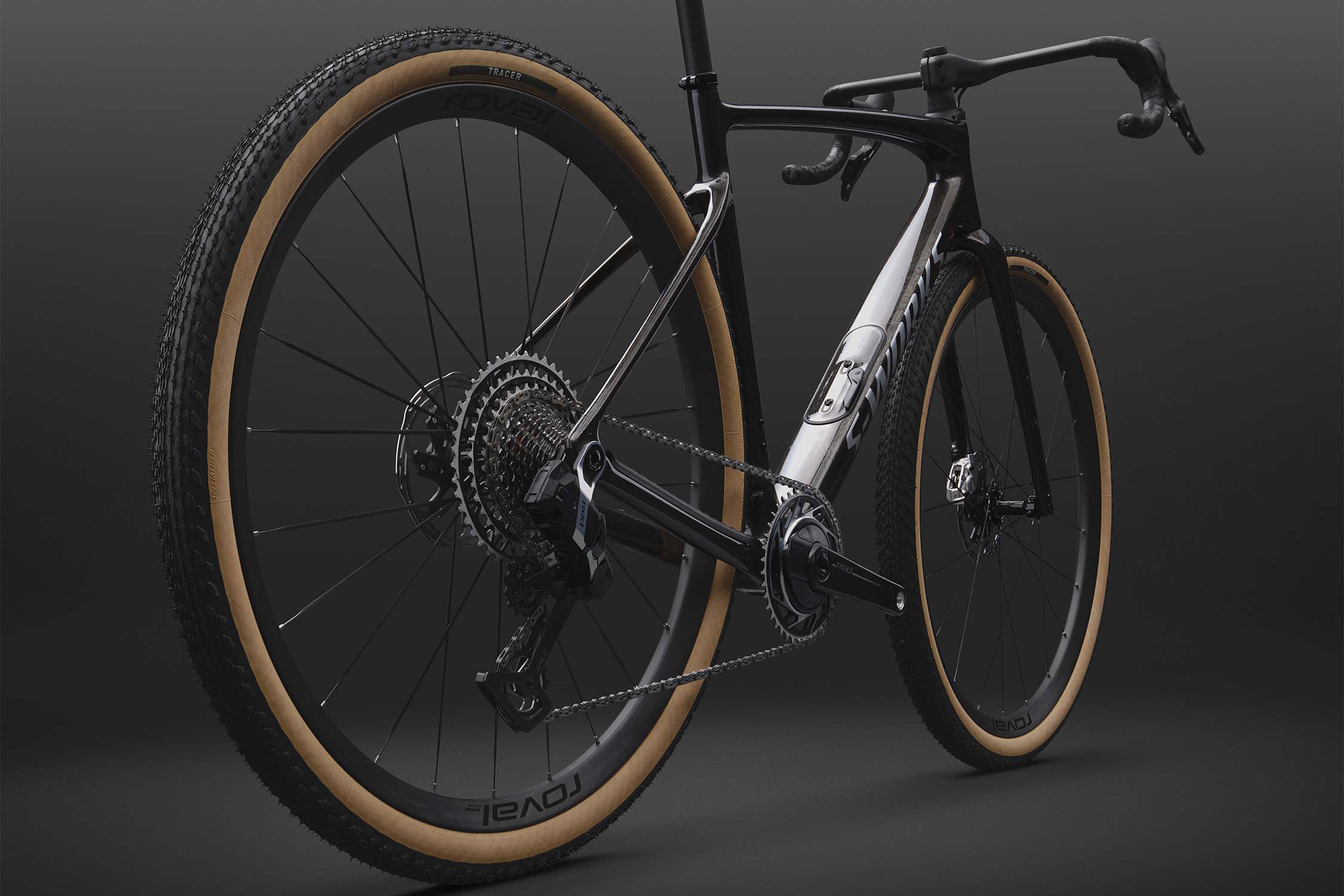
Specialized has revealed the new S-Works Diverge 4, which uses the company’s highest-tier carbon fibre layup and features “breakthrough integration”.
The Diverge 4 was first released in September 2025, but the S-Works line was cut from the range, which topped out with the Pro LTD.
Specialized claimed the Pro LTD, which broke cover at Unbound 2025, had already proven itself “with great positive feedback” from its athletes. But now Specialized has brought the S-Works Diverge back, stating it takes the gravel bike’s “magic recipe” of speed, capability and confidence “to the next level”.
What’s new?
Specialized has shaved 200g from the frame weight. Specialized
The main difference between the new S-Works Diverge and the previous carbon models is the choice of carbon fibre.
Whereas the Diverge models launched last year used Specialized’s Fact 9r Carbon, the S-Works model uses its highest-tier Fact 12r Carbon.
Specialized says this shaves 200g off the frame weight compared to the 9r Carbon Diverge. A painted S-Works Diverge frame in a size 56cm weighs a claimed 950g.
The bike now has internal cable routing. Specialized The premium build features a SRAM Red XPLR groupset. Specialized
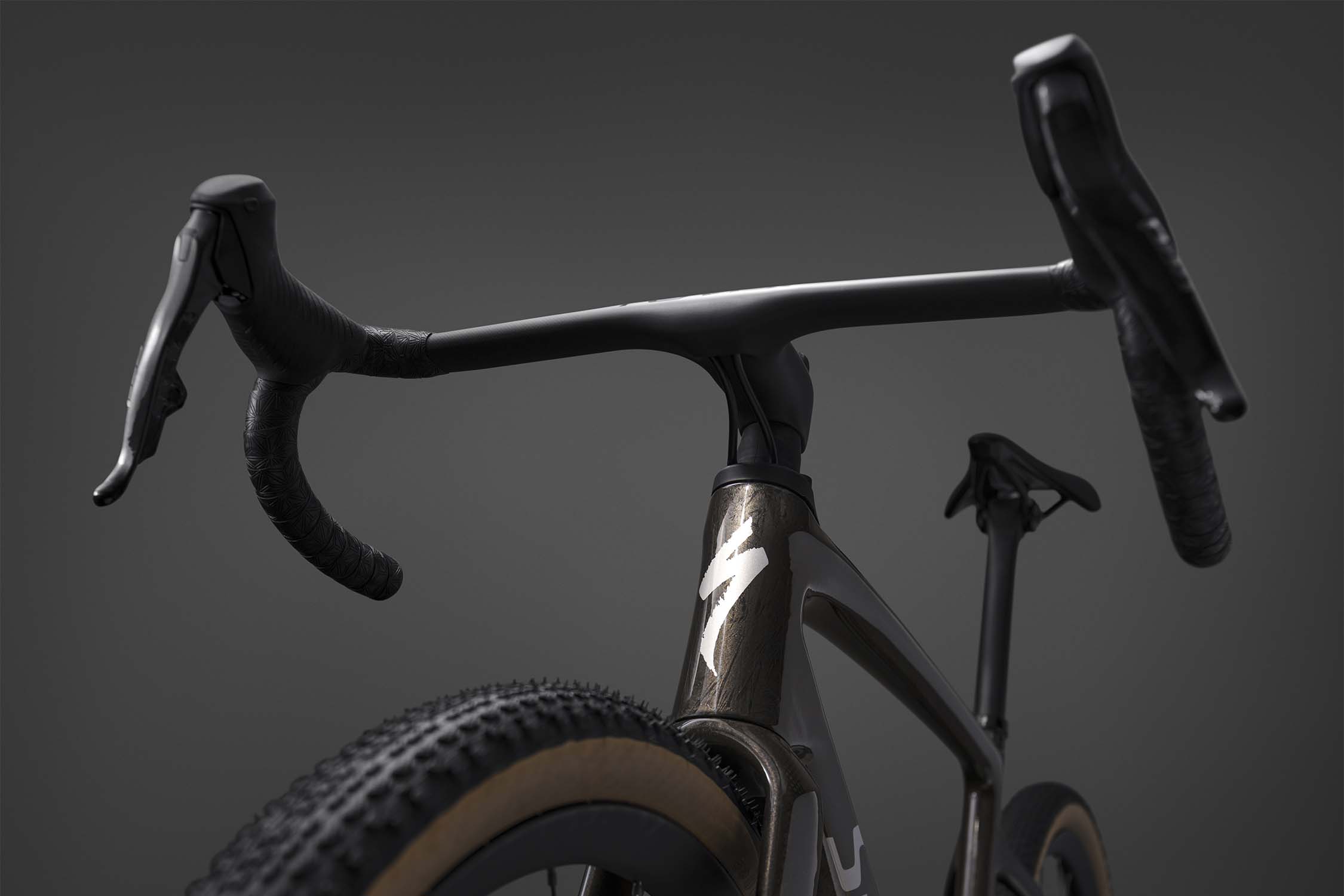
The S-Works Diverge also has Specialized’s Future Shock 3.3 stem suspension. The fully serviceable design with 20mm of travel featured on the Diverge Pro LTD, but with external cable routing.
Specialized says it has now managed to run cables internally through the stem. This “breakthrough integration” combines a smooth front end “with aero performance and a cable-free aesthetic”.
Specialized adds that the S-Works Diverge will be available in an “uncompromising” build. The bike has the same Roval Terra CLX III gravel wheels as the Pro LTD model, but switches the Shimano GRX Di2 drivetrain for SRAM Red XPLR. It has a CeramicSpeed headset and bottom bracket.
The bike has room for 50mm tyres and features down-tube storage. Specialized
Elsewhere, the new S-Works Diverge shares the same features as the carbon Diverge models released a year ago.
Suitable for gravel racing or bikepacking, the bike has clearance for 50mm gravel tyres with more than 7mm clearance. It will also fit 2.2in tyres with 4mm, which Specialized says it expects many riders to choose for rougher terrain.
The bike also has the SWAT 4.0 down-tube storage compartment. This has a larger door with a simplified and more robust design compared to the previous 3.0 version.
Specialized updated the Diverge’s geometry last year to “help provide a more stable and confidence inspiring ride on off-road terrain”. The head tube was slackened by half a degree to increase the bike’s trail and wheelbase. Specialized also dropped the bottom bracket to offset the increased tyre clearance and lengthened the chainstays to balance the bike’s handling.
Vittoria has added a new 700x42c size to its RideArmor range to bring greater versatility to its “most durable and puncture-resistant road tyre”.
The first RideArmor tyre launched in 2024 and was billed as Vittoria’s toughest road bike tyre. It was available in seven sizes, from 700x26c to 700x38c, but this latest launch expands the range to eight widths.
The RideArmor was originally billed as suiting training and commuting. Vittoria now says the tyre is for everything from “the daily commute to a multi-day bikepacking adventure or a ride combining asphalt and light gravel”.
Responding to an evolution
The new tyre size is designed to meet the evolving needs of road and gravel cyclists. Vittoria
These bikes now have increased tyre clearance and more compliant geometries and there is “the growing popularity of mixed-surface rides”.
“The new size responds to this evolution, with increased air volume to better absorb vibrations and provide greater grip, stability and confidence over long distances, while also delivering aerodynamic benefits on bikes designed around wider tyres,” Vittoria says.
Tough construction
The RideArmor is Vittoria’s toughest road bike tyre. Vittoria
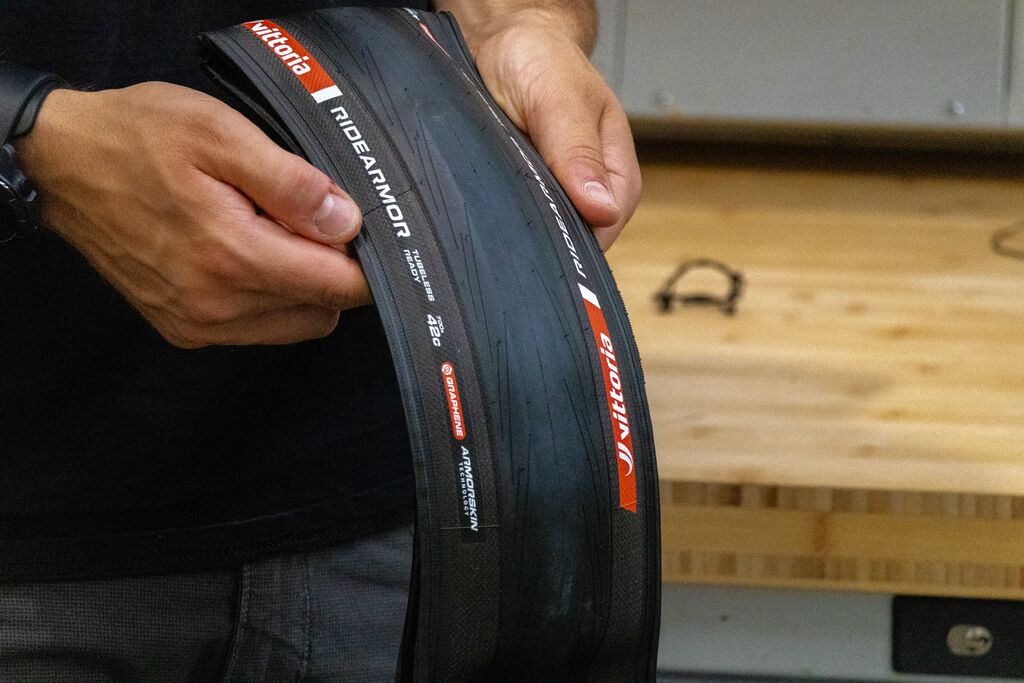
The RideArmor’s tough construction comes from its ArmorSkin sidewall layer, which protects the walls “from cuts and abrasions even on the roughest surfaces”.
It also has a Kevlar bead-to-bead protection belt to protect against punctures from road debris.
Meanwhile, the tyre uses Vittoria’s Graphene + Silica compound for high mileage and durability, while “providing dependable grip across a wide range of surfaces and weather conditions”.
The 100 TPI casing is said to complete a construction that’s intended to be reliable.
The RideArmor has a slick tread. Vittoria
Vittoria says the slick tread “ensures low rolling resistance and excellent efficiency”. No data has been provided to back up those claims.
Like all RideArmor tyres, you can set up the 42mm width tubeless or with an inner tube. It is also suitable for use on an electric bike. The 42mm version weighs 480g.
Not Vittoria’s first 42mm road tyre
Vittoria released a 42mm Corsa Pro Control in April. Vittoria
Vittoria’s chief marketing and innovation officer, Vanessa ten Hoff, says the company follows trends but only chooses “to act when they deliver real, measurable benefits”.
Now the wider RideArmor provides riders with a 42mm option from Vittoria that is less focused on performance.
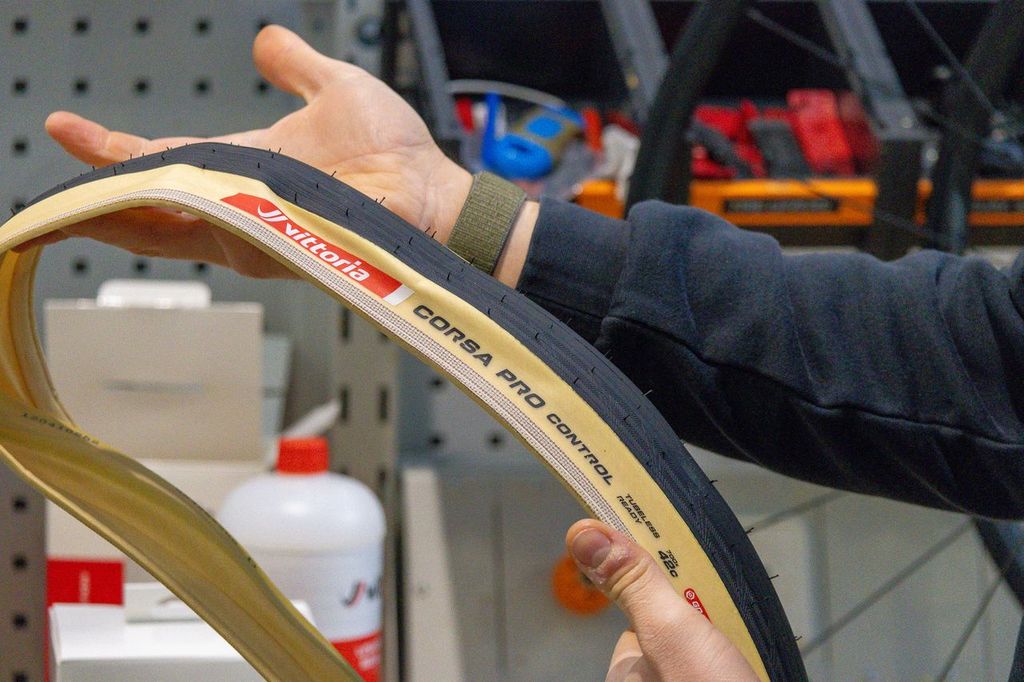
“While Corsa PRO Control is Vittoria’s performance-oriented option for riders seeking racing-level performance on demanding surfaces, RideArmor is the choice for those who prioritise durability, puncture protection and everyday reliability,” Vittoria says.
Vittoria has added a new 700x42c size to its RideArmor range to bring greater versatility to its “most durable and puncture-resistant road tyre”.
The first RideArmor tyre launched in 2024 and was billed as Vittoria’s toughest road bike tyre. It was available in seven sizes, from 700x26c to 700x38c, but this latest launch expands the range to eight widths.
The RideArmor was originally billed as suiting training and commuting. Vittoria now says the tyre is for everything from “the daily commute to a multi-day bikepacking adventure or a ride combining asphalt and light gravel”.
Responding to an evolution
The new tyre size is designed to meet the evolving needs of road and gravel cyclists. Vittoria
These bikes now have increased tyre clearance and more compliant geometries and there is “the growing popularity of mixed-surface rides”.
“The new size responds to this evolution, with increased air volume to better absorb vibrations and provide greater grip, stability and confidence over long distances, while also delivering aerodynamic benefits on bikes designed around wider tyres,” Vittoria says.
Tough construction
The RideArmor is Vittoria’s toughest road bike tyre. Vittoria
The RideArmor’s tough construction comes from its ArmorSkin sidewall layer, which protects the walls “from cuts and abrasions even on the roughest surfaces”.
It also has a Kevlar bead-to-bead protection belt to protect against punctures from road debris.
Meanwhile, the tyre uses Vittoria’s Graphene + Silica compound for high mileage and durability, while “providing dependable grip across a wide range of surfaces and weather conditions”.
The 100 TPI casing is said to complete a construction that’s intended to be reliable.
The RideArmor has a slick tread. Vittoria
Vittoria says the slick tread “ensures low rolling resistance and excellent efficiency”. No data has been provided to back up those claims.
Like all RideArmor tyres, you can set up the 42mm width tubeless or with an inner tube. It is also suitable for use on an electric bike. The 42mm version weighs 480g.
Not Vittoria’s first 42mm road tyre
Vittoria released a 42mm Corsa Pro Control in April. Vittoria
Vittoria’s chief marketing and innovation officer, Vanessa ten Hoff, says the company follows trends but only chooses “to act when they deliver real, measurable benefits”.
Now the wider RideArmor provides riders with a 42mm option from Vittoria that is less focused on performance.
“While Corsa PRO Control is Vittoria’s performance-oriented option for riders seeking racing-level performance on demanding surfaces, RideArmor is the choice for those who prioritise durability, puncture protection and everyday reliability,” Vittoria says.
Our latest episode focuses on “This Season on Zwift“, this week’s announcement from Zwift about what they have planned for the next few months. We’re joined by Ryan Condon, who offers his totally unprepared reactions to each TSOZ topic before we dive in for a deeper take:
Companion App Refresh, New Bikes, and (maybe) Purchaseable Paint Schemes
We also dive into a recent GCN video that revealed aggregated stats pulled from analyzing millions of power data points from Zwifters’ last 12 months of personal bests. Is the data even useful? What else could Zwift do with it? There are many possibilities in a world of big training data…
And that’s a wrap. Thanks for listening! Leave a review if the show is landing for you, and share us with your cycling friends. Word of mouth is how independent podcasts grow.
Listen On:
Meet the Team
Dave Towle: The voice of American cycling, having called some of the biggest races in the country for decades. Find him @davetowleannouncer.
Shane Miller (GPLama): Based in Australia, Shane is one of the most followed and trusted cycling tech reviewers in the world. Find him at @gplama.
Eric Schlange: Founder of Zwift Insider, the internet’s most comprehensive and reliable resource for Zwift routes, updates, and platform intelligence. Find him @zwiftinsider.
Share Your Thoughts!
This is just an early episode of what we hope is a long-running and useful community Zwift podcast. Share your thoughts below. We’re listening!
Our latest episode focuses on “This Season on Zwift“, this week’s announcement from Zwift about what they have planned for the next few months. We’re joined by Ryan Condon, who offers his totally unprepared reactions to each TSOZ topic before we dive in for a deeper take:
Companion App Refresh, New Bikes, and (maybe) Purchaseable Paint Schemes
We also dive into a recent GCN video that revealed aggregated stats pulled from analyzing millions of power data points from Zwifters’ last 12 months of personal bests. Is the data even useful? What else could Zwift do with it? There are many possibilities in a world of big training data…
And that’s a wrap. Thanks for listening! Leave a review if the show is landing for you, and share us with your cycling friends. Word of mouth is how independent podcasts grow.
Listen On:
Meet the Team
Dave Towle: The voice of American cycling, having called some of the biggest races in the country for decades. Find him @davetowleannouncer.
Shane Miller (GPLama): Based in Australia, Shane is one of the most followed and trusted cycling tech reviewers in the world. Find him at @gplama.
Eric Schlange: Founder of Zwift Insider, the internet’s most comprehensive and reliable resource for Zwift routes, updates, and platform intelligence. Find him @zwiftinsider.
Share Your Thoughts!
This is just an early episode of what we hope is a long-running and useful community Zwift podcast. Share your thoughts below. We’re listening!
The best gravel bikes under £2,000 / $2,000 are a great way to sample the delights of gravel riding.
At this price point, gravel bikes start to get very good, with quality frames and components on many of the latest bikes.
As well as venturing off-road, buying a gravel bike can be a smart decision if you want a versatile all-weather machine that can take mudguards or a pannier rack, for winter riding or cycling to work.
With this in mind, gravel bikes have largely replaced cyclocross bikes as the go-to for year-round practicality.
They open up a new realm of riding, with wide gravel tyres and disc brakes enabling them to ride on unpaved surfaces, whether that’s smooth singletrack, fire roads or just your local towpath.
We’ve tested more than 200 gravel bikes here at BikeRadar. The bikes in this buyer’s guide, costing between £,1,000 and £2,000, have all been ridden and reviewed by our test team, who have ridden gravel bikes since their inception in the early 2010s.
This best list was written by our staff writer, Nick Clark, who has brought together expertise from across the team while adding his personal experience in the saddle.
Editor’s note: this list was updated on 14 September 2026 with our latest high-scoring reviews, including the Trek Checkpoint ALR 5 Gen 3, Whyte Verro, Boardman ADV 8.9 and Focus Atlas 6.7. We have also removed bikes no longer available for purchase.
Best gravel bikes under £2,000 / $2,000
Trek Checkpoint ALR 5 Gen 3
SQUIRREL_TEXT_14036284
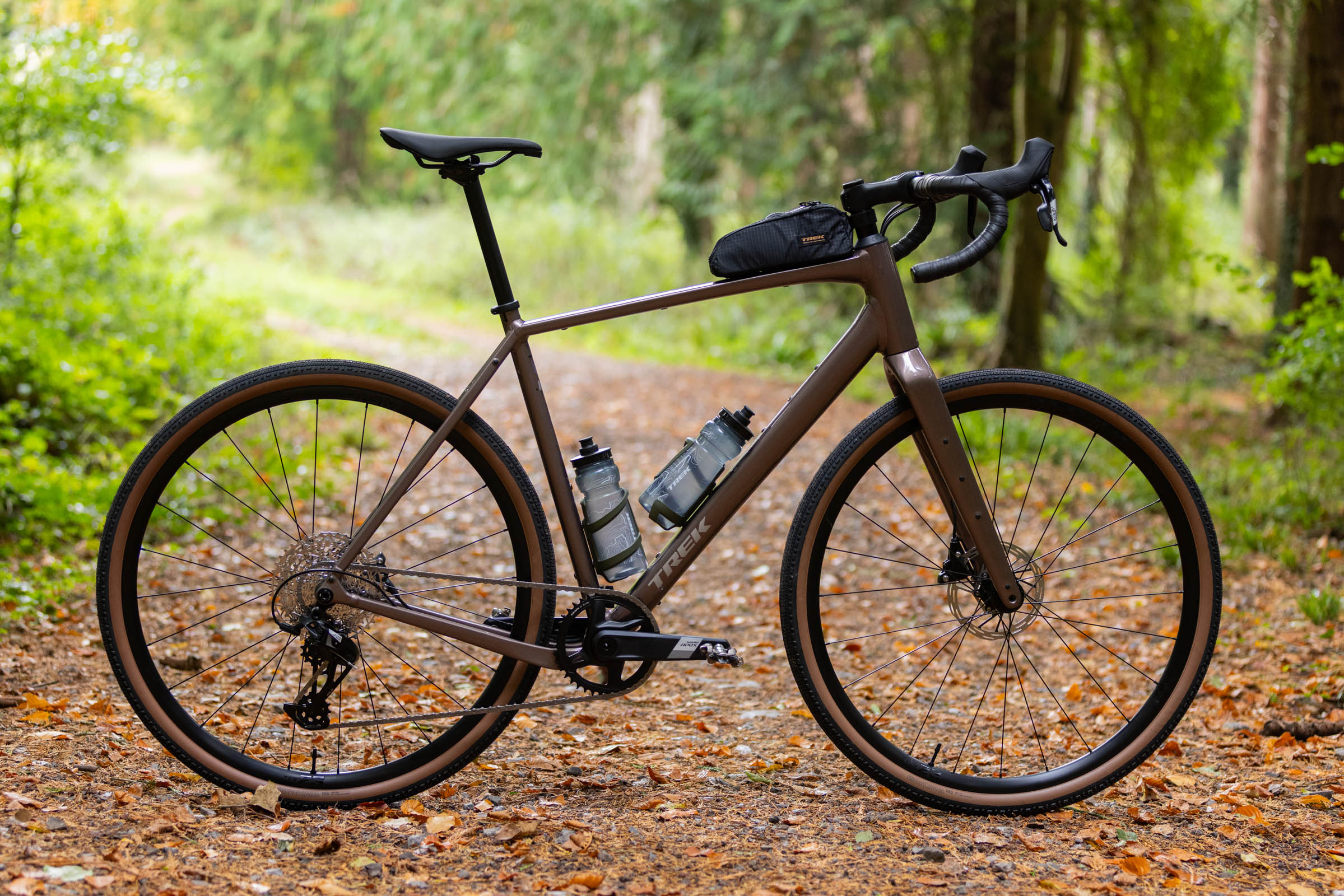
The Trek Checkpoint ALR 5 Gen 3 combines a lightweight aluminium frame with 50mm tyre clearance and plenty of mounts for versatile gravel riding. Scott Windsor / Our Media
Pros: Modern frame design; agile handling; great ride quality
Cons: Tyres won’t suit all conditions
The Trek Checkpoint ALR 5 Gen 3 is a thoroughly modern gravel bike that offers excellent performance without a huge price tag.
Our tester found the aluminium frame and carbon fork deliver a responsive but comfortable ride, while the geometry gives it a useful balance of road manners and off-road capability.
The 50mm tyre clearance and plentiful mounting points also make it well suited to bikepacking and commuting.
At 10.56kg, it feels quick on the road and climbs well, while the SRAM Apex XPLR drivetrain shifts reliably. The main limitation is the stock Bontrager Girona Pro tyres, which struggle in mud.
Pros: Steel-framed with lively handling; great value for money
Cons: Brakes set up soft
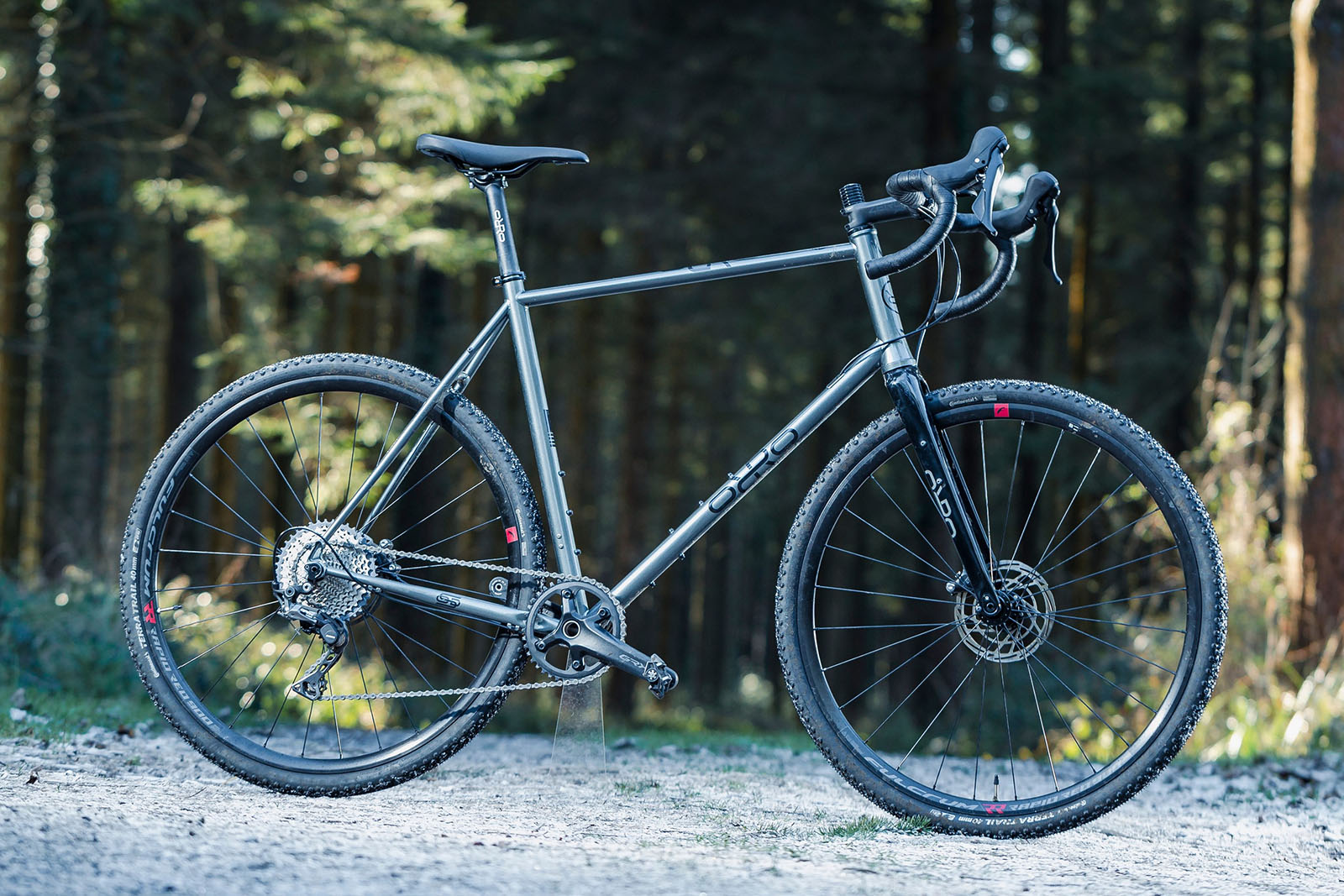
The Orro Terra S GRX600 is a lesson in how to build a steel bike with slim tubing bringing plenty of life and zip to the ride. Its lively handling is matched with a smooth and steady feel, making it at home on double-track gravel roads and singletrack trails.
Orro has matched the impressive frame with a compelling spec list for the price tag. The bike comes with a Shimano GRX600 1x drivetrain, Fulcrum wheels, Continental tyres and a Deda cockpit.
With its mounting points, this bike would be equally suited to commuting, winter road riding and bikepacking, as well as gravel riding.
It’s a shame it isn’t set up tubeless and the brakes were a little soft in testing, but this doesn’t detract too much from a practical yet fun ride.
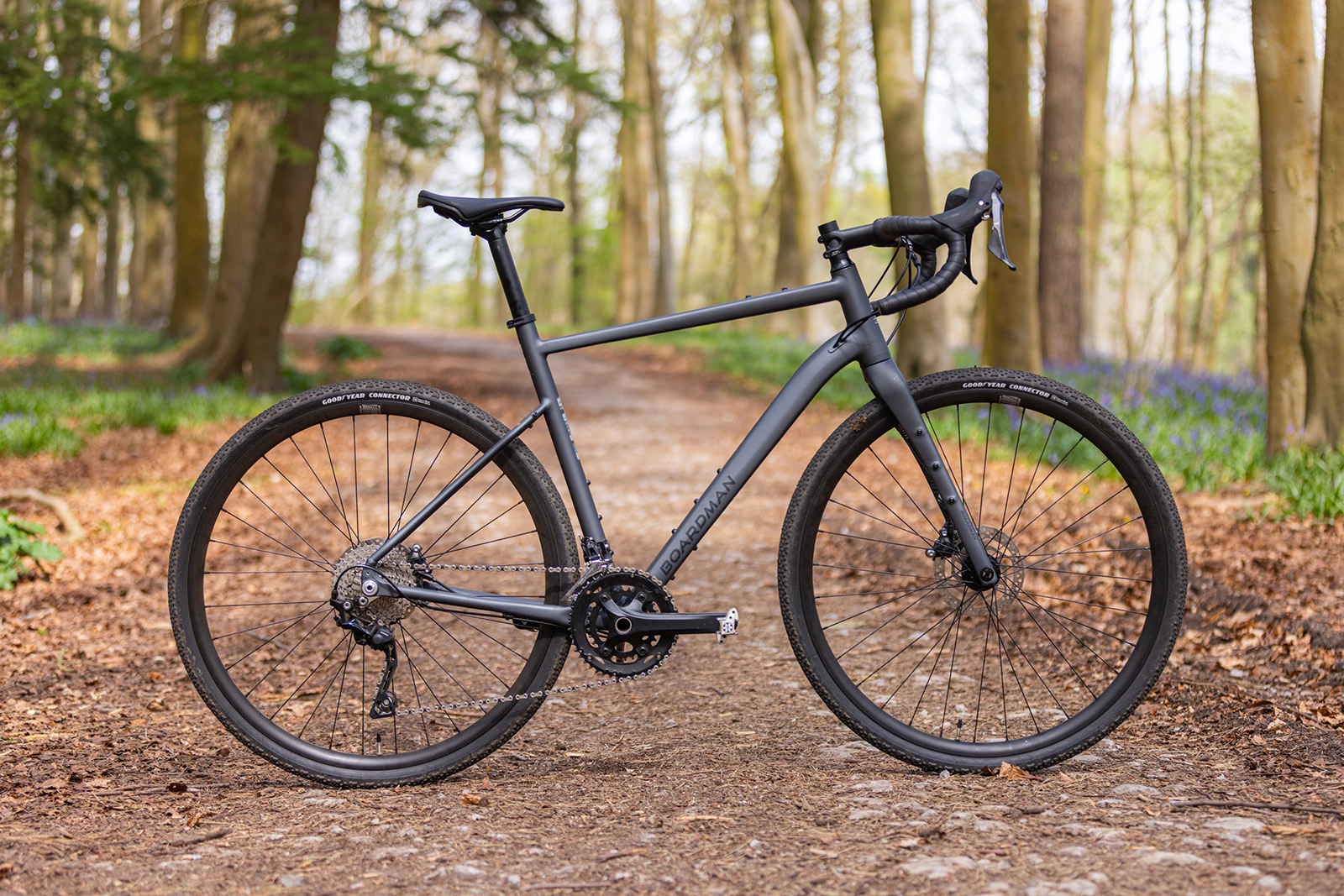
The Boardman ADV 8.9 combines a versatile aluminium frameset, 50mm tyre clearance and a quality GRX groupset at an appealing price. Scott Windsor / Our Media
Pros: Amazing value; great frameset; confident handling
Cons: 2x GRX can be noisy; front derailleur requires regular adjustments
The Boardman ADV 8.9 is a hugely capable gravel bike that offers excellent value at £1,200.
Its well-finished 6061 aluminium frame has sensible geometry, 50mm tyre clearance and plenty of mounts for bikepacking, commuting or longer adventures.
The compact riding position and stable handling make it comfortable on the road, while the bike feels surprisingly agile and confident when the trails get rough.
Shimano GRX 2×10 provides a useful spread of gears, and the tubeless-ready wheels and Goodyear tyres are impressive at this price.
The main issue is the front derailleur, which can suffer from chain rub and needs regular adjustment.
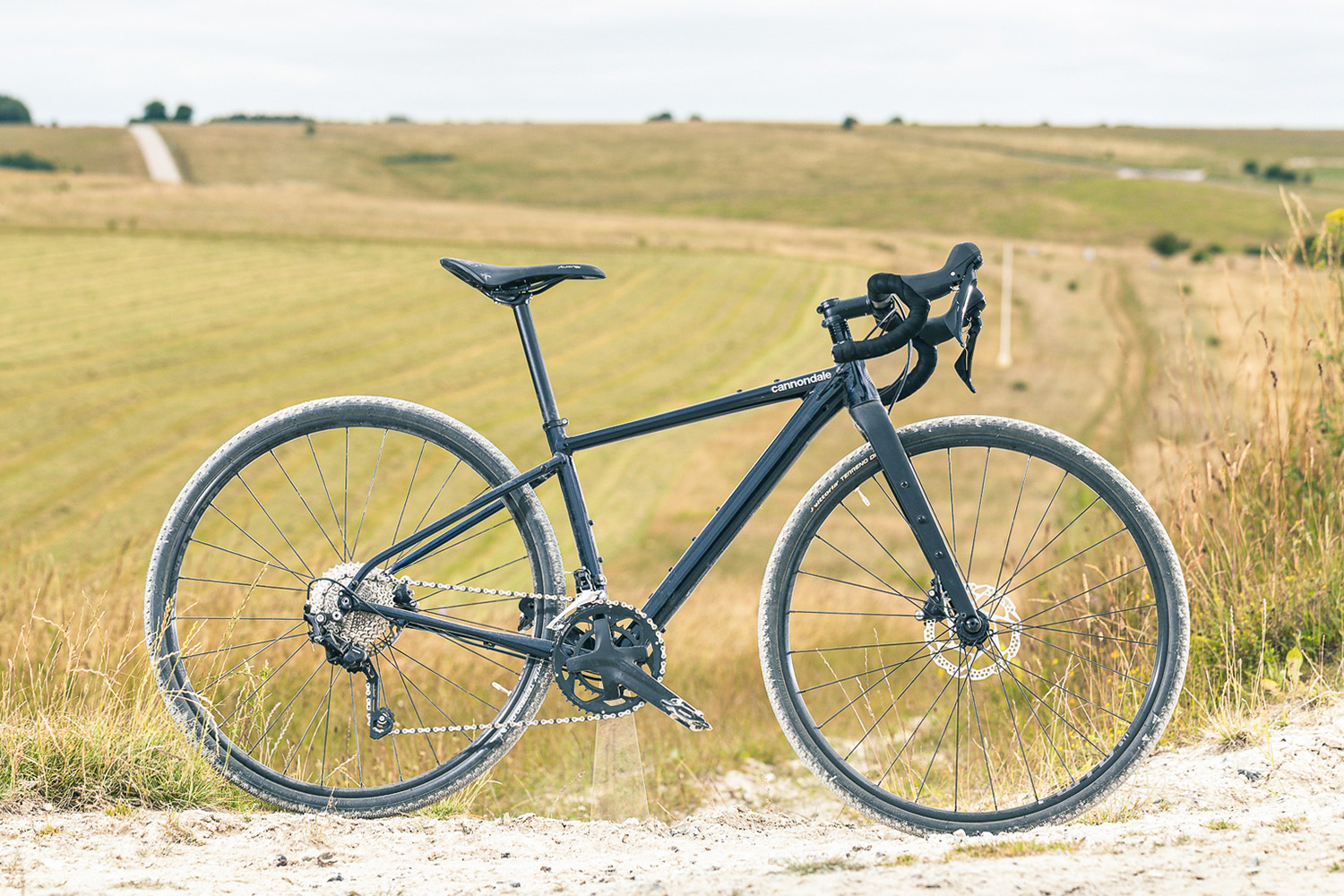
The Cannondale Topstone Alloy 2 is suited to road and light off-road riding. Russell Burton / Our Media
£1,800 / $1,925 / €2,199 / AU$3,199 as tested by Katherine Moore
Pros: Bang up to date with mounting points and plenty of tyre clearance
Cons: Tyres are narrow
The Cannondale Topstone Alloy 2 is an aluminium version of the Cannondale Topstone Carbon, bringing many of the same features to a more affordable price point.
The Topstone’s geometry is fairly conservative for a gravel bike, but this isn’t too surprising considering it’s intended to cover road to light off-road riding.
When riding, the Topstone performed immediately on the road. Its build is suited to fast riding and it feels a lot like an endurance road bike.
A flared handlebar helps navigate rougher terrains, but lumps and bumps are exaggerated by the lightweight 37mm Vittoria Terreno Dry tyres. If you want to make this bike more suitable for riding off-road, it can fit up to 700x45mm gravel tyres.
Elsewhere, the bike has a 2x drivetrain with a 10-speed cassette. This feels like a compromise, with 11-speed and now 12-speed being commonplace.
Pros: Handles tough terrain well; comfortable ride without being dull
Cons: 2x drivetrain can be noisy; front derailleur requires regular adjustments; heavy
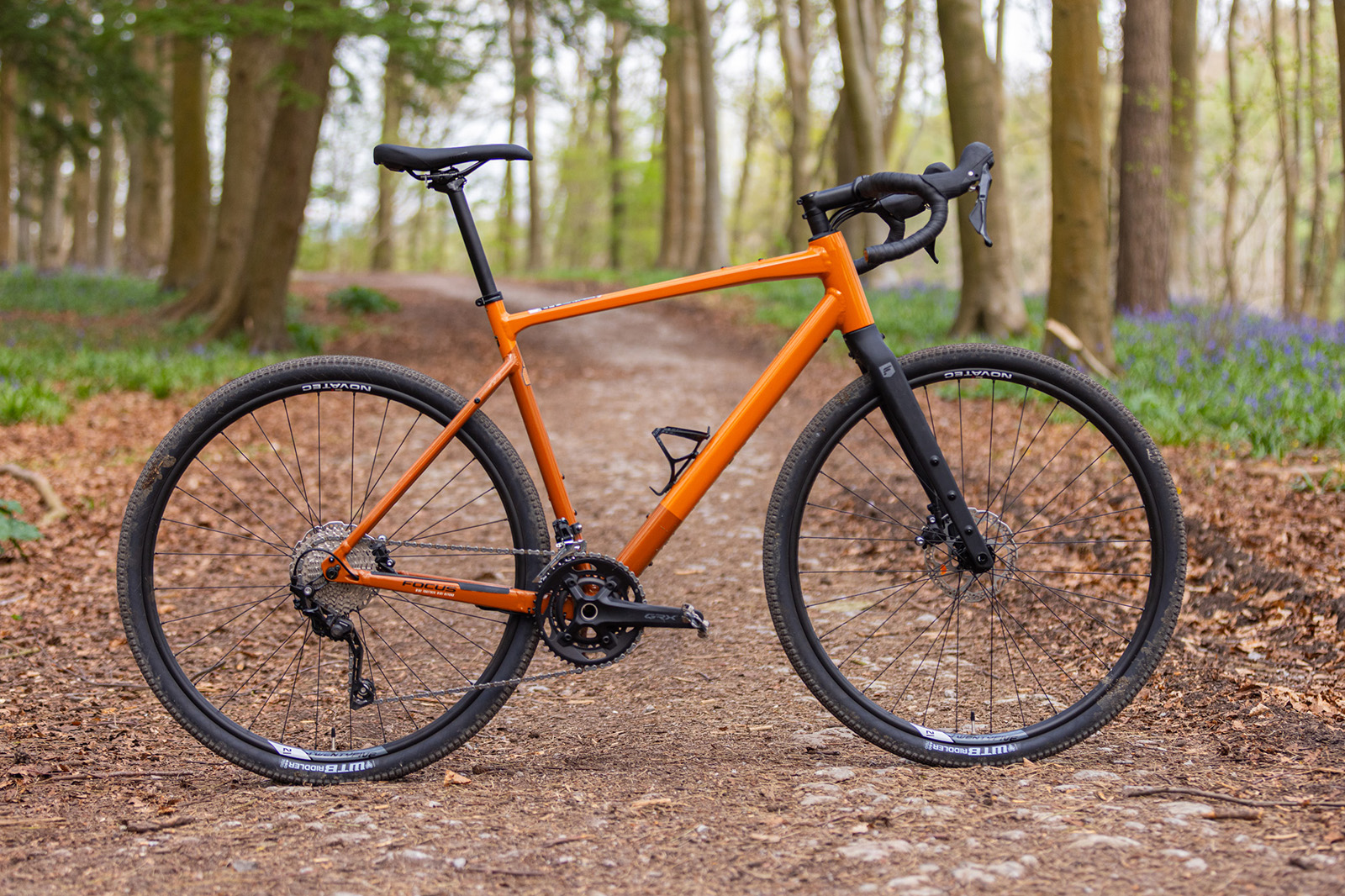
The Focus Atlas 6.7 is a versatile gravel bike with the handling to tackle surprisingly rough terrain.
Its stable front end, wide 45mm tyres and broad handlebar give it impressive confidence on technical trails, while the comfortable ride makes it well suited to longer adventures.
The aluminium frame is packed with practical features, including rack, mudguard and multiple luggage mounts.
Shimano GRX 2×10 provides reliable shifting and the brakes are excellent, although the front derailleur needs regular adjustment.
At 11.42kg, it’s not a lightweight, and the 11-34 cassette leaves it lacking a really low gear for steep climbs.
Pros: Great-looking; competitive price; bundles of fun
Cons: A few downgraded parts; ponderous on the road; not tubeless-ready
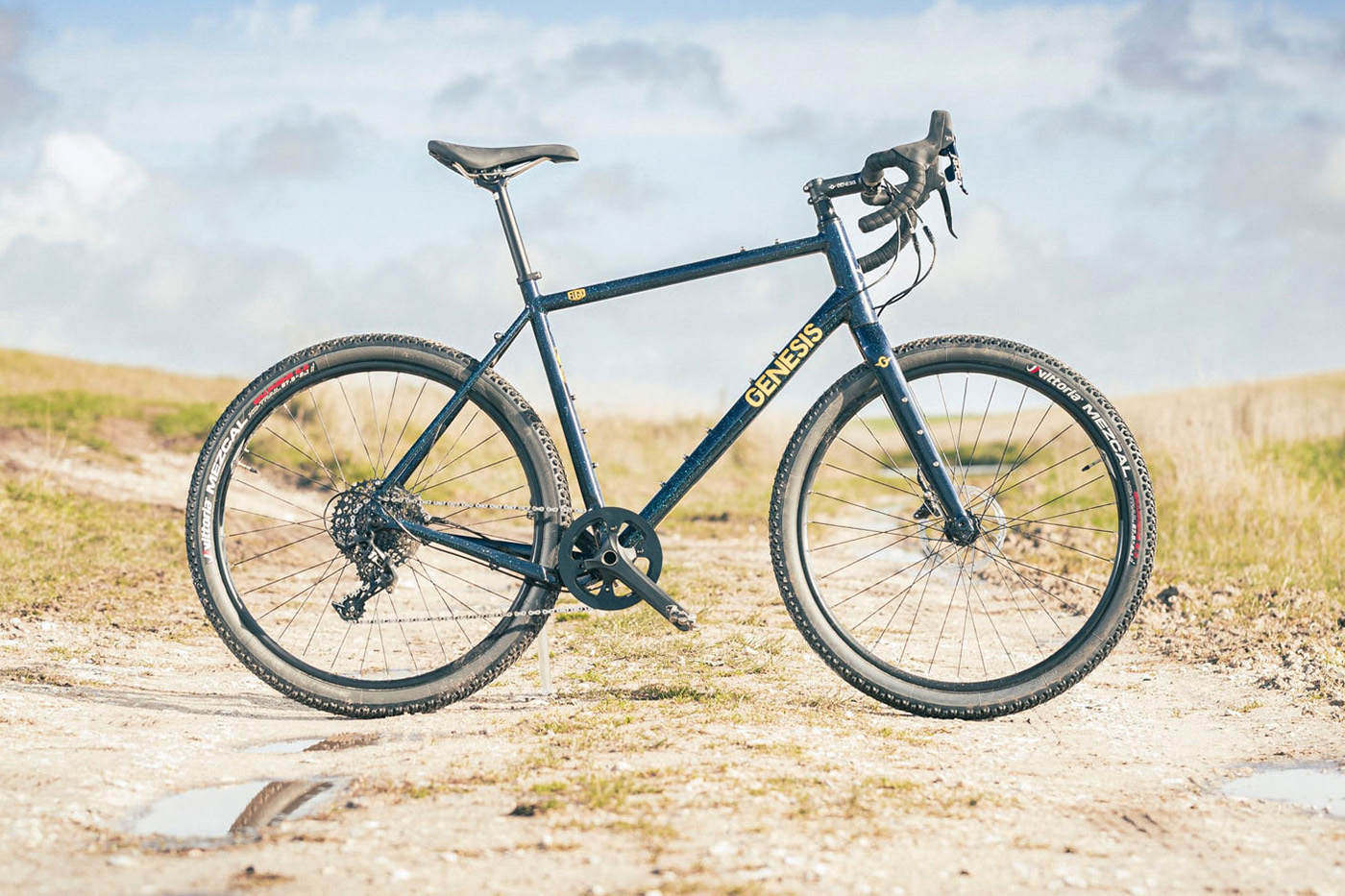
The Genesis Fugio 30 embodies what’s so great about gravel riding, proving to be bundles of fun and capable of covering big miles.
Previous Fugios had steel frames, but this version is alloy, saving 500g over its predecessor.
The Fugio 30 may not be the fastest on roads, but its relaxed geometry and clearance for 57mm tyres make it ideal for exploring and riding terrain and trails beyond your comfort zone.
The price has been kept low with the odd downgraded component, which is the only thing holding this bike back from a higher score.
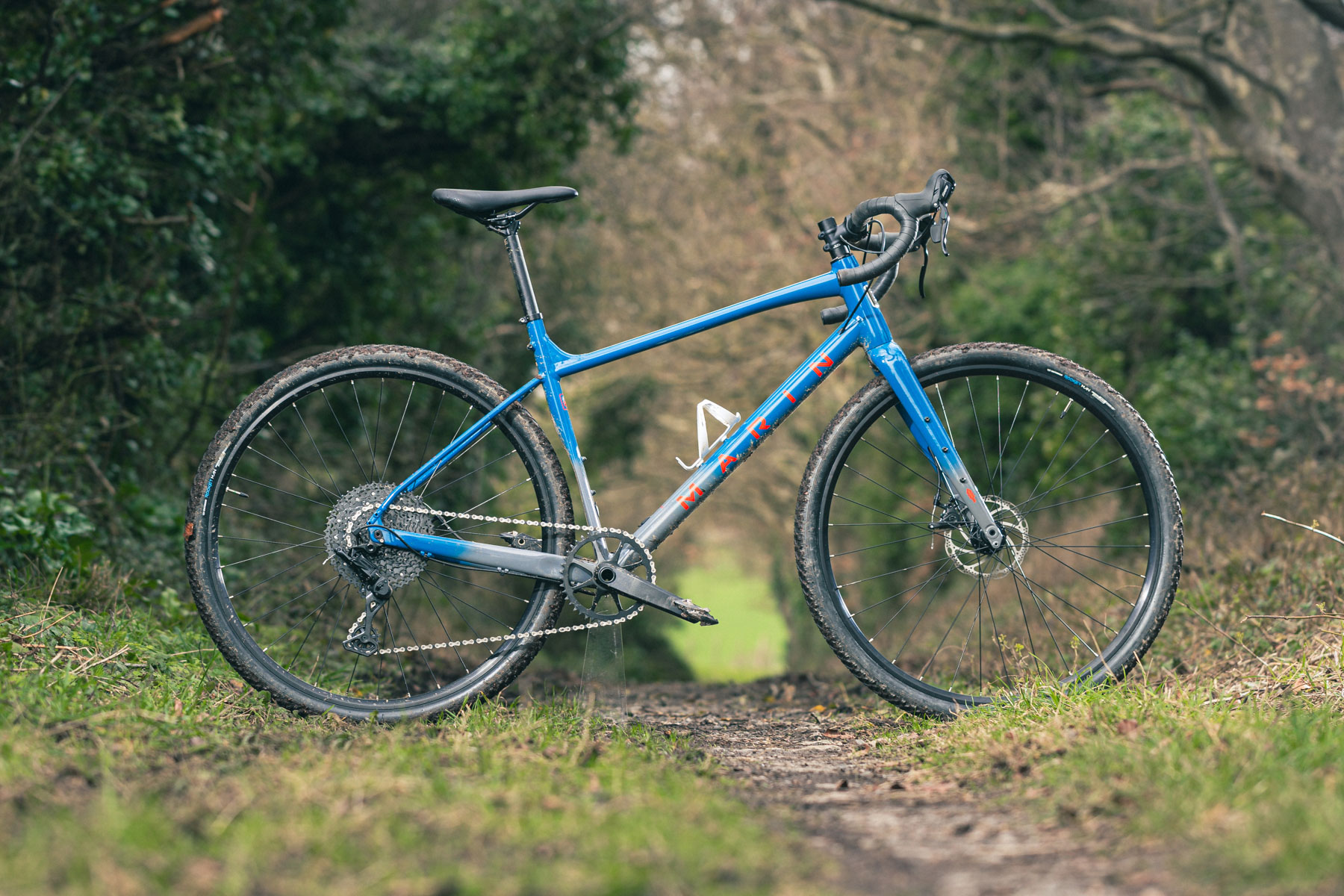
The Marin Gestalt X10 is a gravel bike inspired by mountain bikes.
Its geometry isn’t massively different from a hardtail mountain bike, with a long wheelbase and slack head tube. So it might come as little surprise that the Gestalt isn’t so quick on paved surfaces. But when it comes to pure off-road riding and technical trails, it’s excellent.
Our tester said the Marin is one of the most comfortable budget gravel bikes he’s tested, with the front end minimising vibrations and taking hits in its stride.
The Microshift drivetrain offers great shifting and ample range for off-road riding.
The TRP mechanical disc brakes have enough power, but are less progressive than pricier hydraulic brakes.
The CGR 725 Steel from Ribble is defined by its charming Reynolds 725 steel chassis, which is compatible with 700c and 650b wheels, and tyres up to 47mm.
It’s a classy looking, comfortable bike to ride with heaps of practicality. It’s about as versatile as bikes get thanks to rack mounts, mudguard fittings and bosses galore.
The bike we tested didn’t stray far from Ribble’s off-the-peg configuration and featured Shimano’s Tiagra groupset, Tektro mechanical disc brakes and Mavic Aksium Disc Clincher wheels.
Riders looking for a different spec can toy with Ribble’s BikeBuilder service, which allows individual component upgrades, from groupsets and wheels right the way through to different handlebars. Similarly, those who seek a more individual look can opt for Ribble’s custom colour option.
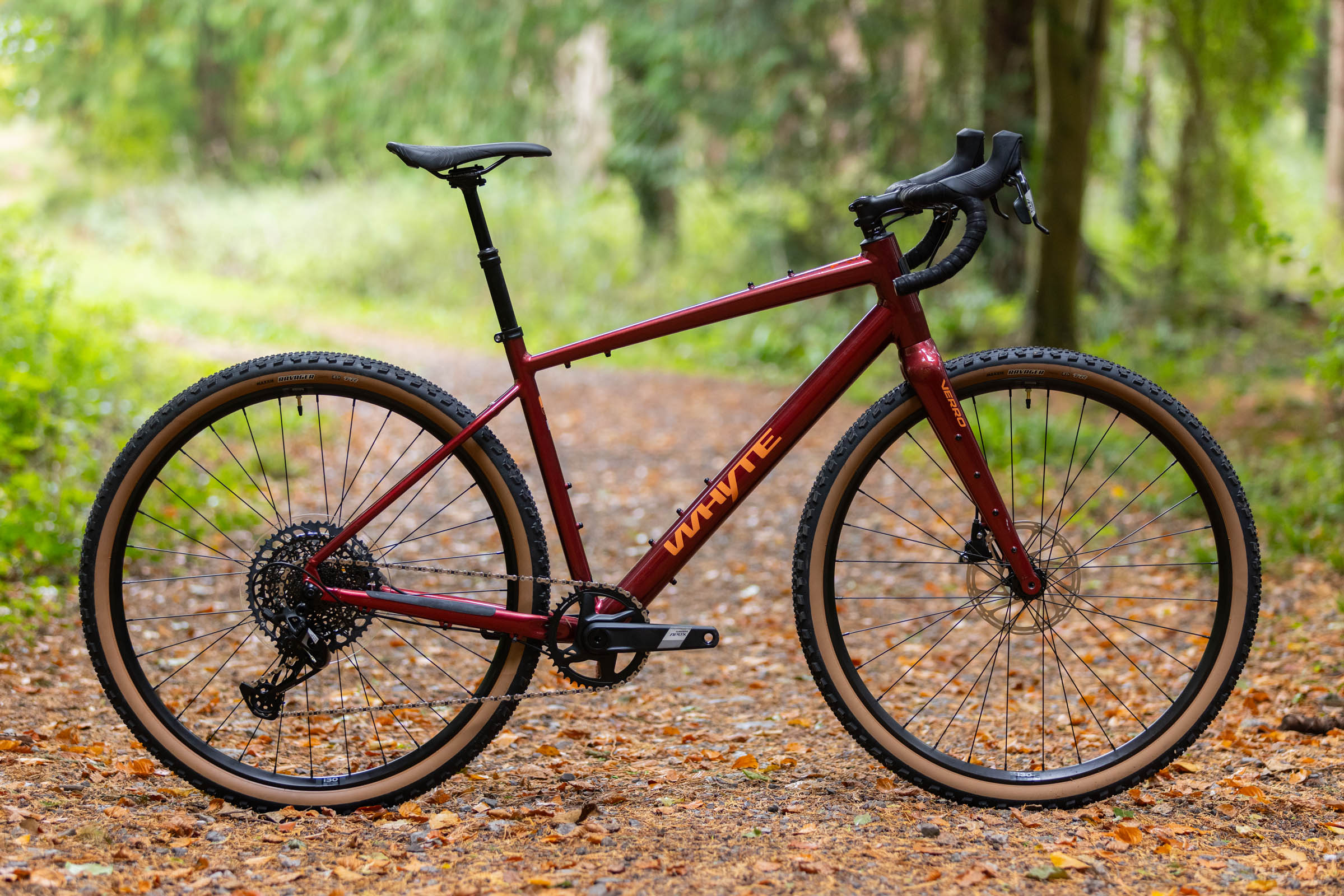
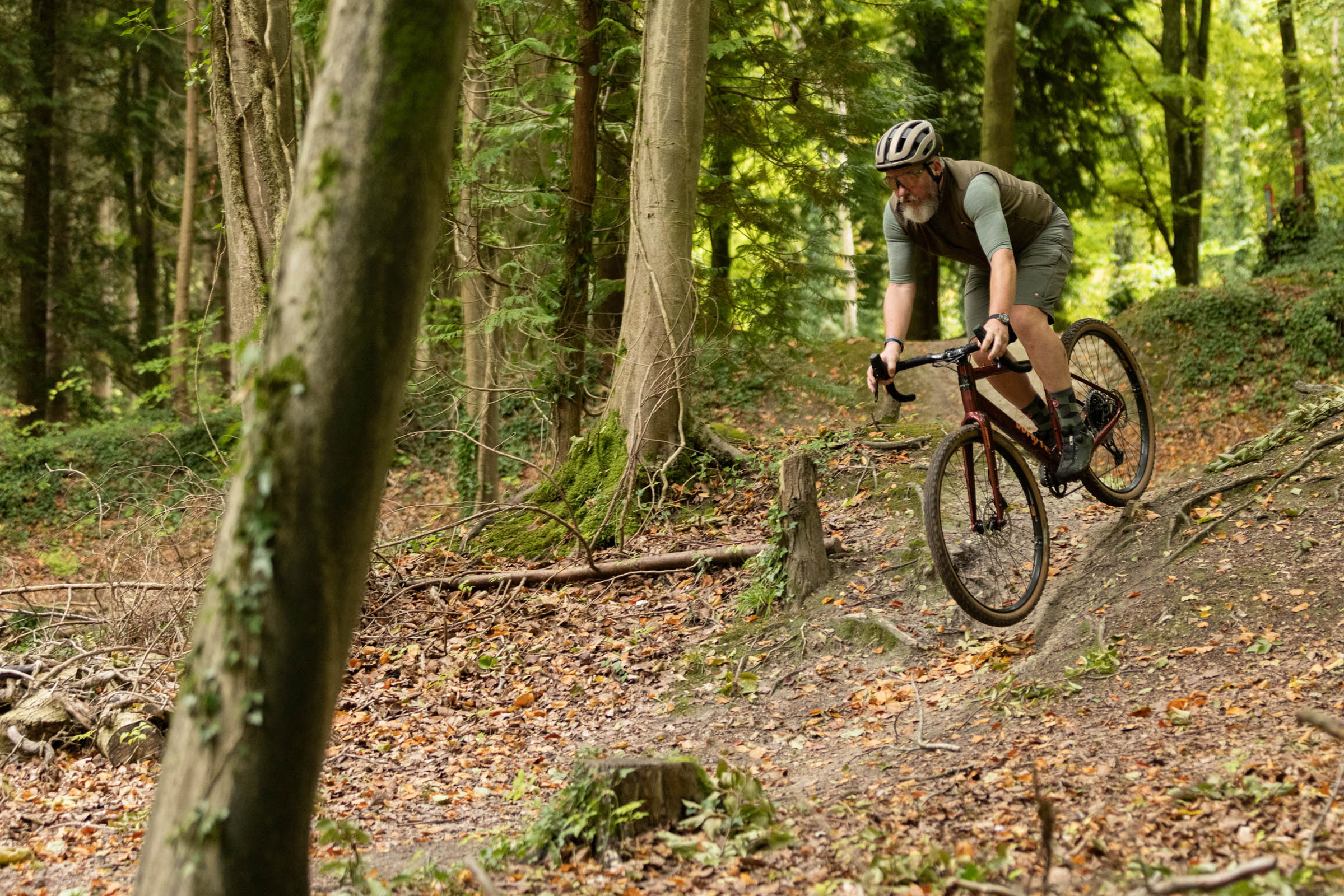
The Whyte Verro combines progressive gravel geometry with 50mm tyres, a dropper post and a wide-range SRAM Apex Eagle drivetrain for serious off-road riding. Scott Windsor / Ourmedia
We put sub-£2,000 gravel bikes through their paces on a variety of terrain. Scott Windsor / Ourmedia
We test sub-£2,000 gravel bikes in the same places we test all gravel bikes over a range of surfaces, from paved roads to light singletrack trails and, of course, in their natural environment on gravel roads.
Our team of testers have been involved in the world of gravel bikes since their inception. Our senior technical editor, Warren Rossiter, first tested a thoroughbred gravel bike at the beginning of the 2010s and since then he reckons he’s reviewed close to 200 gravel bikes.
We use long test cycles to ascertain how the bikes live up to real-world riding and go out in wide-ranging conditions to see how they perform in the wet and dry.
Ultimately, our gravel bike reviews are based on the following criteria:
Handling characteristics – how does the bike handle and does it inspire confidence on descents?
Specification – does the bike feature decent components that will live up to the rigours of gravel riding?
Performance against brand claims – does the bike perform well for the intended use?
Value vs competition – is the bike a good deal compared to others in the market?
Why you can trust BikeRadar
BikeRadar has been an authority on bikes and cycling tech since its inception in 2007, delivering the world’s best riding advice.
We have experts testing all types of bikes, parts, clothing and accessories, from road, mountain and gravel bikes to commuting, bikepacking and electric bikes.
Our reviews are always editorially independent – with no exceptions. Our reviewers comprehensively test all products in the real world, always reflecting on performance, value and the wider market when delivering their verdicts and review ratings.
We have more than 15,000 product reviews available at your fingertips, as well as expert buying, maintenance, training, skills, health and fitness advice.
Our annual Bike of the Year test is an industry benchmark and the BikeRadar team consists of some of the most experienced riders and testers in the business.
The best gravel bikes under £2,000 / $2,000 are a great way to sample the delights of gravel riding.
At this price point, gravel bikes start to get very good, with quality frames and components on many of the latest bikes.
As well as venturing off-road, buying a gravel bike can be a smart decision if you want a versatile all-weather machine that can take mudguards or a pannier rack, for winter riding or cycling to work.
With this in mind, gravel bikes have largely replaced cyclocross bikes as the go-to for year-round practicality.
They open up a new realm of riding, with wide gravel tyres and disc brakes enabling them to ride on unpaved surfaces, whether that’s smooth singletrack, fire roads or just your local towpath.
We’ve tested more than 200 gravel bikes here at BikeRadar. The bikes in this buyer’s guide, costing between £,1,000 and £2,000, have all been ridden and reviewed by our test team, who have ridden gravel bikes since their inception in the early 2010s.
This best list was written by our staff writer, Nick Clark, who has brought together expertise from across the team while adding his personal experience in the saddle.
Editor’s note: this list was updated on 14 September 2026 with our latest high-scoring reviews, including the Trek Checkpoint ALR 5 Gen 3, Whyte Verro, Boardman ADV 8.9 and Focus Atlas 6.7. We have also removed bikes no longer available for purchase.
Best gravel bikes under £2,000 / $2,000
Trek Checkpoint ALR 5 Gen 3
SQUIRREL_TEXT_14036284
The Trek Checkpoint ALR 5 Gen 3 combines a lightweight aluminium frame with 50mm tyre clearance and plenty of mounts for versatile gravel riding. Scott Windsor / Our Media
Pros: Modern frame design; agile handling; great ride quality
Cons: Tyres won’t suit all conditions
The Trek Checkpoint ALR 5 Gen 3 is a thoroughly modern gravel bike that offers excellent performance without a huge price tag.
Our tester found the aluminium frame and carbon fork deliver a responsive but comfortable ride, while the geometry gives it a useful balance of road manners and off-road capability.
The 50mm tyre clearance and plentiful mounting points also make it well suited to bikepacking and commuting.
At 10.56kg, it feels quick on the road and climbs well, while the SRAM Apex XPLR drivetrain shifts reliably. The main limitation is the stock Bontrager Girona Pro tyres, which struggle in mud.
Pros: Steel-framed with lively handling; great value for money
Cons: Brakes set up soft
The Orro Terra S GRX600 is a lesson in how to build a steel bike with slim tubing bringing plenty of life and zip to the ride. Its lively handling is matched with a smooth and steady feel, making it at home on double-track gravel roads and singletrack trails.
Orro has matched the impressive frame with a compelling spec list for the price tag. The bike comes with a Shimano GRX600 1x drivetrain, Fulcrum wheels, Continental tyres and a Deda cockpit.
With its mounting points, this bike would be equally suited to commuting, winter road riding and bikepacking, as well as gravel riding.
It’s a shame it isn’t set up tubeless and the brakes were a little soft in testing, but this doesn’t detract too much from a practical yet fun ride.
The Boardman ADV 8.9 combines a versatile aluminium frameset, 50mm tyre clearance and a quality GRX groupset at an appealing price. Scott Windsor / Our Media
Pros: Amazing value; great frameset; confident handling
Cons: 2x GRX can be noisy; front derailleur requires regular adjustments
The Boardman ADV 8.9 is a hugely capable gravel bike that offers excellent value at £1,200.
Its well-finished 6061 aluminium frame has sensible geometry, 50mm tyre clearance and plenty of mounts for bikepacking, commuting or longer adventures.
The compact riding position and stable handling make it comfortable on the road, while the bike feels surprisingly agile and confident when the trails get rough.
Shimano GRX 2×10 provides a useful spread of gears, and the tubeless-ready wheels and Goodyear tyres are impressive at this price.
The main issue is the front derailleur, which can suffer from chain rub and needs regular adjustment.
The Cannondale Topstone Alloy 2 is suited to road and light off-road riding. Russell Burton / Our Media
£1,800 / $1,925 / €2,199 / AU$3,199 as tested by Katherine Moore
Pros: Bang up to date with mounting points and plenty of tyre clearance
Cons: Tyres are narrow
The Cannondale Topstone Alloy 2 is an aluminium version of the Cannondale Topstone Carbon, bringing many of the same features to a more affordable price point.
The Topstone’s geometry is fairly conservative for a gravel bike, but this isn’t too surprising considering it’s intended to cover road to light off-road riding.
When riding, the Topstone performed immediately on the road. Its build is suited to fast riding and it feels a lot like an endurance road bike.
A flared handlebar helps navigate rougher terrains, but lumps and bumps are exaggerated by the lightweight 37mm Vittoria Terreno Dry tyres. If you want to make this bike more suitable for riding off-road, it can fit up to 700x45mm gravel tyres.
Elsewhere, the bike has a 2x drivetrain with a 10-speed cassette. This feels like a compromise, with 11-speed and now 12-speed being commonplace.
Pros: Handles tough terrain well; comfortable ride without being dull
Cons: 2x drivetrain can be noisy; front derailleur requires regular adjustments; heavy
The Focus Atlas 6.7 is a versatile gravel bike with the handling to tackle surprisingly rough terrain.
Its stable front end, wide 45mm tyres and broad handlebar give it impressive confidence on technical trails, while the comfortable ride makes it well suited to longer adventures.
The aluminium frame is packed with practical features, including rack, mudguard and multiple luggage mounts.
Shimano GRX 2×10 provides reliable shifting and the brakes are excellent, although the front derailleur needs regular adjustment.
At 11.42kg, it’s not a lightweight, and the 11-34 cassette leaves it lacking a really low gear for steep climbs.
Pros: Great-looking; competitive price; bundles of fun
Cons: A few downgraded parts; ponderous on the road; not tubeless-ready
The Genesis Fugio 30 embodies what’s so great about gravel riding, proving to be bundles of fun and capable of covering big miles.
Previous Fugios had steel frames, but this version is alloy, saving 500g over its predecessor.
The Fugio 30 may not be the fastest on roads, but its relaxed geometry and clearance for 57mm tyres make it ideal for exploring and riding terrain and trails beyond your comfort zone.
The price has been kept low with the odd downgraded component, which is the only thing holding this bike back from a higher score.
The Marin Gestalt X10 is a gravel bike inspired by mountain bikes.
Its geometry isn’t massively different from a hardtail mountain bike, with a long wheelbase and slack head tube. So it might come as little surprise that the Gestalt isn’t so quick on paved surfaces. But when it comes to pure off-road riding and technical trails, it’s excellent.
Our tester said the Marin is one of the most comfortable budget gravel bikes he’s tested, with the front end minimising vibrations and taking hits in its stride.
The Microshift drivetrain offers great shifting and ample range for off-road riding.
The TRP mechanical disc brakes have enough power, but are less progressive than pricier hydraulic brakes.
The CGR 725 Steel from Ribble is defined by its charming Reynolds 725 steel chassis, which is compatible with 700c and 650b wheels, and tyres up to 47mm.
It’s a classy looking, comfortable bike to ride with heaps of practicality. It’s about as versatile as bikes get thanks to rack mounts, mudguard fittings and bosses galore.
The bike we tested didn’t stray far from Ribble’s off-the-peg configuration and featured Shimano’s Tiagra groupset, Tektro mechanical disc brakes and Mavic Aksium Disc Clincher wheels.
Riders looking for a different spec can toy with Ribble’s BikeBuilder service, which allows individual component upgrades, from groupsets and wheels right the way through to different handlebars. Similarly, those who seek a more individual look can opt for Ribble’s custom colour option.
The Whyte Verro combines progressive gravel geometry with 50mm tyres, a dropper post and a wide-range SRAM Apex Eagle drivetrain for serious off-road riding. Scott Windsor / Ourmedia
We put sub-£2,000 gravel bikes through their paces on a variety of terrain. Scott Windsor / Ourmedia
We test sub-£2,000 gravel bikes in the same places we test all gravel bikes over a range of surfaces, from paved roads to light singletrack trails and, of course, in their natural environment on gravel roads.
Our team of testers have been involved in the world of gravel bikes since their inception. Our senior technical editor, Warren Rossiter, first tested a thoroughbred gravel bike at the beginning of the 2010s and since then he reckons he’s reviewed close to 200 gravel bikes.
We use long test cycles to ascertain how the bikes live up to real-world riding and go out in wide-ranging conditions to see how they perform in the wet and dry.
Ultimately, our gravel bike reviews are based on the following criteria:
Handling characteristics – how does the bike handle and does it inspire confidence on descents?
Specification – does the bike feature decent components that will live up to the rigours of gravel riding?
Performance against brand claims – does the bike perform well for the intended use?
Value vs competition – is the bike a good deal compared to others in the market?
Why you can trust BikeRadar
BikeRadar has been an authority on bikes and cycling tech since its inception in 2007, delivering the world’s best riding advice.
We have experts testing all types of bikes, parts, clothing and accessories, from road, mountain and gravel bikes to commuting, bikepacking and electric bikes.
Our reviews are always editorially independent – with no exceptions. Our reviewers comprehensively test all products in the real world, always reflecting on performance, value and the wider market when delivering their verdicts and review ratings.
We have more than 15,000 product reviews available at your fingertips, as well as expert buying, maintenance, training, skills, health and fitness advice.
Our annual Bike of the Year test is an industry benchmark and the BikeRadar team consists of some of the most experienced riders and testers in the business.
Continental has announced it will be adding a 32mm tyre to its mid-spec, all-rounder, tube-type Grand Prix range, with the new width joining existing 28mm and 30mm options.
The Grand Prix tyre includes Conti’s BlackChili rubber compound and a three-ply casing that the brand says has low rolling resistance while offering good puncture protection and grip.
The tubeless-ready Grand Prix TR tyre already has a 32mm width, in addition to 25mm, 28mm and 30mm tyres, so the new-width Grand Prix tyre brings an additional wider option for riders who prefer to ride with inner tubes.
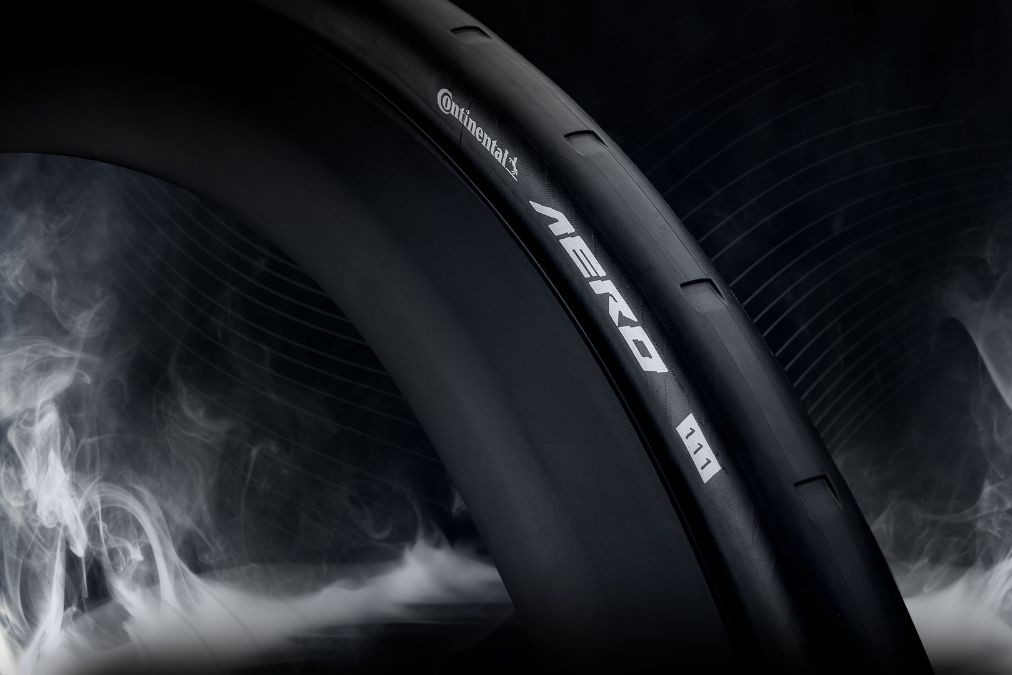
The Aero 111 front tyre range has also expanded to 32mm from its previous 26mm and 29mm options.
Continental has been progressively adding wider tyres across its ranges. The premium Grand Prix 5000 S TR tyre has been available in a 32mm width for some time. Conti added a 35mm-wide Grand Prix 5000 S TR tyre last March, just ahead of this year’s Paris-Roubaix, and we have a first-ride review of the wider tyre.
The GP 5000 TT TR has got in on the act too, with a 30mm-wide tyre added to the range at the same time, topping the 25mm and 28mm tyres offered previously.
Continental’s four-season GP 5000 AS TR is also available in a range of widths: 25mm, 28mm, 32mm and 35mm.
Last month, Conti announced a 32mm version of its Aero 111 front tyre with its characteristic 48 vortex generator slots in the otherwise slick tread.
According to Hannah Ferle, road product manager for Continental: “We are always striving to develop tyres to meet riders’ needs and ensure they are all catered for, which is why we are introducing the Grand Prix in a 32mm as part of our expansion of the portfolio in 2026.
“We recognise the shift in consumer preferences and will continue to expand our product offering this year.”
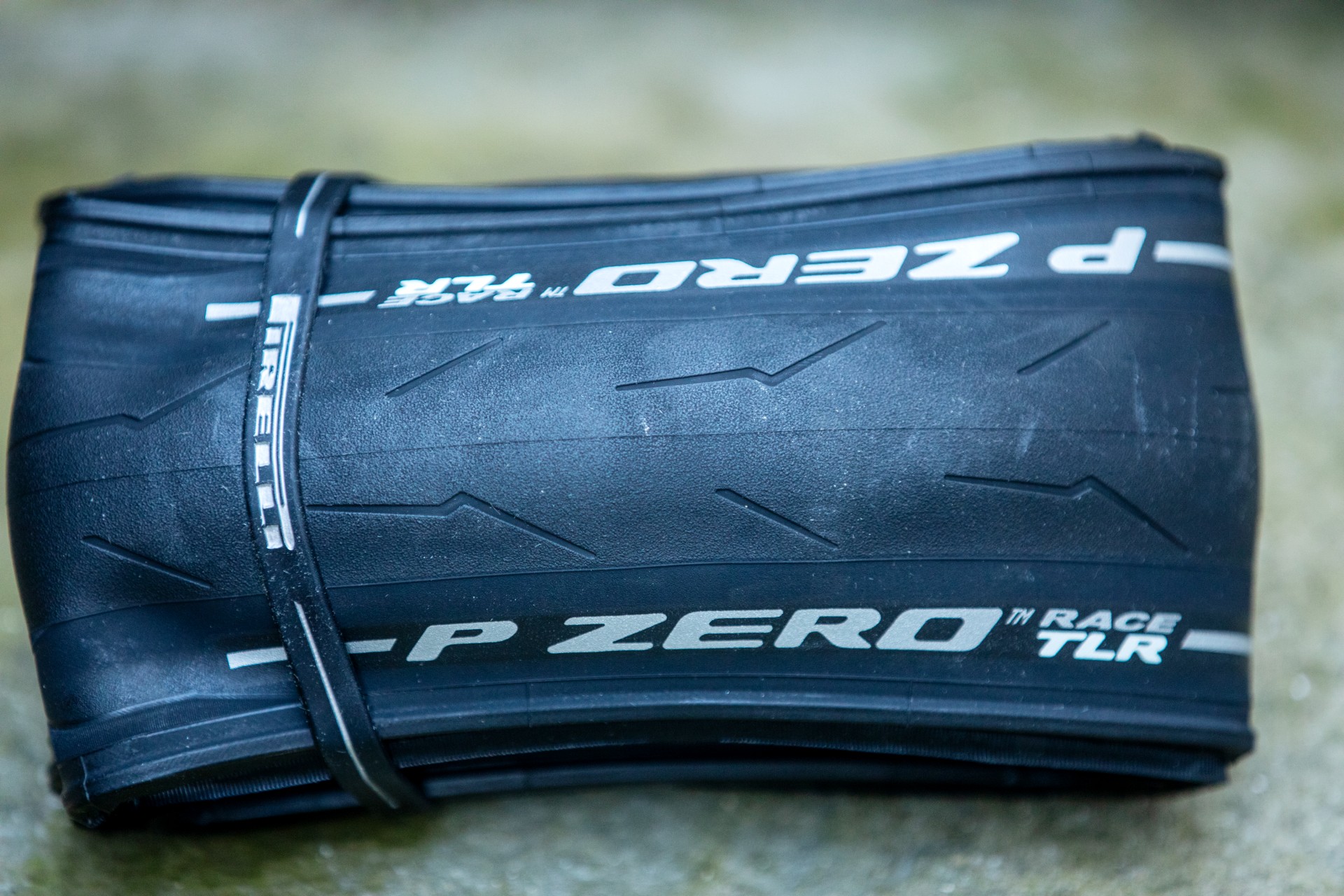
Pirelli has a 40mm-width option for its P Zero Race TLR. Scott Windsor / Our Media
This suggests Continental will be introducing more wide tyre options in the future, perhaps adding a 35mm width to the tubeless and tube-type Grand Prix ranges to sit alongside the 35mm Grand Prix 5000 S TR tyre.
Continental has been a little more conservative in introducing wider tyres than some other brands. Pirelli now includes a 40mm width for its P Zero Race TLR, while Goodyear launched the 40mm Vector R XPLR last year, while René Herse‘s slick tyres rise to 55mm wide.
The new Continental Grand Prix 32mm tube-type tyre has a €45.95 recommended price, the same as other widths of the tyre.
Continental has announced it will be adding a 32mm tyre to its mid-spec, all-rounder, tube-type Grand Prix range, with the new width joining existing 28mm and 30mm options.
The Grand Prix tyre includes Conti’s BlackChili rubber compound and a three-ply casing that the brand says has low rolling resistance while offering good puncture protection and grip.
The tubeless-ready Grand Prix TR tyre already has a 32mm width, in addition to 25mm, 28mm and 30mm tyres, so the new-width Grand Prix tyre brings an additional wider option for riders who prefer to ride with inner tubes.
The Aero 111 front tyre range has also expanded to 32mm from its previous 26mm and 29mm options.
Continental has been progressively adding wider tyres across its ranges. The premium Grand Prix 5000 S TR tyre has been available in a 32mm width for some time. Conti added a 35mm-wide Grand Prix 5000 S TR tyre last March, just ahead of this year’s Paris-Roubaix, and we have a first-ride review of the wider tyre.
The GP 5000 TT TR has got in on the act too, with a 30mm-wide tyre added to the range at the same time, topping the 25mm and 28mm tyres offered previously.
Continental’s four-season GP 5000 AS TR is also available in a range of widths: 25mm, 28mm, 32mm and 35mm.
Last month, Conti announced a 32mm version of its Aero 111 front tyre with its characteristic 48 vortex generator slots in the otherwise slick tread.
According to Hannah Ferle, road product manager for Continental: “We are always striving to develop tyres to meet riders’ needs and ensure they are all catered for, which is why we are introducing the Grand Prix in a 32mm as part of our expansion of the portfolio in 2026.
“We recognise the shift in consumer preferences and will continue to expand our product offering this year.”
Pirelli has a 40mm-width option for its P Zero Race TLR. Scott Windsor / Our Media
This suggests Continental will be introducing more wide tyre options in the future, perhaps adding a 35mm width to the tubeless and tube-type Grand Prix ranges to sit alongside the 35mm Grand Prix 5000 S TR tyre.
Continental has been a little more conservative in introducing wider tyres than some other brands. Pirelli now includes a 40mm width for its P Zero Race TLR, while Goodyear launched the 40mm Vector R XPLR last year, while René Herse‘s slick tyres rise to 55mm wide.
The new Continental Grand Prix 32mm tube-type tyre has a €45.95 recommended price, the same as other widths of the tyre.
Donald Trump’s EPA not only abandoned greenhouse gas limits on the power sector, but is practically begging for a court ruling that it never can again.
Donald Trump’s EPA not only abandoned greenhouse gas limits on the power sector, but is practically begging for a court ruling that it never can again.
Synergy between global warming and a type of El Niño not seen since the late 1990s could create unprecedented weather that scientists don’t have enough climate data to model.
Synergy between global warming and a type of El Niño not seen since the late 1990s could create unprecedented weather that scientists don’t have enough climate data to model.
A private group working with the Indian government is concerned that the Himalayan water cycle supplying south Asia’s rivers will dry up, but not before delivering apocalyptic flash floods.
A private group working with the Indian government is concerned that the Himalayan water cycle supplying south Asia’s rivers will dry up, but not before delivering apocalyptic flash floods.
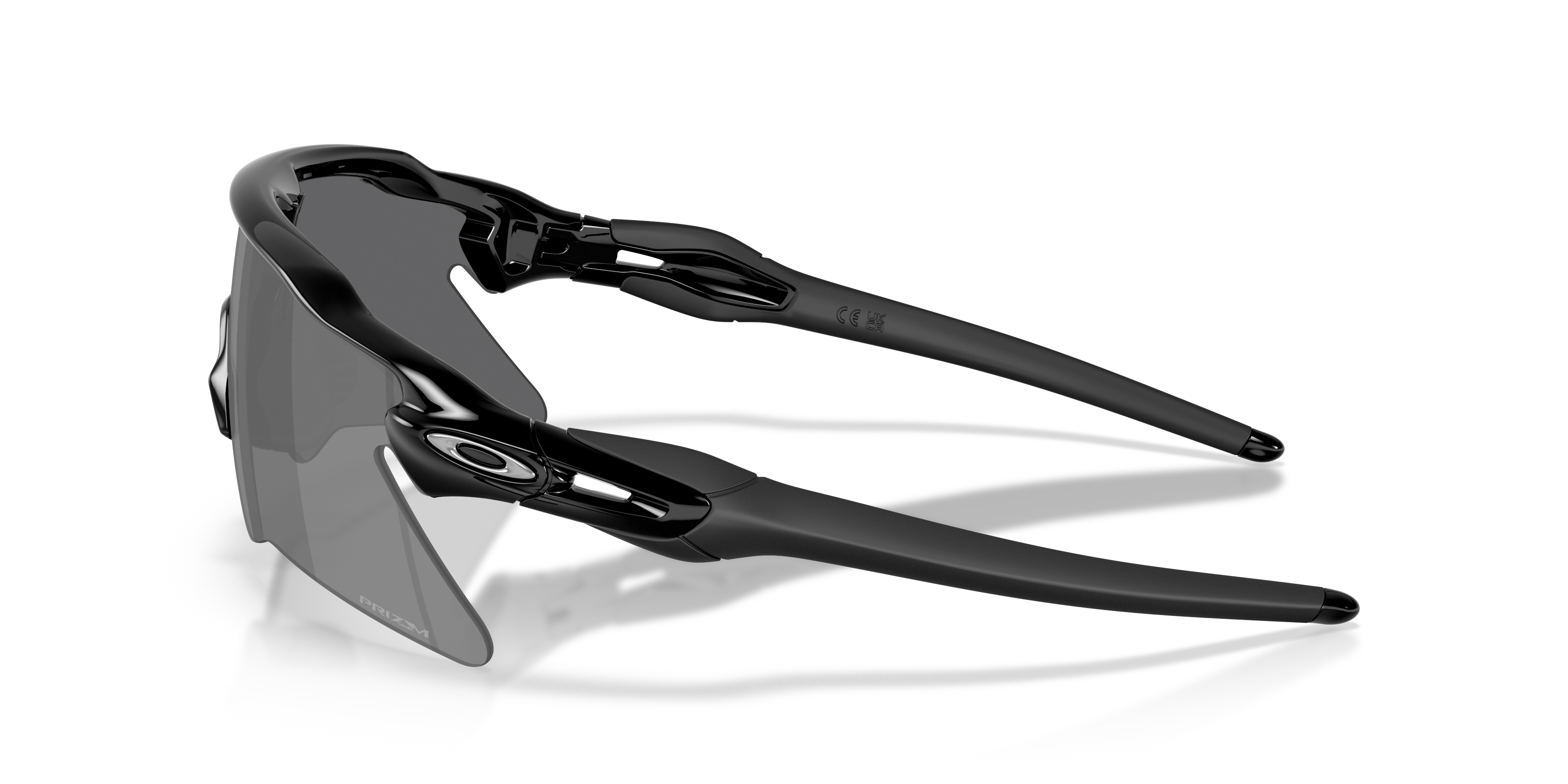
Oakley has added a new shape to its long-running Radar sunglasses range. The Radar EV Heater sunglasses increase the lens height and extend it to the sides, which Oakley says delivers unobstructed vision for cyclists.
They join the Radar EV Advancer glasses, which have a vented lens, and the Radar EV Pitch glasses, which offer wider side coverage.
The usual Oakley materials have been used: the O-Matter plastic frame, two sets of Unobtainium nosepads and non-slip earsocks, which Oakley claims grip better the more you sweat to help keep the glasses in place.
The Heater lens is both taller and wider than other Radar EV models.
Oakley uses its Prizm high-definition lens in the new eyewear, which comes in up to nine lens/frame colour options, depending on geography, including two polarised lenses. Oakley rates the size as XL. Prices start at £196 / $244 / €222.
We have Oakley Radar reviews at BikeRadar going right back to 2007, when we described the then-new sunnies as “a fantastic design, very well made, and the new lenses are excellent”. We grumbled about their price even then, though.
Plus new Cybr Lightning
We reckon the vented, rimless design will work well for cyclists.
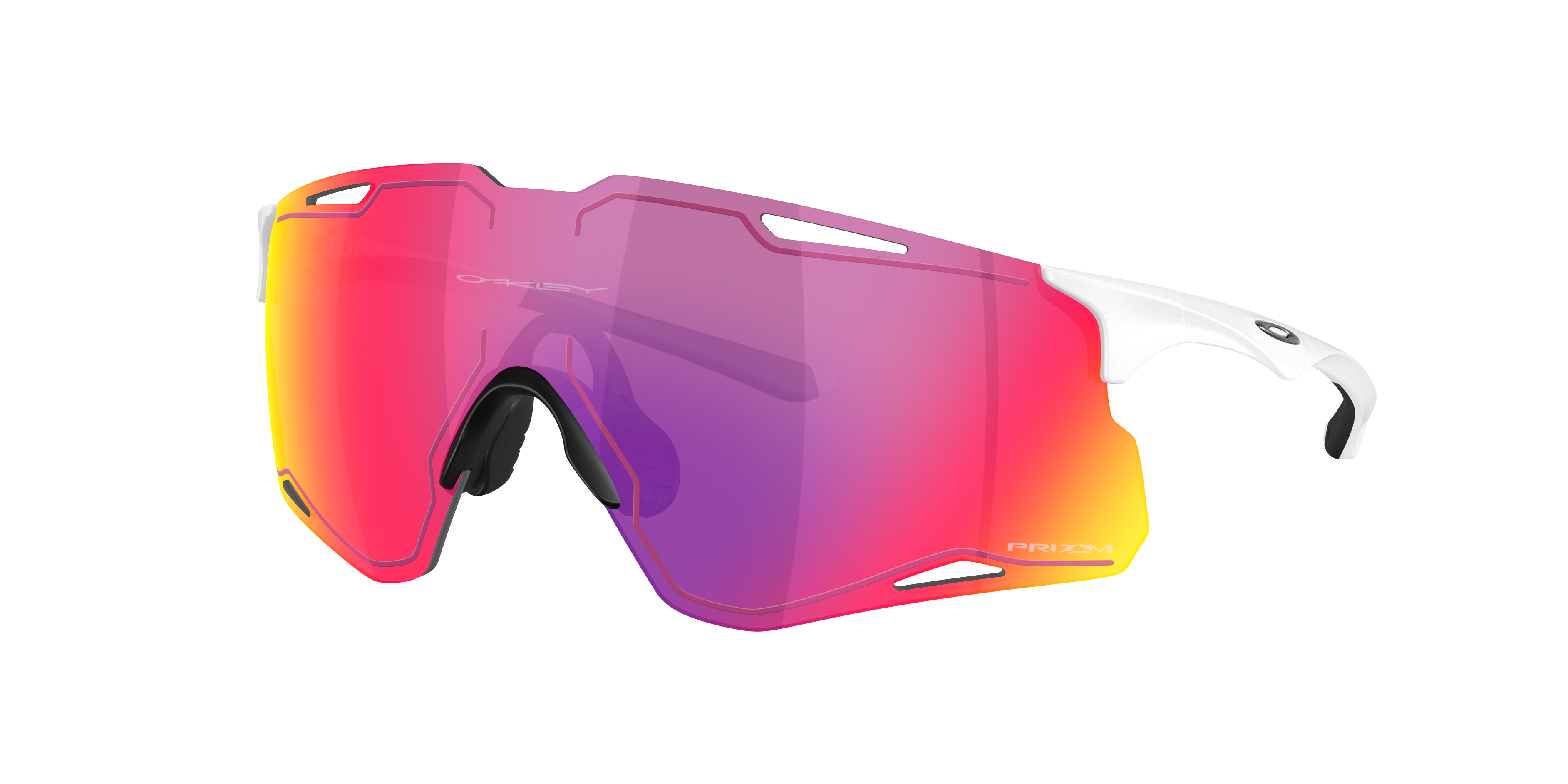
Oakley’s second new model is the rimless Cybr Lightning, which joins its existing Cybr families. There’s the same mix of plastics as in the Radar EV Heater sunnies. The lens is vented for additional airflow and is treated with Oakley’s Iridium surface coating.
Oakley says the Cybr Lightning glasses are designed for running, but they would be an equally good choice for cyclists, with the lack of an upper frame ensuring forward vision when nose to the bar. The size is rated as L.
There are up to five lens/side-arm colour choices, again depending on where you live, including a salmon pink low-light option. Prices start at £164 / $204 / €185.
Oakley has added a new shape to its long-running Radar sunglasses range. The Radar EV Heater sunglasses increase the lens height and extend it to the sides, which Oakley says delivers unobstructed vision for cyclists.
They join the Radar EV Advancer glasses, which have a vented lens, and the Radar EV Pitch glasses, which offer wider side coverage.
The usual Oakley materials have been used: the O-Matter plastic frame, two sets of Unobtainium nosepads and non-slip earsocks, which Oakley claims grip better the more you sweat to help keep the glasses in place.
The Heater lens is both taller and wider than other Radar EV models.
Oakley uses its Prizm high-definition lens in the new eyewear, which comes in up to nine lens/frame colour options, depending on geography, including two polarised lenses. Oakley rates the size as XL. Prices start at £196 / $244 / €222.
We have Oakley Radar reviews at BikeRadar going right back to 2007, when we described the then-new sunnies as “a fantastic design, very well made, and the new lenses are excellent”. We grumbled about their price even then, though.
Plus new Cybr Lightning
We reckon the vented, rimless design will work well for cyclists.
Oakley’s second new model is the rimless Cybr Lightning, which joins its existing Cybr families. There’s the same mix of plastics as in the Radar EV Heater sunnies. The lens is vented for additional airflow and is treated with Oakley’s Iridium surface coating.
Oakley says the Cybr Lightning glasses are designed for running, but they would be an equally good choice for cyclists, with the lack of an upper frame ensuring forward vision when nose to the bar. The size is rated as L.
There are up to five lens/side-arm colour choices, again depending on where you live, including a salmon pink low-light option. Prices start at £164 / $204 / €185.