Best Buy is currently discounting several hundred dollars from the sleek and sexy (as far as a laptop can be sexy) ASUS ROG Zephyrus G14, which is packing a gorgeous 3K OLED display with a 120Hz rate. Also of note, despite the premium panel, the sale price makes this one of the least expensive laptops to feature a mobile GeForce RTX 5080 GPU.
ASUS
A federal appeals court has revived a massive legal showdown over the viral theft epidemic involving millions of Hyundai and Kia vehicles across the country.
The 9th U.S. Circuit Court of Appeals has overturned a lower court’s dismissal (per an early report by the LA Times), giving roughly 200 insurance companies another chance to pursue
NVIDIA has set the date and place for its next GPU Technology Conference (GTC) event, the second one of the year, which will run from November 30 to December 3, 2026, in Washington, D.C. For those who are interested in attending, registrations are open now. NVIDIA CEO Jensen Huang is set to deliver the keynote at the event, which will see
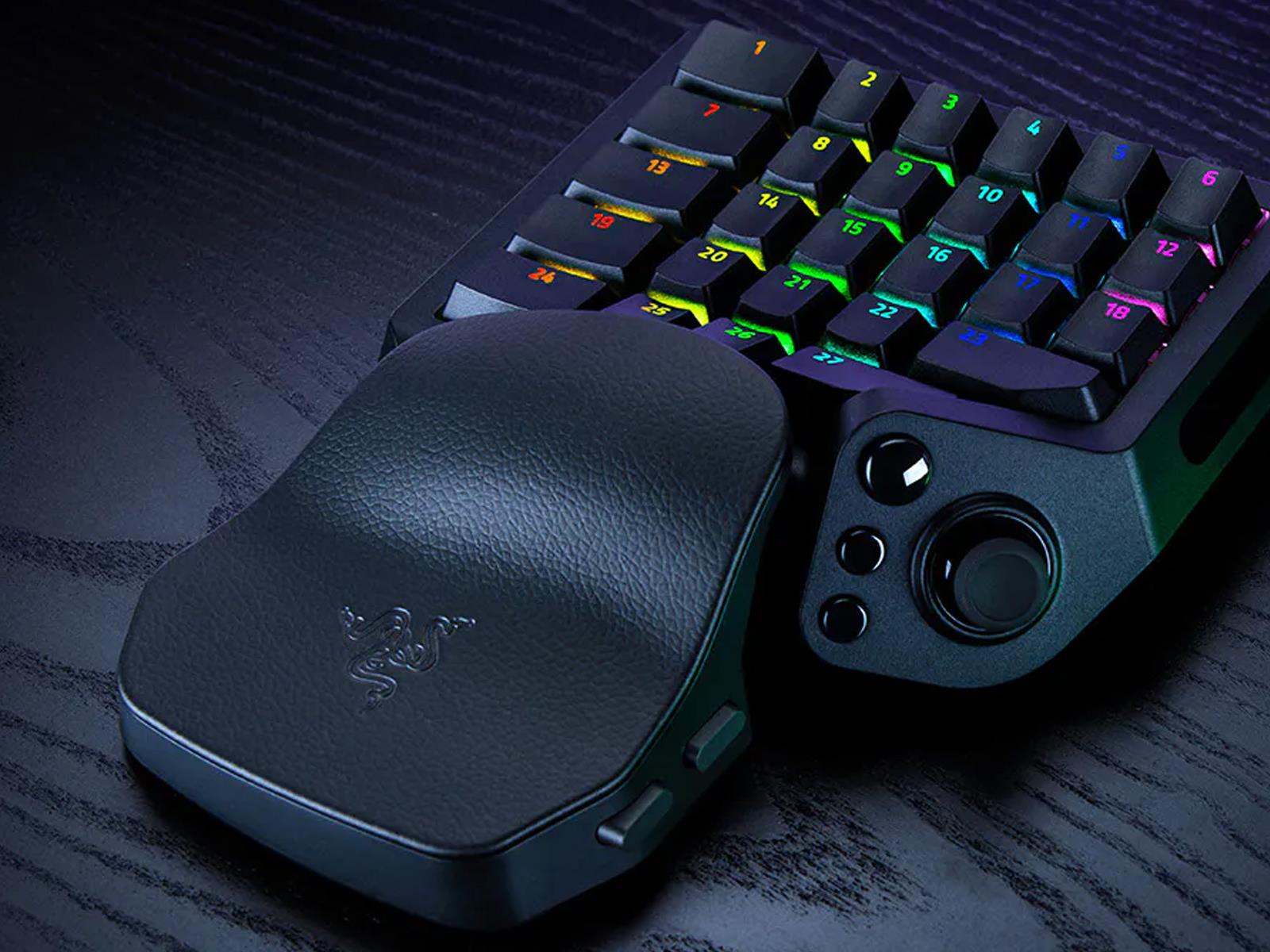
Razer is leaning into ergonomic gaming hardware with the launch of the Tartarus V2 Pro gaming keypad. Designed for players who want a dedicated one-handed command center at their literal fingertips, the Tartarus V2 Pro offers a few notable upgrades over the last-generation model, such as the leap to Razer’s flagship Analog Optical Switch Gen-2
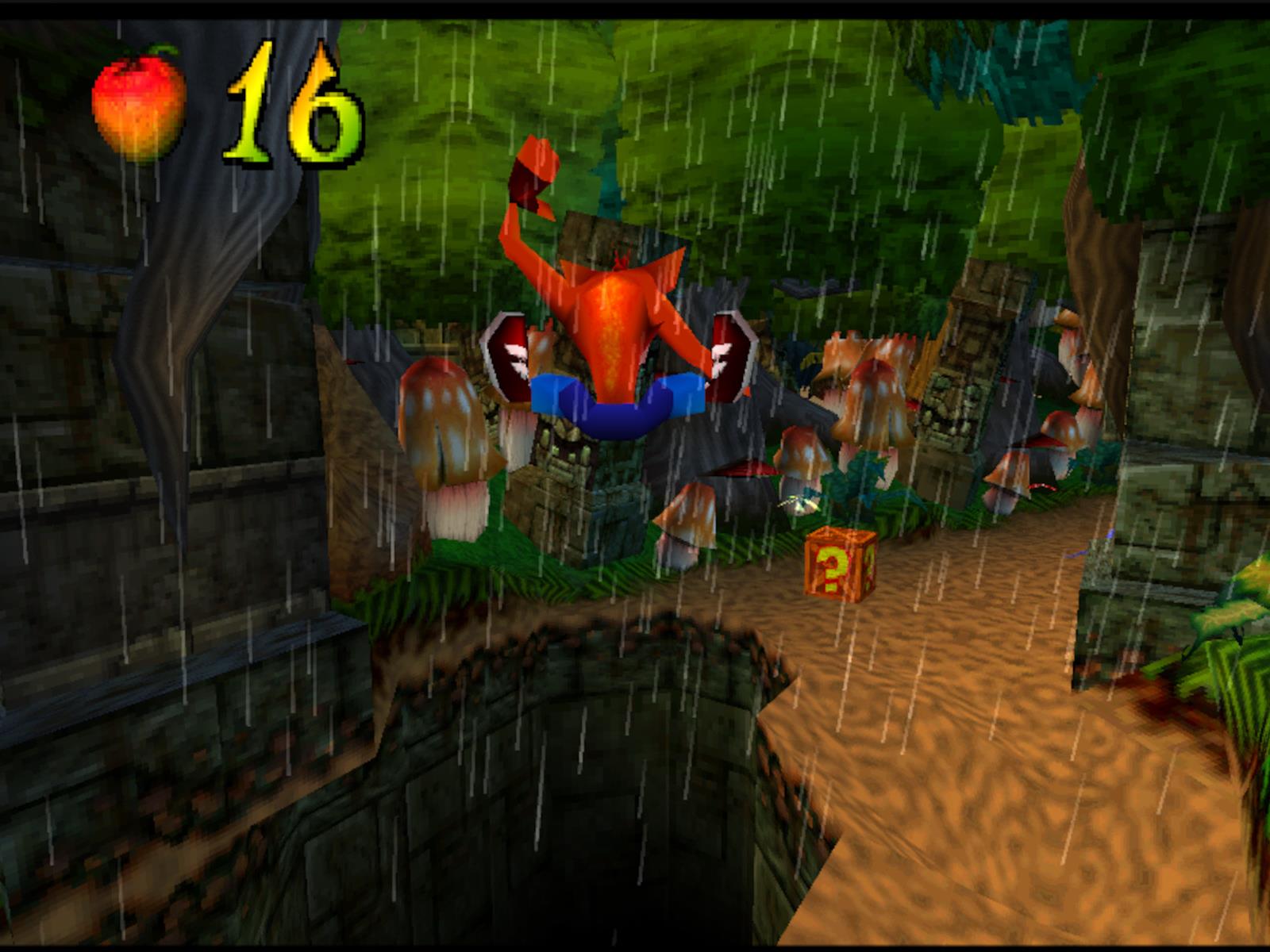
DuckStation, one of the more popular Sony PlayStation 1 emulators, received a major update that significantly boosts performance and enhances the user experience. The developers of DuckStation have incorporated multi-threaded shader compilation, which should virtually eliminate shader compilation stutter on any modern PC, running Windows,
When you’re a teenager or twenty-something optimizing your PC build for maximum framerate per dollar, the case is one of the easiest things to skimp on. As an adult who can afford to treat yourself (and your PC) a little better, more expensive options become attractive for their exclusive features, like the new ASUS ROG Cronox chassis’ included
Grand Theft Auto VI is arguably the most anticipated video game of all time, commanding enough attention to showcase a gameplay video that debuted exclusively on Netflix. Although its upcoming release is a bittersweet one for fans of physical media, since Rockstar announced there will be no disc version of the game itself made available. However,
During its first few years of existence, Xbox Game Pass was often referred to as the best deal in gaming, but Microsoft has been chipping away at the service’s benefits. First, the company decided to no longer offer new entries in the Call of Duty franchise on day one, and the cloud streaming perk was recently downgraded as well. A new rumor
Corsair is expanding its sprawling hardware lineup with the introduction of the Voxara, which marks the company’s first foray into premium USB gaming condenser microphone territory. Built to bridge the gap between professional studio gear and everyday creator setups, Corsair’s new mic promises studio-grade vocals and lots of customization
Astronomers have spotted a sizeable, freshly formed impact crater on the Moon, providing an unprecedented look at how violent cosmic collisions reshape lunar geology in real time.
Official deemed McGetchin, the new crater spans roughly 728 feet (222 meters) across and up to 141 feet (43 meters) deep. Larger than the Roman Colosseum, it
ASUS is laying claim to the world’s first agentic mini PC to feature a neural processing unit (NPU) capable of delivering 80 TOPS for AI workloads. First revealed at the Microsoft Build 2026 event earlier this year, the ASUS Ascent QN10 is also being billed as the world’s first mini PC to flex Qualcomm’s Snapdragon X2 Elite processor inside,
Microsoft has scheduled its first major dedicated Windows event in over two years, taking the stage in San Francisco on October 7 to showcase the next era of local AI in personal computing.
Get ready for the next step. pic.twitter.com/gvB8BV2z7Q
— Microsoft Surface (@surface) September 15, 2026 The high-profile gathering will bring together
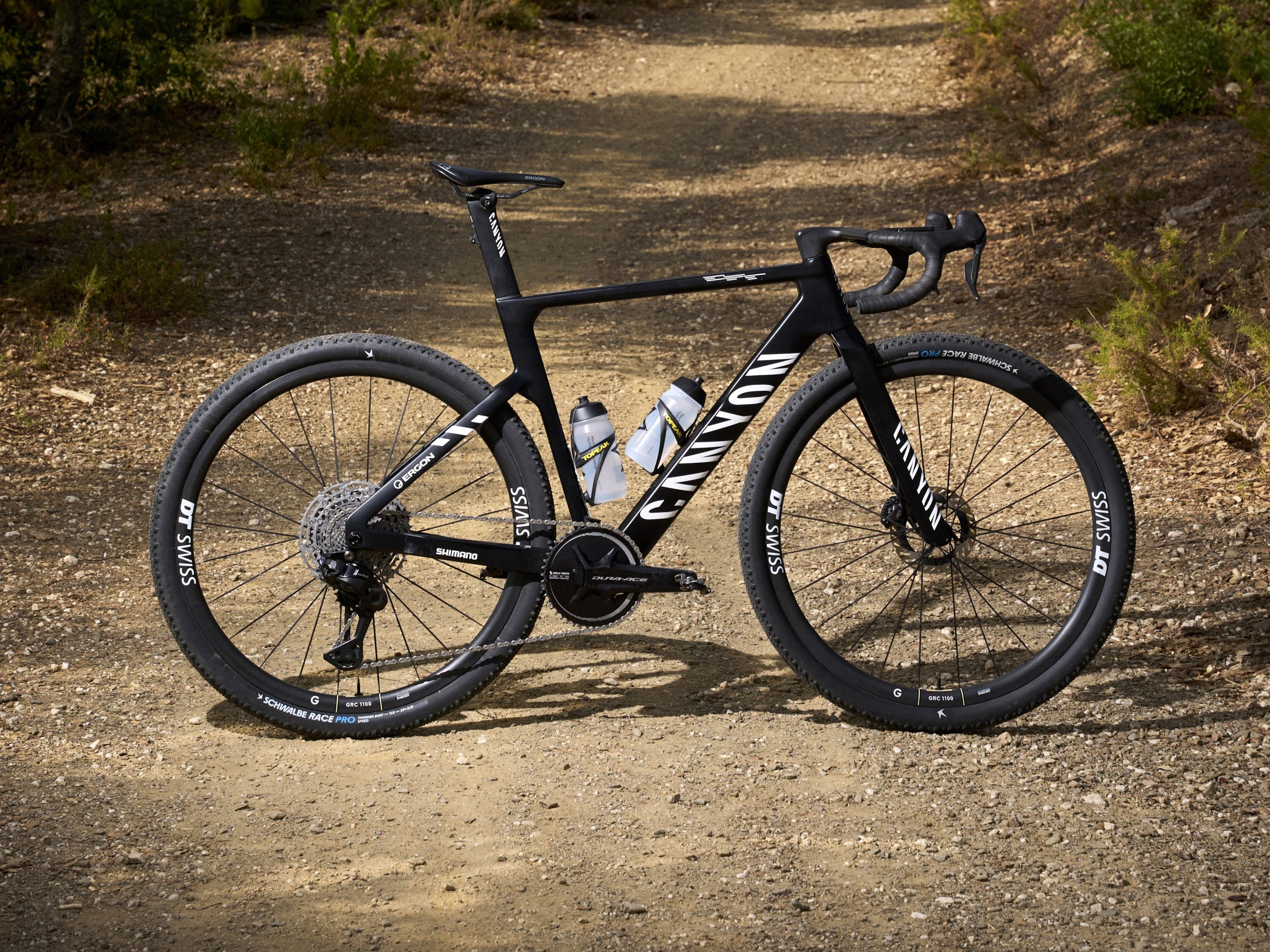
Canyon has launched the third generation of its Grail gravel race bike, increasing tyre clearance from 42mm to 57mm, which enables the use of 2.25in tyres.
The new Grail’s aerodynamics have been reworked for the larger tyres and typical 35km/h gravel racing speeds.
There are three frame grades: CFR, CF SLX and CF, with the top-spec CFR AXS bike having a 7.9kg claimed weight and £7,600 / $8,999 / €8,000 price tag.
The new Grail is aero optimised for 35km/h ride speeds.
Canyon points out that Ted King’s winning time for the men’s 2018 Unbound 200 (then called Dirty Kanza) was 10 hours 44 minutes. In 2026, Mads Würtz Schmidt won the race in 9 hours 14 minutes, despite the mud.
Canyon says there’s less of a disconnect in gravel between the requirements of the pros and what amateurs need than on the road. It says the design of the new Grail was heavily influenced by gravel pro Rosa Klöser, who made clearance above 50mm a stipulation when she discussed joining Canyon’s roster.
That in turn required a 1x-only design, as well as a solid driveside chainstay to provide sufficient clearance, a first for Canyon. The frame has a PF86 bottom bracket, which it says it chose for tyre clearance and stiffness, as well as minimal issues with the standard on its previous bikes.
Canyon reckons there are issues with bonding BSA threads into a carbon frame that mean it’s not a remedy for all bottom bracket ills, despite its increasing adoption.
Race-pace aerodynamics
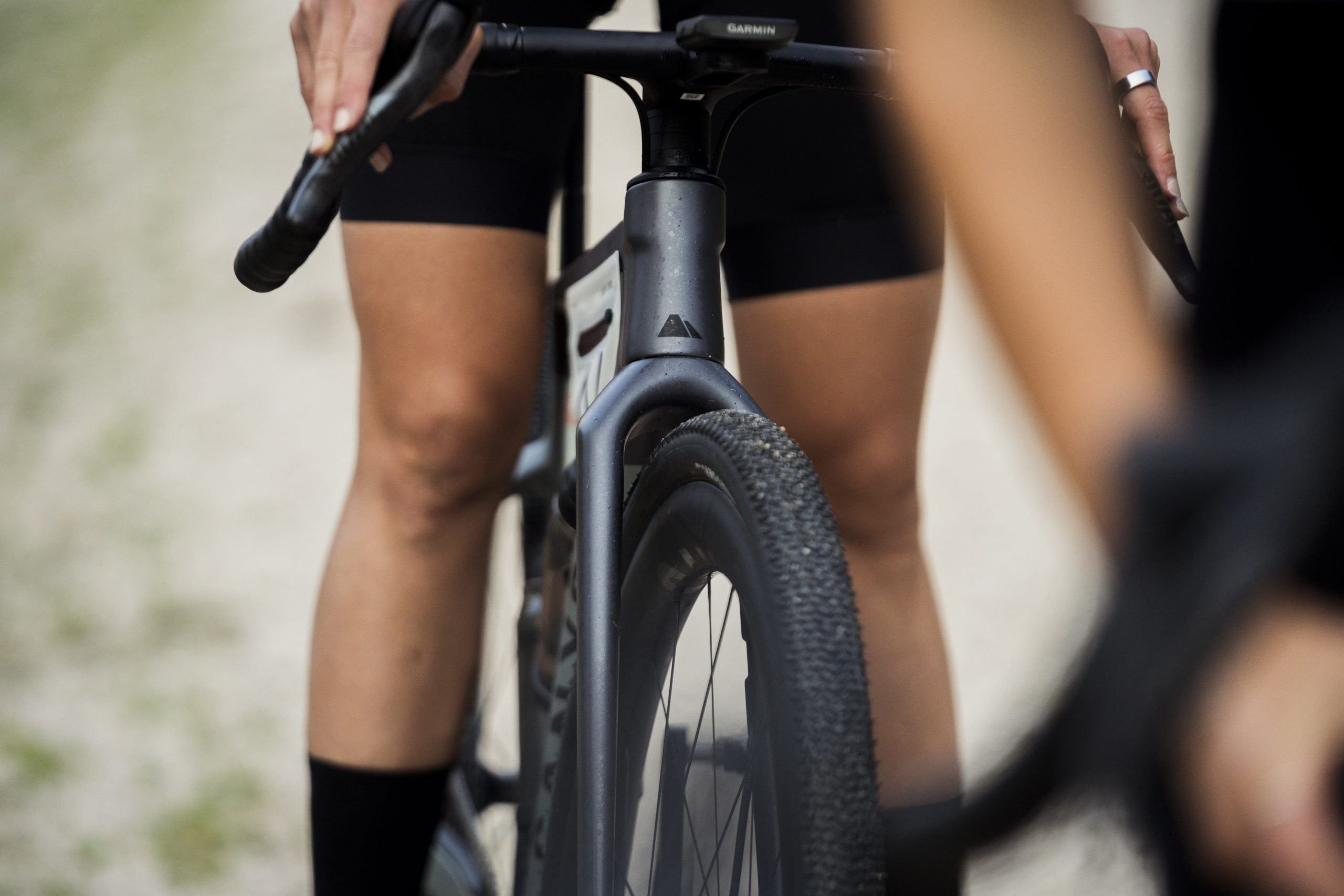
Tyre clearance increases to 57mm front and rear.
Canyon says it has tuned the Grail’s aerodynamics to a gravel-race pace of 35km/h, using its pedalling mannequin to simulate riding across yaw angles of up to +/- 20 degrees. It used the GST wind tunnel to test the new Grail against the now-superseded Factor Ostro Gravel, Cervélo Aspero-5 and Rose Backroad FF, with the Grail coming out fastest when all were set up with the same 50mm-deep wheels and 45mm tyres.
Against the generation 2 Grail with 40mm tyres, the new Grail was up to 5 watts faster. It was still faster when it was fitted with 55mm tyres.
As with its predecessor, Canyon will sell the generation 3 Grail in three carbon grades: CFR, CF SLX and CF. It quotes a raw size-M frame weight of 989g for the CFR, 1,095g for the CF SLX and 1,128g for the CF, which it says is heavier than the second-generation bike, although the extra tyre clearance and aero profiles make it faster in reality.
All specs come fitted with 45mm Schwalbe G-One tyres, although Canyon states this is a baseline, enabling riders to go wider should they wish. The CFR and CF SLX include in-frame storage, while the CF SLX and CF can accommodate Canyon’s Defend mudguards.
New Pace cockpit variant
The Control drops add a flare to the Pace cockpit.
Canyon says that since the gen 2 Grail’s geometry was well received, it has only made small changes to the new bike, adding 10mm to the wheelbase to allow the wider clearance, but keeping the handling dynamics the same. Mid-sized frames have a 71.5-degree head tube angle and 69mm trail. It says that, paired with the wider tyres, this enables its sponsored athletes to push harder through technical sections.
It has, however, lowered the stack by 15mm, while keeping the frame reach the same and fitting shorter stems. There’s no suspension fork option, because Canyon claims it’s not needed with the wider tyres.
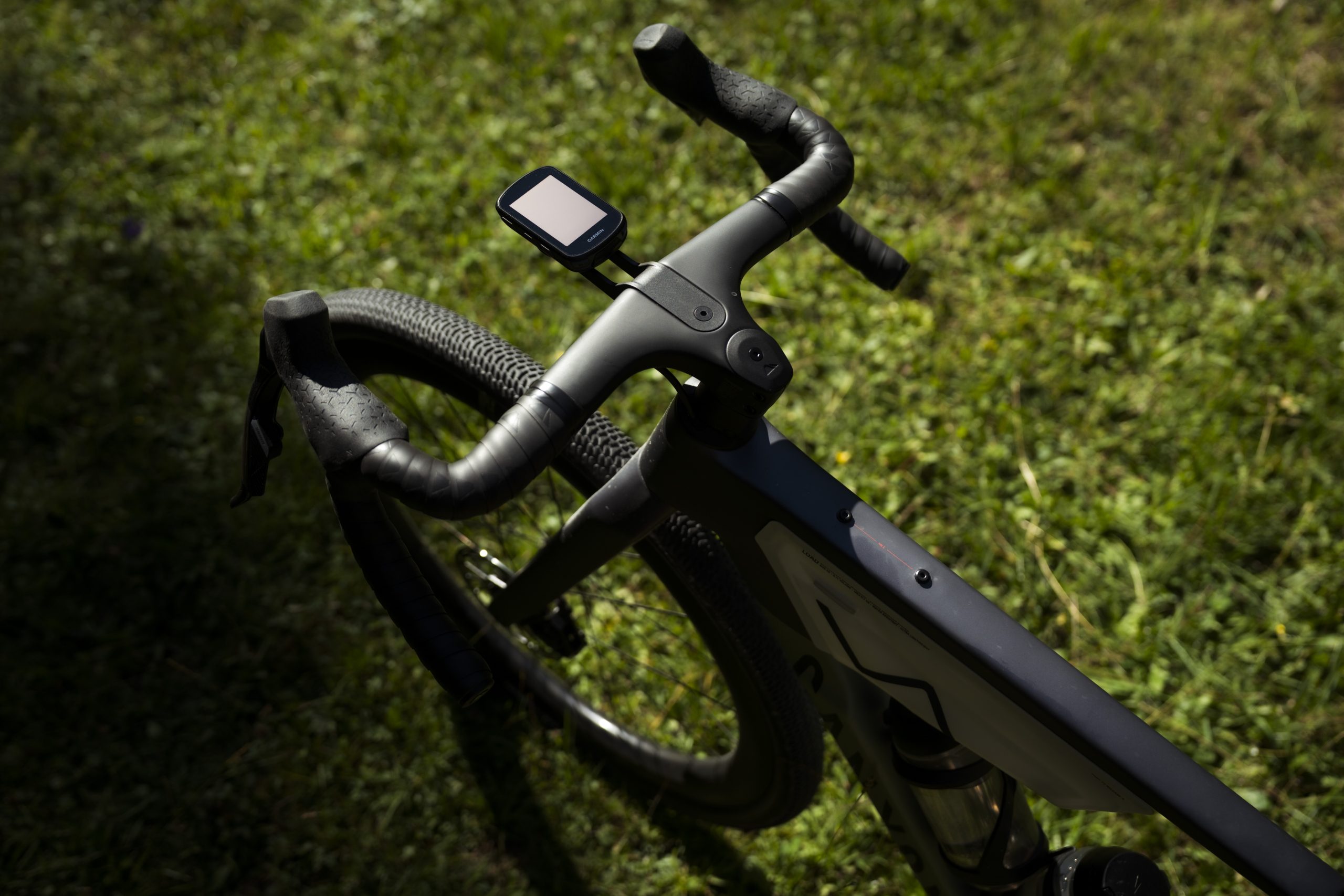
The CFR and CF SLX frames are fitted with Canyon’s Pace variable-width, adjustable-height cockpit. There’s a new drop shape though, called Control Drops, offering 17 degrees flare and 370mm, 395mm and 420mm widths at the drops.
The Control drops join the Classic, Race and Compact drop shapes compatible with the Pace cockpit, together enabling riders to choose a different drop shape, which will adjust the effective reach by 10mm. The Gear Groove continues, enabling the addition of bar extensions, lights or a computer.
Canyon has ported over its VCLS Aero seatpost to the new Grail, as used on the new Endurace CFR, which it claims increases compliance by 25% over a rigid post. For hardcore racers, the Race cockpit from the Endurace CFR is also compatible with the Grail.
New lightweight packs
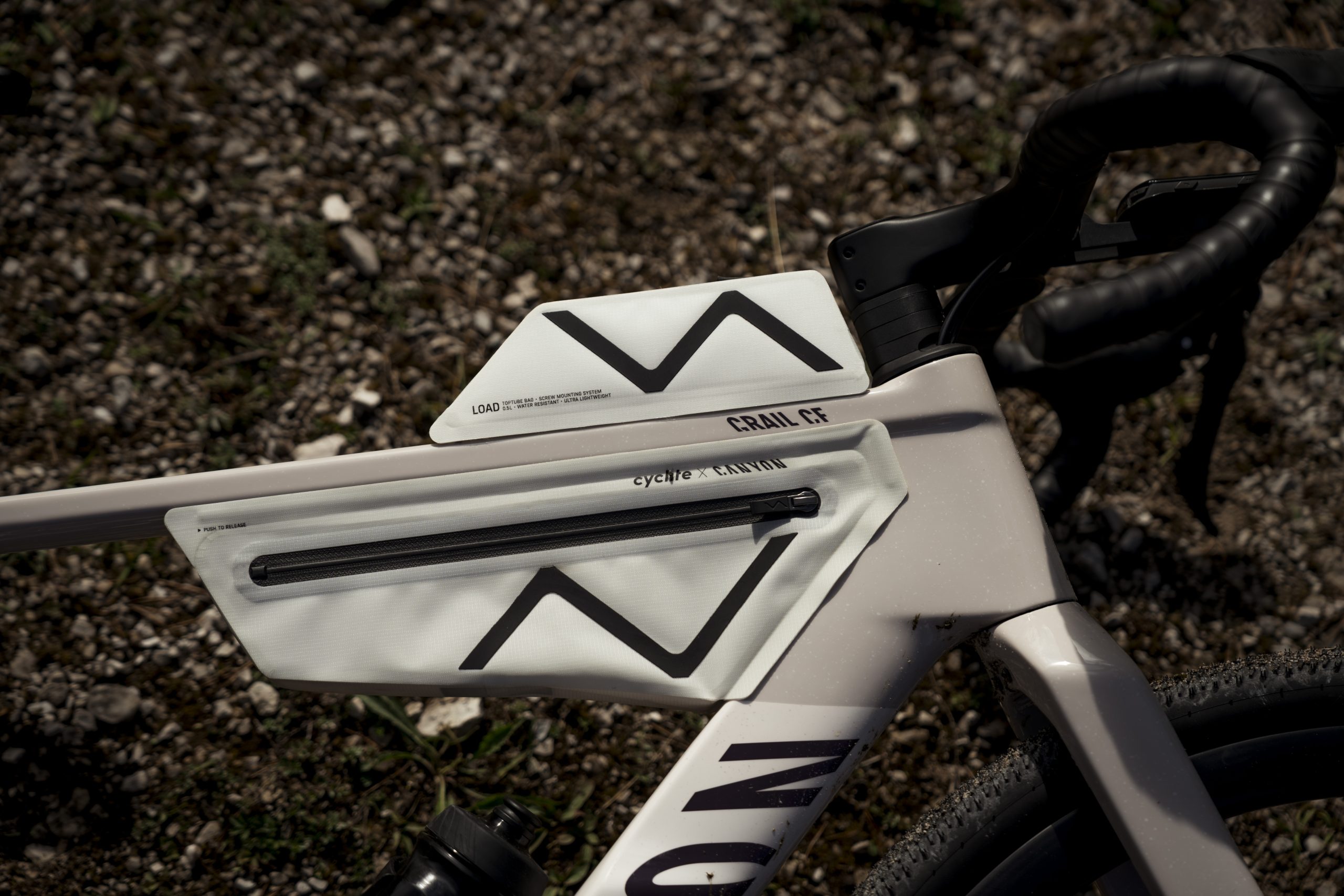
Canyon says the new Cyclite frame bag weighs around 100g, which is 200g less than the gen 2 bike’s bag.
Canyon has looked to keep the race-ready bike’s weight low by partnering with Cyclite to design low-weight luggage for the new Grail.
While it claimed the gen 2 Grail’s luggage made it more aero, its objective with the new packs was to avoid any aero penalty. It also wanted fast removal and attachment, so ground crews can swap out a pack quickly at a feed station, to refresh riders’ nutrition.
The new Midloader frame bag is claimed to weigh around 100g, as against 300g for the gen 2 bike’s bag. It’s secured with a push-to-release mechanism, rather than the Fidlock system used previously and comes with internal organisers.
There’s a different pack size to match each frame size and a matching top tube bag for extras or to carry lighter loads.
New carbon gravel wheels
Canyon has also introduced carbon gravel wheels to match the new bike. The Canyon GR 50 CF wheels have a 1,675g a pair claimed weight and a 27mm internal/38.5mm external width hookless rim.
They sit on DT Swiss 350 hubs, with Aerocomp II spokes and are delivered with an HG11 freehub fitted and an XDR freehub and valves in the box. They can also be set up Micro Spline.
The new wheels come ready-fitted to the CF 7 AXS and CF SLX 7 Di2 specs and can also be bought aftermarket for €999. If you’ve bought a Canyon gravel bike with alloy wheels in the last three years, Canyon will offer you 10% off the price of its new wheels.
New pressure calculator app
Canyon points out that as tyre pressures decrease, the effect of a similar variation in pressure increases, so correct tyre pressure becomes more critical. It says a 20% tyre sag is optimal for a gravel tyre, although that’s difficult for a rider to assess.
It says many riders are still over-inflating their tyres, so it has worked with Pirelli to develop a customisable pressure calculator to help them set the right pressure and optimise bike performance.
New Canyon Grail specs and prices
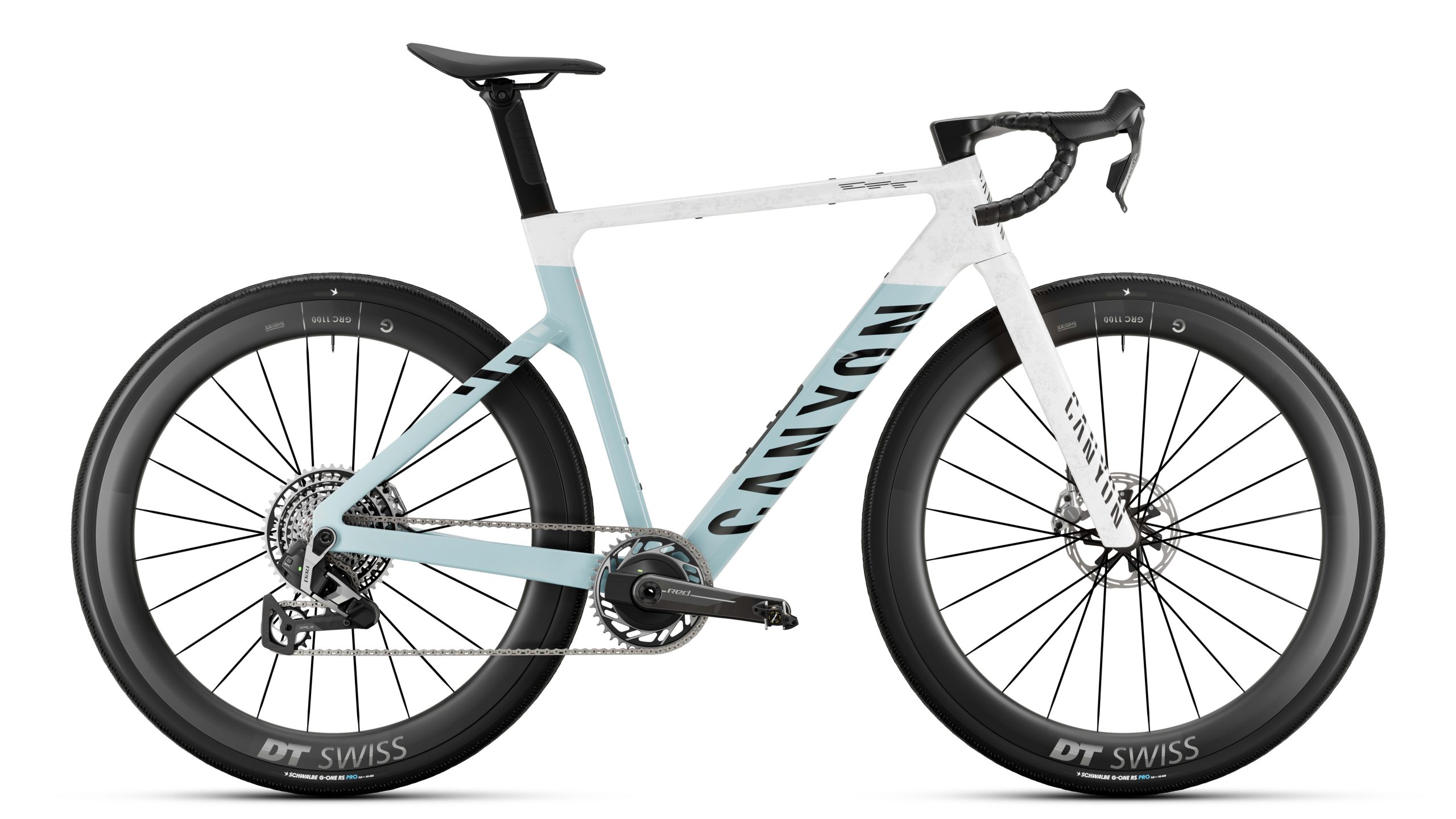
The top-spec bike is equipped with SRAM Red XPLR AXS and DT Swiss GRC 1100 wheels.
Canyon will sell the Grail in seven sizes, from 2XS to 2XL, which it says will fit riders from 158cm to 204cm in height. There are six specs available, as outlined below. As well as stock colours, EMEA buyers can use MyCanyon to opt for one of four additional colourways. They can also choose different wheels, including Zipp 303 XPLR SW and Scope Artech 4G wheelsets.
There’s the option to choose a different cockpit model and dimensions, and a different saddle, crank length and chainring size, including aero options.
Canyon says MyCanyon customisation will come to other geographies in future.
Grail CFR AXS
Groupset: SRAM Red XPLR AXS w/ dual-sided power meter
Wheelset: DT Swiss GRC 1100 50mm
Tyres: Schwalbe G-One RS Pro 45mm
Cockpit: Canyon Pace bar with Control drops
Saddle: Fizik Vento Argo X1
Claimed weight: 7.9kg
Price: £7,600 / $8,999 / €8,000
Grail CFR Di2
Groupset: Shimano GRX RX825 Di2 w/ 4iiii single-sided power meter
Wheelset: DT Swiss GRC 1100 50mm
Tyres: Schwalbe G-One RS Pro 45mm
Cockpit: Canyon Pace bar with Control drops
Saddle: Fizik Vento Argo X1
Claimed weight: 8.4kg
Price: £6,200 / $7,999 / €6,500
Grail CF SLX 8 AXS
Groupset: SRAM Force XPLR AXS w/ single-sided power meter
Shimano has launched its new road pedal and cleat system, SPD-SLR. The system offers lower weight, lower pedal/cleat stack height, easier engagement and added lateral adjustability relative to the long-running SPD-SL system.
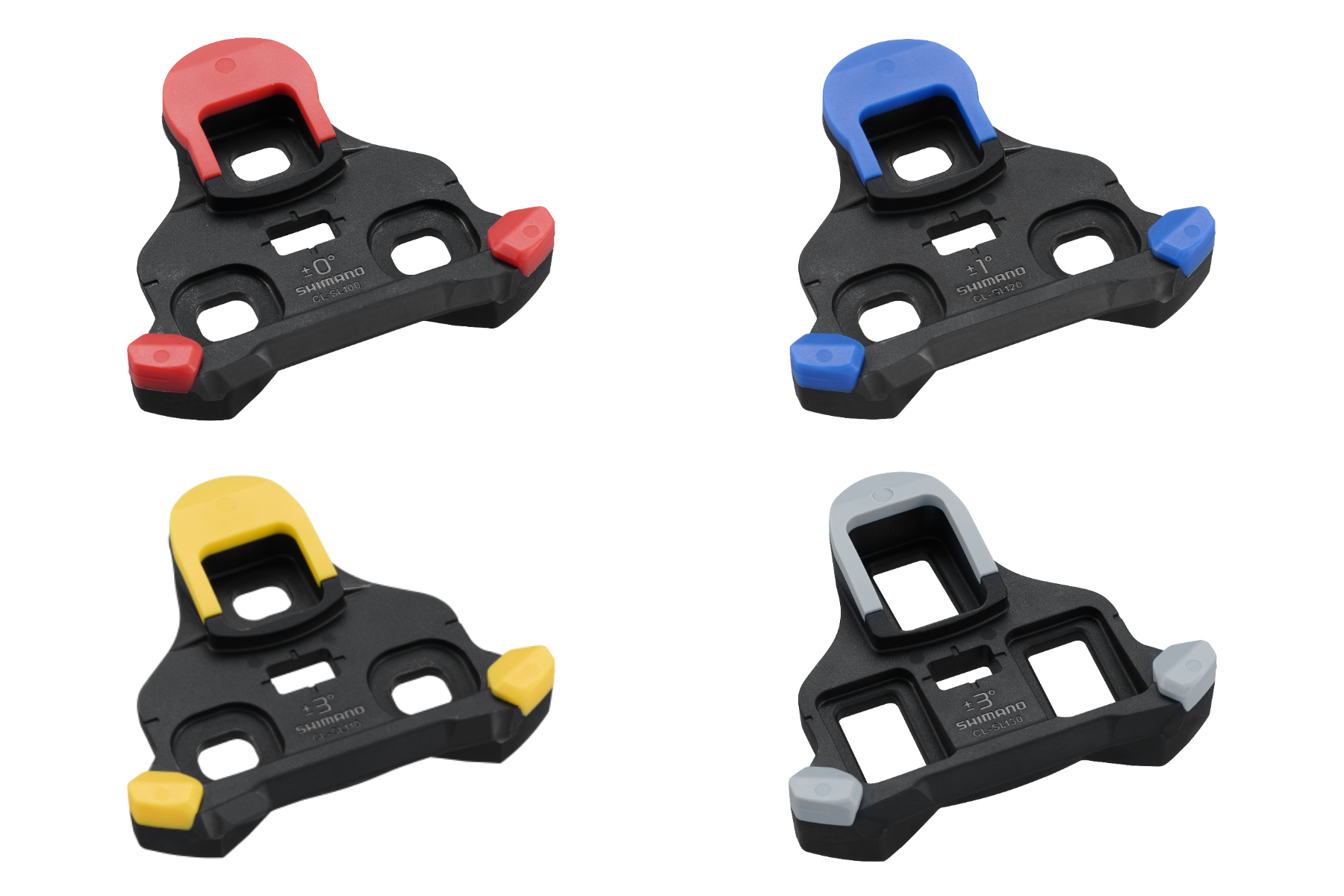
The new pedals will be available at Dura-Ace and Ultegra spec levels, and there are new red, blue and yellow cleats with similar degrees of float to the current ones, although the new cleats aren’t compatible with SPD-SL pedals.
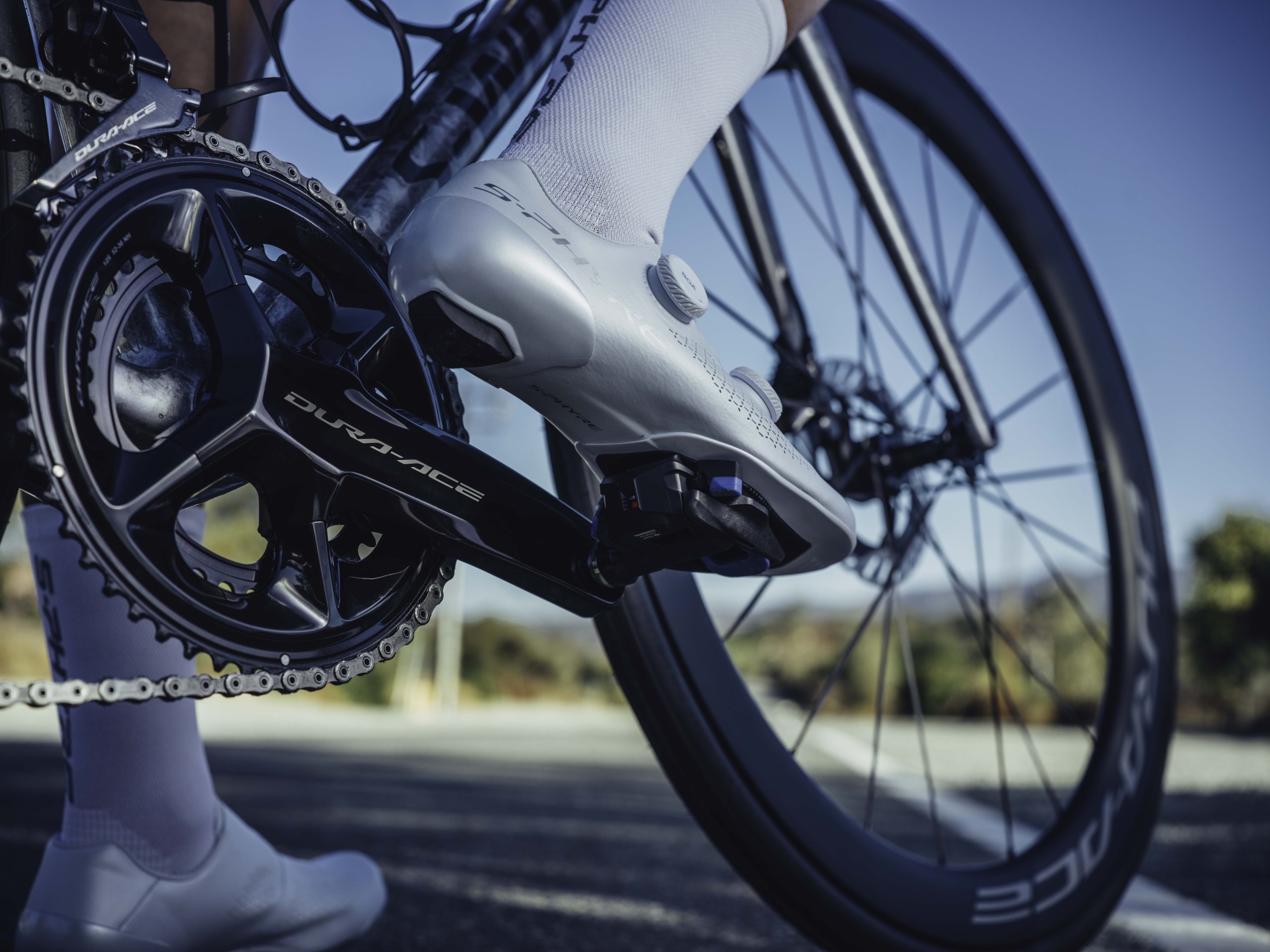
There are new shoes at the S-Phyre RC9 and RC8 spec levels, designed to complement the new pedals and cleats. Shimano states SPD-SLR pedals are compatible with its current SPD-SL road cycling shoe range, although it says its new shoes will help realise the full performance benefits of the new system.
Shimano says maximum gains come from its new pedals, cleats and shoes working as a system.
There’s also a new grey cleat, which is claimed to be compatible with most non-Shimano SPD-SL shoes and offers the same float as the yellow cleat, although without the reduced stack height of the other new cleats.
Shimano says the new SPD-SLR system lowers the stack height for the pedals plus cleats by 2.3mm. It also enables easier clipping in with a wider catch area for the cleat and a reduced engagement angle of 10.5o versus 15.5o for SPD-SL. The lower stack height is claimed to increase foot stability, and improve power transfer and control of the bike.
Shimano’s new SPD-SLR cleats have a different shape from its previous cleats and greater lateral adjustment.
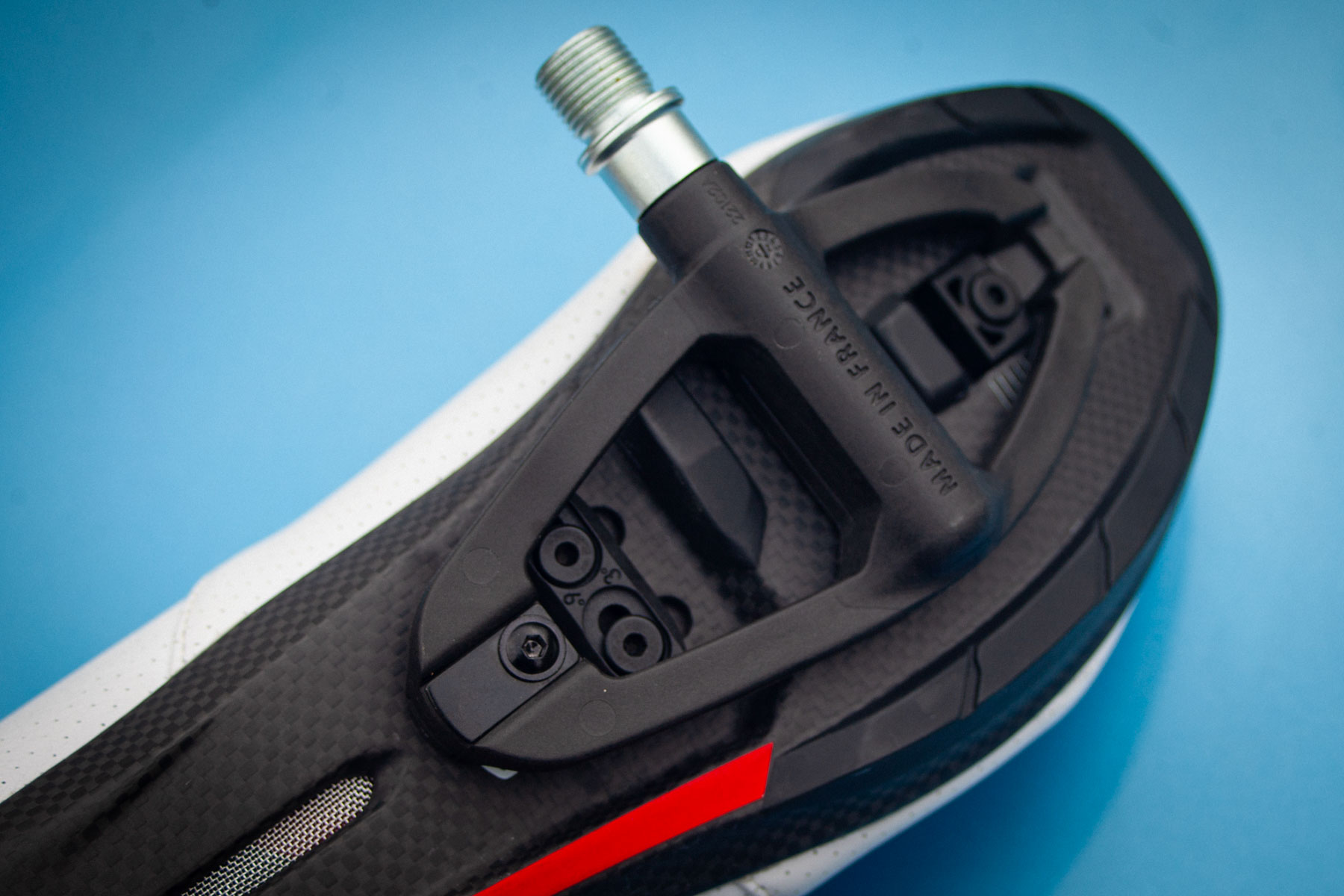
Along with the redesigned pedals, the new cleats have a different shape. They’re lighter because they fix to the base of the shoes without the washers that were needed with SPD-SL. Shimano claims the weight of the cleat plus hardware has been reduced from 71g to 55g. It has added extra markings to help you align the cleats more easily.
The 6o of float for the yellow cleats, 2o for the blue cleats and zero for the red cleats is the same as for the SPD-SL cleats. The new cleats offer greater side-to-side adjustability though, so it’s easier to alter your stance width. They can also be used with cleat spacers.
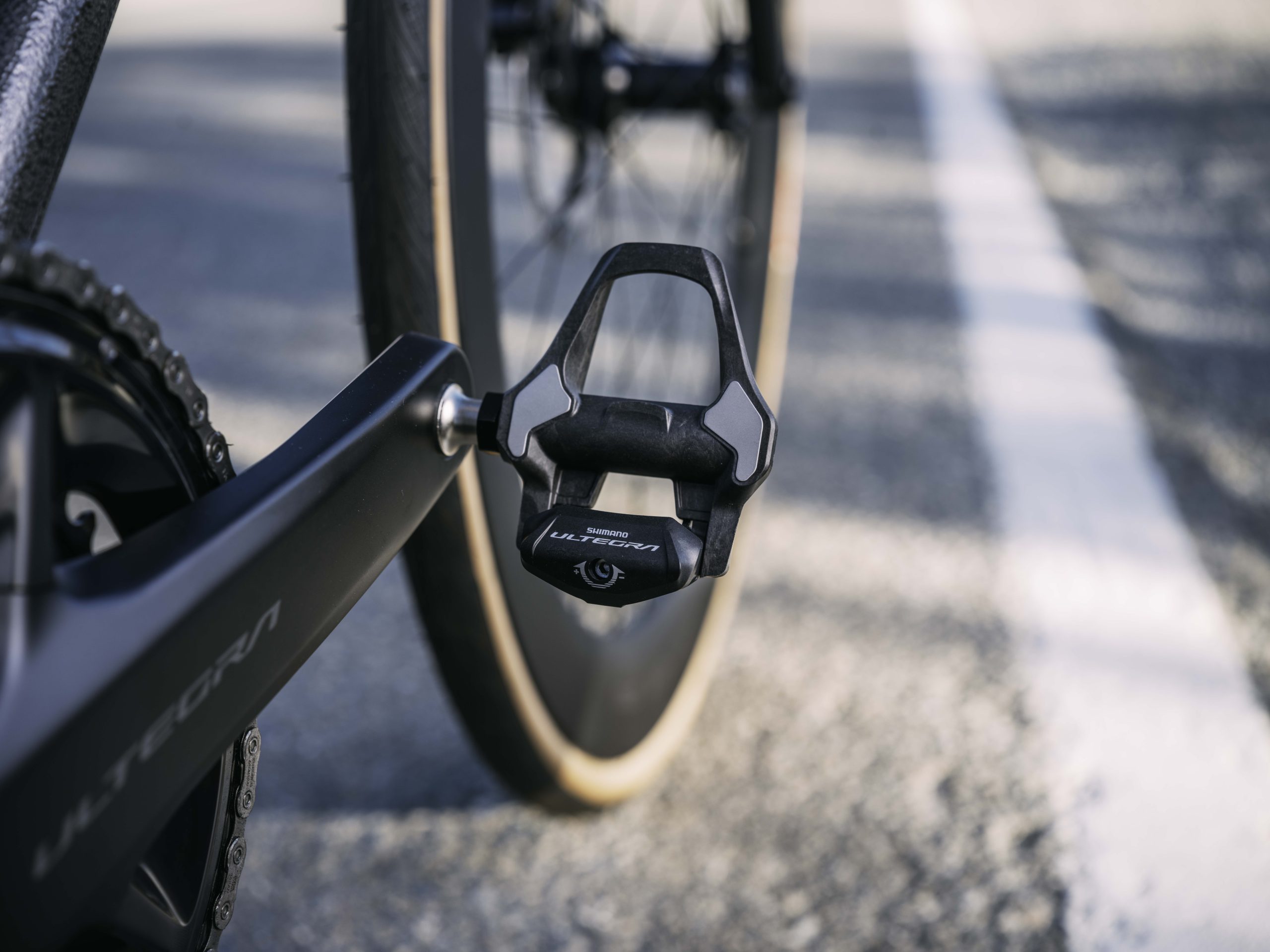
The new Dura-Ace and Ultegra pedals are superficially similar to their predecessors, but Shimano says they offer a lower engagement angle and easier catchment.
As with the SPD-SL system pedals, the new Dura-Ace PD-R9300 pedals have their inner bearing positioned to the side of the pedal’s top surface, while the Ultegra PD-R8200 pedals have it placed under the pedal platform.
This slightly raises the stack height above the pedal axis for Ultegra, to 13.3mm, and reduces pedal stiffness by 11%, Shimano claims. Dura-Ace’s fancier bearings are also claimed to reduce rotational resistance for the new Dura-Ace pedals by 53% relative to the new Ultegra pedals.
Both pedals are made of injection-moulded carbon composite and include steel contact surfaces to reduce pedal wear, as with Shimano’s older SPD-SL pedals. The new Dura-Ace pedals weigh a claimed 227g a set and the Ultegra pedals 1g more.
Old SPD-SL Dura-Ace and Ultegra pedals were available in two spindle lengths, and the same 4mm-longer option will be available with the new pedals.
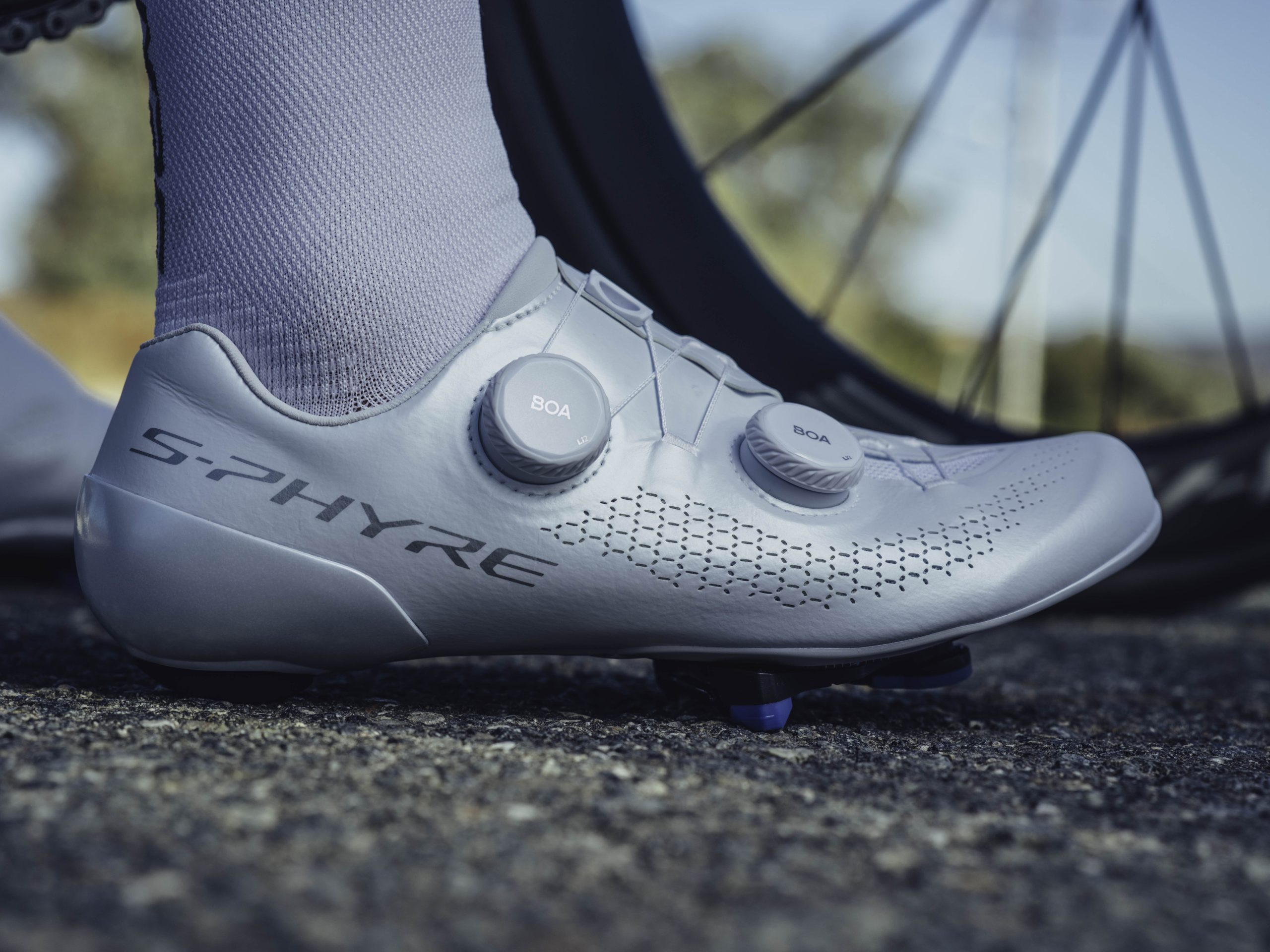
Along with the new pedals and cleats, Shimano has launched updated shoes. It says the new SH-RC901 S-Phyre shoes are lighter than their predecessors and provide greater cleat adjustability. They have a new Dynalast 2.0 fit that’s claimed to reduce foot fatigue.
In addition, there’s a carbon fibre heel cup for increased foot stability and a new upper design, closed by two Boa Li2 dials, that is claimed to wrap more closely round the foot, increase stability, and improve fit and pedalling efficiency. There’s increased ventilation too.
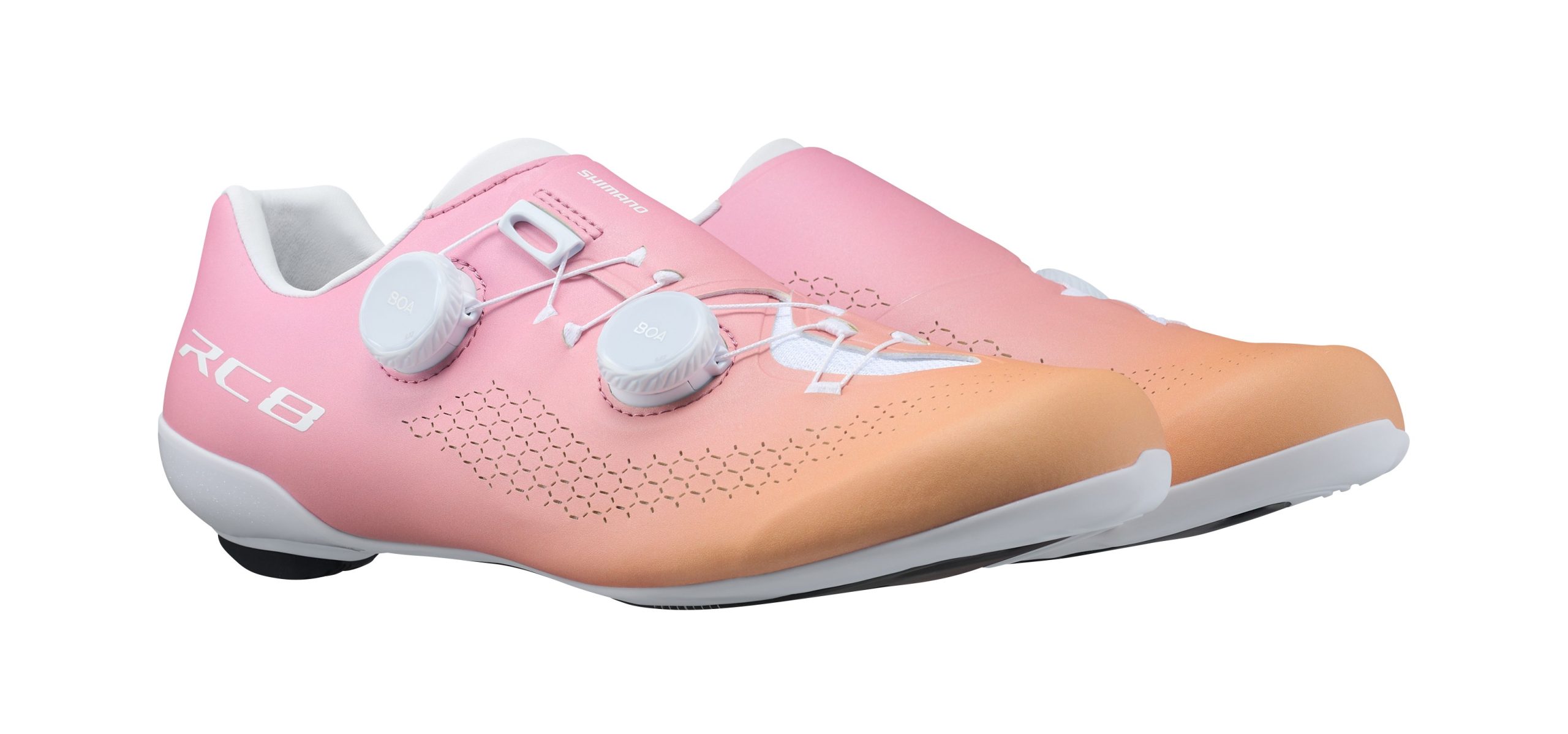
The RC8 shoes have also had an update.
Similar features are carried over into the lower-priced SH-RC810 shoes, which also include two Boa Li2 dials and share the new Dynalast 2.0 fit. Shimano points to the hollow-channel carbon sole, which aids ventilation and helps drain water from the shoes in the rain.
What are the low-stack-height alternatives?
It’s not only Shimano that has persisted with a similar pedal design for years, but recently two new pedal systems have stirred up what has been one of the least progressive aspects of bike design. Here are three low-stack alternatives.
Wahoo Speedplay
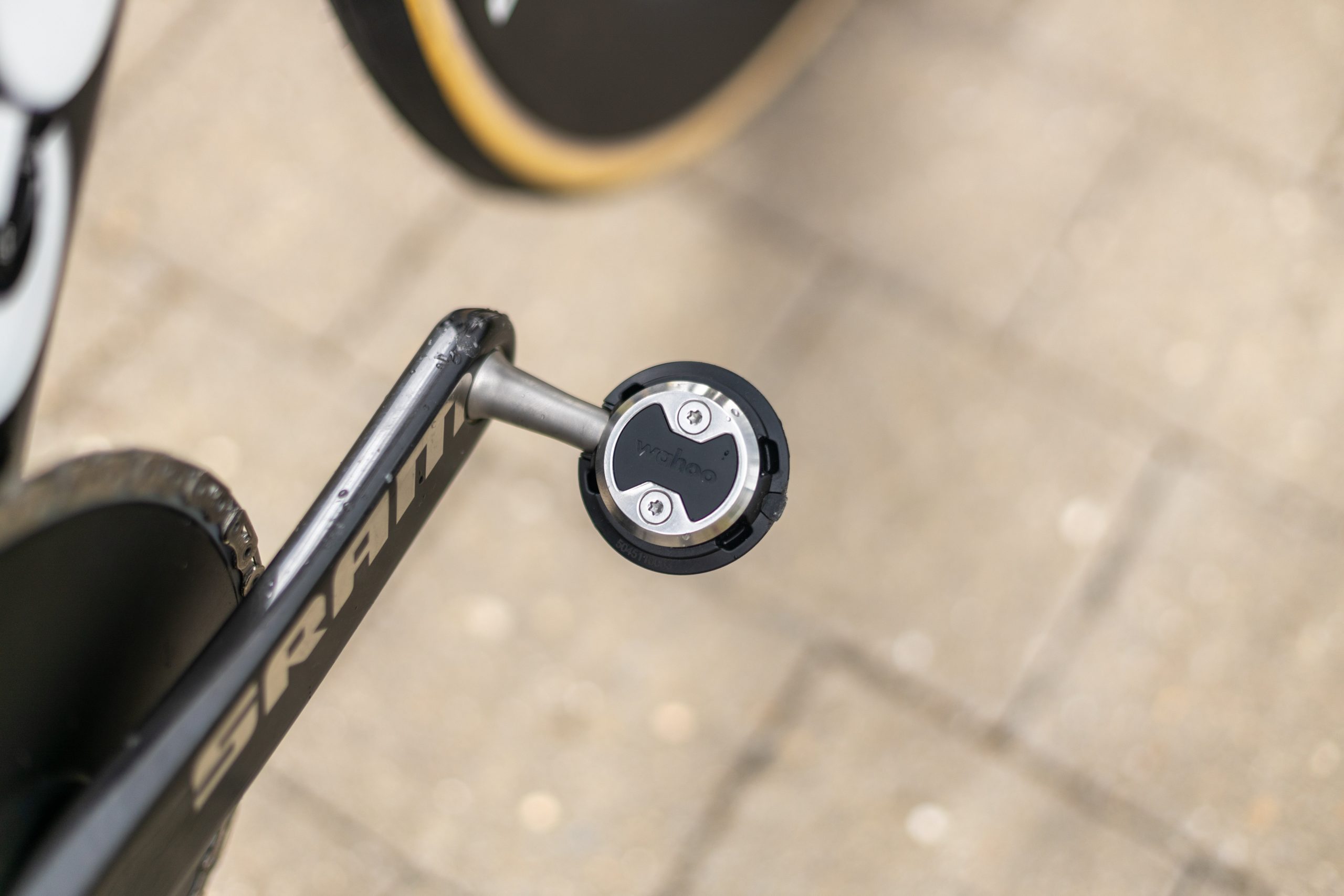
Wahoo Speedplay’s stack height can be as low as 8mm with the right shoes. Ashley Quinlan / Our Media
Among established brands, Wahoo Speedplay offers the lowest stack height of 8.5mm for a shoe with four bolt drillings, but three-bolt shoes require an adapter plate between the shoe and the Speedplay cleat, increasing the stack height to 11mm.
Shimano hasn’t provided a stack height for SPD-SLR, but based on the 14.6mm stack height for old Dura-Ace pedals, the claimed 2.3mm reduction would bring this down to 12.3mm – still higher than Speedplay, even with an adapter plate.
Ekoi PW8
Ekoi’s pedals are very light because there are no moving parts, but require a shoe with a compatible sole. Warren Rossiter / OurMedia
Ekoi’s PW8 pedal system has a much larger shoe contact area than competitors and the pedals weigh only 105g each, because they have no moving parts, just a replaceable tongue at the rear that engages with the shoe’s cleat.
The system requires a specific Ekoi shoe though, which incorporates the anchor points for the pedals. The cleats come in front and rear parts that bolt to these, resulting in an 8mm stack height.
When Warren tested the system, he was won over by the stability of the large platform and ease of clipping in and out. He was less enamoured of the Ekoi PW8 C12 shoes, though – or at least their elevated price. They’re comfortable and fit well, although their weight isn’t market-leading at their price.
There are cheaper alternatives available from Ekoi now though and, as is typical of the brand, all PW8-compatible shoes are heavily discounted on its site.
Q36.5/SRM
Q36.5 claims its system increases pedalling efficiency, but it costs £1,000. Q36.5
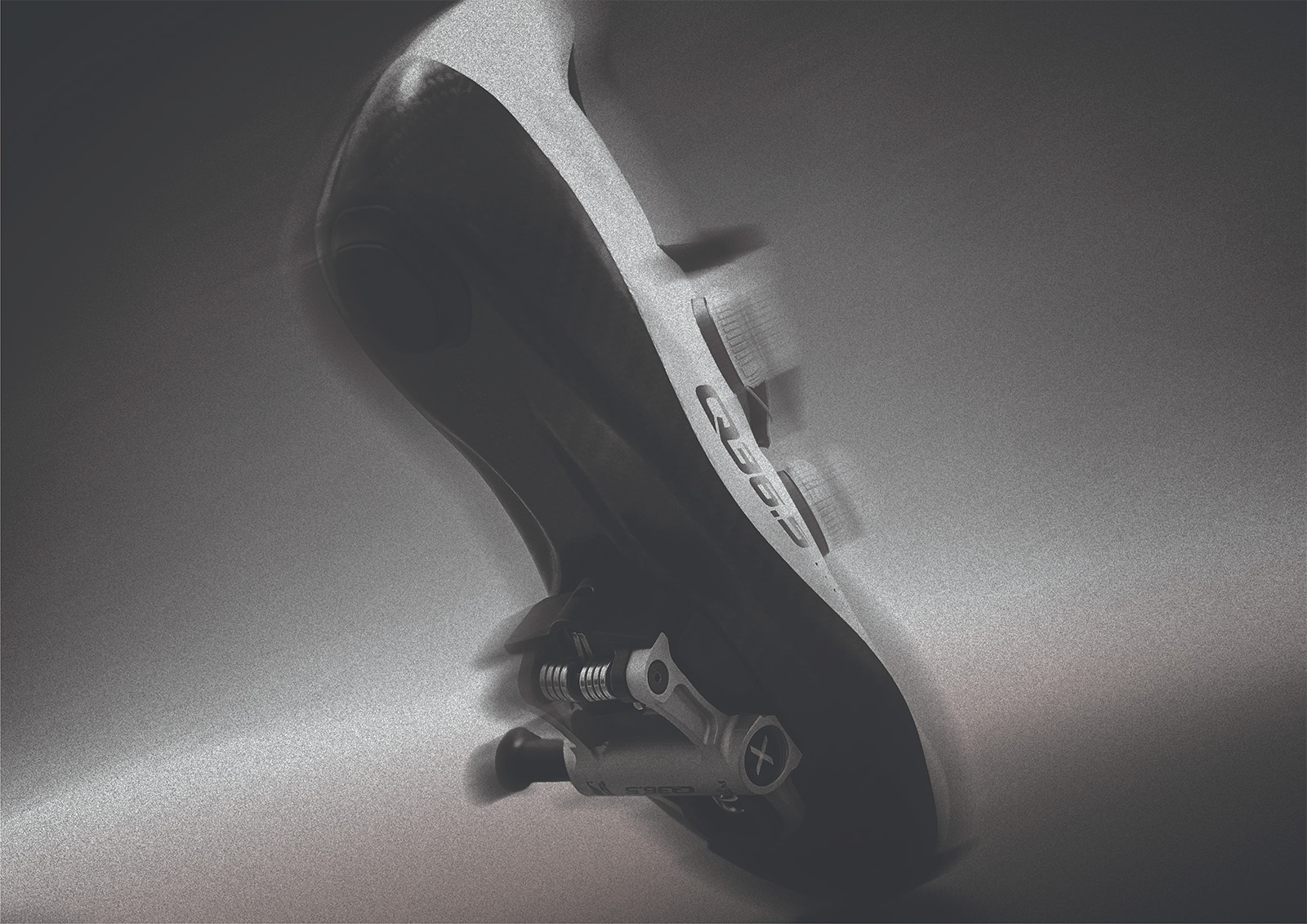
Q36.5 collaborated with German power meter maker SRM to develop the X-Power Direct pedal system (without a power meter) that it says lowers stack height by over 6mm relative to mainstream systems. It doesn’t state an actual stack-height value, but this probably betters Shimano’s new SPD-SLR.
As with Ekoi’s system, the X-Power Direct pedals only work with specific shoes, in this case Q36.5’s Unique Pro 4.0 model.
The system is even more expensive than Ekoi’s, with a £500 price tag for the SRM pedals and the same again for the shoes.
Why lower stack height?
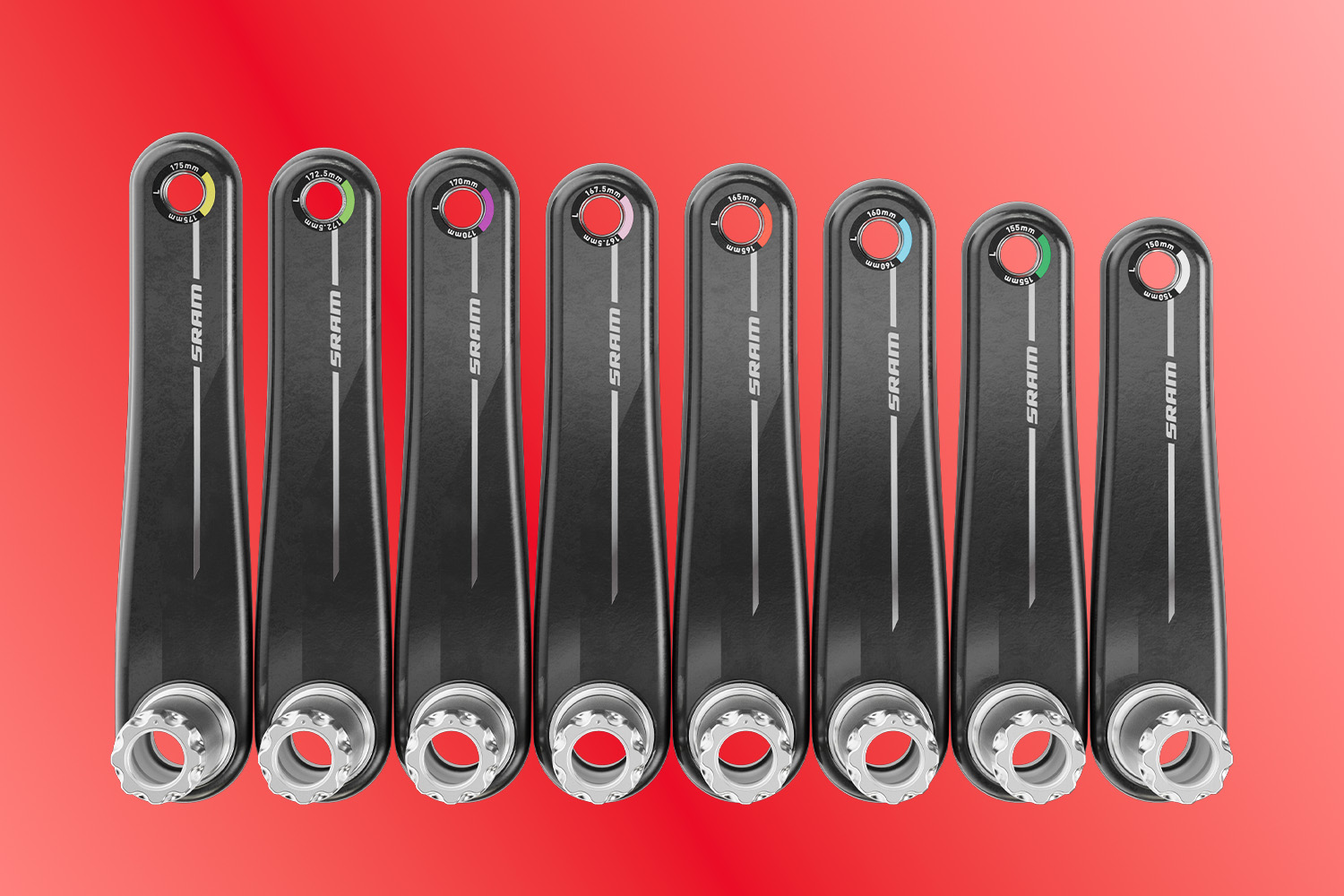
A lower stack height works in opposition to the need to raise the saddle when using shorter cranks. SRAM
Q36.5 performed an analysis of the effect of stack height and claims three principal advantages.
First, the foot is closer to the centre of pedal rotation, which it claims increases the effective area of force transmission. As with Shimano, it claims this increases foot stability and improves power transfer. It also claims a lower stack height reduces shear forces through the shoe’s sole.
Second, the rider’s centre of gravity is lower, which enables them to get more aero. This is only going to be by a few millimetres though.
Third, Q36.5 suggests, with the trend for shorter cranks, the rider’s saddle needs to be raised, which in turn raises their centre of gravity. This is counteracted by the lower stack height.
It concludes that the further the rider’s foot is from the centre of force generation, the more shear forces occur, resulting in a greater loss of power. The optimum, it states, would be a pedal system with zero stack or even a -5mm stack.
These changes are tiny though and we’re not convinced they make a significant difference for most riders. Moreover, we’ve been told by a major pedal brand that its studies don’t confirm that small reductions in stack height result in a material increase in pedalling efficiency.
The next few months are shaping up to be pretty busy with new roads, features, and epic events. In this week’s top video, learn all about Zwift’s upcoming updates.
Also included in this week’s post: videos about the Zwift Ride V2, FTP tests, riding 100 kilometers, and Zwift settings.
Zwift’s Next Big Updates: What’s Coming This Season?
Adam from Road to A breaks down all of the features coming to Zwift over the next few months (read the full press release here).
New Zwift Ride V2 Is Here! What’s Changed?
Last week, Zwift unveiled version 2 of their popular Zwift Ride smart frame. Hear from Desfit as he shares details on the new version and covers his initial impressions after trying the Zwift Ride V2.
Zwift 20-Minute FTP Test — How Much Have I Improved?
After over a year of training, TCycles puts his fitness to the test with an FTP test. Watch as he tackles the 20-minute FTP test and compares his results to past FTP tests.
Zwift 100km Volcano Challenge | Everything You Need To Know!
Jessica Strange talks about Zwift’s 100km Volcano Circuit challenge ahead of her 25-lap Volcano Circuit group ride.
World Bicycle Relief has delivered one million Buffalo Bikes to help people reach education, work and healthcare. Andrew Samways says the latest models, launched this week, mark an “important step” for the organisation.
WBR brought three people from its field teams in Zimbabwe, Kenya and Zambia into its main team. This meant the design decisions behind the new bikes could be better informed by the people who are using them.
“I’m not the customer of this bike. It’s not for me,” says Samways, WBR’s vice president of product development. “I wanted to facilitate the conversation between the people that use it and the people that make it.”
By moving the design responsibility “downstream”, Samways says it’s not the WBR team in Germany designing the bikes. Instead, “It’s really a process of collaboration with those people we’ve raised up through the organisation”.
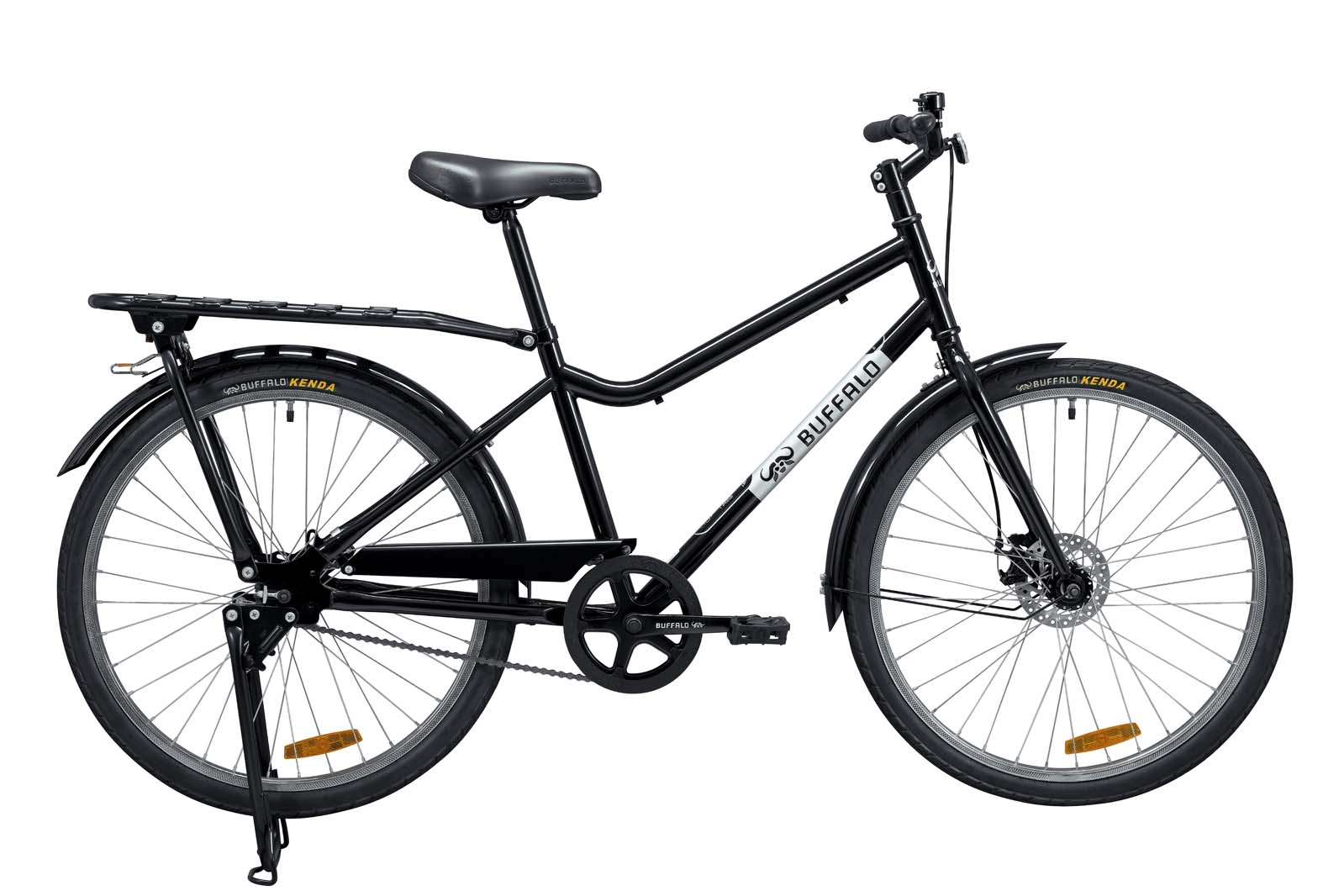
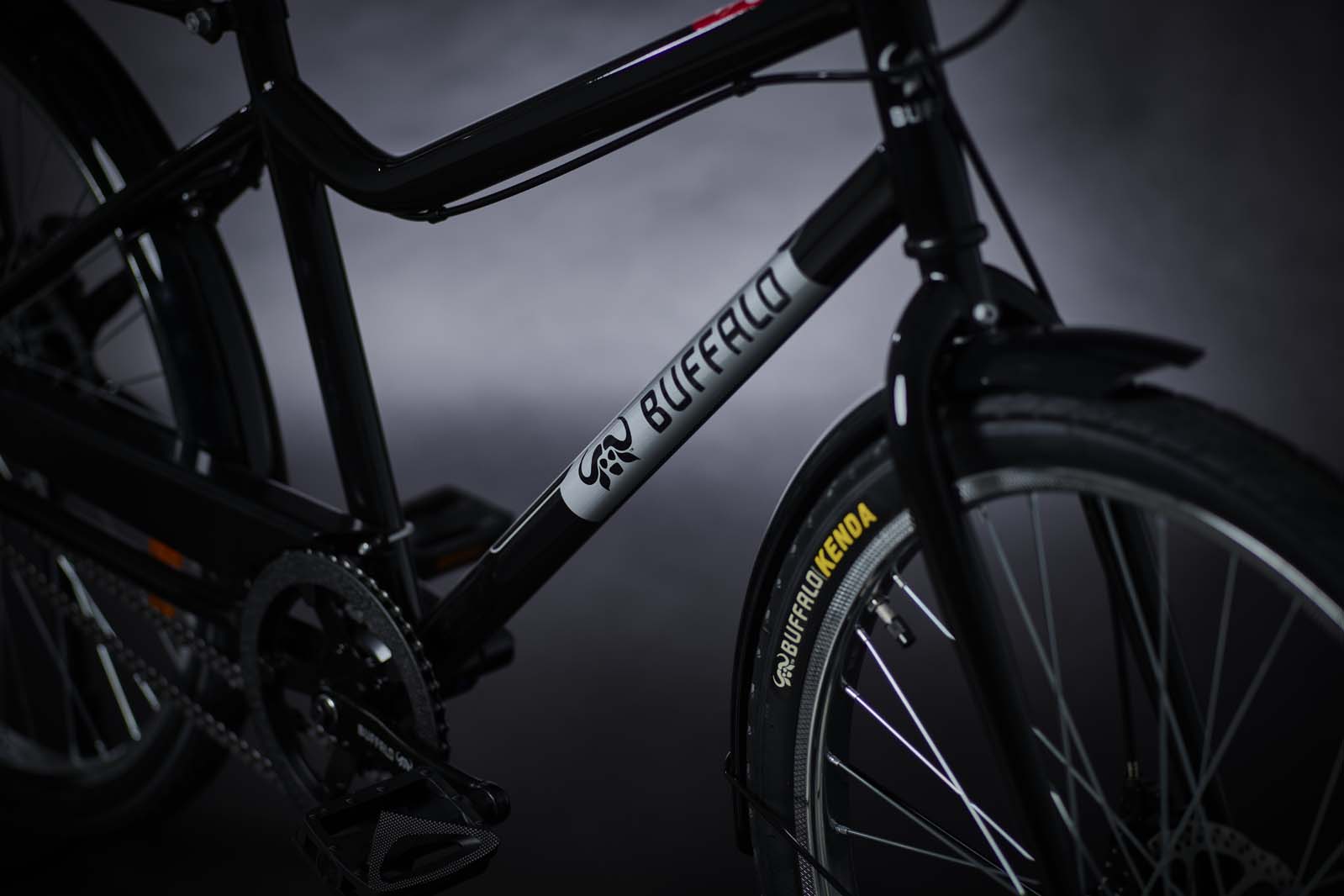
The result of this process is the new Buffalo One and Buffalo Pro bikes. These share similarities with the Buffalo Utility S2, launched in 2024, but have several updates that mean they should last longer, carry more and be easier to maintain.
Observations in the field
The Buffalo Pro and Buffalo One (pictured) are available in two sizes. World Bicycle Relief
The changes made to the new Buffalo Bikes are largely informed by observing how people use WBR’s designs.
“The benefit of having our local team members is that they speak local languages and they can talk with riders more directly. We build up this picture through observation, inquiry, trying things out and seeing how people respond to them,” Samways says.
An example of this process can be seen in how WBR decided to make the latest bikes in standard and large sizes, which was spurred by two observations made in Kenya.
The first was seeing a taller man using his Buffalo Bike. “He was perfectly happy with it, but you could see that he wasn’t totally comfortable on the bike,” says Samways. His high seat also limited carrying space on the rear of the bike.
The second was a conversation with a woman who asked if WBR sold kids’ bikes because she was looking for one for her grandson.
“We realised that a kid’s bike may not be the answer, but if a child can ride our bike more comfortably then it’ll be a much more valuable thing,” Samways says. “That caused us to look at the smaller size of the bike, change the geometry and improve the strength of the seatpost so we can get the seat lower.”
This means that instead of having a child’s bike, you can now have a Buffalo Bike that you can “grow up with rather than out of”.
Samways says when WBR gave the tall man a new, larger size, he was immediately happier with it and eventually didn’t want to give it back.
“If someone doesn’t want to give something back, then we know we’ve got something worth pursuing,” he says.
Discs and a threadless headset
The new bikes both feature front disc brakes, and the Pro model also has a rear disc brake. World Bicycle Relief
Another feature on the Buffalo One and Pro is the disc brakes.
Previous Buffalo Bikes have used hub brakes, but after trialling disc brakes, test riders didn’t want to give them up. So now both models have mechanical front disc brakes, and the Pro has dual disc brakes.
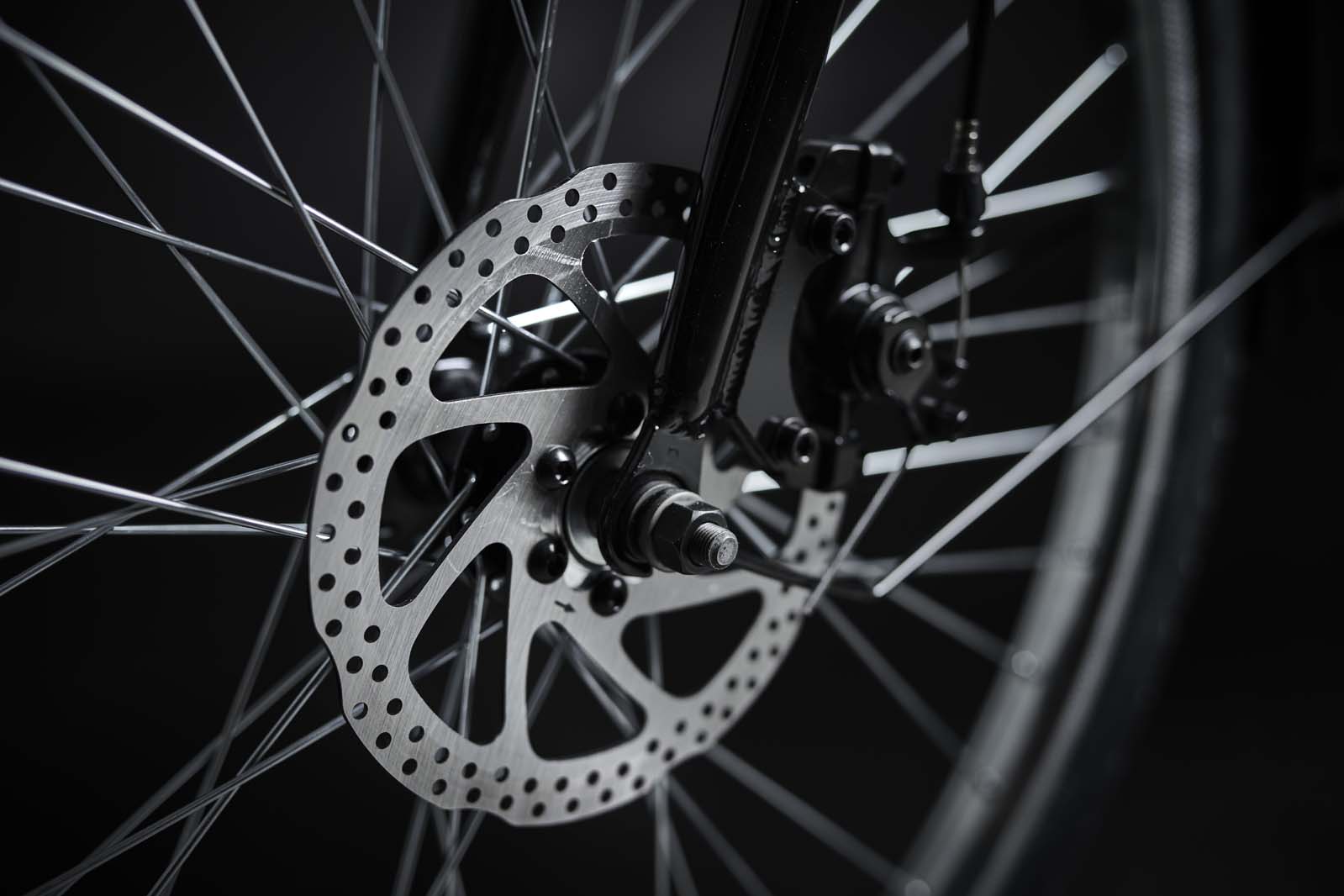
On the one hand, disc brakes provide the stopping power to deal with the new 100kg carrying capacity of the Buffalo One and Pro bikes. But, like hub brakes, they help with durability and reliability, because they don’t wear down the rim and you can still use them if you break a spoke.
The bikes use threadless headsets. World Bicycle Relief
The new bikes have also moved to threadless headsets. These require fewer tools to fix than their threaded equivalents, which is advantageous for people who might not have a full workshop at their disposal. But Samways explains there’s another motivator behind the change.
“We obviously start with the user experience of what’s happening in the field, but you’re looking at your supply chain and the stability of supply of different things and where the industry is moving,” he says.
Two chains or a singlespeed
The Buffalo Pro has two chains and two gears. World Bicycle Relief
Previously, Buffalo bikes were singlespeed. But when WBR introduced the Utility S2 in 2024, it featured two chains.
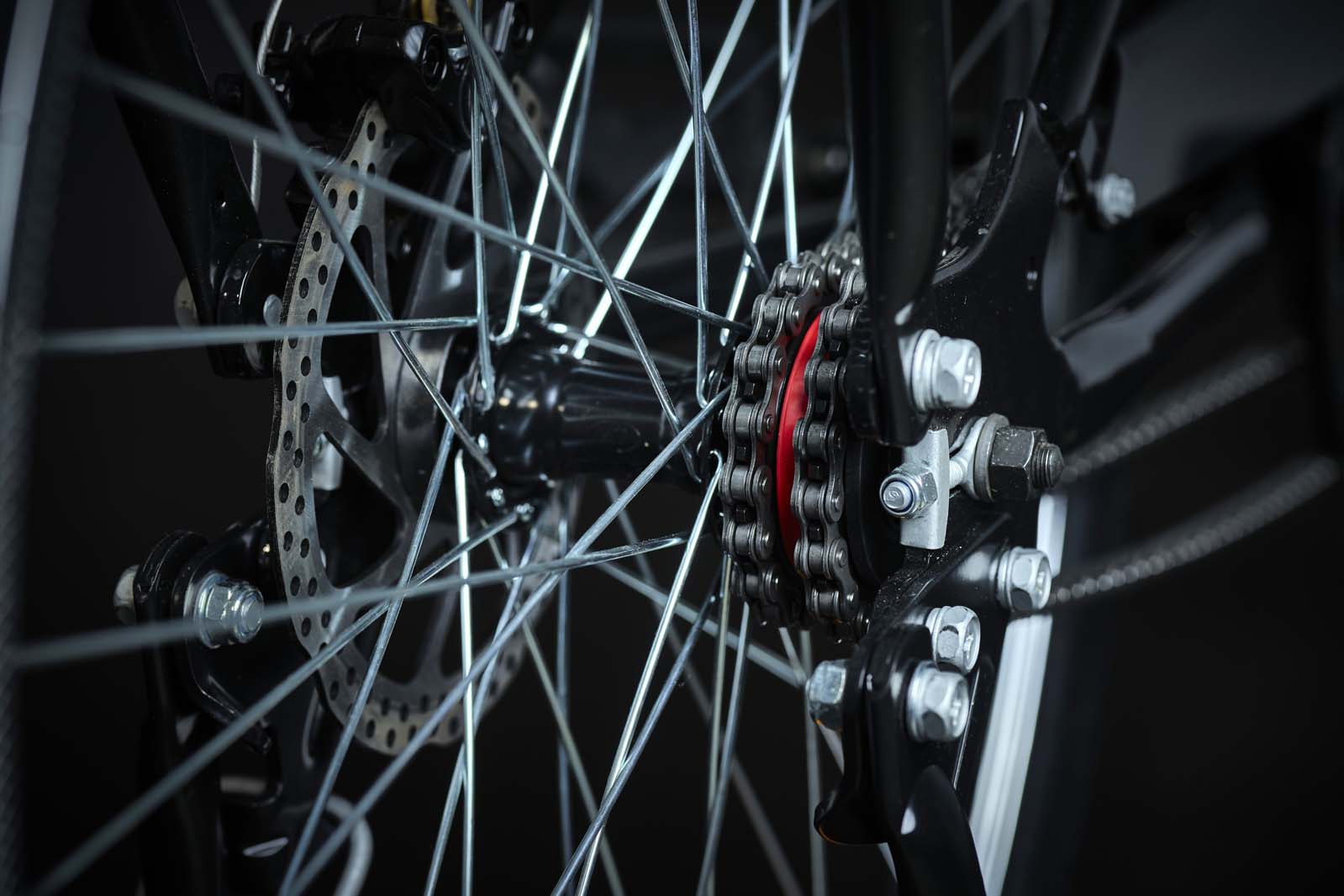
This novel system, developed with SRAM, provided riders with an extra gear, while keeping the bike free of cables and derailleurs, which add complexity and can ultimately break. The other advantage of having two chains is if one breaks, you can still pedal the bike. To shift between the gears, you simply backpedal half a turn.
An updated version of the drivetrain is used on the new Buffalo Pro. Meanwhile, the Buffalo One sticks to a singlespeed drivetrain.
“A single speed is still the most affordable version of the bike, and so that’s what we offer both of these levels,” Samways says.
For anyone wishing to donate a Buffalo Bicycle, the current cost of a One is £138 and the Pro costs roughly £15 more. This price represents the actual costs associated with manufacturing, shipping, assembly and distribution, while the overall cost of a bike in a shop can vary depending on the country.
The Buffalo platform can be upgraded from the singlespeed to the two-speed drivetrain, meaning people can get onto a bike and then unlock the advantages of an extra gear later on.
Return on investment
Households with a bicycle reported a 43% increase in income compared to those without, according to WBR research in Zambia. World Bicycle Relief
“The people that come into our stores to buy the bikes aren’t looking to buy the cheapest bike. It has to be affordable and we shave pennies wherever we can, we find efficiencies wherever we can. But the Buffalo is the one that won’t let you down,” Samways says.
Following research in Zambia, WBR says bicycles deliver a 14.7-to-1 return on investment, placing them among the most impactful development interventions. It also found households with bicycles reported 43% higher incomes than those without, and individuals with bicycles were 36% more likely to access healthcare.
These statistics show the wider impact of bicycles, but Samways highlights a specific example of how the two-chain drivetrain helped one man who delivered bread. He says the functionality of the drivetrain and its reliability meant he doubled his business because he could go faster and further.
“As engineers and designers working on these things, that’s exactly what you want to hear.”
Last week’s This Season on Zwift included the always-exciting announcement of a Zwift map expansion. Even more exciting, it’s the expansion of everyone’s favorite map, Watopia! Let’s dive into the scant details we know as we look forward to its October launch.
The Big Picture
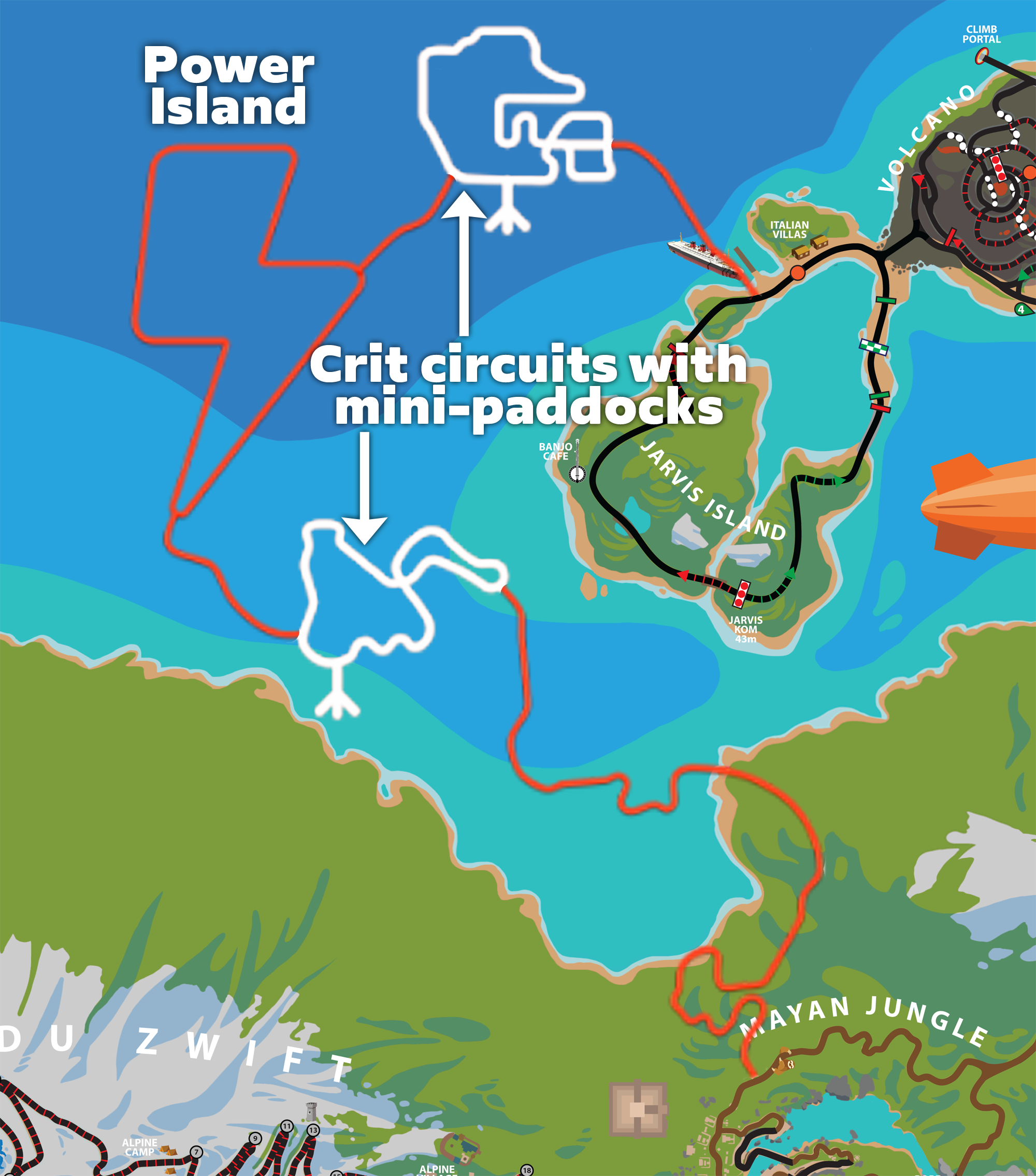
Here’s how the ~18 km of new roads (in red) fit into the existing Watopia map:
As you can see above, the new roads connect the Jarvis circuit to the Jungle, offering what Zwift calls a “flat bypass option around the Epic KOM”.
A Flat(ter) Western Bypass
Based on Strava data, the elevation of the new road at the Jarvis juncture is ~3 meters, while the elevation on the other end at the Jungle is ~31 meters. So we know there is at least a bit of climbing to be done on these new roads, but it’s much less than the ~100 meters of elevation gained when you ride up the base of the Epic KOM Reverse from the Marina and turn to the Jungle.
Another way of looking at it: Zwift’s southern coast expansion in October 2023 added ~19 km of flatter road around the Epic KOM to the southeast. This upcoming expansion adds a bypass to the northwest.
Teaser Visuals
Zwift says this expansion is an archipelago island chain inspired by Catalina Island and California’s West Coast, which makes sense. Zwift is based in Long Beach, CA, after all, and various biomes in Watopia are based on California themes, including the redwoods of Titans Grove, the beachfront in downtown Watopia, and the desert of Fuego Flats with its California Super Bloom.
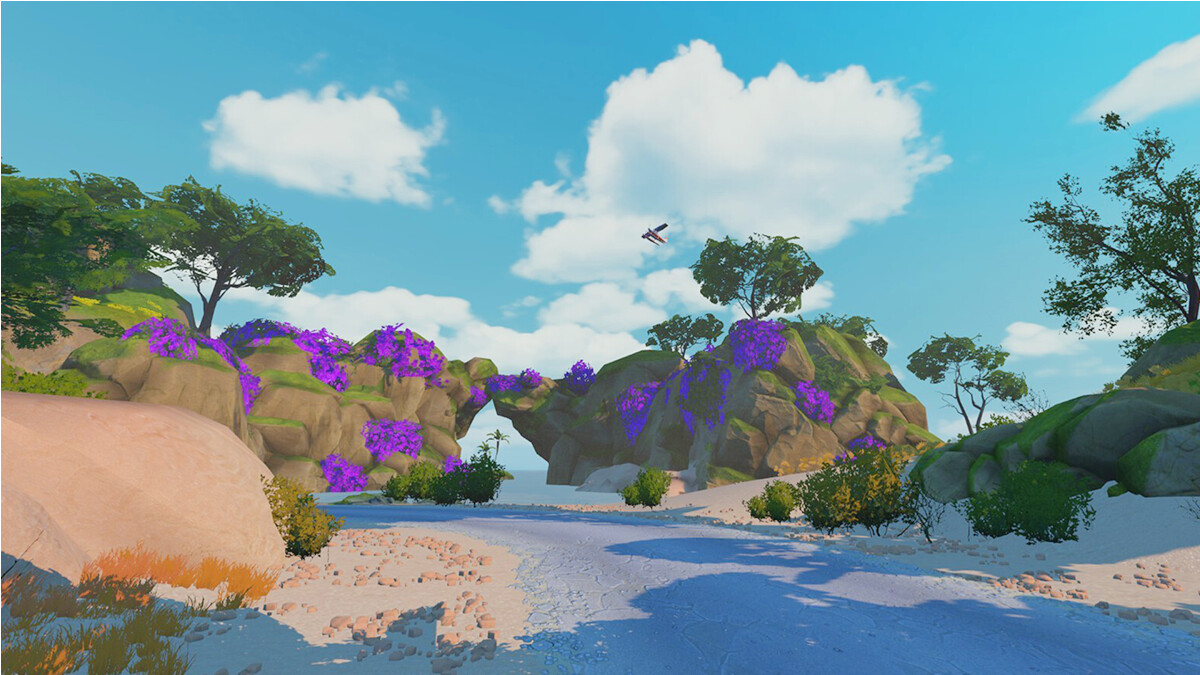
I’ve only been able to get two teaser images from Zwift, which I’ve included below:
The first image is quite nondescript and could be in Makuri Islands apart from the tiny floatplane pictured. The second image faces Alpe du Zwift, and shows a whale jumping (sure to be a dramatic animation!) and a lap banner for one of the new crit courses.
More Details
The new map includes two “crit-style circuits” with “mini paddocks” attached, “made specifically for racing” according to Zwift. We don’t know exactly how the crit circuits will be laid out, but you can see my best guess below in white:
There’s also a lightning-bolt-shaped circuit which has been referenced as “Power Island” internally at Zwift. This will include some power segments (introduced in the recent New York expansion) which will feature in an upcoming event series (see below). Also, it sounds like Zwift may be expanding the power segment idea to include the ability to set power targets for specific segments. Interesting!
This expansion will add 20 new routes to Watopia. That may seem like a lot (Watopia already has 127 routes!), but with all the roads in Watopia, adding fresh roads creates a huge number of interesting potential routes. I don’t think we’ll find the new routes as repetitive as those released with the recent Paris expansion.
We don’t have details on these routes yet, but one I’m personally hoping for is a slightly longer, flatter version of “The Big Ring” that will be even friendlier for long group rides. (Hopefully it will go in a CCW direction, too, which should make the Jungle section feel like much less of an obstacle.)
Related Events
Two major Zwift events will take advantage of the expansion, beginning with the ever-popular Tour of Watopia (October 5-November 22) with its double XP and another ultimate challenge.
Stage 4 of the Tour kicks off on Monday, October 26, and that will be our first chance to ride these new roads. Tour of Watopia is a 5-stage tour, and Zwift says the Tour includes “6 new route badges to chase”, so it would seem that the three routes used for Stage 4 and the three routes used for Stage 5 will all be new.
Additionally, a new “Power Play” series kicks off in November, running from November 23 to December 27. Details are sparse, but they at least tell us the Watopia expansion will include multiple power segments. Zwift says the series “aims to give Zwifters a fresh and fun new way to get a quality workout, making use of Power Segments in New York, the Montmartre and The Grade climbs, and new Power Segments that will launch in the new Watopia Expansion.”
Your Thoughts
What do you think of Zwift’s planned Watopia expansion? Can you see any cool route ideas that use the new roads? Share your thoughts below…
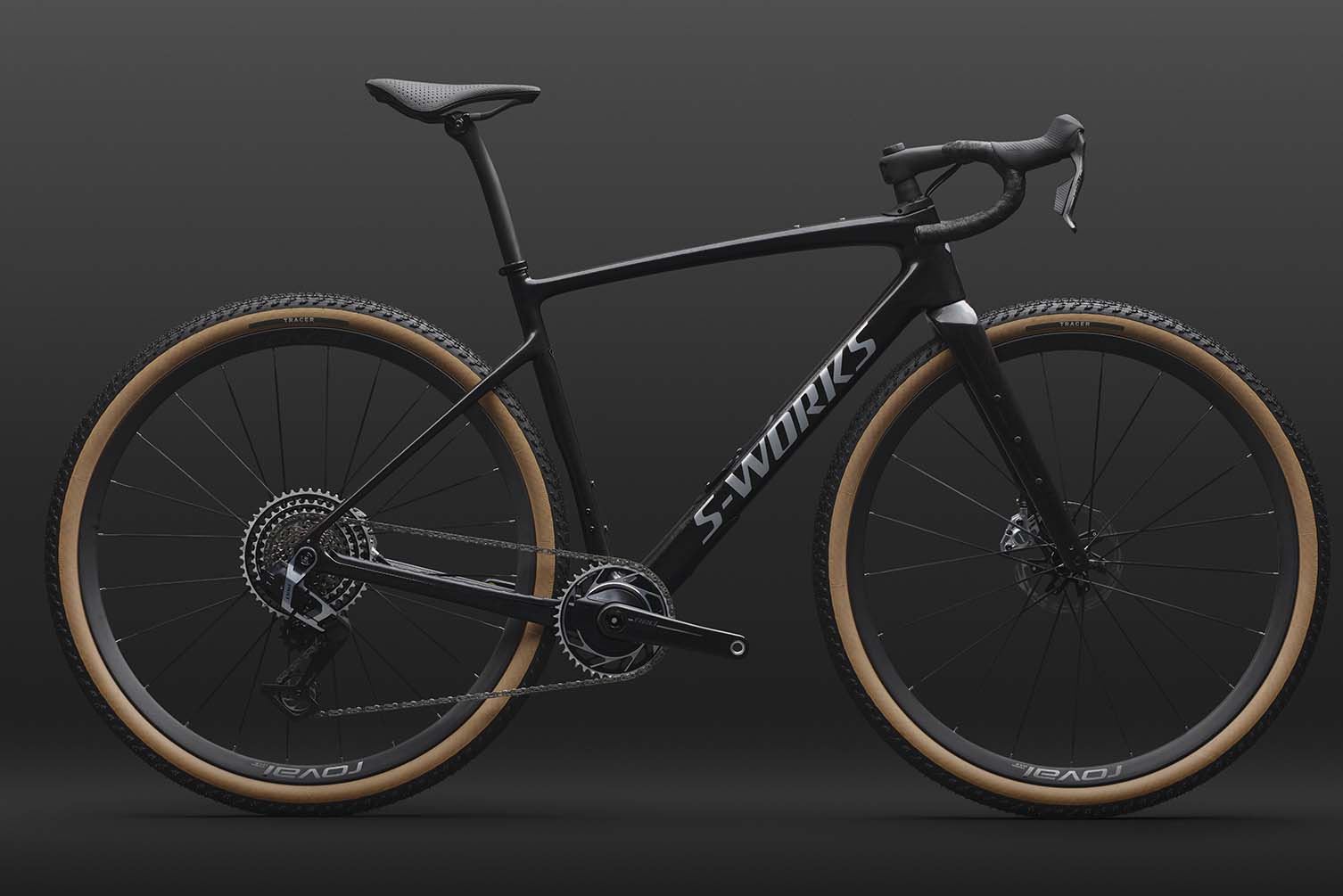
Specialized has revealed the new S-Works Diverge 4, which uses the company’s highest-tier carbon fibre layup and features “breakthrough integration”.
The Diverge 4 was first released in September 2025, but the S-Works line was cut from the range, which topped out with the Pro LTD.
Specialized claimed the Pro LTD, which broke cover at Unbound 2025, had already proven itself “with great positive feedback” from its athletes. But now Specialized has brought the S-Works Diverge back, stating it takes the gravel bike’s “magic recipe” of speed, capability and confidence “to the next level”.
What’s new?
Specialized has shaved 200g from the frame weight. Specialized
The main difference between the new S-Works Diverge and the previous carbon models is the choice of carbon fibre.
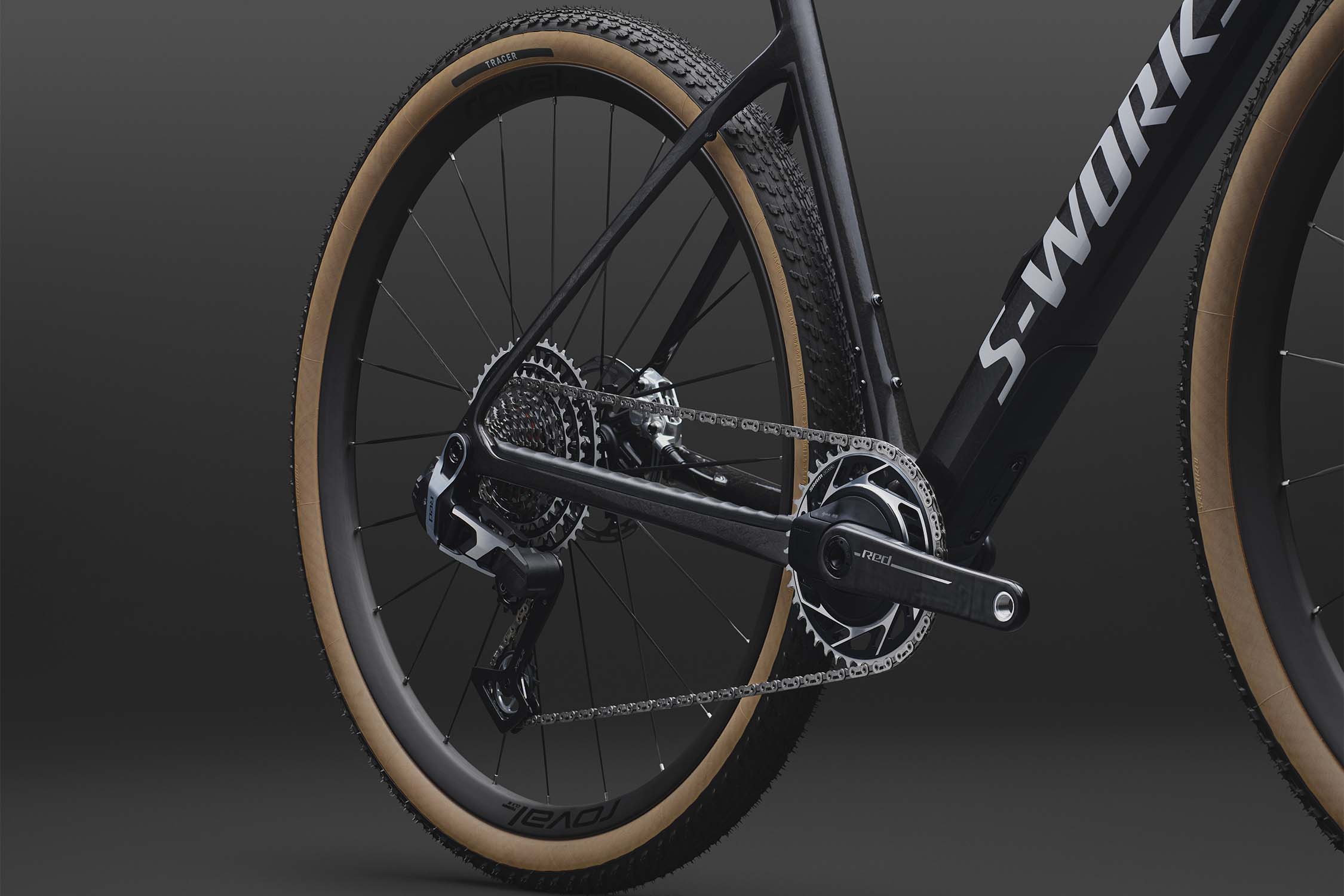
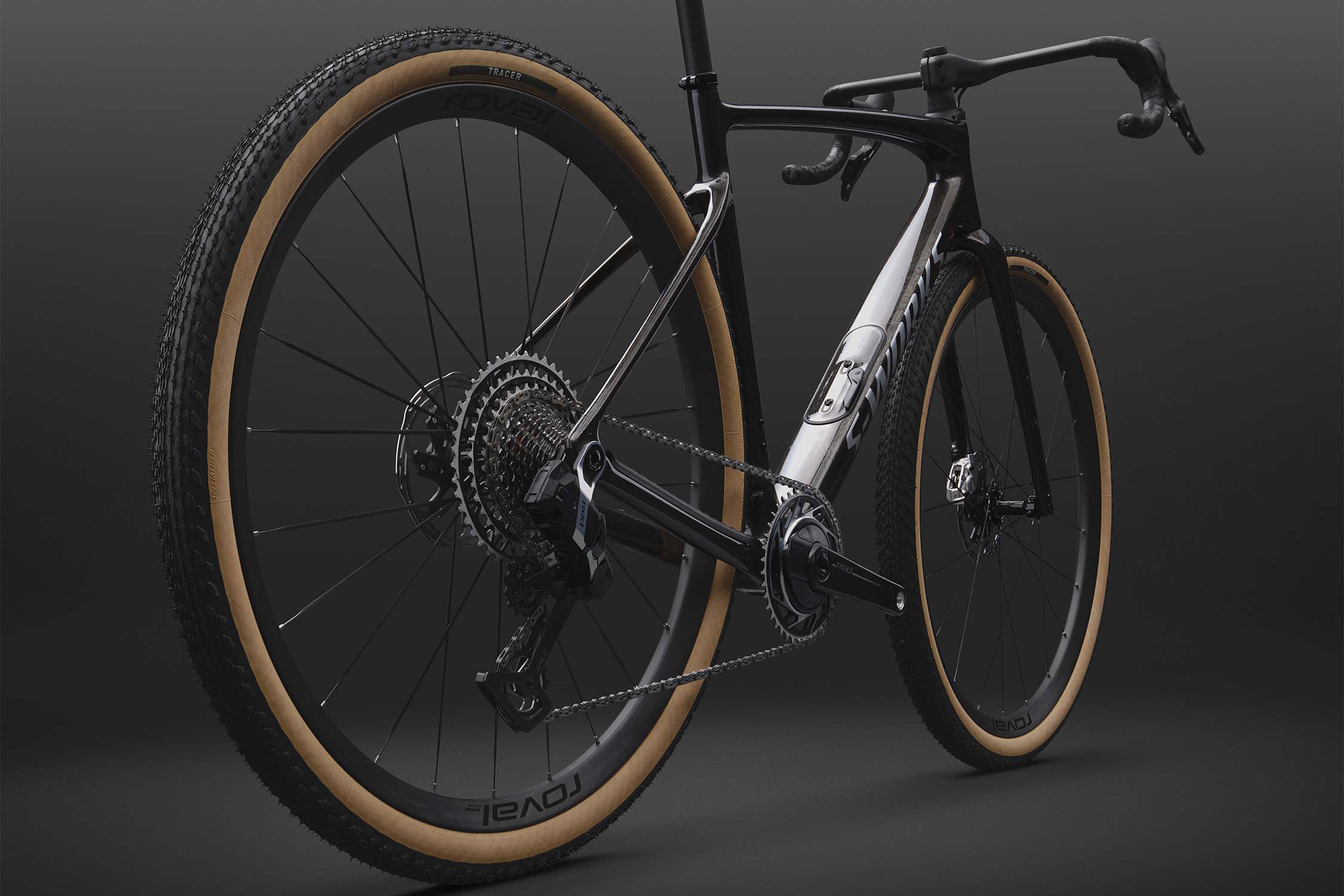
Whereas the Diverge models launched last year used Specialized’s Fact 9r Carbon, the S-Works model uses its highest-tier Fact 12r Carbon.
Specialized says this shaves 200g off the frame weight compared to the 9r Carbon Diverge. A painted S-Works Diverge frame in a size 56cm weighs a claimed 950g.
The bike now has internal cable routing. Specialized The premium build features a SRAM Red XPLR groupset. Specialized
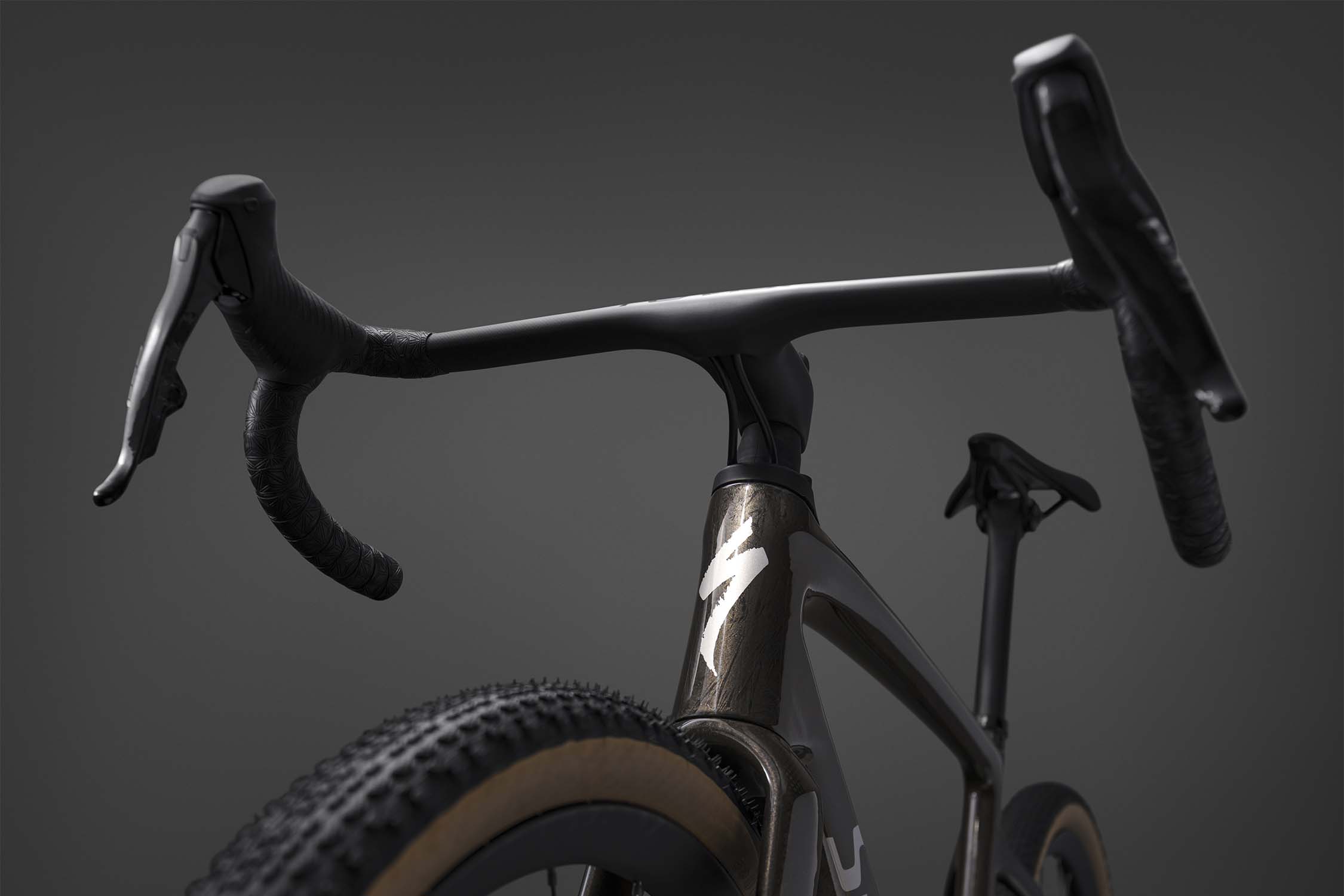
The S-Works Diverge also has Specialized’s Future Shock 3.3 stem suspension. The fully serviceable design with 20mm of travel featured on the Diverge Pro LTD, but with external cable routing.
Specialized says it has now managed to run cables internally through the stem. This “breakthrough integration” combines a smooth front end “with aero performance and a cable-free aesthetic”.
Specialized adds that the S-Works Diverge will be available in an “uncompromising” build. The bike has the same Roval Terra CLX III gravel wheels as the Pro LTD model, but switches the Shimano GRX Di2 drivetrain for SRAM Red XPLR. It has a CeramicSpeed headset and bottom bracket.
The bike has room for 50mm tyres and features down-tube storage. Specialized
Elsewhere, the new S-Works Diverge shares the same features as the carbon Diverge models released a year ago.
Suitable for gravel racing or bikepacking, the bike has clearance for 50mm gravel tyres with more than 7mm clearance. It will also fit 2.2in tyres with 4mm, which Specialized says it expects many riders to choose for rougher terrain.
The bike also has the SWAT 4.0 down-tube storage compartment. This has a larger door with a simplified and more robust design compared to the previous 3.0 version.
Specialized updated the Diverge’s geometry last year to “help provide a more stable and confidence inspiring ride on off-road terrain”. The head tube was slackened by half a degree to increase the bike’s trail and wheelbase. Specialized also dropped the bottom bracket to offset the increased tyre clearance and lengthened the chainstays to balance the bike’s handling.