DAYTONA BEACH, Fla.—The annual 24 hour race that kicks off the American racing season took place this past weekend at Daytona International Speedway. Each year, the crowd gets bigger and bigger, drawn in large part by the hybrid prototypes that contest the GTP class for overall victory. After Formula 1, these are some of the most complex, sophisticated race cars ever to turn a wheel—and it doesn’t hurt that they look extremely cool too. But yet again, endurance racing wants to offer more than just entertainment.
A large number of automotive technologies or safety features that we mostly take for granted today made their way into road cars from the race track. Seatbelts, rear view mirrors, turbocharged engines, aerodynamics, direct-injection engines, dual-clutch gearboxes, and more owe their existence to competition. Although, truth be told, direct examples of racing technology transfer in the mid-21st century seem less common than the intangible benefits gained when a bunch of motorsports-trained engineers have lunch every day with their road car colleagues.
That is starting to change, though, but now the domain is in simulation. Vast amounts of data are generated during the course of a race—each of the 11 GTP cars that raced at Daytona collects 1,600 different channels of data from onboard sensors, with nearly as many on the GTD machines that are based on road-going cars like Porsche’s 911 or Chevrolet’s Corvette. With 60 cars running for 24 hours—and that’s just the first race of the year—that’s a heck of a lot of high-quality data being generated, and now IMSA wants to leverage that to help automotive and technology companies develop better simulation tools, with the creation of IMSA Labs.
TigerVNC 1.16 is out today for this high performance, multi-platform VNC server and client implementation. Most notable with TigerVNC 1.16 is “w0vncserver” as a new server for sharing Wayland desktops…
If Apple is good at one thing, it’s the length of software/firmware support for its devices. To wit, within a large iOS and WatchOS update dump this week, owners of the 13-year-old iPhone 5s received a nice little gift that allows users to use iMessage and Facetime after certificates expire at the end of this year.
While most brands are pushing their full-power eMTBs – complete with massive batteries and enough torque to shift the earth momentarily on its axis – it’s refreshing to see something a little different from Orbea.
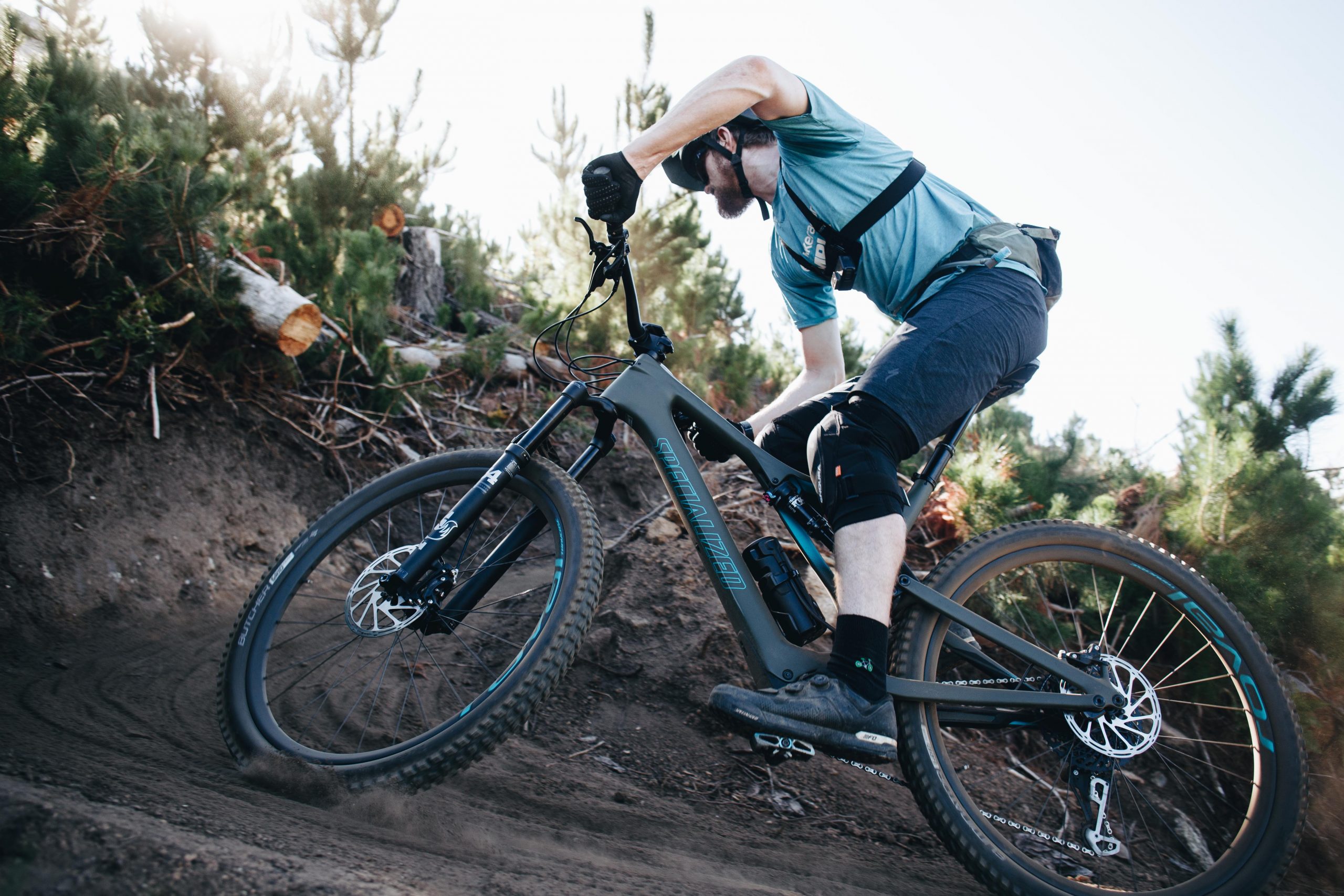
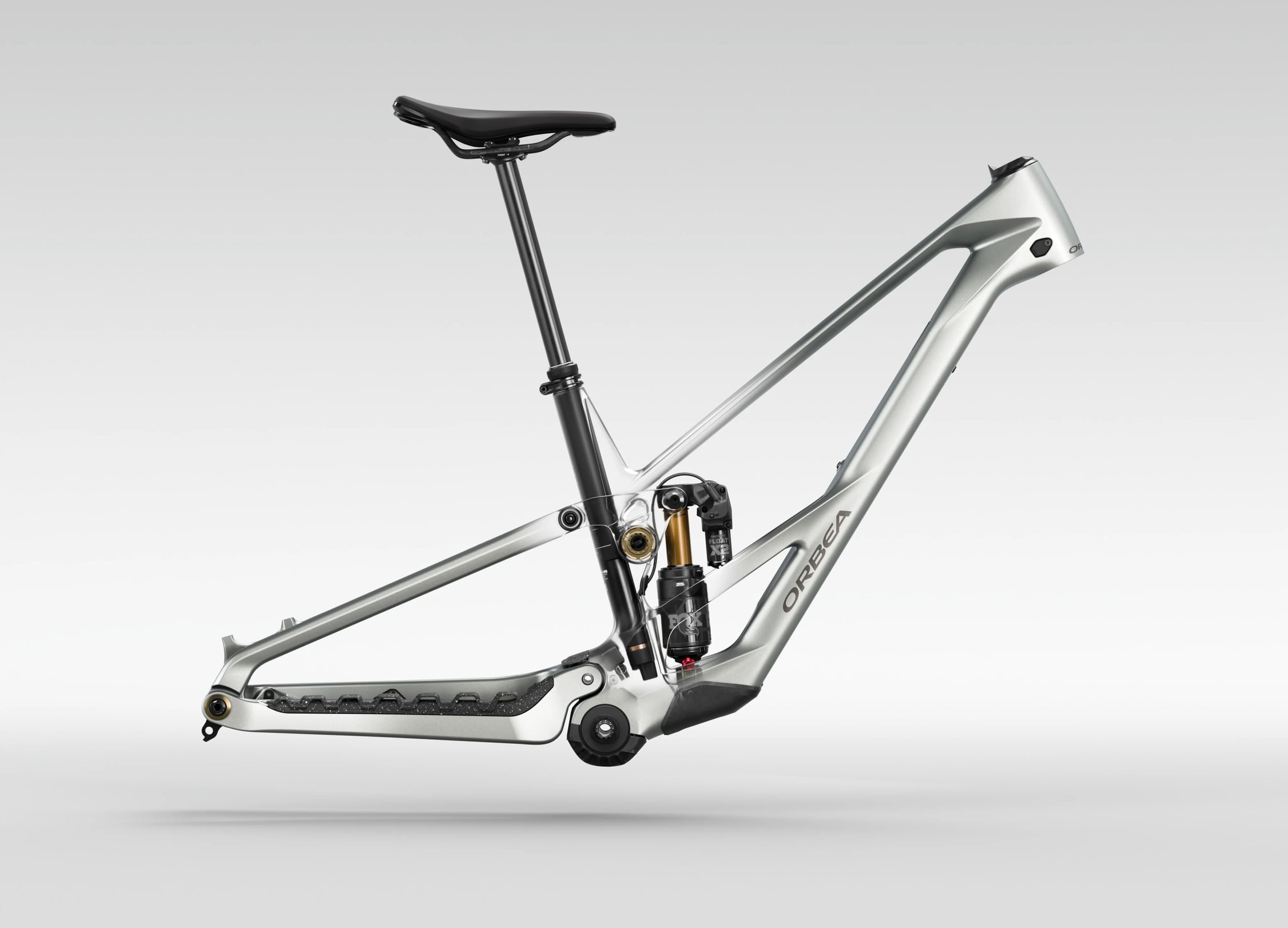
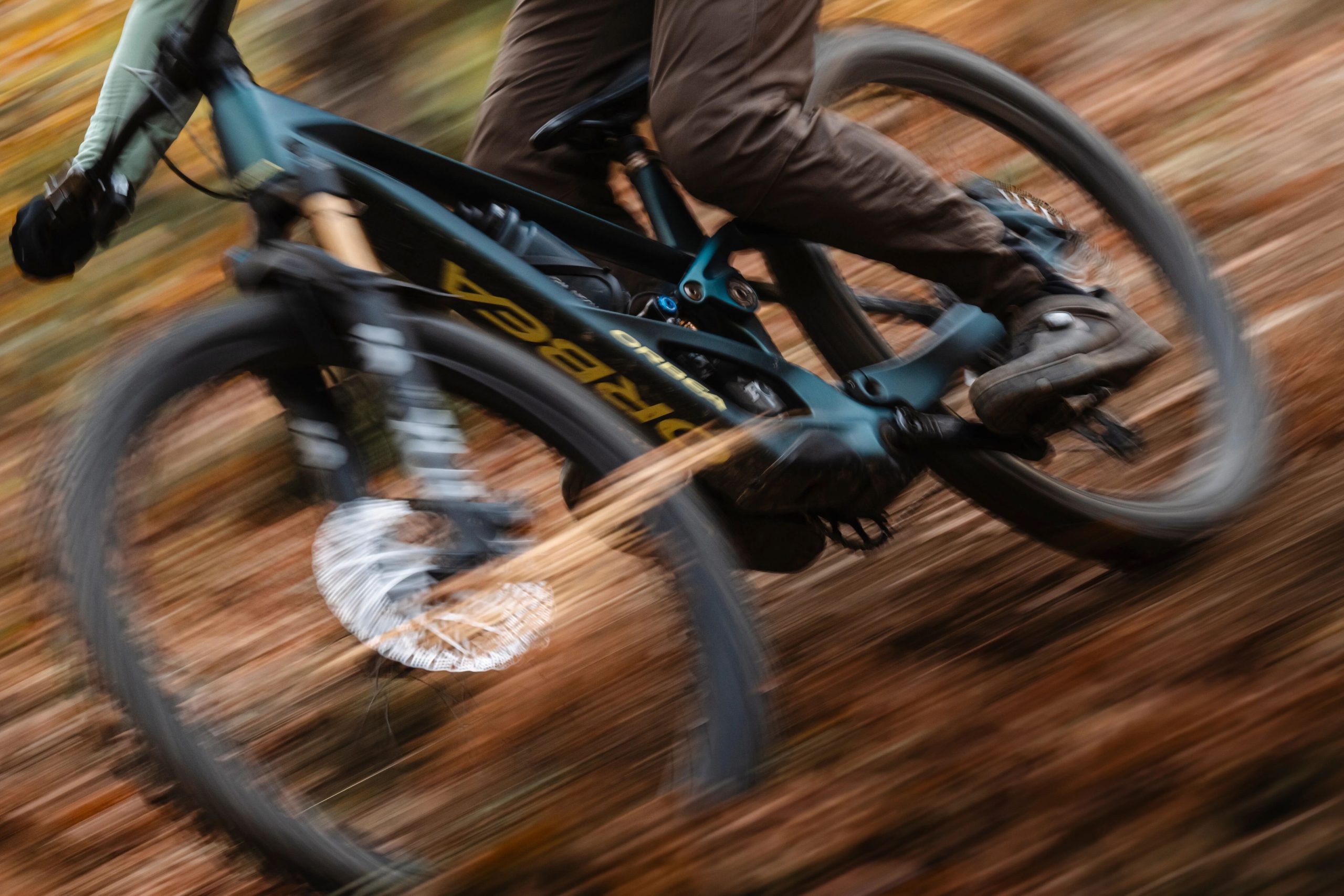
The new Rallon RS is based on Orbea’s Rallon enduro bike – and let’s be honest, looks very much like it, too. It’s got plenty of travel and burly components, but despite being an eMTB, it doesn’t weigh much more than its non-powered counterpart.
It’s a modern take on a lightweight eMTB. Remember those? It was a nice idea but rarely, if ever, came to fruition.
However, the new Rallon RS takes that concept and harnesses the technological advancements to right the wrongs of the early ‘SL’ bikes.
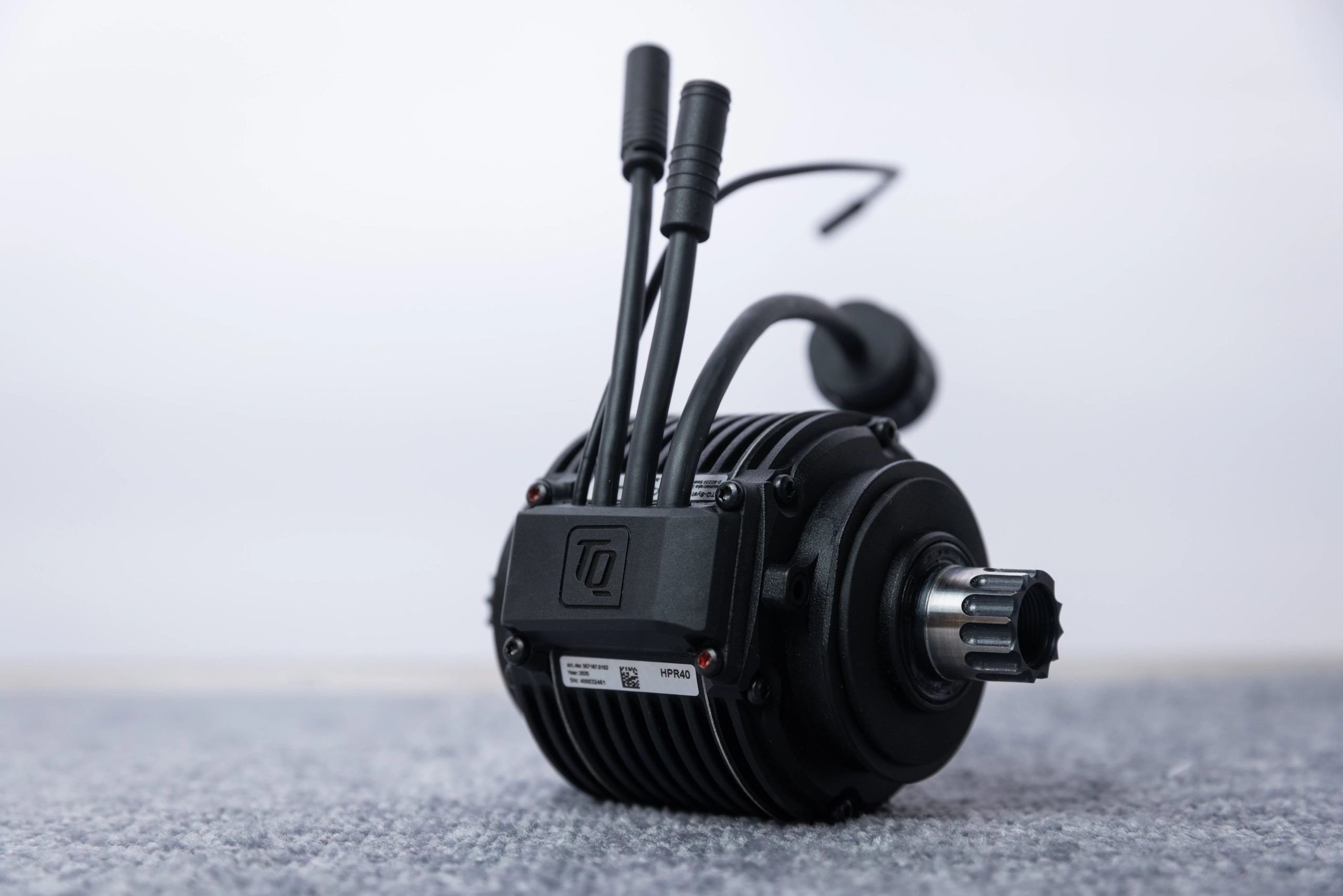
Housed within the carbon tubes, you’ll find a motor – one of the smallest on the market – capable of only 200 watts of peak power, and the small 290Wh battery that powers it, along with a host of other electronics.
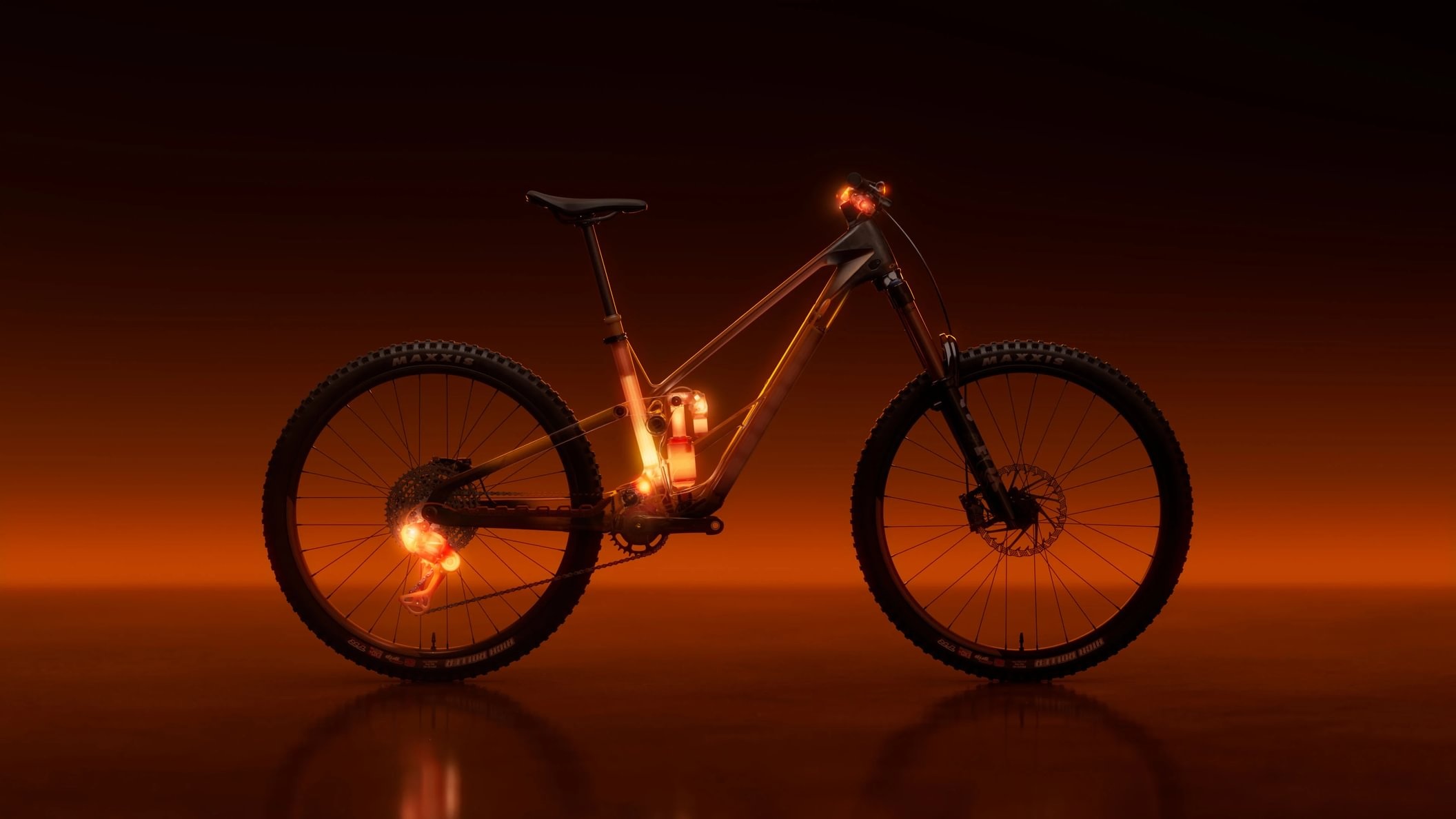
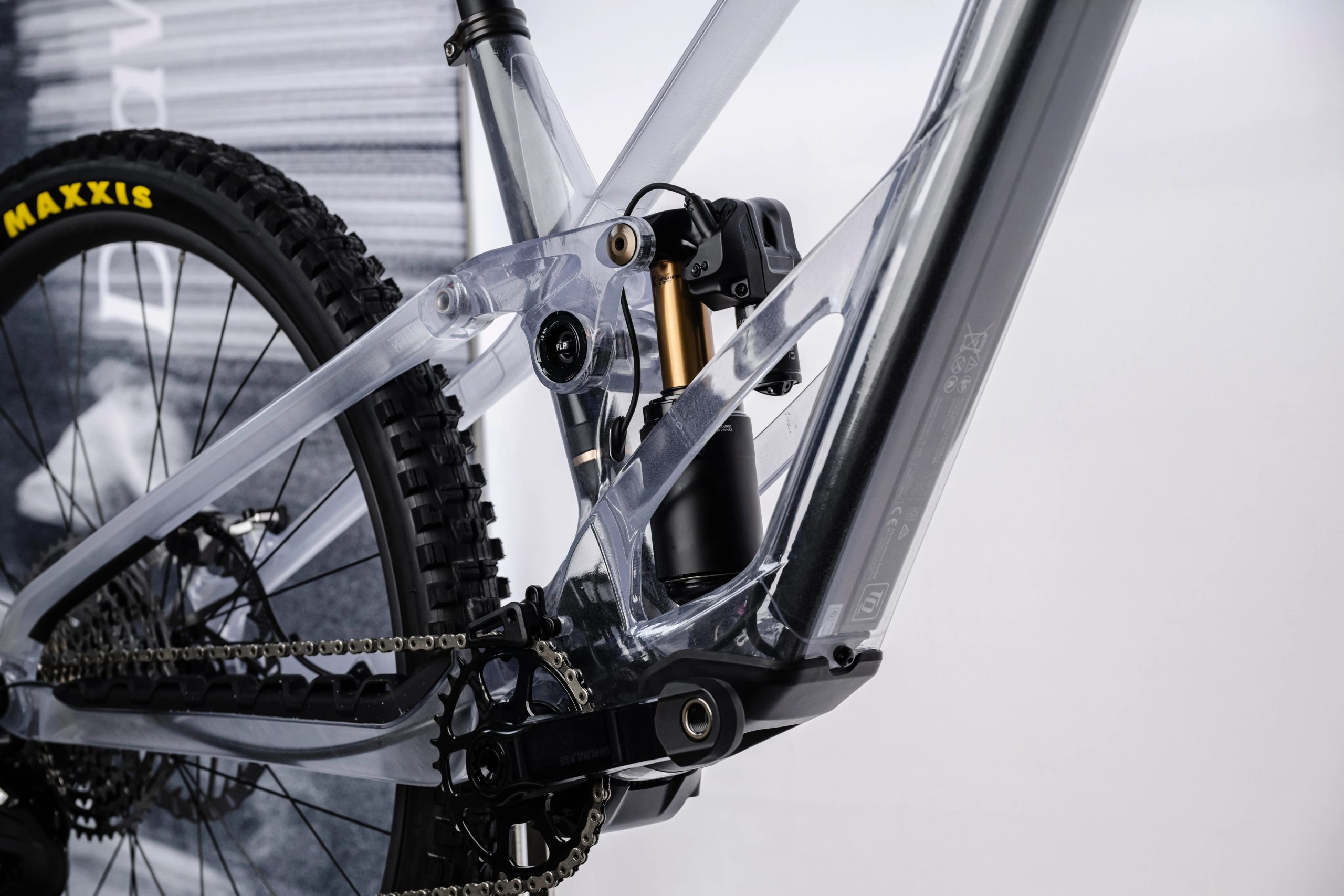
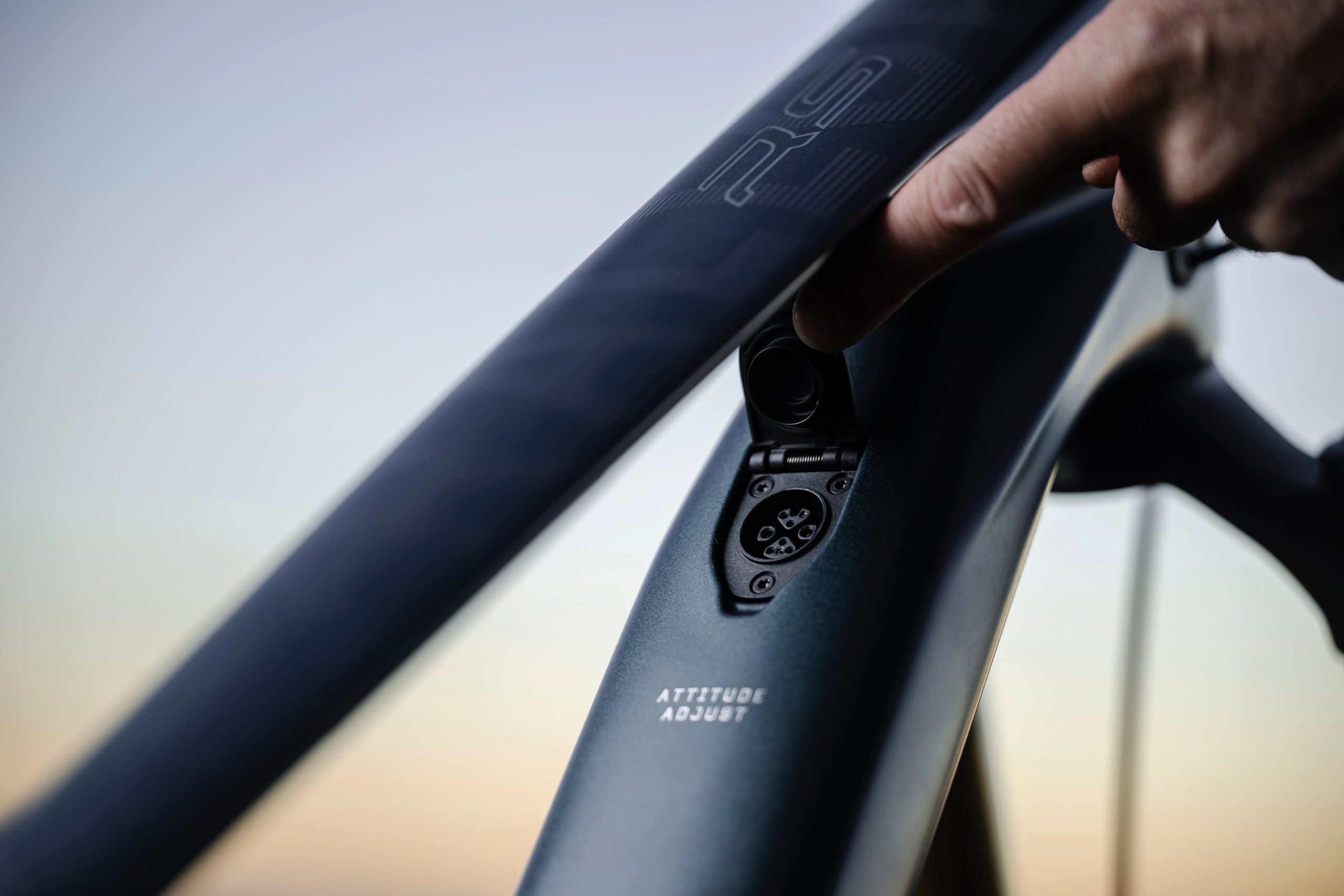
And that’s where things get really cool. Orbea has integrated every electronic component on the Rallon RS in a way we’ve not seen before.
Those low power and torque figures will no doubt put people off, but I’m here for it.
The dinky motor means you’ll get some help when you need it riding uphill, but you’ll still need to work on the climbs – no matter what mode you’re in. And I like that.
Orbea has taken a risk with the new Rallon RS and clearly ploughed a lot of cash into it, but I think it’s worth it. Here’s why…
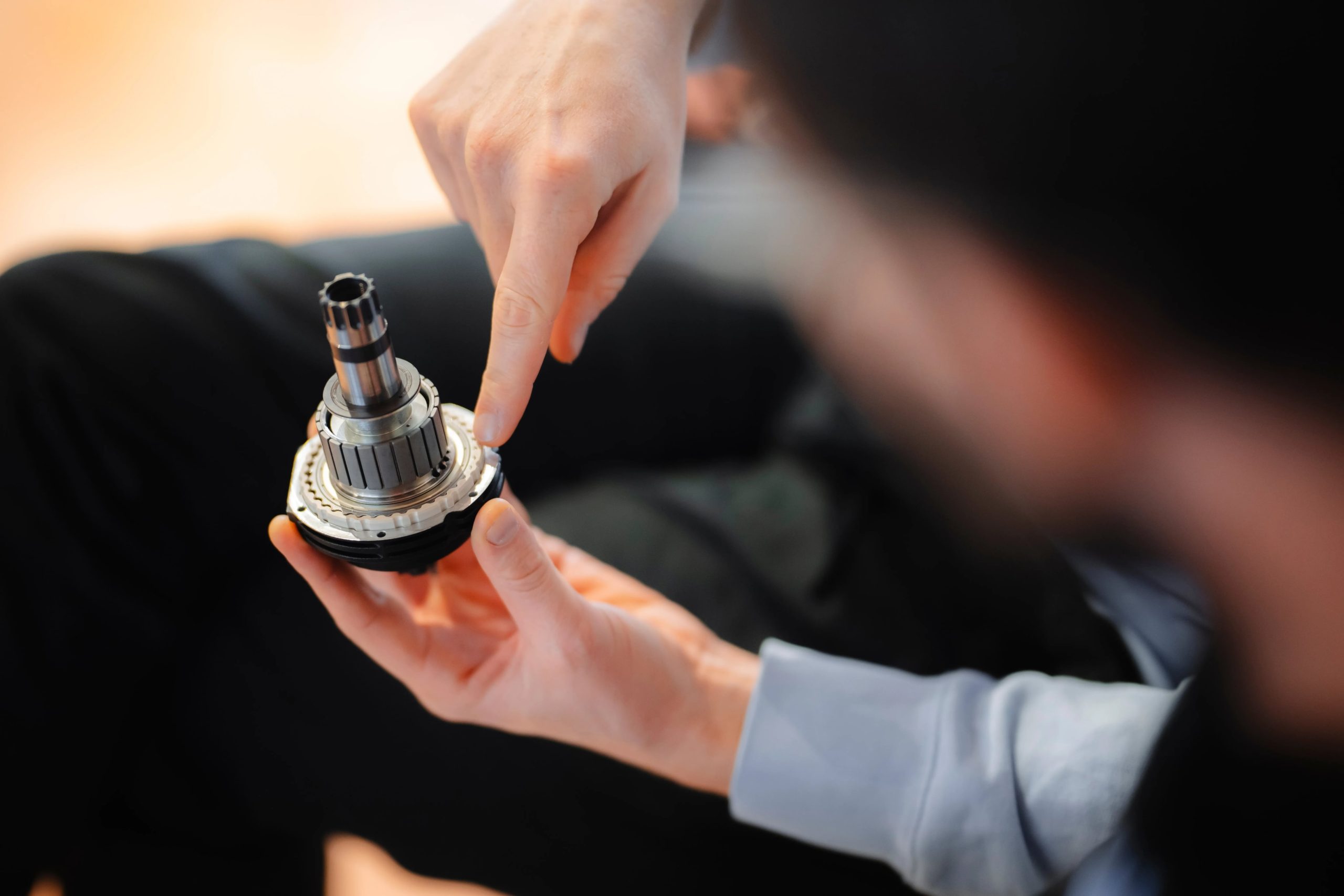
Powering the Rallon RS is the TQ HPR40 motor, which can deliver 200 watts of peak power and up to 40Nm of torque. Roo Fowler / Orbea
With the Wild, Rise (SL and LT) and Urrun eMTBs already in Orbea’s stable, you could argue the Rallon RS is less of a risk, and the lower-powered sibling complements the line-up.
But when you consider how the eMTB market has shifted since Amflow’s super-powerful DJI-motor equipped bikes arrived, launching a bike with power and torque stats at the opposite end of the spectrum might not make a lot of sense.
However, the Rallon RS has the potential to appeal to purists – riders looking for a bit of help on the climbs, but who value that regular-bike feel on the descents.
That might sound like a stretch. After all, who doesn’t want more power? But this bike is pretty special.
When we first started seeing SL eMTBs being launched, their promise of minimal assistance and a natural ride feel was extremely appealing.
Let’s not forget, Orbea was one of the first to the party with the Rise RS, which was a great bike.
The problem was, the motors were still quite hefty and took up a lot of space. The bikes were often quite heavy, and in a bid to keep weight down, generally used trail-bike parts, which were too fragile.
Early ‘SL’ bikes often had low power and torque figures, and weren’t always particularly light. Etienne Schoeman
With only a few kilos between many SL models and their full-power counterparts, it’s easy to see why those (only slightly) lighter bikes were overlooked.
As ebike motors became smaller and more powerful, ‘SL’ bikes morphed into ‘mid-power’ bikes, with more power and torque, along with slightly tougher components.
But if you wanted to ride with mates on full-power bikes, you’d still struggle, making the whole ‘SL’ category something of a conundrum.
The new Rallon RS harks back to that original ‘SL’ concept in a lot of ways, but uses advances in tech to right many of the wrongs and offers something very different from the high-power, torque-tastic eMTBs that seem to be everywhere right now.
The 200 watts of peak power and 40Nm of torque mean the Rallon RS isn’t all about the motor feel. It’s not the dominant factor here by a long stretch.
The silent, compact TQ HPR40 motor and its low weight help, boosting your input and making the climbs feel easier, but this bike is way more than its drive unit. Its small form factor and unobtrusive feel have enabled Orbea’s engineers to create a bike with a very special ride.
Weighing a claimed 1,170g, the HPR40 doesn’t take up much real estate in the frame. At first glance, you’d probably be hard-pressed to realise this is an eMTB. Its compact size means, unlike bikes of old, the geometry and suspension layout aren’t compromised.
Using the small motor limits packaging problems. This meant Orbea could create a long-travel enduro bike with tough parts to suit, rather than a shorter-travel trail bike with flimsy tyres. Yet it still weighs just over 17kg (claimed) in size medium.
The TQ HPR40 motor is seriously compact, enabling Orbea’s engineers to limit compromises when it came to the suspension layout and geometry. Roo Fowler / Orbea
Even considering all of the above, along with the impressive ride feel and almost silent motor, the sticking point for many riders will be the low power and torque figures.
But I think this bike needs to be considered slightly differently.
If you’re looking for a bike that’s super-fast up the climbs and aim to clock up as many laps as possible, this isn’t the machine for you. But, if you’re a bit of purist, who’d appreciate a little helping hand when riding with fitter friends on regular bikes – or are keen on riding a little further than usual – this could be the bike for you.
Integration stations
The one 290Wh battery located in the down tube powers the motor, rear derailleur, Fox Live Valve NEO rear shock and Orbea’s own dropper post. Orbea
Orbea has gone beyond building a great bike with an intriguing motor – that’s only half of what makes the Rallon RS interesting.
It takes component integration to the next level and could be a sign of where eMTB tech is going next.
Orbea has designed the bike to be used with an electronic, auto-adjusting rear shock, its own electronic dropper post and electronic gears.
These components are hard-wired into the main 290Wh battery via a central control unit.
What’s more, they communicate with one another, in a bid to enhance the ride.
Having partnered with Fox suspension and TQ motors for this project, Orbea says enabling the shock to receive data from the motor, its algorithm is able to use power, cadence and speed to help optimise shock settings more effectively and efficiently.
The dropper post plays its part here, too. When the post is fully compressed, the shock knows it needs to keep its damping circuits open to maximise downhill bump absorption.
Orbea uses its own electronic dropper post, which includes smart features. Orbea
If the post is dropped and the motor sensors detect the bike is on a descent, it can lower assistance modes to avoid any unwanted or untimely bursts of power.
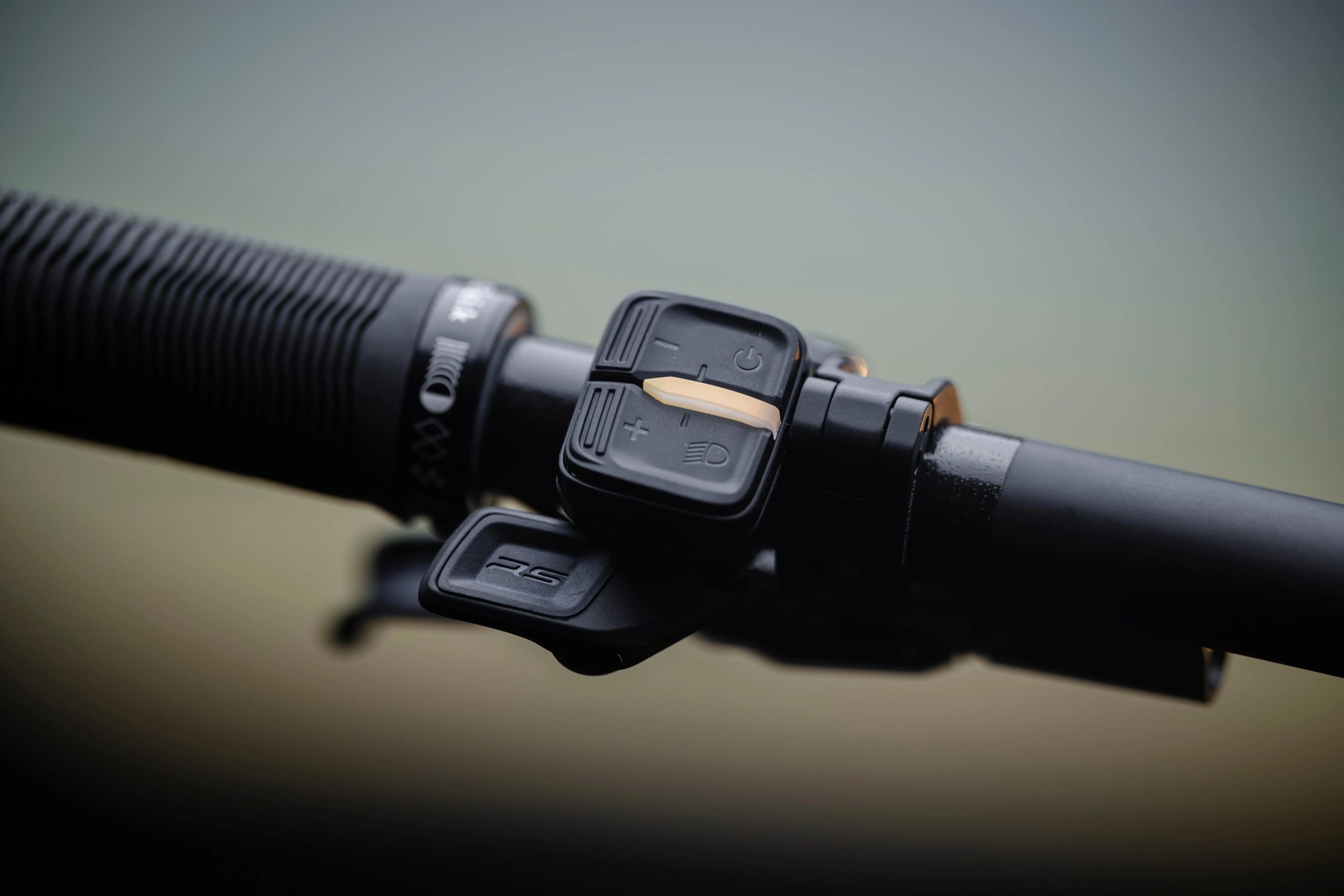
That’s a lot of electronics, which generally means a lot of bar-mounted buttons and remotes. That’s not the case here, though.
While you lose the wireless capability of the Fox Live Valve NEO shock and Shimano XTR Di2 gearing because both are wired into the main battery, it has enabled Orbea to control everything (with the exception of the gears) using one remote.
Orbea partnered with Fox and TQ, enabling them to build better integration into the Rallon RS. Orbea
The HMI (Human Machine Interface) remote enables you to tweak just about everything. That means altering motor modes, shock settings and the dropper post, which has a programmable ‘smart’ mode.
Enduro travel, geo and build
It’s all about enduro levels of travel and geometry, ready for tackling the toughest trails. Roo Fowler / Orbea
Orbea manufactures the new Rallon RS from its OMR (Orbea Monocoque Racing) carbon in what it claims was its most challenging project to date.
To reduce weight, compensating for the use of a motor and battery, the Rallon RS is equipped with a carbon rocker link. This saves a reported 200g, yet is as strong and stiff as its alloy equivalent.
Because Orbea designed the Rallon RS around a shock that was able to control damping levels automatically, there was less need to build in the ability to resist squatting or ‘bobbing’ as the pedals are being turned (often referred to ‘anti-squat’) into the suspension system.
Instead, leaving the automated shock to do the heavy lifting and keep the Rallon RS as efficient as possible, Orbea designed relatively low levels of anti-squat into the platform (just over 80 per cent at sag), with the aim of keeping the back end more sensitive and active.
As with the regular Rallon, the RS version also uses a linkage-driven single-pivot system, which places the rear pivot concentric to the rear axle. There’s 170mm of travel on tap at the rear, paired with a massive 180mm-travel fork up front.
Should you want to get a little rowdier, the frame is designed to handle a dual-crown fork, upping its versatility further – that’s not something many SL-style bikes can boast.
The enduro stats don’t stop there. Reach figures span 430mm on the small to 505mm on the XL. Seat tubes are short, with the medium coming in at 405mm. All frames use the same 445mm chainstay.
Orbea hasn’t shied away from geometry adjustment. There’s a flip chip on the lower shock mount, enabling you to alter the bottom-bracket height by 8mm and head tube angle by 0.5 degrees. You can also make use of the angled headset cups, which enable you to tweak the head angle further by +/- 0.75 degrees.
In the neutral position, the head angle is 64.25 degrees, while the seat tube angle is steep, at just over 79 degrees.
You can run a 29in or 27.5in rear wheel by swapping the rocker link, which ensures geometry remains the same between the two rear wheel sizes.
Fit for purpose
Despite all the electronics featured on the Rallon RS-LTD, the single HMI controller enables you to control everything, with the exception of the Shimano gearing. Roo Fowler / Orbea
Orbea realises this bike won’t be for everyone. As well as being a fresh take on lighter-weight eMTBs, it’s also very expensive and only available in two models.
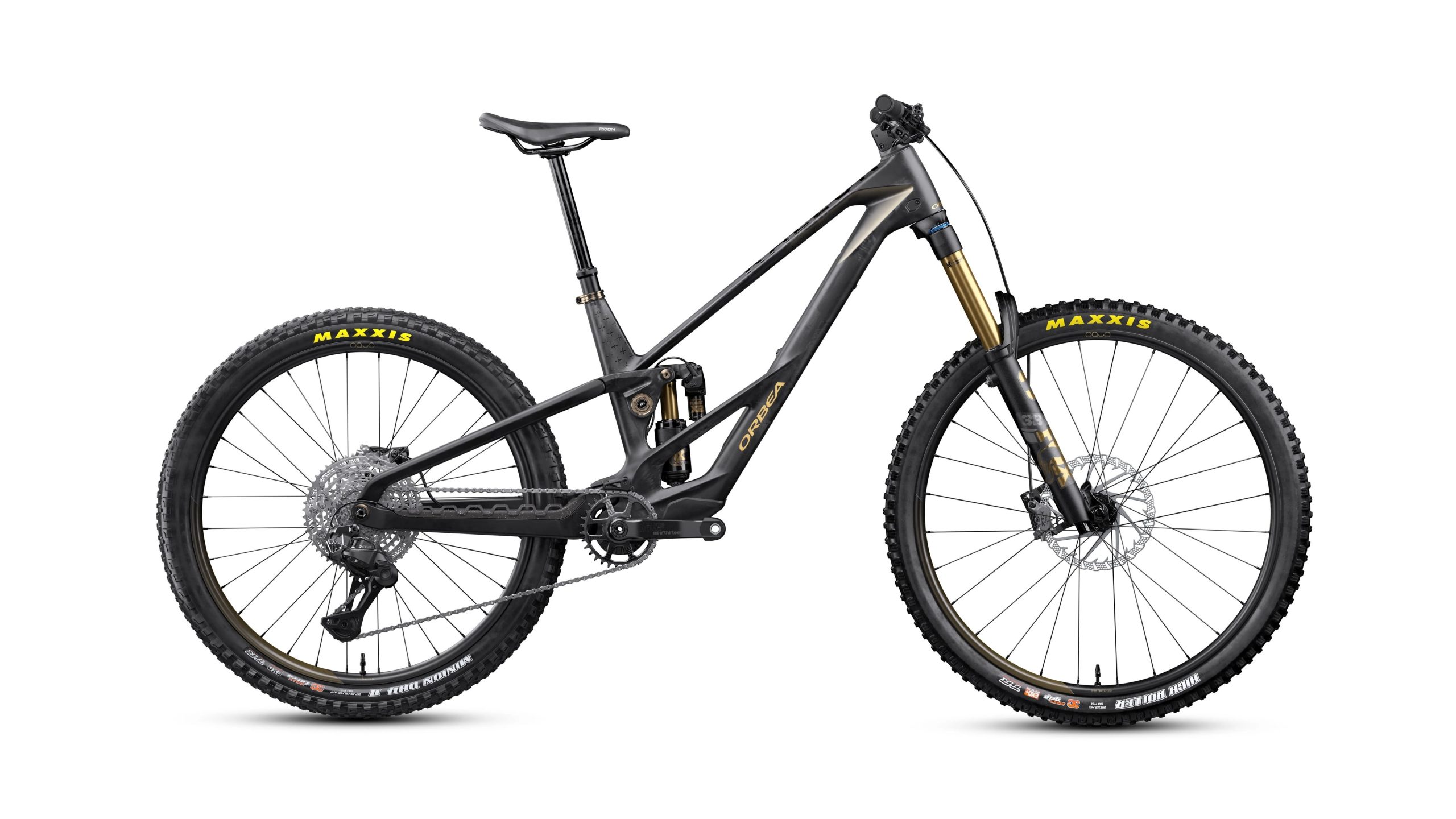
The top-end RS-LTD build features some drool-worthy kit. But, most importantly, that kit is fit for purpose and suits the Rallon RS’s intentions. There’s a burly fork, big brakes and suitably tough, grippy tyres that’ll take an absolute beasting.
All in, Orbea says the RS-LTD model weighs 17.45kg in size medium, which is impressive considering this is a big bike with some heavy parts bolted to it.
Who will buy it?
The single charging port enables you to charge every component connected to the battery. Roo Fowler / Orbea
During the presentation, Orbea was very open about the risks involved in creating a bike like this.
While it’s clearly pushing boundaries in terms of integration, those motor stats go against where we’re seeing a lot of the interest in eMTBs.
But I love the idea of the Rallon RS and how it feels on the trails.
I was a big fan of SL eMTBs first time around and, although they had issues, always had fun riding them. The Rallon RS has taken that old blueprint and improved upon it – it offers something for those who aren’t keen on the big-motor eMTBs.
This isn’t a bike for everyone, but I’m sold.
Orbea Rallon RS range details
Orbea Rallon RS-LTD (29in or 29in/27.5in wheels)
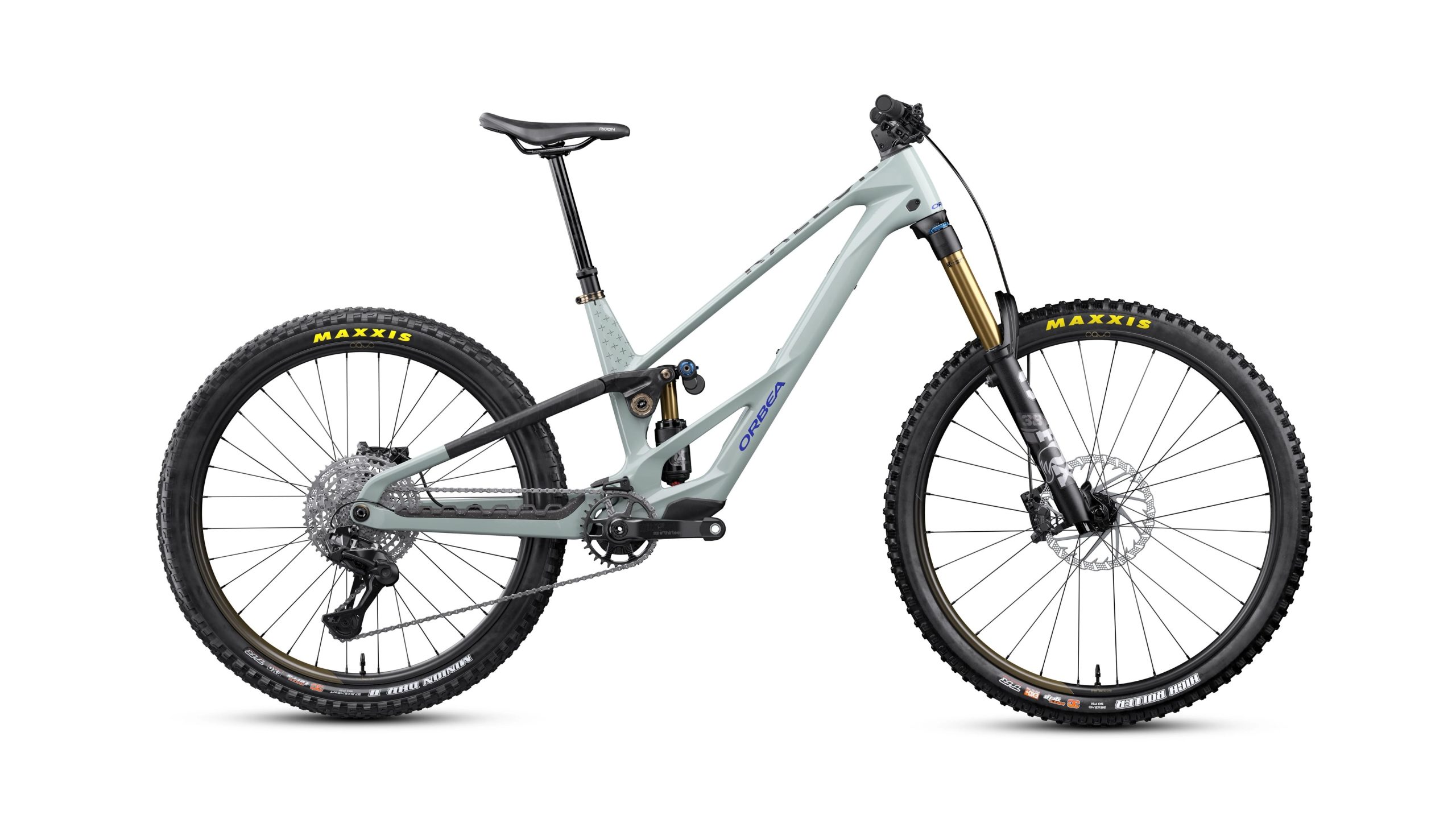
Orbea offer both spec levels with either 29in wheels at the front and rear, or a mixed wheel set-up, featuring a smaller 27.5in rear wheel. Orbea
The difference in price here isn’t in relation to the different wheel size options, but because you can upgrade the Team build, adding a Fox X2 Live Valve NEO shock if you wish. Orbea
Big changes have come to social media platform TikTok. On Jan. 22, TikTok’s operations were passed from Chinese company ByteDance to TikTok USDS Joint Venture, a new entity backed by Larry Ellison’s Oracle, private equity firm Silver Lake, and United Arab Emirates-based investment firm MGX.
Days later, on Jan. 23, TikTok introduced new Terms of Service for users. So far, the transition has not been smooth. Users immediately raised privacy concerns over the new TOS, taking to X with posts like this:
While TikTok’s new terms sound draconian, they aren’t vastly different from TikTok’s old TOS (which were draconian). The main change covers AI. The company added a new section to its TOS saying it will collect information from “AI interactions, including prompts, questions, files, and other types of information that you submit to our AI-powered interfaces, as well as the responses they generate,” so don’t think the conversation you have will stay between you and the chatbot.
TikTok also says it will collect “precise location data,” unless users opt out. This will let the service collect user’s exact coordinates instead of a general city or region, that the company will use to serve “customized ads and other sponsored content.”
Another tweak: TikTok now promises it will act in accordance with “applicable law, such as for permitted purposes under the California Consumer Privacy Act,” instead of the more general “applicable state privacy laws” in the old terms.
Other than that, the terms remain largely the same as they were before. TikTok says it collects data that is user-provided, inferred, or contextual, that includes location data, age, email, phone numbers, chat messages, metadata on anything you upload, religious beliefs, mental or physical health diagnosis, sexual life or sexual orientation, immigration status, and more. Then it uses that data to advertise to you, to “infer additional information about you,” train its algorithm, and basically anything else it’s legally allowed to use it for.
Opting out of TikTok’s data collection
Credit: Stephen Johnson
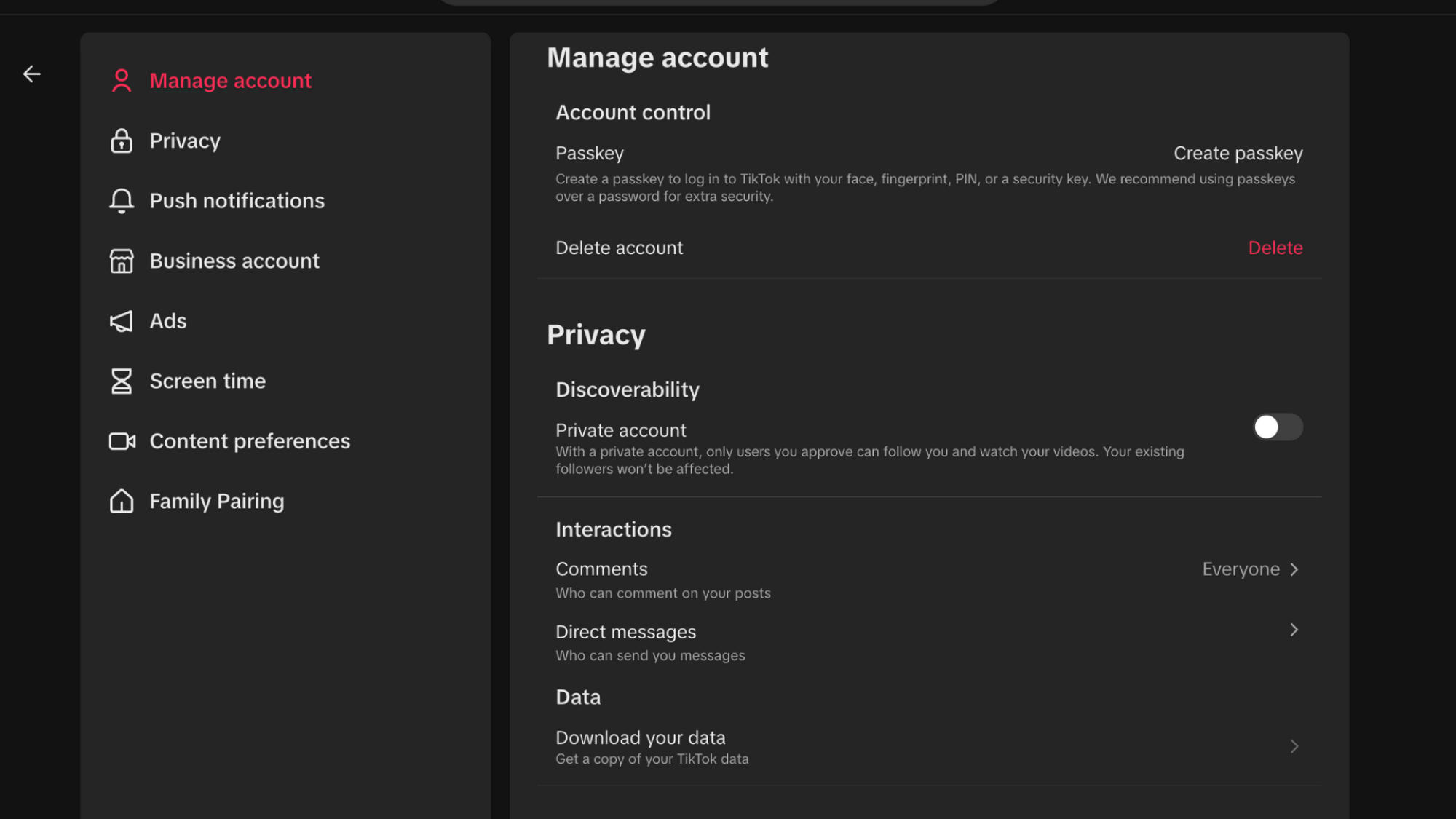
If you’d prefer that TikTok collect less of your personal data, you can go to the settings and privacy page in the app and opt out of “Targeted ads outside of TikTok,” “Using Off-TikTok activity for ad targeting,” turn off location tracking, stop contact syncing, and make other changes. You can also go to your phone’s Settings page, select TikTok, and change its permissions to track your location. Here’s a deeper dive into how and why to change TikTok’s privacy settings.
Accusations of TikTok censorship
Along with promising to delete the app over data-collection worries, many TikTokers are alleging that the platform is censoring or throttling posts based on politics, particularly videos related to the shooting of Alex Pretti. On the #TikTokCensorship hashtag on X, users report that the Democratic Party’s TikTok videos have gone from millions of views to zero views and that the platform is censoring videos about Jeffrey Epstein as well as other subjects.
It’s too early to tell whether these reports are a result in changes in TikTok’s algorithm or the result of a technical glitch. TikTok released a statement blaming videos with zero views and other performance issues on a “cascading system failure” caused by a power outage:
TikTok’s new management vowed last month to retrain the platform’s recommendation algorithm “on US user data to ensure the content feed is free from outside manipulation.” What being free of “outside manipulation” looks like in a practical sense has yet to be seen.
For close to a century, geoscientists have pondered a mystery: Where did Earth’s lighter elements go? Compared to amounts in the Sun and in some meteorites, Earth has less hydrogen, carbon, nitrogen, and sulfur, as well as noble gases like helium—in some cases, more than 99 percent less.
Some of the disparity is explained by losses to the solar system as our planet formed. But researchers have long suspected that something else was going on too.
Recently, a team of scientists reported a possible explanation—that the elements are hiding deep in the solid inner core of Earth. At its super-high pressure—360 gigapascals, 3.6 million times atmospheric pressure—the iron there behaves strangely, becoming an electride: a little-known form of the metal that can suck up lighter elements.
Micron has committed to investing $24 billion over the next decade to expand its NAND manufacturing complex in Singapore. As part of the massive investment, Micron broke ground on an advanced fabrication facility within the existing complex, and when finished, it will span 700,000 square feet of cleanroom space. Barring any delays, it’s also
Samsung said today that its Galaxy Z TriFold, the first tri-fold smartphone to ship in the U.S., will be available starting January 30 at a price point of $2,899 — substantially more expensive than any other phone on the U.S. market, including Samsung’s own $2,000 Galaxy Z Fold 7 and a fully loaded 2TB iPhone 17 Pro Max.
The company will only sell the device through its website and Samsung Experience Stores; mobile carrier partners including Verizon, T-Mobile, and AT&T won’t be offering it directly. The TriFold unfolds into a 10-inch tablet, measures 3.9mm at its thinnest point, and is rated for 200,000 folds over its lifetime. Samsung launched the TriFold in South Korea on December 12 at 3.59 million won, about $2,450 at the time. Early reviews have praised the expansive inner screen for video but noted the 309-gram weight, thick folded dimensions, and half-baked software as significant drawbacks.
Quality power tools are an investment, and if you take proper care of them, they’ll last a long time. It’s not unheard of for someone to have a decades-old drill or a circular saw that was manufactured in a previous century. Even older cordless power tools can maintain their usefulness for a surprisingly long time if you take good care of them and observe proper battery maintenance.
But power tools have seen a lot of advancement in recent years. While your old warhorses might still perform their core function well enough, if your drills, saws, and other power tools are five years old or older, it’s time to consider upgrading to a more modern version, for a range of reasons.
Advances in battery technology
There have been huge advances in battery technology: Today’s cordless tools are often as powerful—or even more powerful—than their corded brethren. Older cordless tools often used Nickel-Cadmium (NiCad) batteries, which just don’t stand up to modern Li-ion batteries (and if your NiCad batteries are ten years old, they’re probably not holding much charge these days anyway). Most major tool brands have high level battery systems (e.g., DeWalt’s PowerStack, Milwaukee’s FORGE, or Bosch’s AmpShare system) that offer more power than any of those old batteries, and modern systems make swapping batteries between tools pretty easy (as long as you stay within a brand, of course).
Improved ergonomics
Modern power tools are generally smaller, lighter, and cause less fatigue than older generations. Combined with more powerful batteries, these tools fit into a toolbelt without sacrificing power and come with vibration reduction technology, better balance, and improved grips that make it more comfortable to hold the tool for a long time.
A prime example is this Milwaukee M12 Fuel 3″ Compact Cut Off Tool. Designed for one-handed use, it’s as powerful as a similar corded tool from a decade ago, but lighter and easier to handle. Another power tool from Milwaukee that has put a focus on ergonomics is its M12 Jig Saw, which features robust vibration reduction and a barrel-shaped grip that makes it comfortable to use even for long durations. When I think about the jig saw I had ten years ago, my hands still ache, so this is definitely an upgrade worth considering.
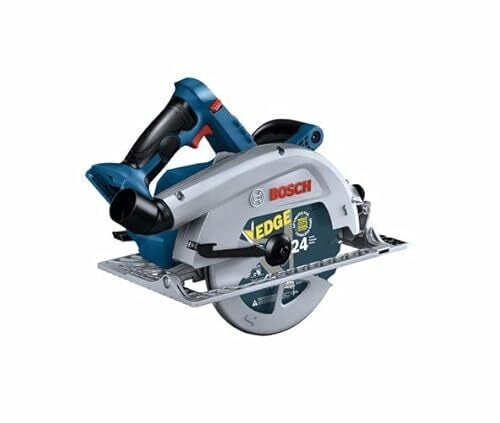
Circular saws have also seen a lot of ergonomic enhancements. Makita offers the 5377MG Hypoid saw, which uses magnesium components for a lighter saw that doesn’t sacrifice cutting power. And cordless circular saws like the Bosch Profactor are a lot more comfortable to use than older models—and the brushless motor means its as powerful as any corded tool from a decade ago (and many corded tools being sold today, as well).
It’s not surprising that newer power tool models are more powerful and offer better performance. Today’s brushless motors are more efficient, more powerful, and more durable by default. They deliver significantly more torque and RPMs than older models, which makes jobs easier and faster. The DeWalt 20V Max XR Hammer Drill (model DCD1007) packs a punch with 1,495 in-lb of torque, for example, which dwarfs what you got just a decade ago. Sure, your old drill still drives fasteners well enough, but with newer models you’ll get through the work much more quickly because you’ll have fewer jams and stripped screws.
If you’re using an older orbital sander, that’s another easy upgrade to consider. Modern sanders like the Bosch Palm Sander or cordless models like DeWalt’s XR sander offer more power (often up to 12,000 OPM), as well as improved dust collection and reduced vibration.
Better safety features
Power tools released in the last few years have a host of safety features not present in older tools. Table saws are an easy example: The saws like the SawStop Compact Table Saw offer instant stopping when the blade touches skin, making it a lot harder to maim yourself while working. Other table saw models, like the Bosch GTS15, offer safety features like blade brakes and riving knives that may not be quite as impressive, but are still miles above what older models offered.
You can find improved safety in other power tools, too. The DeWalt DCD1007 isn’t just powerful, it also features anti-rotation technology that reduces the chance that the tool will twist out of your hands, causing injury.
Smart technology
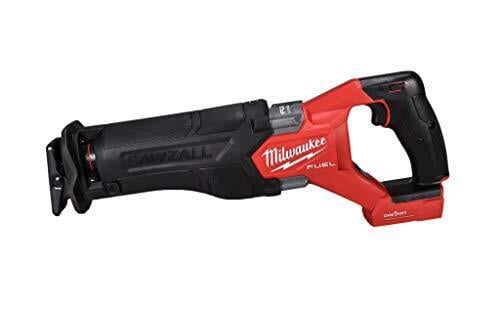
Some folks don’t really care if their power tools are “smart,” but smarter tools definitely offer some real advantages. Milwaukee’s M18 Fuel Drill gives you a lot more control over the RPMs and torque to reduces the number of snapped screws and improves safety, and their M18 Sawzall has a range of smart safety features that make it nearly impossible for anything dramatic to happen while you’re using it. Add to that the ability to gather data about your jobs and keep track of your tools’ location and condition, and smart features start to make a lot of sense.
The British Transport Police has announced a reversal of its controversial policy not to investigate bicycles stolen from outside train stations if they were left for more than two hours, or stolen bikes worth less than £200.
It was revealed that the BTP wouldn’t investigate certain bike thefts in October, after the policy was introduced in August 2024. The policy meant most thefts would not be investigated because CCTV footage would not be reviewed after the two-hour timeframe.
But today the BTP revealed it updated the cycle-theft section of its Crime Screening Policy on 5 January “to enhance the force’s service to victims of this crime”.
The BTP’s assistant chief constable, Ian Drummond-Smith, says: “Rail passengers whose bikes are stolen rightly expect a thorough police investigation to trace offenders and reunite them with their property, and we are committed to bringing more bike thieves to justice in 2026 than ever before.
“To further improve our service to victims, and following an internal review, we have recently refreshed our Crime Screening Policy.
“Under this updated Policy, our officers will investigate more reports and explore all viable lines of enquiry if a bike is identifiable on CCTV, or if there is a witness to the crime.”
Drummond-Smith added that since reviewing the policy, the BTP has already charged a man with cycle theft.
There is now no reference to the cost of a bike or the amount of time a bike was left unattended in the BTP’s policy. It says a crime will be screened if there is a witness to the offence, the bike is identifiable on CCTV or the bike was stored in an on-train cycle rack.
When the BTP first introduced its revised policy not to investigate certain bike thefts, a spokesperson for the force told the BBC: “Our experience tells us at an early stage that there are some crimes that are unlikely to ever be solved – such as those without a clear estimate of time or location for the incident or if there is a lack of CCTV or witnesses.
“The more time our officers spend reviewing CCTV footage for these offences, the less time they have available for patrolling railway stations and trains, investigating crimes which cause the most harm and providing a visible presence across the network.”
Between 2021 and 2023, more than 14,000 bicycles were stolen from outside train stations. There was a 39 per cent increase from 2022 to 2023 in the number of bikes reported as stolen from outside stations.
The BTP’s previous policy was heavily criticised by cycling advocacy groups. Cycling UK’s Sophie Gordon said the decision not to investigate the theft of bicycles left for more than two hours would “hit the lowest income groups the hardest”.
“These are often working people who might not be able to afford a car and are relying on bikes and public transport to get to work. If you’re on shift or at work, you will inevitably be away longer than a couple of hours,” she said.
Days after the BTP’s policy not to investigate certain bike thefts was revealed, it sought to clarify its position. Drummond-Smith appeared on the BBC’s Today programme, where he explained the BTP targets bike-theft hot spots.
The BTP also released a statement, which has now been deleted from its website.
A company that seeks to disrupt the way in which data from space is received and transmitted has found some key investors and customers.
On Tuesday morning Northwood Space announced that it has closed a $100 million Series B round of funding to support a rapid ramp-up in the deployment of its phased-array radar system, known as Portal. The company also said it has received a $49.8 million contract from the US Space Force to augment the Satellite Control Network, which provides telemetry and tracking for the military’s satellites.
“We made our last fundraise announcement in April of 2025, so less than a year, but there’s been a lot of activity and progress on the Northwood side that reflects the importance of ground as an enabler for pushing forward more capable missions on shorter timelines,” said Bridgit Mendler, co-founder and CEO of Northwood, during a media roundtable. “That’s why we’re here, that’s why we’re building what we’re building, is because we believe that there’s a lot of important capability in space that needs to be built faster, and the way to do that is through a vertically integrated ground network.”
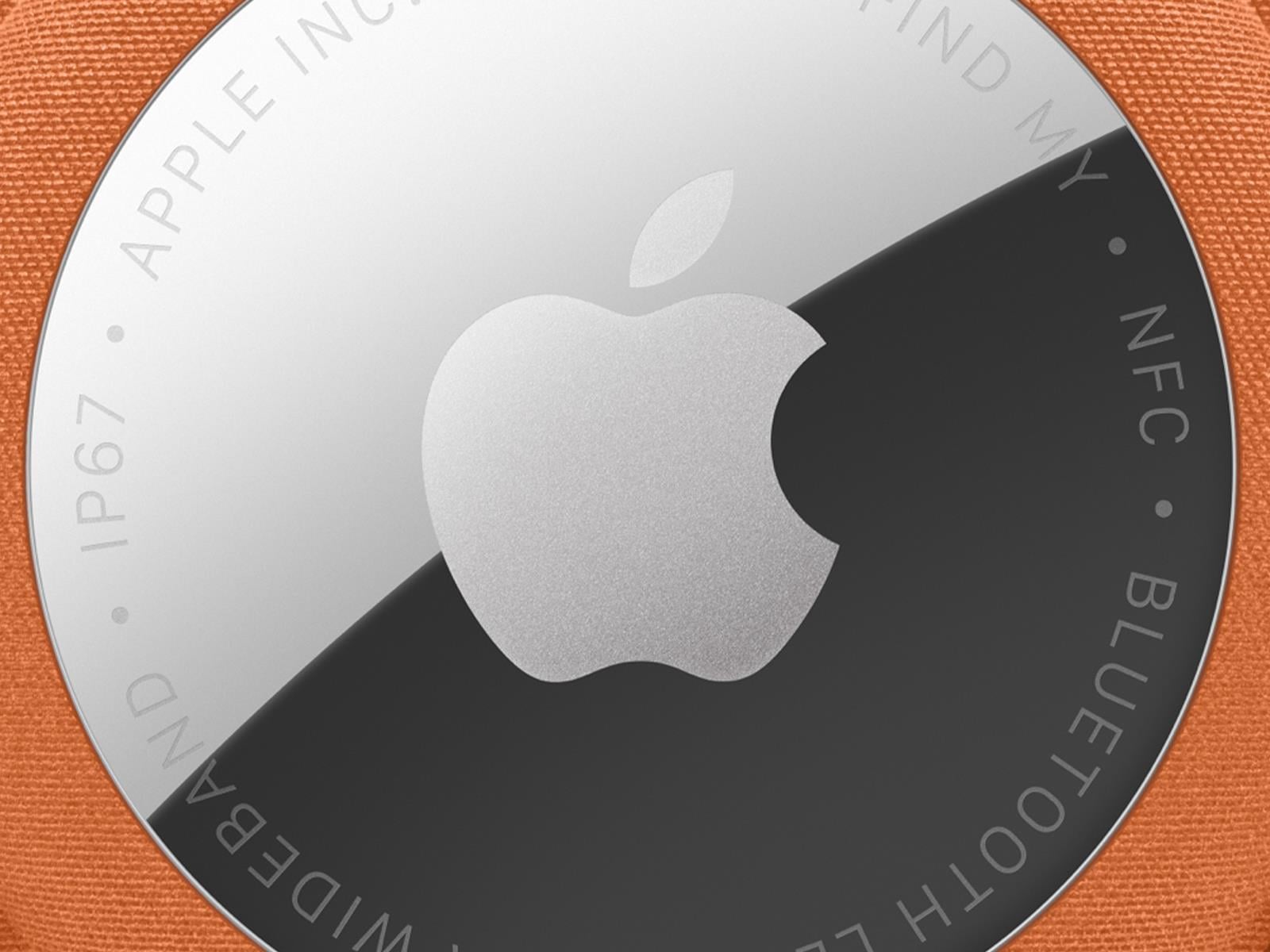
Nearly five years after introducing its first AirTag tracker, Apple is rolling out its second-generation iteration with key upgrades, including an expanded Bluetooth range and a louder built-in speaker. The core functionality remains the same and Apple is maintaining the same price points for its single pack and four-packs, though deals on
Alpkit has entered administration after three difficult years, and is in talks with a new owner and investment partner in an attempt to secure the bicycle and outdoors brand’s future.
In a letter sent to shareholders via the investment platform Crowdcube, Alpkit CEO and co-founder David Hanney writes: “It is an extremely sad day for everyone at Alpkit, and for us co-founders in particular. Today, we are confirming that the Board has accepted that we must place Alpkit into administration.”
“We’ve faced incredible challenges over the last three years,” Hanney adds. These include cost inflation, a challenging market and “new trade barriers coupled with the rising weight of interest rates and recovery loan repayments”.
Hanney’s letter, forwarded to BikeRadar by a shareholder, explains that Alpkit is in “talks with a new owner and investment partner”, with the company set to share news of the deal soon.
“Everything is in place to complete the deal. We expect that all jobs will be saved, our stores will remain open, and all customer orders will be fulfilled,” Hanney writes.
Alpkit, which also produces Sonder bicycles, grew its number of shareholders through crowdfunding campaigns via the Crowdcube investment site. In 2020, the company raised £1.5m from 1,350 customers. It then raised over £2.3m in 2022.
Hanney says the value of the shares is now lost, but that the company is “doing something rare”. “Every shareholder who joined us through either of our crowdfunding campaigns will be given shares in the new company,” he explains.
Alpkit incurred a net loss of £1,457,902 in the year ended 31 October 2024, following a loss of £1,118,397 in the year prior, according to its accounts filed in November 2025.
According to Hanney’s letter, Alpkit wrote to shareholders to explain its financial challenges in October. It then engaged an advisory firm, which helped the Nottingham-based company decide on its next steps after it had considered all options, including a third round of fundraising and breaking up the business.
“We weighed up the pro’s and con’s to all these options and believe this financial restructuring through a pre-pack gives the best outcome overall balancing all our Stakeholders,” the letter says.
Alpkit says it will take several steps to focus on its products and service, and reach “good profitability”. These include resourcing production from high-wage and tariff to lower-cost and tariff territories. It will add new products after it acquired the intellectual property of Scottish outdoor and travel bag manufacturer Trakke in April 2025. It will also “keep a relentless focus on our cost base”.
“This does not mean we are going cheap, downmarket or anticipate a drop in our product standards – we remain totally committed to technical performance, social justice and environmental responsibility – it will let us compete better on performance and price in a challenging market environment. And gives us the profit margin so we can make money on the products we sell,” the letter says.
According to the letter, all staff will transfer to the new company.
The letter also says Alpkit remains committed to the Alpkit Foundation, which receives 1 per cent of the company’s sales and provides grants to individuals, small community groups, schools and organisations to encourage participation in the outdoors.
Court documents unsealed last week in a copyright lawsuit against Anthropic reveal that the AI company ran an operation called “Project Panama” to buy millions of physical books, slice off their spines, scan the pages to train its Claude chatbot, and then send the remains to recycling companies.
The company spent tens of millions of dollars on the effort and hired Tom Turvey, a Google executive who had worked on the legally contested Google Books project two decades earlier. Anthropic bought books in batches of tens of thousands from retailers including Better World Books and World of Books. A vendor document noted the company was seeking to scan between 500,000 and two million books.
Before Project Panama, Anthropic co-founder Ben Mann downloaded books from LibGen, a shadow library of pirated material, over 11 days in June 2021. He later shared a link to the Pirate Library Mirror site with colleagues, writing “this is awesome!!!” Meta employees similarly downloaded books from torrent platforms after approval from Mark Zuckerberg, court filings allege, though one engineer wrote that “torrenting from a corporate laptop doesn’t feel right.” Anthropic settled for $1.5 billion in August without admitting wrongdoing.
As promised, Samsung is bringing its Galaxy Z Trifold smartphone to shoppers in the US. The unique foldable goes on sale on January 30.
The phone was announced along with its select markets’ sale dates at the close of 2025. We didn’t have price information for Samsung’s domestic market at that time, and even though we were anticipating the Galaxy Z Trifold to cost a bundle, the actual cost is more absurd than we’d guessed. In reality, getting your hands on this slim triple-screen smartphone will run you $2,900.
Putting aside the ludicrous expense, this smartphone is pretty dang cool. After his hands-on experience with the phone at CES 2026, Engadget senior writer Sam Rutherford had overall positive things to say about the device, despite it demanding some tradeoffs in bulk. To borrow his own phrase: “I kind of hate how much I like the Galaxy Z TriFold.”
Maybe as this cutting edge design becomes easier to manufacture, prices will eventually drop into the realm of reality for the average consumer. But if you’re a person who would buy a separate smartphone and tablet, combining both into a single device might feel worth the price tag. For now, anyone willing to pay the premium in the US will receive the model that has 512GB of storage and only comes in a black color.
This article originally appeared on Engadget at https://www.engadget.com/mobile/smartphones/the-samsung-galaxy-z-trifold-will-cost-2900-in-the-us-140000013.html?src=rss
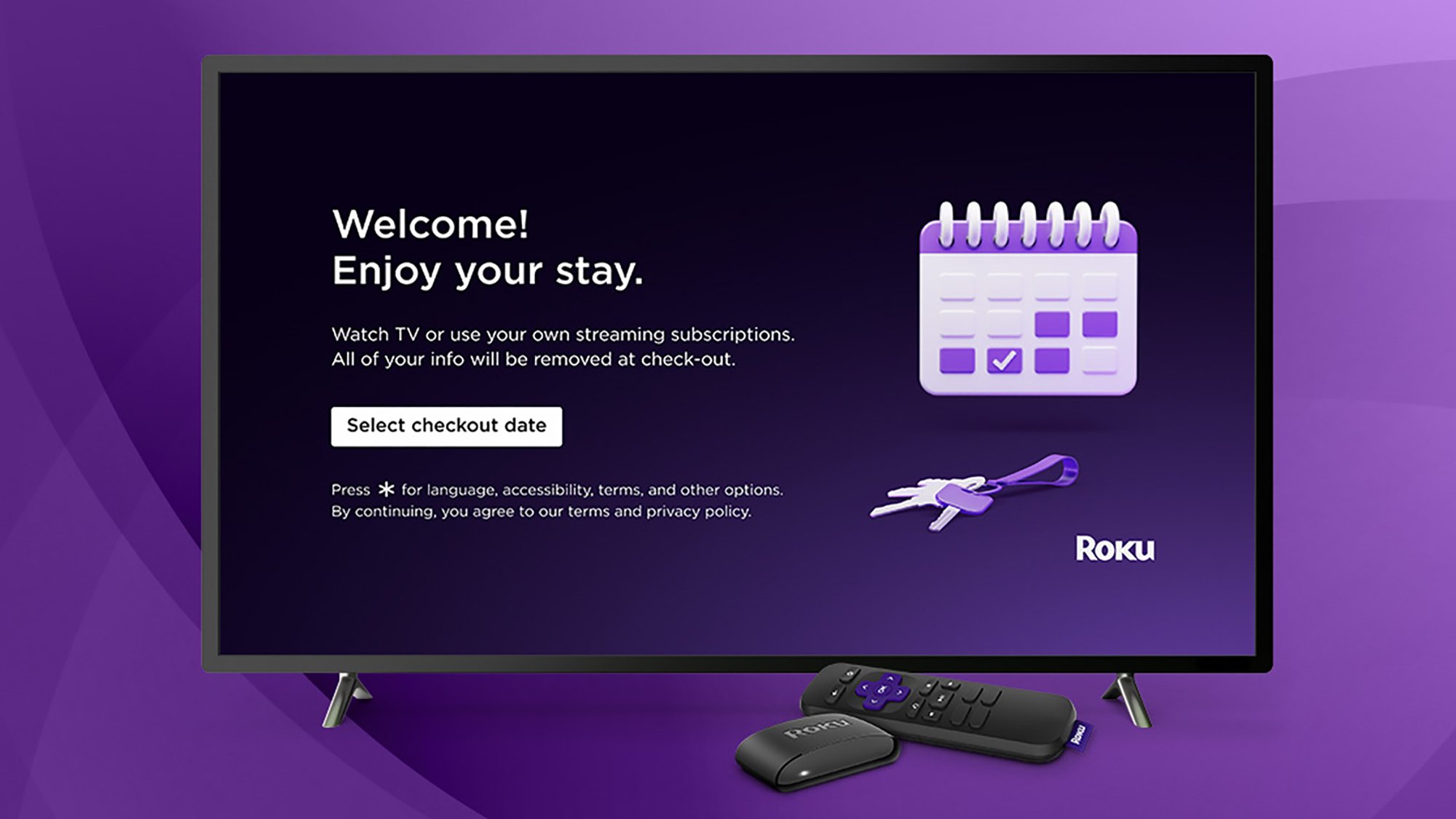
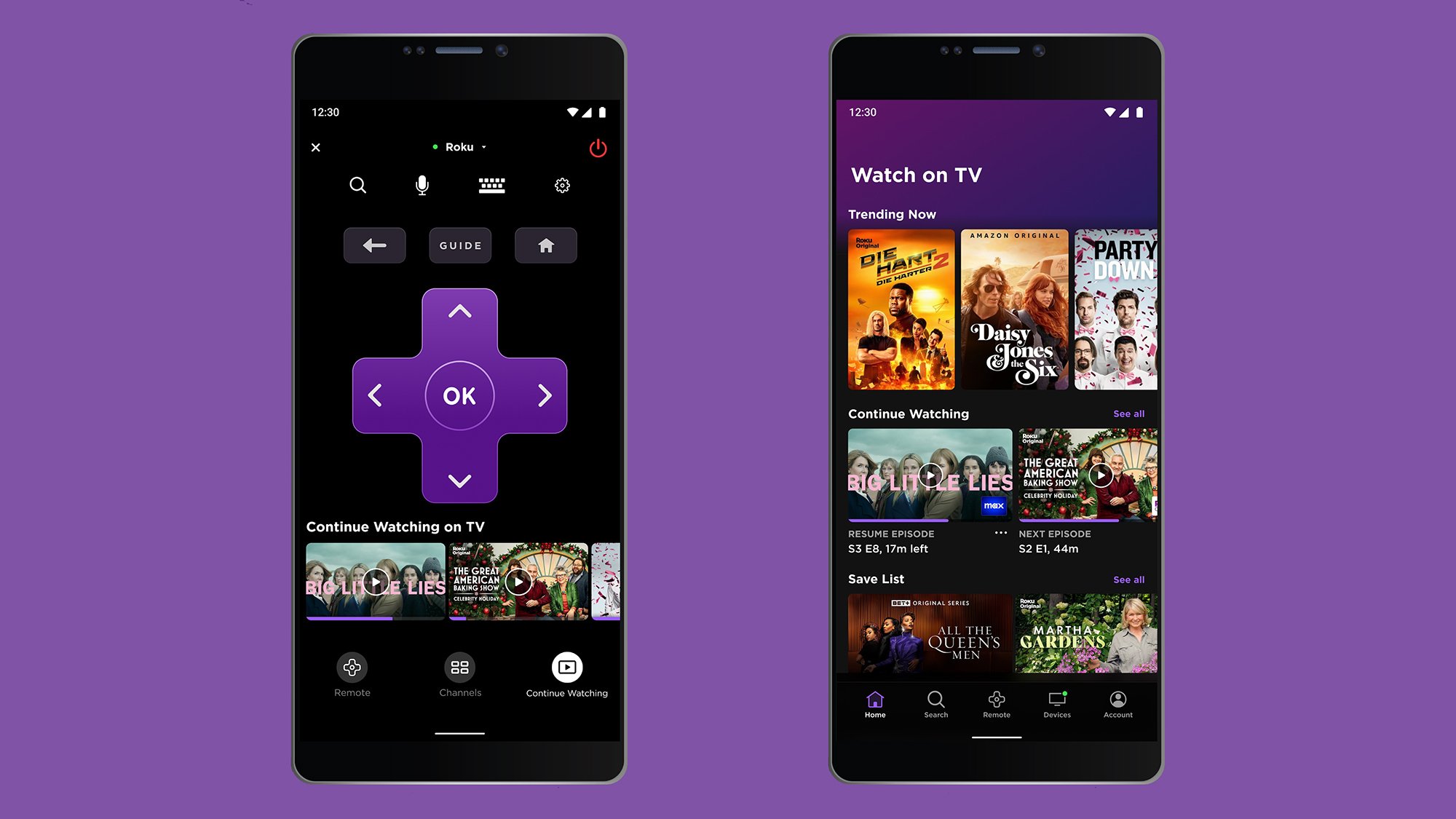
Roku was one of the original names in streaming, and even with so many options now available from Amazon, Apple, Google and others, it remains one of the most popular options thanks to its affordable boxes and streaming sticks and widespread availability as an integrated operating system on some TV sets. The platform is speedy, simple, and supports just about every streaming app out there.
If you’ve got a Roku or two in your life, you may not be using it to its full potential. These tips, hacks, and hidden features should help you go beyond the basic business of launching your streaming apps and get more out of your hardware, whether you’ve just unboxed your first Roku device, or you’ve been using one for years.
Set up PIN protection to protect your Roku
If you’ve got young kids or nosy housemates living with you, you can lock certain parts of the Roku experience (including making purchases and adding new channels) behind a PIN number. This is actually done through your Roku account page on the web: Click PIN/parental controls on the left, and you can set a new PIN or change an existing one.
Change the look and feel of your Roku with a new theme
You don’t have to settle for the standard Roku interface visuals—you can easily switch to a different theme (which basically means a different wallpaper and screensaver). From Settings on your device, choose Themes to see alternatives provided by Roku and other people in the Roku community. You can always pick Restore default theme to go back to the original look.
Enable captions on replay
You might not want closed captions on all the time, but you can have them enabled whenever you skip backward. From the home screen, pick Settings > Accessibility > Captions mode > On replay to enable this. Note that the streaming app you’re using needs to support the feature as well, so it may not work everywhere.
Put your most-watched apps up top
This is a simple and effective one that you might not have got around to doing: You can organize the apps on the home screen so your most-used are nearer the top and easier to get to. Select any tile on the home screen, press the star button on your remote to bring up the context menu, and you’ll see the Move app and Move app to top options.
Make use of Guest Mode when you have company
Roku devices come with a Guest Mode included. Credit: Lifehacker
It’s great having guests—but don’t let them mess up your recommendations and viewing progress. You can put your Roku device into Guest Mode by opening Settings from the main Roku menu, then choosing Guest Mode > Enter Guest Mode. You’ll be signed out of all your apps, and the Roku device will restart ready for someone else to use it.
Send your photos to your Roku to view them on the big screen
You won’t always be watching films and shows on your Roku of course—and when your streaming device isn’t doing anything else you can get images from your Google Photos library up on your TV. To set this up, you need to head to the Photostreams page on the Roku website, sign in using your account, and then follow the instructions online.
Set up a cross-platform Roku watchlist
There will often be times when you see something interesting, but don’t have time to watch it right away, and that’s when the Roku watchlist feature can help. Select any movie or show from the home screen, and on the listing page use the Save button to add it to your list: You can then pick Save List from the main menu to see what you’ve saved.
Pair your Bluetooth headphones to your Roku
If you’ve got a pair of wireless Bluetooth headphones and a Roku device that supports Bluetooth, you can pair the two together for some private audio listening— handy if you don’t want to disturb anyone around you. You can do this by heading to Settings from the main Roku menu, then choosing Remotes & devices > Wireless headphones.
Listen to your Roku via your smartphone
There’s another way to listen through headphones, and it doesn’t require Bluetooth or wireless headphones. If you install the aforementioned Roku app on your smartphone, then plug a pair of headphones into your phone as well, you can tap Remote control in the app and then the headphone button to stream the audio right to your ears.
You can use the mobile app to listen over headphones. Credit: Roku
Mirror your other devices to your Roku
Apple devices: Roku sticks, boxes and TVs come with support for the Apple AirPlay standard built right in, so you can beam across audio and video from Apple devices, or even mirror your Mac display on the big screen. On the Roku, choose Settings then Apple AirPlay and HomeKit to make sure you’re set up, then just select the AirPlay button on your Apple hardware.
Android devices: For screen casting, you’re not left out if you’re on Android, though—as usual with Android—capabilities vary between devices. Samsung Galaxy phones have the smoothest integration: Swipe down with two fingers from the top of the screen, choose Smart View, and your Roku should show up as a connection option (if it’s on the same wifi network).
Windows devices: If you want to mirror your screen to a Roku from Windows, the process is different again. First, enable the feature on the Roku via Settings > System > Screen mirroring. Next, from Windows, click the volume and wifi icons down in the lower right corner, click the Display button, then select your Roku. Again, it needs to be on the same wifi network.
Quickly find the cheapest way to rent a show or movie
If you’re in the mood for a movie rental, then you’ve got a whole host of different streaming services to choose from—all the big ones offer film rentals on top of the content you get with your subscription. Use the Search option from the main Roku menu to look for a title, and compare the different prices across all the services you’re signed up to.
Control your TV with your Roku remote
You can turn your TV on and off and adjust its volume with your Roku remote, if you’d like to. You’re asked if you want to do this when you first set up your Roku device, but you can configure it afterwards too: Pick Settings > Remotes & devices > Remotes, then choose the remote you’ve currently got connected, and then pick Set up remote for TV control.
Baochip has previewed the Baochip-1x, a mostly open RTL, RISC-V–based microcontroller fabricated on TSMC’s 22 nm process. Designed with openness and verifiability in mind, the MCU integrates a VexRiscv application core running at up to 350 MHz, alongside a quad-core I/O accelerator cluster clocked at 700 MHz. The Baochip-1x uses a VexRiscv RV32IMAC processor with […]
Xfce developers are using their donations from the community to fund a longtime core developer to create Xfwl4, an entirely new Wayland compositor for Xfce…
Lego unveiled its Smart Play system at CES 2026 earlier this month, with a selection of sets designed for the engaging feature. Now, the toy company has announced five new compatible sets — all Stars Wars themed — available now for pre-order. Anthony Daniels, the original C-3PO, shared the news during the Nuremberg Toy Fair.
The Smart Play system, Lego’s newest venture, involves a Smart Brick, Smart Tags and Smart Minifigures. Each Smart Brick has proximity sensors, an accelerometer, a speaker and more. The Smart Tags and Smart Minifigures relay what’s happening to the Brick. For example, if you whoosh a spaceship through the air, the Smart Brick should make a sound that imitates that. Vader, of course, also makes his deep breathing sound. Plus, it requires no screens or apps, so the fun remains in its true, tactical form.
The five new Smart Play sets span the Star Wars universe:
Luke’s Landspeeder with 215 pieces ($40)
AT-ST Attach on Endor with 347 pieces ($50)
Yoda’s Hut and Jedi Training with 440 pieces ($70)
Mos Eisley Cantina with 666 pieces ($80)
Millennium Falcon with 885 pieces ($100)
These sets join three initially announced Star Wars Smart Play ones: Darth Vader’s TIE Fighter ($70), Luke’s Red Five X-Wing ($90) and Throne Room Duel & A-Wing ($150). However, these three are “all-in-one” sets, meaning they come with the Smart Bricks. The newly announced options don’t come with a Smart Brick, requiring an extra purchase, but will have the Smart Tags and Smart Minifigures that will know what to do.
All of the Smart Play Star Wars sets are available to pre-order as of today. They should be available starting March 1.
This article originally appeared on Engadget at https://www.engadget.com/lego-has-a-new-round-of-star-wars-sets-that-work-with-the-smart-brick-131210482.html?src=rss