Grand Theft Auto VI players won’t be able to get their hands on a physical release of the game, but Rockstar is still making plenty of goodies available for fans who want to bring a piece of Vice City into their homes. Last week the studio unveiled some slick vinyl sets of the game’s soundtrack for fans to enjoy. Now it has announced a collector’s
Google launches (and retires) apps at a rapid rate, so it’s not always easy to keep track of everything that’s coming and going. One of the more recent launches we’ve had is Google Pics, which is now available to users subscribed to Google AI Pro ($19.99 a month) or Google AI Ultra ($99.99 or $199.99 a month).
It sits alongside Google Docs, Slides, and Sheets in your Google Drive Workspace, and it’s part Canva, part Photoshop: It does a bit of graphic design (like putting together an event poster), and a bit of image editing (like cutting unwanted objects out of your vacation photos), and if you’re paying for one of those Google AI plans mentioned above, you might find Google Pics is the only image creation app you need.
The web app incorporates the Nano Banana AI image generation model, and, as well as working as a standalone entity, will also pop up inside the other Google Workspace apps as and when you need it. Here’s what you get and how it works.
How to use prompts with Google Pics
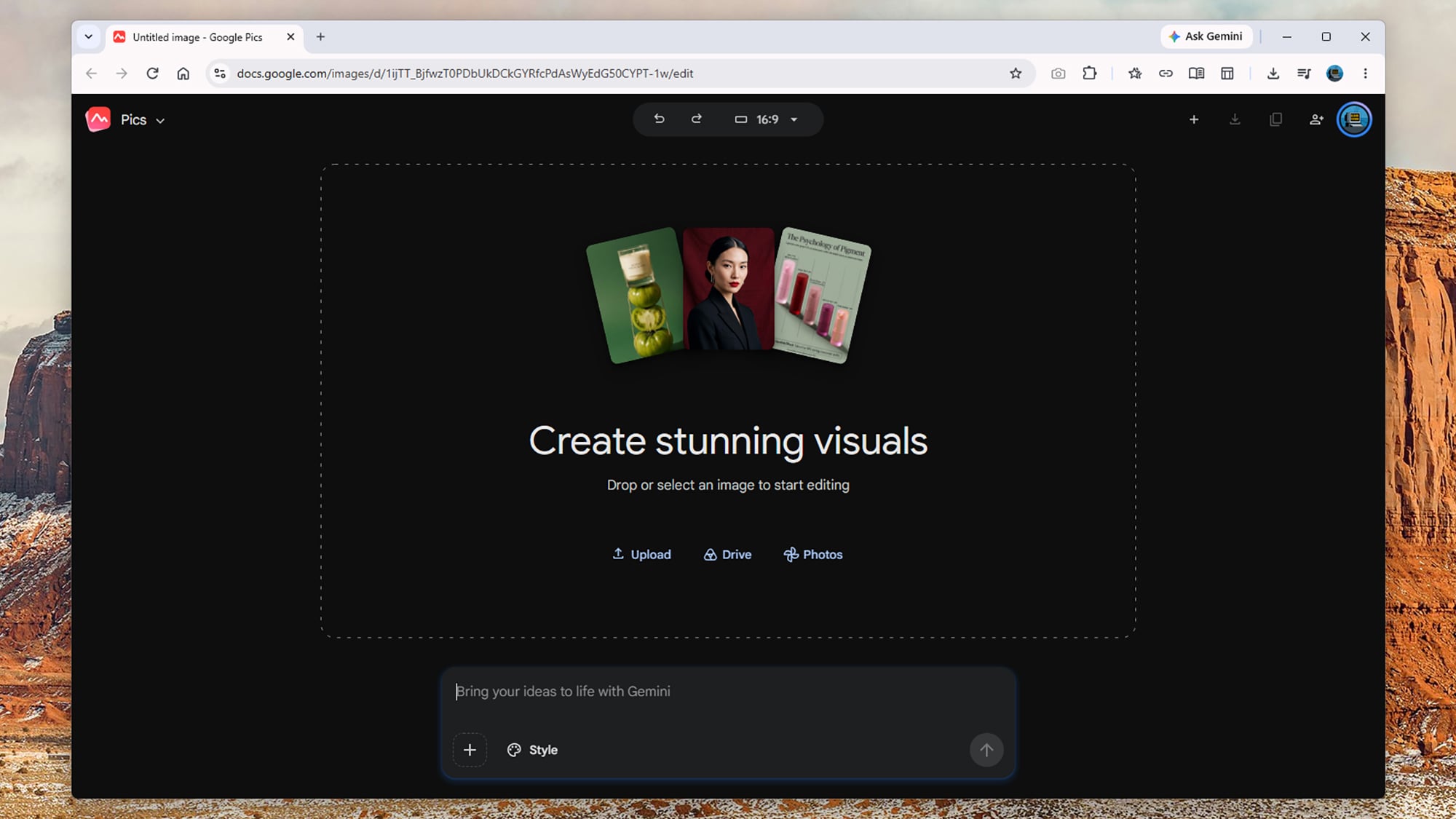
Google Pics is driven primarily through text prompts, whether it’s creating something new from scratch or making edits to something you’ve made elsewhere. From the opening screen, you can type in an image prompt just as you would with the Gemini app: Prompts for anything from photorealistic scenes to printed materials will work, and the more detail you add, the better.
The Style box lets you give Google Pics a reference to work from in terms of the overall image look and feel, while clicking on the Upload, Drive, or Photos links lets you load in an existing image ready for editing. At the very top is an aspect ratio drop-down, so you can specify the dimensions of new images, though this can be edited later too.
You can create new images or edit existing ones. Credit: Lifehacker
When you make something new, you get four or five alternatives shown as thumbnails on the left, so you can click through them to find the one you want. There’s also the option to generate four more pictures from your prompt, if you don’t mind the extra usage. As it often is, Google is rather vague when it comes to limits: It says “higher access” will be available to users until February 2027, and that factors like image resolution affect how quickly you reach the limits.
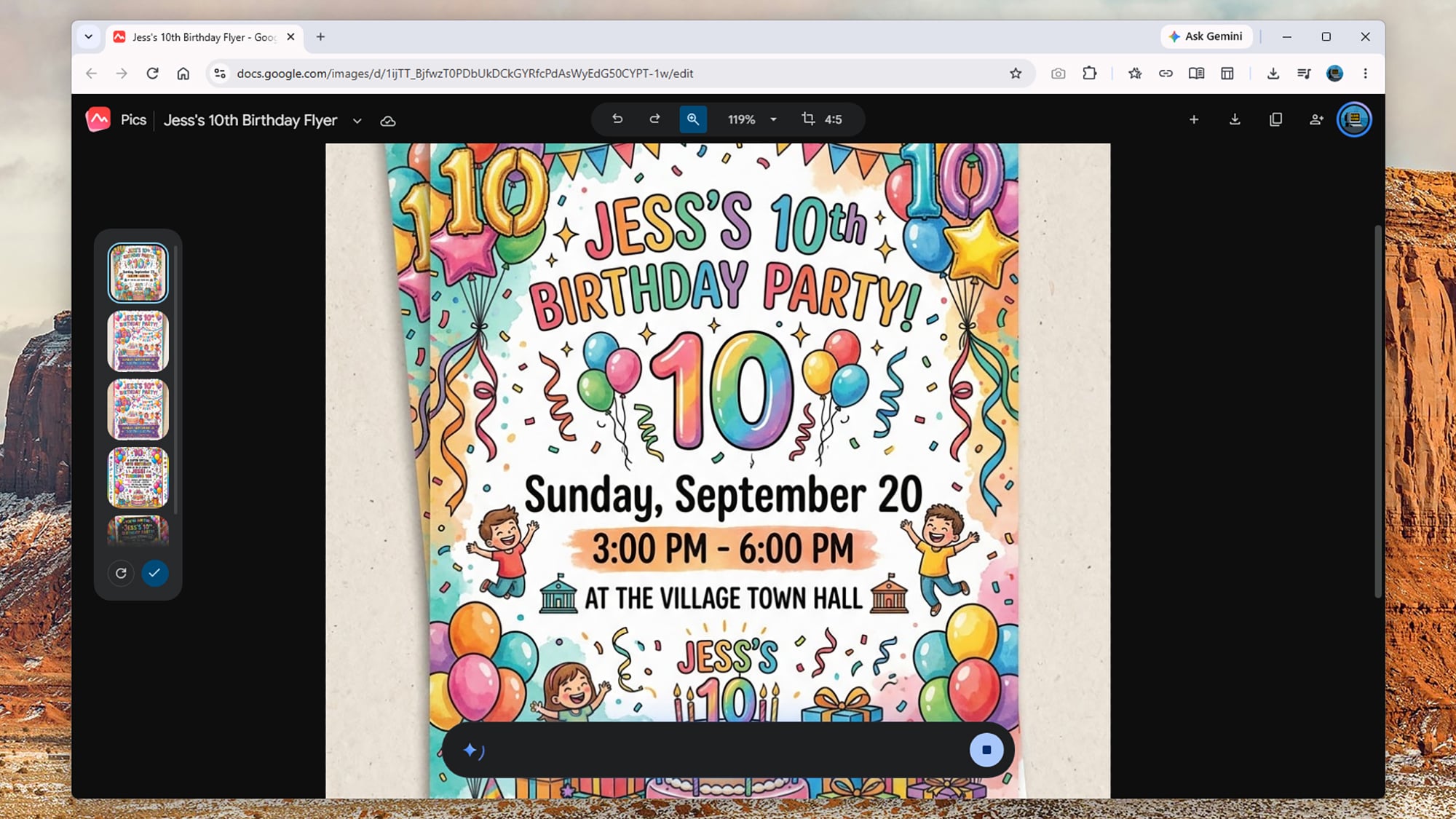
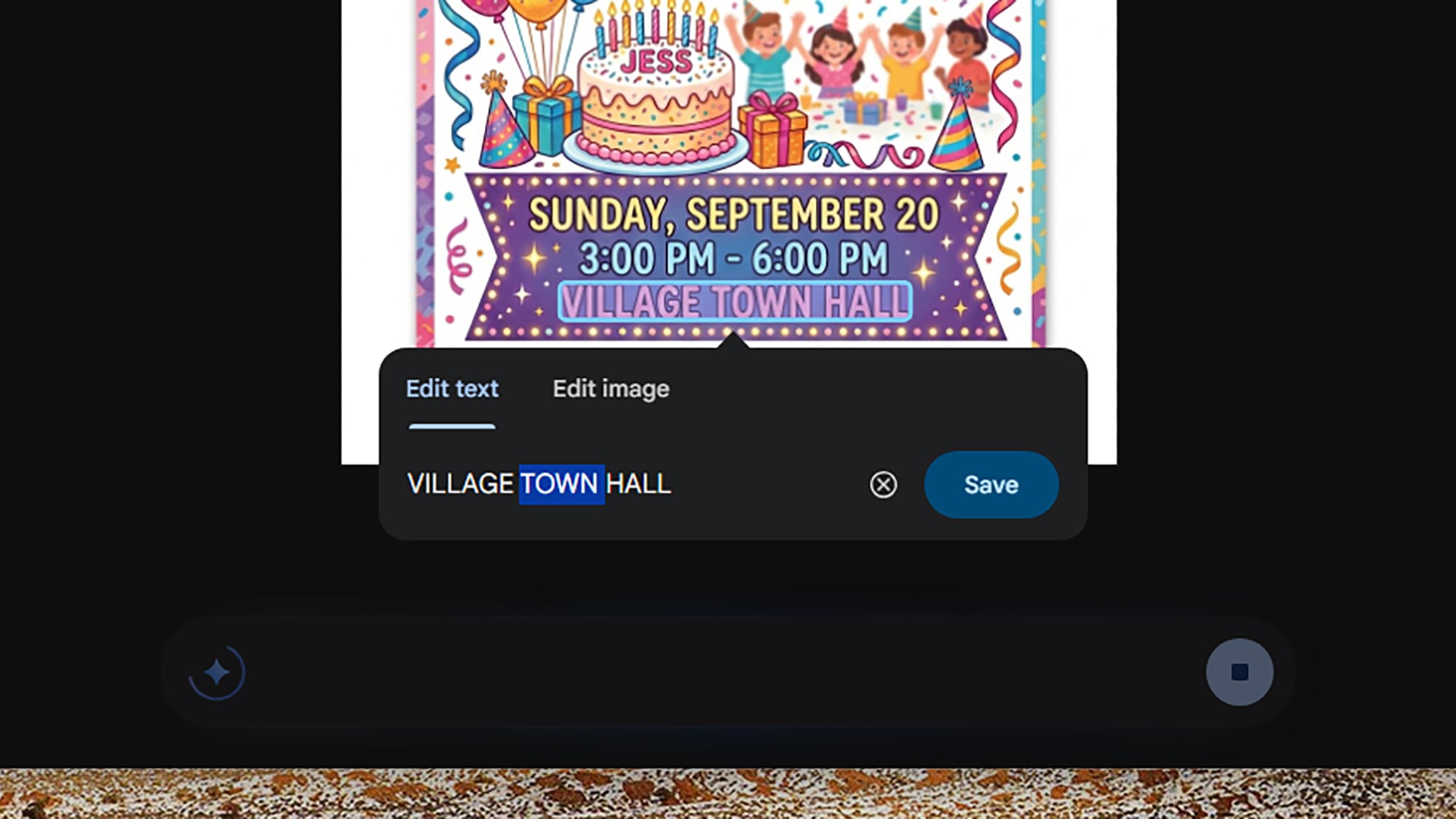
So, you could prompt Google Pics like this: “Create an A5 flyer for a 10th birthday party for Jess, happening at the village town hall at 3 p.m.-6 p.m. on Sunday, September 20. Include lots of party decorations, including balloons, streamers, and cake, and include some small print about food and drink being provided and there being plenty of on-site parking.”
From that prompt, Google Pics gave me a selection of suitable vibrant and fun-looking flyers I could choose from—all of them carrying that familiar AI “sheen” you’ve no doubt seen everywhere from restaurant menus to school event posters in recent times. It followed the brief directions and took seconds to do.
Google Pics does graphic design and image editing. Credit: Lifehacker
I also tried loading in my own photos and using Google Pics to manipulate them: You can very easily turn your photos into watercolors or comics, giving you what’s effectively an unlimited box of Photoshop filters to play around with. The results aren’t perfect every time, but they’re usually more than good enough.
This is a pretty bare-bones app though. You can undo recent edits, zoom in and out, and change the aspect ratio, but outside of the prompt box, that’s just about it. You don’t have any of the traditional resizing options or tools to do any drawing or touching up yourself, and there’s no support for layers—so you’re still going to need Photoshop and Canva around for more advanced tasks.
How to edit images in Google Pics
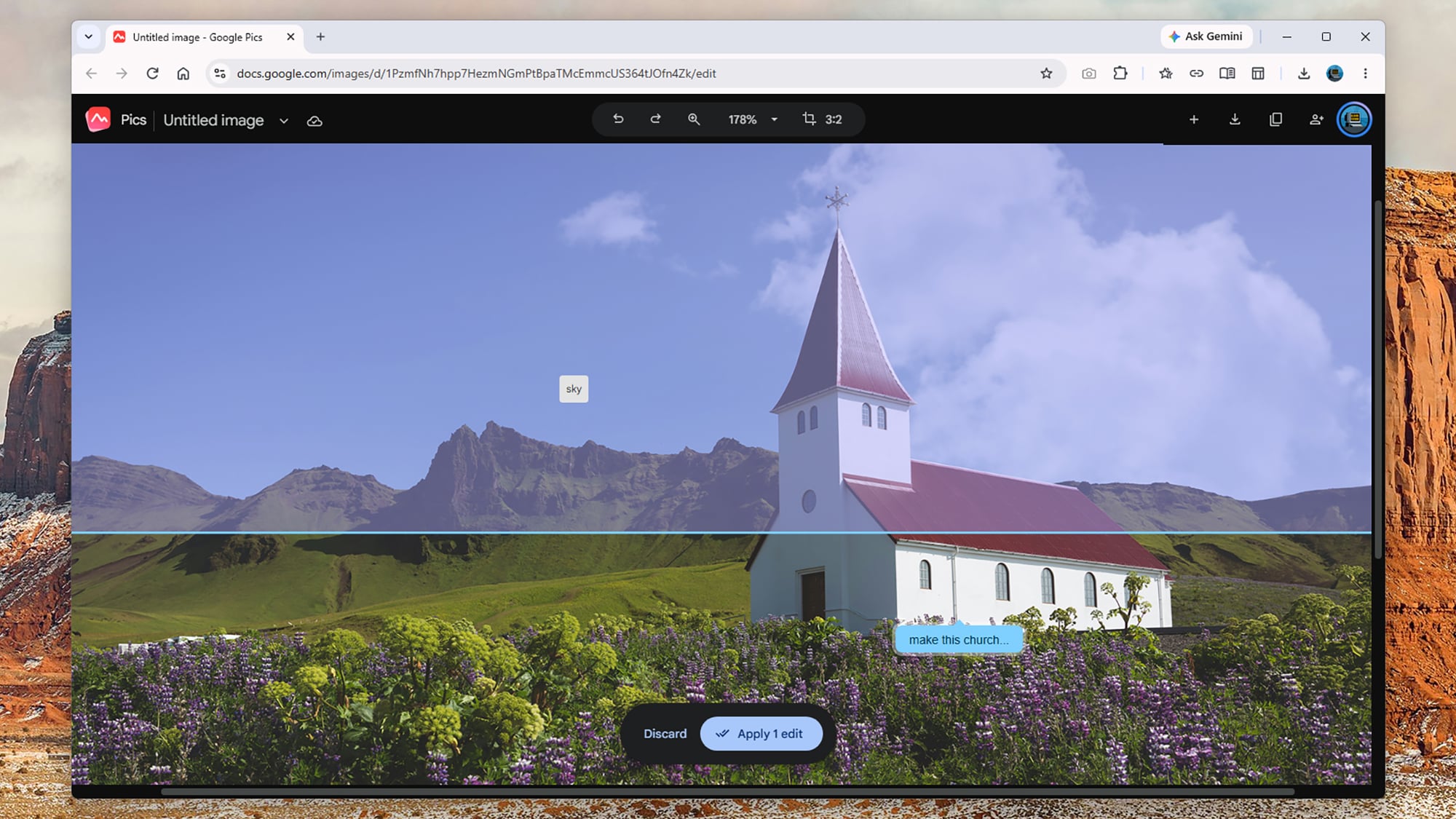
Where Google Pics really impresses is with the editing tools, which become available after you’ve created something from scratch or loaded in an existing image. First of all, the app identifies parts of the image you can click on—so “church”, “sky”, and “mountains,” for example. You can click on these specific elements to get a prompt box to make changes.
You can also just drag a box around something on screen to bring up a prompt box: Maybe drag a box around a party balloon and add the prompt “make this blue,” or select a random stranger in your family vacation photo and say “remove this person”. Any edit you can describe, you can make (or at least attempt).
You’re able to select specific image elements to edit. Credit: Lifehacker
As always with this kind of trickery, Google Pics doesn’t know what’s actually behind the people and objects it’s removing, but it can make a decent AI-inspired guess based on the rest of the image and background. The results I got were mostly fine, and usually you wouldn’t know an edit had been made—though bigger changes to more detailed photos, like removing buses and cars, can be difficult for Google Pics to handle.
You can save up all of these various edits and apply them together, which saves quite a bit of waiting and working forwards and backwards. In the case of my birthday party flyer, I was able to add lines of text, change various colors, add in new elements, and more—and if you select blocks of text, you can edit them directly without a new prompt.
Besides being useful practically, it can also be a lot of fun playing around with different edits and seeing what’s possible. I got quite addicted to playing around with different photos, making changes that ranged from the large scale (“turn this into a night scene”) to the small scale (“add an extra cloud here”).
Image text can be edited directly. Credit: Lifehacker
One of the edits I made was to age a car in a scene by five years, something which I’ve got no idea how to do in a full image editor, and which would’ve probably taken me an hour or so even if I did. The end results might not be quite as precise or polished as they would be if done by a human hand, but these kinds of tools expand what’s possible with quick and casual image editing.
I won’t be ditching Canva and Photoshop just yet, as they’re still essential for different kinds of tasks, including projects where pixel-level precision is required and where various elements need to be combined together in layers—but I can also see Google Pics proving very useful, especially with its integration with the rest of Workspace.
We may earn a commission from links on this page. Deal pricing and availability subject to change after time of publication.
If you need to tackle some DIY projects this fall, you might be looking to beef up your DIY tool kit. But if you’ve looked for tools recently, you may have also noticed that getting quality tools that will last can be expensive. Here are some deals on some of my favorite tools ahead of Amazon’s Big Deal Days sale.
Best Prime Day 2026 deals on tool sets
If you’re just starting out on your DIY adventure, beginning with a tool set will give you a solid foundation. Here are some deals on quality tools that will be with you for years to come.
The DeWalt 20-volt oscillating multitool set is on sale for $157, 47% off its regular price. The set comes with the multitool, a 2-amp-hour battery, a charger, three starter blades, a sanding attachment, and some sandpaper. This tool can be used to cut metal, wood, plaster, drywall, PVC, and tile, and you can also use it for sanding and polishing. It’s a good deal for expanding your existing DeWalt set or if you’re just starting out with DIY projects.
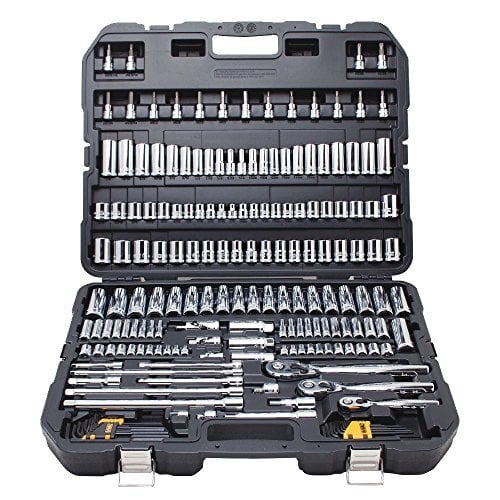
The DeWalt 192-piece mechanic’s tool set is on sale for $169.94, 41% off its usual price. This set comes with ½-inch, ⅜-inch, and ¼-inch ratchets, sockets in SAE and metric sizes, a set of spark plug sockets, driver bits, a set of hex wrenches, and adapters. This is a full tool set that will allow you to work on cars, as well as do maintenance on small home appliances like changing filters and replacing hoses.
The Craftsman 10-piece mechanics tool set is on sale for $14.99, 51% off its typical price. The set comes with a ⅜-inch ratchet and nine metric sockets. This compact set is good for most beginner DIY projects and can be used for light vehicle maintenance; it’s also perfect for an emergency roadside kit.
Best Prime Day 2026 deals on cutting and shaping tools
Saws are essential for many DIY projects, like repairing fencing or building shelves, and they’re also excellent for yard work and demolition. Having the right tools for making precision cuts will make your projects go more smoothly. Here are some deals on saws for all your DIY needs.
The DeWalt 7 ¼-inch cordless compound miter saw is on sale for $296.65, 20% off its regular price. This is a tool-only deal, so you’ll need a DeWalt 20-volt battery and charger to use it. This saw is compact and portable so it’s useful for situations where you don’t have a permanent home shop set up. You can use it to cut molding and trim for door frames, stairs, and finishing decks.
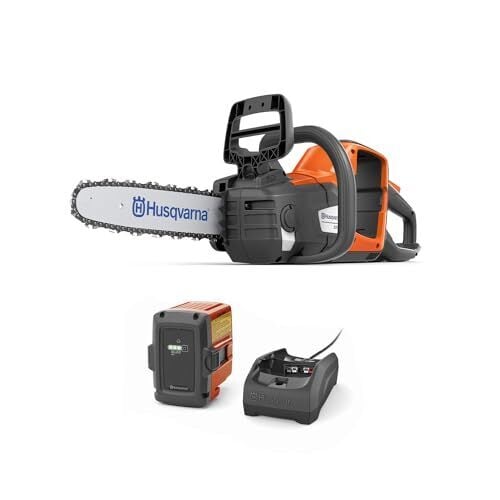
The Husqvarna 14-inch 225i battery-powered chainsaw is on sale for $264.99, 30% off its regular price. The saw comes with a chain, a battery, and a charger. It can make up to 190 cuts on a single charge, and you can use it to cut up downed tree limbs and clear thick branches.
The DeWalt 20-volt jig saw is on sale for $139.90, 41% off its usual price. This is a tool-only deal, so you’ll need a DeWalt 20-volt battery and charger to use it. A jigsaw can be used to cut curves and irregular shapes and is useful for making specialty cuts in fencing or for making decorative cuts on decor or furniture.
Bits and accessories for your power tools don’t seem like they’ll be a big expense until you’ve made your third trip to the hardware store for a size you don’t have on hand. Having a wide range of sizes for drivers and drill bits will allow you to keep working on your project instead of running out for one more thing. Here are some of the best deals on bits and accessories.
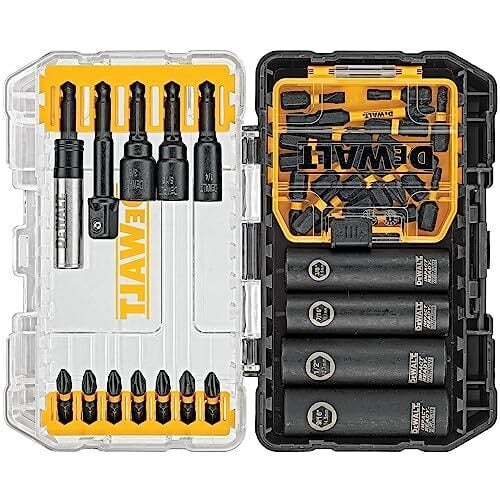
The DeWalt 35-piece impact bit set is on sale for $29.98, 66% off its regular price. The set comes with a bit holder, a socket adapter, several types of driver tips, and a set of sockets. It’s a good set for driving fasteners, but you’ll need drill bits if you want to drill holes.
The Bosch 41-piece drilling and driving combo set is on sale for $21.47, 57% off its usual price. This set comes with drill bits up to ¾”, several types of driver tips, an adapter, and a case. This bit set is a good starter set because it has both driver tips and drill bits, so you could use it with a drill for hanging pictures or curtains, or for assembling flat-packed furniture.
The Milwaukee socket adapter set is on sale for $8.21, 47% off its regular price. This set comes with socket adapters for ¼-inch, ½-inch, and ⅜-inch sockets. This is a tool that you won’t know you need until you don’t have it. I use mine all the time to switch between driving screws and driving nuts for installing wheels and assembling metal parts.
October Prime Day starts Tuesday, October 6, 2026, at 12:00 a.m. PT / 3:00 a.m. ET.
How does Prime Day work?
Prime Day lets Prime Members shop online for thousands of products with big discounts. It only lasts two days, so make sure you check out everything we know about the sale before it starts.
Is Prime Day only for Prime Members?
Yes, you will need to be aPrime Member to shop the exclusive sales during Amazon’s Prime Big Deal Days. Prime membership starts at $14.99 per month.
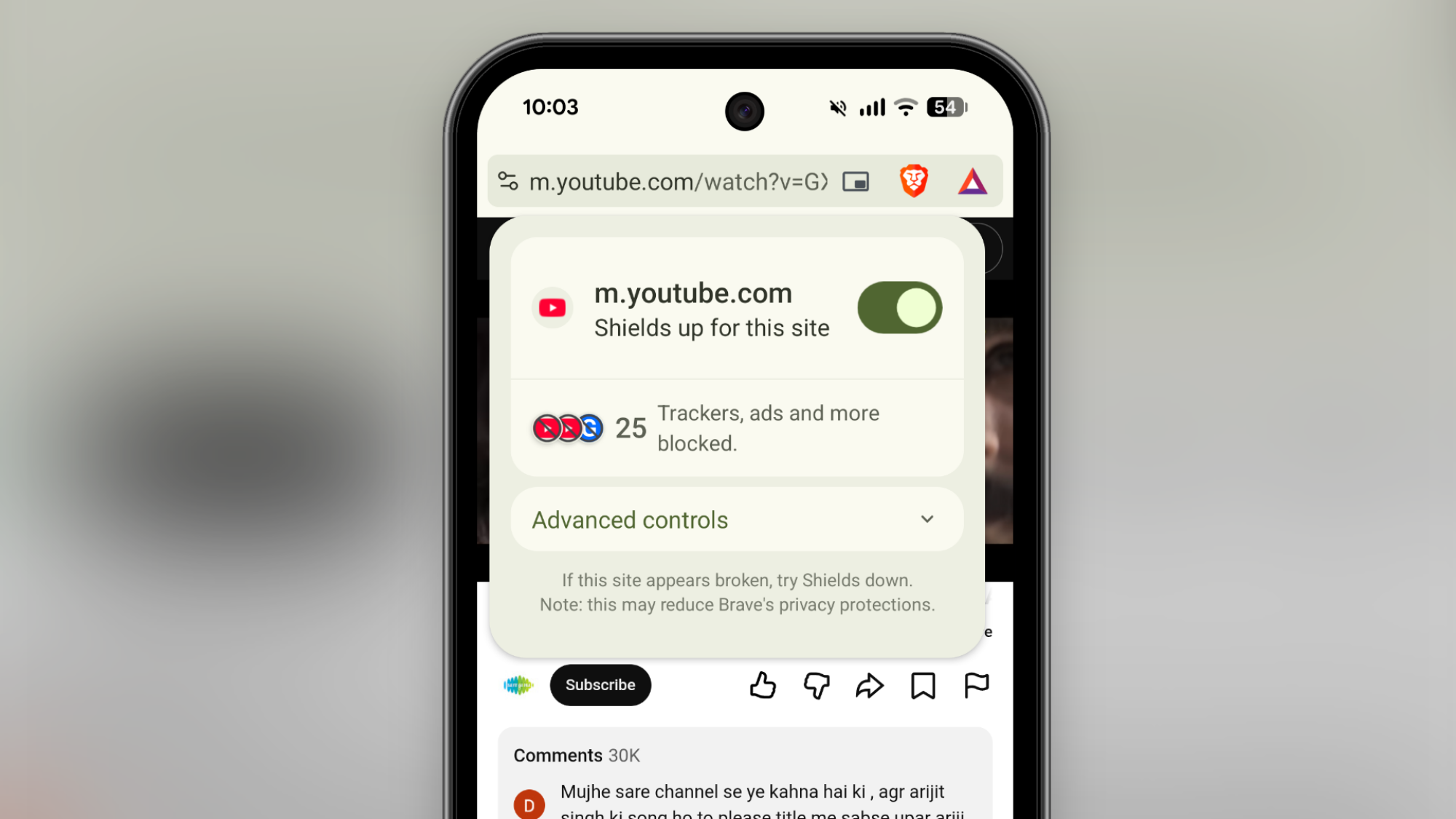
Ads are everywhere on Android. For most of us, the answer is either to sit through the ad, or pay up for a service’s “premium” tier. While services like YouTube Premium can genuinely be worth it, they aren’t for every app. Thankfully, there are options: All you need are free apps or extensions, easily available from the Play Store or alternative app stores, including one option that can block virtually all ads on Android.
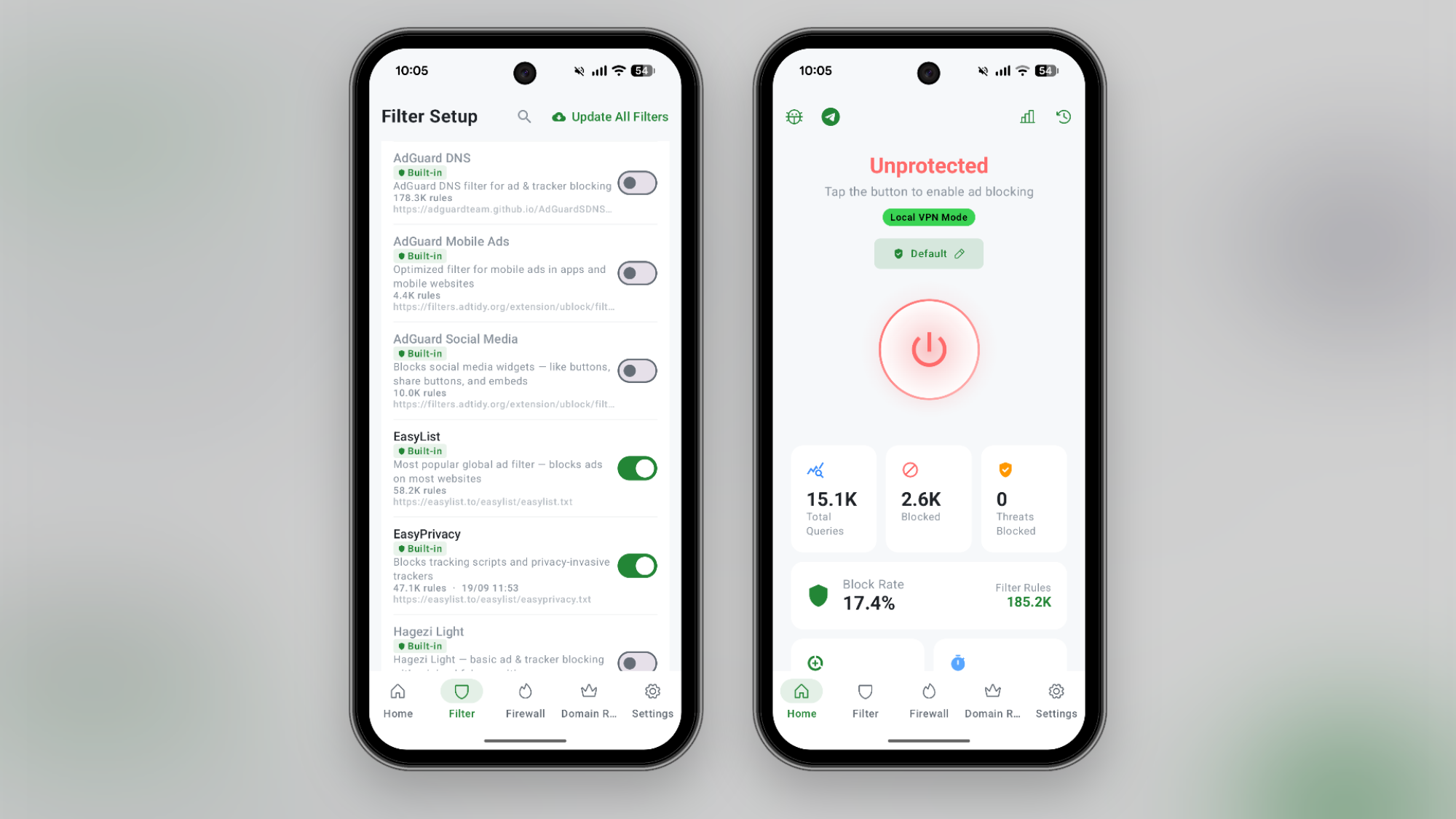
Use BlockAds to block all ads on Android via a local VPN
Credit: Khamosh Pathak
If you want a single app that blocks everything, start with the aptly named “BlockAds.” It’s a free, open-source app you can install directly from GitHub or via the F-Droid store. It’s not available on the Play Store, so the installation method will depend on where you live and when you’re installing it. If Google’s new rules are in place, you’ll need a 24-hour cooling-off period before you can sideload apps.
Once installed, activate BlockAds, giving it permission to add a VPN profile. When enabled, BlockAds will activate its own VPN profile that will stay enabled in the background. While it uses a VPN profile, it’s not a VPN service like Proton VPN in the traditional sense. Instead, it’s a local VPN that filters the traffic on your device itself. It uses DNS filtering to automatically block traffic to ad servers and trackers, quietly disabling them in the background. All your regular activity continues, but the annoying ads in any app disappear, without needing to root your device. There is one downside to using this method: Android only lets you enable one VPN profile at a time, so if BlockAds is taking up the VPN slot, you can’t use an actual VPN to protect your internet usage or to spoof your location.
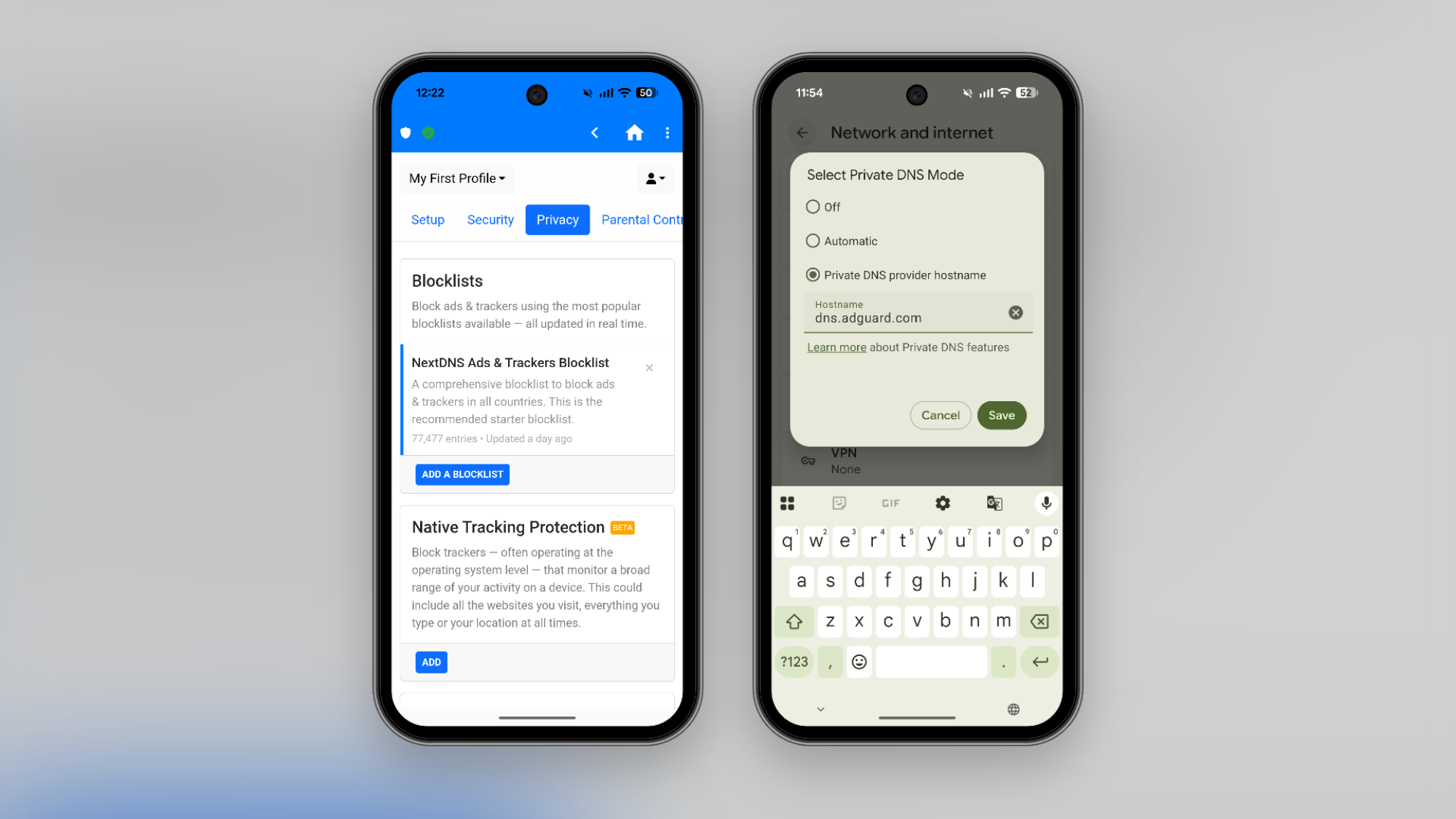
Use private DNS to customize ad blocking across all apps
Credit: Khamosh Pathak
If you don’t want to use a VPN profile, or a third-party app, DNS filtering is another path. This method blocks known advertiser domains, effectively blocking most ads you encounter on the web. Android OS comes with a built-in option that lets you change the DNS server to whatever you like, but there are also services that use DNS filtering to remove ads and trackers as you browse the internet, like AdGuard’s free DNS filtering. All you have to do is change the DNS address. Go to Settings > Network and Internet > Private DNS and switch to the Private DNS provider hostname option, then enter the hostname. In this case, to use the free service, enter “dns.adguard-dns.co” and hit the Save button.
It’s important to note that DNS filtering might break some sites or apps with full-screen ads. This is where a more flexible option like NextDNS can help. Once you create a NextDNS account, you get a personal DNS hostname URL, where you can customize which filters to use and add websites to a whitelist as well. Plus, you can enable or disable protection as needed. After you sign up for NextDNS, go to the Setup section to find your URL. NextDNS, though, isn’t completely free. You get up to 300,000 queries for free per month, and the unlimited Pro plan costs $1.99 per month or $19.99 per year.
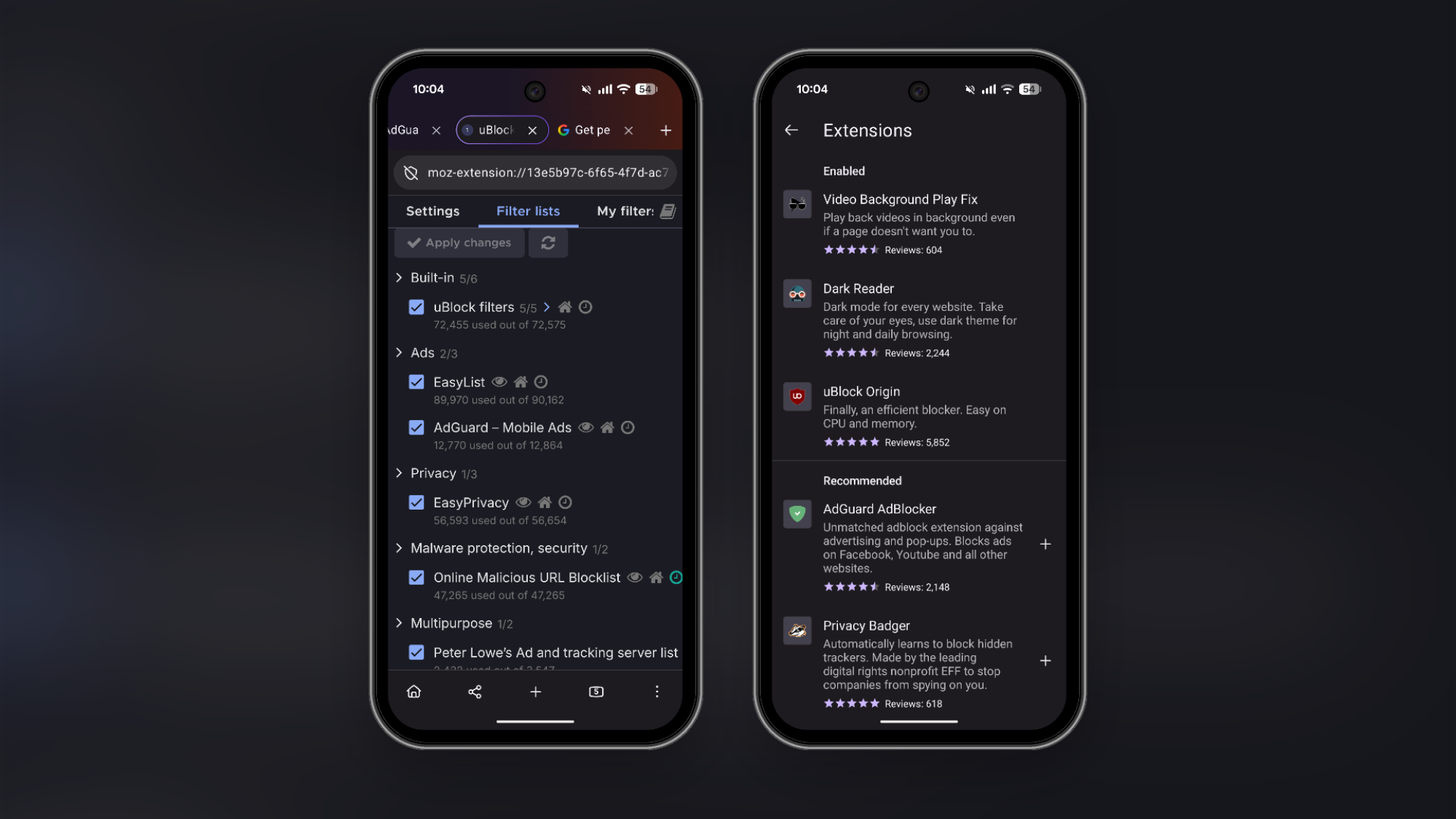
Get a desktop-class ad-blocking experience with Firefox and uBlock Origin
Credit: Khamosh Pathak
After Google’s new Manifest V3 changes, getting a full-fledged ad-blocker that updates in real time is becoming more difficult, even on desktop. On Mac and Windows, Firefox is perhaps the biggest champion of ad blockers, supporting the full uBlock Origin extension natively.
It’s the same story on Android as well. Firefox is the best way to run the full uBlock Origin extension, with its dynamic blocking and customizable filter support. If you want to use it, install the Firefox app on Android, tap the Menu button, and go to Extensions. Here, search for and install uBlock Origin. Once it’s installed, ads from websites will disappear automatically. The default setup is enough for most users. But if you want to customize it, you can go to uBlock Origin extension’s settings page to add extra filters.
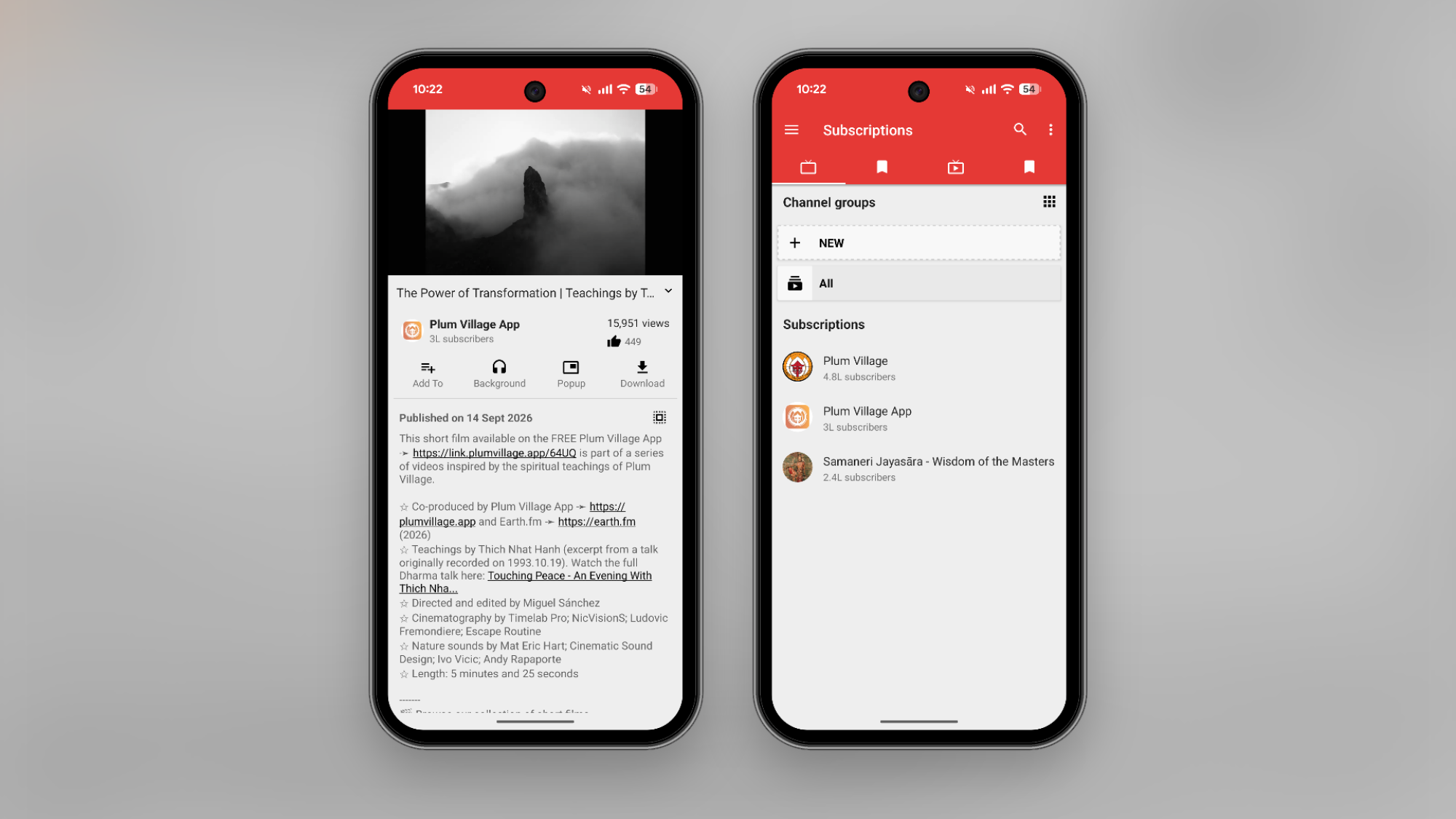
Watch YouTube ad-free (with premium features) using NewPipe and DuckDuckGo
Credit: Khamosh Pathak
The most reliable way to block ads on YouTube these days is to pay for Premium, as Google makes it quite hard to block ads for free. That said, there are plenty of workarounds. The best way is to get out of Google’s system altogether using the NewPipe app, an alternative YouTube client that’s hosted on the open-source F-Droid app store (similar to the BlockAds app we discussed above). The app plays YouTube videos ad-free, and you can also access features like background playback and offline downloads (usually reserved for YouTube Premium subscribers). You can search for and play videos, but you can also subscribe to channels and build your own YouTube feed in the NewPipe app.
If you don’t want to install an app from third-party app stores, try using DuckDuckGo’s browser. It has a built-in YouTube ad blocker, which uses the robust filters from the uBlock Origin extension discussed above. Just load up a YouTube video in the browser, and you should be good to go. If you still see ads, make sure that the feature is enabled from Menu > Ad Blocking > Block Ads on YouTube.
Block trackers and ads without any setup using Brave
Credit: Khamosh Pathak
If you just want an ad-free browsing experience without the need for installing and updating third-party extensions, try the Brave browser. It’s one of the best privacy-focused browsers out there, and the Android app is quite easy to use. It blocks trackers and ads by default. There are no switches to flip, and no extensions to enable. The default ad-blocking works for YouTube videos as well.
The Sovereign Tech Agency (STA) is investing nearly €1.3 million
in KDE through 2027. At Akademy 2026
in Graz, Austria, Nate Graham and Kevin Ottens, two of the contributors who
helped bring in the investment, explained how the funding was secured, provided
tips on how projects should approach organizations like STA, and talked about
how that money will be improving KDE for everyone. In addition to keeping the
community informed about the work, the pair hoped to pass on what they have learned
to encourage others to help raise funds for development as well.
Snap was in the smart glasses game from the jump. The company’s original camera-equipped Spectacles debuted back in 2016, beating Meta to the market by five years. Meta’s Ray-Bans and Oakleys captured massive consumer mindshare anyway, while Snap’s smart eyewear has been less visible.
With Snap Specs, though, the company is aiming to make up for lost time by delivering smart glasses that go beyond a hidden camera and voice-activated AI. At the Snapdragon 2026 Summit, I got my hands (and eyes) on a pair of Snap’s soon-to-be-released spatial-computing glasses that overlay digital graphics onto the physical world.
Specs are heavy on tech but light on your face
Credit: Stephen Johnson
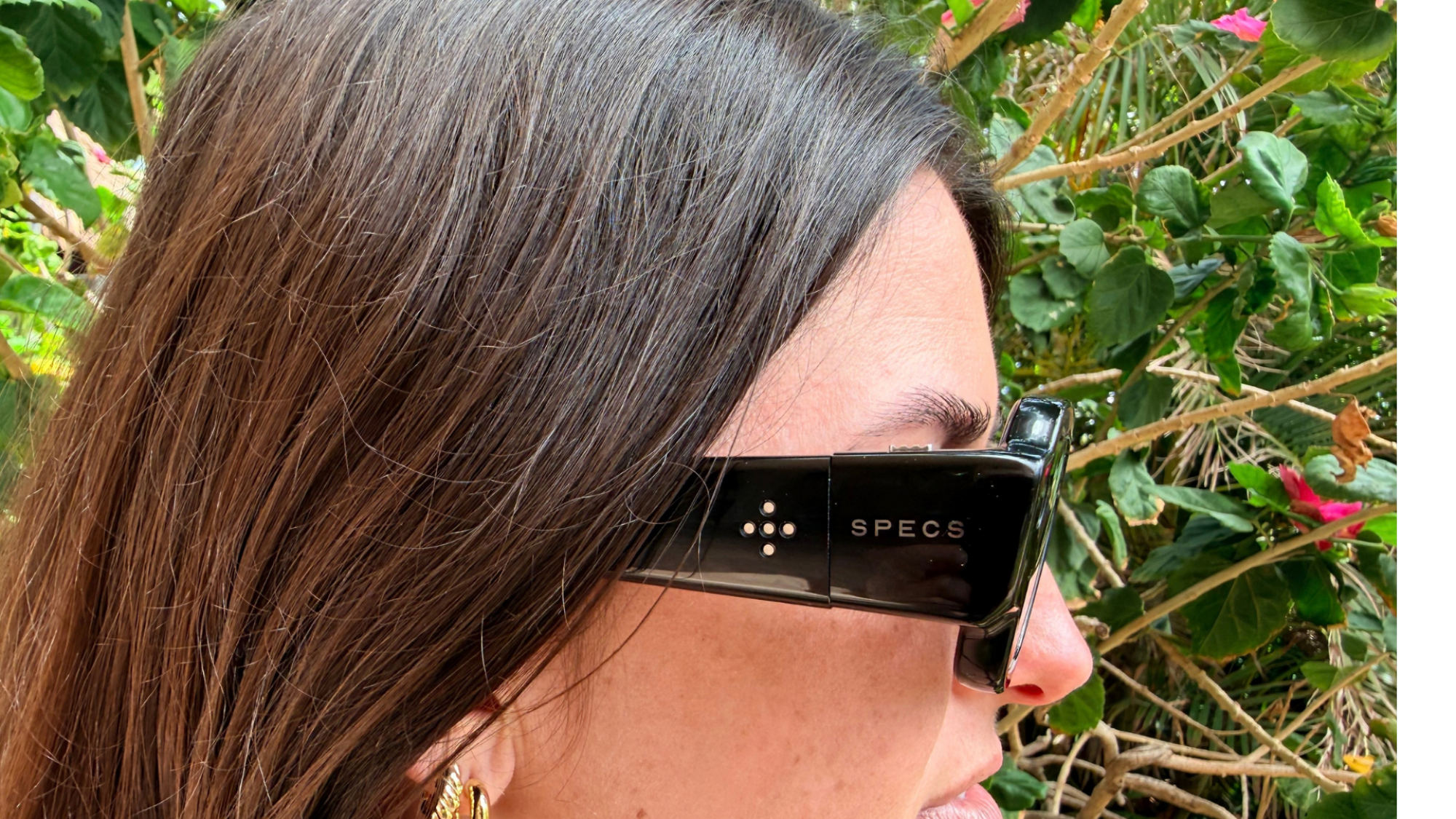
There’s a lot of tech packed into these black polymer frames. They’re powered by two Snapdragon processors, with two full-color hi-res cameras facing outward; the tracking system supports 6DOF (six degrees of freedom) hand tracking for gesture controls; and it’s all standalone, as there’s no tether or wired puck handling the heavy lifting. With all that crammed into the frames, plus the battery to run it, you’d expect them to be heavy. At around 135 grams, they aren’t light, but Specs are surprisingly comfortable. The weight is distributed evenly, mainly across the frames, so for the brief time I used them, they remained ergonomically acceptable. Specs feel more like a pair of sunglasses than a bulky VR helmet. As for battery life, Snap promises four hours of mixed-use on a full charge.
Display quality on Snap Specs
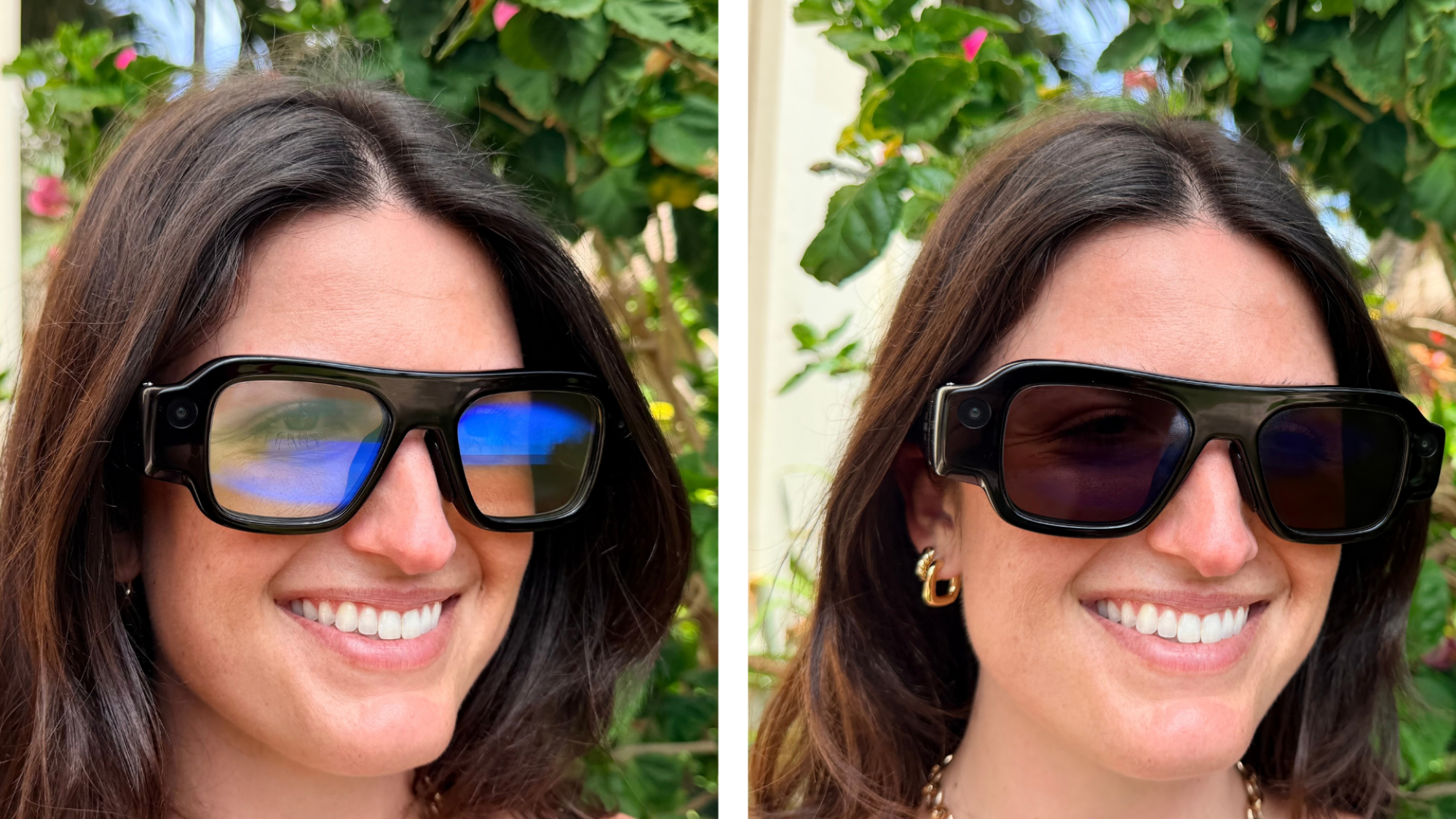
In the interest of not alienating the people around you, Snap chose to make the lenses clear enough that your eyes can still be seen through them, but if you want to close out the world, there’s electrochromic dimming for quick transitions between clear and dark lenses. It both useful and a cool trick. Check it out:
Credit: Stephen Johnson
The in-glasses display is surprisingly bright. Specs’ visuals are powered by a proprietary liquid crystal on silicon (LCoS) display system, and even when used in a light-filled conference room, I could still clearly see the UI and its various apps. I tested out YouTube under these borderline abusive conditions, and it streamed high-def video in 16 million colors suitably.
The display offers a 51-degree field of view. It feels like having a large floating window hovering in front of you. From there, you can use simple gestures to launch apps, watch movies, play games, and do most other tasks you can’t do from your phone. But it was the context-aware, real-world spatial computing tasks that I wanted to try—the things you can’t do from a phone or PC.
What can you actually do with a pair of Snap Specs?
Snap plans to launch Specs with a full suite of both first-party and third-party apps that will do everything from improving your drawing skills to teaching you music. I tried out a golfing demo, and it made the possibilities of augmented reality glasses immediately clear. Instead of putting blindly toward a distant hole, Specs show you exactly which direction to swing the putter and adds a virtual flag to mark where the hole is. It’s anecdotal evidence, but my personal putting game improved immensely. Is it cheating? Probably, but it works.
Are Specs going to be useful in the real world?
A half-hour or so of testing a prototype isn’t enough time to really say whether these will be useful in a person’s real life, but I can say for sure that they’re very cool, and I’m looking forward to going more in-depth with them in the coming months as their release date approaches. Snap Specs are planned for release this fall and will retail for $2,195.
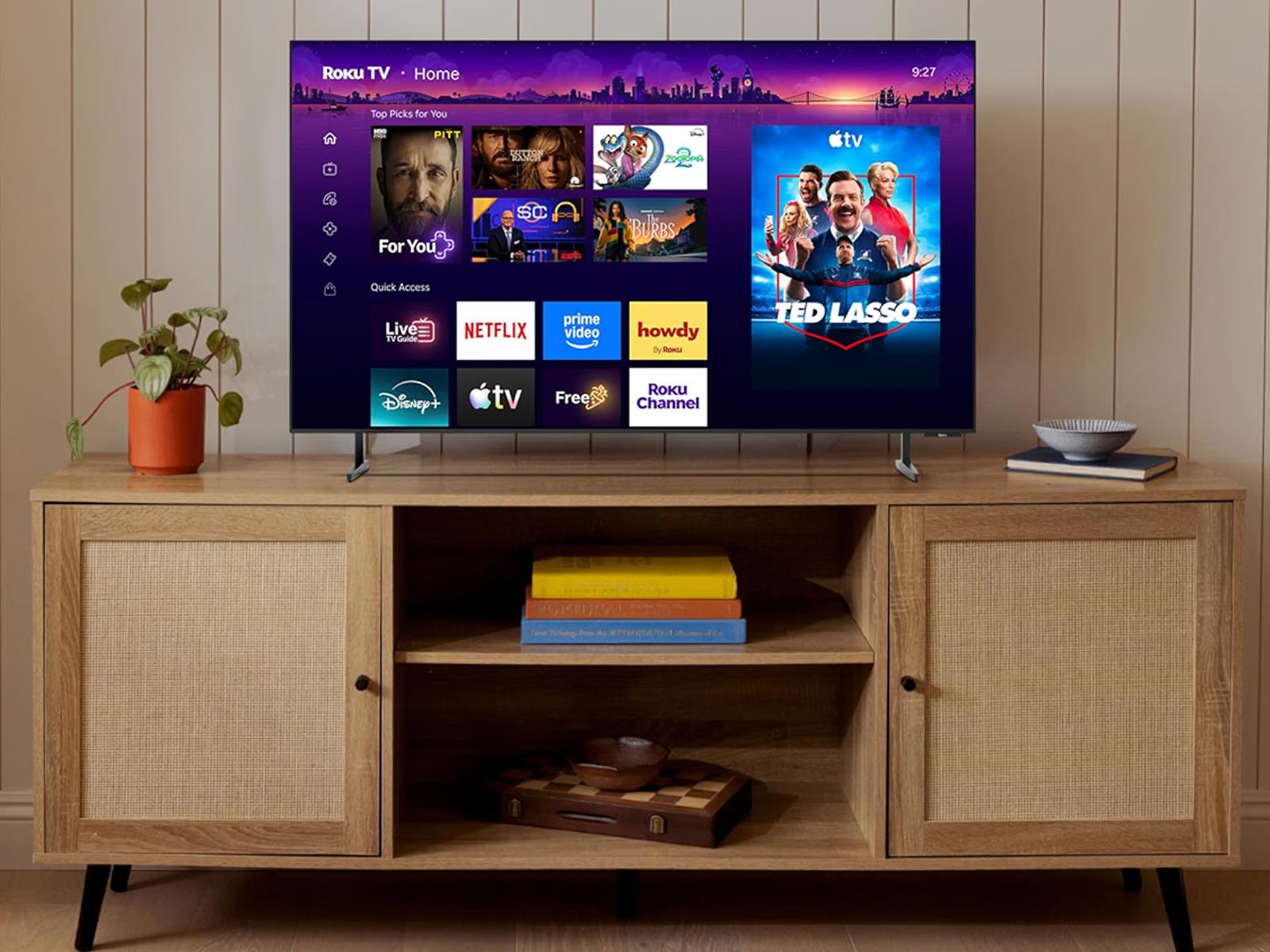
When Roku crashed the OLED TV party earlier this month with the debut of its Pro Series lineup, the main selling point was trying to bring OLED tech down to a more approachable starting price. Now, a stealthy Amazon coupon code is doing some additional heavy lifting towards that goal, bringing the company’s 65-inch model down to well under
Greg Kroah-Hartman has announced the release of the 7.2.8 and 6.18.54
stable kernels. Each contains a number of important fixes throughout the tree;
users are advised to upgrade.
Johannes Schindelin has posted a detailed
summary of the discussions held at the 2026 Git Contributors’ Summit.
Topics covered include Git 3.0, security process, documentation, the
pluggable object database, use of LLMs, and more.
Cybersecurity researchers at Kaspersky have uncovered a sneaky new variant of the MacSync malware, revealing a unique tactic where attackers exploit public Apple iCloud calendar events to secretly dump malicious payloads onto macOS devices.
Originally appearing as a simple script-based information stealer derived from the AMOS family, MacSync
Nothing kills an afternoon quite like sitting on hold for half an hour or longer. It’s a massive waste of time unless you truly enjoy listening to soft elevator music and cheesy ads on loop, all in an effort to ask a store or support representative a simple question. There has to be a better way, and Google agrees. That is, so long as you
Researchers have successfully simulated the birth of fundamental matter on three separate quantum computers, replicating subatomic phenomena observed only in particle colliders or in situ at the immediate aftermath of the Big Bang.
Central to the breakthrough lies in the string breaking and hadronization phenomenon, i.e. the mechanism by
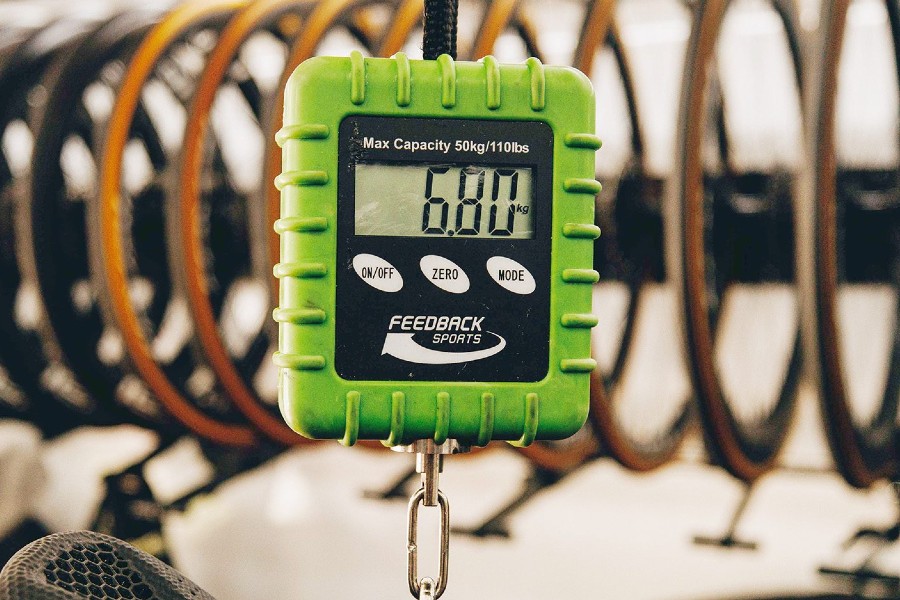
At the turn of the new millennium, the UCI introduced perhaps the most talked about rule governing race bikes competing in its sanctioned events: the 6.8kg weight limit.
In the year 2000, the rule made a good deal of sense. Carbon manufacture, applied to bicycles at least, was still a young technology, and there were question marks over the material’s safety in a sport obsessed with weight.
The rule formed part of the wider-reaching Lugano Charter, which was established in 1996 as an effort to curb increasingly outlandish bike designs and broadly govern racing bike technology.
I invite you to share what you’d like to see from this update in the comments section below, but here are the things I want to see changed with a new charter – and why.
Removal of the 6.8kg weight limit
Time to end this particular sight. Our Media
This one’s easy, because we (and just about everyone else) have been going on about it for 10 years or so.
In 2014, Canyon demonstrated what was possible by revealing it had built a 5.6kg Ultimate CF SLX road bike. Granted, that bike had rim brakes, but the frame weighed 790g, upon which fancy kit such a Meilenstein Obermayer wheels was draped.
The latest Canyon Ultimate CFR launched eight years later. It’s still the current model today, and has a claimed frame weight of 641g in a size medium. Of course, this bike features heavier disc brakes, and in theory could also be built using ultra-light components.
Lightweight bikes have arguably hit their zenith because of this now-arbitrary rule. Dan King / Canyon
It isn’t unreasonable to think you could get even lighter today. Importantly, this bike and those components are safe – they pass all the mandatory tests for them to be put on sale, and I’ll bet you’ll find most listed as approved in the UCI’s rulebook.
Scott has also said a 5.9kg ‘normal’ build was a target for its latest Addict RC, while Dangerholm has had a custom bike built up weighing under the 5kg barrier.
There are other examples, but the point is this: with such a light weight possible in 2026 with approved parts, there’s no logical reason why the 6.8kg limit should apply today.
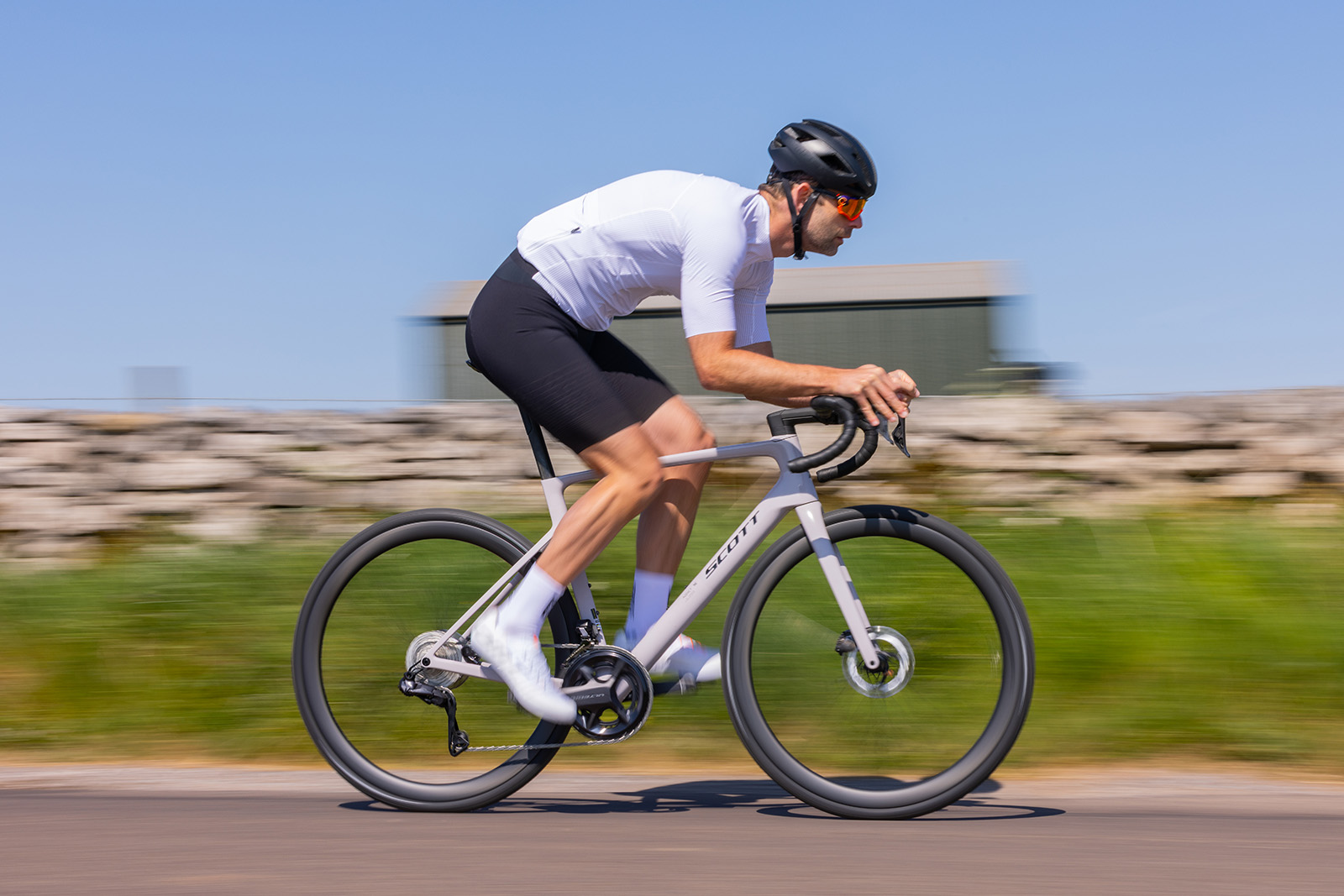
It’s now quite easy to hit 6.8kg, even if you haven’t got exotic kit on the bike. Scott Windsor / Our Media
Here, the UCI has two choices: offer a nominal drop in maximum weight to, for example, 6kg – which would remain challenging for a full aero bike to hit – or go even further to effectively challenge bike and component brands to push right up to their technical capabilities.
The latter is what I want to happen, but I suspect the former is more likely, because pushing limits requires investment. Although I suspect pros and paying customers alike will see great appeal in new ultra-light road (and, yes, gravel) bikes, brands may be reluctant to invest as heavily as needed to establish themselves as market leaders – not when sales appear challenging for many of them.
Race bikes fit for the 21st century
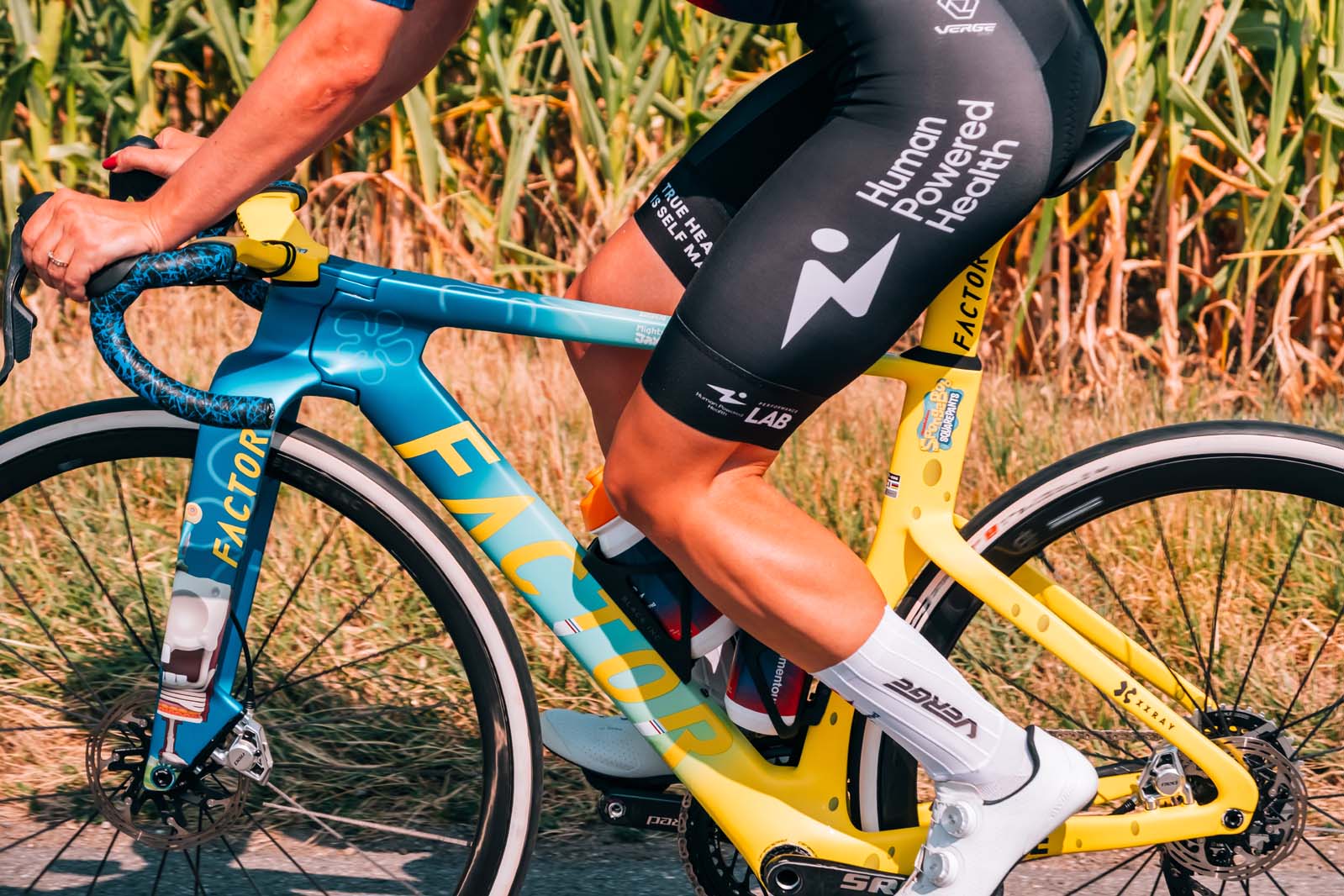
Letting designers push beyond established limits would help spur greater innovation. Factor
Sadly, the same economic pressures apply to any substantial changes, but the next big alteration I’d like to see is a complete relaxation to tube profile limits and the double-triangle design.
We have already seen bikes with deeper tube profiles appear in recent times because they make the most of the recent 8:1 ratio limit to maximise aero performance.
While some brands have had dalliances with seat-tube-less bike designs, these have never been approved by the UCI – and have never truly taken off outside of triathlon.
Some bikes have done without the traditional seat tube with mixed success, but it might not yet be the end of them. Russell Burton / Our media
One of the UCI’s principles around the double-triangle design, especially, concerns preserving the classic aesthetic of the bicycle. This is in addition to avoiding a technological arms race not all brands (read: racing teams) could participate in, and that technology from detracting from the physical skill and performance of the riders.
I venture that all three of these premises are flawed in 2026 for the growth of the sport.
Firstly, in an ever more technologically advanced world, for cycling to remain attractive to younger and new audiences, modern aesthetics are needed. Image is so important to attracting new fans of the sport; tradition can only take it so far (as much as I personally appreciate it).
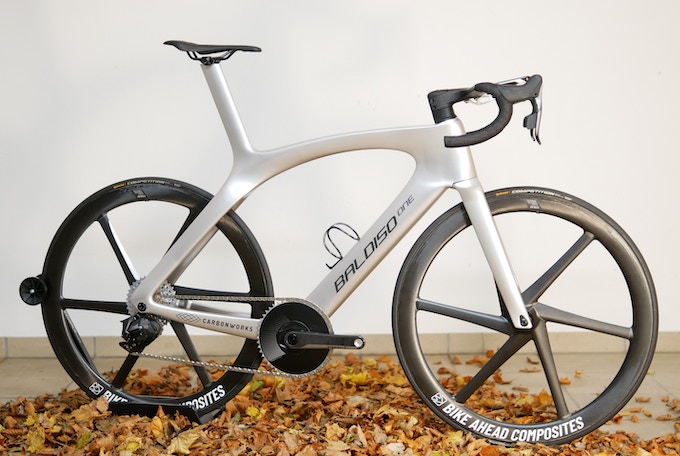
Bikes such as this may deviate from the traditional layout, but there’s no doubting they look cool. CarbonWorks
Secondly, the technology needed to develop new bikes has become far more democratised in recent years.
A glance at all the relatively new Eastern brands on the block developing road bikes comparable with their established Western counterparts shows this, while the traditional brand powerhouses such as Giant, Merida, Specialized, Trek, Pinarello and Colnago (I could go on) aren’t actively demonstrating new wonder materials or even techniques that are markedly different to anyone else.
Finally, it’s nonsensical that technological enhancements – short of introducing outside physical thrust to a bike-rider system from a moving part – are in any way detracting from the skill, fitness and capability of the person riding the bike. The rider is still in total control and providing all of the driving force for motion.
Bike and wheel brands, for example, have spent hours in expensive wind tunnels optimising tube shapes not only for low aero drag, but also to help make their products easier to ride in crosswinds (and therefore, likely, faster overall). I don’t recall that being an issue in the past.
Fix handlebar sizes on a sliding scale
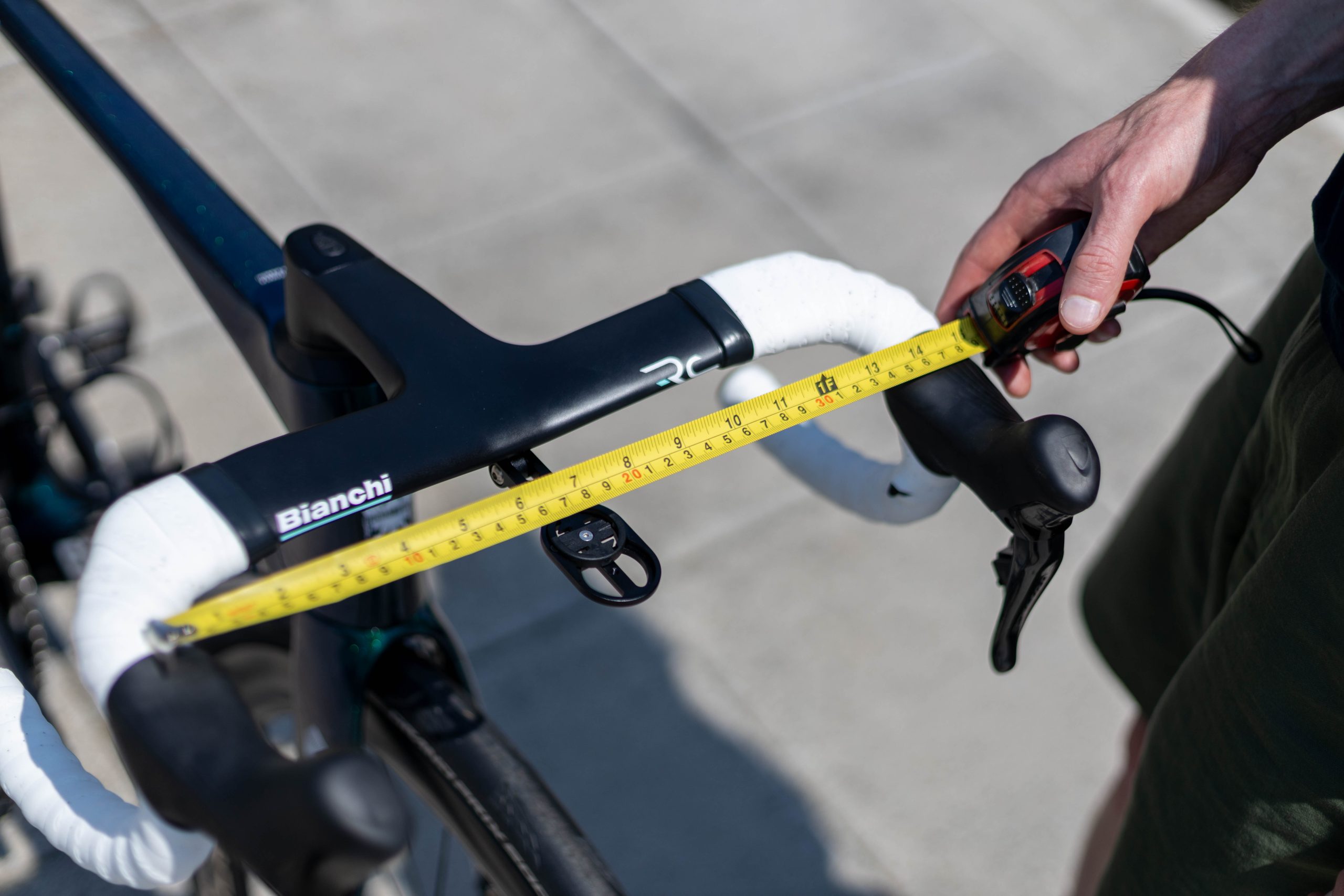
Handlebar regulations have (rightly) got a tough rap of late. Ashley Quinlan / Our Media
The UCI should designate minimum and maximum handlebar widths according to the size of the rider.
No arbitrary figure is appropriate in a sport where riders range so wildly in size. From personal experience, the minimum-size handlebar allowed by the UCI is the one I’d likely get on best with when riding a race bike. I am 188cm tall with particularly broad shoulders.
Smaller riders such as Pauline Ferrand-Prévot have to put up with the arbitrary lower limits as things stand. Jasper Jacobs / Getty Images
So I can hardly imagine how alien this minimum handlebar size must still feel to riders such as Pauline Ferrand-Prévot (Visma-Lease a Bike, 165cm) and Harold Martín López (XDS Astana, 160cm).
While the regulations are now less stringent than they were set to be, more can be done to improve fairness for riders for whom the current minimum size is potentially a significant compromise.
A ban on 32in / 750d wheels
While I can see the benefits for taller riders… Scott Windsor / ourmedia
Not everything should be allowed, though. 32-inch wheels should be banned before money is wasted developing them and the frames that will take them for racing.
This might seem a strong take, and it’s not one shared by everyone, but we already know through Warren’s testing of the Singular Pterodactyl that 32in wheels can’t be made to fit bikes less than a nominal size large without significant compromises.
In short (pun intended), it’s a size that can’t be made to suit smaller riders, thereby excluding them from the benefits – which I recognise to be potentially great for taller riders, such as Warren and me.
…the potential for toe overlap here is surely too high. Lukas Schumacher / Scott Bikes
I’m not convinced the sliding-scale approach I’d apply to handlebars works either – brands would have to effectively develop two bike layouts, with costs inevitably being passed on to customers.
And while larger riders may benefit from bikes designed with larger wheels, those wheels are more likely to influence the mechanical behaviour of the bike in performance terms – effectively giving those who can ride one an advantage others can’t utilise.
Allow deeper wheels in road racing
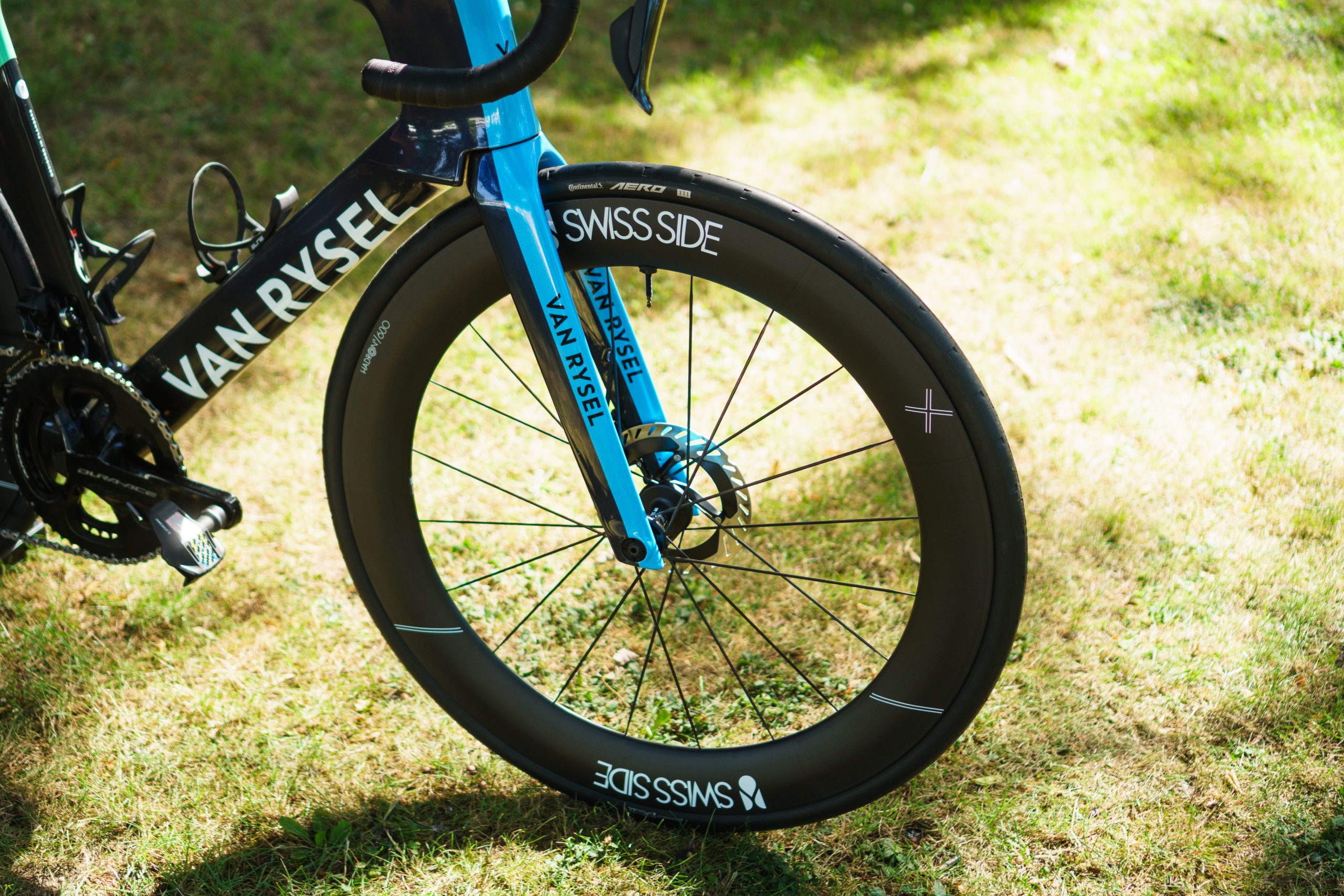
Swiss Side is one brand known to have fielded deeper-than-65mm rims in races in 2025, only to be stopped in 2026. Simon von Bromley / Our Media
That said, the UCI could introduce a parcours– and conditions-driven framework, which would limit their use to races and courses deemed suitable for their use.
For flat sprint stages, the 80mm limit could apply. Then, for designated hilly or rolling stages, and those with significant crosswinds, the current 65mm depth may be more suitable. For mountain stages, a shallower maximum depth of around 50mm could be mandated.
In doing this, the equipment choice is wider over the course of a stage race, offering more variety and marketing opportunities for brands, but also scope for more specialism in sensible circumstances should riders choose to set their bikes up accordingly.
Developer 2K Games is done giving warnings. Following up on a pledge made back in August, the studio just unleashed a barrage of permanent bans on NBA 2K27 players who have been caught cheating. It’s another salvo in the wider war against cheaters and automated play, which earlier this year saw Valve purge nearly 1 million bot accounts from
We may earn a commission from links on this page. Deal pricing and availability subject to change after time of publication.
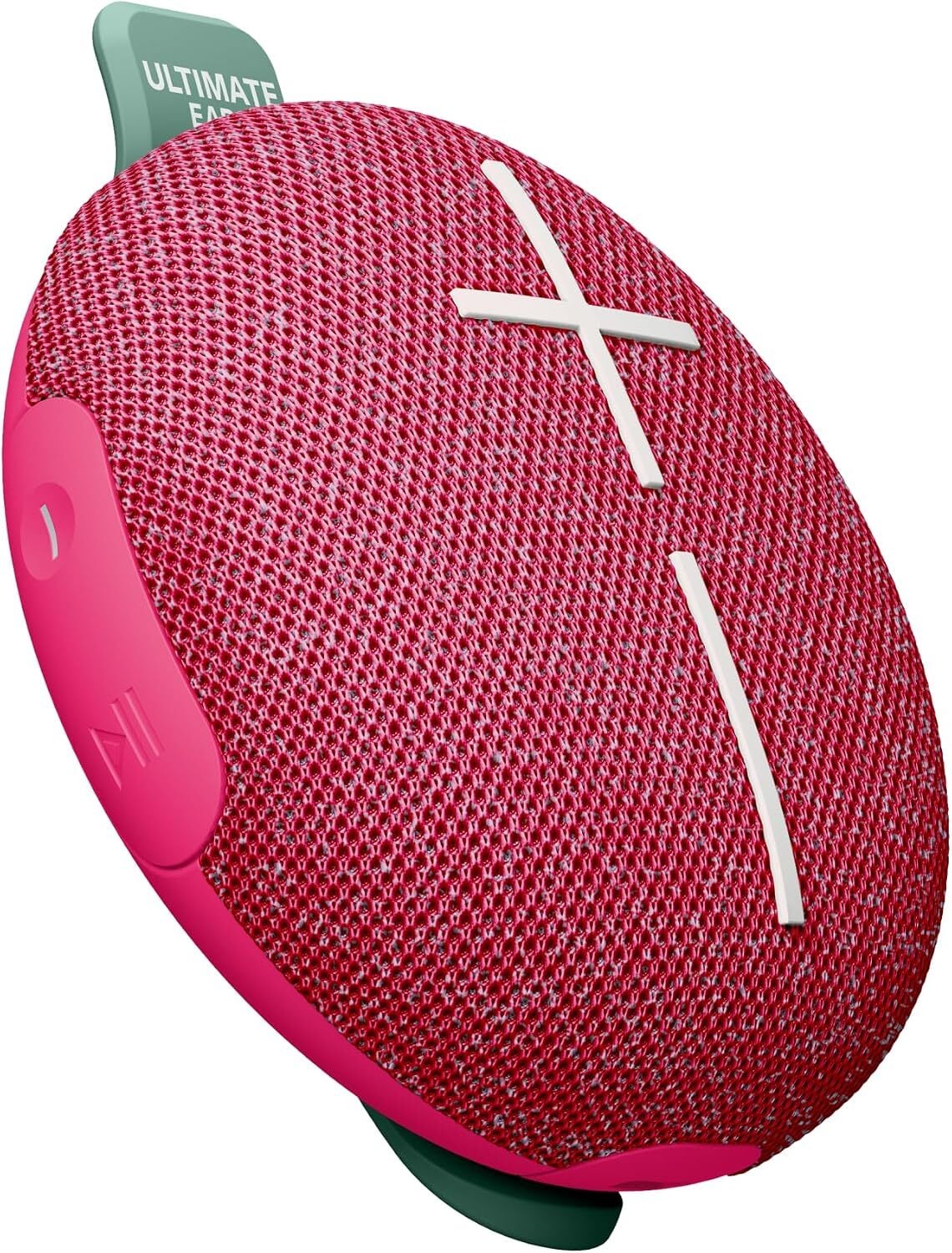
The Ultimate Ears Miniroll is down to $49.99 on Amazon from its $79.99 list price ahead of October Prime Day, and price trackers show that’s the lowest it has sold for so far. It’s a small, flat, puck-shaped Bluetooth speaker that weighs just over half a pound, with a removable rubber strap you can attach to a backpack, bike handlebar, or shower caddy. For more on the October Prime Day sale, you can follow the latest offers as they come in on our Prime Day 2026 Live Blog, or browse the standout deals and sale announcements on our Prime Day Deals page.
Despite its size, the Miniroll can get surprisingly loud—which PCMag confirms in its review—and at moderate volume, it has enough sound for a kitchen or backyard without sounding thin. Its 40-meter Bluetooth range also means you can leave your phone inside while the speaker sits on the patio, and if you have more than one Miniroll, a long press on the play button connects them through PartyUp for more volume or stereo sound. As for its battery life, you get about 12 hours of playback before it needs a charge over USB-C, while its IP67 rating protects it from dust and a brief dunk in water.
That said, the Miniroll does have its limits, especially with bass-heavy music. Hip-hop and electronic tracks can sound thinner than they would on a larger speaker, and once you turn the volume past roughly 80%, the sound starts to lose definition, and the speaker itself can vibrate. There’s also no companion app, meaning no equalizer, no EQ presets, no codec switching, and no find-my-speaker function, so what you hear out of the box is what you get permanently.
What is Amazon Prime Day?
October Prime Day is the fall version of Prime Day, which is the biggest sale Amazon hosts during the spring, summer, and fall. You can find deals on many categories during the sale, including tech, tools, appliances, apparel, and more.
When is Prime Day?
October Prime Day is Oct. 6 and runs through Oct. 7. It happens every year during October.
What time does Prime Day start?
October Prime Day starts Tuesday, October 6, 2026, at 12:00 a.m. PT / 3:00 a.m. ET.
Our Best Editor-Vetted Early Prime Day Deals Right Now
Raspberry Pi’s stock shot up over 30% in the last week. Why are investors so excited? For the six months ending June 30, revenue for Raspberry Pi Holdings “jumped 90% to $256.9 million,” reports Investing.com, “while adjusted EBITDA more than doubled to $40.3 million, and profit before tax leapt 216% to $19.6 million.”
Underpinning the strong numbers was an acceleration in OEM adoption: direct unit shipments rose 26% to 3.4 million, total unit shipments climbed 17% to 4.2 million, and the customer order backlog doubled during the half to 2.6 million units. Demand was particularly robust in the Smart Home and Aerospace and Defence segments, and the company launched the AI HAT+ 2 for Raspberry Pi 5, extending its edge-AI product line.
DRAM prices have been increasing everywhere,
notes The Times of London, and Raspberry Pi co-founder Eben Upton “said new customers, who required computers or microcontrollers to manufacture other technologies, were choosing Raspberry Pi’s computers because they had a better inventory of components than competitors.”
“There’s always that choice for an original equipment manufacturer as to whether they should ‘make’ or ‘buy’ the computer elements of their platforms,” Upton said. “The supply chain disruption is making ‘make’ a much harder choice and it’s making the cost of repair a much harder choice. So we’re seeing strength there.” Raspberry Pi has already increased its suppliers of Dram more than threefold…
Upton said the increased demand had led to its backlog for units doubling to 2.6 million, which meant production rates would need to increase to prevent the numbers from getting “unhealthy”. New production capacity at the manufacturing facility in Pencoed, Wales was expected to come online this week… Exports were almost evenly split between North America, Europe and the rest of the world, which was primarily China, where demand was growing… Analysts at Peel Hunt said the company was “well positioned for rapid growth in unit shipments in 2027 and beyond” with demand expected from enthusiasts as well as the AI and security sectors.
In other news, Hackaday notes the Raspberry Pi Foundation has “pushed binary-blob bootloader changes that limit your ability to upgrade RAM…”
This change restricts upgrading the RAM chip on your Pi 4 and Pi 5, as well as Compute Modules. By the looks of it, it does not restrict replacing the RAM chip with a chip of a similar size, quote, “locking devices to their original RAM size”. As such, this does not prevent repair of your Raspberry Pi board, but does somewhat limit your repair part choice, at most.
This restriction is easily bypassable. The bootloader is stored in the SPI flash chip, which can be reflashed using the built-in mask ROM over USB and rpiboot, and you are not prevented from flashing older versions of the bootloader, so far. This means even if you manually swap the RAM chip, all you need to do is to also downgrade the bootloader to the last known good release — 2024-09-10 — and then your Pi board or Compute Module will function with upgraded RAM. If you have the skills to upgrade your RAM, you most certainly have the skills to downgrade the Raspberry Pi bootloader. For most regular use, having a two-year old bootloader version won’t really matter…
For the reference, this bootloader change happened almost exactly two years ago, at some point between September 10 and September 23, 2024… The Raspberry Pi Foundation (RPF) justifies this as follows: they saw third-party resellers sourcing low-RAM Compute Modules, upgrading them with RAM from unknown source and unknown stability. My observation is that they’d also be reselling the modules at a markup for purely commercial gain, while undercutting RPF who would otherwise direct that money into RnD, something I much enjoy to see them do. This creates perverse incentives and risk for people buying Raspberry Pi boards online, and RPF decided to limit this primarily for their users’ benefit, plus, if you ask me, some of theirs… The related GitHub issues have a fair few pingbacks, and exploring them makes the problem look grim to me….
My advice: don’t lament Raspberry Pi RAM upgrades, especially given they’re only slightly harder to perform now. Very few hackers ever performed them, the main audience for them turned out to be dodgy hardware resellers online, and in most cases, repair doesn’t seem to be impeded at all, either. Think of the users that will no longer be fooled by a shady seller on Amazon, especially now that the perverse incentives for board mods and reusing harvested RAM chips are at their highest.
Raspberry Pi co-founder Eben Upton answered questions from Slashdot readers in 2011 and 2016.
After five years of extensive prototyping and testing, Norco has released its new Team DH bike. The high-pivot downhill bike has been developed with the help of four-time world champion Greg Minnaar, and double world champion Danny Hart.
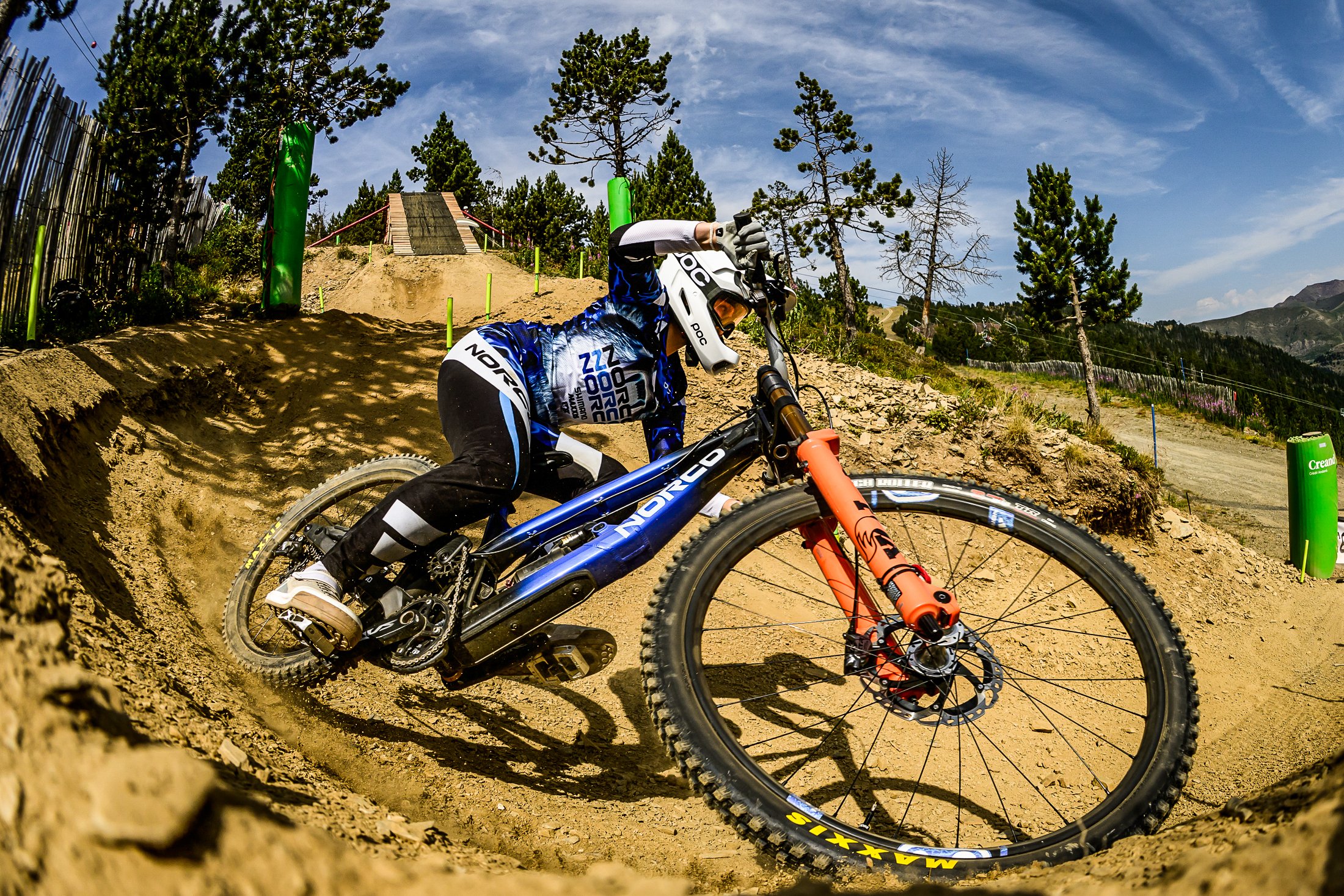
The Norco Team DH has been successful at the highest level already, with team rider Gracey Hemstreet racking up her first three Elite World Cup wins aboard an S1-sized prototype.
The new bike offers 200mm of travel via Norco’s HPV6 suspension system and is mixed wheel-size only, with no accommodation for a 29er rear wheel.
Five years in the making
The latest version of the Norco Team DH uses a high-pivot suspension system and i-Track adjustable idler wheel. Norco
It has been 25 years since the first Norco Team DH was released, and the new bike was in the prototype and development phase for five years.
The bike is centred around a high-pivot rear suspension configuration that uses an inverted four-bar (also known as upside-down FSR/Horst-link) to dictate the rear axle path. Downhill bikes such as the Forbidden Supernought use a similar system. The advantages of a high-pivot setup are that it maintains a more accentuated rearward axle path, which can help carry speed on rough terrain.
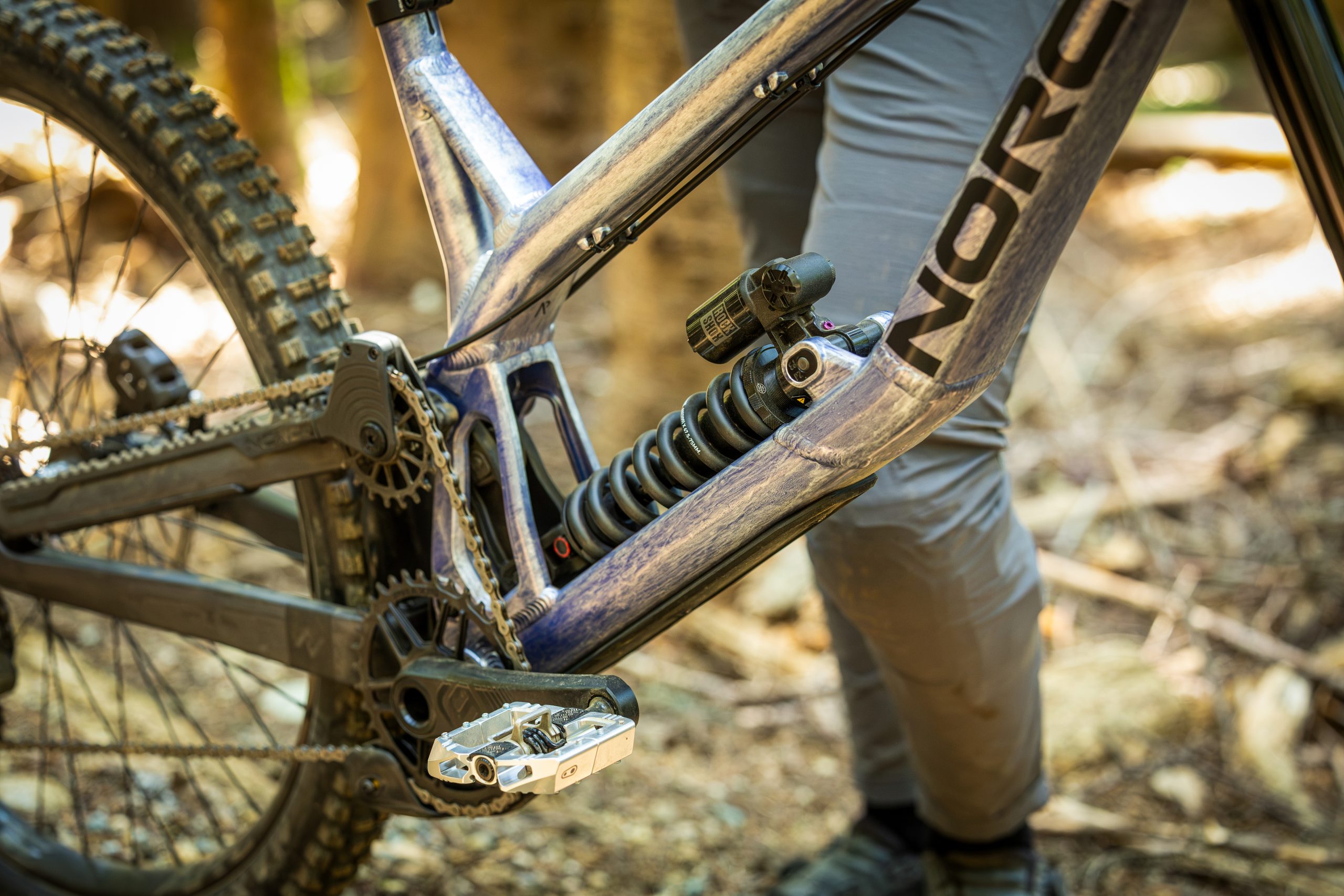
The Team DH’s shock is actuated by an additional pair of links extraneous to the four-bar system and Norco calls the whole package the High Virtual Pivot Six-Link (HPV6) suspension system. The six-link is a four-bar suspension system with an extra pair of links to actuate the shock, unlike a six-bar suspension system.
The Team DH uses an idler to control the anti-squat characteristics of the bike, necessary because of the high pivot position. The idler system is an i-Track adjustable version, which enables the rider to tune the level of anti-squat and pedal kickback offered by the HPV6 suspension system.
You can move the idler to find the best compromise between pedalling efficiency with high anti-squat (and the associated high levels of pedal kickback) and lower levels of anti-squat, which enables more pedal bob, but reduced levels of pedal kickback as the rear suspension moves.
There is more adjustment on offer via a patented flip chip on the shock mount. It enables a change of 2.5% in the rate of progression in the shock actuation ratio as the suspension goes through the travel.
The DH Team is supplied with custom shock tunes specified by Norco to work best with the bike’s suspension.
Frame geometry
Greg Minnaar and Danny Hart have been core to developing the new Team DH. Norco
The new Team DH pairs an aluminium front triangle with carbon seatstays and carbon chainstays. Norco says this allows for a stiffer front triangle and explains the carbon rear triangle was chosen to reduce unsprung mass, not alluding to its stiffness or compliance as a factor in the choice.
There are five sizes on offer: S1–S5. The five different aluminium front triangles are paired with size-specific rear centres to give all sizes proportionally similar geometry. The Team DH also includes reach-adjust headset cups for fine tuning the exact reach by +/- 5mm within each size.
Norco says reach ranges from 418mm for the S1 up to 498mm on the S5 in 20mm increments. The rear centre is 440mm on the S1 and S2, growing in 2.5mm increments to 447.5mm on the S5.
The head angle is 63 degrees on the S1 and S2 sizes and 62.5 degrees on the S3-S5.
Builds
Fox and RockShox builds are available as well as a frame-only option. Norco
There will be two builds available – the DH Team 2 Fox with a Fox 40 Performance Elite fork and a DHX2 Factory shock, and the DH Team 2 RockShox with a RockShox Boxxer Select D2 fork and Vivid Coil Base shock. Both bikes have a SRAM GX drivetrain and Maven Base brakes.
Continuing Norco’s Ride Aligned sizing philosophy, S1-S3 sizes are supplied with 160mm-long Praxis cranks, whereas S4 and S5 sizes get 165mm versions.