
Nature really has a lot to say, if we’re willing to take a closer look.
Category Archives: Unfiltered RSS
“Miracle of science”: New Santini Aero Race jersey uses fabric made from captured CO2
Santini’s commitment to sustainability has previously seen it switch to recycled materials and compostable packing. But now it’s taking a step into the future with a fabric that is made from CO2 emissions.
The new Santini Aero Race cycling jersey, which will officially launch in April, features Polartec’s new Power Dry Carbon fabric. This uses carbon capture technology to compress CO2 emissions from steel mills into polyester fibres.
Explaining the tech at the COREBike trade show, Santini’s Jonathan Sangan said the process was a “miracle of science”, and that the fabric’s credentials extend beyond being good for the environment.
“That [process] creates an extremely lightweight fabric, but also an extremely breathable fabric with a lot of UV protection”, Sangan said.
Official details about the Polartec fabric have not been released yet. But the name suggests it will be a version of the company’s Power Dry base layer material, which is said to quickly wick moisture away and to be comfortable against the skin.
Polartec is not the first to use carbon capture to create polyester materials. Companies such as Fairbrics, Craghoppers and LanzaTech are already using the technology to reduce reliance on fossil fuels.
LanzaTech has worked with brands such as LuLuLemon and On, which released its first collection using the technology in 2023.
Santini uses Polartec’s Power Dry Carbon fabric for the new jersey’s front and rear panels, while it uses a ribbed aero fabric for the sleeves and across the upper back.
The jersey will cost £160, putting it at the premium end of the market. But Sangan says the fabric should trickle down to lower price point kit in the coming years.

Alongside the standard Aero Race, there will be a limited edition Mads Pedersen version as part of Santini’s forthcoming collaboration with the Lidl–Trek rider.
The collaboration will also launch in April and is said to have an aesthetic that expresses Pedersen’s “grit and distinctive style”.
This is the most recent example of cycling products using more environmentally friendly materials from Polartec.
In 2024, Santini released the Magic rain jacket which uses Polartec’s PFAS-free and waterproof Power Shield RPM fabric.
Last year, Castelli released the new Perfetto jacket which uses Polartec Aircore – another PFAS-free fabric which is said to be lightweight, breathable, windproof and water repellant.
Santini’s Mads Pedersen collection is set to launch at the end of April and is said to be “dedicated to aerodynamics and speed”. The Italian clothing company is the official apparel supplier to Lidl–Trek, Pedersen’s cycling team.
More from COREBike
Sub-Scheduler Support Could Be One Of The Most Exciting Features To Come For Linux 7.1
While there are many great Linux 7.0 features with that still-young development cycle, looking ahead to Linux 7.1 this summer there’s an interesting feature on track: cgroup sub-scheduler support for sched_ext…
Microsoft Japan Raided Over Suspected Violation of Anti-Monopoly Law
An anonymous reader shares a report: Japan’s Fair Trade Commission raided Microsoft Japan’s offices on Wednesday as part of an investigation into whether it improperly restricted customers of its Azure platform from using rival cloud services, a source with direct knowledge of the matter told Reuters.
The source said Japan’s antitrust authorities would also be seeking clarification from Microsoft’s parent company in the United States. Microsoft Japan is suspected of setting conditions that effectively shut out other services by limiting access to popular services on other cloud platforms, the source said.


Read more of this story at Slashdot.
NASA’s Historic Moon Mission On Hold Amid Unexpected Artemis Rocket Issue

The ground at Kennedy Space Center began to hum yesterday evening as the crawler-transporter lurched into motion, beginning the slow, four-mile journey to return the Artemis II Space Launch System (SLS) rocket and Orion spacecraft to the Vehicle Assembly Building. This rollback (for repairs to the rocket) will add another significant delay
Trump’s MAHA influencer pick for surgeon general goes before Senate
Casey Means, President Trump’s nominee for surgeon general, will appear before the Senate Health Committee on Wednesday and is likely to face scrutiny over her qualifications for becoming the country’s top doctor.
Though Means holds a medical degree from Stanford Medical School, she dropped out of her medical residency and holds no active medical license. Instead, she has pursued a career as a wellness influencer, embracing “functional” medicine, an ill-defined form of alternative medicine. She co-founded a company called Levels, which promotes intensive health tracking, including the use of continuous glucose monitoring for people without diabetes or prediabetes, which is not backed by evidence.
Last year, an analysis by The Washington Post found that Means earned over half a million dollars between 2024 and 2025 from making deals with companies described as selling “diagnostic testing,” “herbal remedies and wellness products,” and “teas, supplements, and elixirs.”
Kioxia Targets Flagship Phones With Blazing-Fast 10.8GB/s UFS 5.0 Storage
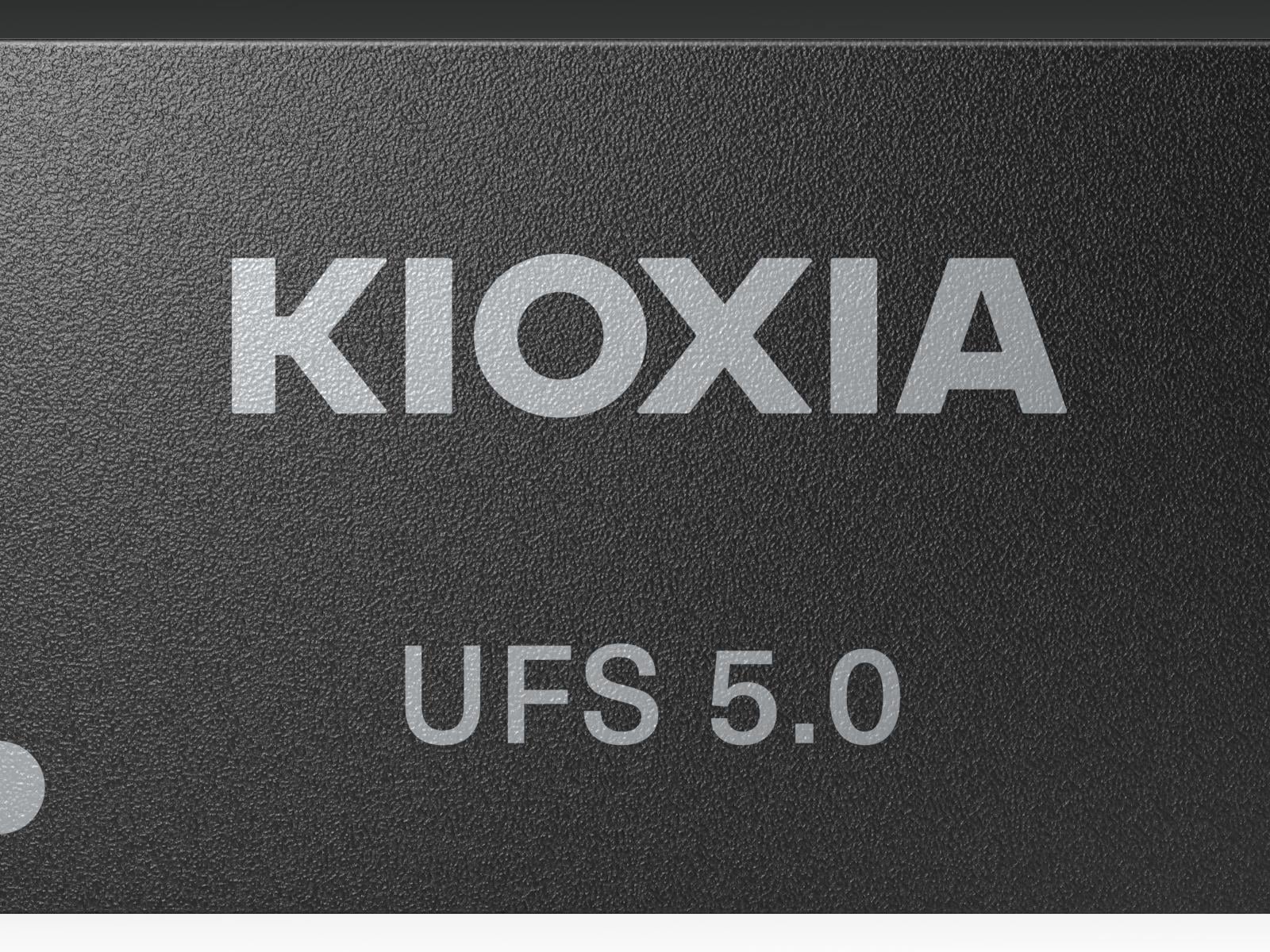
Faster storage is en route to future high-end smartphones and other mobile devices, and it’s coming in the form of UFS 5.0 chips based on the next-generation of Unified Flash Storage protocol. JEDEC is still in the process of standardizing UFS 5.0, but in the meantime, Kioxia said it is already sending out evaluation samples to chipset vendors
[$] No hardware memory isolation for BPF programs
On February 12, Yeoreum Yun posted a
suggestion
for an improvement to the security of the kernel’s BPF implementation: use
memory protection keys to prevent unauthorized access to memory by BPF
programs.
Yun wanted to put the topic on the list for discussion at the Linux
Storage, Filesystem, Memory Management, and BPF Summit in May, but the
lack of engagement makes that unlikely. They also have a patch set implementing
some of the proposed changes, but has not yet shared that with the mailing list.
Yun’s proposal does not seem likely to be accepted in its
current form, but the kernel has
added hardware-based hardening options in the
past, sometimes after substantial discussion.
Tadej Pogačar and Met team up to release two ‘ethereal’ helmets
The jury might be out on whether he’s the greatest of all time, but few would argue that Tadej Pogačar isn’t one of the most captivating cyclists to watch. His long distance attacks and super-human efforts, which appear to leave his competitors wheezing, often beg the question, how on earth is he doing that?
That’s the spirit Met aims to capture with its new collection of limited-edition Tadej Pogačar helmets, released today.
Pogačar and Met, which provides helmets to his UAE Team Emirates XRG squad, have collaborated on special versions of the Manta aero helmet and the Trenta 3K Carbon.

The two helmets feature an iridescent finish, which is described as “ethereal as the rider who inspired it” and “leaning into the idea of the ultimate flow – the dream state where effort fades yet speed increases.”
A more relatable experience might be for effort to fade and speed to drop with it, but there’s no denying the appeal of Met’s flight of fancy. After all, who doesn’t want days when “performance comes easy”?
You’re probably better off spending your money on a coach than a helmet if you’re after improved performance, but if these World Champion-inspired lids do appeal then the Manta costs £250 / $350 / €280 and the Trenta 3K Carbon will set you back £390 / $540 / €440.

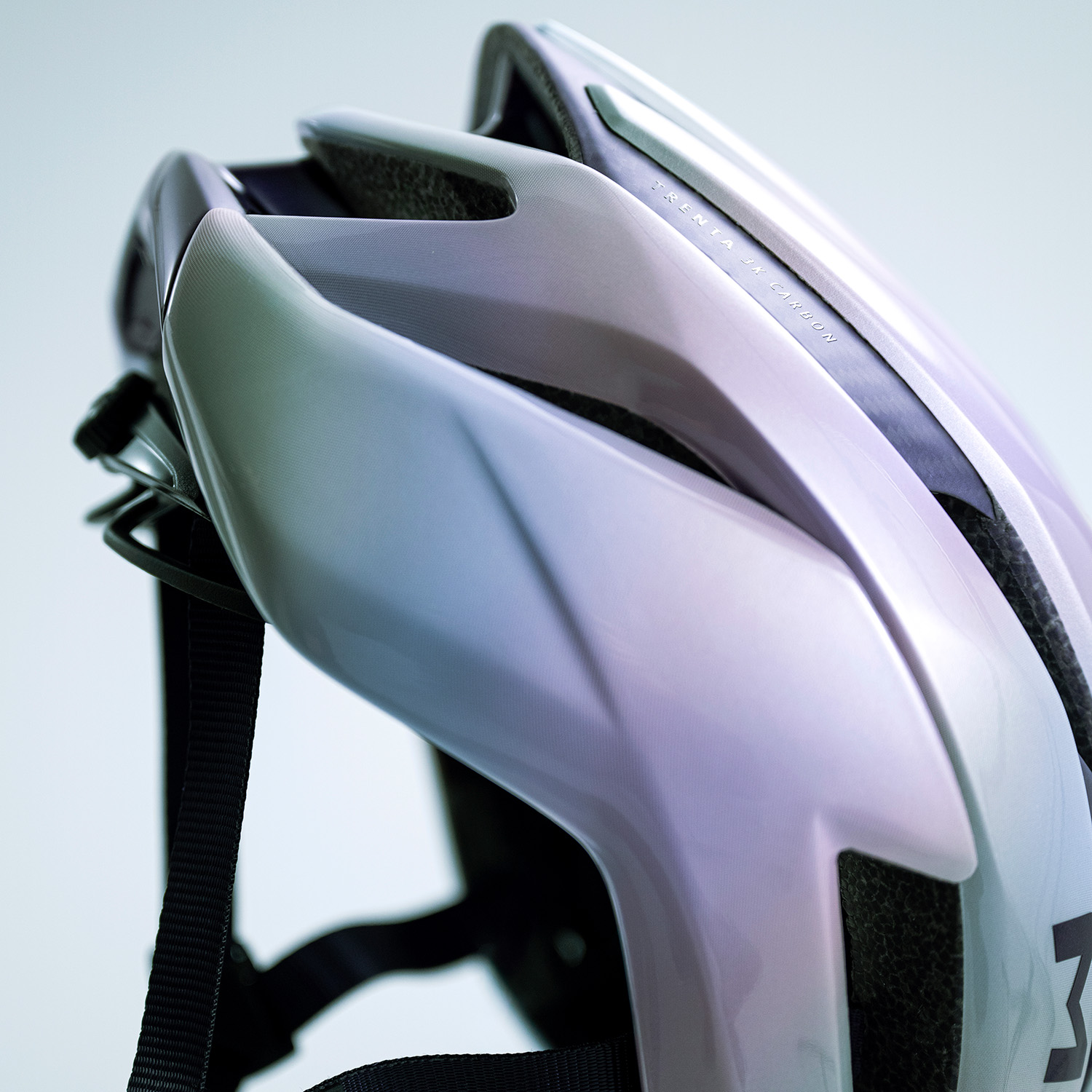
Met launched the Trenta 3K Carbon last year after Pogacar was spotted using it at the 2025 Tour de France.
The Venta 3K Carbon has an integrated carbon wing which is said to eliminate the need for EPS foam from the internal frame, which facilitates a “continuous internal air channel”.
This contributes to Met’s claim that the Venta 3K Carbon is its most ventilated road helmet, but the brand has still optimised it in the wind tunnel for aero performance. The helmet has a MIPS liner and Virginia Tech awarded it a full five stars.
Met launched the Manta aero helmet in 2024, and it’s said to be more aerodynamic than its predecessor thanks to a lower and “tupe-shaped” profile at the rear. Despite being an aero helmet it still features 15 vents to cool your head and keep you comfortable. The Manta also has a MIPS liner.

TECHNO Concept Reimagines Android Phones With Swappable Modular Components

TECNO has peered into the future and now believes that modular smartphones are the way to go. Previewed ahead of the Mobile World Congress (MWC) show next week, TECNO has revived a modular concept ecosystem where ones like Google’s Project Ara faltered. By combining an ultra-thin 4.9mm base handset with a suite of magnetic, hot-swappable modules,
Microshift’s $195.55 Advent MX is its toughest groupset yet with 6x longer cassette life and 4x faster engagement
Microshift has unveiled the new Advent MX drivetrain, which is said to be its most robust, high-performance mountain bike groupset to date.
Designed for trail and all-mountain riding, Advent MX pairs a wide-range 11-50t or 11-48t cassette with a redesigned rear derailleur, updated trigger shifter and what the brand calls its strongest clutch mechanism to date.
The groupset is offered with either a 10-speed or 11-speed cassette, with the brand claiming they last six times longer than Advent X.
Microshift also promises better shifting engagement that’s four times faster, and improved chain retention thanks to a horizontal parallelogram layout and beefed-up clutch.
The groupset is priced at $194.99 / €195.99 for the 10-speed variant, with the XD Driver 11-speed option $244.99 / €239.99.
We tested the drivetrain before launch, so check out Luke Marshall’s review below.
Beefed-up body
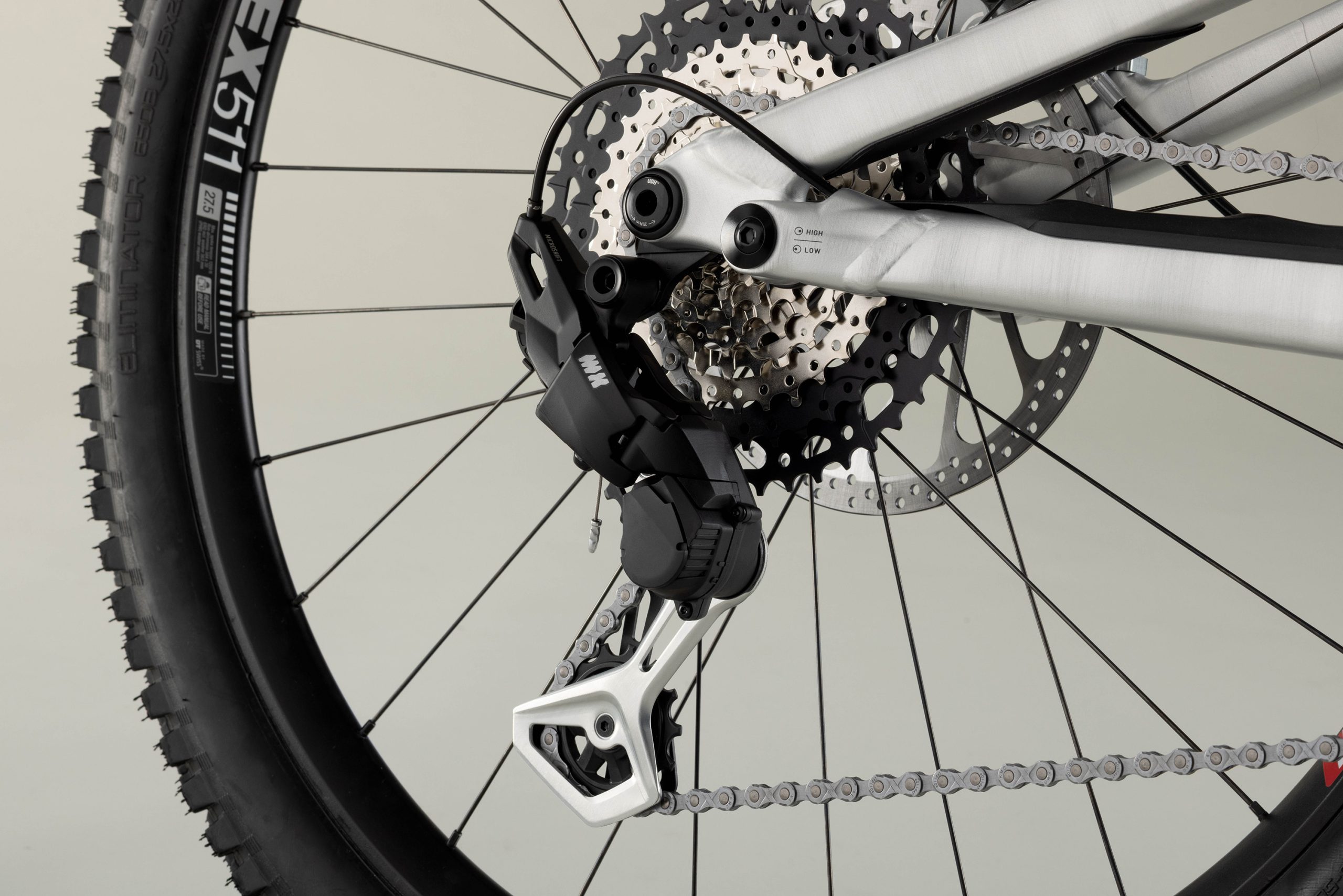
Microshift says Advent MX’s design brief was simple: shifting performance doesn’t matter if your chain falls off.
To achieve this, the brand has beefed up the rear derailleur with a horizontal parallelogram that moves strictly sideways.
This is said to isolate vertical and horizontal forces, directing impacts from rough landings into the clutch mechanism rather than disturbing the derailleur body’s alignment.
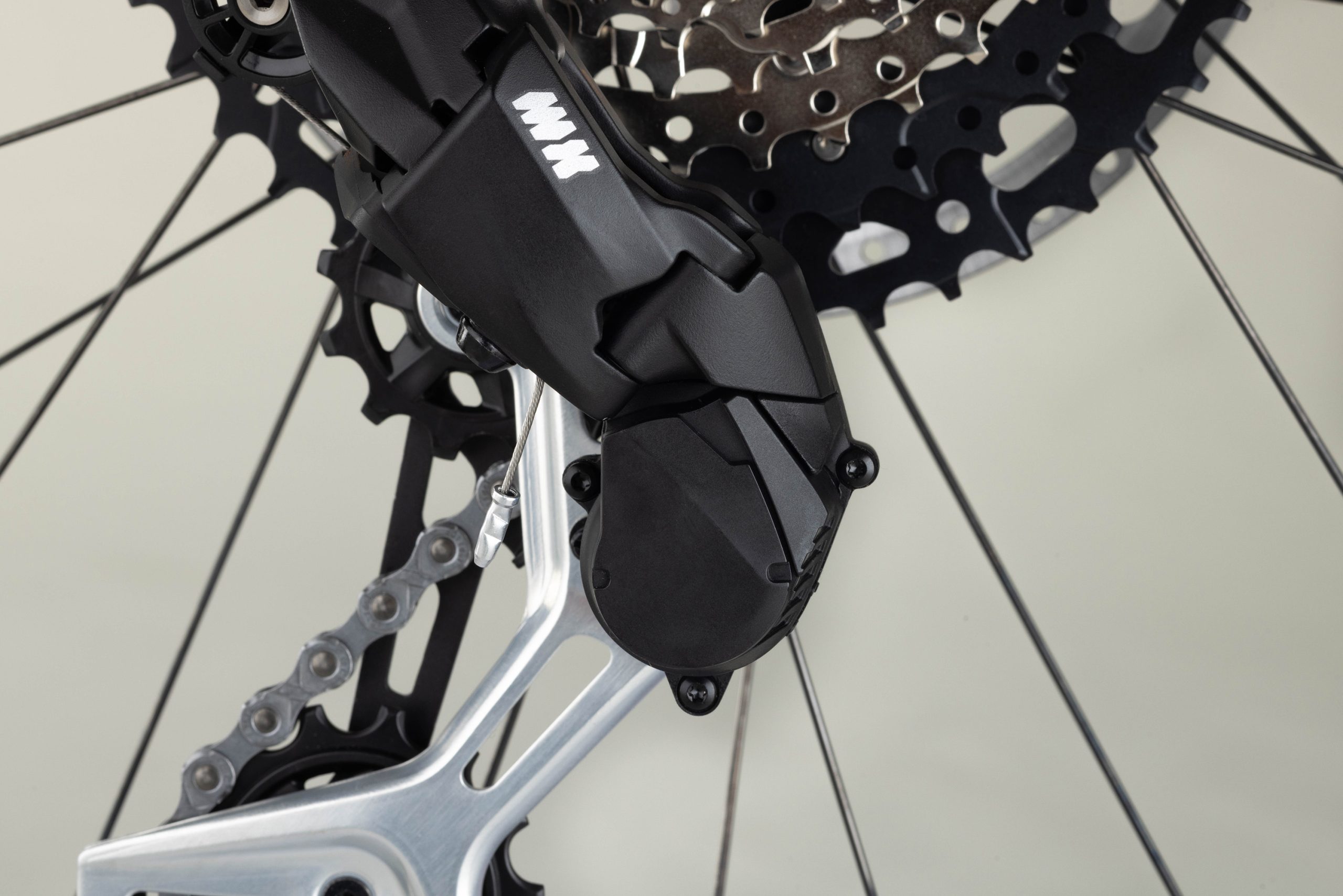
The clutch has been redesigned to be both stronger and quicker to engage, operating instantly and silently.
IGUS bushings feature in the derailleur construction, and a replaceable derailleur cage is available on the standard MX rear derailleur, enabling riders to swap a damaged cage rather than replacing the entire derailleur
However, the MX Black version does not feature a replaceable cage.
Faster engagement
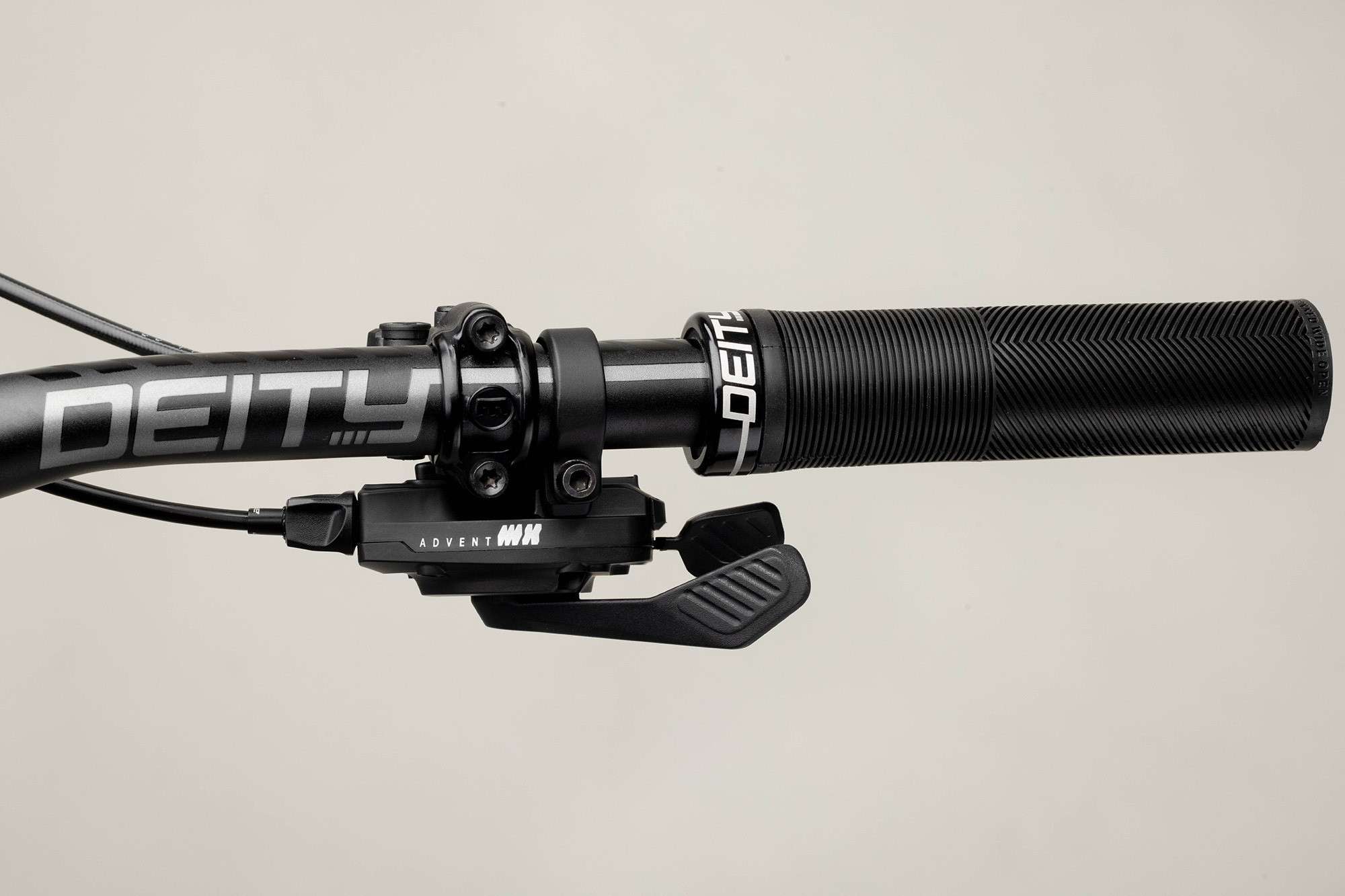
Microshift says it has removed “dead play” from the shifting mechanism, resulting in four times quicker engagement compared to Advent X.
The new trigger shifter is designed for tighter, more repeatable actuation, with 12mm of lateral adjustment at the clamp. This enables you to move the shifter inboard or outboard to fine-tune lever position without interfering with the brake controls.
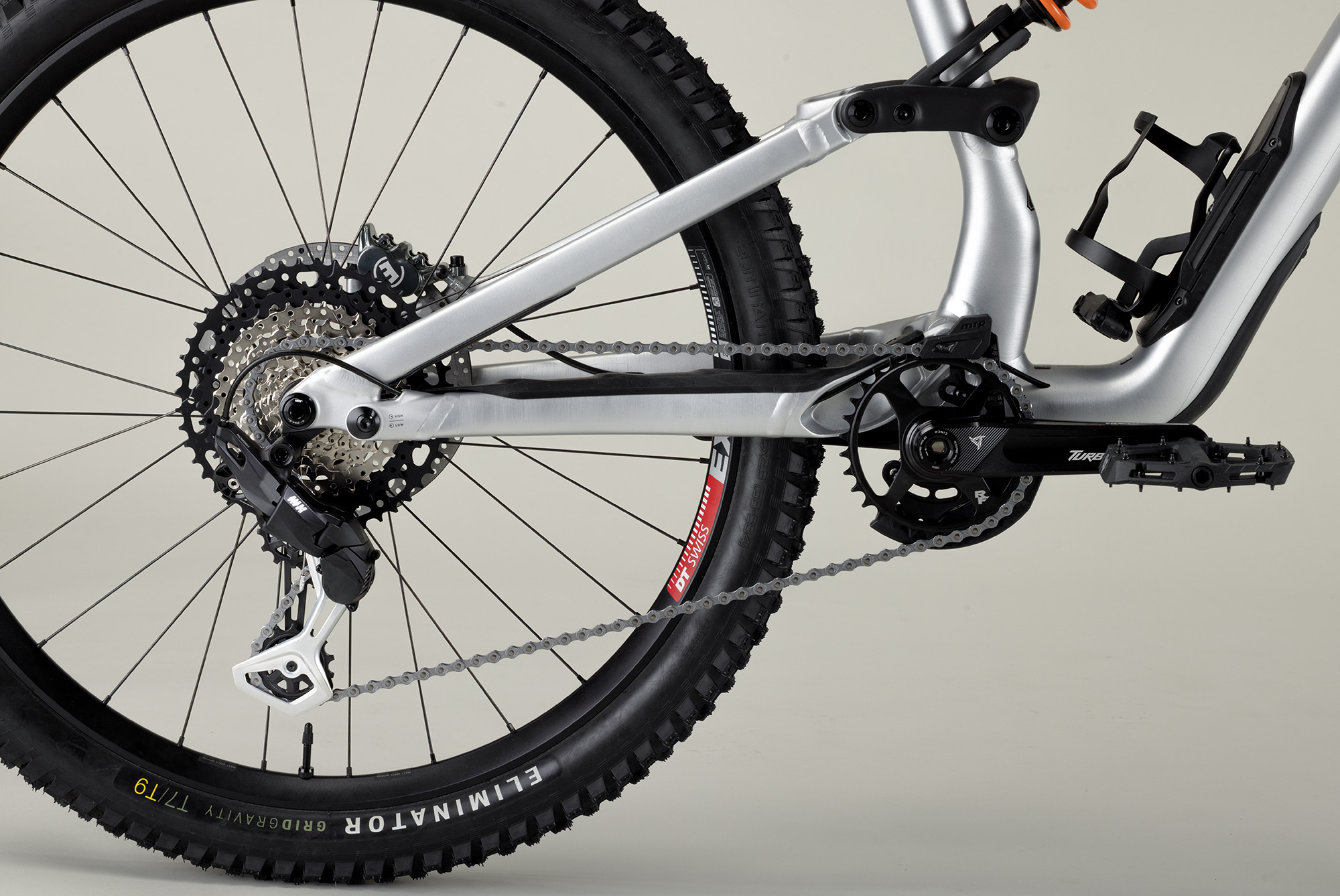
A cable-redirection pulley on the derailleur provides a more direct cable path, reducing friction and shifting tension.
According to Microshift, this lower friction enables the use of a stronger clutch without increasing lever effort at the shifter.
The result, says the brand, is a faster response even under high torque – useful when attacking steep, unplanned climbs on your eMTB.
SpeedRamp cassette
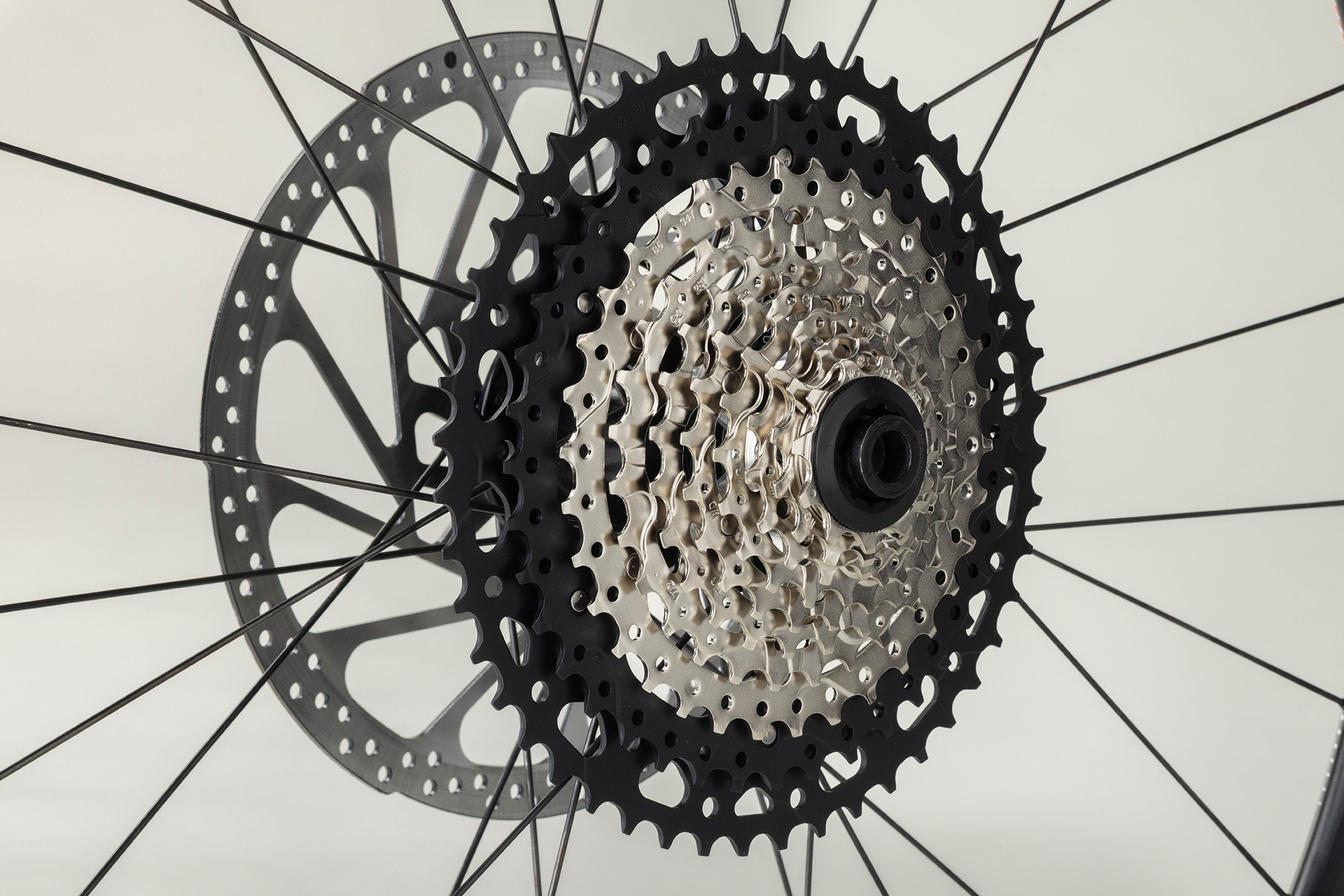
At the heart of the system are two new cassettes featuring what Microshift calls SpeedRamp technology.
Microshift claims the new cassettes last six times longer than Advent X, and in high-torque ebike durability testing, says it outlived a competitor’s top offering.
The smallest cogs are individually replaceable, which should help extend service life further.
Chromoly steel sprockets are from 11-28t, with additional hardening on the smaller cogs.
Despite the durability focus, the cassette is claimed to weigh 480g, which Microshift says is competitive among high-durability, wide-range options.
For the first time from Microshift, the cassette is offered in both HG and XD Driver body options – so it will be swappable between bikes already using SRAM or Shimano drivetrains.
10-speed and 11-speed options
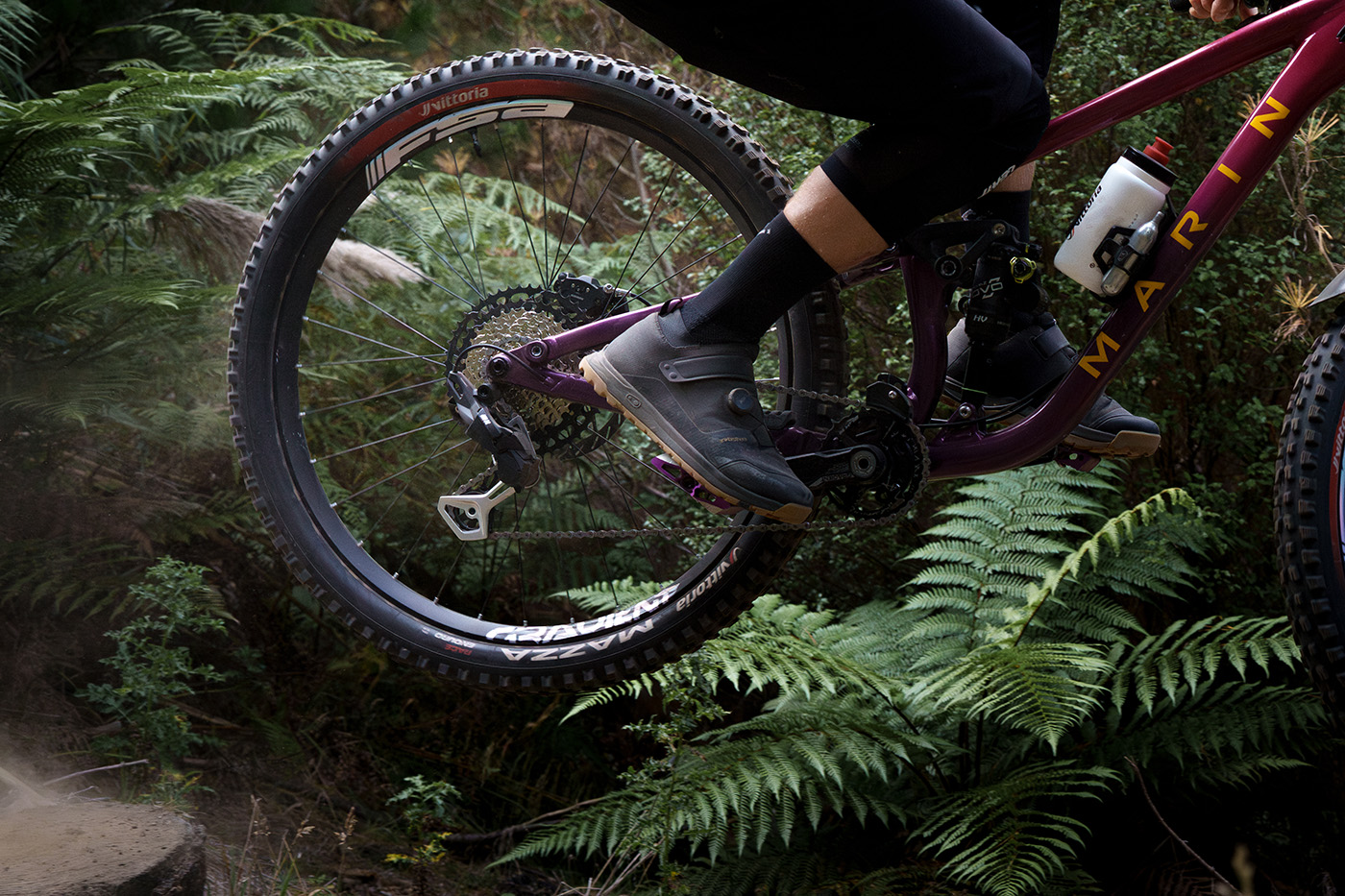
Advent MX is available in both 11-speed and 10-speed configurations.
The 11-speed cassette is fully compatible with Shimano CUES cassettes, although the shifter and derailleur are Microshift-specific.
Advent MX 10 is compatible with 10-speed chains and is fully cross-compatible with Advent X and Sword 10, enabling incremental upgrades.
MX and MX Black rear derailleurs share the same cable-pull ratio as Advent X, making them direct replacements from a compatibility standpoint.
Microsoft Confirms Odd Outlook Glitch Is Making Mouse Cursors Vanish

Is your mouse pointer inexplicably pulling a disappearing act whenever you hover over Outlook? Don’t bother troubleshooting your PC as it turns out that this quirky phenomenon is a known issue. According to Microsoft, it only affects the classic version of Outlook and now the newer release, which even though it has been replaced, will still
Watch Out for This Phone Delivery Scam
If you order a new smartphone to be delivered to your home, you may be a target for scammers. Fraudsters are impersonating representatives from mobile carriers, calling customers and claiming that they’ve been sent the wrong device and need to return it.
Obviously, if you follow through, scammers get to keep your phone—they may either to sell it or activate it using your information to perpetrate identity fraud.
Scams centered on stealing high-value tech aren’t anything new. In addition to regular porch pirating, thieves have been known to knock on doors, posing as couriers or company representatives attempting to recover a “wrongly delivered” item. Fraudsters have also used fake Find My alerts to gain access to lost or stolen iPhones.
How the phone return scam works
As an editor at ZDNET experienced, the scam begins shortly after your new phone is delivered. You may receive a call from a spoofed number, and someone claiming to represent your carrier will have specific information like your name, address, and device model. They’ll tell you that there’s been a mix-up and you need to send your phone back so you can receive a replacement. They may give you instructions to scan a QR code, print a label, and take the package to a shipping drop-off point. In some cases, targets have been promised gift cards for the inconvenience.
If you hesitate, scammers may employ a number of pressure tactics to get you to act. They’ll tell you that delaying the return could cause issues with your device activation, billing, or warranty. They may continue to call with threats.
Like many scams, this one relies on social engineering: it manipulates emotions and instincts to get you to act against your best interest. Fraudsters impersonate a trusted brand and use detailed information about you to make their story more believable. They use timing to their advantage and promote a sense of urgency.
The phone return scam also has similarities to the brushing scam, in which victims receive a package containing merchandise they didn’t order so that scammers can write a verified review or boost sales numbers or collect personally identifiable information once you scan a QR code (an added component known as quishing) to learn more about the item.
What to do if you get a call about your new phone
The solution here is to simply hang up. If you are concerned about your account or device, call your carrier directly (use the customer service number from a previous bill or go through the official app) and confirm the mix-up. Don’t engage with QR codes or any instructions provided on unsolicited calls.
It may be alarming that a scammer has specific details about your order and calls right after your new phone is delivered. Unfortunately, a lot of your personal information is out in the open and available to bad actors, whether as the result of a data breach or some other form of compromise (such as malware that can read notifications). This is a good reason to keep an eye out for other indicators of identity theft and act quickly if you find anything suspicious.
Pete Hegseth tells Anthropic to fall in line with DoD desires, or else
US Defense Secretary Pete Hegseth has threatened to cut Anthropic from his department’s supply chain unless it agrees to sign off on its technology being used in all lawful military applications by Friday.
The threat is the latest escalation in a feud between Anthropic and the department, triggered by the AI group’s refusal to give unfettered access to its models for classified military use, including domestic surveillance and deadly missions with no direct human control.
Hegseth summoned Anthropic chief executive Dario Amodei to Washington for a meeting on Tuesday. During tense talks, the defense secretary threatened to cut the company out of the department’s supply chain or to invoke the Defense Production Act, a Cold War-era measure enabling the president to control domestic industry in the interest of national defense, said a person with knowledge of the talks.
[$] An effort to secure the Network Time Protocol
The Network Time
Protocol (NTP) debuted in 1985; it is a universally used, open
specification that is deeply important for all sorts of activities we
take for granted. It also, despite a number of efforts, remains
stubbornly unsecured. Ruben Nijveld presented work at FOSDEM 2026 to
speed adoption of the thus-far largely ignored standard for securing
NTP traffic: IETF’s RFC-8915 that specifies Network Time
Security (NTS) for NTP.
MetaBrainz mourns the loss of Robert Kaye
The MetaBrainz Foundation has announced the unexpected passing of
its founder and executive director, Robert Kaye:
Robert’s vision and leadership shaped MetaBrainz and left a lasting
mark on the music industry and open source movement. His contributions
were significant and his loss is deeply felt across our global
community.The Board is actively overseeing a smooth leadership transition and
has measures in place to ensure that MetaBrainz continues to operate
without interruption. Further updates will be shared in due
course.
AMD Announces The EPYC 8005 “Sorano” Series
The EPYC 9005 series for high-end Zen 5 server processors is a year and a half old and then at the lower-end of the spectrum is the EPYC 4005 series AM5 server processors that launched last year. On the embedded side is also the EPYC Embedded 2005 series. AMD has now filled the void between with the long-awaited EPYC 8005 series…
Arm & Linaro Launch New “CoreCollective” Consortium – With Backing From AMD & Others
The embargo just lifted on an interesting new industry consortium… CoreCollective. The CoreCollective consortium is focused on open collaboration in the Arm software ecosystem and to a large extent what Linaro has already been doing for the past decade and a half. Interestingly though with CoreCollective for open collaboration in the Arm software ecosystem, AMD is now onboard as a founding member along with various other vendors…
Anthropic Drops Flagship Safety Pledge
Anthropic, the AI company that has long positioned itself as the industry’s most safety-conscious research lab, is dropping the central commitment of its Responsible Scaling Policy — a 2023 pledge to never train an AI system unless it could guarantee beforehand that its safety measures were adequate. “We didn’t really feel, with the rapid advance of AI, that it made sense for us to make unilateral commitments … if competitors are blazing ahead,” chief science officer Jared Kaplan told TIME.
The overhauled policy, approved unanimously by CEO Dario Amodei and Anthropic’s board, instead commits the company to matching or surpassing competitors’ safety efforts and to delaying development only if Anthropic considers itself to be leading the AI race and believes catastrophic risks are significant.
The company also plans to publish detailed “Risk Reports” every three to six months and release “Frontier Safety Roadmaps” laying out future safety goals. Chris Painter, director of policy at the AI evaluation nonprofit METR, who reviewed an early draft, told TIME the shift signals that Anthropic “believes it needs to shift into triage mode with its safety plans, because methods to assess and mitigate risk are not keeping up with the pace of capabilities.”


Read more of this story at Slashdot.
Spotify can reorder your playlists by BPM and key
Spotify is rolling out a new feature that’s meant to make transitions in between tracks even smoother. If you’ll recall, the streaming service released the ability to create customized transitions within playlists in August last year. It gave people a way to create uninterrupted progressions and eliminate awkward silences between songs. Now, Premium users will be able to make sure the songs in their playlists flow seamlessly even further by reordering tracks based on their keys and BPM or beats per minute.
The new feature can rearrange playlists with one tap. All paying users have to do is tap Mix on one of their playlists and then tap the Edit button. From there, they can scroll down to find the Smart Reorder option. Tapping Smart Reorder will automatically rearrange songs according to their keys and BPM without users having to do anything else. They just have to click Save so that the change to their playlist takes effect.
Spotify says users have streamed over 220 hours of their mixed playlists since it introduced custom transitions last year. It also listed some of the most popular ones on the platform, including The Weeknd’s Wake Me Up transitioning into After Hours and Flo Rida’s Low into Rihann’s S&M.
This article originally appeared on Engadget at https://www.engadget.com/entertainment/music/spotify-can-reorder-your-playlists-by-bpm-and-key-140000101.html?src=rss