iPad Air M4 vs. iPad Air M3: The few new things in Apple’s midrange tablet

The iPad Air, the middle child in Apple’s tablet lineup, has been upgraded to the M4 chip with increased RAM and… Well, there’s not a whole lot else if I’m being honest. At the very least, the new iPad Air M4 models remain at the same price as the iPad Air M3, with the 11-inch version starting at $599 and the 13-inch at $799. I would give Apple more credit if it had increased the starting storage or added literally anything else.

If you put them side by side, you might not be able to tell the difference, but this upgrade would benefit creatives and professionals more than anything. There’s a significant performance bump from the M3 to the M4, and the increased RAM is doing a lot of work, especially if you’re taking advantage of Apple Intelligence.

If you’re using an M1-powered iPad Air or something even older, though, the new iPad Air M4 should be a compelling upgrade. Pre-orders start at 9:15AM ET on March 4, with the units arriving a week later. We expect full reviews will be published by then. But in the meantime, let’s dive into what the performance gains might look like and what we’re missing out on in this year’s iteration of the iPad Air.

iPad Air M4 vs. iPad Air M3: Performance and battery life

The most significant difference between the two iPad Air generations is their chipsets. The latest iPad Air launches with the M4 chip versus its predecessor’s M3 chip, and it gets a bump in RAM from 8GB to 12GB.

I don’t give much fanfare to incremental chip increases because the performance gain is usually minimal. However, the M4 is up to 30 percent faster than the M3, according to Apple. That might be noticeable to even casual users, especially as the years go on and iPadOS becomes more demanding. For power users, it’ll mean more demanding work like video editing will be noticeably quicker.

For those in need of the fastest internet speeds, the new iPad Air is also equipped with Apple’s N1 chip, which enables Wi-Fi 7 and Bluetooth 6, the latest connectivity technology. However, I really don’t imagine the average user needing up to 46 gigabits per second of internet speed compared to the iPad M3’s 9.6 Gbps on Wi-Fi 6. If you do, you’re in the tax bracket for an iPad Pro.

Now, despite the increase in speeds, the battery life between the M4 and M3 models remains the same. Apple claims all four models get up to 10 hours of battery life surfing the web on Wi-Fi or watching video (up to 9 hours on cellular). No complaints here.

iPad Air M4 vs. iPad Air M3: Design, display, audio and cameras

For better or worse, we’re not getting any changes in any of these departments, which is why I’m lumping them together.

The iPad Air comes in blue, purple, beige and gray. The 11-inch option measures 9.74 x 7.02 x 0.24 inches and the 13 comes in at 11.04 x 8.46 x 0.24 inches. As their names suggest, they’re both rather light, at 1.01 pounds (1.02 pounds for M4) and 1.36 pounds, respectively. My only wish was that we got new colors that popped a bit more.

Then there’s the displays. All four versions of the iPad Airs sport a Liquid Retina LED display at 264 ppi. The 11-inch supports a 2,360 x 1,640 resolution with a peak brightness of 500 nits, while the 13-inch offers a 2,732 x 2,048 resolution at 600 nits. It would’ve been nice to see an OLED or even Mini-LED panel make its way to the iPad Air, which could’ve made the screen more vivid and vibrant. But it’s more disappointing that we’re stuck at 60Hz unlike the Pro models that offer 120Hz, making their visual experience smoother.

Both products feature landscape stereo speakers. The iPad Air M3’s audio quality couldn’t live up to the iPad Pro, so I doubt the M4 model will.

You won’t catch me taking photos with an iPad, but for those of you who do, the iPad Air M4 features the same 12MP cameras on the front and back as its predecessor.

iPadOS 26, Apple Intelligence and Apple accessories

Nothing huge is happening to iPadOS or the Apple accessories in the iPad Air refresh. The revamped Magic Keyboard from last year still works with these new models, as does the Apple Pencil Pro. iPadOS 26, released last fall, was a major update but will still be familiar enough to anyone who has used an iPad before. The new iPad Air M4 is getting a significant boost in AI processing speeds, though, thanks to its new chip and 50 percent increase in RAM. However, unless you’re an AI power user, you probably won’t notice a difference there.

All that said, if your love language is spreadsheets, the full specs are helpfully laid out below:

iPad Air M4 vs. iPad Air M3: Specs at a glance

Spec

iPad Air M4

iPad Air M3

Price

$599 (11-inch), $799 (13-inch)

$599 (11-inch), $799 (13-inch)

Processor

M4

M3

Display

11-inch: Liquid Retina, 2,360 x 1,640, LED display at 264 ppi

13-inch: Liquid Retina, 2,732 x 2,048, LED display at 264 ppi

11-inch: Liquid Retina, 2,360 x 1,640, LED display at 264 ppi

13-inch: Liquid Retina, 2,732 x 2,048, LED display at 264 ppi

RAM

12GB

8GB

Storage

128GB, 256GB, 512GB, 1TB

128GB, 256GB, 512GB, 1TB

Battery

Up to 10 hours (Wi-Fi), 9 hours (Cellular model)

Up to 10 hours (Wi-Fi), 9 hours (Cellular model)

Cameras

12MP Wide (rear), 12MP Center Stage (front)

12MP Wide (rear), 12MP Center Stage (front)

Apple accessories

Apple Pencil Pro, Apple Pencil, Magic Keyboard Folio

Apple Pencil Pro, Apple Pencil, Magic Keyboard Folio

Dimensions

11-inch: 9.74 x 7.02 x 0.24 inches

13-inch: 11.04 x 8.46 x 0.24 inches

11-inch: 9.74 x 7.02 x 0.24 inches

13-inch: 11.04 x 8.46 x 0.24 inches

Weight

11-inch: 1.02 pounds

13-inch: 1.36 pounds

11-inch: 1.01 pounds

13-inch: 1.36 pounds

This article originally appeared on Engadget at https://www.engadget.com/mobile/tablets/ipad-air-m4-vs-ipad-air-m3-the-few-new-things-in-apples-midrange-tablet-182701520.html?src=rss
The Analogue Pocket will be back in stock this week, but there’s a tariff-related price increase

The Analogue Pocket handheld retro console has proven to be extremely popular, as initial runs have sold out. The company just announced the system will be back in stock this week, along with the dock accessory. Preorders open up on March 4 at 11AM ET, with shipments going out this June.

Analogue Pocket & Analogue Dock – restock.

A tribute to portable gaming. Out of the box, Pocket is compatible with the 2,780+ Game Boy, Game Boy Color & Game Boy Advance game cartridge library and more.

Available March 4th, 8am PST.
Ships June 2026. pic.twitter.com/8XZ3fbh87a

— Analogue (@analogue) March 2, 2026

That’s the good news. The bad news? The little console is getting slapped with a price increase. It’s shooting up to $240 from the recent price of $220, with the company placing the blame squarely on President Trump’s neverending tariffs. The device is assembled in China and Trump just hit the region with even more tariffs after the Supreme Court struck down the old ones. We love to suddenly pay more for gadgets that have been out in the wild for nearly six years, don’t we folks?

For the uninitiated, the Pocket isn’t an emulation machine. It plays actual Game Boy, Game Boy Color and Game Boy Advance cartridges. It also integrates with various Game Boy accessories, like the camera and printer. The console can even handle Game Gear, TurboGrafx-16 and Atari Lynx games, but those require separate adapters.

We praised the Analogue Pocket in our official review, calling it “a clever little thing” that is sure to light up the nostalgia center of your brain. It even made our list of the best handheld consoles, which is notable given competition included stuff like the Steam Deck.

In any event, this drop will likely sell out quickly. We recommend parking a browser on the company website just prior to 11AM ET if you can stomach the new price.

This article originally appeared on Engadget at https://www.engadget.com/gaming/the-analogue-pocket-will-be-back-in-stock-this-week-but-theres-a-tariff-related-price-increase-182226016.html?src=rss

Charter gets FCC permission to buy Cox and become largest ISP in the US

Charter Communications, operator of the Spectrum cable brand, has obtained Federal Communications Commission permission to buy Cox and surpass Comcast as the country’s largest home Internet service provider.

Charter has 29.7 million residential and business Internet customers compared to Comcast’s 31.26 million. Buying Cox will give Charter another 5.9 million Internet customers. The FCC approved the deal on Friday, but the companies still need Justice Department approval and sign-offs from states including California and New York.

Opponents of Charter’s $34.5 billion acquisition told the FCC that eliminating Cox as an independent entity will make it easier for Charter and Comcast to raise prices. But the FCC dismissed those concerns on the grounds that Charter and Cox don’t compete directly against each other in the vast majority of their territories.

Read full article

Comments

Intel’s Powerhouse BMG-G31 GPU For Arc Pro B70 Breaks Cover In Official Document

Intel's Powerhouse BMG-G31 GPU For Arc Pro B70 Breaks Cover In Official Document
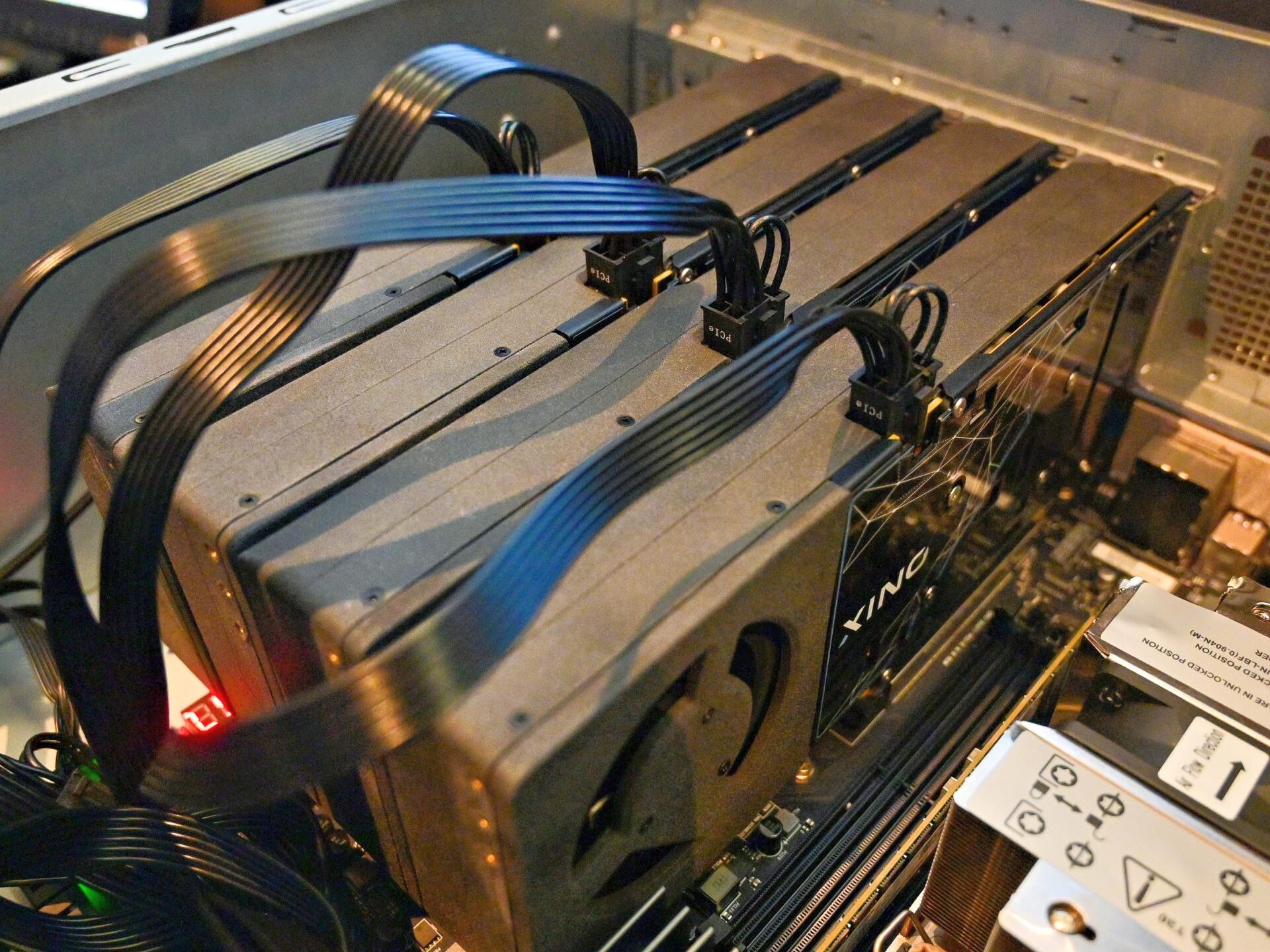
We’ve believed with confidence for a while now that Intel was bringing out its BMG-G31 “Big Battlemage” GPU as the Arc Pro B70 first, foremost, and possibly exclusively. Now we have explicit proof straight from Intel, in the form of the patch notes for the company’s LLM-Scaler-vLLM, which is a containerized, Intel-optimized distribution of

Editor At 184-Year-Old Ohio Newspaper Pushes To Let AI Draft News Articles

An anonymous reader quotes a report from the Washington Post: The Plain Dealer, Cleveland’s largest newspaper, has begun to feature a new byline. On recent articles about an ice carving festival, a medical research discovery and a roaming pack of chicken-slaying dogs, a reporter’s name is paired with the words “Advance Local Express Desk.” It means: This article was drafted by artificial intelligence. “This article was produced with assistance from AI tools and reviewed by Cleveland.com staff,” reads a note at the bottom of each robot-penned piece, differentiating it from those still written primarily by journalists. The disclosure has done little to stem the backlash that caromed across the news industry after the paper’s editor, Chris Quinn, published a Feb. 14 column lamenting that a fresh-out-of-college job applicant withdrew from a reporting fellowship when they found out the position included no writing — just filing notes to an AI writing tool.

“Artificial intelligence is not bad for newsrooms. It’s the future of them,” Quinn wrote, adding that “by removing writing from reporters’ workloads, we’ve effectively freed up an extra workday for them each week.” […] Quinn, for his part, says his paper’s use of AI to find, draft and edit stories is a success story that others must emulate if they want to survive. “It’s a tool,” he said in a phone interview last week. “If AI can do part of our job, then why not let it — and have people do the part it can’t do?” He added that the paper’s embrace of technology — including using AI to write stories summarizing its reporters’ podcasts and its readers’ letters to the editor — is already boosting its bottom line, helping it retain staff at a time when other newspapers are shrinking or even shutting down. Just 130 miles east of Cleveland, the 240-year-old Pittsburgh Post-Gazette said in January that it will close its doors this spring.

Quinn, who has led the Plain Dealer’s newsroom since 2013, said its newsroom has shrunk from some 400 employees in the late 1990s to just 71 today. Over the past three years, Quinn has implemented a suite of AI tools with various purposes: transcribing local government meetings, scraping municipal websites for story leads, cleaning up typos in story drafts, suggesting headlines and helping reporters draft follow-ups to articles they’ve already written. He said he is particularly pleased with an AI tool that turns podcasts by the paper’s reporters into stories for the website, which he said generated more than 10 million page views last year. He has documented those efforts in letters to readers and sought their feedback. But the paper’s latest experiment — using AI to turn reporters’ notes into full story drafts — has aroused indignation online and anxiety within the paper’s ranks.


Read more of this story at Slashdot.

EcoFlow’s Most Powerful Portable Power Station Is 46% Off Right Now

We may earn a commission from links on this page. Deal pricing and availability subject to change after time of publication.

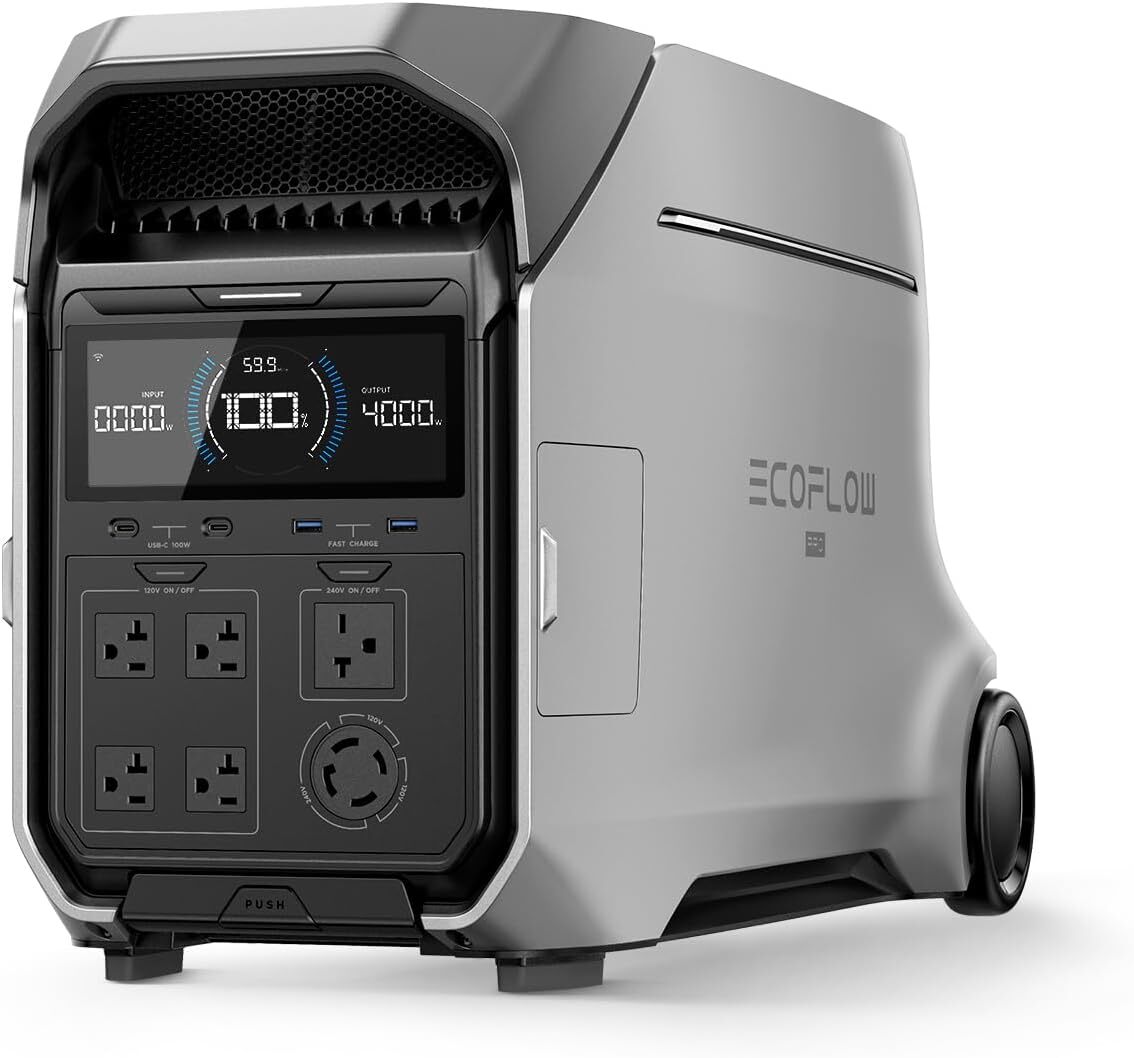
I didn’t understand the need for a power station until this past winter gave me a rude awakening. Although I ultimately didn’t lose power, the prep for that what-if scenario of facing freezing temperatures without power was enough for me to decide to get one. While I went with the EcoFlow DELTA 3 Ultra Plus, I should have waited, because the more powerful EcoFlow Delta Pro 3 is $1,999 right now—a steep 46% discount from the $3,699 list price. This is its lowest price ever, according to price tracking tools.

While I haven’t had a chance to put the power station to the test during a full blackout, I am impressed by the functionality of the EcoFlow app. You get the ability to prioritize which devices receive power the longest, so when battery power is scarce, the essentials will keep running while the other devices shut off. How that might work in the real world: You leave your refrigerator plugged in overnight, along with your phones and a heater. You can prioritize your refrigerator so if the battery runs low during the night, it will shut off power to your phone and heater to keep you fridge running longer. You can also monitor your energy use, and the app will automatically start charging your power station if it detects a storm is coming.

The power station is extremely quiet when in use. Although it’s heavy, it’s still easily portable with its handle and rear wheels. The unit has seven AC outlets total, including standard, RV, 240 V, and twist‑lock, four USB ports (A and C), two 12 V DC outputs, and solar charging inputs if you ever want to get extra accessories down the road.

The 4096 Wh battery can keep essentials running for a while—it can power the average fridge for up to 28 hours while keeping other essentials like Wi-Fi, lights, phone charging, and AC running simultaneously.

Our Best Editor-Vetted Tech Deals Right Now

Deals are selected by our commerce team

You Can Get This Highly Rated Smartphone Gimbal for $99 Right Now

We may earn a commission from links on this page. Deal pricing and availability subject to change after time of publication.

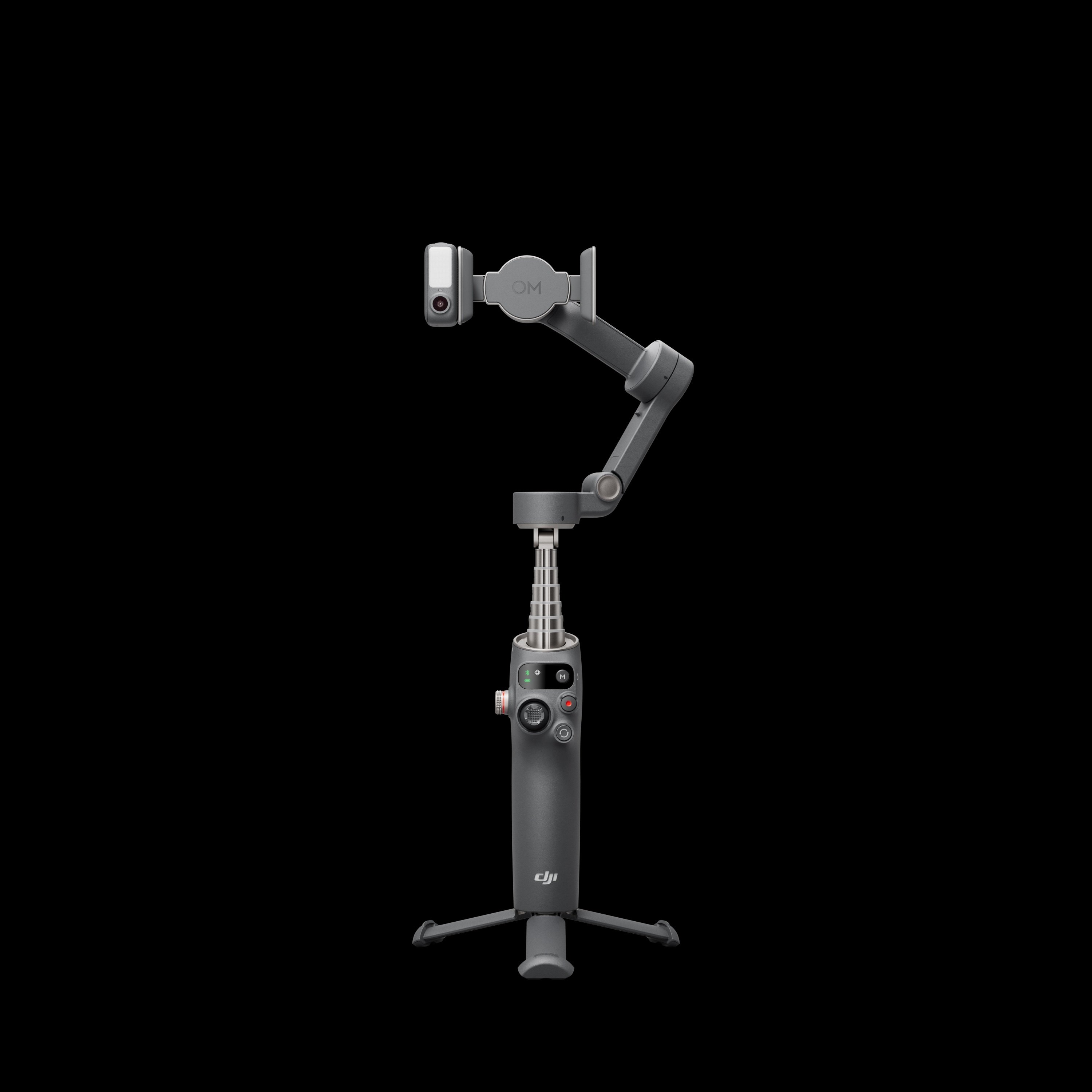
Smartphone cameras have reached a point where the weak link in most videos is no longer image quality—it’s shaky hands. The DJI Osmo Mobile 7P is built to fix that, and it’s currently down to $99 from $129.99, its lowest price so far, according to price-trackers. It’s a foldable three-axis gimbal that supports larger phones like the iPhone 16 Pro Max and Galaxy S25 Ultra without feeling strained. Once your phone is mounted and balanced, the motors keep footage level and smooth in a way that built-in stabilization still can’t fully match.

Getting started does not require much setup. You unfold it, snap your phone into the clamp, and it balances itself in seconds. The controls are straightforward and placed where your fingers naturally rest. The joystick lets you nudge the frame left or right, and the record button is easy to hit without shifting your grip. A rear trigger switches between portrait and landscape instantly, so you can move from TikTok to YouTube framing without taking the phone off. There’s also a built-in extension rod for higher or wider angles, and a small tripod in the base for hands-free filming. The magnetic multifunction module is where it becomes more than just a stabilizer. It enables gesture control and subject tracking even inside third-party apps, so you are not locked into DJI’s app ecosystem.

In actual use, the tracking is what changes the experience most. The gimbal locks onto your face and follows you as you move across a room, which makes solo filming feel far less awkward. You do not have to keep checking whether you are still centered in the frame; that alone can save time during retakes. It’s one reason why PCMag gave the Osmo Mobile 7P an “outstanding” rating, and Lifehacker’s Associate Tech Editor Michelle Ehrhardt said it feels like having “your own dedicated camera person” once you learn the basics. Battery life will depend on how many of those features you keep running. DJI estimates up to 10 hours if you are just using the gimbal. Turn on the tracking module, and you are closer to 4.5 hours. Add the fill light, and it drops to around three. For short sessions or content captured in bursts, that is workable. For long events or full-day shoots, you may need a power bank.

If you mostly film static videos at a desk, a simple tripod is probably enough. But if your content involves movement, walking shots, or filming yourself without help, the Osmo Mobile 7P can make your footage look more controlled without making your setup complicated.


Our Best Editor-Vetted Tech Deals Right Now

Deals are selected by our commerce team

The Supreme Court doesn’t care if you want to copyright your AI-generated art

As AI-generated artwork becomes more commonplace, it still won’t be able to be copyrighted, according to US courts. On Monday, the US Supreme Court declined to hear a case about whether an artwork generated with the help of AI can be copyrighted. The refusal means that a lower court’s decision to reject the copyright request will stand.

The case dates back to 2018 when Stephen Thaler applied for a copyright of an artwork called A Recent Entrance to Paradise. Unlike using ChatGPT or Midjourney, Thaler, a computer scientist, created an AI system that generated the artwork in question. However, the US Copyright Office rejected his application in 2022 on the grounds that it wasn’t made by a human author. Thaler sought appeals at higher courts, but ultimately had to escalate the case to the Supreme Court after both a federal judge in Washington and the US Court of Appeals ruled against him.

With a refusal from the highest court in the US, it’s unlikely Thaler’s case can continue. The US Supreme Court could always hear a related case in the future, but Thaler’s lawyers said, “even ⁠if it later overturns the Copyright Office’s test in another case, it will be too late,” adding that the decision will have negatively impacted the creative industry during “critically important years.” It’s worth noting that Thaler also filed applications to the US Patent and Trademark Office for AI-generated inventions, which were rejected for similar reasons.

This article originally appeared on Engadget at https://www.engadget.com/ai/the-supreme-court-doesnt-care-if-you-want-to-copyright-your-ai-generated-art-171849407.html?src=rss

Apple Introduces iPhone 17e With MagSafe and A19

Apple today announced the iPhone 17e with support for MagSafe and an upgraded A19 chip. The base model also gets a bump to 256GB of storage at $599, and Apple is equipping the device with its new scratch-resistant Ceramic Shield 2 glass that’s supposedly 3x more durable than the 16e. Macworld reports: MagSafe would normally mean significantly faster wireless charging speeds too: the 16e is capped at 7.5W, whereas recent iPhones can wirelessly charge using MagSafe at up to 22W or even 25W. Unfortunately the iPhone 17e has not been given access to the full extent of MagSafe’s powers in this regard, and has a limit of 15W. That’s the same as MagSafe on the iPhones 12 through 15, and remains an improvement on the 16e, but is still disappointing. […]

It was also expected that the 17e would get a new processor, as this is a standard upgrade for almost every refresh of almost every Apple product. The iPhone 16e came with an A18 chip; the 17 has an A19, which, according to Apple, “delivers exceptional performance for everything users do.” Of course that depends on the user and their needs, and it’s important to point out that, just like last year, Apple has chosen to use “binned” units of the chip in order to save money. Binned chips have failed manufacturing tests in some minor way and don’t have the full complement of cores. […]

And although the cameras are still disappointingly few in number — one on the front and one on the back — the wording for the portrait mode has been updated from “Portrait mode with Depth Control” (the same as on the iPhone 12) to “Next-generation portraits with Focus and Depth Control” (same as on the iPhone 17). This appears to highlight the fact that you can change the focus point. The 17e is available in white, black, and soft pink starting at $599.


Read more of this story at Slashdot.

These Stylish Marshall Headphones Are Over $100 Off Right Now

We may earn a commission from links on this page. Deal pricing and availability subject to change after time of publication.

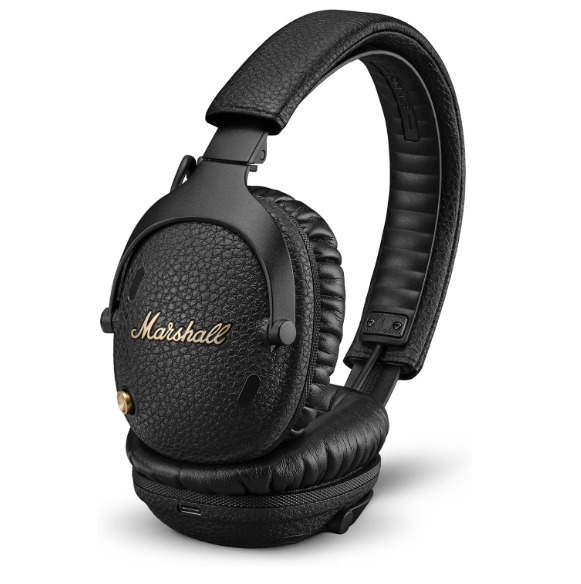
Marshall’s Monitor III ANC headphones have the kind of design that makes you want to show them off. The textured earcups and gold logo lean fully into the amp-inspired look, and at $249.99 (down from $379.99, and currently their lowest price ever, according to price trackers), they’re finally priced in a way that feels competitive.

These are over-ear Bluetooth headphones with active noise cancellation, and they’re clearly aimed at people cross-shopping Bose and Sony. The difference is that Marshall is selling a vibe along with the sound. The build feels sturdy, and small details like replaceable ear cushions and a swappable silicone headband strap suggest they’re made to last longer than most. They fold down neatly into a compact hard case (included), but they’re not water-resistant, so they’re better suited for travel and home listening than sweaty workouts.

Living with them day to day is mostly smooth. The small gold joystick handles volume and track controls in a way that feels intuitive after a few minutes. There’s a separate button to toggle noise cancellation and transparency, plus a customizable shortcut button you can set up in the Marshall app. The app itself is simple, with a five-band EQ and a few presets, though it’s not especially deep if you like fine-tuning every frequency. Bluetooth 5.3 keeps connections stable, but you’re limited to AAC and SBC codecs, so there’s no hi-res audio support. You also can’t charge and listen through a traditional 3.5mm cable at the same time, since the single USB-C port handles both charging and wired playback.

Battery life is where these headphones stand out. Up to 70 hours with ANC on is more than enough for long trips, and turning ANC off stretches that to an almost excessive 100 hours. As for sound, they deliver strong bass and crisp highs, with enough punch to make hip-hop and electronic tracks feel lively. Noise cancellation reduces plane engine rumble and city noise well, but it does not match leaders like Bose in blocking midrange chatter, notes this PCMag review. If top-tier ANC is your priority, Bose still has the edge. If you want bold design, long battery life, and lively sound at a significant discount, this deal makes the Monitor III ANC worth a look.


Our Best Editor-Vetted Tech Deals Right Now

Deals are selected by our commerce team

Nintendo just announced an Indie World Showcase for tomorrow at 9AM ET

Nintendo has scheduled an Indie World Showcase livestream for tomorrow, March 3, at 9AM ET. The company says this event will include “roughly 15 minutes of news and updates on indie games coming to Nintendo Switch 2 and Nintendo Switch.” That’s not a whole lot of time, but indie trailers tend to be on the shorter side.

We really don’t know anything about what Nintendo and its partners could reveal tomorrow. It’s entirely possible we’ll see something big, like the previously announced Sea of Sorrow DLC for Silksong. More than likely, however, we’ll get trailers and updates regarding a spate of unexpected indie games.

The previous Indie World Showcase took place in August and it gave us trailers and announcements for stuff like the excellent Ball x Pit and the upcoming Mina the Hollower. To that last one, Yacht Club Games said it would be launching the title for consoles this spring so we could get a release date announcement tomorrow.

Scott Pilgrim EX will be available for download tomorrow, so a launch trailer is almost certain. This is a new side-scrolling fighter with four-player co-op and music by Anamanaguchi. My personal white whale is Witchbrook, the long-gestating life-sim set in a magical school. It’s being published by Chucklefish, the company that originally published Stardew Valley.

There’s some stuff we absolutely shouldn’t expect. This is an Indie World Showcase, and not a Nintendo Direct. There will likely be no appearances by Mario or Zelda, unless a character pops up in an indie game as DLC or something. The stream is also unlikely to spotlight Pokémon Pokopia, despite the life-sim launching on March 5.

This article originally appeared on Engadget at https://www.engadget.com/gaming/nintendo/nintendo-just-announced-an-indie-world-showcase-for-tomorrow-at-9am-et-164706666.html?src=rss

Paramount+ and HBO Max could be merging into a single streaming service

Paramount Skydance plans to combine Paramount+ and HBO Max into a single streaming service following the completion of its merger with Warner Bros. Discovery. CEO David Ellison confirmed the plan on an investor call Monday, saying the combined platform would serve over 200 million subscribers and position the company to compete with the biggest players in the streaming space.

“We think the combined offering, and given the amount of content and what we can do from the tech side, really will put us in a position to be able to compete with the most scaled players in DTC,” Ellison said. It’s not yet clear whether the app’s two libraries will be fully integrated, or whether one will exist as a standalone service within the other. Ellison signaled that the HBO brand will “operate with independence” during the call.

Also unclear is what the newly combined app would cost subscribers. The last year has seen nearly across-the-board increases in the cost of streaming services, including HBO Max.

The planned merger would unite Paramount’s CBS, MTV, Comedy Central and BET with Warner’s CNN, HBO, TNT and Food Network, along with franchises including Game of Thrones, Mission: Impossible, the DC Universe and SpongeBob SquarePants under one roof. The combined entity is expected to carry roughly $79 billion in net debt, according to Reuters, and could be considered the largest leveraged buyout in history. The deal is expected to close in the back half of 2026, pending regulatory approval.

This article originally appeared on Engadget at https://www.engadget.com/entertainment/streaming/paramount-and-hbo-max-could-be-merging-into-a-single-streaming-service-163439653.html?src=rss

Google Messages Finally Has Real-Time Location Sharing

Android users are now able to share their live, real-time location in Google Messages, so you can easily see where your friends and family members are and are moving to over a period of time. This makes it easier to coordinate meeting up or share your whereabouts for safety reasons.

Real-time location sharing was previously available in Find Hub but is now being integrated directly into Messages. Until this change, location sharing in Messages was limited to a static Google Maps link. Similar functionality exists in other messaging apps like WhatsApp and Messages on iPhone.

When using real-time location sharing, Google allows you to set a custom duration (up to 24 hours), or you can choose to share for an hour, until the end of the current day, or indefinitely until you manually stop sharing. Note that while your messages are encrypted end-to-end and visible only to the users in your conversations, this feature is powered by Maps, which processes your location.

If you don’t see the update yet, it’s likely coming soon, as Google has published a support article detailing the feature.

How to share your real-time location in Google Messages

To share your location in Google Messages, you need to be signed into your Google Account—you’ll be prompted to do so if you aren’t already. Open a conversation in Google Messages and tap Attachment > Real-time location. (The first time you share, you’ll need to tap I accept to confirm the updates to Location Sharing settings.) Choose the duration and tap Send.

If you want to share your location with someone who has already shared theirs with you, select the message with the contact’s location, tap Share next to your name, set the duration, and hit Send. You can stop real-time location sharing by selecting the message with your location and tapping Stop > Stop sharing next to your name.

iPhone 17e vs. iPhone 16e: What’s new on Apple’s latest $599 handset

Apple’s most affordable iPhone just got an upgrade, but how does the new iPhone 17e compare to the iPhone 16e? Well, thankfully the price remains the same at $599, which is good news in our current economic climate. An immediate difference you might notice is that one of them now comes in a third color: pink. That’s at least one win for me because I am all for putting more color into tech.

There are a few differences under the hood as well, namely that the iPhone 17e is arriving with the A19 chip and double the storage. We’ve already seen what’s possible with an A19 chip in the standard iPhone 17 — it’s not a super exciting upgrade, but it is a boost nonetheless.

Pre-orders start at 9:15AM ET on March 4, and while we work on a full review, let’s take a deeper dive into what has changed on this year’s model and what that might mean in the real world.

iPhone 17e vs. iPhone 16e: Design and display

Of course, the biggest difference in the design for the iPhone 17e is the shiny new pink color. I’ve long complained about how many major tech companies stick to the safety of black, white or gray colorways. Thankfully, the iPhone 17e’s pink hue is a departure from that approach. It’s also an understated shade that’s elegant, compared to the typically brighter and louder tones reserved for cheap(er) phones.

Both the iPhone 17e and iPhone 16e measure 5.78 x 2.82 x 0.31 inches. However, the iPhone 17e did get a bit heavier at 5.96 ounces compared to the iPhone 16e’s 5.88 ounces. It’s very unlikely you’ll notice the 0.08 ounce difference, though. (And if you do, you have a gift.)

In terms of durability, the iPhone 17e is outfitted with Ceramic Shield 2, which is a glass face that Apple said is three times more scratch-resistant than the iPhone 16e’s original Ceramic Shield. Ideally, it’ll survive falls to the ground (within reason) and spare you a scratched up display from casual wear and tear.

There doesn’t seem to be any change in the display — whether that be in its brightness or color rendering capability — but that isn’t too shocking. Both the iPhone 17e and iPhone 16e feature a 6.1-inch Super Retina XDR OLED panel with a 1,200-nit peak brightness. That’s bright enough to combat the ambient glare from the sun, so you should be able to read it outside relatively easily. They’re also specced out with a 2,532 x 1,170 resolution at 460 ppi — meaning text and lines will be clean and sharp.

iPhone 17e vs. iPhone 16e: Cameras

I didn’t expect a huge bump in camera technology, especially if Apple intended to keep the price the same. We’ve got upgrades in other categories for sure, but it would’ve been nice to see an extra camera on the back. Like the iPhone 16e, the iPhone 17e is kitted out with Apple’s 48-megapixel Fusion 2-in-1 camera with a 12MP 2x Telephoto setting. You also get digital zoom up to 10x. Take a look at our iPhone 16e review to see exactly what that looks like in practice, but to sum up our experience: it’s solid.

There’s a great level of detail and vibrancy, but like I said, it’s limited. Without a potential ultrawide camera, you cannot capture as much of your surroundings because you’re not getting that 0.5x zoom option. 

One major upgrade, however, is that the iPhone 17e is now capable of recognizing dogs and cats in Portrait mode. It also saves depth information so you can turn regularly captured photos into portraits after the fact. This might be a noteworthy upgrade, considering the iPhone 16e struggled in Portrait mode, incapable of capturing non-human faces and objects.

There’s also the 12MP TrueDepth camera on the front, which we didn’t have many complaints about, and don’t expect to disappoint on the iPhone 17e.

iPhone 17e vs. iPhone 16e: Processor, battery life and charging

Apart from the color, the biggest differences between the iPhone 17e and iPhone 16e is their starting storage and overall performance. The new iPhone is packed with an A19 chip, while the latter comes with an A18 chip.

Yes, you’re getting a performance bump with the A19 chip, but casual users are unlikely to feel the difference. If you’re a power user trying to get the most out of an affordable iPhone and want to get crunchy about it, there’s roughly a 5 percent difference in CPU speed and over 10 percent in GPU performance (according to CPU Monkey).

Despite that bump, the battery life hasn’t changed. With both devices, Apple says you’re getting up to 26 hours of video playback and up to 21 hours streamed. The company doesn’t typically share specifics on battery sizes, but GSMArena is reporting that both models come with a 4,005mAh battery. What has changed, however, is being able to receive double the wattage from wireless charging. The iPhone 17e can now take up to 15W for Qi2 fast wireless charging — compared to 7.5W from the Qi support on the iPhone 16e.

iOS 26 and Apple Intelligence

At a glance, there does not seem to be any difference in what the iPhone 16e and iPhone 17e offer in terms of iOS and Apple Intelligence capability. However, it’s relevant to note that you will likely get better performance out of the iPhone 17e with regards to AI features because of its superior A19 chip.

In case you wanted to do the numbers comparison yourself, we’ve compiled a nifty table here so you can eyeball them with ease. But for a sense of how the iPhone 17e holds up in the real world and whether it’s worth the money, stay tuned for our full review.

iPhone 17e vs. iPhone 16e: Specs at a glance

Spec

iPhone 17e

iPhone 16e

Price

$599

$599

Processor

A19 chip

A18 chip

Display

Super Retina XDR, 6.1‑inch, 2,532 x 1,170, OLED display at 460 ppi

Super Retina XDR, 6.1‑inch, 2,532 x 1,170, OLED display at 460 ppi

RAM

8GB

8GB

Storage

256GB, 512GB

128GB, 256GB, 512GB

Wireless charging

Up to 15W

Up to 7.5W

Rear camera

2-in-1 camera — 48MP Fusion main, 12MP 2x Telephoto, digital zoom up to 10x

2-in-1 camera — 48MP Fusion main, 12MP 2x Telephoto, digital zoom up to 10x

Front camera

12MP selfie cam

12MP selfie cam

SIM

Dual SIM (two active eSIMs)

Dual SIM (two active eSIMs)

Connectivity

Wi-Fi 6E, Bluetooth v5.3, NFC

Wi-Fi 6E, Bluetooth v5.3, NFC

OS

Launched with iOS 26

Launched with iOS 18

This article originally appeared on Engadget at https://www.engadget.com/mobile/iphone-17e-vs-iphone-16e-whats-new-on-apples-latest-599-handset-162009364.html?src=rss

South Korean Police Lose Seized Crypto By Posting Password Online

South Korean tax authorities lost millions in seized cryptocurrency after publishing high-res photos of Ledger hardware wallets that clearly displayed the wallets’ seed phrases, allowing an unknown party to drain the funds. Gizmodo reports: South Korea’s National Tax Service seized crypto assets during recent enforcement actions against 124 high-value tax evaders, but now, a large chunk of that crypto cash has been lost. The operation originally resulted in the confiscation of crypto holdings worth about 8.1 billion won, or roughly $5.6 million. However, officials later issued a press release to showcase these efforts in recovering delinquent taxes, and the release included photographs of Ledger hardware wallets taken into custody along with handwritten notes that displayed the wallet seed phrases.

Those images attached to the press release turned out to be the critical error. High-resolution photos clearly showed the mnemonic recovery phrases, which serve as the master key for accessing the wallets. This exposure eliminated any protection provided by the offline cold storage on the Ledger devices. Possession of the seed phrase allows complete control, and anyone who knows the phrase can import it into software or another hardware wallet and initiate transfers without the original device.

In this case, an unknown individual who saw the photos published by law enforcement first added a small amount of ether to one of the addresses to cover Ethereum network gas fees necessary for outbound transactions. From there, they executed three transfers to move approximately 4 million Pre-Retogeum, or PRTG, tokens. At the time, those tokens carried a value of $4.8 million, but reporting from The Block indicates liquidating that much value from the holdings would have proven difficult due to market dynamics.


Read more of this story at Slashdot.

Six Features I Already Love About the Amazfit T-Rex Ultra 2 Smartwatch

We may earn a commission from links on this page.

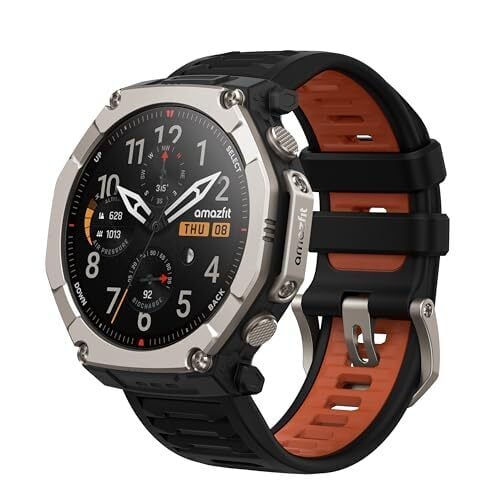
Amazfit’s T‑Rex Ultra 2 has landed—a bigger, brighter, tougher, and significantly more expensive outdoors watch. At $549, this is Amazfit’s priciest smartwatch ever, a rugged multi-sport device clearly targeting adventure‑watch heavyweights. While my full in‑depth review is still underway (testing has been a challenge, due to some blizzard conditions), several features have already stood out in a big way.

The Ultra 2 features a truly long battery life

So far, the headline for this watch is its battery life. Amazfit claims of up to 30 days of smartwatch use—a roughly 25% jump over the previous model—and up to 50 hours of GPS tracking. So far, battery drain has been impressively slow, even during my cold‑weather workouts (where lithium cells typically suffer).

If you spend long stretches off the grid, or simply hate bringing a charger everywhere, this single upgrade alone may justify the Ultra 2’s substantial size and price hike.

Amazfit T-Rex Ultra 2 battery life.
A strong battery life, with options to make it last even longer.
Credit: Meredith Dietz

The Ultra 2 includes accurate, offline-ready navigation

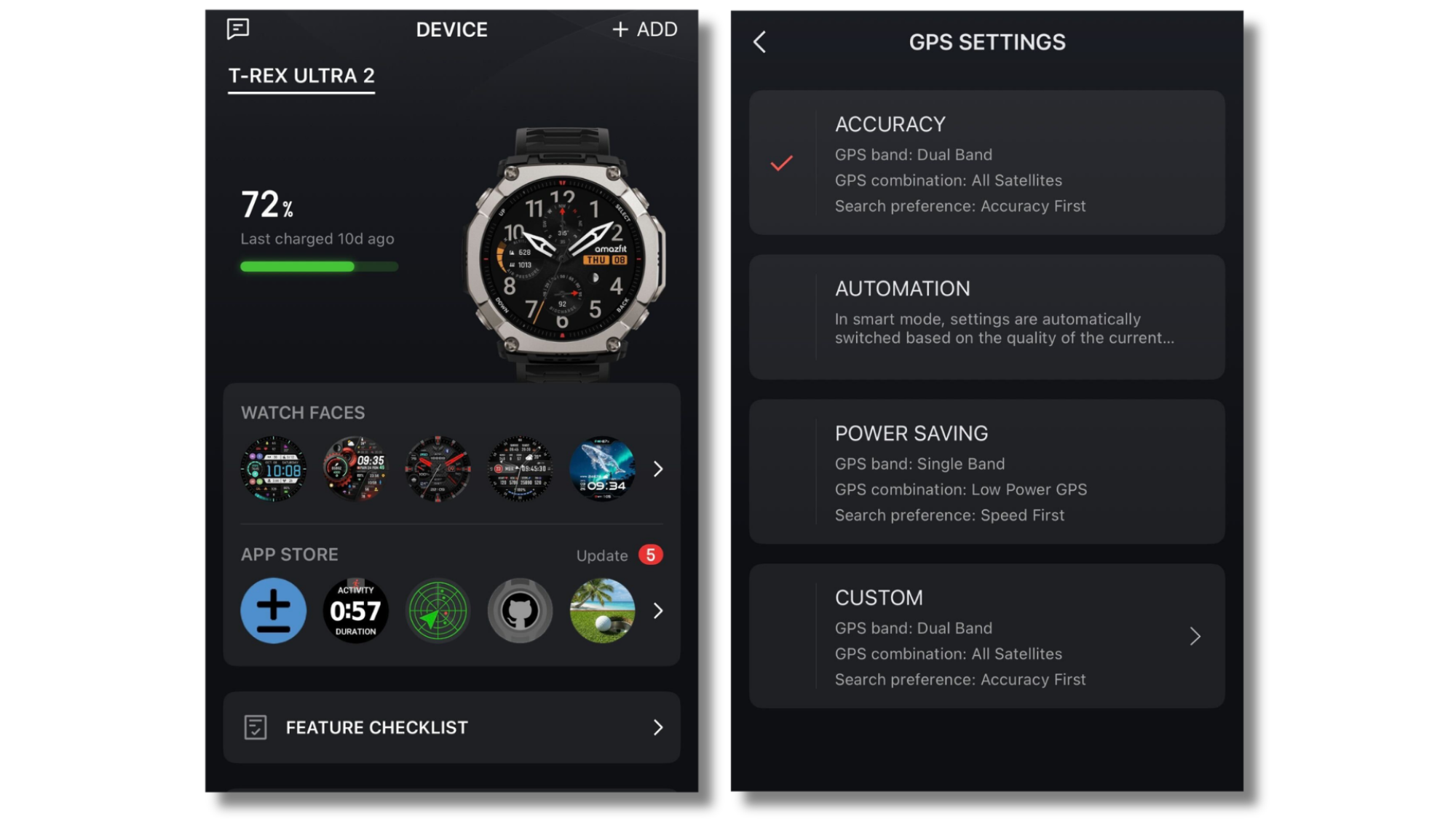
The most anticipated day‑to‑day improvement is the new preloaded offline maps and generally more robust mapping experience. For the first time in the T‑Rex lineup, you can load full‑color global maps straight from the Zepp app, then use them on your wrist without a phone or cell service needed.

Here are the biggest highlights I’ve seen myself—and other online reviewers have confirmed:

  • Map data is great at distinguishing trails vs. roads.

  • Offline route planning now supports up to 100 km.

  • GPS accuracy is consistently strong with six‑system satellite support.

  • Faster rerouting and improved elevation profiles.

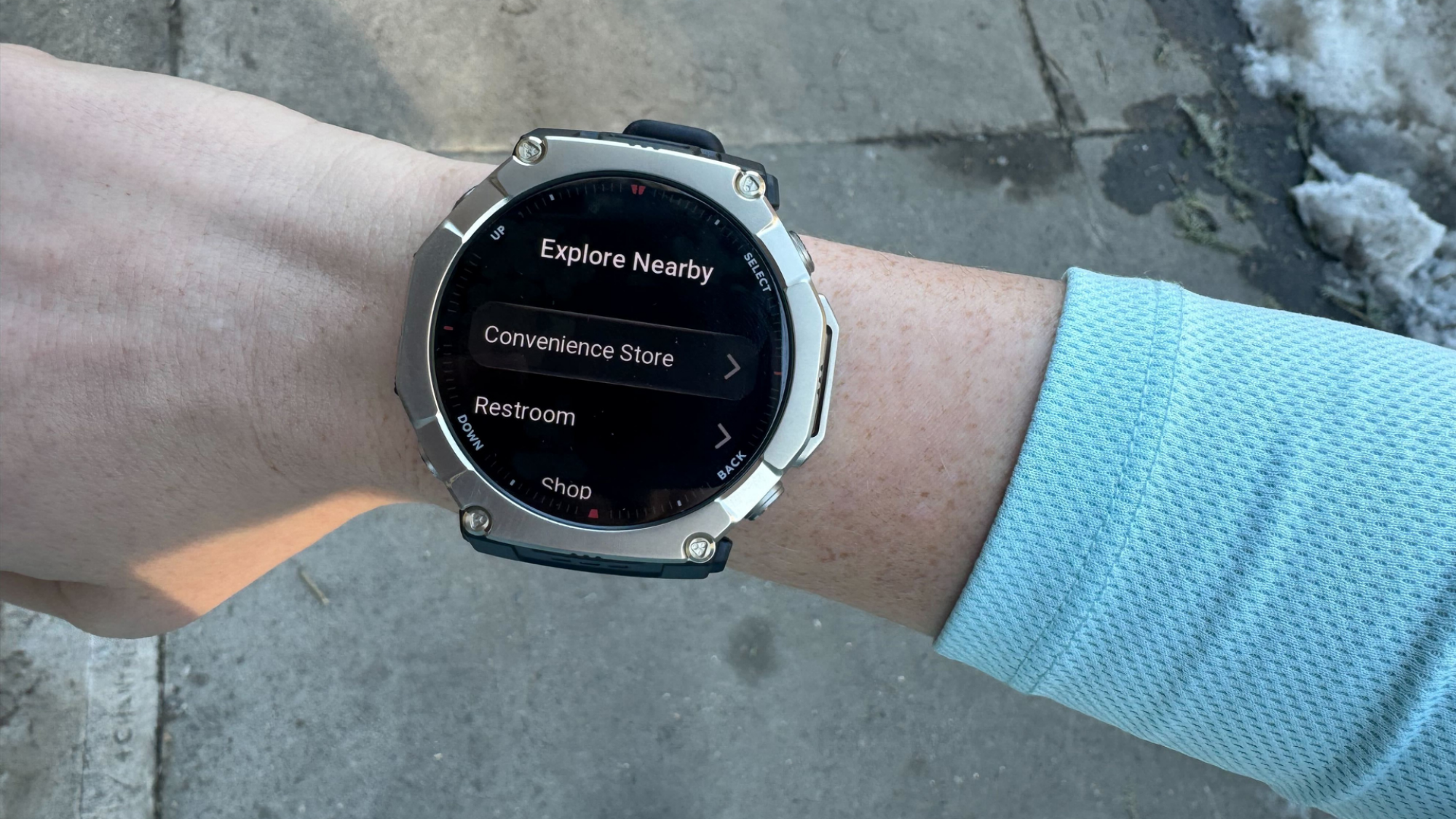
  • POI (point of interest) search is fantastic, showing all sorts of water, shelter, trailheads, and emergency points nearby.

Amazfit T-Rex Ultra 2
I had fun exploring nearby points of interest.
Credit: Meredith Dietz

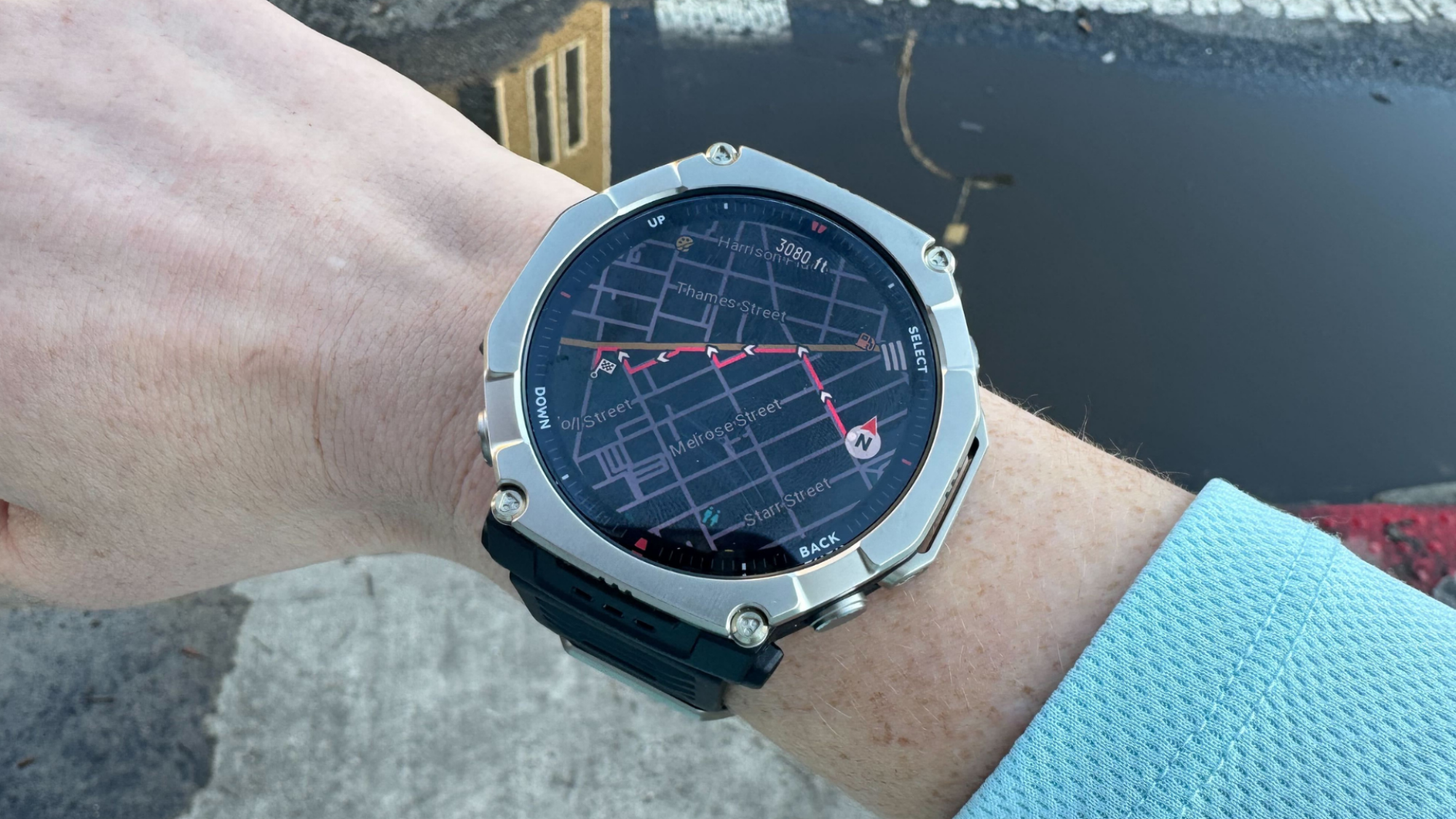
In practice, this has already proven helpful. When heavy snow blocked my usual running route, I hopped into live navigation, zoomed around the map, and found the nearest patch of green space. It felt intuitive and fun. During a standard city run, it was a neat reminder that navigation isn’t exclusively a rugged survival feature.

Amazfit T-Rex Ultra 2
Re-routing on-the-go.
Credit: Meredith Dietz

A note: Route creation in the Zepp app could still be smoother. You can’t drag‑adjust between points, meaning you want to place your route carefully. But the on-watch implementation is strong, and things like Explore Nearby work well once you’re in open space (which my NYC apartment is decidedly not).

You can add voice memos to your workout with this watch

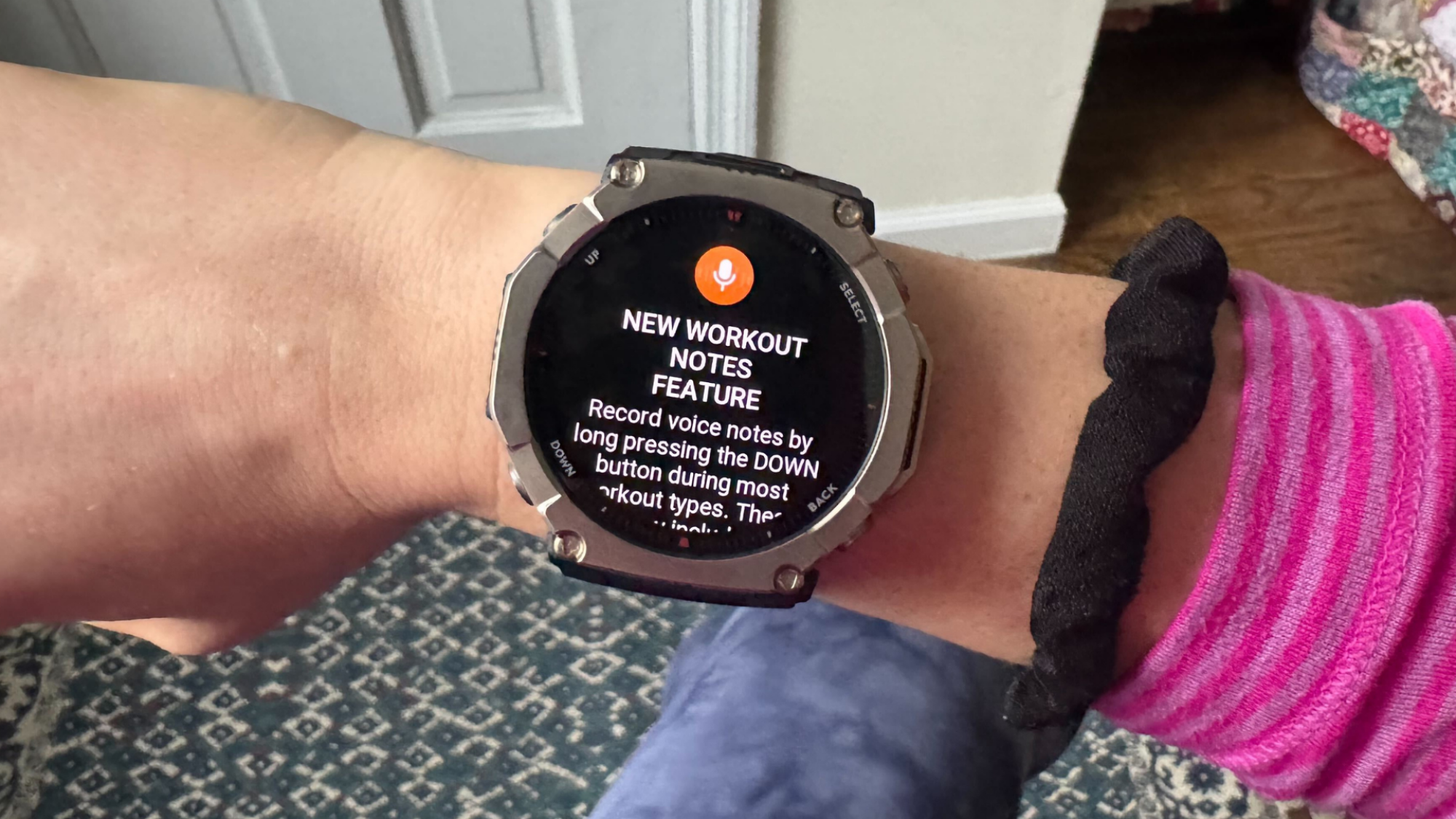
Press and hold the bottom-left button during a workout and you can record a quick voice memo, automatically geotagged. Did a training thought bubble up you don’t want to lose? Is there a trail detail you want to remember? “Don’t run that icy corner again?” It’s a major improvement to be able to record as you go, and a seriously delightful addition that immediately became part of my routine.

For strength workouts, too, this provides a far more intuitive way to track things like reps and weights, all without breaking your flow. Once synced to the Zepp App, your notes are timestamped, transcribed, and saved with playback, making it easy to review exactly what you recorded and when.

Amazfit T-Rex Ultra 2

Credit: Meredith Dietz

The Ultra 2’s hardware is big, bright, and tough

Amazfit clearly wants the Ultra 2 to compete with the toughest adventure watches on the market. The hardware reflects that ambition:

  • 1.5-inch AMOLED touchscreen

  • Scratch-resistant sapphire crystal

  • Grade 5 titanium bezel and case back

  • 10 ATM water resistance

  • Dual diving certification

  • 64 GB storage for maps, music, and activity data

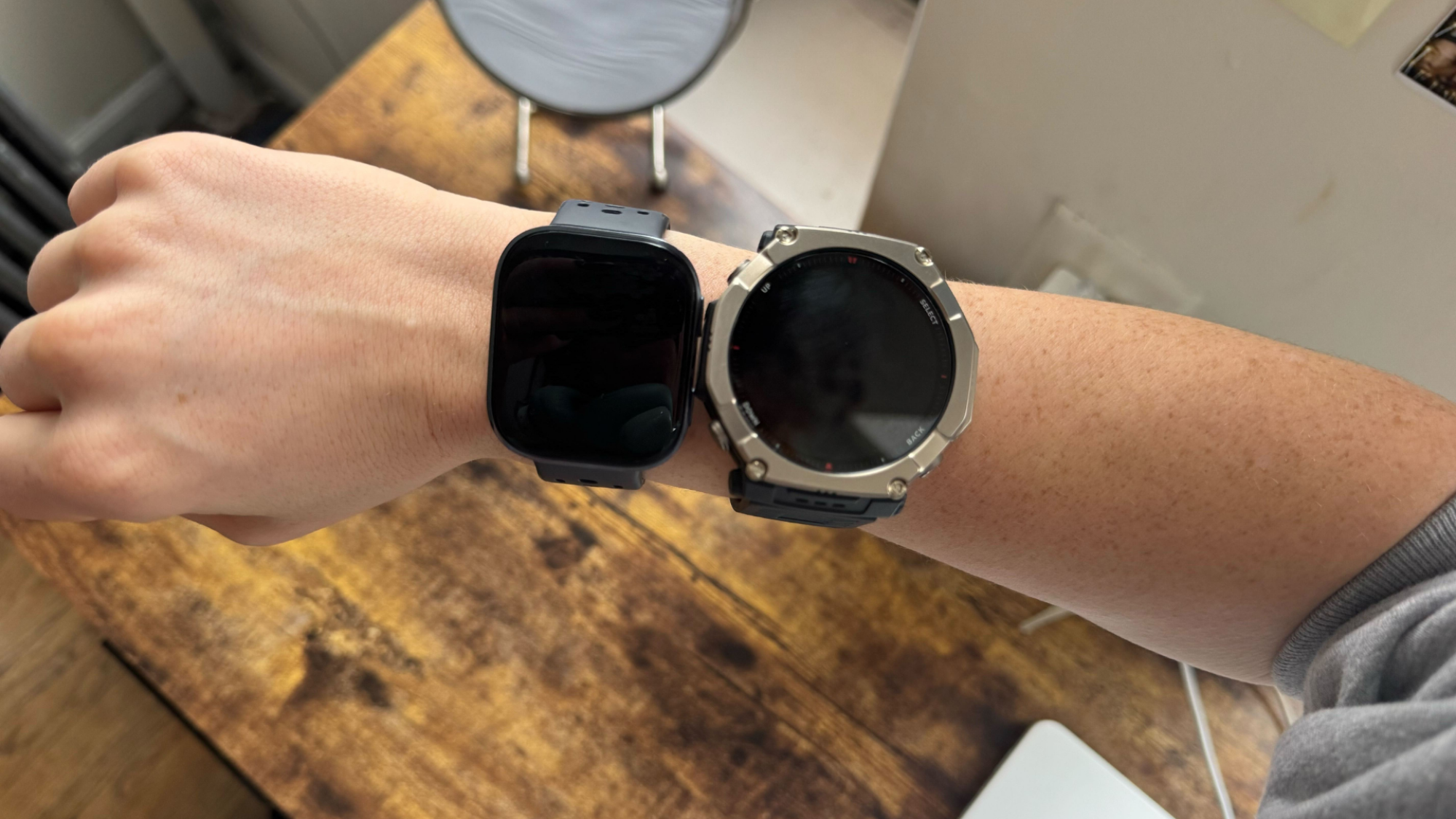
The new 3,000‑nit display is a monster—allegedly triple the brightness of the original Ultra. It’s crisp, extremely visible in full sunlight (or sun-reflecting-off-snow, as I’ve learned recently).

Compare the Amazfit on the left to the T-Rex Ultra 2 on the right.
Compare the Amazfit Bip 6 on the left to the T-Rex Ultra 2 on the right.
Credit: Meredith Dietz

The Ultra 2’s flashlight got an upgrade, too

Amazfit swapped last year’s red LED for a greener secondary option. The flashlight now sits at the 12:00 position, and the controls are intuitive:

• Press and hold the Up button to turn it on.
• Tap the onscreen icon to toggle.
• Press Up or Down five times to switch brightness or activate green mode.

It’s a small thing, but it reinforces the idea of this being an outdoors-first watch. I’ve yet to test this during night runs, camping, or emergency situations, but I can say that it works fine in a dark city apartment!

The Ultra 2 has workout modes for just about anything

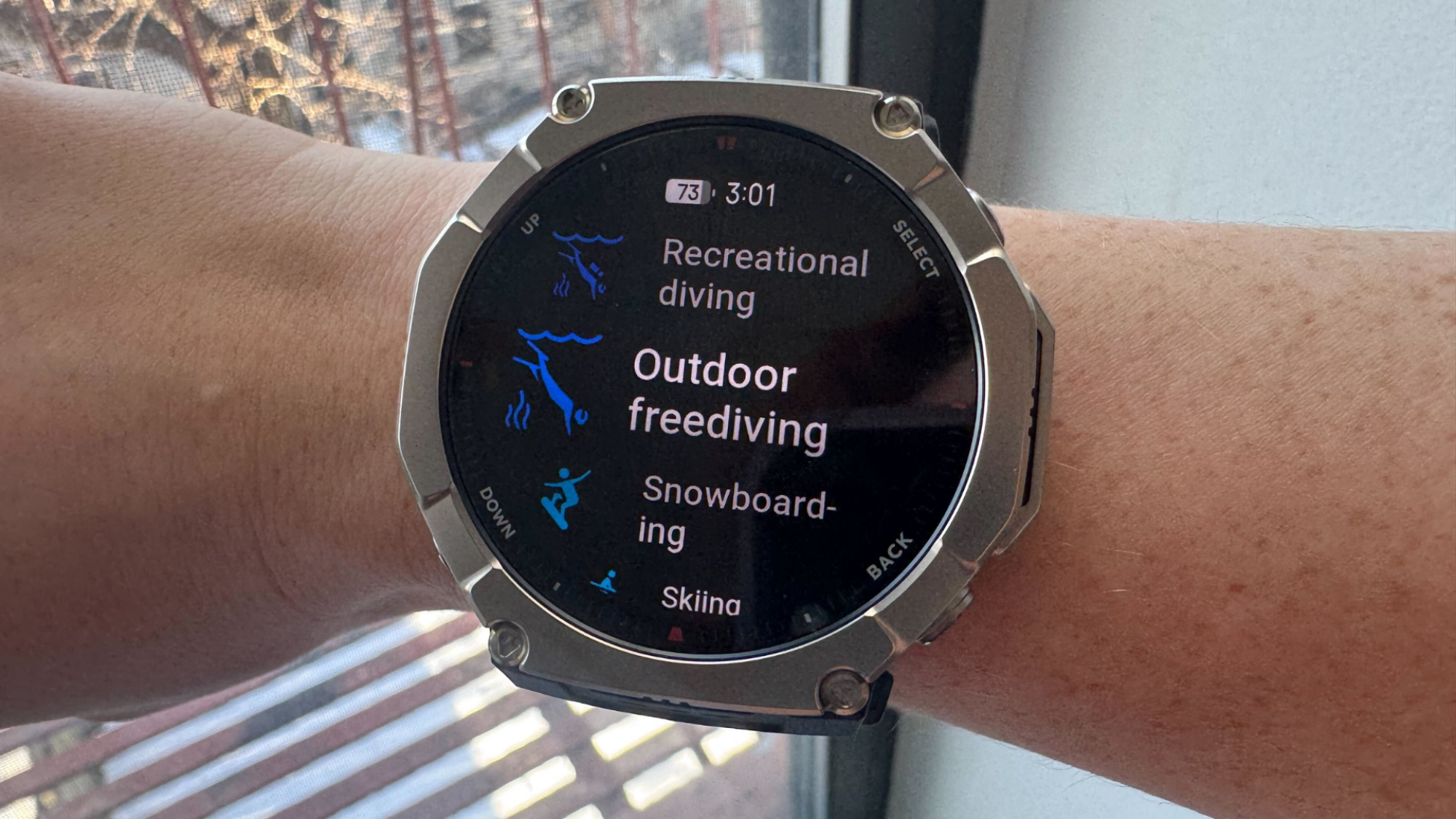
Amazfit packed more than 180 sports modes into the Ultra 2—including extremely niche ones like spearfishing, free diving, parkour, and snorkeling.

Example of sports modes in the Amazfit T-Rex Ultra 2.
There are more than 180 sport types.
Credit: Meredith Dietz

In this same arena of sport modes, the watch also includes:

  • Grade-adjusted pace for runners

  • Improved climb segmentation

  • Onboard speaker and mic for Bluetooth calls and audible alerts

  • Smooth integration with the Zepp app for fitness, recovery, sleep, and nutrition insights

The early experience here is promising. Even if some newly advertised software features aren’t fully polished yet, Amazfit’s ambition is on full display.

Final (early) thoughts on the Ultra 2

There’s still a lot of testing ahead before I can answer the big question: Is the Amazfit T‑Rex Ultra 2 worth $549—especially when Garmin already dominates the rugged-adventure landscape? That said, there are already clear, meaningful upgrades that impress me—offline mapping that feels complete, the best‑ever battery life for an Amazfit watch, a surprisingly delightful voice‑memo tool, and hardware that feels built for the apocalypse.