Plus, get a glimpse at Stephen Spielberg’s mystery new UFO movie.

Plus, get a glimpse at Stephen Spielberg’s mystery new UFO movie.

What if finding the perfect game to play was as easy as swiping left and right in a dating app, minus the actual horrors of online dating? That’s part of the pitch behind Ludoscene, an app for game recommendations that uses humans rather than machines to tell you what to play. The other part of the pitch is turning…
Microsoft says the unintended consequence of that proposed system would be that allies facing limited U.S. chip supply would turn to China to get the tech infrastructure they need. China is using the proposed rule to argue to other countries that it would be a better long-term partner for AI infrastructure than the U.S., Microsoft President Brad Smith said in an interview. “Their message is these countries can’t rely on the U.S., but China is willing to provide what they need,” he said. “That is not good for American business or American foreign policy.”


Read more of this story at Slashdot.
We may earn a commission from links on this page.
Noah Wiley can’t seem to escape the emergency room. After spending more than a decade on NBC’s ’90s mega-hit E.R., he’s back in scrubs for HBO’s buzzy new doctor show The Pitt. If that show hasn’t quite scratched your itch for medical drama, there are plenty of other shows to stream.
The genre’s roots can be traced back to the early ’60s, and the sexy Dr. Kildare, but it really exploded in the ’70s with shows like Medical Center, Emergency!, and Quincy, M.E., all of them fairly soapy dramas with plenty of action and occasional doses of silliness. Later in the decade, M.A.S.H. became a hit by lacing the sit-com formula with medical pathos, but it was 1982’s St. Elsewhere that gave us the template for the medical shows of today: dramatic, serious, and with a large cast of doctors and nurses whose personal lives are often in conflict with their work. That show set the standard, and inspired dozens of medical shows that followed—a bunch of which you can currently find on your favorite streaming service.
But first, a little about The Pitt if you have yet to check in for your appointment. Noah Wyle (ER) is back in scrubs as Dr. Michael “Robby” Rabinavitch, senior attending at the Pittsburgh Trauma Medical Hospital’s emergency room. Robby’s mentor died during the height of COVID-19, and he’s only just recovering from his traumatic experiences. It’s gonna be a long day, though: Each episode is a single hour of his 15-hour shift. It’s relatively early days, but the show has already won critical acclaim and a renewal for a second season. You can stream The Pitt on Max.
Hard to say if this new Morris Chestnut-led series will go any kind of distance, but it’s looking promising, and the premise is so wacky, it’s worth checking out either way. Chestnut plays a modern-day Dr. John Watson (yes, that Dr. Watson), who was sidekick to Sherlock Holmes before his detective pal took a header off of the Reichenbach Falls. Now he’s on his own in Pittsburgh, running clinic dedicated to helping people with mysterious ailments—ones requiring a doctor who’s also a bit of a detective. You can stream Watson on Paramount+.
Set at the dawn of Britain’s National Health Service, Call the Midwife explores an era when many were receiving modern healthcare for the very first time, as the nuns of London’s Nonnatus House, who had been providing basic midwifery services for decades, are joined by secular nurses and given public funding. The show deals frankly with women’s health issues in a way that few other series have ever bothered, and its rotating cast of characters has helped it to remain a beloved favorite for over a decade, both in its native Britain and across the pond. You can stream Call the Midwife on Netflix and PBS.
Even the most realistic medical dramas have soapy aspects, but New Amsterdam leans into that side of things more than most. Ryan Eggold plays Dr. Maximus “Max” Goodwin, the slightly annoying new medical director at one of the oldest public hospitals in the U.S. He looking to freshen up the outdated hospital and bring down its stodgy bureaucracy, with Doctor Who’s Freema Agyeman by his side. The show occasionally sags under the weight of its subplots, but it’s still fun to watch Max fight for public health. You can stream New Amsterdam on Peacock.
Like the much more recent Watson, House showcases investigative medicine, with Hugh Laurie’s as the titular Dr. Holmes (er, House) and Robert Sean Leonard as Watson (OK, Wilson). Not only is the show tightly paced and compact, it also has the benefit of Laurie, giving a career-defining performance as one of TV’s greatest assholes, a wonderfully acerbic curmudgeon who nonetheless gets results. You can stream House on Prime Video, Hulu, and Peacock.
One of the few medical shows willing to tackle aging and geriatric care, Getting On considers the trials faced by the staff at an underfunded extended care facility. The fact that it’s a frequently very dark comedy doesn’t make it any less impressive in its handling of tough topics. Laurie Metcalf, Alex Borstein, Niecy Nash, and Mel Rodriguez star. You can stream Getting On on Max.
The Steven Soderbergh-directed The Knick takes us back to the glory days of American medical care—specifically, 1900 New York, and the fictional Knickerbocker Hospital, with Clive Owen’s Dr. John Thackery as the well-intentioned head of surgery who also happens to have a rather significant opium addiction. He’s joined by André Holland as Dr. Algernon C. Edwards, a Black assistant chief surgeon who runs rings around most of his colleagues but still can’t seem to get any credit for it (he’s based on a couple of real-life doctors of the era). Like the best period medical dramas, this one’s a good reminder that modern medicine ain’t so bad. You can stream The Knick on Max.
Beginning life as a gritty, realistic-ish hospital drama, St. Elsewhere grew into something weirder, funnier, and far more experimental, leading to that all-time memorable series finale (iykyk). In doing so, it also created a template followed by every medical show that followed it. The cast alone is wild, made up of TV and movie greats past and present, including Norman Lloyd, William Daniels, Denzel Washington, Mark Harmon, and Alfre Woodard, among many, many others. It’s a little slower than the more frenetic shows that followed it, but still a deeply engrossing watch. You can stream St. Elsewhere on Hulu.
A natural successor to St. Elsewhere, E.R. is less weird but does one better in its commitment to portraying something hospital drama that at least feels like reality. With another rotating cast that kept the show fresh over an impressive 15 seasons, E.R.’s innovation was in its willingness to drag viewers along at a breakneck pace, counting on us to keep up with the fast-paced dialogue loaded with medical jargon. At its best, the show makes you feel like you’re really catching a glimpse of life in an underfunded city emergency room. You can stream ER on Hulu and Max.
A relentless, and relentlessly memeable satire of medical dramas in general, this comedy centers on the staff of the titular hospital, named for founder Arthur Childrens (motto: “I believe that Childrens is the future.”) The show can’t be bothered with continuity; instead, each episode dives into a very silly/smart brand of dark comedy defined by its commitment to randomness. The stacked cast includes creator Rob Cordry, Lake Bell, Erinn Hayes, Rob Huebel, Ken Marino, Megan Mullally, Henry Winkler, and Malin Åkerman. You can buy episodes of Childrens Hospital from Prime Video.
This scrappy sitcom was resuscitated at least once during its initial run, only finally declared dead after an impressive nine seasons, though it’s due for a revival from original creator Bill Lawrence. Zach Braff plays J.D. Dorian, who begins the show as an intern at the fictional teaching hospital, Sacred Heart. While playing with slapstick and incorporating surreal dream sequences, the show earned high marks from medical professionals, who apparently found it more accurate in depicting details of hospital life than many prestige medical dramas. You can stream Scrubs on Hulu and Peacock.
From Grey’s Anatomy did Shonda Rhimes’ mighty TV empire spring, yet the show that started it all is somehow still going strong in its 21st season. Meredith Grey (Ellen Pompey) continues to head the team of doctors at Seattle Grace alongside Chandra Wilson and James Pickens Jr. Deft cast rotations have kept things relatively fresh for over two decades and more than 430 episodes. You can stream Grey’s Anatomy on Hulu and Netflix.
This British miniseries, loosely adapted the memoir from comedian Adam Kay, chronicles Kay’s time as a trainee doctor in obstetrics and gynaecology circa 2006. Ben Whislaw stars as Kay, facing down daily challenges that range from the very funny to the shocking and horrific. The show makes clear that, while the contexts are very different, British doctors also struggle with chaotic working conditions and lack of institutional support, particularly at the intern level. You can stream This is Going to Hurt on AMC+.
There’s much that’s familiar in this Canadian drama, but the show stands apart because of the unique perspective of its lead character (at least as far as mainstream medical dramas go). Hamza Haq plays Bashir “Bash” Hamed, a refugee of the Syrian Civil War who comes to Toronto to rebuild his life and career as an E.R. resident. He‘s unable to get a job in his chosen field until his heroic actions during the first episode garner him the right kind of attention. Even still, he faces discrimination as a doctor, and suffers the aftereffects of wartime trauma, even as his skills and experience prove extremely valuable. You can stream Transplant on Peacock.
Edie Falco followed up her run on The Sopranos with this similarly lauded comedy-drama that earned her six consecutive Emmy nominations and one win. She plays the titular nurse in the Emergency Department at All Saints’ Hospital in NYC. At the outset of the series, Jackie is married but having an affair, mostly to get the various pills she’s addicted to—which gives you a sense of the messiness of Jackie’s life and work. You can buy Nurse Jackie from Apple TV.


Mannequin (2024), the VR game that brings a unique twist to prop hunt, is going free-to-play on Quest starting today—which could point to more developers opting to go the freemium route.
Launched last June on Quest and SteamVR headsets, Mannequin isn’t your typical shooter, nor is it your typical game of prop hunt, which usually involves a team of hunters shooting everything that moves, and their prey evading them by morphing into everyday objects.
Instead, two gun-toting Agents hunt three shape-shifting aliens, aka Mannequins, who can evade capture by blending into crowds of frozen NPCs. Agents can track down a Mannequin to a general area, but can only fire their gun once before a cool down period, giving aliens the perfect moment to leap out and strike down the hunter.
Now, developer Fast Travel Games is making Mannequin free-to-play on Quest, which includes the base game and a variety of maps. A $10 in-app purchase adds in progression-locked character skins, custom games, rotating game types, more maps, and mod support. The studio hasn’t mentioned any other microtransactions beyond that $10 paywall.
Much like Gorilla Tag, Mannequin will still be a paid app on Steam, albeit with a new price of $10 (originally $20). While the studio hasn’t said as much, Another Axiom says Gorilla Tag does this to keep away griefers, who can more easily hack the game on PC and clog servers with unwanted behavior.
The free-to-play launch also comes with a new update, which includes a new map, called ‘Towers’, which introduces portals to the game for the first time. You can find Mannequin over on the Horizon Store for Quest 2 and above for free, and over on Steam for PC VR headsets, priced at $10.
But why free-to-play, and why now? While generally well-received, Mannequin isn’t the most popular multiplayer game out there; we haven’t seen concurrent player numbers on Quest, its most popular platform, although on Steam it only counted an all-time peak of 26 PC players following launch, according to SteamDB data. Making the game free-to-play will undoubtedly boost those numbers across both platforms, although there seems to be something bigger at play.
While freemium games like Gorilla Tag, Population: One, Rec Room, and Animal Company have fared well on Quest in the past, the free-to-play trend appears to be growing on the standalone platform.
Meta’s VP of Metaverse Content, Samantha Ryan, recently confirmed that Quest has seen an influx of younger users with the launch of Quest 3S, which is contributing to the rise of free-to-play titles. Younger players tend to spend more time in social games—and while Ryan doesn’t explicitly state this—they also spend more money on in-app purchases.
So, while Mannequin certainly isn’t the first, we expect it won’t be the last ‘premium’ Quest game to jump on the free-to-play bandwagon following Meta’s announcement, as developers are undoubtedly looking to nab even a fraction of the virality Gorilla Tag saw, which led it to topping $100 million in gross revenue last summer.
The post Prop Hunt-style Game ‘Mannequin’ Goes Free-to-Play on Quest as Freemium Multiplayer Games Thrive appeared first on Road to VR.

Orion Drift is the new project from Gorilla Tag studio Another Axiom. And after trying it out for myself, I’m convinced it’s a glimpse into the future of virtual reality.
The post Orion Drift is a bit like the metaverse we were promised appeared first on MIXED Reality News.

The biggest hitter in Samsung’s brand-new S25 smartphone lineup is $200 less than Apple’s entry-level iPhone if you cash in all of your trade-in credits.

Two new humans cases in Ohio and Wyoming were hospitalized.
Here’s a great deal on one of our favorite power banks. You can pick up the skinny Baseus Blade for $47.59 with the help of our exclusive code. That’s 52 percent off the regular price of $100. To get the full discount, you’ll need to clip the 10 percent coupon on the product page. Then, at checkout, be sure to use the code BGAEY8HX to get the full discount.
The Baseus Blade is our pick for the best budget laptop power bank. Thanks to the slim form factor and light weight (it’s just over a pound), it’s easy to slip into a bag next to your laptop. It has a decent array of ports, with two USB-C and two USB-A slots. There’s support for 100W fast charging via the USB-C ports. You can also track charging speed and time on an LED display.
The power bank has a capacity of 20,000mAh, which is enough to charge a fifth-gen iPad Air 1.5 times over or a 14-inch MacBook Pro to 80 percent, per Baseus. In our testing, we found that it could top up a 16-inch MacBook Pro’s battery from 10 percent to 62 percent in just over an hour. You can also use it to juice up a portable games console, such as a Nintendo Switch or Steam Deck.
There’s certainly a trade off compared with beefier power banks that have a larger capacity. But in terms of bang for your buck, the Baseus Blade isn’t bad at all, especially when you factor in the convenience of the slim, 0.7-inch design.
Follow @EngadgetDeals on Twitter and subscribe to the Engadget Deals newsletter for the latest tech deals and buying advice.
This article originally appeared on Engadget at https://www.engadget.com/deals/one-of-our-favorite-baseus-power-banks-is-more-than-50-off-right-now-160430591.html?src=rss
We may earn a commission from links on this page.
I’m Lifehacker’s resident marathon runner and senior finance writer. And now, I’m merging my two worlds. Running is often touted as one of the most accessible sports—just lace up and go, right? But as many runners discover, what starts as a “free” activity can quickly transform into a significant investment.
After a decade of “casually” running, I looked around at my room one day and saw dollar signs: sneakers, my second pair that year, at least $100. Medals from races, some costing $250 to register. A box of energy gels for long runs, around $30. A fancy hand-held water bottle, anti-chafing sticks, high-tech cold-weather leggings—what happened to my “lace up and go” mentality?
Here’s a glimpse at the true financial impact of running gear, from the bare essentials to premium options for those with deeper pockets.
Pun intended, of course. For those wanting to keep costs at an absolute minimum, running can indeed be approached with remarkable frugality. Here’s what you truly need:
Running shoes: $60-100 (entry-level models on sale)
Moisture-wicking shirts: $10-15 (basic athletic tees from discount retailers)
Running shorts/pants: $15-20 (simple options from general sporting goods stores)
Socks: $5-10 (multi-pack athletic socks)
Winter: Layer existing clothes (that cotton sweatshirt works—it’s just not optimal).
Rain: A basic baseball cap ($10) and quick-drying clothes
Summer: Stick to early morning or evening runs to avoid expensive cooling gear.
Water bottle: $5-10 (basic reusable bottle)
Nutrition: Homemade options (banana, toast with honey, etc.)
If you’re a casual runner who’ll only use one pair of shoes per year, this sport shouldn’t break the bank. The minimalist approach is entirely valid—countless runners have logged thousands of miles with just the basics. I know I’ve been stubbornly minimalist through the years. In fact, this past marathon training season is the first time I really invested in some higher tech gear.
That said, I must begrudgingly report there’s often a noticeable difference in comfort and performance when you invest in purpose-built equipment.
For runners with some flexibility in their budget, strategic investments in key pieces can significantly enhance the experience without breaking the bank.
Running shoes: $120-160 (mid-tier models replaced every 300-500 miles)
Technical shirts: $30-45 each (two to three quality moisture-wicking options)
Running-specific shorts/tights: $40-60 each
Performance socks: $12-18 per pair (three to four pairs)
Sports bras (if applicable): $40-60 each (two to three quality options)
Winter layer: $70-150 (one quality thermal long sleeve)
Lightweight jacket: $60-100 (wind/water resistant)
Running gloves: $20-30
Headwear: $20-25 (beanie or headband for cold)
For anyone training for a spring race, you quickly learn that weather-specific gear are true essentials.
Headlamp for night runs: $30-50
Handheld water bottle: $20-30 (running-specific)
Nutrition: $30-40 monthly (basic gels, chews, electrolyte powders)
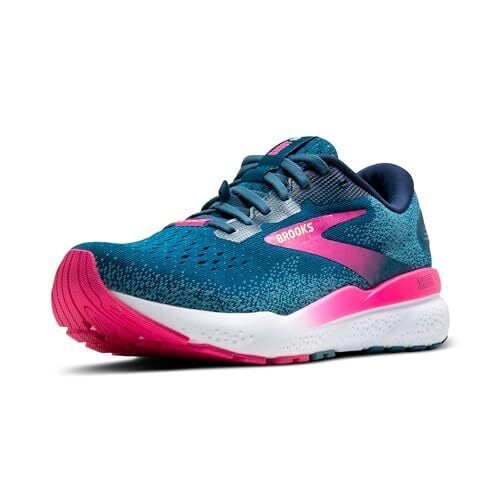
This time, I assume you replace your shoes once a year and need seasonal gear additions. After all, at this level, you’re investing in gear that genuinely enhances performance and comfort. The right technical fabric in cold weather isn’t just more comfortable; it actually enables more consistent training through the seasons. And instead of the cheapest shoes available, I now swear by Brooks Ghost 16 GTX.
For devoted runners who prioritize performance, recovery, and optimization, running becomes a more significant financial commitment. Here’s a look at just how expensive this sport can get, if you’re willing to invest.
Multiple specialized shoes: $140-250 each (training, racing, trail options)
Premium apparel: Complete seasonal wardrobes ($500-1,000+ annually)
Compression gear: $80-150 (tights, sleeves, socks)
High-end rain/cold protection: $150-300 (insulation jackets, premium thermal layers)
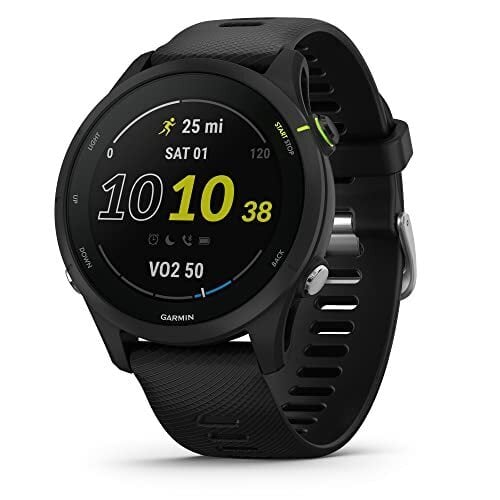
Advanced GPS watch: $300-700 (Garmin Forerunner, COROS, etc.)
Additional sensors: $50-100 (heart rate straps, foot pods)
Training platforms: $60-120 annually (Strava premium, TrainingPeaks)
Recovery tools: $200-500 (massage gun, compression boots, etc.)
Hydration vests/packs: $80-150
Specialized nutrition: $50-100 monthly (premium gels, recovery drinks, supplements)
Water filtration for trail running: $40-100
Gait analysis: $75-150
Custom insoles: $200-300
Coaching: $100-300+ monthly
Depending on race schedule and gear replacement frequency, running can transform from a simple exercise into a lifestyle with its own ecosystem of products and services. The investment can be substantial, but for those deeply committed to the sport, each element serves a purpose in enhancing performance, preventing injury, and/or improving the overall experience. If you’re spending this much on running, I hope you’re getting some sponsorships and brand deals in return.
The beauty of running is that you can participate meaningfully at any of these investment levels. Sometimes, a strategic upgrade in one area can make a disproportionate difference in your running experience. I find I take something of a hybrid approach. Invest in truly essential items, like good shoes and proper socks, but skip unnecessary “innovations”—not every gadget improves your running!
Another cost-saving trick: Always look for last season’s models. Unless you’re a serious racer, there’s rarely a reason to splurge on the newest, hottest watch or shoes. At the end of the day, the “right” amount to spend on running gear is highly personal. By understanding where quality truly matters versus where you can economize, you can build a running kit that supports your goals without unnecessary expense.
Stay tuned for my upcoming articles diving deeper into the specific costs of running shoes and race participation, so you can see how much it really costs to be a runner.

You can save a crazy 40% on the Sony Bravia 7 65-inch 4K smart TV with Mini LED Backlight, Dolby Vision HDR, PS5 Features, Google TV.
I’m a full-screen apps guy on my Mac. I love sending each app to its own workspace and swiping between them to use the one I need. When I’m writing, it helps me focus on the task at hand, and it’s not hard to use three and four-finger swipes on my trackpad get to my other productivity apps as I need them. However, messenger apps like WhatsApp and Slack are an exception. I need to be able to check these out at a moment’s notice, like when I’m using my browser in full-screen. Luckily, that’s where the Opera sidebar comes in. This handy tool is home to social media apps, messengers, and even some streaming services, keeping them from getting lost in separate tabs and letting me easily glance at them when I’m working on something else. It’s a lifesaver, and other browsers desperately need to adopt it.
You can think of the Opera sidebar as a way to bookmark crucial services to your Opera browser’s left pane. By default, it’ll just show icons, but clicking one will open the bookmarked tool in a small popover tab. This is ideal for tasks you want to work on without losing focus on your currently active tab. While I would normally go to a secondary tab to search the web or switch to a different app to reply to texts, this sidebar lets me stay on the current tab, attend to other tasks quickly, and then get right back to work.
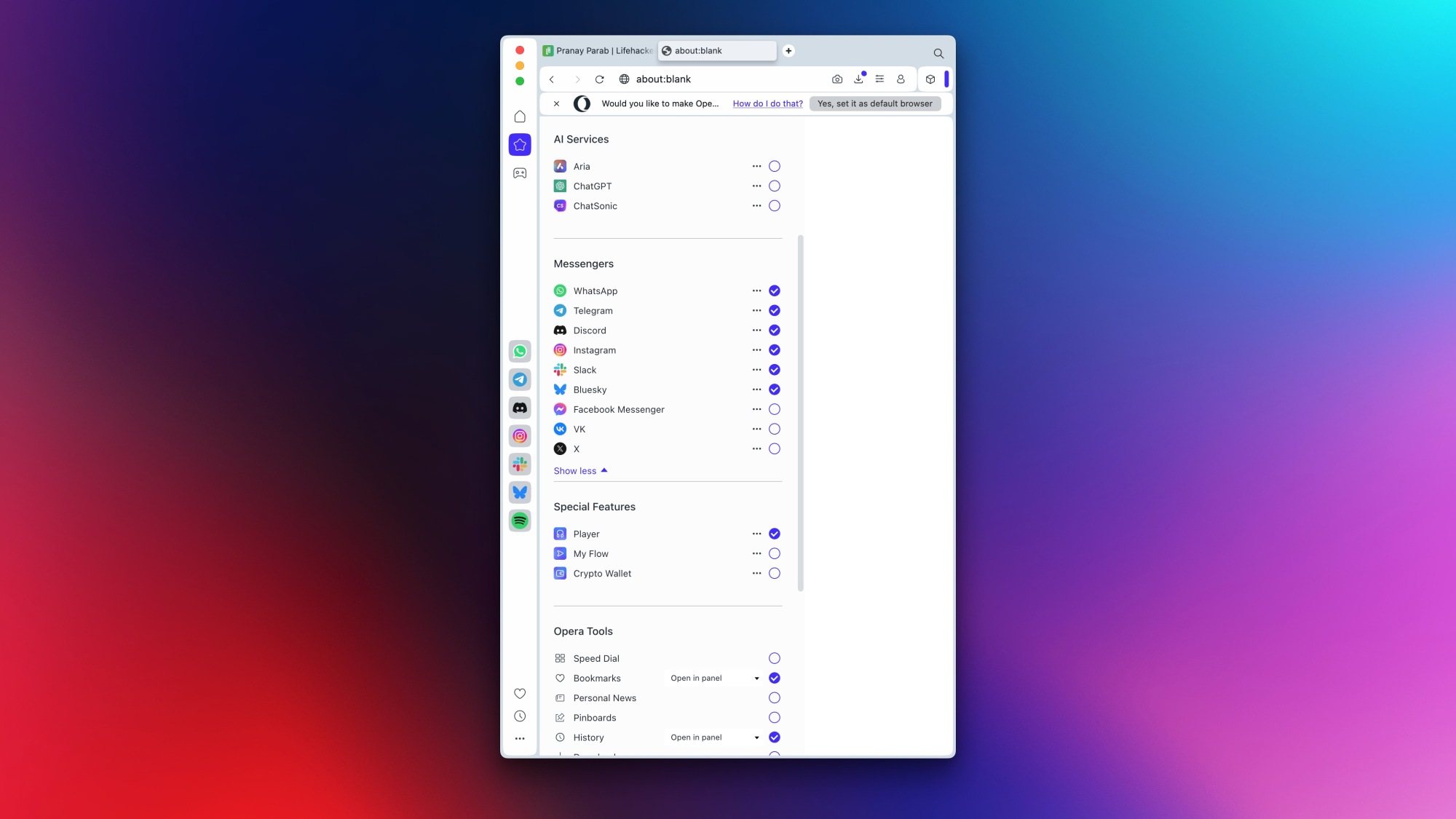
The sidebar is enabled by default, but you should take a moment to tweak it so that your favorite services show up on it. Just click the three-dots button in the bottom-left corner of the Opera window and the sidebar settings pane will open up. Go through the sections for AI services, messengers, and special features. Just click the check box next to the services you wish to use and disable the ones you don’t need. After this, your selections will show up in the left pane and you can click them to use them in the sidebar.
You can’t add any random app to the sidebar, unfortunately, but there is a reasonably well-populated list for you to choose from. You can pick AI services such as ChatGPT, messengers (WhatsApp, Slack, etc.), or social media sites (Instagram, Bluesky, etc.). The most recent additions are Bluesky, Discord, and Slack, so at least Opera is always adding more options. The sidebar also supports music streaming services such as Apple Music, Spotify, and YouTube Music.
I’ll admit it: I have a problem of opening too many tabs and then losing track of them. I’ve been guilty of opening the same website in multiple tabs or sometimes even running the same search query in more than one tab. With the sidebar, I’ve found a solution to these problems. When I need to reply to a message, I can open the messenger app from the sidebar and dismiss it the moment I’m done. And if I need to access it for longer, I can pin the app, which puts it in a neat split-screen view. This lets me work faster than when I have multiple open tabs, or when I need to switch between apps.
While a Mac does let you easily place two apps side-by-side, the browser sidebar feature lets me quickly swap new apps in as I need them. This is a level of flexibility that’s otherwise hard to find. It’s also worth noting that Opera is not the only browser to offer a sidebar, but it is one of the few that runs your browser extensions within the sidebar. If my preferred browsers—Safari and Firefox—were to adopt this feature, I’d even be compelled to delete the official apps for some of these services.
I don’t see myself using Opera as my primary browser because I’m attached to the unique privacy benefits in Safari and Firefox, but the company has been doing a few interesting things as of late. It’s built a browser that can break your doomscrolling habit and its Aria AI is actually quite useful. Other companies would do well to keep up.
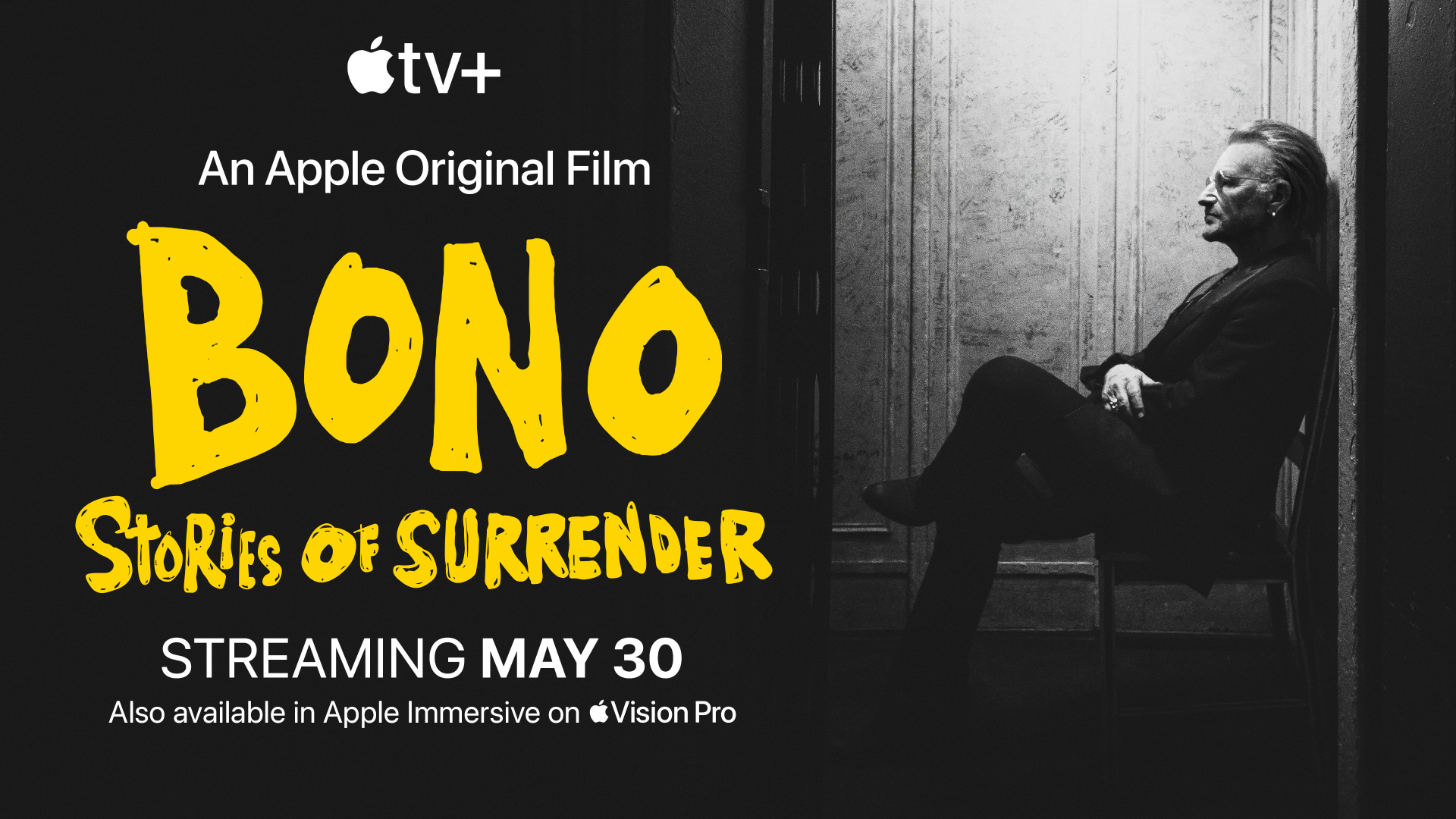
Apple announces the first full-length documentary in the new immersive video format for May 2025 — exclusively for Vision Pro.
The post Apple Vision Pro gets an exclusive immersive documentary on U2 frontman Bono appeared first on MIXED Reality News.
Until now, police could only bring a prosecution if they could prove a device had been used to commit a specific offence, but under new laws in the Crime and Policing Bill the onus will be on someone in possession of a device to show they had it for a legitimate purpose. Making or selling a signal jammer could lead to up to five years in prison or an unlimited fine.


Read more of this story at Slashdot.

CEDAR PARK, Texas—Early Sunday morning, while most of America is sleeping, a couple dozen engineers in Central Texas will have their eyes glued to monitors watching data stream in from a quarter-million miles away.
These ground controllers at Firefly Aerospace hope that their robotic spacecraft, named Blue Ghost, will become the second commercial mission to complete a soft landing on the Moon, following the landing of a spacecraft by Intuitive Machines last year. This is the first lunar mission for Firefly Aerospace, a company established in 2014 to develop a small satellite launcher.
Since then, Firefly has undergone changes in ownership, a bankruptcy, and a renaming. Recognizing that the company had to diversify to survive, Firefly executives began pursuing other business opportunities—spacecraft manufacturing, lunar missions, and a medium-class rocket—to go alongside its small Alpha launch vehicle.