Waymo, Alphabet’s autonomous driving subsidiary, has been rapidly expanding its self-driving robotaxi across various US cities, introducing both testing phases and public ride-hailing operations. Despite these expansion plans, many people remain hesitant to embrace autonomous technology. A Pew Research Center study from 2022 found that 45 percent of Americans would not feel comfortable sharing the road with driverless vehicles.
Much of this skepticism comes from the coverage of autonomous driving incidents in the media. Crashes are rare, so when they do happen, they make headlines and fuel the idea that these cars are untrustworthy. The hype around a few high-profile crashes can easily drown out the bigger picture.
The data tells a different story, though. In collaboration with Swiss insurance company Swiss Re, Waymo conducted a study analyzing 25.3 million miles driven by its autonomous vehicles. The findings revealed an 88 percent reduction in property damage claims and a 92 percent reduction in bodily injury claims compared to human-driven vehicles for the same distance traveled.
Psst, you. Yeah, you, the one with a PlayStation VR2 in your shopping cart. You don’t want to complete your order. Trust us on this one, because if you do proceed, you’ll just regret it in a couple of days. Not because the PS VR2 is a bad product by any stretch—it’s not—but because it’s about to become significantly cheaper in the coming days.
On March 3, Mobile World Congress will kick off in Barcelona, Spain. While it’s not the premier show it once was, many noteworthy smartphone makers around the world still attend the conference and frequently launch new devices there. Typically, we hear from companies like Lenovo, Arm, Xiaomi, Dell and more at the conference, as well as standards organizations like the GSMA on developments in areas like 5G or SIM technology. Occasionally, bigger players like Samsung and LG join the fray, too, and who can forget the year the Nokia 3310 brought nostalgic joy to MWC.
Judging by the event agenda on the MWC website, we will be seeing at least some kind of presence from Meta about WhatsApp, though it’s unlikely the company announces anything major at that event. Below, you’ll find a list of the more notable devices we expect to be launched at MWC 2025.
Nothing Phone 3a series
At MWC 2022, Nothing’s Carl Pei showed off a prototype of what would become the company’s first handset, the Nothing Phone 1, behind closed doors, and at last year’s event, Nothing announced the Phone 2(a). This year, we’re definitely getting at least one new device from the company at MWC, with Nothing teasing the reveal of the 3a series for March 4, the second day of the show.
Since Engadget first published this article, Nothing has gone on to reveal the design of one of the phones it plans to announce next week, the 3a Pro. On Monday, the company posted a nearly 11-minute long video showcasing the design of the upcoming device. Notably, the phone features a prominent camera bump to accommodate a periscope telephoto lens. That’s not something we see on many phones in the 3a price range, so it will be interesting to see how it performs.
In 2024, the Xiaomi 14 Ultra made its global debut ahead of MWC, and it’s looking like history will repeat. Before the start of this month, there was some evidence to suggest Xiaomi would launch its new flagship at MWC 2025, but more recent rumors suggest the company plans to announce the 15 Ultra on February 26. In any case, Xiaomi is listed as an exhibitor at MWC 2025, so if the phone does debut before the end of this month, there’s a good chance it will be on the show floor for people to try out. Like the 14 Ultra before it, it looks like the 15 Ultra will be a photography powerhouse, with the phone rumored to feature a 1-inch main sensor and 200-megapixel periscope telephoto lens.
HMD Global
Since 2017, HMD Global has been a mainstay at MWC. First, with its Nokia-branded phones, including retro throwbacks like the 8110 Reloaded, and now more recently with devices carrying its own name. Given that history, it seems a safe bet the company will have something to announce at the show. What that could be is more of a mystery, though it’s possible the sub-$100 HMD Key could get a global release.
Samsung Galaxy S25 Edge
Samsung
After Samsung teased the Galaxy S25 Edge at Unpacked last month, you might think it would be fitting for the company to launch the phone in Barcelona next month. After all, MWC was the venue where, up until the Galaxy S10 in 2019, Samsung announced every S series phone beginning with the S2 back in 2011, and the company’s presence at MWC was the highlight of the event. Unfortunately, it doesn’t seem Samsung is feeling nostalgic for and the sunny boulevards of Barcelona, with little in the way of rumors suggesting we could see the S25 Edge at MWC 2025. Still, never discount the chance Samsung may have a surprise up its sleeve.
Redmagic
Chinese manufacturer Redmagic is not only attending MWC 2025 but the company has already provided a preview of what it plans to show off at the event. Expect two new versions of its 10 Pro phone, including a limited edition “Golden Saga” variant.
Everything else
As Engadget’s resident AI reporter, I’m obligated to mention a lot of companies will probably have AI-related announcements to share at MWC 2025. Don’t expect anything from the big players like OpenAI — the company isn’t registered as an exhibitor — but with artificial intelligence being the trendy thing in the industry right now, everyone will be trying to cash in on the hype; in fact, “AI+” is one of the main themes of MWC 2025.
There may also be other technologies that get shown off at MWC 2025. For example, Nokia announced on February 25 that it’s teaming up with Vodafone and RingCentral to “showcase [the] future of voice calls” at the event. It’s called “immersive voice and audio services (IVAS)” and the company is saying it’s “the most significant advancement in voice-call audio technology in decades.” The press release said that IVAS would “allows people to hear sound spatially in real-time, making conversations and interaction natural, and lifelike.” We’ll have to wait till the demos to know for sure what that means.
Update, February 21 2025, 1:45PM ET: This story has been updated to add more context in the intro, calling out a few more companies that typically present at MWC, as well as some additional info pulled from the MWC agenda page.
Update,February 25 2025, 12:45PM ET: This story has been updated to add more context about Nothing’s MWC plans and to add mention of Redmagic.
Update,February 27 2025, 11:05AM ET: This story has been updated to add more context in the intro about companies that have appeared at MWC in years past, as well as mention Nokia’s announcement of IVAS.
This article originally appeared on Engadget at https://www.engadget.com/mobile/smartphones/mobile-world-congress-2025-what-to-expect-from-nothing-samsung-xiaomi-and-more-140057415.html?src=rss
This is a short clip of talented violinist Allie Miller performing a lovely duet with her dryer’s finished chime. Hey, my dryer makes the same chime! Must be a Samsung. Would I buy the same washer and dryer again? Probably not, but if they were to say, fall off the back of a truck… still no, they’re not my favorite and I can’t get the stink out of the washer no matter how many times I clean it. Now, Samsung — hit me up and we can make this post about LG.
For several years now, we’ve been following a tantalizing story indicating that the high heat of the ash cloud generated when Mount Vesuvius erupted in 79 AD was sufficiently hot to turn one of the victim’s brains into glass. It remains a matter of debate in the archeological community, but a fresh analysis of the physical properties of the glass-like material found in the remains lends more evidence to the hypothesis, as detailed in a new paper published in the journal Scientific Reports.
As previously reported, the eruption of Mt. Vesuvius released thermal energy roughly equivalent to 100,000 times the atomic bombs dropped on Hiroshima and Nagasaki at the end of World War II, spewing molten rock, pumice, and hot ash over the cities of Pompeii and Herculaneum in particular. The vast majority of the victims died of asphyxiation, choking to death on the thick clouds of noxious gas and ash.
But a 2001 study in Nature, co-authored by Petrone, estimated a temperature of 500° Celsius (932° Fahrenheit) for the pyroclastic surge that destroyed Pompeii, sufficient to kill inhabitants in fractions of a second. Back in 2018, we reported on Petrone’s conclusion that inhabitants of Herculaneum may have suffered a similar fate. There was fracturing in the bones and “cracking and explosion” of the skullcaps, consistent with forensic cases where skulls burst from extreme heat.
The number of babies born in Japan last year fell to the lowest level since records began 125 years ago as the country’s demographic crisis deepens and government efforts to reverse the decline continue to fail. Financial Times [non-paywalled source]: Japan recorded 720,988 births in 2024, according to preliminary government figures published on Thursday. The number has declined for nine straight years and appears to be largely unaffected by financial and other government incentives for married couples to produce more children.
We may earn a commission from links on this page. Deal pricing and availability subject to change after time of publication.
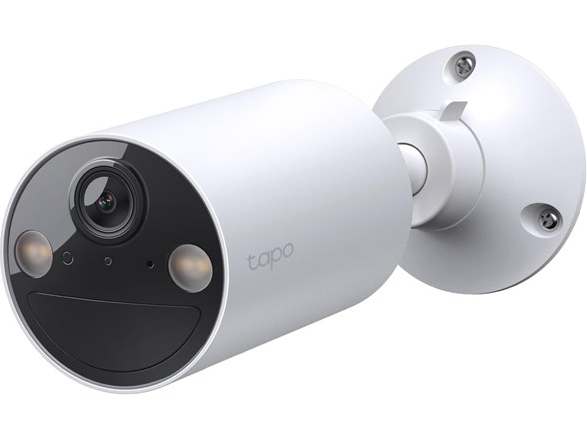
The TP-Link Tapo C402 is $19.99 on Woot for the next two days or until it sells out. If you’re a Prime member, you get free shipping; otherwise, it’ll cost you an extra $6.
This camera is IP65-rated, meaning it can handle rain and dust, and has a bullet-style design that makes it easy to mount. You get a 90-day Woot Limited Warranty, which isn’t long, but at this price, it’s hard to complain. It records in 1080p with a 125-degree field of view, offering sharp, color-rich daytime footage. At night, it switches between full-color video (though the colors reportedly appear a bit washed out) using built-in spotlights and black-and-white infrared video, depending on lighting conditions.
For storage, the C402 supports microSD cards up to 512GB, but you’ll need to buy one separately if you want local storage. If you’d rather store footage online, TP-Link offers a Premium Tapo Care ($3.49 monthly or $34.99 annually) plan, which includes 30 days of video history, smart sorting for recorded clips, and rich notifications. Even if you skip the subscription, you still get free intelligent alerts for people, pets, and vehicles, privacy zone controls, two-way audio, and live view through the app, notes this PCMag review. Additional controls in the app include adjusting the spotlight brightness, formatting a microSD card, manually recording a video, and enabling or disabling the built-in 94dB siren, among others.
The C402 connects via 2.4GHz wifi and works with Alexa, Google Assistant, and IFTTT applets to integrate with other compatible smart home devices. It does not support Apple HomeKit. A 6,400mAh rechargeable battery powers the unit, which TP-Link claims can last up to 180 days per charge—though, in reality, that depends on usage. For those wanting a more hands-off power solution, the TP-Link Tapo SolarCam C402 Kit is available for $44.99 (down from $50.98), allowing the camera to run indefinitely on solar energy for a more set-it-and-forget-it experience.
Minecraft has been a legendary franchise that has won the hearts of gamers of all ages. Together with this popularity, comes a new collaboration for fans who crave anything related to Minecraft. As such, Razer has launched its Minecraft Collection, which is a robust set of peripherals that are themed with Minecraft and its iconic Creeper character.
Intel’s indirect
branch tracking (IBT) is a hardware-implemented control-flow-integrity
mechanism that makes it harder for an attacker to gain control of the
system by way of a corrupted indirect branch. FineIBT is a software
extension to IBT that is meant to improve its protection. Recently,
though, Jennifer Miller reported a novel way to bypass
FineIBT by taking advantage of how the kernel’s system-call entry point is
constructed. In response, Peter Zijlstra is working on some FineIBT
enhancements to close that hole and make IBT more secure in general.
Ram’s 1500 Ramcharger goes on sale later this year, and the company is taking a slightly different approach to its electrified truck than rivals Ford and General Motors, which both now offer battery electric pickups. The Ramcharger will be a range-extended EV, albeit one with more lithium-ion on board than most BEVs have.
Honestly, pickup trucks are a poor candidate for electrification, at least while we’re still firmly in early adopter territory. The instant and impressive torque from an electric motor is great, but the shape of a cab and bed is inherently draggy in a way that few other vehicles are, a problem exacerbated by whopping great frontal areas.
But the pickup truck is also the most popular kind of vehicle in the US, and the industry has tried very hard to convince itself and everyone else that pickup buyers could seamlessly adopt electric powertrains en masse. That way, everyone in America could drive an EV, climate change would go away, and no one would have to consider changing their lifestyle or taking a bus to work.
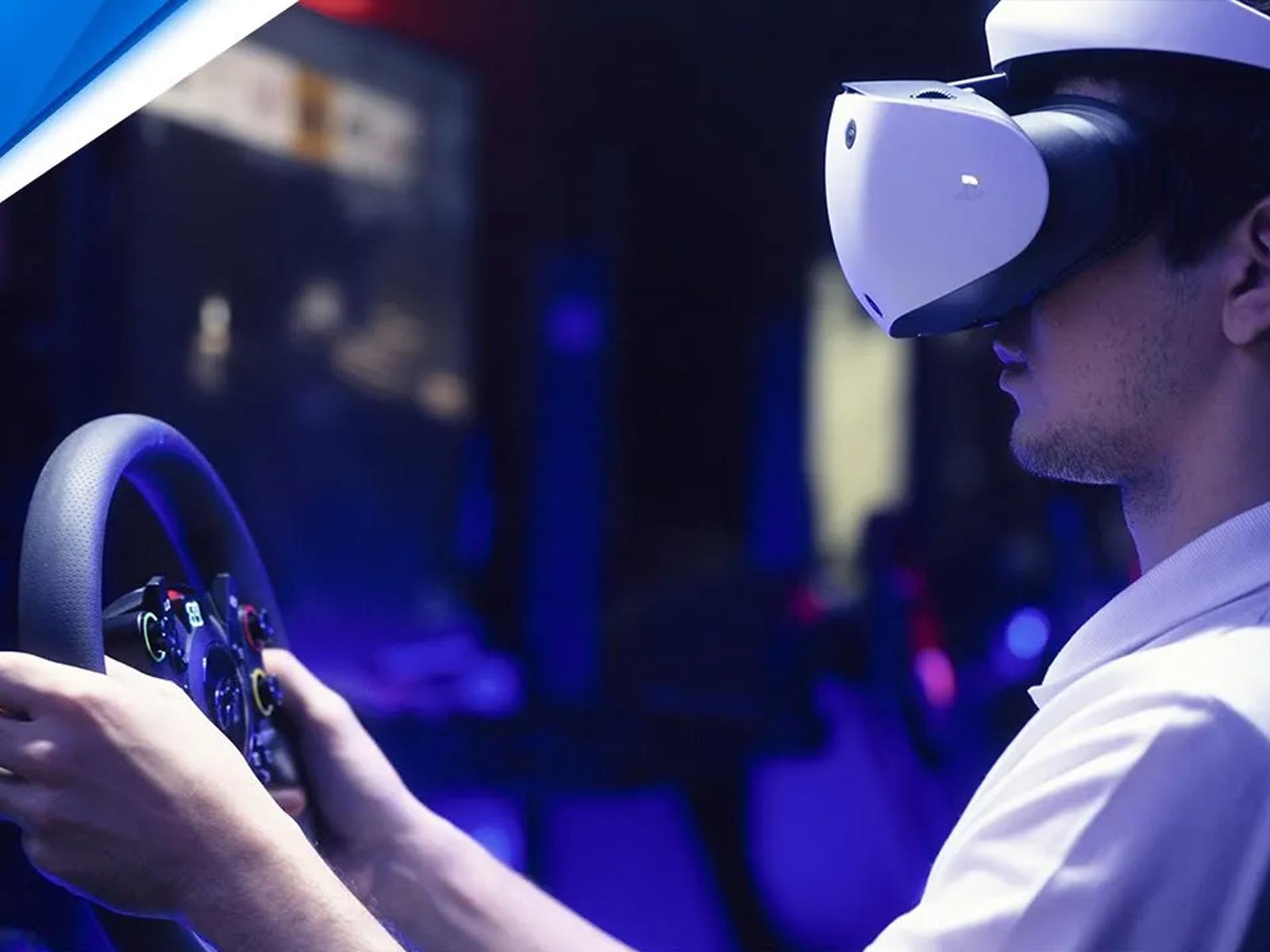
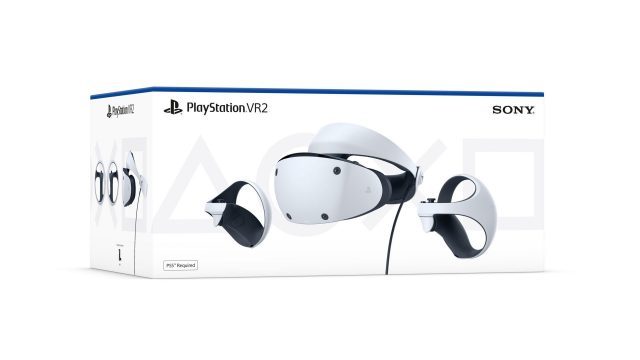
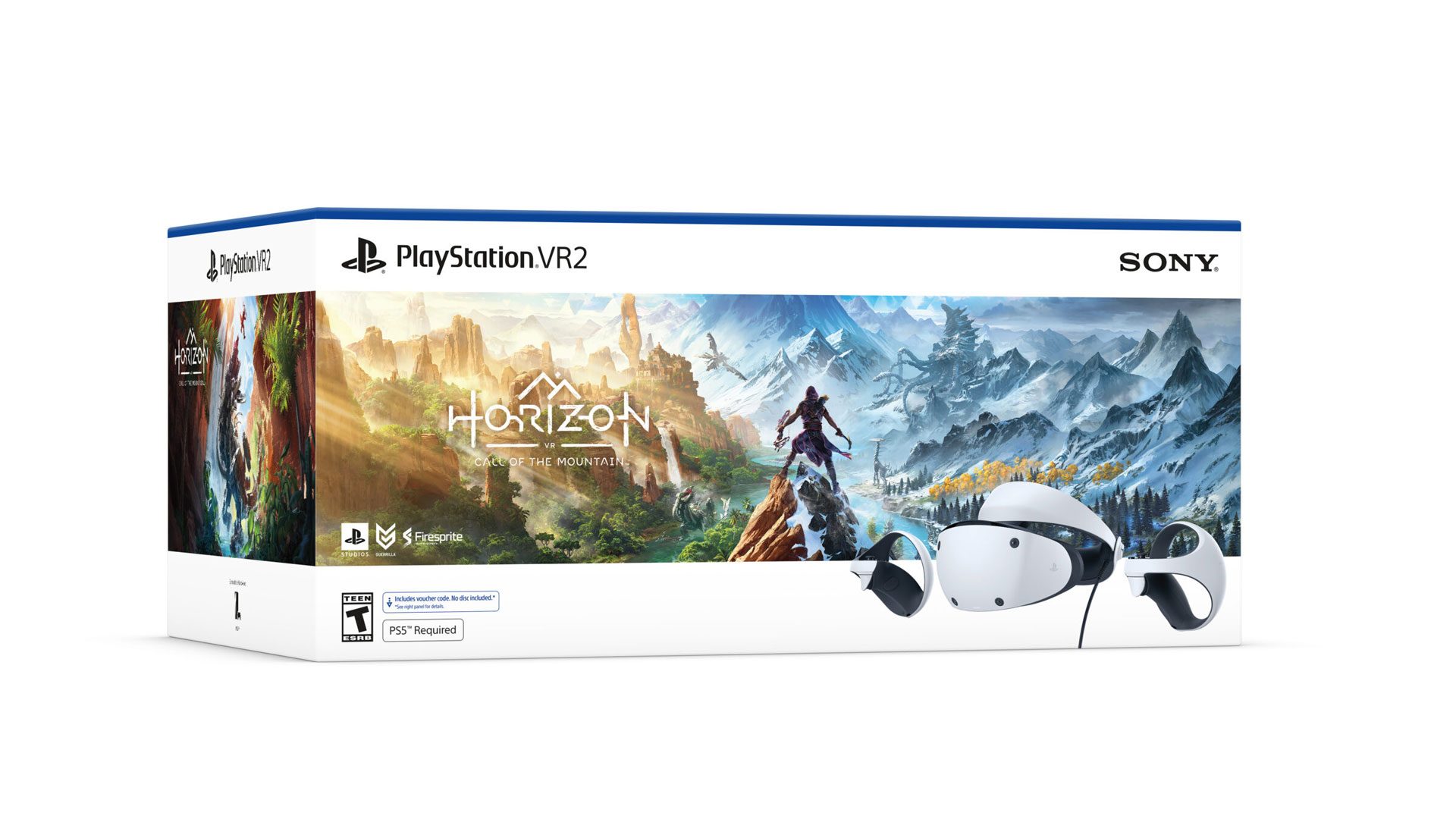
Sony is permanently reducing the price of the PlayStation VR2. Starting in March, the headset will cost $400, €450 and £400 — down from $550, €600 and £530, respectively. Included in the price cut is the Horizon Call of the Mountain bundle, which, like the standard package, will cost $400, €450 or £400 depending on your region. While it’s been possible to buy the PS VR2 for less than $400 during recent sales, the new pricing should give retailers the flexibility to discount the device even more aggressively down the road.
It’s hard to say what this means for the future of the PS VR2. Arguably, it was too expensive at launch, and at $400, it still costs more than the Meta Quest 3S, a standalone headset that doesn’t require a PlayStation 5 or PC to power it. Sony recently added support for low-latency hand tracking, but overall the company doesn’t appear keen on investing more time and money into the platform. Major first-party studios haven’t made many games for the PS VR2, and those that have, including the creators of Call of the Mountain, have seen layoffs in recent months.
This article originally appeared on Engadget at https://www.engadget.com/gaming/playstation/sony-cuts-the-price-of-ps-vr2-to-400-154138227.html?src=rss
Sony today announced it’s permanently discounting PSVR 2 starting next month, bringing the PS5 and PC-compatible VR headset to $400.
Sony launched PSVR 2 nearly two years ago today at $550. Now, following little fanfare at its two-year anniversary—and no real mention during its State of Play two weeks ago—Sony is slashing the price of PSVR 2 to $400 / €550 / £400 / ¥66,980 starting in March.
Interestingly, the new $400 MSRP affects both its basic PSVR bundle, which includes the headset, two Sense controllers, and headphones, and the Horizon Call of the Mountain hardware bundle, which was priced at $600 at the headset’s February 2023 launch.
Image courtesy PlayStation
Granted, PSVR 2 has seen a number of sales in the past that brought the headset down an even lower price than we’ll see in March. In November 2024, Sony discounted the Horizon Call of the Mountain bundle to just $350, which could mean the best potential savings are yet to come.
While Sony highlights a slate of high-quality PSVR 2 content in its new pricing announcement, including Skydance’s Behemoth, Metro Awakening VR, and Alien: Rogue Incursion, and also upcoming games like Aces of Thunder, Dreams of Another, Hitman World of Assassination, and The Midnight Walk—the company hasn’t really thrown its full support behind PSVR 2.
Sony has released only a handful of first-party titles for PSVR 2, including Horizon Call of the Mountain, and VR modes for Gran Turismo 7, Resident Evil Village and Resident Evil 4 Remake. This comes in contrast to titles released and/or published by Sony for the original 2016 PSVR, with included Astro Bot Rescue Mission, Blood & Truth, Until Dawn: Rush of Blood, PlayStation VR Worlds, VR Playroom, and VR modes for Gran Turismo Sport and Resident Evil 7: Biohazard.
Granted, Sony has done PSVR 2 players somewhat of a solid by releasing its PC Adapter for $60 last August, which lets users hook into a VR-ready PC to play SteamVR games like Half-Life: Alyx, Fallout 4 VR and more. Still, the company’s modus operandi suggests this was only the beginning of its drawn-out decoupling of PSVR 2 from the broader PS5 ecosystem.
Still, inevitable discounts yet to come could see a similar bump in respectable year-over-year sales like it did this Holiday Season, which could bring in more PS5 players looking to play not only the backlog of genuinely great games, but also that steady stream of third-party titles that hasn’t seemed to slow down. Provided we see another 42% discount like Black Friday, that would bring PSVR 2 to just $232—putting well into stocking stuffer territory.
Going into beta just under one month ago was the NVIDIA 570.86.16 Linux driver that brought initial support for GeForce RTX 50 “Blackwell” graphics cards as well as Vulkan driver improvements, Variable Rate Refresh (VRR) support with multiple displays, GPU overclocking exposed by default, and various other refinements to this official NVIDIA Linux driver. Out today is the NVIDIA 570.124.04 stable Linux driver release…
The launch of Apple’s iPhone 16e has been met with equal parts excitement and equal parts befuddlement. While the new phone sports many flagship features such as an A18 chipset, satellite connectivity, and larger battery, certain aspects (undoubtedly due to cost-cutting) have left some folks disappointed. One of the biggest spotlights has
NVIDIA recently confirmed that it was still in the process of “actively investigating” black screen issues and other bugs plaguing some GeForce RTX 50 series owners, and now it’s released new ‘Game Ready’ and ‘Studio’ driver packages that, according to the release notes, stomps out “various” black screen bugs.
The JavaScript package world is heating up as startups attempt to challenge npm’s long-standing dominance. While npm remains the backbone of JavaScript dependency management, Deno’s JSR and vlt’s vsr have entered the scene with impressive backing and even more impressive leadership — JSR comes from Node.js creator Ryan Dahl, while npm’s own creator Isaac Schlueter is behind vsr. Neither aims to completely replace npm, instead building compatible layers that promise better developer experiences.
Many developers feel GitHub has left npm to stagnate since its 2020 acquisition, doing just enough to keep it running while neglecting innovations. Security problems and package spam have only intensified these frustrations. Yet these newcomers face the same harsh reality that pushed npm into GitHub’s arms: running a package registry costs serious money — not just for servers, but for lawyers handling trademark fights and content moderation.