Gboard, the default keyboard on many Android phones, is finally getting a proper undo button. Up until now, you had to use a Japanese keyboard to access the undo button, but Google has finally addressed that gap. With Gboard 15 for Android, you’ll be able to use the undo button that, thankfully, works with all languages.
How to set up the undo and redo buttons in Gboard
First up, go to Google Play store and update Gboard to the latest version. After that, open any app where you can see the keyboard, such as Messages or Chrome. Fire up the keyboard and tap the four squares icon in the top-left corner of the keyboard. This will show you all the shortcuts that you can add to the suggestions row up top. Undo should be one of the shortcuts. You can drag it to the suggestions row at the top of the keyboard to make it easy to access.
The redo button appears in the suggestions row, once you try to undo something using Gboard.
How undo and redo work in Gboard
Once you type something using Gboard, you can easily use undo and redo to, well, undo or redo things! The trick is to get the button to show up in the suggestions row, which may not happen immediately if you also have autocorrect enabled, since autocorrect suggestions populate here, too. So, to use Gboard’s undo button, you can type something first, then tap the four squares button in the top-left corner. This will replace all the autocorrect suggestions with the undo button. Tap undo once, and you’ll also see the redo button appear right next to it.
Gboard’s undo is the equivalent of hitting the delete button on the keyboard once. You can’t press and hold undo to erase a bunch of words quickly, but you can press it to remove the previous thing you typed. If you regret pressing undo or if you pressed it one time too many, you can use the redo button to restore one character at a time. The good thing is that the undo/redo feature works even if you switch to another app and return to the original one. Unfortunately, if you end up force quitting an app, then your undo history is wiped and you have to start afresh. This means that after force quitting an app and opening it again, pressing undo won’t do anything until you type some more words.
Even amid the ongoing FreeDesktop.org GitLab cloud/server migration, Eric Engestrom has managed to release Mesa 25.0.2 on schedule as the newest stable release for these open-source OpenGL and Vulkan drivers for Linux systems…
More than ten-thousand users have complained to YouTube about an irritating problem where YouTube videos play in poor quality. Perhaps you’re an iPhone user and are facing this issue yourself. Maybe you’ve adjusted your internet settings repeatedly or tried other troubleshooting methods, but the issue remains unresolved. Well, don’t waste
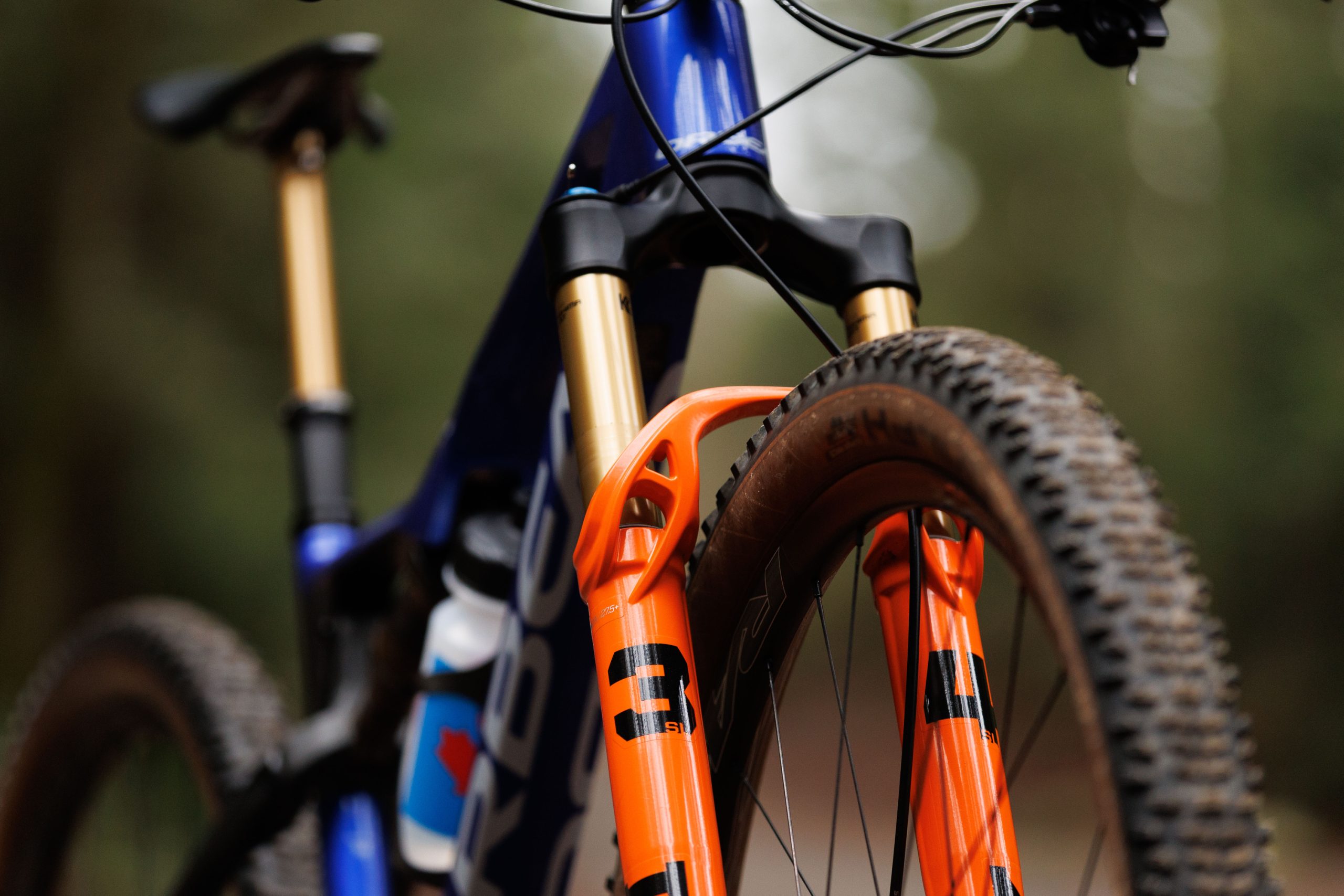
Fox has released its new 34SL cross-country mountain bike fork, with the brand betting big on bumps in XC travel by offering a 130mm variant and increasing air-spring volume.
Unlike the 34SC it replaces, the new 34SL uses a full-width 34 chassis for increased stiffness, which Fox says has resulted in a minimal weight increase over the Step-Cast variant. The new fork is only 3.2 per cent heavier at 1,475g compared to 1,422g, according to Fox.
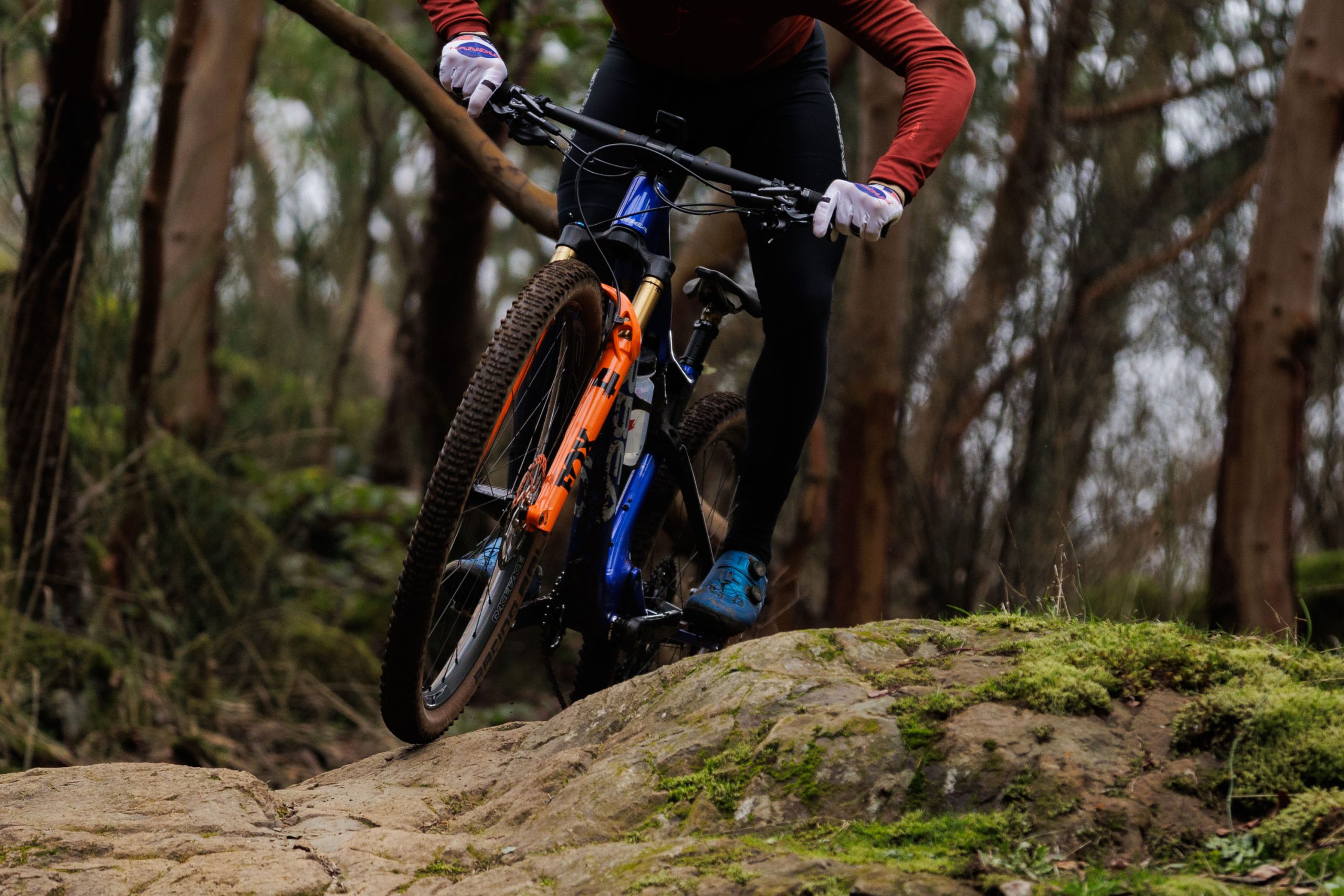
The new fork looks to be shaped for the ever-increasing technical requirements of World Cup XC racing, with courses now including features that wouldn’t be out of place in a bike park.
With the next generation of cross-country bikes expected to spec the new 34SL fork, it seems likely that we’ll see a general boost in travel across brands.
For riders looking to stay in more traditional travel ranges, the new fork also comes in 110mm and 120mm variants.
The new fork is priced at £1,259 / $1,099 / €1,469 / AU$1,899 for the Factory 34SL, £1,119 for the Performance Elite 34SL and £749 / $649 / €869 / AU$1,149 for the Performance.
Ai arch
The new crown design should receive a warmer welcome than the 38. Fox
The new Fox 34SL uses an optimised generatively designed fork arch that wraps around the lower legs to increase torsional stiffness.
Cut-outs have been made in strategic places to minimise weight.
We’ve seen this on the 32SC released last year, although this time Fox has placed the arch on the front of the fork.
Unlike the 32SC, the new fork uses a generatively designed crown made from 7000 series aluminium with larger internal lightning bores and a black anodised finish.
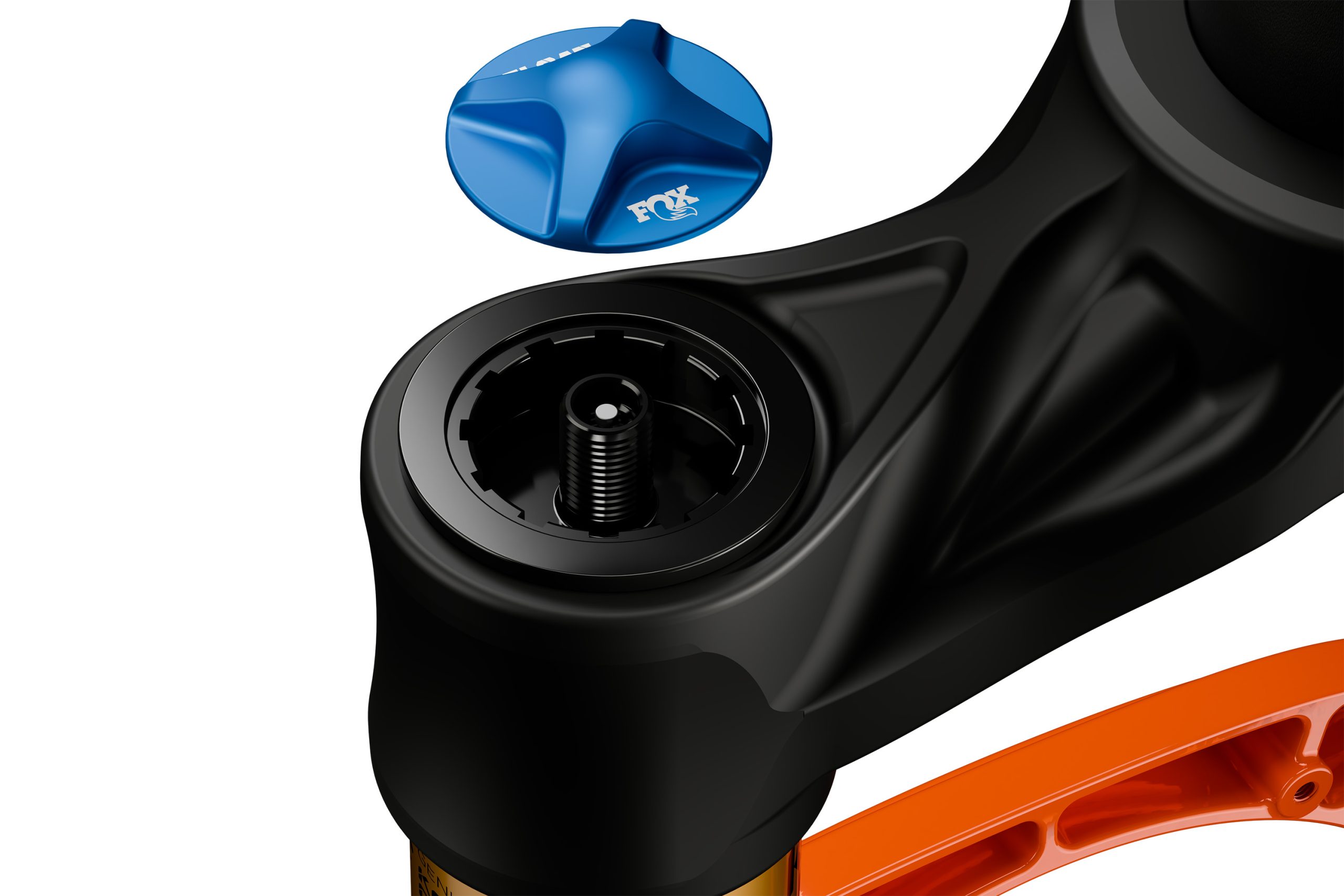
You can finally retire the 15mm spanner on your workbench. Fox
In a win for mechanics worldwide, the damper can now be removed using a Shimano cassette tool.
Combined with the full-width chassis and a Kabolt axle, the 34SL is said to be 17 per cent stiffer than the 34SC.
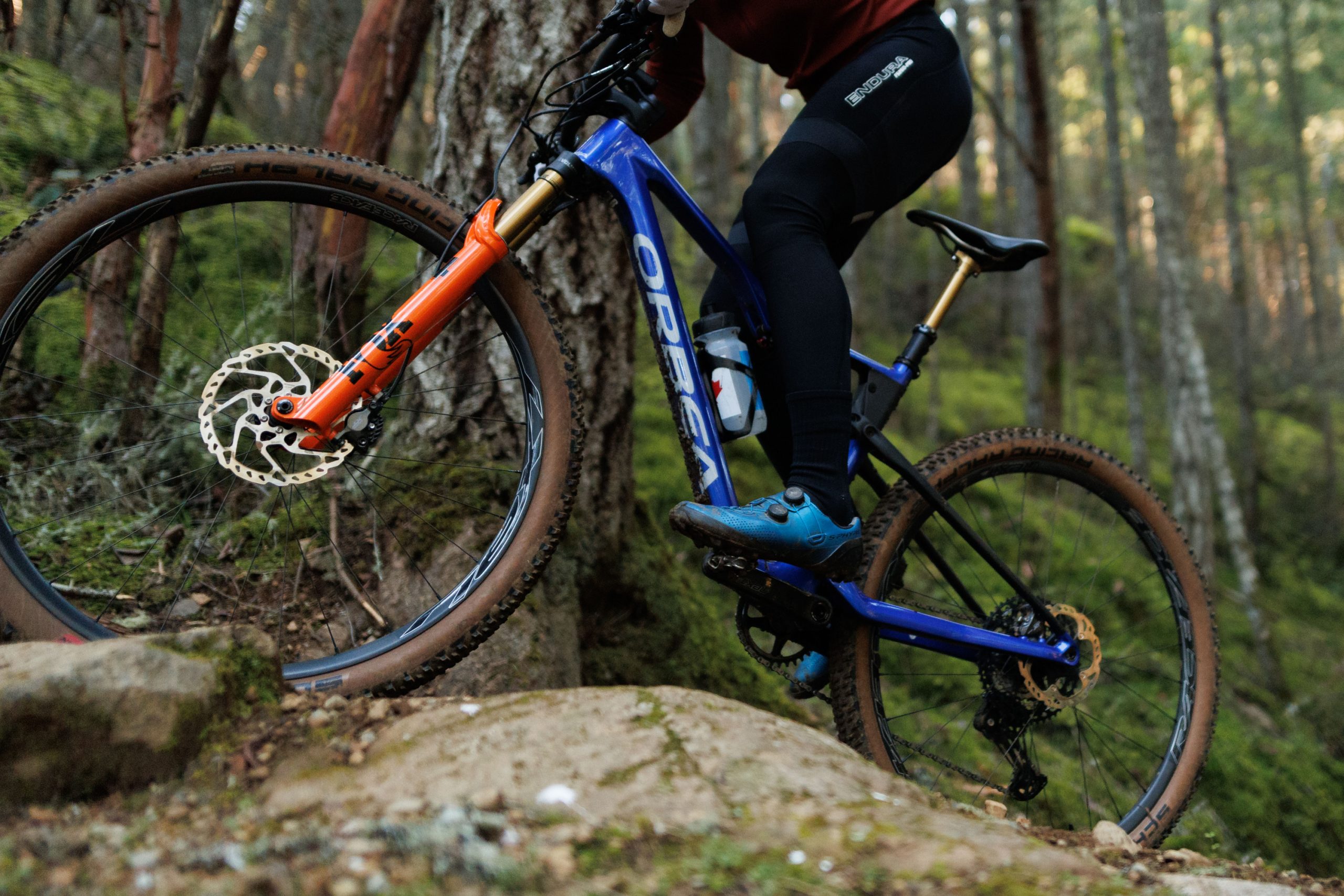
With the chassis being wider, the new fork also has room for 2.5in tyres.
We’ve seen a trend in riders picking wider tyres on the World Cup circuit, with many racers deciding better grip and higher volume is a worthwhile trade-off compared to the minimal increase in rolling resistance.
There is also room for 203mm rotors, which wasn’t possible on the Step-Cast design.
Better bushing overlap
The new fork offers downcountry performance at an XC weight. Fox
The new 34SL sees an increased bushing overlap of 20mm, which Fox says has made the fork much more supple.
Bushings sit between the interface of the lower legs and stanchions of the fork, with most mountain bike forks featuring two on each leg.
The distance between the upper and lower bushings is called the ‘overlap’.
Greater bushing overlap should make the 34SL more supple. Fox
When a side load is applied to the fork, the bending force is translated from the lower leg to the stanchion via the bushing.
Increasing the overlap reduces friction, leading to a smoother compression throughout the stroke.
Fox says riders should notice increased suppleness at higher speeds when the bending forces are greater.
GRIP SL damper
All variants of the 34SL feature a 44mm offset and 1.5in tapered steerer tube. Fox
Fox’s GRIP SL damper features inside the fork, with the short-travel specific damper reducing weight, while still being up to the task of World Cup XCO and XCM races.
The brand says the damper has optimised pedal-to-bump efficiency, while remaining one of the lightest on the market.
Inboard bypass channels
Fox has already tested the 34SL with World Cup XC racers. Fox
The fork features a new architecture that sees the bypass channels run on the inside of the legs.
Bypass channels reduce pressure ramping for increased small-bump sensitivity, while recirculating bath oil to lubricate the bushings and seals.
Fox says relocating the bypass channels to the inboard side reduces the dynamic friction by keeping them away from the fore-aft load path through the fork’s travel.
Weight savings
The 34 SL Factory series is the lightest of the bunch. Fox
Fox has shaved grams in many areas to get the full-width chassis down to a competitive weight, with the Factory and Performance series forks both using the Kabolt SL axle, which saves 12g over the standard Kabolt axle.
The brand has also used double-butted stanchion tubes on the damper side, saving another 9g.
Twin Stick Lever
The new Twin Stick lockout lever keeps a familiar design to the Remote Lockout it replaces. Fox
Alongside the new 34SL, Fox has released an updated bar-mounted lockout lever.
The new Twin Stick Lever combines a cable dropper post actuation and cable suspension lockout into the design – similar to Scott’s TwinLoc and Orbea’s Squidlock systems.
The lever uses ramps and catches to operate smoothly, with Fox saying very little lever force is required to operate both functions.
Twin Stick is compatible with both two- and three-position suspension-lockout systems and can be set up for fork-only should you be a hardtail hero.
The lever weighs 66g, or 76g with the clamp.
Fox says this helps to make its Super Light XC ecosystem the lightest on the market.
The Twin Stick Lever is priced at £184.95 / $149 / €199.
AMD’s just launched its Strix Halo high-end mobile APUs, but progress marches ever forward, and so it goes that we are now looking at leaks concerning the Strix successor, supposedly known as Medusa Point. Based on the Zen 6 “Morpheus” CPU core, Medusa Point has been said to sport a twelve-core CPU CCD as well as an eight-WGP GPU based on
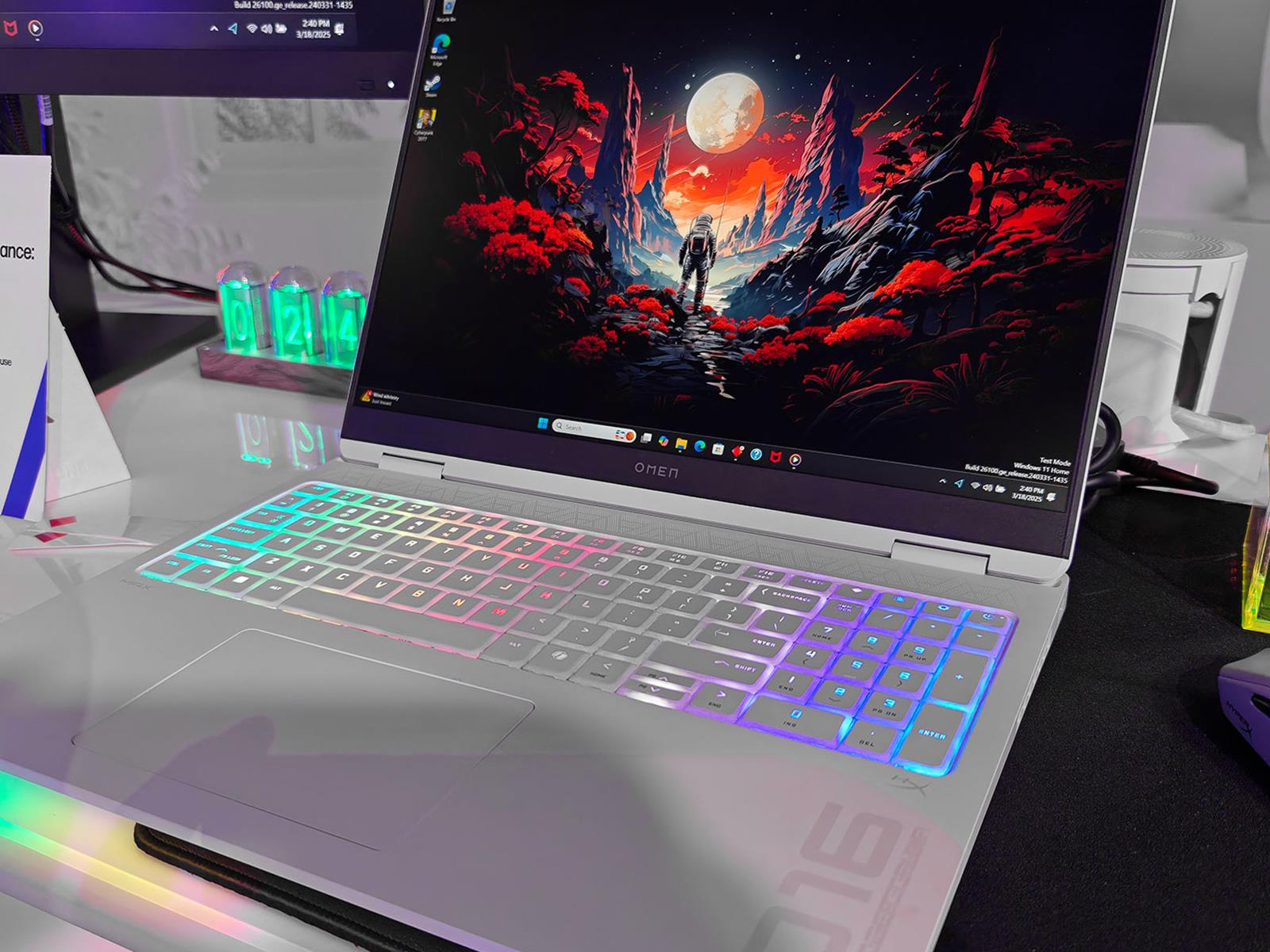
We made the trek out to HP Amplify this week (as well as NVIDIA’s GTC conference), and while there, we got to to go hands-on with a beastly laptop configuration that is available to preorder. It’s the HP Omen Max 16, and as configured it pairs an Intel Core Ultra 9 275HX processor based on Arrow Lake-HX with a mobile GeForce RTX 5090 GPU.
There are tons of reasons to switch to another user’s or the root user’s account, however there are multiple ways to do so, which we are going to learn today.
As adults, it’s easy for us to see the impact technology has had on society and on our lives. Yet when I tell pupils that, within my lifetime, it wasn’t always illegal to hold your mobile phone to your ear and have a call while driving, they are horrified. They are living in the now and don’t yet have the perspective to allow them to see the change that has happened.
With the greater understanding we now have of technology and its impact, we can better learn from previous mistakes, make decisions around ethical behaviour (such as whether to use a phone while driving), and critically engage in real-world issues.
As teachers, allocating some time to this topic throughout the year can seem challenging, but by implementing a few small changes, the benefits might be more than you imagine. Here are three ways you can help your students explore the impact of technology.
1. Change the format of your lessons by stepping away from devices
As teachers know, some computing lessons work best when students don’t use devices, whether it’s a matter of students designing programs before starting to code them, drawing maps of their school network, or discussing the implications of bias in AI training models. It’s important that learners recognise that computers are tools — sometimes they allow us to do and achieve great things, but sometimes there are other approaches that are more suitable.
Spending time discussing the impact of technology can help learners decide for themselves when technology is an asset, and when it is a burden. Another advantage of changing the format of your computing lessons away from device usage is that they may appeal to a wider range of students. While some students may not be interested in using technology, they may enjoy debating ethics, discussing world events, or finding solutions to real-world problems — all of which can take centre stage in a more discussion-focused computing lesson.
This approach can also demonstrate to your class that lots of different skill sets are needed in the computing industry, and inspire your learners to consider career paths they might have otherwise dismissed. In addition, open, discussion-based lessons can give your learners food for thought, encouraging them to approach tasks in subsequent lessons with a greater appreciation of broader issues — whether they’re designing a program, deciding what features to build into a website, or how to structure a database.
2. Connect your lessons to real-world events
Young people exist in an interesting space when it comes to world events. Even if they’re not engaged in current affairs, they’ll probably still encounter a lot of content about what’s happening in the world. They may see snippets of news footage on television, hear adults talking about a big event, or — with so much of their lives now happening online — stumble across trending stories and associated opinions while using social media, apps, and websites.
Young people will often try to make sense of all these bits of information, filling in the blanks. The problem is that if we don’t talk to young people about what they’re hearing, they may fill in the blanks incorrectly. Before you know it, they might be anxious that artificial intelligence will take over the world, or that adults hate TikTok for no reason.
It’s important to equip young people with the skills to think about real-world events — and developments related to technology — critically and calmly.
Headlines such as “Why the USA is banning TikTok” or self-help articles with titles like “Why muting people on social media will change your life” could make brilliant focus points for a lesson or activity about the impact of technology. Discussing these kinds of headlines and articles can help your learners consider their own opinions, apply what they know about how technology works, and gain a sense of grounding in our often turbulent world.
By encouraging your learners to articulate what they know and apply it to real-world situations, you’ll enrich their computing education while also nurturing responsible digital citizens.
3. Encourage students to have difficult conversations
The role of a computing teacher is often broad. Beyond curriculum and teaching responsibilities, it will usually involve providing tech support (changing ink in printers, for instance) and dealing with safeguarding incidents that have happened between pupils at the weekend.
Safeguarding is a key part of teaching. Effective safeguarding should include teaching your learners about what to do in difficult scenarios, like when a WhatsApp group goes awry, when an image is shared on social media when it shouldn’t have been, or when a game becomes popular that your learners aren’t old enough to play.
Computing teachers often have to be prepared with a lesson to deal with safeguarding incidents, such as a WhatsApp group gone awry.
Each of these scenarios is an example of technology’s impact on our lives. It’s important that your learners know how to deal with these scenarios and can have different opinions while talking and listening to each other. Also, if your learners can do these things, it will make things easier in the future if you need to talk to a particular learner about something inappropriate they’ve done.
By encouraging your learners to have difficult conversations, you’ll practise how to navigate the tension between legality, rules from home, and best-practice advice from external sources. You’ll also have lessons that you can refer back to: “Remember when we were discussing the TikTok ban? How might some of those conversations relate to this situation? What about when we discussed when to block people on games or on social media? Would that be appropriate here?”
Raising awareness that the impact of technology can enrich lessons
Technology is going to continue to impact the lives of the pupils we work with, whether they can recognise that or not. Increasing their awareness of the impact technology is having, in both positive and negative ways, will enrich your lessons, show that content is relevant to your learners, and help protect them when they have to make their own critical decisions.
There are suggestions in this article to use with learners of all ages, but if you want more support on how to teach the topic with older learners, we have an online course for educators (helloworld.cc/impactoftech) and a unit of work for 14-year-olds (helloworld.cc/ks4impact).
A version of this article also appears in Hello World issue 24.
The National Highway Traffic Safety Administration (NHTSA) has issued another Tesla recall. This time, it involves nearly every Cybertruck on the road over a poorly attached cant panel. The panel has been found to detach and/or completely fly off at speed due to dried out structural adhesives. Unlike most other recalls involving Tesla vehicles,
They’re the four words you never, ever want to hear. “I’m sorry. It’s terminal”, said the oncologist.
It was a shock, but not a surprise, which sounds peculiar, so let me explain. Prostate cancer has waxed and waned in my life the past seven years.
My first diagnosis, in 2017, permitted, even encouraged, optimism. It was “treatable”. Nine out of ten men with the flavour I then had get blasted with radiotherapy, undergo surgery or more rarely other forms of treatment, and cross the threshold of the oncologist’s office only to be signed off as cured, or at least in remission indefinitely.
That was me, until it wasn’t; until I became That Guy, the one in ten, where it comes back, but worse. So in September 2024 I heard Those Four Words.
Deep down, I knew they were coming. I’d seen the worrying test results, I’d done the reading. So yeah, shocked, but not surprised.
Family, friends – they’re the first to know, of course. Then colleagues. And the upshot of that was an abrupt and largely unexplained vanishing act from the newly-rebooted Zwiftcast. Long-time listeners will recall that I’d always planned to hand over to a new team. But like this? No, not like this.
This was all, oddly, contemporaneous with Sir Chris Hoy’s similar bombshell announcement, and like the great Olympian, I too started a brutal, gruelling six rounds of chemotherapy. Friends, it was hellish.
I was left hollowed out, weak as a kitten and felt like I’d never, ever get back on a bike again.
But then on the way to the hospital for another session, we drove past an artistic landmark in my home-town of Leeds in Yorkshire, England.
It’s a line from the great Chumbawumba anthem, Tubthumping, from 1997:
It resonated. It spoke to me. Let’s be frank, I won’t beat cancer. That’s not how it works. But I can Get Up Again and get back on a bike.
Plans were hatched. Strategies devised. And they included a YouTube channel. It would document my ascent from the nadir of chemo to the moment I got back in the saddle. And beyond – it would follow my progress as I attempted to get back to something like the cyclist I was before Those Four Words.
The name? Well, it could only be Simon Rides On… a nod to my long, long association with Zwift and a forward-looking thought to spur me on. And much of the reasoning behind the channel is about that – accountability. It would be easy to give up, to accept my riding days are over, to focus on other things in the remaining time.
But I love riding a bike. Exercise, I strongly believe, is a panacea. I’ll get stronger, rid my body of the toxins of chemo and restore some kind of normality after a tumultuous few months. And committing to that on the internet, well, I gotta do it then haven’t I?
I know what you’re thinking – and no, I don’t know either. My oncologist doesn’t know. It could be two years, maybe five, possibly ten or more. However long it is, I’m determined to spend a portion of that time doing the thing that has brought me great joy, fantastic friendships and been a huge part of my life.
Do you want to join the ride? I’d love to have you along.
As the 2025 Linux
Storage, Filesystem, Memory-Management, and BPF Summit (LSFMM+BPF)
approaches, the density of memory-management patches on the mailing lists
has increased. Included among those are patches aimed at improving the
reliability and performance of huge-page allocation, implementing page
promotion on tiered-memory systems, adding a different approach to
deduplicating memory, and replacing the BPF memory allocator. Read on for
an overview of each.
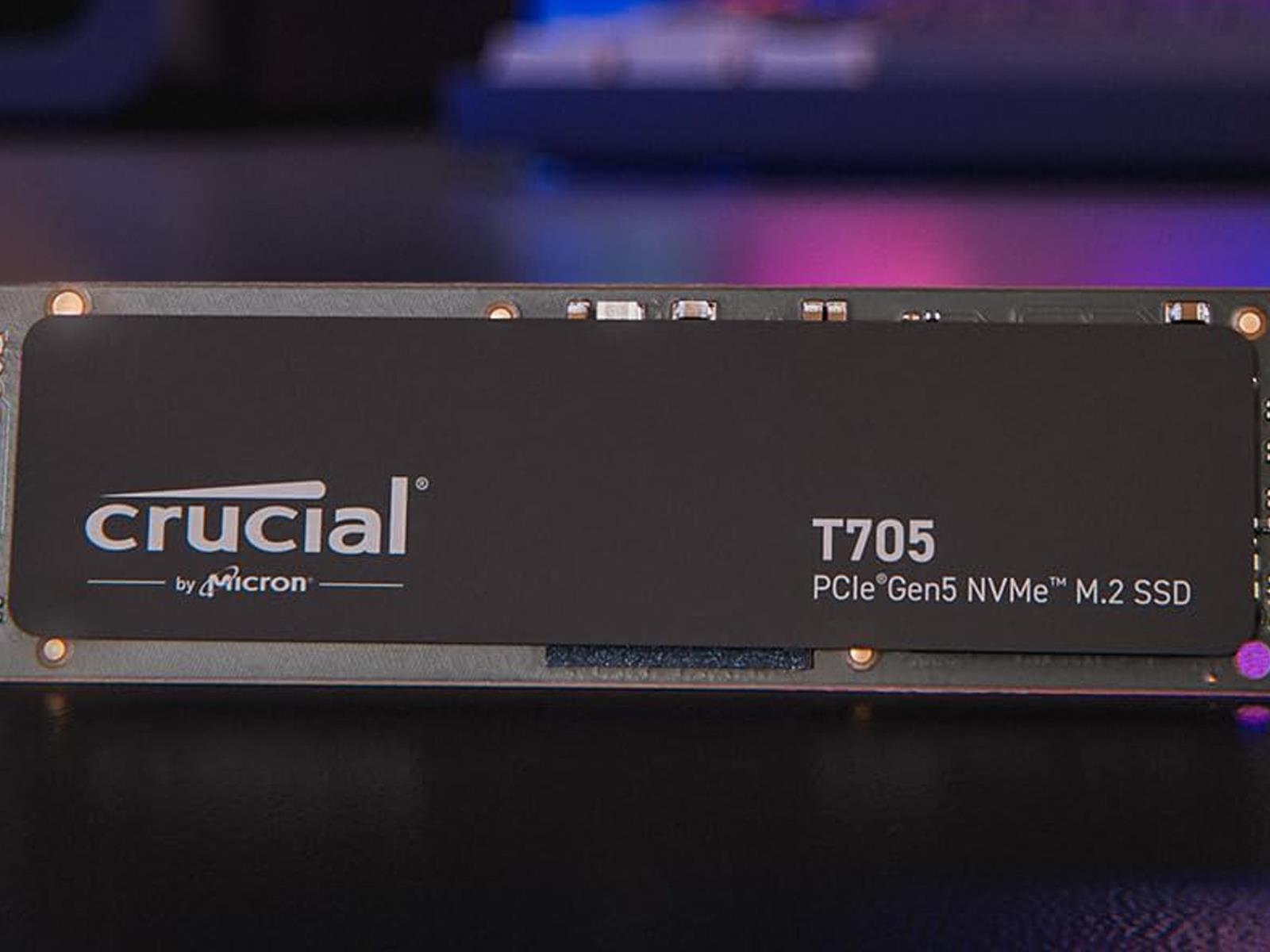
If you’re building a new, no-compromise (or low-compromise) gaming PC, a great place to start for primary storage is Crucial’s T705. When we reviewed it last month, we called it the “fastest SSD for gamers and creators” thanks to its combination of ultra-high sequential transfers, low latency, and top performance in trace-based test. Even
With my launch day testing of the Radeon RX 9070 graphics cards on Linux the Mesa RADV driver was used given that is what is predominantly used by Linux gamers/enthusiasts and is used out-of-the-box by all of the major Linux distributions. Last week AMD released an AMDVLK Vulkan driver with RDNA4 GPU support as the company’s official open-source Vulkan API Linux driver. For those curious how the Mesa RADV and AMDVLK drivers are competing for the Radeon RX 9070 series, this article is for you with benchmarks of both drivers and both RX 9070 graphics cards.
Seven years in the making, this is a video of BuildsByBaz’s lifesize (28-foot) replica of a Colonial Viper Mark II spaceship from Battlestar Galactica. It’s glorious. Could you imagine sitting in the cockpit of that thing making pew-pew noises to yourself? That’s what my dreams are made of. Just kidding, most of my dreams are made of being chased or all my teeth falling out, and sometimes I’ll pee a little IRL.
A bunch more build photos, videos and information at Baz’s website HERE.
In case you need further evidence that companies involved in AI chip manufacturing are looking to give themselves whatever edge they can, SoftBank is adding to its institutional expertise by buying former Intel president Renee James’ Ampere Computing. The conglomerate is paying $6.5 billion in cash for the chip design business.
Ampere, which James founded in 2018, focused on cloud-native computing at first. No prizes for guessing which area the company has moved into since then: “sustainable AI compute,” according to a press release.
SoftBank is betting that Ampere will bolster Arm’s research and development. It was reported last month that Arm, which SoftBank also owns, is working on an in-house chip.
“As SoftBank Group broadens its AI infrastructure investments in ventures such as Cristal intelligence and Stargate, the acquisition will help enhance SoftBank Group’s capabilities in key areas and accelerate its growth initiatives,” the company said in a statement. Ampere is set to keep its name and run as a wholly owned subsidiary after the deal closes, which is expected to happen later this year pending regulatory approval and other closing conditions.
“With a shared vision for advancing AI, we are excited to join SoftBank Group and partner with its portfolio of leading technology companies,” James, who is CEO of Ampere, said in a statement. “This is a fantastic outcome for our team, and we are excited to drive forward our AmpereOne roadmap for high performance Arm processors and AI.”
This article originally appeared on Engadget at https://www.engadget.com/big-tech/softbank-is-buying-ex-intel-president-renee-james-chip-design-company-for-65-billion-141112408.html?src=rss
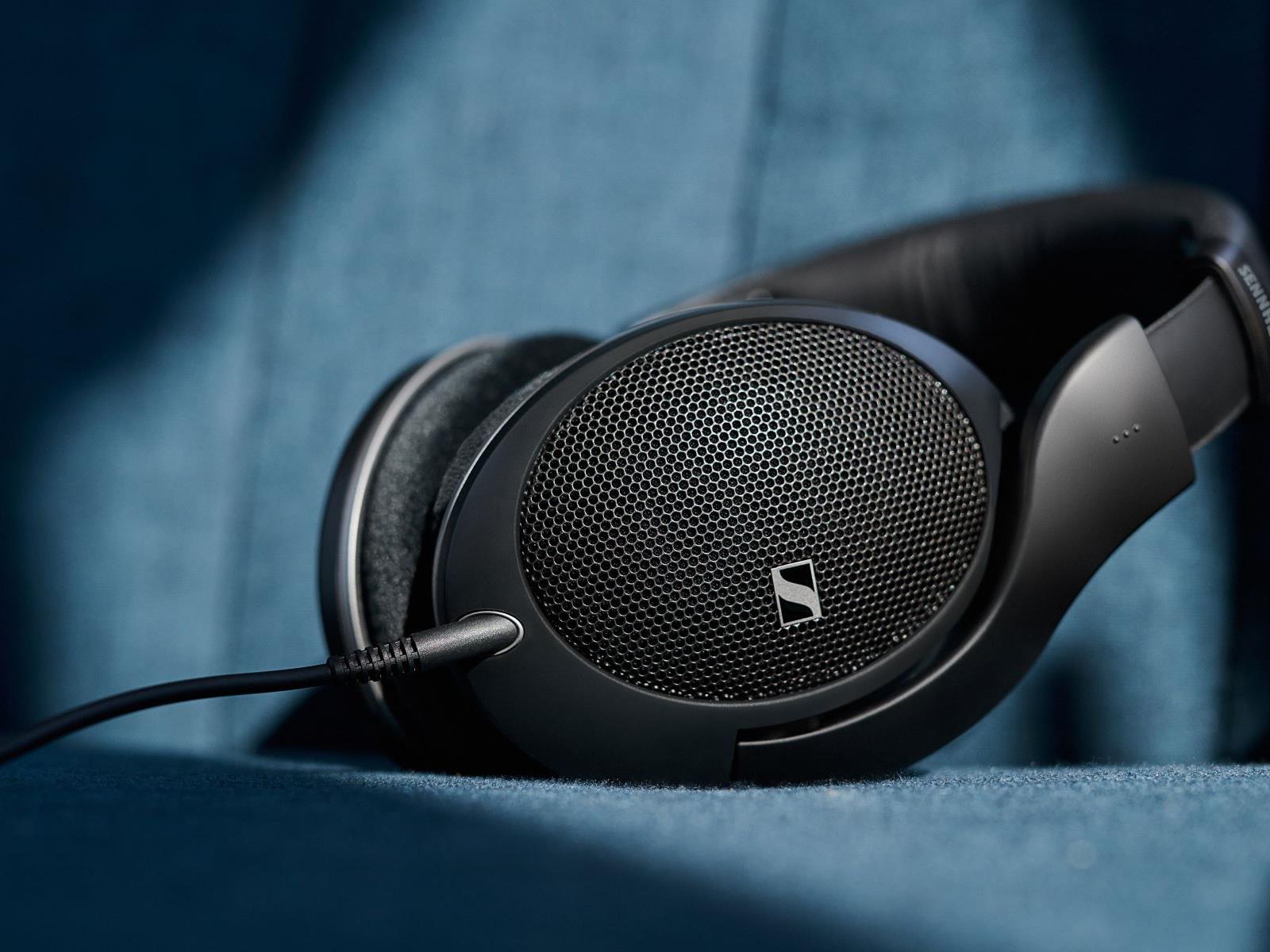
Sennheiser’s consumer audio division is steadily building its entry-level HD 500 series of headphones this year. The latest hardware to hit the shelves is the HD 550 open-back set that touts a featherweight design, a frequency response of 6Hz to 39.5 kHz, and modular components, which means users can easily swap out earpads and cables to suit