Microsoft just increased all Xbox prices: Grab one before the hikes go into effect

Microsoft just increased all Xbox prices: Grab one before the hikes go into effect
Microsoft

Gaming is about to get a lot more expensive — at least for Xbox fans. Effective today, May 1, Microsoft is increasing the price of Xbox consoles and controllers, and not by an insignificant amount: 

  • The Xbox Series S 512GB, is now $380, more than a 25 percent increase from $300. 

  • The Xbox Series X 1TB Digital is now $550, a 22 percent increase from $450. 

  • The Xbox Series S 1TB is now $430, a 22 percent increase from $350).

  • The Xbox Series X 1TB with Blu-ray is now $600, a 20 percent increase from $500.

  • The Xbox Series X 2TB Galaxy Black Special Edition is now $730, a 22 percent increase from $600.

The news doesn’t end there. Controllers and headsets now start at $65 and top out at $200 for the “Full” Xbox Elite Wireless Controller Series 2. Games will also increase in price, though not right away: “Some of our new, first-party games will launch at $79.99 beginning this holiday season,” Microsoft explains. That last one seems more about leaning in to Nintendo’s ambitious Switch 2 game pricing, and less about any possible tariff impact (though it’s worth noting Xbox prices are going up worldwide, not just in the US.)

But not all is negative, as if you’re in the market for a new console, prices at online retailers have yet to catch up. Before you whip out your credit card, remember some key caveats here. The current Xbox platform is effectively five years old, with the leaked mid-gen “Brooklin” refresh seemingly canceled. An all-new Xbox generation is also expected to arrive in the next few years, perhaps 2028, with leaks suggesting it may be a “cloud hybrid” machine. And more and more previous Xbox exclusives are beginning to pop up on the PS5, too. That said, if you’ve been waiting to buy an Xbox, now is the time, as these legacy prices could disappear any minute. 

Best Xbox deals

This article originally appeared on Engadget at https://www.engadget.com/deals/microsoft-just-increased-all-xbox-prices-grab-one-before-the-hikes-go-into-effect-192628921.html?src=rss

Lyft Silver wants to keep your aging parents off the road

Lyft is rolling out a new service called Lyft Silver that’s specifically designed to give aging and elderly people a way to get around when driving isn’t an option.

The basic pitch is that while getting rides from friends and family is great, it can limit the sense of independence an elderly person has. According to Audrey Liu, Lyft’s head of Rider and Community Safety, the goal “wasn’t just to build a service, but to remove everything that makes getting around a challenge.” Lyft Silver will ideally help people “stay connected with their communities.” 

Public transportation is already doing that for plenty of elderly people, but not everyone has access and Lyft is promising an extra level of security and support. Besides featuring a simpler interface, the new service adds access to live human support whenever you need it. Lyft Silver will also prioritize matching riders with cars that are easier to get in and out of, and make it easier to share ride details with loved ones.

Lyft has offered features in the past that acknowledge elderly riders, but hasn’t addressed them directly. The company’s Concierge service lets a doctor’s office order a ride for an elderly patient, for example. Lyft has also partnered with healthcare providers to offer paid rides to appointments. Lyft Silver just simplifies things even further by repackaging the basic ride-hailing experience for an older audience.

Lyft says Lyft Silver will launch in early access “nationwide” on May 5. You’ll be able to use the service directly from the normal Lyft app, and the company says families will be able to pay for their loved ones rides with Lyft Cash, the company’s in-app payment method.

This article originally appeared on Engadget at https://www.engadget.com/transportation/lyft-silver-wants-to-keep-your-aging-parents-off-the-road-192617078.html?src=rss

NIH To Suspend Funds For Research Abroad As It Overhauls Policy, Report Says

Nature: A forthcoming policy from the US National Institutes of Health (NIH) will target – and at least temporarily stop — funding to laboratories and hospitals outside the United States, threatening thousands of global-health projects and international collaborations on topics such as emerging infectious diseases and cancer.

The NIH, the world’s largest funder of biomedical research, plans to release the policy in the next week. Some agency staff members have already been instructed to hold funds for foreign institutions that are part of both new research grants and grants coming up for renewal, according to multiple agency employees who spoke to Nature under the condition of anonymity because they are not authorized to speak to the press.


Read more of this story at Slashdot.

Epic Games takes aim at Apple and Steam with zero-commission policy for developers

Epic Games just announced some changes to its store that should please budding developers. The company will not charge a commission of any kind for the first $1,000,000 in revenue from an app per year. Once a piece of software goes past that threshold, Epic will begin taking its standard rate of 12 percent. The policy goes into effect in June.

This sounds like a real boon for smaller devs, especially when you consider that Steam takes 30 percent of sales as commission. Apple isn’t a direct competitor here, but the App Store takes 15 percent on the first million in revenue. This increases to 30 percent once that metric is met.

Epic Games Store will take 0% on the first $1,000,000 of payments we process per game per year (vs 15% for Apple), and 12% after that (vs 30% for Apple).

Next month, we launch EGS Webshops for out-of-app purchases, as an alternative to in-app purchases.https://t.co/yTufyZbiqR

— Tim Sweeney (@TimSweeneyEpic) May 1, 2025

Epic also announced something called webshops, which sounds like a way for developers to avoid Apple’s App Store fees. These shops are powered by the Epic Games Store and offer customers “out-of-app purchases, as a more cost-effective alternative to in-app purchases.” These stores will be available next month “on any platform that allows it,” though that now includes iOS devices in both the EU and the US.

The company will begin offering a bonus of five percent in Epic Rewards to lure customers to these webshops. This will be applicable to all purchases, though the company hasn’t said if it’s a limited time offer.

Epic is able to do this whole webshop thing because it just won a case against long-time foe Apple. A California court just ordered Apple to stop collecting fees for purchases made outside of the App Store.

August 2020: Fortnite leaves the iOS App Store.

May 2025: Epic announces Fortnite will return to US iOS App Store.

More at @thegamebusiness:https://t.co/7Z8EyzhokQ

— Geoff Keighley (@geoffkeighley) May 1, 2025

The ruling also means that Fortnite is coming back to Apple devices in the US next week. Epic CEO Tim Sweeney has stated that the company would return the game to the App Store worldwide, so long as Apple extends the court’s ruling across all countries. The company will also drop all pending litigation on the topic. He’s calling it a “peace plan,” but Apple has yet to respond.

This article originally appeared on Engadget at https://www.engadget.com/gaming/epic-games-takes-aim-at-apple-and-steam-with-zero-commission-policy-for-developers-183956940.html?src=rss

How Apple’s Loss in Court May Benefit You, Even if You Don’t Play ‘Fortnite’

Fortnite is coming back to the iPhone next week, according to Epic Games CEO Tim Sweeney. That may not sound like huge news to those of you that have never played Fortnite, but the game’s return follows a court ruling that has implications for many other apps you likely use every day.

The ruling, from judge Yvonne Gonzalez Rogers, states definitively that Apple is no longer allowed to stop developers from linking to purchases outside the App Store or limit them from explaining where such purchases can be made.

What does this mean practically? Well, have you ever tried to subscribe to Netflix, upgrade Spotify, or buy a Kindle book on your iPhone? These things can’t be done right now, at least not through the iPhone apps. You also won’t find any language explaining this inside those apps. Instead, you’ll have to go onto a web browser, make the purchases there, then go back to your phone to access the movie or book, etc. This odd situation is the result of a tangle of policies between the big tech companies—one that’s hostile to users.

Currently, Apple demands that all commercial transactions inside apps go through the App Store itself. The company claims this is for security and ease of use, but Apple also happens to take a sizable cut of all App Store transactions. This means, should Netflix allow users to subscribe inside the app, it would have to pay Apple a large percentage—between 15 and 30 percent—to Apple every month. Until recently, Apple also forbade companies from linking to external websites where transactions can be made or even referencing that such alternative places to pay exist.

Different companies have responded to this in different ways. Epic Games, which owns Fortnite, pulled its apps from the App Store entirely. Some companies, including Netflix, don’t offer any signup options in the app at all, and hope that users will figure out they need to sign up elsewhere. Some companies just charge more to App Store customers: YouTube Premium, for example, costs $18.99 per month in the App Store but only $13.99 if you sign up in your browser. Some companies, like Patreon, use a different tactic: If you sign up to support someone on Patreon using your iPhone, 30 percent of your monthly contribution goes straight to Apple instead of to the creator you wanted to support.

The ruling will have implications for all such companies, allowing them to explain these things inside the app while also linking to alternative places to subscribe. Spotify told The Verge that it will soon add a link to its web-based subscription inside its iPhone app. Apple, for its part, intends to appeal the ruling, meaning the situation could change. For now, though, companies are a bit more free to link to and talk about alternative ways to make purchases.

China Advances Abandoned US Nuclear Technology

Chinese scientists have achieved a significant nuclear breakthrough by successfully refueling a thorium-based reactor while it remains operational, according to reports from Chinese state media.

The experimental 2-megawatt thermal reactor, which came online in June 2024, represents the revival of technology originally developed and abandoned by the United States in the mid-20th century. The milestone was revealed during a closed meeting at the Chinese Academy of Sciences, where project leaders shared results demonstrating the reactor’s ability to be refueled without shutdown — a capability conventional uranium reactors lack.

Though small compared to MIT’s 6-megawatt research reactor, this achievement shows China’s accelerating nuclear ambitions. The country has surpassed France in nuclear generation and recently approved 10 new reactors worth over $27 billion in investment. This thorium reactor joins other revived nuclear concepts, including molten-salt cooling systems and high-temperature gas reactors, as developers look to the past for solutions to advance nuclear energy’s future.


Read more of this story at Slashdot.

The 18 Coolest Vampire Movies for Fans of ‘Sinners’

We may earn a commission from links on this page.

Though the marketing was a bit cagey, it’s clear by this point that Ryan Coogler’s latest, the critical and box office powerhouse Sinners, unashamedly throws vampires into its genre-busting mix. Set largely in 1932, the movie follows a couple of twin brothers (both played by Michael B. Jordan) returning to their backwater hometown of Clarksdale, Mississippi to set up what they hope will be a lucrative juke joint—but not before navigating through old relationships and dealing with the Klan leader who owns the sawmill the two are looking to buy. By the midway point, all the more grounded elements feed into a larger narrative that blends magical realism, action, and horror. It’s a thoroughly distinctive vision, it has already made a great deal of money, and it’s an early Oscar favorite—so look for studios to learn the wrong lessons and unleash a stream of generic vampire movies.

So watch a non-generic one. None of the 18 movies collected here is particularly like Sinners, other than the vampire angle—but just as Ryan Coogler’s movie uses vampires as a starting point, these movies all twist undead lore into wildly different shapes to form wildly different, consistently cool, stories.

Ganja & Hess (1973)

A meditative, sultry, and entirely experimental horror film, writer/director Bill Gunn’s Ganja stars Duane Jones (Night of the Living Dead) as Dr. Hess Green, who is attacked by his assistant with a knife belonging to a fictional ancient African tribe. He’s subsequently compelled to drink the blood of his assailant, an act that completes his vampiric transformation. Shortly thereafter, the assistant’s wife shows up looking for her husband and, even once she realizes what happened, begins a love affair with the doctor. Stylish and deliberately paced (a lot of vibes; a little plot), the movie has some smart, and very barbed, points to make about assimilation and religious hypocrisy. Spike Lee remade it in 2014 as Da Sweet Blood of Jesus but, with respect to Lee, you’re much better off with the original. You can stream Ganja & Hess on Tubi and Kanopy or rent it from Prime Video.


A Girl Walks Home Alone at Night (2014)

Iranian-American writer/director Ana Lily Amirpour’s A Girl Walks Home Alone at Night would make a list of cool vampire movies on its gorgeous black-and-white style alone: Gliding down the streets of an Iranian town in her chador, The Girl (Sheila Vand) cuts an iconic figure, even when we learn that her eerie way of movement has to do with a concealed skateboard. But Amirpour has a lot of fun with the idea that a girl traveling a deserted street in the dark might be a threat far more than a potential victim, and that a chador might be less a symbol of oppression than a means of staying concealed until the moment comes to strike. You can stream A Girl Walks Home Alone at Night on Kanopy or rent it from Apple TV+.


Dracula’s Daughter (1936)

Like father, like daughter in this direct sequel to the Bela Lugosi film, with Countess Marya Zaleska (Gloria Holden, in full Garbo mode) running afoul of Edward Van Sloan’s Van Helsing from the original. The two vampires share in common not just an archnemesis, but an eye for the ladies, as well, with Countess Zaleska seducing first despondent Lili and then kidnapping Janet. What it lacks in style (not being nearly a match for Todd Browning’s film in that regard) it makes up for in sheer horniness. Producers and censors were nervous about the lesbian of it all in the lead-up to the film’s release, but also chose to hype it up in the marketing, especially with the very on-the-nose tagline: “Save the women of London from Dracula’s Daughter!” You can rent Dracula’s Daughter from Prime Video.


Bit (2019)

Nicole Maines (Supergirl) stars here as Laurel, a trans teenage girl who’s off to sunny LA following her transition. She’s looking for a fresh start, and it’s all going great until a club afterparty leads to lots of making out—and then some blood drinking. It’s not long before Laurel is offered the chance to join an all-female group of vampires dedicated to taking care of the many predatory men walking the city’s streets. You can stream Bit on Prime Video.


What We Do in the Shadows (2014)

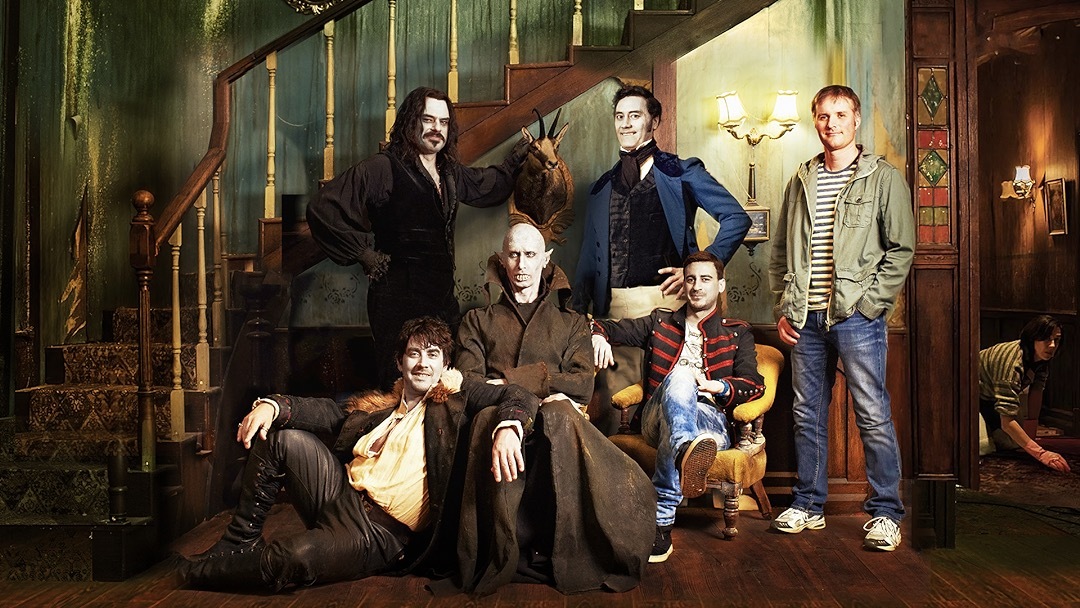
Starring, written, and directed by Jemaine Clement and Taika Waititi, Shadows precedes the equally great show of the same name with a similar premise: A houseful of old-world vampires (with old-school vampire trappings) looks desperately uncool when faced with the modern world. Many vampire narratives derive pathos from the idea of people trapped in a state of dull, unchanging immortality. Shadows takes that notion and mines it for solid laughs. You can rent What We Do in the Shadows from Prime Video.


Daughters of Darkness (1971)

Erotic bisexual vampire movies, believe it or not, had a moment in the 1970s; few (if any) were more successful, and more genuinely sexy, than Daughters of Darkness. The movie has a look and feel that borders on arthouse, with a grand and elegant style, as well as a willingness to go deeper with themes (western decadence, gendered power dynamics, etc.) that have been discussed in many an academic context in the decades since. If all that makes it sound like a bore, I’ll repeat that it’s still very much an erotic bisexual vampire movie. Delphine Seyrig plays Countess Elizabeth Báthory, who happens upon a newlywed couple honeymooning in a remote region, and immediately sets about seducing the wife away from human sexual and moral conformity. You can stream Daughters of Darkness on Tubi and Shudder or rent it from Prime Video.


The Lost Boys (1987)

It might not be the gayest vampire movie (there’s a lot of competition), but it may well be the sweatiest. Directed by out gay director Joel Schumacher (several years before he made the gayest superhero movie, Batman & Robin), The Lost Boys finds brothers Sam (Corey Haim) and Michael (Jason Patric) Emerson moving with their family to sunny, schvitzy Santa Carla, California—just in time for Michael to be seduced into joining a sexy vampire gang by its blonde leader David, played by Kiefer Sutherland. The vamps bait Michael with Star (Jamie Gertz), but his desire for the girl gives way to a fascination with David that leads him down a very bloody path. You can rent The Lost Boys from Prime Video.


Cronos (1992)

Guillermo del Toro begins in this deeply unconventional vampire movie, the writer/director’s debut. In the 16th century, an alchemist invents the titular device: a steampunk-ish scarab that conceals a creature inside. When it’s rediscovered in the present by Jesús Gris (played by del Toro favorite Federico Luppi), it injects the man with an elixir that makes him (a bit) younger, and gives him a vampire’s thirst for blood. Complicating matters, a dying oligarch who’d been on the trail of the Cronos isn’t very happy that someone else gets the use of its powers, so he sends his relentless thug of a nephew (Ron Perlman) to hunt it down. The imagery is weird and endlessly inventive and, what’s more, del Toro injects enough dark comedy around the edges so that the proceedings never bog down in self-seriousness. You can stream Cronos on Max and The Criterion Channel or rent it from Prime Video.


Blade II (2002)

A decade on from Cronos, Guillermo del Toro directed this rather brilliant action spectacle—a blood-soaked good time that blends its disparate elements into a propulsive thrill ride that knows exactly what kind of movie it is. Wesley Snipes is at his sassy best as the title’s vampire/vampire hunter, while every set piece is bright and colorful, and the vampires are thoroughly monstrous. Practical effects and an artist’s eye turn a comic-book action movie into an essential. You can rent Blade II on Prime Video.


Nadja (1994)

A fascinating novelty from director Michael Almereyda, Nadja is based (roughly) on André Breton’s French surrealist manifesto of the same name; when financing for such an adaptation fell through (a near-instantaneous process), David Lynch (who also appears) stepped in and paid for the whole thing. To save money and achieve a particular look, Almereyda filmed vampire point-of-view shots on a Fisher-Price camera. All of which is to say that this is unlike other vampire movie. Two plot points kick off the film: First, the death of Count Dracula at the hands of his old nemesis, Van Helsing (Peter Fonda)—traumatizing his daughter (Elina Löwensohn); then, that same Nadja seeking out the daughter of Van Helsing to have sex with so that she can make her a thrall and carry out her goal of getting revenge on the Van Helsing family. It’s an arty take on blood, gore, and horny lesbian vampires. You can stream Nadja on Prime Video.


Thirst (2009)

“What if we took Emile Zola’s non-supernatural 1868 novel Thérèse Raquin and made it into a vampire horror film?” said writer/director Park Chan-wook (Oldboy), apparently. The novel is about an orphan forced into a miserable marriage with a droopy hypochondriac who begins a torrid, ill-fated affair. Here, the orphan is Tae-ju (Kim Ok-vin), and the dashing man with whom she’s having an affair is Sang-hyun (Song Kang-ho), a one-time Catholic priest who developed vampiric hungers following an experiment gone wrong. Wildly stylish, and fascinating in being surprisingly faithful to a book that has nothing at all to do with vampires. You can rent Thirst from Prime Video.


Only Lovers Left Alive (2013)

Is Only Lovers Left Alive a horror movie? A Gothic romance? A stoner-ish comedy? Um…yes? Indie writer/director Jim Jarmusch, who’d already put his distinctive stamp on other genres (like the idiosyncratic western Dead Man), turned his camera to horror. The movie follows a vampire couple, both alive for centuries but now living a world apart: Adam (Tom Hiddleston) is a sullen and moody musician living in a trashy Detroit apartment, while Eve (Tilda Swinton) lives a cheerier life in Tangier. She brings Adam along with her to give him a change of scenery and get him out of his gloomy rut, where she encourages him to get out to live a little, or whatever the undead equivalent is. You can rent Only Lovers Left Alive from Prime Video.


Interview With the Vampire (1994)

It’s great that the modern TV-series adaptation dispenses with the subtext and gets real as to the relationship between Lestat and Louis, but this 1994 adaptation walks impressively close to that edge. Vampires Lestat (Tom Cruise) and Louis (Brad Pitt) set up housekeeping in moody New Orleans, “adopting” daughter Claudia (Kirsten Dunst) and generally making a glorious mockery of the all-American family unit. You can rent Interview with the Vampire from Prime Video.


Martin (1977)

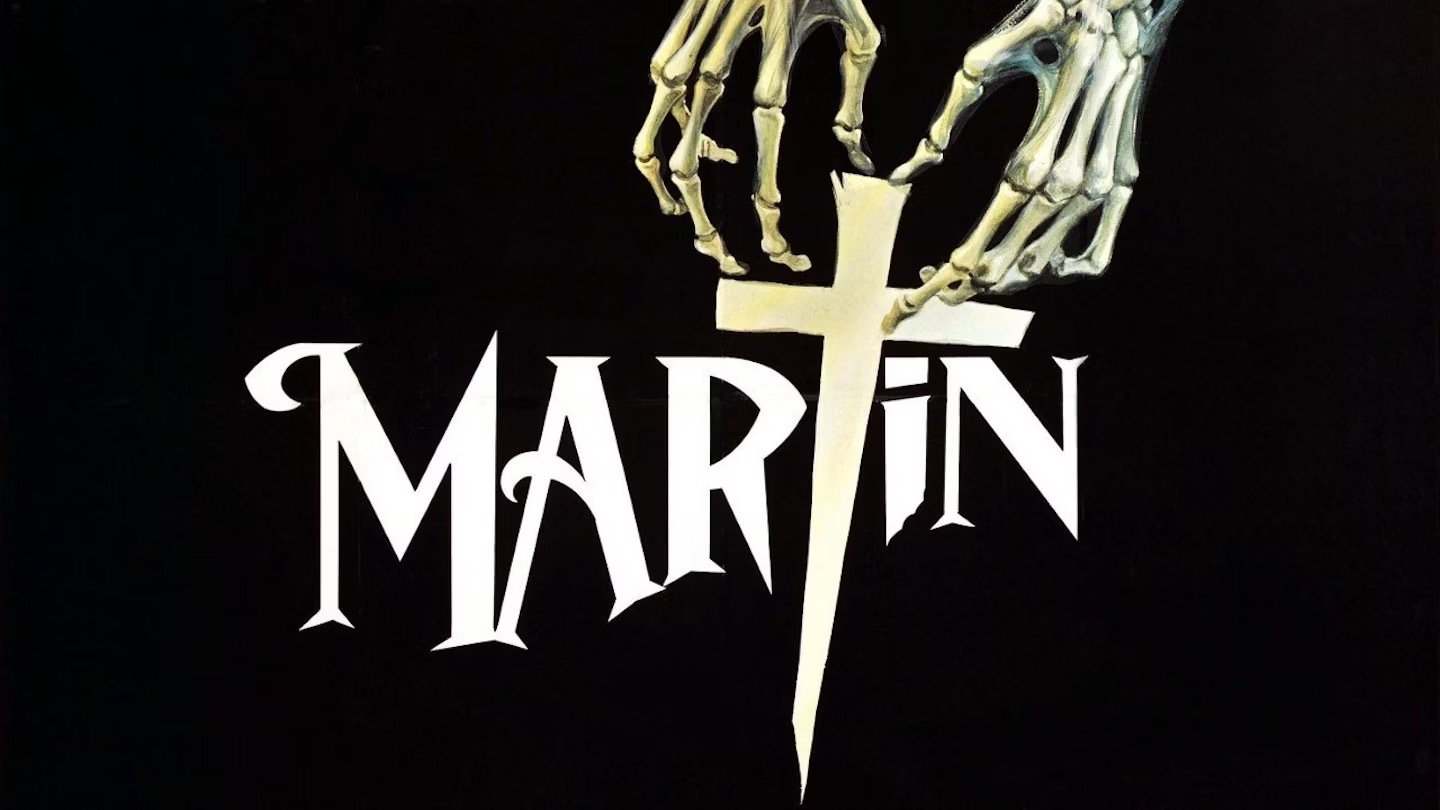
George Romero manages to pack an extensive exploration of vampire lore into a film that may or may not even involve a vampire—it’s not much a spoiler to offer that we’re never entirely clear whether the vampirism of Martin (John Amplas) should be taken literally. From a family steeped in Eastern European folklore and myth, Martin develops a driving need to drink blood, a need that leads him to drug his victims and then slice into their veins with a razor. As usual, Romero has a lot to say, but here he’s expertly playing on notions of vampires as sexual stand-ins (the impotent Martin role-plays the highly sexualized vampire attacks of earlier movies), and Romero also invites us to question our fascination with Martin even as he’s engaged in repulsive acts. You can stream Martin on Tubi.


Let the Right One In (2008)

One of the finest vampire movies, certainly of this century, is unexpectedly poignant, even as it doesn’t skimp on the brutality. Bullied Oskar (Kåre Hedebrant) meets and befriends Eli (Lina Leandersson), a girl who appears to be about his age, but who is (you won’t be surprised to learn) a vampire. Though very different, the two bond over their shared status as outsiders in the gloomy Swedish suburb of Blackeberg. You can stream Let the Right One In on Kanopy or rent it from Prime Video.


Stake Land (2010)

Stake Land‘s vampires are neither sexy nor subtle. They’re fully animal creatures that stalk an apocalyptic wasteland—cutting to the chase as to what a world with vampires might quickly come to look like. As a thriller, it’s gory and effective, but a movie just about humans on the run from scary vampires would be less interesting than what we get here: As is so often the case, it’s the humans who remain the scariest threats. Religious fanatics calling themselves The Brotherhood are convinced that vampire are God’s will, a punishment for sins and, as a result, they’re perfectly happy to help the hungry beasts feed. You can stream Stake Land on Tubi, Kanopy, Peacock, and Prime Video.


Blood Relatives (2022)

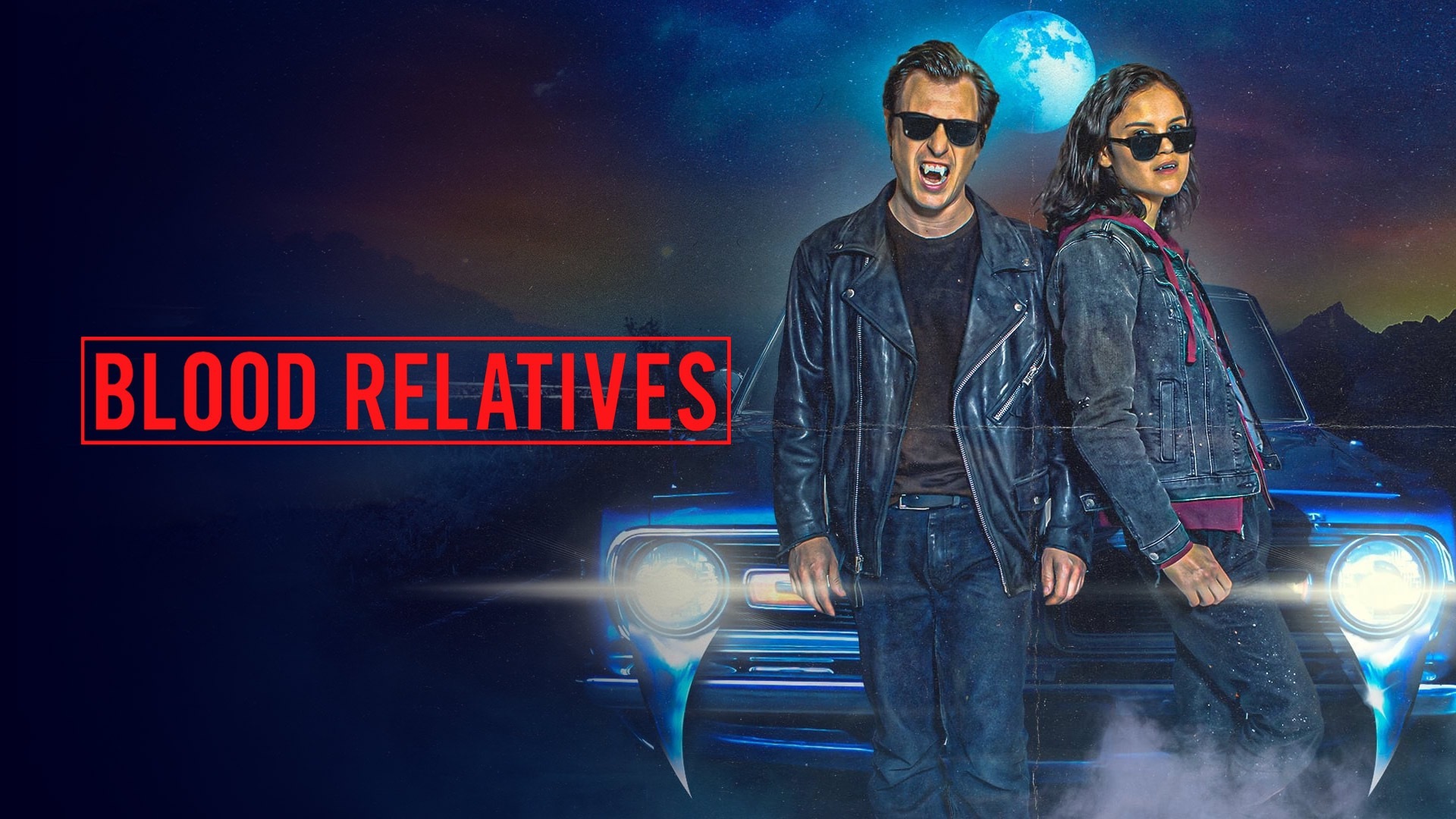
We’re talking about cool vampires here, but this comedy from director Noah Segan is about a terminally uncool vampire (played by Segan), who discovers that he’s the father of a grown young woman (played by a great Victoria Moroles) who inherited his vampirism, in part, and wants to connect with her dad following the death of her mom. Mostly, she just has nowhere else to go. In and among the snappy dialogue and sharp characterizations, Segan has fun puncturing vampire lore in the story of a guy who initially has no interest in connecting with his daughter, but then has a change of heart. You can stream Blood Relatives on Shudder or rent it from Prime Video.


Dracula (1931)

If it’s hard to imagine a time when horror wasn’t a powerhouse movie genre, that’s because it’s been that way since 1931, the year that Béla Lugosi’s Count Dracula sashayed onto the screen. Tod Browning’s film was a prestige adaptation of a classic novel, before it occurred to anyone to treat horror as B-level entertainment, so there’s no corner-cutting in Dracula’s impeccable style. Though it gets a bit stagey in its second half, the movie gives us some of horror’s most indelible imagery—scenes and shots we’re still referencing nearly a century later. Béla Lugosi’s Dracula has been endlessly parodied and imitated, but all of that’s only possible because he made one hell of an impression. You can rent Dracula from Prime Video.

Neanderthals invented their own bone weapon technology by 80,000 years ago

Archaeologists recently unearthed a bone projectile point someone dropped on a cave floor between 70,000 and 80,000 years ago—which, based on its location, means that said someone must have been a Neanderthal.

The point (or in paleoarchaeologist Liubov V. Golovanova and colleagues’ super-technical archaeological terms, “a unique pointy bone artifact”) is the oldest bone tip from a hunting weapon ever found in Europe. It’s also evidence that Neanderthals figured out how to shape bone into smooth, aerodynamic projectiles on their own, without needing to copy those upstart Homo sapiens. Along with the bone tools, jewelry, and even rope that archaeologists have found at other Neanderthal sites, the projectile is one more clue pointing to the fact that Neanderthals were actually pretty sharp.

Getting to the point

Archaeologists found the bone point in Mezmaiskaya Cave, high in the Caucasus Mountains (Mezmaiskaya is also home to the remains of three Neanderthals who lived around 90,000 years ago; anthropologists sequenced samples of their DNA in earlier studies). Herbivore teeth from the same layer of sediment dated to around 70,000 years old, and the bone point’s position near the bottom of that layer probably makes it closer to 80,000 or 70,000 years old. That makes it the oldest bone projectile point ever found in Europe (so far).

Read full article

Comments

Google is quietly testing ads in AI chatbots

Google has built an enormously successful business around the idea of putting ads in search results. Its most recent quarterly results showed the company made more than $50 billion from search ads, but what happens if AI becomes the dominant form of finding information? Google is preparing for that possibility by testing chatbot ads, but you won’t see them in Google’s Gemini AI—at least not yet.

A report from Bloomberg describes how Google began working on a plan in 2024 to adapt AdSense ads to a chatbot experience. Usually, AdSense ads appear in search results and are scattered around websites. Google ran a small test of chatbot ads late last year, partnering with select AI startups, including AI search apps iAsk and Liner.

The testing must have gone well because Google is now allowing more chatbot makers to sign up for AdSense. “AdSense for Search is available for websites that want to show relevant ads in their conversational AI experiences,” said a Google spokesperson.

Read full article

Comments

Gaming news site Polygon gutted by massive layoffs amid sale to Valnet

Vox Media has sold video game specialist website Polygon to Internet brand aggregator Valnet, the publisher of content-churning sites including Game Rant, OpenCritic, Android Police, and Comic Book Resources. The move comes alongside significant layoffs for veteran journalists at the 13-year-old outlet, including co-founder and editor-in-chief Chris Plante and Senior Writer Michael McWhertor.

The sudden job cuts appear to have been completely unexpected for those affected. Polygon Senior Reporter Nicole Carpenter, for instance, published a story about the Epic vs. Apple case at 10 am Eastern time this morning before sharing news of her layoff less than two hours later on Bluesky.

“Along with just about everyone else at Polygon, I am now out of a job, ending over a decade at Vox Media for me,” Curation Editor Pete Volk wrote on Bluesky. “Working at Polygon was a wonderful experience, and I’m proud of the work we did there.”

Read full article

Comments

Meet the winners of the 2025 Dance Your PhD contest

Sulo Roukka is this year’s overall winner of the Dance Your PhD contest, plus the winner of the chemistry category.

It’s time again to honor the winners of the annual Dance Your PhD contest, where eager young scientists attempt to convey the concepts of their doctoral theses through dance. This year’s overall winner is the University of Helsinki’s Sulo Roukka, who researches chemesthesis, specifically how people experience different sensory food compounds like capsaicin (hot) or menthol (cool).

As we’ve reported previously, the Dance Your PhD contest was established in 2008 by science journalist John Bohannon, who is now a data scientist at South Park Commons. Bohannon told Slate in 2011 that he came up with the idea while trying to figure out how to get a group of stressed-out PhD students, who were in the middle of defending their theses, to let off a little steam. So he put together a dance party at Austria’s Institute of Molecular Biotechnology, including a contest for whichever candidate could best explain their thesis topics through interpretive dance.

The contest was such a hit that Bohannon started getting emails asking when the next one would be—and Dance Your PhD has continued ever since. It’s now in its 17th year. There are four broad categories: physics, chemistry, biology, and social science, with a fairly liberal interpretation of what topics fall under each. All category winners receive $750. Roukka won the chemistry category and, as the overall champion, will receive an additional $2,750.

Read full article

Comments

Tesla denies trying to replace Elon Musk as CEO

Tesla today denied a report that its board contacted executive search firms to find a replacement for CEO Elon Musk. The Wall Street Journal reported last night that about a month ago, “Tesla’s board got serious about looking for Musk’s successor” and that board “members reached out to several executive search firms to work on a formal process for finding Tesla’s next chief executive.”

Tesla’s official X account then posted a statement attributed to board chairperson Robyn Denholm saying that “there was a media report erroneously claiming that the Tesla Board had contacted recruitment firms to initiate a CEO search at the company.”

“This is absolutely false (and this was communicated to the media before the report was published). The CEO of Tesla is Elon Musk and the Board is highly confident in his ability to continue executing on the exciting growth plan ahead,” Denholm’s statement said.

Read full article

Comments

Google is Putting AI Mode Right in Search

A “small percentage” of Google’s users in the US will begin seeing an AI Mode tab in Google Search “in the coming weeks,” the company said Thursday, marking the tool’s first deployment outside the company’s experimental Labs environment.

Unlike traditional search results that display URLs based on user queries, AI Mode generates conversational responses from Google’s search index. The feature will appear as a dedicated tab positioned before the standard “All,” “Images,” and other search filters. The deployment represents Google’s direct challenge to LLM-powered search engines like Perplexity and ChatGPT.

AI Mode differs from existing AI Overviews in Google Search, which merely insert AI summaries between the search box and web results.


Read more of this story at Slashdot.

Get the Google Pixel 9a with $100 store credit at Amazon, Best Buy and the Google Store

If you’ve been eyeing the Google Pixel 9a, now’s a good time to pounce. That’s because you can get a $100 gift card for free when you buy the flagship-quality midrange phone. In Engadget’s review, Sam Rutherford deemed it “the best value of any Android phone.”

The $100 gift card bonus is live at Amazon, Best Buy and the Google Store. Each has pros and cons, but it makes the most sense to order from the retailer where you shop the most.

The Pixel 9a is Google’s entry point into the Pixel ecosystem. Its sub-flagship pricing masks a handset that, in many ways, rivals phones that cost twice as much. It has a 6.3-inch OLED display with a 120Hz refresh rate. We found it to be sharp, colorful and “one of the best displays in this price range.”

It uses the same Tensor G4 processor found in the more expensive Pixel 9 brethren. The only performance compromise you’ll find is its 8GB of RAM vs. the 12GB in the standard Pixel 9. That will only reveal itself if you’re heavy into multitasking or gaming. Given the $300 price discrepancy between it and the Pixel 9, it’s hard to nitpick much about that.

Angled view of the back of the Pixel 9a phone, showing its camera lens.
Sam Rutherford for Engadget

Google’s Pixel lineup is known for its camera prowess, and the 9a is no exception. It pairs a 48MP main camera with a 13MP ultra-wide lens. Although there’s no telephoto, it compensates with AI-based Super Res Zoom that can achieve up to 8x digital zoom. The phone also has Google’s Night Sight feature for sharp, balanced low-light photography.

We found that the camera outperforms the $1,299 Galaxy S25 Ultra in color accuracy, detail and low-light performance. It’s also competitive with the S25U in ultra-wide shots. The latter edges it out there (if only slightly) because of better color saturation. Still, we’re talking about a $800 pricing discrepancy, so the fact that it’s in the conversation is no small achievement.

Side-by-side view of a nighttime photo of a flower, taken with the two phones.
Sam Rutherford for Engadget

The Pixel 9a’s only drawbacks are its lower 8GB of RAM, slower charging speeds than flagships, its lack of optical zoom and its plastic backing (rather than glass). But for $499 — essentially $399 if you use that gift card forpurchases you’d make anyway — this is a nice deal for a nearly flagship Android handset that made our list of the best smartphones.

This article originally appeared on Engadget at https://www.engadget.com/deals/get-the-google-pixel-9a-with-100-store-credit-at-amazon-best-buy-and-the-google-store-164530159.html?src=rss

You Can Watch YouTube on Your Peloton Now

Big news for Peloton fans: As of this week, you can watch plain old YouTube on your Bike, Bike+, Tread, or Row. Now, you may be saying, “YouTube TV was already an option in my Peloton’s Entertainment tab. What’s the big deal?” The big deal, my friend, is that YouTube TV is a subscription television service and YouTube is, well, YouTube. This new integration allows you to watch standard videos on the platform, the same as you would on your phone or computer.

How to access YouTube on the Peloton

You access YouTube the same way you access other non-class features, like scenic rides or my beloved Lanebreak game: through a special tab in the menu on the bottom of your screen. Specifically, it’s in the Entertainment tab. (If you hit that tab and don’t see it, don’t worry. Sometimes, Peloton’s software updates roll out in waves. You’ll have it eventually.)

Just tap YouTube and you’ll be taken to a landing page that initially shows you Peloton’s channel on the video-sharing platform. You can log into your YouTube profile by signing in with your Google Account or just use it as a guest. At the top of the screen, you’ll be prompted to start a workout if you’d like your resistance, cadence, and output to be tracked and monitored while you ride and watch.

Why I love this as a Peloton option

Over the years, I’ve kind of fallen out of love with watching shows or movies while I do my cardio. I just feel like I don’t move with enough intensity when I’m that distracted, which is why I prefer classes or the Lanebreak game. That said, I know that lots of people prefer or even need to be distracted to get their cardio in and if the option to watch YouTube gets more people on the bikes or treadmills, I am all for it.

I tested the feature out this morning, first signing into my Google account and then searching for what I wanted to watch. There are a lot of spin classes available on YouTube and I have friends who watch those while they ride non-Peloton bikes at home. As I’ve explained in my Peloton Bike review, the classes that are designed for your Peloton and available through the associated app are always your best option, since they’re made with your specific equipment in mind and track how well you’re doing with that equipment, but if you ever feel like watching a different class, this is now an option.

Personally, I opted to watch something I knew would get me hyped up, so I put on Lady Gaga’s cinematic masterpiece, 2011’s “Marry the Night” video. I play this song in the spin classes I teach all the time, but the video is something extra special to me. It worked flawlessly. There was no lag, the image was crisp and clear, and I could see my cadence and resistance at the bottom of the screen the whole time, just like I can when I’m taking a proper Peloton class. Being able to watch one of my favorite music videos actually did push me pretty hard. It wasn’t until my end-of-workout review that I realized how fast or hard I’d been going or how many calories I torched. The video on my screen really sucked me in.

What to keep in mind if you’re watching YouTube on your Peloton

This is an awesome option if you want to do something besides a class, Lanebreak, or a scenic ride, but bear in mind that you won’t have any cues from pros while you do it unless you’re watching a YouTube spin class. I hesitate to recommend this if you’re super new, but I say this as an instructor who is worried about your safety. Take a few classes first, if you haven’t already, so you have an understanding of proper form and technique.

I also know a lot of people get sucked into heavy YouTube holes. It’s awesome to ride for a long time, but be careful to set some limits or keep track of how long you’ve been at it. Hydrate frequently and take some breaks. This isn’t the same as falling into a YouTube binge on your couch; you could over-exert yourself without realizing it.

Video Game Website Polygon Sold To Valnet And Hit With Mass Layoffs

An anonymous reader shares a report: The video game website Polygon has been sold to click-farm powerhouse Valnet and much of its masthead has been laid off, Kotaku has learned. The sale was subsequently announced in a press release. Multiple staff members have posted online about losing their jobs or about colleagues now being out of work.


Read more of this story at Slashdot.

Pinterest will now tell you when you’re looking at AI-generated content

Pinterest is fighting back against the onslaught of AI slop that is increasingly clogging up its platform following complaints from users. From now on, you’ll be able to see when image Pins that appear in your feed have been either generated or modified using AI. When users click on an image Pin in close-up they’ll see an “AI modified” label in the bottom left-hand corner.

In a blog post published this week, Pinterest says it has been testing the new feature for several months, which involves analysing the metadata of an image to assess its source. It says it’s also developing classifiers that can automatically detect the whiff of generative AI even when metadata markers are absent. How successful it is in doing so will become clear as the new features roll out globally, and creators who suspect their content has been mislabelled will be able to appeal.

Such mislabelling has been an ongoing issue for Meta, which was forced to adjust the wording of the AI labels it applied to uploaded photos on Facebook and Instagram after photographers complained they were being added to images that hadn’t been created using AI. Apparently, even minimal use of the generative fill tool in Photoshop was enough to trigger a label. That’s something that Pinterest will likely want to look out for as it hones this new algorithm.

In addition to the new labels, Pinterest says it’s experimenting with a feature that would allow users to filter out categories where AI modification or generation is particularly prevalent, such as beauty and art. By letting its users have more control over what appears on their feed, Pinterest is clearly hoping it can win back the growing number of disgruntled members in its community.

This article originally appeared on Engadget at https://www.engadget.com/ai/pinterest-will-now-tell-you-when-youre-looking-at-ai-generated-content-163008812.html?src=rss

VR is helping to make daunting medical treatments more bearable for patients

Stanley Johnson is not a fan of needles. The 67-year-old Air Force veteran has endured his fair share of pokes over the years, but when it was decided that IV infusions would be the best course of action to treat his iron deficiency, going into that first session felt nerve-wracking. So he brought along what’s become a staple in his personal anxiety toolkit: his Apple Vision Pro.

Johnson has taken to using the immersive wellness app, Tripp, to ease his anxiety, and he says it was a big help in getting through his treatments, especially in the beginning. The app offers a number of relaxation and mindfulness experiences for AR/VR headsets and mobile, from guided meditation to calming soundscapes and breathwork. “That first time, I was anxious,” Johnson said. “I’d do the breathing exercises to put my mind into what environment Tripp puts me in. Then I started watching movies.”

When it comes to infusion therapy, the treatments can be long, the chairs uncomfortable and passing the time without a distraction is difficult. Watching a movie in the headset “instead of looking at this little screen that they had up on the wall,” Johnson said, is “phenomenal.” It’s transportive.

“I can see it better than I can in a theater,” he said. “That’s one of the things that I realized when I started the IV infusions… You have this IV that’s in you for an hour, two hours — might as well watch a movie, and pick the one that I want rather than one that’s randomly up there, or the food channel or something like that.”

Since the inception of virtual and augmented reality devices, there’s been interest in how the technology could be used in healthcare settings, both to improve patients’ experiences and as a training and enhanced visualization tool for medical practitioners. Studies going back to 2000 have investigated VR’s potential to aid in stress reduction, pain management, physical therapy and more.

But only in the last decade has it become feasible enough to explore in earnest, thanks to the rise of consumer VR headsets, a wave ushered in by the original Oculus Rift. Today, at-home VR, AR and mixed reality systems (and what Apple calls “spatial computing”) aren’t hard to come by. And with options like Meta’s $300 Quest 3S, it’s possible to get a decent VR setup for a relatively low cost. Not only can patients bring their own headsets, but some clinics and hospitals have already begun their own studies with this tech.

In a trial conducted from late 2021 to 2023, the results of which were published recently in the Clinical Journal of Oncology Nursing, researchers recruited 90 patients who were receiving chemotherapy at the Vanderbilt-Ingram Cancer Center’s infusion clinic in Nashville and provided half of them with headsets for a 12-minute VR session during their treatment, while the other half served as the control group. Patients in the VR group were shown narrated tours of places such as Venice, Agra and the Ecuadorian Amazon. All participants recorded their stress levels, pain and mood before and after the sessions.

“Across the board, there was improvement in the study group versus the control group,” said Cody Stansel, one of the study’s authors. “We saw that it positively impacted the patient’s side effects. It reduced their stress levels. Generally, we didn’t see patients that were experiencing a whole lot of pain, but there was still a reduction in the amount of pain they’re experiencing, so we saw results from that as well… It went really well, patients responded very favorably.”

In addition to the self-reported ratings the patients provided, the researchers measured their heart rates before and halfway through the 12-minute sessions, and found the measurements supported their feelings of reduced stress. The difference was significant between the control group and patients who’d used VR, with heart rates among the latter group decreasing by an average of 6.6 beats per minute at the midway check, according to the paper. Crucially, the patients also reported whether they’d experienced cybersickness, the condition similar to motion sickness that VR induces in some people.

“What we found is patients didn’t really experience any measurable motion sickness,” Stansel said. “All of the responses across the board were really low with that, but we were intentional when we chose the programming to choose ones that had a low motion sickness rating to begin with. We had chosen these tourism videos where they’re basically just standing there, because we wanted to avoid any of that — cancer patients, because of the chemotherapy and things, can be more prone to nausea, so we definitely didn’t want to make anything worse if they’re already experiencing that.”

According to the researchers, the findings suggest VR could be an effective and accessible distraction tool for patients undergoing treatments like chemotherapy. Even if patients don’t bring their own devices, for a clinic, the cost of entry is low, “a few hundred bucks to get started,” Stansel notes. “As long as you clean [the headsets] well and take care of them, they’ll last quite a while.” But the potential benefits — alleviating stress and pain — are great.

“Modern day virtual reality consumes so many of your senses that it’s very easy to kind of temporarily forget about where you are and what you’re going through, and so the patients are really just able to focus on the experience,” Stansel said. “It kind of takes their mind off all the other things they have going on.”

More research into the subject could shed light on VR’s efficacy in providing relief for patients experiencing higher pain levels, or if other types of content would work better for certain situations. For patients already strapping into immersive virtual worlds to help them get through difficult days, though, it’s proven invaluable.

On Reddit, Johnson shared a selfie of him wearing his Apple Vision Pro during an infusion, and other users chimed in to share where they’d brought their own headsets to pass the time: four-hour dialysis sessions; chemo; a hospital stay in the isolation ward. Whether a person is playing games, watching a movie or using an app to calm down, people “need a distraction, something that they enjoy,” Johnson said. “Ultimately, if you’re in that type of environment, you want to distract yourself from the pain.”

This article originally appeared on Engadget at https://www.engadget.com/ar-vr/vr-is-helping-to-make-daunting-medical-treatments-more-bearable-for-patients-161505375.html?src=rss

Google prepares to start testing AI Mode with regular Search users

When Google debuted AI Mode at the start of March, the company promised to work quickly on bringing the feature to more users, and now it’s doing exactly. Following a smaller expansion last month, the company says AI Mode is now available to all Labs users, with no wait list in place to limit access. As a reminder, AI Mode is a new chatbot that Google has built directly into Search. Labs, meanwhile, is a program you can sign up for to try out new Search features before they’re widely available.      

With today’s expansion, Google is also updating AI Mode to add new visual cards that will appear when you ask the chatbot for information related to places and products. “For local spots, like restaurants, salons and stores, you can quickly see info like ratings, reviews, and opening hours, and if you’re looking for a product, you’ll see shoppable options with real-time prices (including the latest promotions), images, shipping details and local inventory,” Google says of the new feature.

AI Mode GIF
Google

On desktop, Google is also adding a search history tool, allowing users to revisit and continue previous conversations they’ve had with AI Mode. The idea here is to allow people to pick up on research they might have left unfinished. 

If you’re not enrolled in Labs and live in the US, there’s a chance you might see AI Mode appear in Search sometime in the coming weeks. Google says it’s doing this because the response to the feature has been “incredibly positive,” and it wants to collect additional feedback before a broader rollout.     

This article originally appeared on Engadget at https://www.engadget.com/ai/google-prepares-to-start-testing-ai-mode-with-regular-search-users-160027861.html?src=rss

Amazon CEO Jassy Warns of AI’s Unprecedented Adoption Speed, Education Shortfalls

Amazon CEO Andy Jassy has this week sounded the alarm on AI adoption speeds. Though self-described as an AI optimist, Jassy cautioned that this technological shift “may be quicker than other technology transitions in the past.”

Jassy pointed directly to declining education quality as “one of the biggest problems” facing AI implementation, not the technology itself. He questioned whether schools are adequately preparing students for future tool use, including coding applications.


Read more of this story at Slashdot.