
Following all of the Linux kernel graphics driver features merged last week for the Linux 6.16 kernel, sent out this morning were the initial batch of fixes to the Direct Rendering Manager (DRM) code. Besides fixes to these graphics / display / accelerator drivers, there is one new feature: the AMDKFD kernel compute driver can now be enabled on RISC-V systems…
Category Archives: Unfiltered RSS
Apple M2 Pro / Max / Ultra PCIe Support Upstreamed In Linux 6.16
The many PCI subsystem changes have been merged for the in-development Linux 6.16 merge window…
Linux 6.16 NFS Client Exposes LOCALIO State Via sysfs
In addition to the NFS server changes for Linux 6.16 with now supporting larger I/O block sizes, the Network File-System (NFS) client changes were merged this week for this next kernel version…
Klarna CEO Says Company Will Use Humans To Offer VIP Customer Service
An anonymous reader quotes a report from TechCrunch: My wife taught me something,” Klarna CEO Sebastian Siemiatkowski told the crowd at London SXSW. He was addressing the headlines about the company looking to hire human workers after previously saying Klarna used artificial intelligence to do work that would equate to 700 workers. “Two things can be true at the same time,” he said. Siemiatkowski said it’s true that the company looked to stop hiring human workers a few years ago and rolled out AI agents that have helped reduce the cost of customer support and increase the company’s revenue per employee. The company had 5,500 workers two years ago, and that number now stands at around 3,000, he said, adding that as the company’s salary costs have gone down, Klarna now seeks to reinvest a majority of that money into employee cash and equity compensation.
But, he insisted, this doesn’t mean there isn’t an opportunity for humans to work at his company. “We think offering human customer service is always going to be a VIP thing,” he said, comparing it to how people pay more for clothing stitched by hand rather than machines. “So we think that two things can be done at the same time. We can use AI to automatically take away boring jobs, things that are manual work, but we are also going to promise our customers to have a human connection.”


Read more of this story at Slashdot.
More KVM Changes Merged For Linux 6.16: AMD “ALLOWED_SEV_FEATURES” Merged
Following the Intel TDX host support for KVM being merged for the Linux 6.16 merge window, another batch of Kernel-based Virtual Machine (KVM) changes were merged for the ongoing Linux 6.16 merge window…
KDE Gear 25.04.2 Released with More Improvements for Your Favorite KDE Apps
The KDE Project released today KDE Gear 25.04.2 as the second maintenance update to the latest KDE Gear 25.04 open-source software suite series to address various issues in your favorite KDE apps.
15 common bike maintenance mistakes – and how to avoid them
It’s all too easy for a simple workshop job to become an odyssey.
We’ve all been there. From rounding a bolt to starting a task that’s deceptively complex, bike maintenance can quickly become frustrating.
So, to ease your maintenance woes, we’ve put together a list of 15 common home maintenance mistakes so you can avoid any unneeded trips to the bike shop.
1. Reaching for the limit screws first when adjusting gears

There are many variables to check when adjusting or indexing gears. While it might be tempting to reach for the limit screws, this isn’t the best place to start.
The limit screws prevent the rear derailleur from shifting the chain into the spokes or into the driveside chainstay. Provided they have been set up correctly and the derailleur hanger is not bent, in theory they will not need adjusting.
If your gears aren’t shifting optimally, checking the cable tension should be your first port of call. It’s also worth checking the condition of the cables for any fraying, or kinks or tears to the outers.
2. Not looking after your chain properly
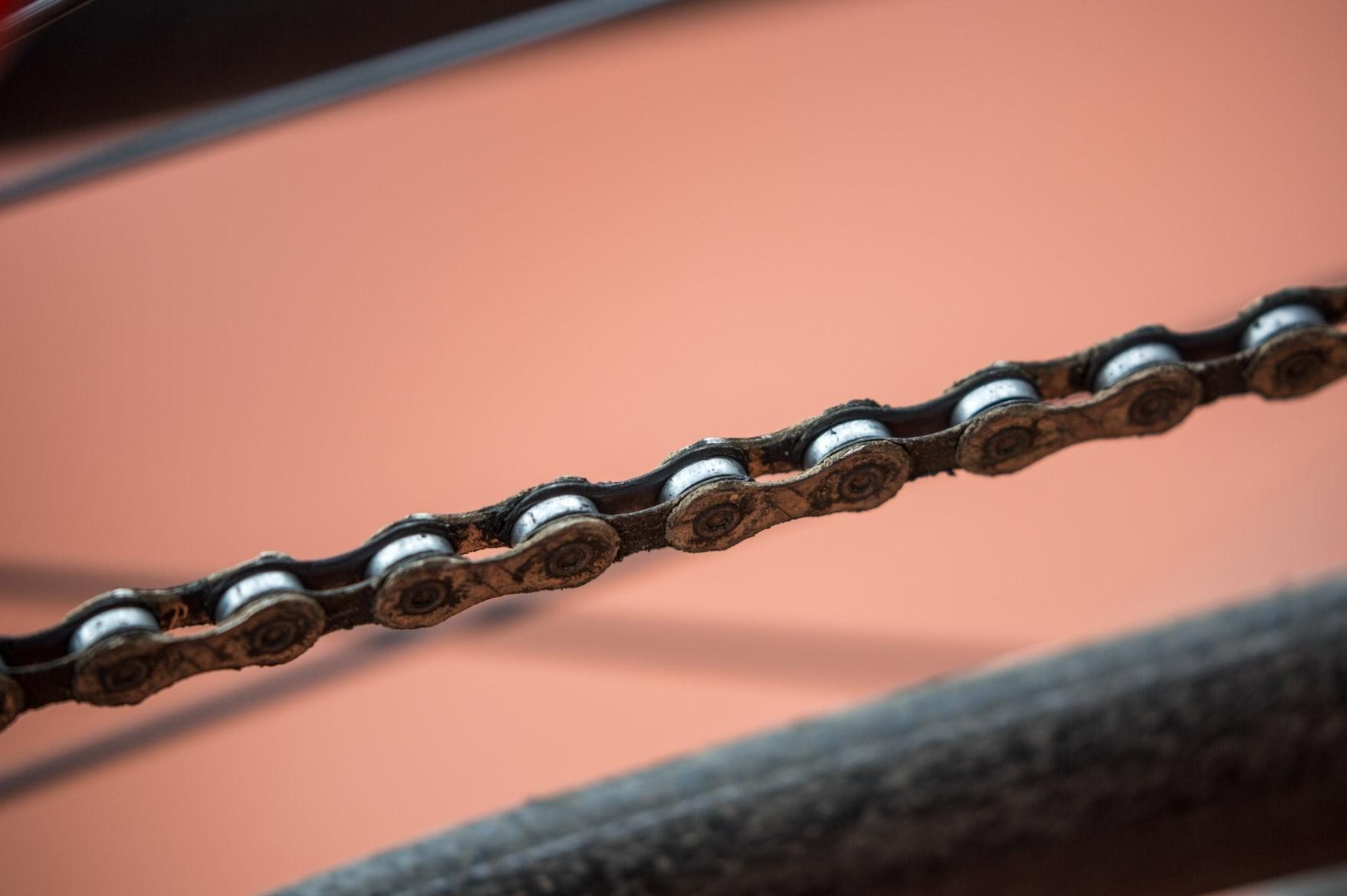
The chain is one of the most critical components on your bike, so it’s worth looking after.
If you get into the habit of cleaning your chain regularly, your drivetrain will run smoothly and you’ll decrease the rate of chain wear.
It’s best to use a specific chain degreaser and chain lubricant for optimal results when looking after your chain.
3. Incorrect chain length or orientation
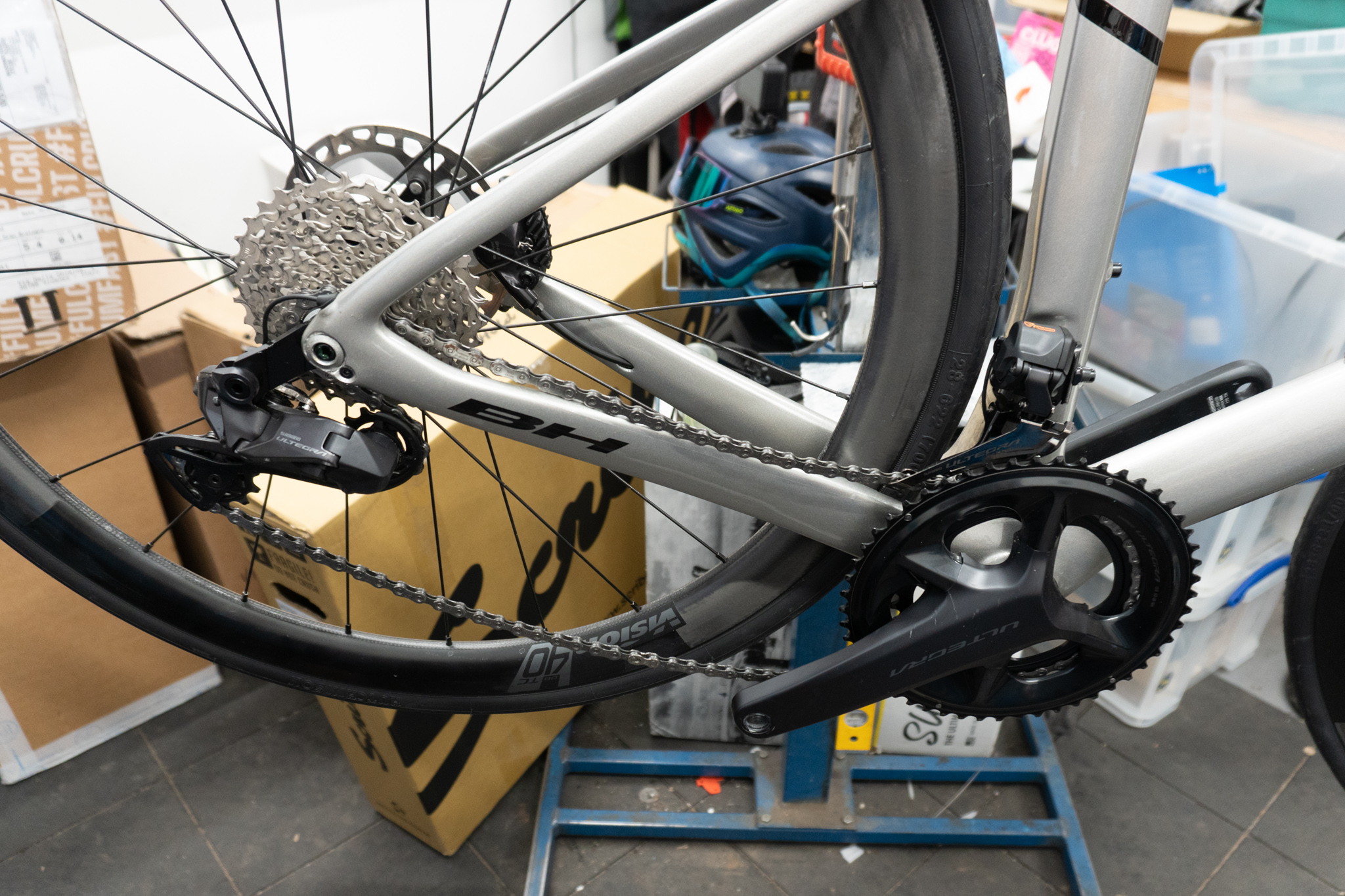
Sticking with chains, it’s important to install them correctly.
If the chain has been cut too short, you will struggle to shift into the largest cassette cog. The chain will likely snap and it can even rip the rear derailleur off as the chain puts too much strain on it.
If the chain is too long, it will sag or droop when using the smaller cassette cogs. This will make shifting less precise and the chain will contact the driveside chainstay.
When replacing a bicycle chain, it’s worth making sure the chain is installed in the correct orientation.
Some chains are designed to only be installed in one direction and it’s worth paying particular attention to the quick link, too. Again, the wrong orientation can lead to poor shifting and an increased risk of the chain snapping.
4. Quick-release skewers loose and in the wrong orientation
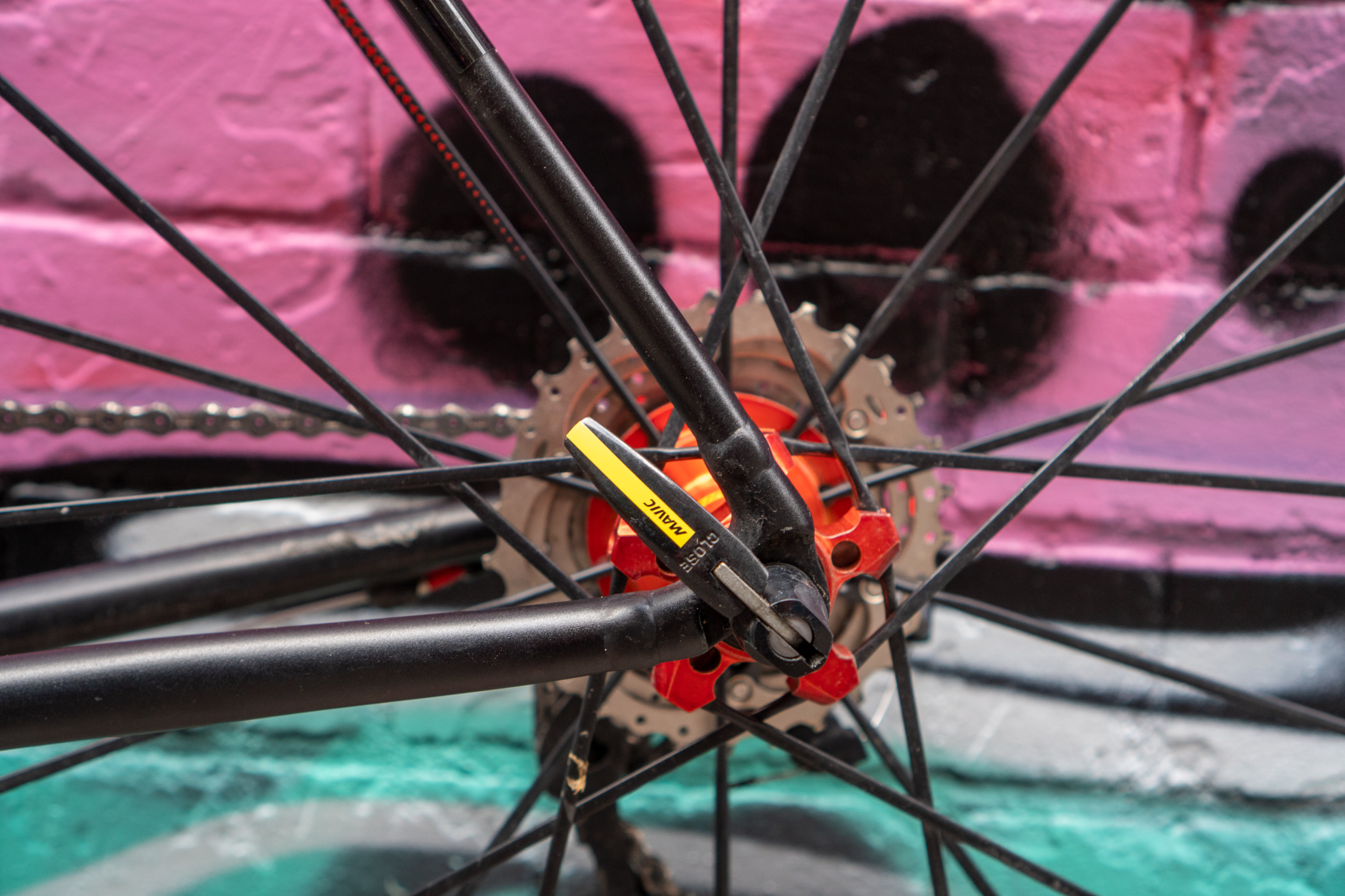
It’s common for the quick-release skewers to be installed too loose, too tight or in the wrong orientation.
A quick-release skewer shouldn’t require a Herculean effort to close – it should require enough tension that the lever leaves a slight imprint in the palm of your hand.
Quick-release skewers should also be oriented correctly.
The skewer handle should always be on the non-driveside of the bike (the only exception being a handful of disc brake frames with levered thru-axles that install from the driveside).
The handle should be positioned slightly past the fork blade in the direction of the drivetrain. On the rear, it should bisect the non-driveside chainstay and seatstay.
If the skewer is pointing forward or downward on the front, or towards the floor or back of the bike on the rear, you run the risk of it opening accidentally if you hit an obstacle or if another rider’s wheel gets caught in the skewer.
And never position the skewer against the fork or frame because it will make opening it again in the future a very difficult task.
5. Riding with a poorly adjusted headset
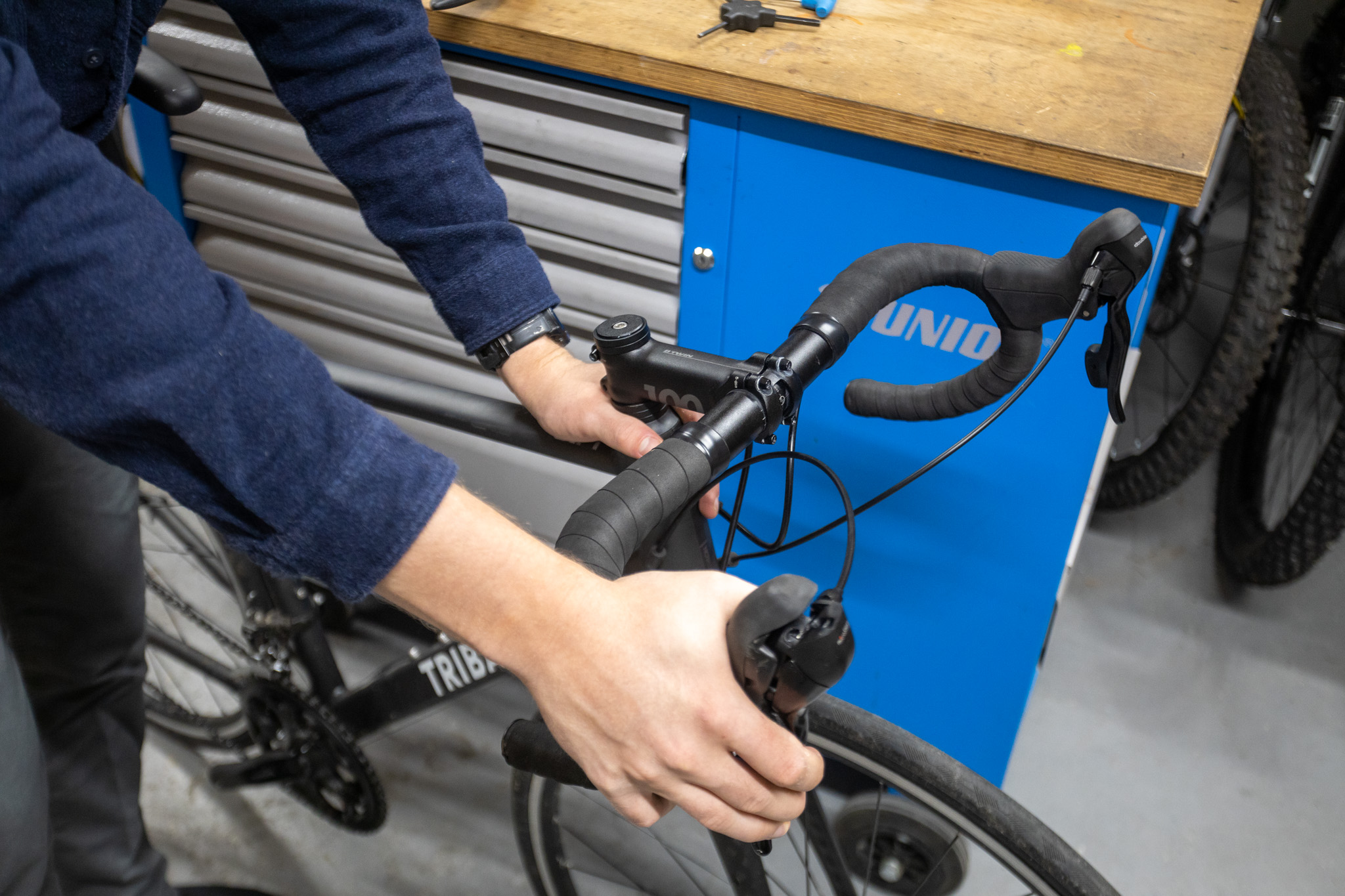
If your bike’s headset is too lose, it can lead to a variety of problems.
If you can feel play or knocking when you apply the front brake and rock the fork back and forth, your headset is loose.
At best, this translates to poor steering, but at worst the knocking headset can cause severe damage to your fork steerer tube, particularly if it is carbon.
Carbon fibre cannot withstand abrasion and, over time, a loose headset bearing can start to wear away at the material, potentially causing catastrophic failure.
6. Under- or over-inflating tyres

Riding with under- or over-inflated tyres is another common error. Too high and you’ll feel every vibration on the road or trail; too low and you’ll run the risk of punctures, compromised handling and a sluggish ride.
If you’re unsure on what pressure to inflate your tyres to, there will be a suggested range printed on the sidewall.
It’s a good idea to invest in one of the best bike pumps, because they will feature a gauge for precise inflation. It’s worth checking the tyre pressure before every ride. If you’re not sure what tyre pressure you should run, you could take a look at a tyre pressure calculator (we like Silca’s).
7. Torquing your bolts wrong
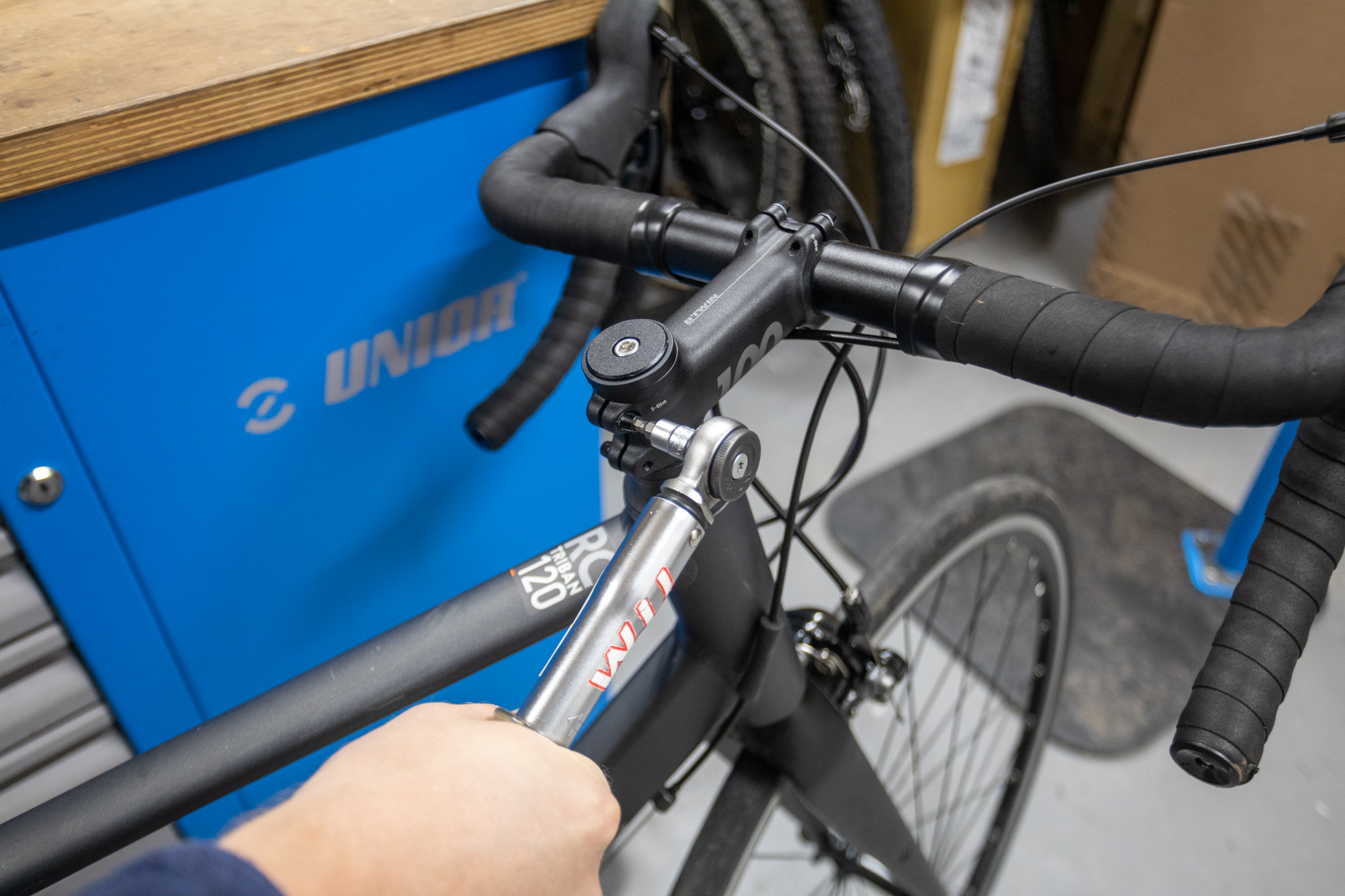
Modern bicycles are subject to tight tolerances and the bolts that secure the various components need to be fastened correctly.
If a bolt is too loose or too tight, you run the risk of failure.
It is best to use a torque wrench whenever you adjust a bolt, particularly if the component or the surface it is clamping onto is carbon fibre. Carbon fibre, in particular, doesn’t like to be over-clamped and will fracture if over-tightened.
Many manufacturers list a recommended torque next to the bolt – do not exceed this.
It’s also worth ensuring any and all fasteners are sufficiently prepared with grease, threadlock or anti-seize, as per the manufacturer’s instructions.
8. Removing pedals with the outer chainring exposed

When you fit, remove or change bike pedals, it’s a good idea to have the chain in the biggest chainring.
Having the chain cover the sharp teeth of the chainring can help avoid any painful, knuckle-skinning experiences.
9. Not greasing pedal threads or over-tightening them
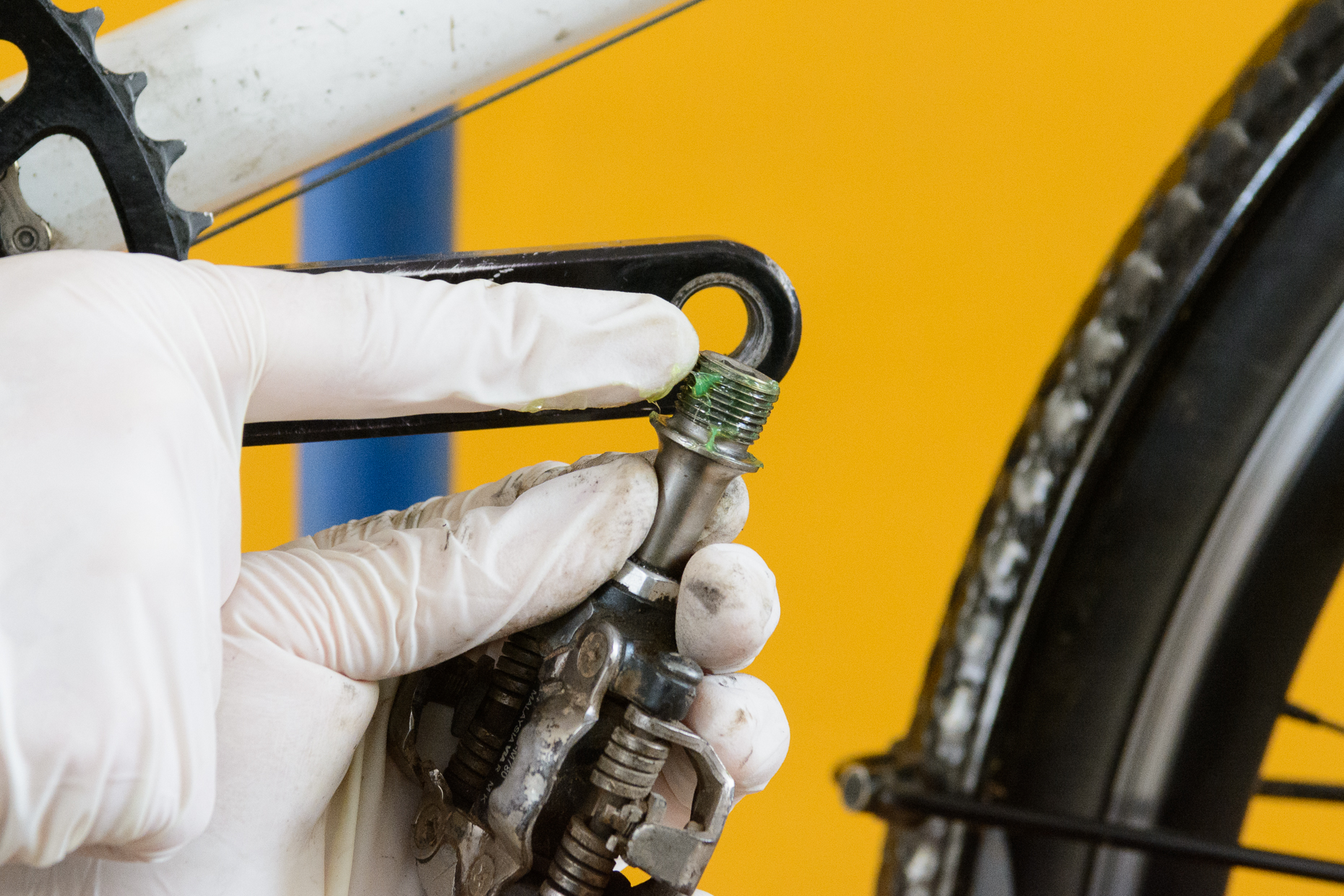
Sticking with pedals, make sure you apply some anti-seize to the pedal threads prior to installation.
If you don’t grease them, you’ll likely find it impossible to remove them in the future because they can seize in place.
It’s also critical to not over-tighten pedals, because the act of pedalling effectively tightens them.
10. Neglecting your seatpost
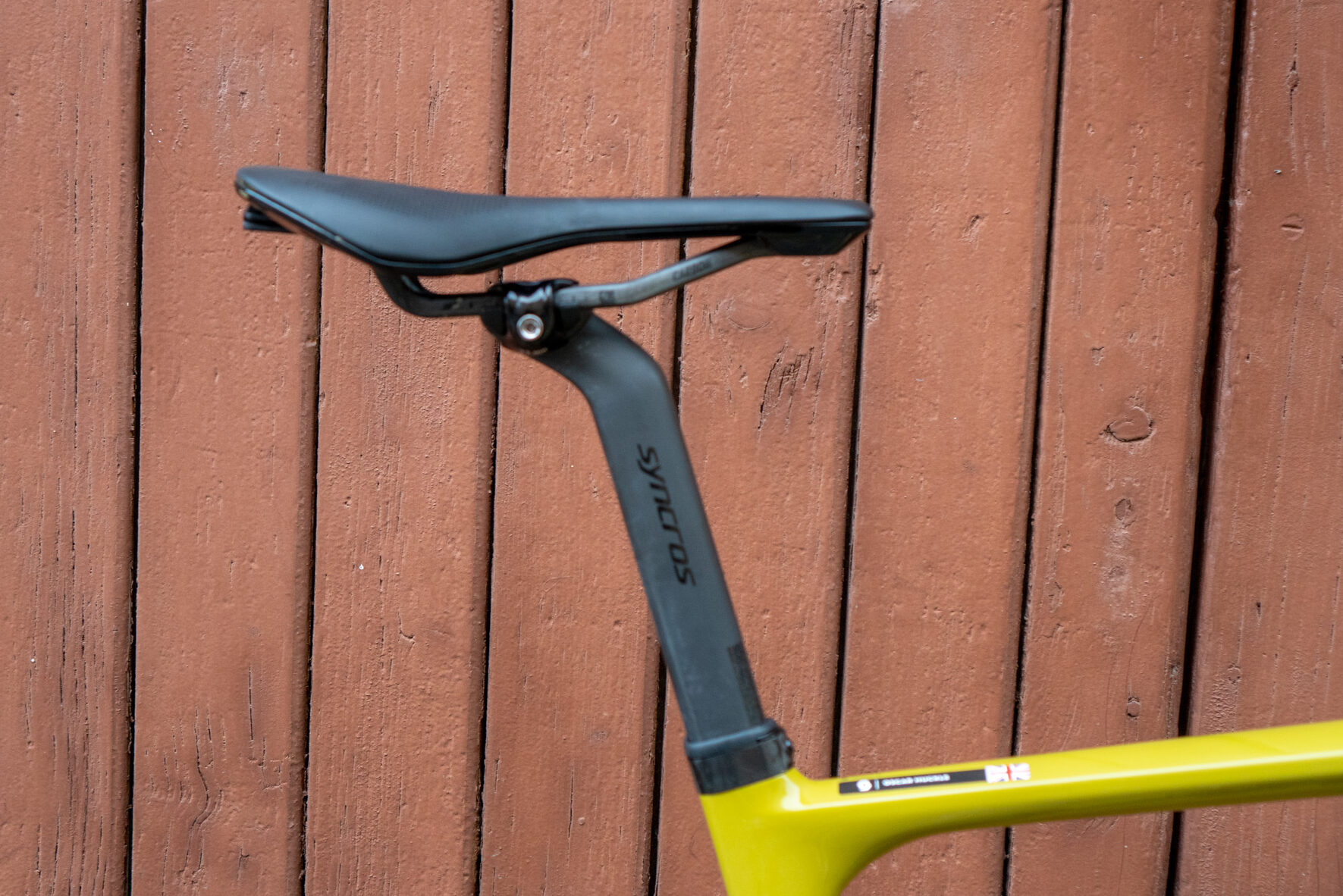
A seized seatpost can spell all manner of trouble. It’s an easy component to forget about, given you rarely need to adjust it once you’ve correctly set your saddle height.
In the worst-case scenario, you’ll need to enlist the specialist services of a seatpost removal company (yes, these actually exist).
It’s best to remove the seatpost twice a year and give it a clean. If the seatpost and frame are metal, make sure you apply some anti-seize during installation. If any of the components are carbon fibre, you’ll need to use carbon fibre grip instead.
11. Resting a bike on its driveside
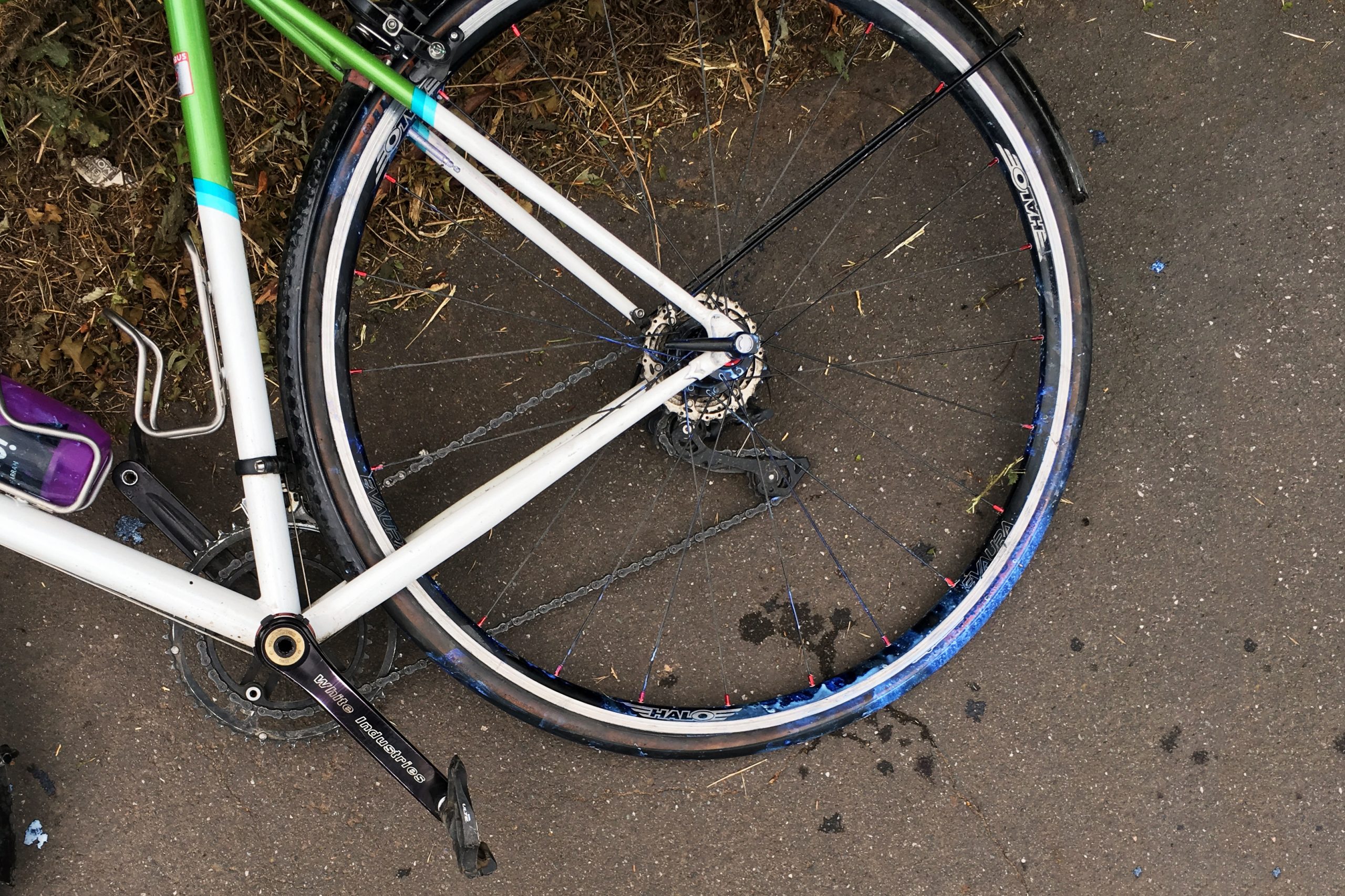
If the bike is leaned on the driveside, there’s an increased likelihood of the derailleur hanger bending.
The derailleur hanger is a sacrificial part in between the frame’s dropout and rear derailleur and is designed to bend or break to save your frame.
If a derailleur hanger is bent, it can lead to poor and inaccurate shifting, with the chain potentially derailing into the spokes or driveside chainstay.
12. Not replacing bar tape
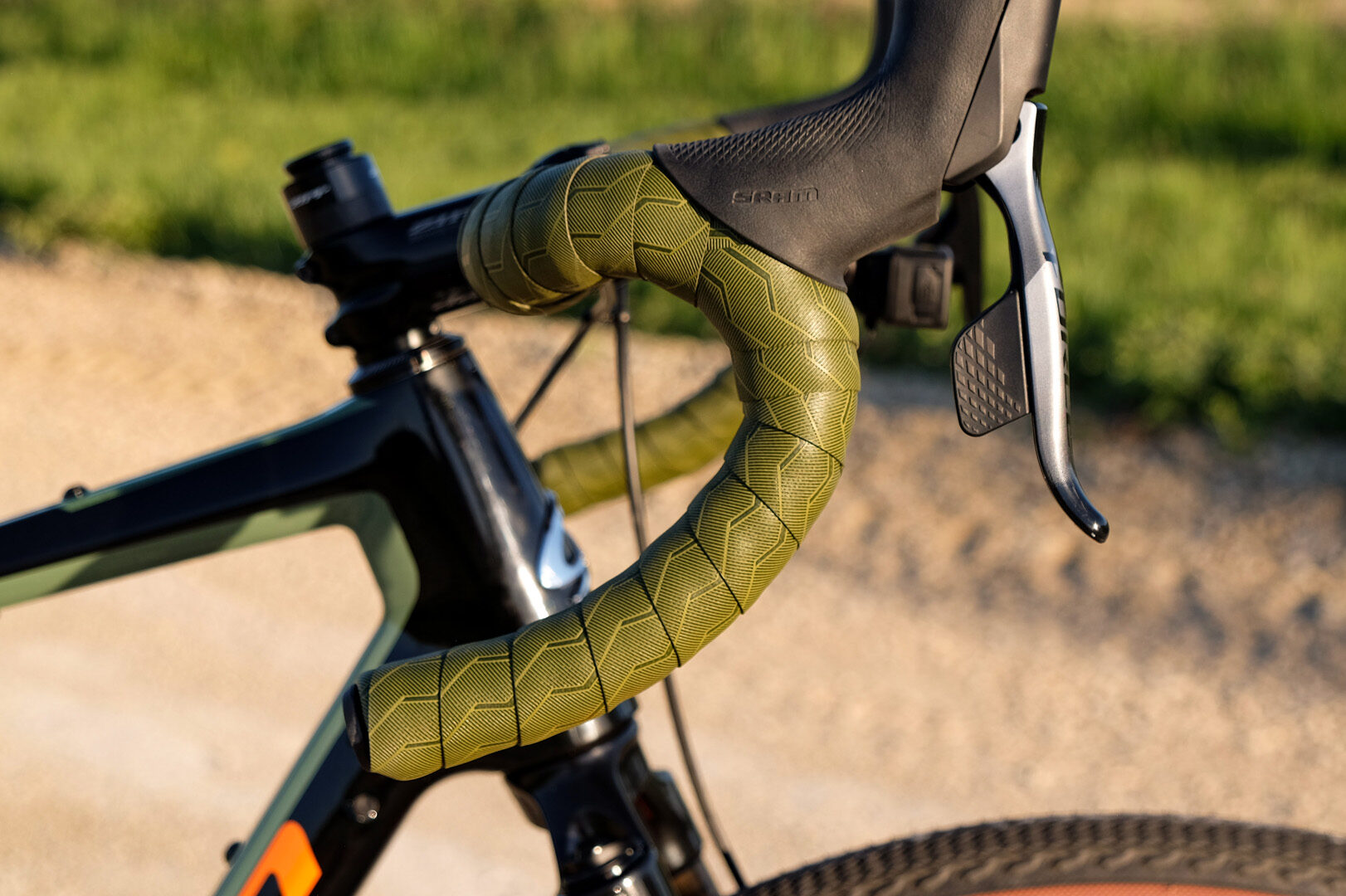
Regularly replacing your handlebar tape may not seem like an important maintenance job, but if you ride frequently or you’re into indoor cycling, it’s wise to do this once or twice a year.
If your handlebar is metal, the salt in your sweat can lead to oxidisation. In extreme cases, it’s not unheard of to witness handlebars failing due to corrosion.
By removing your old bar tape, you can periodically inspect your handlebar, and you’ll also avoid the thoroughly unpleasant task of unravelling crusty old tape.
13. Riding without bar end plugs
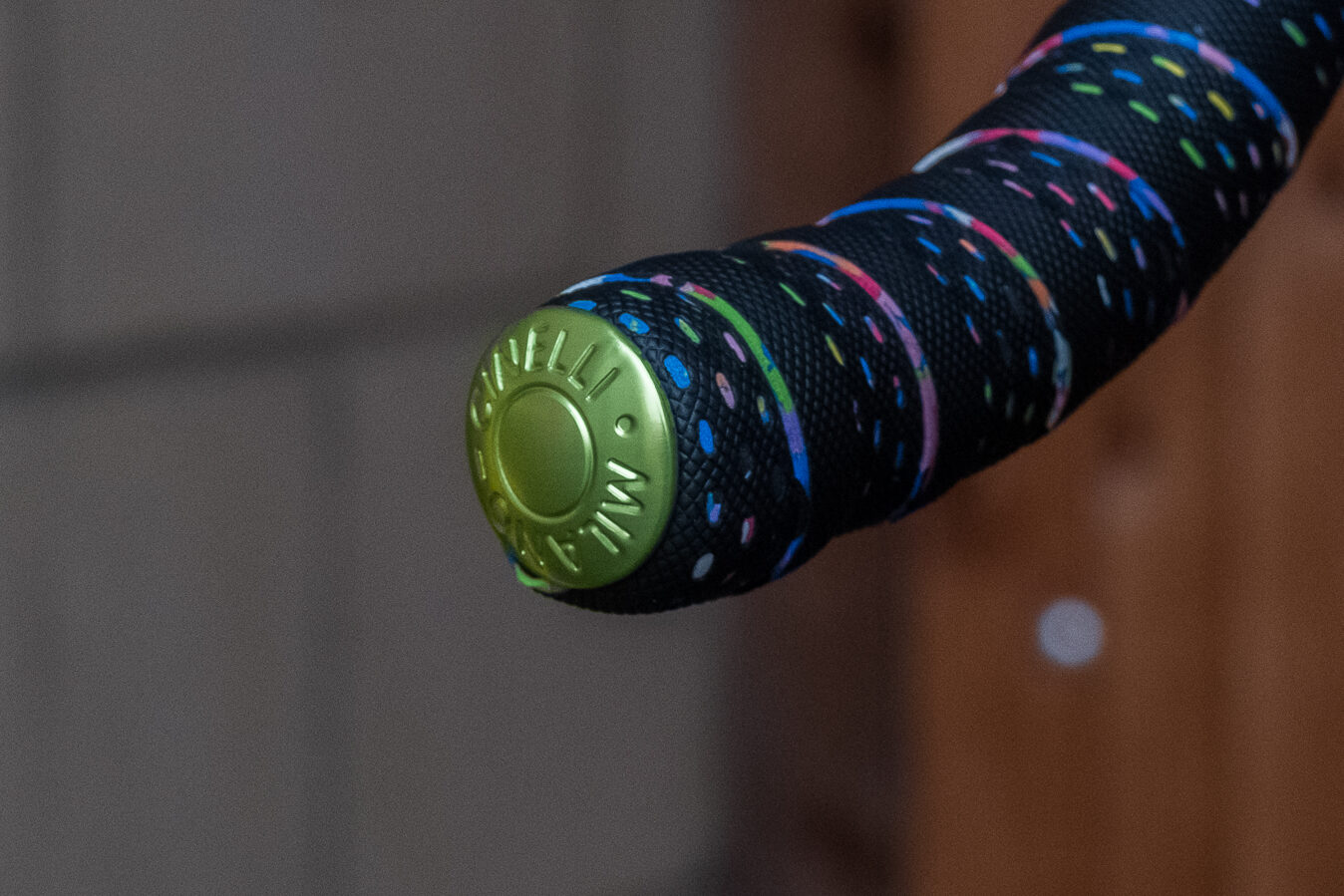
Whether you have a drop handlebar or a flat mountain bike handlebar, we really can’t recommend riding with bar end plugs enough. These are a safety feature and not simply cosmetic.
If you were to fall off when cycling, an unplugged handlebar end will effectively act as a cookie cutter into your sternum, or worse.
If your bar end plug falls out regularly, you could try applying some double-sided tape on its inside. Alternatively, you can upgrade to one that clamps in place with an expanding bung.
14. Not servicing suspension
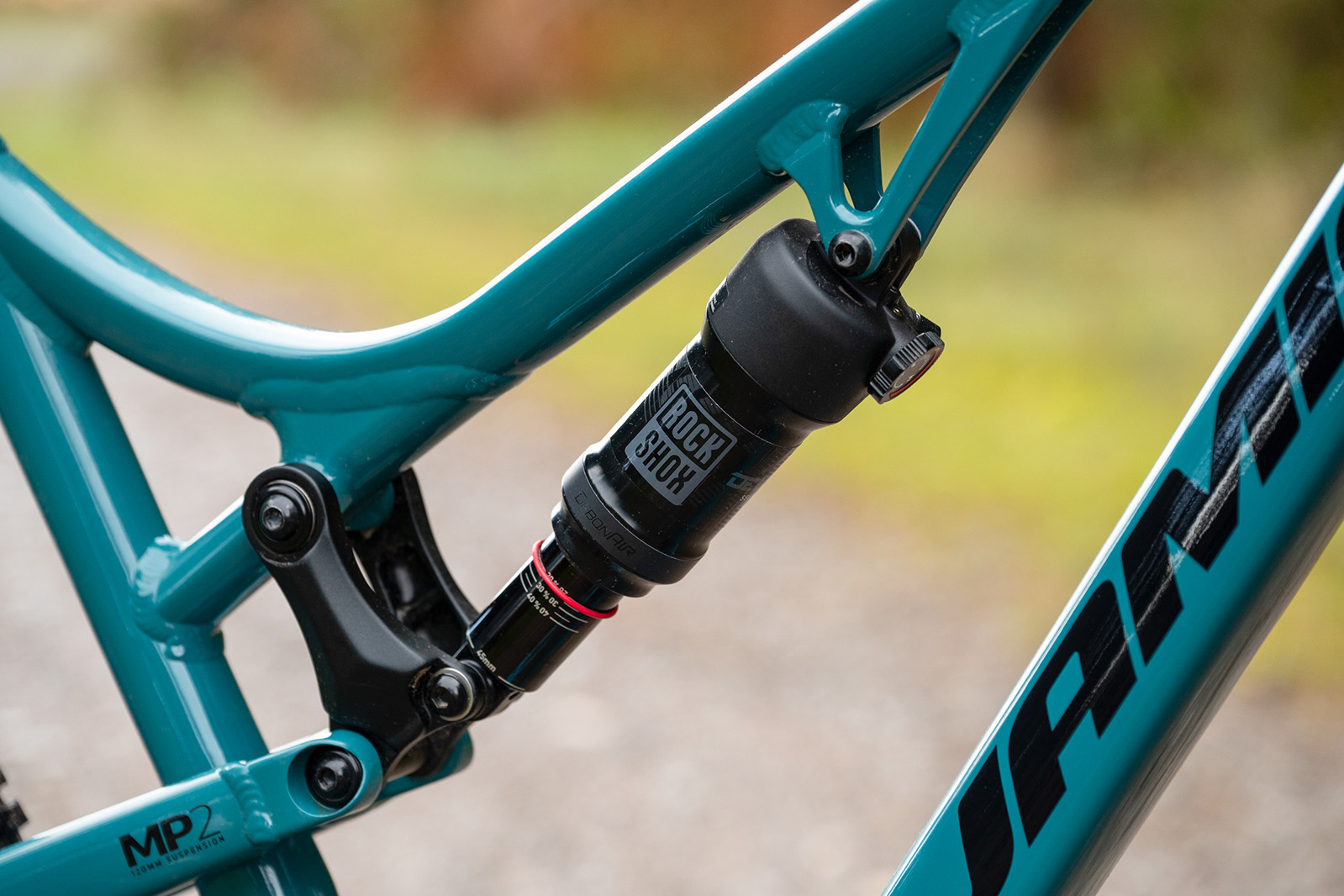
Suspension requires regular servicing to perform in tip-top condition.
The components that make up the fork or shock are always moving when you ride, and the oils and seals should be kept fresh and clean.
Servicing suspension stops any grit and grime that’s made its way into your shock or fork from causing any damage.
Suspension manufacturers include recommended specific service intervals, so it’s well worth keeping a note of when you should next give your suspension some TLC.
Tuning your suspension can also help you eke that extra bit of performance from your fork and shock.
15. Using poor-quality tools
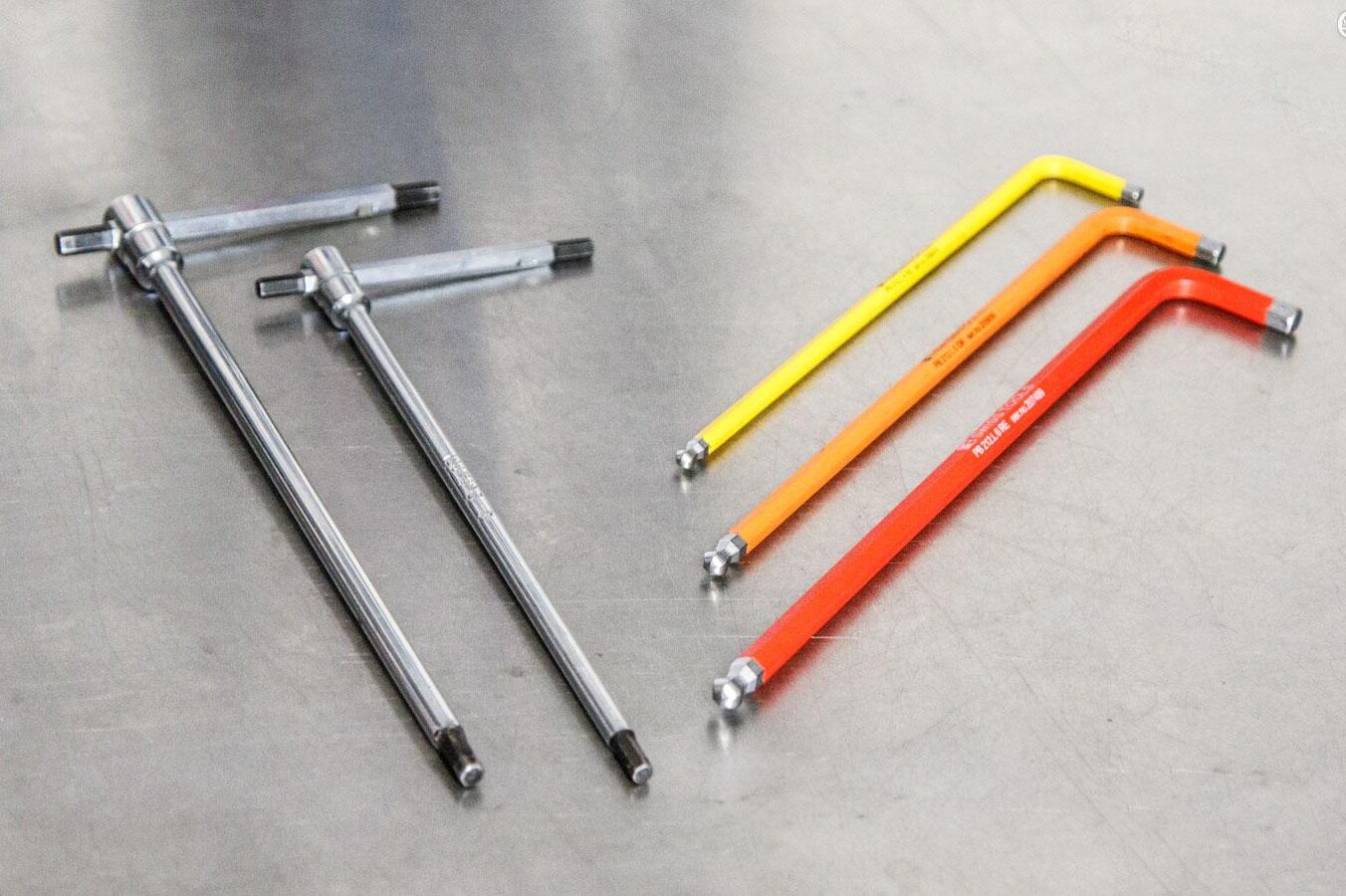
The age-old adage “Buy cheap, buy twice” couldn’t be more true in the world of bicycle tools.
A worn or poor-quality tool could lead to rounding a bolt, marring an interface, even breaking a component or the tool itself.
Higher-quality tools will be manufactured to tighter tolerances, ensuring a snug and precise fit for the relevant job at hand.
Editor’s note: this article was first published in February 2023 and updated in June 2025.
Open-ear surround sound? Shokz release OpenFit 2 and OpenFit 2+ with refined audio and longer battery life
Shokz has launched two new wireless open-ear headphones, the OpenFit 2 and OpenFit 2+, both utilising the brand’s bone conduction technology.
The headphones are powered by the brand’s DualBoost technology, which it says is an industry first.
Combined with an updated OpenBass 2.0 algorithm, Shokz say this helps deliver a more vibrant and powerful sound.
Dolby Audio surround has been added to the OpenFit 2+, reportedly enhancing immersion in surround sound listening.
The Shokz OpenFit 2 is priced at £169.99 and is available in beige and black colourways, while the more feature-rich OpenFit 2+ is priced at £179.99 and comes in grey and black.
SQUIRREL_13210801
More on cycling headphones
- Best headphones for cycling in 2025
- Cycling with headphones is safe – and 5 more lessons from 2 years of testing
Open-ear surround sound

Shokz says the OpenFit 2 is made from an ultra-lightweight, high-strength material covered in a soft silicone finish.
The earhook has been updated with a flexible nickel-titanium alloy that moulds to the contours more accurately.
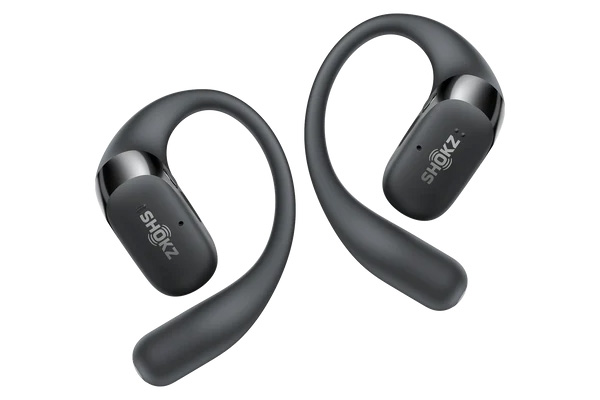
The design retains a similar form factor to the previous generation, which we praised when testing the original OpenFit headphones, offering a secure fit when cycling.
Shokz says the headphones weigh 9.4g for each earbud.

A case is used to store the headphones when not in use, and like with many wireless headphones, it keeps them charged too.
Shokz says the new DualBoost technology utilises two individual speakers in each earbud.
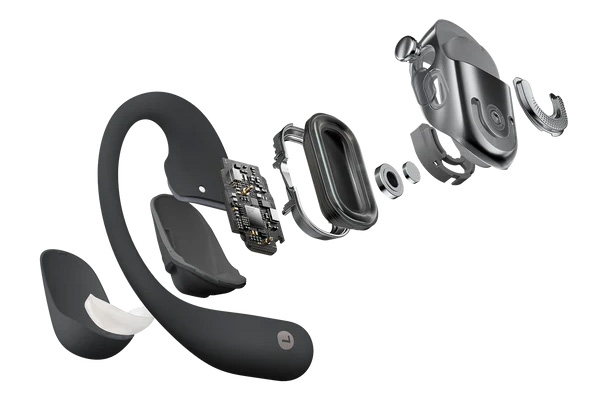
An extra-large low-frequency driver is used for deep, resonant bass, while an independent high-frequency driver is used for crisp mids and highs.
Alongside this, the brand has updated its low-frequency enhancement algorithm with the OpenBass 2.0, which is said to offer more dynamic low-frequency vibrations directly to your ear.
The Dolby Audio on the OpenFit 2+ is said to surround you with lifelike audio.
Longer battery life

Aside from the audio and algorithms, Shokz has boosted the battery life of the OpenFit 2 range, now seeing 48 hours of playback compared to 28 on the previous model.
This breaks down into 11 hours of charge in the earbuds before they need to be charged in the case – an improvement over the 7 hours of the original OpenFit.
The OpenFit 2+ can also charge wirelessly with compatible devices.
Shokz has also increased waterproofing from IP54 to IP55, but don’t expect the headphones to withstand submersion in water.
How GitHub Copilot Is Revolutionizing DevOps & DevSecOps
Here’s how GitHub Copilot is reshaping software development — transforming DevOps and DevSecOps with AI-powered precision and scalability.
Resilience Spacecraft Likely Crashed Into the Moon, Ispace Confirms
Japan-based Ispace confirmed its Resilience lander likely crashed during its second failed attempt at a lunar landing, after a sensor malfunction prevented proper deceleration. Despite the setback, the company remains committed to future missions, with funding secured for a third attempt using a new lander, Apex 1.0, scheduled for 2027. “Until then, Ispace has its work cut out for it,” reports CNN. “[Ispace CEO and founder Takeshi Hakamada] said during the news briefing he will need to work to regain the trust of investors, and the company will need to deeply investigate what went wrong on the Resilience mission to ensure similar issues don’t plague Apex 1.0.”
The company has ambitious “plans to eventually build a city on the lunar surface that would house a thousand people and welcome thousands more for tourist visits,” notes ABC News. “If ispace is going to establish a colony on the moon, it will need to identify an ample supply of ice or water, which it will convert into fuel for a future lunar fueling station. The ability to produce fuel on the moon will enable the company to transport people back and forth between the Earth and the moon.”


Read more of this story at Slashdot.
Karton: KDE’s Libvirt-Powered Answer to GNOME Boxes and Virt-Manager
Karton is a new, still-in-development KDE-native virtual machine manager using libvirt, aiming to bring VM tools closer to the Plasma desktop experience.
Wireshark 4.4.7 Network Protocol Analyzer Patches Security Flaw and Fixes Bugs
Wireshark 4.4.7 has been released today as the seventh maintenance update to the latest Wireshark 4.4 stable series of this popular network protocol analyzer software for Linux, macOS, and Windows systems.
Proxy Services Feast On Ukraine’s IP Address Exodus
An anonymous reader quotes a report from KrebsOnSecurity: Ukraine has seen nearly one-fifth of its Internet space come under Russian control or sold to Internet address brokers since February 2022, a new study finds. The analysis indicates large chunks of Ukrainian Internet address space are now in the hands of shadowy proxy and anonymity services that are nested at some of America’s largest Internet service providers (ISPs). The findings come in a report that examines how the Russian invasion has affected Ukraine’s domestic supply of Internet Protocol Version 4 (IPv4) addresses. Researchers at Kentik, a company that measures the performance of Internet networks, found that while a majority of ISPs in Ukraine haven’t changed their infrastructure much since the war began in 2022, others have resorted to selling swathes of their valuable IPv4 address space just to keep the lights on.
For example, Ukraine’s incumbent ISP Ukrtelecom is now routing just 29 percent of the IPv4 address ranges that the company controlled at the start of the war, Kentik found. Although much of that former IP space remains dormant, Ukrtelecom told Kentik’s Doug Madory they were forced to sell many of their address blocks “to secure financial stability and continue delivering essential services.” “Leasing out a portion of our IPv4 resources allowed us to mitigate some of the extraordinary challenges we have been facing since the full-scale invasion began,” Ukrtelecom told Madory.
Madory found much of the IPv4 space previously allocated to Ukrtelecom is now scattered to more than 100 providers globally, particularly at three large American ISPs — Amazon (AS16509), AT&T (AS7018), and Cogent (AS174). Another Ukrainian Internet provider — LVS (AS43310) — in 2022 was routing approximately 6,000 IPv4 addresses across the nation. Kentik learned that by November 2022, much of that address space had been parceled out to over a dozen different locations, with the bulk of it being announced at AT&T. Ditto for the Ukrainian ISP TVCOM, which currently routes nearly 15,000 fewer IPv4 addresses than it did at the start of the war. Madory said most of those addresses have been scattered to 37 other networks outside of Eastern Europe, including Amazon, AT&T, and Microsoft.


Read more of this story at Slashdot.
Linux Display Managers: Complete Beginner’s Guide
Learn all about Linux display managers – what they are, how they work, and how to install, change, or troubleshoot them
Intel: New Products Must Deliver 50% Gross Profit To Get the Green Light
Intel has implemented a strict new policy requiring all new projects to demonstrate at least a 50% gross margin to move forward. CEO Lip-Bu Tan explained Intel’s new risk-averse policy as “something that we probably should have had before,” later clarifying that the number is a figure the company is aspiring toward internally. Tom’s Hardware reports: Tan is reportedly “laser focused on the fact that we need to get our gross margins back up above 50%.” To accomplish this, Tan is also said to be investigating and potentially cancelling or changing unprofitable deals with other companies. Intel’s margins have slipped to new lows for the company in recent months. MacroTrends reports Intel’s trailing 12 months gross margin for Q1 2025 was as low as 31.67%. Intel’s gross margins had hovered around the 60% mark for the ten years leading up to the COVID-19 pandemic, falling beneath 50% in Q2 2022 and continuing to steadily fall ever since.
Holthaus predicts a “tug-of-war” to ensue within Intel in the coming months as engineers and executives reckon with being forced between a rock and a hard place. “We need to be building products that… fit the right competitive landscape and requirements of our customers, but also have the right cost structure in place. It really requires us to do both.” […] Tan is also quoted as wanting to turn Intel into an “engineering-focused company” again under his leadership. To reach this, Tan has committed to investing in recruiting and retaining top talent; “I believe Intel has lost some of this talent over the years; I want to create a culture of innovation empowerment.” Maintaining a culture of empowering innovation and top talent seems, on its face, at odds with layoffs and a lock on projects not projected to gross 50% margins, but Tan seemingly has Intel investors on his side in these pursuits.


Read more of this story at Slashdot.
Mesa’s Rusticl Lands OpenCL FP16 Half-Float Support
Mesa’s modern Rust-written OpenCL driver for Gallium3D “Rusticl” has closed one of the few remaining gaps with the former Clover OpenCL state tracker. Merged today for Mesa 25.2 is native FP16 support…
Senate response to White House budget for NASA: Keep SLS, nix science
Negotiations over the US federal budget for fiscal year 2026 are in the beginning stages, but when it comes to space, the fault lines are already solidifying in the Senate.
The Trump White House released its budget request last Friday, and this included detailed information about its plans for NASA. On Thursday, just days later, the US Senate shot back with its own budget priorities for the space agency.
The US budget process is complicated and somewhat broken in recent years, as Congress has failed to pass a budget on time. So, we are probably at least several months away from seeing a final fiscal year 2026 budget from Congress. But we got our first glimpse of the Senate’s thinking when the chair of the Committee on Commerce, Science, and Transportation, Sen. Ted Cruz (R-Texas) released his “legislative directives” for NASA on Thursday
Consumer Group Accuses Shein of Manipulating Shoppers With ‘Dark Patterns’
An anonymous reader quotes a report from CBC: A consumer organization filed a complaint with the European Commission on Thursday against online fast-fashion retailer Shein over its use of “dark patterns,” which are tactics designed to make people buy more on its app and website. Pop-ups urging customers not to leave the app or risk losing promotions, countdown timers that create time pressure to complete a purchase and the infinite scroll on its app are among the methods Shein uses that could be considered “aggressive commercial practices,” wrote BEUC, a pan-European consumer group, in a report.
The BEUC also detailed Shein’s use of frequent notifications, with one phone receiving 12 notifications from the app in a single day. “For fast fashion you need to have volume, you need to have mass consumption, and these dark patterns are designed to stimulate mass consumption,” said Agustin Reyna, director general of BEUC, in an interview. “For us, to be satisfactory they need to get rid of these dark patterns, but the question is whether they will have enough incentive to do so, knowing the potential impact it can have on the volume of purchases.” […]
The BEUC also targeted the online discount platform Temu, a Shein rival, in a previous complaint. Both platforms have surged in popularity in Europe, partly helped by apps that encourage shoppers to engage with games and stand to win discounts and free products. […] The BEUC noted that dark patterns are widely used by mass-market clothing retailers and called on the consumer protection network to include other retailers in its investigation. It said 25 of its member organizations in 21 countries, including France, Germany and Spain, joined in the grievance filed with the commission and with the European consumer protection network. Temu and Shein have their own issues in the United States. Following the recent closure of the de minimis loophole, use of the two Chinese platforms have slowed significantly. “Temu’s U.S. daily active users (DAUs) dropped 52% in May versus March, before Trump’s tariffs were announced, while those at rival Shein were down 25%,” reports CNBC, citing data from market intelligence firm Sensor Tower.
“The declines were also reflected in both platforms’ Apple App Store rankings. Temu averaged a rank of 132 in May 2025, down from an average top 3 ranking a year ago, while Shein averaged a rank of 60 last month versus a top 10 ranking the year prior, the data showed.”


Read more of this story at Slashdot.
Contribute at the Fedora Linux Test Week for Kernel 6.15
The kernel team is working on final integration for Linux kernel 6.15. This version was just recently released, and will arrive soon in Fedora Linux. As a result, the Fedora Linux kernel and QA teams have organized a test week from Sunday, June 08, 2025 to Sunday, June 15, 2025. The wiki page in this […]
Anthropic Co-founder on Cutting Access To Windsurf: ‘It Would Be Odd For Us To Sell Claude To OpenAI’
Anthropic cut AI coding assistant Windsurf’s direct access to its Claude models after media reported that rival OpenAI plans to acquire the startup for $3 billion. Anthropic co-founder Jared Kaplan told TechCrunch that “it would be odd for us to be selling Claude to OpenAI,” explaining the decision to cut access to Claude 3.5 Sonnet and Claude 3.7 Sonnet models.


Read more of this story at Slashdot.