Honda’s hopper suddenly makes the Japanese carmaker a serious player in rocketry

An experimental reusable rocket developed by the research and development arm of Honda Motor Company flew to an altitude of nearly 900 feet Tuesday, then landed with pinpoint precision at the carmaker’s test facility in northern Japan.

The accomplishment may not sound like much, but it’s important to put it into perspective. Honda’s hopper is the first prototype rocket outside of the United States and China to complete a flight of this kind, demonstrating vertical takeoff and vertical landing technology that could underpin development of a reusable launch vehicle.

While Tuesday’s announcement by Honda was unexpected, the company has talked about rockets before. In 2021, Honda officials revealed they had been working on a rocket engine for at least two years. At the time, officials said a small satellite launch vehicle was part of Honda’s roadmap.

Read full article

Comments

One Million Two-Factor Authentication Codes Were Recently Exposed

One-time SMS codes are widely used as the second checkpoint in two-factor authentication (2FA) to sign into everything from banking apps to email accounts. As I’ve written before, though, SMS is one of the least secure 2FA methods, as it can be phished relatively easily.

It turns out these codes may also be visible to other parties besides the sender (the service generating the code) and the recipient (you), increasing the risk that your accounts can be compromised by bad actors. As reported by Bloomberg Businessweek, an obscure third-party telecom service had access to at least one million 2FA codes that passed through its network.

How more than one million SMS codes were compromised

An investigation led by Bloomberg and Lighthouse Reports—based on data received from an industry whistleblower—found that more than a million text messages containing 2FA codes were visible to Swiss company Fink Telecom Services during June 2023. As an intermediary between the companies that generate authentication codes and the users logging into their accounts, Fink handled the messages and had access to their content.

While this is a weakness in SMS—which is unencrypted and relatively easy to intercept—the Fink incident is particularly concerning due to the company’s involvement in the surveillance industry and alleged infiltration of user accounts.

According to the reporting, the messages came from senders like Google, Meta, Amazon, Tinder, Snapchat, Binance, Signal, WhatsApp, and several European banks and went to recipients in more than 100 countries.

Companies commonly use intermediaries to send text messages at cheaper rates, which are possible thanks to large contracts with multiple carriers and the ownership or lease of so-called “global titles”: network addresses that facilitate communication between carriers in different countries. Maintaining privacy and security standards when working with third parties is further complicated by the fact that Fink (and others like it) are often subcontractors not hired directly by the original companies.

Bottom line: If you use SMS as your authentication method, you aren’t guaranteed that no one else has access to your code or that they won’t use it to hack your private accounts.

More secure 2FA alternatives

Unfortunately, many companies continue to rely on SMS for 2FA, but wherever possible, you should opt for other multi-factor authentication (MFA) methods.

The most secure choices are based on WebAuthn credentials, like biometrics or passkeys, and stored on your device or a physical security key. These methods don’t pass unencrypted through a third party, and they are highly resistant to phishing attacks. Authenticator apps like Google Authenticator that generate codes on your device and refresh every 30 seconds are also stronger than SMS.

In general, the more authentication factors required for logging in, the greater the security, though these factors should be independent and not all accessible on the same device.

Iran restricts internet access to ward off Israeli cyberattacks

People in Iran have been having difficulties accessing internet services, mostly foreign websites and messaging apps like WhatsApp. According to The New York Times and NBC News, it was the government’s decision to restrict internet in the country to ward off cyberattacks by Israel as the conflict between the countries escalate. Fatemeh Mohajerani, Iran’s spokesperson, said the government was forced to throttle internet speeds in the country to maintain network stability “given the enemy’s cyber attacks.” Iran reportedly plans to reduce its internet bandwidth by 80 percent. 

Kentinc and Netblocks, companies which track global internet connectivity, told NBC News that Iran’s connection plummeted at around 5:30PM Eastern time on June 17. Iranians have been having issues accessing online services for days, however, with their mobile data networks being completely down in parts of the country and the VPNs they were using to access foreign websites being blocked intermittently. In addition to blocking WhatsApp, the Iranian government urged citizens to delete it from their smartphones, accusing it of collecting information to send to Israel. WhatsApp told AP that it was “concerned these false reports will be an excuse for [its] services to be blocked at a time when people need them the most.”

While Iran’s spokesperson said that the government is blocking and slowing down the country’s internet connection as a way to prevent Israeli cyberattacks, it’s also making it harder for people to get warnings about incoming attacks and to contact loved ones in cases of emergency. And since maps like Google’s also aren’t working, people trying to evacuate are also reportedly getting lost. Iran is urging its citizens to use its national internet services or N.I.N., which remain available and allow messaging using government platforms, but people don’t think they’re secure.

It’s worth noting that Iran also seems to have launched its own cyber attacks on Israel. As The Verge notes, cybersecurity firm Radware reported a surge in cyberattacks on Israel since its strike on Iran. The firm believes they were carried out by Iranian state actors and pro-Iran hacker groups. Iran had been linked to several cyberattacks in the past, including an instance wherein hackers associated with the country stole US voter information and sent intimidating emails to Democrat voters. 

This article originally appeared on Engadget at https://www.engadget.com/cybersecurity/iran-restricts-internet-access-to-ward-off-israeli-cyberattacks-120025170.html?src=rss

You Can (and Should) Do Joint Peloton Workouts With Friends

The at-home fitness space is more or less dominated by Peloton, which probably makes you think that whether you’re stretching with the company’s app or riding one of its machines, like the Bike, you’re working out alone. One of the major drawbacks of at-home workouts, honestly, is that you miss the collaborative, communal experience of heading to the gym—and in its absence, you can fall off your schedule or lose accountability or motivation altogether. Even though you might assume exercising with Peloton’s offerings is a solo experience—and of course, it can be—the brand makes it surprisingly easy to take classes and do exercises with friends. To add some variety and accountability to your fitness routine, you really should.

How to set up on-demand classes with friends

The Peloton app makes it easy to schedule a ride, stretch, walk, run, or more with a friend. (Note: This feature is technically called “Sessions,” so if you see that terminology, it just means “an on-demand class with friends.”) First, you have to make sure you and the person you want to work out with are following each other’s Peloton profiles. Navigate to any on-demand class in the app (and I do recommend doing this on the phone because it’s much simpler than trying to finagle on the touchscreen of one of Peloton’s proprietary devices, like the Tread or Row), and you will see a row of options. The first is the button to add the class to your Stack, which is like a playlist of classes you can make so all your routines, from stretching to riding to cooling down, flow into each other when you’re ready to work out. The second button is a Schedule, so if you want to, say, take a particular yoga class at noon in two days, you can schedule it so you can get calendar notifications. The third button is the one we want, Invite, while the fourth button is Preload and allows you to preload a class so it doesn’t buffer or suck up too much cell data while you’re taking it. The fifth button is the Bookmark button, which adds a class to a list of ones you want to save to review later.

Obviously, we’re targeting that third button, Invite. Tapping it first brings you to a list of members you follow. Select the one you’d like to work out with—or more; it’s unlimited!—and hit Continue. On the next page, select a date and time you’d like to take the class with your chosen friend(s) and hit Continue again. You can then choose a reason for the joint workout, like a celebration, a birthday, or “just because.” The final screen is a confirmation page that details the class, time, and invitees.

How to take live Peloton classes together

Any time you select a class, whether on your Bike, Tread, Row, phone, tablet, or Roku, you can find that Invite button. You don’t need to pre-schedule with the calendar feature, necessarily. If a friend is available, they can hop on and join you. This is nice because it means you can also do live classes pretty easily. As you enter the class, just look for that Invite button, select the name of the person you’d like to work out with, and proceed as normal.

Peloton Bike
Waiting for cycling Session to begin.
Credit: Lindsey Ellefson

It goes without saying, but it’s a lot easier to coordinate all of this by text or call rather than just sending random invitations to people. Agreeing on workout type, music genre, and time of day are pretty key components of exercising together effectively, so flag to your friends if there’s a class you’re interested in taking and want them to join, then use the Peloton app to make it all official.

Taking Peloton classes with friends

Once your invitee confirms their attendance, it’s on both of you to show up at the specified time. It’s helpful to set a calendar reminder. From the home page of the app, look for the Calendar icon in the top right. That’s your schedule and you should see the class you pre-scheduled with your friend. Tap on it and hit Add to calendar, then select Google Calendar or iCal and set an alert notification.

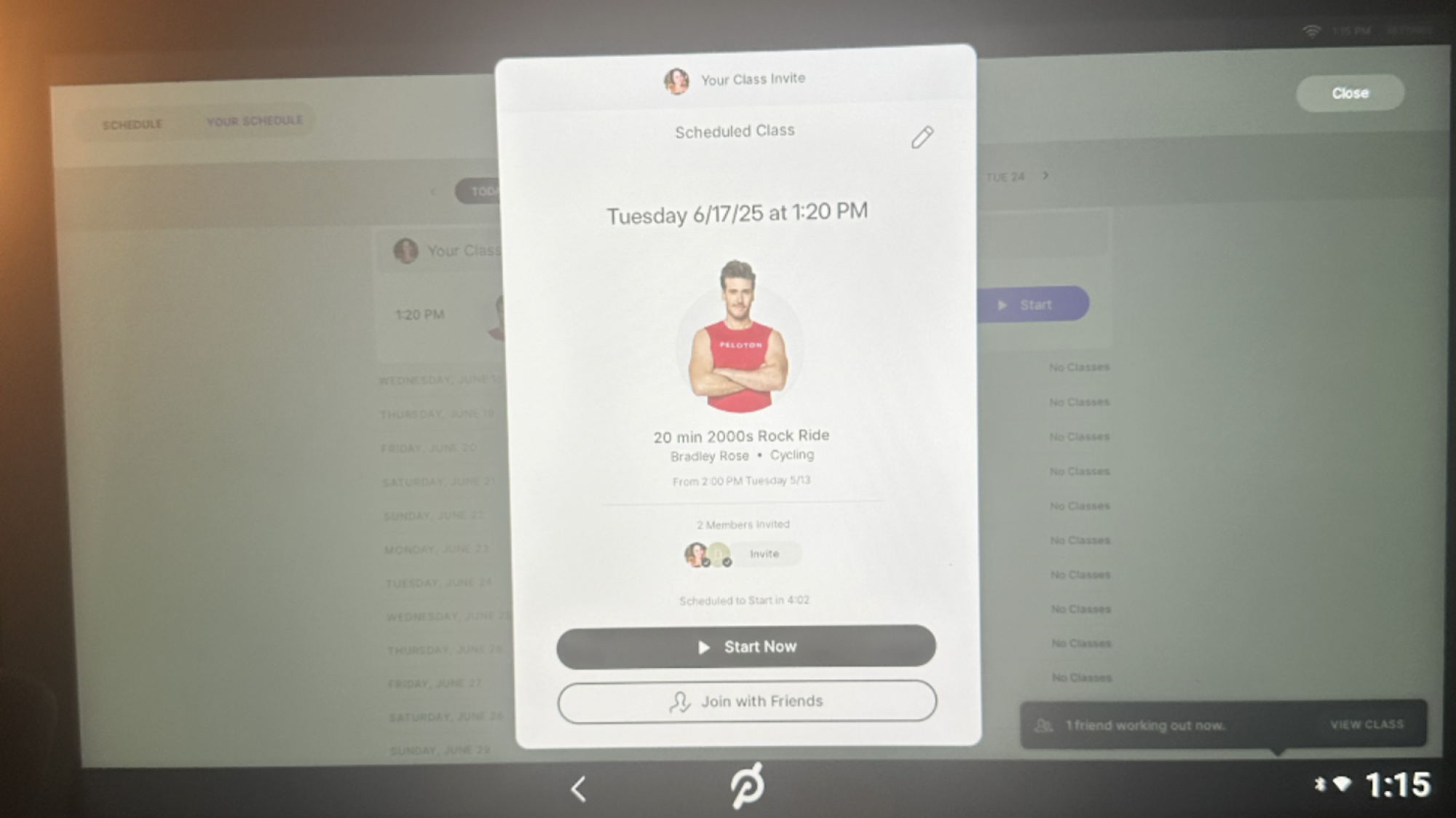
Actually taking the class is as easy as opening the app, whether on your phone or a Peloton machine, a few minutes before the start time. From the Home screen, navigate to that Calendar button, then select My schedule in the top left. A countdown to the class you scheduled will appear along with a button that says Start class, which you can tap if you and your friend(s) are ready—or you can just wait for the countdown to finish and start right at the selected time.

I tested this out a few different ways. Once, I did a meditation class with a mutual follower and followed along on my phone. As the class went on, I could see their name under Here now and could send an in-app “high five,” the same as I could to any stranger who might be taking a class at the same time as me. Next, we moved on to the Bike after pre-scheduling a class using the mobile app. There, the same thing: I could see their name on the leaderboard with me, send a high five, and see their output reflected by their name.

To be clear, there isn’t much more to it than that. There’s no audio or video component, meaning you can’t hear or see your friend(s). At the completion of the class, there is no breakdown of your stats vs. theirs or anything like that (although you do get a “Dynamic Duo” achievement badge if it’s your first joint workout). You’re only doing this “together” in the sense that you’re both doing it at the same time, vaguely aware of each other while focusing on your own workout.

I like it, though, because it can introduce some accountability into what might otherwise risk becoming a structureless pursuit. Even just knowing someone is expecting you to hop on your Bike at a certain time can get you to do it. That’s why I love in-person classes so much and am a little weary—but still supportive of—virtual-only options.

Bologna TT Showdown: TT Bike vs. Road Bike Post-Upgrades

First introduced in May 2019, the Bologna Time Trial Lap course is short but brutal. It’s split into:

  • 6.0 km of flat terrain through the historic streets
  • 2.0 km climb averaging 9.7%, up to the Sanctuary of San Luca

This makes it close to a 50/50 split of flat and climbing for many Zwifters.

Why Retest?

Since its debut, Bologna TT has been well-studied. But with recent Zwift bike upgrades, earlier conclusions are up for debate. A discussion on the Kaboom Discord prompted this investigation after discrepancies appeared in the ZwifterBikes.web.app.

One Kaboom rider, Eric Brown, found that the app showed a 40-second advantage for the road bikes over TT bikes, which seemed suspicious. Oddly the same rider stats resulted in a different outcome on ZwifterBikes.web.app for myself, with the best TT bike being 10 seconds faster than the best road bike. I’d already established that the TT bike with disk wheels was the fastest setup for my A cat team in previous years’ testing, with a bike swap being a marginal gain with high risk. But I had to know – had the bike upgrade changes shaken things up? This required a test in Zwift to verify.

Organizing the Test

For those that don’t know, Bologna is an event-only world, making testing a little more tricky for those who live in the Eastern states of Australia like myself. It seems that every time I check zwifthacks.com/app/events for events on this course, they are on at “stupid O’clock” in the early morning hours. Luckily, Zwift has a “feature” that accommodates us: I could sign up for an event and then leave my avatar sitting on the side of the road whilst I go to bed and dream about riding away from Pogacar on the queen stage of the 2025 TDF (or the draft gauge being displayed natively in Zwift) and Zwift will automatically place the rider in the event.

I grabbed my morning coffee and greeted my Zwift avatar over a bowl of cold milk and Weetbix drizzled with honey. Hitting the “leave event” icon, I then logged into Zwift on my phone to trigger my original signed-in account in Bologna to be signed out and in a pseudo “offline” mode to ensure I didn’t contaminate my Zwift stats like XP, drops, bike upgrades etc.

WARNING: Despite the notice bar at the top stating stats won’t be counted, your fitness signature is still affected in this mode, so be careful with power durations if you don’t want to impact category rankings.

Test Setup

5 scenarios were tested using different rider profiles:

  • 75 kg @ 173 cm @ 350 watts and then a split power 330w on flat, 370w on climb
  • 50 kg @ 165 cm @ 5 W/kg and 3 W/kg- 90 kg @ 173 cm @ 250 watts (2.8 W/kg)

Bikes Used

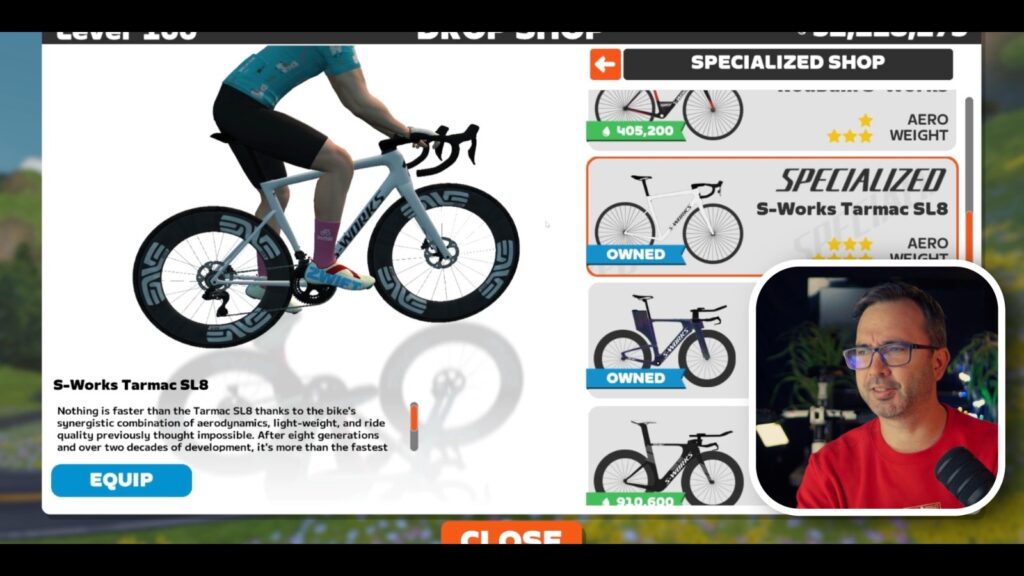
  • Road: Level 4 S-Works Tarmac SL8 + Enve SES 7.8 wheels
  • TT: Level 5 Cadex + Enve SES 7.8 (Zipp 858/Super9 tested as well in first round in video). Zwift’s Ghost feature was used to compare previous runs and give a good visual guide.

Watch the Video

Results Snapshot

Rider Profile   TT Bike Time Road Bike Time Difference  
75kg @ 350W 16:04.32 16:12.17 TT faster by 7.85 seconds
50kg @ 5W/kg 15:50.96 16:00.09 TT faster by 9.94 seconds
50kg @ 3W/kg 23:00.61 22:56.60 Road faster by 4.01 seconds
90kg @ 250W 22:46.05 22:44.01 Road faster by 2.04 seconds

“The slower you go, the more time you spend climbing. That makes the road bike more advantageous.” – from the video

Interpretation

  • At high power outputs, the TT bike wins thanks to its flat-section dominance.
  • At low power outputs, the road bike can outperform due to increasing the ratio of time spent on the climb compared to the flat.
  • The differences are small (~9 seconds), and pacing is still a very important factor. As Shane Miller says, “Go hardest when you’re going slowest.”

While TT bikes still hold an edge for strong riders, the Bologna TT course becomes road bike-friendly for less powerful riders. I would estimate that 3.2 W/kg is probably the tipping point where the TT bike starts to see an advantage for most rider sizes. Whilst I did get largely different finish times compared to zwifterbikes.web.app, the predicted time difference between the bikes were within a few seconds. Therefore, I feel that the bike recommendations may well be accurate enough to trust. They seem to line up well with the equipment tests published on Zwift Insider and my previous testing.

Recommendations

  • High wattage (3.2 W/kg and above) -> Stick with your TT rig.
  • Low power riders -> Consider a lightweight road setup, especially if you spend a long time on the hill.
  • Willing to risk it for a biscuit? Try a bike swap: start on a TT bike for the flat and switch to a roadbike after the right hand turn starting the climb. There is potential to gain a large number of seconds for those in the lower categories who are well versed in fast bike swaps.

Your Thoughts

What’s your go-to Bologna TT race rig? Share your thoughts below!

Pearson will sell you a bike direct, but it won’t come in a cardboard box

Pearson, a London-based brand with a claim to being one of the world’s oldest bike makers (founded in 1860), is aiming to shake up the direct-to-consumer bike-sales model with a new service.

With all bikes built to order and the brand’s ‘white glove’ delivery method, Pearson looks to be offering something distinct from the competition.

We’ve all become familiar with the standard direct-to-consumer model pioneered by Canyon and Ribble. This model enables us to buy premium bikes at a price way below the high street, because it cuts out a layer of distribution costs by selling directly.

Direct shipping has its downsides, though. Your bike will arrive in a box, with some assembly required and knowledge needed in order to set it up correctly. You are also buying unseen.

Fitting is key

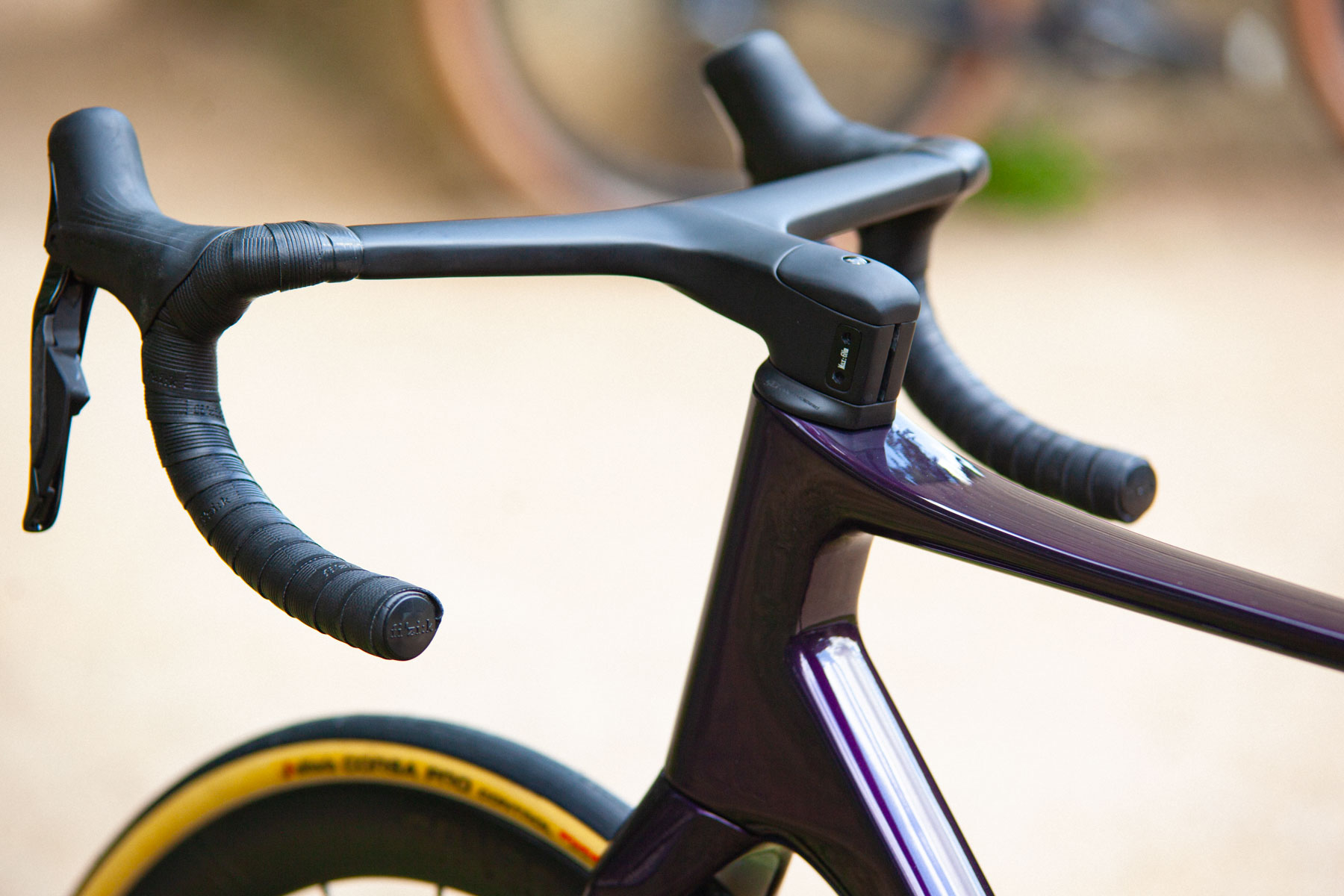
Pearson designed a one-piece bar and stem
A bike fit is central to Pearson’s new service. Warren Rossiter / OurMedia

Pearson, however, wants to do things differently, with its origins as a shop that has been building and fitting bikes to customers since it was established.

The standalone bike brand says it wants every bike it sells to start with a bike fit. That can be through the network of Pearson dealers or your own fit.

Pearson will give you £200 cashback if you book a fit through The Bike Fitters mobile bike-fit service or provide your data from a previous fit.

Built to commission

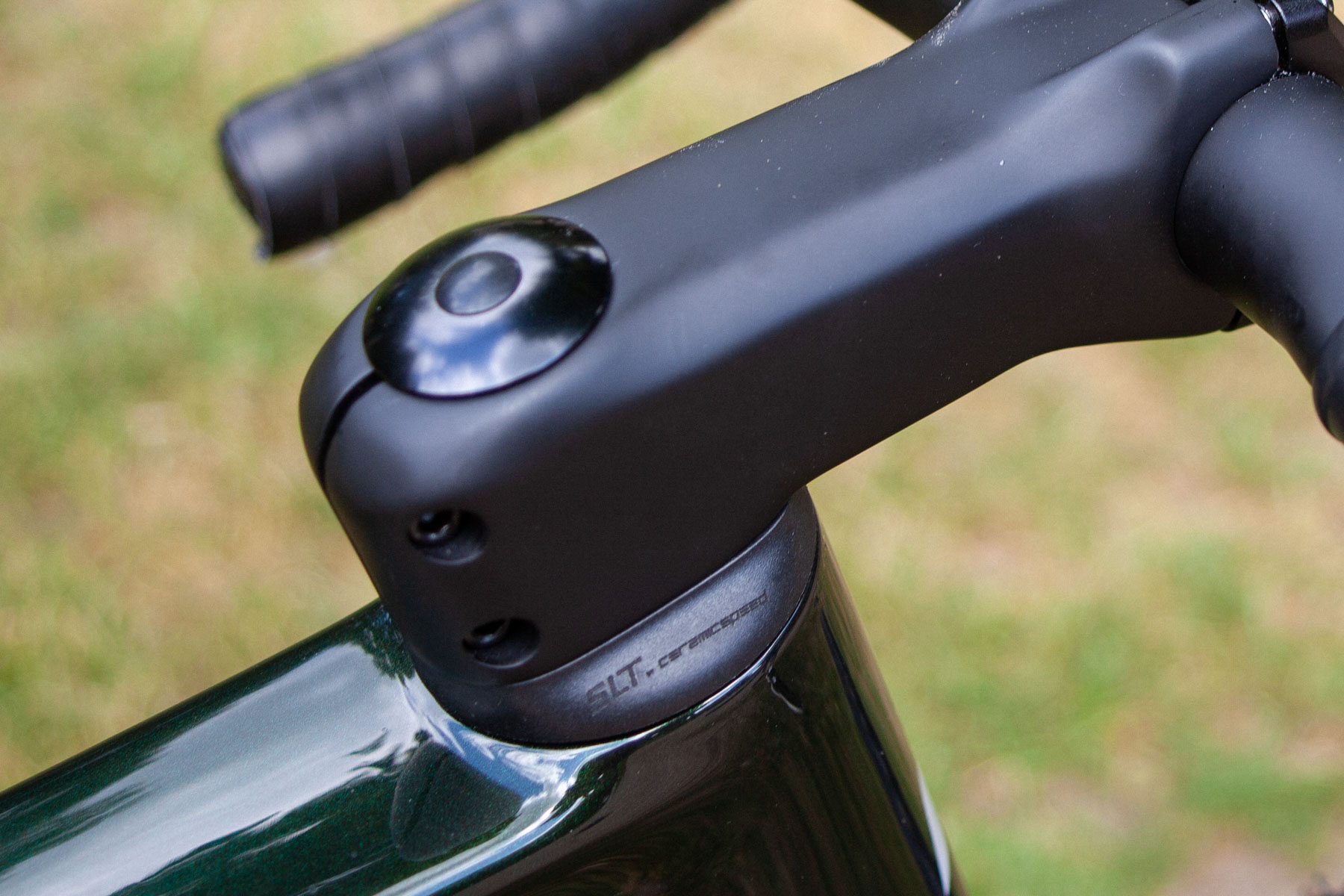
Pearson Forge headset
All of Pearson’s models get CeramicSpeed SLT headsets as standard. Warren Rossiter / OurMedia

Pearson then takes the fit data and builds the bike to order. That means it doesn’t offer a ‘stock’ version of its quartet of bikes.

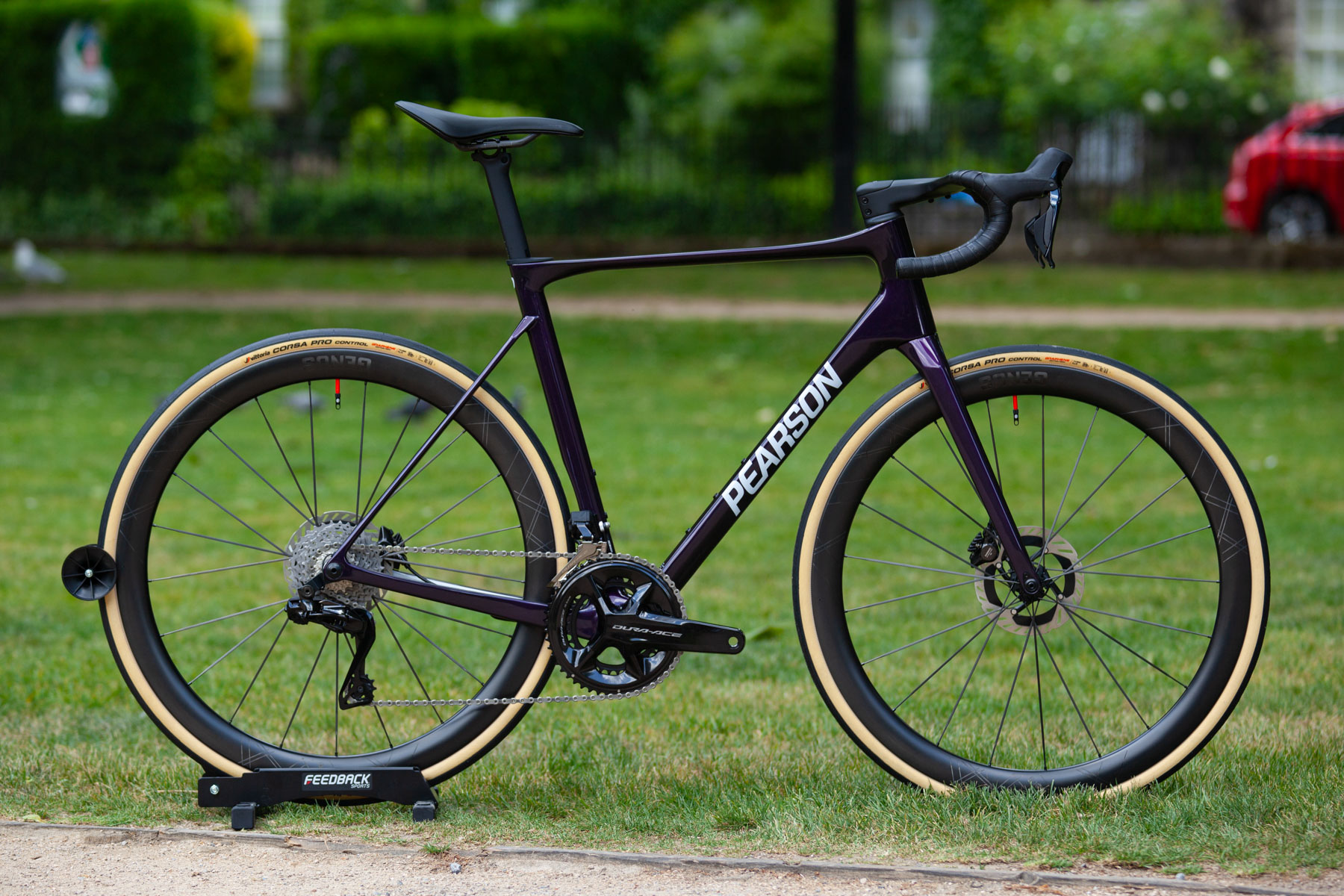
Instead, Pearson offers a range of levels, starting at Shimano 105 and rising to Shimano Dura-Ace Di2 and SRAM Red AXS. Within those tiers, the bikes are built with contact points based on fit data and customer preference.

Pearson says that while its bikes are available at all levels, each bike, irrespective of price, comes with key components chosen for quality.

That means bottom brackets ranging from stainless Hope units to CeramicSpeed on premium models. All four bike models get CeramicSpeed SLT headsets as standard.

ERE research
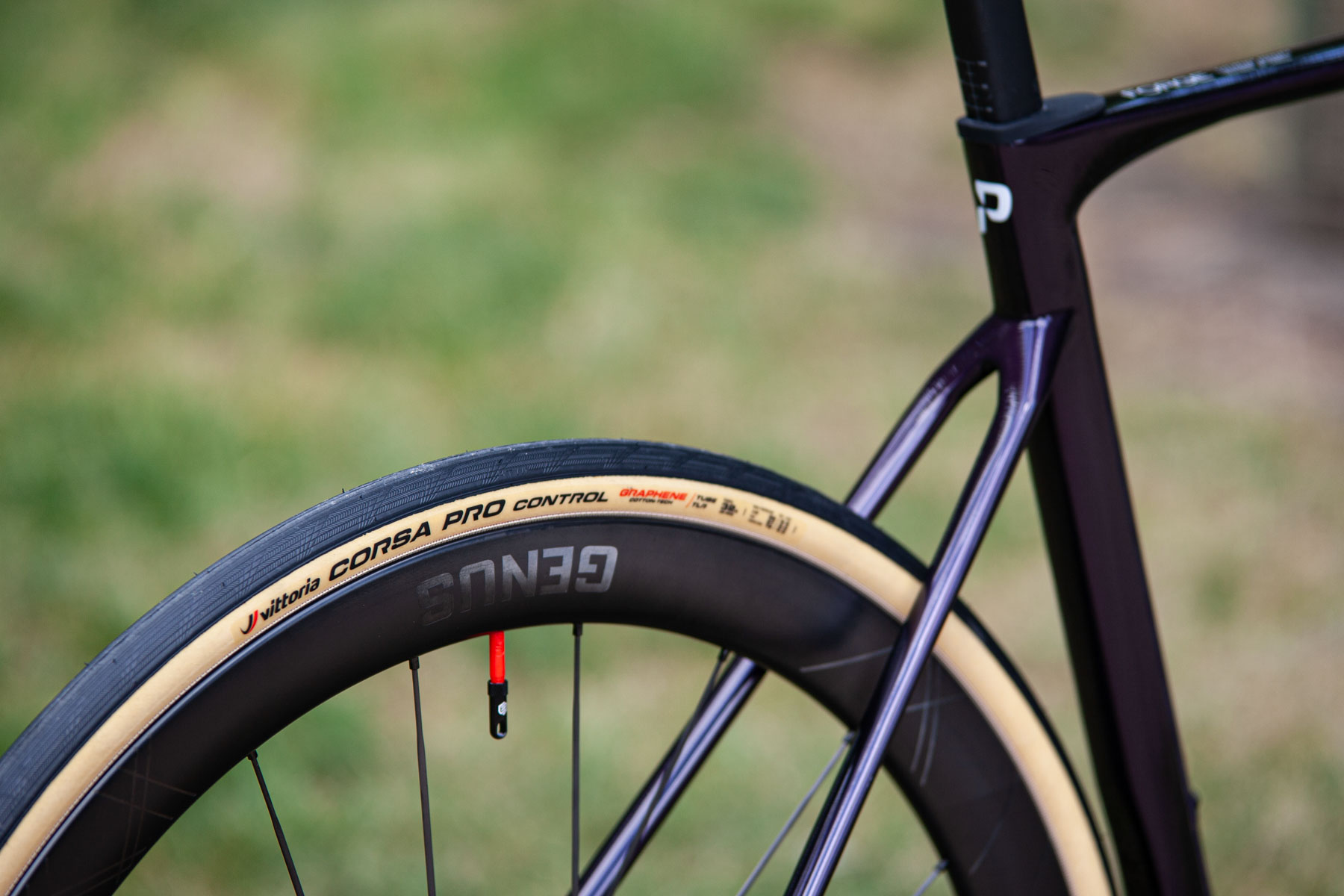
Ere Research has partnered with Pearson to provide wheels for both road and gravel. Warren Rossiter / OurMedia

Wheels are provided by Pearson’s wheel partners Ere Research, with options from entry-level alloy through to carbon aero wheels with carbon spokes.

Pearson has no minimum buy-in for its built-to-order offer, saying the same service is provided for 105 bike buyers as premium Dura-Ace Di2 customers.

The range

Pearson Shift
Pearson’s Shift Evo was developed at Silverstone’s Sports Engineering Hub. Warren Rossiter / OurMedia

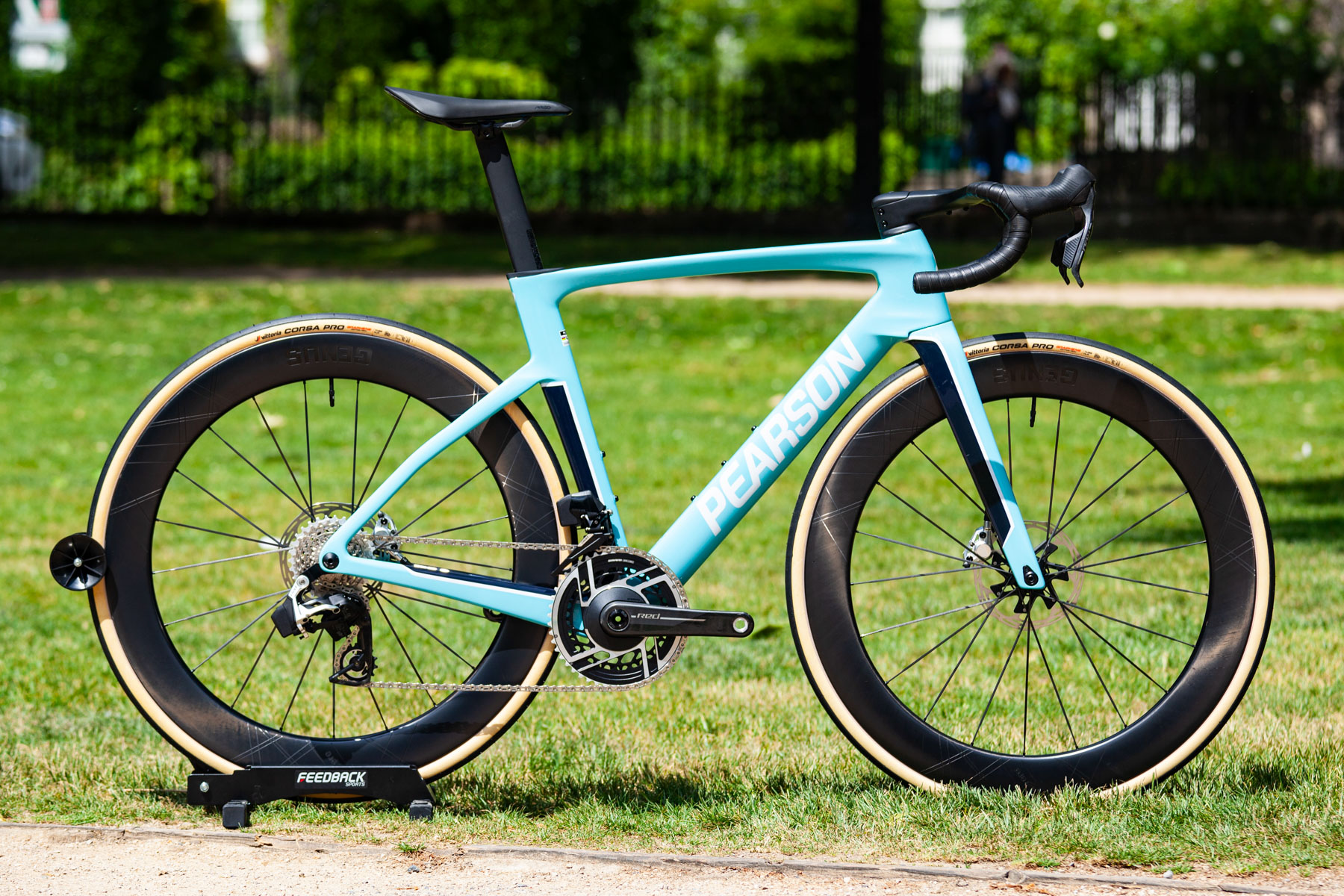
Pearson’s quartet of bikes starts with the aero-race optimised Shift EVO.

The Shift has been in Pearson’s range for a couple of years and was developed and tested at the Silverstone Sports Engineering Hub. The new EVO has a carbon layup to reduce weight and enhance drivetrain stiffness.

It also gains a new suite of finishes and is available with SRAM AXS drivetrains for the first time.

Pearson Forge
The Pearson Forge is a lightweight, aero-optimised endurance bike. Warren Rossiter / OurMedia

Next in line is Pearson’s Forge, a fresh take on the fast endurance bike, with geometry based on data from more than 3,000 professional bike fits.

Pearson On and On Race
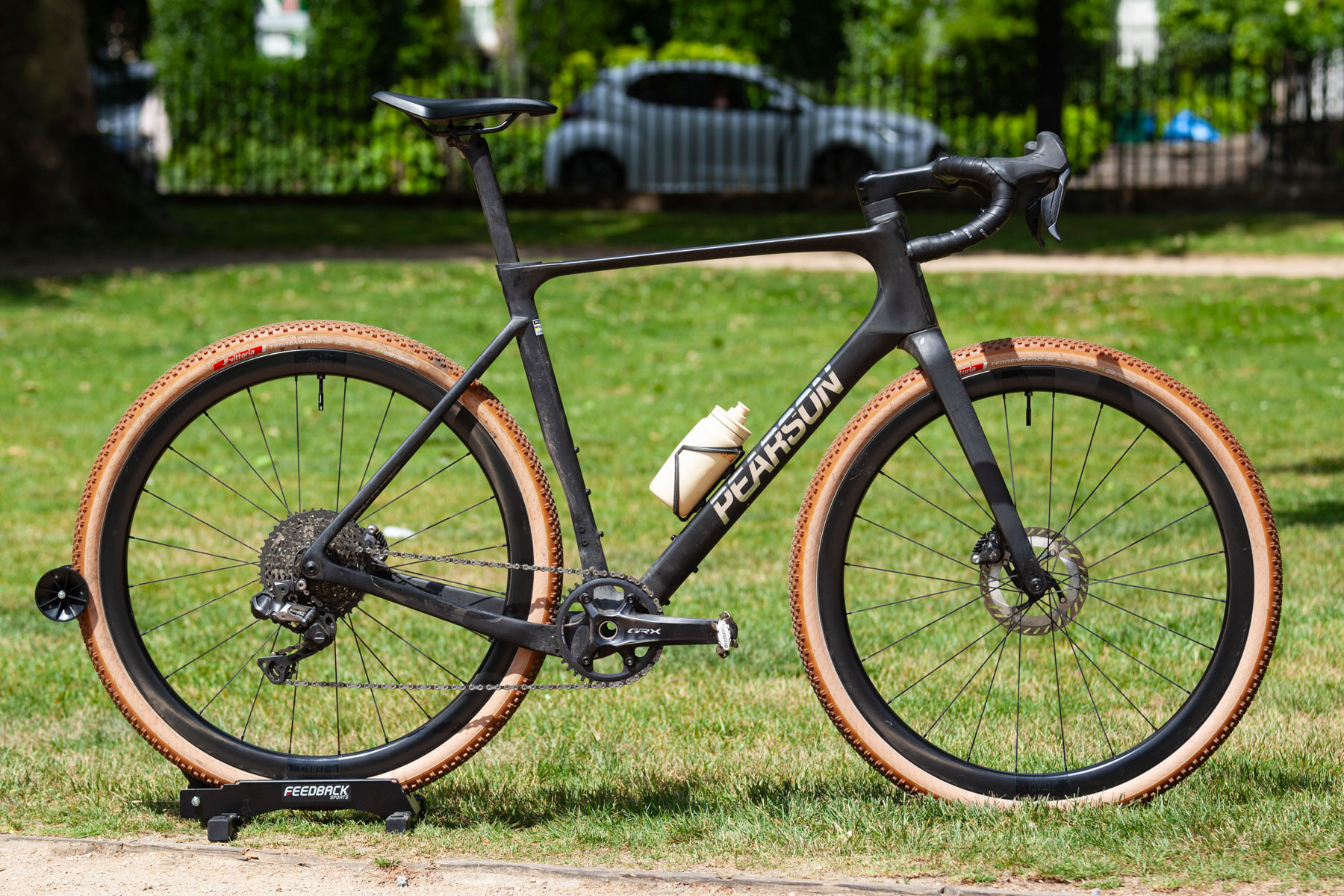
This is the prototype of the On and On Race, a stripped-down gravel lightweight. Warren Rossiter / OurMedia

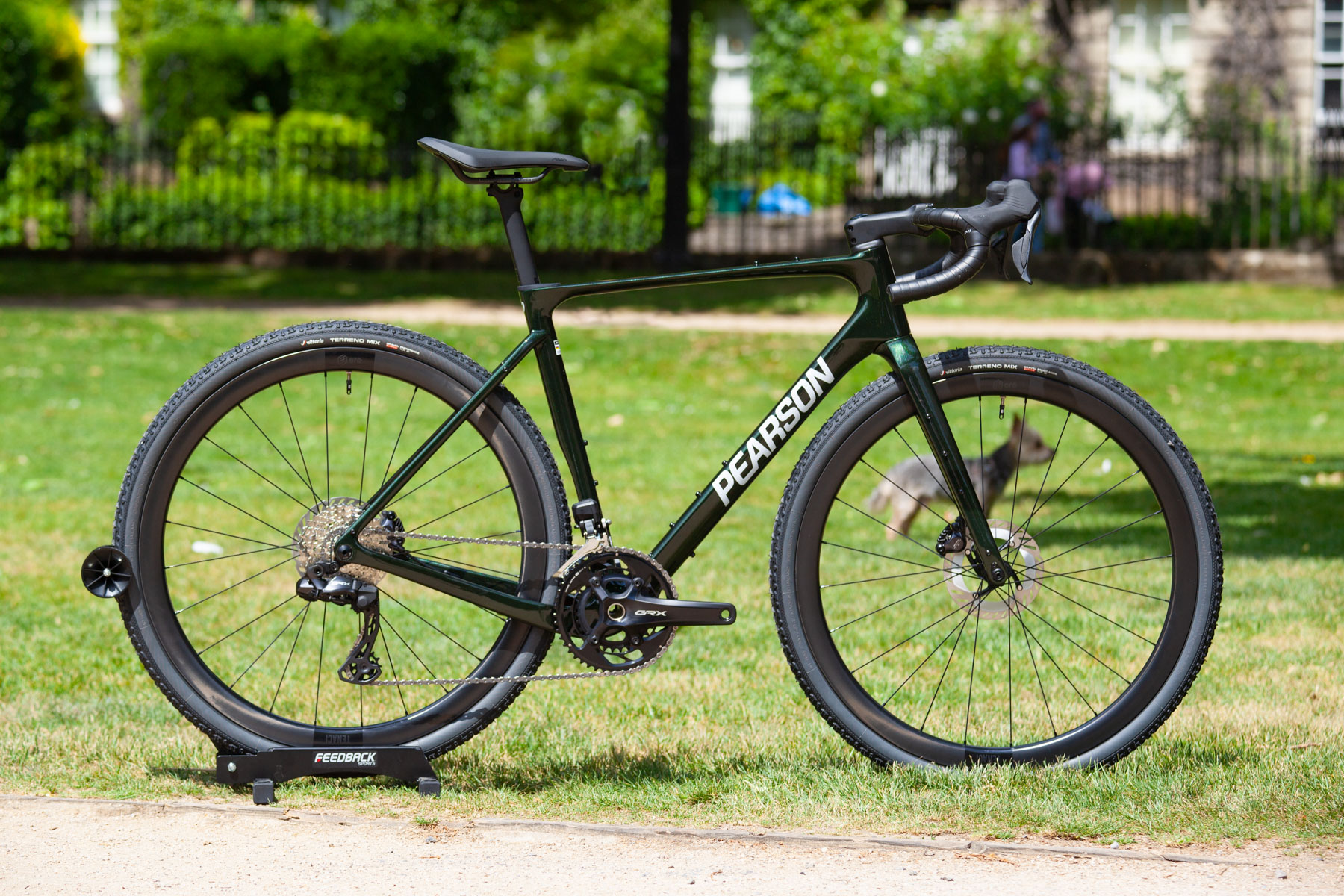
Pearson’s gravel bikes, the On and On Race, and On and On Adventure, share the same frame design. The Race model features a stripped-down version of the frame that omits fork mounts, mudguard eyelets and a third bottle mount under the down tube to reduce weight.

The Pearson On and On Adventure
The Pearson On and On Adventure. Warren Rossiter / OurMedia

White glove delivery

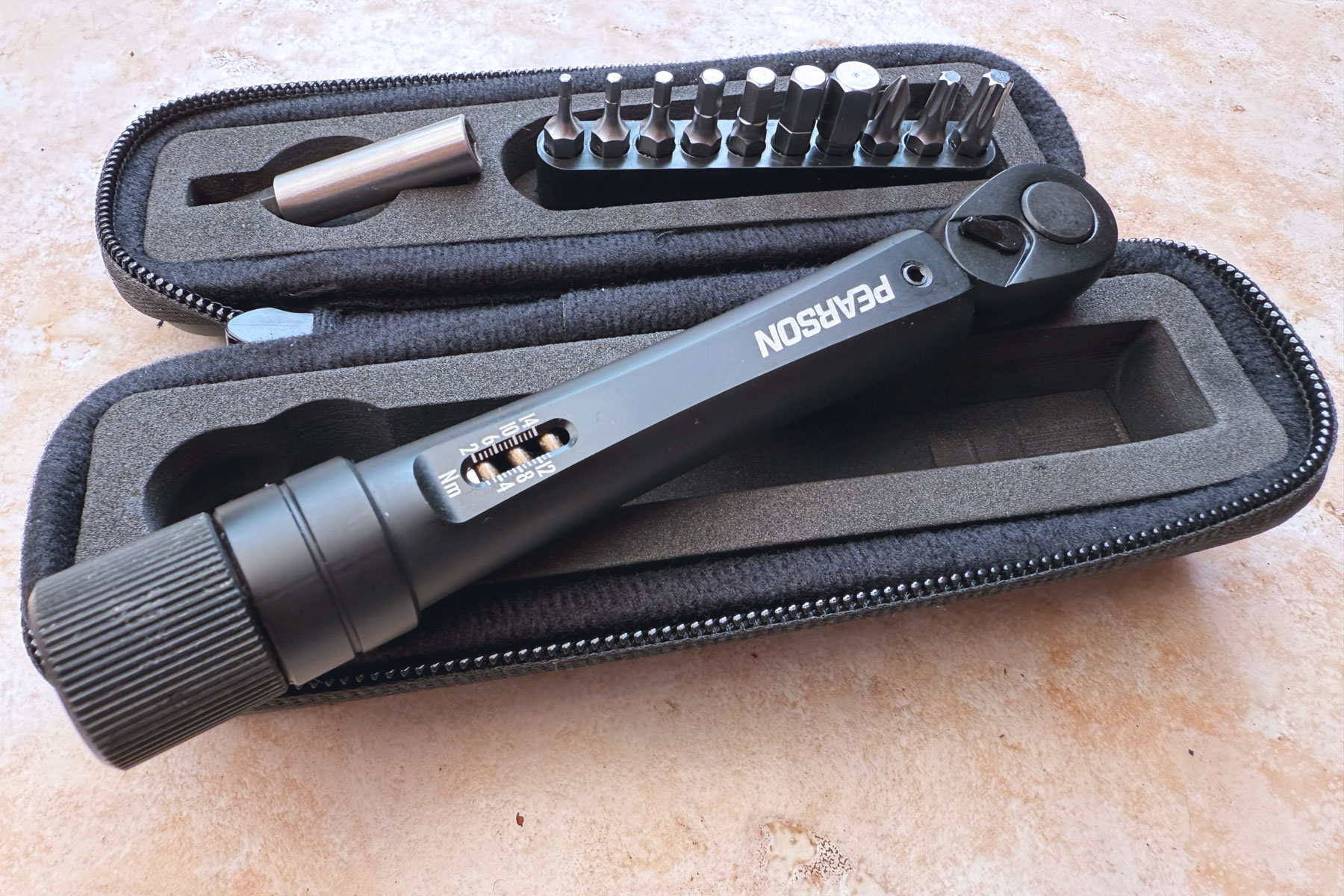
Pearson torque wrench
All Pearson bikes come with a torque wrench. Warren Rossiter / OurMedia

Pearson is aiming to stand out from the crowd with its delivery service. You won’t receive your bike in a cardboard box; instead, once the bike is built, Pearson will hand-deliver it.

Trained staff will take care of the handover, provide any tweaks to the fit and ensure the bike is set up perfectly.

Each bike comes complete with everything you need to start riding, including a Pearson Torq wrench to make maintenance easier.

Warranty wonder

In what is says is another bike industry first, Pearson has introduced a transferrable warranty.

Pearson CEO Scott Davies says: “We found it strange that the bike industry only upheld its warranty for the original owner. That’s something that doesn’t happen in the automotive industry, so we introduced a transferrable warranty. 

“If you wanted to sell your bike a few years down the line, then providing you registered your bike when first purchased, you can then transfer the warranty to the new owner via our database.”

Afghanistan Women’s Road Championships to return this month in show of solidarity

The UCI revealed today that the Afghanistan Women’s Road Championships will be held again this year in a show of solidarity. 

The event will take place in Les Herbiers, France, as part of the French Elite Road Championships, which run from 26-29 June. 

The Afghanistan Women’s Road Championships have not been held since 2022, when 50 refugee athletes competed in a road race in Aigle, Switzerland. The elite category was won by Fariba Hashimi, who went on to turn professional and now rides for Ceratizit Pro Cycling. 

The 22-year-old said: “After winning the Women Elite race, I had the opportunity to join a UCI Women’s Team. So it’s with great emotion that I am preparing to defend my title. I obviously hope to win, but I also hope that the event will allow other athletes to shine.”

Five athletes to compete

PARIS, FRANCE - AUGUST 04: Fariba Hashimi and Yulduz Hashimi of Team Afghanistan prior to the Women's Road Race on day nine of the Olympic Games Paris 2024 at Trocadero on August 04, 2024 in Paris, France. (Photo by Tim de Waele/Getty Images)PARIS, FRANCE - AUGUST 04: Fariba Hashimi and Yulduz Hashimi of Team Afghanistan prior to the Women's Road Race on day nine of the Olympic Games Paris 2024 at Trocadero on August 04, 2024 in Paris, France. (Photo by Tim de Waele/Getty Images)
Fariba Hashimi (left) and her sister Yulduz Hashimi of Team Afghanistan at the Paris Olympic Games 2024. Tim de Waele / Getty Images

Two events will be held for the 2025 Championships: a 26.5km individual time trial on Thursday 26 June and a 115.5km road race on Saturday 28 June. 

Five athletes will compete alongside the French athletes participating in their National Championships. Fariba Hashimi and her sister Yulduz Hashimi, who is also a professional cyclist, will compete in both events, alongside Zahra Rezayee. Samira Ehrari and Mahnaz Mohammadi will compete in the time trial only. 

“[A] separate classification for Afghan athletes only will be established to determine the results of the 2025 Afghanistan Women’s Road Championships,” the UCI said. 

“Seeing the best Afghan female cyclists again competing in their National Championships will undoubtedly be an emotional occasion and a source of pride, three years after the last edition of the event,” said UCI president David Lappartient. 

“I hope that this unique formula of a major National Federation hosting athletes from other countries – where it is not possible to hold such an event – as part of its own National Championships, will inspire others,” he added. 

President of the Fédération Française de Cyclisme, Michel Callot, said: “We consider it our duty to show solidarity by responding to the request from our International Federation and opening our National Championships to those who are no longer able to practise their sport freely in their own country.”

Leaving Afghanistan

As reported by the BBC, Fariba Hashimi left Afghanistan with her sister Yulduz after the Taliban’s return to power in August 2021. 

The sisters contacted Alessandra Cappellotto, who won a world road title in 1997 and now uses cycling to help women around the world.

Cappellotto helped Fariba and Yulduz – alongside three of their team mates – get a seat on a flight leaving Kabul, organised by the Italian government. 

Several evacuation operations were also carried out by the UCI and its partner, enabling 165 Afghan citizens to leave the country. 

An investigation by the now-defunct Cycling Tips revealed accusations that Afghanistan Cycling Federation president Fazli Ahmad Fazli manipulated the lists used to evacuate athletes and citizens in favour of his friends and family. 

The UCI Ethics Commission suspended Fazli from all cycling-related activities for 15 months in July 2024, after allegations of verbal and physical abuse. 

The UCI Ethics Commission said at the time: “it was found that the President of the Afghanistan Cycling Federation had, on several occasions, sent messages to members of the Afghan cycling community which were deemed to be in breach of Articles 5, 6.4 and 2.1 of Annex 1 of the UCI Code of Ethics due to their abusive and/or threatening nature, and the fact that he therefore abused his position.” 

Tokay Pro Replaces ESP32 with NXP i.MX 8M Plus for Industrial Edge AI

Maxlab launched the Tokay Lite in 2023, an open-source ESP32 camera with 2MP video at 15 FPS and edge AI features like facial recognition. The new Tokay Pro upgrades to an NXP i.MX 8M Plus for real-time detection, modular sensors, and high-res video in industrial applications. Tokay Pro integrates the DART-MX8M-PLUS System-on-Module from Variscite, featuring […]

Scientists once hoarded pre-nuclear steel, and now we’re hoarding pre-AI content

Former Cloudflare executive John Graham-Cumming recently announced that he launched a website, lowbackgroundsteel.ai, that treats pre-AI, human-created content like a precious commodity—a time capsule of organic creative expression from a time before machines joined the conversation. “The idea is to point to sources of text, images and video that were created prior to the explosion of AI-generated content,” Graham-Cumming wrote on his blog last week. The reason? To preserve what made non-AI media uniquely human.

The archive name comes from a scientific phenomenon from the Cold War era. After nuclear weapons testing began in 1945, atmospheric radiation contaminated new steel production worldwide. For decades, scientists needing radiation-free metal for sensitive instruments had to salvage steel from pre-war shipwrecks. Scientists called this steel “low-background steel.” Graham-Cumming sees a parallel with today’s web, where AI-generated content increasingly mingles with human-created material and contaminates it.

With the advent of generative AI models like ChatGPT and Stable Diffusion in 2022, it has become far more difficult for researchers to ensure that media found on the Internet was created by humans without using AI tools. ChatGPT in particular triggered an avalanche of AI-generated text across the web, forcing at least one research project to shut down entirely.

Read full article

Comments

Altman Says Meta Targeting OpenAI Staff With $100 Million Bonuses as AI Race Intensifies

OpenAI CEO Sam Altman accused Meta of attempting to poach his developers with $100 million sign-on bonuses and higher compensation packages as the social media giant races to catch up in AI race. Altman said Meta, which has a $1.8 trillion market capitalization, began making the offers to his team members after falling behind in AI efforts. “I’ve heard that Meta thinks of us as their biggest competitor,” Altman said on the Uncapped podcast hosted by his brother.

None of his “best people” had accepted Zuckerberg’s offers, he said. Meta has been recruiting top researchers and engineers from rival companies to build a new “superintelligence” team focused on developing AGI. The Facebook parent company has struggled this year to match competitors, facing criticism over its Llama 4 language model and delaying its flagship “Behemoth” AI model.


Read more of this story at Slashdot.

Arch Linux Moving To WoW64 Wine & Wine-Staging

The Arch Linux project announced this week they are working to transition their Wine and Wine-Staging packages over to pure WoW64 builds. This “Windows on Windows 64-bit” allows for 32-bit Windows applications on 64-bit Linux platforms without needing 32-bit software libraries/prefixes present and overall a big architectural win…

Alarming ASUS Armoury Crate Vulnerability Can Give Hackers Admin Access

Alarming ASUS Armoury Crate Vulnerability Can Give Hackers Admin Access
Security researchers have revealed that the ASUS Armoury Crate software has a serious vulnerability (tracked as CVE-2025-3464) that could allow hackers to gain admin access to computers.

The ASUS Armoury Crate software was designed to help users control and customize system settings like RGB lighting, fan speeds, and system configurations

Microsoft Is Calling Too Many Things ‘Copilot,’ Watchdog Says

An anonymous reader shares a report: Microsoft has a long history of being criticized for coming up with clunky product names, and for changing them so often it’s hard for customers to keep up. The company’s own employees once joked in a viral video that the iPod would have been called the “Microsoft I-pod Pro 2005 XP Human Ear Professional Edition with Subscription” had it been created by Microsoft. The latest gripe among some employees and customers: The company’s tendency to slap “Copilot” on everything AI.

“There is a delusion on our marketing side where literally everything has been renamed to have Copilot it in,” one employee told Business Insider late last year. “Everything is Copilot. Nothing else matters. They want a Copilot tie-in for everything.” Now, an advertising watchdog is weighing in. The Better Business Bureau’s National Advertising Division reviewed Microsoft’s advertising for its Copilot AI tools. NAD called out Microsoft’s “universal use of the product description as ‘Copilot'” and said “consumers would not necessarily understand the difference,” according to a recent report from the watchdog.

“Microsoft is using ‘Copilot’ across all Microsoft Office applications and Business Chat, despite differences in functionality and the manual steps that are required for Business Chat to produce the same results as Copilot in a specific Microsoft Office app,” NAD further explained in an email to BI. NAD did not mention any specific recommendations on product names. But it did say Microsoft should modify claims that Copilot works “seamlessly across all your data” because all of the company’s tools with the Copilot moniker don’t work together continuously in a way consumers might expect.


Read more of this story at Slashdot.