The Browser Company — the maker of the Arc and AI-centric Dia browsers — is set to have a new owner. Atlassian is buying it for around $610 million in an all-cash deal, which it expects to close in the second quarter of its fiscal year 2026 (i.e. by the end of the 2025 calendar year).
According to The Browser Company, it will continue to operate independently as it builds Dia. A private beta for the browser started in June. Arc (a well-regarded browser on which the company has ended active development) and Arc Search will stick around, and a long-term plan for those will be revealed in the near future.
Co-founders Josh Miller and Hursh Agrawal are staying on as CEO and CTO, respectively. Miller wrote in a blog post that they are looking to accelerate their ambitions by teaming up with Atlassian. “We chose Atlassian because their strengths complement our gaps,” Miller wrote. “And most importantly, like us, they believe the browser is becoming the new operating system.” The Browser Company plans to bring Dia to “to every platform faster than we could have previously imagined” in the coming months.
Miller said the company had three conditions for any acquisition: to ensure it remained independent, that all of its team members still had a job and that its “vision for Dia remains at the center.” He added that “a large part of why we chose Atlassian is values. Now more than ever. Not the kind you hang on a wall, but the ones you see in the work itself.”
Atlassian is the owner of productivity and enterprise services such as project management apps Jira and Trello (which has been buggy for me for over a year, for what it’s worth). Last month, it reportedly laid off around 150 workers, many of whom were said to be in the customer service department, and was said to be planning to use AI to take over some of those former employees’ tasks.
“Our vision is to make Dia the AI browser for work,” Atlassian CEO Mike Cannon-Brookes said in a video announcing the acquisition. The team is designing Dia so it’s “optimized for the SaaS [software as a service] apps where you spend your day; packed with AI skills and your personal work memory to unleash your potential; and built with trust and security in mind, so you can bring it to the office. An AI browser for your system of work.”
This article originally appeared on Engadget at https://www.engadget.com/big-tech/atlassian-is-buying-arc-maker-the-browser-company-for-610-million-145236236.html?src=rss
Atlassian said it has agreed to acquire The Browser Co., a startup that offers a web browser with AI features, for $610 million in cash. CNBC: The companies aim to close the deal in Atlassian’s fiscal second quarter, which ends in December. Established in 2019, The Browser Co. has gone up against some of the world’s largest companies, including Google, with Chrome, and Apple, which includes Safari on its computers running MacOS. The startup debuted Arc, a customizable browser with a built-in whiteboard and the ability to share groups of tabs, in 2022.
The Dia browser, a simpler option that allows people to chat with an AI assistant about multiple browser tabs at once, became available in beta in June. Atlassian co-founder and CEO Mike Cannon-Brookes said he sees shortcomings in the most popular browsers for those who do much of their work on computers.
An anonymous reader quotes a report from The Hill: Russian President Vladimir Putin and Chinese President Xi Jinping were caught on a hot mic discussing organ transplants and immortality at the military parade in Beijing on Wednesday. The two leaders were captured on the stream as they walked with North Korean leader Kim Jong Un at Tiananmen Square, with the Russian translator saying: “Biotechnology is continuously developing,” according to Reuters. “Human organs can be continuously transplanted. The longer you live, the younger you become, and (you can) even achieve immortality,” the translator added.
Xi responded by saying that some predict that humans could live up to “150 years old.” The Kremlin head later confirmed that the two leaders discussed immortality. “Modern means of healing, and medical means, all kinds of surgical means related to organ replacement, they allow humanity to hope that active life will continue not as it does today. The average age in different countries is different, but nevertheless, life expectancy will increase significantly,” Putin told reporters, according to CNN.
While tech giants like Samsung and Apple continue to dabble in book-style foldable phones, Huawei has continued its solo charge into trifold territory. In fact, the company has just unveiled the second-generation Huawei Mate XTs, complete with improvements in the processor, added stylus support, and a new ultrawide camera, among other things.
Deadlocks are a constant threat in concurrent settings with shared
data; it is thus not surprising that the kernel project has long since
developed tools to detect potential deadlocks so they can be fixed before
they affect production users. Byungchul Park thinks that he has developed
a better tool that can detect more deadlock-prone situations. At the 2025 Open
Source Summit Europe, he presented an introduction to his dependency
tracker (or “DEPT”) tool and the kinds of problems it can detect.
Right now, the Hisense 98″ Class QD5 Series TVis 35% off on Amazon, down from $2,298 to $1,497.99—its lowest price ever, according to price trackers. Beyond an absolutely massive screen, this AI-enhanced TV offers premium visuals and high-end performance at a budget-friendly price point for anyone looking to upgrade their screen size for more cinematic experiences and better game nights.
Speaking of game night, the AI Sports Mode on this QLED TV sharpens details while enhancing the arena vibe, so you feel like you’re right in the middle of the action. Meanwhile, the AI 4K upscaler upgrades low-res content to 4K (perfect for fans of classic films), and the native 144Hz panel with AMD FreeSync Premium is ideal for gamers and sports-lovers who don’t want to miss a single detail or deal with screen-tearing.
MEMC motion processing smooths out motion, reducing screen blurring and improving clarity. For movie lovers, Dolby Vision and Dolby Atmos will make you feel like you’re right there in the theater with more dynamic visuals and sound. This TV also features built-in Google TV and can be connected via HDMI, USB, Bluetooth, or wifi.
If you’re looking a blend of performance and price (and have the space to set up this home theater and premium gaming centerpiece), this TV delivers. The Hisense 98″ Class QD5 Series TV combines an immersive experience for gamers and movie or sports lovers, all while staying under a $1,500 budget.
In case you missed it, we recently highlighted a bunch of big TV deals to prepare for the new NFL season that begins tonight, among them being an absolutely monstrous 98-inch QLED for under $1,500. And before that, we brought to attention a bunch of Labor Day deals on OLED models. Now we’re turning our attention to affordable bargains that
Hollow Knight: Silksongis officially available for purchase, after six long years of waiting. The anticipation is at a fever pitch. Fans have swarmed to Steam to purchase the game and, well, it looks like they overloaded the system and shut it down.
Multiple social media users and data from services like DownDetector are noting that the service is down for many people, with a massive spike in reports pretty much the moment Silksong became available. This could be a coincidence but it’s probably not. Silksong is one of the hottest releases in recent memory.
In any event, we’ve reached out to Steam and will update this post when we hear back or when the platform has returned. Congrats to those who already got their hands on the game.
This is a developing story.
This article originally appeared on Engadget at https://www.engadget.com/gaming/hollow-knight-silksong-fans-have-brought-down-steam-142116085.html?src=rss
Investment research firm Bernstein warned Thursday that India faces a “strategic tech crisis” as US technology giants deploy predatory pricing strategies to lock up the Indian AI market. Perplexity Pro launched free for one year to Airtel’s 350 million subscribers while OpenAI introduced a $5 monthly India subscription compared to $20 in the United States.
Bernstein analysts described regulatory “double standards” where foreign tech companies receive favorable treatment while domestic companies face what the firm called “crushing rules and government-led ‘tech stacks’ that make private business unviable.” Private AI investment in India totaled $11.29 billion between 2013 and 2024 compared to $471 billion in the United States and $119 billion in China. From the report: When OpenAI, which is reportedly looking to set up a data center in India, announced the plans to launch a new office, it was met with another round of excitement — “as if Open AI will hire all Indians at hefty salaries,” the firm wrote in a note to clients Thursday. Bernstein analysts pour cold water on this excitement, dismissing it as a “repeat of the 90s” and arguing that the hype misses the fundamental power imbalance.
“Anyone, we repeat anyone, can build a data center… This is the start of the dominance of US tech in Indian AI environment ensuring Indian entrepreneurs do not get a fighting chance to stay relevant. They will run on the sidelines – piggybacking on the US foundation models or maybe even the Chinese,” they wrote.
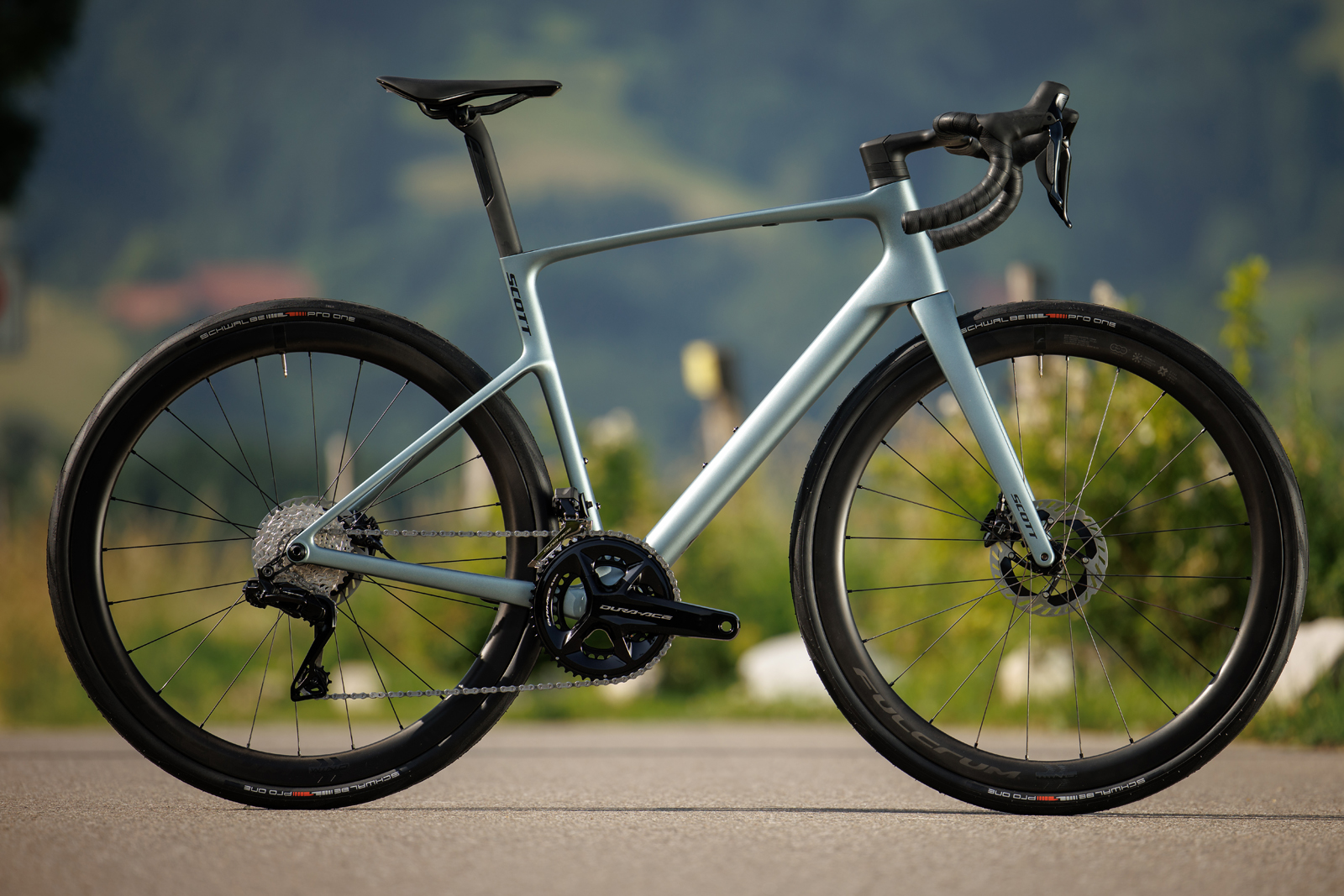
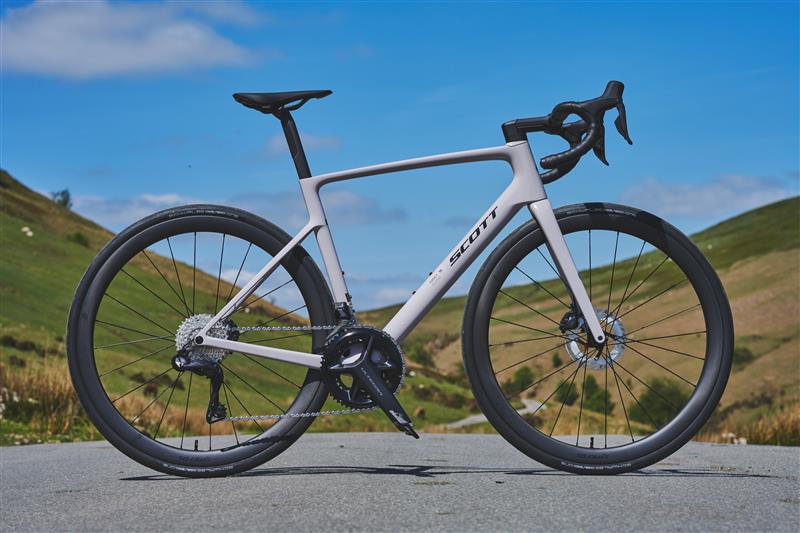
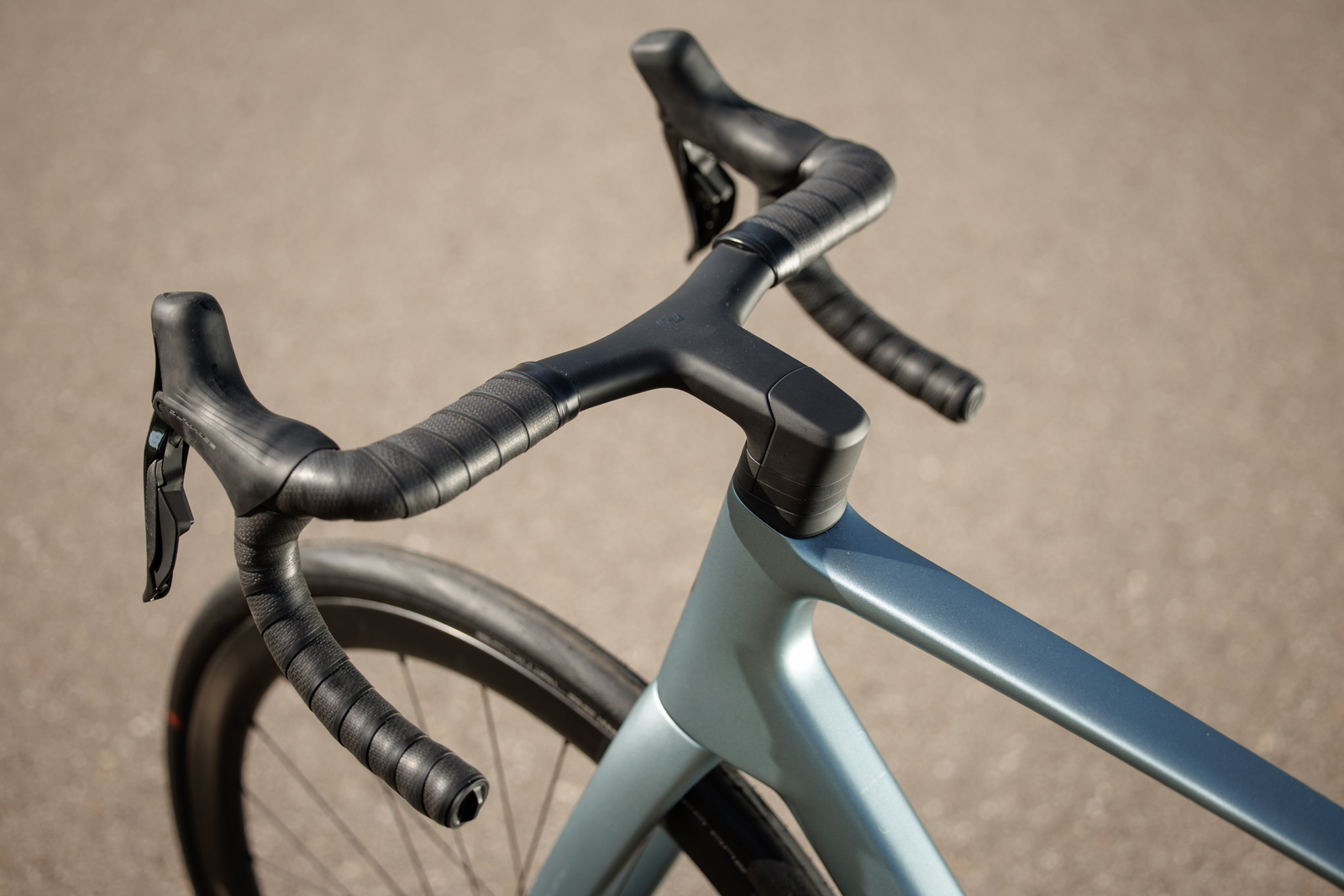
Scott has revealed its new Addict endurance bike, which is intended unashamedly for recreational use and designed to be “long ride ready”.
The endurance bike follows the Addict RC 20 race bike, which was released last November. “This year, we wanted to bring the advancements learned on the RC to a larger range of customers on our most sold road bike, the Addict,” says Jean-François Boivin, the Addict’s lead engineer.
Boivin says it hasn’t always been easy for Scott to define what an endurance bike should be. “In the past, the Addict had been designed as the RC’s little brother,” he says.
But, despite learning from the RC, the new Addict is its own bike, with Scott focusing on four main areas: extra comfort, relaxed geometry, confident handling and practical features.
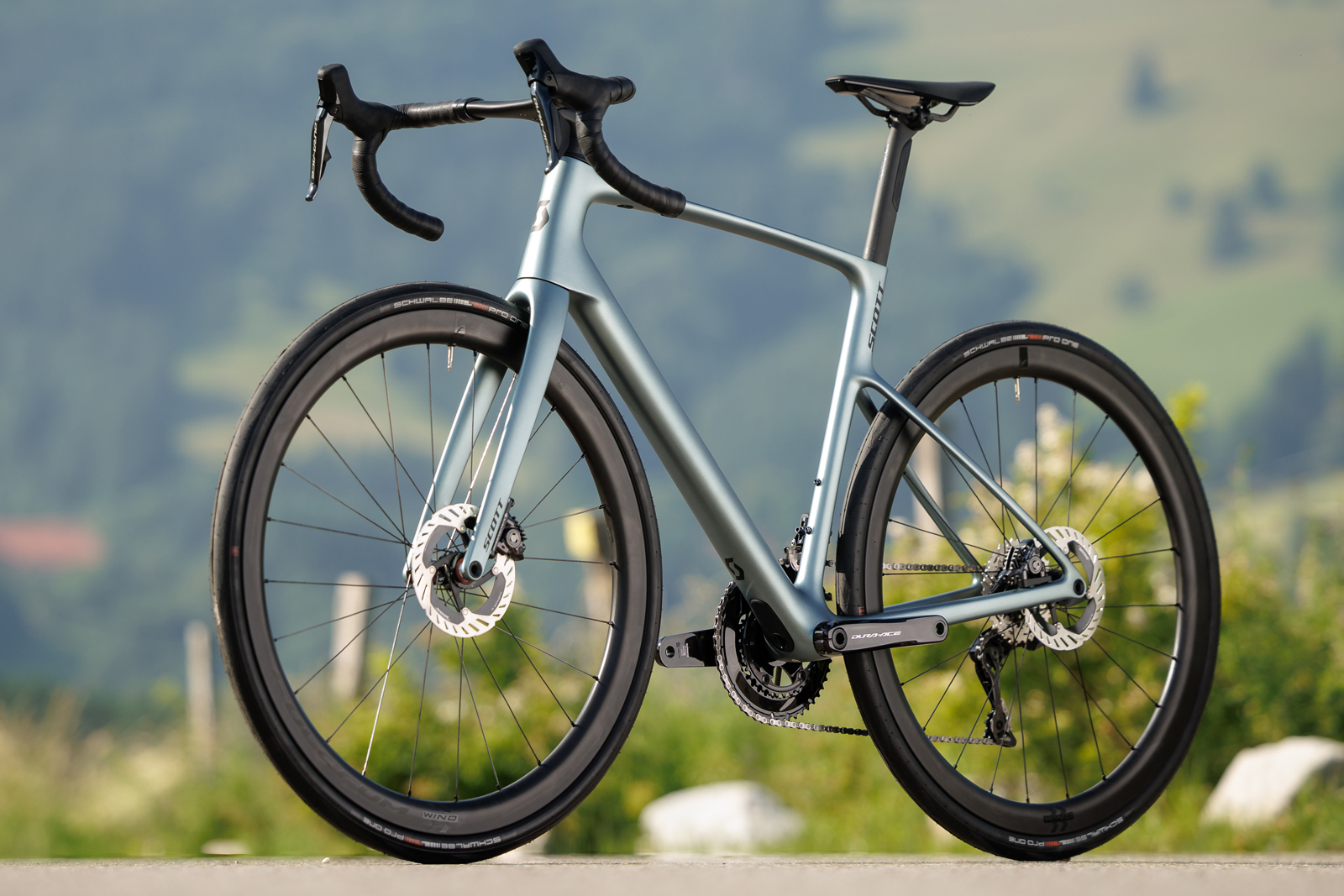
The Scott Addict Premium is the top model in the new line-up, with a Shimano Dura-Ace groupset and Fulcrum Wind 42 DB wheels. Scott
Boivin explains that when designing the new Addict, Scott worked carefully on frame compliance. The result is the new Addict has 25 per cent more compliance than the Addict RC, and it has 50 per cent more frame compliance over the outgoing Addict, which launched back in 2020.
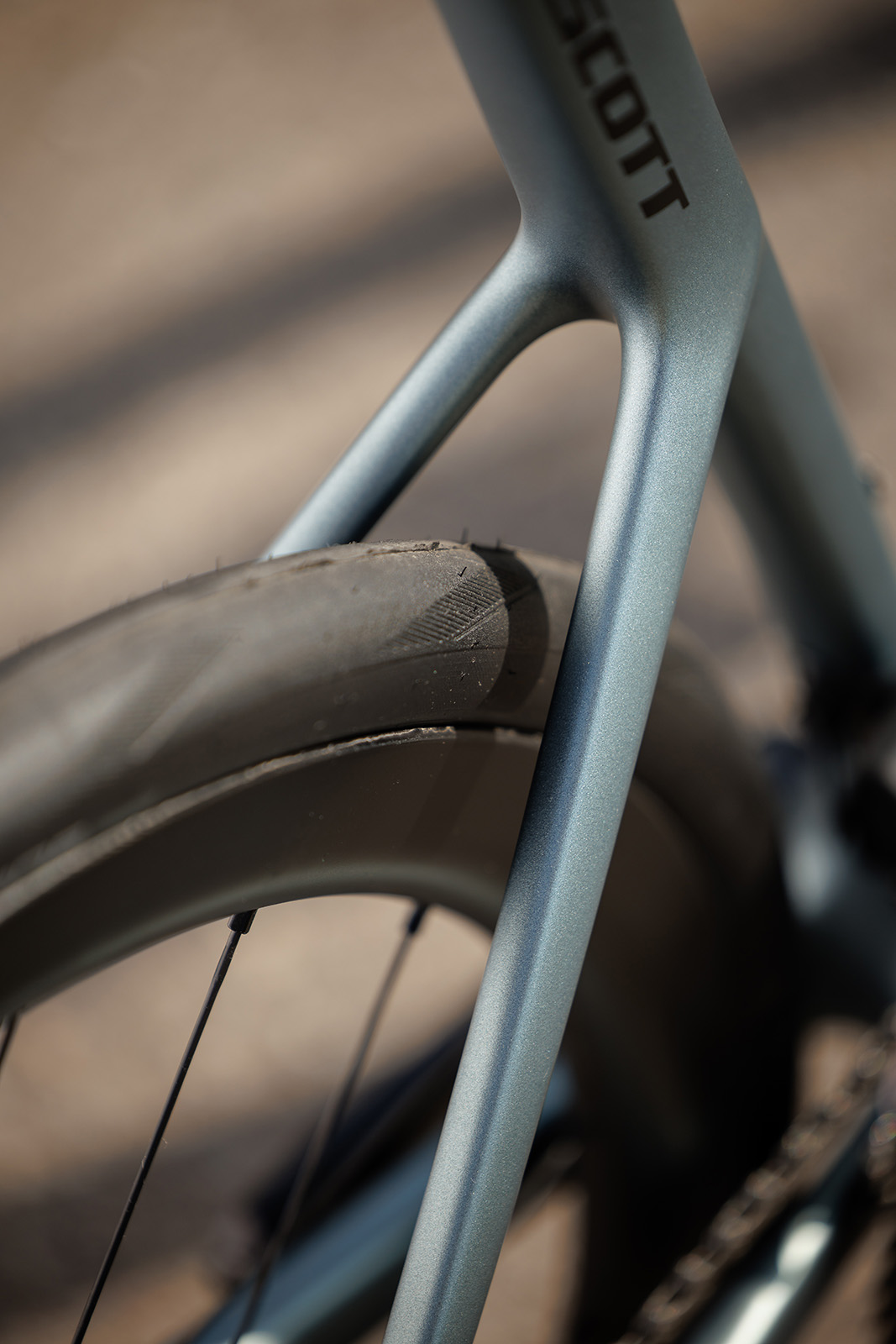
“We achieved this by reducing the seat tube section underneath the seat stay junction to allow for additional flex,” says Boivin. “This way, the seat tube can flex forward a bit more. The top tube is also slimmer to enable upward deflection, and the drop seat stay will flex outward to contribute even more comfort.”
Julien Chauveau, marketing manager for road, gravel and triathlon at Scott, says the lessons for how to adapt the Addict’s tubes came from developing the RC race bike, where the team saw how the bike flexed in a fatigue machine at the company’s factory in China.
“At that moment, we really understood how we could improve the tube shapes and the design of the bike to actually increase the frame compliance,” says Chauveau.
Scott says it wanted to bring the advancements it learned from making the Addict RC (pictured) to the Addict endurance bike. Scott Windsor / Our Media
However, the new Addict is really a balancing act between where compliance aids comfort and stiffness helps performance: the bike has the same stiffness as the Addict RC in the bottom bracket area and head tube.
As soon as the moulds for the Addict were ready, Scott asked for frames with different layups and levels of stiffness, going from very soft up to the stiffness levels of the Addict RC.
After blind testing, Chauveau says everybody loved the stiffer bikes: “The main reason was the head tube stiffness. They all felt the handling was more precise and gave them more confidence. With a bike like this we want the rider to feel at ease, even when you go fast. The stiffer bikes were much better for that.”
“Bottom bracket stiffness was less easy to feel, but still the riders preferred the stiffer version for sprints and climbs,” he adds.
38mm tyres and geometry tweaks
The bike can now fit 38mm tyres, but all models ship with 34mm tyres. Scott
The balancing act between comfort and performance continues with the Addict’s ample tyre clearance and geometry tweaks.
The bike can now fit 38mm tyres, which is 4mm wider than the tyre clearance of the Addict RC and 3mm more than the previous Addict.
“Not only will you benefit from the added vibration damping of lower pressure tyres, but you will also get added confidence in grip,” says Boivin.
Yet Scott seems aware that although tyre widths and clearances are increasing, running 38mm tyres on an endurance bike might still be a niche desire; the Addict’s geometry is optimised for 34mm tyres and models in the new range are specced with this width.
Scott also wants the bike to be accessible to the average rider, and for that reason the bike’s stack is now 5mm higher and the reach is 5mm shorter. Although the bottom bracket drop and fork rake were adjusted to accommodate the wider tyres, Scott shortened the chainstays by 2mm to make the bike feel more playful.
This geometry is also a big reason why the Addict fits into Scott’s new ‘ride’ bike category, whereas the RC fits into its new ‘race’ category, alongside the Foil aero bike.
“It’s not uncommon to see riders take the RC and add many spacers to fit their [body] or riding style,” says Boivin. “But in fact, if you were to use 35mm of spacers on the RC, you would actually get to the same position as on the Addict without spacers.”
“If you use more than 30mm of spacers on the RC, you would probably be better suited with the new Addict,” he adds.
Scott Addict geometry
47cm
49cm
52cm
54cm
56cm
58cm
61cm
Seat tube length (mm)
425
445
465
485
505
525
555
Top tube length (mm)
511
521
536
551
566
582
597
Head tube length (mm)
104
115
139
161
182
201
201
Head tube angle (degrees)
71.3
71.8
72
72.2
72.5
73
73
Seat tube angle (degrees)
75
75
74.5
74
73.5
73.1
73
Chainstay length (mm)
418
418
418
418
418
418
418
Wheelbase (mm)
984
991
1,000
1,009
1,016
1,022
1,036
Stack (mm)
522
534
557
578
599
619
638
Reach (mm)
372
378
382
386
389
394
402
Storage and hidden extras
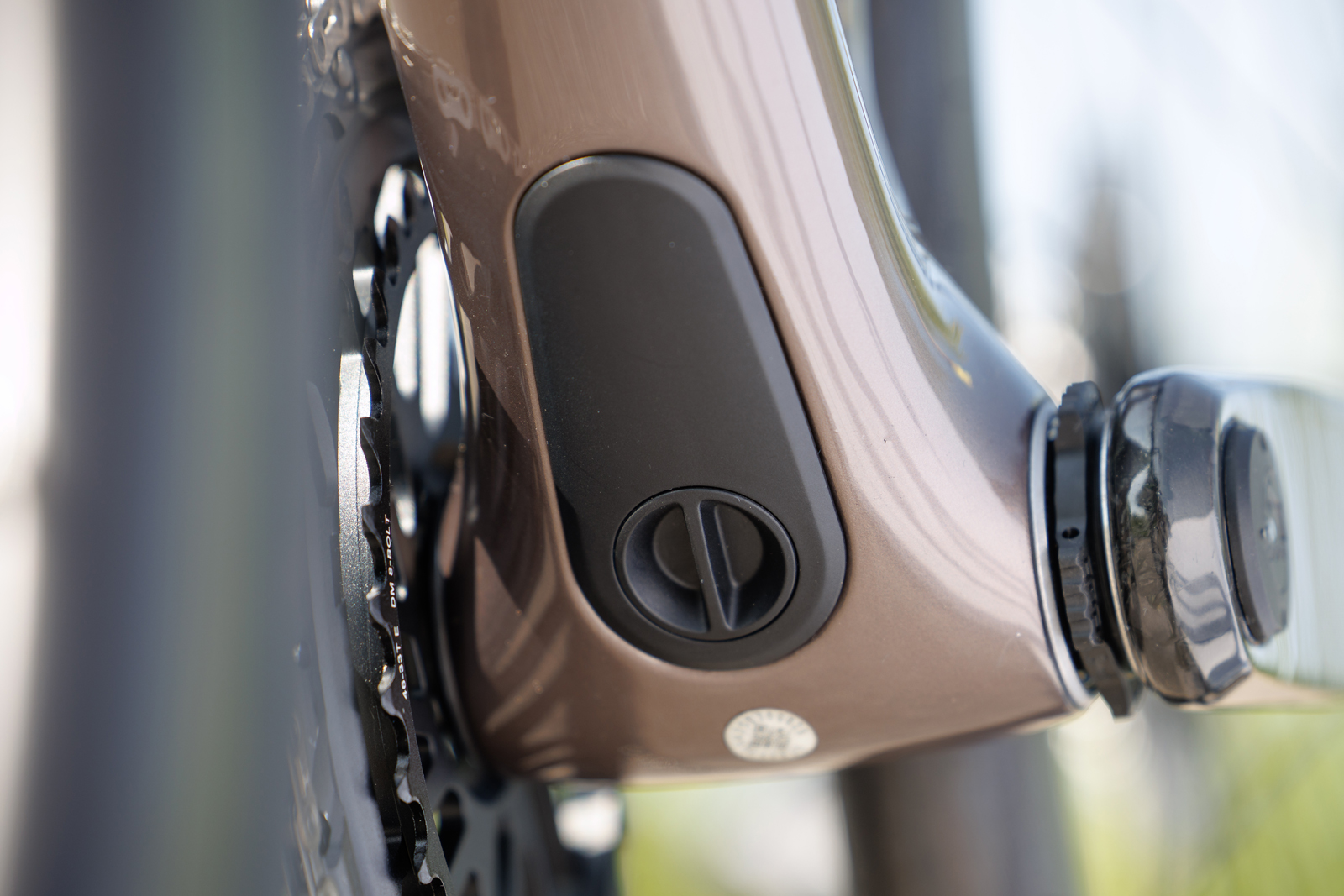
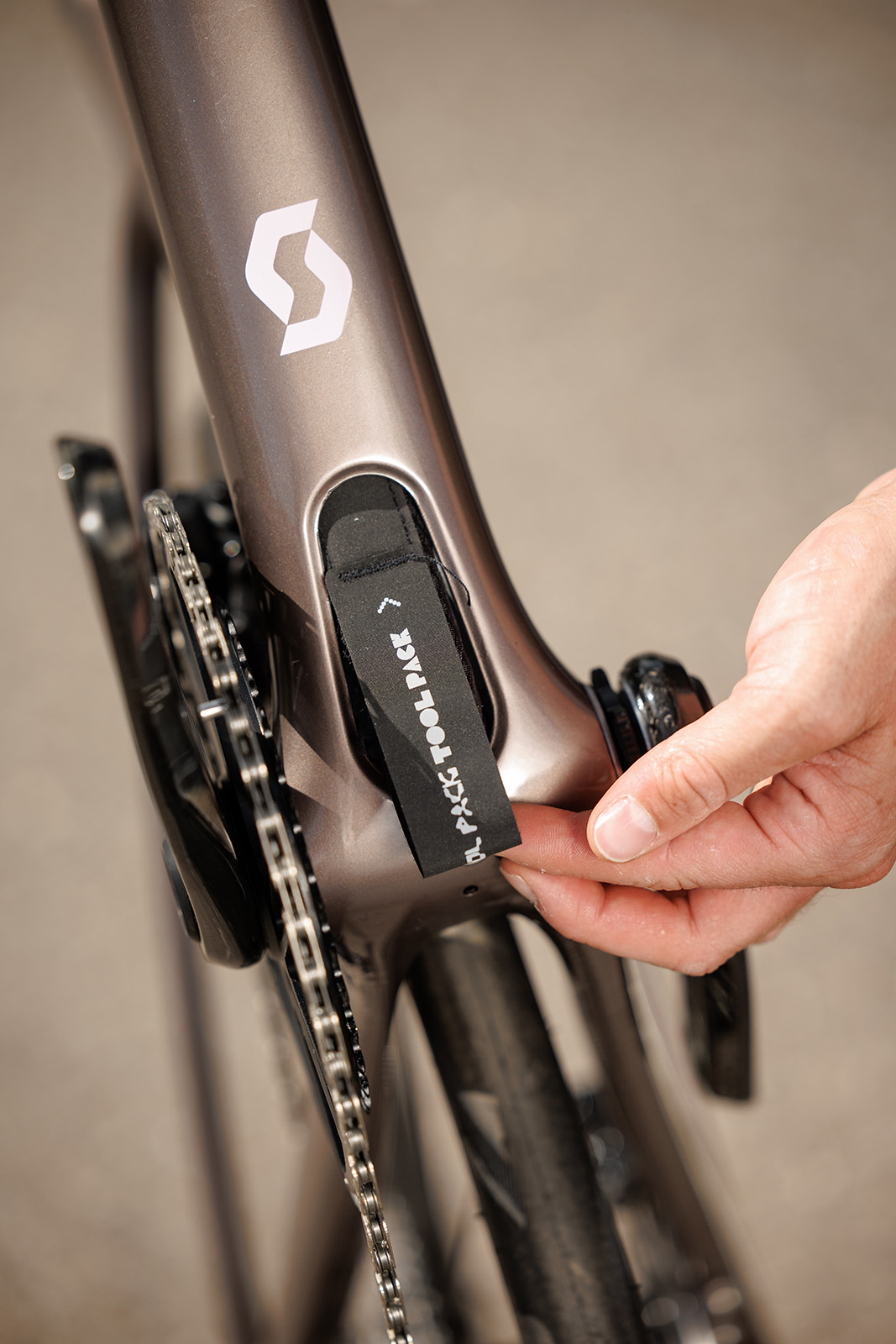
The Scott Addict down tube storage hatch is hidden by the bottom bracket. Scott
To help make the Addict ‘long ride ready’, Scott has equipped the bike with extra storage and accessories.
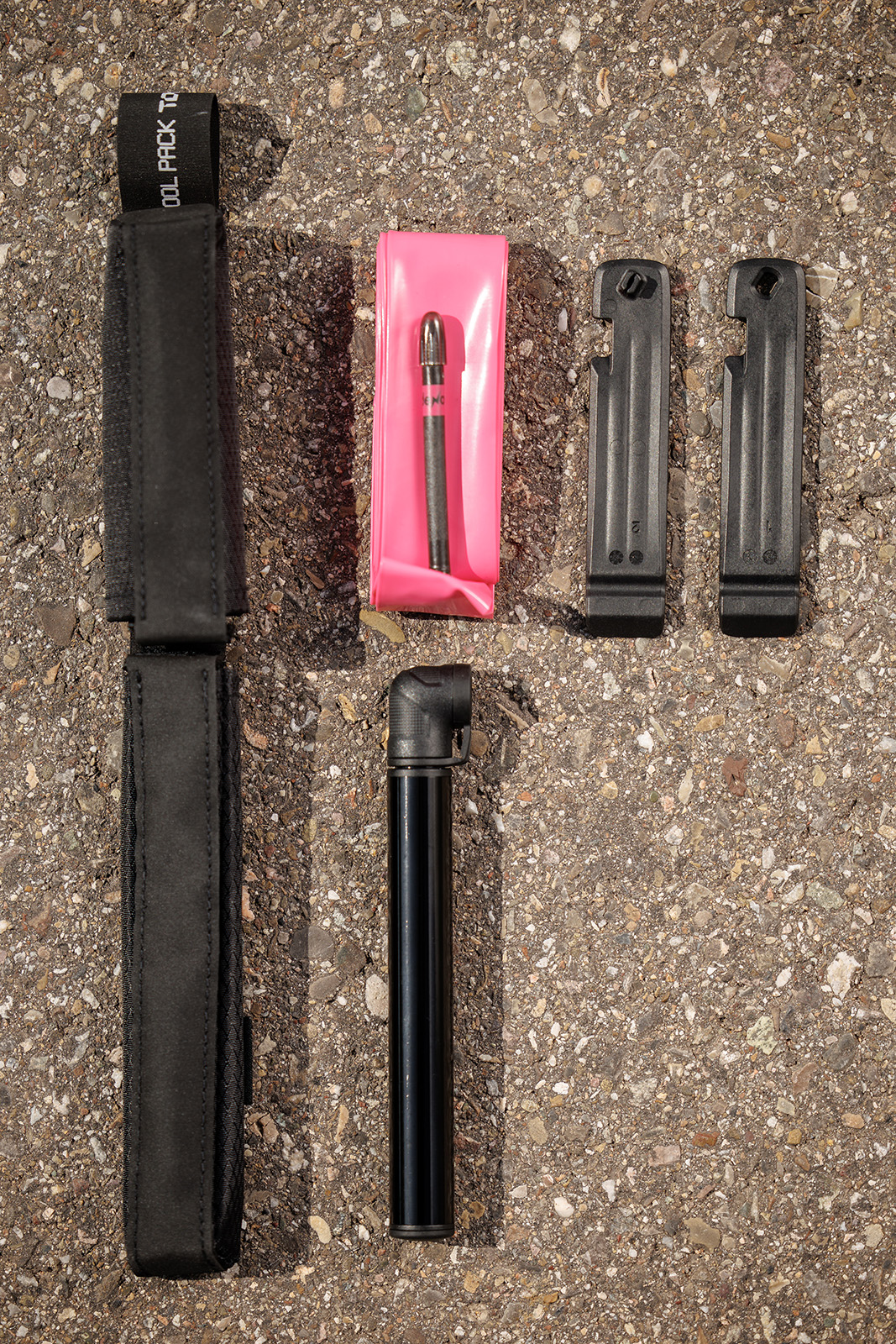
The bike has storage integrated into the down tube, which is accessible via a hatch near the bottom bracket. This is fitted with a flat tyre ‘Save the Day’ repair kit, which consists of a mini pump, tyre levers and a TPU inner tube, held in a fabric sleeve. The kit is included on the top two Addict models, and is an optional upgrade for others.
The ‘Save the Day’ repair kit fits in the down tube storage. Scott
The kit contains a mini pump, tyre levers and a TPU inner tube. Scott
The location of the storage is supposed to be unnoticeable (because nobody likes to think about getting a flat tyre), but the position makes sense from an engineering standpoint, too.
Chauveau says the total weight penalty for the storage is only 40g, with the door weighing just under 10g and only an extra 25g of carbon required to reinforce the frame. The door only has to support its own weight, but if it was under water bottles, as on other bikes, it would have to be far more substantial, and therefore heavier.
The mechanism to lock the door is the same design Scott uses for its mountain bikes. “We know it’s going to work and last a long time,” says Chauveau.
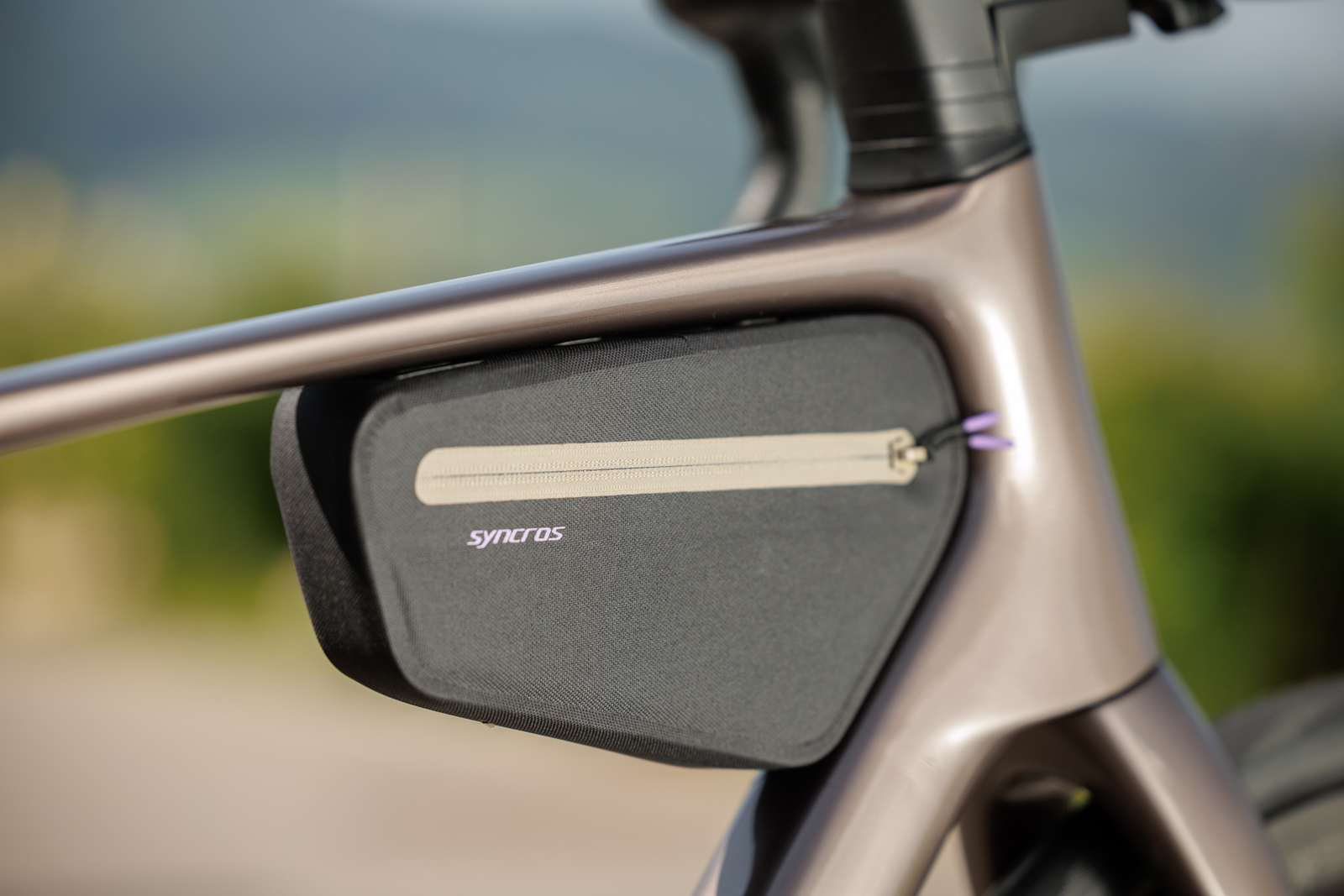
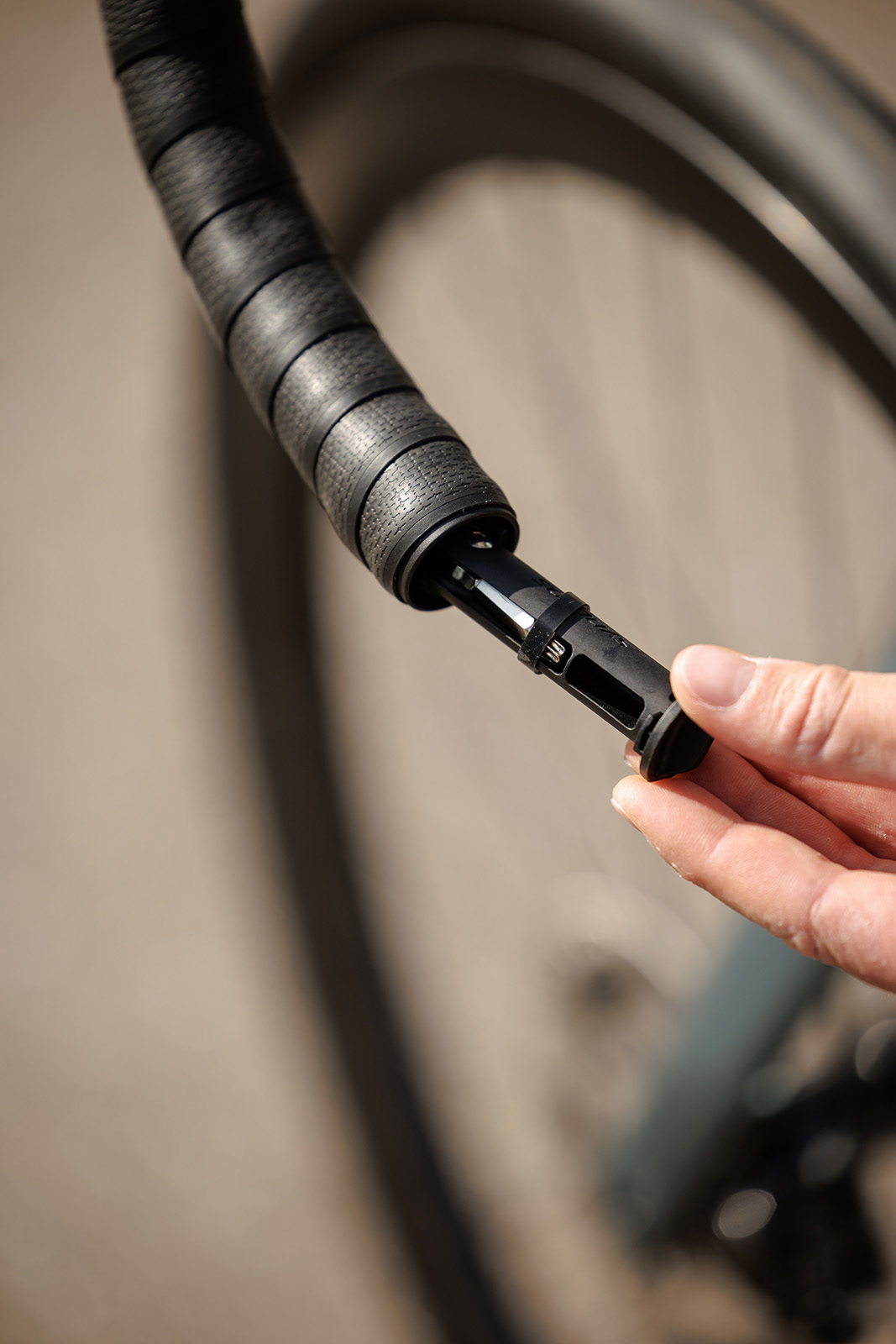
The bike comes with a frame bag. Scott A multi-tool fits into the handlebar drop. Scott
The bike also comes with a frame bag, which attaches to mounting points that are recessed in the top tube. This is so they don’t disrupt the clean lines of the bike if you’re riding without the bag.
Like the Addict RC, Scott’s new endurance bike has a small multi-tool hidden in the handlebar, which can be used to adjust any of the bolts on the bike or remove the wheels.
The Syncros seatpost also has an in-built bike light, which can provide illumination for up to 20 hours, depending on the mode.
Syncros compatibility
The Addict is compatible with a wide range of Syncros components, so you can get the right fit. Scott
Boivin says bike fit is “paramount” for long rides, and so Scott has ensured there is a large range of fit components from its in-house brand Syncros that will fit on the Addict.
“Most of the Addict’s small parts are compatible with the RC. This means that you get access to a range of parts that are interchangeable between the two bikes,” says Boivin.
While the Addict comes with a -6˚ stem, this means you could also fit the RC’s -11˚ stem or its one-piece Syncros cockpit.
“You’ll notice that we don’t have any road in the round handlebars anymore on the Addict lineup. All you will find are smooth surface handlebars for best in class ergonomics,” he adds.
Keeping the weight down
The Addict’s lead engineer, Jean-François Boivin, says the Addict HMX is one of the lightest endurance frames on the market. Scott
While the focus of the new Addict is comfort and long-distance performance, Boivin says “a lot of effort” was made to keep the weight of the bike as low as possible.
The new bike’s frame is available in two carbon fibre options – Scott’s premium HMX or more affordable HMF carbon.
At 780g, Boivin says the Addict HMX is one of the lightest endurance frames on the market.
He says the HMX frame is only 50g heavier than the previous-generation Addict RC, while the Addict HMF frame is 70g lighter than the previous Addict.
The top-spec Addict Premium, with a Shimano Dura-Ace groupset and Fulcrum Wind 42 DB wheels, weighs a claimed 7.4kg. The rest of the range weighs between 7.8kg and 9kg.
“Attractive and accessible”
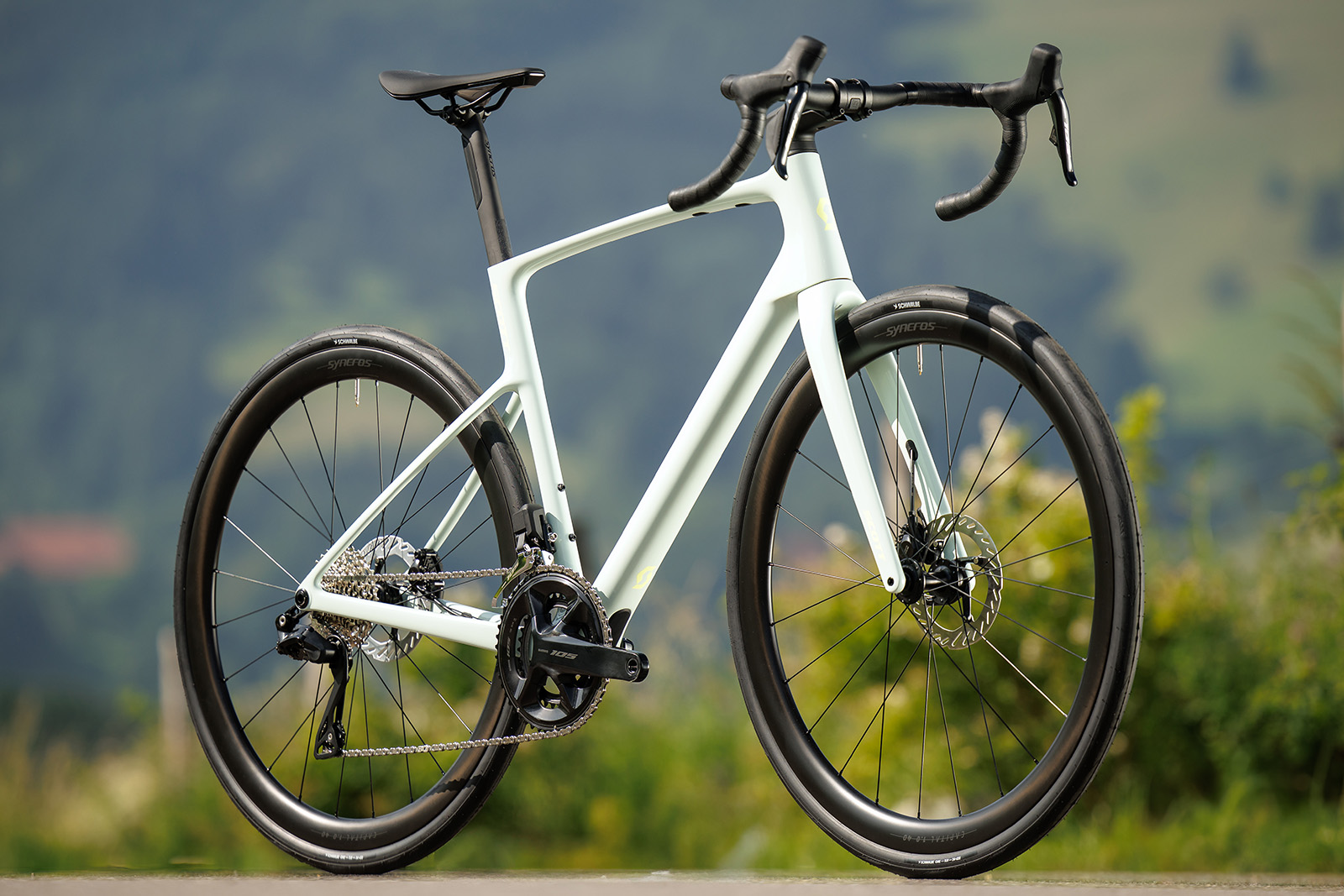
The Scott Addict 30 has Shimano 105 Di2 and costs £3,299 / $3,999 / €3,799.
As well as plenty of fit options, Scott has provided a wide range of complete builds.
“We want the Addict to be attractive and accessible to the largest possible span of people,” says Boivin. “So this is why the bike builds go from the very affordable mechanical shifting to the high-end electronic group sets.”
In keeping with the ‘long ride’ philosophy and the focus on recreational use, Scott has specced the Addict with smaller chainrings and larger cassettes than you would find on racier bikes.
The bottom gear on the new Addicts will be a one-to-one ratio with Shimano groupsets and 0.92-to-one with SRAM groupsets.
The bike is also compatible with SRAM’s Universal Derailleur Hanger, so it’s futureproof and compatible with as many drivetrains as possible.
“The rest of the components go from affordable alloy parts to light carbon components and wheelsets. We think everybody will be able to find what they are looking for,” says Boivin.
If you’re planning your next DIY project, or looking into new tools for your set, it can be overwhelming to weigh all the options available for cordless tools. As batteries get smaller and lighter, there are many more types of cordless power tools available. Here are a few of my favorite cordless tools based on design, durability, usefulness, and battery life.
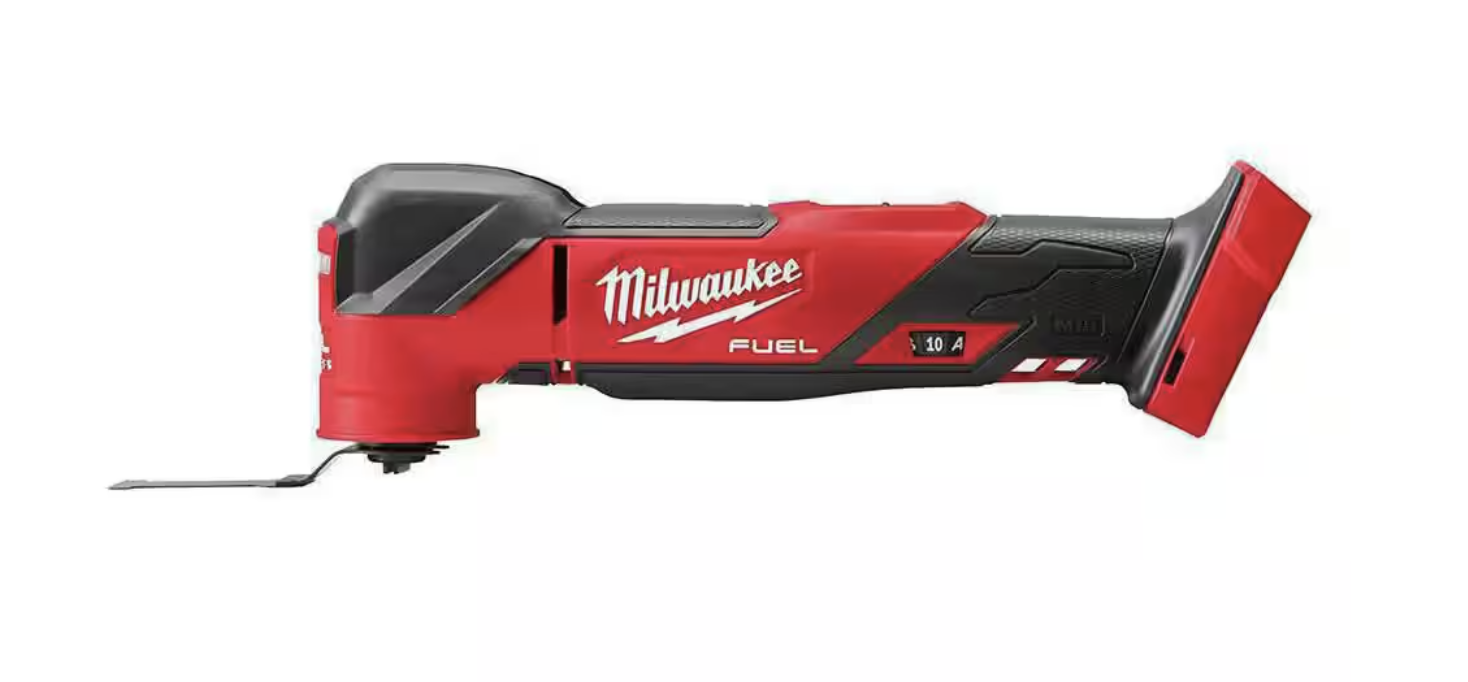
My favorite tool to use right now is the Milwaukee 18-volt oscillating multitool. This tool is light, weighing just 2.7 pounds without the battery, and easy to use. It can be used for cutting wood, tile, drywall, metal, PVC, and combination materials—as such, it’s a game-changer for a home DIY tool set. It can also be used for sanding, buffing, and removing grout. Because of the impressive range of projects this tool can be used for and the excellent battery life—with a 4-amp-hour battery that, in my experience, outlasts the blade—this is my favorite cordless tool of 2025.
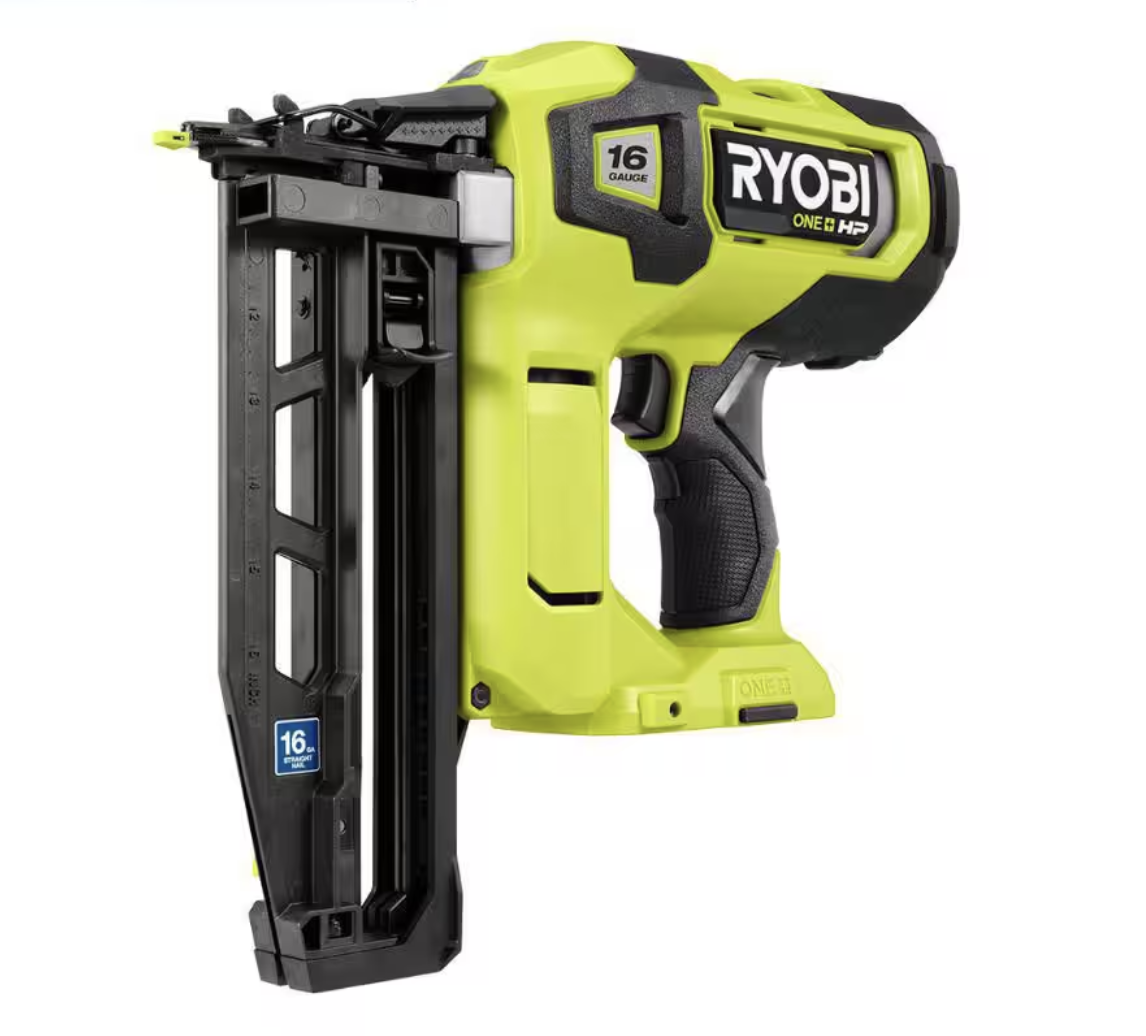
The best new cordless tool this year is Ryobi’s 16-gauge finish nailer. Ryobi’s 18-volt battery set has expanded to include over 300 cordless tools that are compatible with their system, and the 16-gauge finish nailer is one the newest. This nailer is powerful enough for most woodworking applications, and it allows the user to drive more nails in less time than older models. It can drive 1,800 nails per charge and accepts 16-gauge finish nails up to 2 ½ inches long. This is the perfect tool for any DIY enthusiast who wants to try out woodworking projects like installing trim or stair treads.
Best cordless drill and driver
The DeWalt 20-volt drill and driver set has an impressive battery life, allowing you to run a tool for several hours before needing to recharge, and they stand up to abuse. These tools are compatible with most standard drill bits, with the impact driver accepting ¼-inch hex bits and the drill accepting up to ½-inch drill bits. They are light and well-balanced, making them easier on your wrists and forearms over time. These are a good choice for projects like installing drywall or hanging shelving.
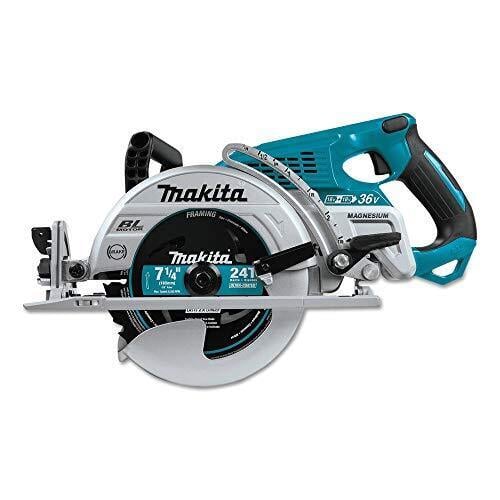
The best cordless saw of 2025 is the Makita rear handle 7 ¼-inch circular saw. Cutting a starting line with the rear-handled saw is easier because it allows you to push the saw from a more advantageous angle and keep the weight of the tool balanced. In addition, a 7 ¼-inch blade has a wider cutting surface for more precise longer cuts. Makita 18-volt batteries have a good battery life, allowing you to make over 550 cross cuts with a 5-amp-hour battery on a single charge. A cordless circular saw is good for DIY projects using plywood, like making work tables, or for cross-cutting dimensional lumber for framing.
Best under $50
My favorite new cordless tool under $50 is the Ryobi glue gun, which comes with a 2-amp-hour battery and charger. This glue gun can accommodate a ½-inch glue stick, and can heat up in three minutes. Rapid charging and heating means you can ditch the cord and use your glue gun without dragging an extension cord around with you. Although this glue gun’s small, there’s enough room to let you use two fingers on the trigger, cutting down on fatigue from squeezing over time. A glue gun is an essential tool to have around for DIY projects that might have upholstery or other cosmetic components.
TCL is showcasing a new phone at IFA 2025. A late entrant to the modern mobile market, the company tries to differentiate its devices with NXTPAPER eye-comfort screen tech. The new NXTPAPER 60 Ultra is TCL’s first phone to feature the latest version of that technology, which it first introduced in a tablet at CES 2025.
The idea behind NXTPAPER is to strike a balance between e-paper and OLED screens, alleviating eye strain without sacrificing color range or refresh rates. Its hardware-level features include blue light filtering, a matte anti-glare layer and flicker-free brightness control. One of its neatest aspects is Ink Mode, which can switch into an E Ink-like presentation with the press of a dedicated button. TCL says the 2025 version of the display tech (NXTPAPER 4.0) brings sharper detail, more accurate color and AI-driven eye comfort modes.
TCL
Looking beyond the eye-comfort features, the NXTPAPER 60 Ultra is a mid-range Android phone. It has a spacious 7.2-inch display with a 120Hz refresh rate with 1080p resolution. It’s powered by a MediaTek Dimensity 7400 processor and 12GB of RAM. (An additional 12GB is available via virtual RAM.) The phone has a three-camera setup, including a 50MP periscope telephoto sensor. (That camera provides 3x optical zoom and 6x “lossless” zoom via digital trickery.) The phone has a 5,200 mAh battery.
At least for now, the NXTPAPER 60 Ultra is only launching in Europe, Latin America and Asian markets. It will be available there later this month, priced at €499 for 256GB storage and €549 for 512GB.
This article originally appeared on Engadget at https://www.engadget.com/mobile/smartphones/tcls-new-smartphone-uses-the-latest-version-of-its-eye-comfort-screen-tech-133041739.html?src=rss
A new leak suggests Sony is getting ready to release another PlayStation 5 model, but if the preliminary details turn out to be correct, the upcoming revision is nothing to get excited about. Just the opposite, we suspect Sony will end up enraging some of its fan base. The reason? It’s said the upcoming model will downgrade the internal storage
Anker took it’s excellent Nebula X1 projector and said, “what if that but louder?” The result is the Soundcore Nebula X1 Pro that marries Anker’s 4K, 3,500 lumen Google TV projector with a 160W Soundcore speaker, offering what should be an incredible outdoor entertainment machine.
Marrying these products wasn’t just a matter of jamming them into the same box. The subwoofer was set up to float inside the assembly on a spring-type system to avoid vibrating the laser-powered 4K video. And to get some semblance of soundstage, the 80W soundbar speakers fold out to the left and right of the projector, with two wireless satellites completing the 7.1.4 surround effect. It even supports Dolby Atmos, which the projector on its own doesn’t do, while also offering IP43 protection from light rain and dust, another feature absent on the Nebula X1.
Anker
Otherwise, it’s the same excellent triple-laser, glass lens projector I tested last month that offers outstanding image quality, a simple automatic setup thanks to the motorized lens and surprising portability. Considering it’s mean for outdoor use, it puts a lot of dedicated indoor projectors to shame in terms of brightness and color accuracy. When not beaming movies, the system can also be used in audio-only Bluetooth speaker mode.
The Soundcore Nebula X1 Pro will launch on September 23rd on Kickstarter (at between $4,000 to $5,000), just as the Nebula X1 projector did. It will then come to retail a bit later, around March 2026. The company is also offering the opportunity to leave a $100 deposit and get $500 off.
This article originally appeared on Engadget at https://www.engadget.com/home/home-theater/ankers-soundcore-nebula-x1-pro-is-the-ultimate-party-projector-130255687.html?src=rss
LinkedIn will now require some users to verify their identity before they change job titles in an attempt to cut down on scams on the platform. The new identity verification rules will specifically apply to executives and recruiters who interact with job seekers or represent a company in one form or another.
As part of these changes, LinkedIn says users who add or update their title to anything recruiter-related (recruiter, talent acquisition, etc.) will have to verify their workplace on their profiles. The same identity verification rules will apply to executives, as well, which LinkedIn says covers titles like “Executive Director, Managing Director, and Vice President.” Verifying your workplace requires you to provide an official email address that uses your company’s domain name. The new requirement only applies to people changing roles, existing recruiters and executives won’t have to verify.
LinkedIn
LinkedIn has offered similar verification tools to select companies upon request, but now the platform says it’ll open up the option to every company with a LinkedIn page via a new “Premium Company Page subscription.” A verified company should be easier to trust when paired with verified employees.
While LinkedIn is best known as a home for thought leadership and a necessary evil in job hunts, it’s also the site of a large amount of fraud. Scammers impersonate company employees to collect data from fake job postings or conduct elaborate investment schemes, as CNBC reported in 2022. LinkedIn has automated systems for weeding out fake accounts, and rolled out an earlier wave of anti-scam features focused on job postings in 2023, but this new system should offer even more security.
This article originally appeared on Engadget at https://www.engadget.com/social-media/linkedin-will-require-recruiters-and-executives-to-verify-their-identity-to-cut-down-on-scams-130040435.html?src=rss
An anonymous reader quotes a report from Ars Technica: On Tuesday, Tencent released HunyuanWorld-Voyager, a new open-weights AI model that generates 3D-consistent video sequences from a single image, allowing users to pilot a camera path to “explore” virtual scenes. The model simultaneously generates RGB video and depth information to enable direct 3D reconstruction without the need for traditional modeling techniques. However, it won’t be replacing video games anytime soon.
The results aren’t true 3D models, but they achieve a similar effect: The AI tool generates 2D video frames that maintain spatial consistency as if a camera were moving through a real 3D space. Each generation produces just 49 frames — roughly two seconds of video — though multiple clips can be chained together for sequences lasting “several minutes,” according to Tencent. Objects stay in the same relative positions when the camera moves around them, and the perspective changes correctly as you would expect in a real 3D environment. While the output is video with depth maps rather than true 3D models, this information can be converted into 3D point clouds for reconstruction purposes. There are some caveats with the tool. It doesn’t generate true 3D models (only 2D frames with depth maps) and each run produces just two seconds of footage, with errors compounding during longer or complex camera motions like full 360-degree rotations. Furthermore, because it relies heavily on training data patterns, its ability to generalize is limited and it demands enormous GPU power (60-80GB of memory) to run effectively. On top of that, licensing restricts use in the EU, UK, and South Korea, with large-scale deployments requiring special agreements.
Tencent published the model weights on Hugging Face.
Threat actors are once again using Meta’s advertising platform to distribute malware. This time, it’s a form of Android spyware known as Brokewell, and it’s spreading through a malvertising campaign on Facebook.
According to researchers at Bitdefender, cybercriminals are running ads that promise free access to TradingView Premium, a market tracking and investment app, for Android mobile users. Clicking on the fraudulent ads, which use TradingView’s branding and, in some cases, images of Labubus, leads to users downloading and installing malware on their devices.
How Brokewell compromises Android devices
As the Bitdefender report outline, this malvertising attack tricks users into clicking Facebook ads that appear to be for TradingView, but the links go to a cloned website, which initiates a download of a malicious .apk file to the user’s device. The dropped app requests broad accessibility permissions while showing the user a series of fake update prompts, including one that requests the device’s lock screen PIN. Once permissions are granted, the dropper uninstalls itself to avoid detection.
The malware itself is an advanced spyware and remote access trojan (RAT) that has a range of capabilities:
Crypto theft
Scraping and exporting two-factor authentication (2FA) codes from Google Authenticator
Overlaying fake login screens for account takeover
Surveillance, such as keylogging and screen recording
Intercepting SMS messages to steal banking and 2FA codes
Remote device control
This specific scheme targets Android mobile users—if someone on Windows desktop or MacOS clicks on a fake TradingView ad, they’ll see benign content instead of the malicious cloned site. That said, threat actors have used Facebook ads to reach users across platforms and devices, with campaigns impersonating various cryptocurrency, investment, and trading apps as well as prominent finance professionals.
How to stay safe from malvertising
You should be wary of ads on Facebook and other social media sites, as these are common vectors for spreading malware and other scams. Don’t click on ads, even if you recognize the company or brand—and especially if they’re offering investment advice or a deal that seems too good to be true. Watch out for links that go to lookalike domains or spoofed websites that force you to download files or apps.
Instead, you should download apps only from trusted sources like the Google Play Store. Though malicious apps can sometimes slip through the cracks, it’s a lot safer than sideloading from unvetted sources. Be skeptical of apps that request accessibility permissions or your lock screen PIN without an obvious reason, and avoid granting permissions for anything that isn’t essential to the app’s functionality (even if the app is legit).
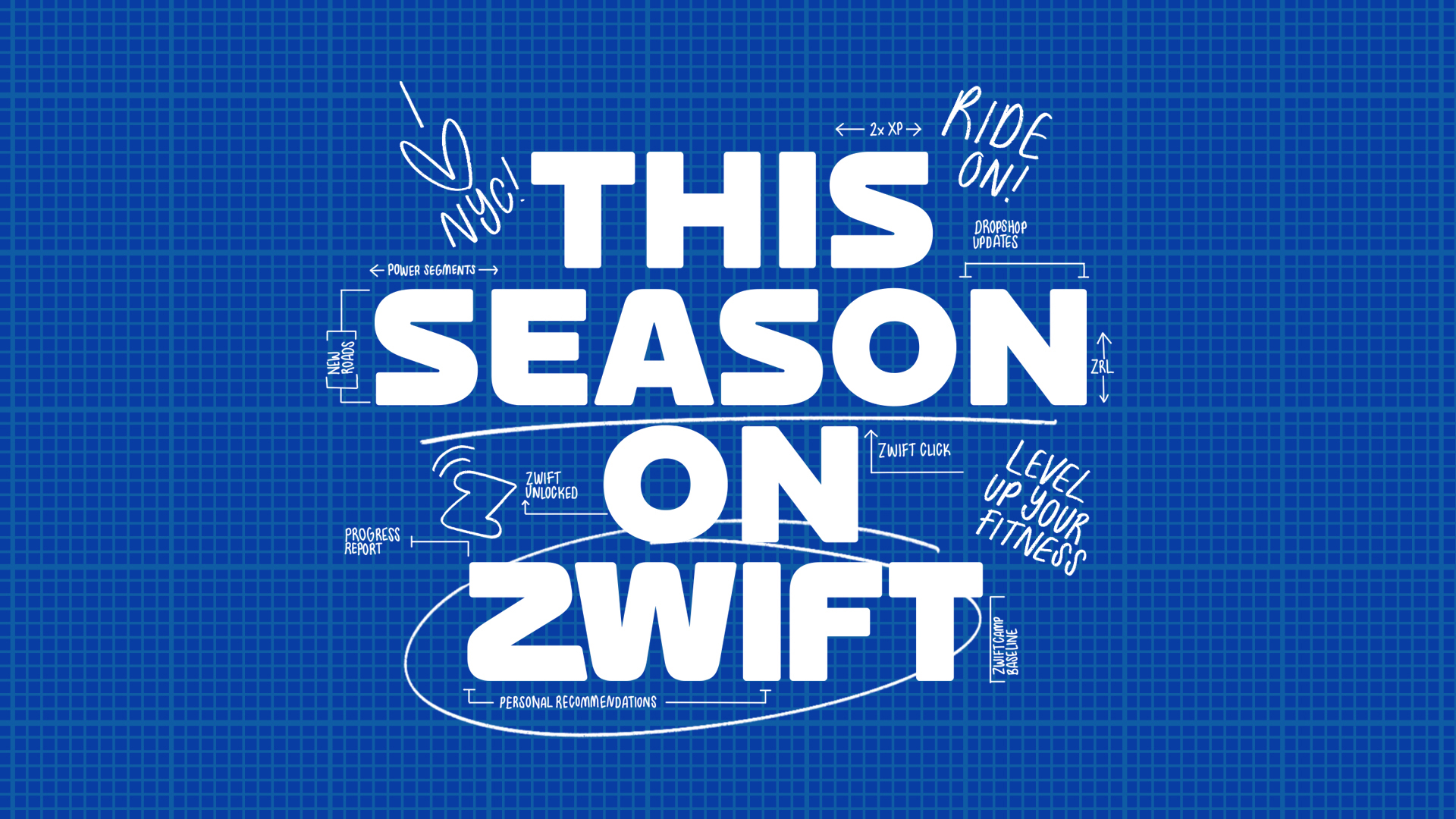
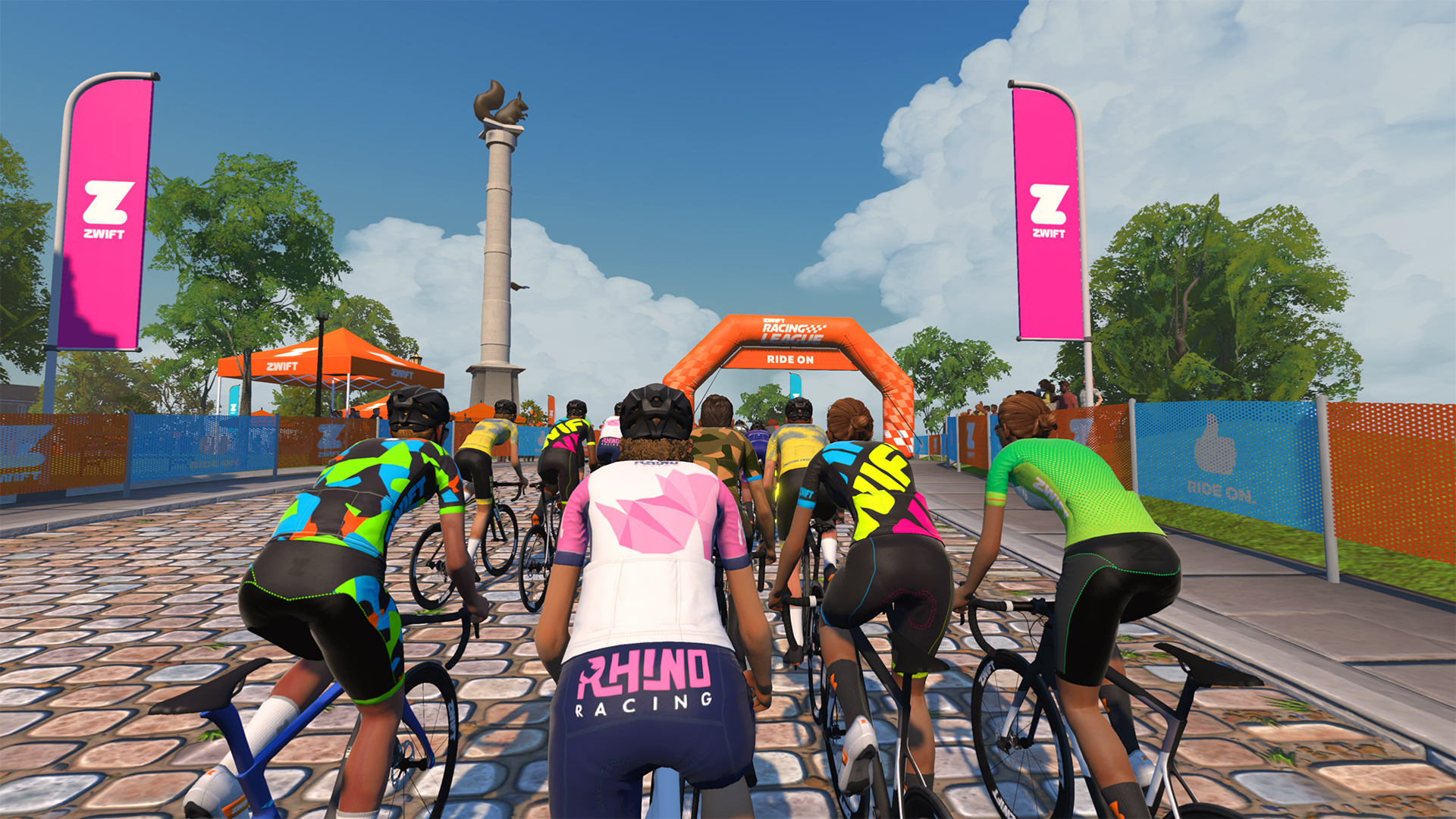
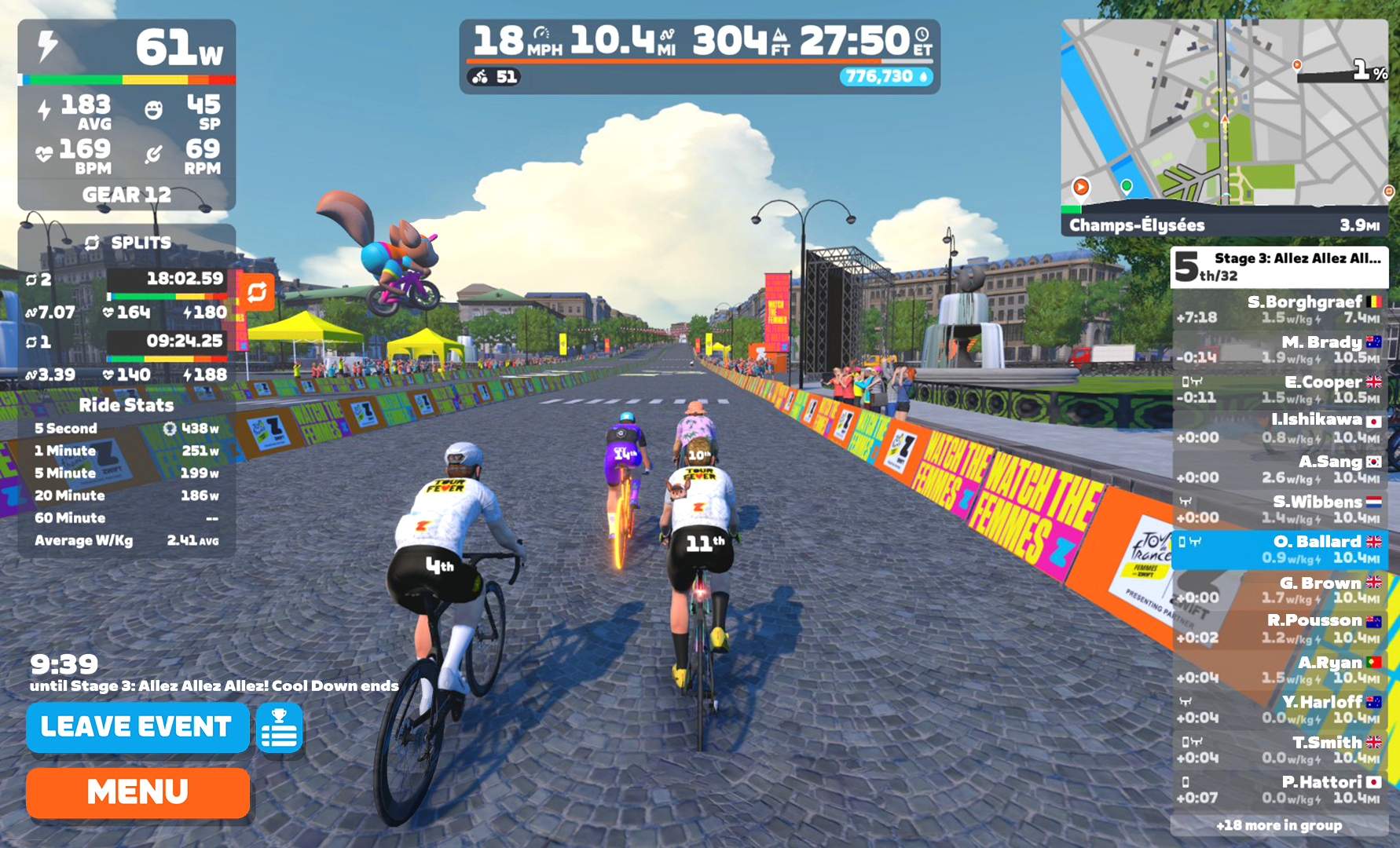
Zwift just released their latest “This Season on Zwift” announcement detailing key game features, Companion app updates, events, and hardware news coming in the next few months. We’ve posted the complete press release below, and in the coming days, we’ll dive into some of the announcements in more detail.
There’s some fun stuff here, so let’s get on with it…
Personalized Recommendations, New Zwift Click Controllers and Much More Promise To Make It Easier To Level Up Your Fitness
Plus Many More Updates Landing This Season on Zwift, Including New Roads, Events and Racing Improvements
Zwift, the global online fitness platform for cyclists, today announces a series of updates and content experiences that promise to make it easier than ever before to level up your fitness. From AI-driven personalized recommendations designed to help Zwifters hit their goals to updated Zwift Click Controllers that unlock the full Zwift experience to new roads that encourage Zwifters to explore more, there is something new for every rider This Season On Zwift.
Zwift Ready & New Zwift Click Controllers
Shipping from September 9
Launched in 2024, the Zwift Ready program makes getting started on Zwift easier and more affordable. Zwift Ready trainers come with the Zwift Cog pre-installed, providing compatibility with virtually any bike, and with Zwift Click included, riders have everything they need to begin their journey in Watopia. In 2025, the Zwift Ready program is expanding with more variety than ever before, and with costs starting from as little as €250 // £279.99 // $299.99. Zwift Ready trainers will be available from Wahoo, Elite, Van Rysel, JetBlack, and Garmin-Tacx (USA only).
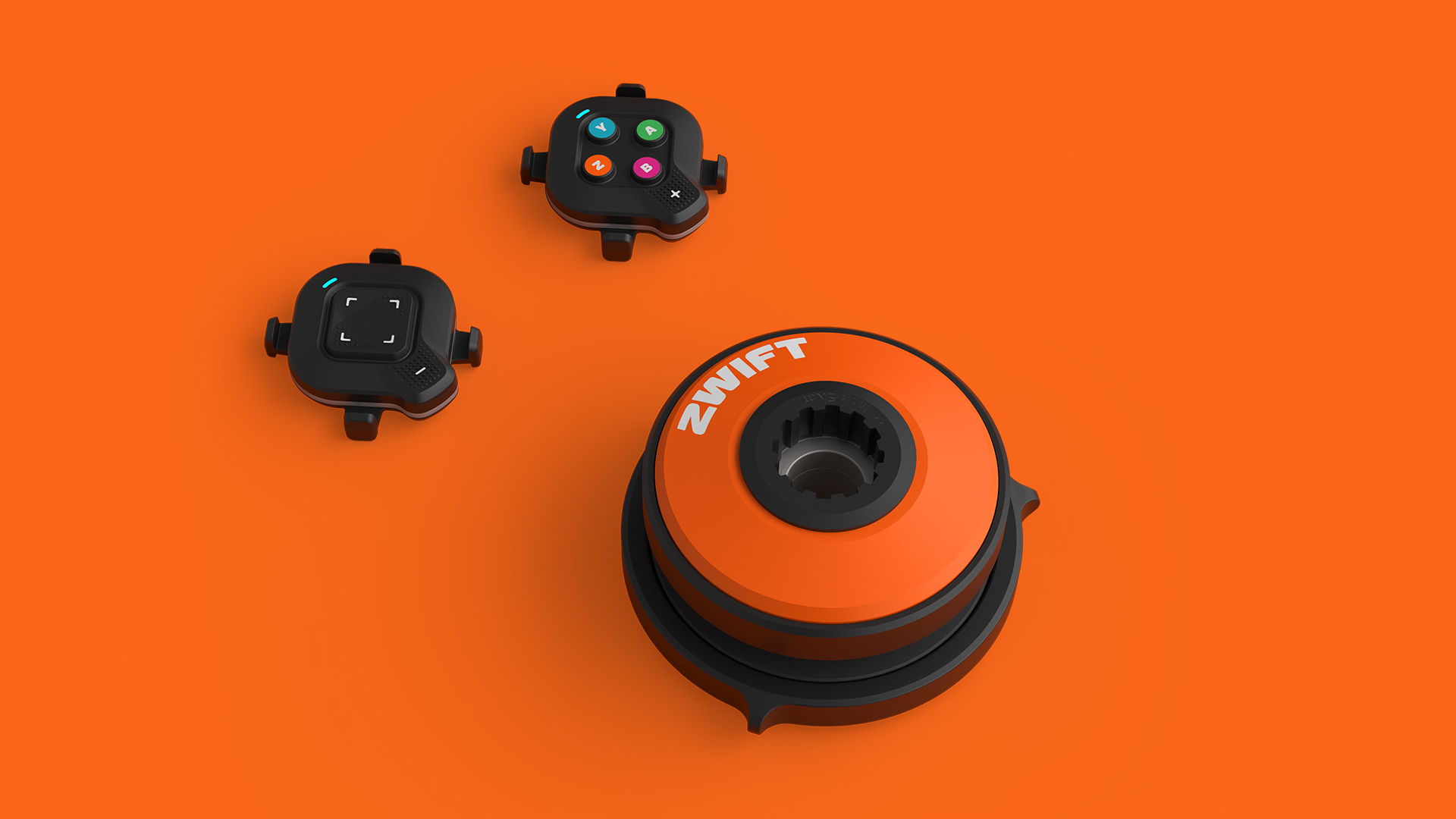
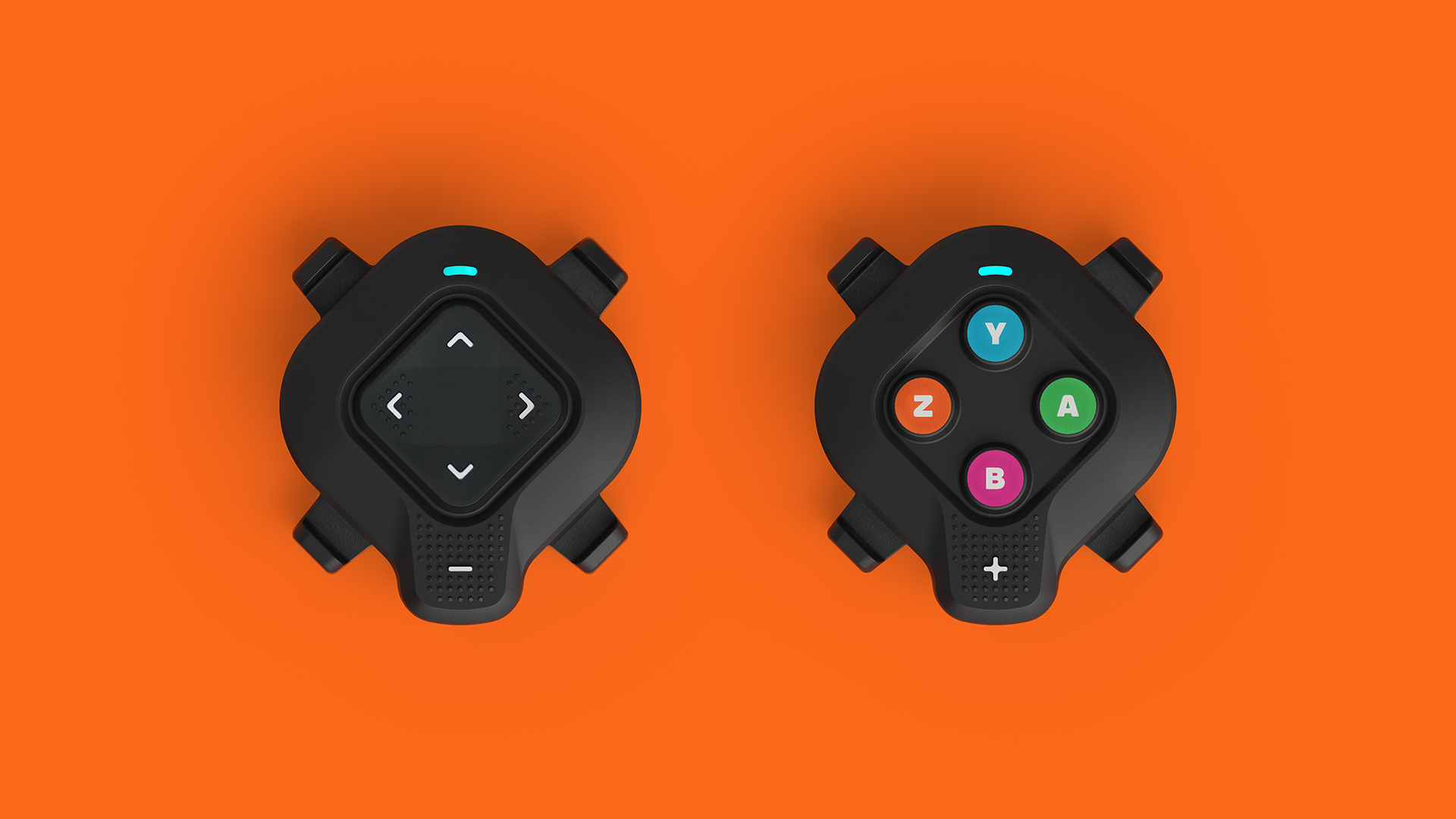
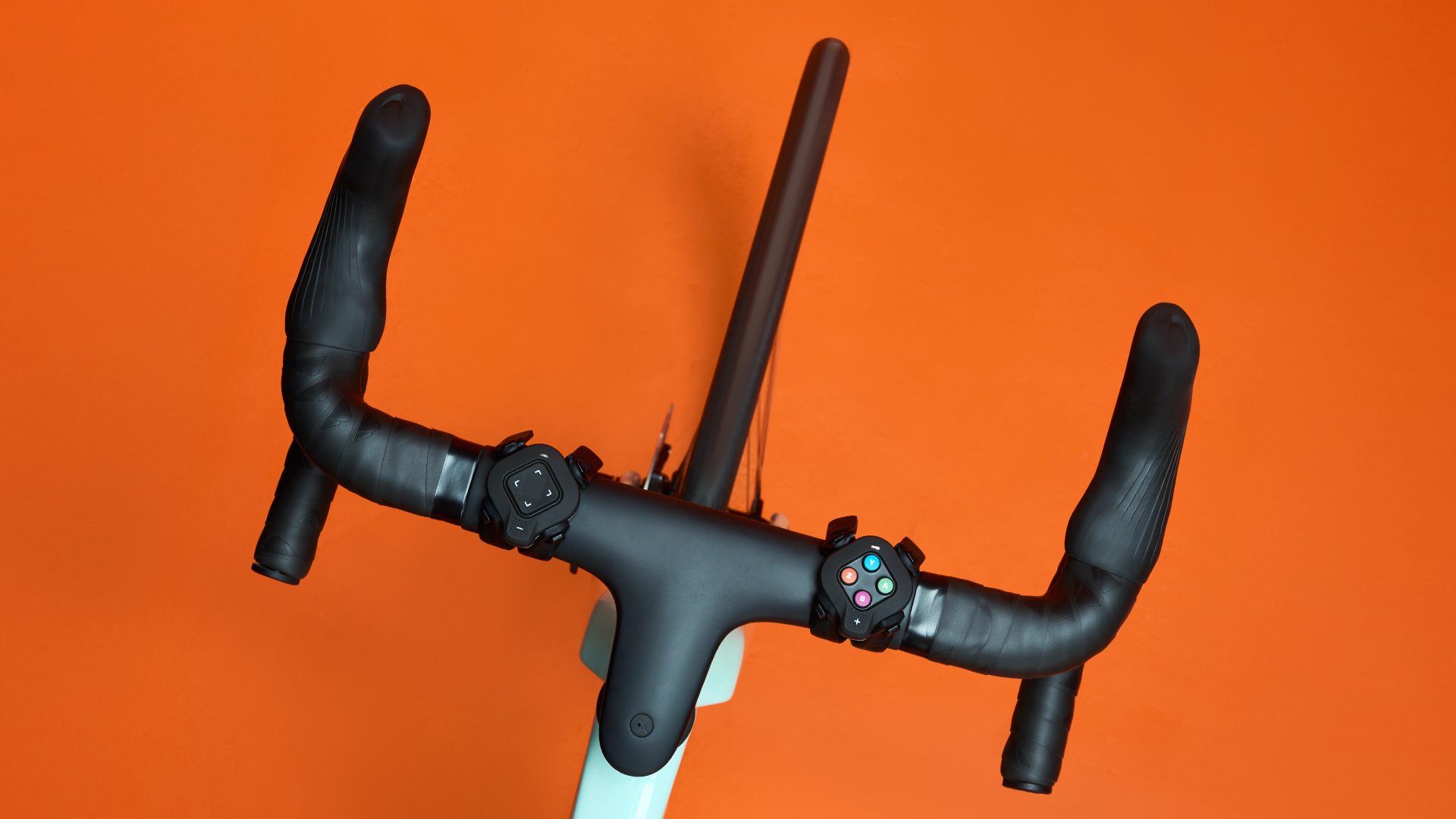
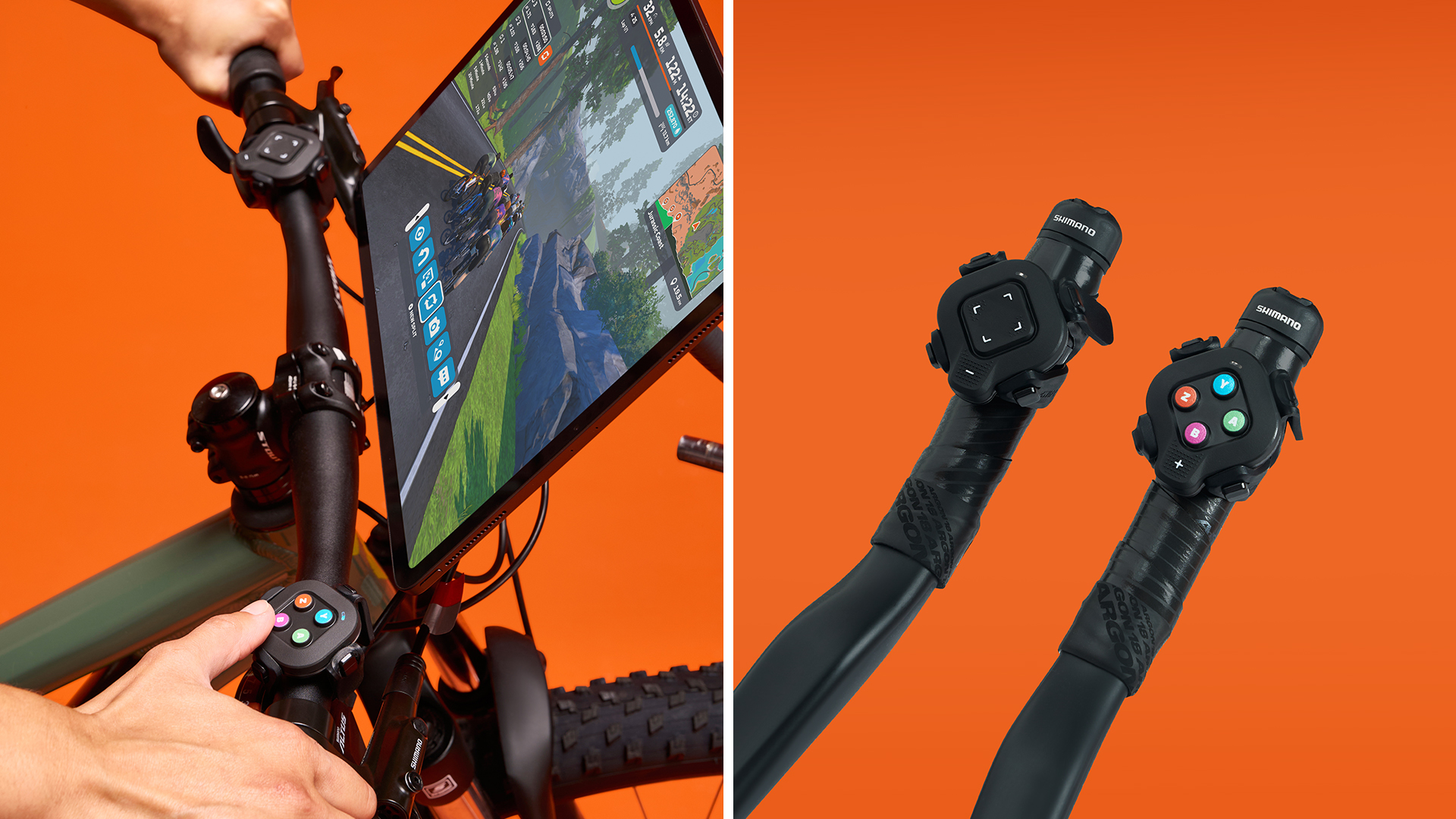
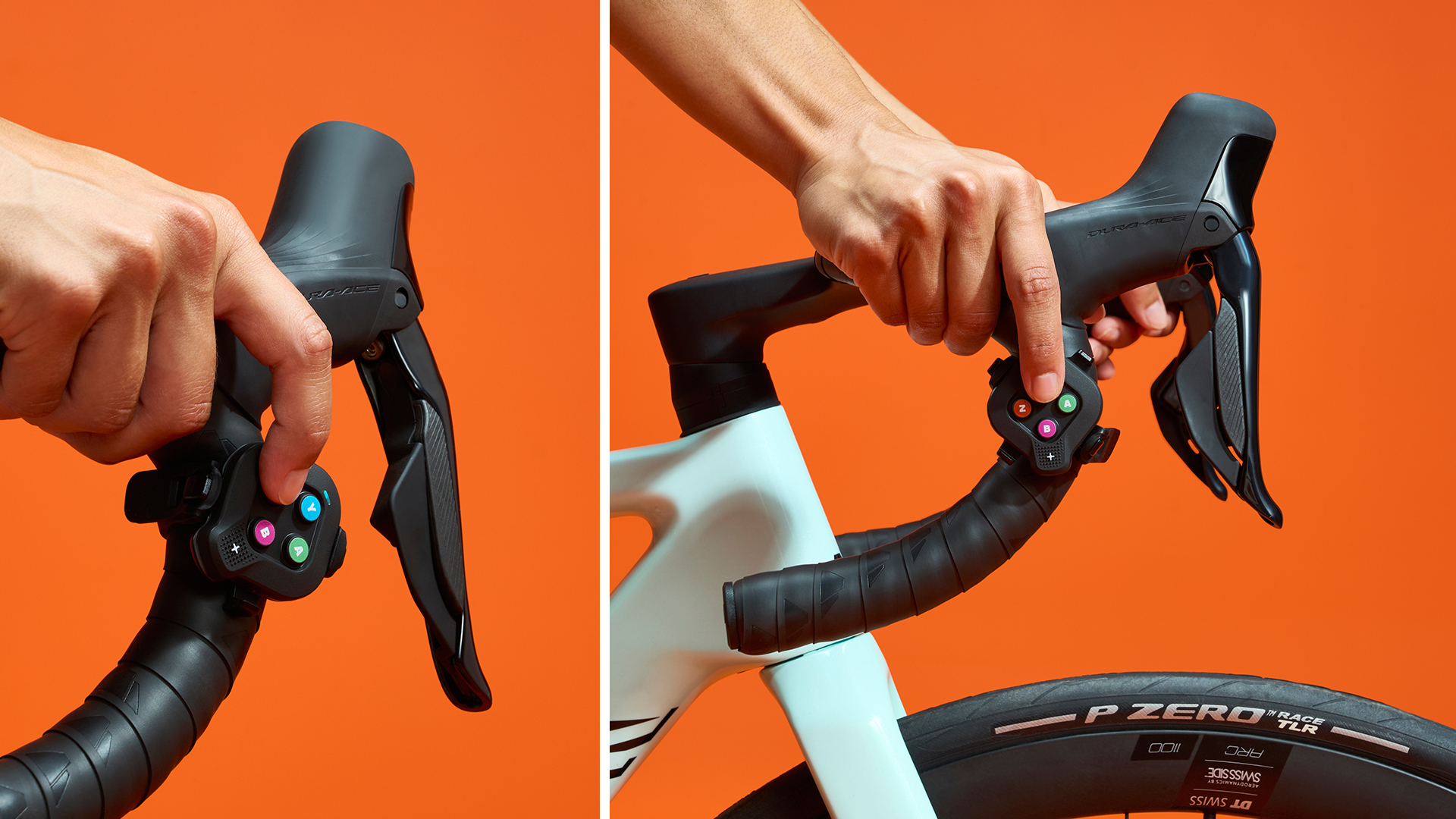
Shipping from September 9th, the new Zwift Click controllers unlock the full Zwift experience thanks to integrated navigation and shortcut buttons, similar to those seen on Zwift Ride, and previously Zwift Play controllers. The new Zwift Click retains the ability for riders to mount the controllers in almost any location and they are compatible with all handlebar types. To ensure it can be placed in almost any location, the new Zwift Click allows you to customise the button configuration to orient your Zwift Click however you like.
Zwift Cog and Click upgrade kits for all Zwift Cog-compatible trainers are available to pre-order from Zwift.com now, and will ship from September 9th.
Levelling Up Your Fitness – Personalized Recommendations, Auto-Adjusting Goals & Improved Onboarding
Launching November
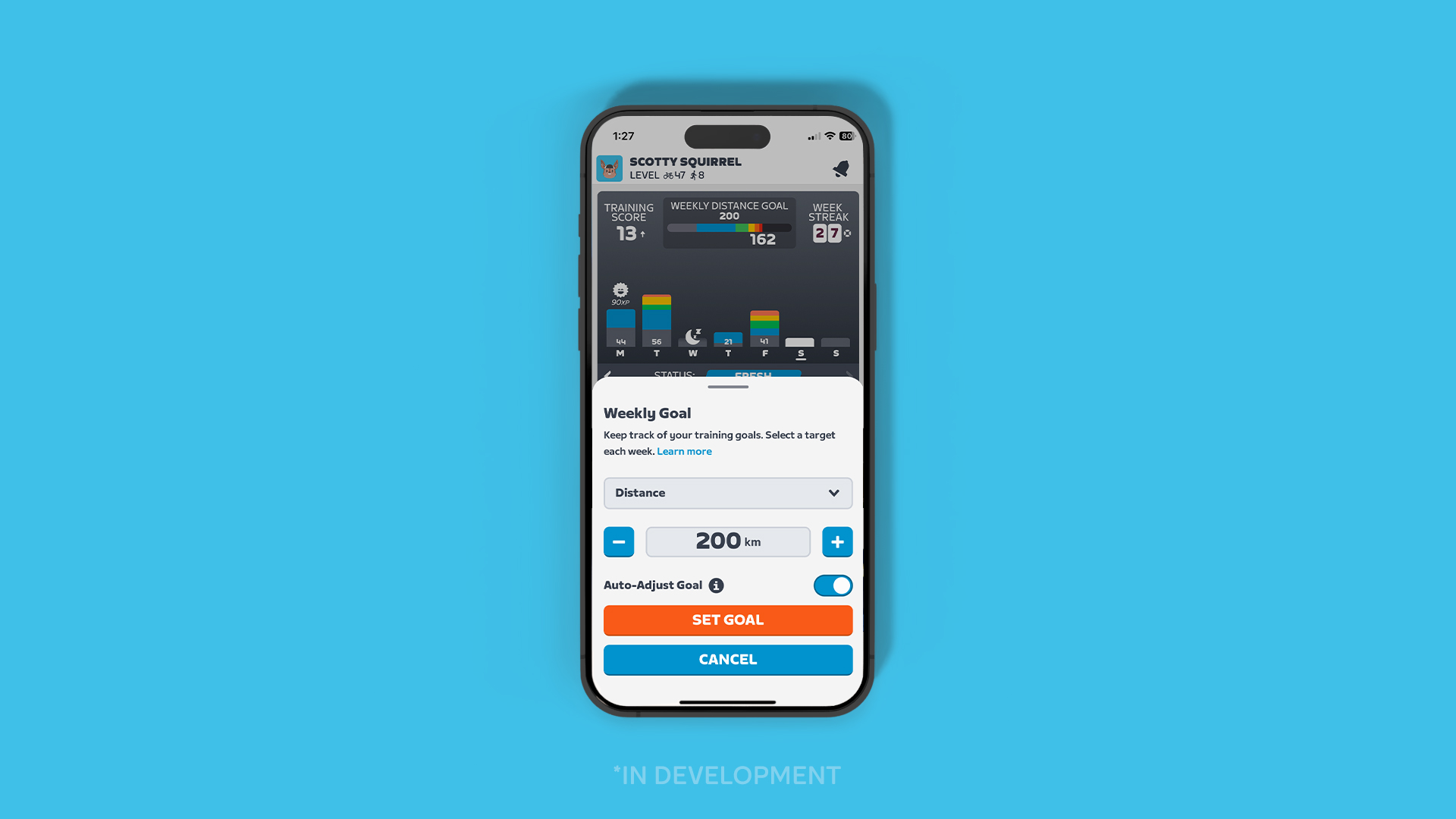
Building on the success of Fitness Trends, which rolled out earlier this summer, Zwift will make it easier for Zwifters to level up their fitness with the introduction of Auto-Adjusted Goals and Personalized recommendations.
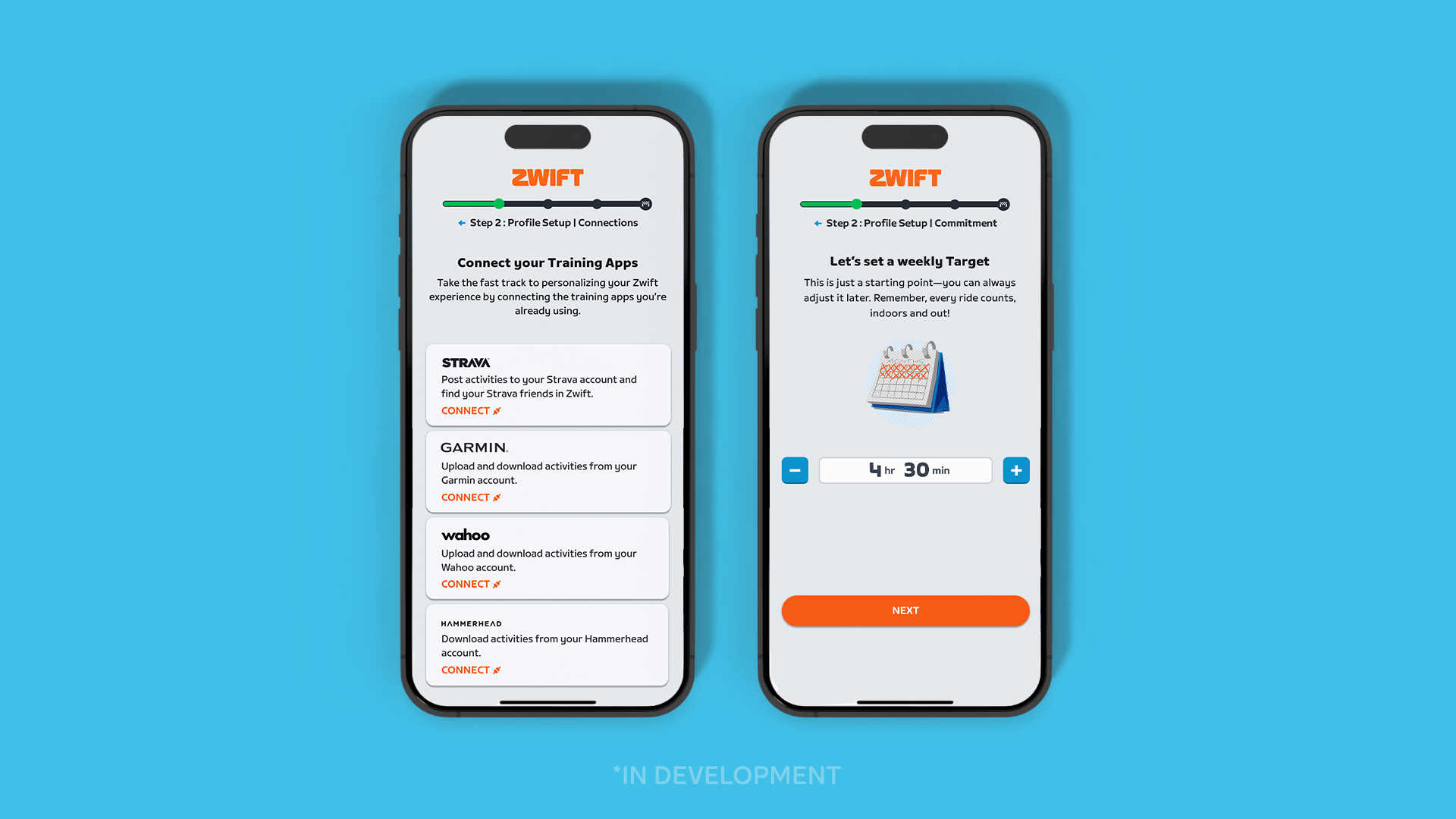
From September, an improved onboarding experience will make it easier for Zwifters to set up connections with their outdoor head units from Wahoo, Garmin and Hammerhead. Zwifters connecting their outdoor accounts will not only benefit from additional XP for their outdoor rides, but they will also be able to track their Fitness Trends in Zwift Companion and set goals based on their past activities. Now, when Zwifters set goals, they will have the ability to set these to Auto-Adjust. Using the last several weeks of indoor and outdoor data, Zwift will adjust your upcoming weekly target goal, helping to support your continual development.
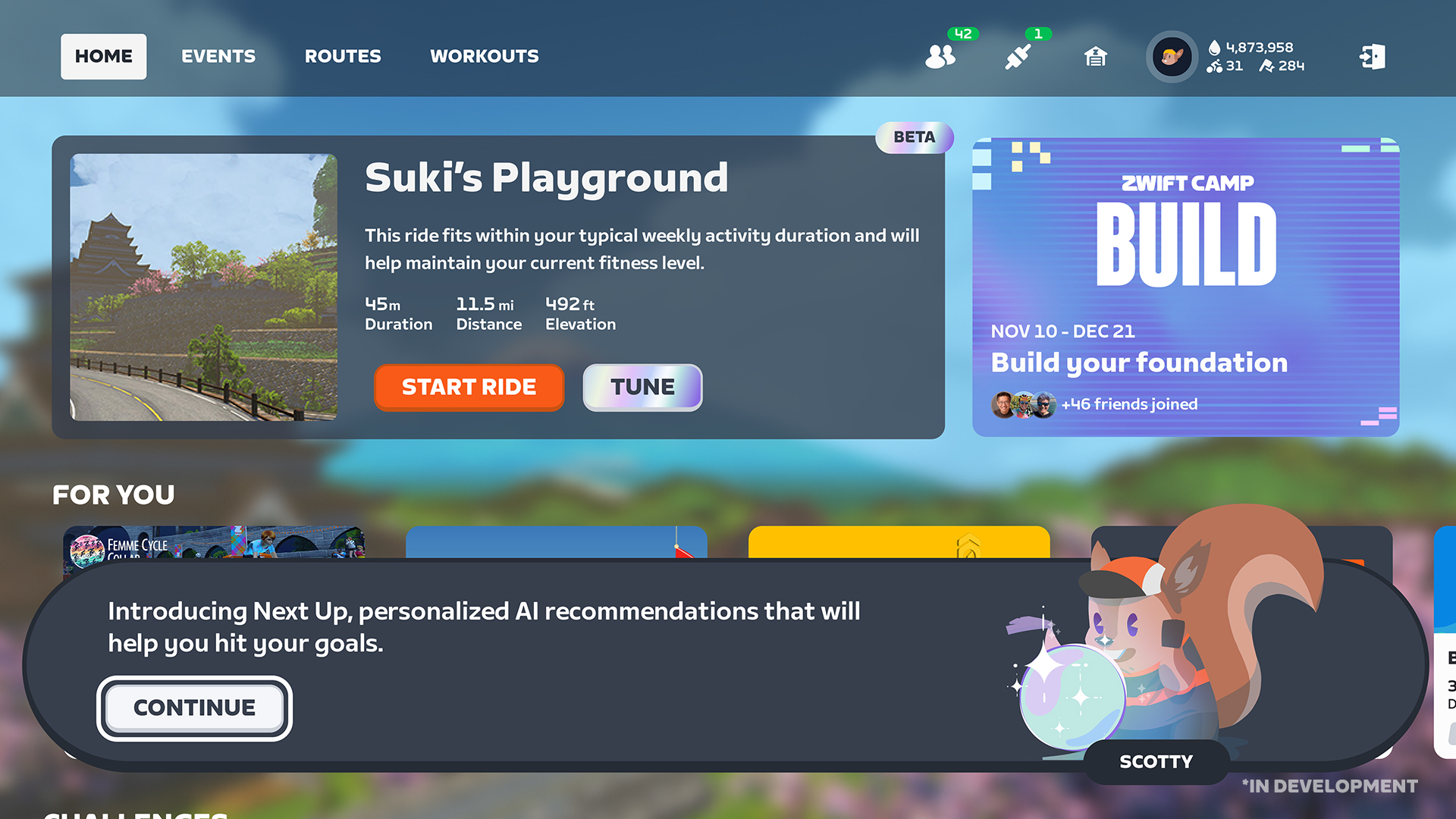
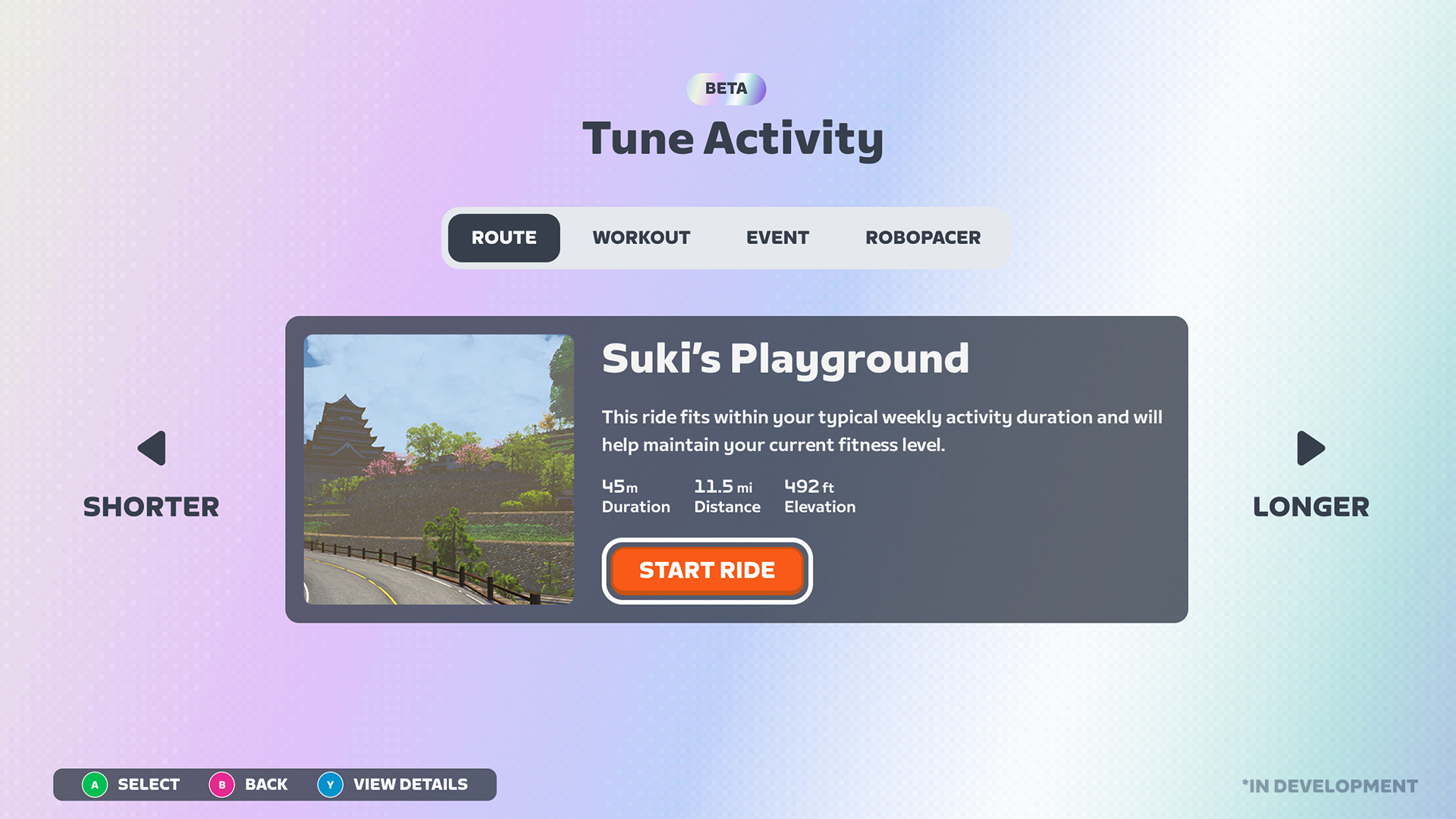
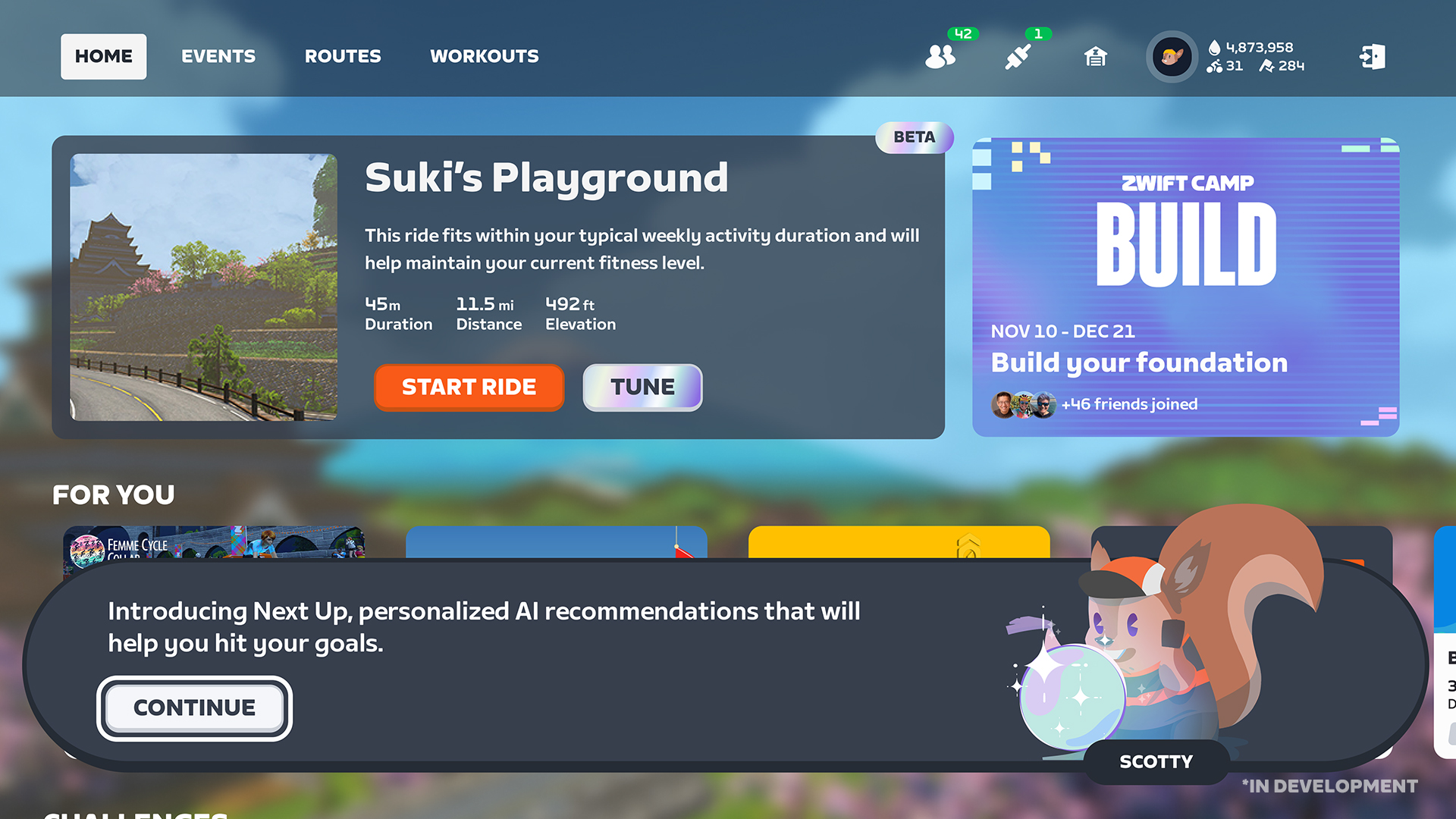
From November, Zwift promises to take things to the next level with Personalized Recommendations. Powered by AI, Personalized Recommendations will serve content tailored to help each Zwifter hit their goals. Recommendations served will account for recent training load, based on both indoor and outdoor (when connected) activity, riding preferences, including activity types, and much more, meaning Zwifters can jump in with one click, allowing them to spend more time riding and less time choosing.
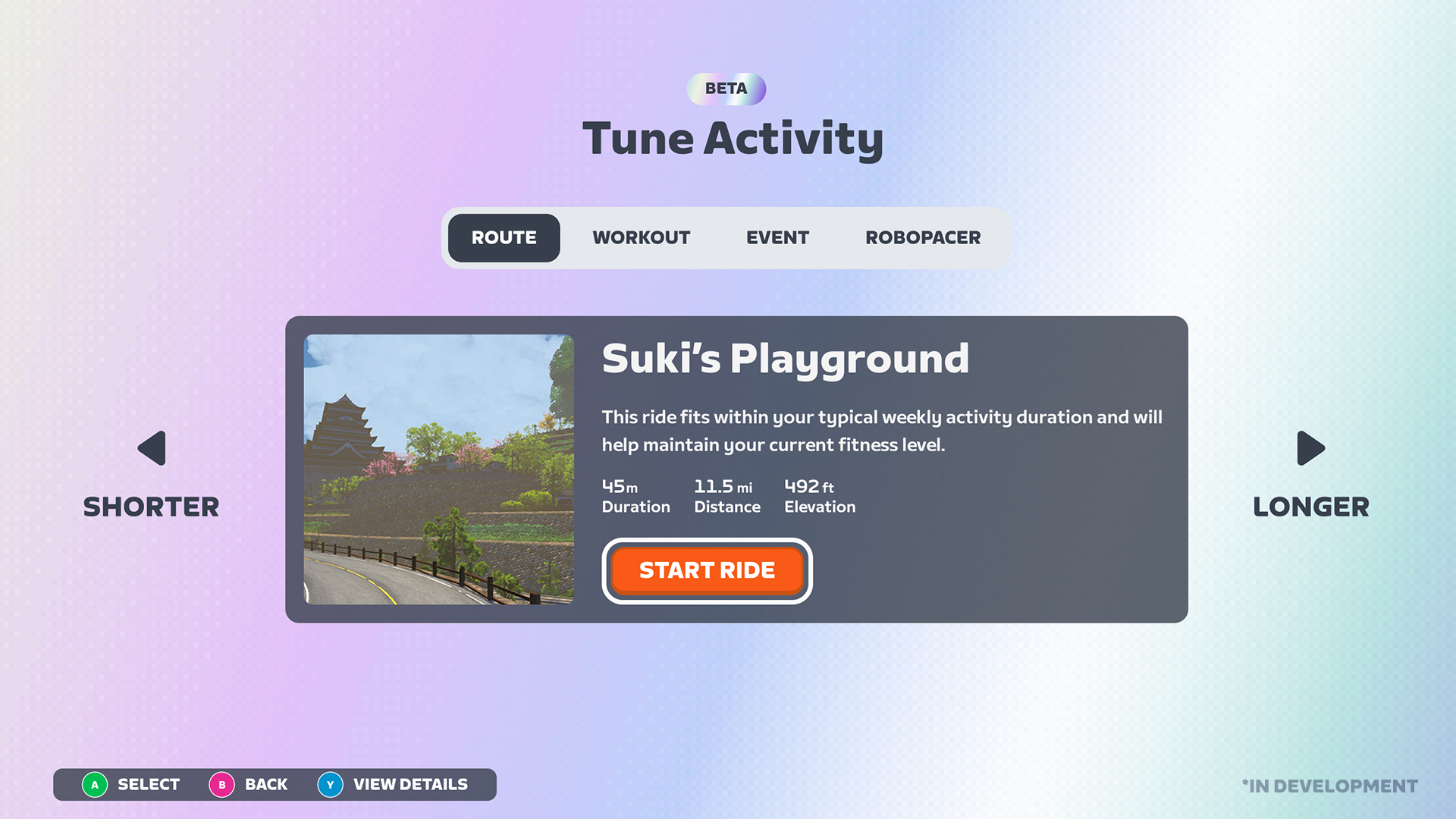
Using the ‘Tune button’ Zwifters will have the ability to choose from a mix of content types, including workouts, routes, events and Robo Pacer rides, helping preserve variety. However, with each recommendation accounting for recent ride history and personal goals, Zwifters can be assured that whatever activity they choose, it will be both productive and fun. Further, Zwifters will also have the option to adjust the duration of content – because sometimes life gets in the way.
For those who have connections in place with external coaching apps like TrainerRoad, these will take preference on the Home Screen. Zwifters will still have the option to ‘tune’ these activities should they wish to mix things up.
Personalized Recommendations will display both in the home screen in the main Zwift App and also in Zwift Companion.
Progress Report Screen
Launching November
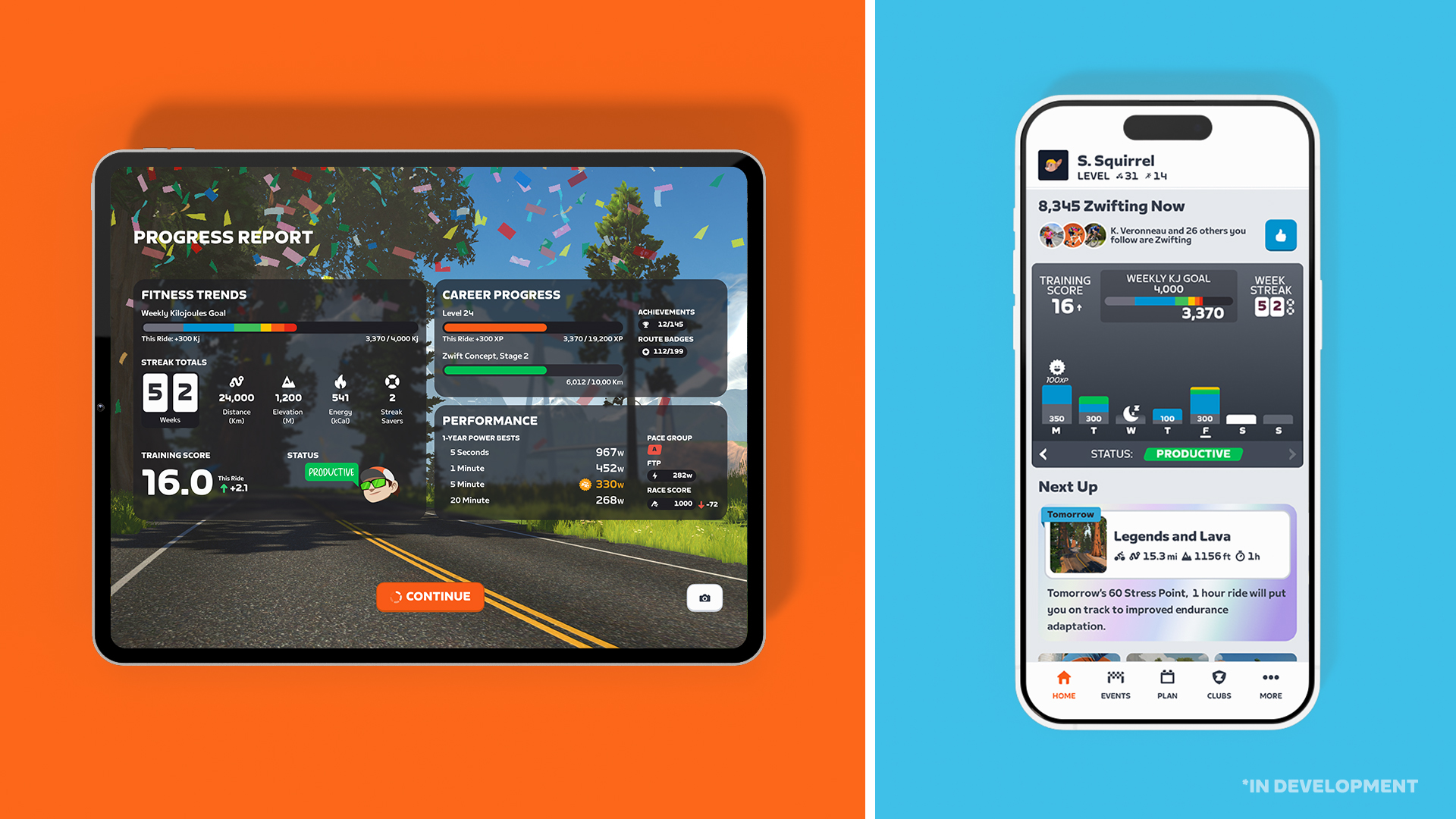
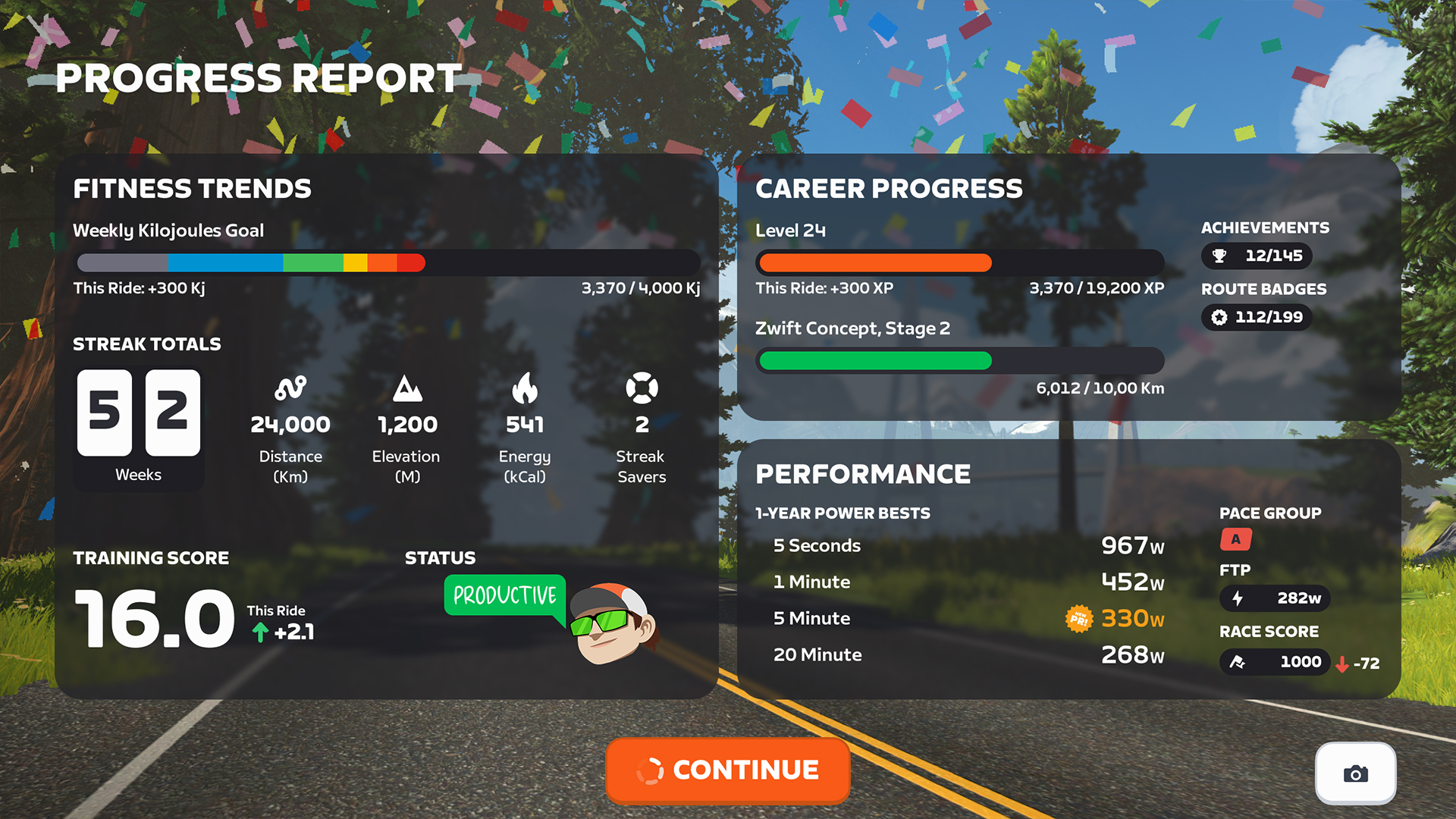
Upon completion of an activity, Zwifters will now be taken to an updated Progress Report Screen. Here, Zwift will display a summary of all key information, including fitness score progression, training status, goal progression, current streak, bike upgrade progression, level progress, racing score improvements, and much more. This display will show at the end of any activity before returning to the home screen. Post-activity, Zwifters will have the ability to go deeper into these metrics using Fitness Trends in the Zwift Companion app.
Zwift Unlocked – An Entirely New Tour
October 6-November 16
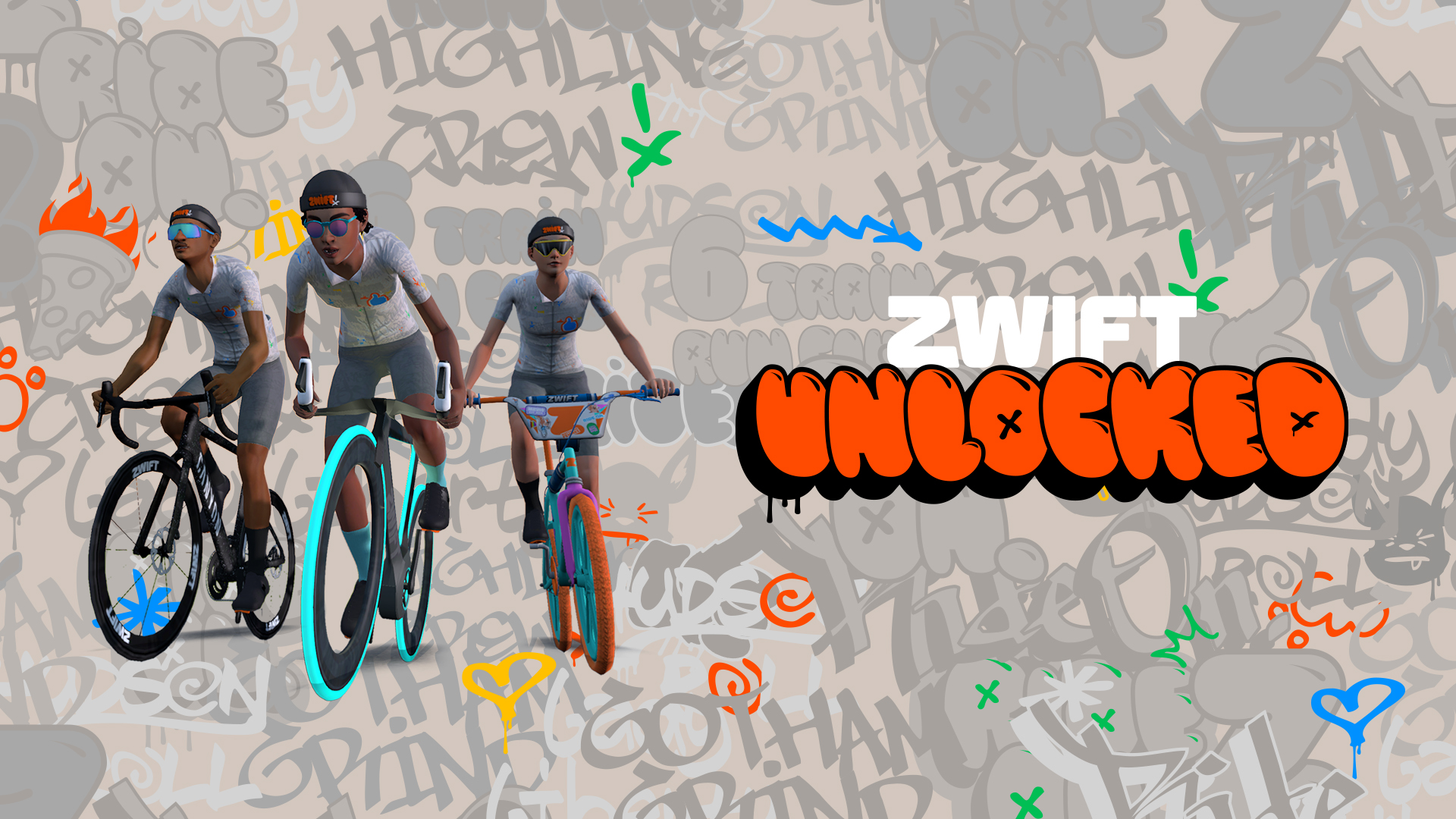
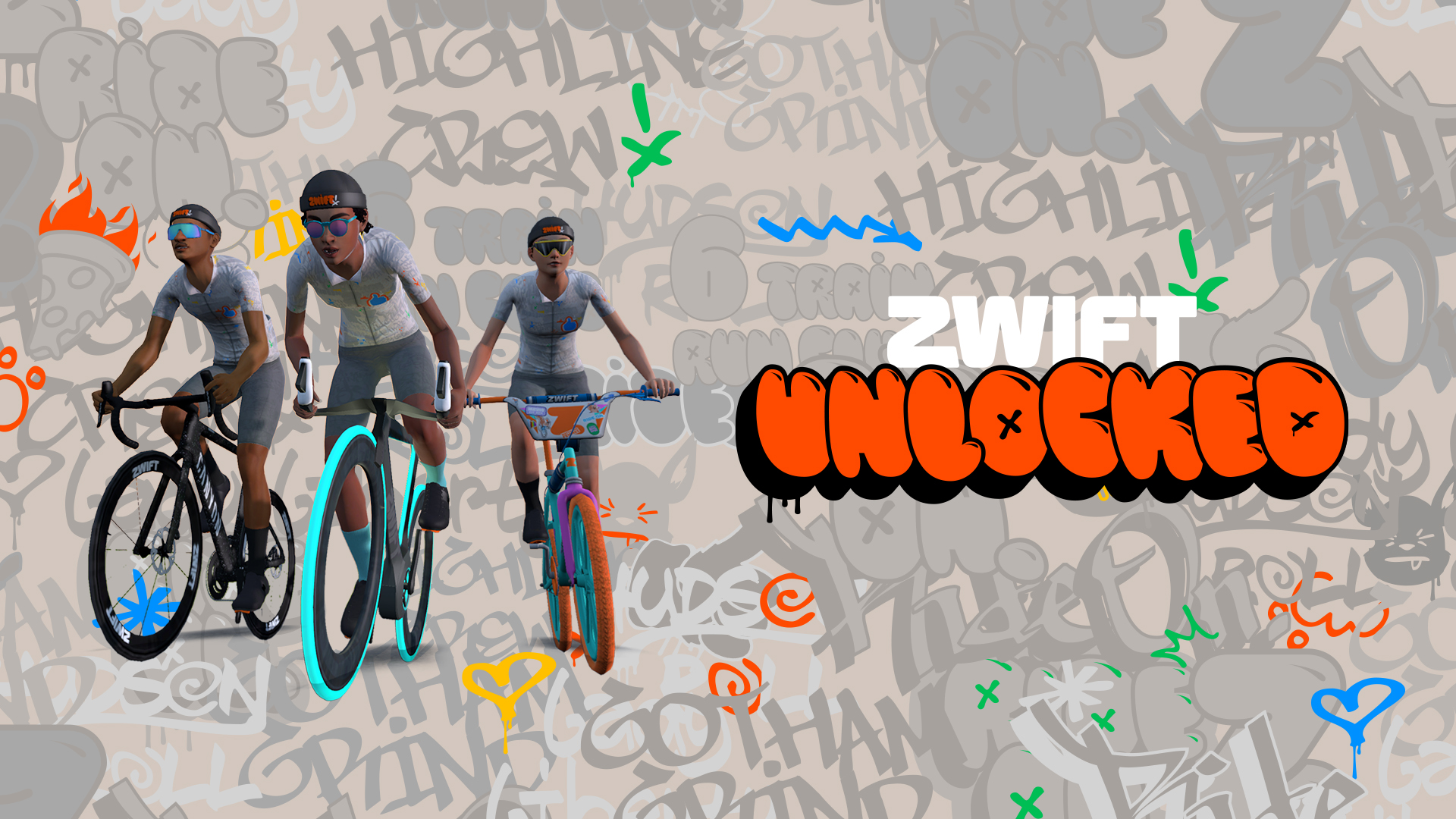
Running October 6th to November 16th, Zwift Unlocked is an entirely new Zwift Tour, replacing the Tour of Watopia. Like its predecessor, Zwift Unlocked offers double XP but brings with it 10 entirely new routes across multiple Zwift Worlds. Zwifters will have the ability to ride or race each stage, with long and short options on offer throughout.
The Big Apple Just Got Bigger – New York Expansion
Launching October 27
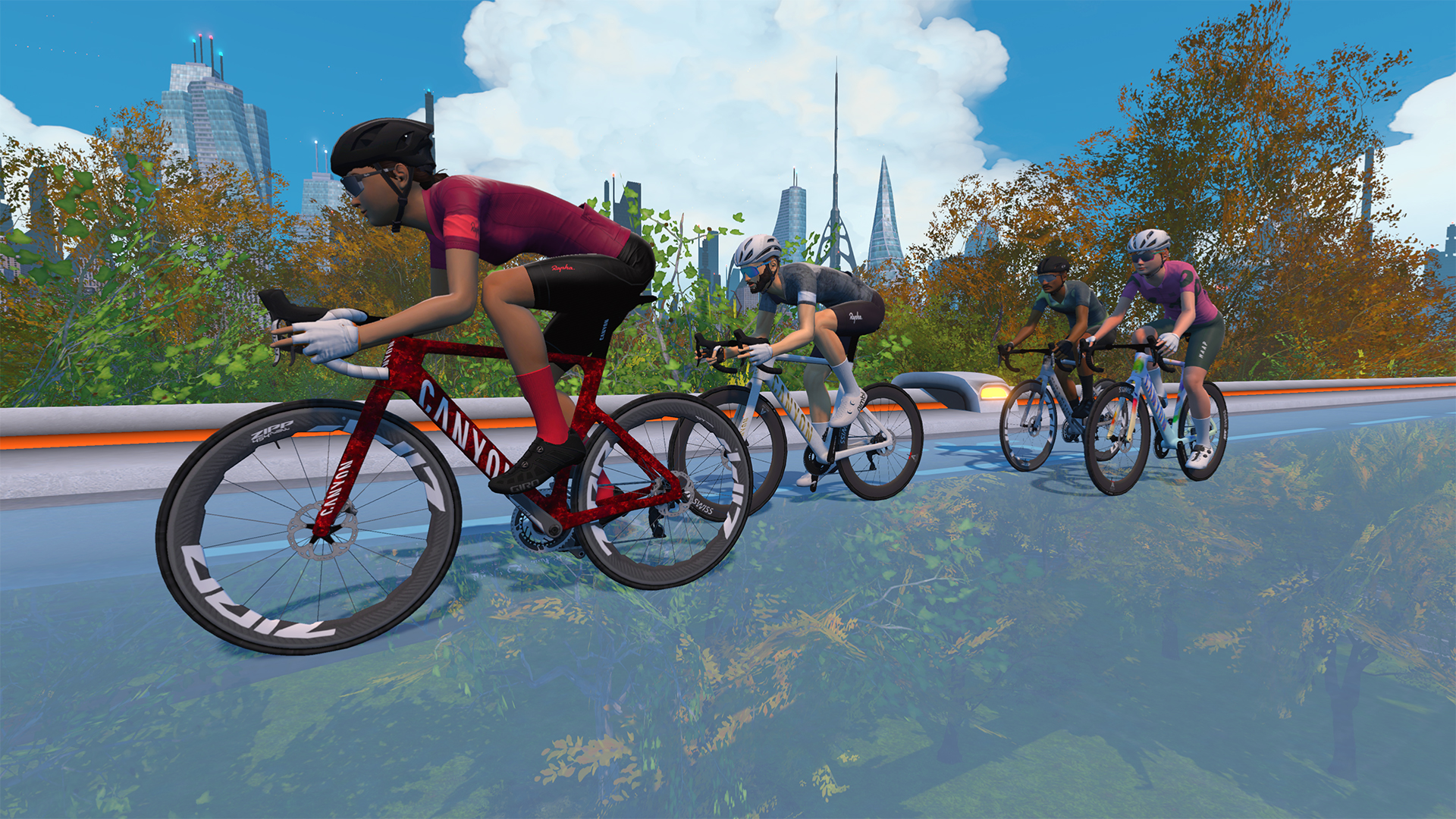
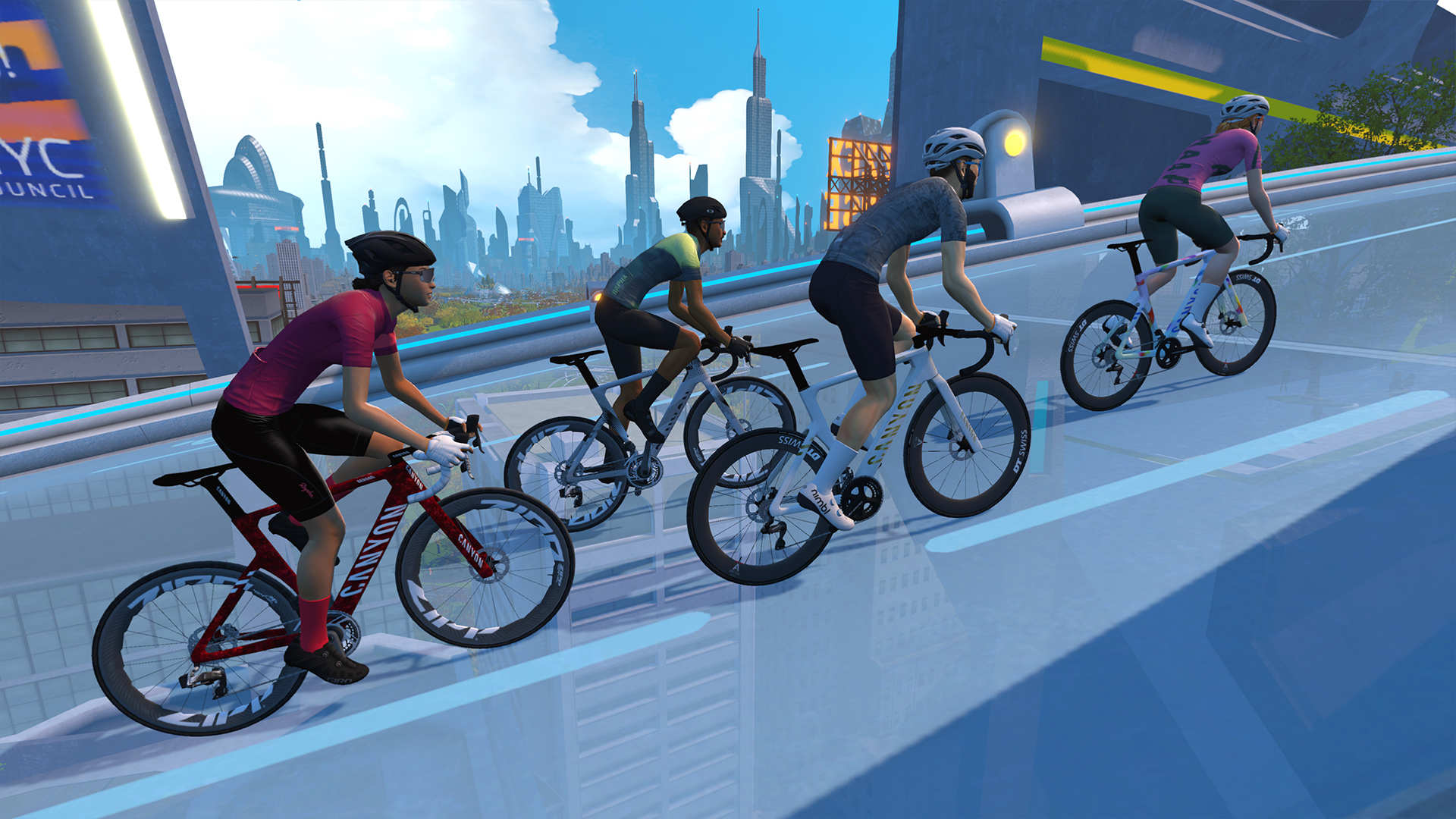
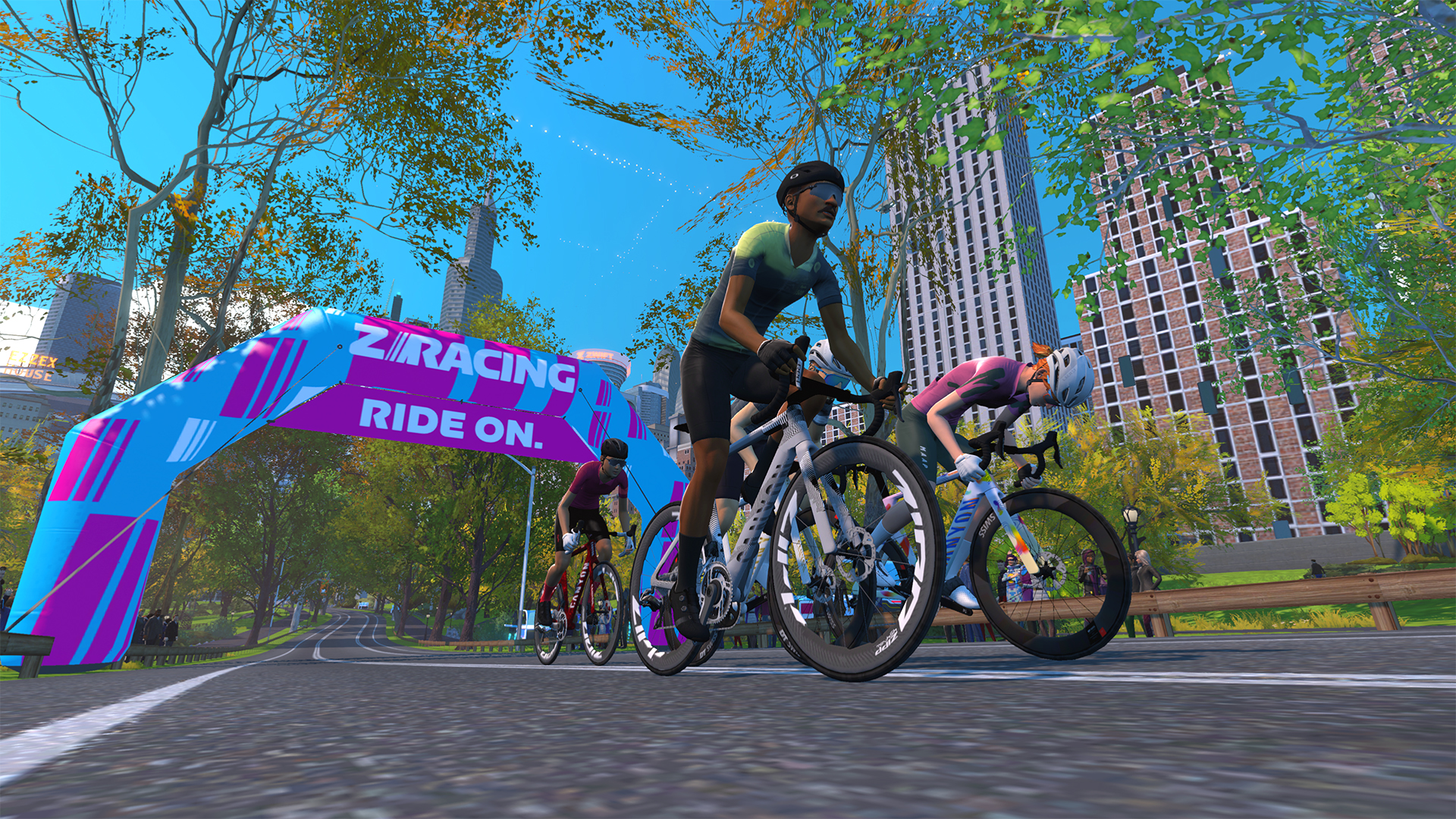
The final two stages of Zwift Unlocked will take place on a freshly expanded New York map. This expansion will be Zwift’s largest map expansion in years, adding 31km of new roads to New York, including 20 new routes (16 bike and 4 run).
The expansion will take Zwifters out of Zwift’s futuristic Central Park, into the city and out to Prospect Park via New York’s subway network.
Power Segments
Launching October 27
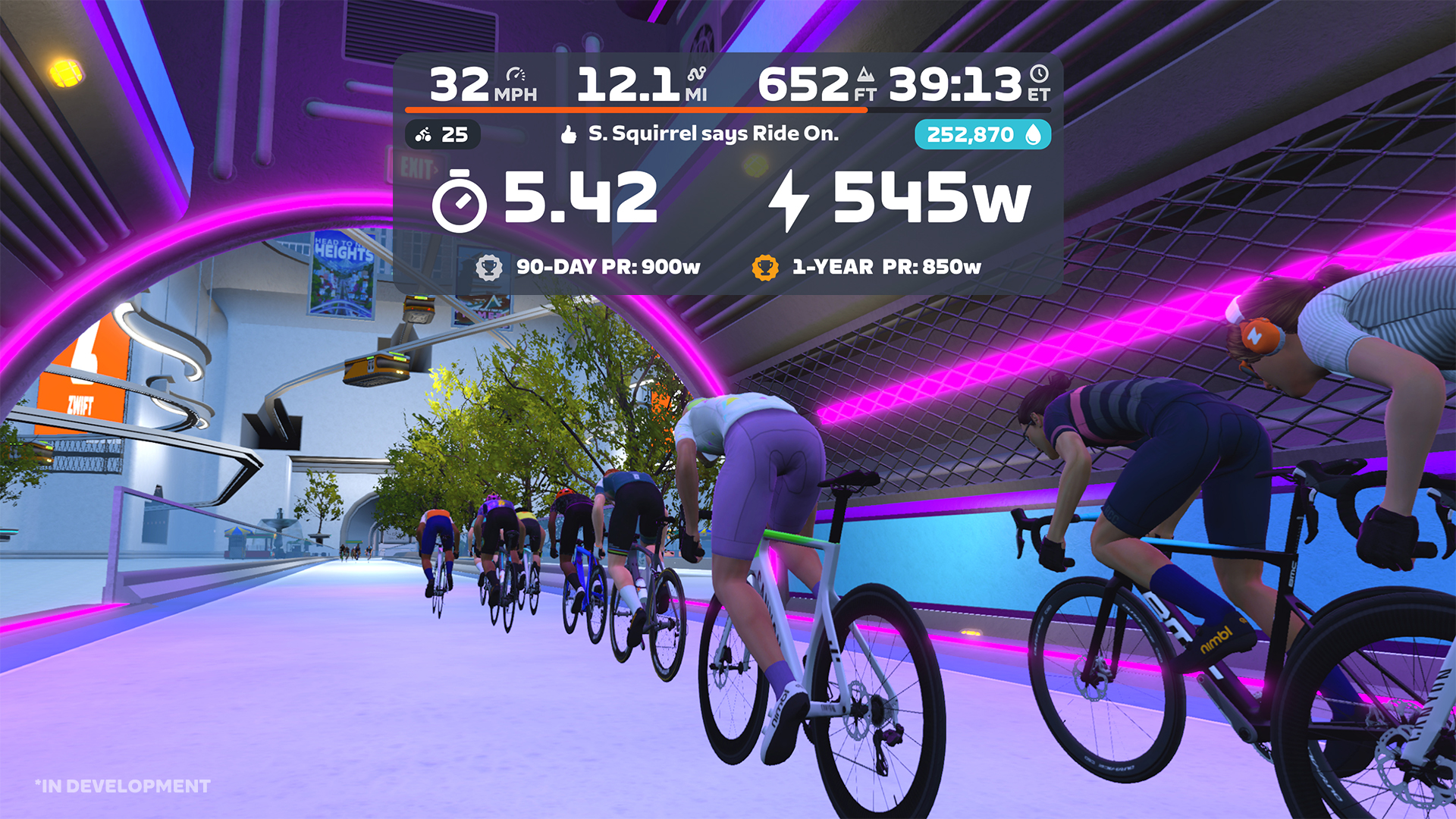
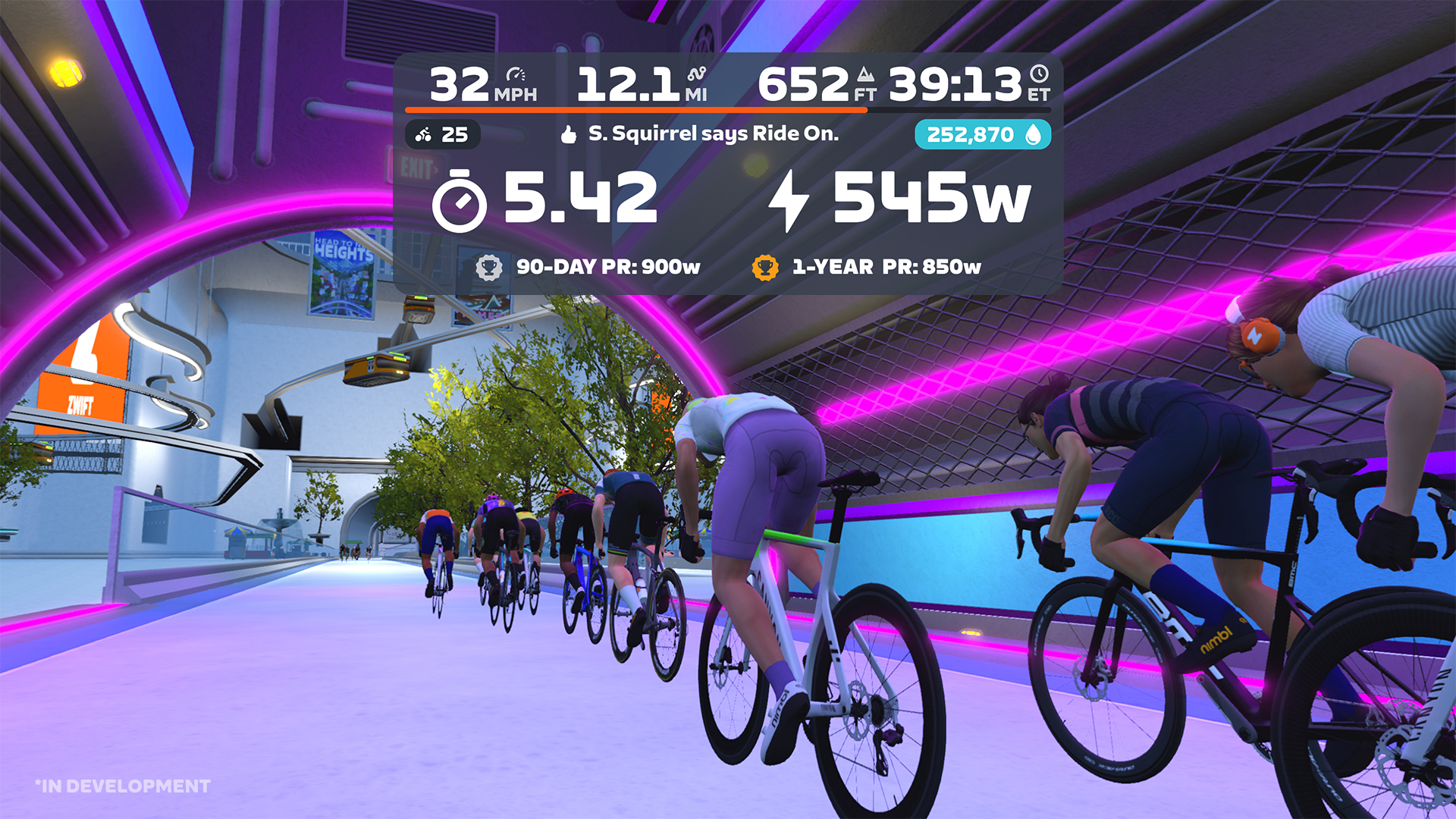
Within the subways of New York, Zwifters will also find a new segment feature, Power Segments, launching with this expansion. Power Segments are a new take on Zwift’s timed Sprint Segments, where pure wattage is all that matters. Hit the start arch and hammer until the timer hits zero to try and average the highest watts possible. Upon completion of a segment, Zwifters will see their personal result and how it compares with their efforts over the previous 90 days – this is primarily a challenge of personal achievement. Zwifters will also see how they rank against the global community, with the overall leaderboard displayed shortly after the personal results screen. Power Segments will eventually roll out to other Zwift Worlds over time.
Zwift Racing
Season Long
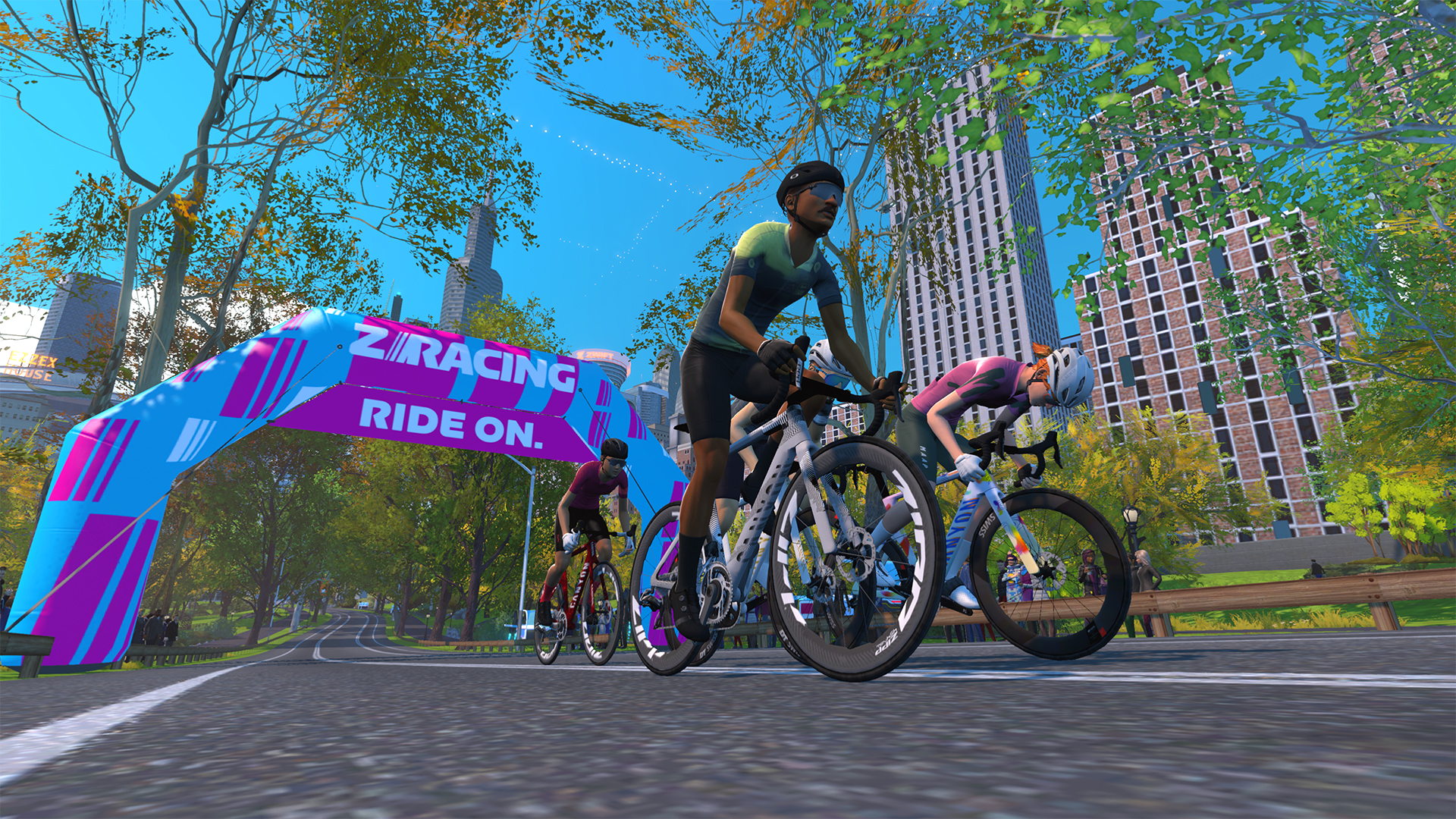
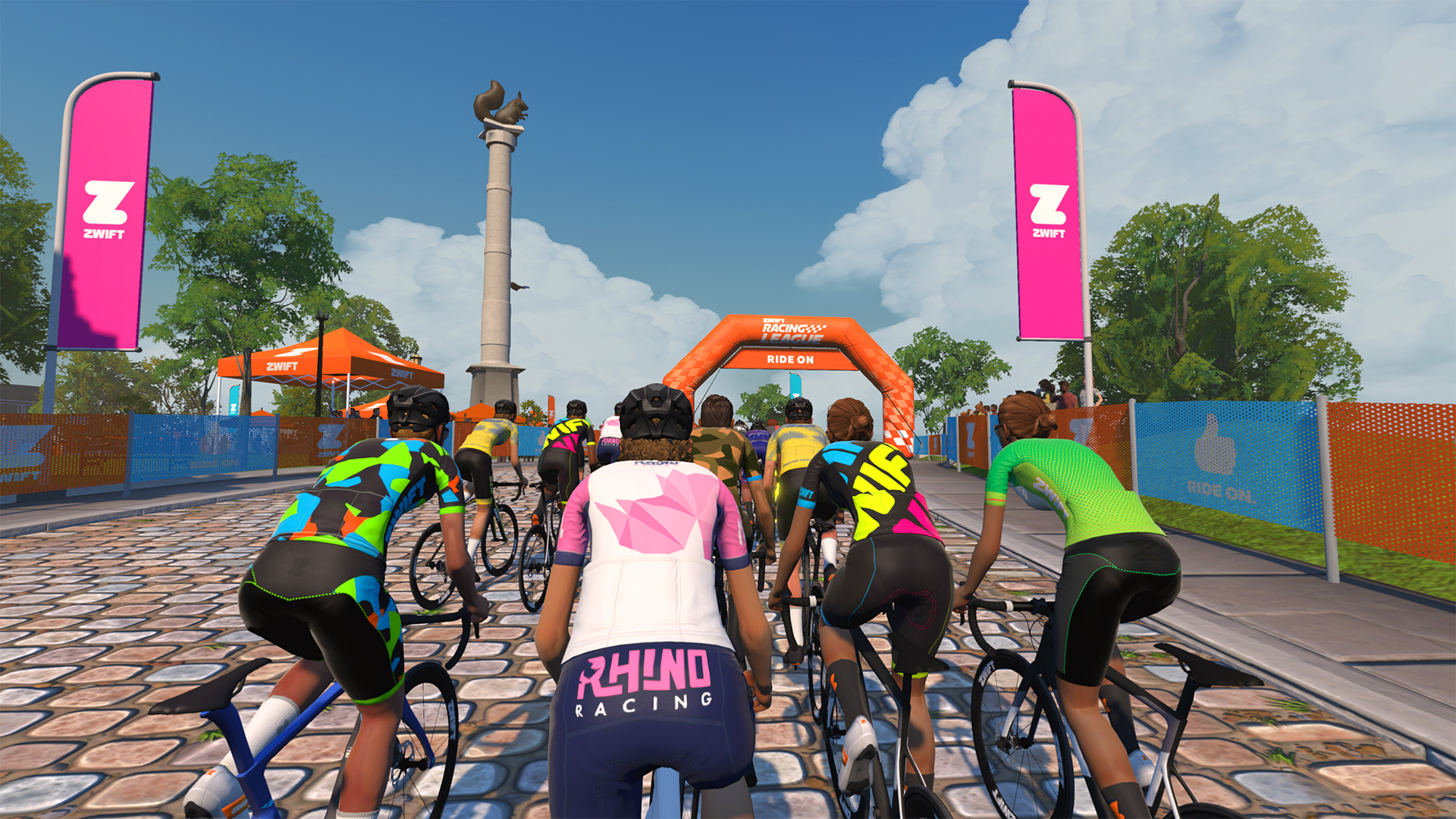
The Home of Community Racing is geared up to deliver the best season of competition to date. Whether it’s Zwift Racing League, starting on September 16th, zRacing, Zwift Games, any one of the 1000’s of community-run race events, or if lycra isn’t your thing, there’s even the Virtual Brompton World Championships in November – there really is something for everyone!
Helping make community racing fairer and more competitive, there are numerous improvements coming to the racing scene, beginning this September. Zwift Racing Score is now established as the default racing categorisation system, and the 11 categories now used for Zwift events have made racing even more competitive by keeping the competition more closely matched.
The latest changes to Zwift Racing Score have seen ‘score decay’ introduced for racers who haven’t competed in the last 30 days, updated seed scores based on your most recent personal bests (inside or outside of races), and a new option for event organisers to categorise riders by their 30-day best score, not just their current score. These changes ensure your score reflects your current peak fitness, instantly rewards strong performances, keeps matchmaking dynamic, and makes races feel fairer and more competitive for everyone on the start line.
To help keep racing fairer, Zwift is also rolling out new anti-botting detection. This is live and has been actively identifying suspicious activity. Accounts flagged by this technology are moving through our standard enforcement pipeline, helping us clean up racing, protect leaderboard integrity, and stop unfair XP farming. The same system is laying the groundwork for a new generation of anti-cheating technology designed to detect and eliminate unrealistic performances and make racing on Zwift even more authentic over time.
Brompton World Championship
November 17-23
“Tweed Is Speed.” The world’s most dapper race has arrived on Zwift. A week-long Virtual Brompton World Championship race series event is set to be held in Zwift’s London. Races will be held on custom routes (short and long options) and all entrants will be able to unlock the very special Tweed Kit! Of course, the Brompton will be available to purchase in the Drop Shop from November as well.
Event Cooldown
Live Now
The fun shouldn’t stop when you cross the finish line. Now, when Zwifters complete a Zwift group event they will have the option to stay in the event world to cool down. This update aims to improve event experience by extending the opportunity to continue the conversation, reminisce about the epic battle that went down, share a funny moment, connect on Zwift Companion, or discuss plans for your next activity much like you would after completing an outdoor event. One extra loop, anyone?
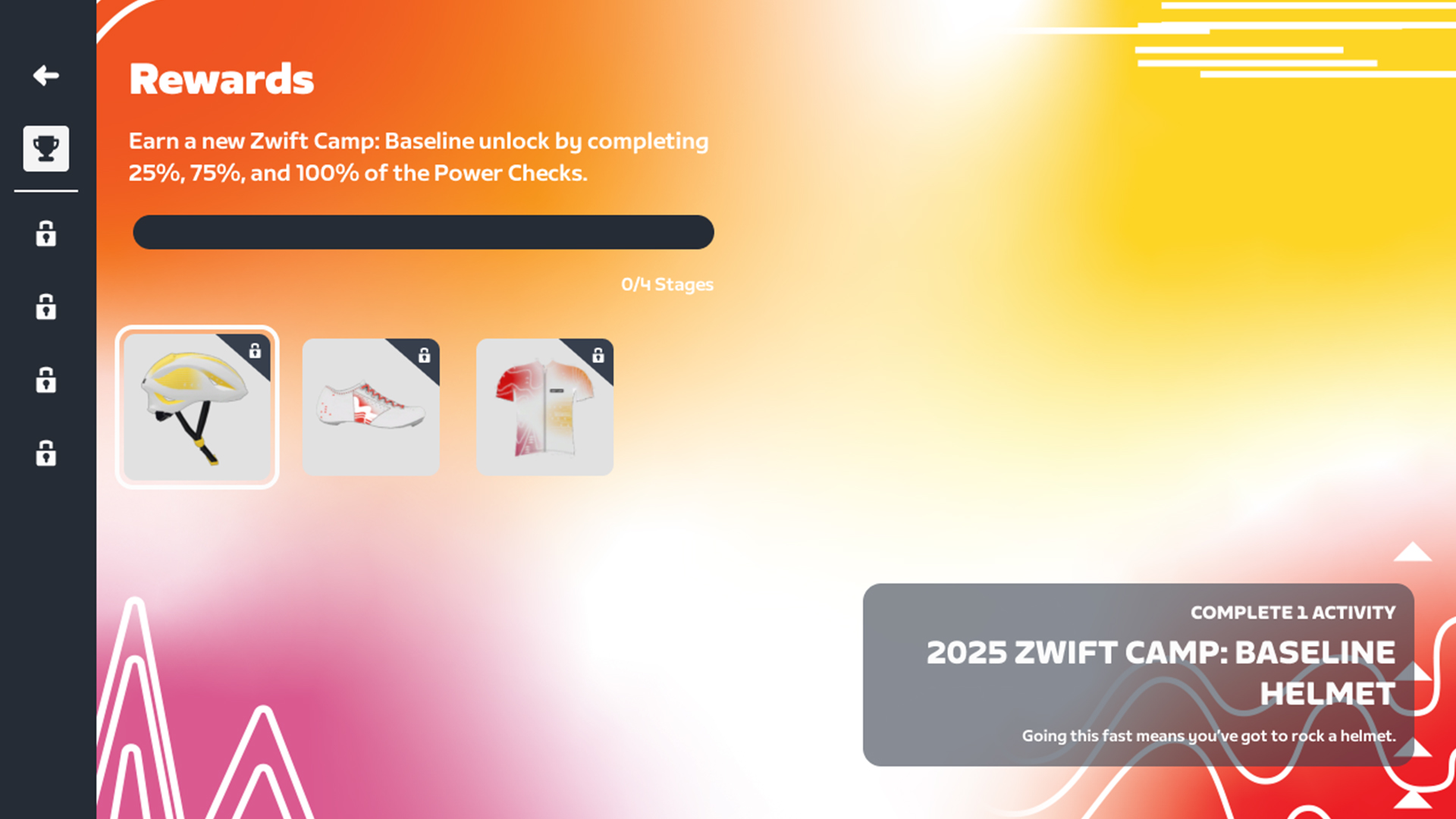
Zwift Camp: Baseline
September 15-October 19
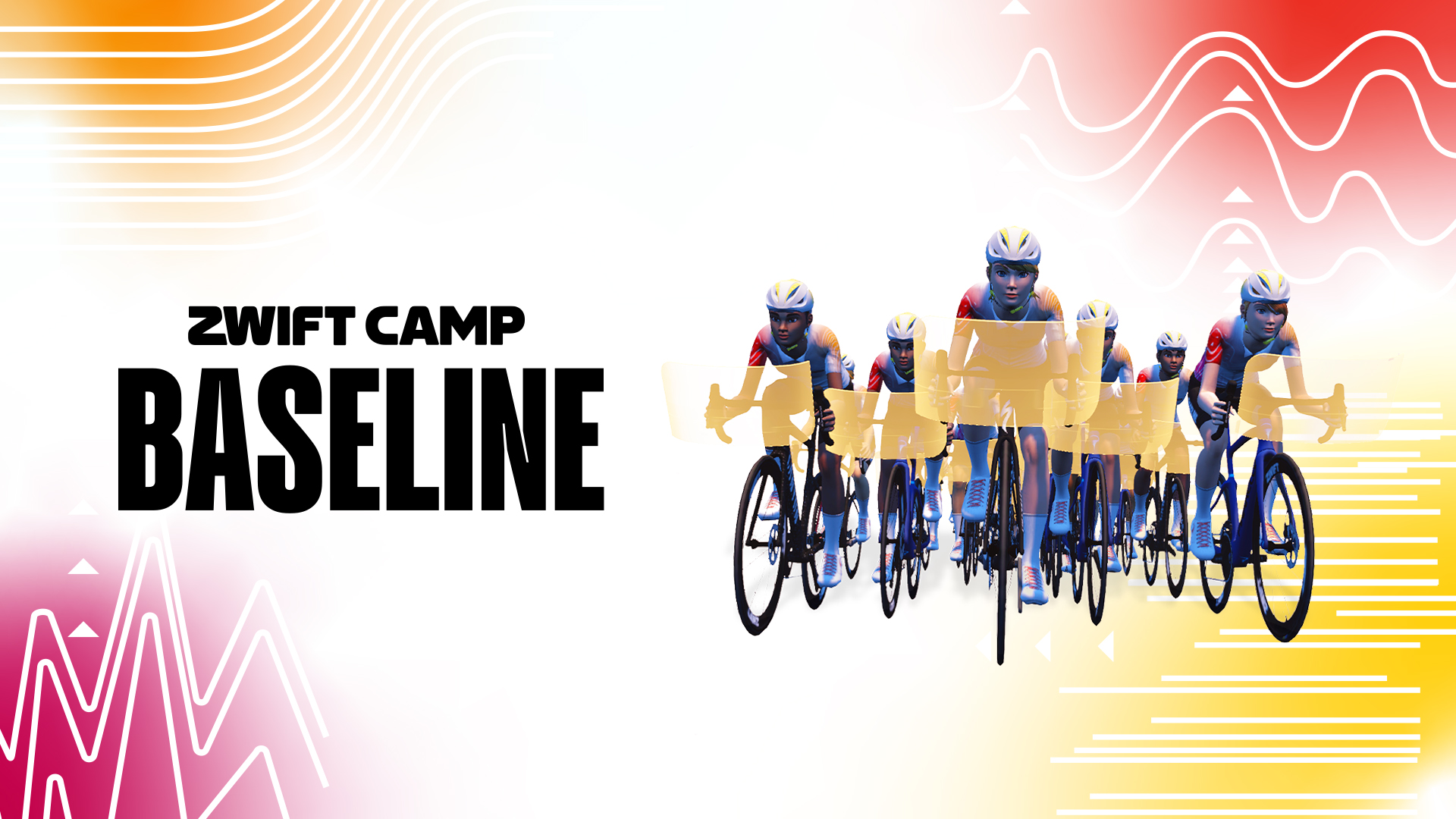
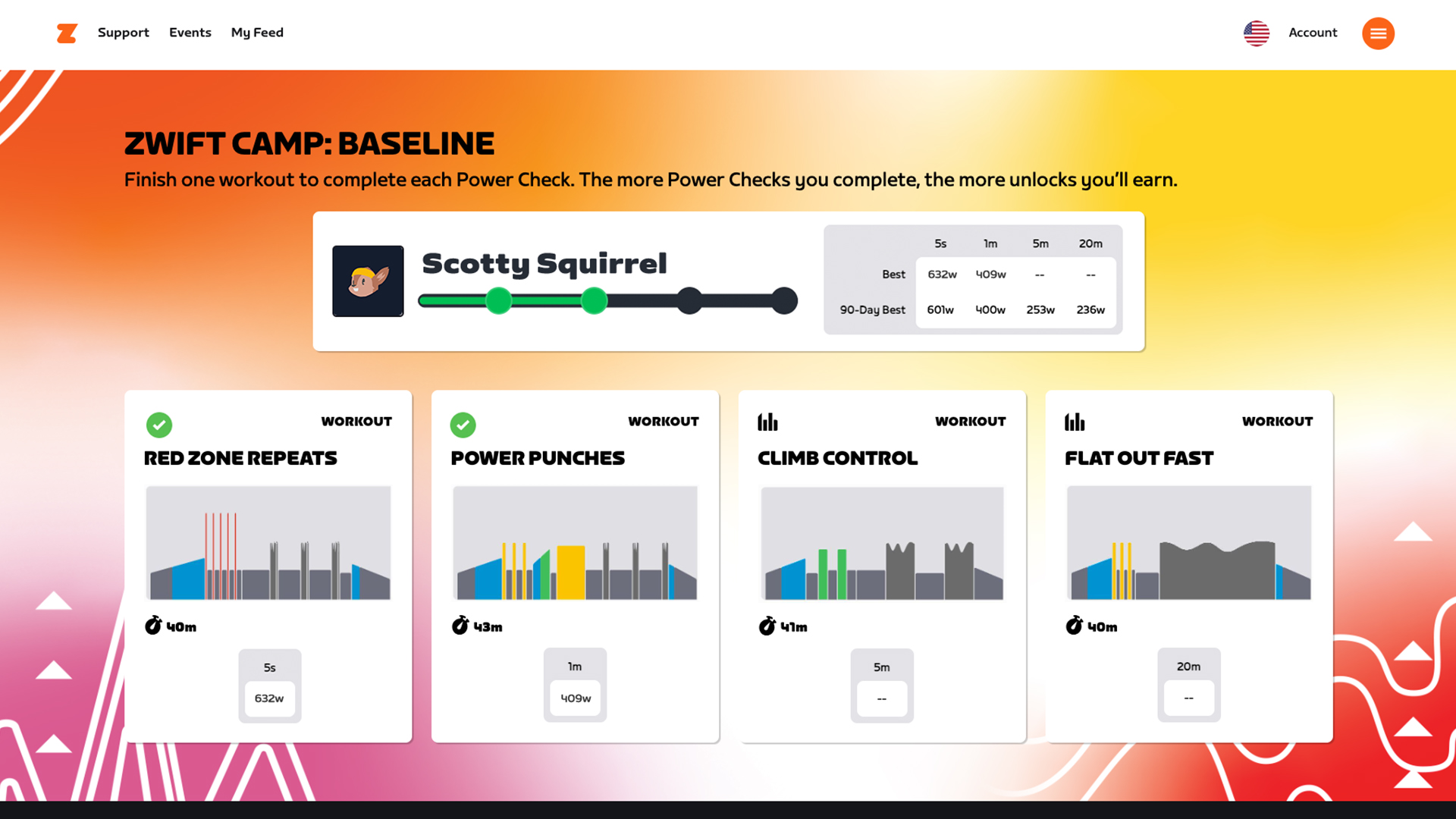
Zwift Camp: Baseline proved to be Zwift’s most popular workout series of all time, and returns bigger and better for 2025. Zwift Camp will consist of three distinct camps throughout the year: Baseline, Build, and Breakthrough. Designed to follow the structure of winter training, Zwift Camp has been designed to allow Zwifters to complete one or multiple camps. Beginning September 15th, Zwift Camp: Baseline is your launchpad for the season ahead. The four workouts are a chance to set your baseline fitness and lock in your best season yet.
MyCanyon colorways are landing in the Drop Shop on September 25th. This will be the first time Zwifters can purchase bikes with distinct colorways in the Drop Shop. From launch, Zwifters can choose from four designs from the Opus Collection, the Fabrio Collection, and the Mano Collection. Stay tuned for more Drops coming to the Drop Shop this season!
Watopia Essentials Collection
On Sale September 16
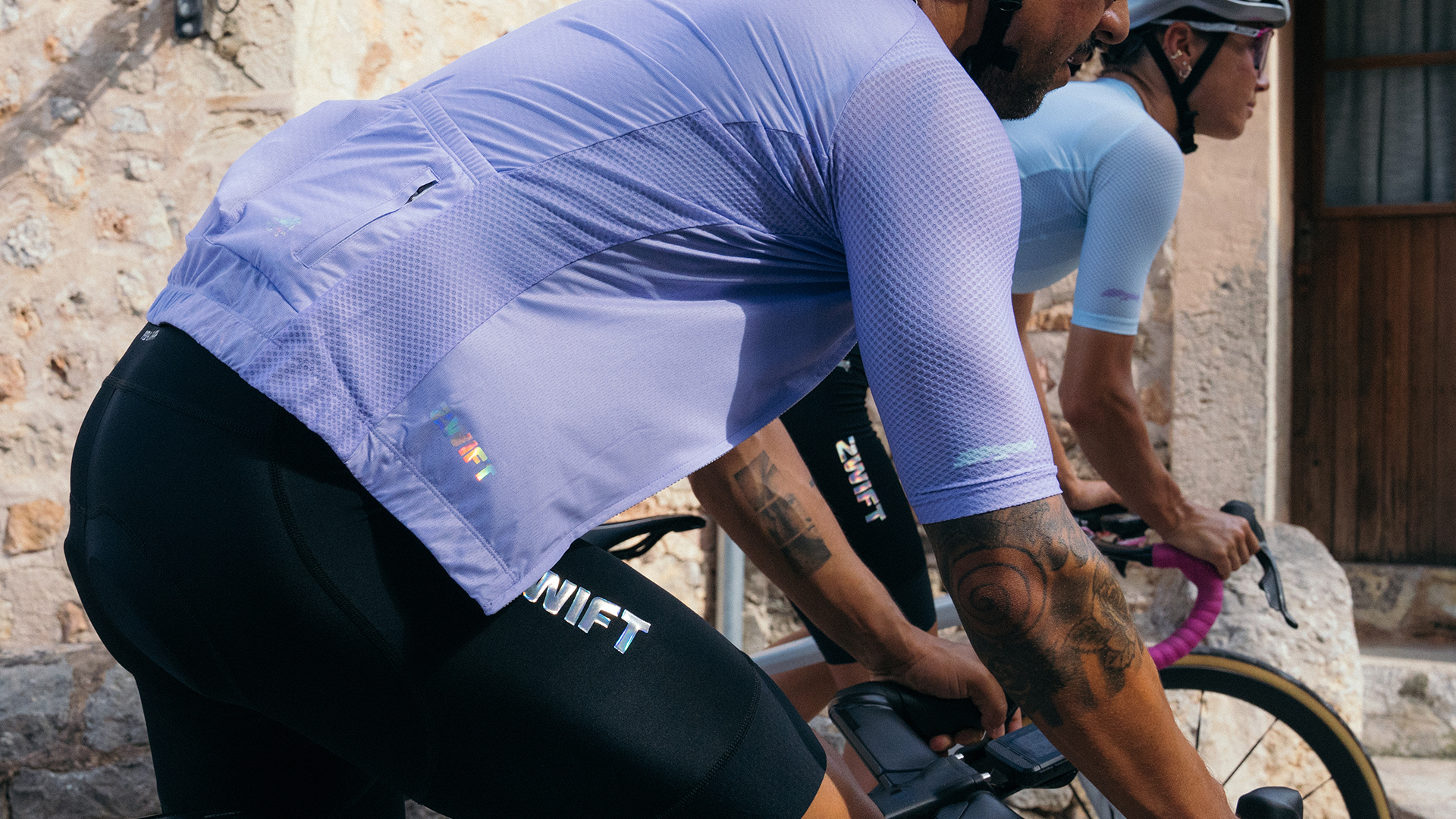
Born from a partnership with Pedal Mafia, the Watopia Essentials Collection is an investment in your cycling journey, bringing the highest quality cycling apparel to Zwifters indoors and outdoors. On and off-bike apparel will be available to purchase in the US, UK and EU from Zwift.com. Zwifters located in Australia will also be able to access the collection from pedalmafia.cc.
Artificial intelligence (AI) is coming to Zwift this autumn, in the form of personalised recommendations for indoor rides and workouts.
With autumn on the horizon, Zwift has announced the latest round of updates to the popular indoor cycling app.
While the new AI tool is said to help “take out the cognitive load of figuring out what to do” on Zwift, there’s also a new world expansion, a new set of controllers, updates to racing categorisations and anti-cheat tools, and much more.
For an in-depth look at the new controllers, check out our Zwift Click v2 first look. Otherwise, read on for the lowdown on everything new coming to Zwift this season.
Riders can tune AI recommendations to better match their preferences. Zwift
According to Zwift, a big friction point for newer riders is working out what to do when they load up the app.
With so many routes, group rides, events, races and workouts available, the amount of choice can be overwhelming.
With its new AI tool, Zwift will offer personalised recommendations to riders at the top of the app homepage, with a suggested ride designed to account for your goals, preferences and current training load.
Rather than simply suggesting structured workouts every time, Zwift says its AI tool will recommend “a mix of routes, workouts, Robopacer rides & events allowing Zwifters to maintain variety“.
Riders will also be able to “tune” the recommendations around variables such as time, activity type, structure and more.
Recommended rides will appear on the home screen when you load up the Zwift app. Zwift
According to Zwift, the new AI tool is designed to help you “get fitter faster” and has been enabled by a recent update that allowed riders to track and gain experience points (XP) from outdoor rides, among other things.
The brand says its AI tool can leverage this data to gain a better understanding of a rider’s current fitness level and training loads, helping to improve its own recommendations.
Zwift says the tool is set to launch in November, and while it won’t offer ‘training periodisation’ at launch, the brand said it hopes to expand the tool’s capabilities in the future.
The end-of-ride progress report screen has had an overhaul. Zwift
This update launches alongside updates to the ‘progress report’ that shows at the end of activities.
Upon finishing a ride, Zwift will display an in-depth summary of key metrics and information, including fitness score and goal progression, training status, level progress, racing score changes and so on.
Zwift also says its ‘goals’ feature – which is based on weekly riding goals riders can set for themselves – will now be able to update automatically to encourage continuous improvement.
At launch, Zwift says the auto-adjusting goals feature will be relatively simple, but that it has “big visions” for how it can be improved in the future.
The big apple is getting bigger
Zwift’s New York world is getting a significant expansion Zwift
In its “largest map expansion in years”, Zwift is updating its iconic New York world with 31km of new virtual roads towards the end of October.
The expansion will include 16 new rideable routes (plus four for runners), taking riders out of the map’s futuristic Central Park area and to Prospect Park via the subway network.
While the original Central Park area has a few short, sharp climbs, Zwift says the Prospect Park expansion will feature “fast rolling roads” and iconic New York locations such as the Brooklyn Bridge.
Zwift’s new “power segments” challenge riders to set new short-term PRs. Zwift
Zwift also says it’s adding what it calls ‘power segments’ to the New York subway, which encourage riders to go for personal bests over short durations, from 5-30 seconds.
The goal with power segments is to set the highest average power possible, with efforts being recorded on in-game leaderboards.
Zwift says it intends the segments to be “primarily a challenge of personal achievement”, and so will display results compared to your previous efforts over the past 90 days, with community leaderboards following afterwards.
The brand says power segments will “roll out to other Zwift Worlds over time”.
Making Zwift racing fairer and more competitive
Zwift intends to keep refining its virtual racing formula to make things fairer and more competitive. Zwift
Zwift racing has exploded in popularity in recent years, helping riders get their competitive fix from the comfort of their own home/shed.
From this month, Zwift says it is introducing a range of new features designed to make racing fairer and more competitive.
For a start, Zwift Racing Score now features ‘score decay’.
Designed for racers who haven’t competed in the previous 30 days, this will update your racing score – the measure used to categorise riders within events – based on your most recent personal bests.
Event organisers will also gain the option to categorise riders according to their 30-day best score, rather than only their current score.
The idea is to help a rider’s racing scores better reflect their current fitness levels, reward strong performances and help keep races fair and competitive.
New anti-cheat systems are being implemented to ensure you’re always racing against real people producing real efforts. Zwift
According to Zwift, racing on its platform is now 64 per cent “closer” year-on-year – meaning the gap between the top and bottom finishers in each race is now significantly smaller than before.
The goal, Zwift says, is to make it so that “anybody of any ability can hop in and find a race they are competitive in”.
Beyond this, Zwift says it’s also “rolling out new anti-botting detection”, to detect suspicious activity on the platform, and combat cheating, bots and XP farming.
Accounts “flagged” by these tools will move “through our standard enforcement pipeline”, but the brand says this “is laying the groundwork for a new generation of anti-cheating technology”.
Brompton World Championships come to Zwift
The Brompton World Championships are coming to Zwift this autumn. Zwift
In terms of events, there are a whole host of challenges to take on this season.
Replacing the Tour of Watopia, a new double-XP event series called ‘Zwift Unlocked’ is coming to the platform from 6 October to 16 November.
As well as helping riders level up faster, Zwift Unlocked will feature 10 new routes across multiple Zwift roads.
Zwift Unlocked events will be available as both group rides and races, with options for short and long distances.
Zwift Unlocked replaces the Tour of Watopia as the platform’s premier double-XP event. Zwift
Beyond that, there’s the usual Zwift Racing League, zRacing, Zwift Games and thousands of community events.
And if that wasn’t enough, the virtual Brompton World Championships are coming to Zwift this November.
As the name suggests, this event sees riders all aboard the British brand’s iconic folding bike, with an additional twist of everyone wearing a tweed outfit.
Zwift says riders can unlock the tweed outfit for their avatar simply by participating in a Brompton World Championships event, and can permanently unlock the Brompton folding bike via the Drop Shop.
Strava has launched its new redesigned app for the Apple Watch, which now features a “performance-focused” interface, Strava’s Live Segments, performance tracking and more.
The update follows an increase in users uploading activities from Apple Watches. Strava says there was a nearly 20 per cent year-over-year increase in athletes using an Apple Watch in 2024.
“Apple Watch has become an increasingly popular wearable for athletes on Strava,” says Matt Salazar, chief product officer at Strava. “This investment in Apple Watch is more than just tracking a workout – it’s about delivering the real-time, game-like features athletes love to motivate them in the moment.”
So what’s new?
Strava’s Apple Watch app now includes Live Segments. Strava
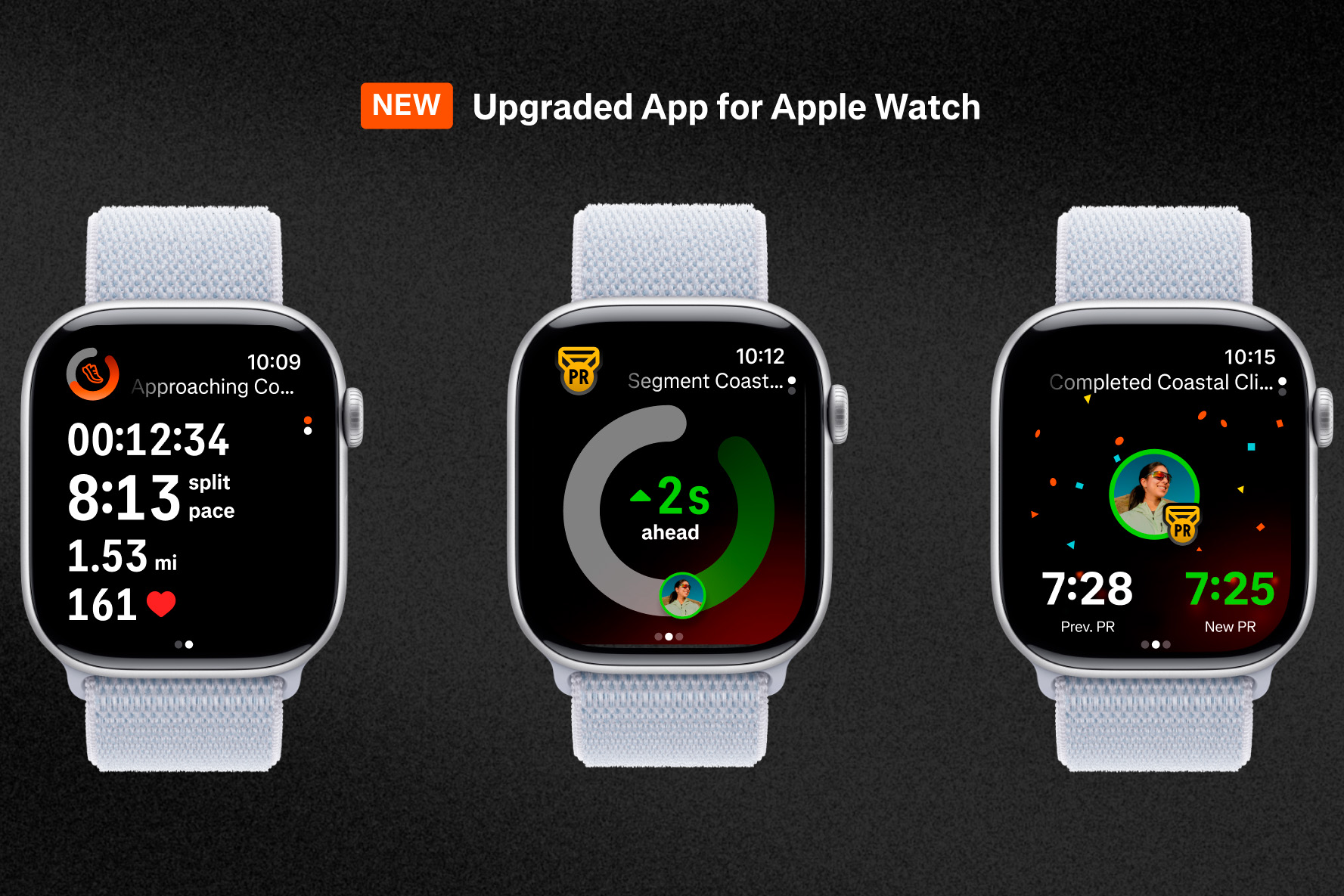
Strava says it made several key updates to the Apple Watch app, including bringing its Live Segments feature to the smartwatch.
Live Segments enable you to compete against yourself or other Strava users on starred or popular segments.
“On Apple Watch, Live Segments are intuitive and motivating,” says Strava. “As athletes approach a segment, a banner with the segment name and a circle indicator appears on the watch face. As they enter the segment, the circle updates in real time to reflect progress, providing a clear visual cue that shows whether the athlete is ahead or behind their personal record.”
Strava also says you will receive a haptic cue when entering a Live Segment. And once you’ve completed the segment, your result will be displayed instantly before the app transitions back to the standard recording screen.
Elsewhere, Strava says its Apple Watch app will now enable you to see stats at a glance, including pace, distance, time and heart rate.
Streamlined syncing is said to make uploading directly to Strava “automatic and reliable”.
Extra features for Strava subscribers
If you’re a subscriber to Strava, you will have access to more features on the Apple Watch.
The live performance tracking means you’ll be able to see how your current pace compares to your personal best in real time.
The Live Segments feature is also enhanced for paid subscribers. With a subscription, you will have a countdown showing exactly how much distance remains in a segment. You’ll also be able to see how your completed segment time compares to your personal best immediately.
Integration between Apple Fitness+ and Strava
The update to Strava’s Apple Watch app follows the enhanced integration between Apple Fitness+ and Strava, which was announced in January of this year.
Strava teamed up with Apple’s fitness and wellness service to offer “more value, inspiration, and motivation”, thanks to three new features.
The integration between the two services enables users to track and share their Fitness+ workouts on Strava, and Strava subscribers can also unlock a three-month trial of Apple Fitness+ at no additional cost.
It was also revealed that Fitness+ would debut workouts featuring top athletes from Strava, including runners Hellah Sidibe and Kayla Jeter.