Apple’s annual iPhone event kicks off later today, and we may finally see the iPhone Air. That would appear alongside the usual iPhone refresh, with an array of iPhone 17 devices. We’re expecting four models again: iPhone 17, iPhone Air, iPhone 17 Pro and iPhone 17 Pro Max.
Some reports suggest bigger batteries will appear across the series. Still, the rumored iPhone Air will be the technical star, expected to be the thinnest iPhone ever, even slimmer than the iPhone 6. However, there may be some compromises, such as a single 48-megapixel camera and a smaller battery.
Engadget
The Air may be the only entry in the iPhone 17 lineup to use titanium this year. The iPhone 17, iPhone 17 Pro, and iPhone 17 Pro Max are expected to be made of aluminum, which is lighter. That could have some users concerned with toughness, compared to the iPhone 16 Pro, which had a titanium frame. Talking of the iPhone Pro, multiple rumors have suggested it will have an improved telephoto camera, with the zoom lens jumping to 48MP resolution, which would strengthen its digital zooming abilities.
Peripheral-wise, TechWoven cases could also appear. These cases match the rumored design on the iPhone 17 models, with the wide camera bump. The leaks suggest the cases will have two lanyard holes for carrying around your new phone.
We’re also expecting to see new Apple Watch models, including a Watch Ultra 3. That would be the first major update to the rugged series in two years. It may include 5G connectivity and satellite texting. A new Apple Watch Series 11 is also likely, but it’s not expected to shake things up.
Rounding out the Apple hardware barrage, we might see the AirPods Pro 3. These could introduce new biometric sensors, like an in-ear heart-rate monitor. While the new iPhones will launch with iOS 26, we don’t expect any major announcements about Apple’s AI endeavors or an overhauled Siri. At least, for now.
The next embraces real-time action and more epic fights.
Nintendo
We spent some limited time with Pokémon Legends: Z-A and its revamped combat system, which that finally ditches turn-based combat for real-time action. So far, this new entry in the long-running series is showing promise for a follow-up that could shake up the Ppokémon meta in the right direction.
According to a report by The Washington Post, Meta allegedly suppressed research that suggested kids were exposed to certain dangers when using its VR headsets. Current and former employees have presented documents to Congress that describe incidents in which children were groomed by adult predators in VR, but allege that internal reports were edited to omit the worst of these offenses. Meta has denied these allegations.
This article originally appeared on Engadget at https://www.engadget.com/general/the-morning-after-what-to-expect-from-apples-iphone-17-event-today-111528492.html?src=rss
While tech companies market AI as a productivity tool for everyone, a UK government study reveals an unexpected result: Neurodiverse employees may be benefiting far more from chatbots than their neurotypical colleagues.
The UK’s Department for Business and Trade recently released evaluation results from its Microsoft 365 Copilot trial showing that while overall satisfaction was 72 percent, neurodiverse employees reported statistically higher satisfaction (at a 90 percent confidence level) and were more likely to recommend the tool (at a 95 percent confidence level) than other respondents.
“It’s leveled the playing field,” one participant with ADHD told researchers during follow-up interviews. One user with dyslexia said that the tool “empowered” them to perform tasks with confidence they previously lacked, particularly in report writing. Another dyslexic participant drew direct comparisons to existing accessibility software, noting that Copilot “does a hell of a lot more” than traditional assistive technology while being “embedded in your applications” rather than requiring separate programs.
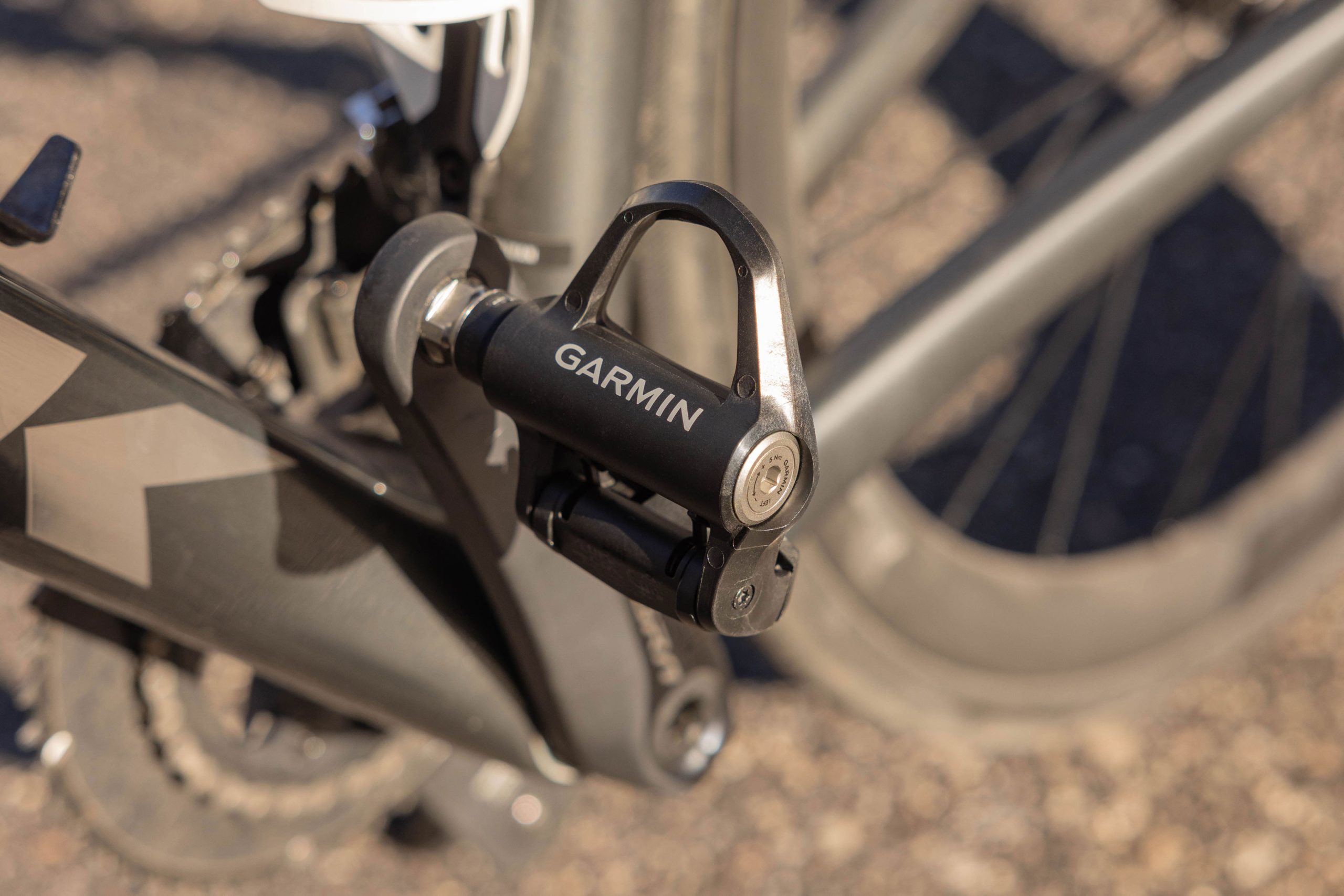
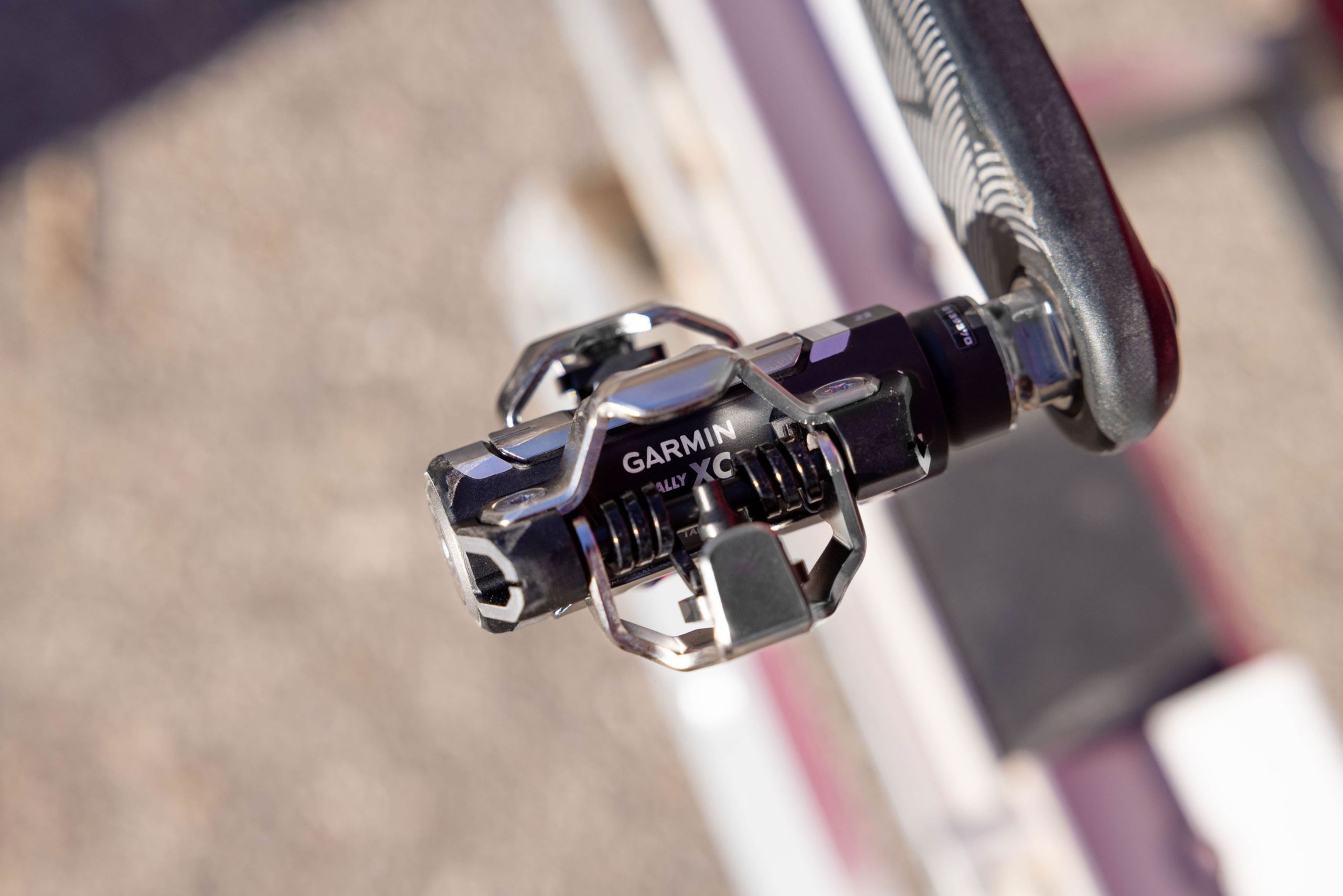
Garmin has overhauled its Rally power meter pedals, with a redesigned spindle that features an internal rechargeable battery for the first time.
According to Garmin, the new Rally pedals feature a “redesigned sensing spindle” that makes them “more responsive”, offers 90 hours of battery life and enables them to measure your power output “within 1 per cent accuracy”.
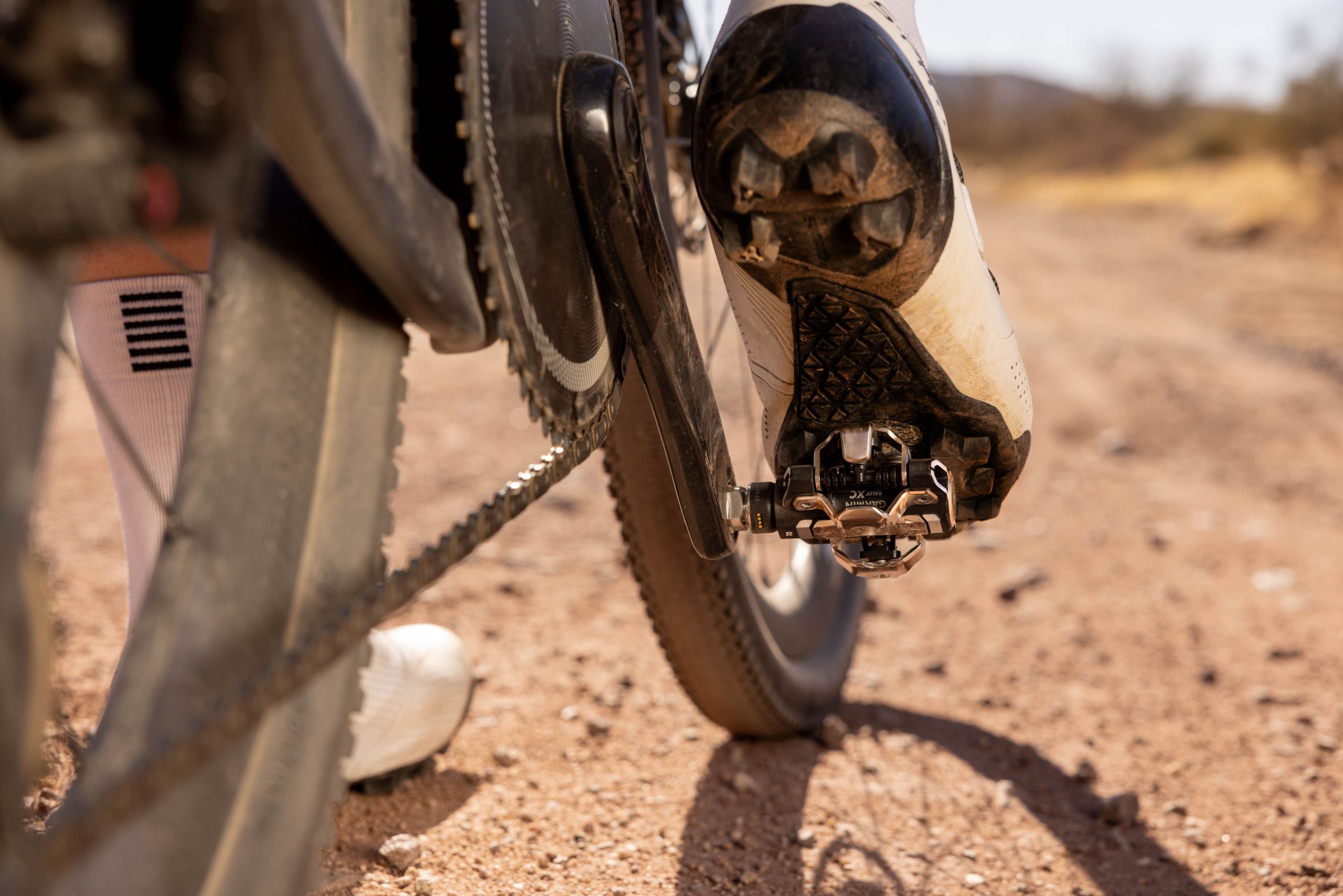
Alongside this, Garmin has redesigned the pedal bodies – paying particular attention to the off-road versions – for improved performance and easier swaps between pedal body types.
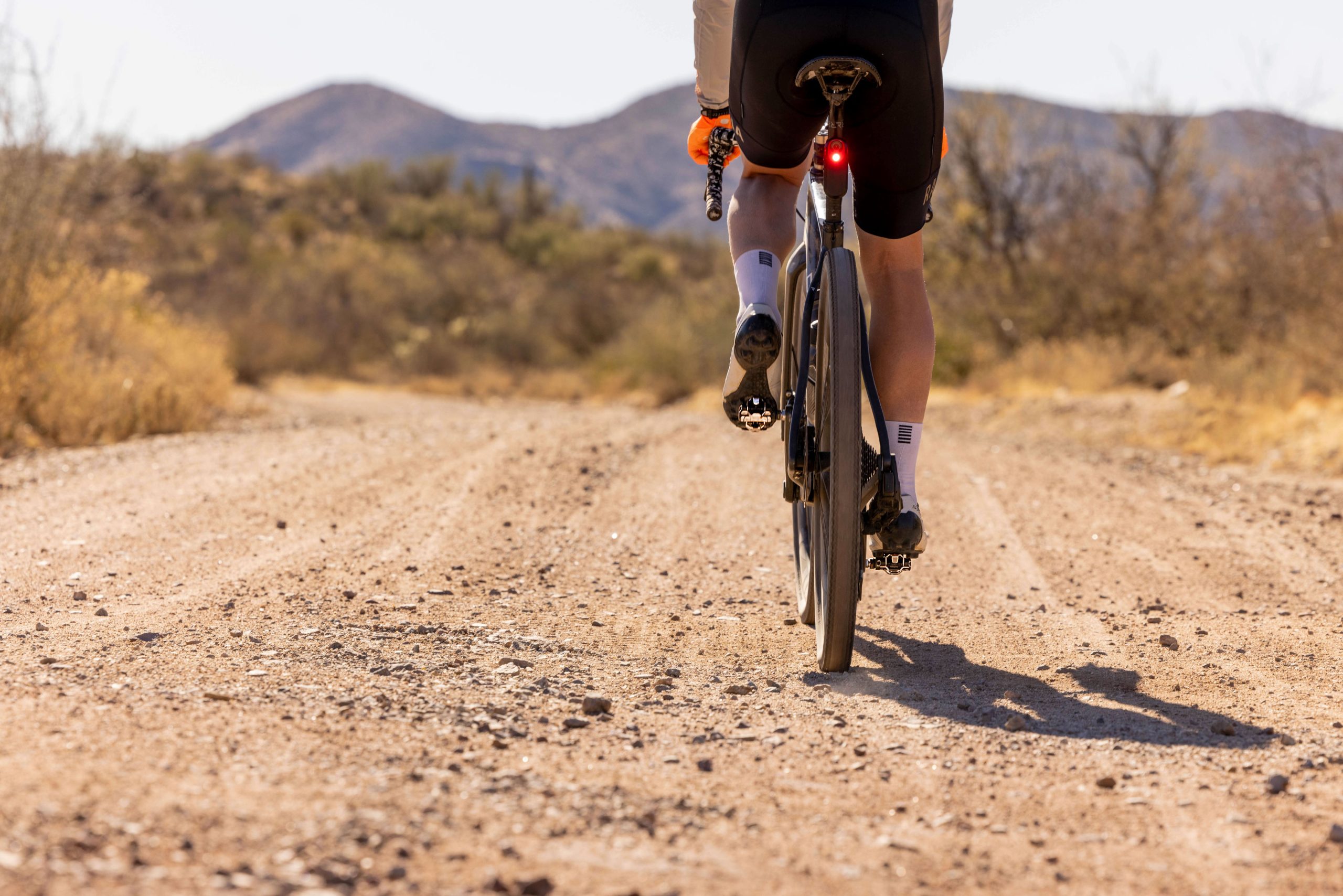
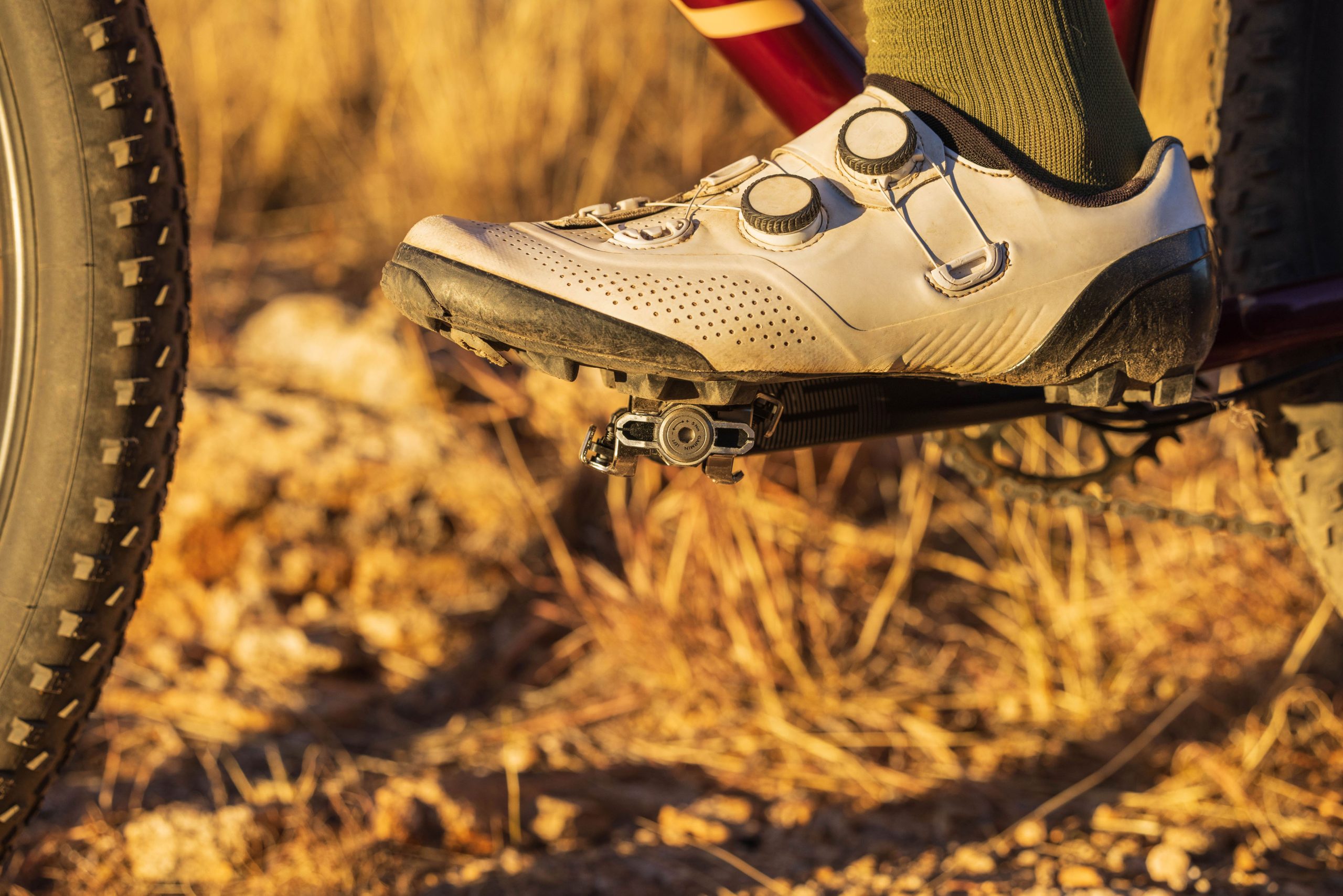
As before, Garmin will offer pedal body options for Shimano SPD-SL, Look Keo and Shimano SPD (off-road) cleat systems.
With prices for dual-sided, Rally 210 pedal systems starting at £929.99 / $1,199.99 / €1,099.99, Garmin’s new Rally pedals cost significantly more than the competition.
Prices for Favero’s latest power pedals, for example, start at £599 / $759 / €750 for a dual-sided set, and with the Assioma PRO MX pedals scoring a full five stars in our review, it’s hard to see why you’d spend any more.
The latest Rally 110 and 210 road pedals look similar at a glance, but there have been plenty of changes under the hood. Garmin
While Favero has deservedly garnered much praise in recent years for its power meter pedals, Garmin’s own efforts have long been a dependable option too.
Although its Vector 3 pedals began life with a few battery-door related teething issues, they offered solid performance with excellent data accuracy and a long, 120-hour battery life from user-replaceable CR1/3N coin cells.
I still use a set for benchmarking smart trainers and other power meters to this day.
When Garmin rolled out its Rally 200 in 2021, it was a first for compatibility with Shimano SPD-SL cleats, as well as offering the tantalising prospect of being able to swap between road and off-road pedal bodies.
With the new Rally 210 systems, Garmin is refining the system even further.
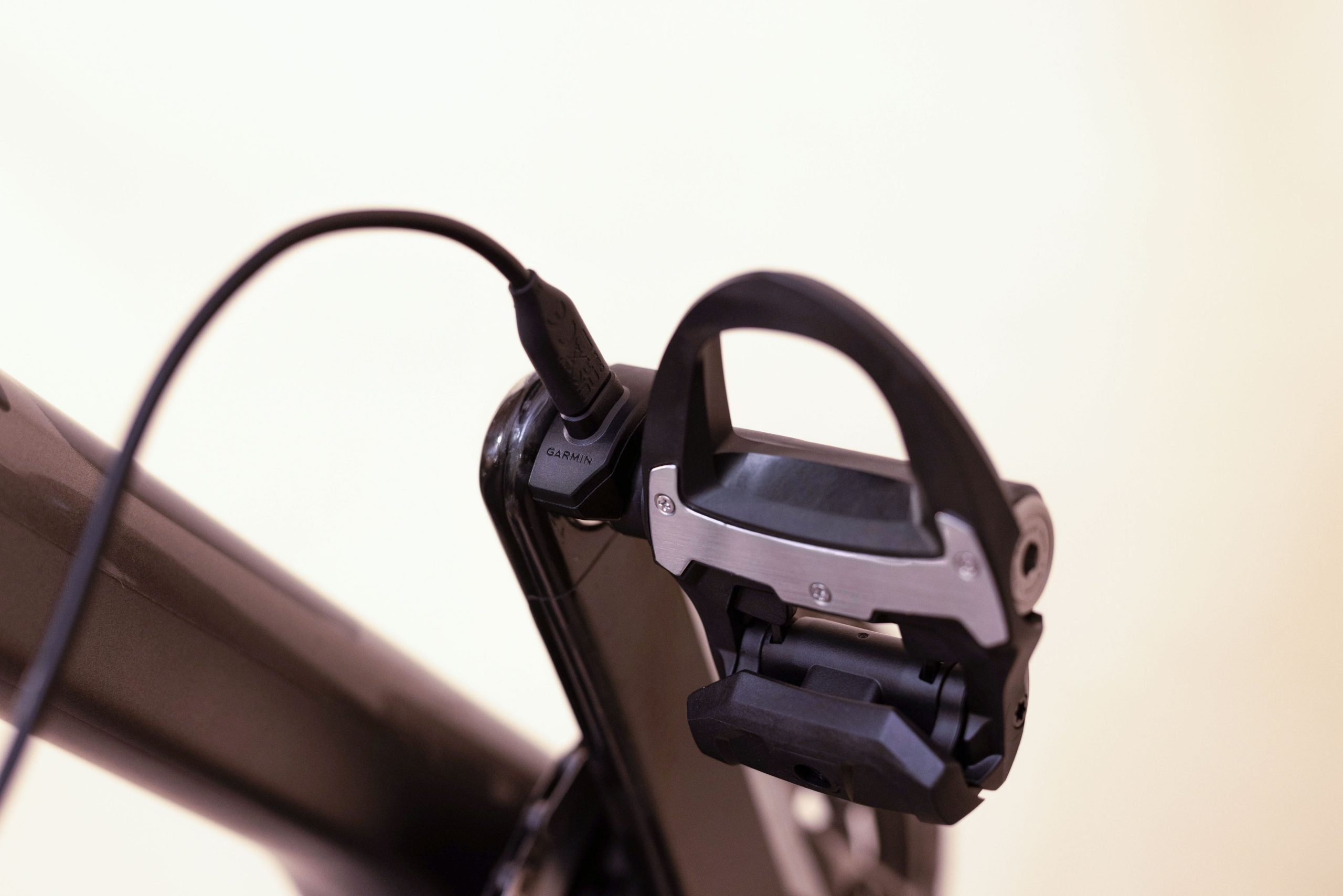
The pedals are charged via a magnetic connector. Garmin
As noted, the big news is the move to an internal rechargeable battery, with a claimed 90 hours of run time.
Garmin also says the pedals have a ‘quick-charge’ feature that means riders can gain “up to 12 hours” of riding time from only 15 minutes of charging. It’s easy to imagine that being useful if you realise the batteries are flat just before heading out for a ride, for example.
As well as potentially offering better weather-sealing (battery doors are a common weak point on power meters), Garmin says it also makes it easier to swap the spindle between pedal bodies.
While the previous Rally pedal bodies could be swapped at home, it was a fiddly process that involved a precision screwdriver and some very small bolts. It wasn’t exactly traumatic, but equally not something you’d want to be doing before every other ride.
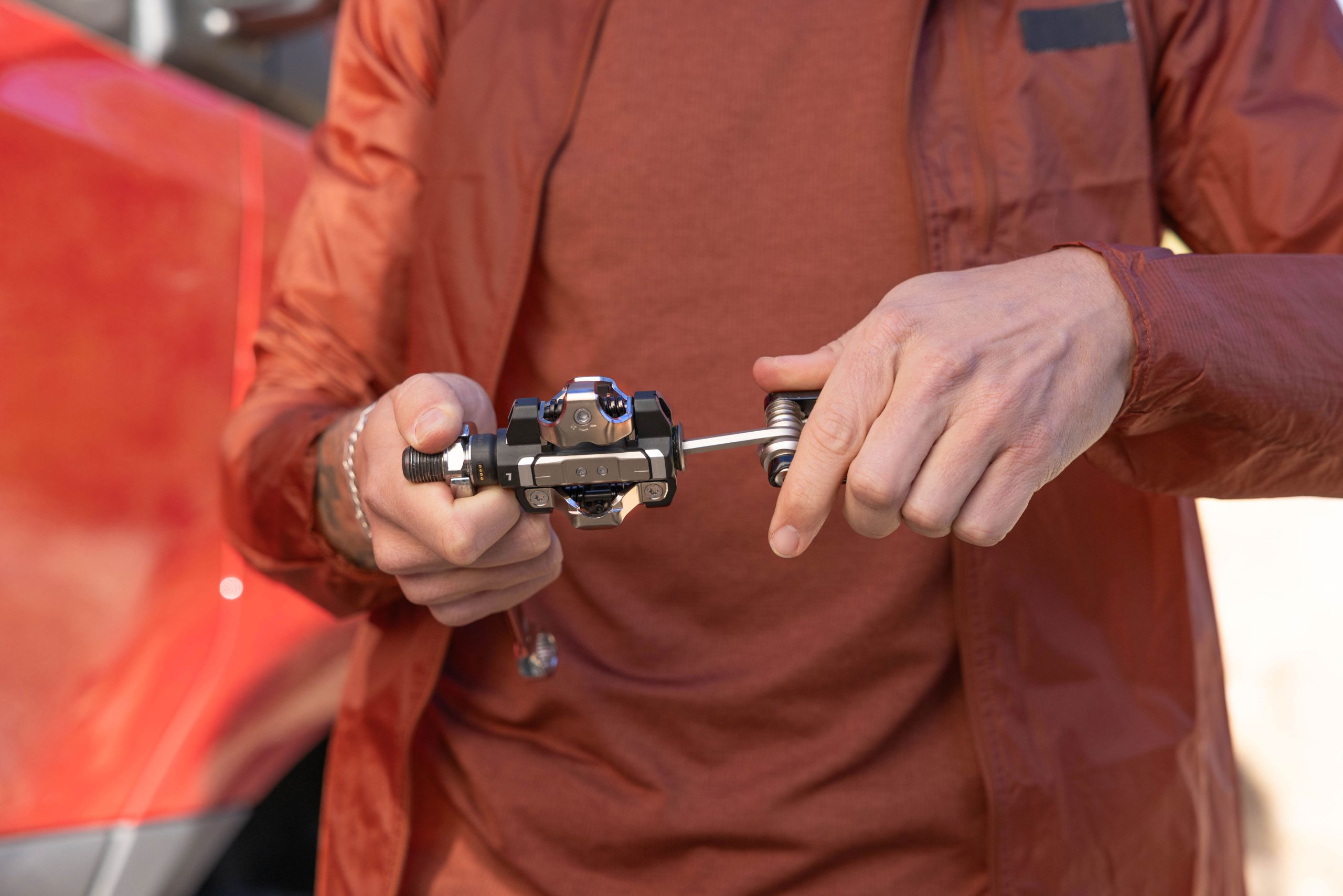
The new Rally pedals are said to be easier to take apart. Garmin
Garmin says this can now be accomplished using only a 15mm pedal spanner and 5Nm Allen key / hex wrench, and will be selling road pedal systems bundled with off-road pedal bodies (£1,129.99) to enable riders to enjoy the benefits of both pedal types.
Of course, we’ll reserve judgement on exactly how easy this is until we’ve had a set in to test, but Garmin says “It’s now a matter of a couple of minutes to swap pedal bodies, change from one ride type to another and move [the pedals] from bike to bike.”
Redesigned sensing spindle
When quizzed on what improvements have been made to the sensing spindle, Andrew Silver, Garmin’s lead bike product manager – engineering, told BikeRadar that the sensor design now includes a gyroscope, which enables “more instantaneous power measurement”.
According to Silver, “this allows for greater responsiveness and accuracy in short efforts as well as oval chainring support.”
These changes also help the pedals determine whether they need calibrating – a new feature that Garmin calls ‘Pedal IQ Smart Calibration’.
Smart Calibration
Garmin says the Rally 110 and 210 pedals can now notify you if they need calibrating. Garmin
In what might be a first for a power meter, Garmin says the new Rally pedals can notify riders (via compatible Garmin bike computers and smartwatches) of the need to perform a zero-offset calibration.
Garmin says this isn’t simply a periodic reminder, but a ‘smart’ system based on “several factors”, including ambient temperature changes, the time since a previous calibration and whether the pedals have been swapped to a different bike.
Although Garmin doesn’t specify, I’d imagine this feature comes in addition to the auto-zero or automatic calibration the previous Rally system featured. This triggers an automatic calibration every time you wake the pedals up, provided your bike is stood still for 10 seconds.
Updated pedal bodies
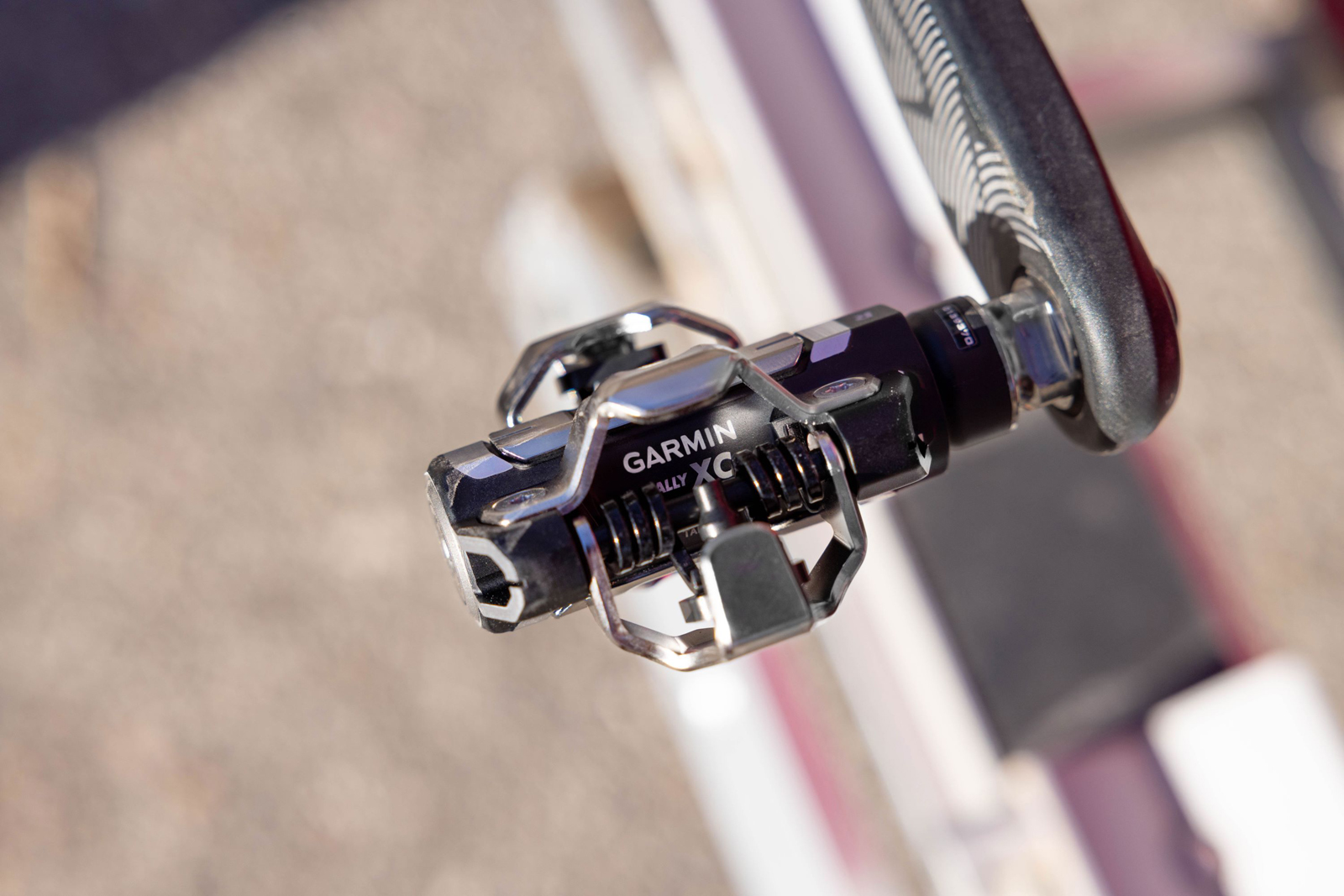
Garmin has paid particular attention to the XC pedal body. Garmin
One criticism of Garmin’s previous Rally XC200 pedals – the SPD-compatible off-road version – was that the pedal body itself left something to be desired.
My colleague, Tom Marvin, for example, tested those pedals and noted the stack height was fairly high.
Seeking to address this, Garmin says its new XC210 pedals feature an all-metal body with a lower stack height of 11.5mm (2mm lower than before and within 0.3mm of Favero’s Assioma PRO MX pedals).
The road pedal bodies have also been subtly redesigned, with a “carbon polymer material” contributing to a lower overall weight and improved durability.
A dual-sided set of Shimano SPD-SL-compatible Rally RS210 pedals is now claimed to weigh 312g, compared to 320g for the previous version, for example.
Garmin says all pedals have also received updated bearings for better long-term durability.
Garmin Rally 210/110 pedals claimed weights
Rally RK210: 312g
Rally RK110: 320g
Rally RS210: 312g
Rally RS110: 320g
Rally XC210: 436g
Rally XC110: 444g
Can the Garmin Rally 210 pedals take on Favero?
Garmin looks to be bringing a number of solid updates to its Rally platform. Garmin
While we’ve yet to get a set of Garmin’s latest Rally pedals in to test, I’m impressed by what, on paper, looks to be a solid refinement of an already high-performing system.
The switch to a rechargeable battery is a smart one, and hopefully means Garmin will avoid any teething issues with battery doors with this release.
Likewise, the improved XC pedal bodies should please plenty of cross-country and gravel racers – a power meter pedal needs to be a good pedal first and foremost, not solely a good watt-measurement device, after all.
If the pedal bodies are easier to switch, as claimed, then that will also be worth celebrating, as will the quick-charge and smart-calibration features.
Unfortunately, it’s impossible to ignore the price compared to the competition.
The Garmin Rally 210 / 110 power meter pedals look fantastic, but the price is hard to swallow. Garmin
The base prices of £929.99 / $1,199.99 / €1,099.99 for dual-sided road pedal sets are markedly higher than Favero’s offerings, and the off-road sets are even pricier at £999.99 / $1,299.99 / €1,199.99.
Prices for single-sided sets are cheaper – £549.99 / $749.99 / €649.99 for road pedals and £629.99 / $799.99 / €749.99 for off-road sets – but still relatively expensive compared to the competition (and they only measure power output from one leg, of course).
Favero’s latest Assioma PRO MX pedals cost only £649 / $789 / €699 for dual-sided sets and £399 / $499 / €439 for single-sided sets, for example.
Meanwhile, its off-road Assioma PRO MX pedals cost even less – only £599 / $759 / €750 for a dual-sided set and £399 / $450 / €499 for single-sided sets.
Even in a best-case scenario (the most expensive dual-sided Favero pedals versus the cheapest dual-sided Garmin option), the Garmins are more than 43 per cent more expensive in the UK.
At its worst (Favero’s Assioma PRO MX versus Garmin’s Rally XC210), the difference is a whopping 66.9 per cent here in the UK.
Given Favero’s offerings are practically flawless – I awarded the Assioma PRO MX pedals a full five stars when I reviewed them, and am currently wrapping up testing of the road version (spoiler, they’re also excellent) – I’m not sure Garmin’s latest offerings can justify their price premium.
Garmin says the new Edge 550 and Edge 850 are its “brightest and smartest” compact bike computers yet.
Launched today, the Edge 550 (£379.99) and Edge 850 (£469.99) have a new bright and colourful 2.7in display, which is a small increase of 0.1in compared to the previous Edge 540 and Edge 840.
Garmin says the two bike computers are also highly responsive, fast and they come with a whole host of advanced training features, including free training plans.
This extra performance also comes with a boosted battery life, which has increased from 26 hours on the Edge 540 and 840 to 36 hours.
The new Edge bike computers come with advanced training features. Garmin
One of the biggest draws of the new Edge 550 and 850 computers is the free Cycling Coach plans, which come alongside a host of other training features.
Accessible via the Garmin Connect app, these plans are said to “adapt based on specific course demands and the rider’s training and recovery, providing recommended training adjustments.”
You can also use the Edge 550 and 850 to see your cycling ability. Garmin says this can help you understand your strengths and weaknesses as a cyclist, and it tracks your progress over time.
Elsewhere, the smart fueling alerts prompt you to hydrate and refuel during your ride based on your current fitness, the course you’re riding, heat and humidity.
When paired with a smartphone and the Connect cycling app, you can use the computers to access Garmin’s new GroupRide data comparisons. This feature shows how your speed, heart rate, power output, cadence and more stack up against your fellow riders.
If you ride with electronic gears, after your ride you can use the computers to check how much time was spent in each gear with Garmin’s new Gear Ratio Analysis.
One particularly useful feature on the Edge 550 and 850, that doesn’t require an app or high-tech equipment, is real-time weather updates, including wind direction.
The computers also support Garmin’s enduro and downhill profiles, which launched with the recently announced Edge MTB computer. These enable 5Hz GPS recording while descending to help you see the lines you took in greater detail.
The timing gates feature will also be of use if you ride off-road. This enables you to see splits in real time for each lap or run of your ride.
So what’s the difference between the Edge 550 and 850?
The Edge 850 comes with Garmin Pay for contactless payments. Garmin
While the new Garmin Edge 550 and Edge 850 share the same bright screen and training features, the Edge 850 has several extra features, which contributes to its higher price and brings it more in line with Garmin’s flagship Edge 1050 bike computer.
One of the big draws of the Edge 850 over the 550 is the responsive touchscreen. As with the Edge 1050, the Edge 850’s touchscreen means you can pan or zoom on the map, swipe between data screens and even report road hazards.
The Edge 850 also has a built-in speaker like the Edge 1050, which provides you with a digital bike bell, audible turn-by-turn navigation, workout prompts and more.
As with Garmin’s smartwatches, the Edge 850 supports contactless payments. But this feature is only supported by certain countries, payment networks and banks, which you can check on Garmin’s website.
Another difference between the new Garmin Edge bike computers is the Edge 850 has a route creator, so you can plot out point-by-point courses directly on the device via the touchscreen.
Safety features
The computers come with Garmin’s core safety features to help “support cyclists’ peace of mind and awareness”. Garmin
The Edge 550 and 850 also include Garmin’s core safety features, which are said to help “support cyclists’ peace of mind and awareness”.
Both computers will alert you to road hazards reported by other Garmin users, and enable you to contribute any hazards you spot.
Your family and friends can use Garmin’s LiveTrack feature to see your location in real time.
If an incident is detected, the computers will send a message with your location to your emergency contact.
The computers are also compatible with Garmin’s Varia radar bike lights to audibly alert you to when a vehicle is approaching and capture footage from your ride.
New Garmin Rally pedals
Garmin has also launched its new Rally power meter pedals. Garmin
Starting in 2026, Red Hat’s back-office staff in HR, finance, legal, and accounting will be transferred to IBM, while engineering, product, sales, and marketing teams remain at Red Hat — at least for now. The Register reports: According to a communication sent to employees, those in General & Administrative areas will join IBM, including the lion’s share of the people working in the HR, finance, accounting, and legal units at Red Hat. A source told us the switch will be “implemented this year,” although in some countries “it might take longer due to legal constraints.” The leadership running those teams will remain within the Red Hat fold. Some are nervous about the move, with tech companies — notably IBM — eliminating duplicated roles to consolidate back-office functions. In January — as has happened in recent years — IBM again forecast annual savings of $3.5 billion, partly through job cuts.
There is no public data on the size of the G&A population within Red Hat but the total workforce is understood to be about 19,000 worldwide, with the bulk of those employed in the engineering, sales, and support divisions. The team remaining at Red Hat will be part of the central Strategy & Operations group managed by Mike Ferris. As such, engineering, product, sales, and marketing personnel will be unaffected. For now at least. “Culture has been dead for at least 1 year now,” said Reddit user Purple_Afternoon 966. “The experience might be different depending on the department, but there is nothing left from the open culture praised. We have now micromanagement, decision making from middle management that clearly have no idea of what we do and how and trying to implement ideas that they read somewhere, with no context, data and not giving answer or addressing feedback.”
In this comprehensive guide, we will explain how to enable backports and testing repositories in your Debian 13 trixie system using the new deb822 sources format.
Meet KDE Initial System Setup (or KISS for short), an initial system setup wizard mainly designed for OEM installation when you buy a laptop that ships with the KDE Plasma desktop environment. KISS will appear only after a new OEM system installation or when starting up a brand-new computer.
Discover Wayfire 0.10, the innovative 3D Wayland compositor that now supports Vulkan, enhancing your graphics experience with stunning visuals and performance.
FOSS Force’s Marco Fioretti asks LibreOffice’s Italo Vignoli and Collabora’s Naomi Obbard about why their software isn’t used in more schools, and what can be done to turn that around.
Google rolled out three big Gemini updates: the app now supports audio uploads (with tiered limits for free vs. paid users), Search gains AI Mode in five new languages, and NotebookLM expands to generate reports, study guides, quizzes, and other formats in over 80 languages. The Verge reports: According to a Monday post on X by Josh Woodward, vice president of Google Labs and Gemini, audio file compatibility was the “#1 request” to the Gemini app. Free Gemini users max out at 10 minutes of audio, and five free prompts each day. AI Pro or AI Ultra users, meanwhile, can upload audio up to three hours in length. All Gemini prompts accommodate up to 10 files across various file formats, including within ZIP files.
Additionally, Google Search’s AI Mode has rolled out five new language options: Hindi, Indonesian, Japanese, Korean, and Brazilian Portuguese, thanks to the integration of Gemini 2.5 with Search, according to a company blog: “With this expansion, more people can now use AI Mode to ask complex questions in their preferred language, while exploring the web more deeply.” The Gemini-powered NotebookLM software is also getting an update in the form of new report styles in over 80 languages based on a user’s uploaded documents, files, and other media.
Judge William Alsup has rejected the record-breaking $1.5 billion settlement Anthropic has agreed to for a piracy lawsuit filed by writers. According to Bloomberg Law, the federal judge is concerned that the class lawyers struck a deal that will be forced “down the throat of authors.” Alsup reportedly felt misled by the deal and said it was “nowhere close to complete.” In his order, he said he was “disappointed that counsel have left important questions to be answered in the future,” including the list of works involved in the case, the list of authors, the process of notifying members of the class and the claim form class members can use to get their part of the settlement.
If you’ll recall, the plaintiffs sued Anthropic over the company’s use of pirated copies of their works to train its large language models. Around 500,000 authors are involved in the lawsuit, and they’re expected to receive $3,000 per work. “This landmark settlement far surpasses any other known copyright recovery,” one of the lawyers representing the authors said in a statement. However, Alsup had an “uneasy feeling about hangers on with all [that] money on the table.” He explained that class members “get the shaft” in a lot of class actions once the monetary settlement has been established and lawyers stopped caring.
Alsup told the lawyers that they must give the class members “very good notice” about the settlement and design a claim form that gives them the choice to opt in or out. They also have to ensure that Anthropic cannot be sued for the same issue in the future. The judge gave the lawyers until September 15 to submit a final list of works involved in the lawsuit. He also wrote in his order that the works list, class members list and the claim form all have to be examined and approved by the court by October 10 before he grants the settlement his preliminary approval.
This article originally appeared on Engadget at https://www.engadget.com/ai/judge-rejects-anthropics-record-breaking-15-billion-settlement-for-ai-copyright-lawsuit-033512498.html?src=rss
An anonymous reader quotes a report from the Associated Press: For decades, scientists believed Prochlorococcus, the smallest and most abundant phytoplankton on Earth, would thrive in a warmer world. But new research suggests the microscopic bacterium, which forms the foundation of the marine food web and helps regulate the planet’s climate, will decline sharply as seas heat up. A study published Monday in the journal Nature Microbiology found Prochlorococcus populations could shrink by as much as half in tropical oceans over the next 75 years if surface waters exceed about 82 degrees Fahrenheit (27.8 Celsius). Many tropical and subtropical sea surface temperatures are already trending above average and are projected to regularly surpass 86 degrees Fahrenheit (30 Celsius) over that same period.
“These are keystone species — very important ones,” said Francois Ribalet, a research associate professor at the University of Washington’s School of Oceanography and the study’s lead author. “And when a keystone species decreases in abundance, it always has consequences on ecology and biodiversity. The food web is going to change.” Prochlorococcus inhabit up to 75% of Earth’s sunlit surface waters and produce about one-fifth of the planet’s oxygen through photosynthesis. More crucially, Ribalet said, they convert sunlight and carbon dioxide into food at the base of the marine ecosystem. “In the tropical ocean, nearly half of the food is produced by Prochlorococcus,” he said. “Hundreds of species rely on these guys.”
Though other forms of phytoplankton may move in and help compensate for the loss of oxygen and food, Ribalet cautioned they are not perfect substitutes. “Evolution has made this very specific interaction,” he said. “Obviously, this is going to have an impact on this very unique system that has been established.” The findings challenge decades of assumptions that Prochlorococcus would thrive as waters warmed. Those predictions, however, were based on limited data from lab cultures. For this study, Ribalet and his team tested water samples while traversing the Pacific over the course of a decade.
When using Nginx as a reverse proxy, enabling caching can dramatically improve performance by reducing backend load and speeding up response times. However, there are situations where you may not want to clear the entire cache, but instead only remove a cached copy of a specific page. This guide shows you how to configure Nginx caching, generate cache files, and locate them on disk so you can purge individual items without dropping the full cache.
Hackers planted malicious code in open source software packages with more than 2 billion weekly updates in what is likely to be the world’s biggest supply-chain attack ever.
The attack, which compromised nearly two dozen packages hosted on the npm repository, came to public notice on Monday in socialmedia posts. Around the same time, Josh Junon, a maintainer or co-maintainer of the affected packages, said he had been “pwned” after falling for an email that claimed his account on the platform would be closed unless he logged into a site and updated his two-factor authentication credentials.
Defeating 2FA the easy way
“Sorry everyone, I should have paid more attention,” Junon, who uses the moniker Qix, wrote. “Not like me; have had a stressful week. Will work to get this cleaned up.”
alternative_right shares a report from The Guardian: It has been estimated that during the height of the coronavirus pandemic 129bn disposable face masks, mostly made from polypropylene and other plastics, were being used every month around the world. With no recycling stream, most ended up either in landfill or littered in streets, parks, beaches, waterways and rural areas, where they have now begun to degrade. Recent research has reported a significant presence of disposable face masks in both terrestrial and aquatic environments.
They left newly bought masks of several different kinds for 24 hours in flasks containing 150ml of purified water, then filtered the liquid through a membrane to see what came out. Every mask examined … leached microplastics, but it was the FFP2 and FFP3 masks — marketed as the gold-standard protection against the transmission of the virus — that leached the most, releasing four to six times as many. And they made an even more worrying discovery.
Subsequent chemical analysis of the leachate found medical masks also released bisphenol B, an endocrine-disrupting chemical that acts like oestrogen when absorbed into the bodies of humans and animals. Taking into account the total amount of single-use face masks produced during the height of the pandemic, the researchers estimated they led to the release of 128-214kg of bisphenol B into the environment. The findings have been published in the journal Environmental Pollution.
The KDE project has officially announced the alpha release of KDE Linux, marking a significant milestone in the organization’s expansion beyond desktop environments into full operating system development. This groundbreaking immutable distribution represents KDE’s first official operating system, unveiled at Akademy 2025 and designed to serve as the definitive reference implementation for KDE Plasma and applications.
The Red Hat Enterprise Linux 10 (RHEL 10) downstream AlmaLinux 10 is further distinguishing itself from alternatives by enabling its CRB repository by default. This will be rolling out as an update to AlmaLinux 10.0 and as part of the upcoming AlmaLinux 10.1 point release…