SRAM is celebrating its 38th anniversary with a limited-edition run of 1,987 individually numbered polished Eagle T-Type AXS groupsets.
Dubbed the 1987 Collection, the limited-edition groupset features a unique combination of T-Type ecosystem components, all in an exclusive polished silver finish.
Aside from the rear derailleur, which is custom for the 1987 collection, it doesn’t appear to function any differently from the regular Eagle Transmission groupset – but it certainly is eye-catching.
The limited-edition groupset will set you back £3,399 / $3,499 / €3,799, if you can get your hands on one.
SRAM is pitching the groupset at riders looking to upgrade their current groupset, or those assembling a once-in-a-lifetime custom-built bike. SRAM
The main selling point of the groupset (aside from its exclusivity) is a polished aluminium colourway, which runs through all the components.
Eschewing the usual stealthy SRAM greys and matt blacks, this groupset will make your bike stand out at the bike park, but all this bling doesn’t come cheap.
The whole groupset retails for just under $3,500, and although it includes some tasty goodies and spares, such as a SRAM four-battery AXS charger, two chainrings and a spare AXS battery, it’s still a serious amount of money.
It’s expensive enough to buy two whole Calibre Bossnut mountain bikes, in fact. But that’s not the point.
SRAM is keen to stress that it is a strictly limited production run: “When they’re gone, they’re gone”.
But what’s different from the standard SRAM Eagle Transmission components you can already buy?
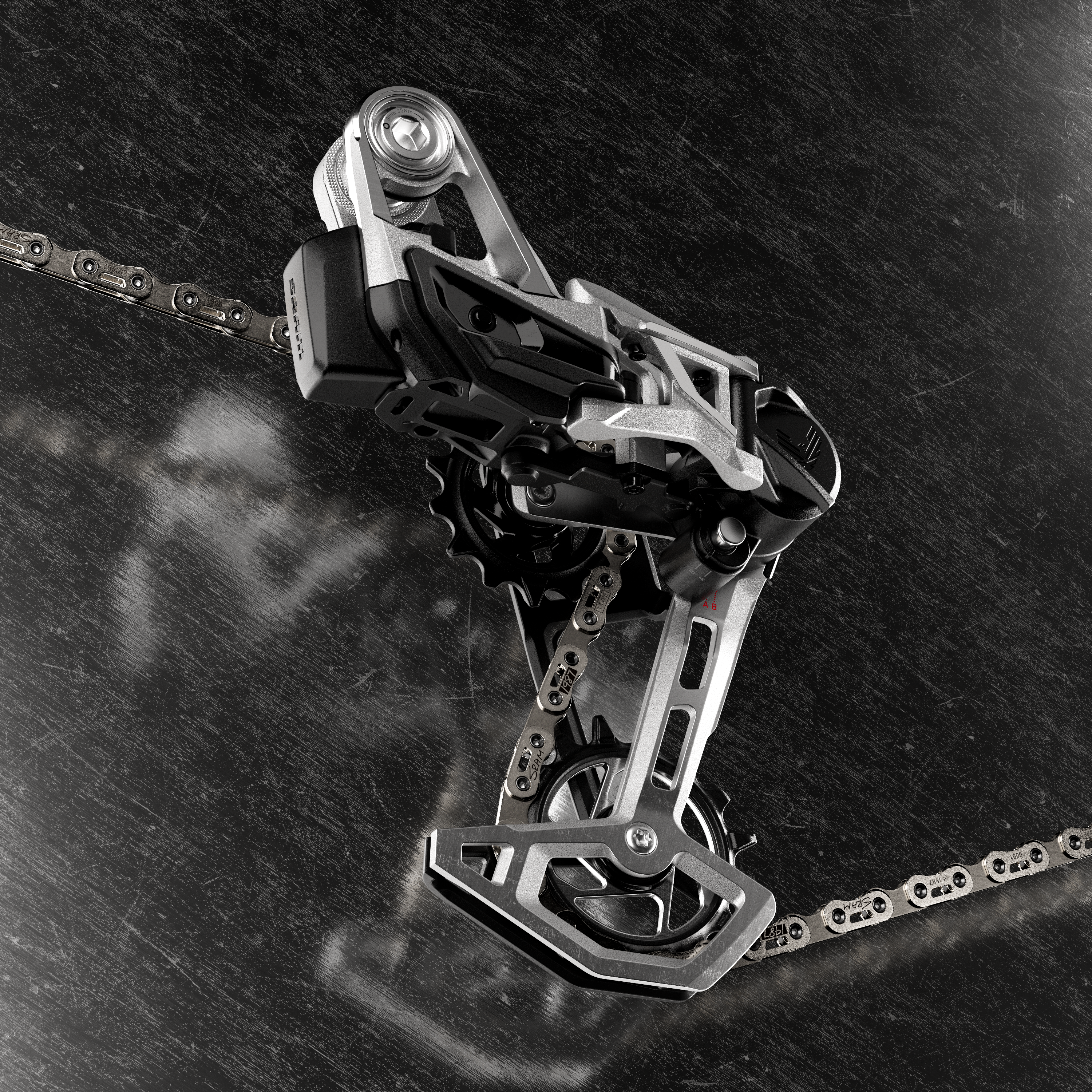
SRAM 1987 Eagle Transmission derailleur
The limited-edition derailleur combines the body of the XX SL with the cage from the XX. SRAM
The 1987 derailleur combines the cage from the SRAM XX derailleur with the lighter-weight body from the XX SL derailleur.
The limited-edition silver colourway makes it stand out and shows other bike nerds that you’re shifting with something special.
SRAM 1987 Eagle Transmission Flattop chain
The 1987 groupset includes a custom Eagle Transmission Flattop 12-speed chain. SRAM
The 1987 Collection T-Type chain is based on the XX Eagle Transmission Flattop chain, featuring hollow links, hollow pins and a Hard Chrome coating. It looks classy and under the cut-outs in the plates (like the XX SL chain).
There is room for subtle detailing carrying the handwriting of SRAM founder, Stan Day, and a unique groupset serial number.
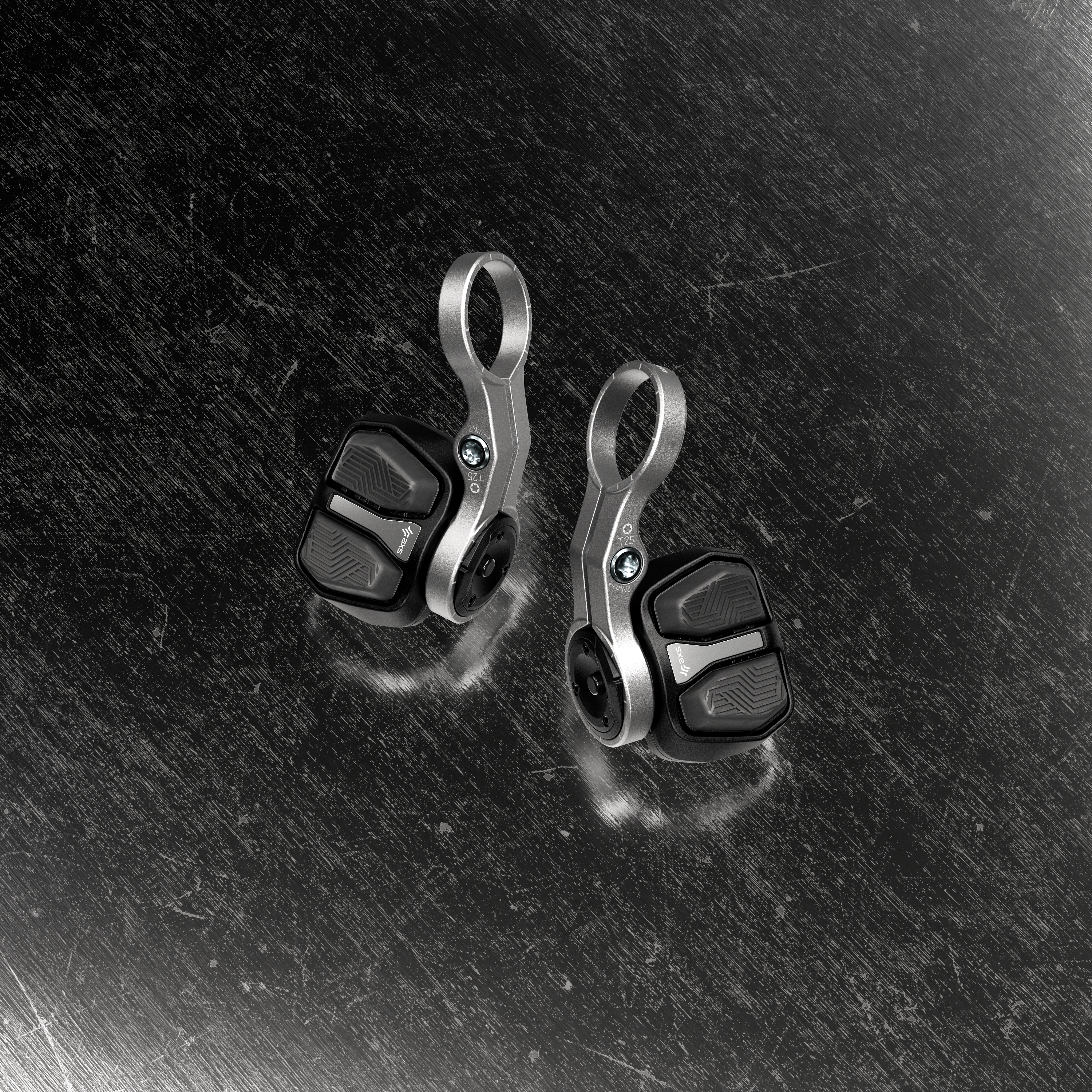
SRAM 1987 AXS Pod Ultimate Controllers
The SRAM AXS Pod Controllers have silver infinity clamps for the 1987 groupset. SRAM
SRAM’s 1987 AXS Pod Ultimate Controllers are functionally the same as the standard ones, with interchangeable touch points and programmability, but they include silver infinity clamps to match the rest of the 1987 groupset.
Spares
The 1987 groupset includes two SRAM threads on chainrings in a silver colourway, plus a tool to fit them to their power meter crank. SRAM
SRAM includes 32t and 34t thread-on chainrings, as well as its Threaded Chainring Removal Tool with the 1987 groupset.
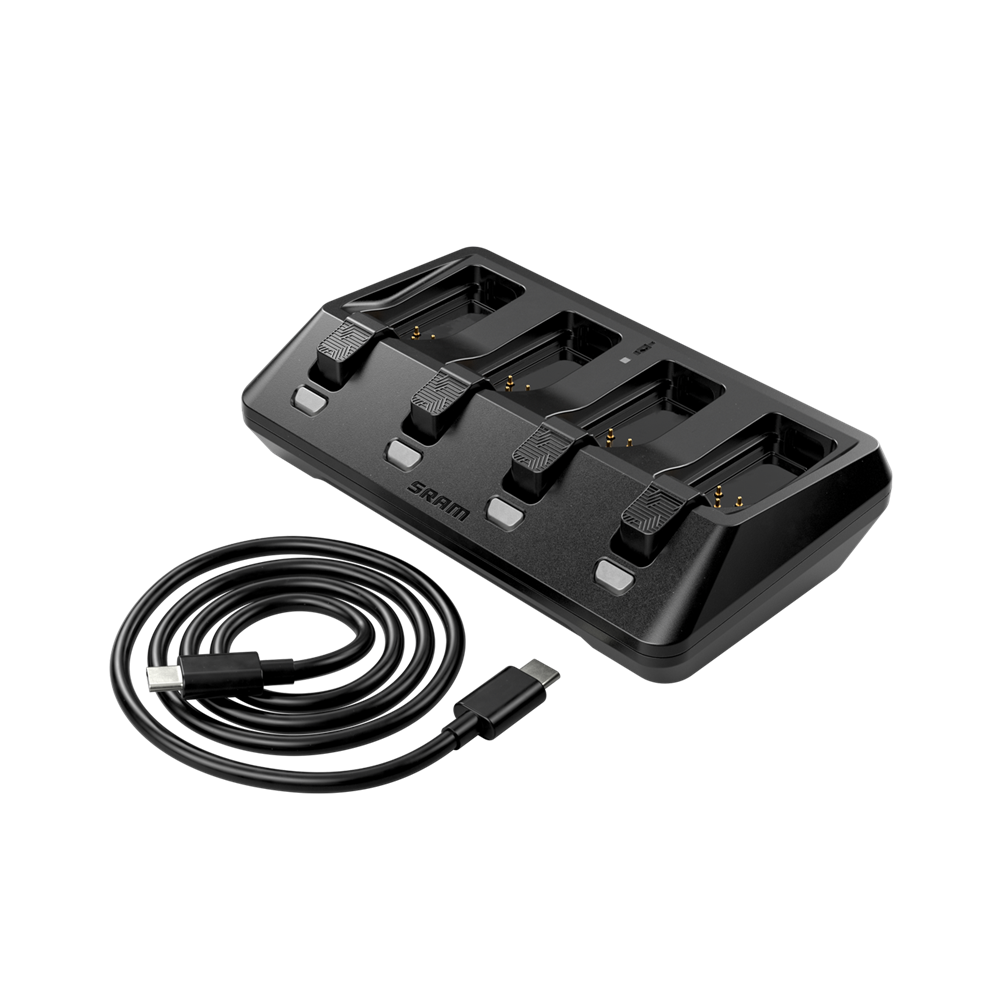
SRAM’s four-battery AXS charger is included with the 1987 groupset. SRAM
There’s also a four-battery USB-C charger included. This can charge up to four AXS batteries in the same time as it would take using four individual AXS chargers.
The four-battery charger operates quicker when charging two or fewer batteries. SRAM also includes two AXS batteries so you can keep a spare charged up, just in case.
While multiple services are cracking down on password sharing, there will still be plenty of times when you need to loan your login credentials for an app or service to someone you know: Maybe you need shared access to a movie library, for instance, or there’s a file system at work that a colleague needs to get to.
First, you should only do this when it’s absolutely necessary and when it’s with other people you trust—the more people with access to a particular account, the less secure it is. All of the ways your details can be vulnerable, from data breaches to phishing scams, apply to them as well as to you.
Second, make sure you only share usernames and passwords in a safe and secure way. You definitely don’t want your login details being known more widely than you intended, so be careful when it comes to passing this information along.
The wrong ways to share passwords
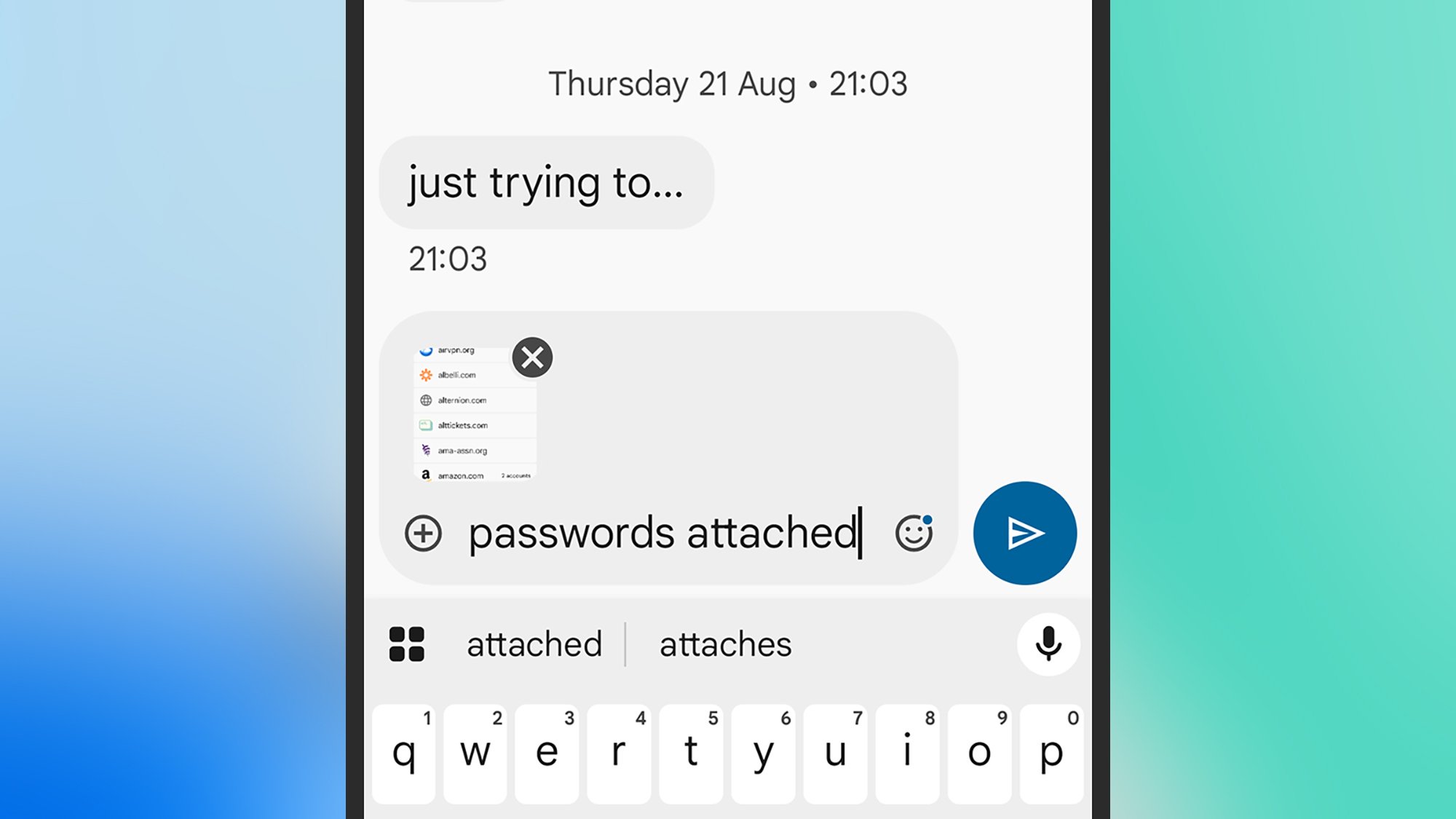
Screenshots are best avoided for sharing passwords. Credit: Lifehacker
Avoid sharing passwords in ways that other people are going to be able to easily spy on. Writing it down on a physical piece of paper or post-it note is definitely not advised, unless it’s kept very secret and destroyed as soon as it’s not needed any more. Pieces of paper can be easily read over someone’s shoulder, put in a drawer and forgotten about, or pinched from a desk.
Screenshots of login credentials aren’t a great idea, either. They can be easily forwarded to other people; they might get backed up to photo services automatically (maybe in accounts that are shared by others); and like paper notes, they can be easily read by someone passing by or sharing a device.
When it comes to using messenger apps, the best approach is to use ones that offer end-to-end encryption, which makes it much more difficult for anyone else to see what you’re talking about. Plain text emails and SMS are best avoided, as are public (or semi-public) Slack channels, and apps such as Facebook Messenger and Instagram (which do offer some encryption, but not by default).
Giving someone your details face-to-face or over the phone might seem like a secure way of passing on this information, but there are caveats: Don’t do it in places where your conversations might be easily overheard or recorded, even if you don’t think anyone else within earshot will be interested in your accounts.
Bear in mind that a compromised account can quickly expose others. It’s a reminder of why using the same password on multiple services is such a bad idea: It might start with someone being able to post as you on your favorite hobbyist forum, but if you’re using the same password for convenience in other places, that unauthorized visitor might be able to move on to social media, email, and more.
The right ways to share passwords
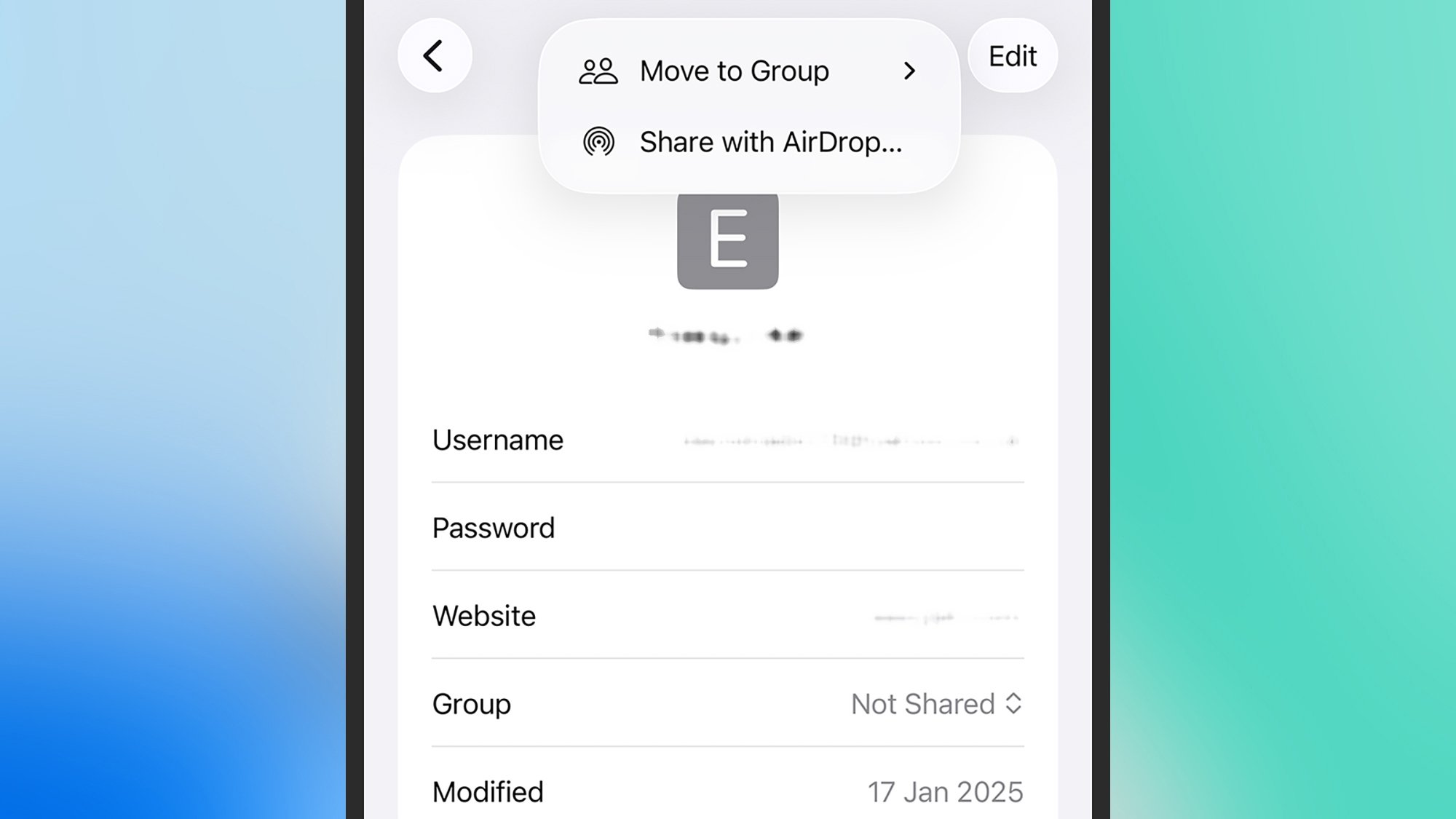
Apple Passwords lets you share credentials in secure groups. Credit: Lifehacker
When it comes to the right ways of sharing credentials, start with your password manager, if you use one (and you should). Many of these apps, including the Apple Password app, come with built-in features for sharing usernames and passwords, so take advantage of this option if you have it.
Fully encrypted messaging apps like WhatsApp and Signal can be trusted, but be aware of the ability for someone else to forward or screenshot messages. Ideally, send over your credentials via a message that will be wiped from the record after a certain amount of time: Both WhatsApp and Signal have disappearing message features, as does Snapchat, the original ephemeral platform.
If you’ve got both a username and a password to pass on, you might consider using two different methods to share them—maybe saying one in a (private) phone call and sending the other over a secure, encrypted messaging app.
Another option is for you to log into the account yourself, on the other person’s device. You’ll need to be in the same physical space at some point to do this, but it means the other party never actually knows what your login details are, and you can revoke access at any time (most apps and sites have a feature that let you do this, or you can just change the password to something new).
You should also consider whether or not you need to pass on your login details at all. For example, cloud storage services will often let you share files and folders via a link you can give to someone else, while many streaming services come with family plans that let everyone in your household have their own separate space.
A new project, targeting Linux for the proverbial final frontier—outer
space—was the subject of a talk (YouTube video) at
the Embedded Linux Conference, which was held as part of Open
Source Summit Europe in Amsterdam in late August. Ramón Roche
introduced Space Grade
Linux (SGL), which is currently incubating as a special interest group
(SIG) of the Embedding Linux in Safety
Applications (ELISA) project. The idea is to create a distribution
with a base layer that can be used for off-planet missions of various
sorts, along with other layers that can be used to customize it for
different space-based use cases.
Video game difficulty is a real balancing act. You want to be challenged and earn each new level, but when it’s too hard there’s more frustration than fun. Apparently, a number of players have found the new Hollow Knight: Silksong game a bit too hard, struggling to defeat some of the bosses.
Now, Team Cherry, the indie studio behind the Hollow Knight series, is making things a bit easier. Team Cherry has announced Hollow Knight: Silksong‘s first patch, which includes a “slight difficulty reduction in early game bosses.” This update includes the bosses Moorwing and Sister Splinter.
Otherwise, the patch mostly includes bug fixes, such as gamers remaining cloakless or getting stuck floating. It also brings an increase in rosary rewards from relics and psalm cylinders, as well as for courier deliveries. These retroactive updates should come by mid next week, but eager players can join the public-beta to get the fix. Team Cherry notes that its already working on more fixes in a second patch.
This article originally appeared on Engadget at https://www.engadget.com/gaming/hollow-knight-silksongs-first-patch-should-give-you-a-chance-against-its-early-bosses-134125593.html?src=rss
Back in May we provided an initial look at the Qualcomm Snapdragon X Elite laptop performance on Ubuntu Linux with the upstream support for the Qualcomm Snapdragon X1E maturing, more laptops becoming supported, and the Ubuntu X1E “Concept” ISOs enhancing the end-user experience. The performance was okay but short of expectations. Months later we are revisiting the Qualcomm Snapdragon X Elite Linux performance on the newest Ubuntu Concept ISOs and newer firmware that is providing a much better experience albeit still not as competitive as the newest AMD Ryzen AI 300 series and Intel Core Ultra laptops under Linux.
One of our favorite magnetic power banks is on sale for 42 percent off right now. The Anker 622 Magnetic Battery is down 42 percent to $28, which is almost as low as we’ve ever seen it. This steep discount is also available at Anker’s online store with a coupon code that the company provides. This 5,000mAh MagSafe-compatible charger with a foldable stand is a slim and portable battery that can keep your devices going on long days away from a charger.
Anker says the 622 Magnetic Battery can recharge a dead iPhone 16 or 16 Pro to just over 80 percent, and an iPhone 16 Pro Max to just over 60 percent. In our hands-on review of the portable charger, we liked the magnetic stand that folds out into a 30-degree angle. Users can rotate their phone to either portrait mode or landscape mode while charging.
The Anker 622 is an older charger, so it outputs a maximum of 7.5W when charging wirelessly. If you need to refill your battery faster than that, you might want to pick up one of the newer Qi2 power banks. Though a Qi2 power bank will, of course, cost more, some of our favorites are having great sales right now.
The Anker Ultra-Slim 10,000mAh battery pack can charge an iPhone 16 Pro to 50 percent in just 26 minutes, thanks to its Qi2-certified 15W of wireless charging. Right now it’s 25 percent off, priced at $60 down from $80. It’s got a bare-bones design, opting for a slim profile instead of a stand.
If you prefer one with a stand and you like the idea of a display that tells you how much charge your power bank has left, then check out the Anker 10,000mAh battery pack with smart display and foldable stand. In our rundown of the best power banks, this was our top pick for iPhones. Not only does this battery pack offer Qi2 wireless charging at 15W, it also offers 27W when using USB-C for fast charging.
This article originally appeared on Engadget at https://www.engadget.com/deals/anker-magnetic-power-banks-are-up-to-42-percent-off-right-now-133451206.html?src=rss
LG’s in-vehicle entertainment platform will soon come integrated with an Xbox app for select internet-connected vehicles. Yes, people will be able to play full games on their infotainment systems, as long as they have an Xbox Game Pass Ultimate subscription so that they can stream titles available on the service, as well as games they already own. They’ll, of course, need to switch on internet access on their cars and to use a compatible Bluetooth controller to be able to play games, including Don’t Starve,Mafia: The Old Country and Forza Horizon 5.
The companies didn’t say how they’re ensuring that drivers themselves don’t play games while on the road, such as during traffic stops. A 2020 study revealed that drivers are increasingly playing games behind the wheel, while an earlier study showed that advanced infotainment systems can take a driver’s attention off the road. Both LG and Xbox, however, specifically mentioned that the feature is for passengers. “Whether you’re waiting at an EV charging station or trying to entertain your passengers on an extended road trip, pass the time by playing games keeping everyone entertained and making the journey feel more fun,” Xbox wrote in its announcement.
Back in 2021, reports came out that Tesla allowed drivers to play a selection of games on their cars’ infotainment system even while they’re in motion. The National Highway Traffic Safety Administration investigated the so-called “Passenger Play” function, which previously only allowed games to run while the vehicle is parked until an update changed it. Tesla responded by quickly disabling the feature if a car is on the move.
This article originally appeared on Engadget at https://www.engadget.com/gaming/xbox/xbox-and-lg-are-bringing-cloud-gaming-to-cars-133016305.html?src=rss
If you’re in the market for a new Apple Watch, don’t buy one yet. Apple is set to announce a slate of new products at today’s “Awe Dropping” event, including new Apple Watches. Rumors suggest the company will introduce the third-generations of the Apple Watch Ultra and Apple Watch SE, and, for those of us that stick with the company’s flagship smartwatch, Apple will likely unveil the Series 11 as well.
Based on the available rumors, the upgrades to the Series 11 seems remarkably similar to the Ultra 3—only, the Series 11 is getting fewer. Apple might have decided its flagship smartwatch doesn’t quite need all of the new features its “Ultra” model gets. It also seems possible the company sees the Series 10 as a good enough foundation to work from. Why fix what isn’t broken?
My guess is, based on what we know now, the Series 11 is assuredly not for Series 10 owners. It might not even be for Series 9 owners. This might simply be a minor update to an already excellent smartwatch, aimed at those who are looking to upgrade in general. For those customers, here’s what you can expect to find on the Series 11 that you wouldn’t get on the Series 10.
New processor
As with the Ultra 3, rumors suggest the Series 11 will get a new processor: the S11. That isn’t all that surprising. New Apple Watches tend to ship with new processors. In fact, according to rumors, all of Apple’s newest smartwatches will come with the S11.
You might think that would make the Series 11 (and the Ultra 3 and SE, for that matter) the fastest Apple Watches yet, and it might. But MacRumors thinks the chips are roughly the same as the S10 introduced with the Series 10. That’s not a bad thing, as the S10 can handily power the Series 10. However, if true, you shouldn’t expect a Series 11 watch to outperform the previous generation. We won’t know until Apple discusses the S11’s performance, however.
5G connectivity
The cellular Series 11, like the Ultra 3, is rumored to come with a 5G modem for the first time in an Apple Watch. Current cellular watches are only capable of connecting to 4G LTE, so this would be a considerable upgrade. Your Series 11 could theoretically take advantage of 5G speeds when available, which would improve the performance of downloads, calls, and other internet-based tasks.
If that’s the case, Bloomberg’s Mark Gurman says MediaTek will be the one supplying the modems. He also suggests the watches will support 5G Redcap a slower 5G service for lower-performing devices.
Blood pressure monitor
Gurman also suggests in the same report that Apple might add a blood pressure monitor to both the Apple Watch Series 11 and the Ultra 3. This is something Apple has been working on for a while, and would offer users alerts whenever the sensor believes they were experiencing hypertension.
It seems like a useful health feature, but it’s one I wouldn’t bet money on seeing today. While it’s certainly possible, Gurman says the company has been running into issues with the engineering, as well as regulatory concerns. If Apple doesn’t announce a blood pressure monitor for the Series 11 and Ultra 3, it might save the feature for the Series 12—or scrap it entirely.
What about the Apple Watch SE?
The third-generation Apple Watch SE will also likely debut today. Gurman predicts that, like the Ultra 3 and the Series 11, the SE 3 will also come with an S11 chip. Gurman also believes that Apple is ready to increase the display size of the SE. Right now, the SE 2 has the design from older Apple Watches, as offers 40mm or 44mm sizing options. If Apple chooses to take inspiration from, say, the Series 7 instead, the SE 3 could increase the sizes to 41mm and 45mm.
A team of the world’s best ice and climate researchers studied a handful of recently publicized engineering concepts for protecting Earth’s polar ice caps and found that none of them are likely to work.
Their peer-reviewed research, published Tuesday, shows some of the untested ideas, such as dispersing particles in the atmosphere to dim sunlight or trying to refreeze ice sheets with pumped water, could have unintended and dangerous consequences.
The various speculative notions that have been floated, mainly via public relations efforts, include things such as spreading reflective particles over newly formed sea ice to promote its persistence and growth; building giant ocean-bottom sea walls or curtains to deflect warmer streams of water away from ice shelves; pumping water from the base of glaciers to the surface to refreeze it, and even intentionally polluting the upper atmosphere with sulfur-based or other reflective particles to dim sunlight.
Canonical’s Launchpad service that is closely aligned with the Ubuntu project is finally deprecating code imports from CVS and Subversion repositories that go through the defunct Bazaar…
Sony is sticking with an optical disc drive for at least one more console generation and it’s decision is “firm,” according to a new report. Just as Sony did with its PlayStation 5 lineup, the PlayStation 6 will support a detachable disc drive, presumably with support for Blu-ray media, and offer both a disc and disc-less digital model at
Canon has announced the EOS C50, its smallest cinema camera yet with features designed to appeal to social media creators and filmmakers alike. It has an RF mirrorless mount and all-new full-frame sensor that supports up to 7K 60p internal RAW recording and 32MP photo capture, making it a do-it-all camera for working pros.
Despite the small size and light 1.5 pound weight, the EOS C50 is feature-rich. The full-frame CMOS sensor has a dual ISO system that operates in Canon Log 2 (C-Log 2) at ISO 800 and 6400 for better low-light performance. It also allows up to 12-bit Cinema RAW Light recording at up to 7K 60p and RAW HQ at 7K 30p, plus high-bitrate XF-AVC S and XF -HEV C modes. The C50 is also the company’s first cinema camera with 3:2 open gate recording that allows for lossless conversion to other formats — finally matching a feature found in Panasonic’s mirrorless cameras.
Canon
Canon stretched that capability with something it calls simultaneous crop recording. When shooting 4K, you can output 2K social media video at the same time in 9:17, 9:16 or 1:1 formats. That will be handy for YouTube creators who also use Instagram or TikTok to promote videos.
Since it’s part of Canon’s Cinema lineup, the C50 offers pro features like two full-size XLR audio inputs (via an optional top handle), a zoom rocker, waveform/peaking displays, C-Log3 support and a dedicated start-stop button. It also comes with Canon’s excellent Dual Pixel autofocus system and AI subject tracking that detects the eyes, face, head and body of people or animals. Other key features include SD-UHS II and CFexpress slots and a time code terminal. However, the C50 lacks in-body stabilization, relying instead on optical lens and electronic stabilization.
Canon
The C50 may be Canon’s best hybrid cinema camera yet as well, with 32MB photos and burst shooting at up to 40 fps. Canon also introduced the new RF 85mm F/1.4 L VCM Hybrid Lens designed for portrait shooting for video and photos. Finally, for compact camera enthusiasts, Canon has released an updated version of its 2016 Elpha 360 HS, the Elpha 360 HS A, with a microSD slot in place of the original SD slot.
The Canon EOS C50 camera will ship toward the end of Q4 2025 for $3,899 and the new RF85mm F/1.4 L VCM lens will arrive this month for $1,649. The PowerShot Elph 360 HS A hits stores in October 2025 for $380.
This article originally appeared on Engadget at https://www.engadget.com/cameras/canons-tiny-c50-cinema-camera-can-shoot-widescreen-and-vertical-video-simultaneously-130001859.html?src=rss
An anonymous reader quotes a report from TechCrunch: X enthusiast and Reddit shareholder Sam Altman had an epiphany on Monday: Bots have made it impossible to determine whether social media posts are really written by humans, he posted. The realization came while reading (and sharing) some posts from the r/Claudecode subreddit, which were praising OpenAI Codex. OpenAI launched the software programming service that takes on Anthropic’s Claude Code in May. Lately, that subreddit has been so filled with posts from self-proclaimed Code users announcing that they moved to Codex that one Reddit user even joked: “Is it possible to switch to codex without posting a topic on Reddit?”
This left Altman wondering how many of those posts were from real humans. “I have had the strangest experience reading this: I assume it’s all fake/bots, even though in this case I know codex growth is really strong and the trend here is real,” he confessed on X. He then live-analyzed his reasoning. “I think there are a bunch of things going on: real people have picked up quirks of LLM-speak, the Extremely Online crowd drifts together in very correlated ways, the hype cycle has a very ‘it’s so over/we’re so back’ extremism, optimization pressure from social platforms on juicing engagement and the related way that creator monetization works, other companies have astroturfed us so i’m extra sensitive to it, and a bunch more (including probably some bots).”
[…] Altman also throws a dig at the incentives when social media sites and creators rely on engagement to make money. Fair enough. But then Altman confesses that one of the reasons he thinks the pro-OpenAI posts in this subreddit might be bots is because OpenAI has also been “astroturfed.” That typically involves posts by people or bots paid for by the competitor, or paid by some third-degree contractor, giving the competitor plausible deniability. […] Altman surmises, “The net effect is somehow AI twitter/AI Reddit feels very fake in a way it really didn’t a year or two ago.” If that’s true, who’s fault is it? GPT has led models to become so good at writing, that LLMs have become a plague not just to social media sites (which have always had a bot problem) but to schools, journalism, and the courts.
That AI-generated kid in a baseball jersey is laying out some pretty serious medical consequences of “frequent masturbation,” including brain damage, acne, and “P*nis shrinkage.” On the other hand, my own (admittedly anecdotal) study that includes “everyone I have ever met” suggests many healthy people enjoy masturbation with no negative physical side effects. So who’s wrong this week? Let’s look at the evidence.
Masturbation: friend or foe?
The specific claims made on the X post are false. There is no scientific research to support the idea that masturbation causes back pain, lowers testosterone, or has any of the negative effects listed in the meme (beyond number 11, which is subjective). Instead, research indicates masturbation is (marginally) good for you. In men, high ejaculation frequency (whether from masturbation or sex) correlates to decreased risk of total prostate cancer. For women, research suggests potential benefits of masturbation for dealing with “psychological distress and for enhancing general well-being.” And masturbation seems to help everyone sleep better.
To be fair to the “masturbation is harmful” people, excessive masturbation can have (limited) negative physical effects. It could cause skin chafing and irritation, though this is more a “common sense” thing than “supported by research.” Masturbation can play a role in anorgasmia (inability to achieve orgasm despite adequate sexual stimulation) but it doesn’t seem to from how often you masturbate, but how you masturbate. Research supports a link between habitual, highly specific masturbation styles and anorgasmia—in layman’s terms, if you do something unusual to get off by yourself, and you do it a lot, you may have trouble finishing in conventional ways with someone else.
Weighing the evidence (while giving all possible benefit of the doubt to the “masturbation can hurt you crowd”) makes it very clear that masturbation is way more likely to be physically beneficial than physically harmful.
What is “frequent” masturbation, anyway?
Masturbation is awesome, case closed, right? Not totally. Masturbation isn’t going to shrink your body parts, but, like anything, it can become mentally unhealthy if it starts to take up too much of your time, gets in the way of relationships, or becomes a compulsive coping mechanism. Same rules apply to video games and working out, by the way.
If you feel masturbation is negatively affecting your life, it’s worth paying attention to, but the definition of “harmful” is subjective, and it’s possible that what feels like “harm” is actually inherited guilt from what your great-great-great-grandparents thought about sex.
You could take find a similar passage in Victorian anti-masturbation literature for almost all of the meme’s 11 points. “I have violent pains in my stomach, arms, and legs; and sometimes in the kidneys,” reports a chronic masturbator in Treatise. “I feel great pains from my kidneys downwards, and particularly in the small of my back,” agrees another onanist from the earlier work. A doctor describes a self-polluter thusly: “The individual becomes feeble, is unable to labor with accustomed vigor, or to apply his mind to study; his step is tardy and weak, he is dull, irresolute, engages in his sports with less energy than usual, and avoids social intercourse; when at rest he instinctively assumes a lolling or recumbent posture.”
All that’s missing from the earlier works is the bit about masturbation shrinking the penis. Even the Victorians weren’t that dumb.
Not all Victorians, however
There’s no point without a counterpoint. Even in the Victorian age, people like pioneer sexologist Havelock Ellis took a scientific look at sex and devoted an entire volume of his Studies in the Psychology of Sex to masturbation, concluding it was normal and healthy. So did Richard von Krafft-Ebing, whose 1886 book Psychopathia Sexualis still defines how we think about sex. Even occultist Aleister Crowley made self-pleasure part of his magical practice. So the next time someone shares a viral meme, remember that you’re picking sides in a 300-year-old culture war, and all the cool Victorians were pro-masturbation. Be team Ellis, not team Onanism: the evidence and history are on your side.
Released just over one month ago was the general availability of CUDA !3.0 while out this week is CUDA 13.0 Update 1 as the first incremental step forward to CUDA 13…
It’s still back-to-school season and, regardless of whether you’ve picked up a textbook recently, that will always mean its time to pick up new supplies. Thankfully, there are some great deals currently running, including a new all-time low price for the USB-C Apple Pencil.
Right now, you can pick up the USB-C Apple Pencil for $50, down from $79. The 37 percent discount is available as part of Woot’s warehouse clean out and will run for six more days or until the accessory sells out. Notably, Woot states that it will deliver the new Pencils in non-retail packaging and that they don’t qualify for AppleCare.
Apple released its USB-C Pencil in 2023 as part of its switchover from Lightning ports. It’s compatible with iPad models including the Pro 11- and 13-inch (M4), Air 11- and 13-inch (M2), mini (A17 Pro and sixth-generation) and 10th-generation iPad. It works really well as a standard option for writing, navigating an iPad and other casual uses. However, it doesn’t offer some of the same perks as its more expensive counterparts, such as handling pressure sensitivity and magnetic charging.
Check out our coverage of the best Apple deals for more discounts, and follow @EngadgetDeals on X for the latest tech deals and buying advice.
This article originally appeared on Engadget at https://www.engadget.com/deals/the-usb-c-apple-pencil-drops-to-a-new-all-time-low-123045887.html?src=rss
Nepal’s government has lifted its ban on social media apps including Facebook and X after at least 19 people were killed yesterday during protests, The Guardian reported. “We have withdrawn the shutdown of the social media. They are working now,” said communications minister Prithvi Subba Gurung. In a new development, Nepal Prime Minister K.P. Sharma Oli has resigned due to the unrest, his aide told Reuters.
Last week, the government announced it was blocking 26 social media platforms due to noncompliance with a new law requiring them to register in the nation. That action led to criticism from groups like the Federation of Nepali Journalists and Digital Rights Nepal, which called the sudden closure “controlling.”
Then on Monday, thousands of Nepalese youths started “Gen Z” protests across the country. While triggered by the social media ban, they were fueled by perceived corruption among elites in the nation and the lack of economic opportunities for young people. One site that wasn’t banned, TikTok, showed videos featuring children of politicians flaunting luxury goods and pricy vacations, in contrast to the struggles of regular people. “We are protesting against corruption that has been institutionalized in Nepal,” a 24-year-old student told The Guardian.
During the demonstrations, protesters attempted to enter a Kathmandu parliament building and were repelled by police using water cannon, batons and rubber bullets. However, Amnesty International said live ammunition was also used and police confirmed that 19 people had died in the protests and hundreds were injured.
The unrest has continued despite the ban being lifted, with reports of protesters setting fire to the homes of some politicians and ministers being rescued by military helicopters, according to local media. “We are still standing here for our future … We want this country corruption-free so that everyone can easily access education, hospitals, medical [facilities] … for a bright future,” protester Robin Sreshtha told Reuters.
This article originally appeared on Engadget at https://www.engadget.com/social-media/nepal-lifts-social-media-ban-after-19-people-were-killed-during-protests-120007652.html?src=rss
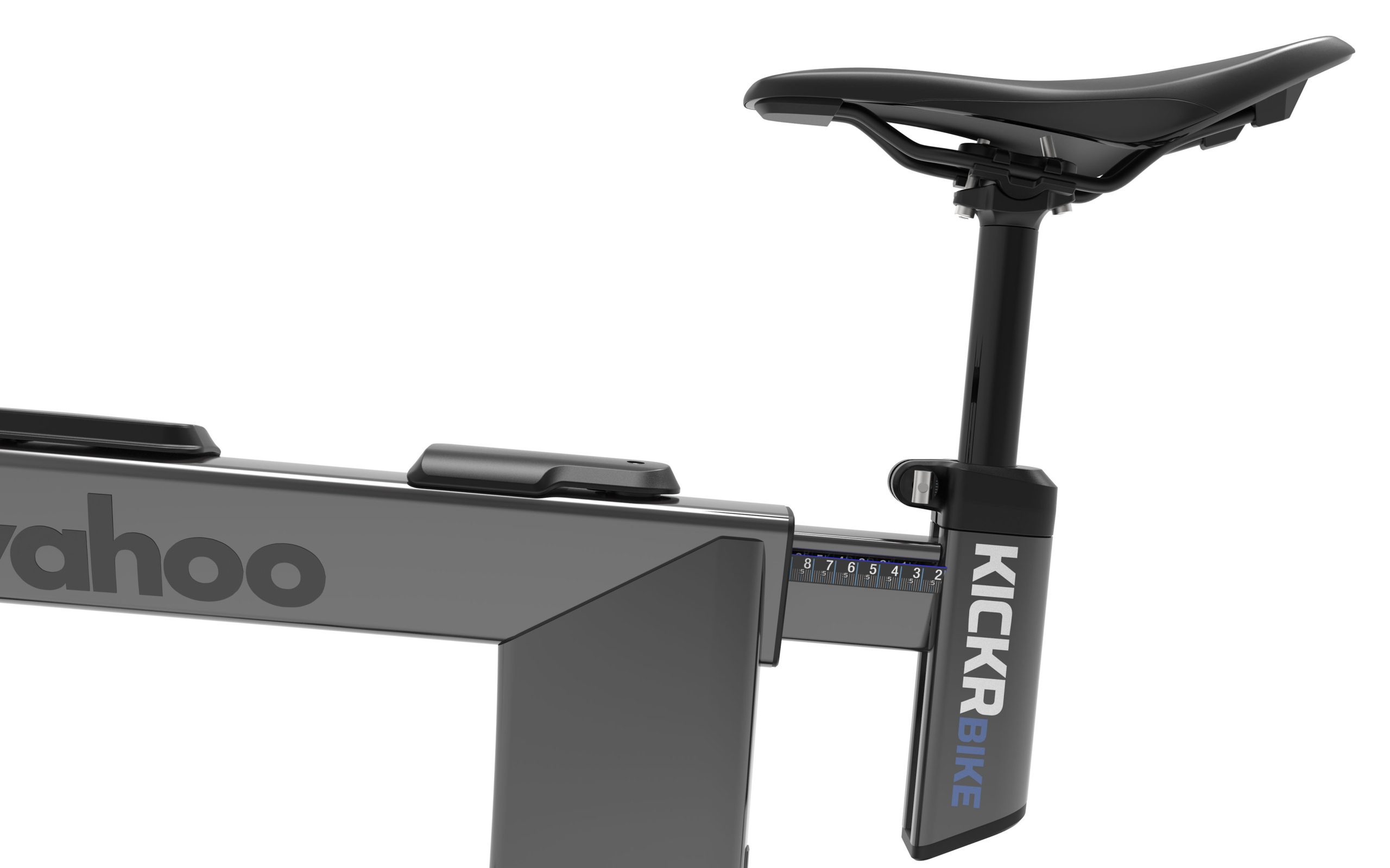
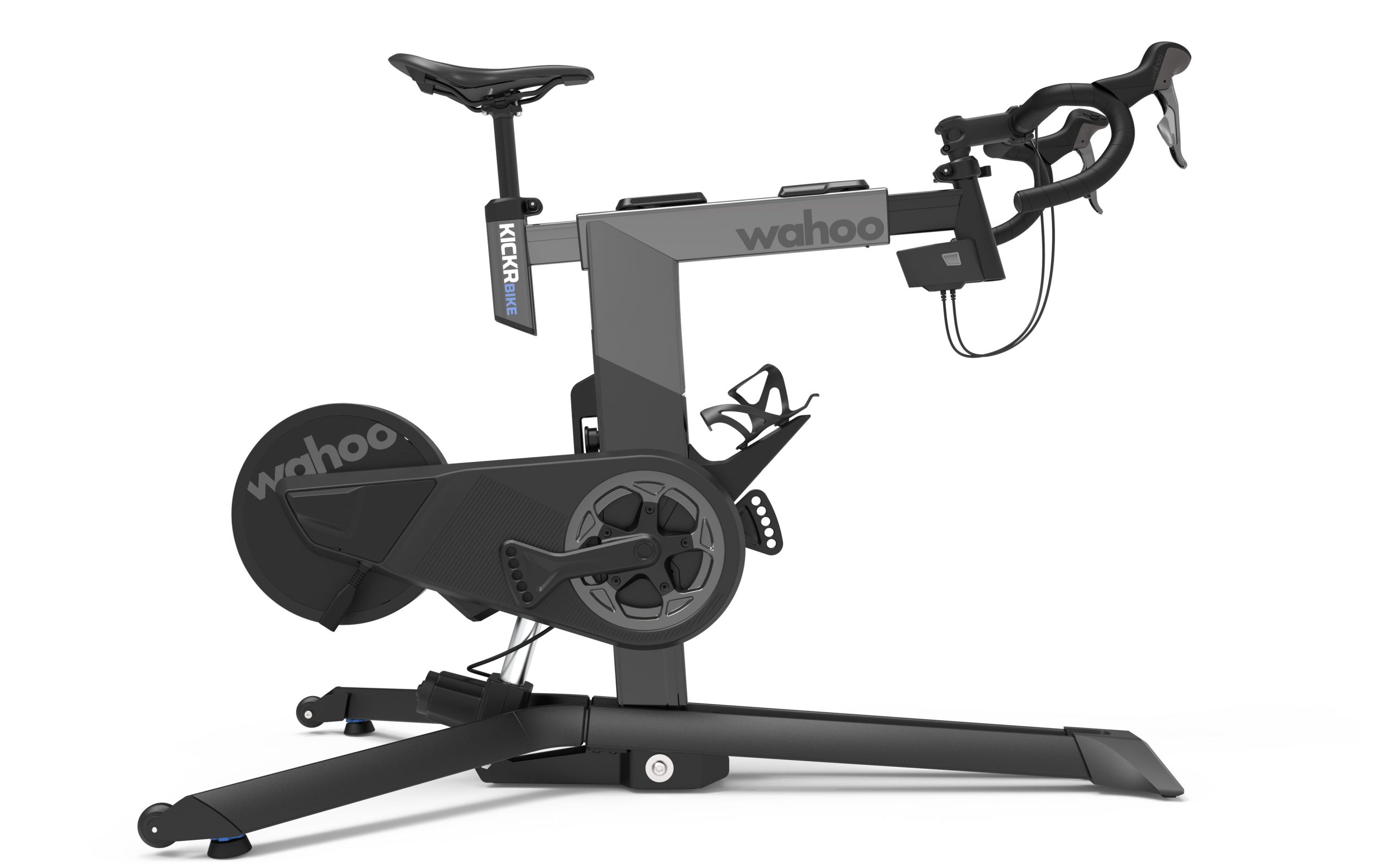
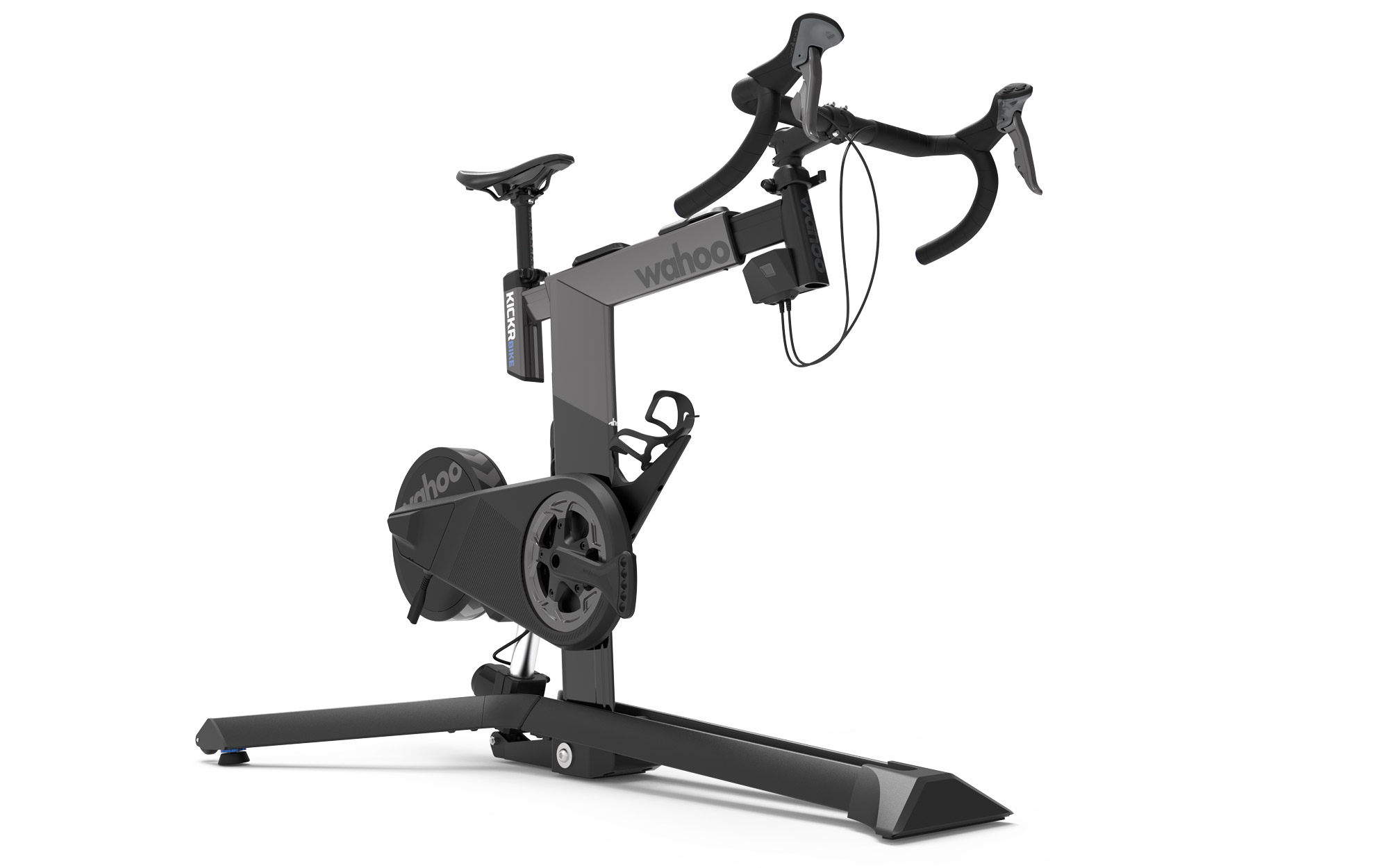
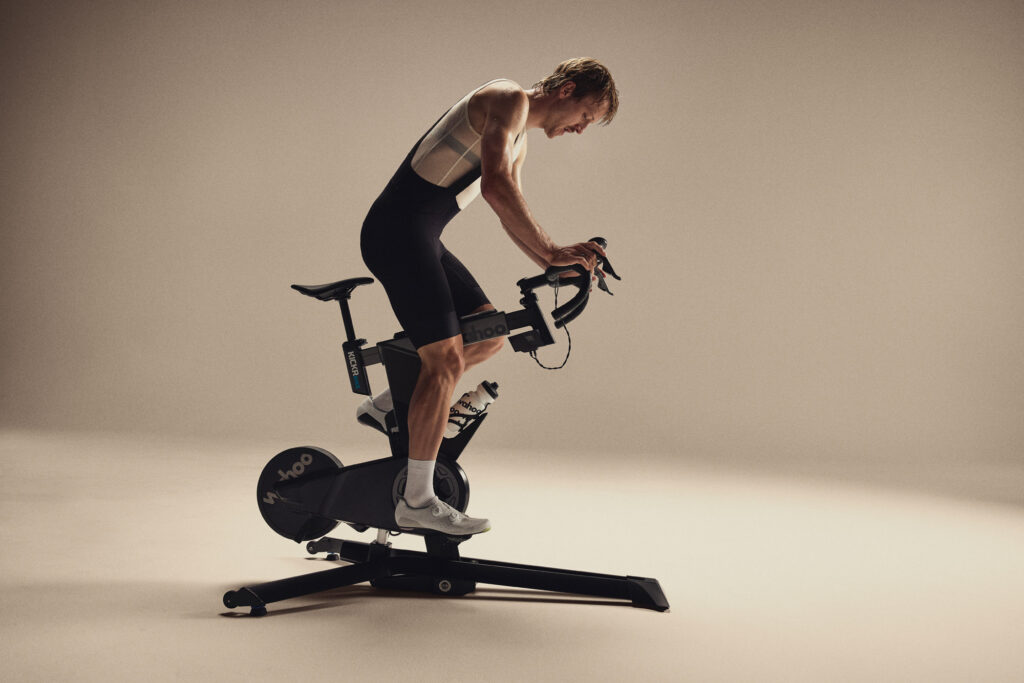
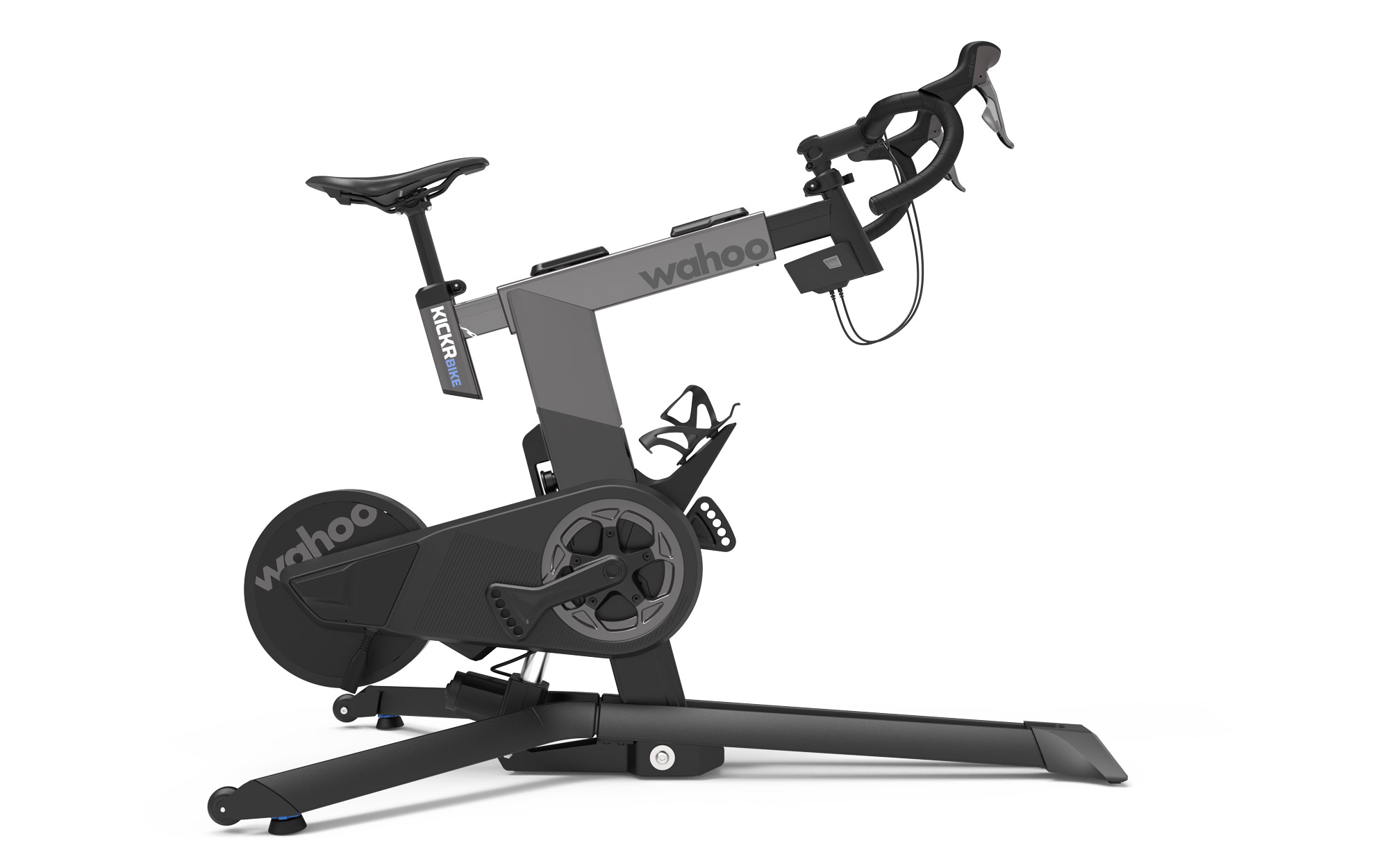
Wahoo has announced the Kickr Bike Pro, an upgraded version of its highly rated smart indoor bike.
Built around the same indoor bike frame and resistance unit as the standard Kickr Bike, Wahoo says the Kickr Bike Pro features upgraded shifters alongside “premium” contact points from Fizik.
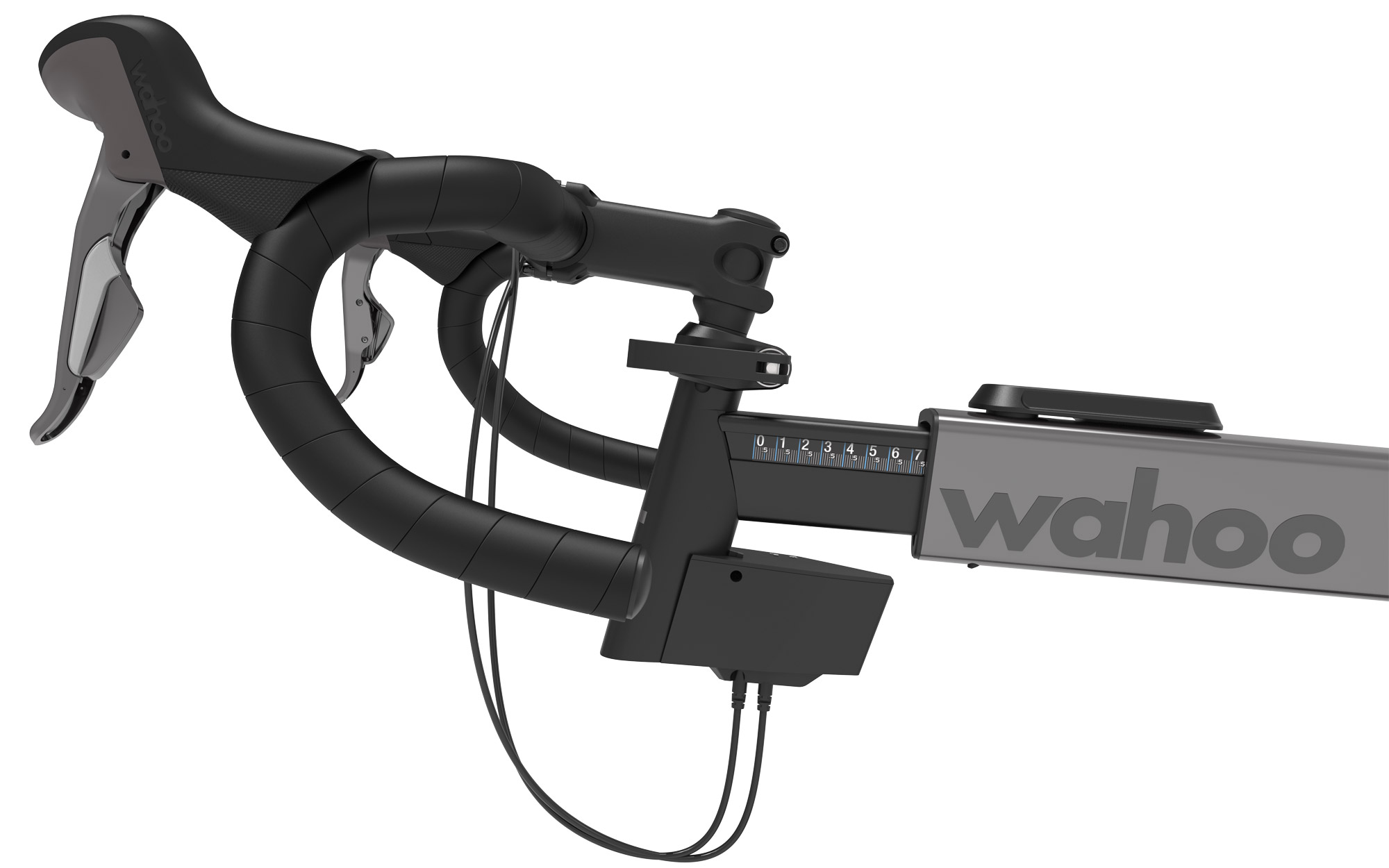
These include a Fizik Aliante R5 saddle and the Italian brand’s Solocush bar tape wrapped on a new ‘ergonomic handlebar’ that Wahoo says is “ specifically designed for indoor riding”.
The Kickr Bike Pro is available now and priced at £3,499.99 / $3,999 / €3,999.99.
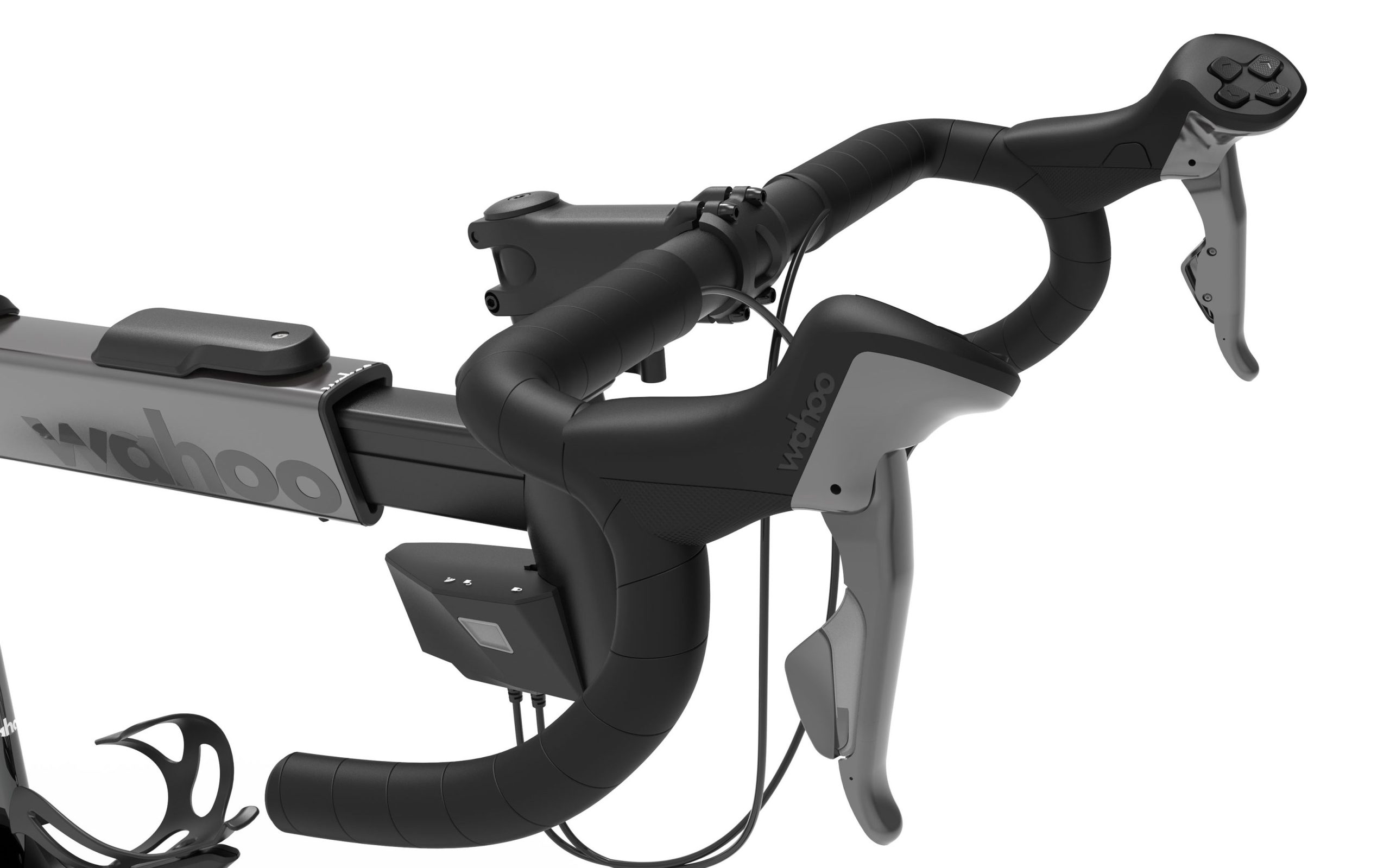
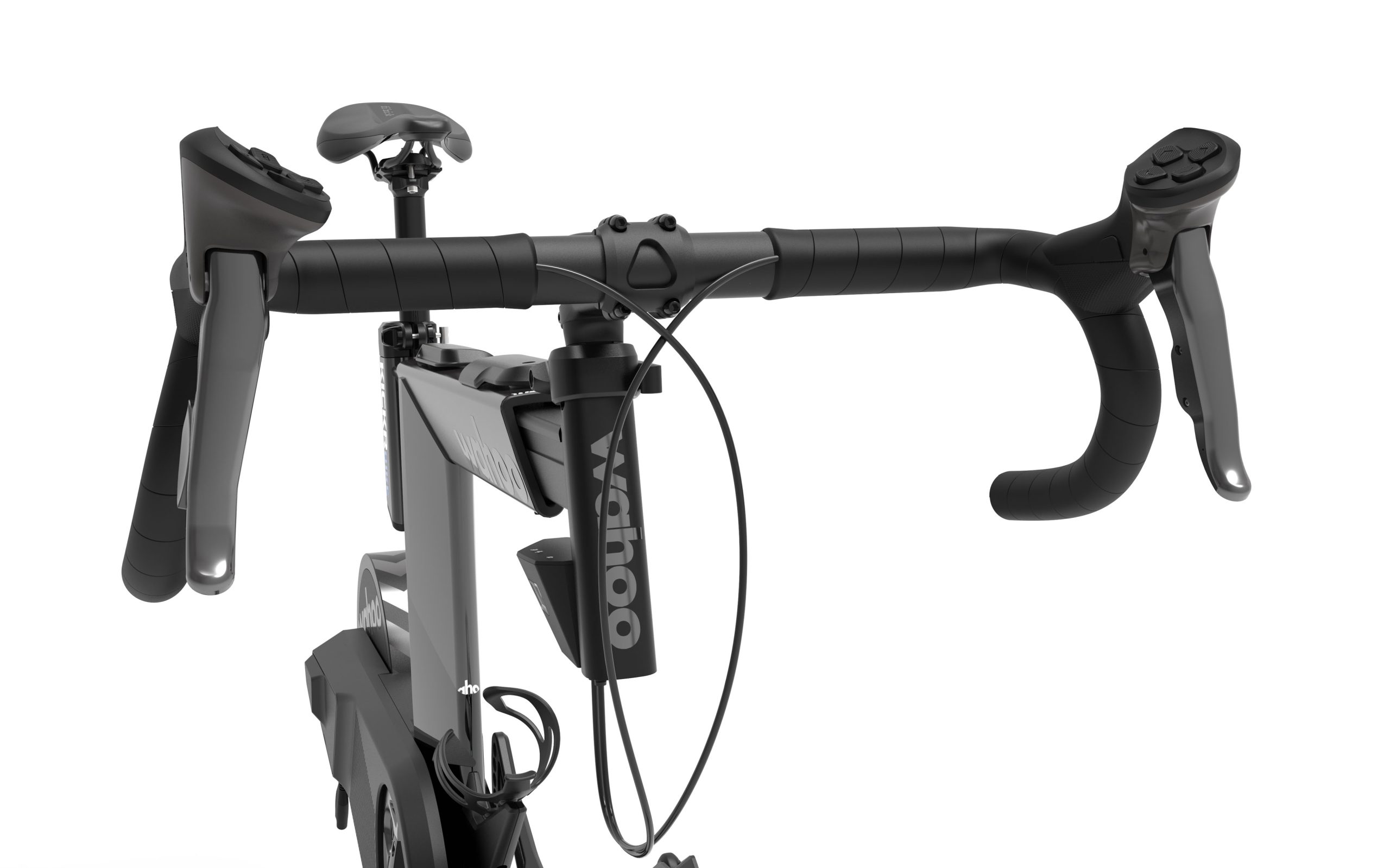
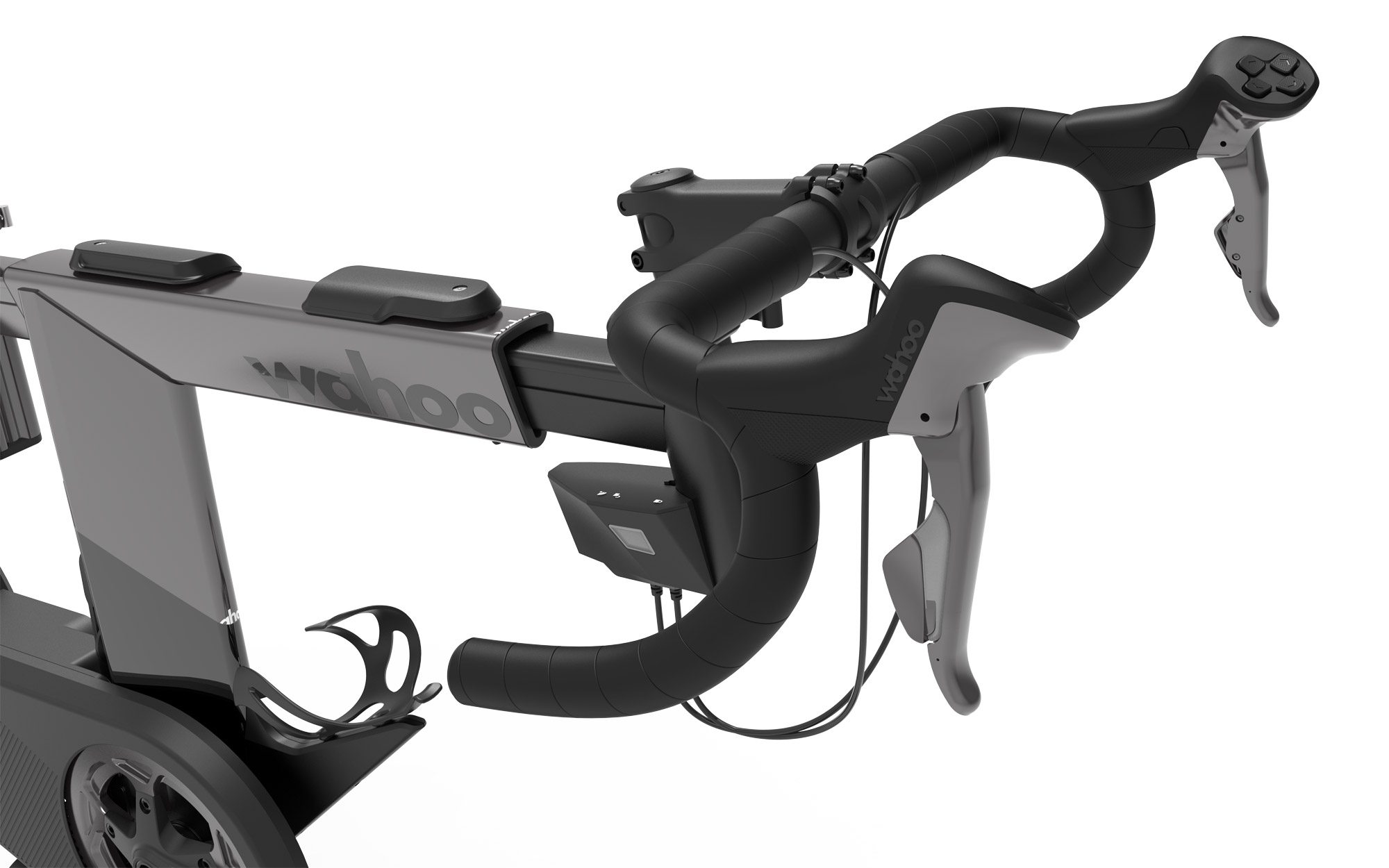
Wahoo’s Kickr Bike Pro shifters feature additional action buttons up top.
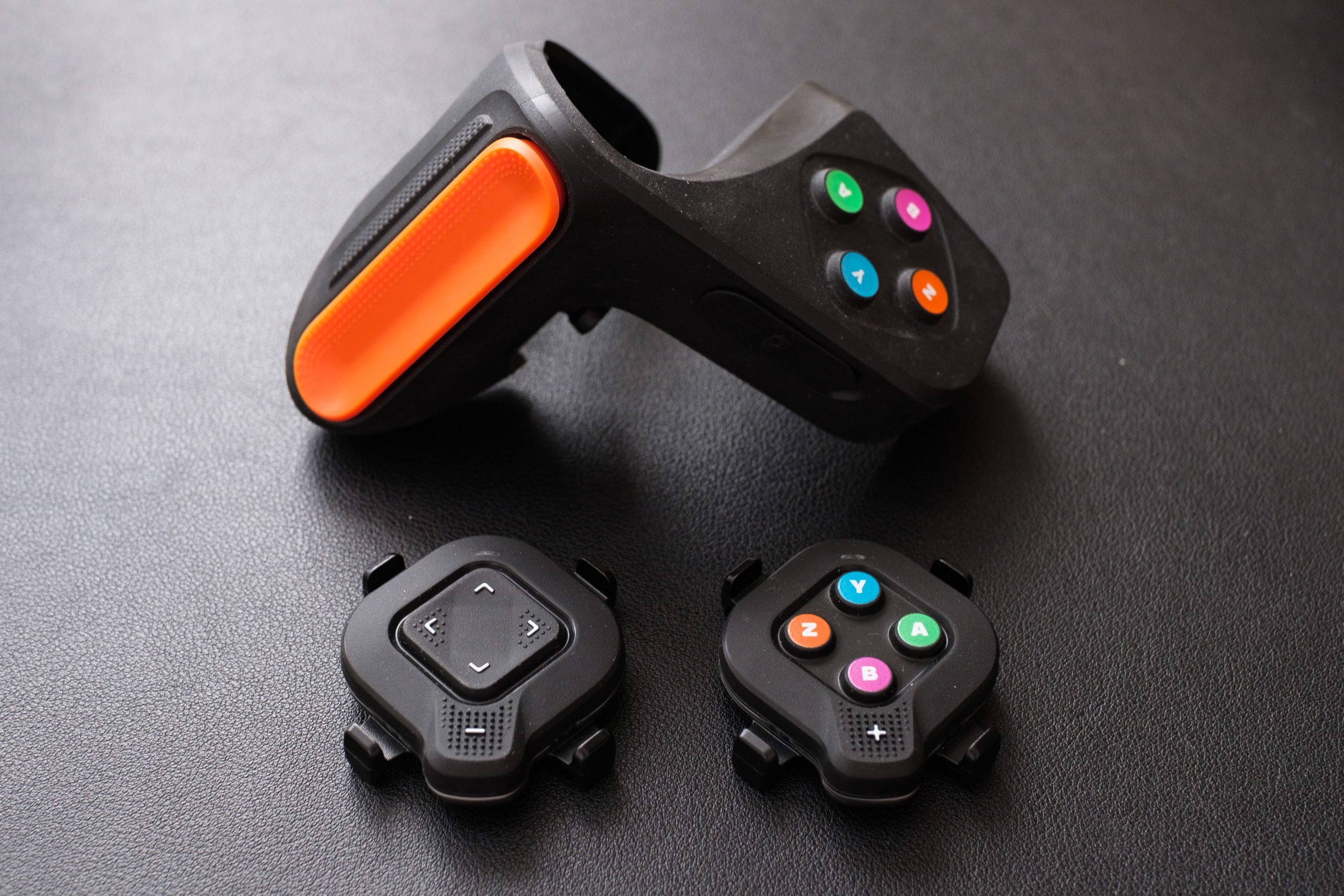
With interactive indoor cycling booming in recent years, we’ve seen an increasing number of video-game style ‘controllers’ such as Zwift’s Play and, more recently, Click v2.
Designed around Zwift (indoor cycling’s most popular app), these enable riders to control their avatar and navigate in-app menus without needing to reach for a keyboard and mouse while riding.
With other indoor cycling apps, such as Rouvy, adopting these systems and controllers, Wahoo has added more buttons to the tops of the shifter hoods to expand the Kickr Bike Pro’s capabilities.
Wahoo says it modelled the new shifter buttons to match the functionality of Zwift’s controllers. Simon von Bromley / Our Media
The brand says these are modelled to mimic the functionality of Zwift’s Play and Click v2 controllers, but they can be used with other apps where they are supported.
Wahoo has also added the ability for the Kickr Bike Pro to act as a sensor bridge for other Bluetooth or ANT+ peripherals, such as heart rate monitors.
According to Wahoo, these make the Kickr Bike Pro “the most integrated indoor training solution available”.
Upgraded contact points
Fizik supplies its popular Aliante R5 saddle. Wahoo
While the standard Kickr Bike came with unbranded parts – leaving riders free to spec their own parts, if preferred – Wahoo has partnered with Fizik to improve the quality of the Kickr Bike Pro’s contact points.
The saddle, for example, is the brand’s popular Aliante model. Designed for endurance road cycling, the Aliante features a curved profile and a pressure-relief channel in the middle.
Wahoo’s Kickr Bike Pro handlebar features flared drops. Wahoo The new handlebar features compact drops. Wahoo
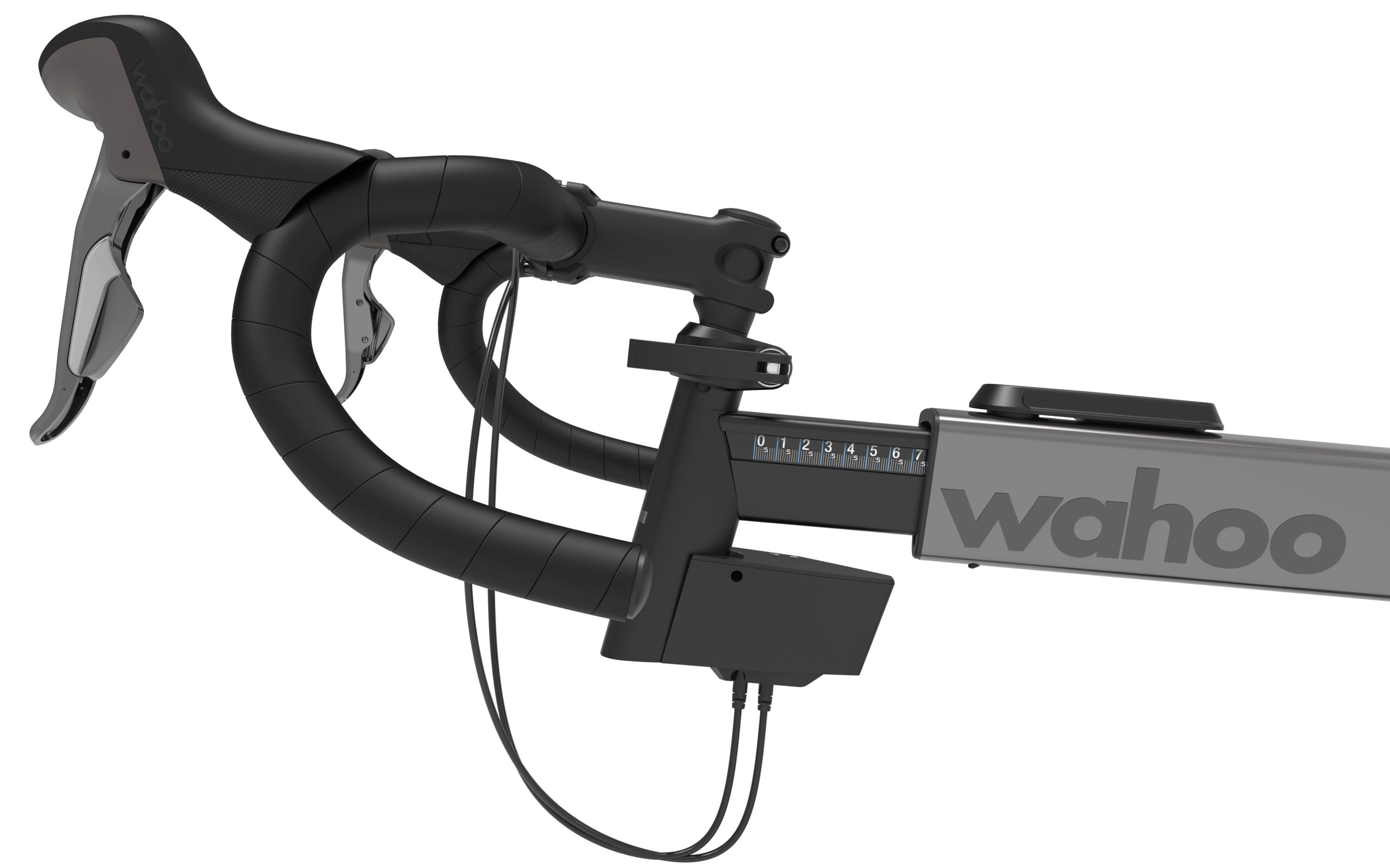
Alongside this, Wahoo has specced a new ‘ergonomic’ drop handlebar. It doesn’t note exact changes compared to the bar on the standard Kickr Bike, but it appears to feature a relatively compact drop with a slight flare to the drops.
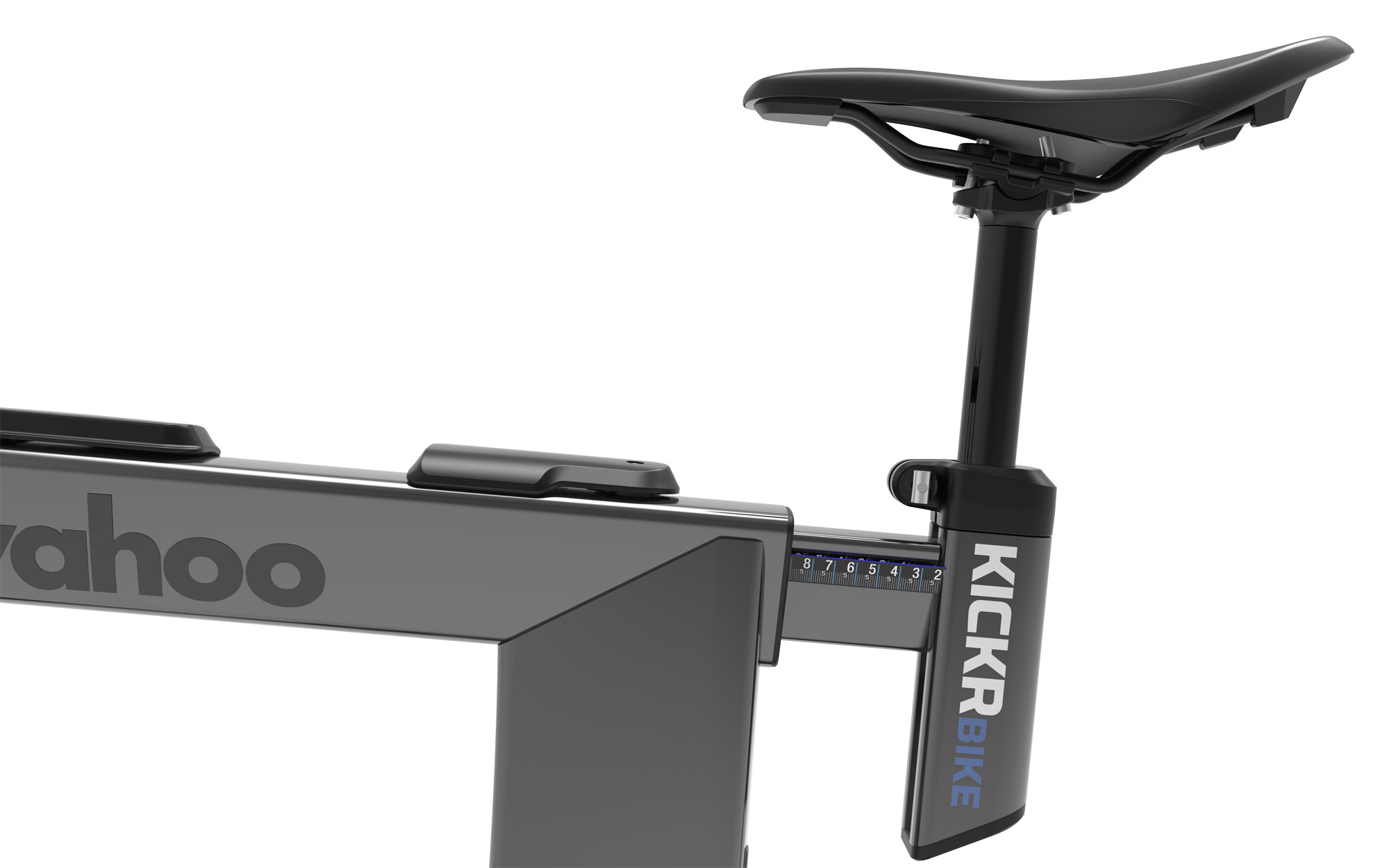
The brand says it has also refined the quick-release levers used to adjust the bike fit, for a smoother experience setting up the bike.
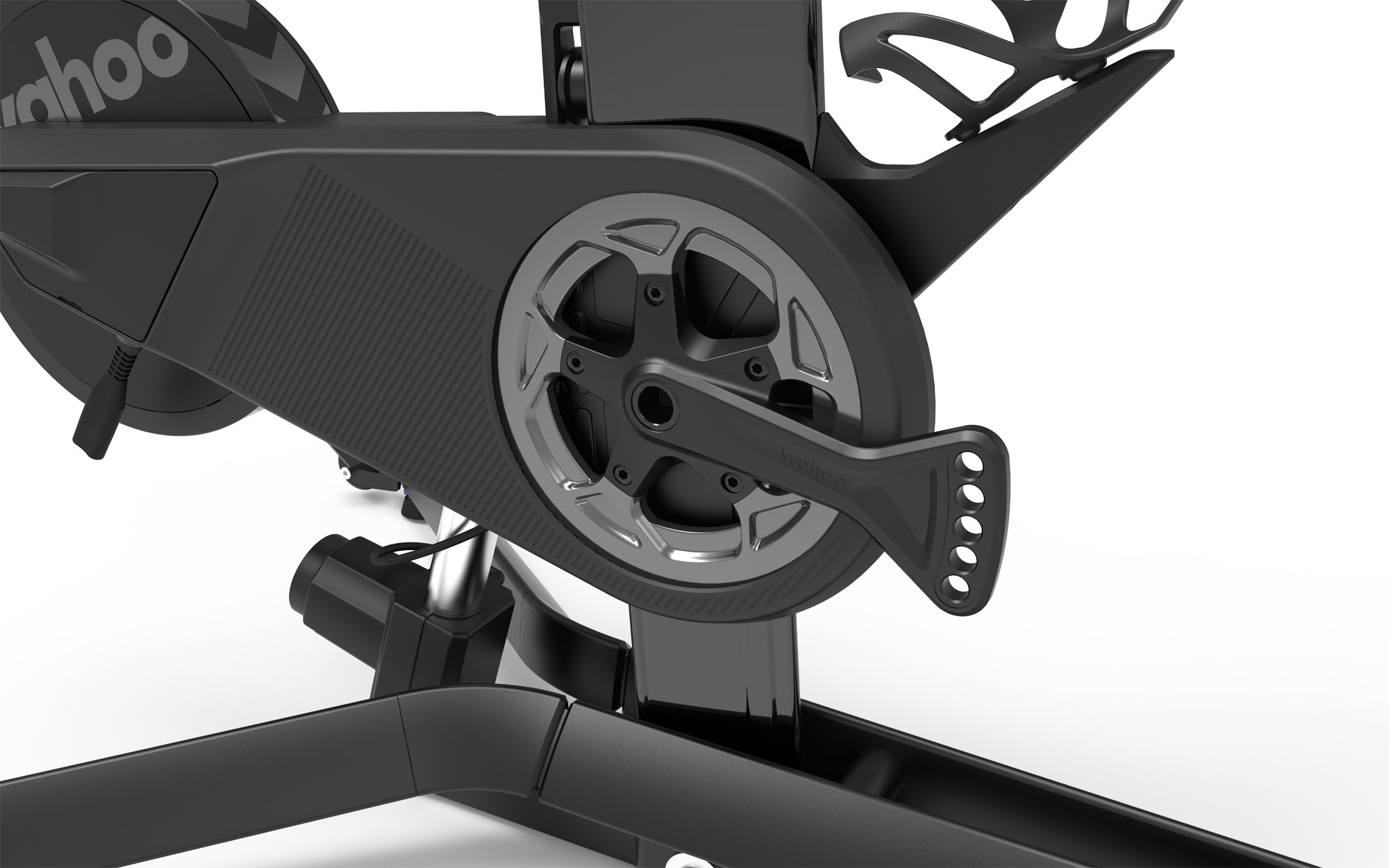
As before, the Kickr Bike Pro uses industry-standard saddle and stem mounting points, so riders can swap in their own favourites if preferred. Crank length is also selectable in 2.5mm increments from 165 to 175mm.
Wahoo Kickr Bike Pro spec
Wahoo’s Kickr Bike Pro is built around the existing Kickr Bike platform. Wahoo
Beyond the upgraded shifters and contact points, the basic spec of the Kickr Bike Pro is the same as the standard Kickr Bike.
This includes a maximum power output of 2,500 watts, a claimed power accuracy rating of +/- 1 per cent and the ability to simulate gradients from -15 to 20 per cent.
It also features network connectivity via Wi-Fi or Wahoo’s own ‘direct connect’ wired standard, as well as Bluetooth and ANT+ capabilities.
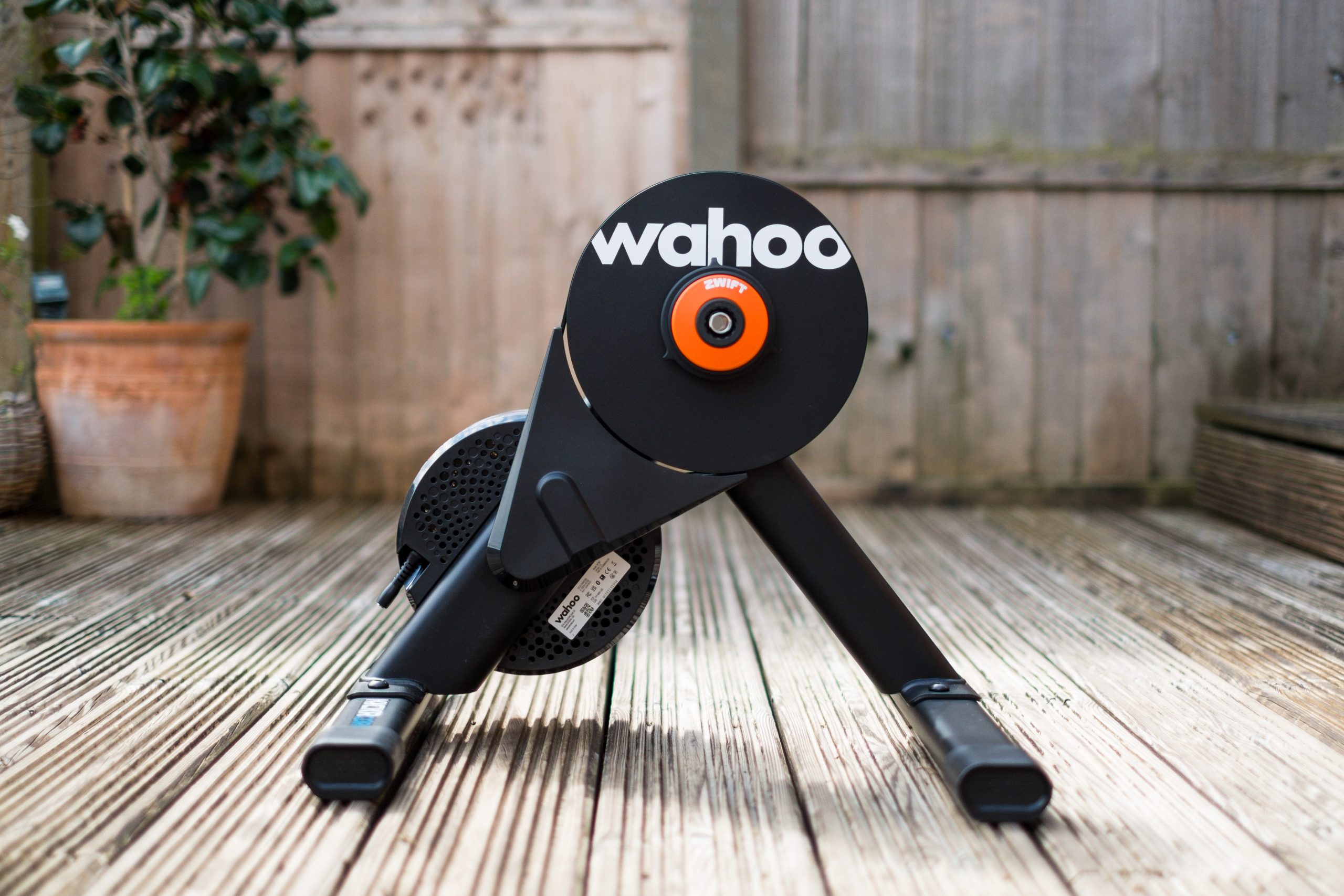
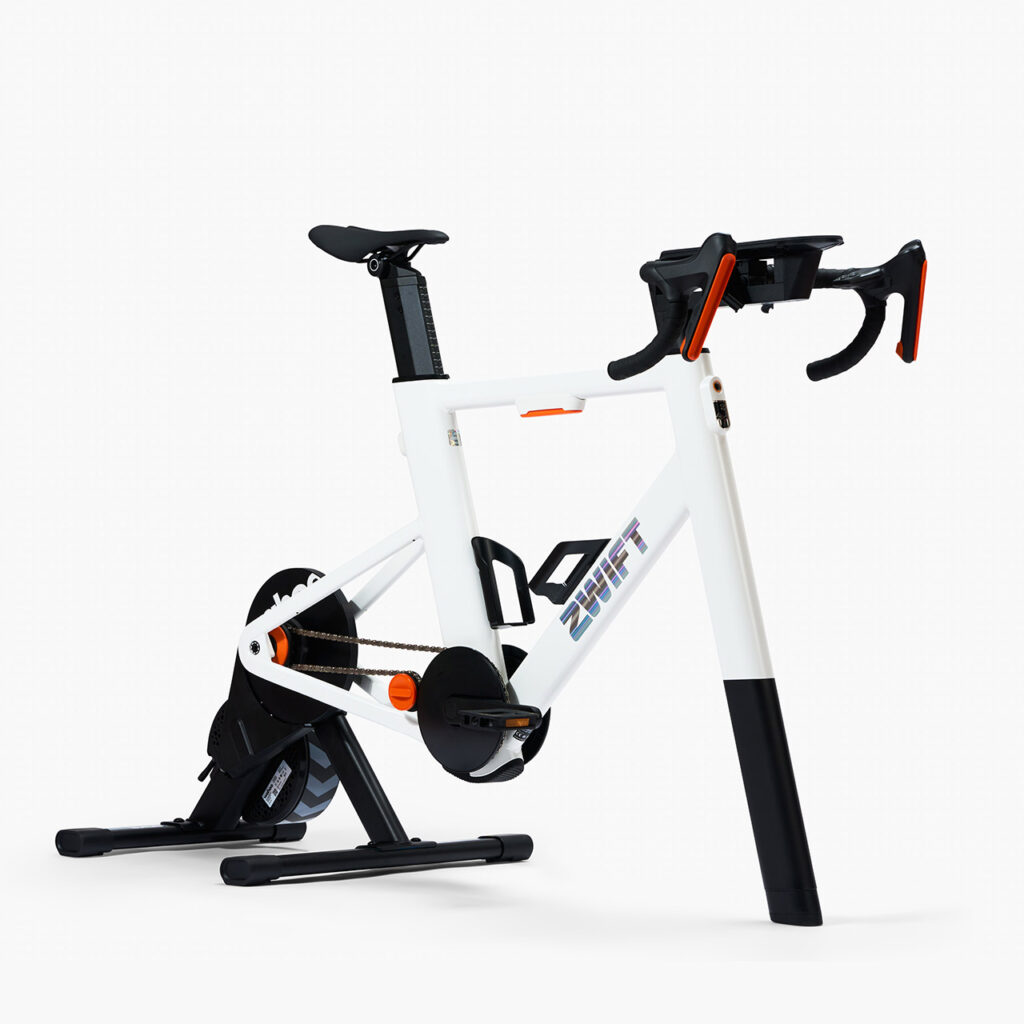
Wahoo Kickr Core 2
Wahoo has also announced the release of the new Kickr Core 2 smart trainer. Simon von Bromley / Our Media
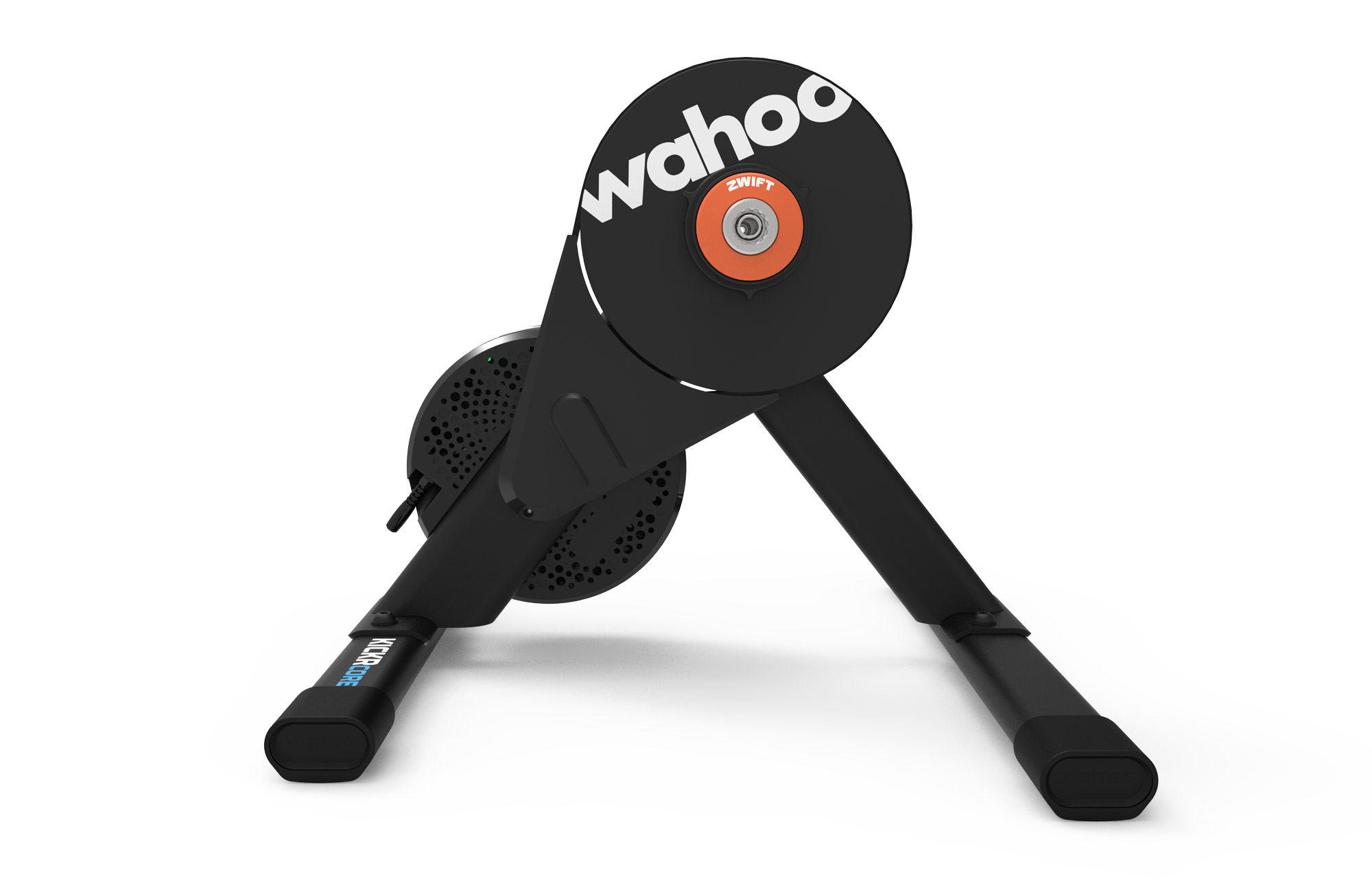
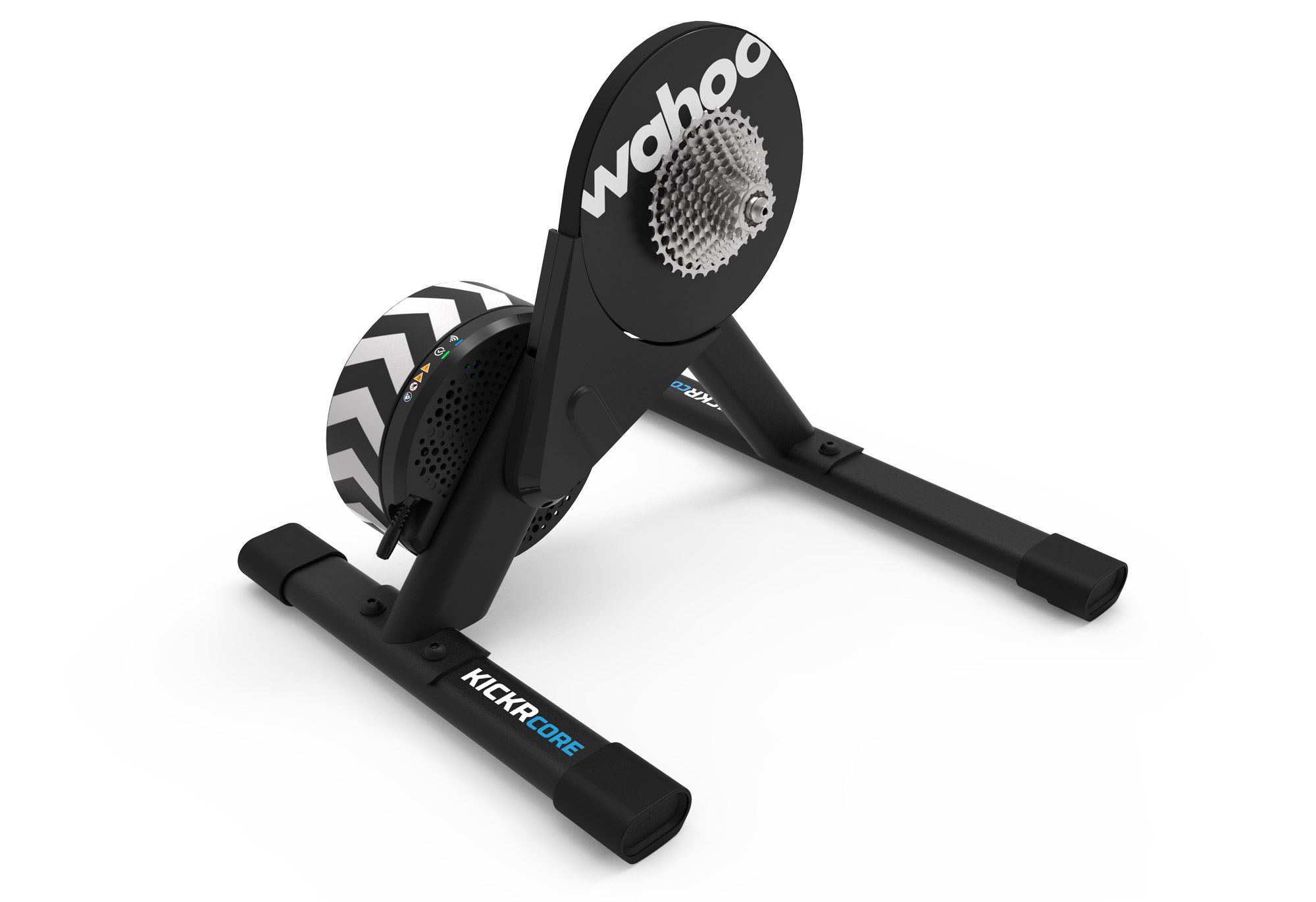
Alongside the Kickr Bike Pro, Wahoo has announced the Kickr Core 2 – a new version of its iconic mid-range smart trainer.
As with the Kickr Bike Pro, the Kickr Core 2 is built around a similar platform to the original Kickr Core, but features upgraded legs and additional connectivity options, including Wi-Fi.
Priced at £499.99 / $549.99 / €549.99, we’ve got a unit in for testing ahead of the coming winter.
Today, Wahoo released new versions of their KICKR CORE and KICKR BIKE. And while the BIKE is essentially an iterative upgrade from the previous generation, the new KICKR CORE 2 features some significant enhancements, making the already compelling trainer muchmore attractive.
We’re still putting the KICKR CORE 2 through its paces here in our test lab, so watch for a review in the next week. For now, let’s look at what’s new with Wahoo’s flagship mid-budget trainer and top-tier smart bike.
The New Wahoo KICKR CORE 2
The original Wahoo KICKR CORE’s longevity and reliability have proved nothing short of startling, especially considering its price point. First released in 2018, the KICKR CORE is the “little brother” to Wahoo’s flagship KICKR trainer, and its hardware has remained unchanged since release.
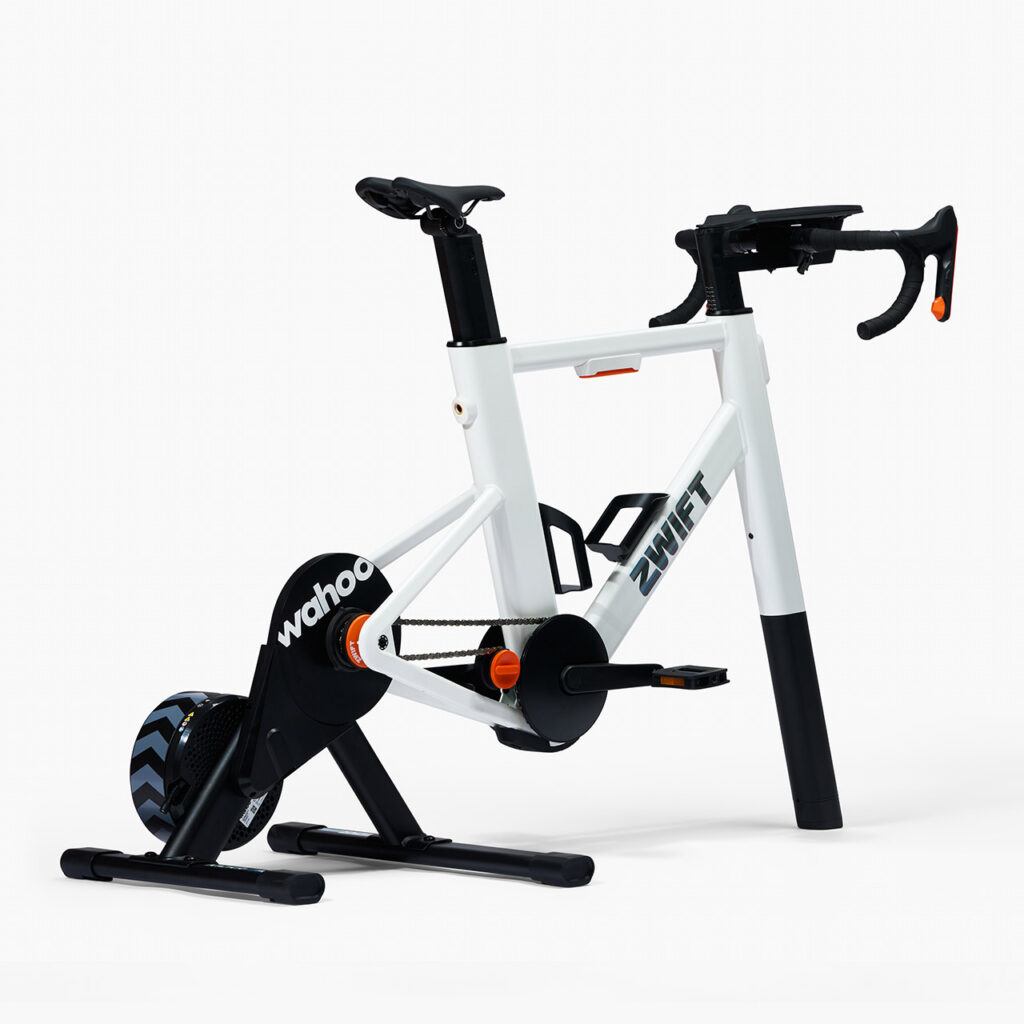
It did, however, receive significant firmware updates to enable auto-calibration and Zwift virtual shifting, allowing it to become the de facto trainer paired with the Zwift Ride smart frame.
But competition in this price range is strong. Today’s release of the KICKR CORE 2 brings premium features to Wahoo’s mid-budget workhorse, updating it to the standards set by the latest smart trainers.
This is particularly big news in the world of Zwift. The KICKR CORE 2 is the trainer that ships with the Zwift Ride from today onward, making today’s upgrade from Wahoo an upgrade for all future Zwift Ride buyers!
What’s New?
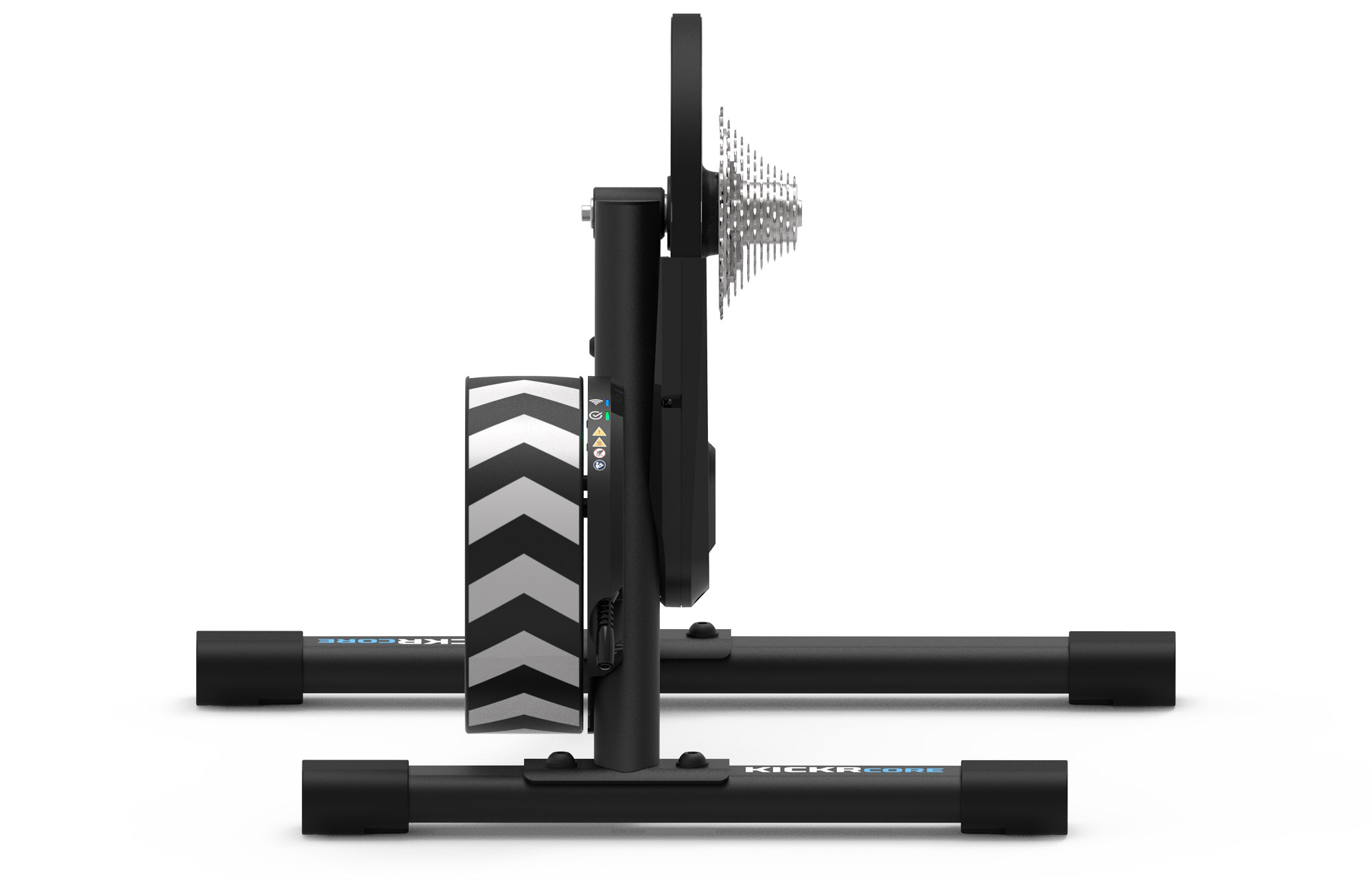
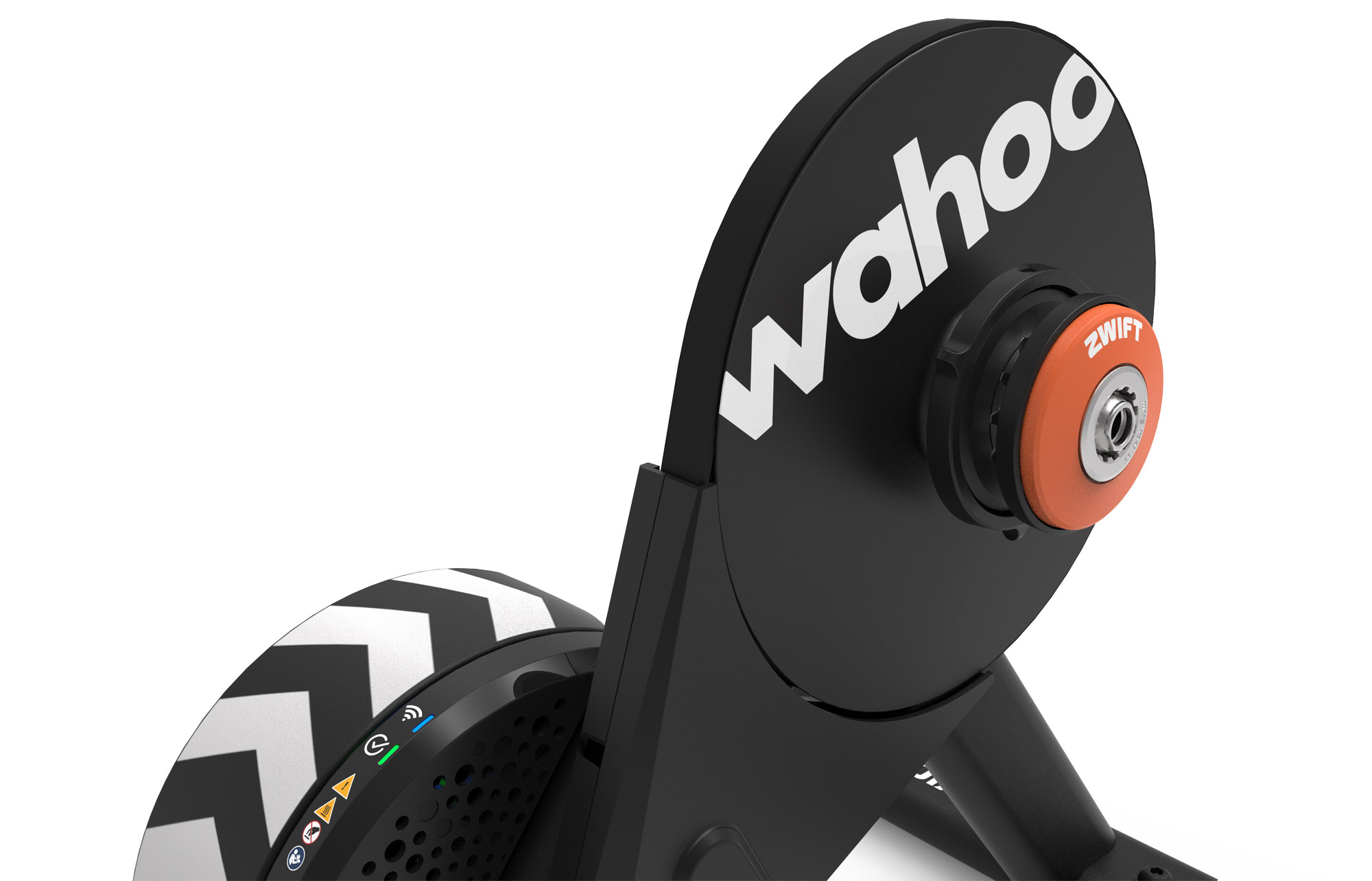
New or upgraded features on the KICKR CORE 2 include:
WiFi connectivity for fast, reliable connections and automatic firmware updates
Race mode for near instantaneous response
Bluetooth bridging of heart rate and other sensors to consolidate connections (great for Apple TV users)
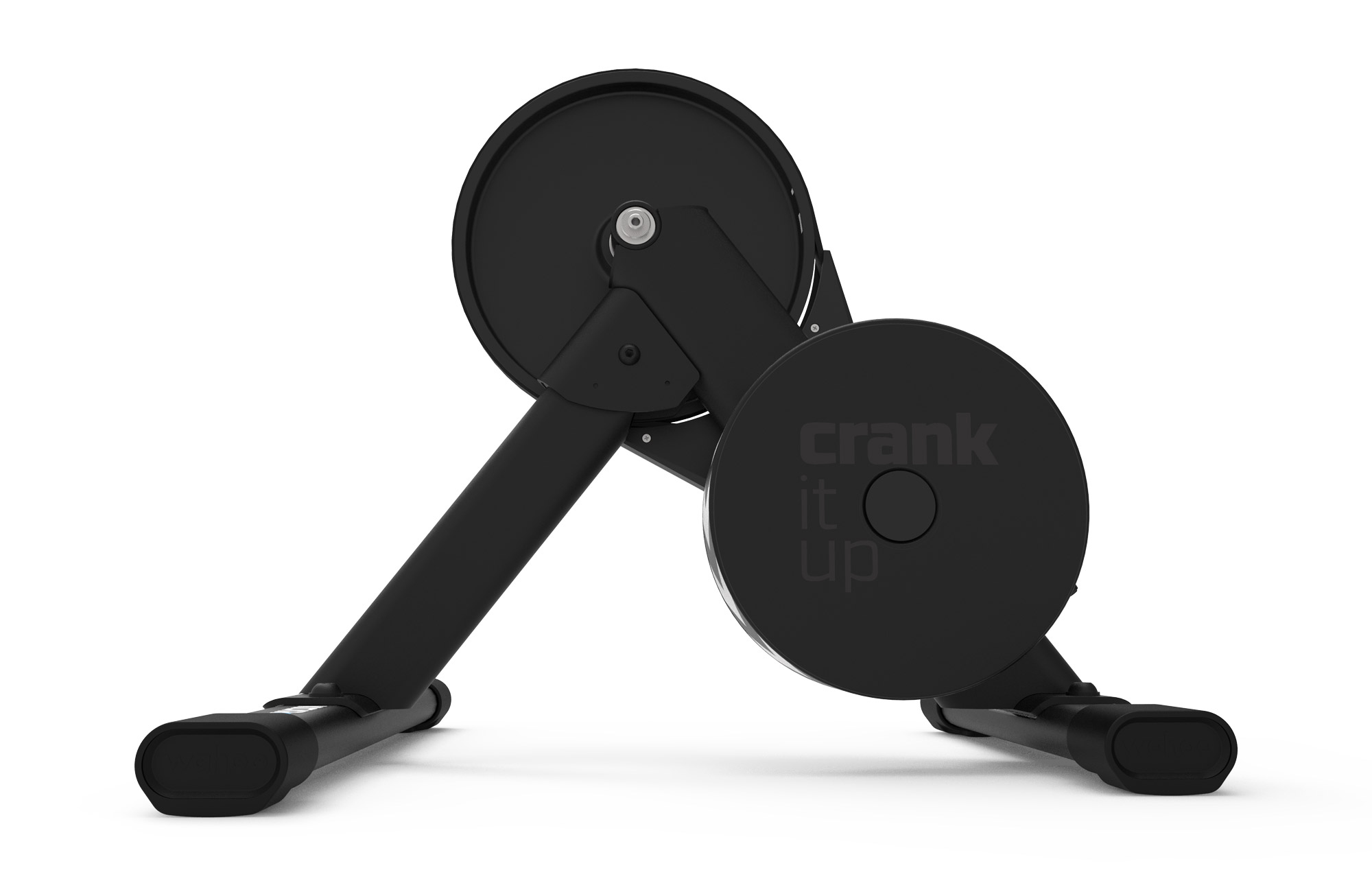
New flat leg design for easier, more stable setups
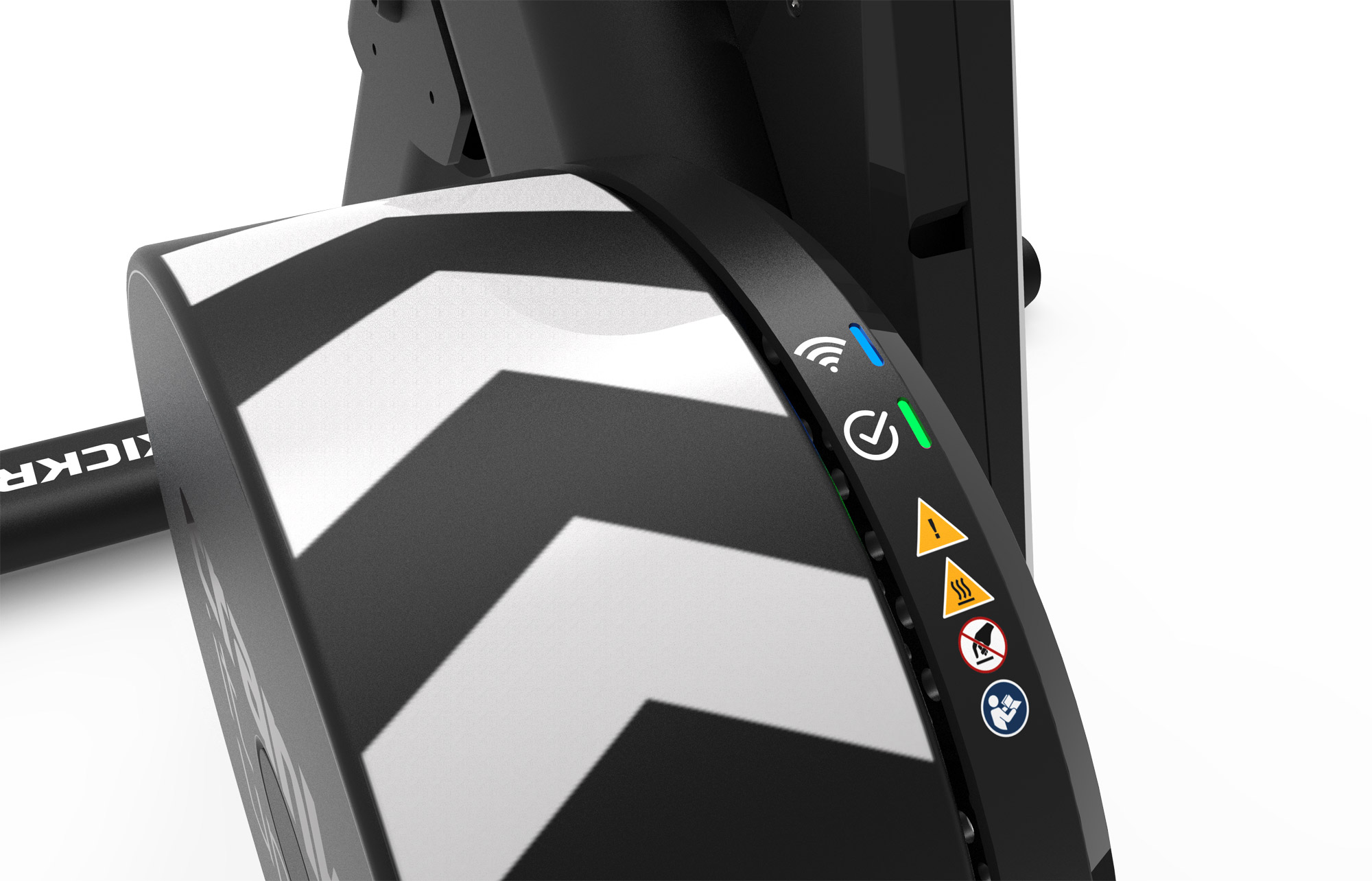
Improved multicolored LEDs indicate connection and trainer status
Redesigned flywheel lowers product weight while slightly increasing inertial load for better road feel
Reduced setup friction and waste: easier unpacking and assembly
Key Specs
Max Wattage: 1800W
Max Incline: 16%
Max Decline: -10%
Power Accuracy: +/-2%
Connectivity: WiFi, ANT+ FEC, ANT+ Power, Bluetooth FTMS, and Zwift Protocol
Cassette: sold with 11-speed cassette or Zwift Cog
Supported Hubs: 130/135mm QR, 12×142, and 12×148 Thru Axle
Buy the Zwift Ride + New KICKR CORE 2 (Price Drop!)
The KICKR CORE is the only trainer sold as a bundled product with the Zwift Ride smart frame, so today’s upgrade to the CORE 2 means the Zwift Ride bundle gets upgraded as well! Effective today, all Zwift Ride packages sold through Zwift and Wahoo will ship with the new KICKR CORE 2, giving you a top-notch feature set at an unbeatable price.
More good news: the updated Zwift Ride now costs less! Starting today, the complete setup price drops by £100 and €100 in the UK and EU, bringing the cost down to £1099.99 and €1199,99 respectively. In the US (where tariffs are making pricing an adventure), the cost of shipping has been reduced from $110 to $75.
Looking to purchase the full package of a Zwift Ride smart frame with Wahoo’s brand-new KICKR CORE 2? Click below to purchase through Zwift (your purchase through this link helps support Zwift Insider):
Wahoo unveiled the first edition of their KICKR BIKE at Eurobike 2019, and it certainly turned heads with its distinctive look and built-in KICKR CLIMB tilting. Then in 2022, they released the updated KICKR BIKE, making various iterative improvements while also adding WiFi connectivity and a redesigned motor for higher max wattage and quieter operation.
One year later, the KICKR BIKE SHIFT was announced, sporting a similar design and base feature set as the KICKR BIKE but at a lower price point.
Today, Zwift released the next version of KICKR BIKE, named the KICKR BIKE PRO. This replaces the KICKR BIKE Gen 2, and while mostly what you’ll see here are iterative upgrades from the Gen 2 version, that’s what you would expect in the third generation of the industry’s leading smart bike.
What’s New?
New or upgraded features on the KICKR BIKE PRO include:
Handlebars redesigned for increased indoor comfort (now 40cm wide with 16-degree flare and Fi’zi:k Solocush bar tape)
Upgraded saddle (Fi’zi:k Aliante R5)
4-button controllers on top of each hood, mimicking Zwift Play controller capabilities (these also work for navigating other indoor apps, including Wahoo SYSTM, Rouvy, TrainingPeaks Virtual, and MyWhoosh)
Bluetooth bridging of heart rate and other sensors to consolidate connections (great for Apple TV users)
Increased durability thanks to more robust shifter cables and oversized quick-release levers
Key Specs
Max Wattage: 2500W
Max Simulated Incline: 20%
Max Simulated Decline: -15%
Power Accuracy: +/-1%
Connectivity: WiFi, ANT+ FEC, Bluetooth, Direct Connect
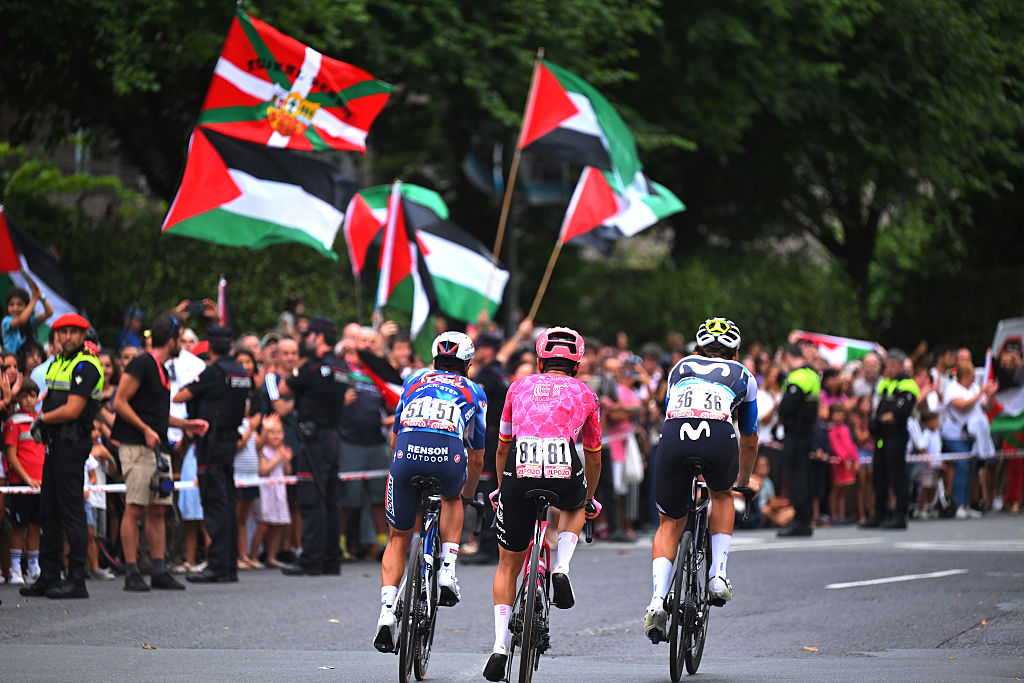
If you’ve been following this year’s Vuelta a España, you’ll have likely seen or read about the pro-Palestine demonstrations that have disrupted the race.
From the beginning of this year’s final Grand Tour, demonstrators have lined the roadside waving Palestinian flags, entered the course to halt the race and even engaged in a stand-off with police.
Coverage of the protests has focused overwhelmingly on statements issued by the race organisers, the riders and the Israel–Premier Tech team, which has been the main target of the demonstrations. So we spoke directly with those behind the demonstrations.
“Sportswashing pure and simple”
A protest at the start of stage 15 of La Vuelta in Ribadeo, Spain. Carlos Castro / Getty Images
In April, the Boycott, Divestment and Sanctions (BDS) Movement called for protests against the inclusion of Israel–Premier Tech in this year’s Grand Tours. The Palestinian Campaign for the Academic and Cultural Boycott of Israel (PACBI) is a founding member of the Palestinian-led BDS movement.
Stephanie Adam, a campaigner for PACBI, told BikeRadar via email that Israel–Premier Tech’s presence at La Vuelta is “sportswashing pure and simple”. Sportswashing is typically described as a way to improve the reputation of a government or state, and it has become commonplace in cycling.
She believes the team “was explicitly created to whitewash and distract from Israel’s grave crimes against Palestinians”, adding that it refers to itself as an “ambassador” for Israel.
“The team’s backer and co-founder, billionaire Canadian-Israeli Sylvan Adams, refers to himself as an ambassador-at-large for Israel,” she explains, highlighting how Adams has said that riders understand that being on the team means being an ambassador for the country.
Recently, former Israel–Premier Tech riders Jakob Fuglsang and Alessandro De Marchi have expressed relief at no longer riding for the team.
Israel-Premier Tech’s co-owner Sylvan Adams in 2022. Bo Amstrup / Getty Images
Adam says: “Israel is committing what the International Court of Justice (ICJ) has ruled is plausibly genocide against 2.3 million Palestinians in Gaza, killing tens of thousands. Israel’s livestreamed engineered mass famine is starving Palestinians to death. It has also decimated Palestinian homes, hospitals, schools, universities, and sports facilities.”
Israel’s war on Gaza was launched in response to the Hamas attacks of October 7 2023, where more than 1,000 Israelis were killed and more than 250 were taken hostage.
Adam contextualises Israel’s ensuing war on Gaza by saying: “This is only Israel’s latest, devastating attack on Palestinian life. As Amnesty International and others have documented, Israel has been imposing an apartheid regime on the entire Palestinian people, including refugees, for 77 years.”
She says Palestinians and the PACBI’s progressive allies “will not stand by” as any sportwashing of Israel takes place. “How could we? Our most urgent task at hand is stopping the genocide. There can be no sports as usual,” she says.
“Grassroots power at its finest”
Pro-Palestinian protesters at the finish line of La Vuelta’s stage 11, which was shortened. Tim de Waele / Getty Images
Lidón Soriano has been one of the organisers of the protests at La Vuelta. In July, she was involved in launching BDS Deportivo, a platform for the boycott of Israel in sport through the BDS Movement and RESCOP, the Spanish network against the occupation of Palestine.
She says the platform’s main objective is to expel Israel from La Vuelta and all sporting competitions.
“We’ve achieved coordination throughout all stages, and it’s been wonderful to be able to create that common thread in terms of message, action, and objective,” she tells BikeRadar by email.
“From the first stage in Figueres to the current one in Asturias, we’ve been in contact with all the local groups, and all have carried out peaceful, nonviolent actions.
“Personally, the experience was impressive: grassroots power at its finest and a collective demand for justice for Palestine.”
While there have been protests at other races, none have been as large as those at La Vuelta, which even led to stage 11 being shortened due to the number of demonstrators at the finish line in Bilbao.
Soriano says she thinks there are two reasons for this. “On the one hand, the Spanish population is probably the most sensitive and supportive of Palestine of all European countries. On the other hand, the Spanish government is less repressive toward demonstrations of support for Palestine,” she says.
It is not only the Spanish population that is supportive of Palestine, but parts of the government too. Spain’s prime minister, Pedro Sánchez, was the first senior European leader to accuse Israel of genocide.
The government also recently announced that it will move forward with a law that, if passed, would directly impose a military embargo against Israel. And, last week, the country’s minister of foreign affairs, European Union and cooperation of Spain, José Manuel Albares, even said he supports Israel–Premier Tech leaving La Vuelta.
UCI hypocrisy
Cyclists pass Palestine flags at La Vuelta a España. Tim de Waele / Getty Images
Albares is one of many to have called for Israel–Premier Tech to leave Spain’s Grand Tour, but the decision on whether or not they can race ultimately lies with cycling’s governing body, the UCI.
Last week, the UCI released a statement saying it “firmly condemns” the protests at La Vuelta, stressing its political neutrality. But for Adam, there is hypocrisy in the UCI’s actions.
After Russia’s invasion of Ukraine, the UCI banned Russian teams from participating in competitions, but no similar ban was placed on Israel after it began its most recent attack on Gaza following October 7.
Adam says this signals to Israel that “its genocide… can continue with no consequences, with total impunity”.
Pro riders’ reactions
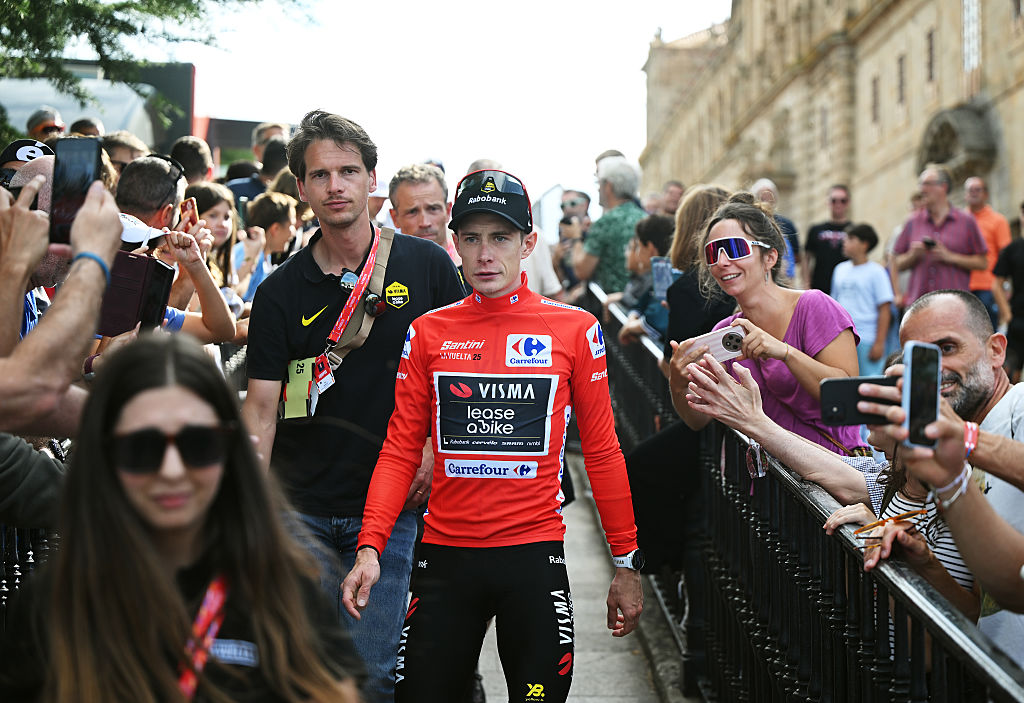
Jonas Vingegaard claimed the race was the “wrong place” for people to protest, but later said people were doing it for a reason. Dario Belingheri / Getty Images
Pro riders have been at the sharp end of the protests at La Vuelta. Several have crashed following protesters entering the course of the race. Some riders have acknowledged the right to peaceful protests, but expressed concerns over safety.
Following the curtailment of stage 11, Tom Pidcock said the demonstrators’ actions were “not going to help what they’re protesting for”. Race leader Jonas Vingegaard said La Vuelta is the “wrong place” for people to protest.
This week, the Dane expressed understanding for what’s behind the protests: “People are doing it for a reason, it’s horrible what’s happening,” he said after stage 15, but added that it was a “shame” the race was being targeted.
In response to their comments, Soriano is appealing to riders. “I would like to ask them what they would like the world to do if their children, wives, or mothers were being murdered,” she says.
Adam adds: “Palestinians and our progressive allies would like nothing more than for there to be no need to protest against Israel’s genocide, its apartheid rule, or its military occupation. But that is not the world we live in.”
What happens next?
Israel–Premier Tech removed its name from the team jersey at La Vuelta. Miguel Riopa / Getty Images
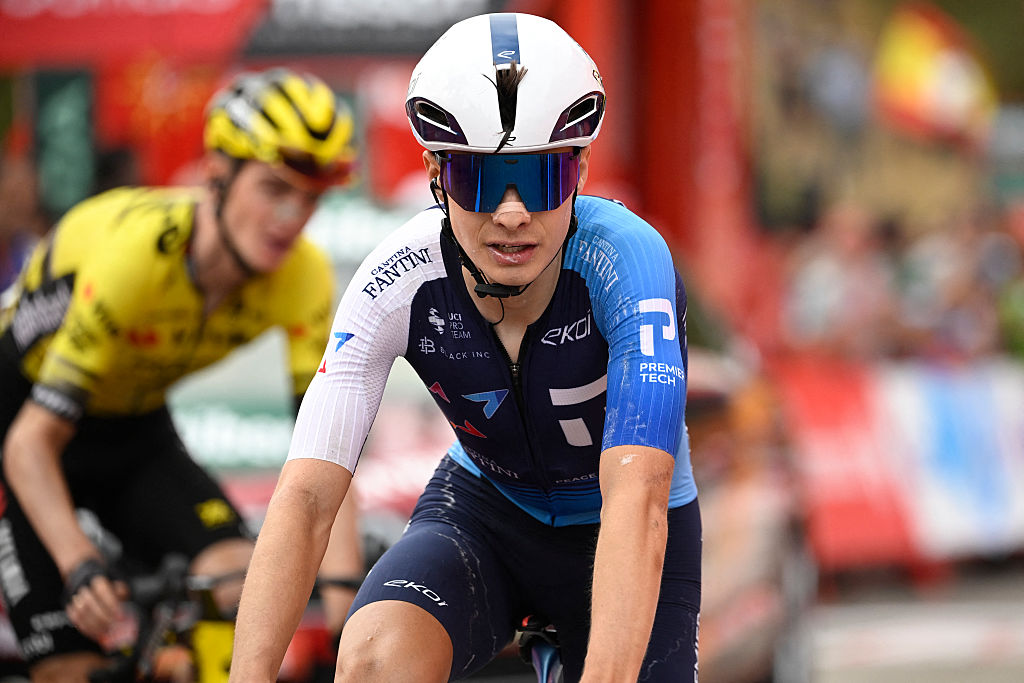
Israel–Premier Tech has said it’s firmly committed to racing at La Vuelta. The team has also removed its name from its kit, citing safety concerns, and Sylvan Adams has said withdrawing from the race would amount to “surrender to the terrorists”.
Meanwhile, Adam and Soriano say protests will continue through the final week of La Vuelta.
Soriano says BDS Deportivo demands the expulsion of Israel from all sporting events, and will “continue coordinating the actions that the different groups are preparing in their respective cities until governments and sports organisations fulfill their legal obligation to do everything possible to end the occupation, apartheid, and genocide in Palestine.”
Adam says protests will continue at La Vuelta, and until Israel–Premier Tech is excluded from UCI races and events.
“Riders and teams are reportedly starting to call for UCI to do just that,” she says. “We encourage them to make their collective voice heard, to uphold sporting values and push UCI to stop tarnishing the sport.”