In a win for science, NASA told to use House budget as shutdown looms

The situation with the fiscal year 2026 budget for the United States is, to put it politely, kind of a mess.

The White House proposed a budget earlier this year with significant cuts for a number of agencies, including NASA. In the months since then, through the appropriations process, both the House and Senate have proposed their own budget templates. However, Congress has not passed a final budget, and the new fiscal year begins on October 1.

As a result of political wrangling over whether to pass a “continuing resolution” to fund the government before a final budget is passed, a government shutdown appears to be increasingly likely.

Read full article

Comments

Integrating a uTrust FIDO2 Security Key for Full Disk Encryption, Login, and Sudo Access on Fedora 42

This guide provides a step-by-step walk-through for integrating a uTrust FIDO2 security key (Identiv uTrust) with Fedora 42 to secure: Audience for this article The guide is intended for instructional cybersecurity labs and intermediate Fedora users. It prioritizes PIN + Touch verification for strong security. NOTE: Since misconfiguration can result in system lockout, readers should […]

After a very slow start, Europe’s reusable rocket program shows signs of life

No one could accuse the European Space Agency and its various contractors of moving swiftly when it comes to the development of reusable rockets. However, it appears that Europe is finally making some credible progress.

This week, the France-based ArianeGroup aerospace company announced that it had completed the integration of the Themis vehicle, a prototype rocket that will test various landing technologies, on a launch pad in Sweden. Low-altitude hop tests, a precursor for developing a rocket’s first stage that can vertically land after an orbital launch, could start late this year or early next.

“This milestone marks the beginning of the ‘combined tests,’ during which the interface between Themis and the launch pad’s mechanical, electrical, and fluid systems will be thoroughly trialed, with the aim of completing a test under cryogenic conditions,” the company said.

Read full article

Comments

Record-Low 35% in US Satisfied With K-12 Education Quality

Gallup: A record-low 35% of Americans are satisfied with the quality of education that K-12 students receive in the U.S. today, marking an eight-percentage-point decline since last year. This is one point below the previous historical low recorded in 2000 and 2023 for this Gallup question that dates back to 1999.

Several other ratings of the U.S. K-12 education system provide a similarly bleak assessment. Only about one-quarter of Americans think K-12 schools are headed in the right direction, while just one in five rate them as “excellent” or “good” at preparing students for today’s jobs and one in three say the same for college.

Yet, parents of current K-12 students are nearly twice as satisfied with their own child’s education as they are with education in the U.S. K-12 parents are also slightly more likely than U.S. adults in general to rate different aspects of education positively, including the direction of education in the U.S. and schools’ preparation of students for the workforce and for college. Still, none of these ratings is near the majority level.


Read more of this story at Slashdot.

Bonkers CDC vaccine meeting ends with vote to keep COVID shot access

A two-day federal vaccine advisory meeting crammed with chaos, confusion, inept debate, bizarre comments, and a hot mic catching someone saying “you’re an idiot,” ended with an unexpected twist: The advisors unanimously voted—possibly unintentionally—to maintain broad access to COVID-19 vaccines.

In the 12–0 vote, the committee of advisors selected by anti-vaccine activist Robert F. Kennedy Jr. adopted a recommendation for adults 65 and older and people aged 6 months to 64 years to get a COVID-19 vaccine based on shared clinical decision-making. If the Centers for Disease Control and Prevention adopts the recommendation, it will maintain requirements that federal and private health insurance plans cover COVID-19 vaccines at no cost.

Earlier this year, the FDA limited the approvals of this year’s shots, which have previously been available to anyone 6 months of age or older. The FDA’s new restriction limits them to adults aged 65 and up and for people between the ages of 6 months and 64 years who have an underlying medical condition that puts them at high risk of severe COVID-19.

Read full article

Comments

Microsoft Is Raising Xbox Prices Again

We may earn a commission from links on this page.

Here we go again. After hiking the price of Xbox consoles earlier this year, Microsoft just announced it is already raising prices again—the second price hike in four months. Now, even Microsoft’s cheapest console, the Xbox Series S, will cost at least $400.

As someone who got an Xbox Series S for $150 a few years back, that stings. (Granted, I got a really good deal. Still.) Microsoft is blaming “changes in the macroeconomic environment” for the new prices, so read into that what you will.

How much more expensive will the Xbox be?

Here is what Microsoft’s consoles will cost after the new pricing takes effect:

Keep in mind that even after Sony’s own price hikes, U.S. gamers can still get a PS5 for $550 and a PS5 Digital Edition for $500. Yes, Microsoft’s consoles technically start cheaper, but the Series S is more comparable to the original Nintendo Switch than an Xbox Series X or a PS5, and $400 is a lot to pay for it—although the original Switch also got its own price hike just last month, and the OLED model of that machine will also now run you $400. If you’re comparing apples to apples, though, Sony’s console is about to be a good bit cheaper than Microsoft’s.

Gamers who prize physical media will be the hardest hit, as to get a disc drive on your machine, you have to opt for a non-digital Xbox Series X, which means you’re going to get a bigger price increase than your peers. The last jump bumped the Xbox Series S up by $80 and the Series X by $100, while this one increases the Xbox Series S by $20 and the Xbox Series X by $50.

On the plus side, Microsoft said pricing for controllers and headsets “will remain the same,” which isn’t how it went last time around. Maybe that’s a hint at the overall console strategy: Microsoft has been investing a lot in cloud gaming recently, and you technically don’t even need a console to play its games. In that case, upping pricing on its hardware is maybe a bit less risky for the Halo folks than the God of War ones.

And I haven’t even touched on Microsoft’s most expensive machine. If you’re an Xbox loyalist and you want to go all-in on its 2TB Xbox Series X Galaxy Black Special Edition, that will now run you $800, a $70 bump in the price tag. Honestly, at that point, you could probably just get a PC instead.

There is something you can do about these price increases, even if it kind of feels like giving in to a ransom: They won’t go in effect until Oct. 3rd, so if you were still on the fence about getting an Xbox, now is the time to act. You’ll still have to deal with the price hike from May, but at least you’ll save between $20 and $70.

iPhone 17 Air & Galaxy S25 Edge Specs Comparison: Which Is The Thin Phone For You?

iPhone 17 Air & Galaxy S25 Edge Specs Comparison: Which Is The Thin Phone For You?
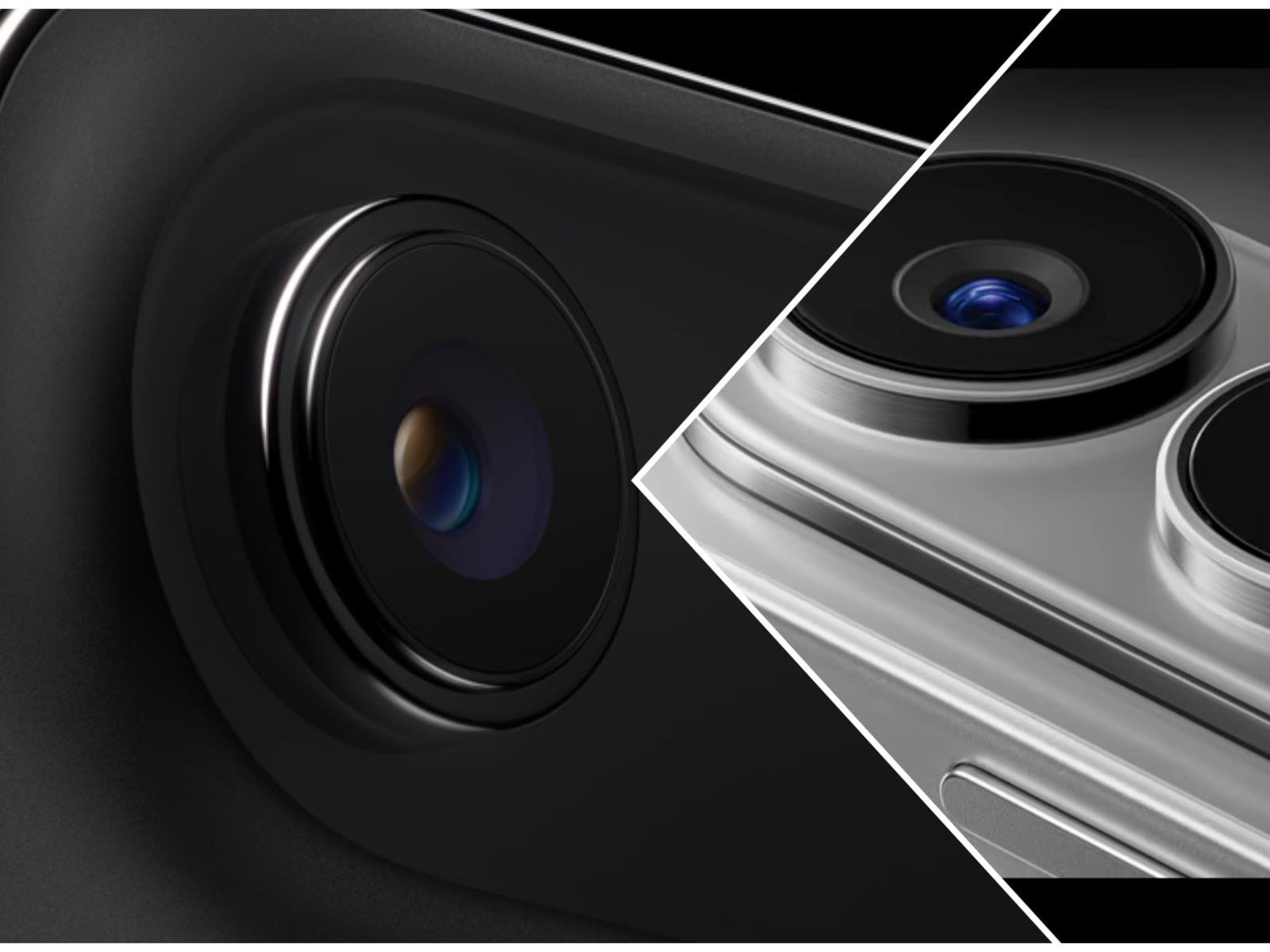
Two of the biggest smartphone manufacturers both released ultra-thin devices recently, Apple with the iPhone Air and Samsung with the Galaxy S25 Edge. Despite having super-svelte designs, however, both devices still manage to pack some flagship specs, which gives potential buyers a lot to think about when making a purchasing decision. Here’s

I Love My Apple Watch Series 11, But You Might Not

We may earn a commission from links on this page.

Did you know you can customize Google to filter out garbage? Take these steps for better search results, including adding my work at Lifehacker as a preferred source.


The Apple Watch Series 11 is now available, and just a few days into using a review unit, I’m happy with the upgrade. But whether it’ll be worth it to you is a different story entirely.

Before the Series 11, I was still using a first-generation Apple Watch SE. Since I don’t need much from my smartwatch, the SE was enough for me: basic media playback with heart-rate tracking and tap-to-pay. What more could I want?

But the Series 11 taught me that I could want much more. Its bigger screen with an always-on display is a nice bonus, as is the thinner and lighter design. The problem is that the Apple Watch Series 11 isn’t the first Apple Watch with those bonuses. If you’re like me and haven’t upgraded in a while, the Apple Watch Series 11 is a great pick. But those with a newer Apple Watch may want to hold off and save their money.

What I love most about the Apple Watch Series 11

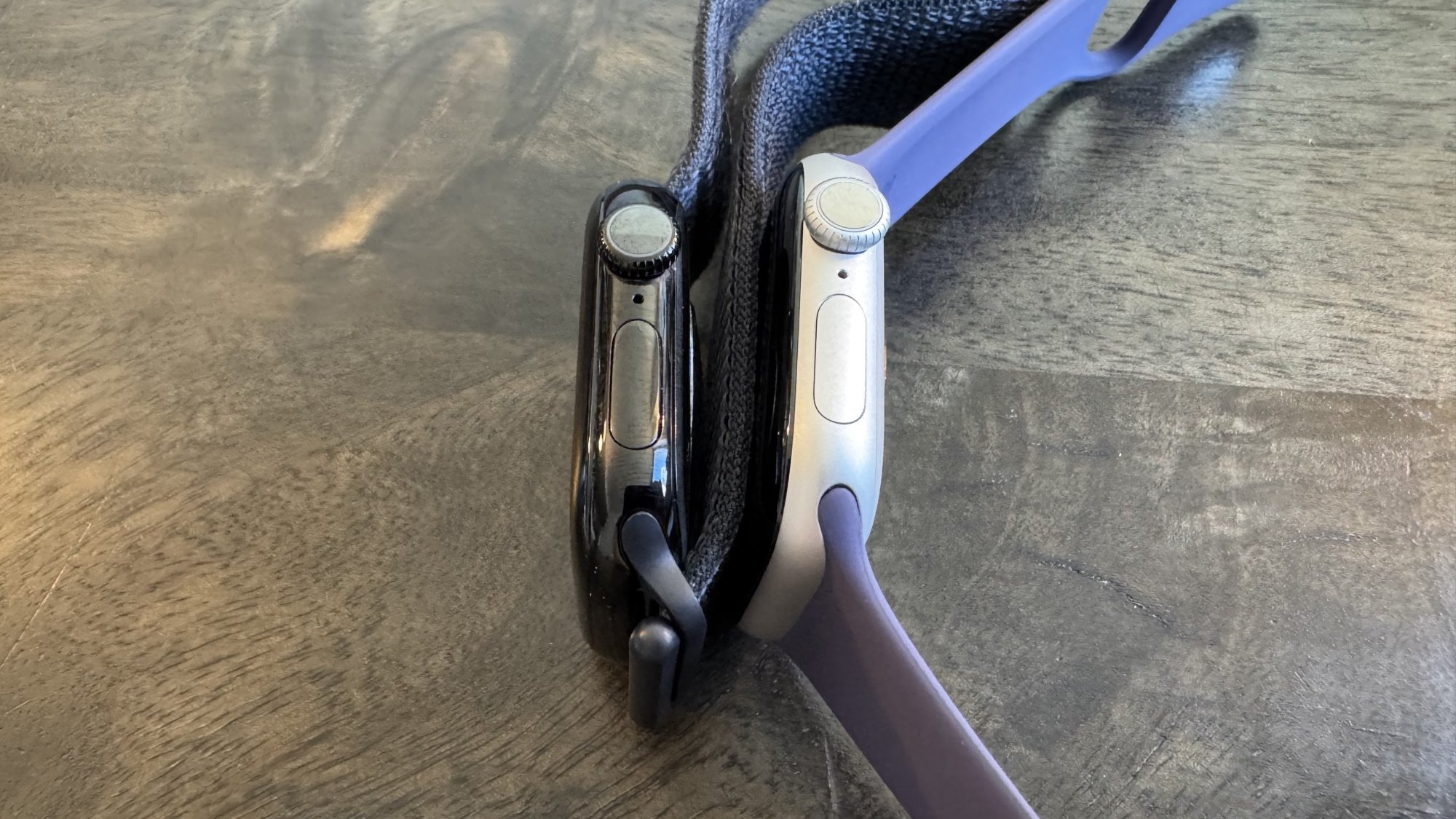
While the Apple Watch Series 11 comes with a new chip and upgrades to both battery life and wireless connectivity, I’ve already mentioned what I value most about it. Essentially, I just like that this thing is super comfortable to wear. At its release, the Series 10 was Apple’s thinnest and lightest smartwatch, but since the Series 11 has inherited its design, it’s now tied with its successor.

Apple Watch Series 10 in profile (left) vs. Apple Watch Series 11 in profile (right)
Credit: Michelle Ehrhardt

Both hardly feel like you’re wearing anything at all (while I don’t use the Series 10 on a day-to-day basis, my husband has one that he’s letting me borrow to write this). While my SE’s circular sensor bump often feels like it’s jutting into my wrist, both the Series 10 and 11 feel flat on my wrist, thanks to their thinner bodies. It’s a huge relief over an extended period, and it only gets better with the few grams Apple’s knocked off the weight.

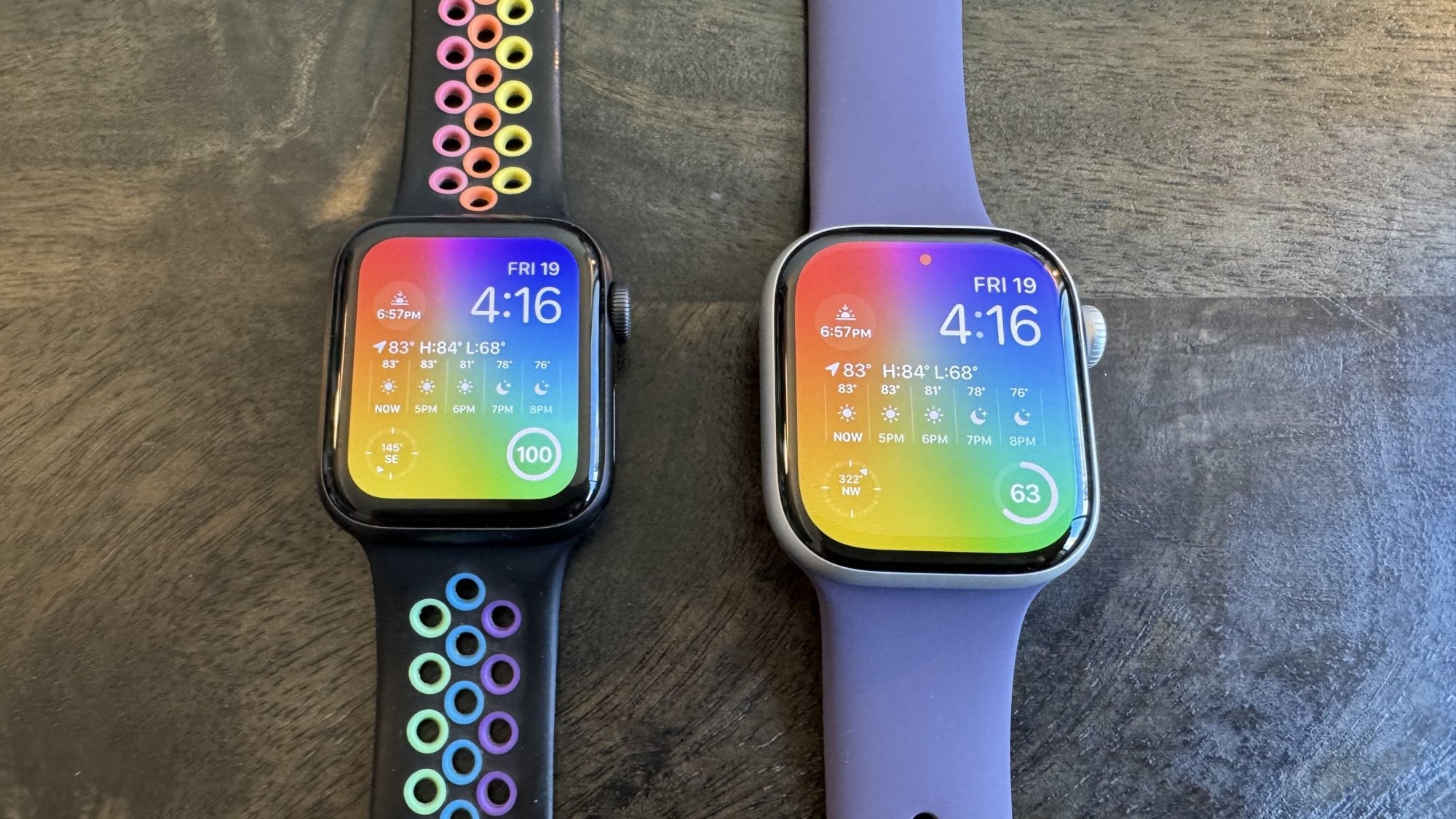
The display also contributes to the comfort. Both the Series 10 and the Series 11 have an always-on display, and while an always-on display has been available as far back as the Series 5, this is my first time using one on a watch. The Apple Watch display also got 9% bigger starting on the Series 10, so the Series 11 screen is a bit more luxurious than anyone on a Series 9 or before will be used to.

The bigger, always-on display helps with comfort because it’s much more glanceable. With my SE, I had to raise my wrist to see my watch screen, and the 10 and 11 don’t need that. At 2,000 nits of brightness, they’re easy to see even if your wrist is at your side and slightly turned, and with OLED and a 1Hz refresh rate, the always-on display is able to update every second without wasting unnecessary battery life. Having my screen turn off was probably the biggest annoyance of using a smartwatch over a traditional watch for me, and now it’s something I don’t have to worry about at all.

Apple Watch SE display (left) vs. Apple Watch Series 11 display (right)
Credit: Michelle Ehrhardt

I’m pleased enough with the improved comfort to shell out money for a Series 11 after returning this review unit. I was worried that, because the Series 11 starts at 42mm while my first-gen SE is 40mm, it might feel a bit too big. In actuality, while I still prefer a small watch, it’s turned out to be the better size for me.

What else can the Apple Watch Series 11 do?

If you’re upgrading from an older watch, the Series 11 also gives you access to a lot more sensors. But to be honest, most are overkill. For instance, you can use it as a dive computer down to 6 meters (or about 20 feet), which isn’t particularly handy for most people. But there are some advanced features worth caring about.

First, it’s easier to control this smartwatch than older Apple smartwatches. With watchOS 26, the Series 9, 10, and 11 got support for both the wrist flick and double tap gestures, and they’re both pretty convenient. Think of them as “dismiss” and “confirm,” respectively. You can use wrist flick to turn down notifications, and while you can customize double tap a bit more, the idea is that you’ll use it to start a song or navigate your smart stack without using your hands.

Essentially, the goal is that these features keep you from having to fumble with your watch screen if you’re otherwise occupied. For instance, I got a phone call while working out with the Series 11 this morning (where it was much more comfortable on my wrist than my SE), and quickly rotating my wrist away from my body was all I needed to do to decline the call. Normally, I would have just let it ring until it went to voicemail, so this was a nice way to save myself the distraction.

Aside from the new gestures, the Series 11 also has a few new health features. Like with the depth meter, whether you’ll actually use them depends on who you are, but there are a few in particular that I’m happy to have. For instance, like my colleague Beth Skwarecki, I’m not too enthused about Sleep Score, which tries to break down your sleep quality into one number but seems too generalized for me to get much use out of. Hypertension notifications, on the other hand, are a big deal to me. Hypertension notifications weren’t available on my SE (and still aren’t on any SE, for that matter). Instead, you need an Apple Watch Series 9 or above. What these notifications do is passively track how your blood vessels respond to your heart rate using a PPG, then send you a notification if your watch notices significant irregularities over a 30-day period.

One of the reasons my husband picked up an Apple Watch Series 10 was so he could use the ECG to track his heart rate over time, rather than just when he was working out. This helped him figure out that his heart rate would sometimes be way too high after drinking caffeine or while going to bed, which his doctor eventually diagnosed as AFiB. He might have missed out on this if he didn’t have the data to back it up, but he’s now gotten it treated, and says he feels a lot more stable across the day, with no random spikes (plus, AFiB has the potential to get pretty serious if left untreated, so his doctor is glad he was able to catch it early).

If these Hypertension Notifications, which do a similar thing but for high blood pressure, can help my husband keep his heart healthy, then I’m all for them. He does have to regularly check his blood pressure as part of his ongoing treatment, and while the Apple Watch can’t give him specific numbers, it should help him passively determine what his numbers mean and if he needs to be worried. Plus, I’m interested in trying them, too. The CDC says that “of the 75 million Americans who have hypertension…about 11 million of them don’t know their blood pressure is too high and are not receiving treatment to control it.” Given how well my husband’s Apple Watch helped him diagnose his AFiB, it brings a little extra peace of mind to have it checking for high blood pressure, too.

What’s new on the Apple Watch Series 11?

The catch is that the Apple Watch Series 11 isn’t the only way to get these new features. The thin and light display is on the Series 10, “wrist flick” and “double tap” are on the Series 9 and above, and so are Hypertension Notifications. The Series 11 is a great upgrade over my SE, but if you’ve been more up to date with your Apple Watch, you might not want to get the newest model at all. You’d likely be buying Series 11 for only three things.

First, the Apple Watch Series 11 has a 5G modem. Currently, the Apple Watch Series 11, SE 3, and Ultra 3 are the only Apple Watches with 5G connectivity, whereas older models use LTE, which is a type of 4G. That means these watches are faster, but because 5G is also more efficient than 4G, will also save some battery life when using online features. 

Second, the Series 11 has an improved Ion-X glass display. This uses proprietary tech, and Apple says it’s two times more scratch resistant than the Series 10. It’s only available on aluminum models, as titanium models use a slightly less durable sapphire crystal display instead, but it’s also on the SE 3 (the Ultra 3 instead opts for sapphire crystal).

And third, the Series 11 has a longer battery life. While I haven’t had the Series 11 long enough to test its longevity, Apple is claiming 24 hours of battery life on the Series 11 (or 38 in Low Power Mode) versus 18 hours on the Series 10 (or 36 in Low Power Mode). I have a trip coming up, and I’m curious to see how these claims hold up while I’m adventuring away from a plug for a long period of time.

Still, while all of these are nice-to-haves, none of them are as flashy as, say, the thin new body that came with the Series 10. Additionally, if you have a Series 10 and are already careful about scratching your watch or don’t have a cellular plan for it, then you’re not going to get use out of anything but the improved battery life.

I both do and don’t recommend the Apple Watch Series 11

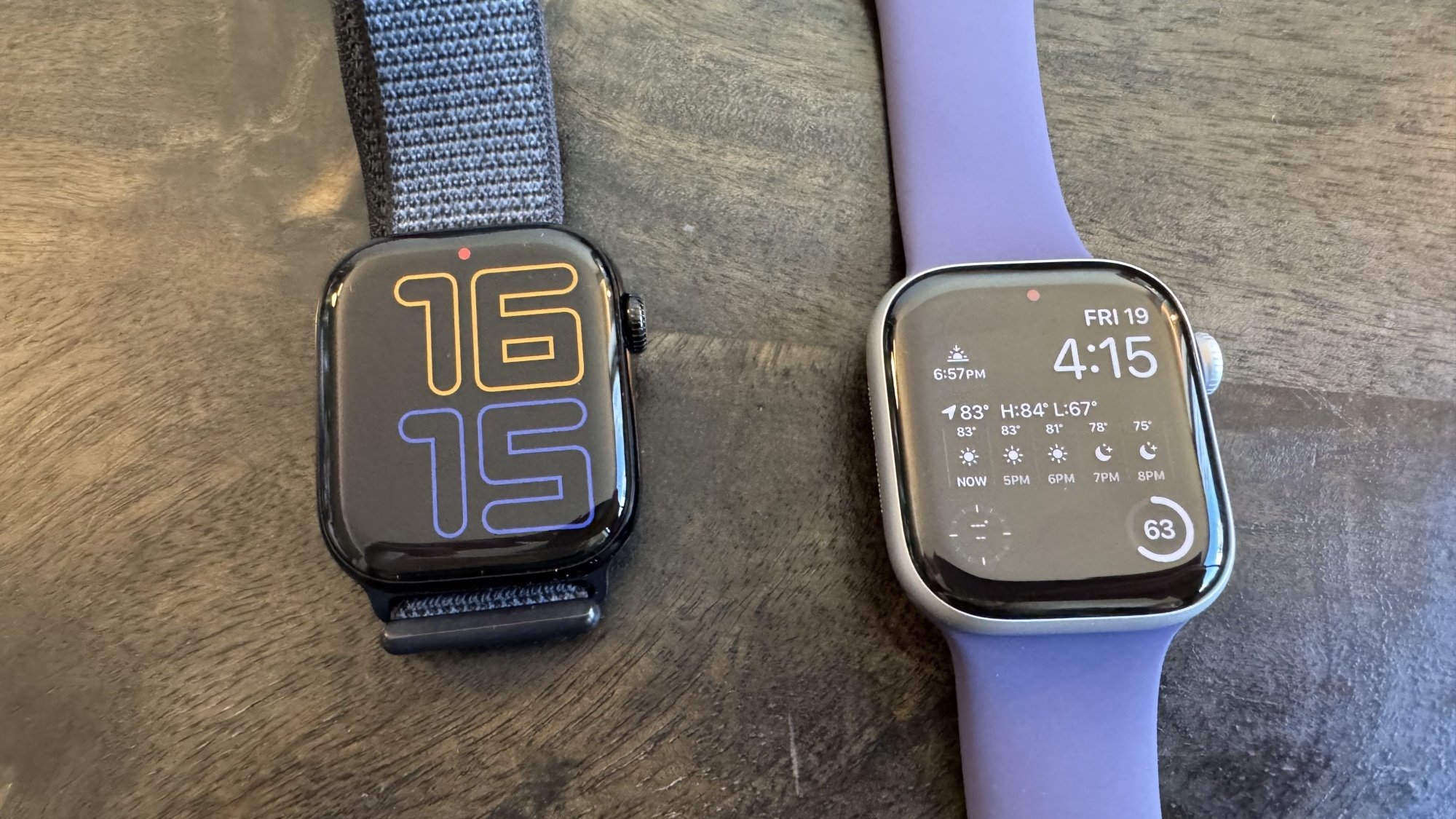
Apple Watch Series 10 (left) vs. Apple Watch Series 11 (right)
Credit: Michelle Ehrhardt

Which brings me to my final point. The Apple Watch Series 11 is a great watch if you’re a few years behind on upgrades, but it’s probably worth skipping if you have a Series 10. It’s been a major quality of life improvement for me over my first-gen SE, which came out in 2020, but if it weren’t a different color than the Series 10, my husband might not have been able to tell it apart from what he already has.

That’s why, once I have to return this review unit, I’ll probably spend the $400 to get one. That’s the same price that the Series 10 has been at until now, and while you can currently find the Series 10 at a mild discount at third-party retailers, the new battery life is probably worth the extra $40-50 for me. But my husband, on the other hand, will keep kicking with what’s already on his wrist.

I assume that’s what a lot of other people will do: Upgrade if you’re a few years behind, but otherwise wait. But there’s one other option. (Well, OK, two options if you want to go premium and get the $800 Apple Watch Ultra 3). You could just get an Apple Watch SE 3 instead. Releasing alongside the Series 11, this is a major upgrade over the SE 2, starting at $250 and upgrading that model to include an always-on display, sleep apnea notifications, temperature sensing, 5G, fast-charge, and both the wrist flick and double tap notifications. But it’s not quite as thin as the Apple Watch Series 11, the screen isn’t as big, and it can’t do ECG tracking or Hypertension notifications. I’ve been so thoroughly spoiled by the Series 11 that I’m not sure I can settle for that, but for others, it might be just the sweet spot.

Oklahoma’s big “TV nudes” scandal was… a Jackie Chan movie on a Samsung streaming service

Since July, the state of Oklahoma has been consumed by important investigative questions, including:

  • Why did naked women appear on a state-owned TV set during an official Board of Education meeting? Was someone in the room inadvertently streaming pornography from a personal device to the TV? Will anyone be prosecuted for what happened?
  • Were the board members who complained about the video directed by the governor to “lie about me,” as the state’s pugnacious, hard-right Superintendent of Education asked?
  • Why was a “chiropractic table” involved in the scene? And why did the video feature, as one board member noted, a retro vibe and “a guy with a white hat, kind of a Gilligan-type hat”?

We now have answers to all of those questions.

After a lengthy investigation by the Oklahoma County Sheriff’s Office and the State Bureau of Investigation, and then a lengthy consideration of their reports, the Oklahoma County District Attorney this week announced that “there is insufficient evidence to file criminal charges.”

Read full article

Comments

Microsoft raises Xbox console prices for the second time this year

Less than a month ago, we looked at how current game console prices were historically high due to price increases from all three major console makers. Today, that analysis is already a bit out of date, as Microsoft has announced its second set of Xbox price increases this year in the US.

The new Xbox price hikes, which will go into effect on October 3, or roughly five months after the last set of Xbox price hikes, are as follows:

  • Xbox Series S 512GB: $400 (up from $380 in May / launched at $300 in 2020)
  • Xbox Series S 1TB: $450 (up from $430 in May / launched at $350 in 2023)
  • Xbox Series X Digital: $600 (from $550 in May / launched at $450 in 2024)
  • Xbox Series X: $650 (up from $600 in May / launched at $500 in 2020)
  • Xbox Series X 2TB Galaxy Special Edition: $800 (up from $730 in May / launched at $600 in 2024)

In an Xbox Support post, Microsoft cited the now-standard “changes in the macroeconomic environment” for the decision to move pricing yet again. “We understand that these changes are challenging, and they were made with careful consideration,” the company wrote. “Looking ahead, we continue to focus on offering more ways to play more games across any screen and providing value for Xbox players.

Read full article

Comments

President To Impose $100,000 Fee For H-1B Worker Visas, White House Says

U.S. President Donald Trump plans to impose a new $100,000 application fee for H-1B worker visas, a White House official said, potentially dealing a big blow to the technology sector that relies heavily on skilled workers from India and China. From a report: As part of his broader immigration crackdown, the Republican president was expected to sign a proclamation as early as Friday restricting entry under the H-1B visa program unless the application fee is paid, the official said.

The H-1B program has become critical for technology and staffing companies who rely on foreign workers to fill a variety of technical roles. Amazon had over 10,000 H-1B visas approved in the first half of 2025, while Microsoft and Meta had over 5,000 H-1B visa approvals each, according to U.S. Citizenship and Immigration Services. Roughly two-thirds of jobs secured through the visa program are computer-related, according to U.S. government figures, but employers also use the visa to bring in engineers, educators and healthcare workers.


Read more of this story at Slashdot.

Chimps consume alcohol equivalent of nearly 2 drinks a day

In 2014, University of California, Berkeley biologist Robert Dudley wrote a book called The Drunken Monkey: Why We Drink and Abuse Alcohol. His controversial “drunken monkey hypothesis” proposed that the human attraction to alcohol goes back about 18 million years, to the origin of the great apes, and that social communication and sharing food evolved to better identify the presence of fruit from a distance. At the time, skeptical scientists insisted that this was unlikely because chimpanzees and other primates just don’t eat fermented fruit or nectar.

But reports of primates doing just that have grown over the ensuing two decades. Dudley co-authored a new paper published in the journal Science Advances reporting the first measurements of the ethanol content of fruits favored by chimps in Ivory Coast and Uganda, finding that the chimps are consuming 14 grams of alcohol every day, the equivalent of a standard alcoholic drink in the US. After adjusting for the chimps’ lower body mass, the authors concluded the chimps are consuming nearly two drinks per day.

Earlier this year, we reported that researchers had caught wild chimpanzees on camera engaging in what appears to be sharing fermented African breadfruit with measurable alcoholic content. That observational data was the first evidence of the sharing of alcoholic foods among nonhuman great apes in the wild. They recorded 10 instances of selective fruit sharing among 17 chimps, with the animals exhibiting a marked preference for riper fruit. Between April and July 2022, the authors measured the alcohol content of the fruit with a handy portable breathalyzer and found almost all of the fallen fruit (90 percent) contained some ethanol, with the ripest containing the highest levels—the equivalent of 0.61 percent ABV (alcohol by volume).

Read full article

Comments

Elon Musk’s Neuralink plans a brain speech trial in October

Neuralink plans to begin another US clinical trial in October, using the implant to translate thoughts into text. The study will be held through an FDA investigational device exemption. “If you’re imagining saying something, we would be able to pick that up,” Neuralink president DJ Seo said this week.

The idea is to help people with speech impairments communicate through thought. Neuralink is among the companies testing implants that help patients control a computer with their minds. That can include using virtual keyboards. Translating thought directly from the patient’s speech cortex could speed things up by cutting the middleman.

The company already has five other clinical trials underway. The first was in the US. It has since added studies in Canada, the UK and the United Arab Emirates.

A Neuralink patient sits, watching a laptop connected to their thoughts.
Neuralink / Chey Institute for Advanced Studies / YouTube

Neuralink’s plans for people with severe impairments sound like utopian sci-fi. Regardless of anything else, success in this field could be beyond life-changing for them. Still, this is a commercial company in which Elon Musk owns a majority share. Neuralink’s long-term plans are where it’s hard not to worry a little.

“We’re currently envisioning a world where in about three to four years, there will be someone who’s otherwise healthy who’s going to get a Neuralink,” Seo said. The company president hinted at what that might look like. “We think that it’s actually possible to demonstrate abilities to speak to the latest AI model, or LLM models, at the speed of thought, even faster than how you’re speaking, and being able to potentially get that information back through your AirPods, effectively closing the loop,” he said.

Our world today has revealed where things can go wrong when we turn too much of our humanity over to technology. You can start with smartphone addiction and social media algorithms and quickly move on to (alleged) AI-enabled suicide. Consumer brain implants can conjure the darkest images painted by our great sci-fi works. Think Neuromancer, Star Trek’s Borg or Cyberpunk 2077‘s cyberware.

Add what we know about Musk’s ideas about politics, and it’s hard not to be at least a little cynical. Is it too much to hope that the technology will advance enough to help those in need, but not so much that it devours humanity?

This article originally appeared on Engadget at https://www.engadget.com/science/elon-musks-neuralink-plans-a-brain-speech-trial-in-october-194004627.html?src=rss

Two of the Kremlin’s most active hack groups are collaborating, ESET says

Two of the Kremlin’s most active hacking units recently were spotted collaborating in malware attacks that compromise high-value devices located in Ukraine, security researchers said Friday.

One of the groups is Turla, which is easily one of the world’s most-sophisticated Advanced Persistent Threats (well-organized and well-funded hacking groups, many backed by nation states, that target specific adversaries for years at a time). Researchers from multiple security firms largely agree that Turla was behind breaches of the US Department of Defense in 2008, and more recently the German Foreign Office and France’s military. The group has also been known for unleashing stealthy Linux malware and using satellite-based Internet links to maintain the stealth of its operations. The group conducts narrowly-targetted attacks on high-value targets and keeps a low profile.

Gamaredon, meanwhile, is a separate APT known for conducting much wider-scale operations, often targeting organizations in Ukraine. Whereas Turla takes pains to fly under the radar, Gamaredon doesn’t seem to care about being detected and linked to the Russian government. Its malware generally aims to collect as much information from targets as possible over a short period of time. Both Turla and Gamaredon are widely assessed to be units of Russia’s Russian Federal Security Service (FSB), the country’s chief security agency and successor of the Soviet Union’s KGB.

Read full article

Comments

Microsoft is making Xbox consoles even more expensive in the US

Starting on October 3, Microsoft says Xbox consoles will be getting yet another price bump, this time ranging anywhere from a $20 increase on the company’s entry-level model to $70 for a special edition model with 2TB of storage. If all of this sounds familiar, there’s a good reason, the last time xbox prices were raised was only a few months ago in May.

The price increases breakdown as follows:

  • Xbox Series S (512GB): $400, up $20 from $380

  • Xbox Series S (1TB): $450 up $20 from $430

  • Xbox Series X Digital: $600, up $50 from $550

  • Xbox Series X: $650, up $50 from $600

  • Xbox Series X 2TB Galaxy Special Edition: $800, up $70 from $730

Those are fairly significant increases, especially when you start comparing Microsoft’s higher-end Xbox Series X consoles to the competition. For example, the Series X Digital (which doesn’t have a disc drive) now costs $50 more than a PS5 Digital Edition. For the $800 Xbox Series X 2TB Galaxy Special Edition price comparisons are even worse. It’s now more expensive than the $750 PS5 Pro, and at least Sony’s console gets you better performance for its high price.

Developing…

This article originally appeared on Engadget at https://www.engadget.com/gaming/xbox/microsoft-is-making-xbox-consoles-even-more-expensive-in-the-us-192443699.html?src=rss

Google Supercharges Chrome With Integrated Gemini AI Features In Huge Expansion

Google Supercharges Chrome With Integrated Gemini AI Features In Huge Expansion
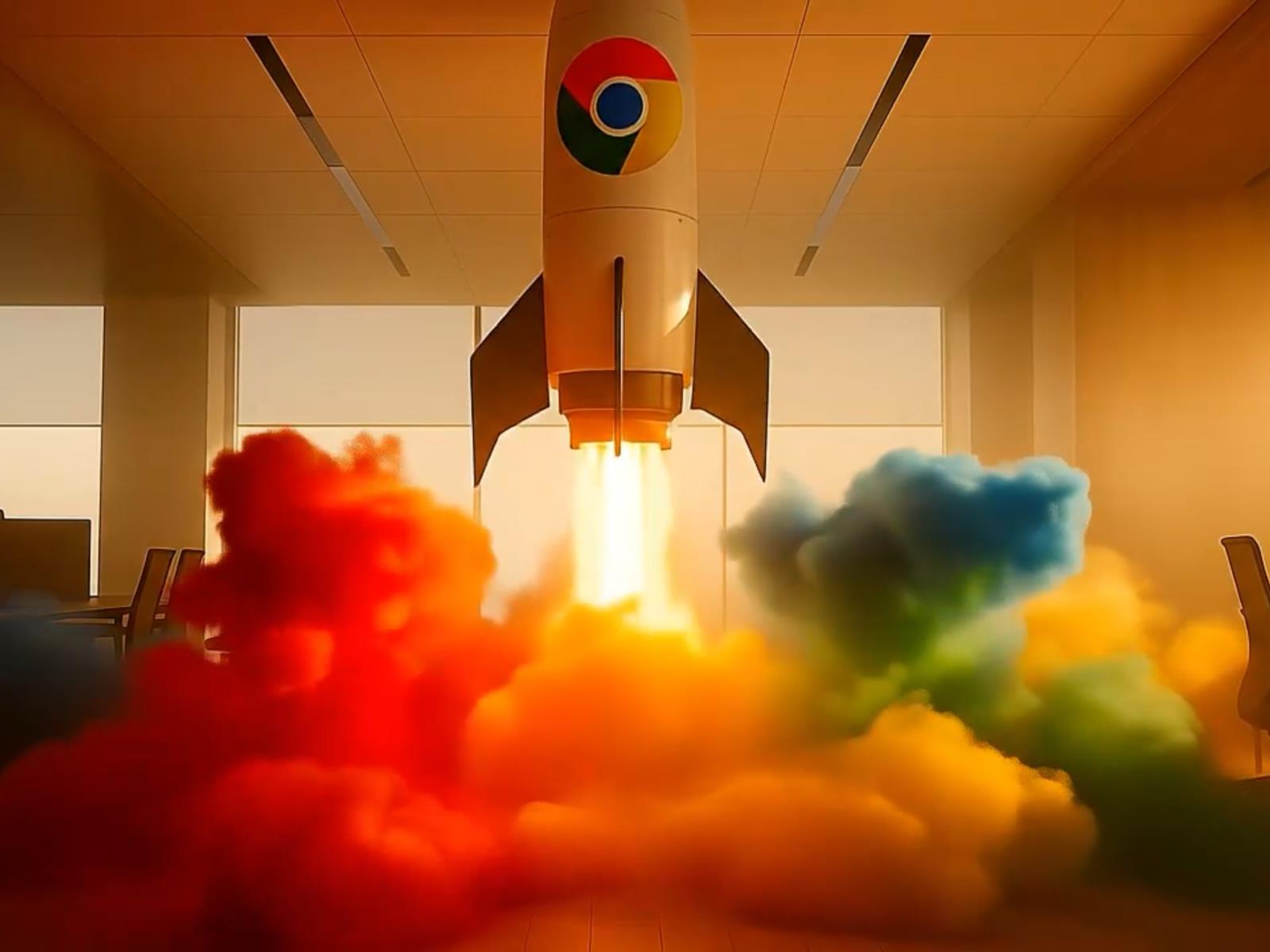
Another week, another AI integration—now, market-leading browser Google Chrome is finally on the update list and facing a full suite of new Gemini AI features to be added in the near future. Over the past few days, Google has been detailing the new AI-powered features its bringing to Google Chrome and all of the ways it looks to enhance the

Microsoft Hikes US Xbox Prices Citing Economic Environment

Microsoft will increase Xbox Series X and Series S console prices in the United States on October 3. The Series X rises to $649.99 from $599.99 and the 512GB Series S increases to $399.99 from $379.99. The 1TB Series S moves to $449.99 from $429.99. The Series X Digital Edition reaches $599.99 from $549.99 and the 2TB Galaxy Black Special Edition climbs to $799.99 from $729.99. Microsoft cited macroeconomic changes for the increases. Console prices outside the US and controller and headset prices domestically remain unchanged. The company raised console prices globally in May.


Read more of this story at Slashdot.

ASRock Calls Dibs On AMD’s New Radeon RX 7700 With First Model

ASRock Calls Dibs On AMD's New Radeon RX 7700 With First Model
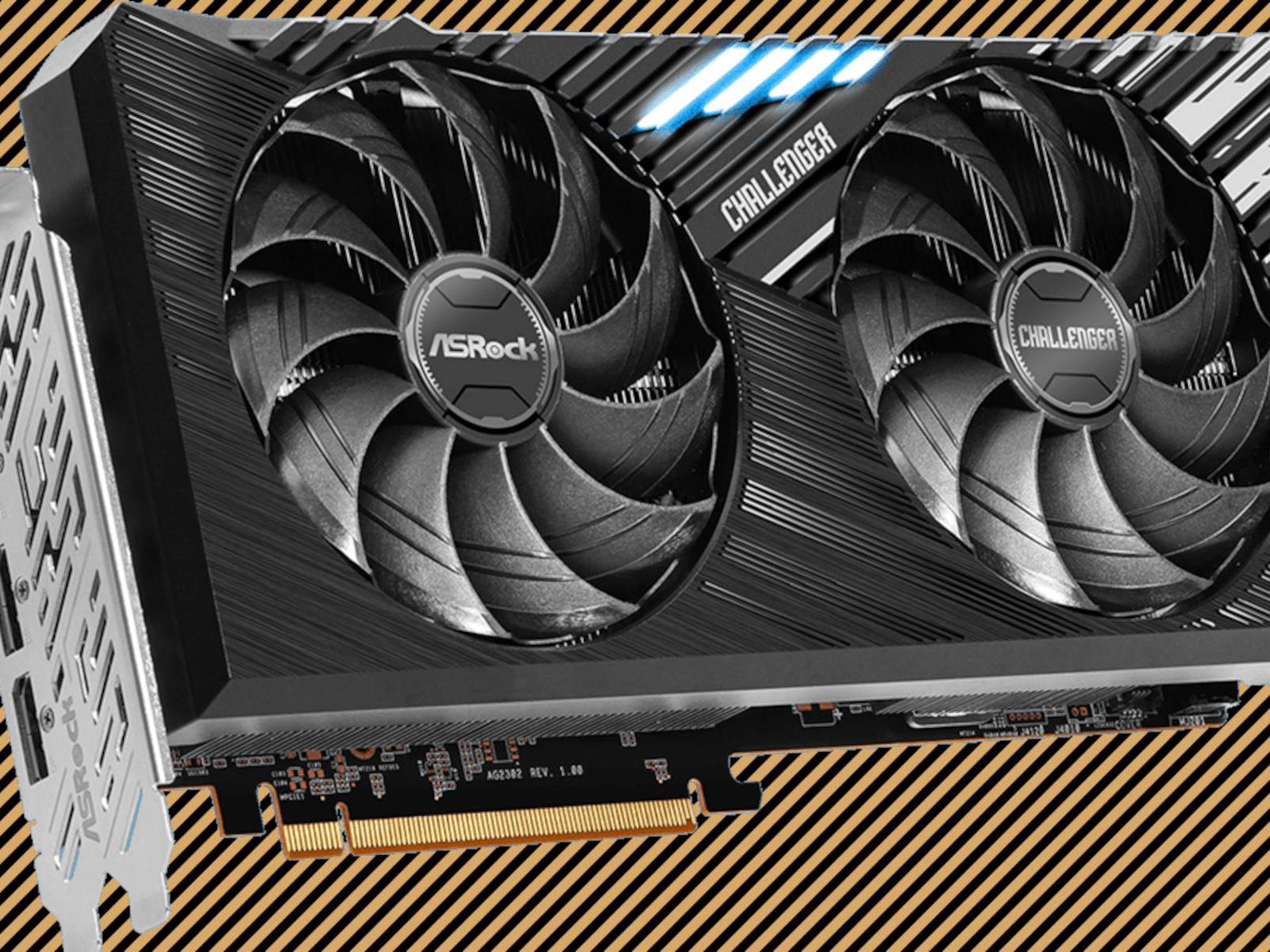
AMD quietly added details for a Radeon RX 7700 non-XT GPU to its website and shortly thereafter ASRock revealed that it would be the first AIB to produce a card as part of its Challenger series. The ASRock Challenger Radeon RX 7700 is the first GPU in the family and it seems to be configured to operate at AMD’s reference specifications, though