“At first we were sceptical”: Schwalbe to release 32in gravel tyres as bikes set to hit market

Schwalbe will release two 32in gravel tyres, the G-One RS Pro and G-One RX-Pro, in April 2027. 

The company says the decision to release the tyres is driven by the growing trend towards 32in gravel bikes. 

“The topic of 32-inch wheels has been the subject of intense discussion for many months, fueled by early race successes on 32-inch wheels,” Schwalbe says.

Advantages to riders
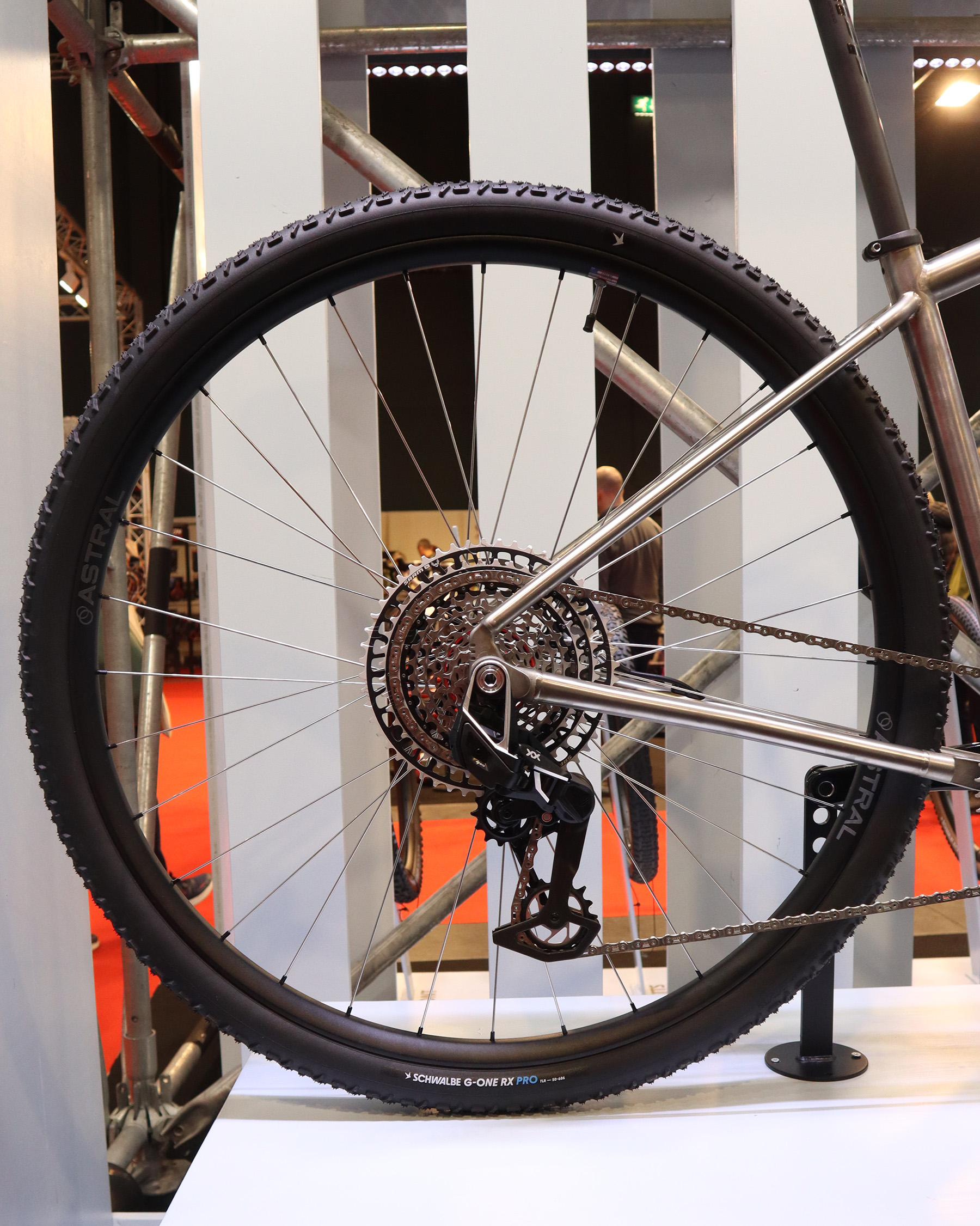
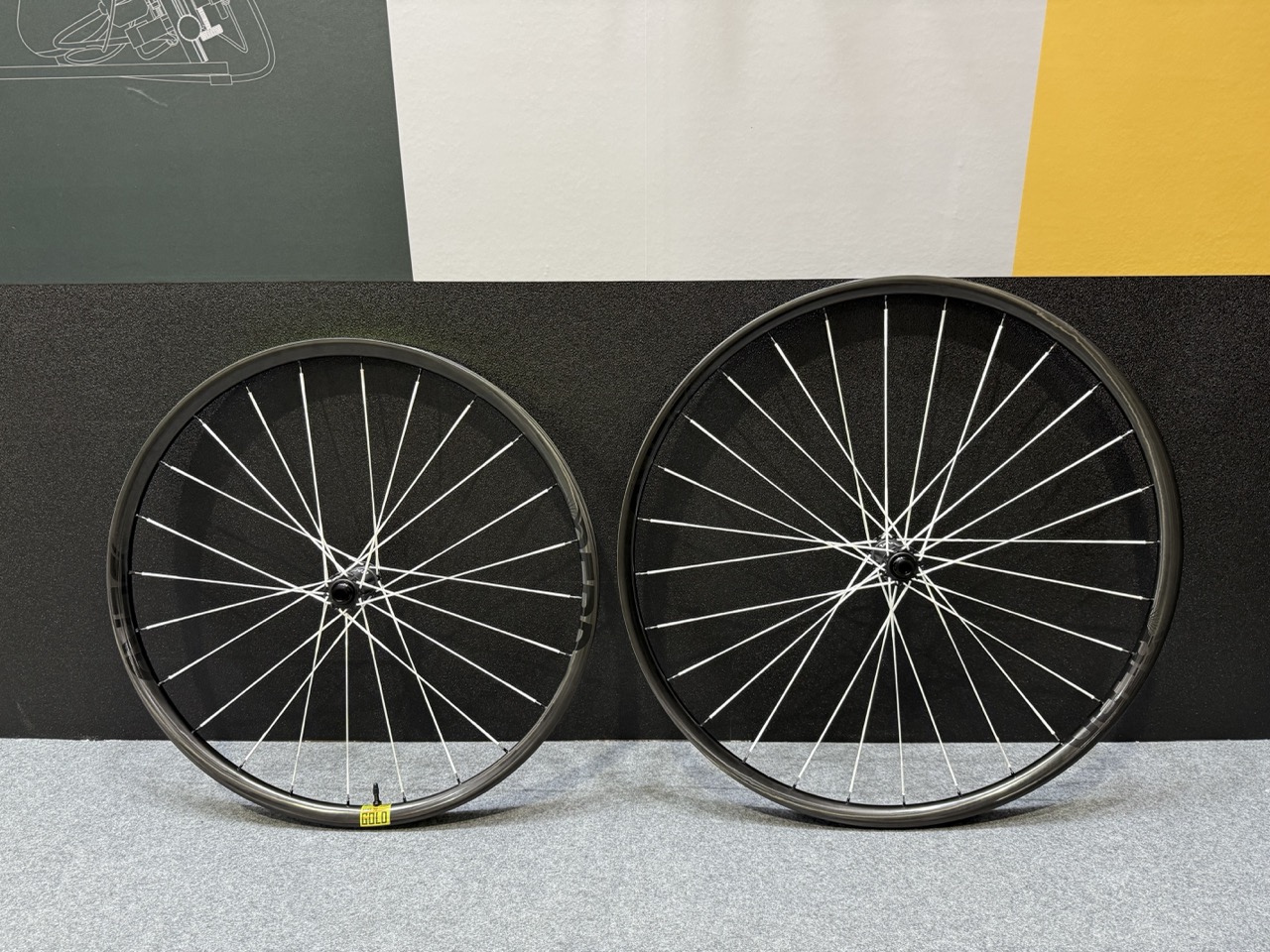
On display at Schwalbe’s stand at Velofollies was a gravel bike from Unpaved Cycles with 32in wheels and prototype Schwalbe G-One RX Pro tyres.
Schwalbe already had its 32in G-One RX Pro gravel tyre on display at Velofollies. Stan Portus / Our Media

Schwalbe adds that Robin Gemperle won Unbound XL, one of the toughest gravel races in the world, using prototypes of the G-One RX Pro on his 32in Scott gravel bike. 

The tyres have already appeared on several 32in bikes, including the Singular Pterodactyl.

Felix Schäfermeier, head of product management at Schwalbe, says: “At first, we were sceptical about whether 32 inches would be a meaningful addition. But the more we tested, the clearer the conclusion became: riders on 32-inch wheels definitely notice a difference.” 

At the Velofollies trade show in January, Schwalbe already said that it was “fully convinced” by the oversize wheelsize. 

Schwalbe said at the time that it had been testing 32in tyres in its lab, and Schäfermeier now echoes the same advantages that the company outlined earlier this year. 

“In terms of tyre setup, the new wheel size delivers more stable handling, better traction, and increased comfort, particularly in gravel riding,” says Schäfermeier. “This also opens up potential for other categories, without diminishing the relevance of other sizes.” 

32in gravel bikes set to hit the market

Schwalbe says 32in gravel bikes are “set to hit the market” this autumn. We have seen bespoke framebuilders adopt the new wheel size with some already releasing 32in bikes. 

BikeRadar previously heard that we would see mainstream brands release 32in bikes next spring. 

While Scott revealed a 32in gravel bike for Unbound and Canyon recently made a one-off 32in gravel bike for LeBron James, no mainstream brand is yet to release a 32in wheel bike to the mass market. 

In addition to the gravel tyres, Schwalbe says it will release 32in inner tubes and 32in mountain bike tyres in April next year. 

Gravel Mountain Returns! Speed Tests, Bug Fixes, Events, and More

Zwift launched Gravel Mountain back in April, but quickly pulled it due to a buggy race experience. Zwifters have been wondering when it would return, and the answer is: last week! Zwift Labs events have been set up, allowing riders to test the updated map. Read on for details…

Races

Friday Night Fun Races are being held on the Red Rock Loop and Red Rock Loop Reverse routes, with six different time slots to choose from. These events have been set up by Zwift’s James Bailey, so you may encounter silly stuff like dino suits or forced bikes.

These races use the “Boost” powerup, which delivers a burst of speed. Additionally, it sounds like some of the races will be held on the arcade version of the circuit, which requires steering and includes boosts and hazard pads, similar to the arcade version of Crit City.

Orange pixelated background with white text that reads ZWIFT LABS, featuring a small lab flask icon between the words.

See upcoming events at zwift.com/events/tag/fridaynightfunrace >

Pacer Rides

Don’t want to race, but want to check out Gravel Mountain? James has also set up some “paced rides” with RoboPacers at four different paces:

  • Coco – 2.6w/kg
  • Maria – 2.2w/kg
  • Miguel – 1.8w/kg
  • Bernie – 1.5w/kg

See upcoming events at zwift.com/events/tag/gmpacer >

Speed Tests

Some Zwifters have asked what surface is used on Gravel Mountain, since it appears to be dirt, but less dusty than the Jungle. The surface is in fact, dirt (in terms of Crr), but with the dust and camera shake reduced for an improved experience.

So which bike is fastest in Gravel Mountain? I tested three top bikes, one in each category. Here are the lap times at 4 W/kg:

What’s Different?

Zwift says they’ve fixed the bugs reported when Gravel Mountain was released back in April. That includes avatars bouncing on screen, erratic left/right movements and acceleration, riding through rocks, and a lack of rider placings. Most notably, though, Zwift has reduced the “visual speed” from 2.5x faster than normal to 2x.

This “visual speed” (I’m not sure what else to call it, so I’m calling it that) is accomplished by scaling the GPS coordinates. This allows your actual recorded speeds to remain accurate, while changing the speed at which you pass through the on-screen environment. So you get accurate speeds, but a faster, more exciting experience.

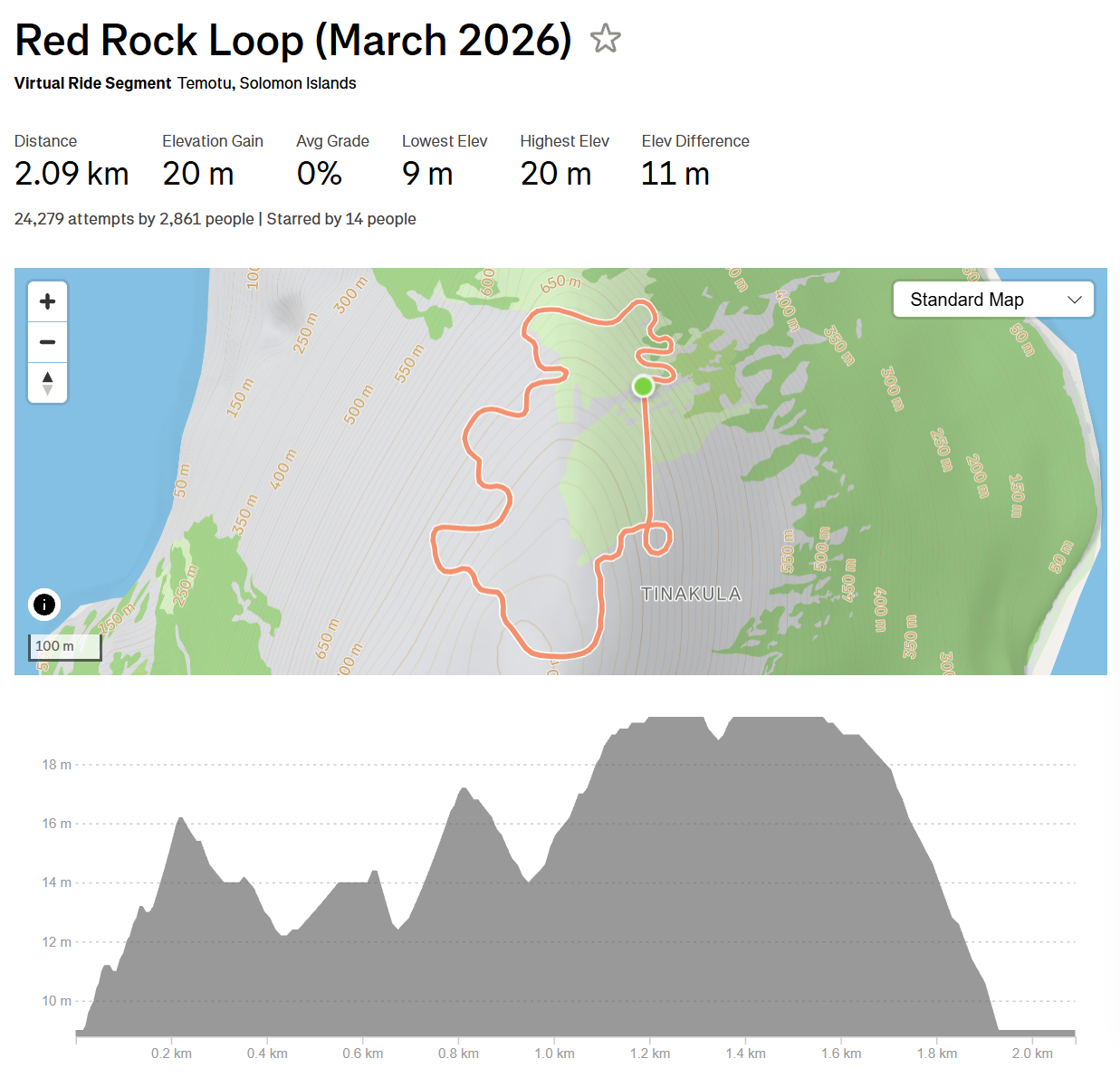
You can see the effect of this GPS scaling by comparing the Red Rock Loop from back in March to the new, slightly slower loop. Here’s the older version – note the length, and its dimensions on the map:

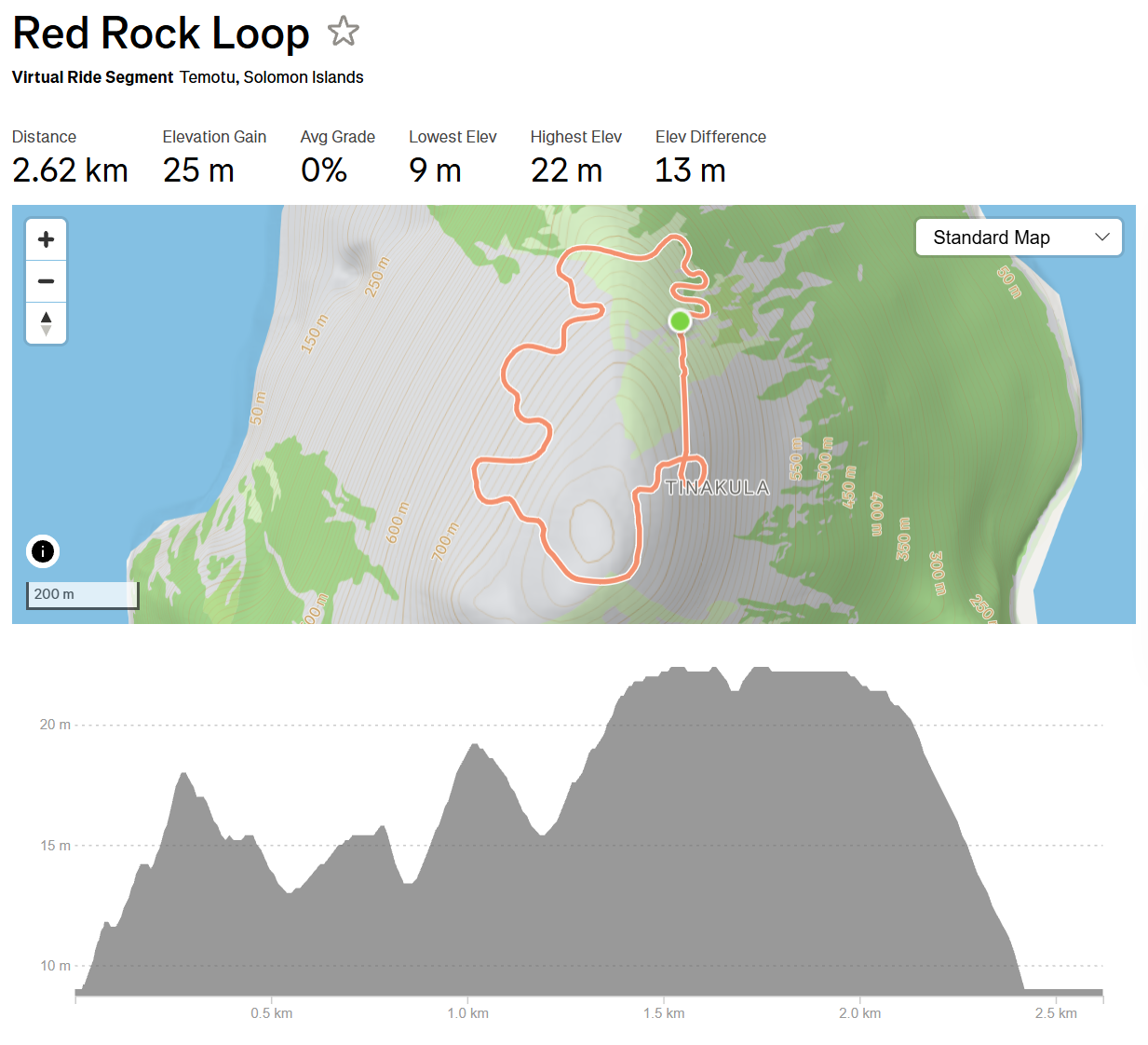
Here’s the new version. Note the increased length and dimensions on the map compared to the map above.

We know Zwift is using a factor of 2x now because the map below is exactly 1/2 the size of the original Gravel Mountain segment.

Rider Videos

Curious what the revamped Gravel Mountain looks like? Here are videos from Zwifters recorded in recent days:

Your Feedback

Have you ridden/raced the updated Red Rock Loop yet? What do you think? Share your thoughts below!

Related Posts

French direct-to-consumer brand Origine launches in the UK with new aero road bike

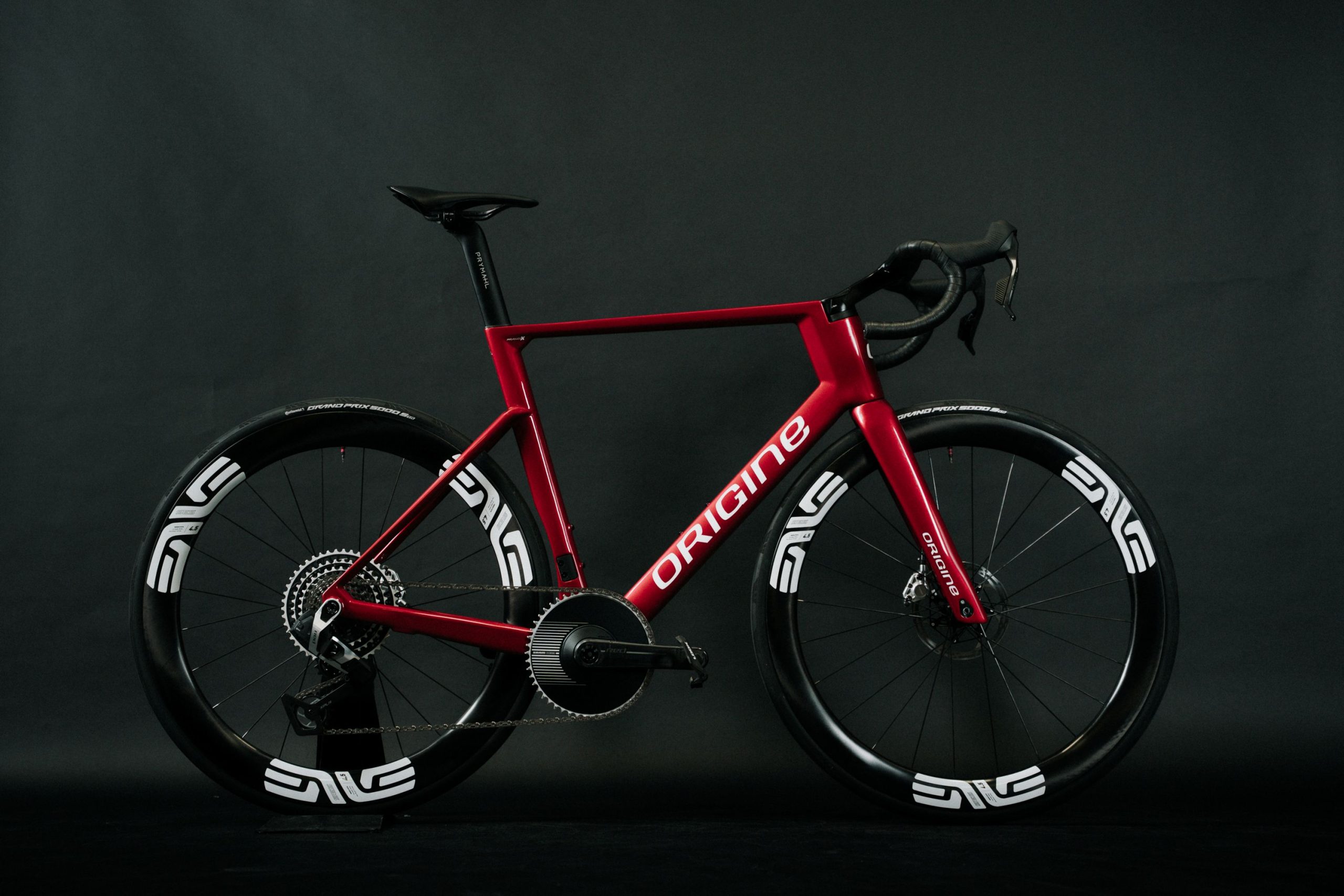
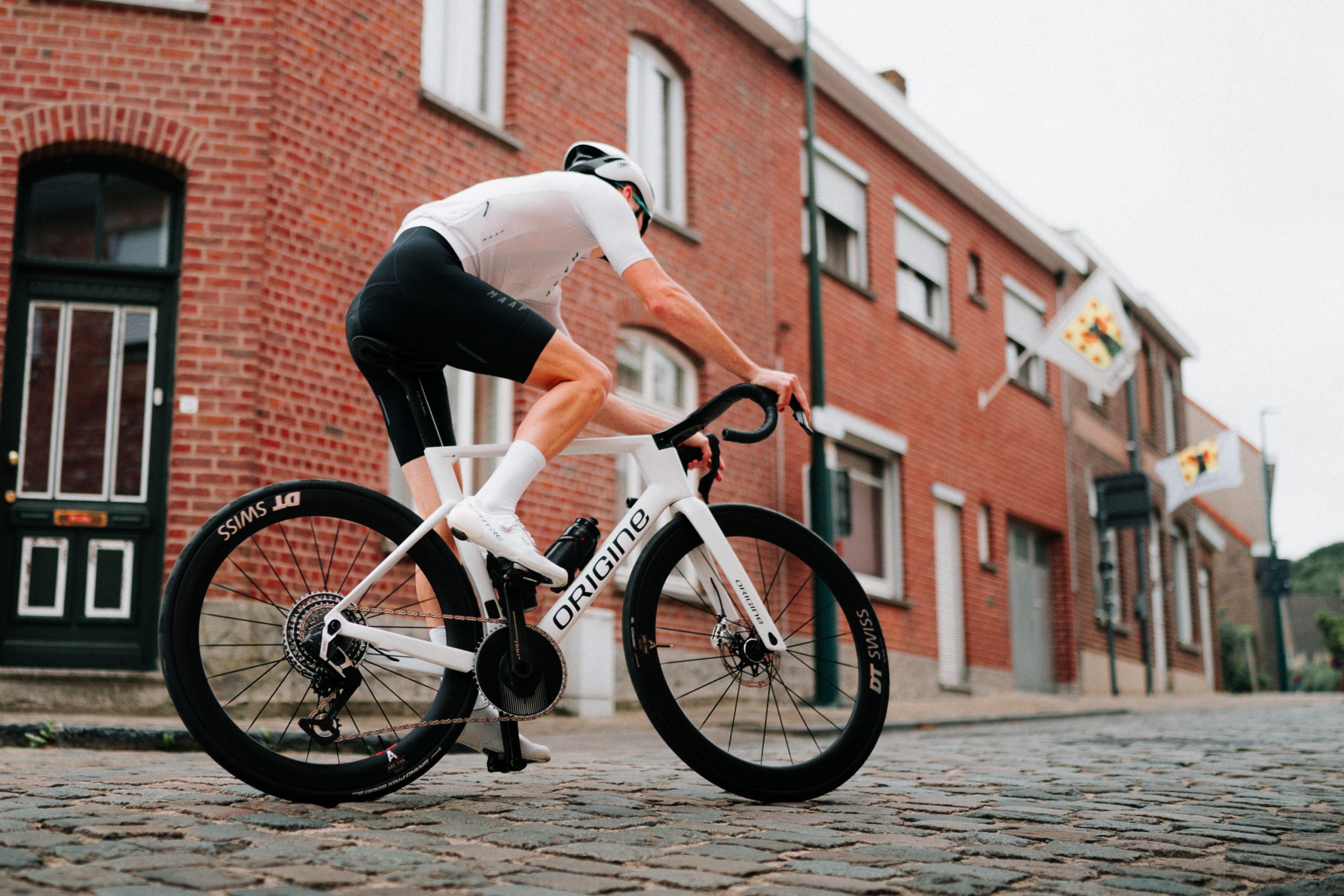
French direct-to-consumer brand Origine is launching in the UK today and, to coincide, it’s also launching a new aero road bike, the Fraxion X. 

Origine claims the Fraxion X is its most aero road bike to date, with a 15-watt drag reduction at 40km/h versus its Fraxion GTR predecessor. Origine says it has designed the bike for real-world conditions, not only to be fast in CFD simulations and the wind tunnel.

The Fraxion X is available in two carbon grades, with the higher-modulus frame having an 875g claimed weight, which Origine says represents a 5% reduction from the Fraxion GTR. It also claims significant stiffness increases at the head tube and bottom bracket. 

Origine claims the Fraxion X’s deep head tube and fork contribute to a 15-watt saving over its previous-generation Fraxion GTR aero bike.

Tyre clearance is 32mm and the bike can be set up with either mechanical or electronic shifting, with the Di2 battery on Shimano electronic builds housed in the down tube, to enable the seatpost to be kept narrow and lower the bike’s centre of gravity.

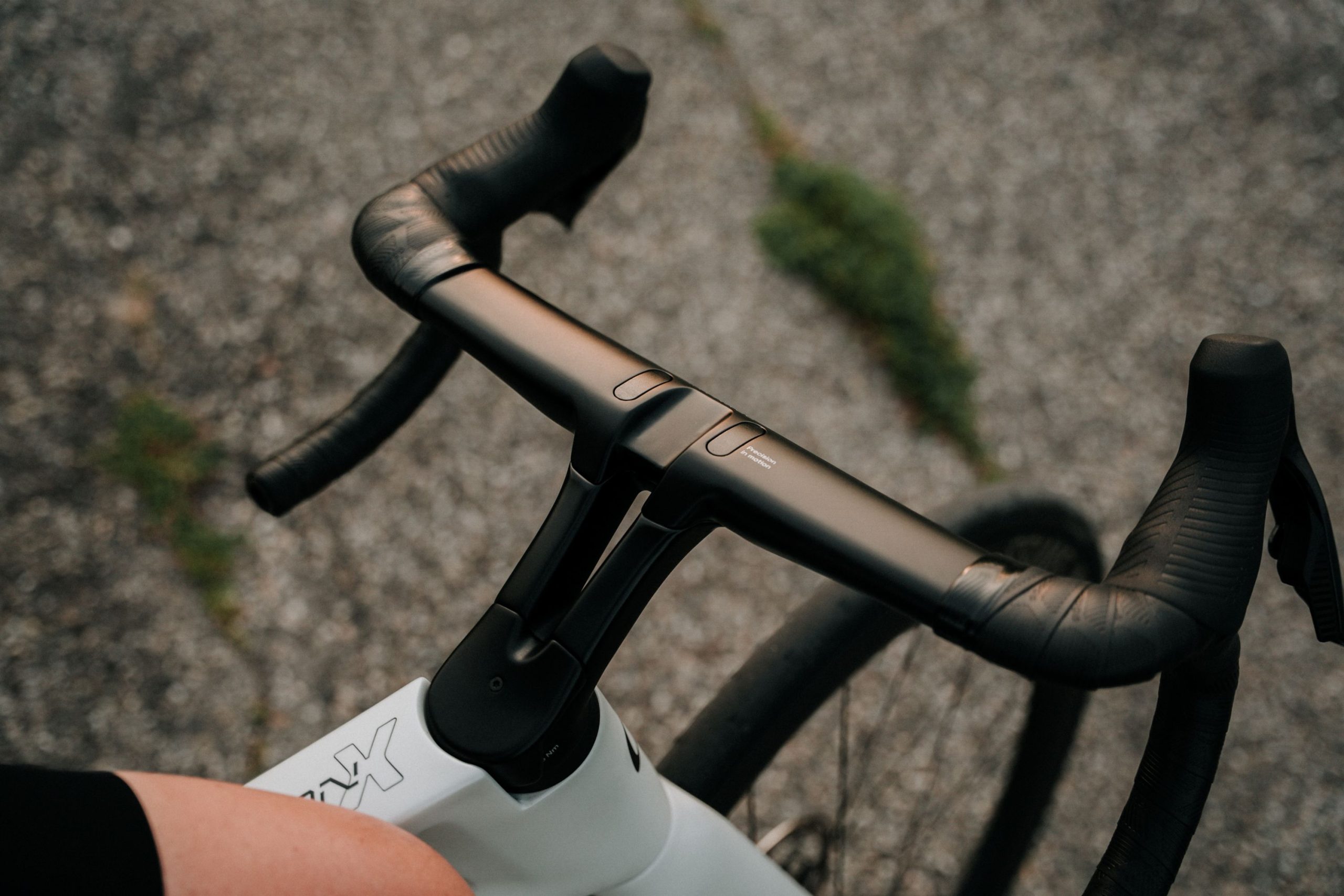
The bike has Origine’s one-piece AeroFlow cockpit, which is available in no fewer than 45 width/length/rise combinations. A steering limiter and tab to protect the frame from a dropped chain lower the risk of frame damage.

There are 45 width/length/rise options for the Fraxion X’s cockpit.

Origine calls the two carbon grades available for the Fraxion X Core and Lite, offering a standard-modulus and a higher-modulus frameset, the latter stiffer and saving 150g. 

There’s also an RR option that, based on the Lite frame, adds ceramic bearings, titanium hardware and lighter axles and seatpost clamp. Built up with SRAM Red AXS and DT Swiss ARC 1100 wheels, Origine claims the bike can weigh as little as 6.6kg, which it says makes it among the lightest aero road bikes available.

Fraxion X example specs, weights and prices

There are many different configuration options, including 1x with ENVE wheels.

The top-spec Lite frameset, built up with SRAM Red AXS and DT Swiss ARC 1100 55mm wheels, has a claimed 6.69kg weight and is priced at €9,980.

Other groupset choices include Shimano Dura-Ace, Ultegra, 105 Di2 and 105, while quoted SRAM specs extend to Force AXS as well as Red AXS.

A 105 Di2 spec on the Core frameset, with Origine’s own Prymahl Orion C40 wheelset has a 7.81kg claimed weight and is priced at €5,374. Switch to mechanical 105 and the price drops to €4,830. 

The Fraxion X is available in sizes XS to XL.

What is Origine?

Origine is based in northern France, close to the route of Paris-Roubaix.

Based since 2012 near Valenciennes in northern France, Origine’s development centre and factory is 8km from the famed five-star Troueé d’Arenberg secteur of Paris-Roubaix. It was previously the provider of neutral service bikes to Shimano, although more recently its bikes have been superseded by the 2016 Canyon Ultimate CF SLX, which we took a look at ahead of the 2026 Tour de France.

Origine sells the full range of bike categories: road, gravel, mountain and electric, all of which are hand-assembled in Valenciennes.

Its online fitting app helps you choose the right bike size and components and select from more than 17 million configuration options and hand-painted finishes. Its bikes are delivered ready to ride, so there’s no assembly needed.

It’s been selling its bikes in France, Switzerland and Benelux for years, but alongside the UK is now expanding into Germany, Italy and Spain.

Origine backs up its bikes with a lifetime guarantee on the frame, a 30-day return window, a network of 400 service centres Europe-wide and an adjustment guarantee. 

New POC Sonal comes in two widths and focuses on your whole body to unlock extra speed 

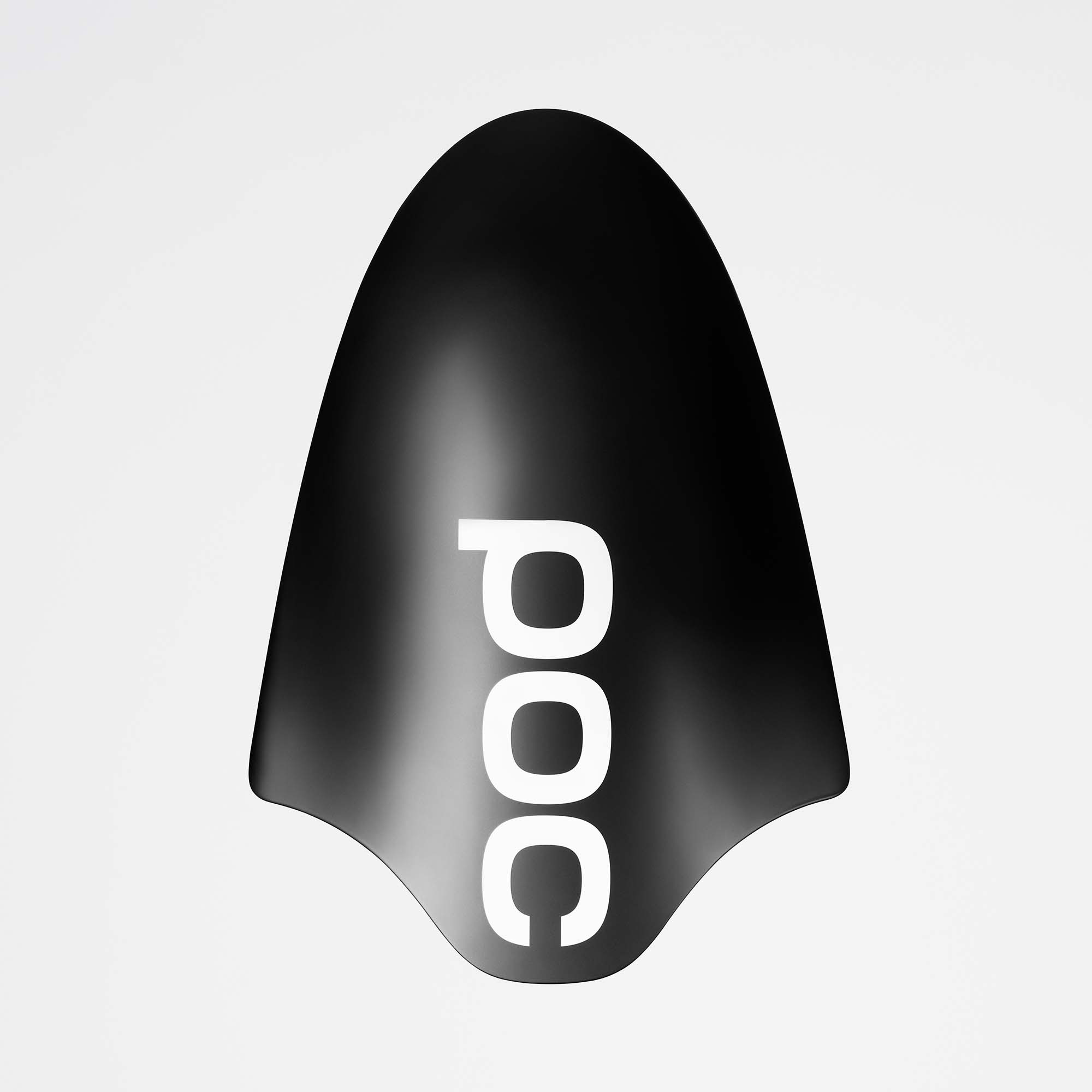
The new POC Sonal time trial helmet has an elongated design and comes in two widths to unlock as much speed as possible. 

POC was the first brand to bring out an oversize time trial helmet, the Tempor, back in 2012. The Tempor changed the consensus on how these specialised helmets should perform. 

Other brands have released huge helmets in recent years. But it wasn’t until EF Pro Cycling asked for a new time trial helmet for the 2026 Tour de France that POC began to work on one. Now the Swedish company has officially launched the new helmet.

“The Sonal takes a new view of rider aerodynamics by focusing on a rider’s whole body rather than the head in isolation and uniquely comes in two sizes matched to shoulder width rather than head size,” POC says. 

“It features an elongated front designed to deflect air flow at the high-pressure zone that typically forms at the front of a helmet, which adds drag, instead it guides the airflow smoothly around the helmet and over the rider’s body.” 

Two widths 

POC Sonal on model.
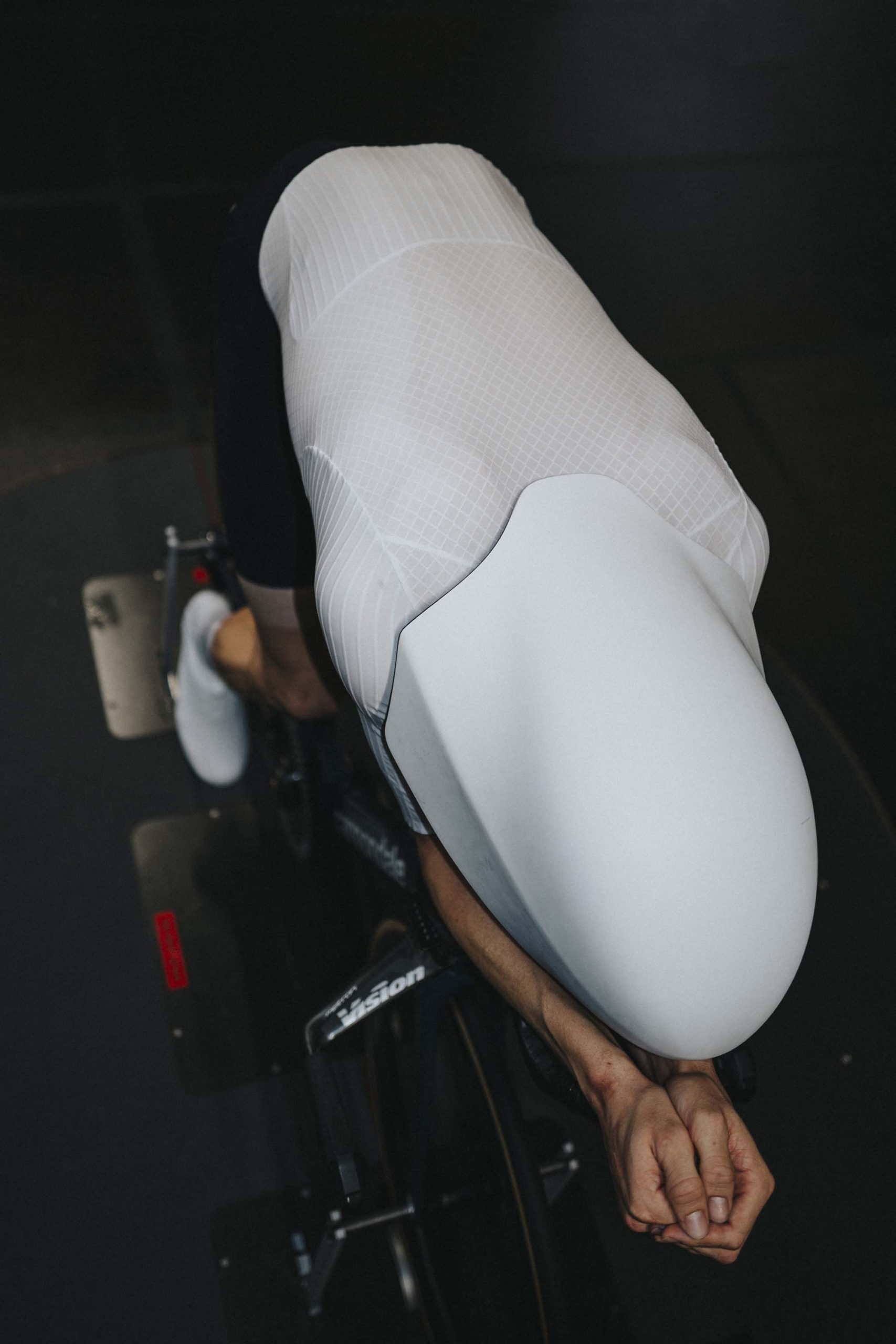
The helmet treats the head and body as a single aerodynamic unit. POC

The Sonal comes in two shell widths to treat the head and body as a single aerodynamic unit.

Mangus Gustavsson, POC’s director of hard goods, says: “​​Our objective with the Sonal was to create the fastest, most aerodynamic helmet possible – and to make it work for more riders, because we know a one-size-fits-all approach doesn’t work in time trial. 

“That’s what led us to develop two distinct helmet sizes based on body and shoulder width, since airflow over the whole body – not just the head – is what ultimately creates the right aerodynamic profile.”

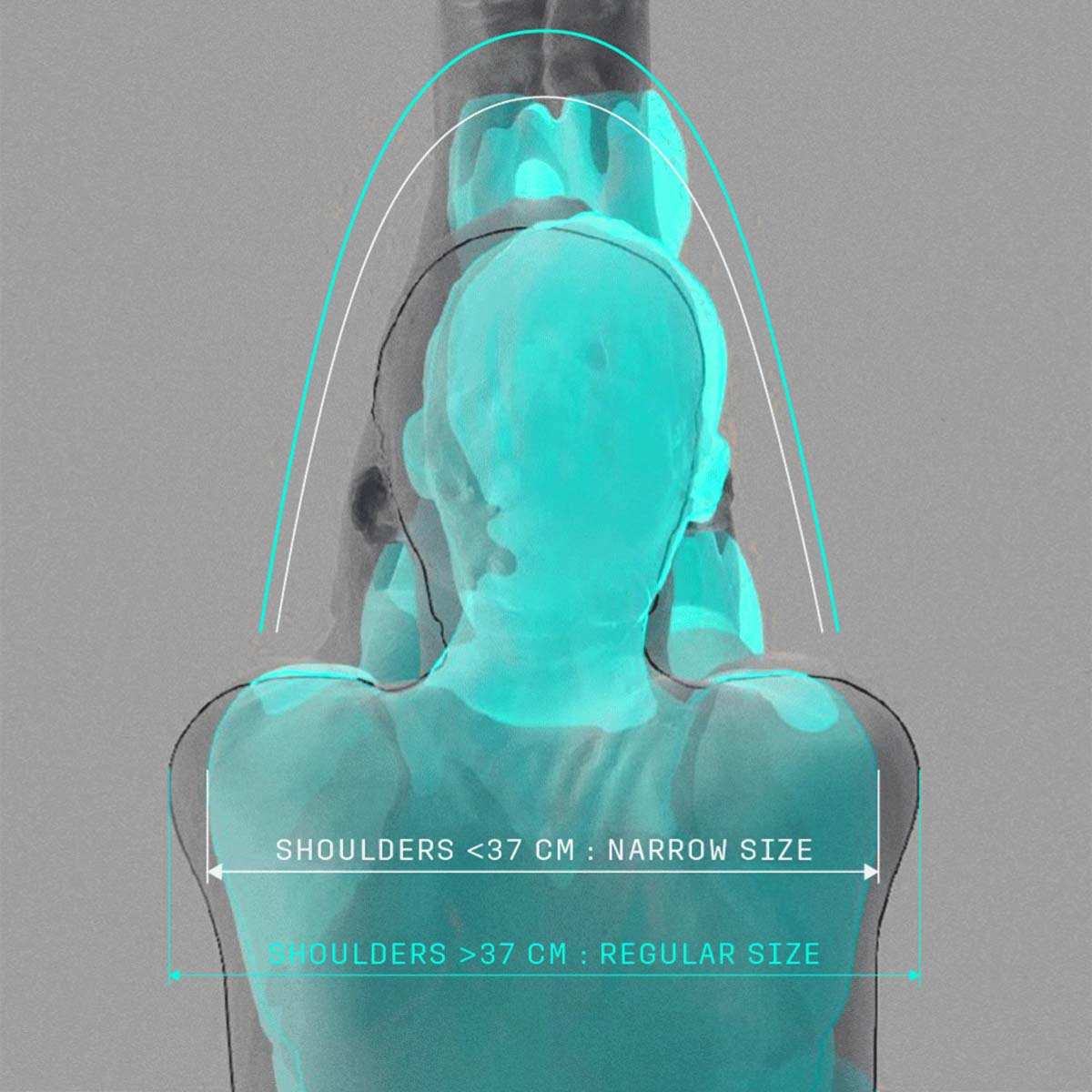
POC says riders with shoulders narrower than 37cm in a time-trial position should opt for the narrow Sonal; riders with shoulders wider than 37cm should go with the regular size. 

POC Sonal size guide.
The helmet comes in two wdiths. POC

It adds that the shells have the same internal size for heads spanning 51-59cm, which covers most small to medium-sized helmets. 

“This means riders get a shell matched to their shoulder width without needing to worry about head-size fit separately,” POC says.

So how fast is it? 

EF Easy Post cyclist wearing POC Sonal helmet.
The helmet provides a “significant improvement” in aerodynamics. Jered Gruber / POC

POC says aerodynamic performance always depends on the specific rider. But it claims testing shows the Sonal provided a “significant improvement” in aerodynamic performance in both widths. 

“Tested against the already very fast POC TT helmets and at speeds we typically see in modern TT and track events, 60 km/h, the Sonal delivers average savings of 15 to 20 watts,” POC says. 

Vision and comfort 

Person wearing POC Sonal helmet in wind tunnel.
POC says the Sonal was designed to provide a full range of forward and peripheral vision. POC

POC says another important aspect of the Sonal’s development was vision. 

The helmet is designed to offer a full range of forward and peripheral vision. “This has been achieved by designing the helmet’s forehead angle to match the rider’s line of sight without requiring head movement,” POC says.

The helmet comes with a clear lens and a tinted lens for use in different light and weather conditions. These are secured by magnets so you can “swap lenses quickly and securely in seconds”. 

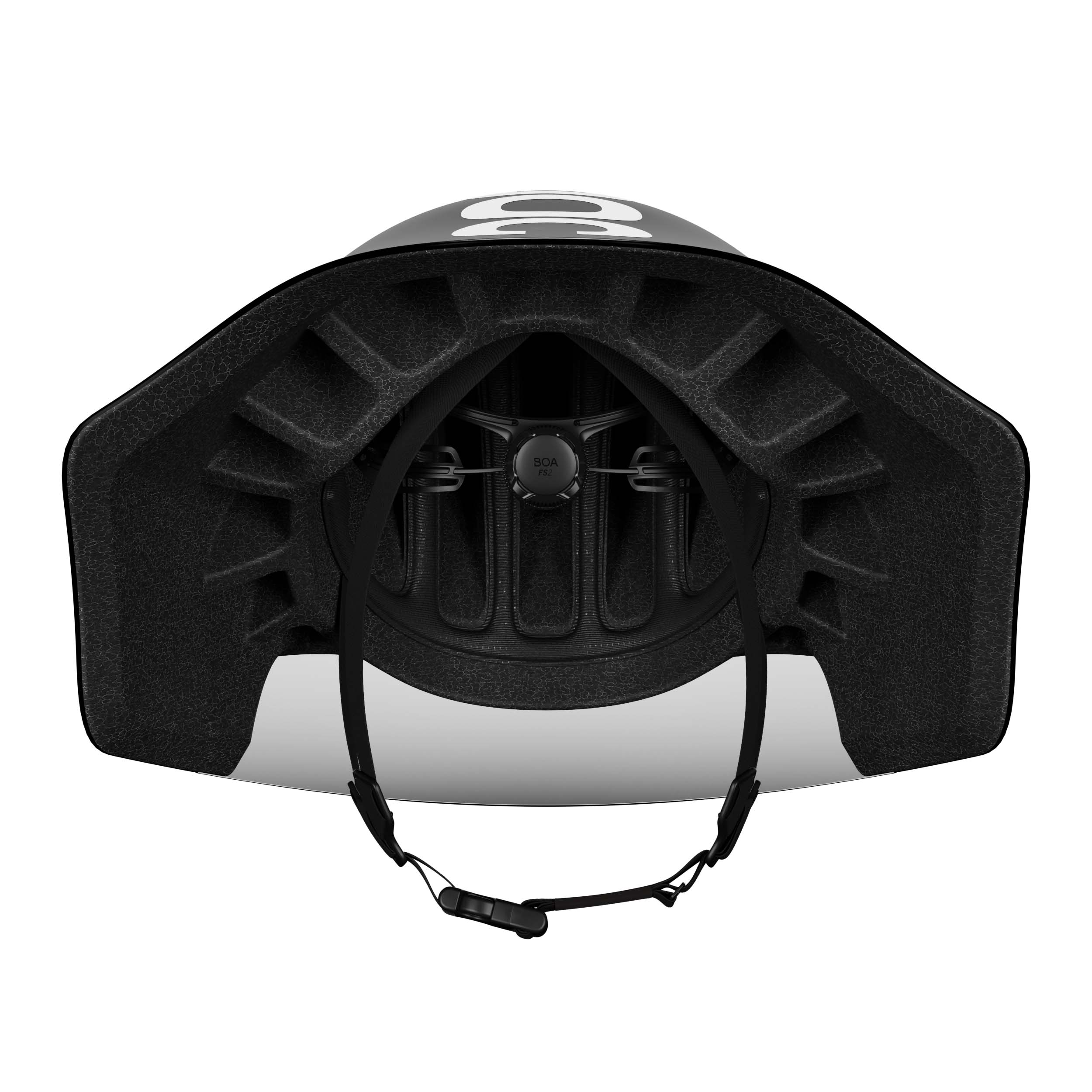
POC Sonal rearview showing Boa dial.
The helmet fit can be adjusted at the rear via a Boa dial. POC
POC Sonal top side view.
The POC Sonal has an elongated body. POC

Despite its size, the helmet is also said to be comfortable to wear for extended periods. This is thanks to its weight (440g and 490g for the small and regular widths, respectively), light padding, Boa adjustment and its balance on your head while in a TT position. 

The Sonal will be available from POC’s website in October, with full availability next spring. It costs £550 / $660 / €600 / AU$1,000. 

You may like

Trek teases 32in XC race bike with unreleased RockShox SID Flight Attendant fork

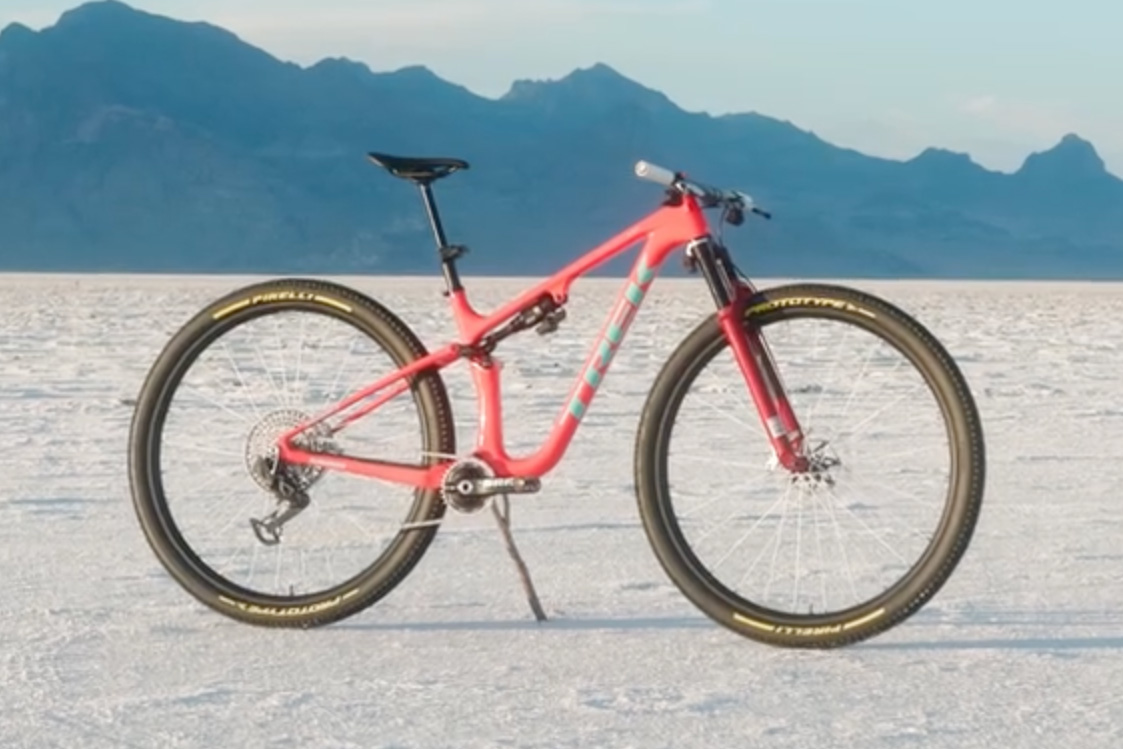
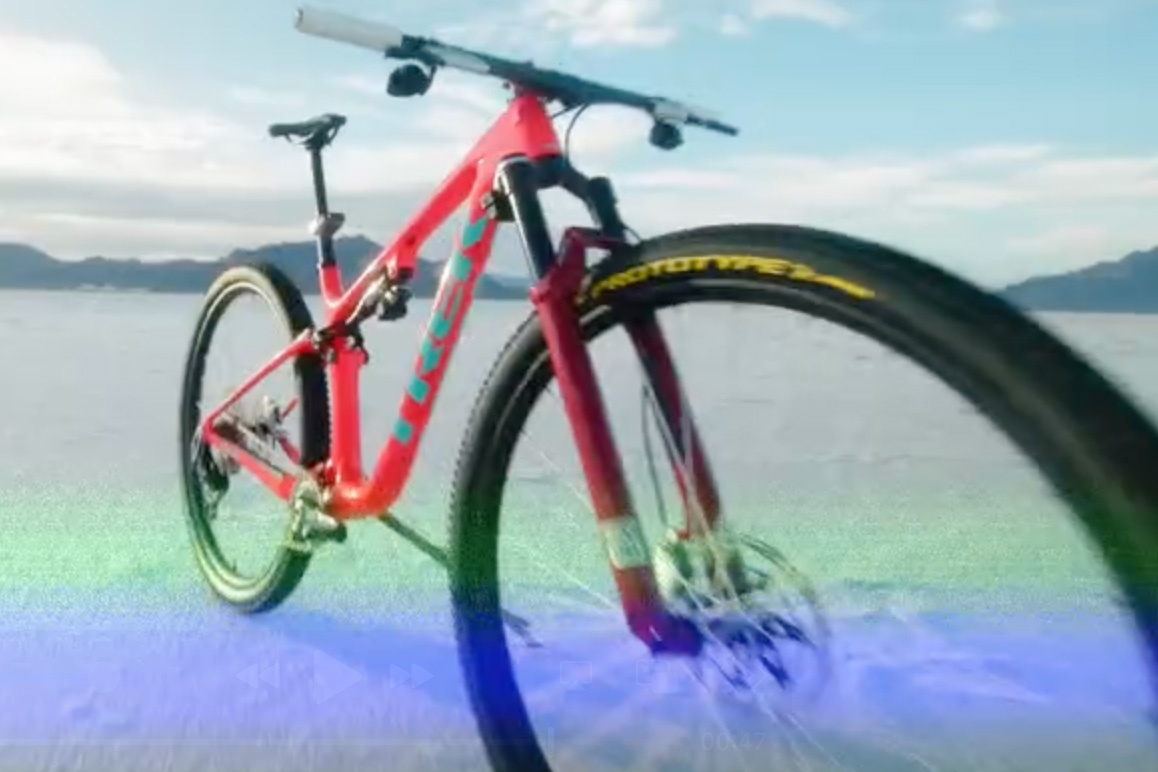
Trek has teased a 32in XC prototype on social media, with the new bike appearing to feature an unreleased 32in RockShox SID Flight Attendant fork.

The brand says the new bike will be ridden by Trek Factory Racing for the first time at this weekend’s penultimate UCI World Cup in Soldier Hollow, Utah, with Evie Richards seen riding it in an Instagram post.

A new 32in cross-country bike had been expected from the brand, with Trek suggesting at the start of the season that its current 29in prototype raced by the team this year “may never hit store shelves”.

A variation of the bike was also spotted in the background in Trek’s 50th-anniversary documentary.

Alongside the bike is a new 32in RockShox SID fork with what appear to be extended dropouts to fit the new wheel size.

While we’ve seen Fox’s RAD 32in prototype fork already in action on Andreas Seewald’s World Cup winning KTM Scarp Evo 4 32 prototype, it’s the first time we’ve seen anything 32in from rival RockShox.

Big wheels

Trek 32in Prototype on salt flats
The bike looks very similar to the 29in prototype we’ve seen Trek Factory Racing on this year. trekbikes / Instagram
The new bike has a similar suspension layout to the prototype the team has been racing, sharing the a top-mounted rear-shock design with flexstays in the rear triangle.

This shape of frame is very common in cross-country, because packaging the rear suspension high in the frame leaves space for two water bottles in the front triangle – perfect for marathon races where feed stops can be few and far between.

Smaller riders have raised concerns that the larger wheel size might not be suited to smaller frame sizes. trekbikes / Instagram

Having Evie Richards ride the bike in the video, and race it this weekend, suggests Trek has worked out one of the more difficult issues with the 32in wheel size.

Worries have spread that the new wheel size will put smaller riders at a disadvantage, but at 164cm, Richards appears to be countering that argument.

While we don’t have a full list of frame sizes, it appears Trek may have solved the issue of making small frames with 32in wheels.

Trek 32in Prototype with Berd spokes
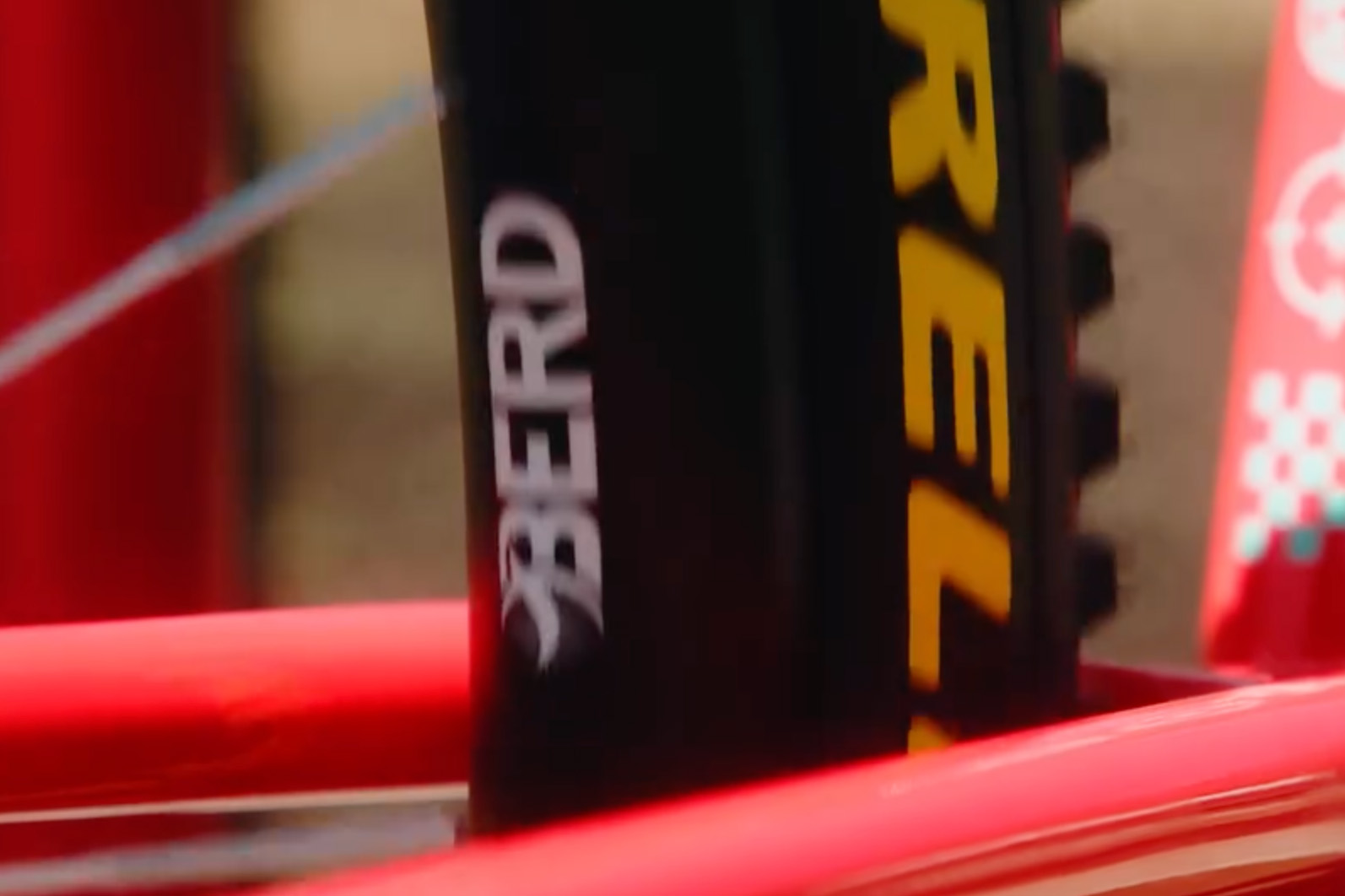
Berd logos appear on the wheels. trekbikes / Instagram

The wheels of the bike look to be laced together with PolyLight braided Dyneema polyethylene spokes, which we saw on Berd’s 32in Hawk32 Gold wheelset in Taiwan earlier this year.
It appears to be a different rim profile from those wheels, so we expect these to be Trek or Bontrager’s own prototype.

The tyres look to be Pirelli prototypes.

RockShox SID Ultimate Flight Attendant 32in

Trek 32in Prototype with RockShox SID Ultimate 32in
Little is shown of the new SID Ultimate, but there are some takeaways. trekbikes / Instagram

Out of all the brands, RockShox has seemed the most secretive with its ambitions for 32in, with this being the first fork we’ve seen from the brand with the new wheel size.

From the teaser, the new SID appears to inherent some of the design cues from the new ZEB and Lyrik forks, with a plastic portion featuring on the arch that likely covers mounts for a mudguard.

It also features Flight Attendant, which we assume will have been optimised for the new 32in wheel size.

32in tipping point

Berd Spokes Hawk32 Gold
32in looks big when compared to 29in. Nick Clark / Our Media

It has felt as though 32in wheels have been coming for a little while now, but the addition of Trek and RockShox to the bandwagon feels like another layer of credibility has been given to the wheel size.

It seems certain now that the future of XC racing is bound in 32in rubber, but the proof will be found between the tapes during the transition period.

F-Droid 2.0: A new chapter for Android freedom

The F-Droid project has announced
the release of F-Droid 2.0, which is a complete redesign of the official
app. Notable changes in the release include making it easier to discover and
install applications, more useful app categories, improved search, and
much more.

For more than a decade, F-Droid has helped people discover and install free
and open source Android apps. F-Droid 2.0 builds on that foundation with a
modern interface, better app discovery, improved search, and a simpler
experience that works well, whether you’re new to F-Droid or have been using it
for years.

This isn’t just a visual refresh. The user experience was redesigned to
integrate smoothly with current Android patterns, like Material Design, while
keeping familiar F-Droid interactions in place. Key components were reworked and
rewritten using Kotlin Compose, the standard toolkit these days, creating a
foundation that will help us deliver improvements more quickly in the years
ahead.

Research into file-notification attacks on Linux

Sudheendra Raghav Neela, a member of a group of researchers from Graz University of Technology, has announced the
release of research into file-notification attacks that would allow spying on
user activity on Android, Linux, macOS, and Windows. The group has published a paper with
details on the research as well as a web site
with demonstrations of the vulnerabilities.

On Linux, an attacker can use inotifywatch to
monitor a directory to conduct an inter-keystroke timing attack—even if
they do not have read access to the files within a directory. The group also
discovered a method to conduct a UI-redress
attack
(or “clickjacking” attack) on
KDE 5 and KDE 6 by monitoring /usr/bin/pkexec to detect when Polkit spawns an authentication
prompt. An attacker could draw a fake password window on top of the real window
to collect a user’s credentials.

Both of these flaws are still present today,
though the Linux kernel did partially mitigate the issue with a
fix
that was included in the 5.10.248, 5.15.198, 6.1.160, 6.6.120, 6.12.65,
and 6.18.3 kernels shipped in January. See the web site for more information and
a mitigation to prevent password-prompt windows from losing focus.

Watch the Meta Connect 2026 Developer State of the Union Keynote Right Here

Meta’s annual XR and AI focused Connect conference is in full gear this week. The biggest news dropped during the opening keynote, while day two will feature the Developer State of the Union keynote.

Watch the Meta Connect Developer State of the Union Keynote on September 24th at 10AM PT (your timezone here)

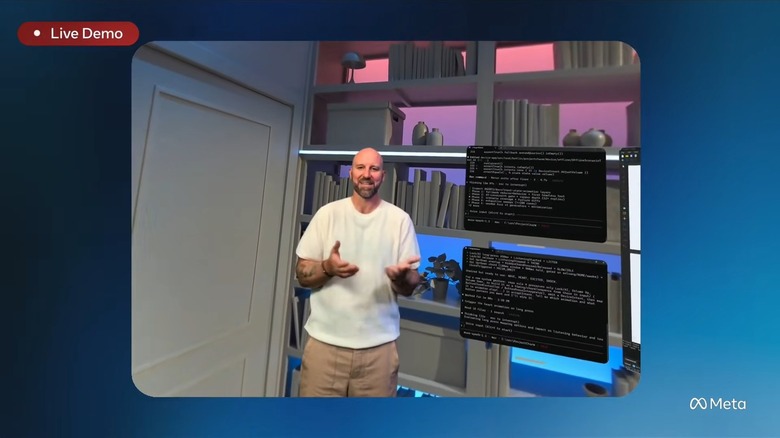
On day two of Connect, Meta is hosting its Developer State of the Union keynote which is more focused on developers. We expect to hear the latest on developer tools (especially AI-based tooling), programs, and features to make it easier to build content for Meta’s glasses and headsets. You can watch the livestream embedded above.

Watch the Meta Connect Keynote From Day One

Meta Connect 2026 kicked of with its usual opening keynote which saw the reveal of the company’s newest ‘VR Glasses’. Check out the first round of coverage:


Beyond the headlining keynotes, the Connect 2026 agenda includes additional sessions along four tracks: VR, AI glasses, AI, and Horizon. Meta has confirmed all of these sessions will be viewable on-demand online once released.

The post Watch the Meta Connect 2026 Developer State of the Union Keynote Right Here appeared first on Road to VR.

[$] Listening to the radio with Rust

Many of the transmissions sent over the radio spectrum can
be decoded with a relatively cheap hardware dongle. Thomas Eckert presented at

RustConf 2026
in Montreal about his hobby:
decoding radio transmissions with Rust.
In his presentation, he
covered all of the math necessary to get started with

software-defined radio
,
and gave demonstrations of listening to AM and FM radio, as well as decoding
transmissions from
aircraft transponders. His slides and example code are

available
on GitHub.

Cardmada Is A Pirate-Themed Tactical Card Battler Coming To Meta VR Glasses & Quest 3

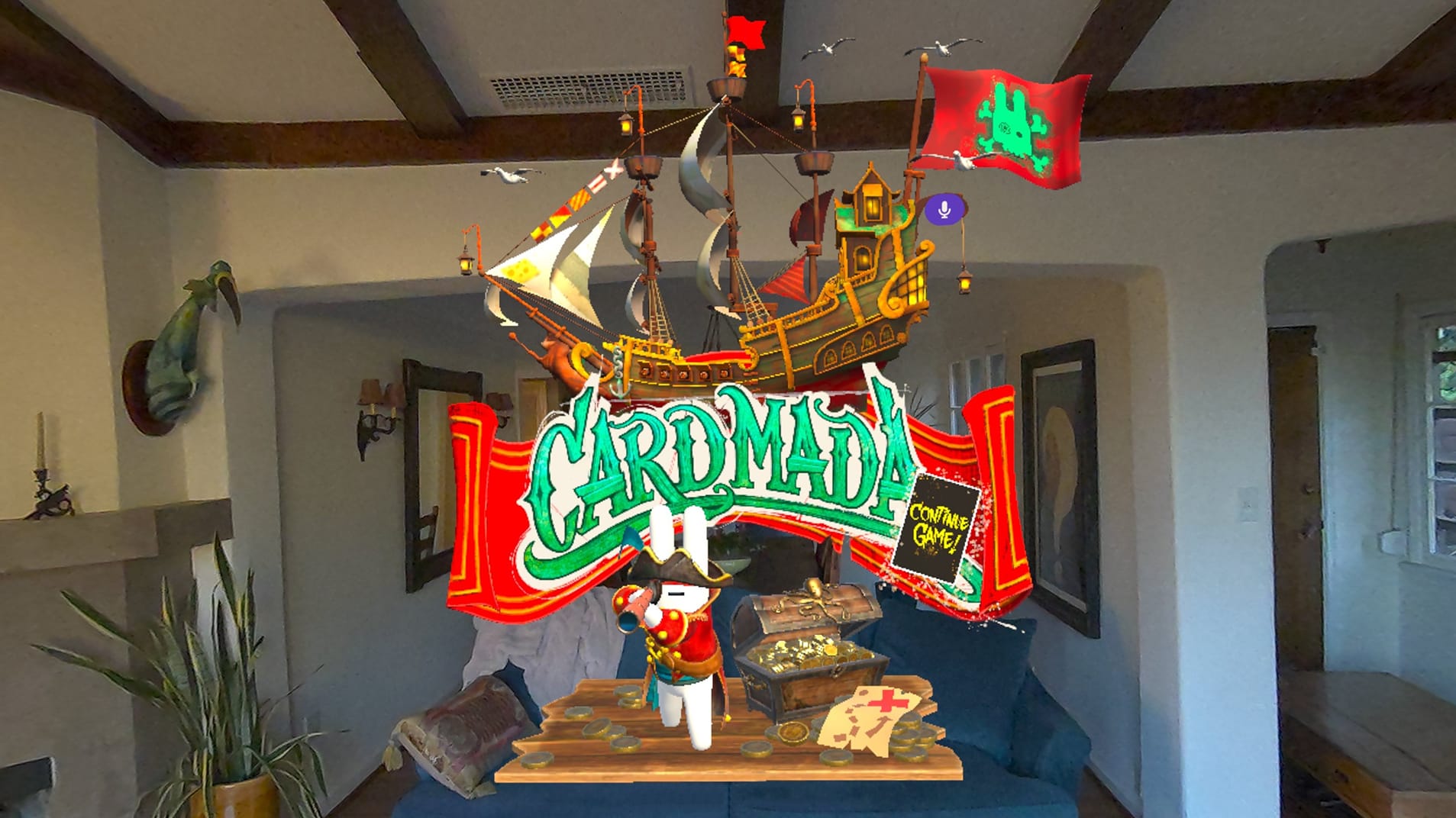
Announced today at Meta Connect, Cardmada is a hand-tracked, free-to-play tactical card battler set in a Wonderland-inspired world coming to Meta VR Glasses and Quest 3.

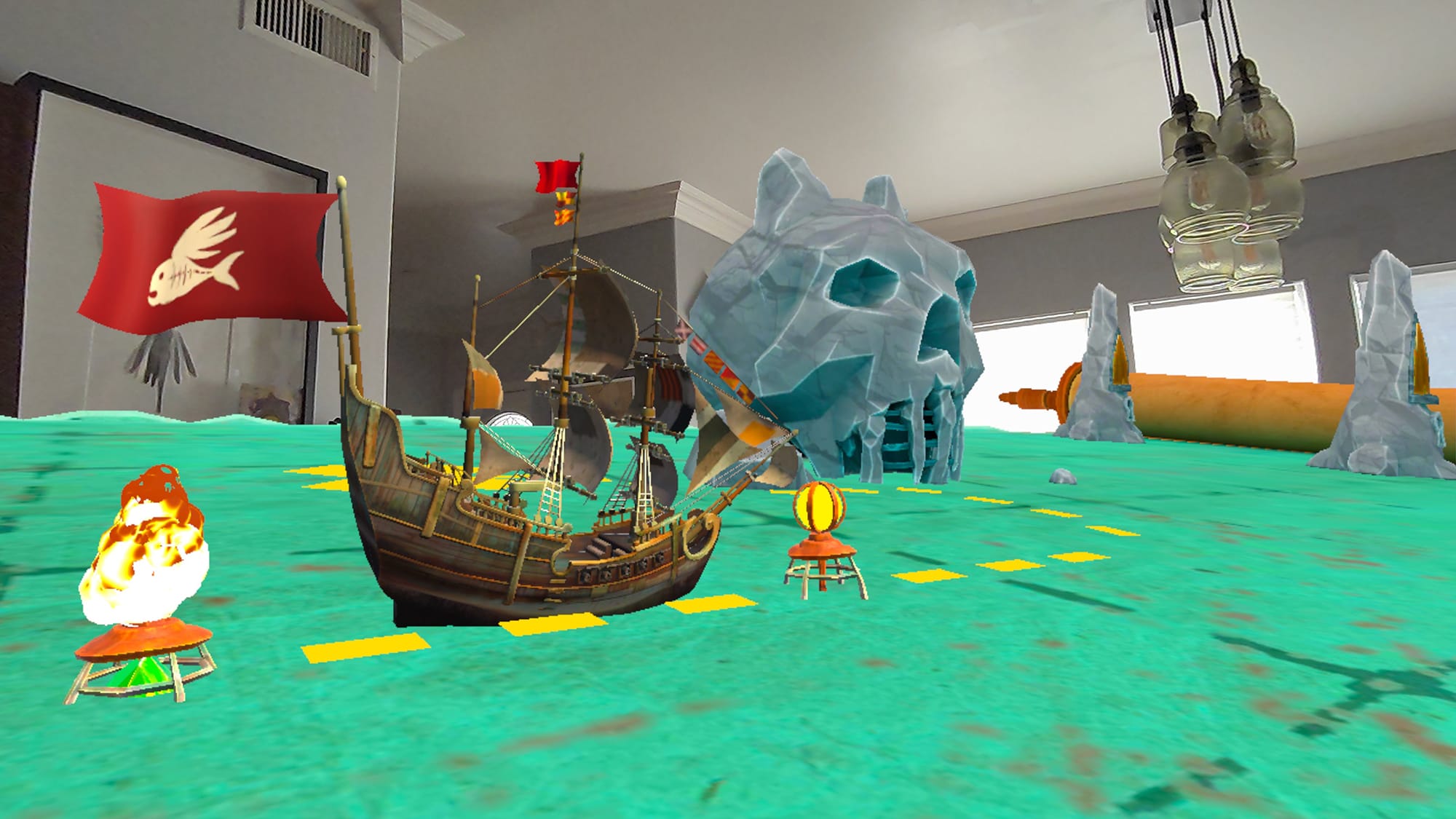
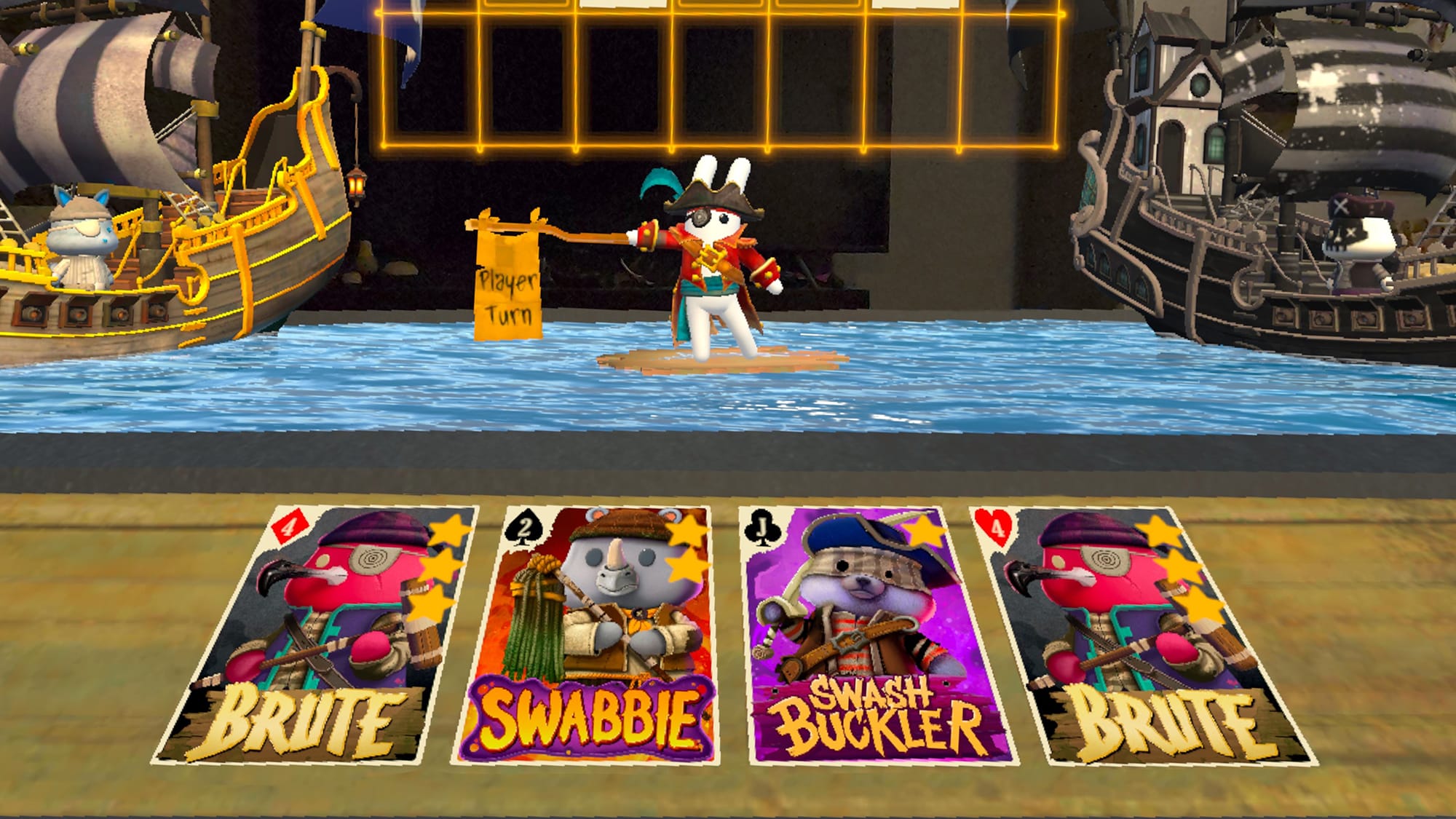
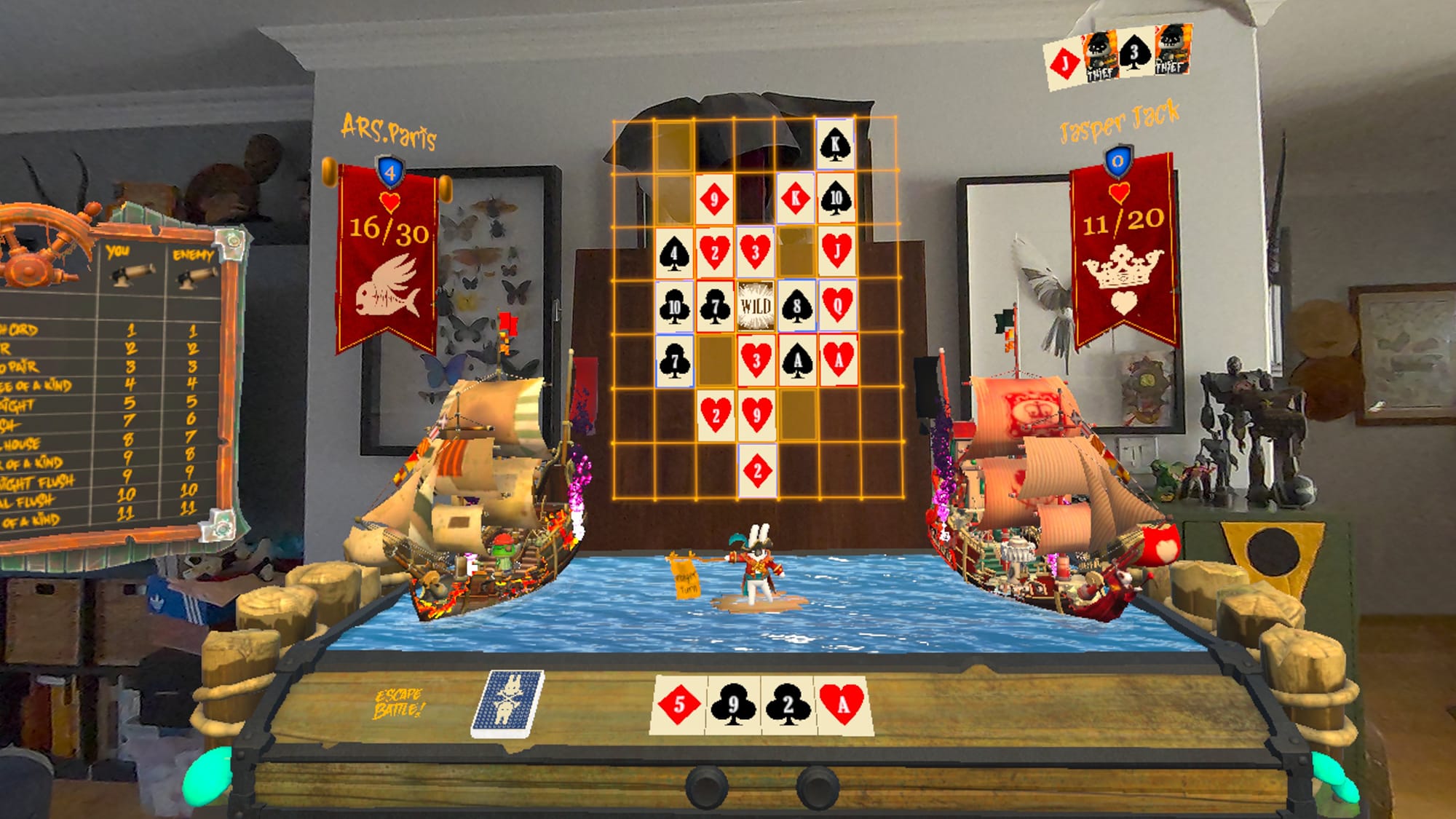
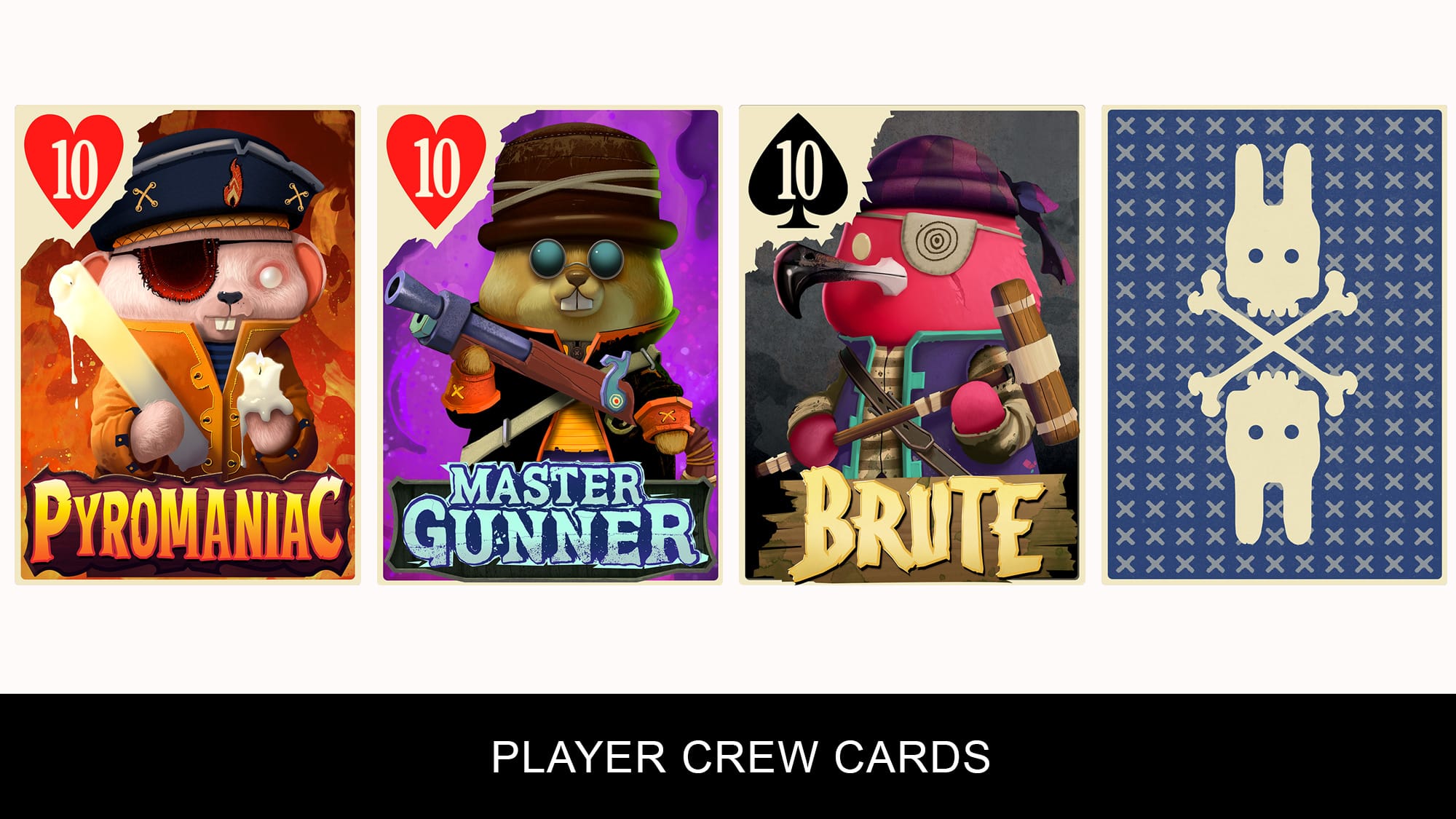
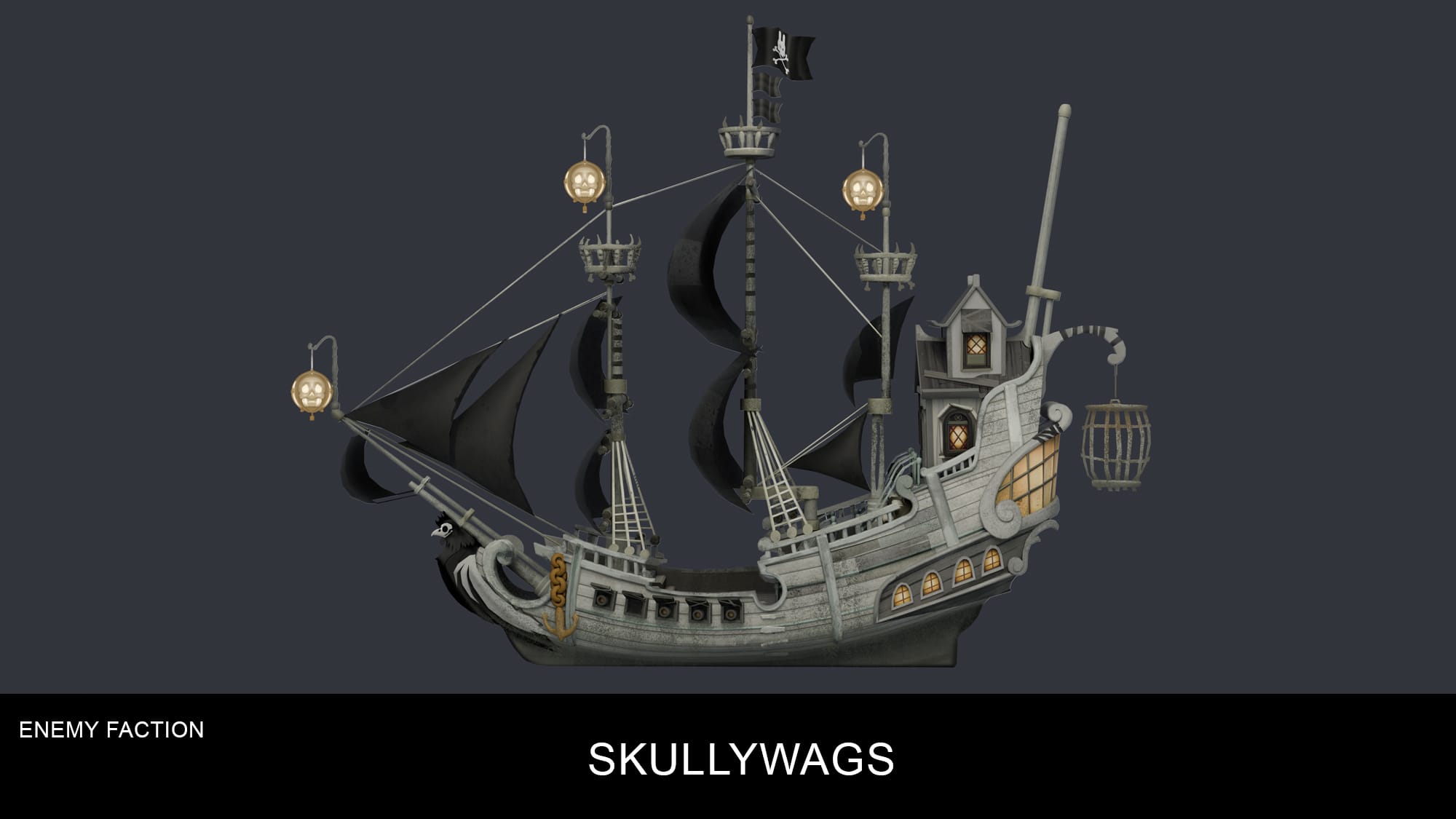
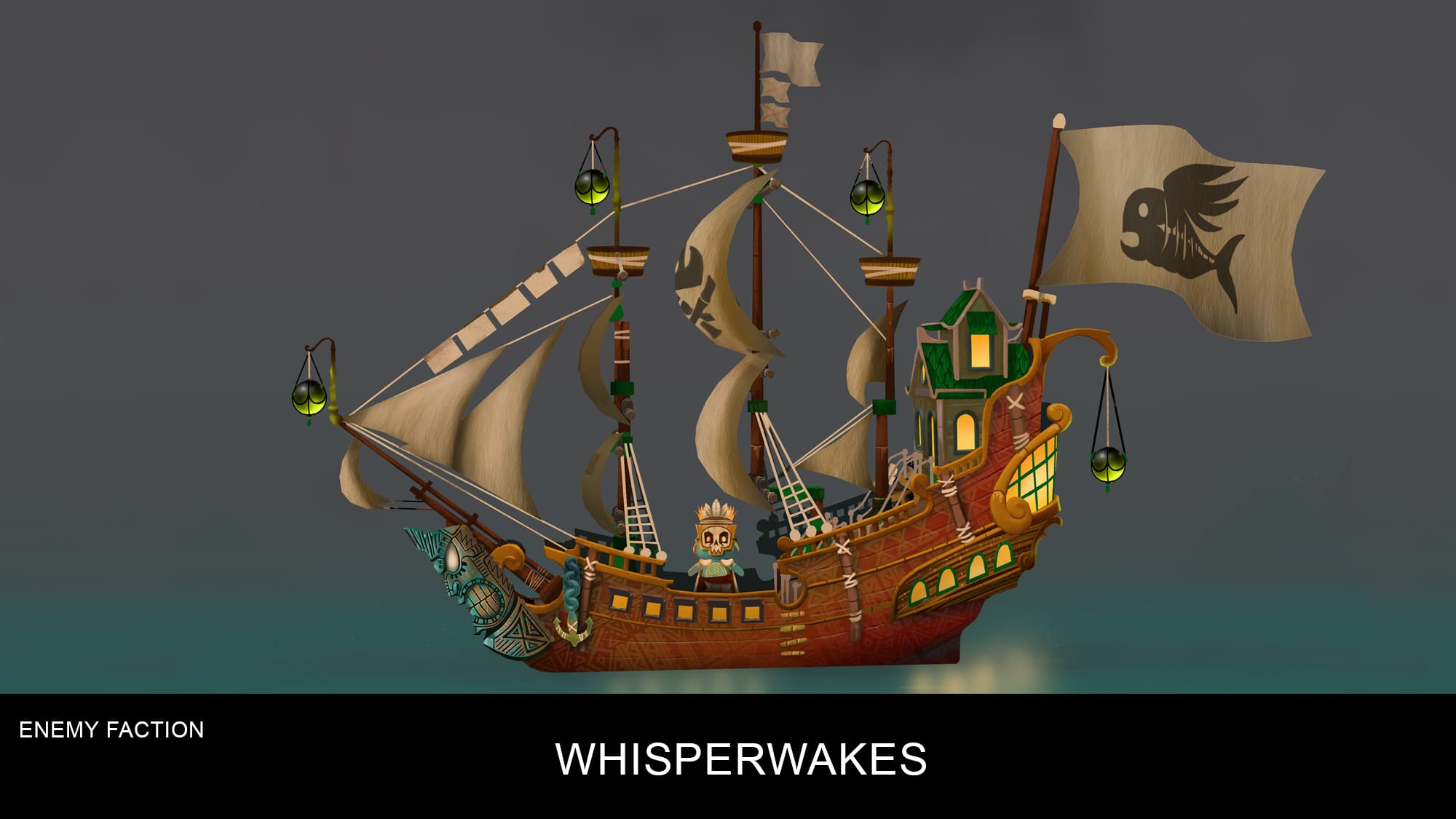
Said to be ‘designed from the ground up for natural hand and eye interaction,’ Cardmada has you take command of a pirate ship, recruiting a crew of misfits to combat rival captains in head-to-head battles. You will build poker-inspired combinations of cards to trigger cannon attacks and outmaneuver your opponents to victory.

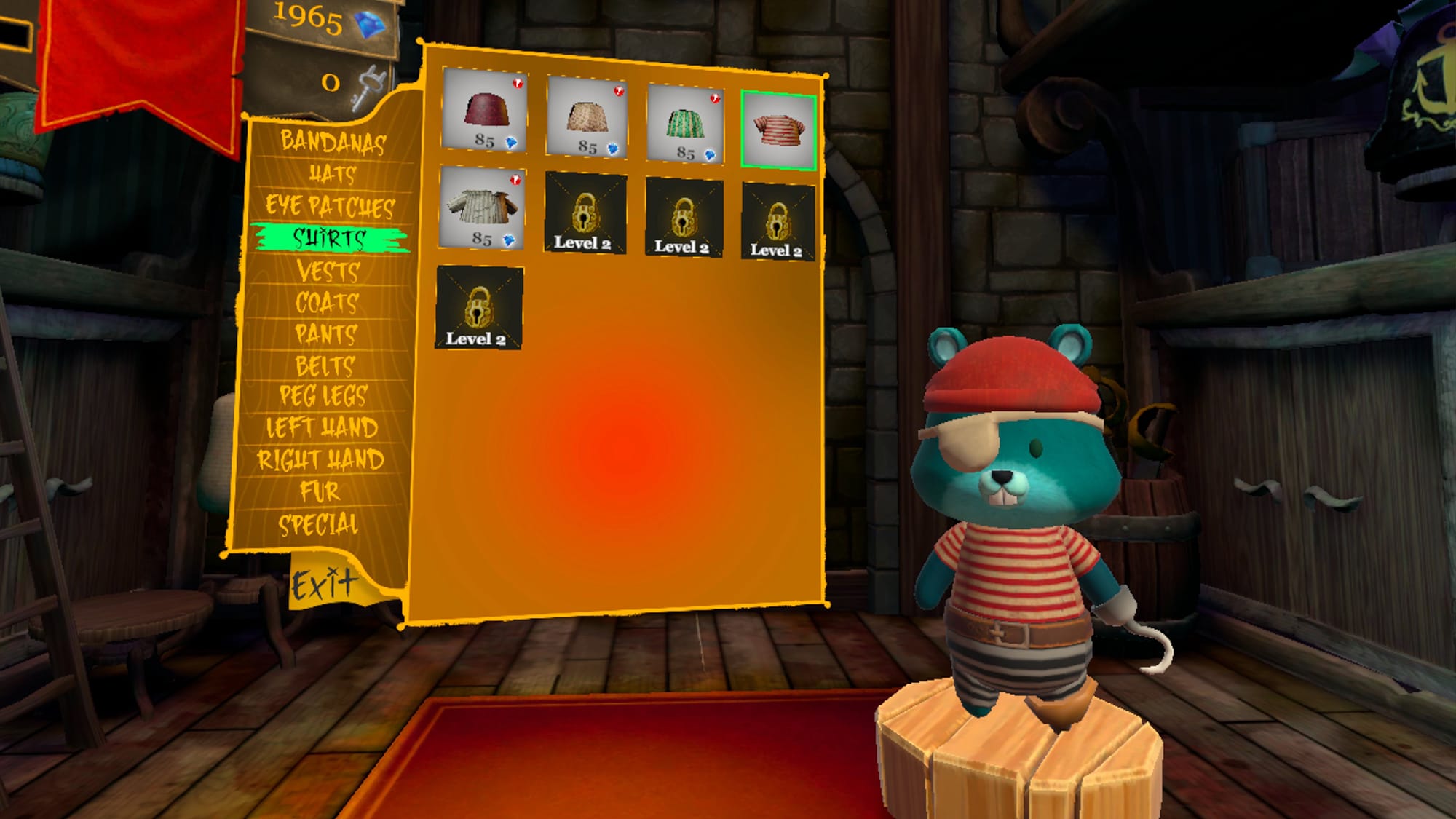
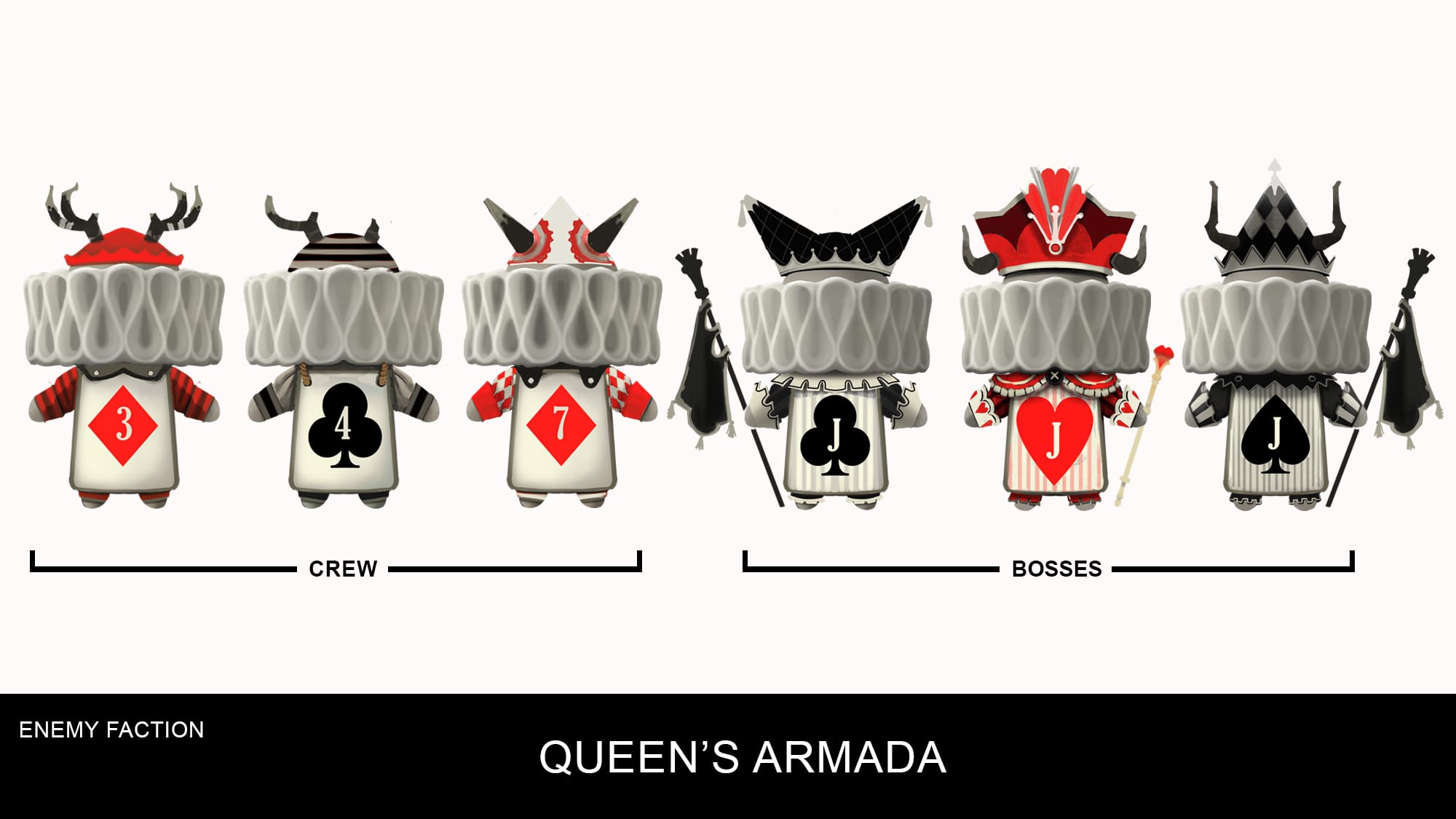
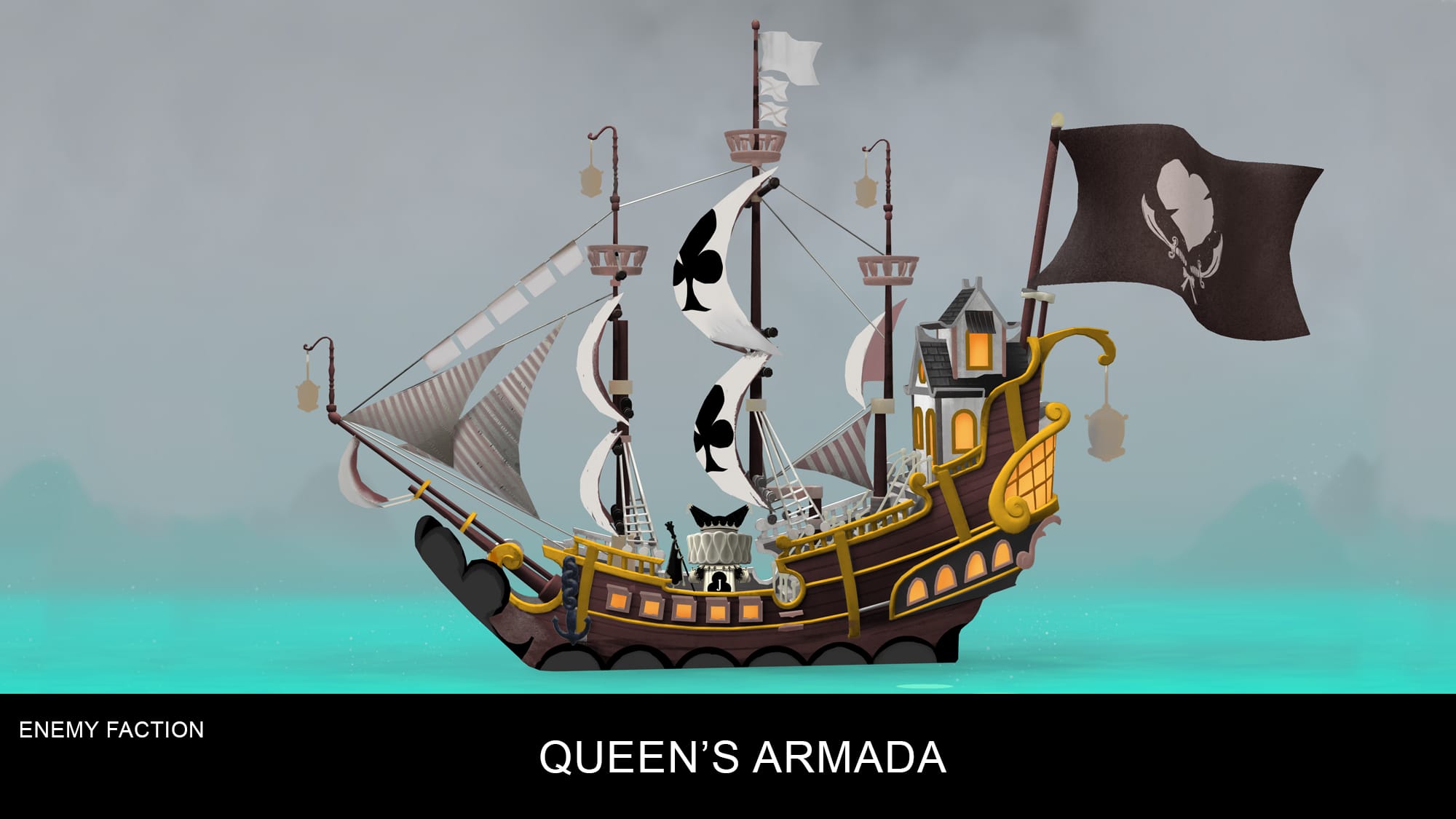
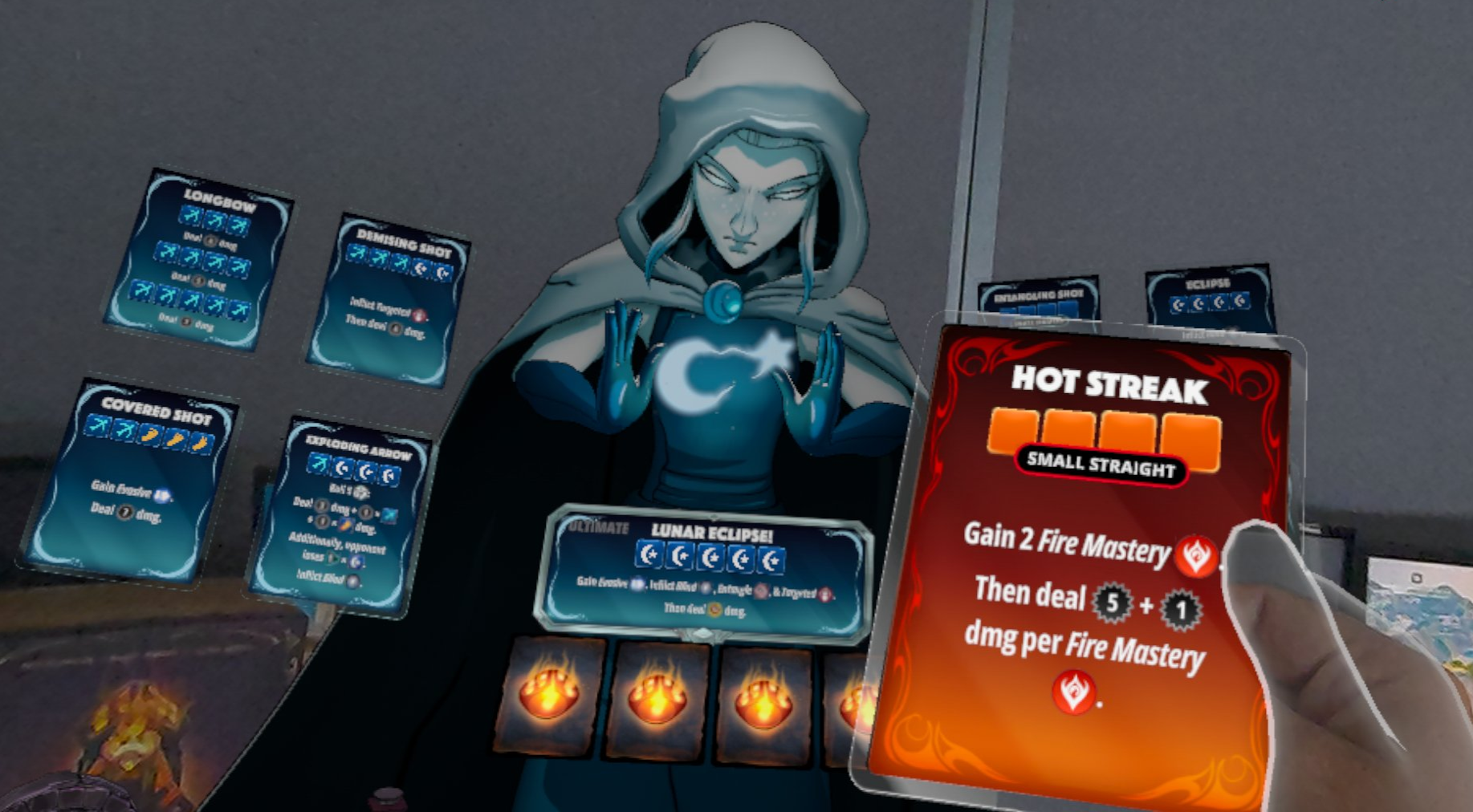
There was not a lot of additional information provided, but looking through the provided screenshots (see below), the game clearly has mixed reality support and the unlockable rewards you would expect to see in a free-to-play title.

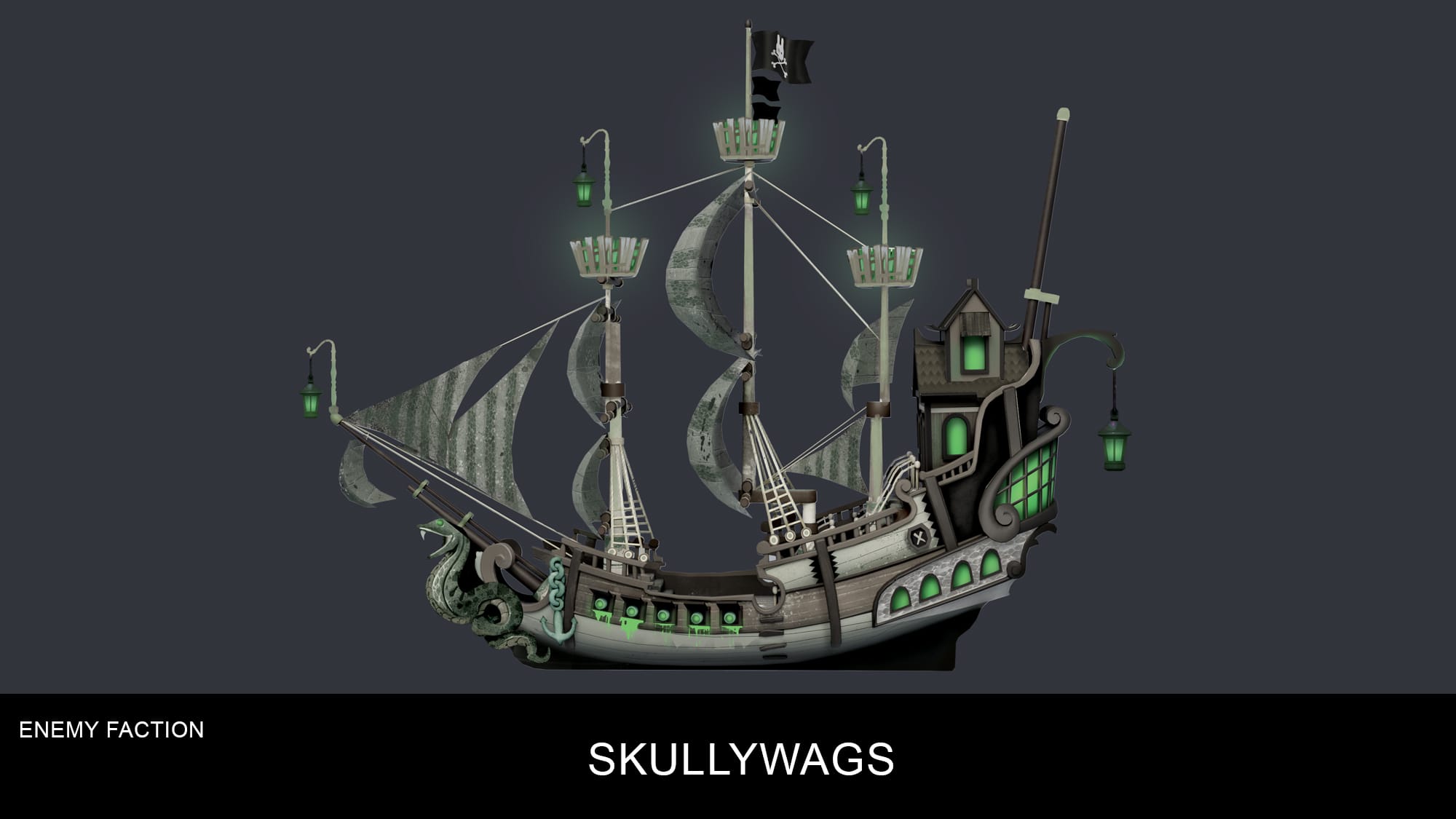
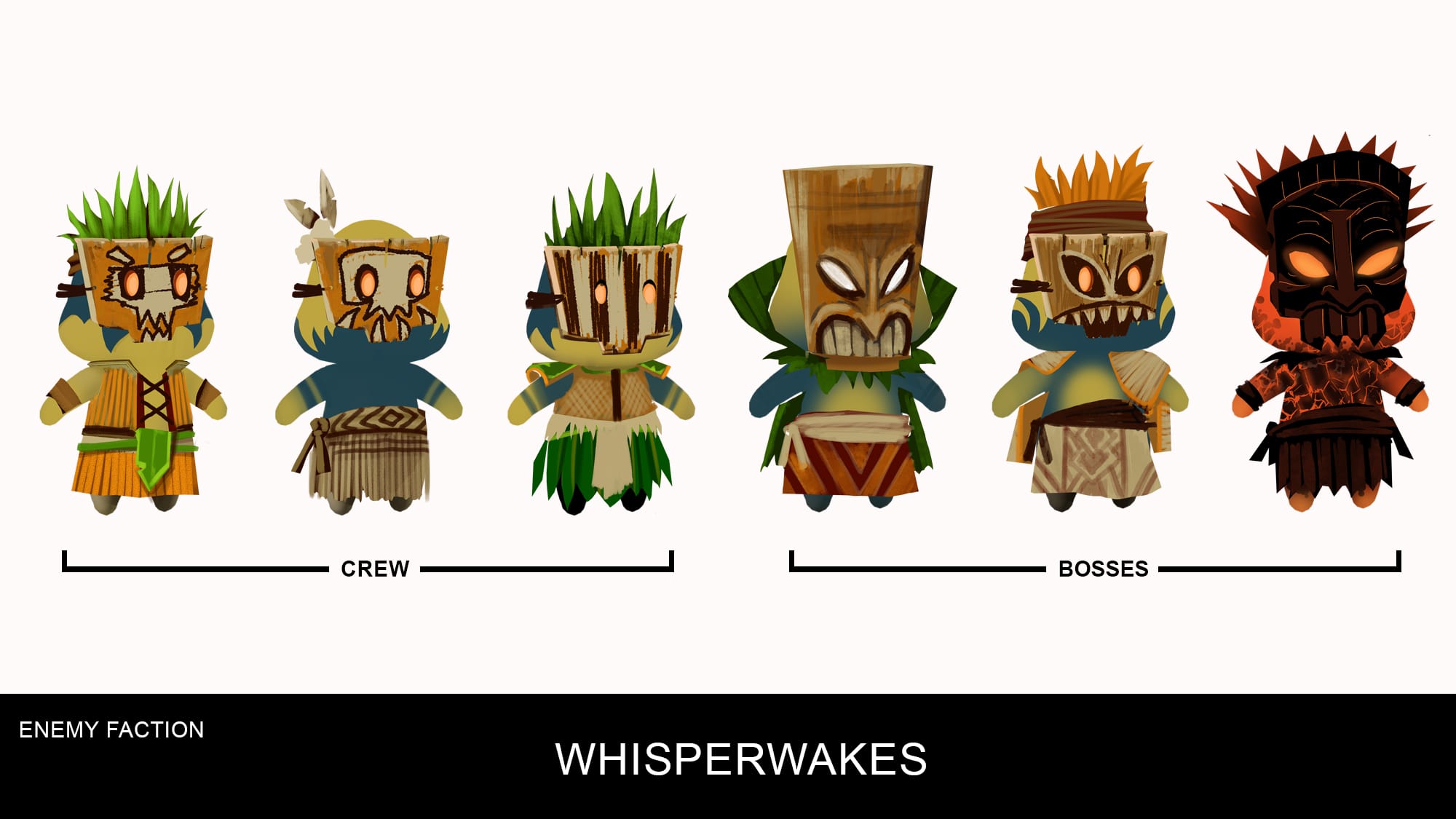
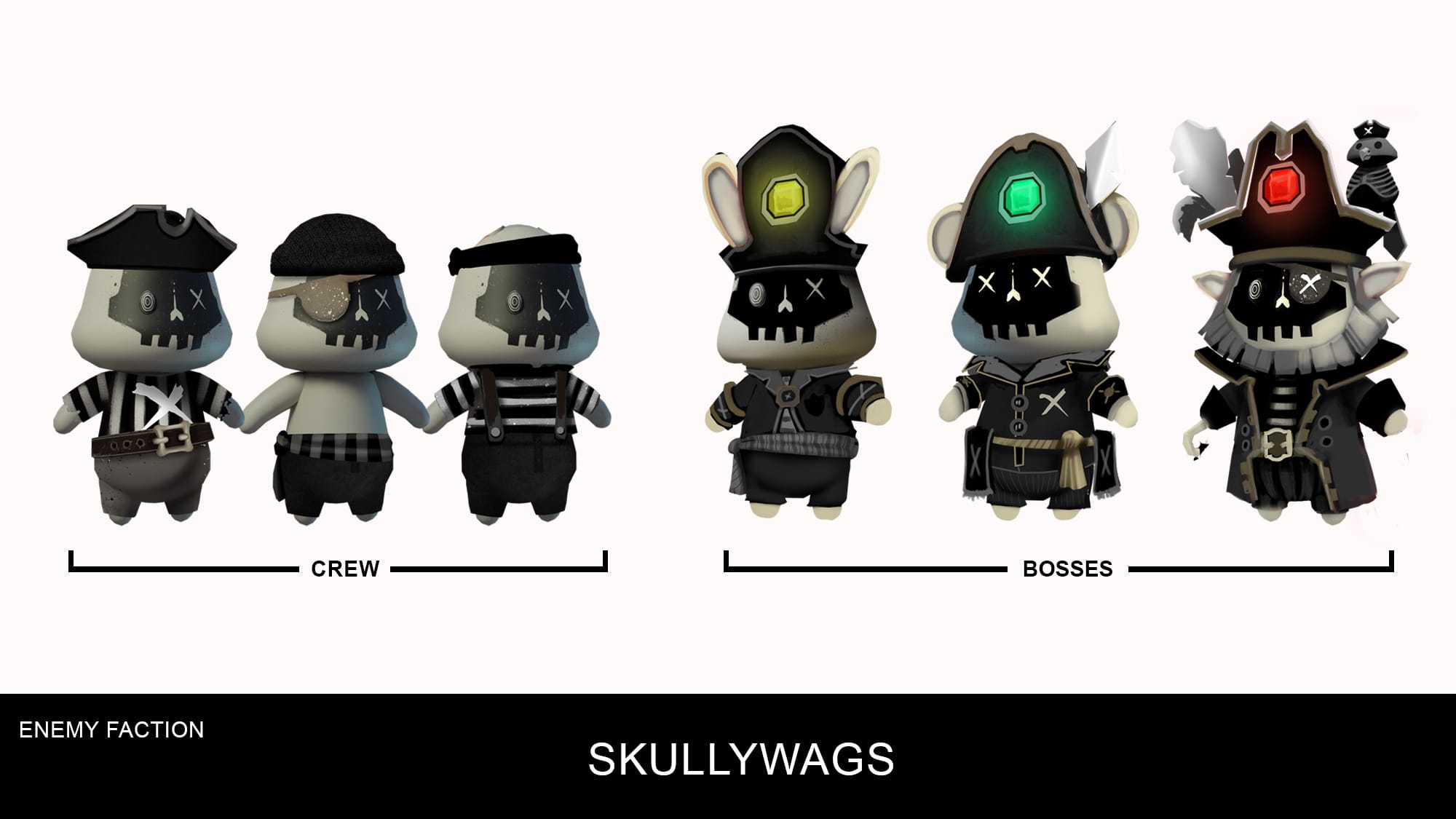
Concept art provided by Meta depicts different ship types and three character archetypes: Skullywags, Queen’s Armada, and Whisperwakes.

Cardmada can be wishlisted now on the Meta Horizon store for Meta VR Glasses and Quest 3.

Dice Throne Digital Brings The Award-Winning Tabletop Dice & Card Game To Meta VR Glasses & Quest 3

Dice Throne Digital is a free-to-play adaptation of the popular fantasy-themed tabletop strategy game coming to Meta VR Glasses & Quest 3 with crossplay support across XR devices, mobile, and PC. It is expected to launch in early 2027.

Announced at Meta Connect today, Dice Throne Digital spatializes the popular dice-and-card game, which has sold over 1.5M physical copies worldwide and raised over $18M across multiple crowdfunding campaigns.

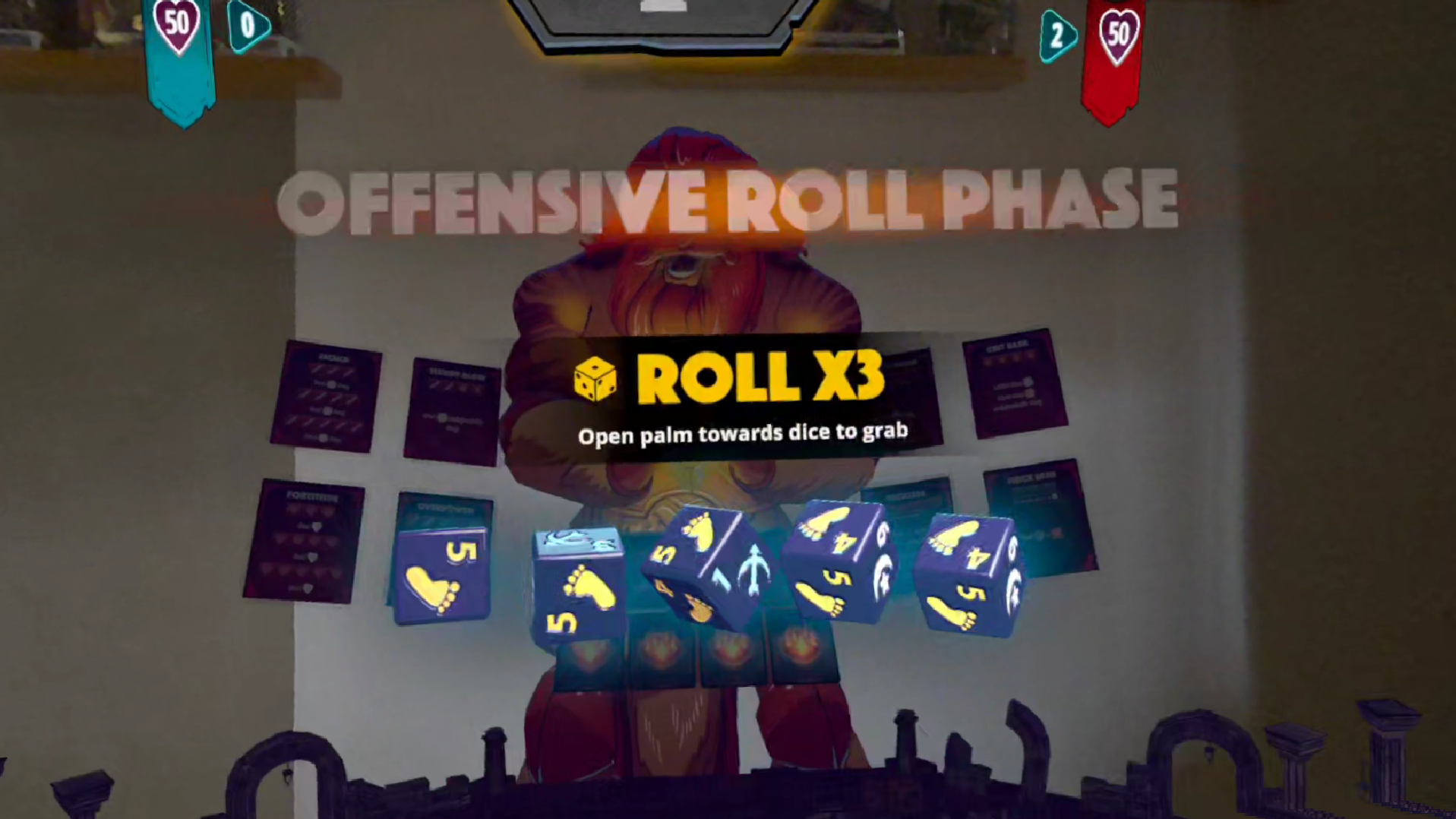
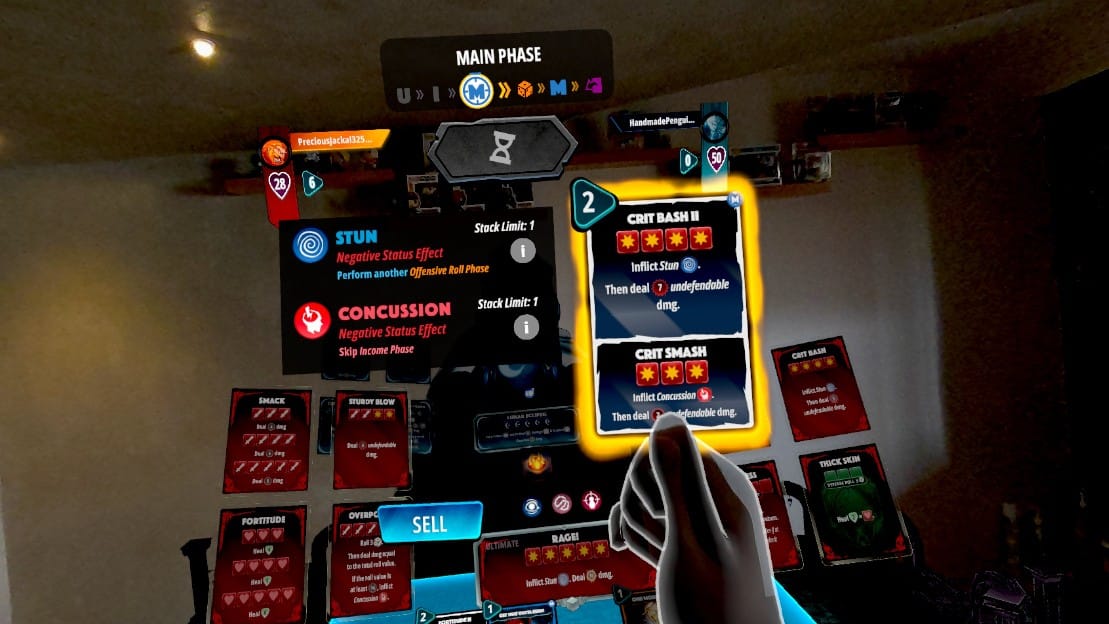
You will compete with other players in a fantasy-based battle, embodying your chosen heroes and rolling dice to trigger their special abilities and playing cards to manipulate dice rolls in your favor. Attacks will play out in front of you on a mixed reality tabletop board.
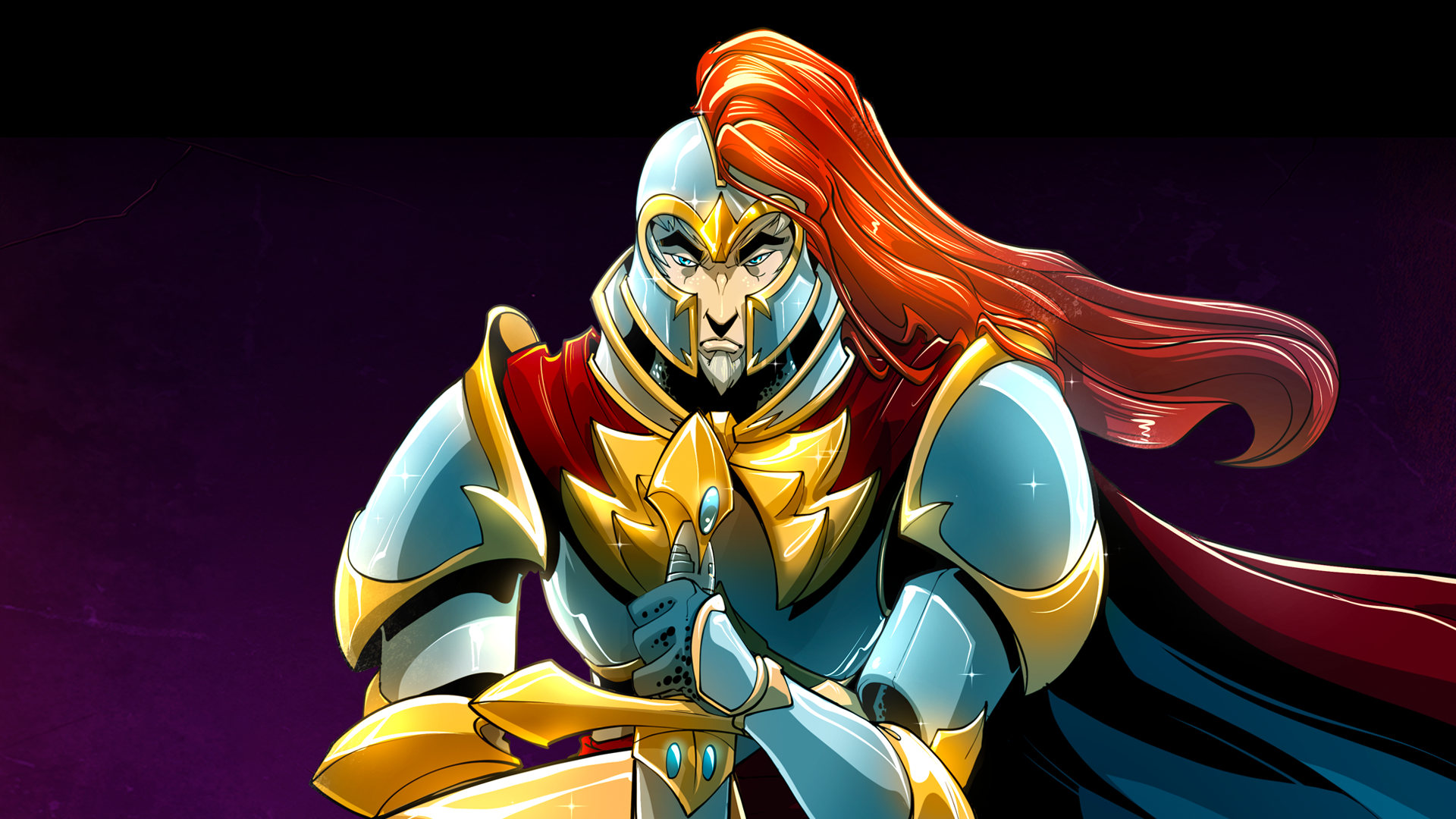
The original tabletop game has forty-five different heroes as of July 2026, spread across multiple seasons and crossovers with Marvel including the X-Men, Black Panther, Black Widow, Deadpool, Captain Marvel, and Doctor Strange. We do not know if these will carry over to Dice Throne Digital. The images provided to us show several original characters pictured below.

With the game being free-to-play, we expect new cards, dice, and characters to be unlockable through a combination of playtime rewards and in-app purchases.

You can wishlist Dice Throne Digital on the Meta Horizon store now.