
Skip to primary content

Prime-WoW

My site, my way, no big company can change this

Prime-WoW

Main menu

  • Home
  • Discord
  • Forums
  • Games
    • 7DtD
      • 7DtD Map
      • 7DtD Official Forums
      • 7DtD Wiki
    • Minecraft
      • Survival Map
      • Vanilla Map
      • FTB Map
      • FTB Wiki
      • Download FTB Client
    • NWN
      • NWN Wiki
      • NWN Lexicon
      • NWN Vault
      • NWNX
      • NWN Info
      • Rhun Guide
    • Terraria
      • Terraria Map
    • WoW
      • Prime-WoW Site
      • WoW Armory
  • Unfiltered RSS
    • Bikes
    • Games
      • Kotaku
      • PS4 News
      • VR
    • Nature
      • TreeHugger
      • Survival
    • Technology
      • Hardware
        • Hot Hardware
      • Linux
        • Linux Today
        • LWN.net
        • LXer
        • Phoronix
        • RPi
      • LifeHacker
      • Akihabara News
      • AnandTech
      • Ars Technica
      • Engadget
      • Gear & Gadgets
      • Geekologie
      • Gizmodo
      • [H]ardOCP
      • io9
      • Slashdot
      • TG Daily

Post navigation

← Previous Next →

A new database reveals how much humans are messing with evolution

Posted on February 5, 2022 by Xordac Prime
A new database reveals how much humans are messing with evolution

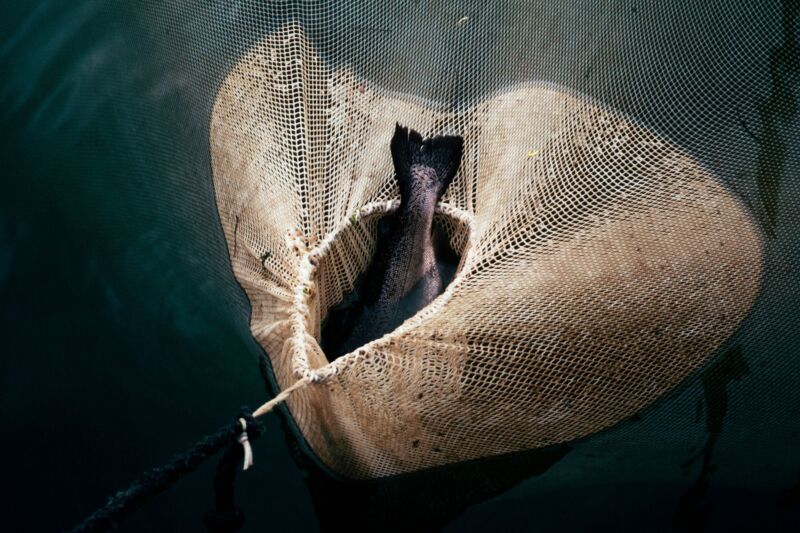
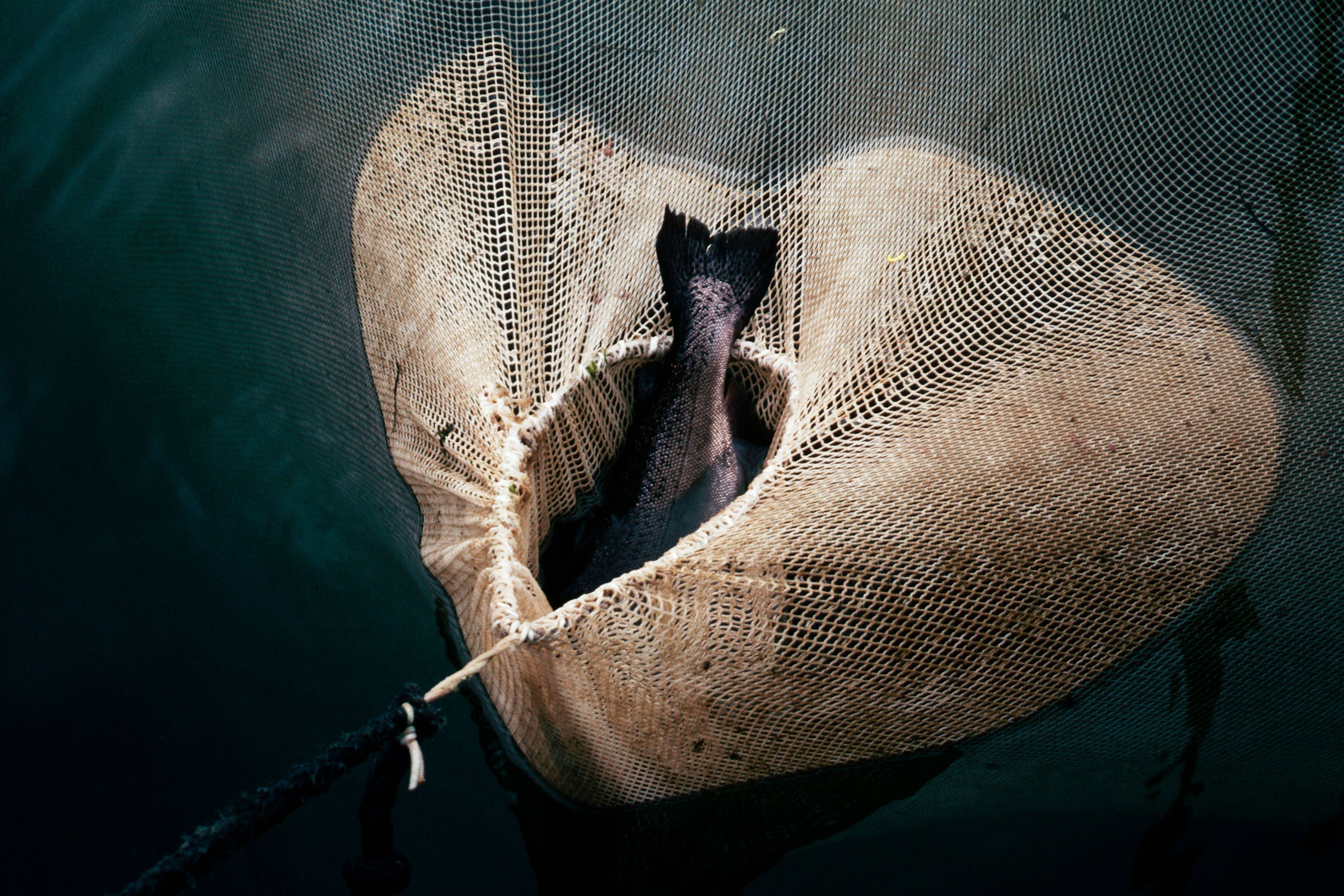
Enlarge (credit: Natalie Fobes | Getty Images)
Charles Darwin thought of evolution as an incremental process, like the patient creep of glaciers or the march of continental plates. “We see nothing of these slow changes in progress until the hand of time has marked the long lapse of ages,” he wrote in On the Origin of Species, his famous 1859 treatise on natural selection.

But by the 1970s, scientists were finding evidence that Darwin might be wrong—at least about the timescale. Peppered moths living in industrial areas of Britain were getting darker, better for blending in against the soot-blackened buildings and avoiding predation from the air. House sparrows—introduced to North America from Europe—were changing size and color according to the climate of their new homes. Tufted hairgrass growing around electricity pylons was developing a tolerance for zinc (which is used as a coating for pylons and can be toxic to plants).

Read 13 remaining paragraphs | Comments


Source: Ars Technica – A new database reveals how much humans are messing with evolution

This entry was posted in Ars Technica, Unfiltered RSS and tagged Ars Technica by Xordac Prime. Bookmark the permalink.
Proudly powered by WordPress