
Skip to primary content

Prime-WoW

My site, my way, no big company can change this

Prime-WoW

Main menu

  • Home
  • Discord
  • Forums
  • Games
    • 7DtD
      • 7DtD Map
      • 7DtD Official Forums
      • 7DtD Wiki
    • Minecraft
      • Survival Map
      • Vanilla Map
      • FTB Map
      • FTB Wiki
      • Download FTB Client
    • NWN
      • NWN Wiki
      • NWN Lexicon
      • NWN Vault
      • NWNX
      • NWN Info
      • Rhun Guide
    • Terraria
      • Terraria Map
    • WoW
      • Prime-WoW Site
      • WoW Armory
  • Unfiltered RSS
    • Bikes
    • Games
      • Kotaku
      • PS4 News
      • VR
    • Nature
      • TreeHugger
      • Survival
    • Technology
      • Hardware
        • Hot Hardware
      • Linux
        • Linux Today
        • LWN.net
        • LXer
        • Phoronix
        • RPi
      • LifeHacker
      • Akihabara News
      • AnandTech
      • Ars Technica
      • Engadget
      • Gear & Gadgets
      • Geekologie
      • Gizmodo
      • [H]ardOCP
      • io9
      • Slashdot
      • TG Daily

Post navigation

← Previous Next →

Planetary scientists are starting to get stirred up by Starship’s potential

Posted on December 1, 2021 by Xordac Prime
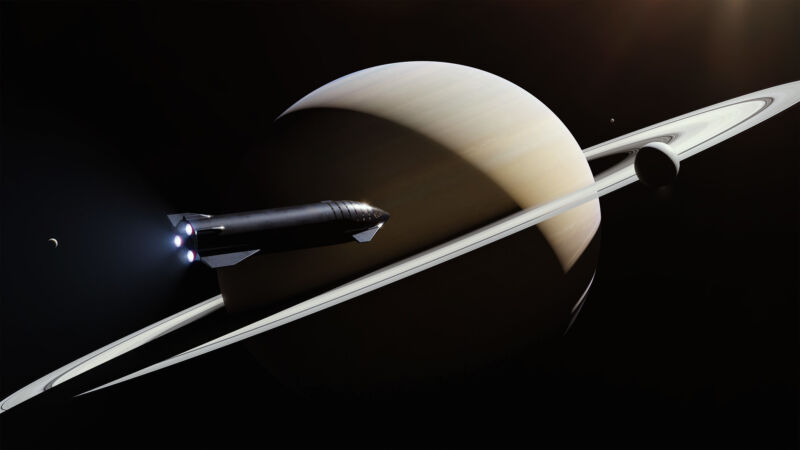
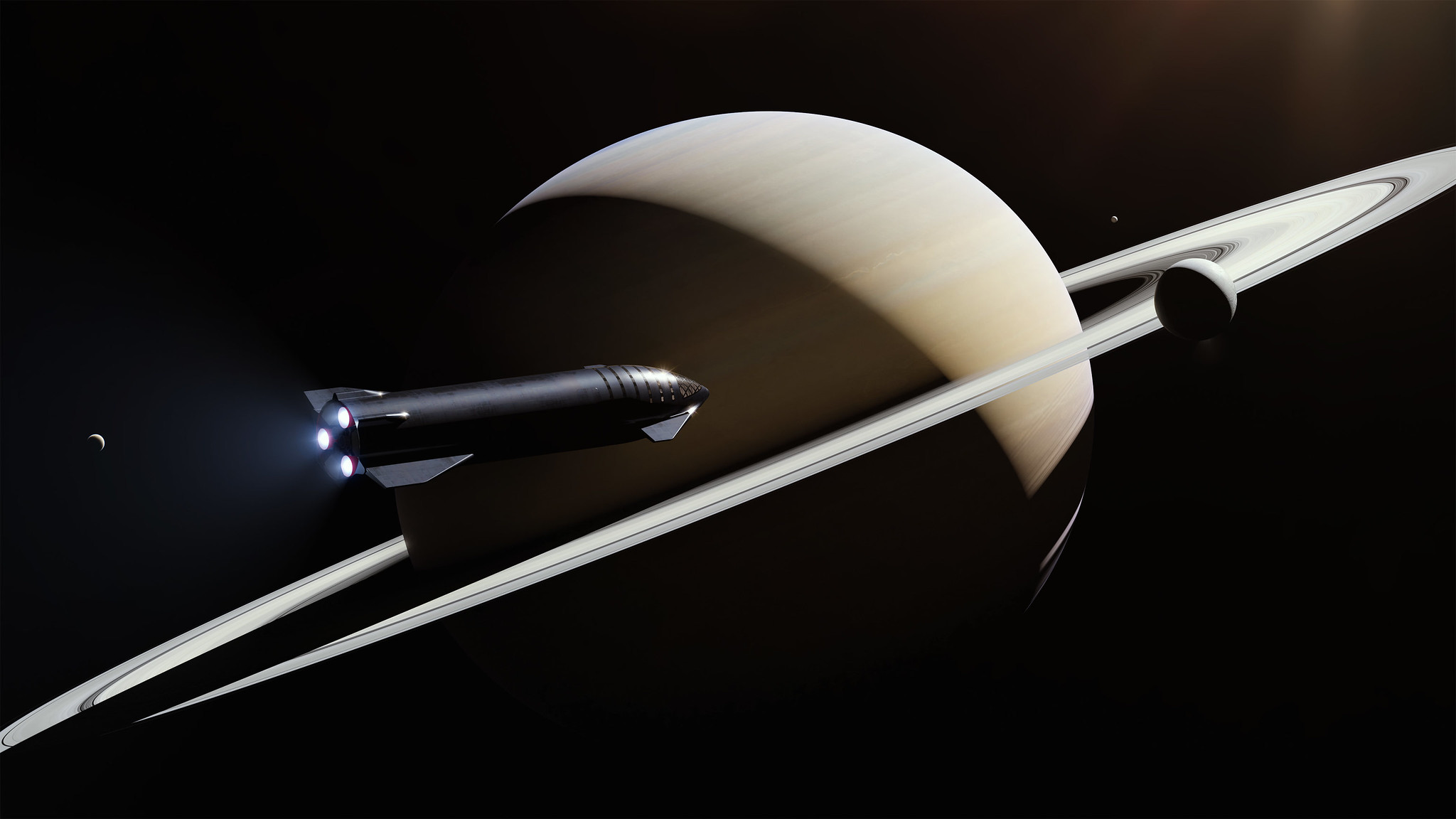
A rocket flies toward a ringed gas giant.

Enlarge / A rendering of SpaceX’s Starship traveling to the Saturn system. (credit: SpaceX)
Jennifer Heldmann stared at the computer screens on her desk, watching as a rocket’s upper stage slammed into a crater near the South Pole of the Moon. In the name of science, a 2.3-ton chunk of steel struck the Moon with the force of 2 tons of TNT.

It was October 2009, and Heldmann tracked the impact from inside the Science Operations Center at NASA Ames in California. As a 33-year-old planetary scientist, she was working her first major mission for NASA by coordinating observations of the impact with ground-based telescopes.

NASA sought to “touch the ice” with the LCROSS mission. Although the Apollo landings in the 1960s and early 1970s had found a gray and barren world, scientists had since come to believe that pockets of ice were trapped below the rims of craters in permanent darkness at the poles, the remnants of billions of years of cometary impacts. Centaur’s mission was to blast one of these craters and see if the scientists were right.

Read 52 remaining paragraphs | Comments


Source: Ars Technica – Planetary scientists are starting to get stirred up by Starship’s potential

This entry was posted in Ars Technica, Unfiltered RSS and tagged Ars Technica by Xordac Prime. Bookmark the permalink.
Proudly powered by WordPress