

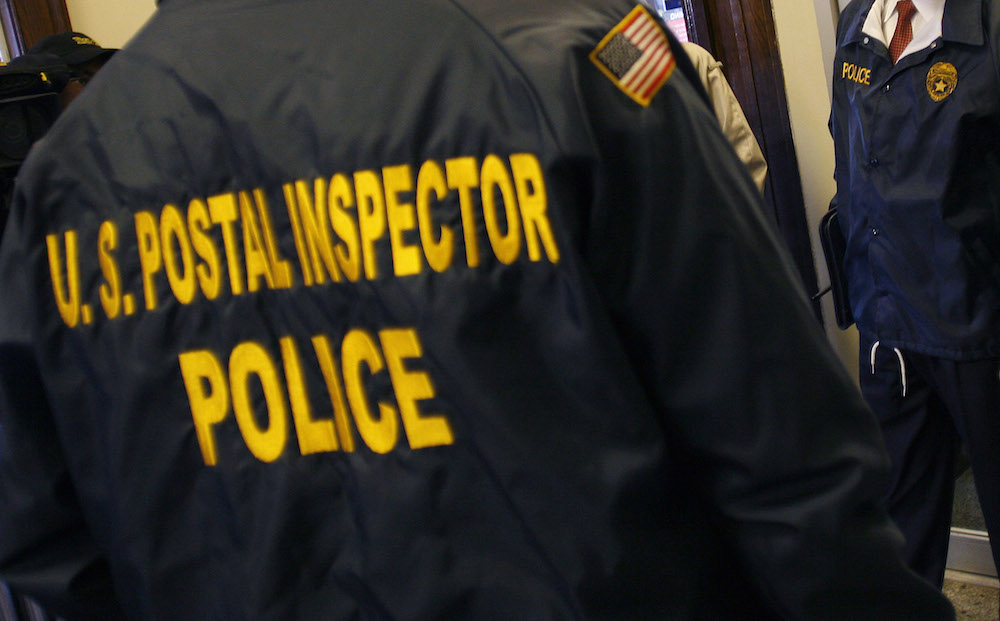
Enlarge / Postal inspectors routinely investigate child pornography cases in the US. (credit: Joshua Lot/Getty Images)
“[Rev. Dr.] Jim [Parkhurst] plays guitar, sings in a symphony chorus, loves to hike, does crossword puzzles, and is an avid reader. He enjoys spoiling his twin nephews on annual trips to our national parks in the west.”
-Post announcing Parkhurst’s new job, January 2015
In 2013, federal agents investigating the child pornography collection of one David S. Engle—who was later sentenced in Washington state to 25 years in prison—came across a new set of eight images. The pictures showed five boys, ranging in age from around seven to 15, urinating outdoors, shaving their pubic hair, and posing naked in bathtubs.
According to an affidavit from Postal Inspector Maureen O’Sullivan, who helped investigate the images, the photo set was “emerging and being widely distributed and traded by child pornography collectors on a national and international scale.” Being new and uncatalogued, the images were forwarded to the National Center for Missing and Exploited Children (NCMEC), which maintains a vast database on prohibited images for use in investigations and image blacklists.
While law enforcement generally focuses on finding those who create and/or trade child pornography, a simultaneous effort is made to identify—and if necessary to secure—the victims. At the federal level, this task is centralized within NCMEC at the Child Victim Identification Program (CVIP)—and this new image set wound up at CVIP accordingly. The investigation of the pictures, which took three years to complete, opens a rare window into the world of digital detectives who specialize in tracing some of the world’s most horrific imagery.
Read 27 remaining paragraphs | Comments
Source: Ars Technica – How the feds used Internet searches to find 5 child pornography victims