

Enlarge (credit: United Soybean Board)
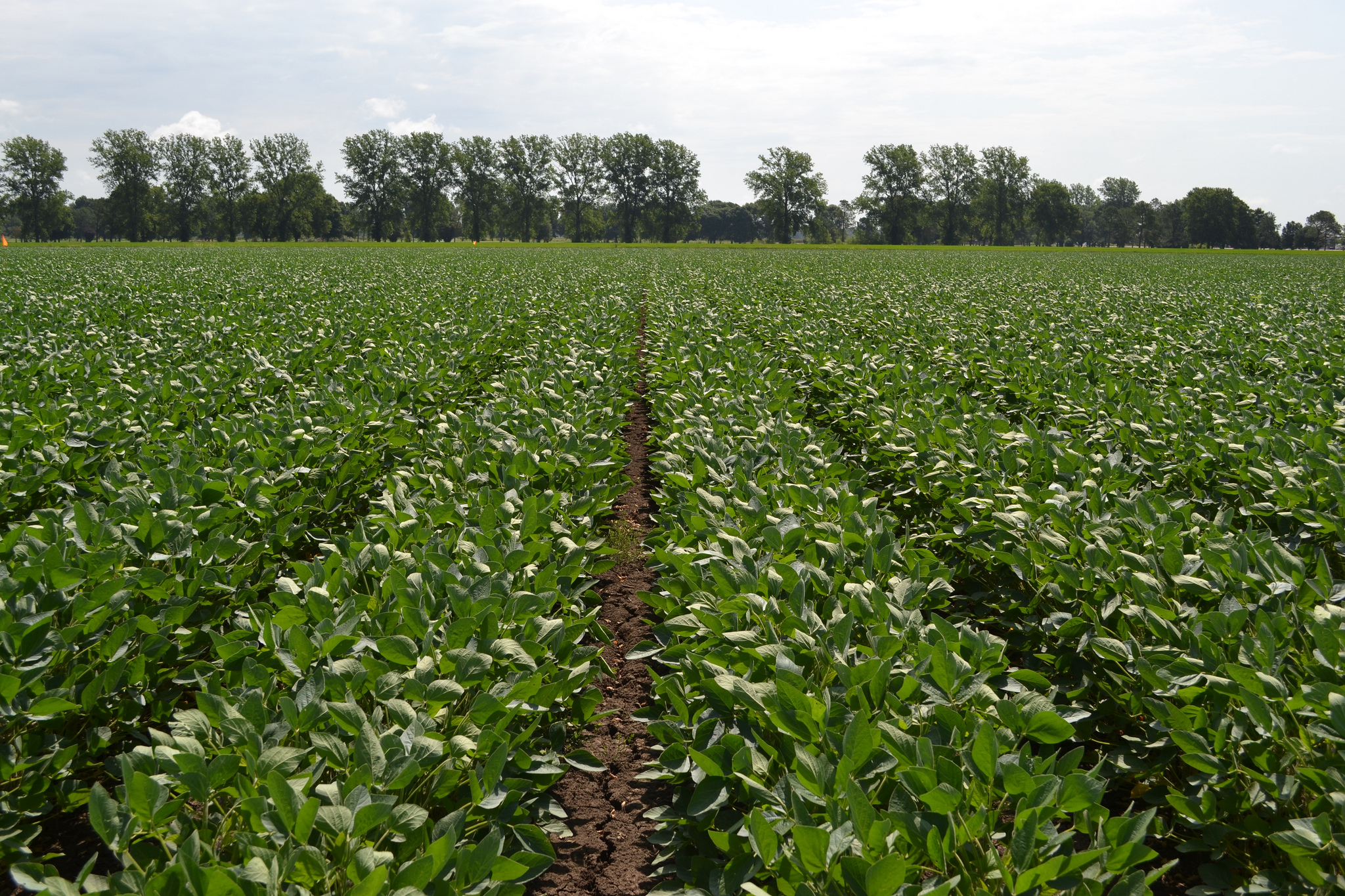
Genetically modified foods have been used for decades with no major safety issues; more than 90 percent of the soybeans and all of the sugar beets grown in the US are now GMO. Yet the technology remains controversial, with worries about the crops cutting across the entire political spectrum.
One controversial solution to societal unease has been the call to place labels on foods that contain GMOs. While these have been considered on local and state levels, a relatively obscure 2016 federal law mandated that labels be applied nationwide. The task of devising the labeling system was given to the Department of Agriculture. Last week, the USDA finally got around to proposing some possible solutions and is now asking for public comment on them.
Labels and the law
There’s nothing inherently unsafe about genetically engineering crops or agricultural animals. None of the genetic material survives digestion to enter human cells (otherwise our cells would be awash in the DNA of gut bacteria). And, so far at least, careful design and testing has ensured that the proteins made by the altered DNA don’t cause health problems such as allergic reactions. But the public has been consistently uneasy about the technology, with polls showing that only slightly more than a third of the general public thinks eating GMO foods is safe.
Read 11 remaining paragraphs | Comments
Source: Ars Technica – USDA wants public comments on its plan to label GMO foods