

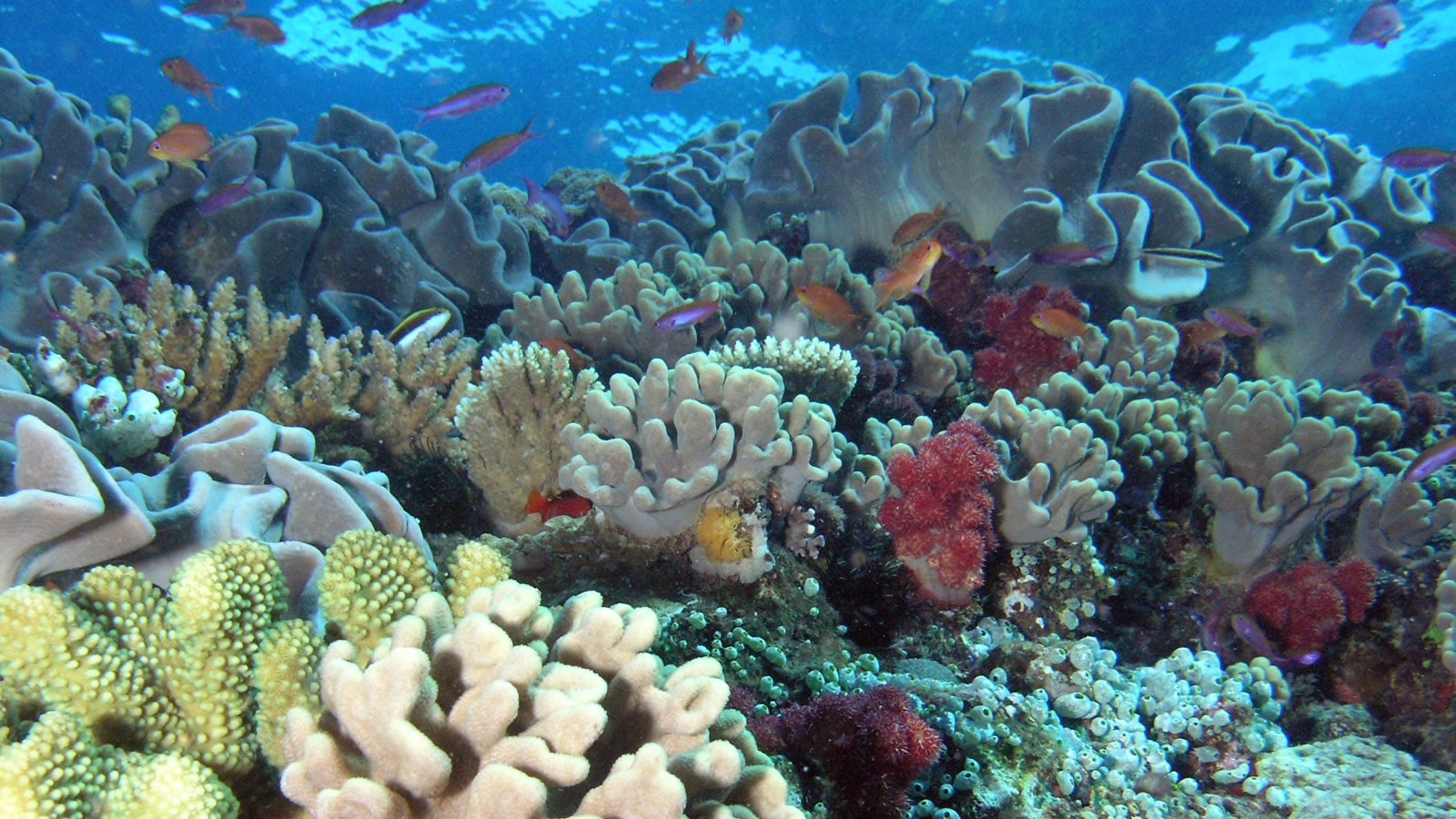
Coral reefs are the poster-organisms for ecosystem services, aiding fisheries, promoting biodiversity, and protecting land from heavy waves. Unfortunately, we seem to be repaying them by killing them. Our warming oceans are causing coral bleaching and death, rising sea levels will force them to move, and the acidification of our oceans will make it harder for them to form reefs. It would be nice if we could help them, but interventions are difficult to design when you don’t know enough about coral biology.
Now scientists have announced a new tool is available to study corals: genetic editing provided by the CRISPR/Cas9 system. The ability to selectively eliminate genes could help us understand how corals function normally and could eventually provide a tool that lets us help them ride out climate change.
Coral complexities
You might think that we’d have a pretty good grasp of coral biology, given the amount of study that reefs receive. But much of that study has focused on coral reefs as an ecosystem, rather than coral as an organism. And that’s a big barrier to helping these reef-builders survive in our changing world. To give one example, coral bleaching is caused by a heat-driven breakdown in the symbiosis between coral and a photosynthetic algae that provides the coral with food. Corals that live in warmer waters are clearly able to form partnerships with heat-tolerant algae, but the precise mechanics of which species partner with what algae aren’t well understood.
Read 8 remaining paragraphs | Comments
Source: Ars Technica – Researchers edit coral genes, hope to understand how to save them