

Enlarge / Sweet potatoes growing in a field. (credit: Robert Scotland)
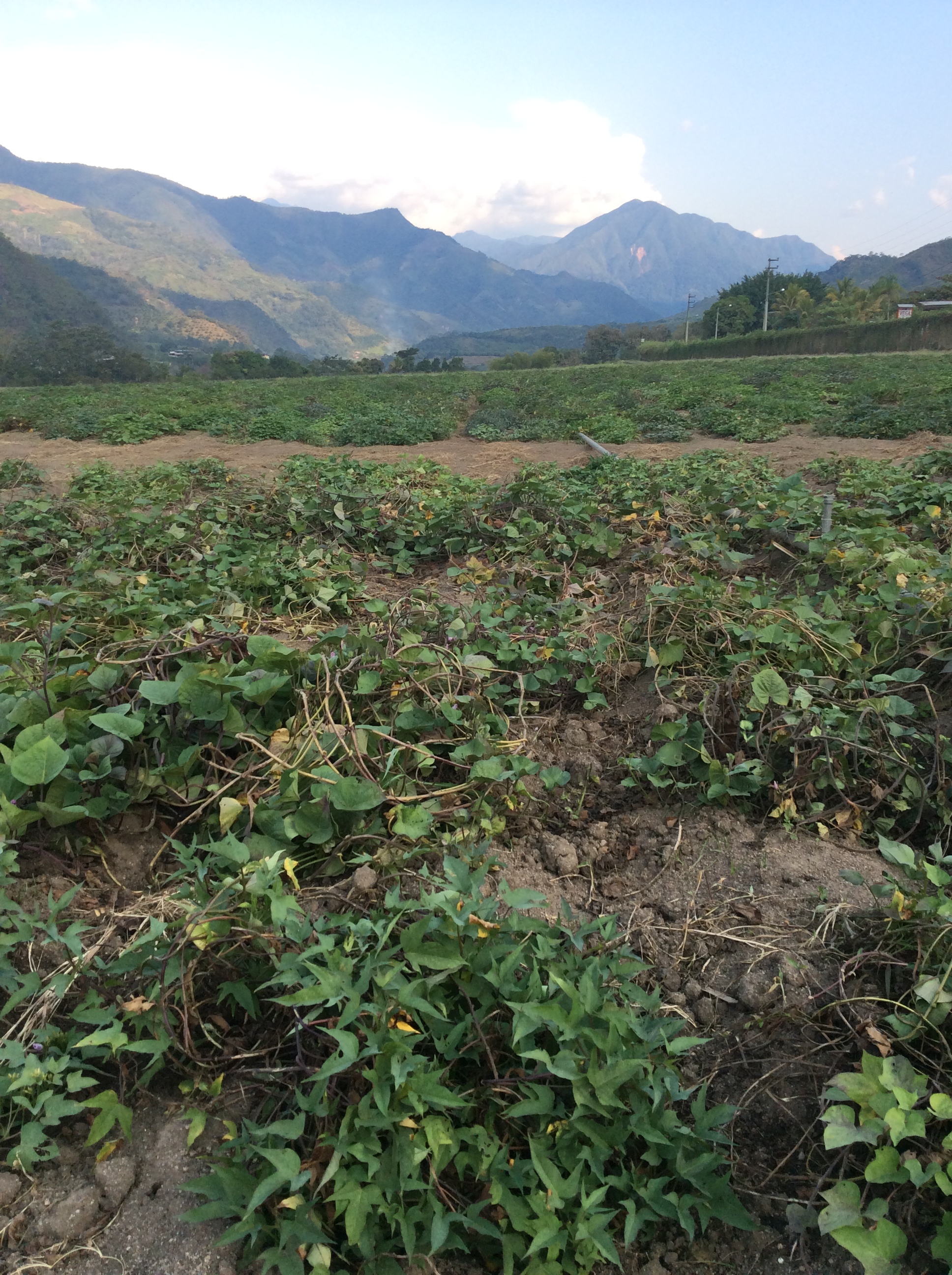
Sweet potatoes are a staple food crop in most of the world today, but they’re also a bit of an enigma. We don’t know for sure how or when they evolved from their closest wild relatives or whether humans were involved. A new genetic study answers some of those burning questions about the sweet potato’s past, and, in the process, it casts some doubt on a popular idea about pre-Columbian sea travel between the Americas and the islands of Polynesia.
Pre-Columbian cultural exchange?
A few tantalizing threads of evidence have emerged over the years to suggest that the people of the Polynesian Islands and the people of the Americas could have maintained at least sporadic contact with each other long before Europeans arrived in either place. None of that evidence has stood up to much scrutiny, though—except for one fact: sweet potatoes, a crop native to Central and South America, had already firmly taken root in the islands of Polynesia by the time Europeans arrived. It seemed logical that someone must have carried them across the Pacific.
But a new study says sweet potatoes actually reached the islands long before there were even people in the Americas—at least 111,500 years ago, and possibly even earlier.
Read 14 remaining paragraphs | Comments
Source: Ars Technica – Polynesians may not have gone grocery shopping in South America