
Skip to primary content

Prime-WoW

My site, my way, no big company can change this

Prime-WoW

Main menu

  • Home
  • Discord
  • Forums
  • Games
    • 7DtD
      • 7DtD Map
      • 7DtD Official Forums
      • 7DtD Wiki
    • Minecraft
      • Survival Map
      • Vanilla Map
      • FTB Map
      • FTB Wiki
      • Download FTB Client
    • NWN
      • NWN Wiki
      • NWN Lexicon
      • NWN Vault
      • NWNX
      • NWN Info
      • Rhun Guide
    • Terraria
      • Terraria Map
    • WoW
      • Prime-WoW Site
      • WoW Armory
  • Unfiltered RSS
    • Bikes
    • Games
      • Kotaku
      • PS4 News
      • VR
    • Nature
      • TreeHugger
      • Survival
    • Technology
      • Hardware
        • Hot Hardware
      • Linux
        • Linux Today
        • LWN.net
        • LXer
        • Phoronix
        • RPi
      • LifeHacker
      • Akihabara News
      • AnandTech
      • Ars Technica
      • Engadget
      • Gear & Gadgets
      • Geekologie
      • Gizmodo
      • [H]ardOCP
      • io9
      • Slashdot
      • TG Daily

Post navigation

← Previous Next →

Scientists revisit a strange result from one of the Soviet Venus landers

Posted on July 6, 2017 by Xordac Prime

Enlarge / And you thought that sulfuric acid clouds were weird. (credit: ISAS/JAXA)
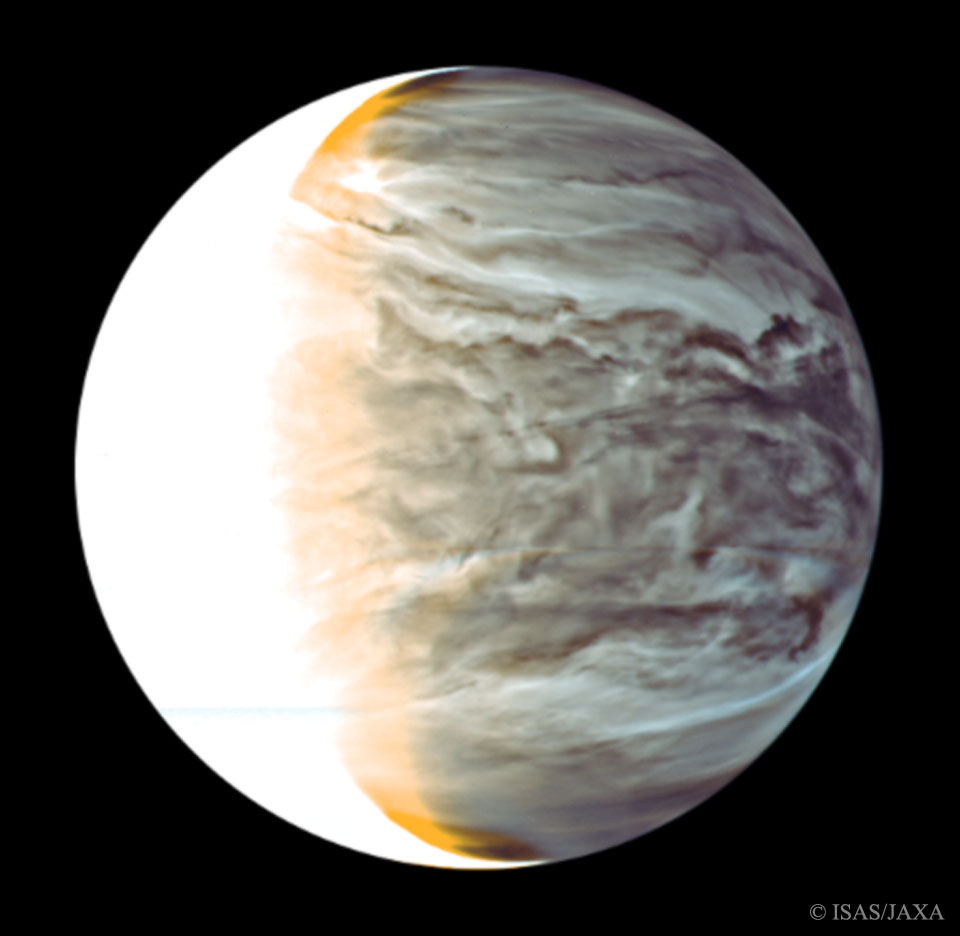
Venus’ atmosphere is rightfully famous for a combination of being stunningly hot and containing sulfuric acid. Those conditions, not surprisingly, have ensured that every bit of hardware we’ve sent through said atmosphere has had an extremely short lifespan.

But at least one of those pieces of hardware—the Soviet Union’s VeGa-2 probe—sent back some data that’s hard to explain, a hint of an unstable atmosphere. Now, a pair of scientists is suggesting that the oddity can be explained by an equally odd feature of the atmosphere: it’s a supercritical fluid where different chemicals partially separate at different altitudes.

The sulfuric acid and a surface temperature of 464 degrees Celsius, which is hot enough to melt lead, would seem to be more than sufficiently unusual for a planet. Yet Venus’ oddities don’t stop there. Its atmosphere is so dense and reflective that its surface gets less sunlight than the Earth does, even though Venus is closer to the Sun.

Read 13 remaining paragraphs | Comments


Source: Ars Technica – Scientists revisit a strange result from one of the Soviet Venus landers

This entry was posted in Ars Technica, Unfiltered RSS and tagged Ars Technica by Xordac Prime. Bookmark the permalink.
Proudly powered by WordPress