
Skip to primary content

Prime-WoW

My site, my way, no big company can change this

Prime-WoW

Main menu

  • Home
  • Discord
  • Forums
  • Games
    • 7DtD
      • 7DtD Map
      • 7DtD Official Forums
      • 7DtD Wiki
    • Minecraft
      • Survival Map
      • Vanilla Map
      • FTB Map
      • FTB Wiki
      • Download FTB Client
    • NWN
      • NWN Wiki
      • NWN Lexicon
      • NWN Vault
      • NWNX
      • NWN Info
      • Rhun Guide
    • Terraria
      • Terraria Map
    • WoW
      • Prime-WoW Site
      • WoW Armory
  • Unfiltered RSS
    • Bikes
    • Games
      • Kotaku
      • PS4 News
      • VR
    • Nature
      • TreeHugger
      • Survival
    • Technology
      • Hardware
        • Hot Hardware
      • Linux
        • Linux Today
        • LWN.net
        • LXer
        • Phoronix
        • RPi
      • LifeHacker
      • Akihabara News
      • AnandTech
      • Ars Technica
      • Engadget
      • Gear & Gadgets
      • Geekologie
      • Gizmodo
      • [H]ardOCP
      • io9
      • Slashdot
      • TG Daily

Post navigation

← Previous Next →

Spider silk genes used in… venom gland?

Posted on May 4, 2017 by Xordac Prime

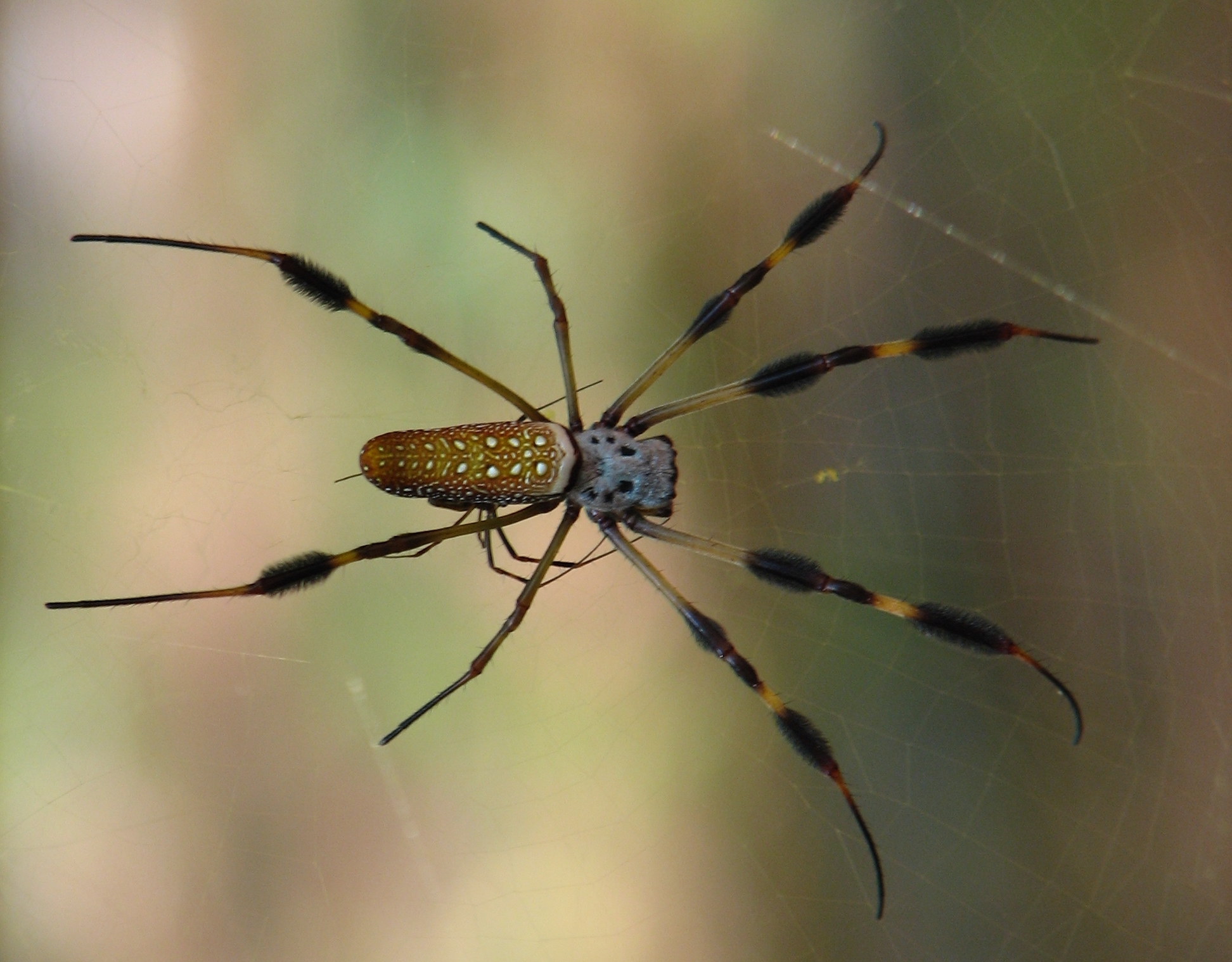
Enlarge (credit: National Park Service)
According to the National Human Genome Research Institute, about 300 different species have had their entire genomes sequenced. Us, obviously, but also rats, puffer fish, fruit flies, sea squirts, roundworms, chickens, dogs, yeast, honey bees, gorillas, chimpanzees, sea urchins, a bunch of bacteria, and many assorted other birds, plants, animals, and fungi.

New to the list is the orb-weaver spider Nephila clavipes. Analysis of this spider’s genome hints at how spider silk evolved, helping us to understand the whole system better and bringing us that much closer to our ultimate goal of one day making super-strong spider silk to achieve our own ends. (Mwhahahaha… )

Orb weavers, the kind that weave circular webs, comprise the third largest family of spiders: about 3,000 species. Each female orb weaver can produce different kinds of silk in her different kinds of silk glands. The silk used for draglines, bridges, and web radii has great tensile strength. The silk used for prey wrapping and egg-case insulation is strong yet flexible. The silk used for prey capture is sticky and viscous.

Read 7 remaining paragraphs | Comments


Source: Ars Technica – Spider silk genes used in… venom gland?

This entry was posted in Ars Technica, Unfiltered RSS and tagged Ars Technica by Xordac Prime. Bookmark the permalink.
Proudly powered by WordPress