
Skip to primary content

Prime-WoW

My site, my way, no big company can change this

Prime-WoW

Main menu

  • Home
  • Discord
  • Forums
  • Games
    • 7DtD
      • 7DtD Map
      • 7DtD Official Forums
      • 7DtD Wiki
    • Minecraft
      • Survival Map
      • Vanilla Map
      • FTB Map
      • FTB Wiki
      • Download FTB Client
    • NWN
      • NWN Wiki
      • NWN Lexicon
      • NWN Vault
      • NWNX
      • NWN Info
      • Rhun Guide
    • Terraria
      • Terraria Map
    • WoW
      • Prime-WoW Site
      • WoW Armory
  • Unfiltered RSS
    • Bikes
    • Games
      • Kotaku
      • PS4 News
      • VR
    • Nature
      • TreeHugger
      • Survival
    • Technology
      • Hardware
        • Hot Hardware
      • Linux
        • Linux Today
        • LWN.net
        • LXer
        • Phoronix
        • RPi
      • LifeHacker
      • Akihabara News
      • AnandTech
      • Ars Technica
      • Engadget
      • Gear & Gadgets
      • Geekologie
      • Gizmodo
      • [H]ardOCP
      • io9
      • Slashdot
      • TG Daily

Post navigation

← Previous Next →

Mars’ moons could be remnants of earlier rings, destined to form a new one

Posted on March 21, 2017 by Xordac Prime

Enlarge / Phobos, shown in this image, had once been thought to have been an asteroid captured by Mars. (credit: NASA APOD)
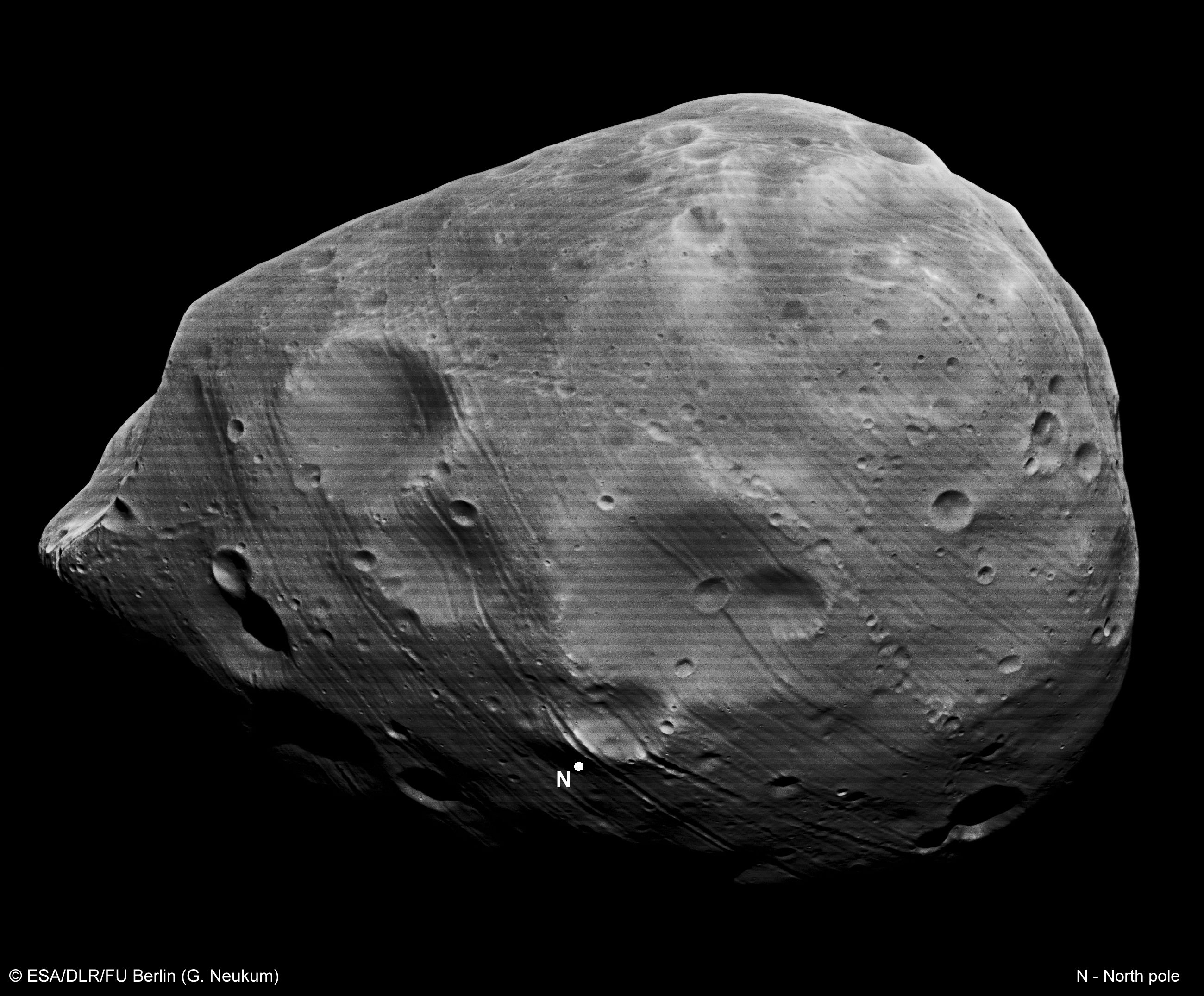
Our Solar System’s two innermost rocky planets have no moons. Earth has an unusually large one, the product of a massive collision. And Mars’ two moons, Phobos and Deimos, are… well, weird, looking like asteroids but not behaving like them. Now, a new paper suggests that the moons’ oddity could be explained by a cycle of ring building and destruction that started more than four billion years ago.

The idea solves a bunch of problems, it may create a brand new one, and, best of all, it has some testable consequences.

Phobos and Deimos don’t look especially odd on the surface. In fact, their surfaces look a lot like a pretty mundane class of asteroids. So it has been suggested that the two moons are simply asteroids that wandered into Mars’ gravitational field and got caught. Phobos appears to be transient; in about 70 million years, it’s expected to drop close enough to Mars to be torn apart by the planet’s gravity.

Read 11 remaining paragraphs | Comments


Source: Ars Technica – Mars’ moons could be remnants of earlier rings, destined to form a new one

This entry was posted in Ars Technica, Unfiltered RSS and tagged Ars Technica by Xordac Prime. Bookmark the permalink.
Proudly powered by WordPress