

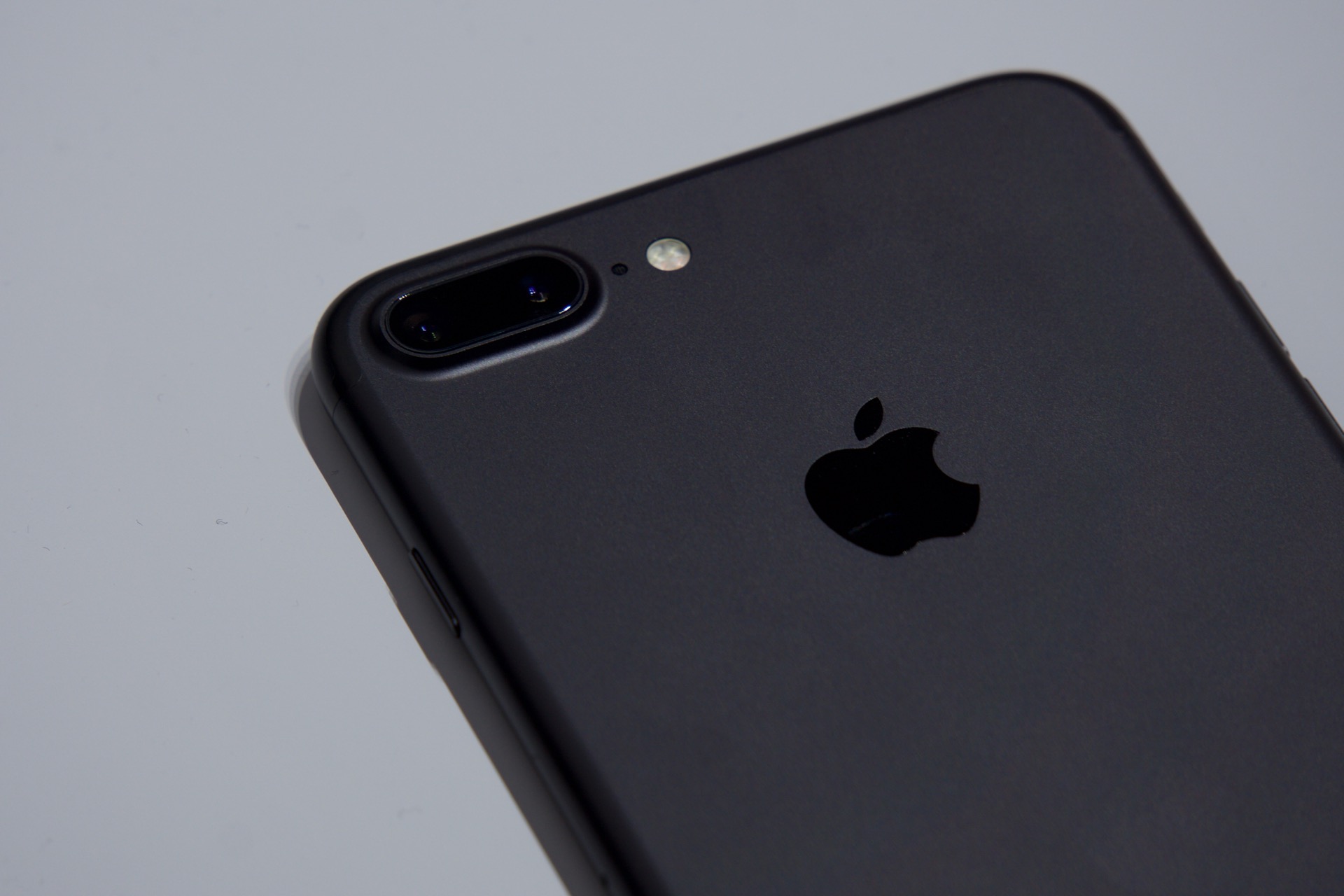
Enlarge / The iPhone 7 made few changes to the iPhone 6-era design. The next one could be different. (credit: Andrew Cunningham)
A new Wall Street Journal report on Apple’s next-generation iPhone suggests a significant overhaul after three years of roughly the same physical design, and much of the WSJ’s reporting echoes or builds upon rumors we’ve heard before. The WSJ says that Apple could switch to an OLED display like those used in the Apple Watch, the MacBook Pro Touch Bar, and many Android phones, also suggesting that display could be curved rather than flat. Apple could follow up on the iPhone 7’s static Home button by doing away with it entirely, switching instead to an onscreen software button (other rumors have said that Apple could integrate the TouchID fingerprint sensor into the screen itself).
But the most interesting suggestion in the report is that Apple could drop its proprietary Lightning port in favor of USB-C, the industry standard that has slowly been trickling out into Android phones, PCs, and Apple’s own MacBooks and MacBook Pros in recent years. Apple first moved to Lightning in the iPhone 5 in 2012, several years before USB-C would be introduced; at the time, the Lightning connector was intended as a smaller, more convenient replacement for the aging 30-pin connector Apple had been using in its gadgets since the iPod.
Moving from Lightning to USB-C would definitely have benefits for Apple and the ecosystem. USB-C can do everything Lightning can do and then some, and my experience with USB-C cables and connectors so far (Apple’s included) has been that they are slightly larger than but also sturdier than the Lightning versions. It would also be the first step toward unifying Apple’s entire ecosystem behind a single port, doing away with the confusion and inconvenience of the current mix of USB-C, USB-A, and Lightning. Today you can buy a brand-new iPhone 7 and a brand-new MacBook Pro, and you still need to buy a separate cable to be able to connect them together.
Read 5 remaining paragraphs | Comments
Source: Ars Technica – WSJ: Next iPhone could do away with physical Home button, switch to USB-C