

Enlarge (credit: Getty | BSIP)
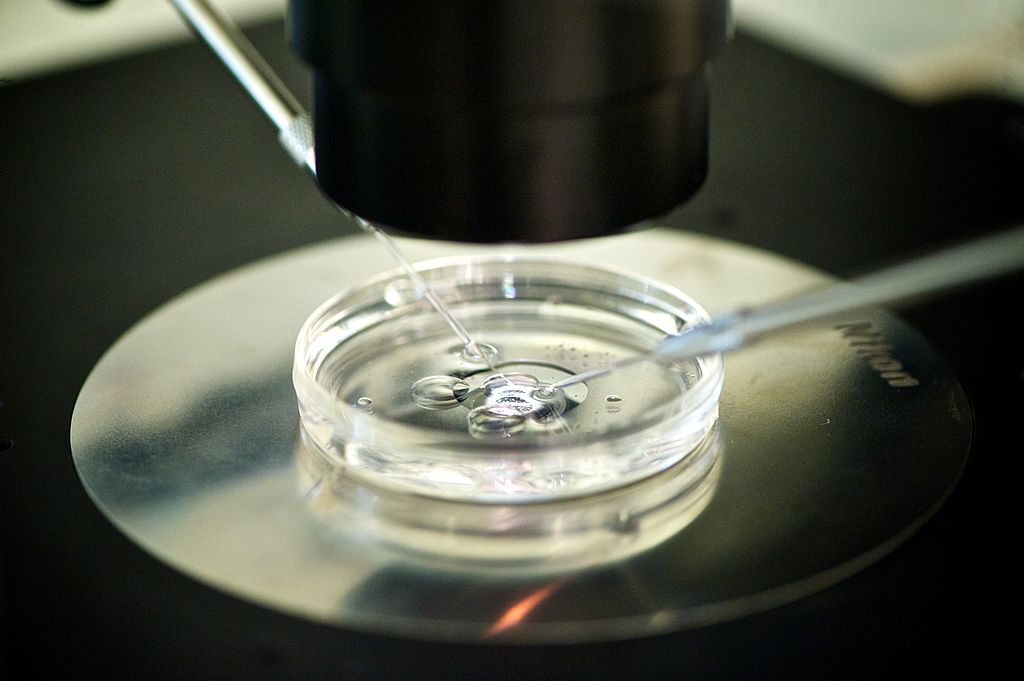
Editing the genomes of human embryos should be allowable to treat or prevent serious diseases and disabilities—but only amid stringent oversight and safety protocols and only if no reasonable alternatives exist—according to a report released Tuesday by the National Academy of Sciences and the National Academy of Medicine.
The endorsement, however cautious, is a reversal from some previous recommendations from experts and ethicists, who have considered making heritable alterations to humans unequivocally off-limits. Among other concerns about the idea is the fear that unscrupulous scientists could try to create “designer” or enhanced babies, with heightened intelligence, beauty, strength, etc.
The expert panel—22 of the world’s leading experts on genetics, bioethics, medicine, and law—is still completely opposed to such efforts. But amid new, powerful genome-editing tools, such as CRISPR/Cas9, the experts were forced to reconsider genome editing’s potential for good.
“Human genome editing holds tremendous promise for understanding, treating, or preventing many devastating genetic diseases, and for improving treatment of many other illnesses,” Alta Charo, co-chair of the panel and a professor of law and bioethics at the University of Wisconsin-Madison, said in a statement.
The panel of experts also took into consideration the reality that genome editing will occur around the world regardless of an endorsement. Therefore, the committee saw it as beneficial to put forth stringent guidelines for how to do it responsibly. (Currently in the US, genome editing in humans is not permitted—the Food and Drug Administration is barred from using federal funds to review “research in which a human embryo is intentionally created or modified to include a heritable genetic modification.”)
Read 2 remaining paragraphs | Comments
Source: Ars Technica – Genome-edited humans get green-light from expert panel