

Enlarge (credit: airplaneengine)
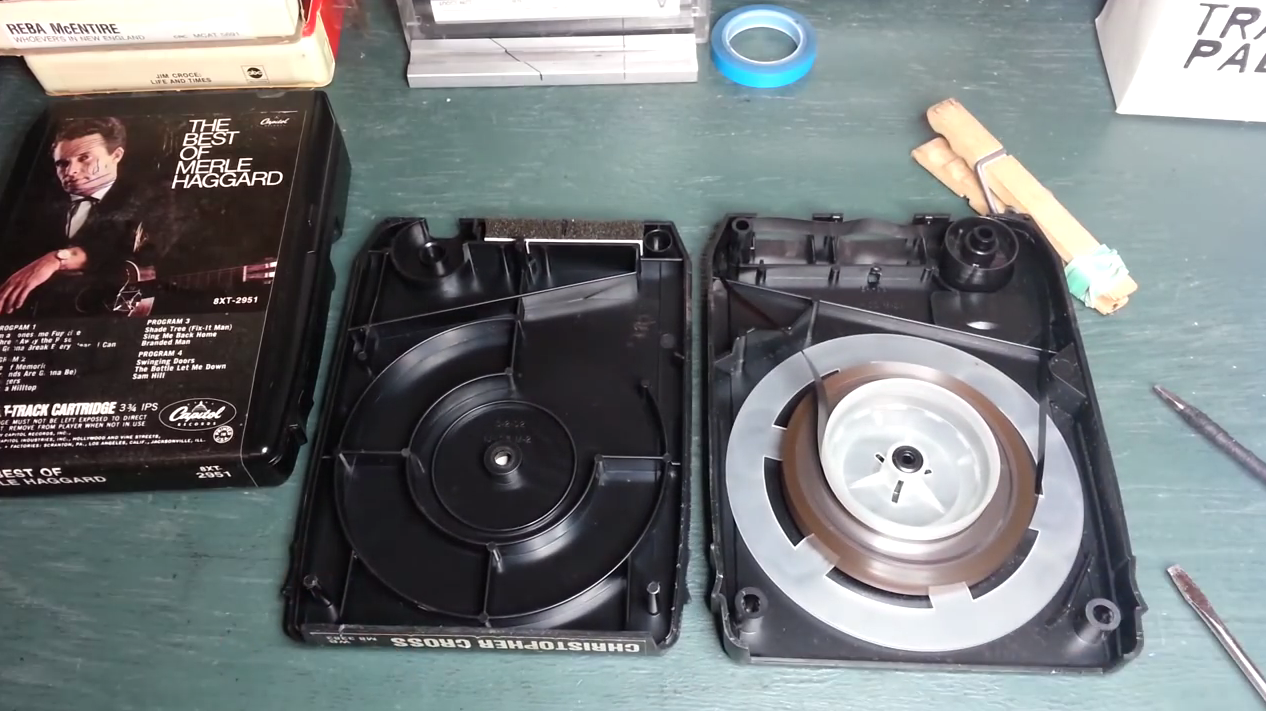
The 8-track cartridge, aka the Stereo 8, first appeared at trade shows in 1964, just 18 months after the cassette, and it did initially seem to have it all: it was comparatively small, portable, and had pretty good audio quality. And despite its roots in the Mad Men in-car market of the 1950s, it was seemingly future-proof, too, with a unique potential for quadraphonic sound (a potential later realised, in part). Within a few years various megastars were using it and it was swiftly installed in virtually every radio station in the western world—and, with rising domestic sales, it even had a massive ad campaign fronted by TV star Jimmie “Dy-no-mite!” Walker.
Yet within a few years of that expensive media blitz, the cartridge was dead in the water as far as the consumer market was concerned—and, by the mid-1990s, it was a rare antique even in broadcasting studios. What went wrong is easily explained with hindsight—though it seemed mysterious at the time.
To begin at the beginning, the 8-track was based on something refined by the one-and-only Earl “Madman” Muntz. Master Muntz was a businessman, engineer, and promoter who became famous—or, rather, infamous—in the US for his outrageous clothes, stunts, and TV appearances. He was quoted—and mocked—by many top celebs and comedians such as Bob Hope and Jack Benny. And Muntz loved publicity so much that during the height of McCarthyism—with people being sacked or deported merely for having communist friends—he seriously asked one of his advisers “do you think I’ll make the front pages again if I now join the Communist Party?”
Read 25 remaining paragraphs | Comments
Source: Ars Technica – Forgotten audio formats: 8-track tapes