

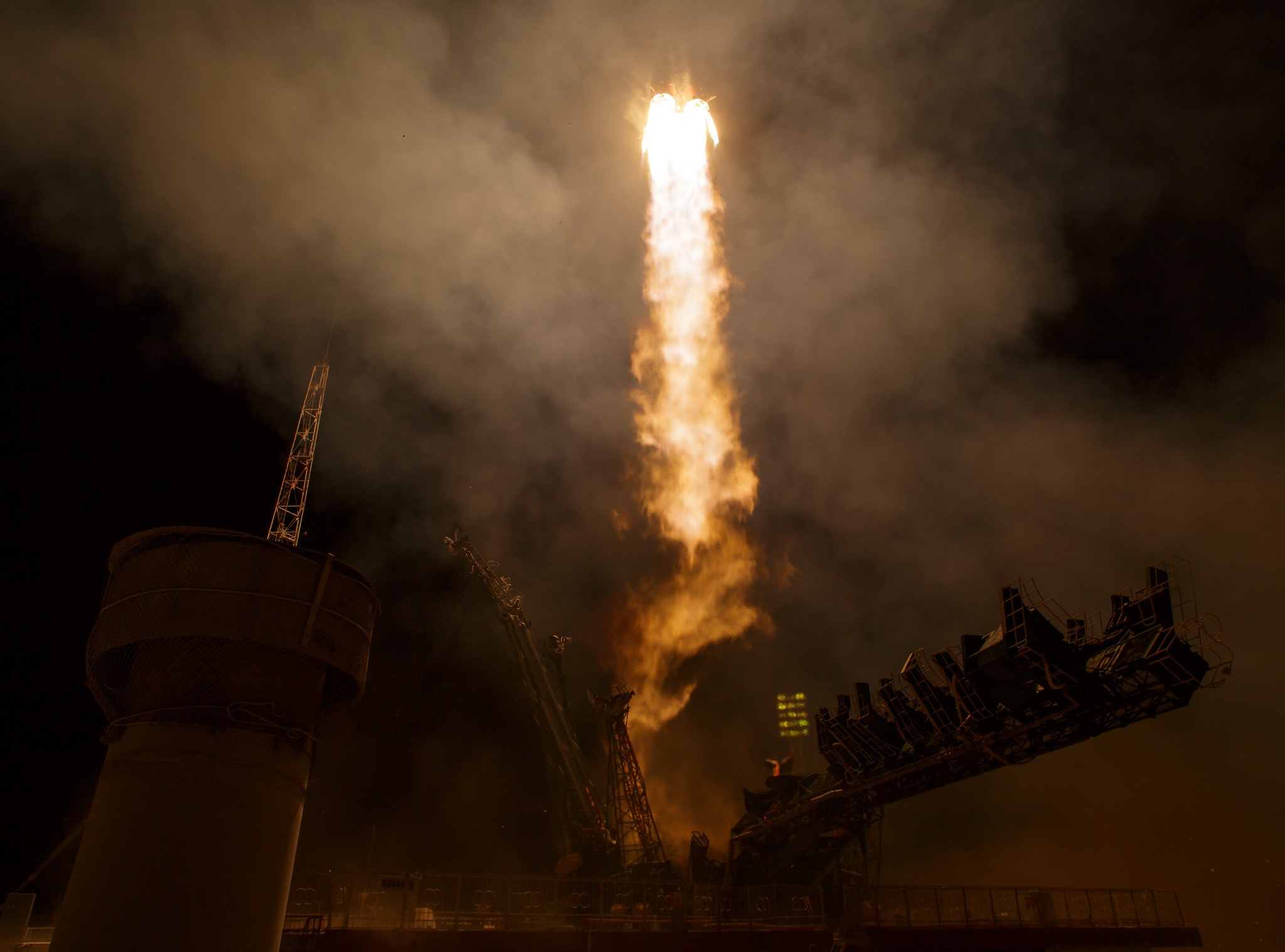
Enlarge / The Soyuz MS-03 spacecraft launches from the Baikonur Cosmodrome with NASA astronaut Peggy Whitson, Russian cosmonaut Oleg Novitskiy of Roscosmos, and ESA astronaut Thomas Pesquet on board in November. (credit: NASA/Bill Ingalls)
The new year finds NASA beset by uncertainty, especially with regard to its human spaceflight programs. Soon, the agency will be without its current leadership. Administrator Charlie Bolden has told his team he will leave office at noon on January 20, along with his boss, President Barack Obama. And as yet there is no clear direction for what comes next from the Trump administration and its space transition team, which remain locked in a struggle over the future direction of the agency.
It’s not a good time for uncertain leadership, as many of NASA’s human spaceflight initiatives face serious questions. As 2017 begins, recurring issues with the Russian Soyuz launch vehicle have left the agency unable to say when its next astronaut will go into space. Its much-anticipated private space taxis remain more than a year from flight. And questions remain about the viability of its big-ticket programs, the Space Launch System rocket and Orion spacecraft.
One should never count the space agency out, of course, as it works with a large number of aerospace contractors and has thousands of talented engineers and scientists at field centers. But as one former astronaut told Ars, “Human space flight has created the situation that it is waiting for leadership to make progress in significant ways. The big question is who will lead them out of this hole?”
Read 10 remaining paragraphs | Comments
Source: Ars Technica – For NASA’s human spaceflight programs a difficult year lies ahead