

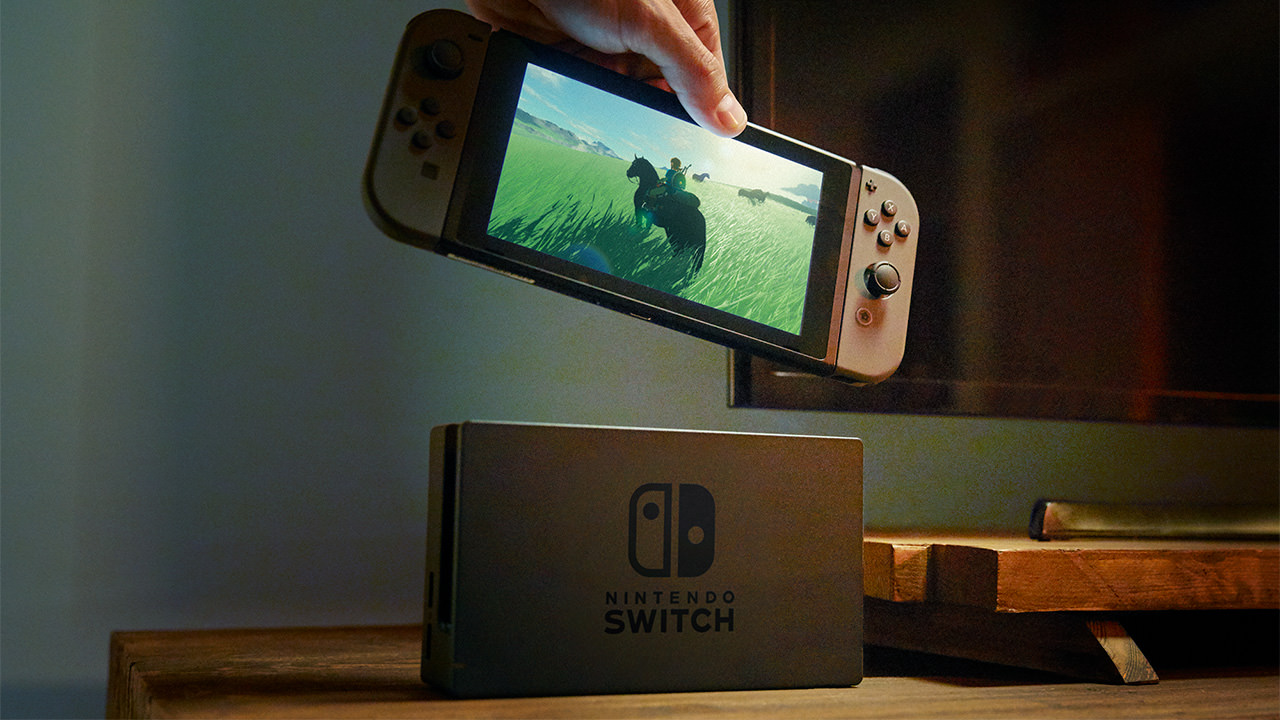
The Nintendo Switch—the hybrid portable games console/tablet due for release in March 2017—will be powered by Nvidia’s older Tegra X1 SoC and not its upcoming Tegra X2 “Parker” SoC as initially rumoured.
The use of Tegra X1, which also powers the Nvidia Shield Android TV, means the graphics hardware inside the Switch is based on Nvidia’s older second-generation Maxwell architecture, rather than the latest Pascal architecture. While the two architectures share a very similar design, the Switch will miss out on some of the smaller performance improvements made in Pascal. It’s not yet known whether the hardware in the Switch will be manufactured on the more power efficient 16nm process (as used by Pascal), or whether it will remain at 20nm.
That the Switch uses an older architecture may come as a disappointment to those hoping for Xbox One or PlayStation 4 power in a portable. But more telling than than the SoC itself is the clock speed it runs at. Multiple sources have confirmed to Digital Foundry that the Switch will run its GPU at two different clock speeds, depending on whether it’s docked or whether it’s being used as a portable—and the difference between the two is huge.
Read 6 remaining paragraphs | Comments
Source: Ars Technica – Nintendo Switch uses Nvidia Tegra X1 SoC, clock speeds outed