

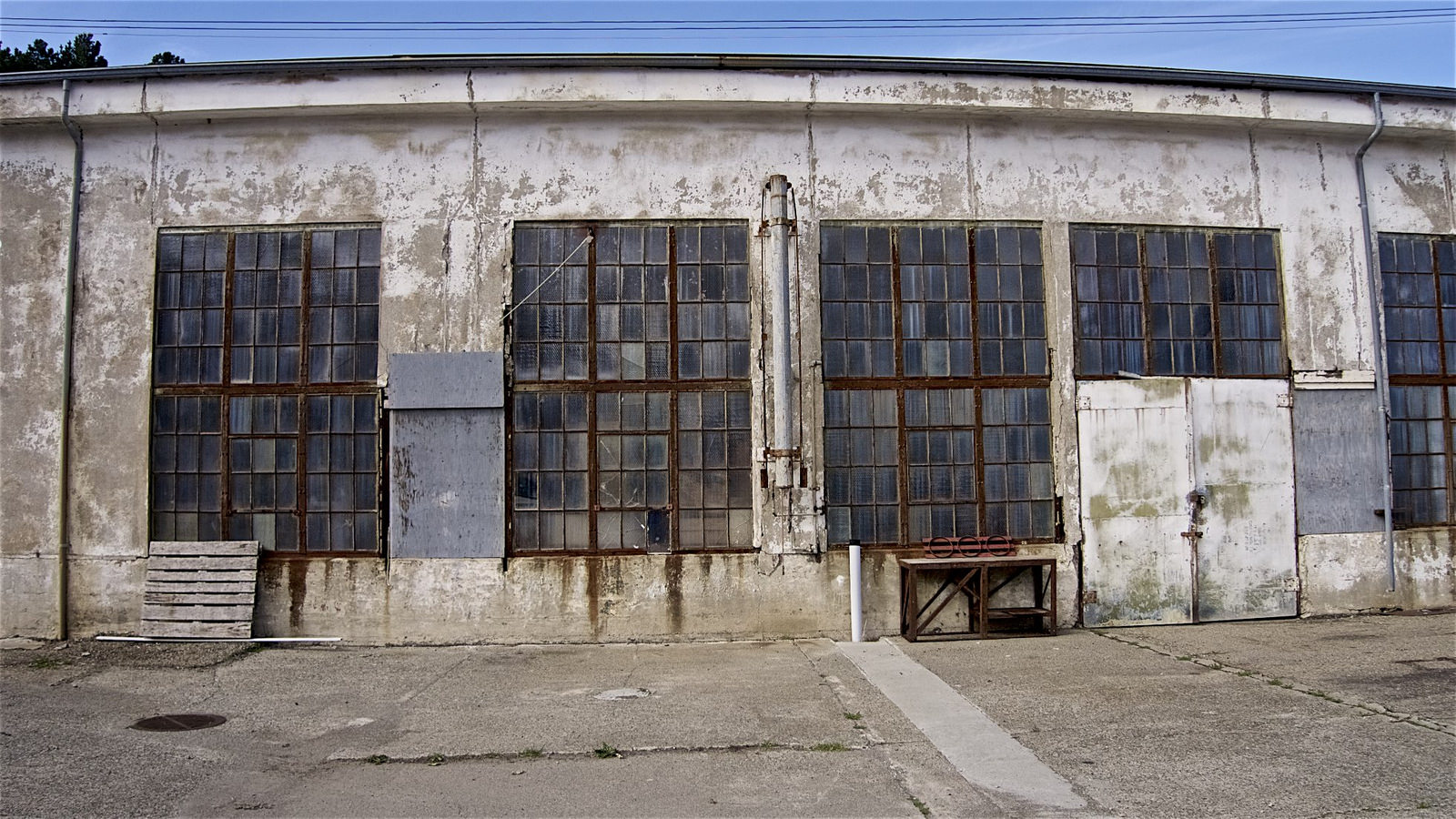
Over the truly long term, Earth’s climate has a geological thermostat built in that helps moderate change. If things get warmer, chemical weathering of exposed rock speeds up—a reaction that gradually removes carbon dioxide from the atmosphere. But on a timescale much more relevant to our lives, there is actually something sort of similar going on. Humanity’s aging concrete infrastructure is taking up CO2, too. It’s not a huge amount, but it’s not nothing.
The manufacturing of cement produces CO2 emissions. The raw material that goes into cement is principally limestone—calcium carbonate. At high temperature, molecules of CO2 escape, leaving just calcium oxide behind, which is what we call “lime.” So in addition to the burning of fossil fuels to heat the material, you’re converting some bedrock (the calcium carbonate) into atmospheric CO2.
But this process gets reversed as cement sits around and slowly deteriorates—the lime reacts with water and atmospheric CO2 to make calcium carbonate again. While researchers doing the accounting for global greenhouse gas emissions have worked carefully to track the CO2 produced by cement manufacturing (it kicks in about five percent of total fossil fuel and industry emissions) the reverse process has never really been tallied at a global scale.
Read 7 remaining paragraphs | Comments
Source: Ars Technica – The crumbling cement around you is soaking up carbon dioxide