

Enlarge (credit: Getty | Portland Press Herald )
Spermidine is a chemical that’s normally found in living tissues, where it influences a variety of biological processes. While it was recognized as important for these processes, it wasn’t necessarily considered especially interesting, since it was primarily known as a precursor to other chemicals. A recent study published in Nature Medicine, however, reveals that giving spermidine to mice significantly increases their lifespan while having a cardioprotective effect.
Spermidine is a long, straight carbon chain that incorporates three nitrogens (it belongs to a class of chemicals called polyamines). Previous work has shown that spermidine treatments could extend the lives of flies; it was hypothesized that this may be through increased recycling of cell material and regeneration of aging cells or perhaps by altering the energy metabolism of cells.
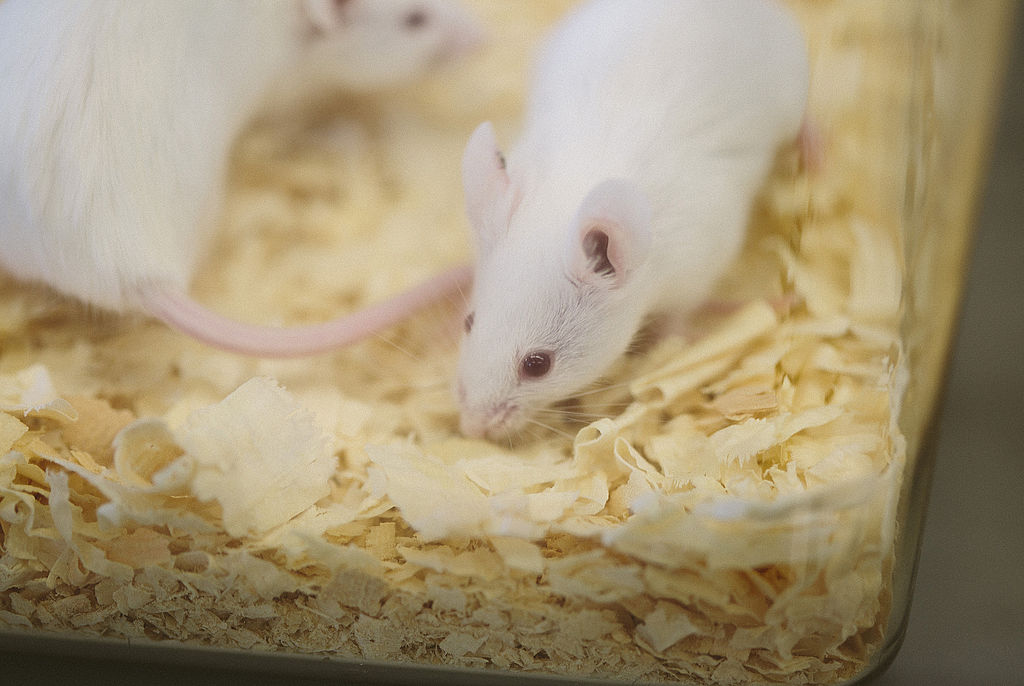
Similar studies hadn’t been done in mammals, so the researchers began their study by giving young mice oral supplements of spermidine. The mice that received the oral supplementation lived significantly longer than control mice. And the mice didn’t have to start when young. Administering the same oral supplements to older mice produced a significant 10 percent increase in lifespan.
Read 6 remaining paragraphs | Comments
Source: Ars Technica – Mouse lifespan, heart health extended by common chemical