

There’s a deceptively simple number at the heart of the science of climate change: the sensitivity of Earth’s climate system to an addition of greenhouse gas like CO2. This variable gets defined in technical terms on several different timescales, but it all boils down to how much global warming we’ll get if we increase CO2 by a given amount.
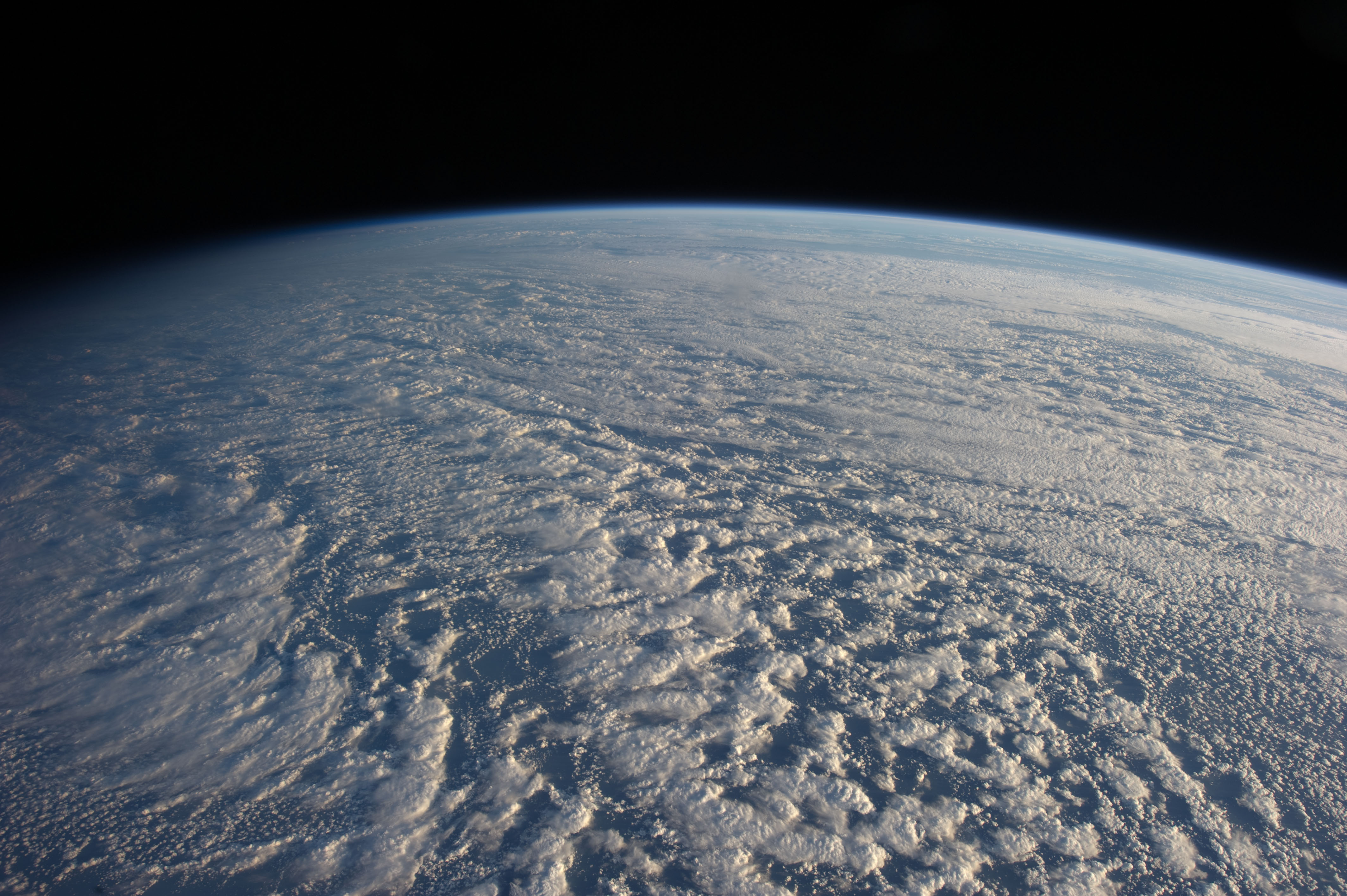
All kinds of complex interactions are contained within this number, including all the feedback loops that amplify or dampen the warming response. One of the harder feedbacks to pin down has been changes in clouds. As the world warms, more water vapor ends up in the atmosphere—and water vapor is an important greenhouse gas. But the bright, low clouds that water vapor can form reflect sunlight, shading and cooling the Earth.
It turns out the net result of increased water vapor enhances warming rather than limiting it. A new study by Lawrence Livermore National Laboratory’s Chen Zhou, Mark Zelinka, and Stephen Klein reveals an interesting interaction that makes this even more complicated. It’s not enough to figure out what clouds will do in general—there’s not some single number that you can get to stand in for clouds. Instead, there are spatial patterns to clouds’ effects, and they vary over time. This has some pretty interesting implications for understanding the last few decades and what’s coming in the future.
Read 11 remaining paragraphs | Comments
Source: Ars Technica – Recent pattern of cloud cover may have masked some global warming