

Enlarge / Road through Kamanaishi (credit: NOAA/NGDC, Patrick Fuller, IFRC.)
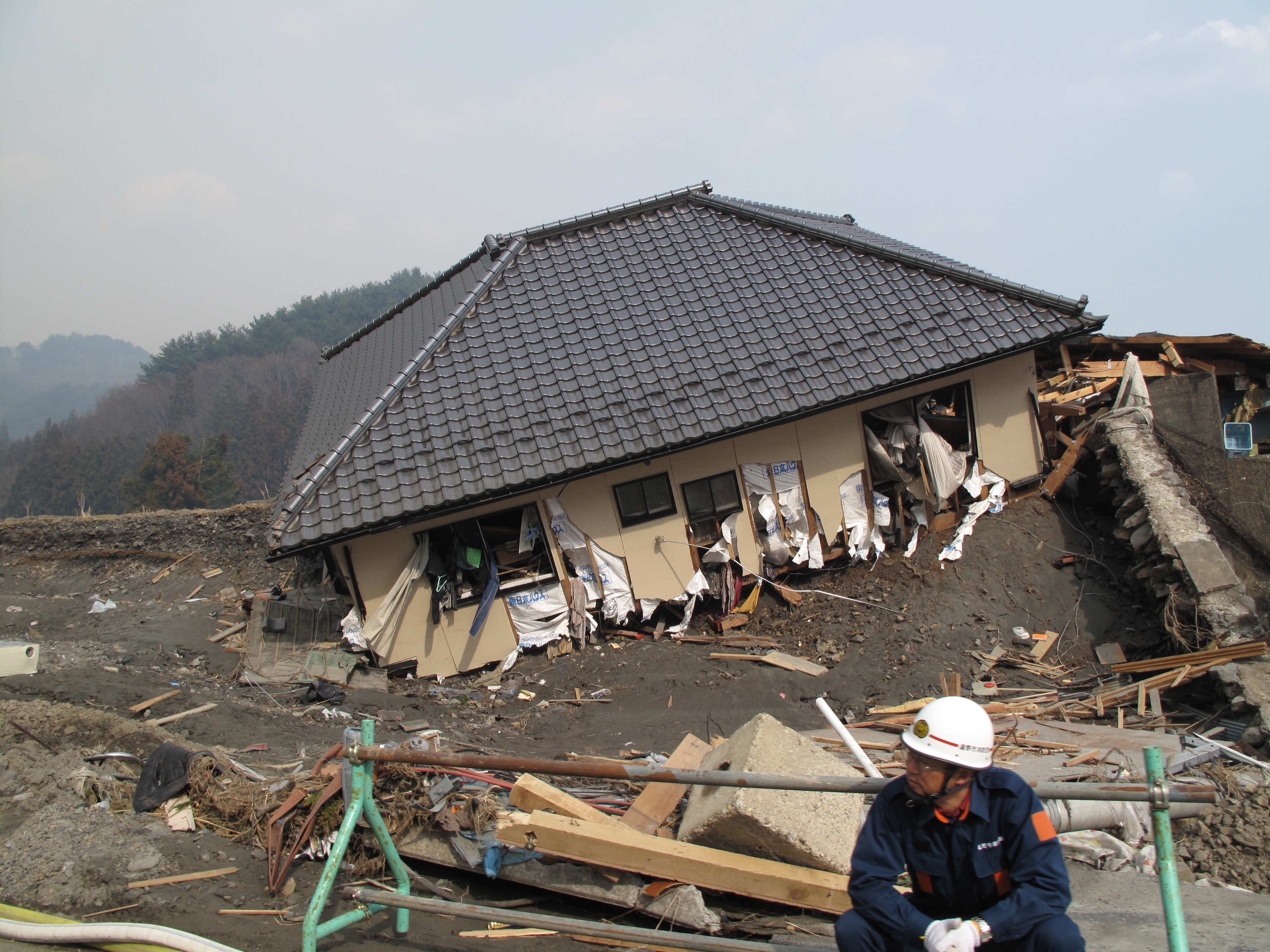
Recovery from a life-disrupting disaster presents challenges to everyone. But the elderly may struggle with difficulty in receiving appropriate medical care, isolation due to loss of social support networks, and trauma due to relocation after decades of having lived in the same place. Previous studies of natural disasters and seniors have not assessed how these challenges affect the elderly’s ability to function.
A recent paper published in PNAS showed that the degree to which housing was damaged due to the 2011 Great East Japan Earthquake and Tsunami was associated with a cognitive decline in survivors who were 65 years old or older. This study is the first to suggest that life-disrupting disaster events may hasten the onset of dementia in the elderly.
The 2011 Great East Japan Earthquake and Tsunami caused housing damage and loss that displaced an estimated 340,000 residents of Japan. This event presented a unique “natural experiment,” in which researchers had access to a discrete population that had been exposed to the natural disaster. Researchers studied 3,594 elderly survivors who had participated in the Japan Gerontological Evaluation Study from the city of Iwanuma, approximately 80 kilometers from the epicenter of the earthquake. The researchers examined their health status, health behaviors, social determinants of healthy aging, and the dementia symptoms.
Read 7 remaining paragraphs | Comments
Source: Ars Technica – After natural disasters, elderly survivors show cognitive decline