

Enlarge (credit: Wikimedia Commons)
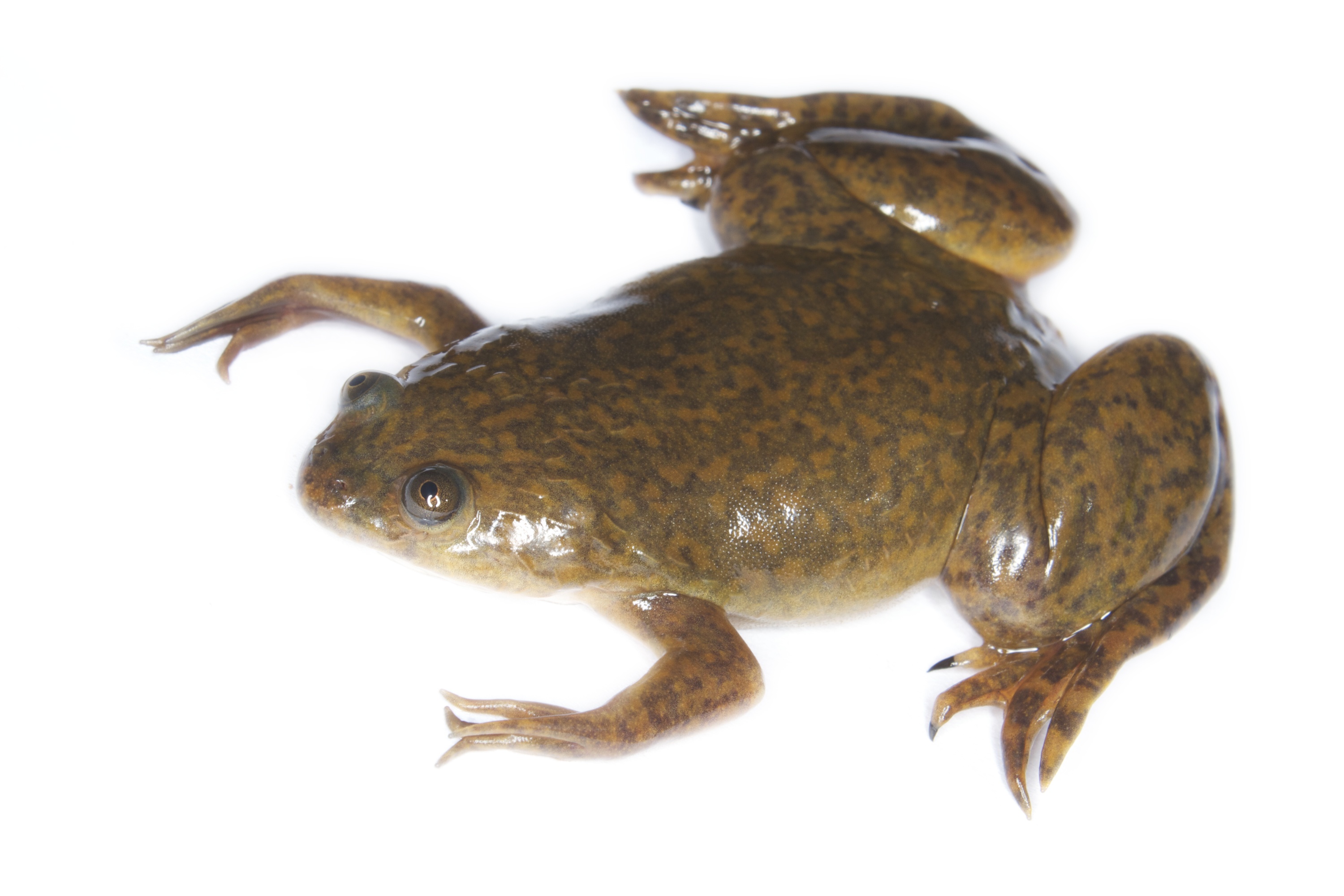

Most of the complex organisms we see around us have equally complex genomes with lots of large gene families that allow them to finely tune the regulation of things like development and metabolism. While some of these extra copies of genes became available when an individual gene got duplicated, a lot of this genetic complexity seems to have arisen when the entire genome was duplicated. In other words, an organism can end up with four sets of every chromosome rather than just one each from mom and dad.
While these copies start out looking extremely similar, evolutionary changes allow individual genes to take on specialized roles or to end up active at different times and locations. This specialization can enable evolutionary novelty—more distinct cell types, more elaborate development, and so on.
It’s estimated that the lineage that led to us vertebrates experienced two separate whole-genome duplications, giving us four sets of some critical developmental genes. The lineage that led to most fish seems to have undergone yet another one since. But all of those events took place in the distant past, leaving lots of questions about how evolution proceeds when there’s extra copies of everything. Now, in order to answer some of those questions, researchers have sequenced the genome of a frog with four sets of chromosomes.
Read 12 remaining paragraphs | Comments
Source: Ars Technica – What happens when you end up with an extra genome?