
Skip to primary content

Prime-WoW

My site, my way, no big company can change this

Prime-WoW

Main menu

  • Home
  • Discord
  • Forums
  • Games
    • 7DtD
      • 7DtD Map
      • 7DtD Official Forums
      • 7DtD Wiki
    • Minecraft
      • Survival Map
      • Vanilla Map
      • FTB Map
      • FTB Wiki
      • Download FTB Client
    • NWN
      • NWN Wiki
      • NWN Lexicon
      • NWN Vault
      • NWNX
      • NWN Info
      • Rhun Guide
    • Terraria
      • Terraria Map
    • WoW
      • Prime-WoW Site
      • WoW Armory
  • Unfiltered RSS
    • Bikes
    • Games
      • Kotaku
      • PS4 News
      • VR
    • Nature
      • TreeHugger
      • Survival
    • Technology
      • Hardware
        • Hot Hardware
      • Linux
        • Linux Today
        • LWN.net
        • LXer
        • Phoronix
        • RPi
      • LifeHacker
      • Akihabara News
      • AnandTech
      • Ars Technica
      • Engadget
      • Gear & Gadgets
      • Geekologie
      • Gizmodo
      • [H]ardOCP
      • io9
      • Slashdot
      • TG Daily

Post navigation

← Previous Next →

When confronted with extreme opinions, extremists become more centrist

Posted on October 17, 2016 by Xordac Prime

Enlarge (credit: Janne Moren)
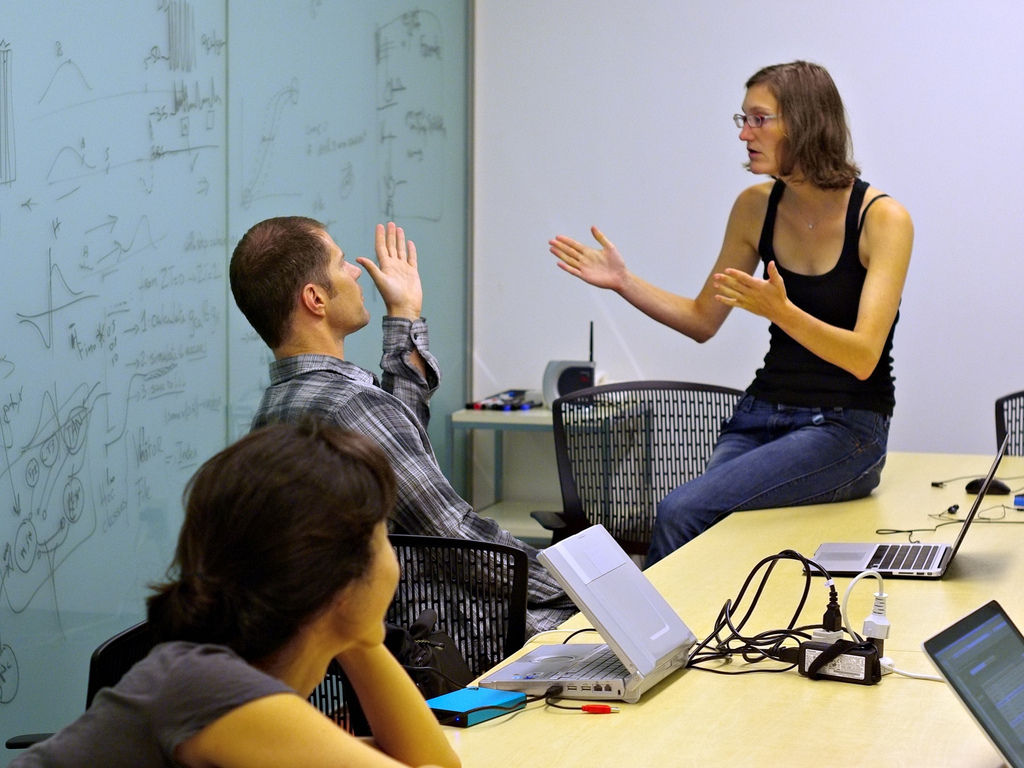
When societies are involved in long-term, intractable conflicts, individuals tend to develop highly polarized views about how to resolve them, which can make it even harder to reach agreements. But it’s possible that making things seem worse could make them a bit better.

A recent study published in PNAS showed that when people who hold extreme opinions are exposed to even more extreme opinions, they tend to moderate their views. Unfortunately, exposing moderates to these same intervention messages makes them more extreme in their opinions, so this technique may be a double-edged sword.

The authors of the study examined attitudes of people living in a conflict-ridden region of Israel. The Israeli conflict has been going on for decades, and individuals’ opinions on it are closely tied to their political beliefs and level of religiosity. The authors attempted to use a model called “paradoxical thinking” to change people’s perspectives on this deeply entrenched conflict.

Read 10 remaining paragraphs | Comments


Source: Ars Technica – When confronted with extreme opinions, extremists become more centrist

This entry was posted in Ars Technica, Unfiltered RSS and tagged Ars Technica by Xordac Prime. Bookmark the permalink.
Proudly powered by WordPress