

Enlarge (credit: USFS Gila National Forest)
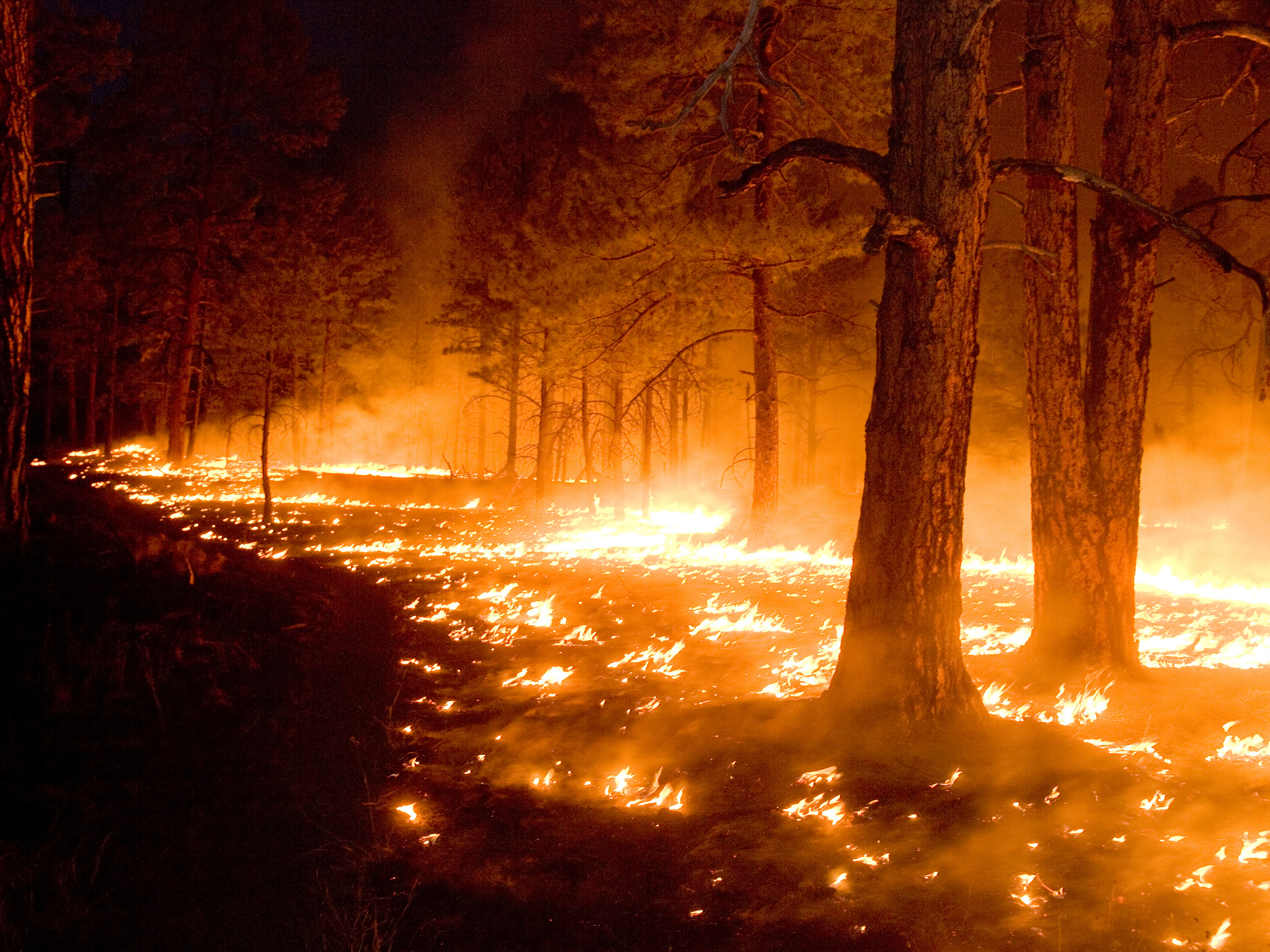
Wildfires in the American West can make for apocalyptic images, but they’re also routine, as the heat of the dry season can turn large areas of forest into fires-in-waiting. One lightning strike—or one careless human—can set off a blaze that consumes tens of thousands of acres.
Several factors contribute to the extent of these wildfires. We’ve made efforts to put them out as soon as possible—it’s well intentioned and sometimes necessary to protect ever-expanding human communities. But in many places, putting out the fires has disrupted a natural process of forest housekeeping. With small bits of fuel allowed to accumulate on the forest floor for longer, fires become less frequent but much more intense.
Climate also plays a role. Year-to-year variability leaves some summers noticeably drier and hotter than others. And then there’s climate change. What can we say about its influence on fires in the West?
Read 9 remaining paragraphs | Comments
Source: Ars Technica – Huge area of US West burned due to warming climate