
Skip to primary content

Prime-WoW

My site, my way, no big company can change this

Prime-WoW

Main menu

  • Home
  • Discord
  • Forums
  • Games
    • 7DtD
      • 7DtD Map
      • 7DtD Official Forums
      • 7DtD Wiki
    • Minecraft
      • Survival Map
      • Vanilla Map
      • FTB Map
      • FTB Wiki
      • Download FTB Client
    • NWN
      • NWN Wiki
      • NWN Lexicon
      • NWN Vault
      • NWNX
      • NWN Info
      • Rhun Guide
    • Terraria
      • Terraria Map
    • WoW
      • Prime-WoW Site
      • WoW Armory
  • Unfiltered RSS
    • Bikes
    • Games
      • Kotaku
      • PS4 News
      • VR
    • Nature
      • TreeHugger
      • Survival
    • Technology
      • Hardware
        • Hot Hardware
      • Linux
        • Linux Today
        • LWN.net
        • LXer
        • Phoronix
        • RPi
      • LifeHacker
      • Akihabara News
      • AnandTech
      • Ars Technica
      • Engadget
      • Gear & Gadgets
      • Geekologie
      • Gizmodo
      • [H]ardOCP
      • io9
      • Slashdot
      • TG Daily

Post navigation

← Previous Next →

Pompeii victim had spinal tuberculosis when he died

Posted on May 27, 2022 by Xordac Prime
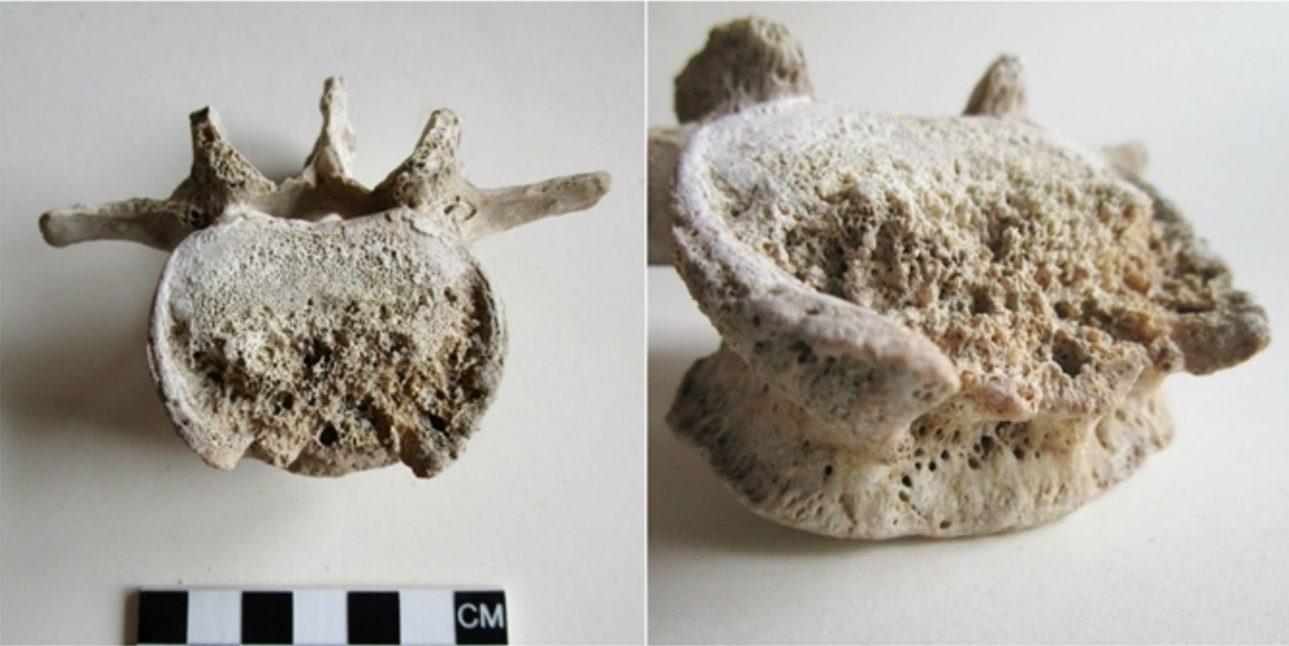
This is not what a healthy lumbar vertebra is supposed to look like.

Enlarge / This is not what a healthy lumbar vertebra is supposed to look like. (credit: Scorrano et al. 2022)
The eruption of Mount Vesuvius buried the Roman city of Pompeii in ash in 79 CE. Anthropologists recently sequenced ancient DNA from one of the victims, a man in his late 30s, providing a glimpse into the family background of a Roman citizen.

The results also suggest that he suffered from a tuberculosis infection in his lower spine. In one of the victim’s vertebrae, the study found DNA from the bacterium that causes tuberculosis, suggesting that the infection had traveled through the bloodstream from his lungs to his lower spine.

Pompeii man was Italian

A team led by anthropologist Gabriele Scorrano of the University of Rome sequenced the genome of the victim, which revealed, unsurprisingly, that man was of central Italian descent. Although the ancient man’s genome didn’t yield much new information about life in Pompeii, it proves that bones from Pompeii may still contain enough DNA to sequence—and that could be exciting news.

Read 14 remaining paragraphs | Comments


Source: Ars Technica – Pompeii victim had spinal tuberculosis when he died

This entry was posted in Ars Technica, Unfiltered RSS and tagged Ars Technica by Xordac Prime. Bookmark the permalink.
Proudly powered by WordPress