

Enlarge / K-219 on the surface, missile tubes open after an explosion caused by leaking fuel threatened to cause a nuclear disaster. Three days after the fire, the ship sank in 18,000 feet of water. (credit: US Navy)
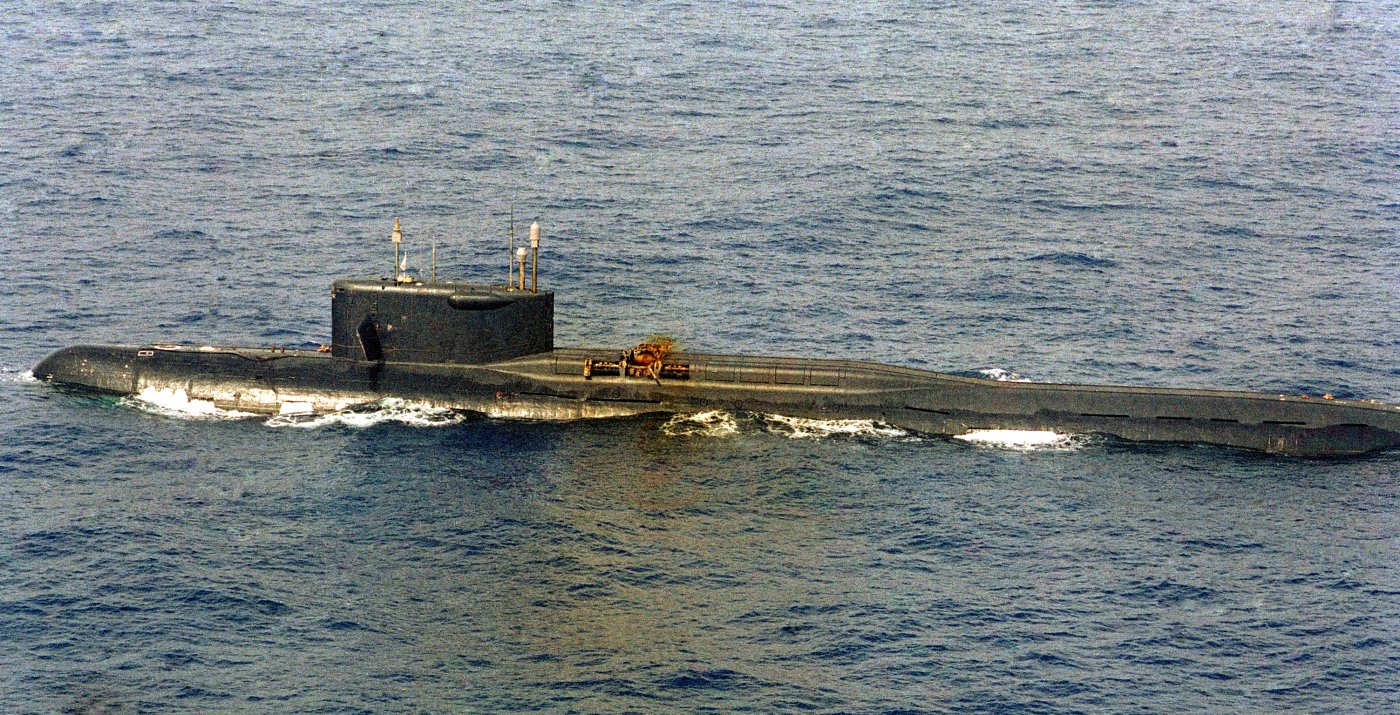
Thirty years ago, on October 4, 1986, a Soviet ballistic missile submarine of the 667-project class (NATO designator Yankee) caught fire while on patrol north of Bermuda, just a few hundred miles off the Eastern Seaboard of the United States. With 30 nuclear warheads aboard as well as a nuclear reactor, there were fears that the sub (the K-219) would cause a Chernobyl-style nuclear accident in close proximity to the US. Naturally, this all happened just days before a scheduled summit between Secretary General Mikhail Gorbachev and President Ronald Reagan.
But with Chernobyl only six months behind them, Gorbachev and the Soviet leadership opted for something no one might have expected—transparency. A translated document of the minutes of the Politburo published by the National Security Archives today shows Gorbachev ordered the immediate notification of the US and the International Atomic Energy Agency about the accident. As the rescue attempt was mounted, the Russian leader also called for a public release acknowledging what happened by the TASS news service.
The accident aboard K-219—which would later be made into a BBC TV movie starring Rutger Hauer as the doomed sub’s captain and Martin Sheen as the captain of a nearby American sub—did not trigger a nuclear disaster largely due to the work of the sub crew. One sailor, Seaman Sergei Preminin, died after successfully shutting down the reactor, but the rest of the crew safely evacuated. The captain, Submarine Commander Captain Second rank Igor Britanov, stayed with the sub and a tow crew, but he was ordered off the sub after a tow line broke and the submarine began to sink. On October 6, it went down, surpassing its crush depth in waters over 18,000 feet deep in the North Atlantic.
Read 4 remaining paragraphs | Comments
Source: Ars Technica – How Soviet transparency(!) defused tensions during a near-Chernobyl at sea